Comfortable Car Seat Covers
Upgrade your driving experience with comfortable car seat covers designed to enhance every journey. Whether you're commuting to work, embarking on a road trip, or simply running errands, these seat covers add an extra layer of coziness and style to your vehicle's interior. Browse a wide selection of options that help keep your seats looking fresh while making every ride more enjoyable. Find the perfect fit for your car and enjoy comfort mile after mile with comfortable car seat covers.
Sort

Why seat cover comfort depends on more than padding
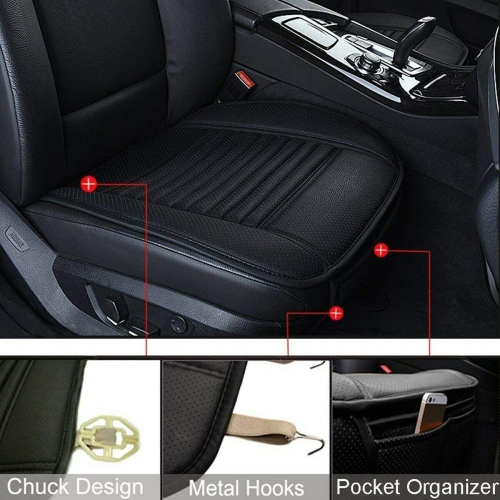
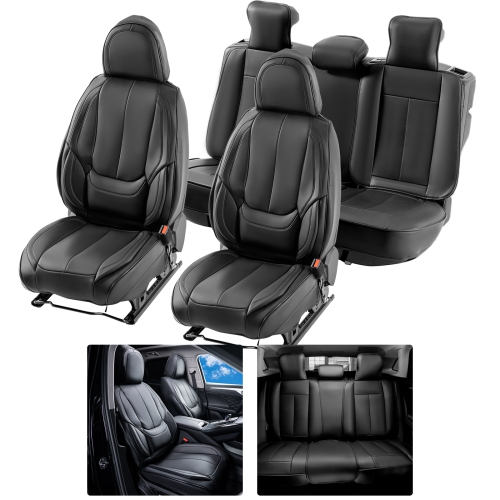
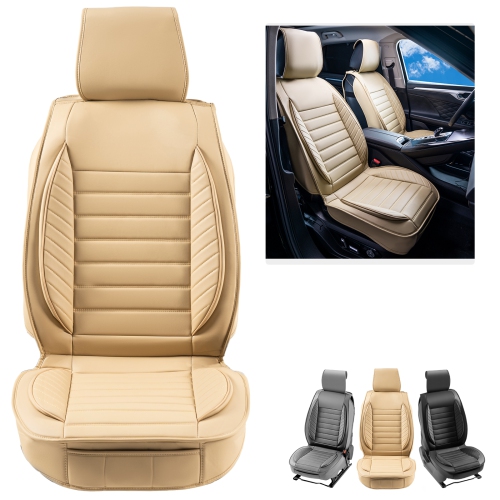
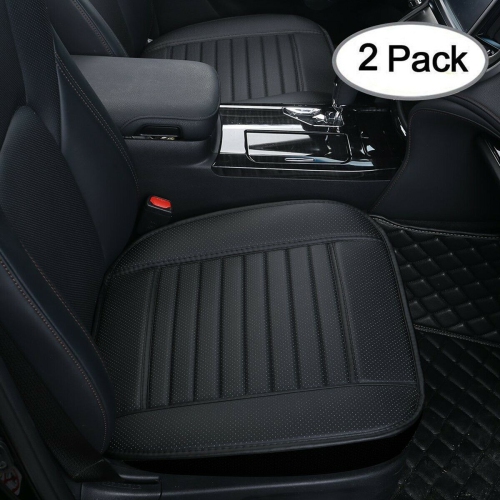
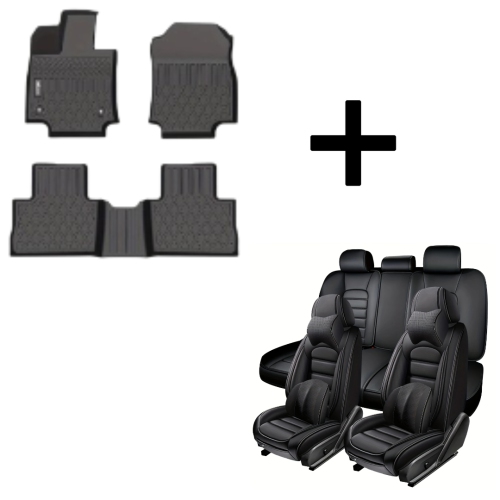
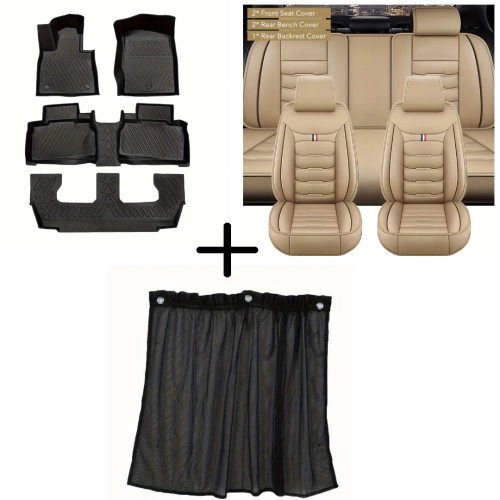
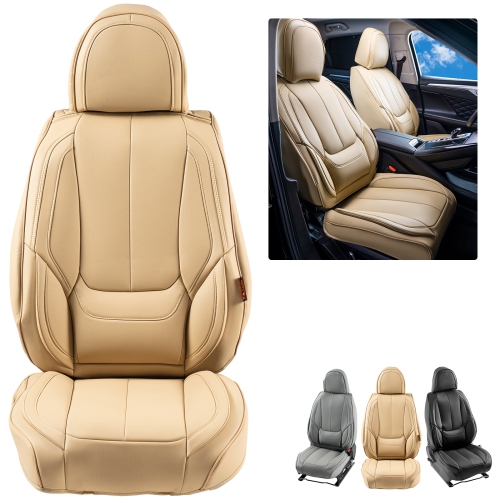
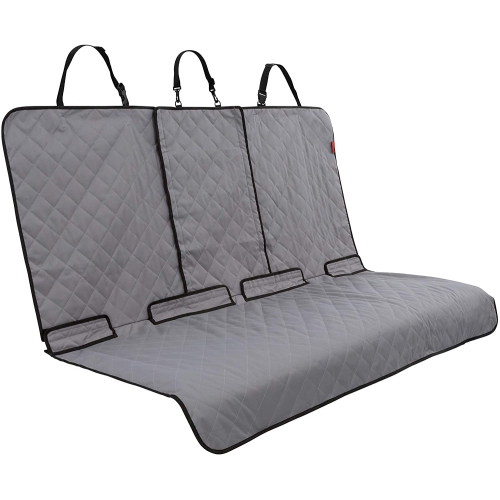
Comfortable car seat covers add a softer contact surface to vehicle seats while helping protect the original upholstery from everyday wear. Their comfort depends on the combination of fabric, padding, and fit: a plush cover that shifts beneath the driver can be less pleasant than a thinner one that stays neatly in place. For daily commuting, school drop-offs, and longer road trips, useful features include a smooth seating surface, unobtrusive seams, and cushioning that does not crowd the seat’s existing contours. Memory foam can offer a gently conforming feel, while firmer foam padding may suit someone who prefers a less pillowy seat. More padding is not automatically better, especially when it changes the driver’s seated height or makes the seat feel too narrow around the hips. Breathable mesh panels allow airflow through the cover’s surface, and soft woven fabrics provide a familiar, upholstery-like texture. Stretch-knit sections can help a cover follow curved seatbacks without leaving loose folds behind the shoulders. Faux leather offers a smooth finish that is often easy to wipe clean, although its feel and care requirements vary by construction. Genuine sheepskin has a dense, soft pile, but its bulk and cleaning needs deserve attention before choosing it for a frequently used vehicle. Texture matters as much as appearance: raised stitching, pronounced quilting, or thick piping may be noticeable through clothing on a long drive. Someone who spends hours travelling between appointments may value an even, lightly cushioned surface, while a household vehicle may benefit from washable fabric that stands up to crumbs and repeated use. Neutral colours can blend with the cabin, and contrasting panels can give worn upholstery a more finished look. These covers are intended for vehicle seats, rather than child safety seats, and their purpose is added surface comfort and upholstery protection—not correcting driving posture or treating back pain. The best match preserves the useful shape and adjustments of the seat underneath.
Fit is especially important because vehicle seats differ in ways that are not obvious from a photograph. A cover described as universal fit is designed for a range of seats, not every seating layout, so compatibility with the vehicle’s year, make, model, and trim still matters. Front bucket seats may have pronounced side bolsters, integrated head restraints, fold-down armrests, or controls along the lower edge. Rear benches can include split-folding sections, centre armrests, and several different head restraint arrangements. A well-matched cover accommodates those details without pulling tight across openings or leaving fabric gathered where passengers sit. Separate sections for a split rear bench can preserve access to cargo space when one seatback is folded, while properly positioned openings keep buckles accessible. For a driver who regularly adjusts the seat between trips, the cover should leave adjustment levers and switches easy to reach. Installation also affects comfort: straps, hooks, and tucked-in anchors need to follow the cover manufacturer’s directions rather than being attached to wiring, moving seat mechanisms, or other unsuitable points. A secure backing may help limit sliding, but it does not replace correct attachment. For simpler fastening arrangements, Easy Install Car Seat Covers brings attention to another practical part of choosing a cover. Safety compatibility remains essential regardless of how straightforward installation appears. Some vehicles have airbags built into the seatbacks, and a cover must be explicitly suitable for the relevant seat and airbag configuration; a generic airbag-compatible claim is not enough to establish a match. Vehicle manufacturer guidance should also be checked for restrictions involving covers, passenger detection sensors, and built-in seat functions. Covers must not obstruct seat belts, child-seat anchors, or head restraint adjustment. Where a child restraint will sit on a covered vehicle seat, both the vehicle and child restraint manufacturers’ instructions should permit that arrangement. After fitting, the cover should stay smooth through ordinary entry, exit, and seat adjustment without interfering with any of these features.
Care and durability determine whether that comfortable feel lasts beyond the first few drives. The driver’s outer seat edge often receives the most friction as someone slides in and out, making reinforced seams and securely finished edges useful details. Closely woven fabric can resist snagging, while a removable, washable cover may be practical for a vehicle shared by children, pets, or passengers carrying snacks. Machine washing should never be assumed: some covers need spot cleaning, some have removable inserts, and others require a specific wash cycle or drying method. Foam layers may take longer to dry than the outer fabric, so a freshly cleaned cover should be fully dry before it goes back onto the seat. Faux leather generally calls for gentle wiping with an approved cleaner rather than abrasive scrubbing, and textured stitching may need extra attention where dust and crumbs collect. A small vacuum attachment can help clean seams without repeatedly removing the cover. Water-resistant surfaces can make minor spills easier to manage, but resistance is not the same as a fully waterproof barrier, particularly around seams and openings. Prompt cleanup still helps protect both the cover and the upholstery beneath it. For frequent passengers, rear-seat comfort also depends on keeping fabric clear of buckle receivers and avoiding bunching between seating positions. Pet owners may prefer a surface that releases hair easily, while people who transport work bags or sports equipment may prioritize abrasion resistance alongside softness. It is worth considering how often the covers will be removed, since complicated fastenings can make routine cleaning more of a chore. A set can be a thoughtful gift for a frequent commuter or someone refreshing a well-used vehicle, provided the exact seat configuration and the recipient’s preferred texture are known. Over time, checking for loose straps, flattened padding, worn seams, and shifting fabric helps keep the seating surface tidy and comfortable. A carefully matched cover should make everyday journeys more pleasant without making the vehicle harder to use.
Fit is especially important because vehicle seats differ in ways that are not obvious from a photograph. A cover described as universal fit is designed for a range of seats, not every seating layout, so compatibility with the vehicle’s year, make, model, and trim still matters. Front bucket seats may have pronounced side bolsters, integrated head restraints, fold-down armrests, or controls along the lower edge. Rear benches can include split-folding sections, centre armrests, and several different head restraint arrangements. A well-matched cover accommodates those details without pulling tight across openings or leaving fabric gathered where passengers sit. Separate sections for a split rear bench can preserve access to cargo space when one seatback is folded, while properly positioned openings keep buckles accessible. For a driver who regularly adjusts the seat between trips, the cover should leave adjustment levers and switches easy to reach. Installation also affects comfort: straps, hooks, and tucked-in anchors need to follow the cover manufacturer’s directions rather than being attached to wiring, moving seat mechanisms, or other unsuitable points. A secure backing may help limit sliding, but it does not replace correct attachment. For simpler fastening arrangements, Easy Install Car Seat Covers brings attention to another practical part of choosing a cover. Safety compatibility remains essential regardless of how straightforward installation appears. Some vehicles have airbags built into the seatbacks, and a cover must be explicitly suitable for the relevant seat and airbag configuration; a generic airbag-compatible claim is not enough to establish a match. Vehicle manufacturer guidance should also be checked for restrictions involving covers, passenger detection sensors, and built-in seat functions. Covers must not obstruct seat belts, child-seat anchors, or head restraint adjustment. Where a child restraint will sit on a covered vehicle seat, both the vehicle and child restraint manufacturers’ instructions should permit that arrangement. After fitting, the cover should stay smooth through ordinary entry, exit, and seat adjustment without interfering with any of these features.
Care and durability determine whether that comfortable feel lasts beyond the first few drives. The driver’s outer seat edge often receives the most friction as someone slides in and out, making reinforced seams and securely finished edges useful details. Closely woven fabric can resist snagging, while a removable, washable cover may be practical for a vehicle shared by children, pets, or passengers carrying snacks. Machine washing should never be assumed: some covers need spot cleaning, some have removable inserts, and others require a specific wash cycle or drying method. Foam layers may take longer to dry than the outer fabric, so a freshly cleaned cover should be fully dry before it goes back onto the seat. Faux leather generally calls for gentle wiping with an approved cleaner rather than abrasive scrubbing, and textured stitching may need extra attention where dust and crumbs collect. A small vacuum attachment can help clean seams without repeatedly removing the cover. Water-resistant surfaces can make minor spills easier to manage, but resistance is not the same as a fully waterproof barrier, particularly around seams and openings. Prompt cleanup still helps protect both the cover and the upholstery beneath it. For frequent passengers, rear-seat comfort also depends on keeping fabric clear of buckle receivers and avoiding bunching between seating positions. Pet owners may prefer a surface that releases hair easily, while people who transport work bags or sports equipment may prioritize abrasion resistance alongside softness. It is worth considering how often the covers will be removed, since complicated fastenings can make routine cleaning more of a chore. A set can be a thoughtful gift for a frequent commuter or someone refreshing a well-used vehicle, provided the exact seat configuration and the recipient’s preferred texture are known. Over time, checking for loose straps, flattened padding, worn seams, and shifting fabric helps keep the seating surface tidy and comfortable. A carefully matched cover should make everyday journeys more pleasant without making the vehicle harder to use.
Top selling and popular products
-
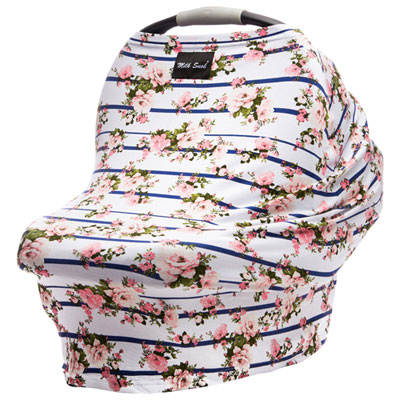 Your price for this item is $49.99
 -
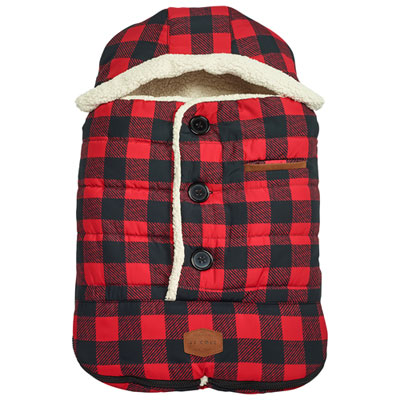 Your price for this item is $79.99
 -
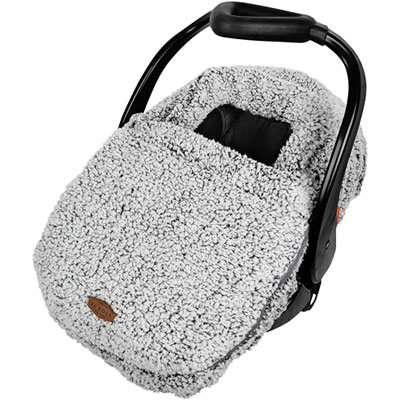 Your price for this item is $39.99
 -
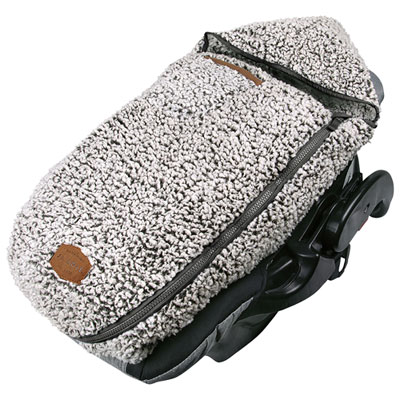 Your price for this item is $64.99
 -
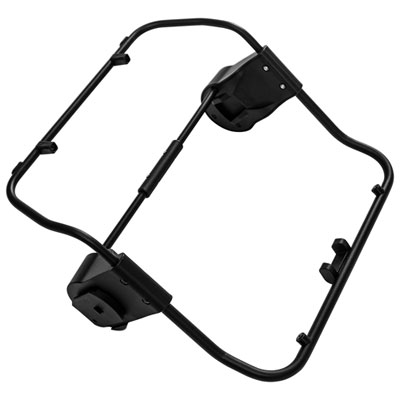 Your price for this item is $109.99
 -
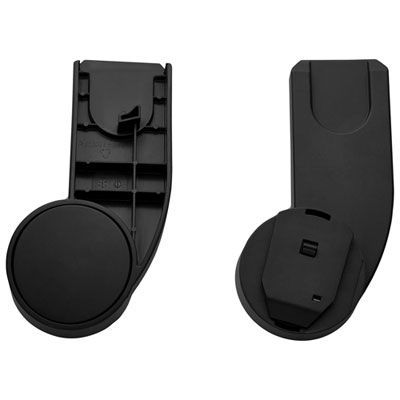 Your price for this item is $79.99
 -
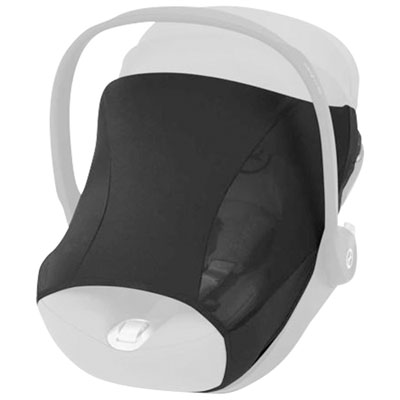 Your price for this item is $49.99
 -
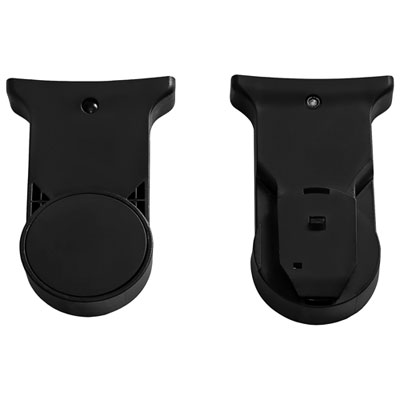 Your price for this item is $79.99
Discover more categories related to Comfortable Car Seat Covers
Top Collections:
Pokemon Centers, Kindle Devices, Best Budget Office Chairs, Apple iPhones 16, Best Laptops for Writers, iPhone 15 Apple, Canon G7X Cameras, Refurbished Apple Laptops, Alarm Clock, Motorola Razr Phones
Some products may be subject to Environmental Handling Fees
(EHF) depending on your province.
Learn more about EHFs.