Compact Folding Strollers
A compact folding stroller is a great option for parents who want to be able to take their child on adventures, but don't have a lot of room in their car or apartment. These strollers are compact enough to fit in most overhead compartments and they're easy to fold up and store when you're not using them. Here are some of our favorites.
Sort
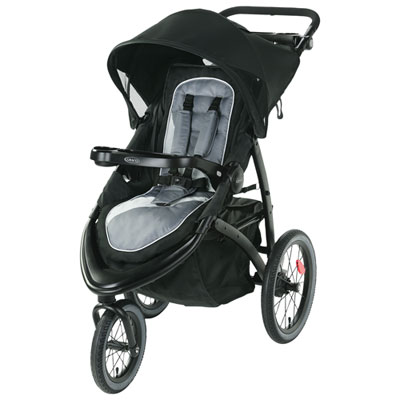
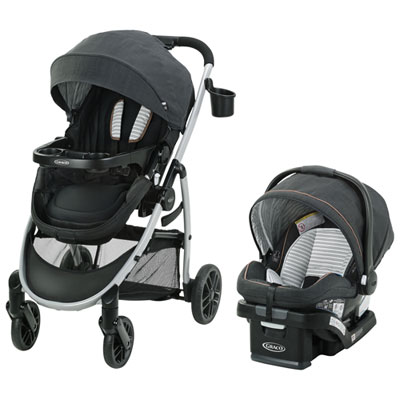
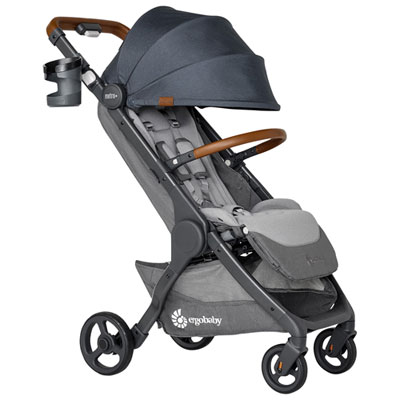
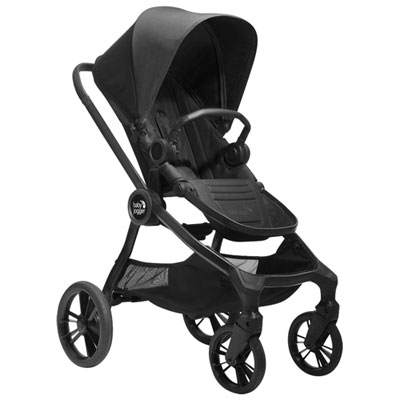
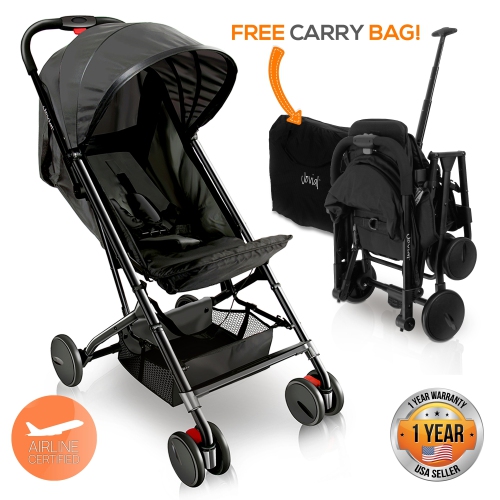


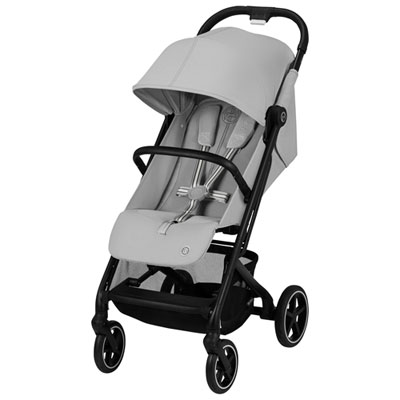
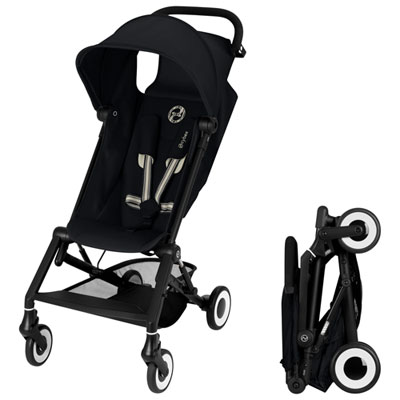
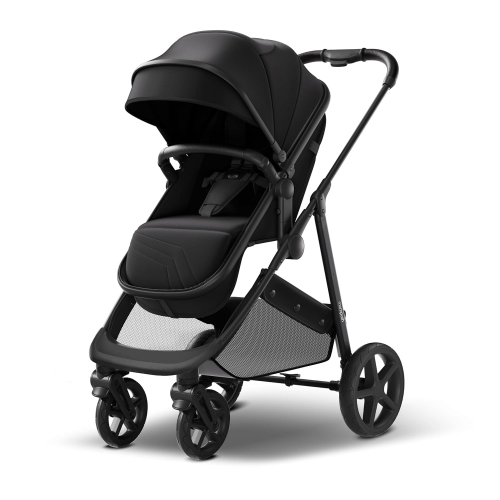
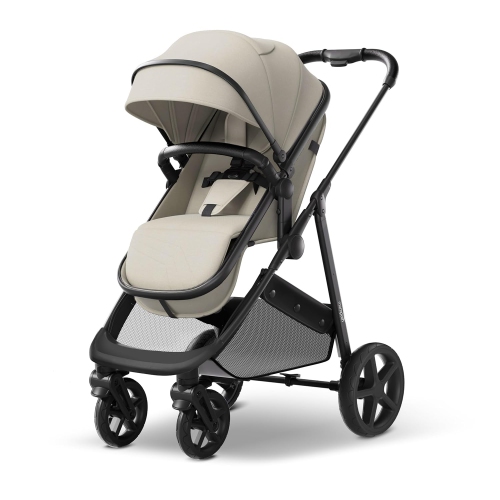
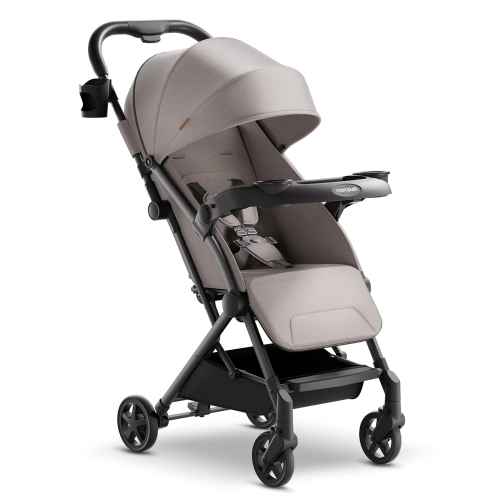
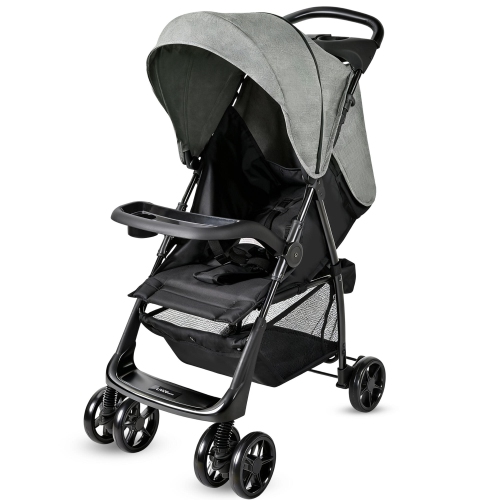
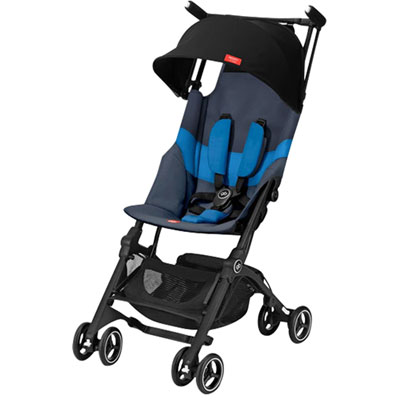
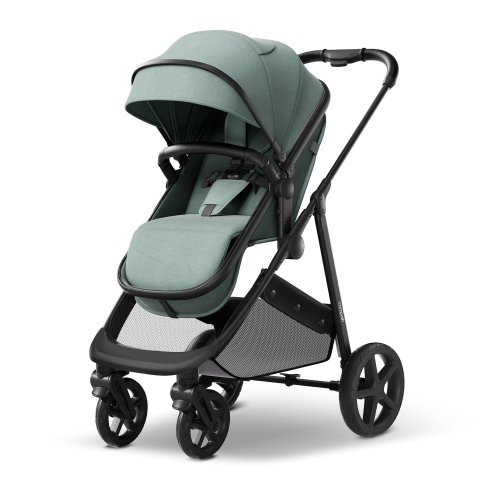
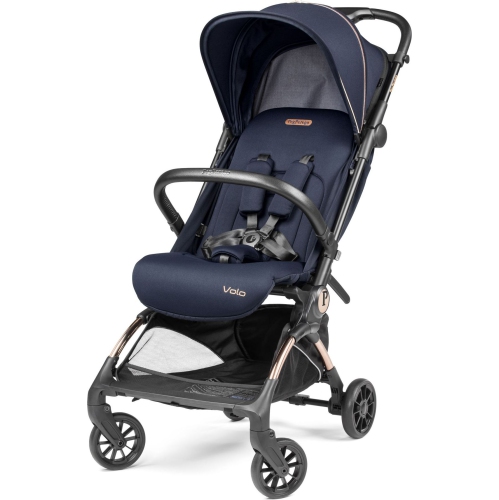
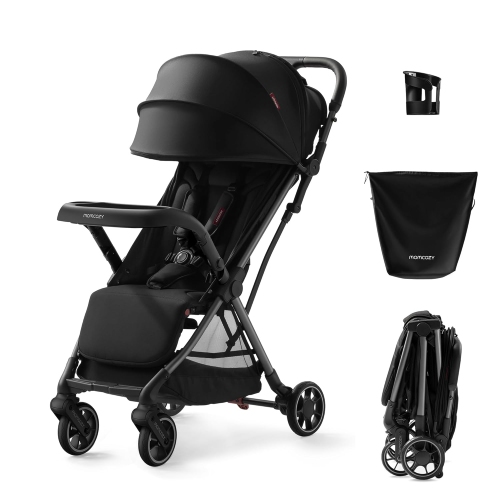
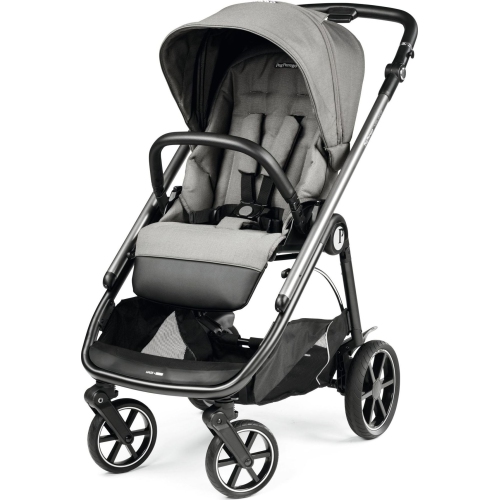
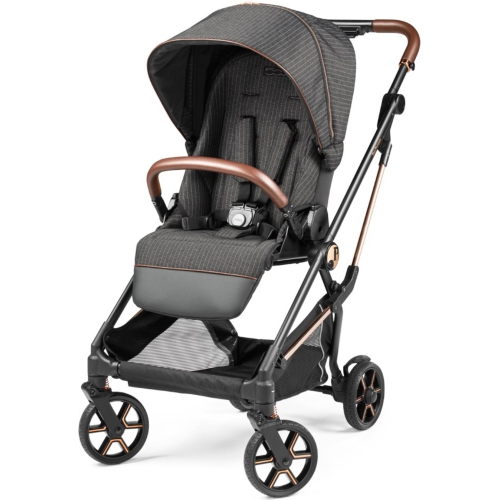
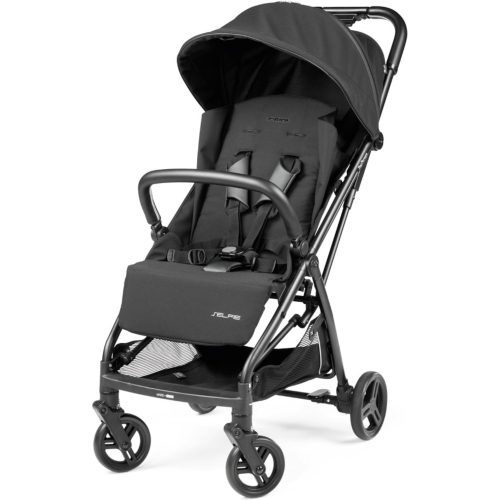
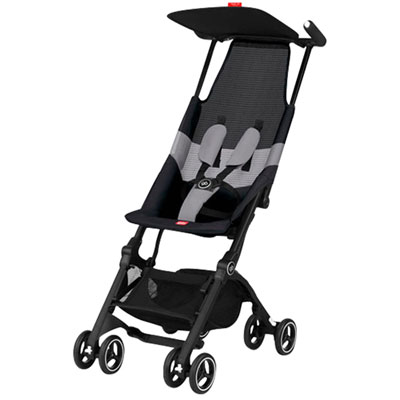
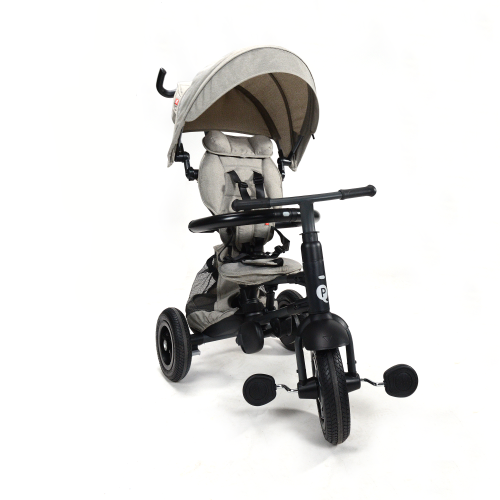
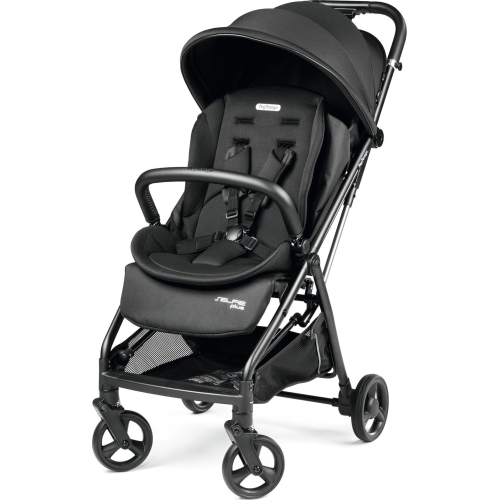
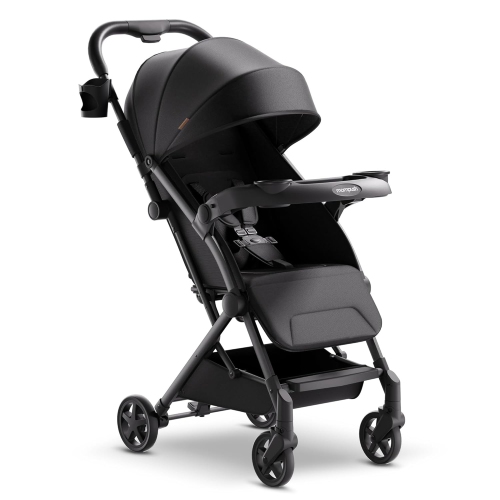
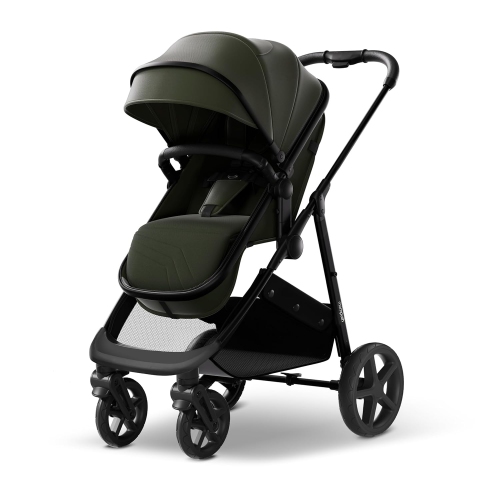
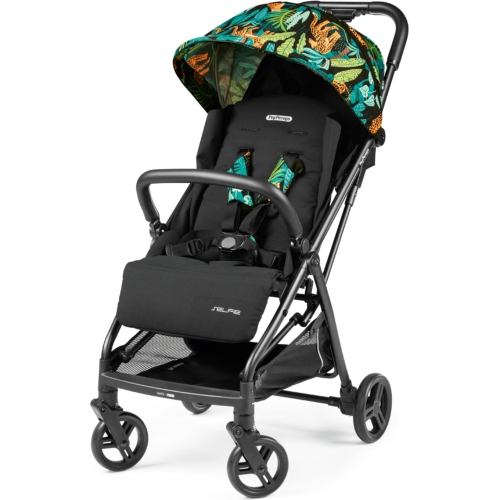
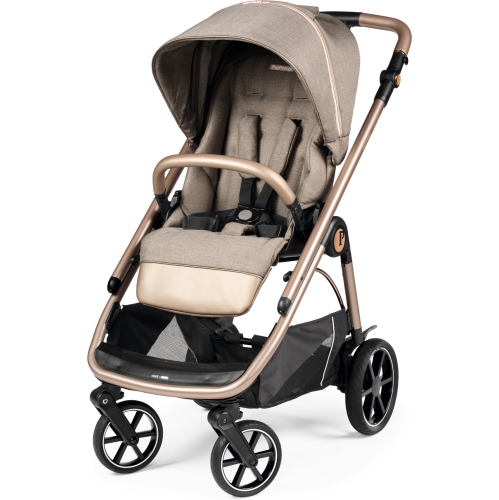
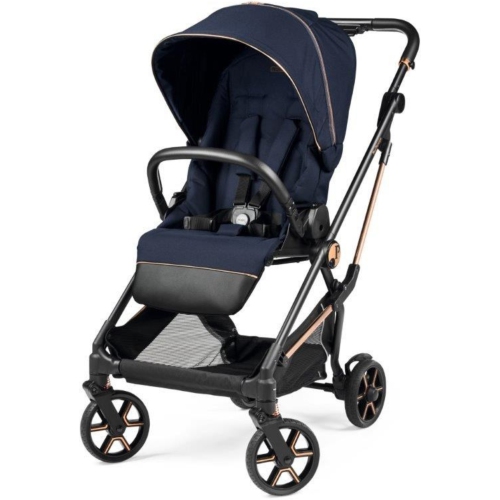
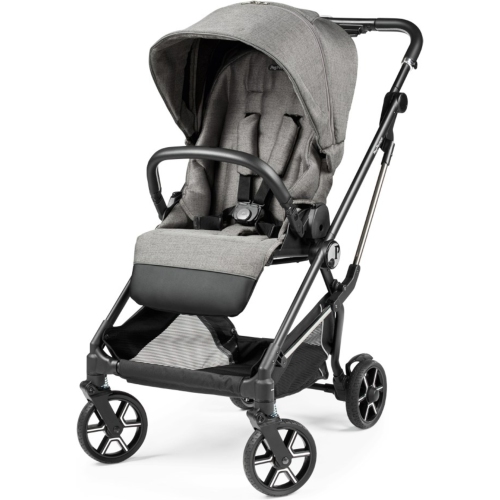
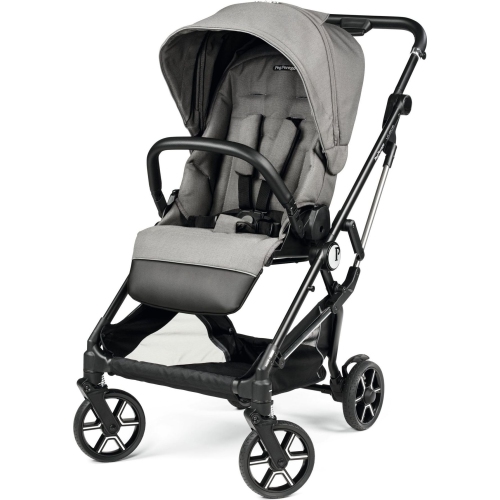
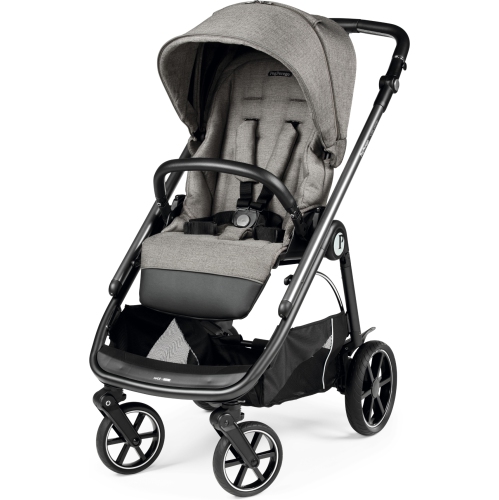
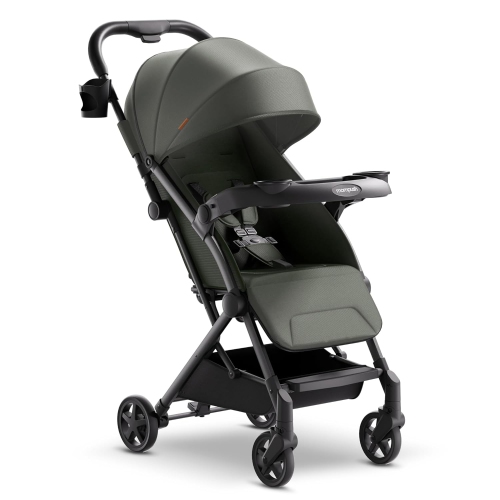
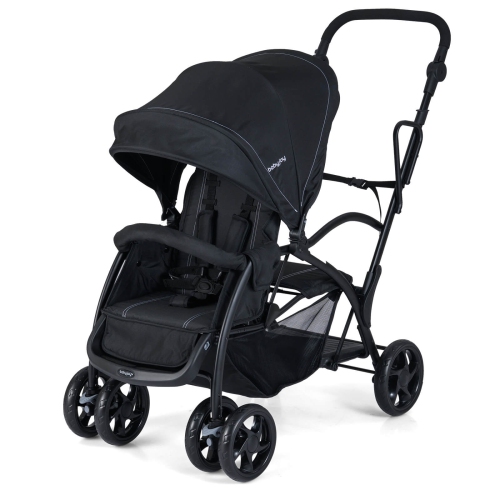
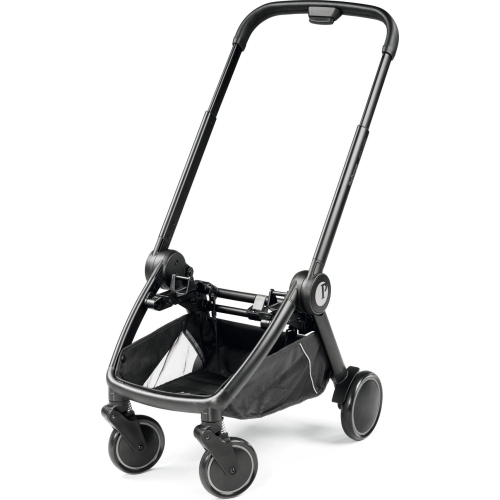
What to compare for easier outings and storage
Compact folding strollers are designed for families who need everyday comfort without the bulk of a full-size stroller. Their defining feature is a space-saving fold that makes them easier to store in a vehicle, hallway closet, apartment entryway or aircraft travel bag. Many weigh roughly 10 to 18 lb, although exceptionally lightweight models may weigh less, making them practical for parents, grandparents and caregivers who regularly lift a stroller into a car or carry it up stairs. A compact frame can be especially useful for city living, where a narrow design is easier to guide along busy sidewalks, through shop aisles and into cafés. It can also make a thoughtful gift for new parents who are building a practical baby gear collection, families preparing for a trip or grandparents who want a stroller that is simple to keep at home. When browsing Foldable Strollers, consider where and how the stroller will be used most often. A lightweight travel model may be ideal for airports, public transit and quick outings, while a sturdier compact stroller may better suit daily walks, neighbourhood errands and longer days away from home. The best choice balances portability with the comfort, storage and handling features that match a child’s age and a caregiver’s routine.
The folding mechanism is one of the most important details to compare. Some compact folding strollers use a one-hand release, trigger or button system, allowing a caregiver to fold the stroller while holding a child or managing a nappy bag. Others include an automatic or assisted fold that reduces the effort needed at the end of a busy outing. Practise the folding and unfolding motion before relying on it during travel, and check whether the stroller stands on its own once collapsed. A self-standing fold can help keep fabric and handles away from the floor while moving through a station or loading a vehicle. Carrying aids also make a difference: a built-in shoulder strap, carry handle or travel bag can make the folded stroller more comfortable to transport through a terminal, along a platform or from a parking area to a hotel room. Folded dimensions are just as important as the stroller’s weight. Measure the available space in a car trunk, under a bed or inside a storage cupboard, and compare those measurements with the manufacturer’s listed folded size. For air travel, compact strollers may be easier to take through an airport and some may fit in an aircraft overhead compartment, but cabin storage depends on the airline, aircraft and available space. Always confirm the latest carrier requirements and be prepared for the stroller to be gate-checked.
Comfort and control matter just as much as a small fold. Look for a padded, adjustable seat with a recline range that suits the child’s stage and intended use. A deeper recline can be helpful for naps during a full day of sightseeing, while an upright position gives an older baby or toddler a better view during walks. A five-point harness should be easy for the adult to adjust while remaining secure and comfortable for the child. A padded handlebar or ergonomic grips can make repeated pushing more pleasant, particularly when navigating crowded pavements or carrying extra bags. The wheel size, suspension and swivel design influence how smoothly the stroller moves over pavement cracks, compact gravel and uneven paths. Small wheels can keep the folded package slim, but larger wheels and some suspension may provide a more comfortable ride over rougher ground. A lockable front wheel can improve stability on longer straight stretches, while responsive swivelling helps with tight turns in shops and restaurants. Check the manufacturer’s recommended child height and weight limits, and make sure the stroller is appropriate for the child’s developmental stage. If a newborn will use the stroller, confirm whether it supports a suitable bassinet or fully approved infant configuration rather than assuming that a deep recline is sufficient.
Storage and weather protection are easy to overlook when comparing compact designs. A basket beneath the seat can hold a small nappy bag, snacks or a light layer, while a rear pocket or parent organizer keeps keys and a phone within reach. Compact strollers generally have less storage than full-size models, so consider whether the basket remains accessible when the seat is reclined and whether the frame stays balanced when a bag is added. A sun canopy with an extendable panel can provide useful shade during brighter days, and a peekaboo window lets a caregiver check on the child without stopping. During cooler months or changeable weather, a rain cover, foot cover or compatible stroller accessories may make outdoor trips more comfortable; check what is included and what must be purchased separately. Easy-clean fabrics and removable, washable seat pads are helpful after snack spills, muddy wheels or a long day outdoors. Before choosing, think through a typical outing from beginning to end: lifting the folded stroller from the trunk, opening it beside the car, securing the child, storing essentials, navigating a narrow doorway and folding it again when everyone is ready to leave. A compact folding stroller is at its most useful when each of these steps feels manageable, leaving more attention for the child and less for the equipment.
The folding mechanism is one of the most important details to compare. Some compact folding strollers use a one-hand release, trigger or button system, allowing a caregiver to fold the stroller while holding a child or managing a nappy bag. Others include an automatic or assisted fold that reduces the effort needed at the end of a busy outing. Practise the folding and unfolding motion before relying on it during travel, and check whether the stroller stands on its own once collapsed. A self-standing fold can help keep fabric and handles away from the floor while moving through a station or loading a vehicle. Carrying aids also make a difference: a built-in shoulder strap, carry handle or travel bag can make the folded stroller more comfortable to transport through a terminal, along a platform or from a parking area to a hotel room. Folded dimensions are just as important as the stroller’s weight. Measure the available space in a car trunk, under a bed or inside a storage cupboard, and compare those measurements with the manufacturer’s listed folded size. For air travel, compact strollers may be easier to take through an airport and some may fit in an aircraft overhead compartment, but cabin storage depends on the airline, aircraft and available space. Always confirm the latest carrier requirements and be prepared for the stroller to be gate-checked.
Comfort and control matter just as much as a small fold. Look for a padded, adjustable seat with a recline range that suits the child’s stage and intended use. A deeper recline can be helpful for naps during a full day of sightseeing, while an upright position gives an older baby or toddler a better view during walks. A five-point harness should be easy for the adult to adjust while remaining secure and comfortable for the child. A padded handlebar or ergonomic grips can make repeated pushing more pleasant, particularly when navigating crowded pavements or carrying extra bags. The wheel size, suspension and swivel design influence how smoothly the stroller moves over pavement cracks, compact gravel and uneven paths. Small wheels can keep the folded package slim, but larger wheels and some suspension may provide a more comfortable ride over rougher ground. A lockable front wheel can improve stability on longer straight stretches, while responsive swivelling helps with tight turns in shops and restaurants. Check the manufacturer’s recommended child height and weight limits, and make sure the stroller is appropriate for the child’s developmental stage. If a newborn will use the stroller, confirm whether it supports a suitable bassinet or fully approved infant configuration rather than assuming that a deep recline is sufficient.
Storage and weather protection are easy to overlook when comparing compact designs. A basket beneath the seat can hold a small nappy bag, snacks or a light layer, while a rear pocket or parent organizer keeps keys and a phone within reach. Compact strollers generally have less storage than full-size models, so consider whether the basket remains accessible when the seat is reclined and whether the frame stays balanced when a bag is added. A sun canopy with an extendable panel can provide useful shade during brighter days, and a peekaboo window lets a caregiver check on the child without stopping. During cooler months or changeable weather, a rain cover, foot cover or compatible stroller accessories may make outdoor trips more comfortable; check what is included and what must be purchased separately. Easy-clean fabrics and removable, washable seat pads are helpful after snack spills, muddy wheels or a long day outdoors. Before choosing, think through a typical outing from beginning to end: lifting the folded stroller from the trunk, opening it beside the car, securing the child, storing essentials, navigating a narrow doorway and folding it again when everyone is ready to leave. A compact folding stroller is at its most useful when each of these steps feels manageable, leaving more attention for the child and less for the equipment.
Top selling and popular products
-
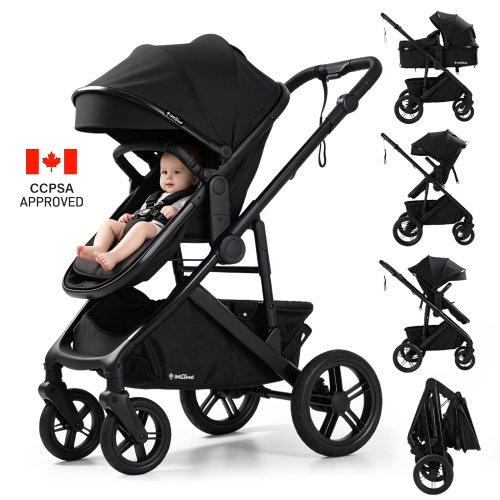 Your price for this item is $499.97
 -
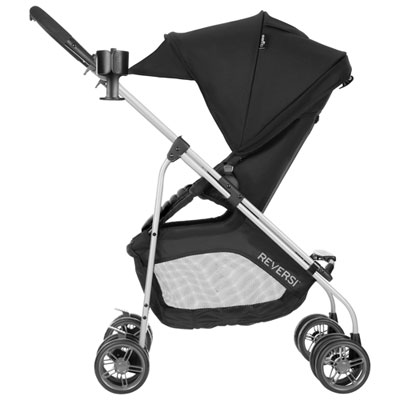 Your price for this item is $249.99
 -
 Your price for this item is $399.99
 -
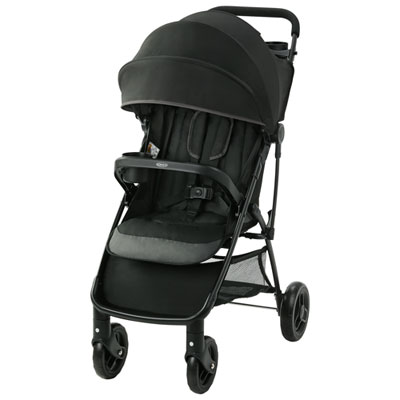 Your price for this item is $249.99
 -
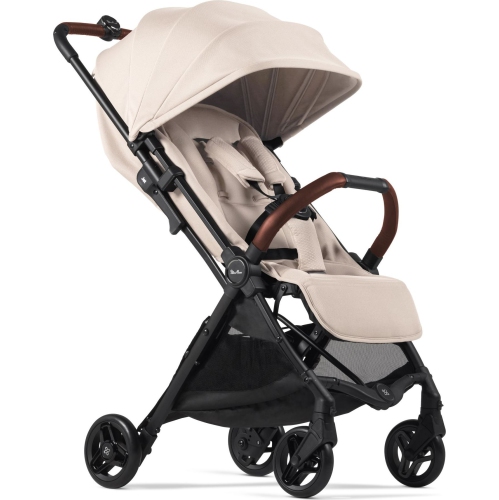 Your price for this item is $615
 -
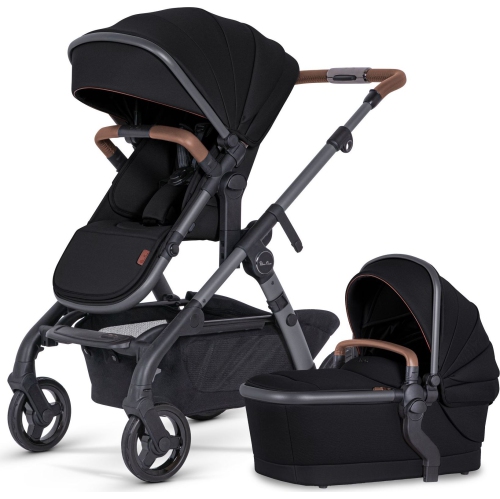 Your price for this item is $1964
 -
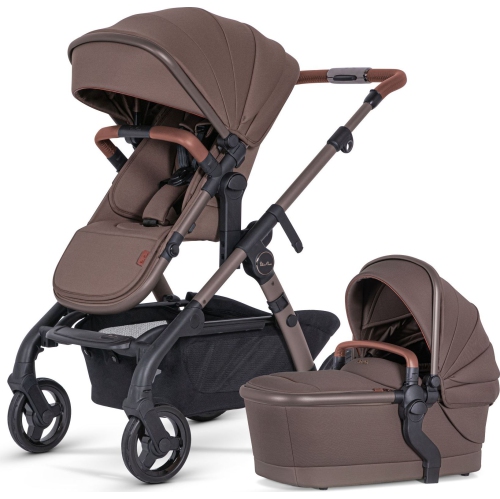 Your price for this item is $1964
 -
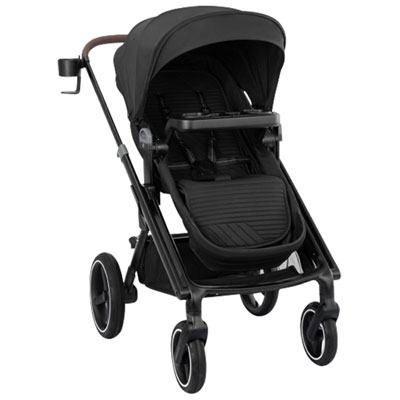 Your price for this item is $699.99
Discover more categories related to Compact Folding Strollers
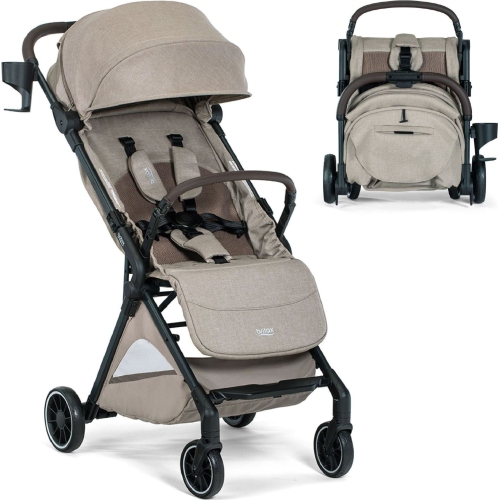
Top Collections:
Pokemon Centers, Kindle Devices, Best Budget Office Chairs, Apple iPhones 16, Best Laptops for Writers, iPhone 15 Apple, Canon G7X Cameras, Refurbished Apple Laptops, Alarm Clock, Motorola Razr Phones
Some products may be subject to Environmental Handling Fees
(EHF) depending on your province.
Learn more about EHFs.