Couche Bebe
Couche Bebe offers a wide selection of options designed to keep your baby comfortable throughout the day and night. Find the right fit for your little one with choices that cater to every stage of growth and activity level. Whether you’re preparing for a newborn or looking for reliable solutions for older infants, explore Couche Bebe products that combine convenience and peace of mind for parents and caregivers alike.
Sort
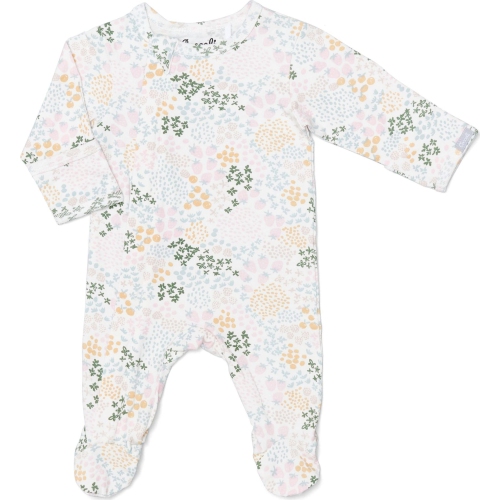
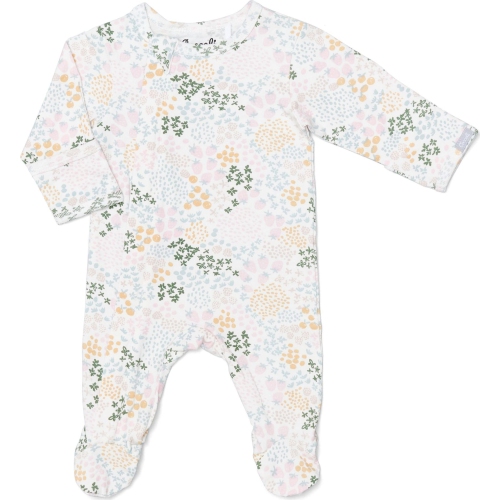
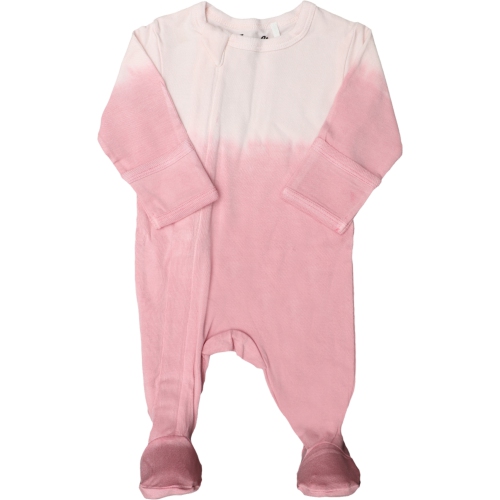
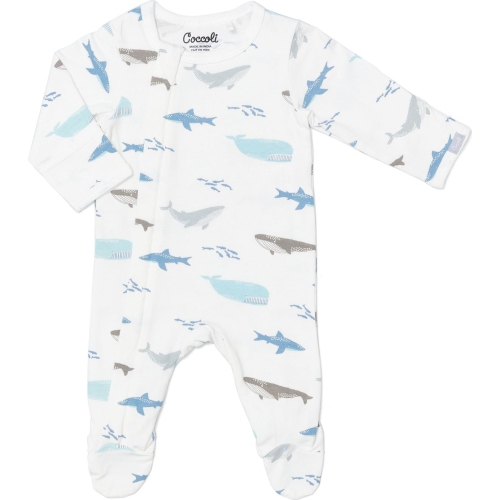
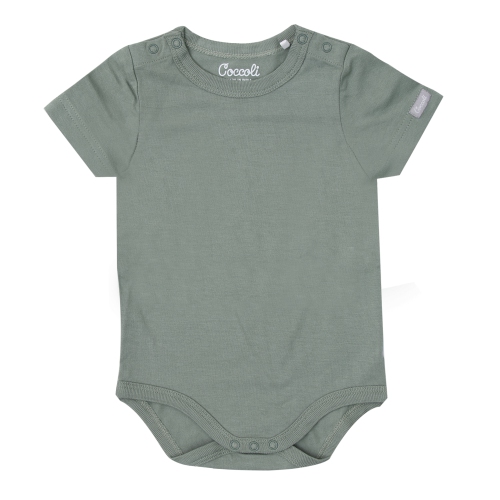
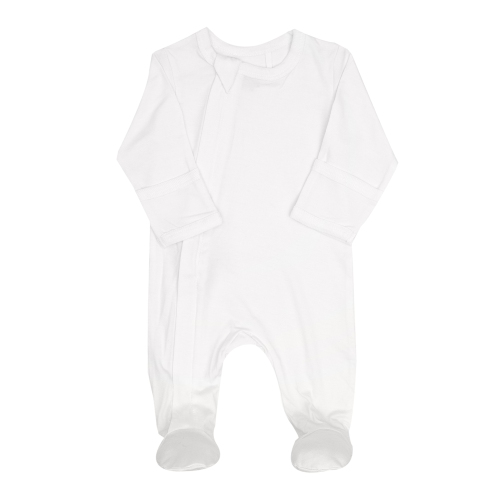
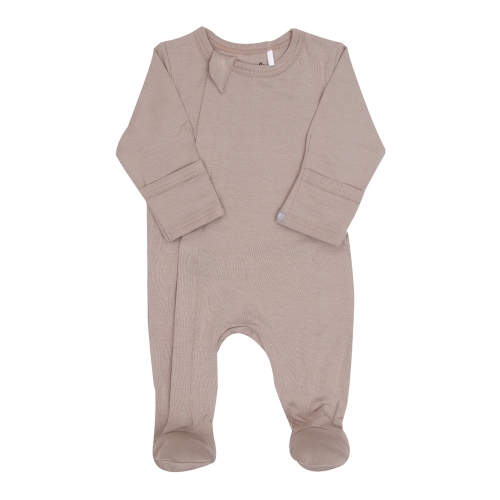
Why diaper fit matters as much as absorbency
Baby diapers are an everyday essential designed to absorb moisture, contain messes, and keep babies comfortable from the newborn stage through the transition to toilet learning. The most useful features depend on a baby’s size, skin sensitivity, movement, and daily routine rather than age alone. Disposable diapers generally combine a soft inner lining, an absorbent core, and a leak-resistant outer layer, with elastic around the legs and waist to help contain wetness. Cloth diapers use washable fabrics and may pair an absorbent insert with a separate cover or bring those layers together in one design. Cotton, bamboo-derived viscose, polyester fleece, and other textiles offer different textures, drying times, and care requirements, so the fabric label matters as much as how soft a diaper feels in the hand. For either type, a good fit sits securely at the waist without digging in, follows the curves of the thighs, and leaves enough room for natural movement. Weight ranges provide a starting point, but two babies at the same weight can need different fits because of their proportions. Gaps at the legs, persistent pressure marks, fasteners that barely reach, or repeated leaks can signal that the size or shape is not working well. A newborn curled against a caregiver’s shoulder has different needs from a baby twisting during changes or crawling across the living room. Adjustable tabs can make small fit changes easier, while pull-on styles may suit active older babies who resist lying still. For newborns, a shaped waistband or a design that can sit below the healing umbilical area may be useful. Wetness indicators offer a visual cue on some disposable designs, although regular checks still matter. Diaper sizing is not consistent across every range, and moving up a size is not always the answer to a leak; absorbency, leg positioning, and how evenly the diaper is fastened also affect performance.
Absorbency and skin comfort work together, but neither replaces timely changes. A diaper needs enough capacity for its intended use while keeping its inner surface reasonably dry against the skin. Daytime changes often happen around feeds, naps, and outings, whereas a longer stretch of sleep may call for a design with greater absorbency. An overnight label does not mean a diaper should stay on when it is soiled, leaking, or causing discomfort. Frequent stool changes, gentle cleansing, and allowing the skin to dry before fastening a fresh diaper help limit prolonged contact with moisture and irritants. Fragrance-free options may suit families who prefer fewer added scents, particularly when a baby’s skin is easily irritated. Claims such as “hypoallergenic” do not guarantee that every baby will tolerate a material, so clear ingredient and material information is more useful than broad promises. A persistent or worsening rash deserves advice from a healthcare professional rather than repeated changes between diaper styles alone. For cloth diapers, care requirements are part of everyday practicality: inserts and covers may need different wash settings, and some fabrics require several washes before reaching their intended absorbency. Following the care label helps protect elastic, closures, and water-resistant layers. Fabric softener can interfere with absorbency, while detergent build-up or an unsuitable wash routine may leave residue. Thorough drying and clean storage help keep the next change ready to use. Durability shows up in details such as elastic that retains its shape, stitching that holds through repeated washing, and fasteners that remain secure after frequent use. Reusable designs with adjustable rises can accommodate growth, although their stated size range still needs to match the baby’s actual fit. Disposable diapers offer a straightforward routine when laundry facilities are limited, while washable designs suit households prepared for regular washing and drying. Many caregivers use different formats for different situations, such as cloth at home and disposables for travel or childcare, without needing one approach to cover every part of the day.
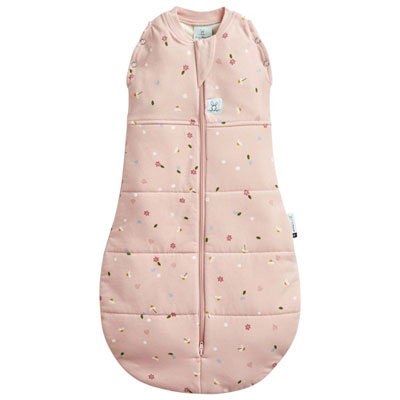
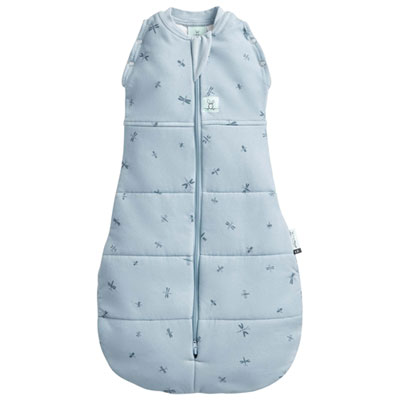
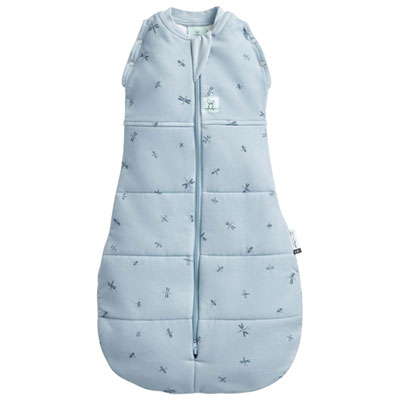
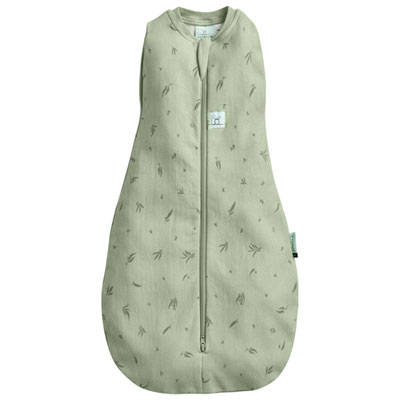
Diapers also need to fit the practical rhythm of family life, from a quick change before leaving home to a fuller change after a nap. For childcare, clearly understood sizing and a familiar fastening style can make handovers smoother, particularly when several adults share care. Grandparents and other occasional caregivers may appreciate a simple explanation of how snugly a diaper should sit and where spare changes are kept. During outings, easy-to-open clothing and a change of clothes can matter just as much as the diaper itself; a leak in a car seat or stroller is easier to manage when everything needed is within reach. Bulky inserts or a very full diaper can alter how clothing fits, so waistbands and sleepers should leave room without compressing the diaper tightly. During the cooler months, comfortable layers make indoor changes less fussy while helping babies avoid getting too warm once outerwear comes off. At bedtime, diapers sit alongside other basics in a routine centred on comfort and appropriate clothing. Baby sleep sacks on the Sleep Sack Baby page are a related consideration for families choosing wearable sleep layers; fit and warmth should suit the baby and room temperature, and sleepwear should not restrict the hips or legs. Diapers can also be a thoughtful baby shower gift or a practical contribution when a new baby arrives, especially when the recipient’s preferred format and size are known. Because newborns grow quickly and fit preferences vary, a gift is more useful when it reflects the family’s routine rather than an assumption about what every baby needs. For families using cloth, compatibility between covers and inserts is important, as pieces are not universally interchangeable. Whether used at home, at childcare, or away for a visit, the right diaper balances reliable containment, comfortable movement, manageable care, and a fit that can be reassessed as the baby grows. Those everyday qualities matter more than any single feature on its own.
Absorbency and skin comfort work together, but neither replaces timely changes. A diaper needs enough capacity for its intended use while keeping its inner surface reasonably dry against the skin. Daytime changes often happen around feeds, naps, and outings, whereas a longer stretch of sleep may call for a design with greater absorbency. An overnight label does not mean a diaper should stay on when it is soiled, leaking, or causing discomfort. Frequent stool changes, gentle cleansing, and allowing the skin to dry before fastening a fresh diaper help limit prolonged contact with moisture and irritants. Fragrance-free options may suit families who prefer fewer added scents, particularly when a baby’s skin is easily irritated. Claims such as “hypoallergenic” do not guarantee that every baby will tolerate a material, so clear ingredient and material information is more useful than broad promises. A persistent or worsening rash deserves advice from a healthcare professional rather than repeated changes between diaper styles alone. For cloth diapers, care requirements are part of everyday practicality: inserts and covers may need different wash settings, and some fabrics require several washes before reaching their intended absorbency. Following the care label helps protect elastic, closures, and water-resistant layers. Fabric softener can interfere with absorbency, while detergent build-up or an unsuitable wash routine may leave residue. Thorough drying and clean storage help keep the next change ready to use. Durability shows up in details such as elastic that retains its shape, stitching that holds through repeated washing, and fasteners that remain secure after frequent use. Reusable designs with adjustable rises can accommodate growth, although their stated size range still needs to match the baby’s actual fit. Disposable diapers offer a straightforward routine when laundry facilities are limited, while washable designs suit households prepared for regular washing and drying. Many caregivers use different formats for different situations, such as cloth at home and disposables for travel or childcare, without needing one approach to cover every part of the day.
Diapers also need to fit the practical rhythm of family life, from a quick change before leaving home to a fuller change after a nap. For childcare, clearly understood sizing and a familiar fastening style can make handovers smoother, particularly when several adults share care. Grandparents and other occasional caregivers may appreciate a simple explanation of how snugly a diaper should sit and where spare changes are kept. During outings, easy-to-open clothing and a change of clothes can matter just as much as the diaper itself; a leak in a car seat or stroller is easier to manage when everything needed is within reach. Bulky inserts or a very full diaper can alter how clothing fits, so waistbands and sleepers should leave room without compressing the diaper tightly. During the cooler months, comfortable layers make indoor changes less fussy while helping babies avoid getting too warm once outerwear comes off. At bedtime, diapers sit alongside other basics in a routine centred on comfort and appropriate clothing. Baby sleep sacks on the Sleep Sack Baby page are a related consideration for families choosing wearable sleep layers; fit and warmth should suit the baby and room temperature, and sleepwear should not restrict the hips or legs. Diapers can also be a thoughtful baby shower gift or a practical contribution when a new baby arrives, especially when the recipient’s preferred format and size are known. Because newborns grow quickly and fit preferences vary, a gift is more useful when it reflects the family’s routine rather than an assumption about what every baby needs. For families using cloth, compatibility between covers and inserts is important, as pieces are not universally interchangeable. Whether used at home, at childcare, or away for a visit, the right diaper balances reliable containment, comfortable movement, manageable care, and a fit that can be reassessed as the baby grows. Those everyday qualities matter more than any single feature on its own.
Top selling and popular products
-
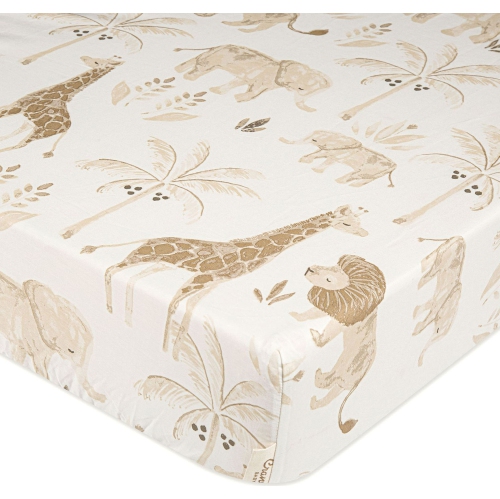 Your price for this item is $56
 -
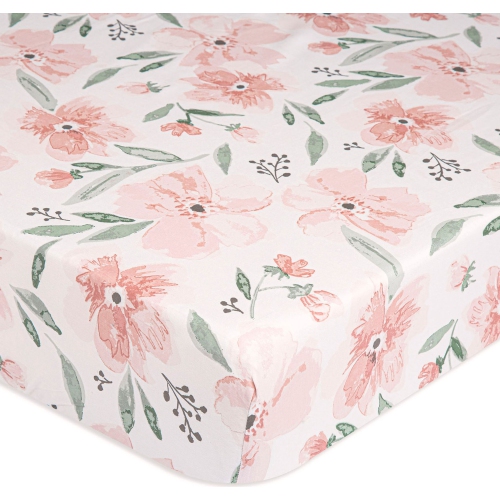 Your price for this item is $44.98
 -
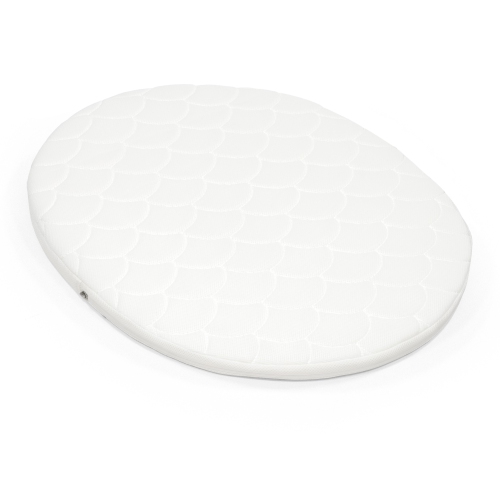 Your price for this item is $168.99
 -
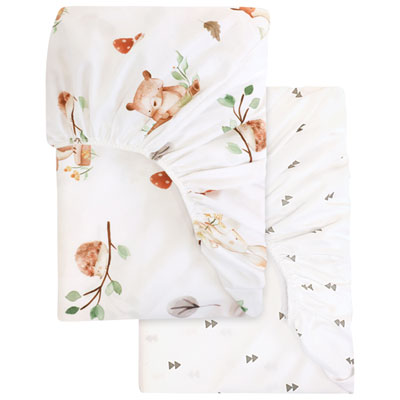 Your price for this item is $24.99
 -
 Your price for this item is $74
 -
 Your price for this item is $76
 -
 Your price for this item is $250
 -
 Your price for this item is $250
Discover more categories related to Couche Bebe

Top Collections:
Pokemon Centers, Kindle Devices, Best Budget Office Chairs, Apple iPhones 16, Best Laptops for Writers, iPhone 15 Apple, Canon G7X Cameras, Refurbished Apple Laptops, Alarm Clock, Motorola Razr Phones
Some products may be subject to Environmental Handling Fees
(EHF) depending on your province.
Learn more about EHFs.