Sleep Sack Baby
Transform your baby's bedtime routine with a cozy and secure sleep sack. An essential addition to any nursery, sleep sacks offer a safe and snug alternative to traditional blankets, ensuring your little one sleeps soundly through the night. Designed to provide warmth without the risk of loose bedding, these wearable blankets are perfect for keeping your baby comfortable and content. Explore a range of styles, materials, and sizes to find the ideal sleep sack that meets your baby's needs and complements your nursery décor. Whether for naptime or nighttime, a quality sleep sack can make all the difference in creating a peaceful sleep environment for your precious bundle of joy.
Sort
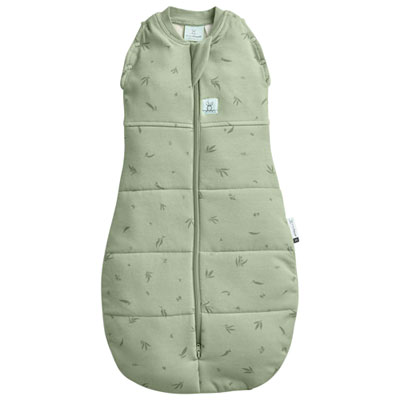
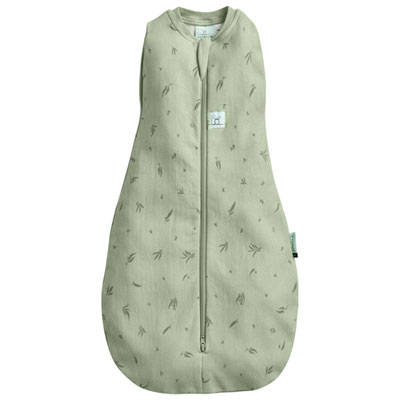
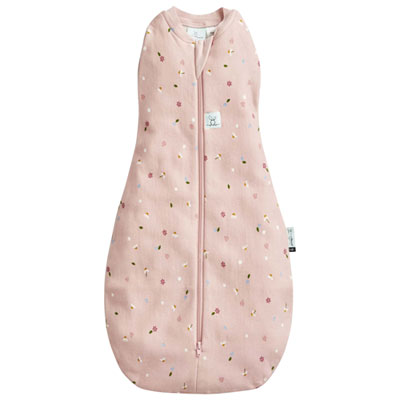
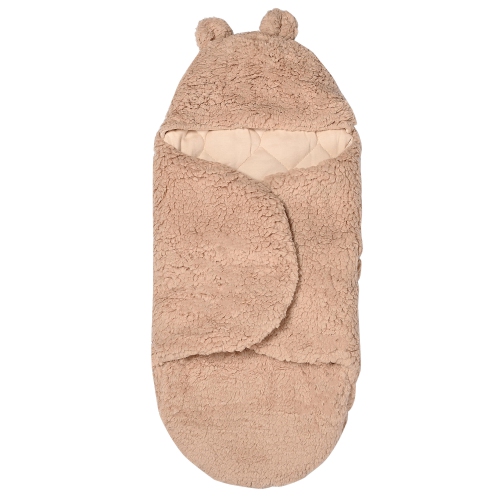
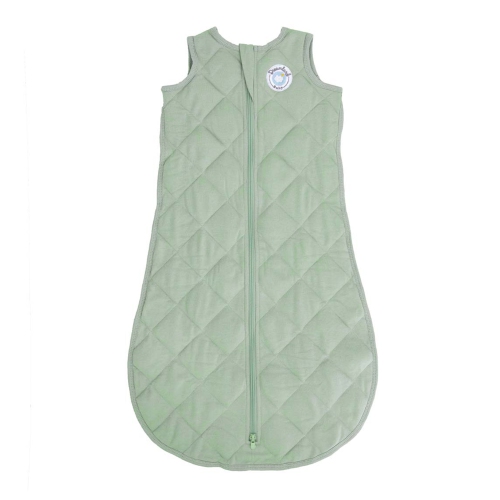
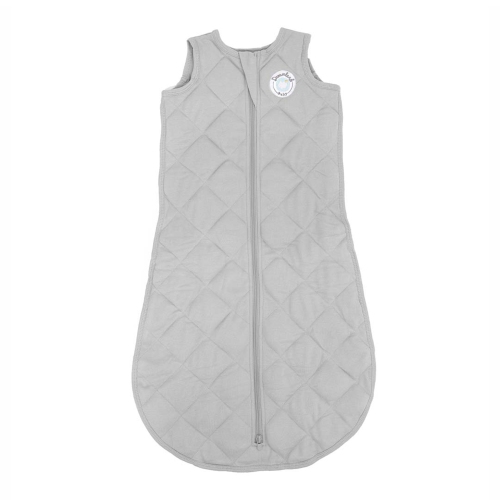
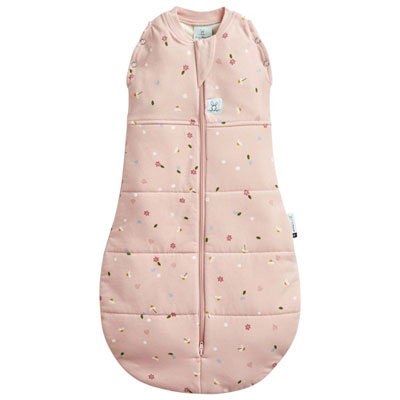
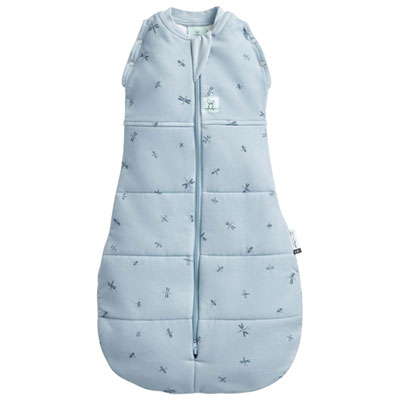
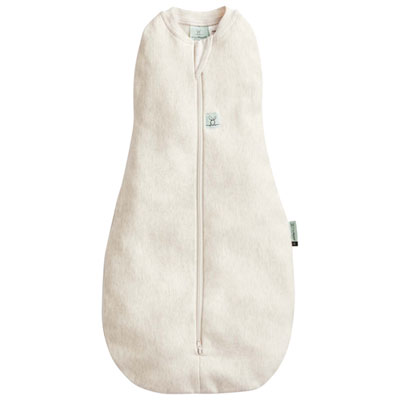
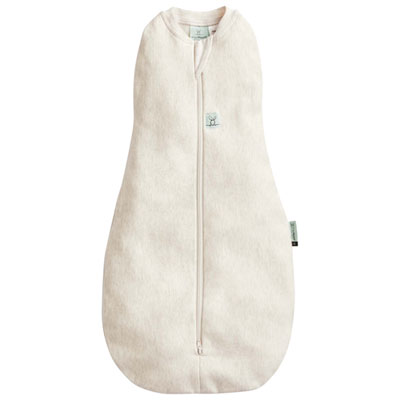
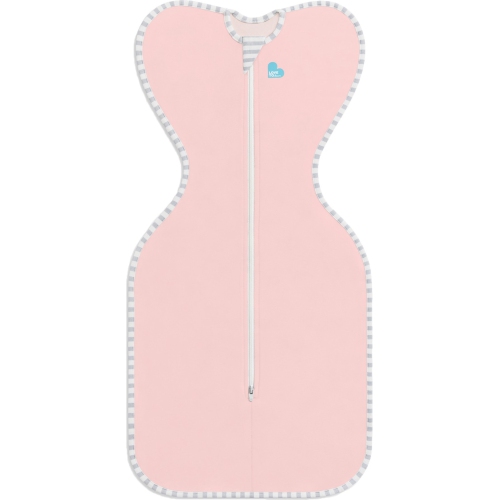
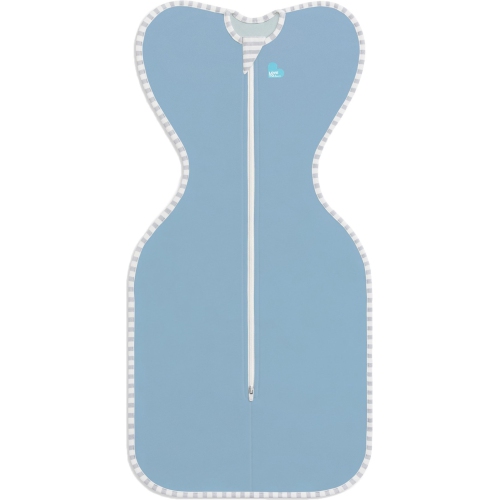
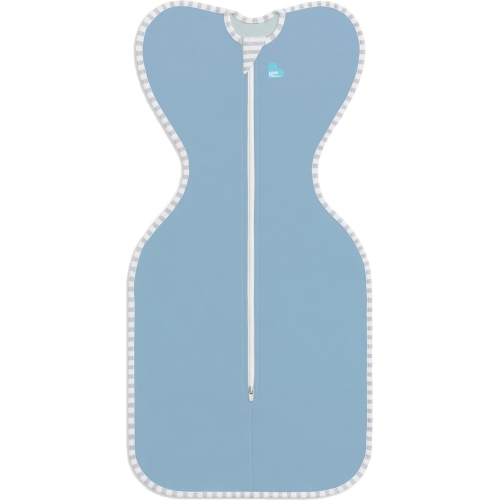
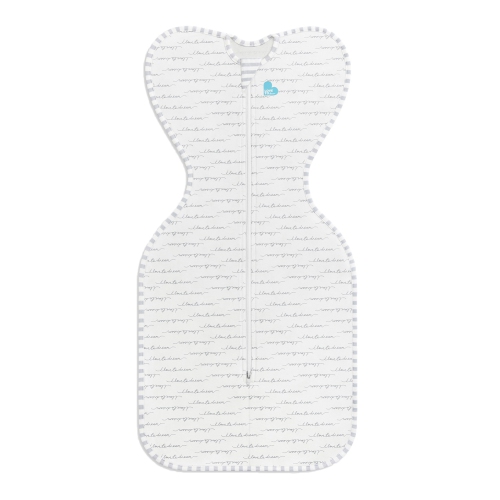


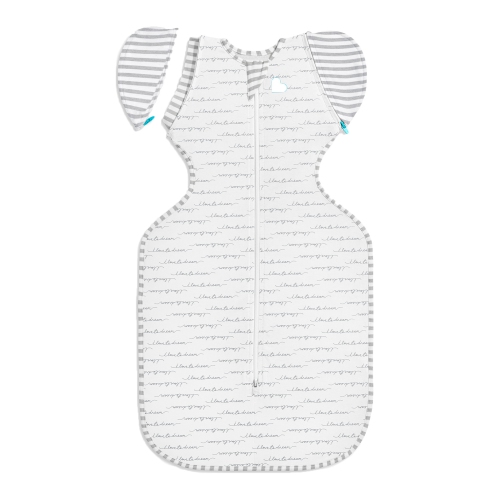
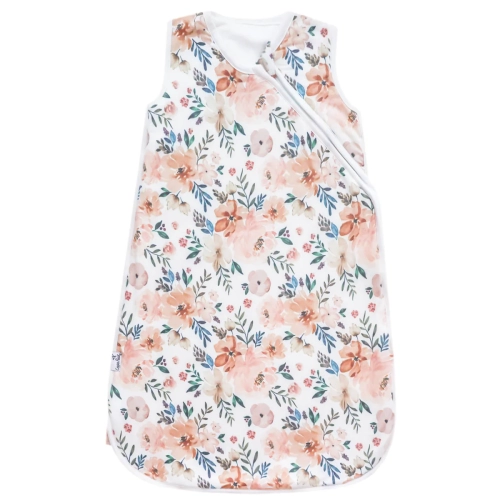
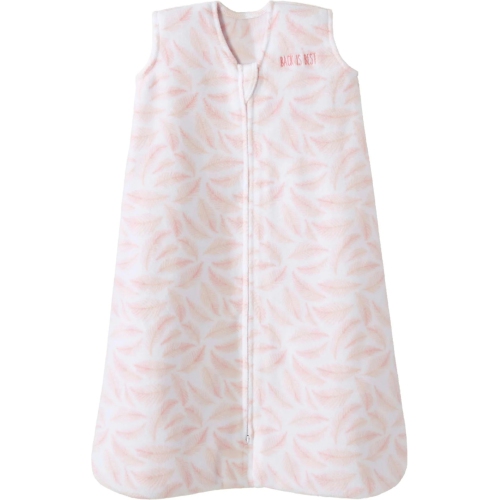
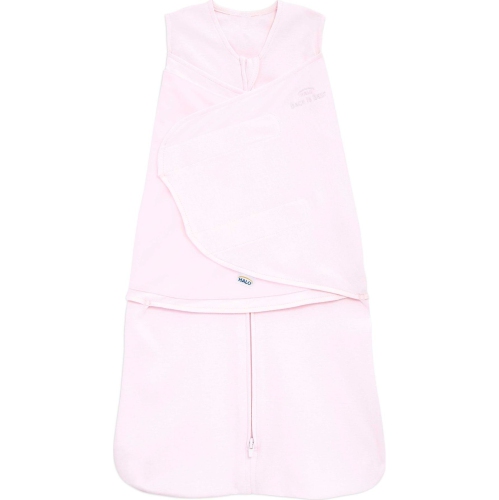
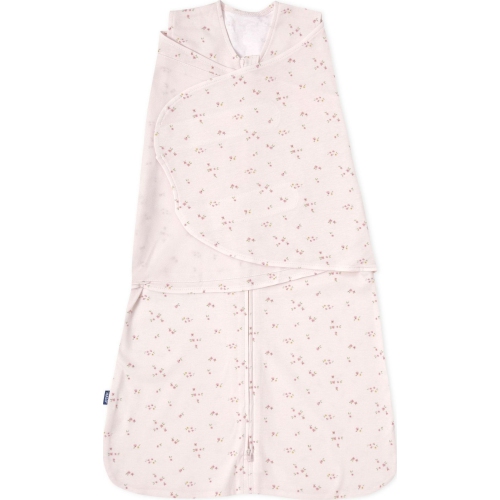
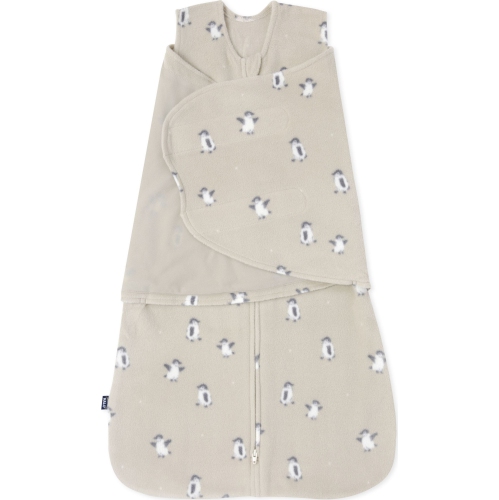


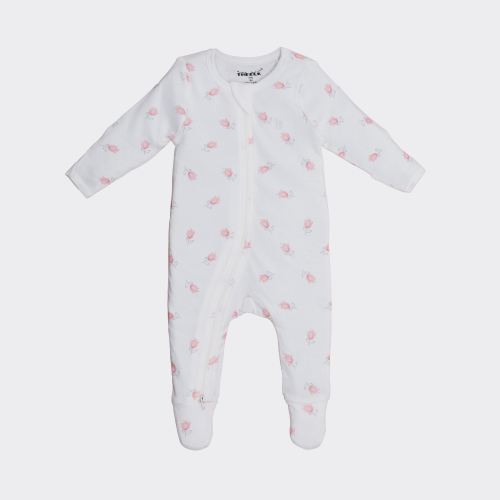

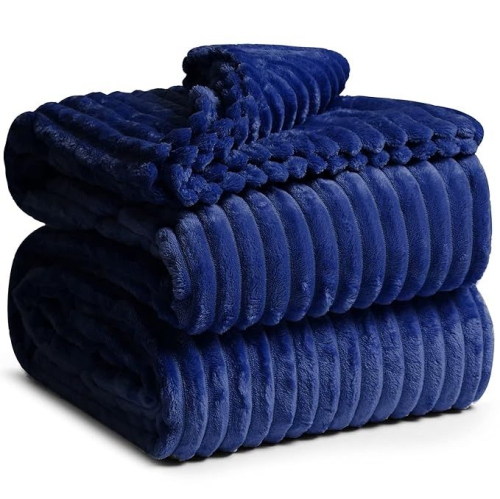
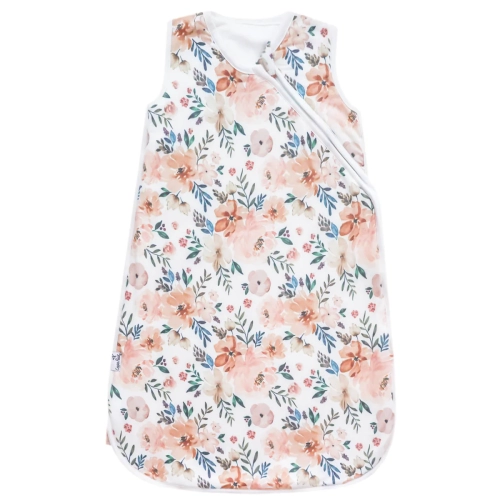
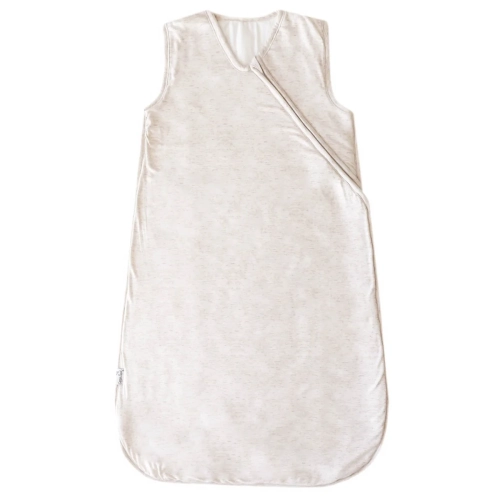
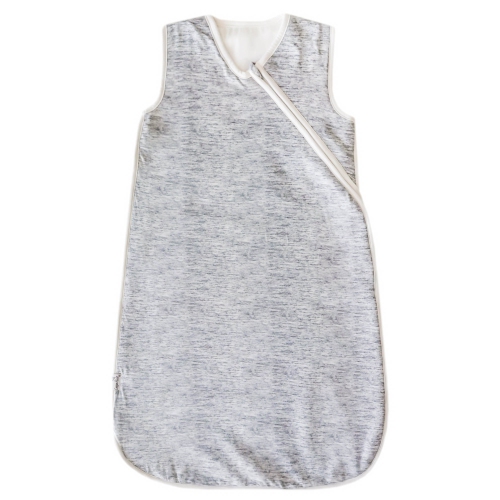
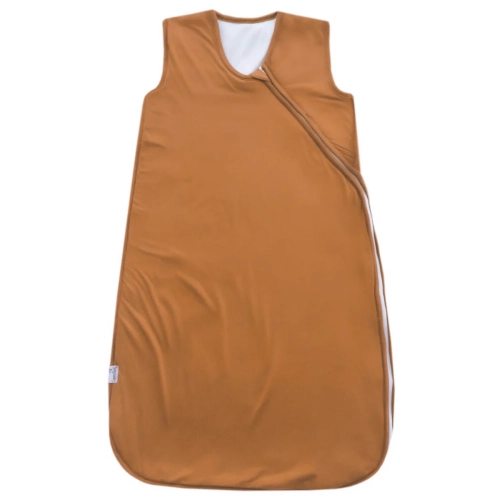
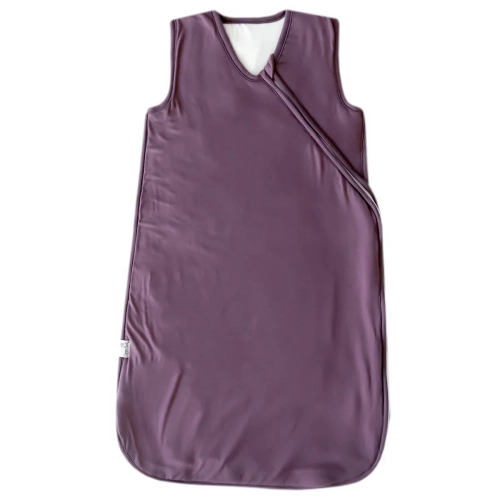
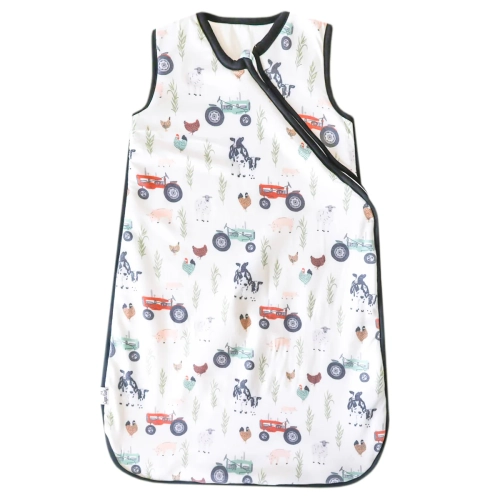
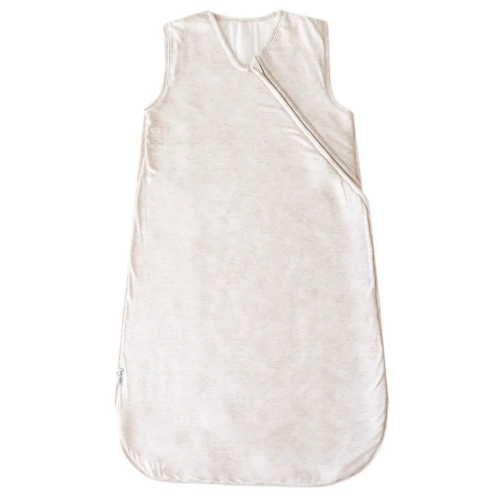
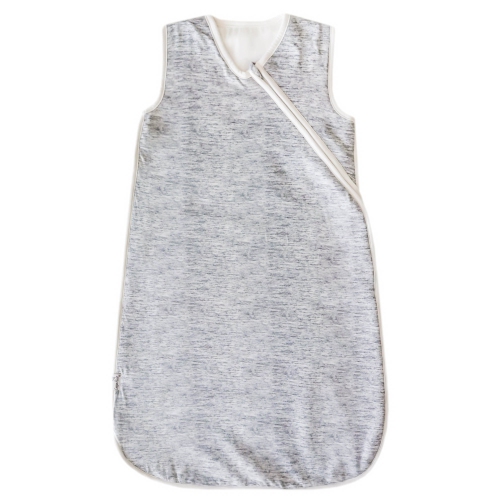
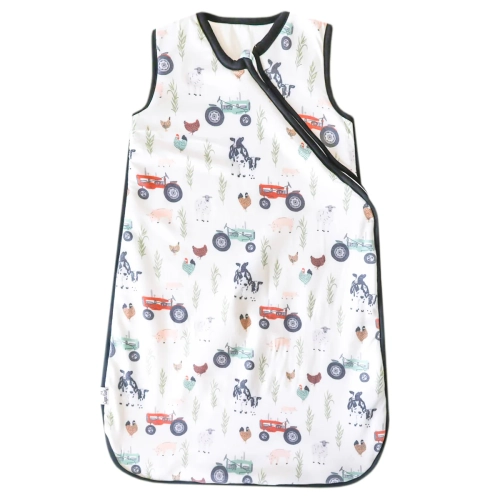
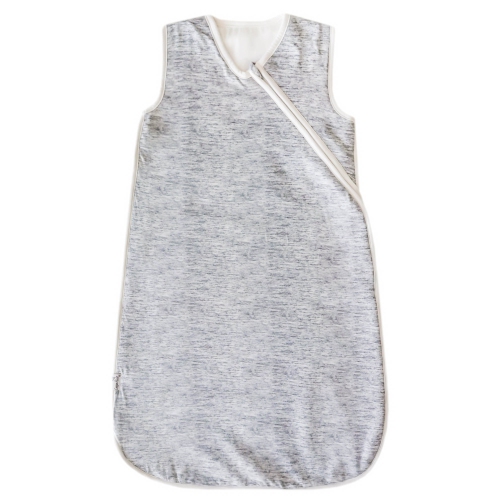
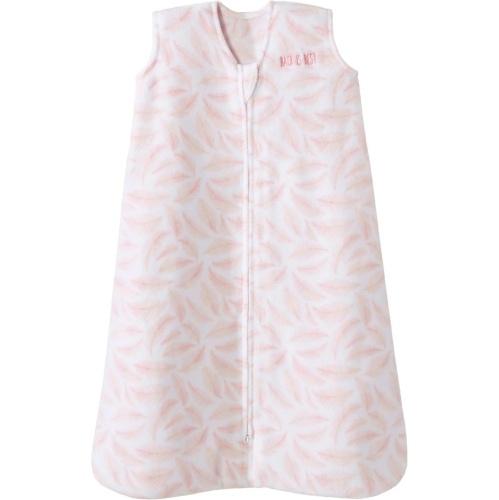
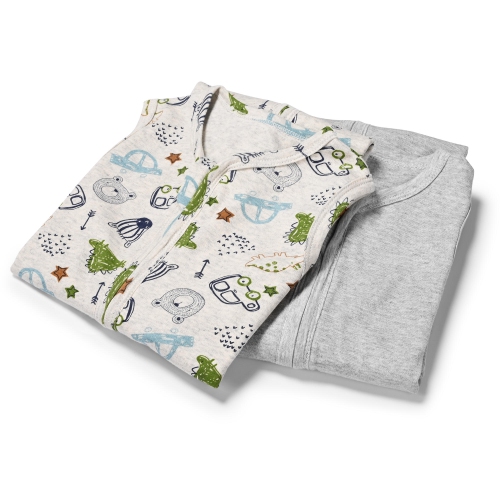
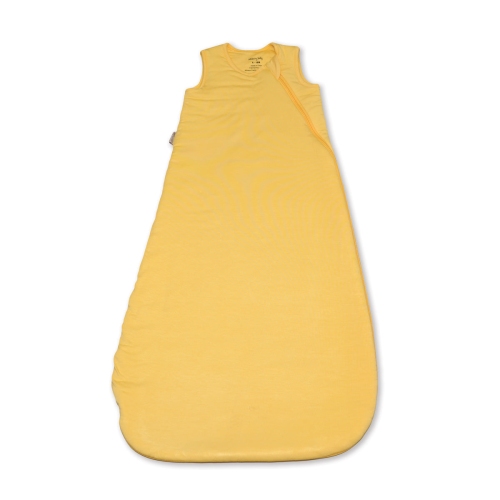
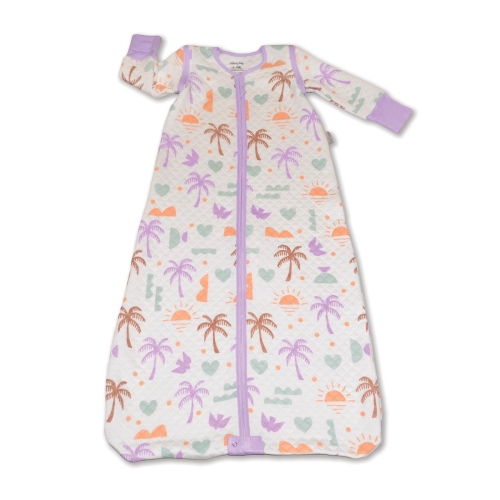
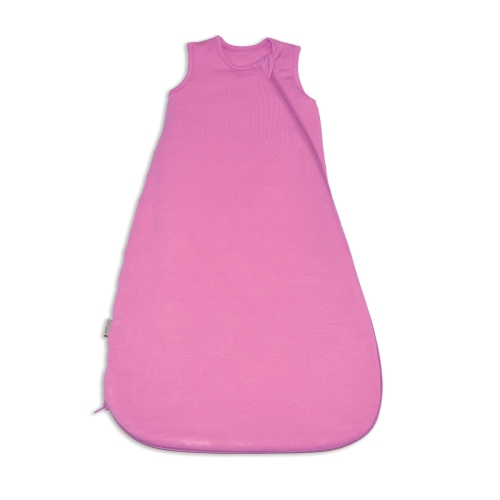
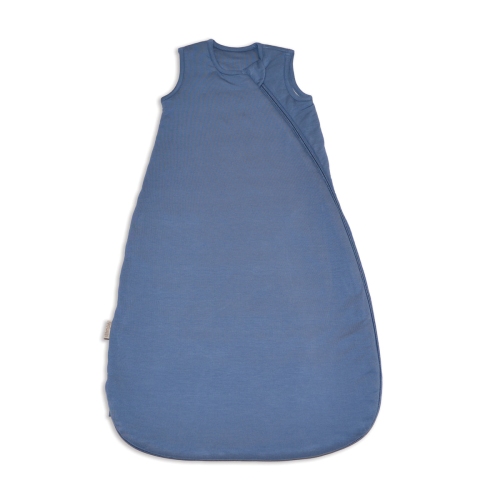
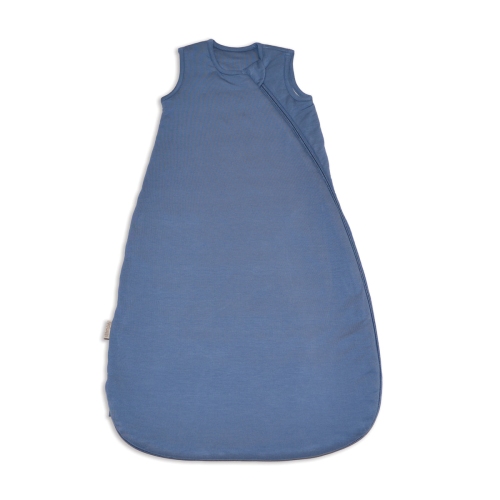
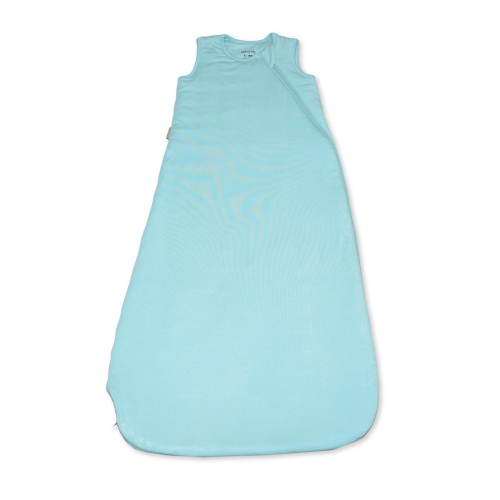
What to know about fit, warmth, and safe use
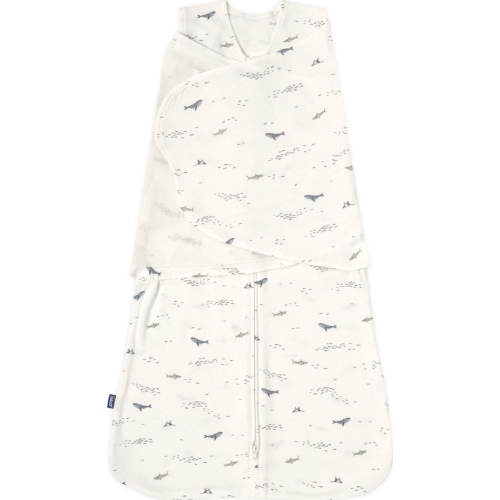
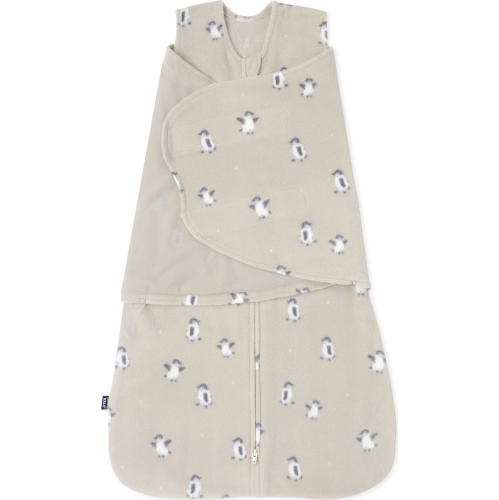
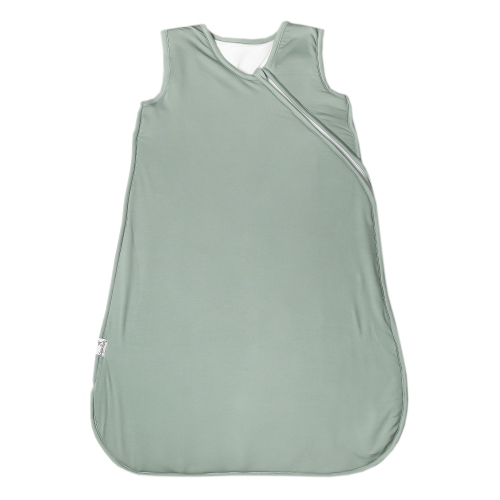
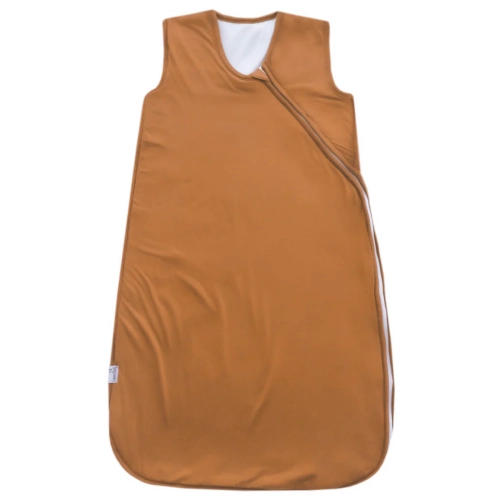
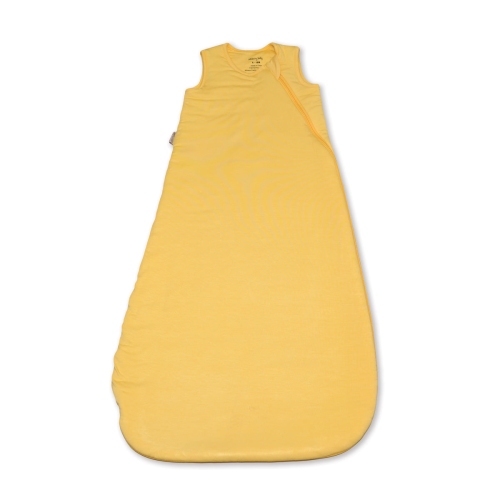
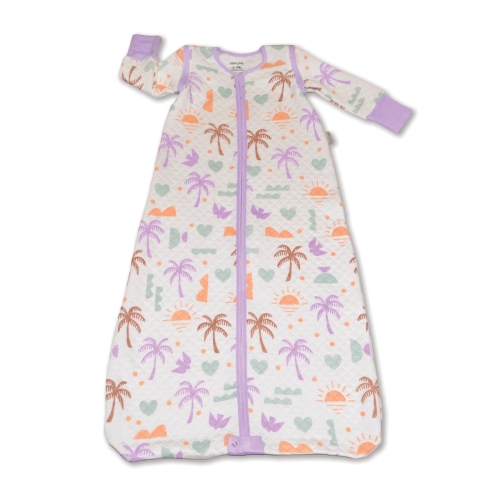
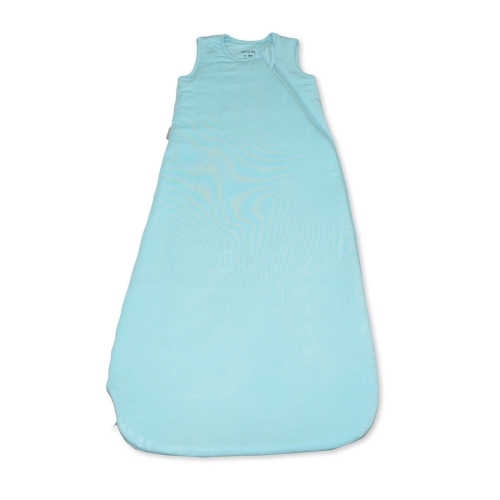
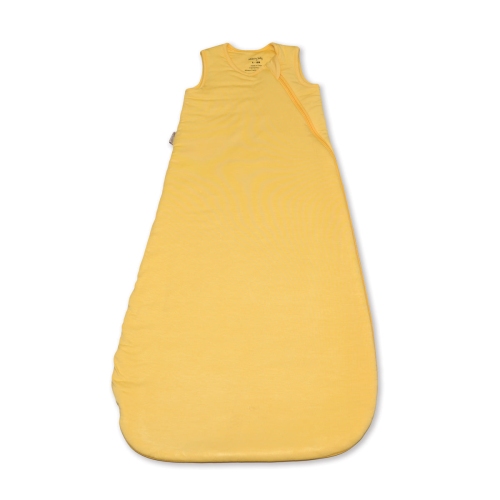
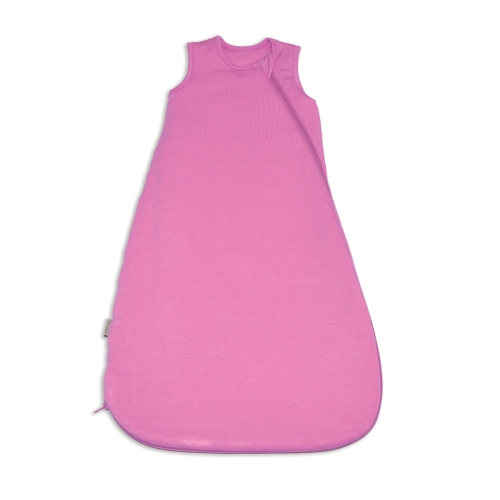
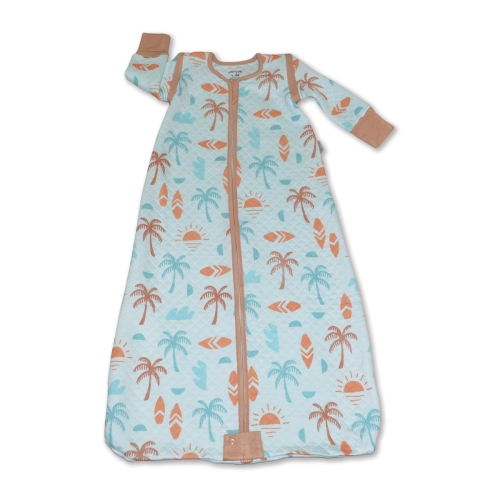
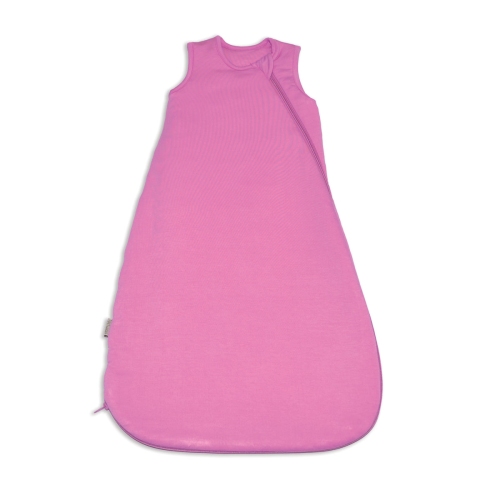
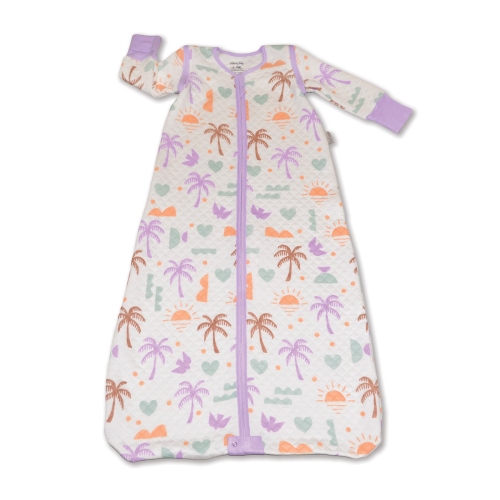
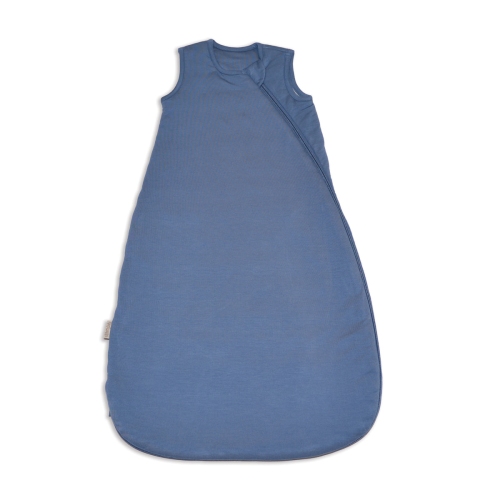
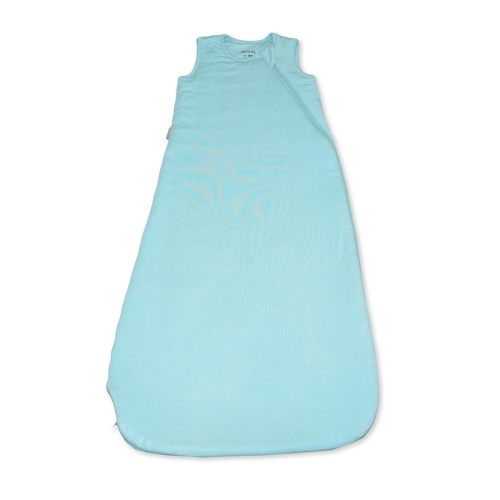
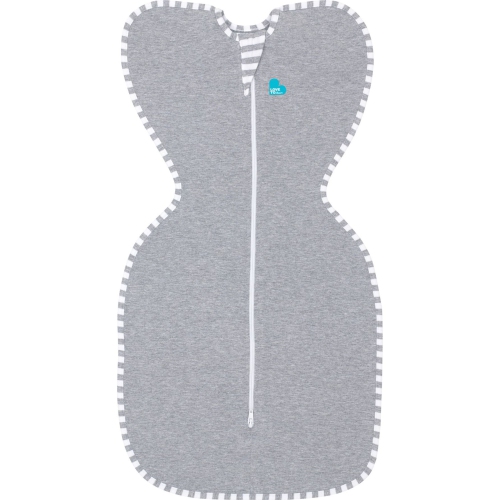
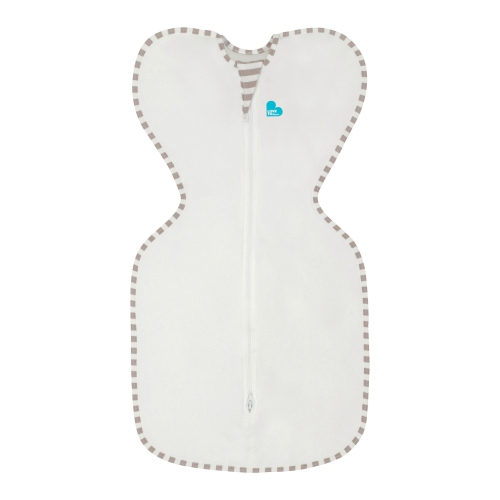
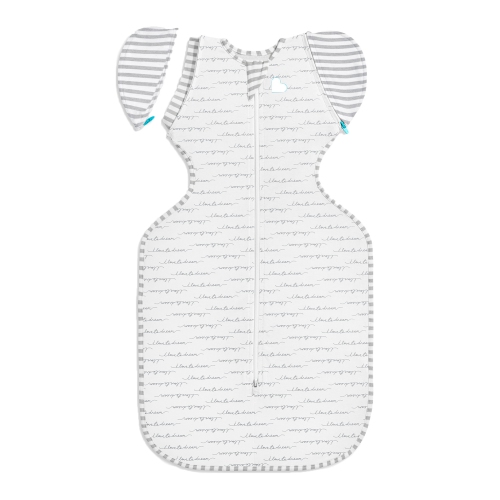
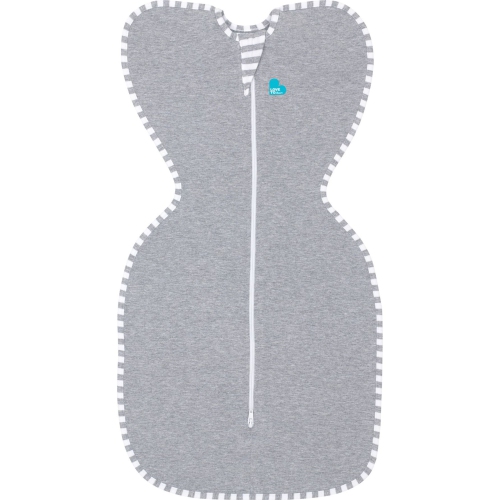
A baby sleep sack is a wearable blanket designed to keep an infant comfortably covered during sleep without relying on loose blankets in the crib. For many families, it becomes part of a familiar bedtime rhythm: a fresh nappy, comfortable sleepwear, a gentle feed or story, and a sleep sack before the lights go down. The sleeveless design helps keep fabric from bunching around a baby’s face while leaving the arms available for natural movement, although parents should always follow the instructions for the specific style and stage. A sleep sack can be especially useful for babies who kick off blankets, move around during the night, or settle more easily when they have a consistent layer around their body. It may also be a thoughtful gift for new parents, particularly when paired with other practical nursery essentials. When choosing from a selection of Baby Sleep Sack options, consider the baby’s current height, weight, and developmental stage rather than choosing by age alone. A well-fitting sack should sit securely around the chest and neck, with openings that do not allow the baby to slip inside, while the lower portion should provide enough room for comfortable leg and hip movement. Always check the manufacturer’s sizing guidance, as proportions can vary between designs. The sleep sack should be used over sleepwear, not as a substitute for a safe sleep space, and babies should be placed on their backs in a clear crib, cradle, or bassinet with a firm, flat mattress.
Temperature and fabric are important considerations, especially as indoor heating begins during the cooler months and room temperatures can change from day to night. Many sleep sacks use a Thermal Overall Grade, commonly called TOG, to indicate how warm the fabric is likely to feel. A lighter TOG can suit a warmer room, while a higher TOG may be more appropriate when the nursery is cooler. Rather than judging by the weather outside or by how cold an adult feels, consider the temperature of the baby’s sleep environment and dress the baby in a light layer underneath according to the sleep sack’s instructions. Touch the baby’s chest or back to check for signs of overheating; warm, sweaty, flushed, or damp skin can indicate that fewer layers are needed, while cool hands and feet alone do not necessarily mean the baby is cold. Cotton can be a versatile choice for everyday use, with a soft, familiar feel and breathable construction, while fleece may provide extra warmth for cooler indoor spaces. Some families prefer smooth, lightweight fabrics that make overnight changes easier, while others look for stretch, a roomy bottom, or a two-way zip. Details such as a zip guard, covered fasteners, wide arm openings, and an opening that allows easy access for nappy changes can make a noticeable difference during a sleepy 3 a.m. routine. Washability also matters: babies can go through several outfit changes in a short time, so a sleep sack that follows straightforward care instructions and holds its shape after washing can be easier to keep in regular rotation. Having more than one can be convenient for families who want a clean backup after spills, leaks, or laundry days.
Before each use, inspect the sleep sack for loose threads, damaged fasteners, stretched openings, or other signs of wear, and replace it if the fit is no longer secure. Avoid adding a loose blanket, pillow, bumper, stuffed toy, or other soft item to the sleep space, and take care not to layer clothing in a way that could cause overheating. Sleep sacks intended for swaddling require particular attention: swaddling should be discontinued when a baby shows signs of trying to roll, and a standard arms-free sleep sack may be more appropriate once the baby can move more independently. Products with hoods, weighted sections, or features that restrict movement should be used only as directed, and caregivers should read all warnings and care instructions before use. A sleep sack is most helpful when it fits naturally into the household’s routine. In a nursery that feels crisp before the heating comes on, a warmer layer may help create a comfortable transition from a bath to bedtime; in a well-heated room, a lighter option may be enough. Grandparents, relatives, and friends shopping for a baby shower, welcome-home gift, or first birthday can choose a size with a little growing room while still ensuring that the neck and arm openings are secure when worn. With the right fit, suitable warmth, and a clear, uncluttered sleep space, a baby sleep sack can offer a simple way to keep an infant covered through naps and overnight sleep while giving caregivers one less loose layer to manage.
Temperature and fabric are important considerations, especially as indoor heating begins during the cooler months and room temperatures can change from day to night. Many sleep sacks use a Thermal Overall Grade, commonly called TOG, to indicate how warm the fabric is likely to feel. A lighter TOG can suit a warmer room, while a higher TOG may be more appropriate when the nursery is cooler. Rather than judging by the weather outside or by how cold an adult feels, consider the temperature of the baby’s sleep environment and dress the baby in a light layer underneath according to the sleep sack’s instructions. Touch the baby’s chest or back to check for signs of overheating; warm, sweaty, flushed, or damp skin can indicate that fewer layers are needed, while cool hands and feet alone do not necessarily mean the baby is cold. Cotton can be a versatile choice for everyday use, with a soft, familiar feel and breathable construction, while fleece may provide extra warmth for cooler indoor spaces. Some families prefer smooth, lightweight fabrics that make overnight changes easier, while others look for stretch, a roomy bottom, or a two-way zip. Details such as a zip guard, covered fasteners, wide arm openings, and an opening that allows easy access for nappy changes can make a noticeable difference during a sleepy 3 a.m. routine. Washability also matters: babies can go through several outfit changes in a short time, so a sleep sack that follows straightforward care instructions and holds its shape after washing can be easier to keep in regular rotation. Having more than one can be convenient for families who want a clean backup after spills, leaks, or laundry days.
Before each use, inspect the sleep sack for loose threads, damaged fasteners, stretched openings, or other signs of wear, and replace it if the fit is no longer secure. Avoid adding a loose blanket, pillow, bumper, stuffed toy, or other soft item to the sleep space, and take care not to layer clothing in a way that could cause overheating. Sleep sacks intended for swaddling require particular attention: swaddling should be discontinued when a baby shows signs of trying to roll, and a standard arms-free sleep sack may be more appropriate once the baby can move more independently. Products with hoods, weighted sections, or features that restrict movement should be used only as directed, and caregivers should read all warnings and care instructions before use. A sleep sack is most helpful when it fits naturally into the household’s routine. In a nursery that feels crisp before the heating comes on, a warmer layer may help create a comfortable transition from a bath to bedtime; in a well-heated room, a lighter option may be enough. Grandparents, relatives, and friends shopping for a baby shower, welcome-home gift, or first birthday can choose a size with a little growing room while still ensuring that the neck and arm openings are secure when worn. With the right fit, suitable warmth, and a clear, uncluttered sleep space, a baby sleep sack can offer a simple way to keep an infant covered through naps and overnight sleep while giving caregivers one less loose layer to manage.
Top selling and popular products
-
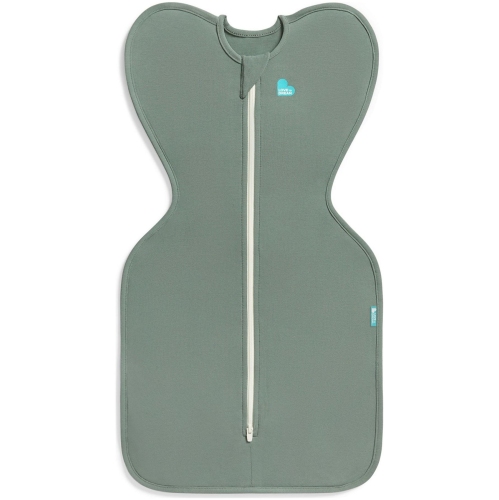 Your price for this item is $44.95
 -
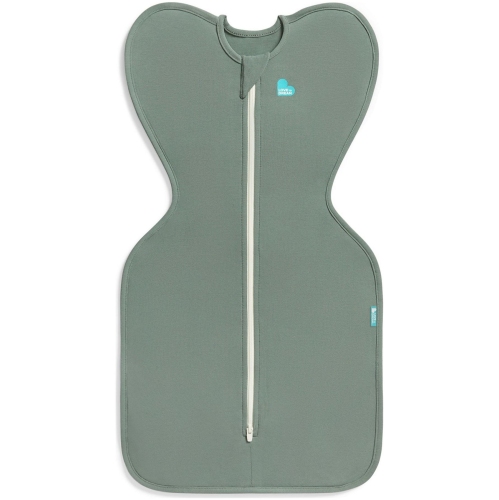 Your price for this item is $44.95
 -
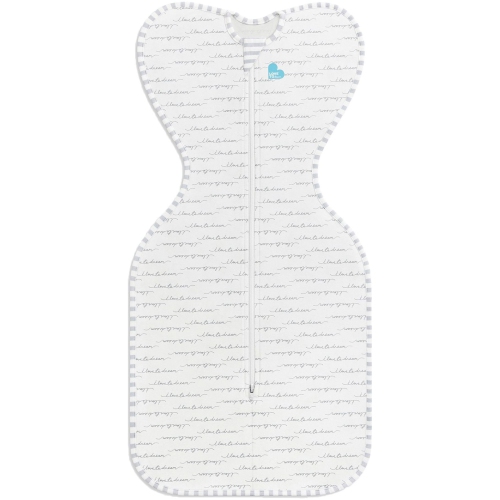 Your price for this item is $44.95
 -
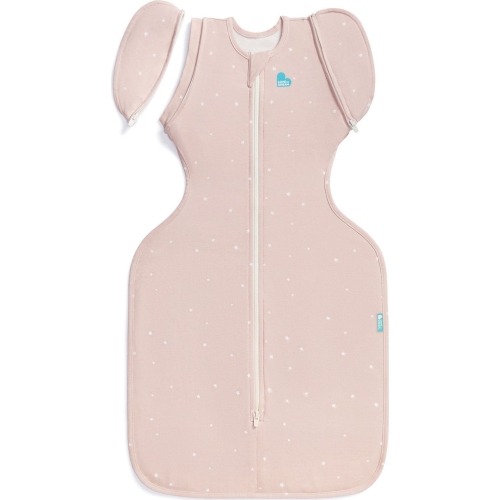 Your price for this item is $54.95
 -
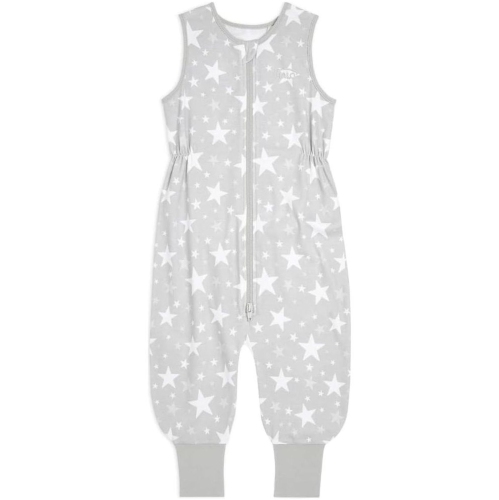 Your price for this item is $44.99
 -
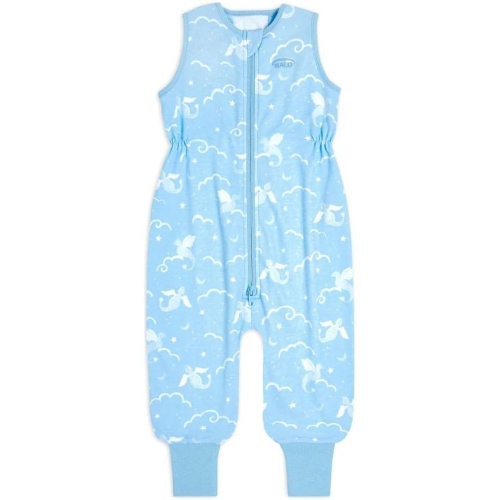 Your price for this item is $44.99
 -
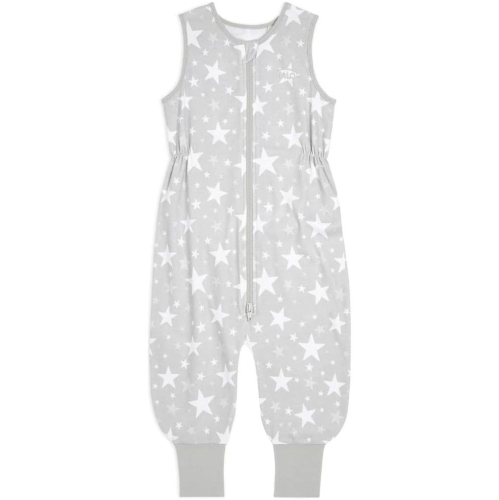 Your price for this item is $44.99
 -
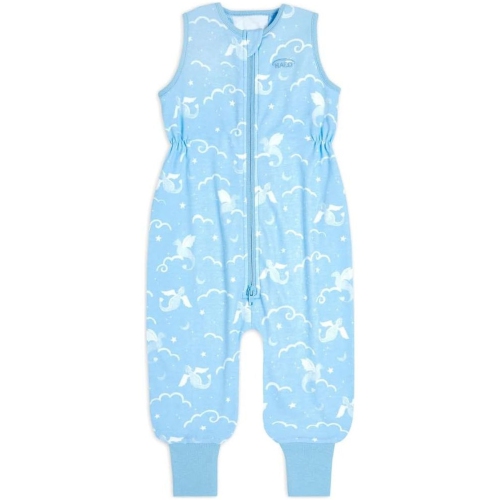 Your price for this item is $34.98
Discover more categories related to Sleep Sack Baby
Top Collections:
Pokemon Centers, Kindle Devices, Best Budget Office Chairs, Apple iPhones 16, Best Laptops for Writers, iPhone 15 Apple, Canon G7X Cameras, Refurbished Apple Laptops, Alarm Clock, Motorola Razr Phones
Some products may be subject to Environmental Handling Fees
(EHF) depending on your province.
Learn more about EHFs.