Crib Decor
Transform your baby's nursery into a cozy and enchanting space with charming crib decor that adds a touch of magic to bedtime. From soft, soothing colors to whimsical patterns, the right decor can create an inviting atmosphere that nurtures your little one's dreams. Explore a variety of delightful options that blend style and comfort, ensuring your baby's crib becomes a serene sanctuary. Whether you're looking for playful themes or elegant simplicity, there's something to suit every taste and complement any nursery design. Let your creativity shine as you select pieces that reflect your unique style while providing a safe and snug haven for your baby.
Sort
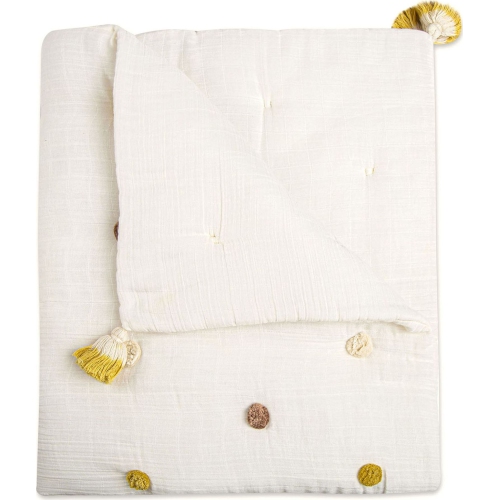
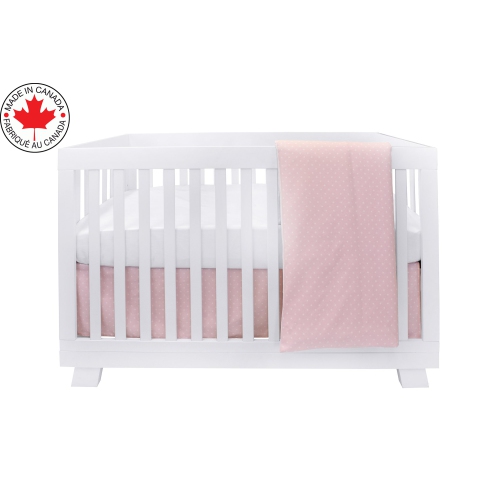
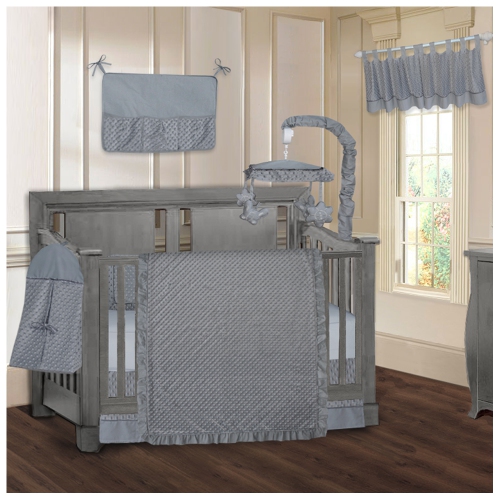
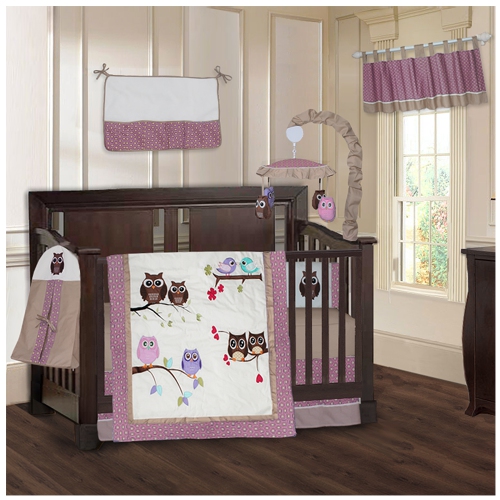
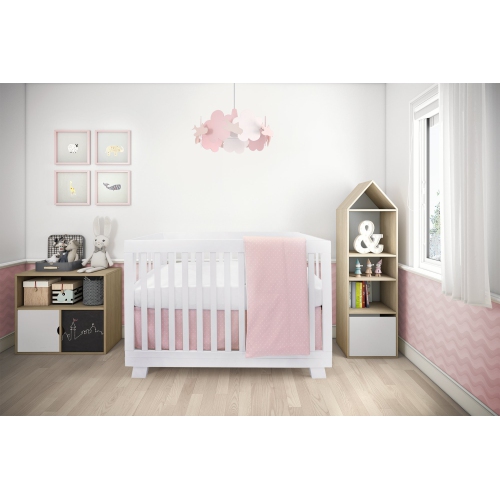
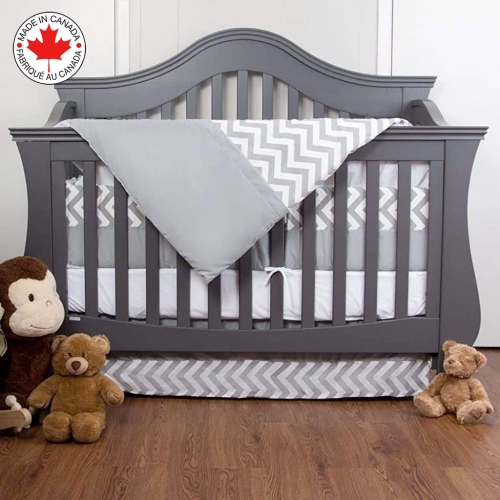
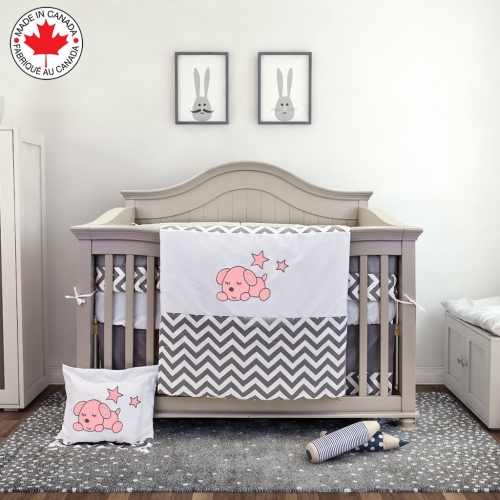
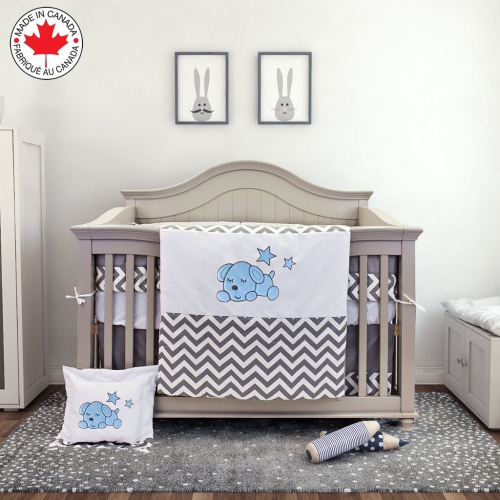
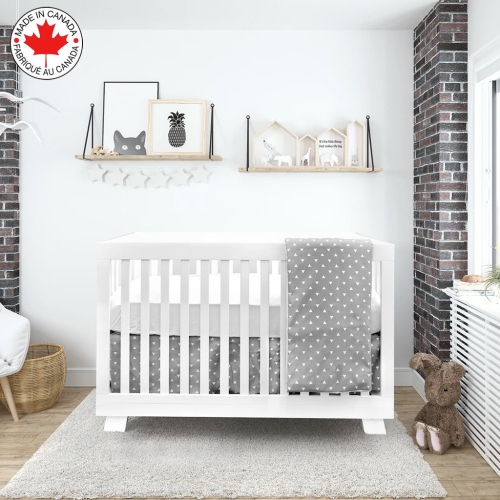
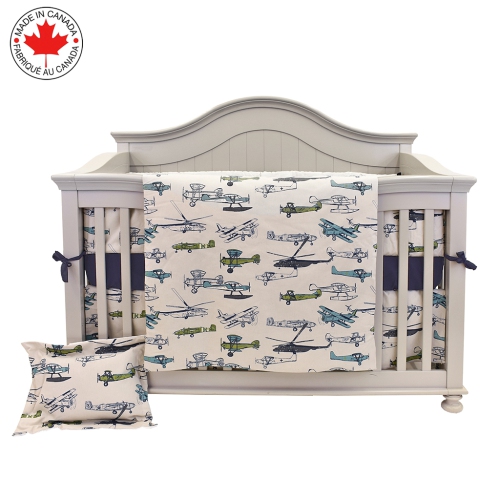
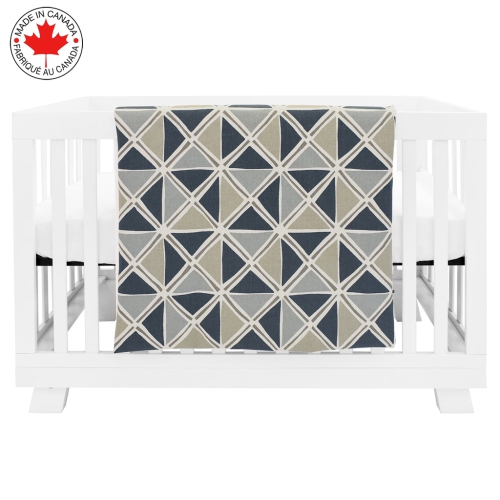
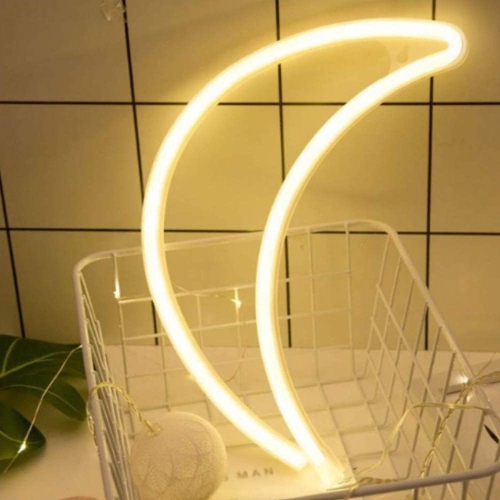
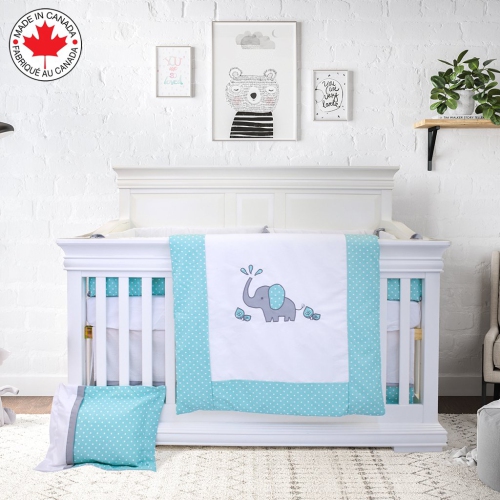
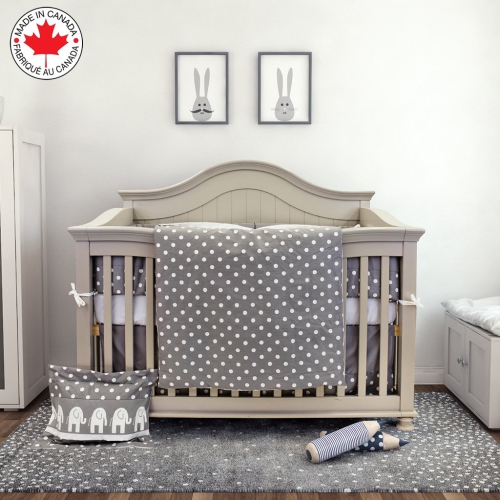
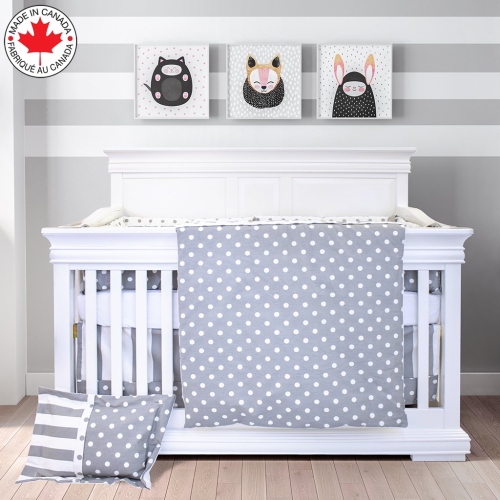
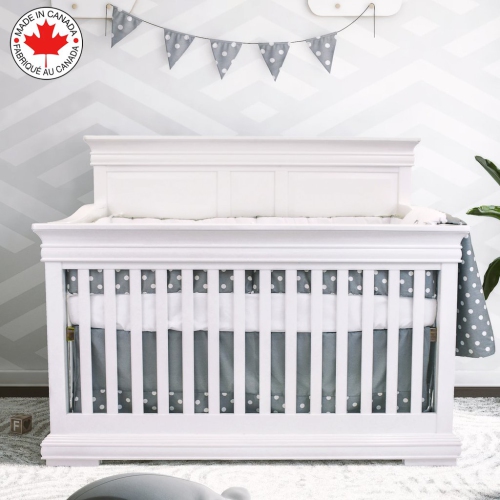
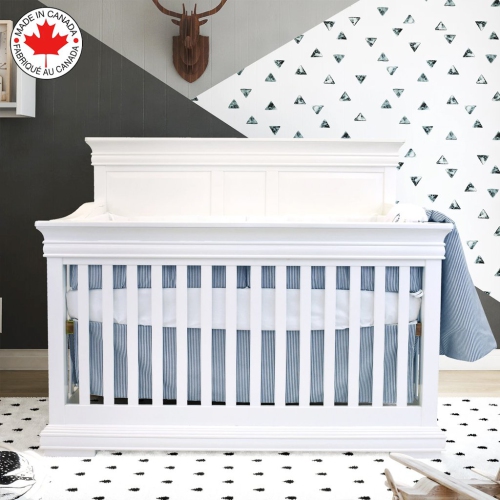
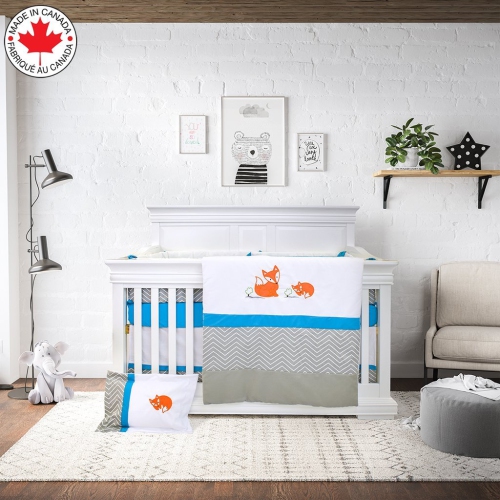
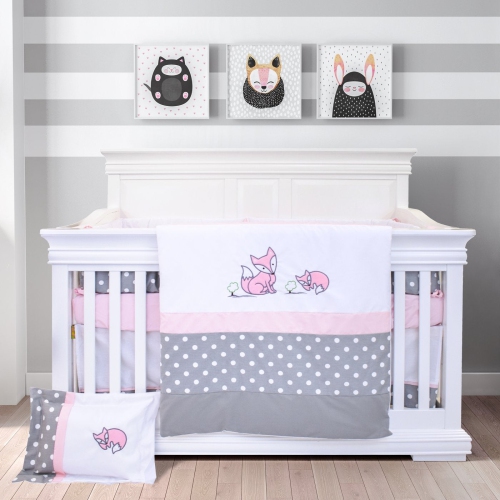
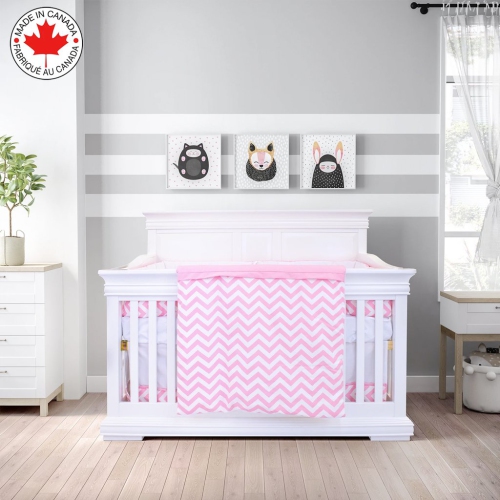
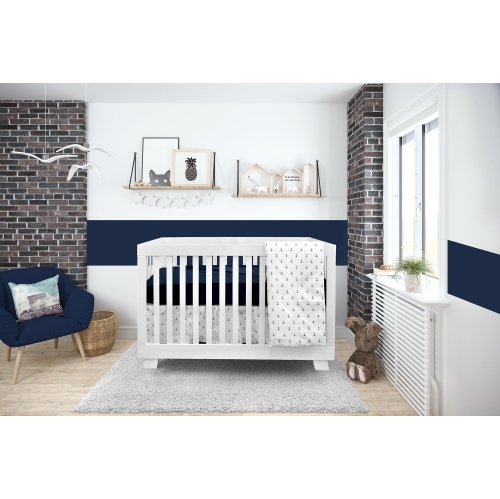
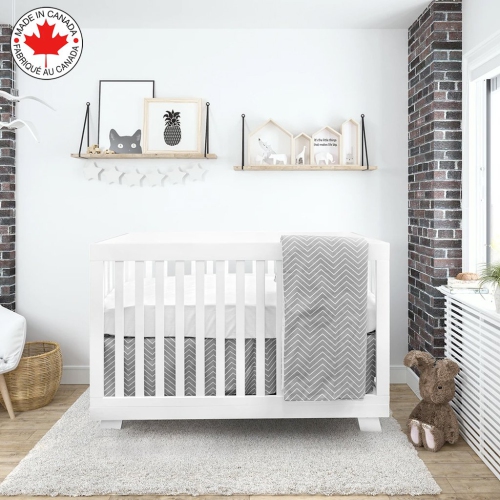
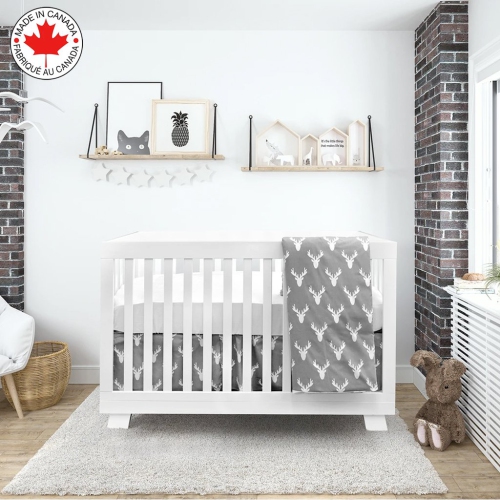
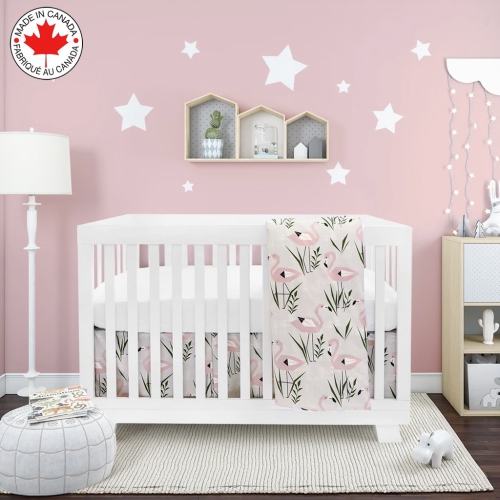
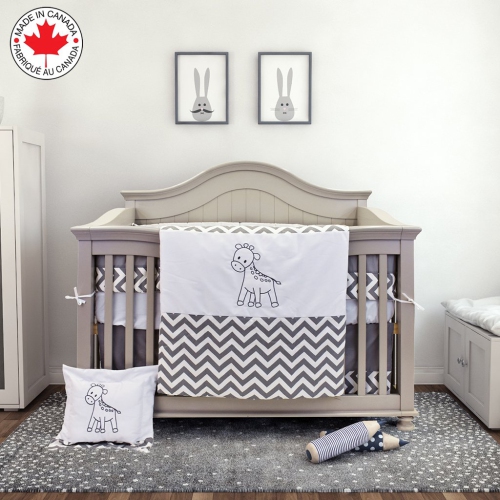
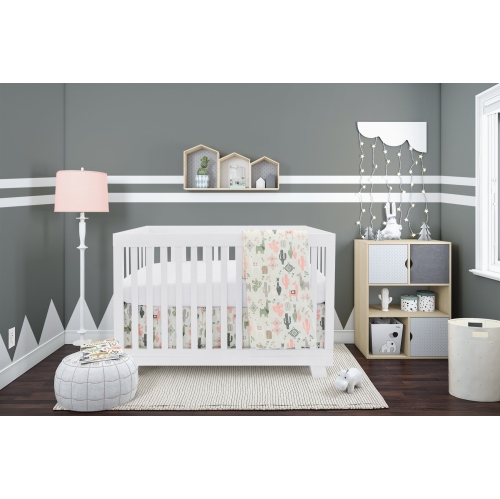
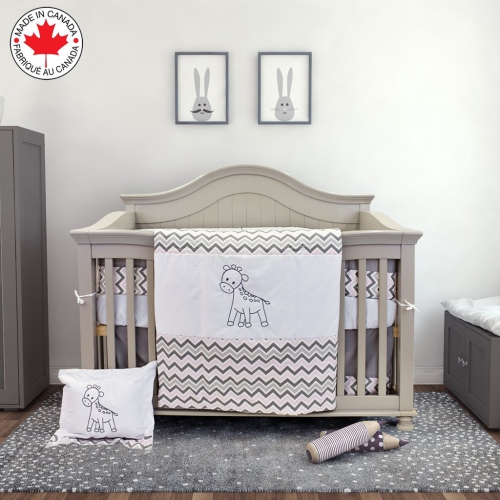
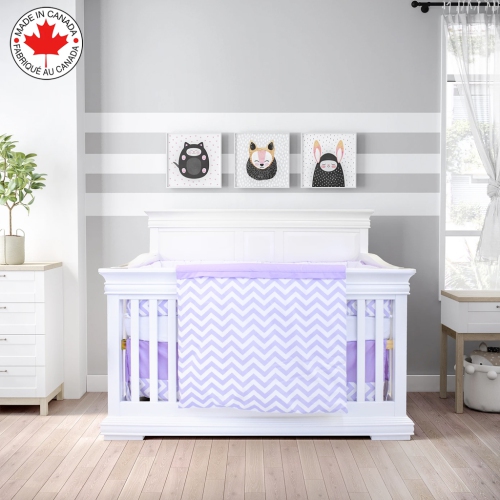
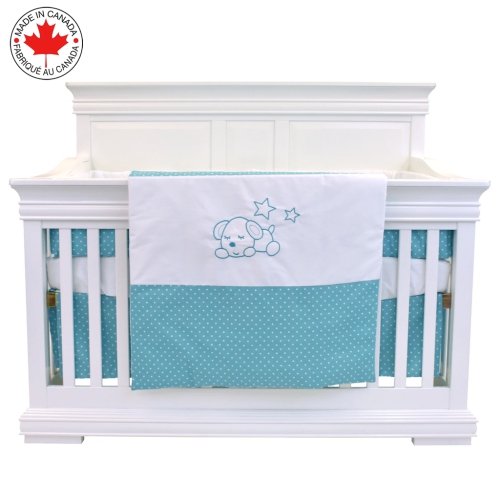
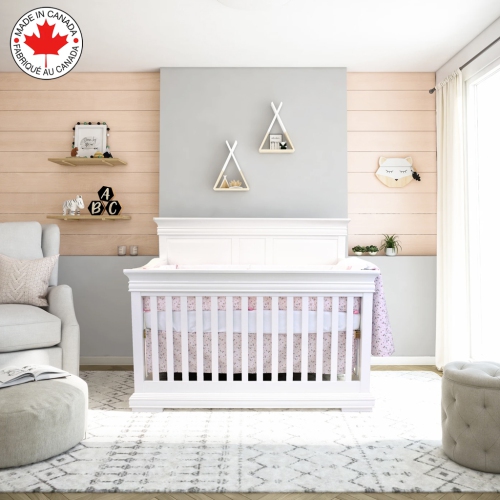
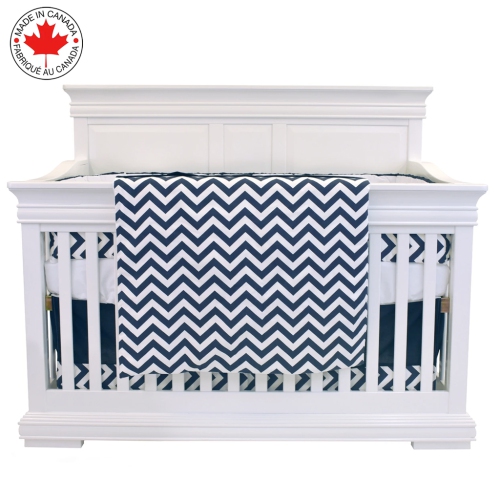
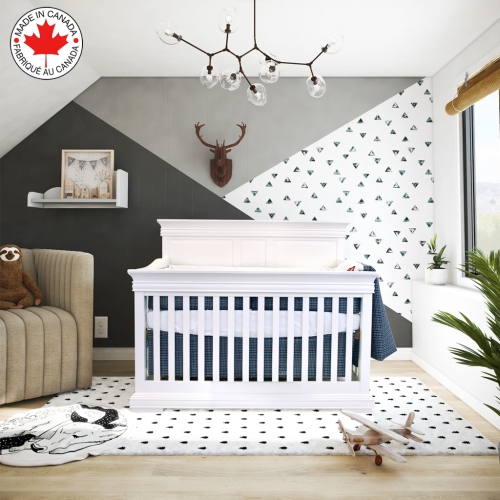
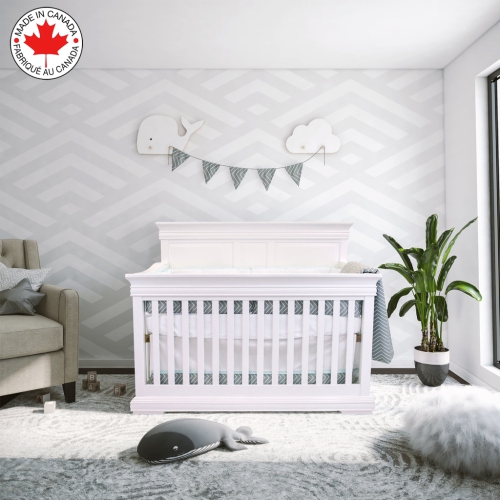
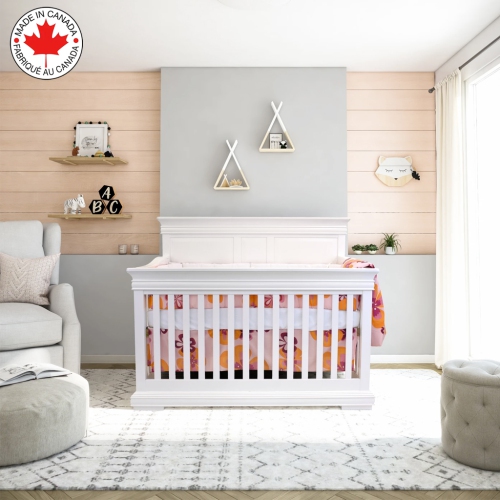
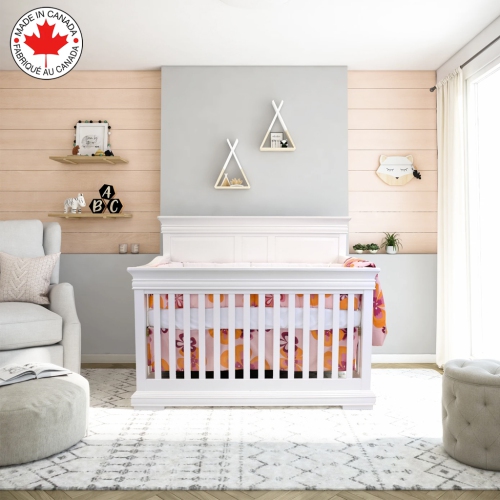
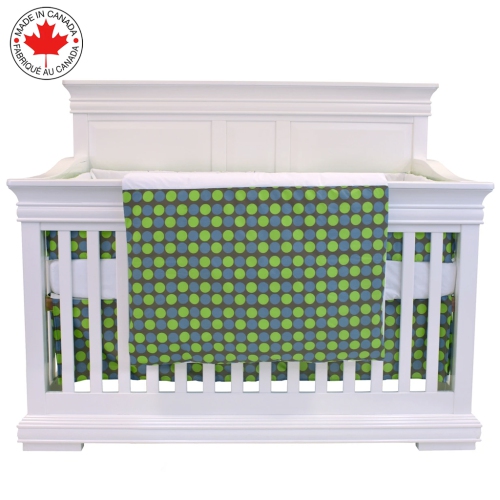
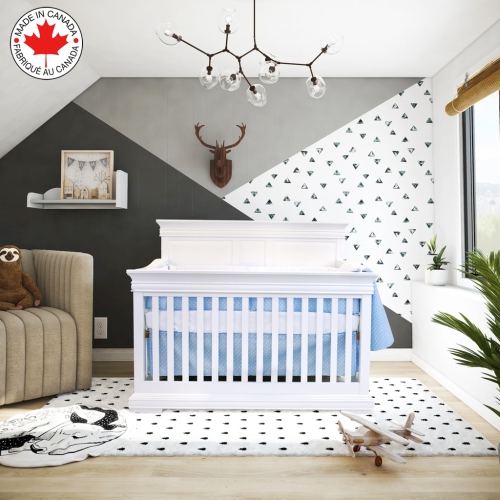
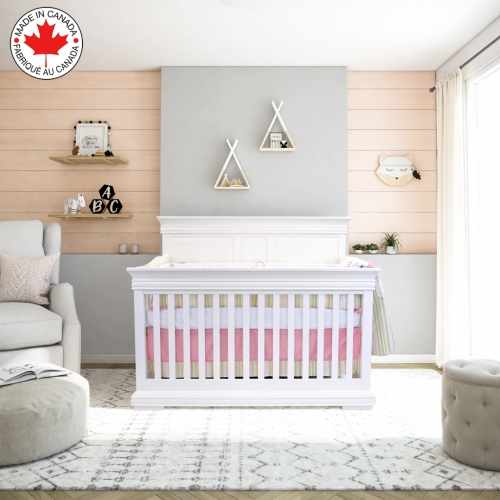
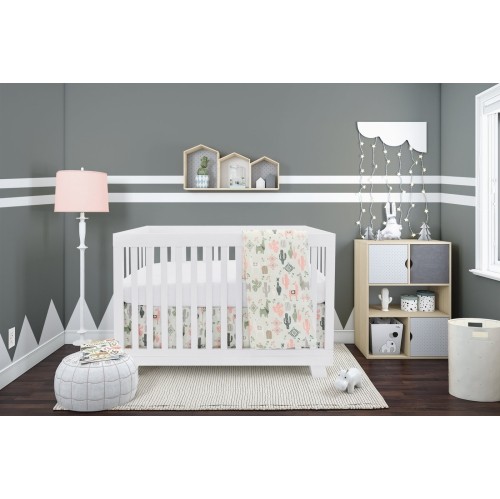
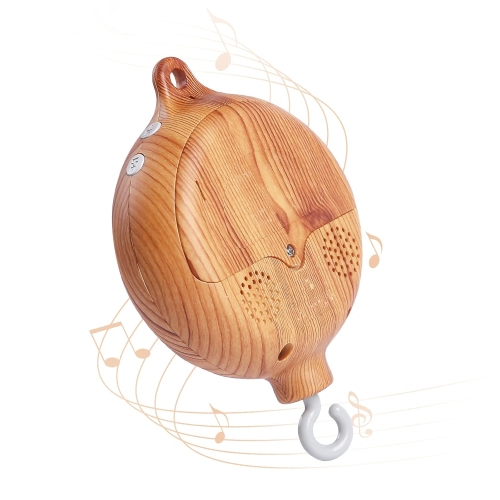
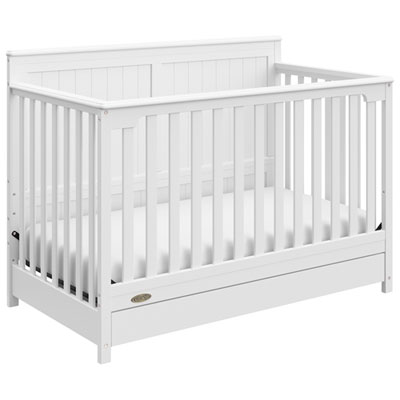
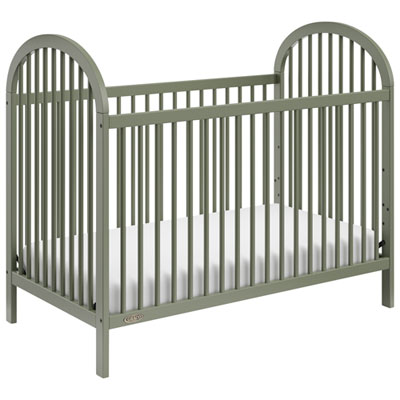
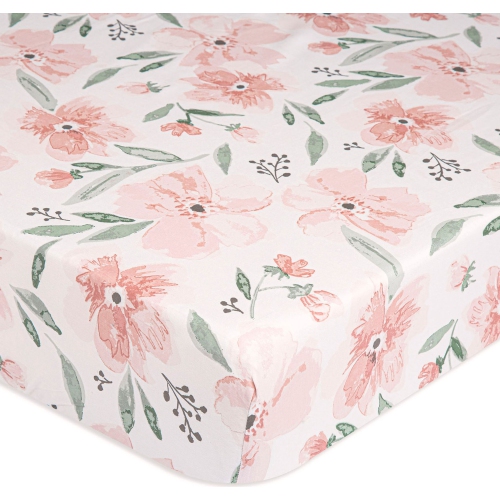
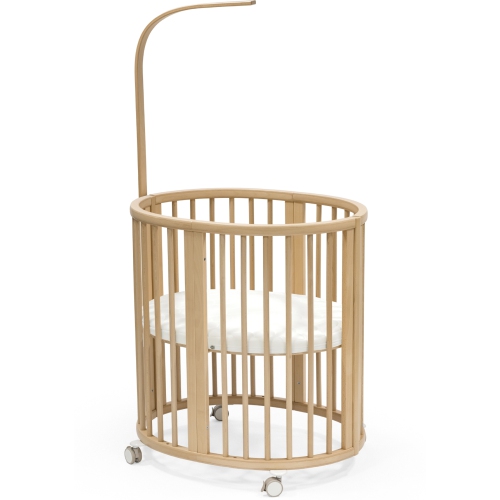
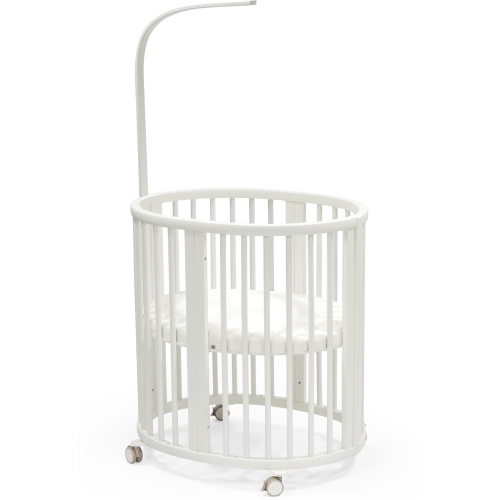
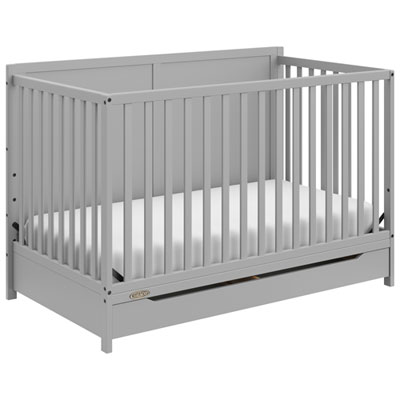
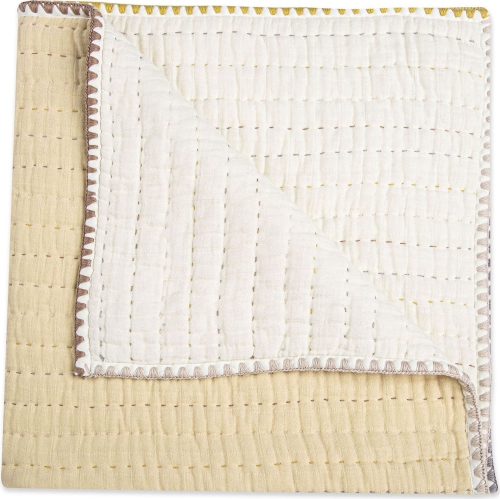
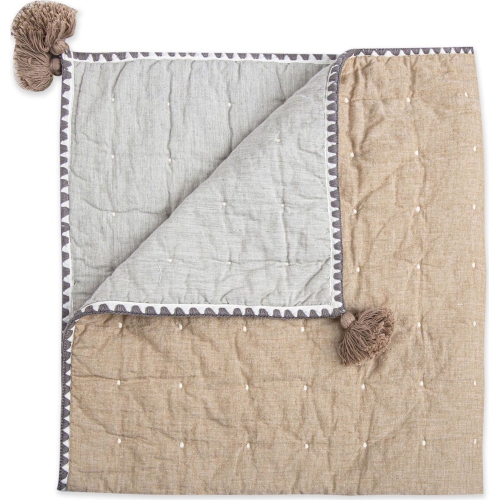
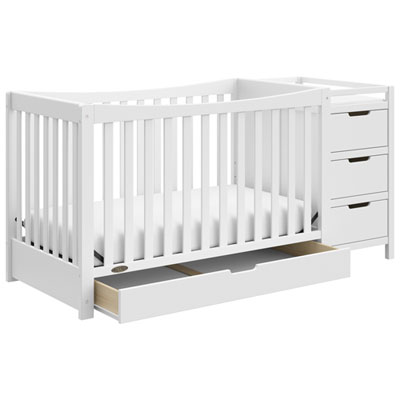
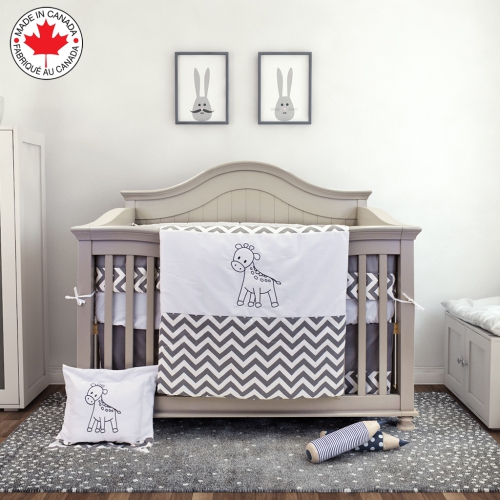
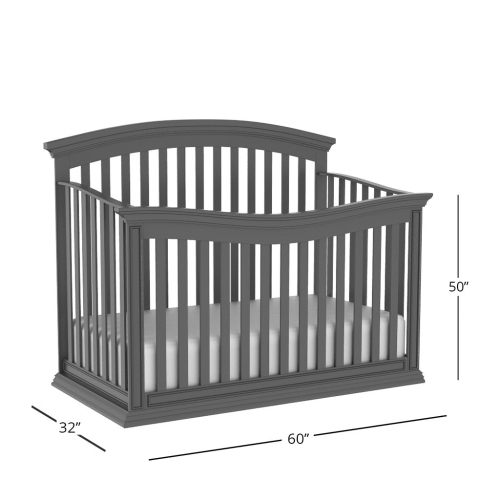
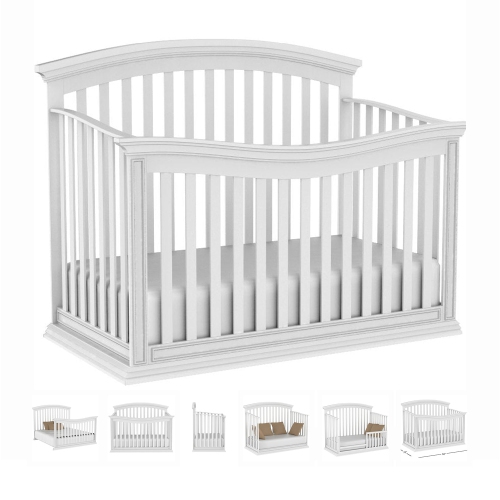
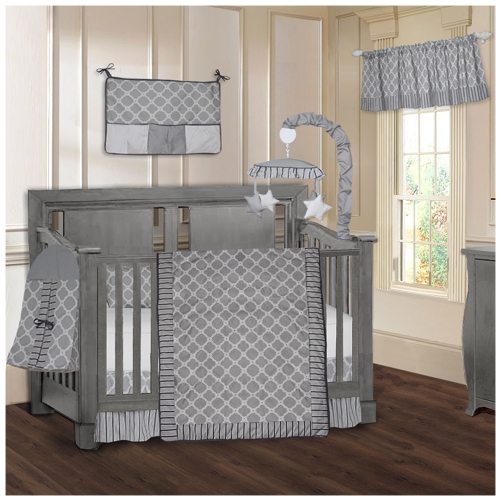
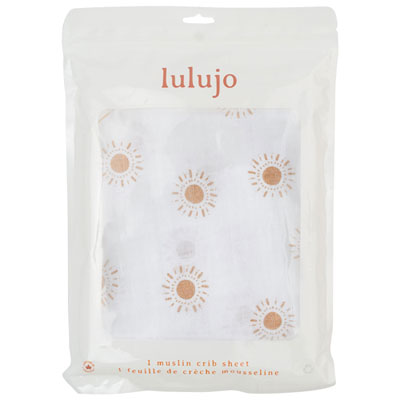
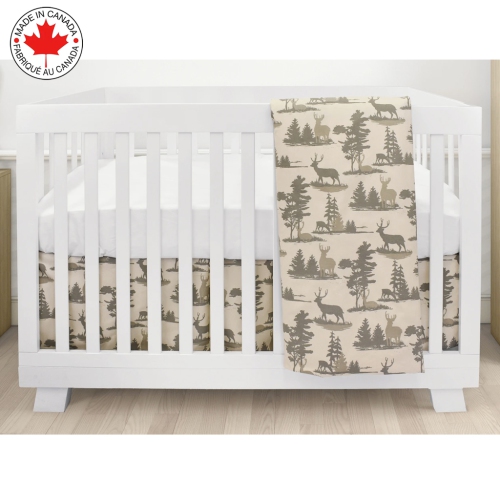
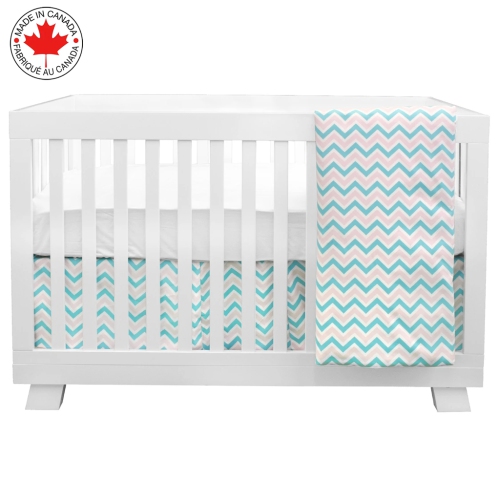
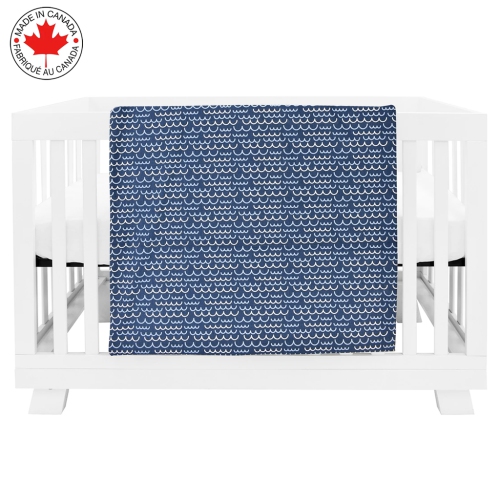
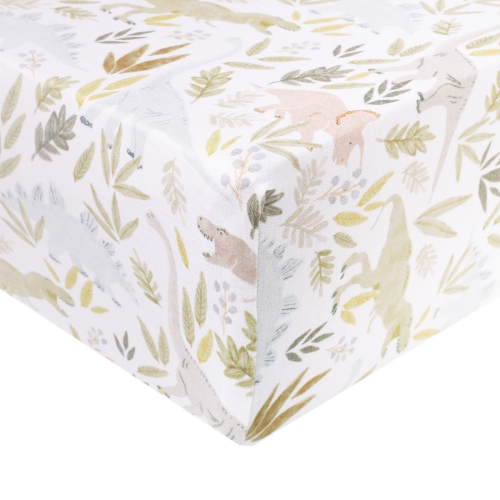
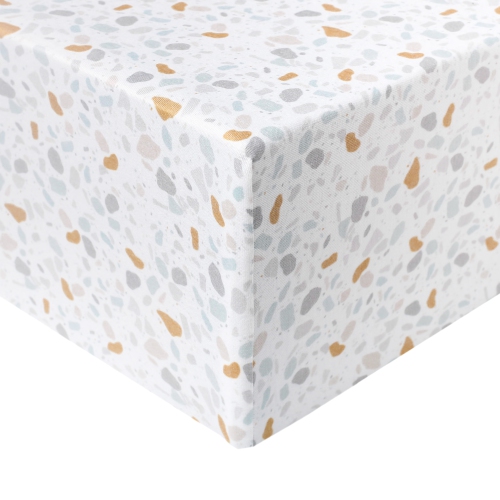
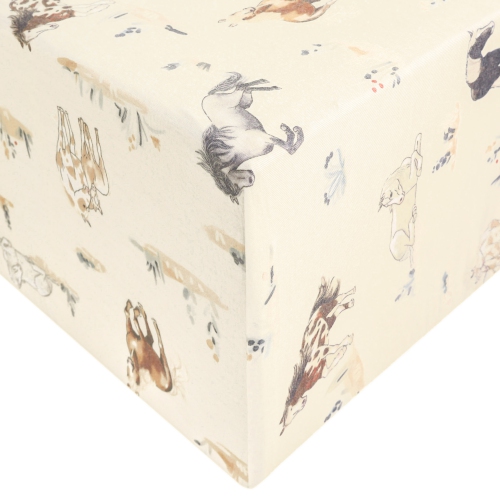
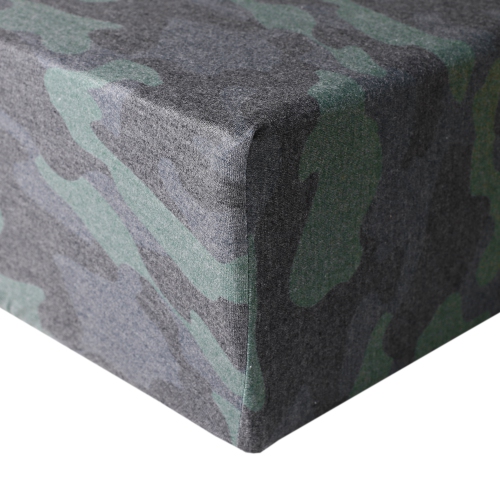

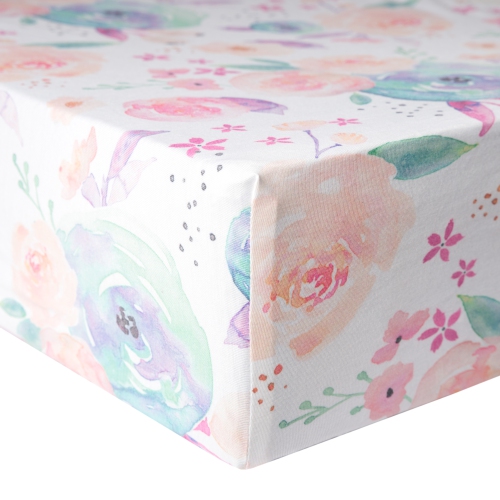
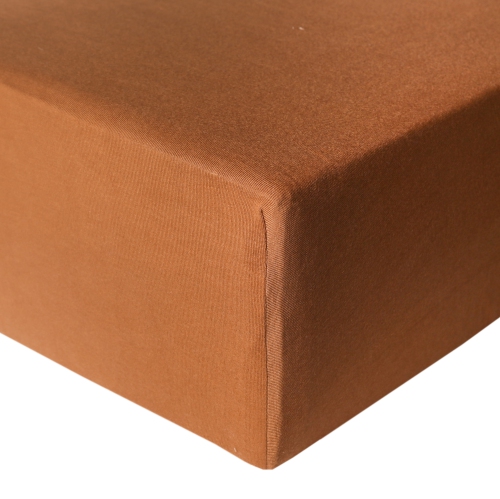
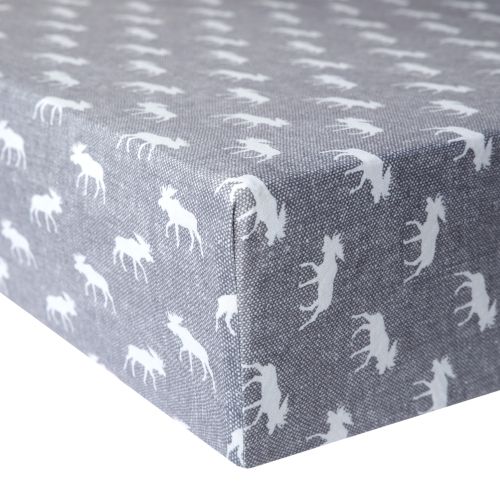
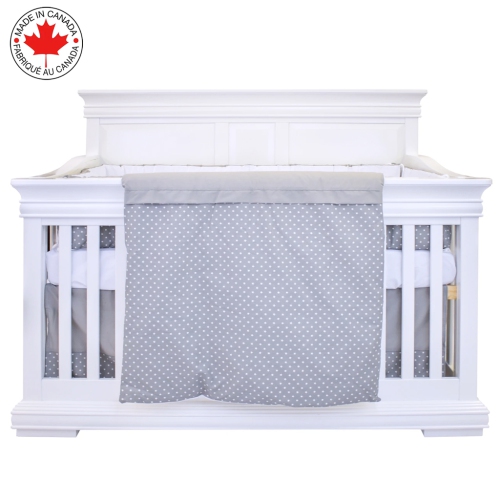
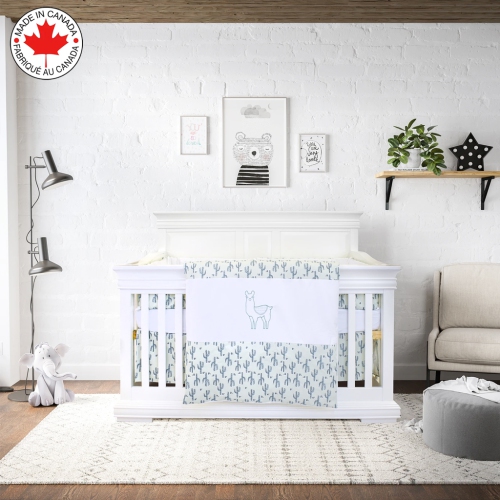
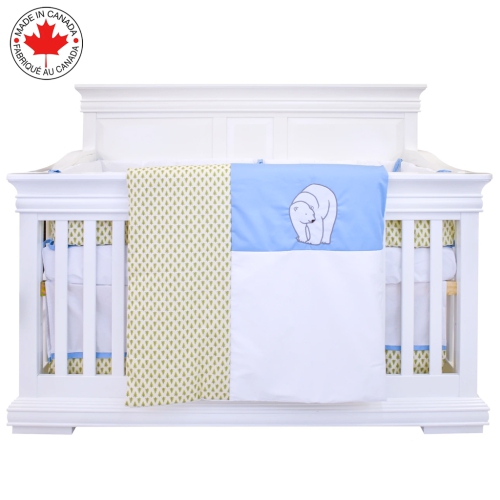
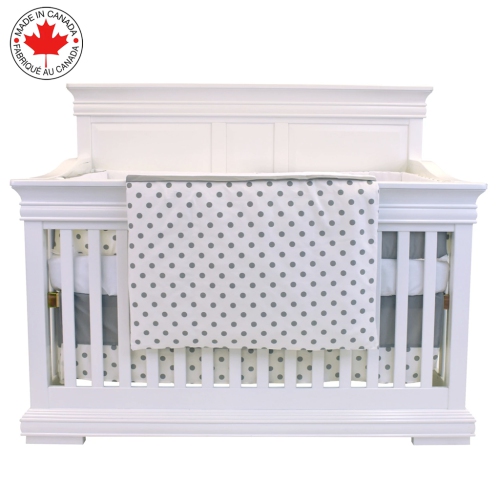
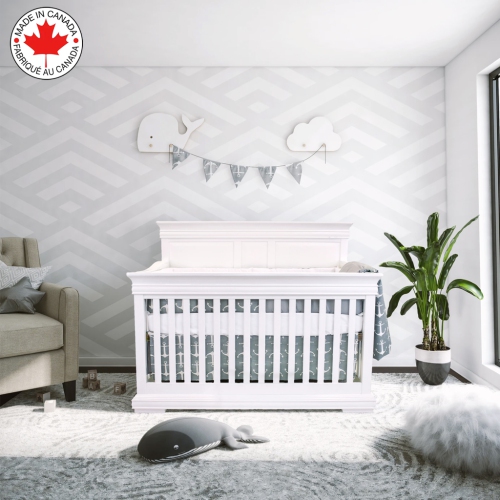
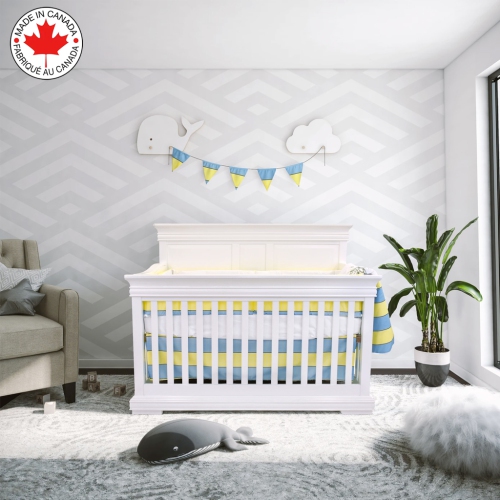
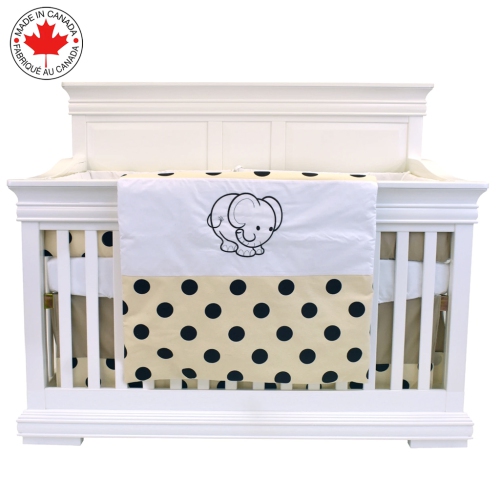
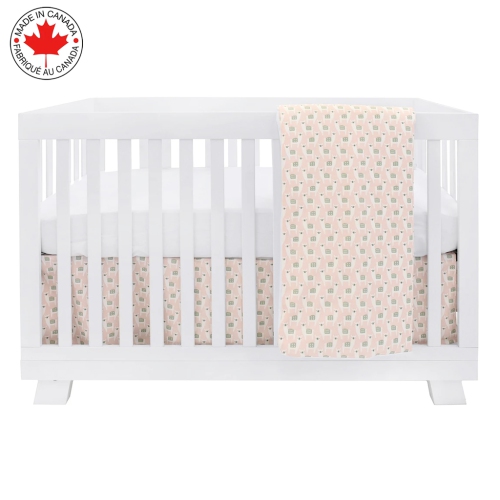
Nursery decor belongs around the crib, not inside it
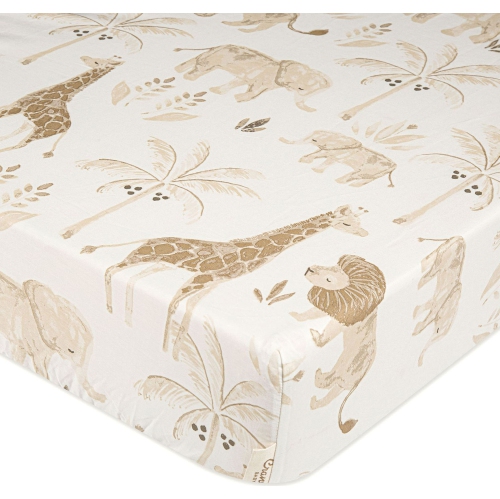
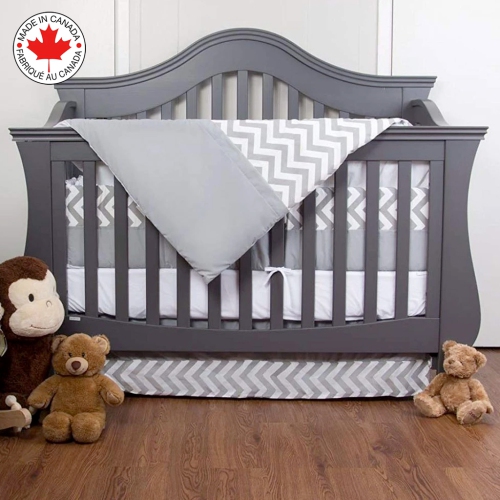
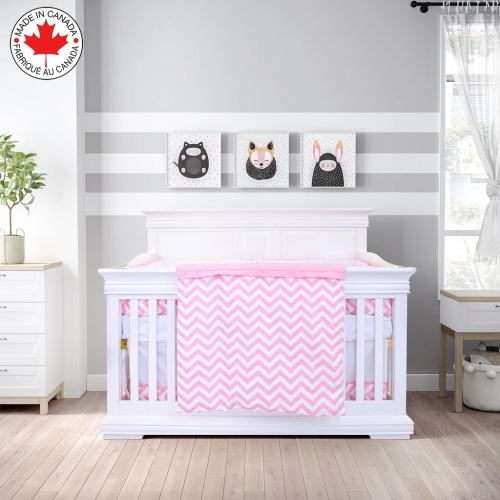
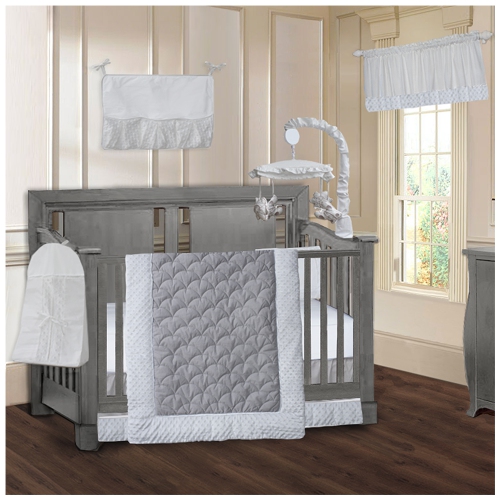
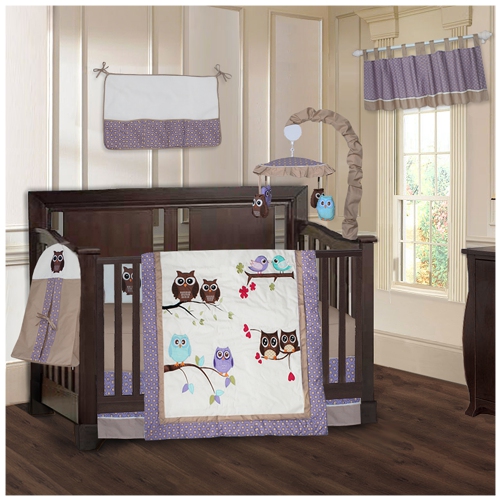
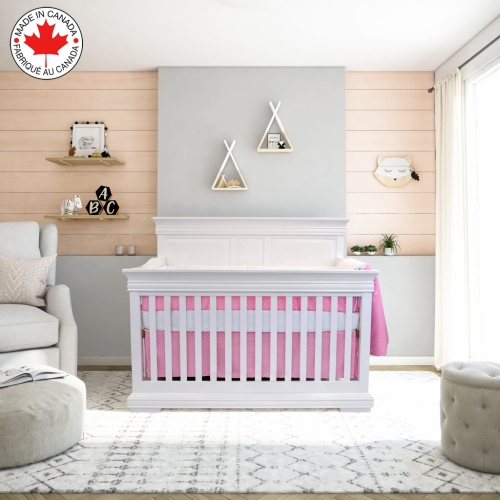
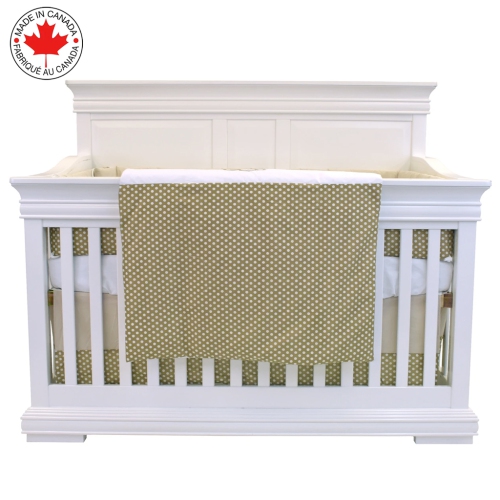
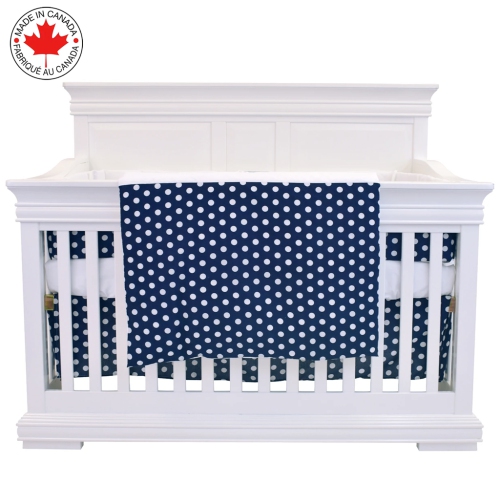
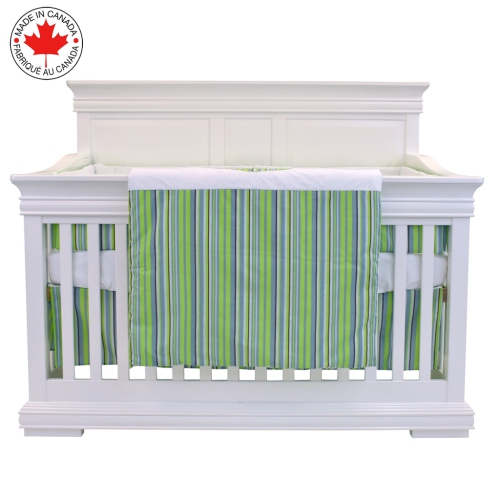
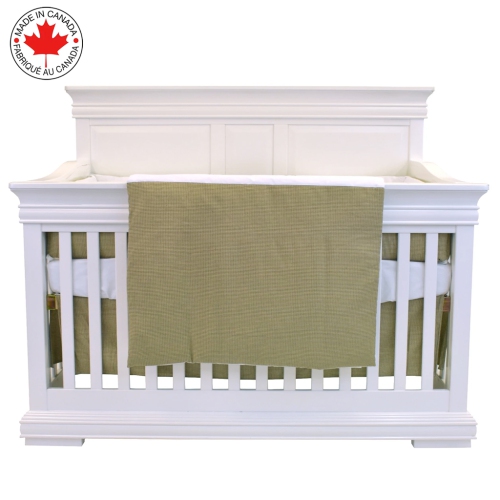
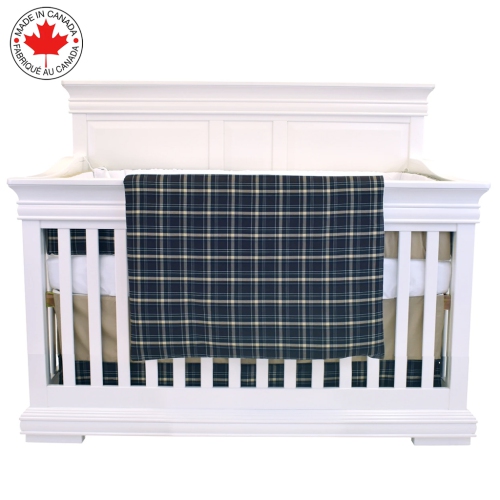
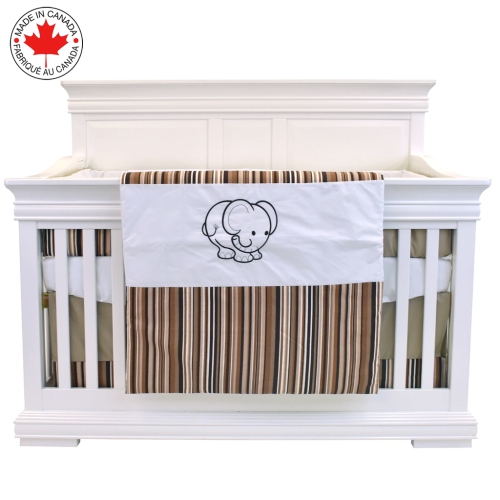
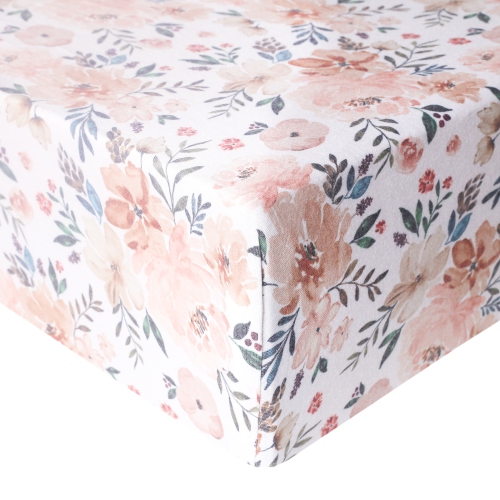
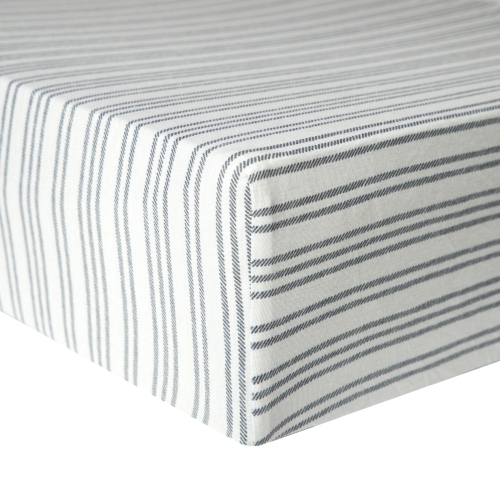
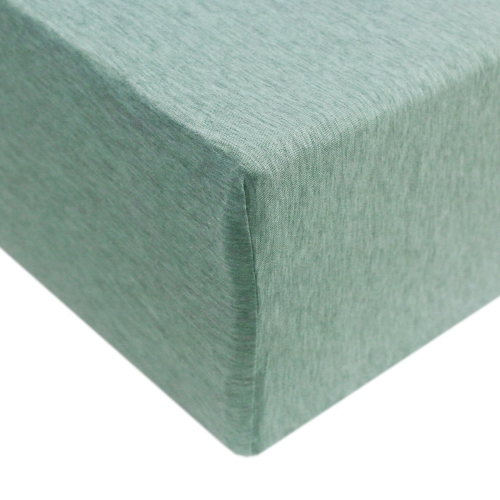
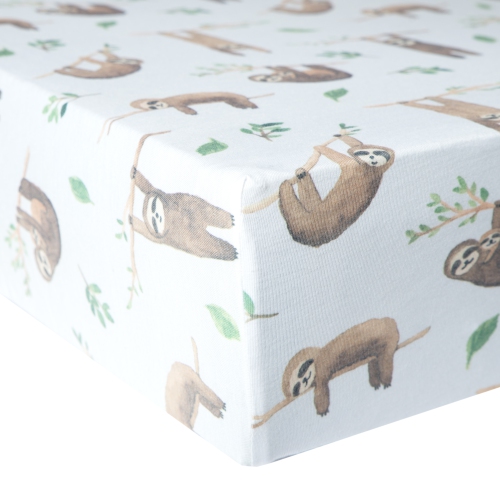
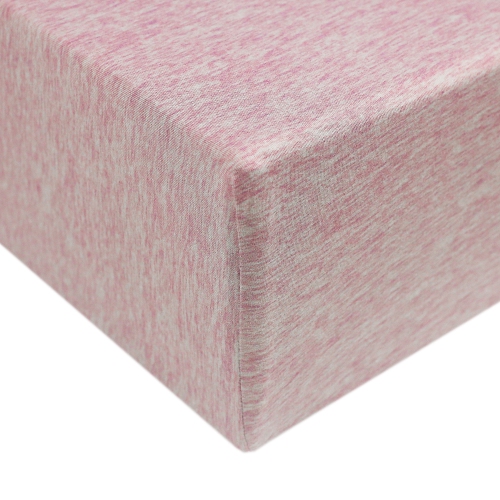
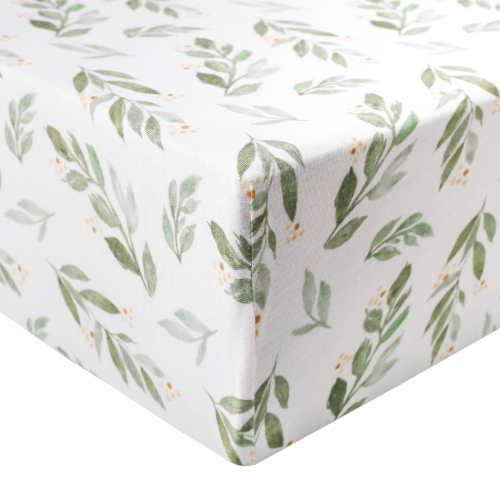
Crib decor can help create a calm, welcoming nursery, but the crib itself should remain as clear and uncluttered as possible. For safe sleep, the recommended setup is a firm, flat mattress with one tightly fitted sheet designed for that mattress, with no loose fabric or decorative items around the sleeping surface. Avoid placing pillows, quilts, loose blankets, stuffed animals, crib bumpers, sleep positioners, plastic items, or toys in the crib, as these can create suffocation, entrapment, overheating, or strangulation hazards. A fitted mattress pad may help protect the mattress from everyday accidents, provided it is made for the crib mattress and remains completely smooth and secure beneath the sheet. If your baby uses a pacifier, choose one without a cord, clip, ribbon, or other attachment and place it in the crib separately. Wearable blankets and properly sized sleepwear can provide warmth during cooler months without adding loose bedding. Always follow the latest guidance from Health Canada and your child’s health-care professional, and check the crib, mattress, sheet, and accessories regularly for damage, gaps, loose stitching, or signs that they no longer fit securely. A carefully chosen fitted sheet in a soft colour or subtle pattern can bring personality to the nursery while keeping the sleep space simple. Many parents find that having several spare sheets makes nighttime changes easier, especially after spills or accidents, and a small collection of coordinated fabrics can create a polished look without adding anything unsafe to the crib.
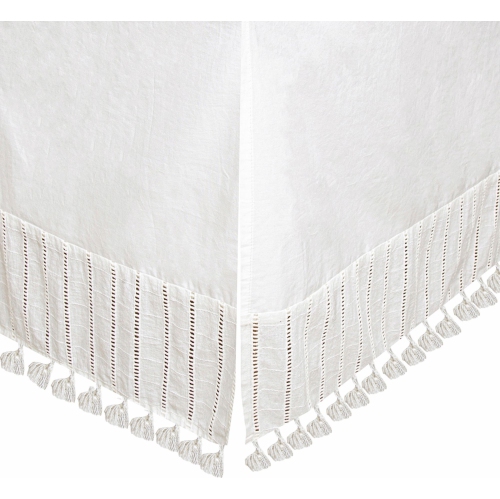
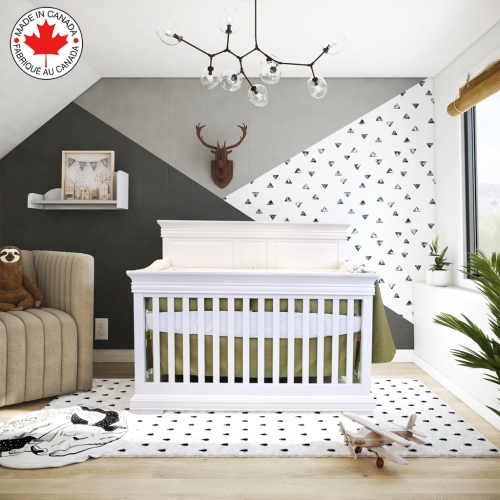
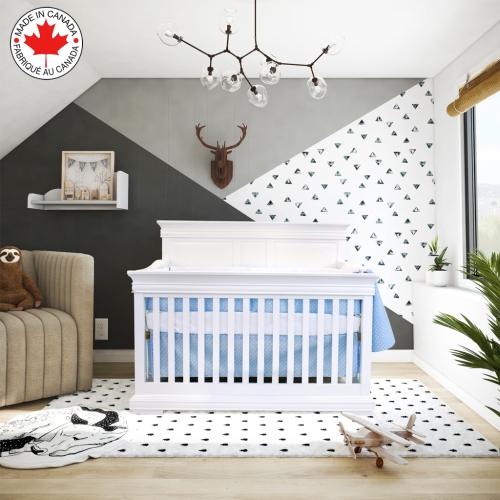
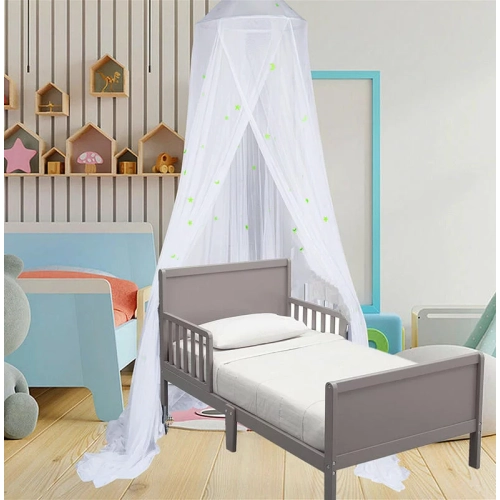
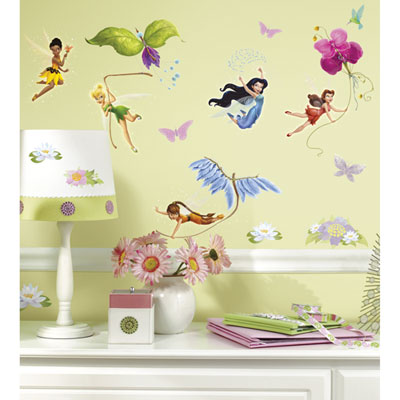
The most flexible approach to crib decor is to place decorative touches around the crib rather than inside it. Wall art, removable decals, framed illustrations, rugs, curtains, storage baskets, and a comfortable chair can introduce gentle colour and texture while leaving the mattress area open for sleep. Soft neutrals, muted pastels, warm wood tones, and nature-inspired patterns can create a peaceful atmosphere that feels appropriate as the weather warms and remains cosy during cooler months. When arranging wall decor, keep every item securely mounted and positioned well away from the crib so a baby cannot reach it, pull it down, or become caught in a cord or hanging feature. Window coverings should also have cords kept completely out of reach, and furniture should be placed and anchored with safety in mind. Decorative cushions and throws can add comfort to a chair or reading corner, but they should stay outside the crib and away from the baby’s sleeping area. A night light with a gentle glow may make late-night feeds and changes easier, while a clock, storage solution, or sound machine can support the routines that naturally develop around bedtime; these items should sit on a stable surface, with cables secured and positioned far from curious hands. Families preparing a first nursery may appreciate choosing decor in layers: begin with the essentials, add a few visual details to the walls and furniture, then leave room for the child’s interests to emerge. Grandparents, relatives, and friends looking for a practical baby gift can consider coordinated sheets, nursery wall accents, storage accessories, or other decorative additions intended for use outside the crib. For more ideas that complement the sleep space without filling it, explore Nursery Decor.
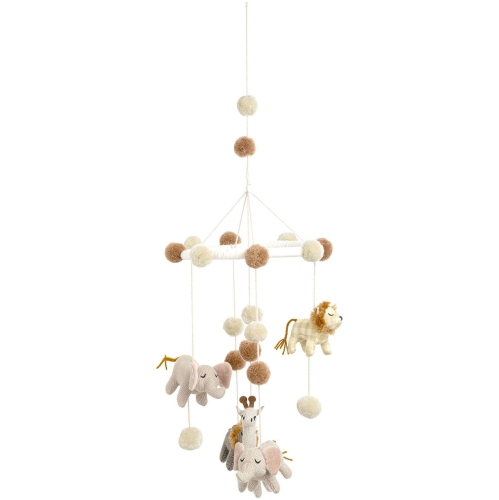
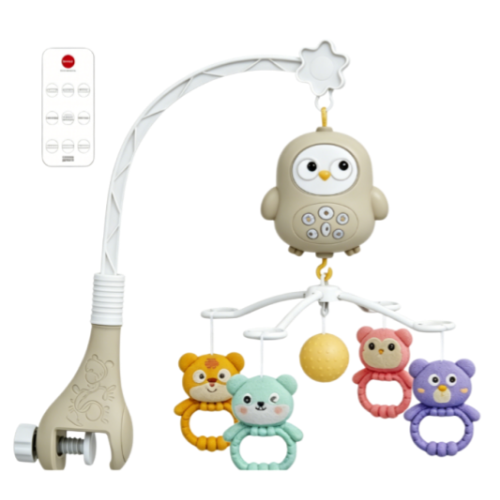
When selecting crib decor, consider the room’s size, the crib’s position, the child’s stage of development, and how easily each item can be cleaned. Smooth, washable surfaces and fabrics that can go into the laundry are useful in a nursery, where small spills and unexpected messes are part of everyday life. Measure before purchasing wall art, shelving, rugs, or storage pieces, and leave enough clearance around the crib for lifting, lowering, and changing the baby comfortably. Check that wall-mounted items are firmly attached, avoid hanging anything directly above the crib, and keep all ribbons, cords, strings, garlands, and dangling decorations far from the sleeping space. Mobiles and crib gyms may be used only according to their instructions, securely attached, and out of the baby’s reach; they should be removed as soon as the baby begins pushing up on their hands and knees, sitting independently, or otherwise reaching for them, following manufacturer guidance. As babies grow, their ability to pull, climb, and grasp changes quickly, so a nursery that was suitable for a newborn may need a safety check a few weeks later. Keeping the crib free of decorative objects also makes it easier to inspect the sheet and mattress each day and to maintain a consistent bedtime routine. A thoughtfully decorated nursery does not need to feel sparse: a quiet palette, well-chosen artwork, useful storage, and comfortable furnishings can make the room feel warm and personal while preserving a clear, secure sleep environment.
The most flexible approach to crib decor is to place decorative touches around the crib rather than inside it. Wall art, removable decals, framed illustrations, rugs, curtains, storage baskets, and a comfortable chair can introduce gentle colour and texture while leaving the mattress area open for sleep. Soft neutrals, muted pastels, warm wood tones, and nature-inspired patterns can create a peaceful atmosphere that feels appropriate as the weather warms and remains cosy during cooler months. When arranging wall decor, keep every item securely mounted and positioned well away from the crib so a baby cannot reach it, pull it down, or become caught in a cord or hanging feature. Window coverings should also have cords kept completely out of reach, and furniture should be placed and anchored with safety in mind. Decorative cushions and throws can add comfort to a chair or reading corner, but they should stay outside the crib and away from the baby’s sleeping area. A night light with a gentle glow may make late-night feeds and changes easier, while a clock, storage solution, or sound machine can support the routines that naturally develop around bedtime; these items should sit on a stable surface, with cables secured and positioned far from curious hands. Families preparing a first nursery may appreciate choosing decor in layers: begin with the essentials, add a few visual details to the walls and furniture, then leave room for the child’s interests to emerge. Grandparents, relatives, and friends looking for a practical baby gift can consider coordinated sheets, nursery wall accents, storage accessories, or other decorative additions intended for use outside the crib. For more ideas that complement the sleep space without filling it, explore Nursery Decor.
When selecting crib decor, consider the room’s size, the crib’s position, the child’s stage of development, and how easily each item can be cleaned. Smooth, washable surfaces and fabrics that can go into the laundry are useful in a nursery, where small spills and unexpected messes are part of everyday life. Measure before purchasing wall art, shelving, rugs, or storage pieces, and leave enough clearance around the crib for lifting, lowering, and changing the baby comfortably. Check that wall-mounted items are firmly attached, avoid hanging anything directly above the crib, and keep all ribbons, cords, strings, garlands, and dangling decorations far from the sleeping space. Mobiles and crib gyms may be used only according to their instructions, securely attached, and out of the baby’s reach; they should be removed as soon as the baby begins pushing up on their hands and knees, sitting independently, or otherwise reaching for them, following manufacturer guidance. As babies grow, their ability to pull, climb, and grasp changes quickly, so a nursery that was suitable for a newborn may need a safety check a few weeks later. Keeping the crib free of decorative objects also makes it easier to inspect the sheet and mattress each day and to maintain a consistent bedtime routine. A thoughtfully decorated nursery does not need to feel sparse: a quiet palette, well-chosen artwork, useful storage, and comfortable furnishings can make the room feel warm and personal while preserving a clear, secure sleep environment.
Top selling and popular products
-
 Your price for this item is $39.99
 -
 Your price for this item is $29.99
 -
 Your price for this item is $19.99
 -
 Your price for this item is $19.99
 -
 Your price for this item is $19.99
 -
 Your price for this item is $59.99
 -
 Your price for this item is $132.99
 -
 Your price for this item is $17.88
Discover more categories related to Crib Decor
Top Collections:
Best Laptops for Video Editing, Pokemon Centers, Samsung Z Fold, Kindle Devices, Best Cell Phones Under $300, Best Laptops for Writers, Best Budget Office Chairs, Best Cell Phones Under $500, Best Laptop Computers for Students, iPhone 15 Apple
Some products may be subject to Environmental Handling Fees
(EHF) depending on your province.
Learn more about EHFs.