Daycare Furniture
Create a warm and inviting space for little ones with our extensive collection of daycare furniture. From sturdy tables and chairs to cozy nap mats, we have everything you need to furnish your daycare or preschool facility. Our carefully curated selection ensures durability, functionality, and comfort, making it easy for you to create an environment that fosters learning, creativity, and play. Whether you're looking for colorful seating options or storage solutions to keep toys organized, our daycare furniture is designed to meet the unique needs of young children. Explore our range today and transform your space into a nurturing haven for little learners.
Sort
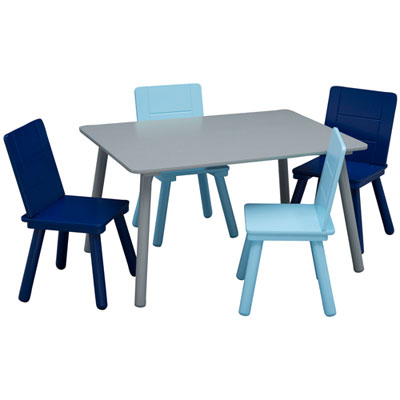


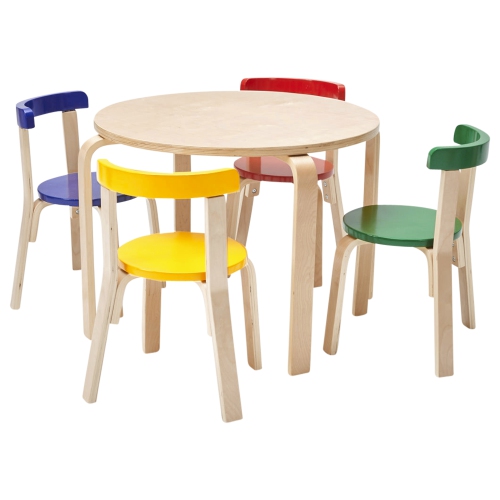
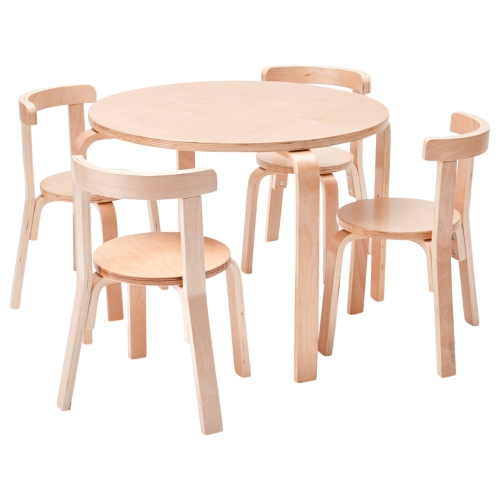
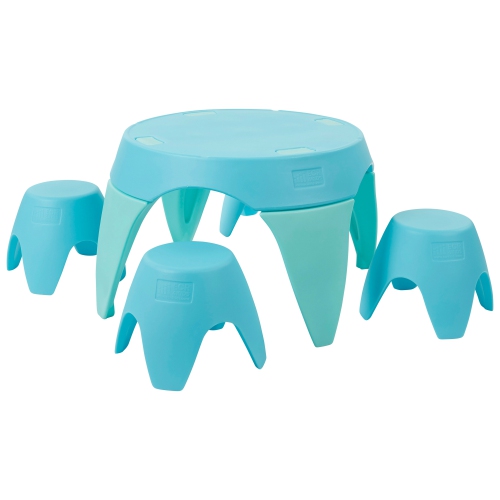
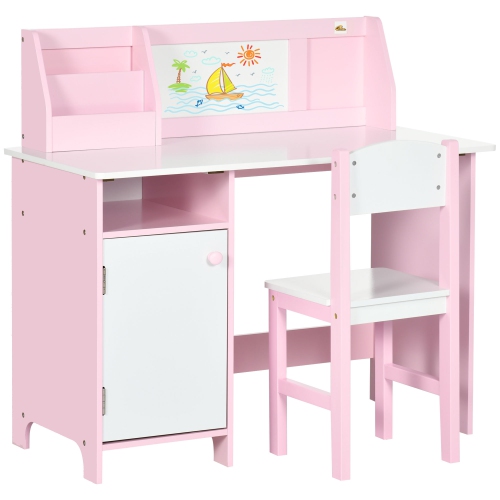
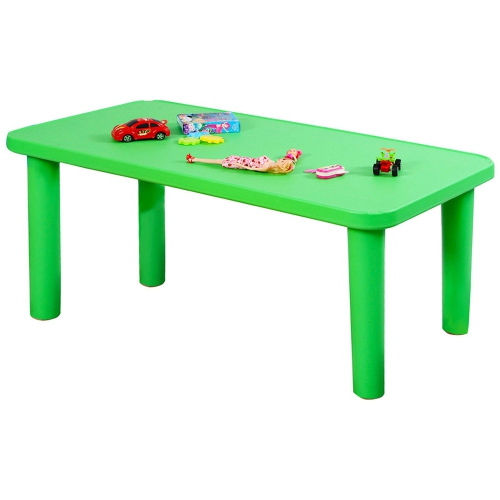

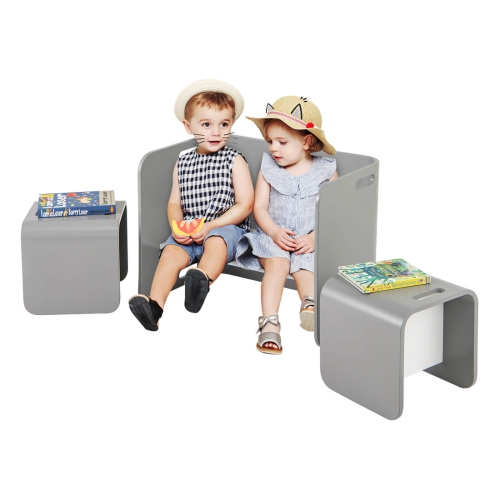

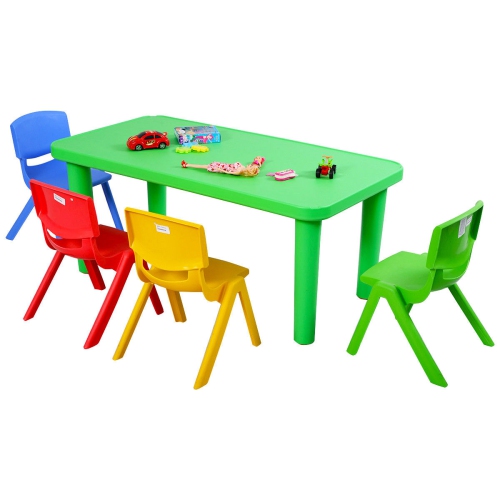
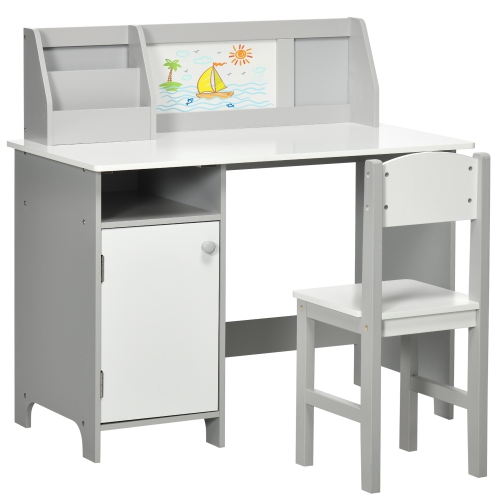

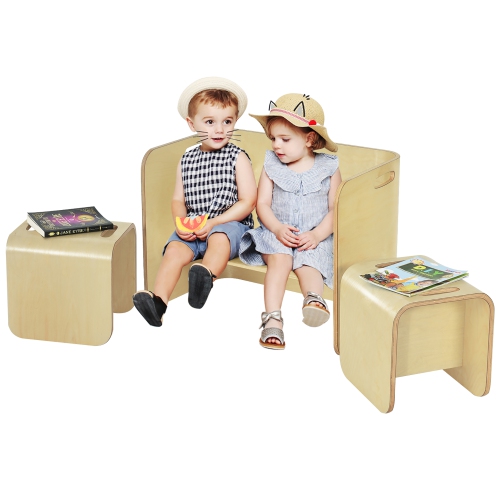
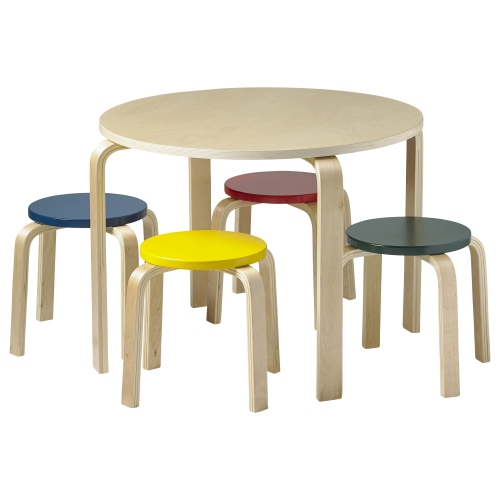
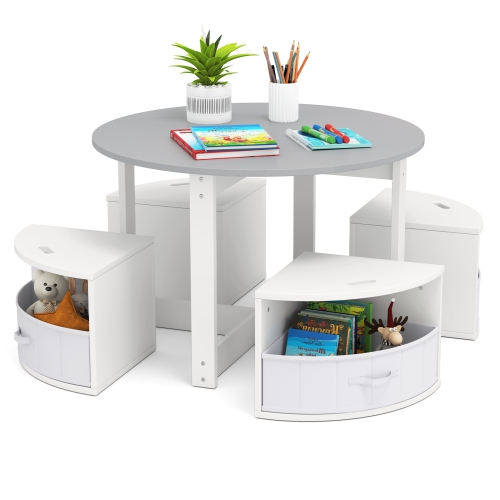
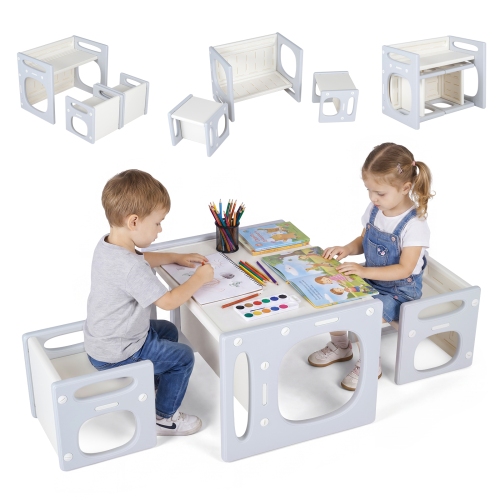
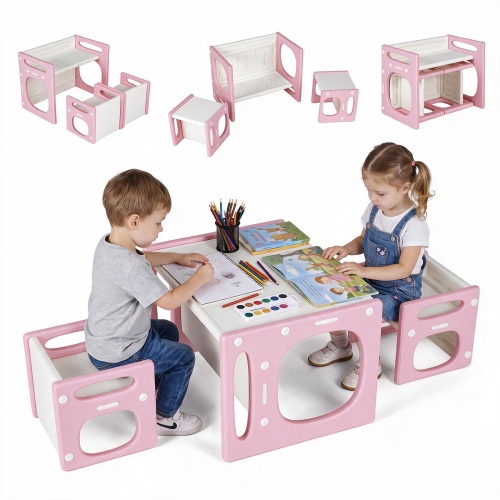
Child-sized furniture for busy days of learning and play
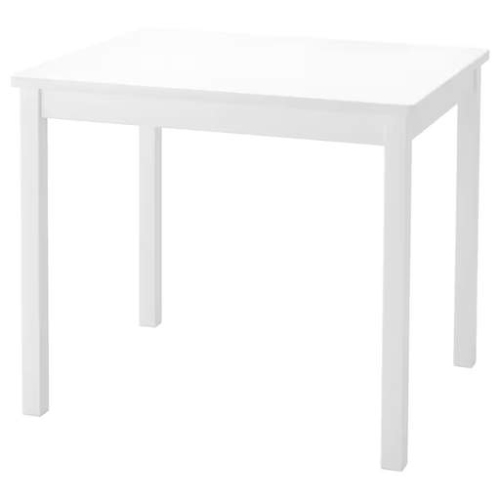
Daycare furniture is child-sized furniture designed to support play, learning, meals, storage, and rest in group childcare settings. Activity tables, small chairs, low shelving, personal cubbies, and age-appropriate rest furniture help give each part of the day a familiar place. In a busy childcare centre, a table may hold puzzles in the morning, serve as a snack space, and become a painting station after lunch. In a home daycare, the same activities may share a smaller room, making furniture proportions and ease of movement especially important. The right fit depends on the ages of the children, the number using each area, and the activities taking place there. Toddlers need seating and surfaces suited to their smaller stature, while preschoolers benefit from enough tabletop space to spread out paper, building blocks, or sorting games without crowding their neighbours. A well-fitting chair allows a seated child’s feet to rest on the floor, with a table height that leaves comfortable space for their legs and lets their arms reach the surface naturally. Adjustable-height furniture can accommodate different age groups where the manufacturer’s stated size range allows, while fixed-height designs offer a straightforward fit for a dedicated room. Rounded edges, stable bases, smooth finishes, and clearly stated age and weight limits are useful details to compare. Furniture intended for shared childcare use also needs to withstand more frequent handling than pieces used occasionally at home. Educators, childcare operators, and families arranging a regular care space often look for a balance of sturdy construction and manageable weight, particularly when a room changes from active play to quiet time. For spaces centred on early learning, Preschool Classroom Furniture covers a closely related theme, with an emphasis on furnishings suited to preschool routines. Across both settings, comfortable proportions and a clear purpose matter more than matching every piece to the same colour or shape.
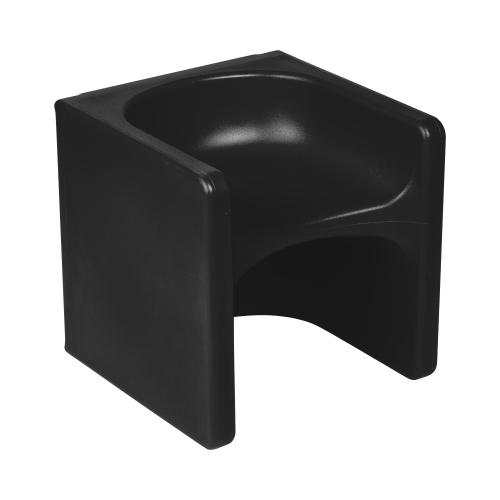
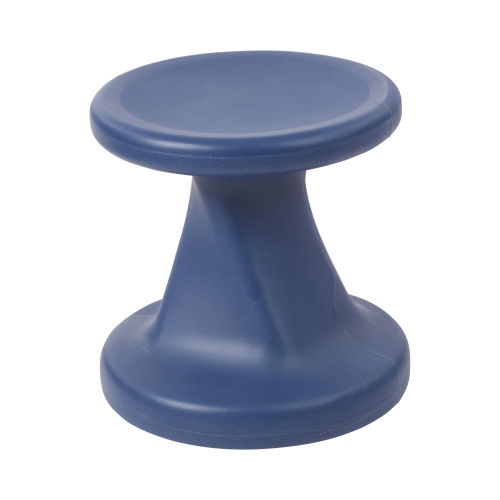
Materials make a noticeable difference to how daycare furniture feels, wears, and fits into daily cleaning routines. Solid wood can provide a sturdy structure and a warm appearance, although its finish needs to tolerate the cleaning methods used in the room. Plywood and engineered wood are also common in shelving and storage furniture; sealed edges and intact surface finishes are important wherever spills or damp cloths are part of everyday use. Laminate tabletops offer a smooth surface for drawing, puzzles, and meals, while moulded plastic seating can be relatively light and easy to wipe down. Metal frames may suit frequent use, with attention to protected feet, secure joints, and surfaces free from sharp or exposed edges. No material is automatically suitable for every task, and cleaning, sanitizing, and disinfecting instructions should match both the furniture manufacturer’s directions and the childcare setting’s requirements. Deep seams, textured upholstery, and narrow gaps can take longer to clean than broad, smooth surfaces. A snack spill that reaches the edge of a table or paint that dries around a chair joint makes those construction details more apparent. Soft seating can add comfort to a book area, but its covers, seams, and filling need to suit the intended age group and level of use. Removable washable covers or wipeable upholstery may simplify care, depending on the design. Durability also involves what happens below the surface: connections that remain firm, shelf supports suited to the stated load, and hardware that can be checked as part of routine maintenance. Stackable chairs and nesting furniture can free up floor space, provided they are stored within the manufacturer’s limits and kept secure from children. Where furniture has castors, suitable locking mechanisms help keep it in place during use. Replaceable glides and accessible fasteners can make ongoing upkeep more practical, while damaged finishes, loose parts, or unstable frames call for attention before a piece returns to daily use.
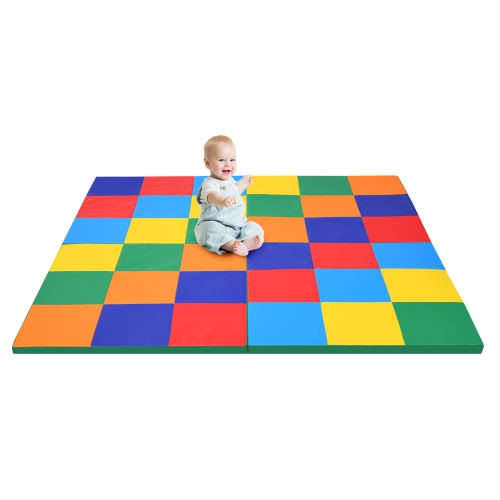
Storage and layout help daycare furniture work as a coordinated part of the room rather than a collection of separate pieces. Low, open shelves can place suitable toys and books within children’s reach, encouraging them to choose an activity and return materials with support. Storage for cleaning supplies, adult tools, and small objects that are unsuitable for younger children needs to remain secured and inaccessible. Cubbies give coats, indoor shoes, and personal bags a defined home, which is particularly useful during the cooler months when layers and outdoor gear take up more space. Compartments need enough room for belongings without leaving straps or clothing trailing into walkways. A low book display beside comfortable, age-appropriate seating can establish a quiet corner, while a larger activity surface gives several children room to work together. Clear sightlines allow caregivers to supervise across these areas, and open routes between furniture support movement without squeezing past corners or chair backs. Shelving and other furniture should be secured against tip-over wherever required by the manufacturer, with placement that does not invite climbing or obstruct exits. Rest furniture has its own requirements: cots and mats need to suit the children’s ages, follow applicable childcare rules, and allow for cleaning, individual bedding, and hygienic storage. Infant sleep requires a separate, compliant sleep space; soft seating, toddler cots, and floor mats are not substitutes for an approved infant sleep surface. In rooms used by children with different mobility or seating needs, accessible routes, appropriate table clearance, and individually suitable seating can help more children take part comfortably. Furniture dimensions are worth considering in use, not just when everything is tucked away: chairs need space to pull out, cubbies need room for arrival routines, and rest areas need clearance for supervision. A thoughtfully furnished daycare supports these ordinary moments, from hanging up a coat to sharing a puzzle, while giving caregivers practical surfaces, useful storage, and room to move throughout the day.
Top selling and popular products
-
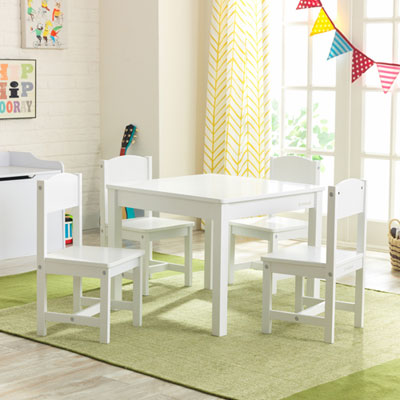 Your price for this item is $199.99
-
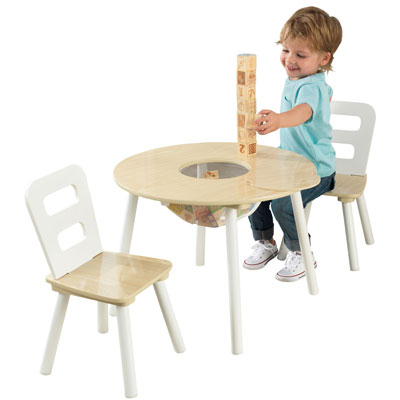 Your price for this item is $109.99
-
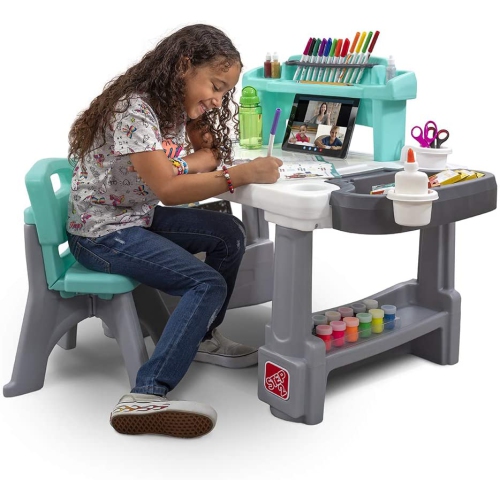 Your price for this item is $395.66
-
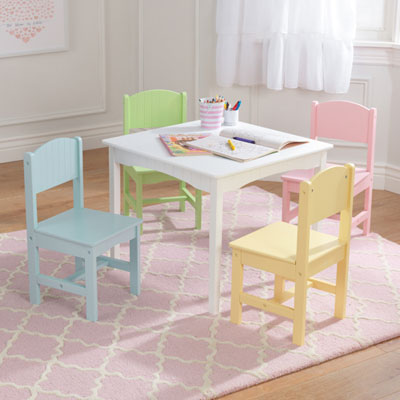 Your price for this item is $165.98
-
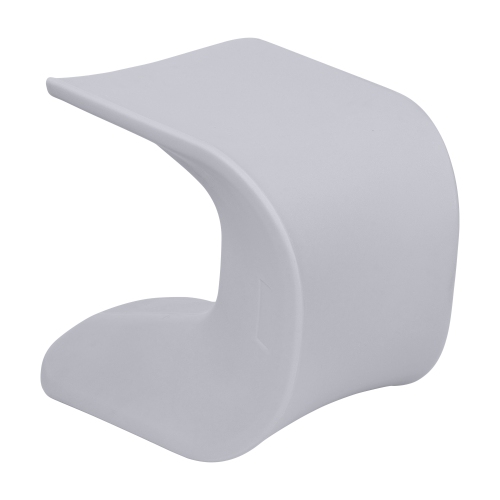 Your price for this item is $174.99
-
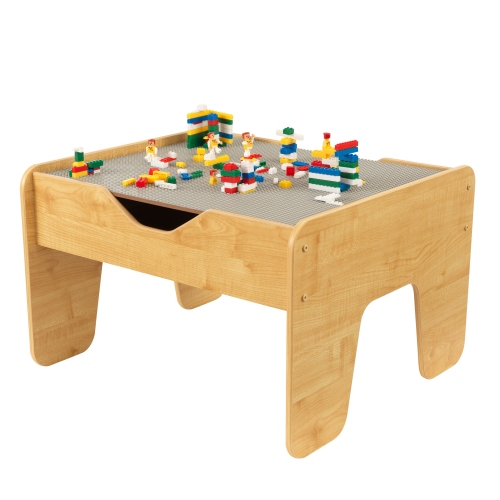 Your price for this item is $89.99
-
 Your price for this item is $96.99
-
 Your price for this item is $124.99
Discover more categories related to Daycare Furniture


Top Collections:
Pokemon Centers, Best Cameras for Sports Photography, Kindle Devices, Samsung Galaxy Phones, Canon G7X Cameras, Pokémon 30th Celebration Cards, Refurbished Apple Laptops, iPhone 15 Apple, Laptops for Students, Budget Smartphones
Some products may be subject to Environmental Handling Fees
(EHF) depending on your province.
Learn more about EHFs.