Diaper Bags for Daycare
Diaper Bags for Daycare are designed to help parents and caregivers keep baby essentials organized and ready for busy mornings. With a variety of styles and sizes available, these bags make it easy to pack everything your little one needs for a day away from home. Explore options that offer convenient storage solutions, comfortable carrying, and practical designs to simplify drop-off and pick-up routines. Find the perfect diaper bag to meet the demands of daycare while keeping all your child’s necessities within reach.
Sort


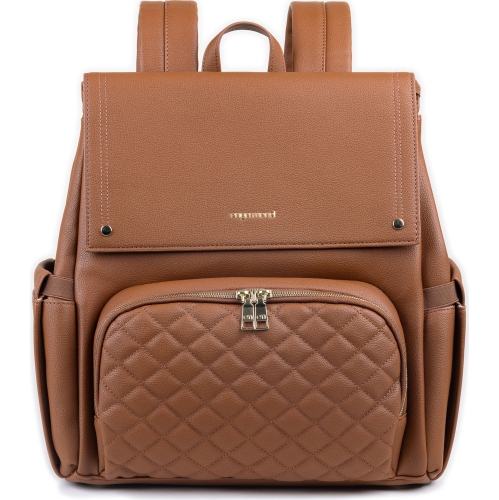


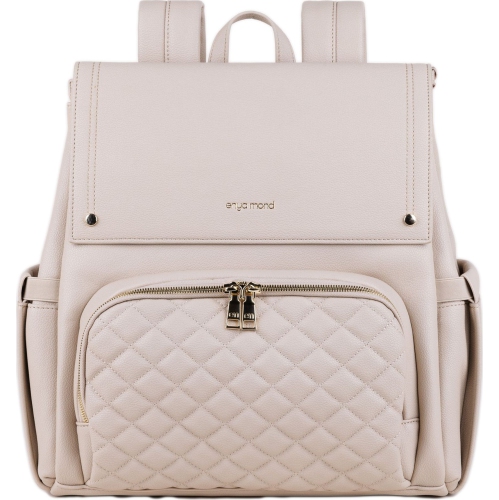
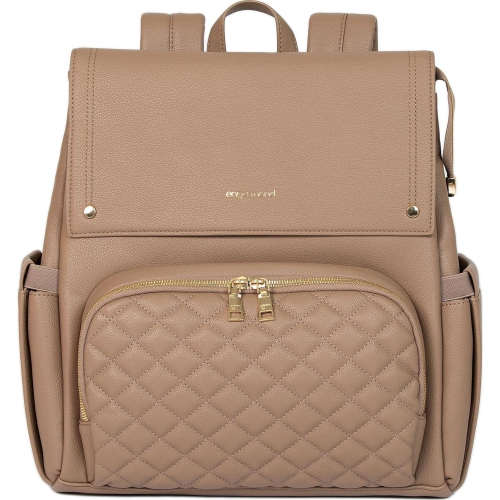


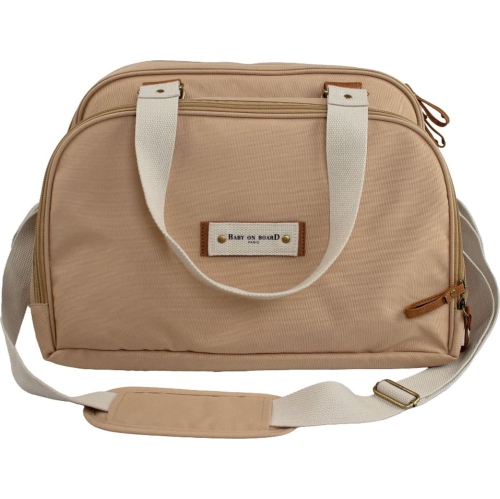

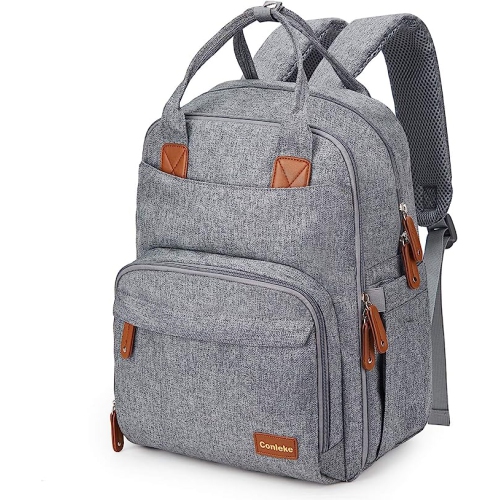
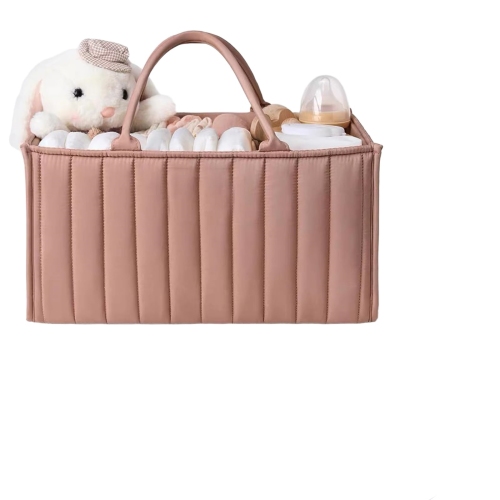
Smoother daycare handoffs start with an organized bag
Diaper bags for daycare bring spare clothes, feeding supplies, and changing essentials together in a bag that is easy to carry and straightforward to unpack. Their usefulness becomes clear at the classroom door, when a parent is helping a toddler out of shoes while passing a bottle and a labelled change of clothes to an educator. A well-organized interior makes that handoff simpler, especially when several adults share drop-off and pickup duties. For infants, space may be needed for diapers, wipes, bibs, prepared feeding supplies, and multiple clothing changes. A toddler’s bag may carry fewer changing supplies but need room for lunch containers, a spare outfit, and a comfort item permitted by the centre. Capacity is therefore about more than how much fits inside: the contents should remain easy to see and retrieve without emptying the whole bag onto a bench. A wide opening, a contrasting lining, and pockets with distinct purposes can help keep small necessities from disappearing beneath clothing. Separate compartments also make it easier to distinguish clean supplies from belongings coming home for washing. Some families pack everything each morning, while others leave a supply of diapers and spare clothes at daycare and use the bag mainly for daily transfers. Those routines call for different amounts of space. A larger bag can accommodate several changes and feeding containers, but a compact design may fit more comfortably in a cubby and be easier to carry alongside a child. Exterior dimensions matter as much as capacity when storage space is limited. An accessible pocket for a communication notebook or pickup information can be useful, while a designated place for identification helps distinguish similar-looking bags. A covered name-card window can keep identifying details less exposed during travel. A bag that opens easily on a bench but closes securely before the trip home supports the same familiar routine, even when a different caregiver handles pickup.
Backpack, tote, and convertible designs give Diaper Bags different carrying characteristics, which matter when the journey includes holding a child’s hand, boarding transit, or walking from a parking area. Backpack straps distribute the load across both shoulders and leave hands free, while a tote’s broad opening can make it convenient to reach inside during a quick handoff. Convertible styles offer flexibility for caregivers who prefer different ways of carrying the same bag. Comfort depends on the loaded bag rather than its empty shape alone. Adjustable straps, padding that sits comfortably against the shoulders, and a back panel without awkward pressure points can make a noticeable difference when bottles and spare clothing add weight. Short grab handles are useful for lifting the bag from a cubby or passing it to another adult. Materials affect both the feel of the bag and the attention it needs between uses. Nylon and polyester fabrics can offer a lightweight finish, while canvas often has a more substantial texture. Faux-leather surfaces may wipe clean readily, although their care requirements differ from those of woven fabric. Water-resistant fabric can help with minor splashes, but that description does not mean a bag or its seams will contain a leaking bottle. A smooth, accessible lining makes crumbs and small spills easier to remove, particularly around the bottom corners. Reinforced stitching at strap attachments, a supported base, and sturdy zipper pulls are practical details for repeated packing and unpacking. Structured sides can help a bag remain open while supplies are transferred, whereas a softer body may be easier to fit into a narrow storage space. Neither approach is automatically better; the useful choice depends on the cubby, the carrying load, and the person wearing it. Colour and pattern can help make a bag recognizable at pickup, while a clearly labelled interior pouch gives educators another way to identify belongings.
Daycare use also places particular demands on cleaning, separation, and the daily reset at home. A damp bib tucked beside a clean bodysuit can create extra laundry, so a removable washable pouch or a separate wet compartment can be useful for isolating soiled clothing during the trip back. Wet and dirty belongings still need to be removed promptly rather than left inside a closed bag. Feeding supplies benefit from their own designated space, away from used clothing and changing essentials. Insulated pockets can be convenient for carrying bottles or food containers, but insulation alone does not establish safe storage conditions; feeding supplies should be packed and transferred according to applicable food-safety guidance and the daycare’s procedures. A removable changing mat may be useful during the journey, though the centre may use its own changing setup and have specific requirements for what stays in the bag. Care labels are important because a washable pouch does not necessarily mean the whole bag is machine washable. Some constructions need spot cleaning, and coatings, padding, hardware, or structured panels may require gentler treatment. Opening the compartments, clearing out crumbs, and allowing cleaned surfaces to dry fully helps keep the interior ready for the next day. Detachable organizers can make that reset quicker, especially when one caregiver packs and another checks the contents before leaving. Simple routines, such as keeping spare clothes together and returning forms to the same pocket, are often more useful than an abundance of tiny compartments. Bags should be stored according to the centre’s practices, with straps and small detachable accessories kept out of children’s reach. For a baby shower or a family preparing for childcare, a diaper bag can be a thoughtful gift when its size, carrying style, and care needs suit the recipient’s routine. The most useful designs support ordinary moments: finding a clean shirt quickly, handing over the correct feeding supplies, and bringing everything home without mixing up what needs washing and what is ready to use again.
Top selling and popular products
-
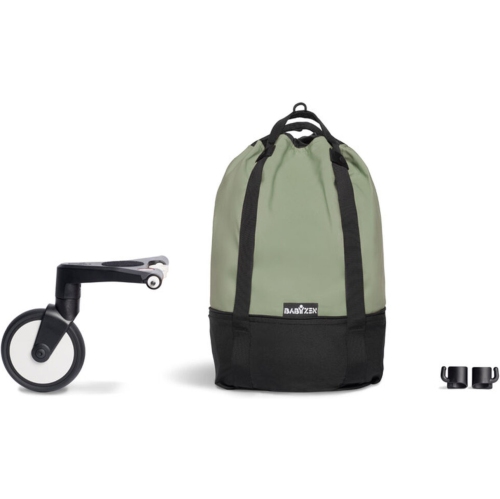 Your price for this item is $99.98
-
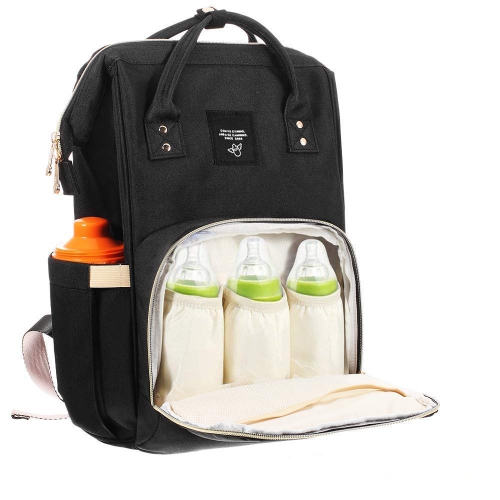 Your price for this item is $79.95
-
 Your price for this item is $62.96
-
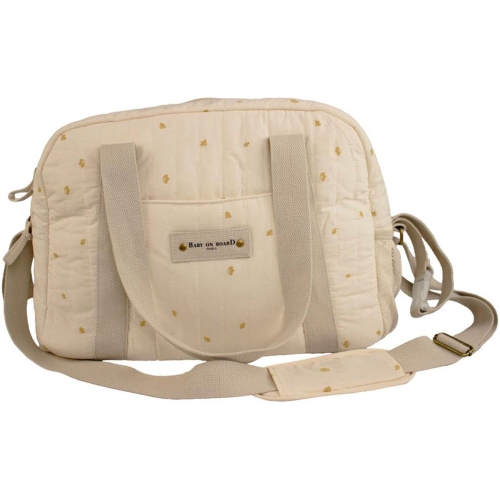 Your price for this item is $69.99
-
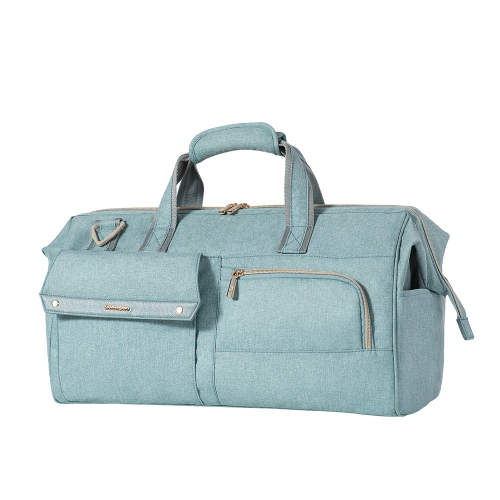 Your price for this item is $69.99
-
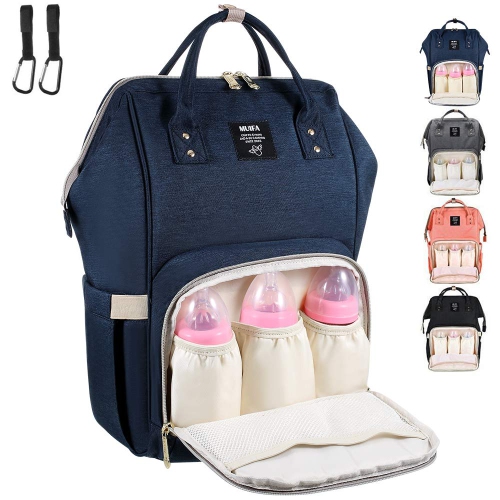 Your price for this item is $66.96
-
 Your price for this item is $189.99
-
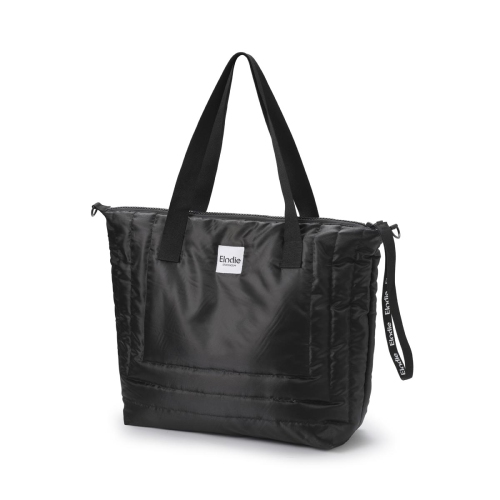 Your price for this item is $99.99
Discover more categories related to Diaper Bags for Daycare
Top Collections:
Best Black Friday Deals This Year, Best Black Friday Deals On Electronics, Kindle Devices, Best Black Friday Deals On Apple Products, Best Budget Office Chairs, Best Cameras for Sports Photography, Dyson Airwrap, Canon G7X Cameras, Best Laptops for Writers, Samsung Galaxy Phones
Some products may be subject to Environmental Handling Fees
(EHF) depending on your province.
Learn more about EHFs.