Easy Portable High Chairs
A portable high chair is a great way to keep your baby or toddler occupied while you're busy doing something else. It can also be used in restaurants, on picnics, or even just at home. Here are some great options.
Sort
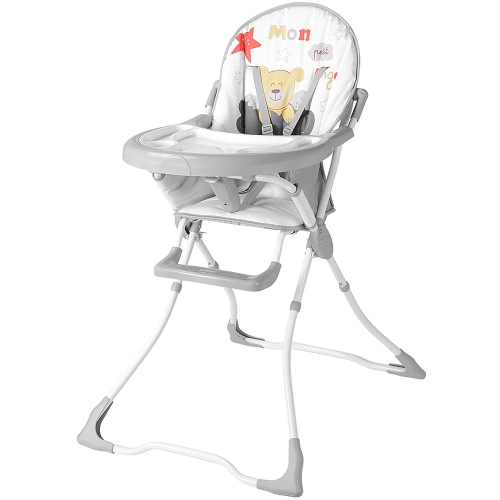
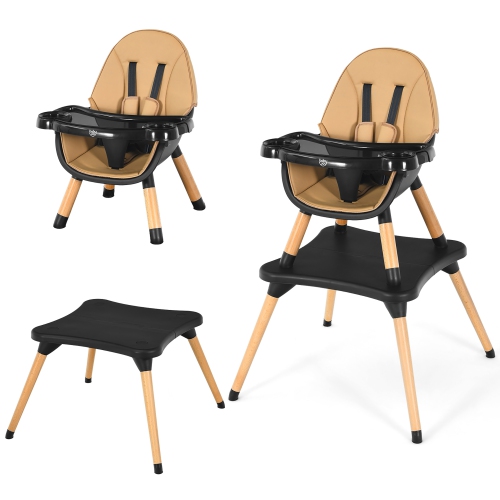

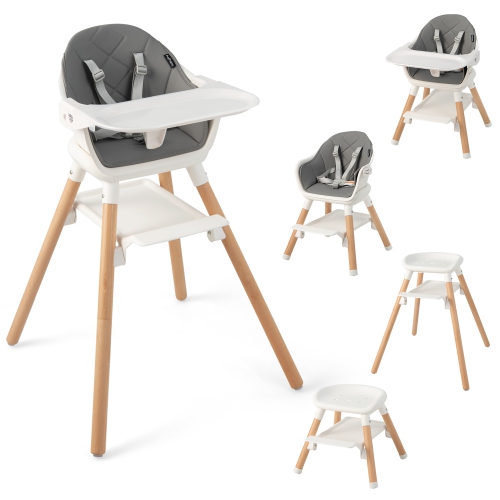
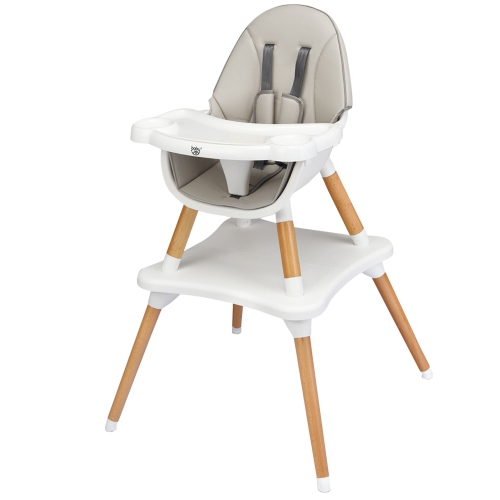
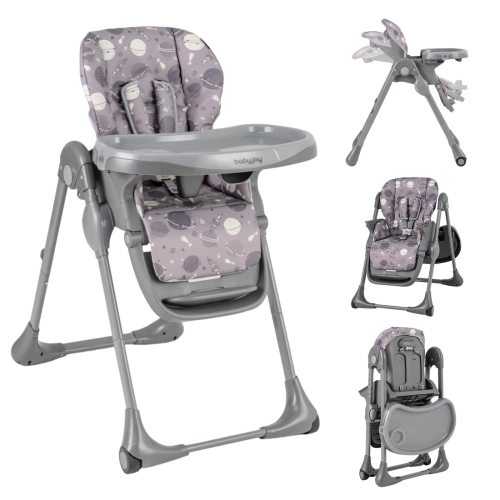
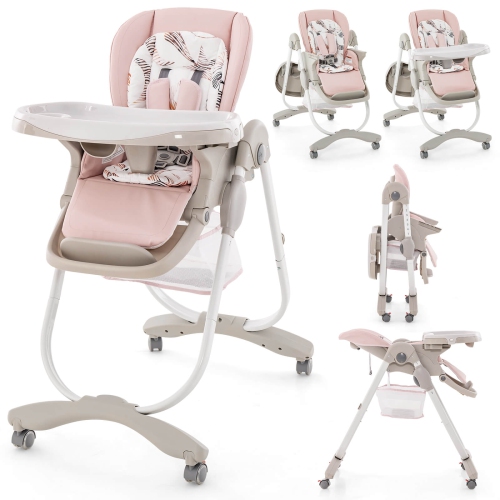
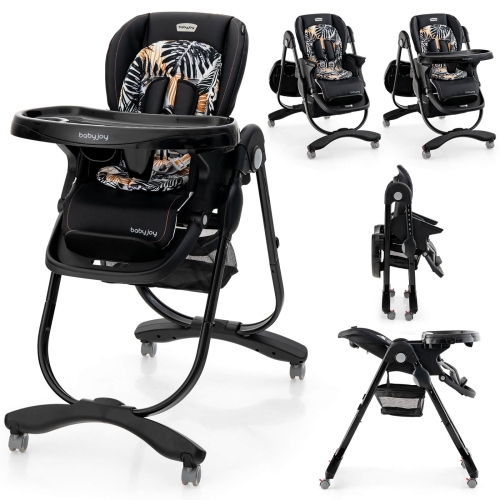
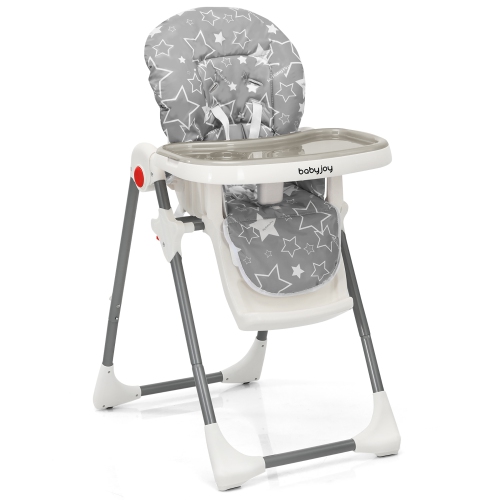
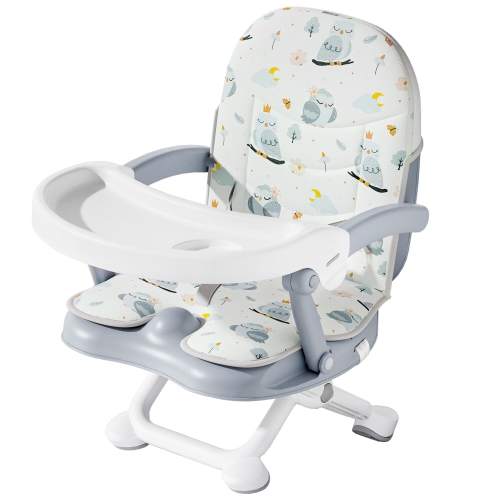
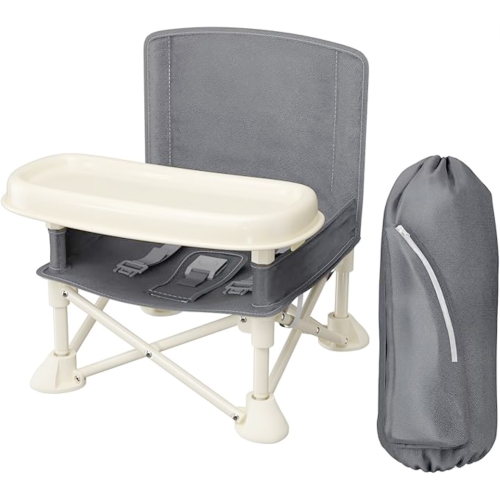
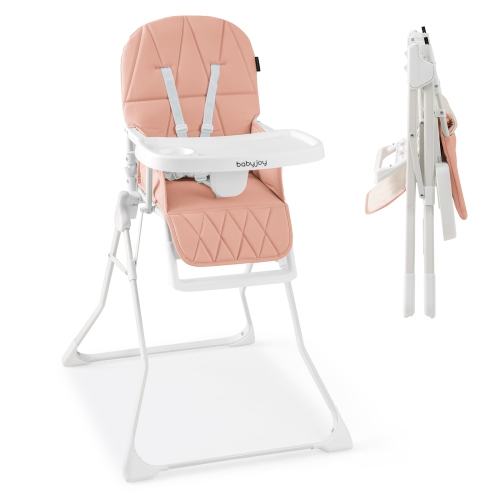

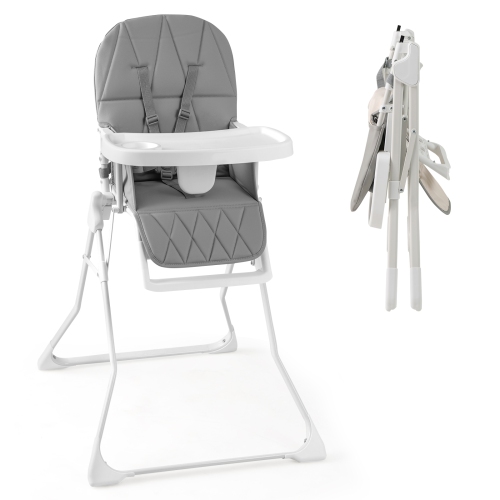
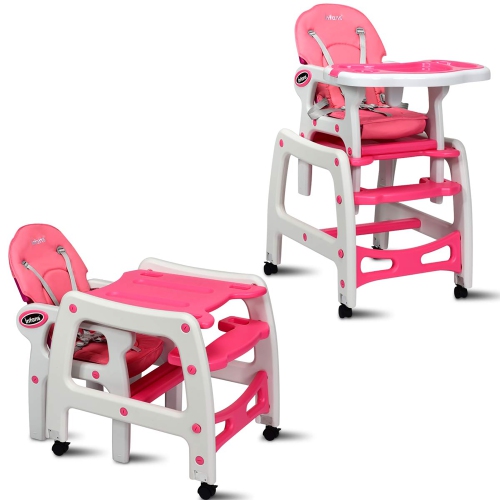

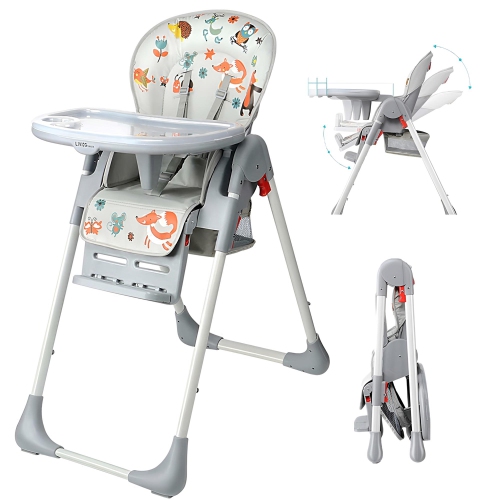
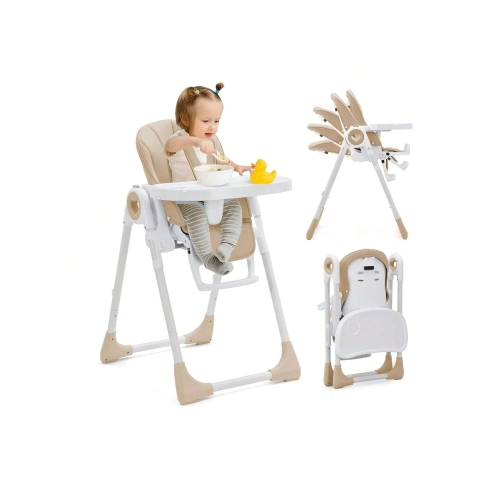
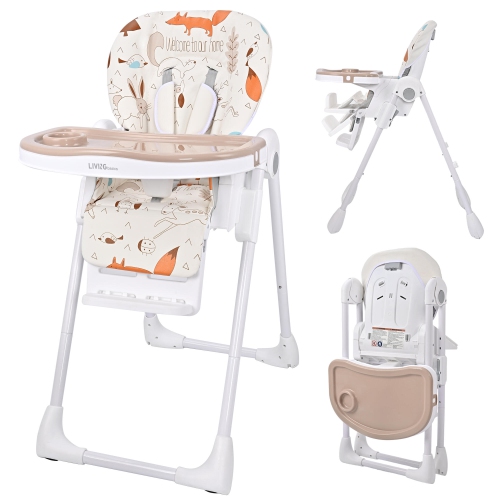

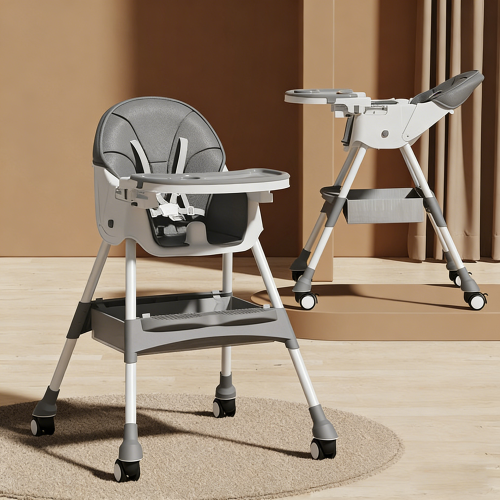
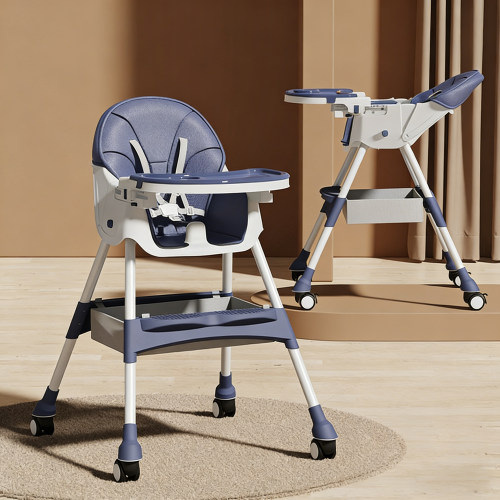
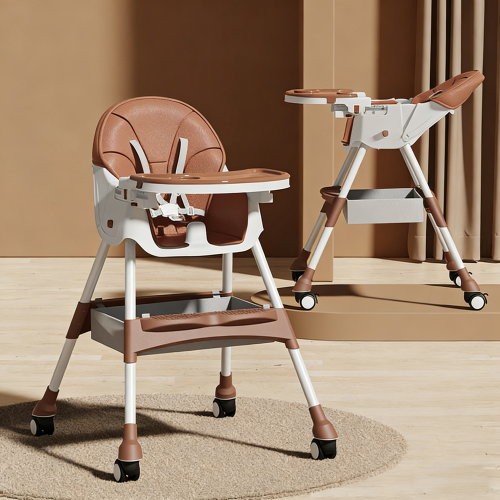
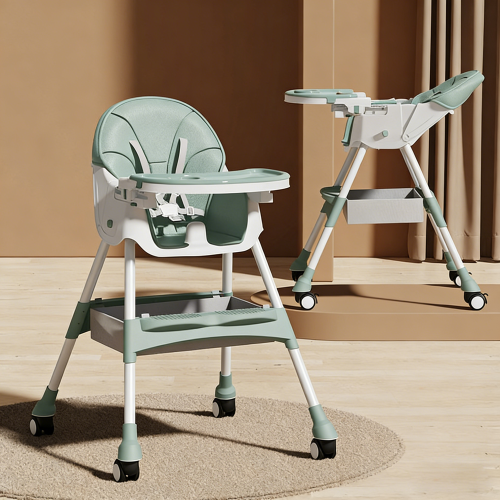
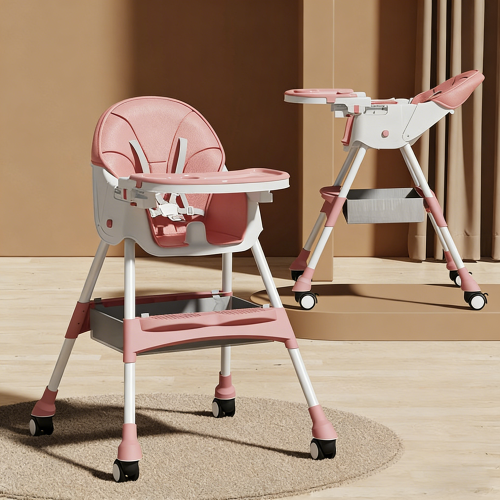
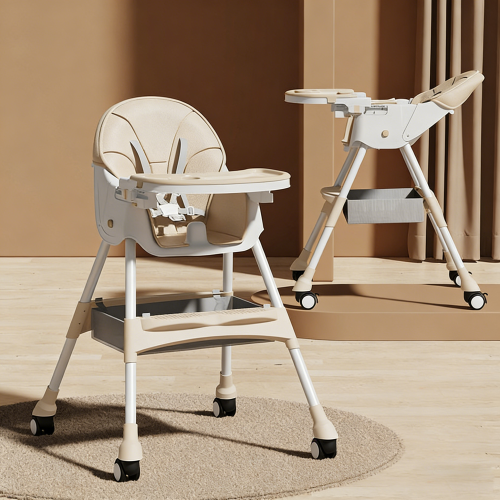

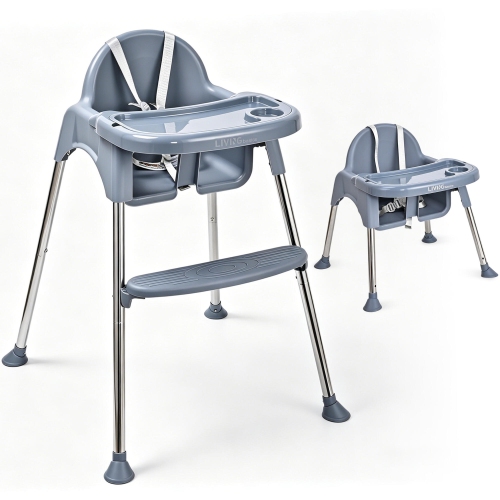
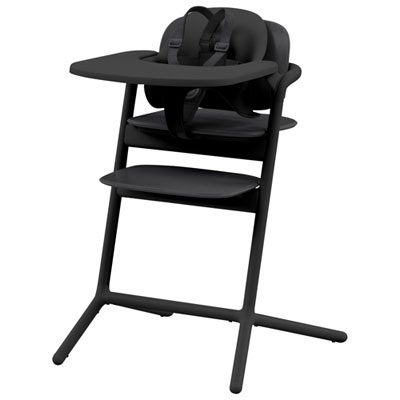
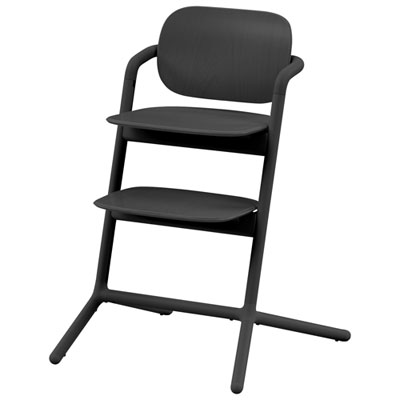
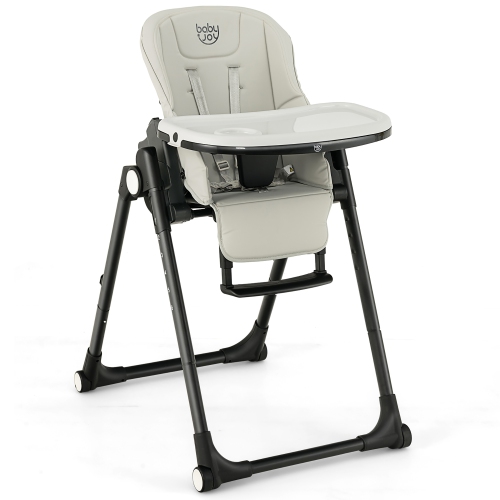
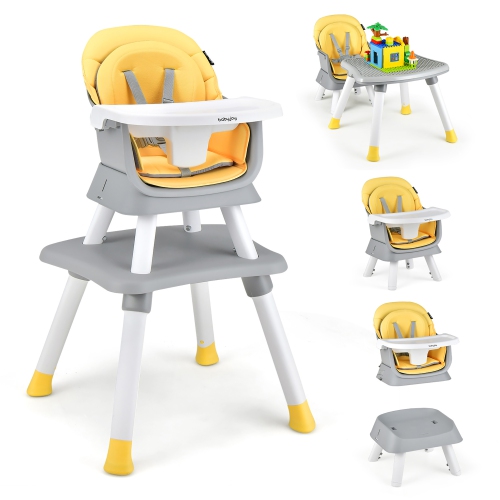
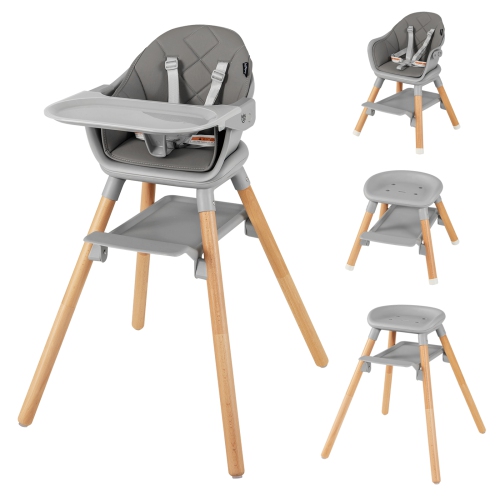
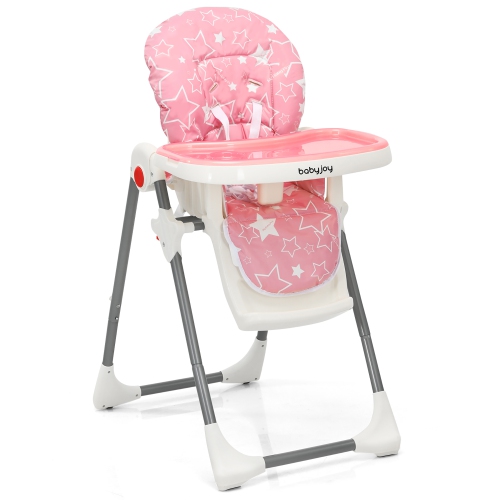
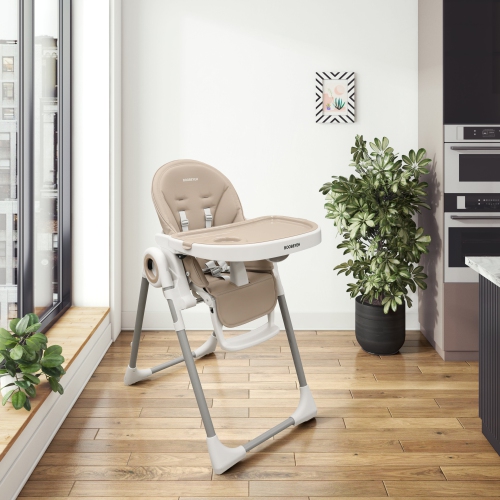
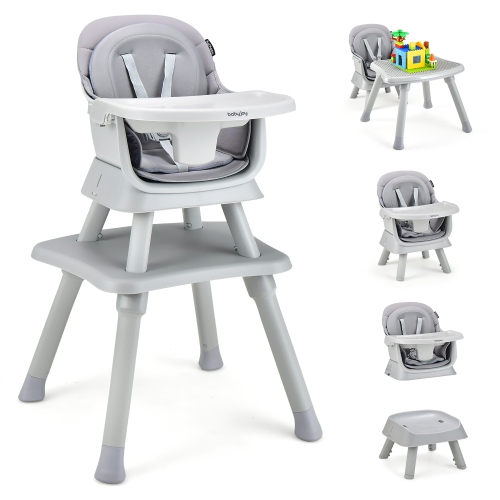
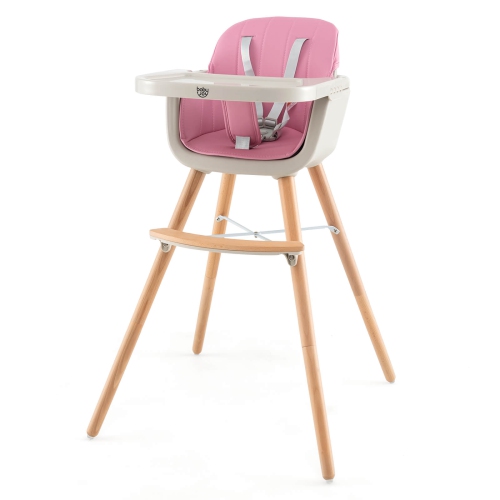
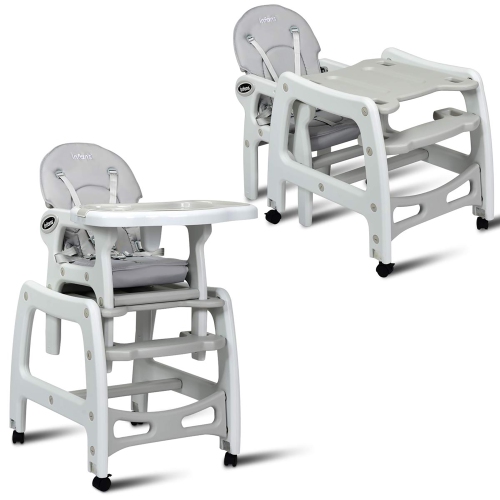
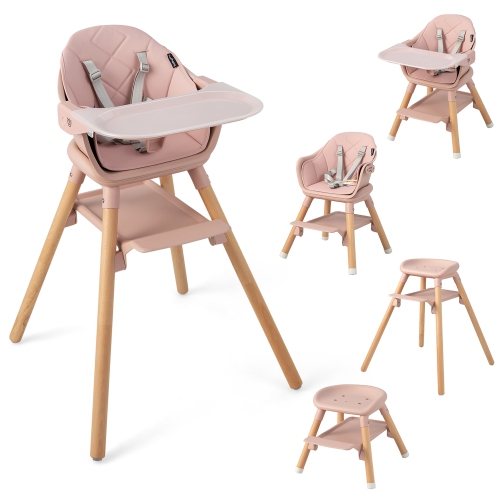
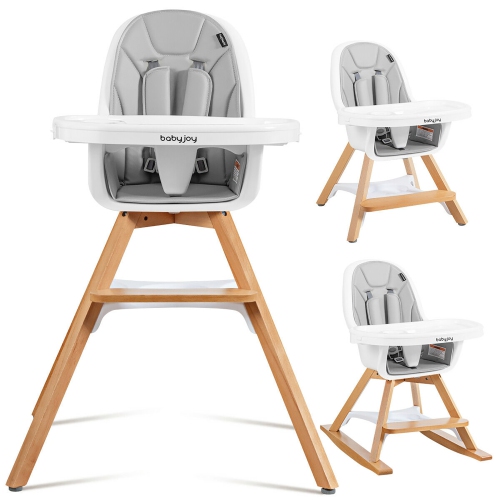

Meals away from home need more than compact seating
Easy portable high chairs are compact feeding seats designed to make meals away from home more manageable, with features such as folding frames, carrying handles, removable trays, or table attachments. The main styles are freestanding travel high chairs, portable booster seats that fasten to suitable dining chairs, and clamp-on seats that attach to compatible tables. Each serves a different setting: a freestanding design provides its own support, a booster uses an existing chair, and a clamp-on seat brings a child close to the tabletop without a separate frame underneath. For families visiting relatives, sharing a meal at a cottage, or stopping at a restaurant, the appeal is a familiar place for a child to sit while eating. Portability involves more than low weight, though. A seat that folds into a slim shape may slide neatly beside a stroller in the boot, while a bagged design can keep straps and attachments together between outings. Setup also matters when one adult is arranging lunch and another is keeping a curious toddler occupied. Clearly marked locks, accessible buckles, and parts that stay attached during folding can make the routine less fiddly. A removable tray provides a dedicated eating surface where the design includes one, while a seat without a tray depends on an appropriate table arrangement. Some portable high chairs are intended for frequent travel; others are useful as space-saving seating at home or as an occasional feeding seat kept at a grandparent’s house. During the cooler months, a compact fold can be especially convenient in a busy entrance already holding boots, coats, and a changing bag. The most practical style depends on where meals usually happen, how the seat will be transported, and whether a suitable chair or table will be present at the destination. A small packed size is helpful, but it should be considered alongside the seat’s setup requirements and the child’s fit.
Fit and support are central to the purpose of a portable feeding seat. Suitability depends on the manufacturer’s stated age, weight, height, and developmental requirements, including the sitting ability required for that design; age alone does not establish readiness. A child should be positioned upright for meals, with the restraint adjusted as directed and any included foot support set appropriately. The tray is an eating surface, not a substitute for the harness, and an adult needs to remain within reach throughout use. Different seat types have distinct installation needs. Portable boosters generally require a stable adult chair with dimensions and a shape compatible with the attachment straps, while clamp-on seats require a table that meets the stated thickness, construction, and support requirements. Glass tops, folding tables, pedestal bases, tablecloths, and obstructing underside rails can make a table unsuitable, so compatibility should never be assumed from appearance alone. Freestanding chairs need a firm, level surface and fully engaged frame locks. Outdoor use is appropriate only when permitted by the manufacturer, rather than simply because a chair is light enough to carry outside. Materials influence both handling and everyday wear: metal frames provide structure, moulded plastic surfaces can be straightforward to wipe, and fabric panels can help a seat fold into a smaller bundle. The overall construction matters more than any single material. Secure joints, intact stitching, sound attachment points, and buckles that fasten correctly all contribute to a dependable feeding setup. A broad stance may offer a useful footprint, but it also needs enough clear space around the table to avoid a crowded walkway. Padding can soften the seat, although deep seams and layered cushions may collect crumbs. For a child learning to self-feed, the space between the seat and tray also affects how comfortably little hands reach food. These details distinguish a seat that merely packs small from one that suits regular family meals, whether those meals involve spoon-fed porridge or small pieces of food scattered across a tray.
Care is another important part of everyday convenience, particularly when a chair needs to be packed after a meal rather than left out to dry. Smooth surfaces, accessible corners, and removable components can make it easier to clear away yoghurt, mashed vegetables, and crumbs before the trip home. Dishwasher-safe trays and machine-washable covers can simplify cleaning where those features are specified, but not every detachable part is suitable for either method. The care label determines the appropriate cleaning method, and washed fabric should dry fully before storage. Straps, hinges, and the underside of a tray deserve attention as well as the obvious eating surface; food can gather in places that are easy to miss during a quick wipe. For repeated travel, a carrying bag helps contain the folded chair, while a separate washable pouch for feeding accessories can keep a bib and spoon within easy reach. Packed dimensions matter when sharing luggage space with nappies, spare clothing, and a stroller, and the chair’s weight becomes more noticeable on a walk from a car park than on a short trip from the garage. For broader family seating needs, Portable Chairs serves a different purpose; general travel seating does not replace a feeding seat designed for a child’s stage and installed as directed. A portable high chair can also be a thoughtful gift for parents or caregivers who regularly visit family, provided its suitability is checked against the child’s needs and the spaces where it will be used. A household that hosts meals may value simple cleaning and compact cupboard storage, while frequent travellers may place greater importance on carrying comfort and a fold that keeps loose pieces to a minimum. Across these routines, ease comes from the whole experience: carrying the seat, setting it up correctly, settling the child comfortably, cleaning after the meal, and packing everything away without an awkward collection of separate parts.
Fit and support are central to the purpose of a portable feeding seat. Suitability depends on the manufacturer’s stated age, weight, height, and developmental requirements, including the sitting ability required for that design; age alone does not establish readiness. A child should be positioned upright for meals, with the restraint adjusted as directed and any included foot support set appropriately. The tray is an eating surface, not a substitute for the harness, and an adult needs to remain within reach throughout use. Different seat types have distinct installation needs. Portable boosters generally require a stable adult chair with dimensions and a shape compatible with the attachment straps, while clamp-on seats require a table that meets the stated thickness, construction, and support requirements. Glass tops, folding tables, pedestal bases, tablecloths, and obstructing underside rails can make a table unsuitable, so compatibility should never be assumed from appearance alone. Freestanding chairs need a firm, level surface and fully engaged frame locks. Outdoor use is appropriate only when permitted by the manufacturer, rather than simply because a chair is light enough to carry outside. Materials influence both handling and everyday wear: metal frames provide structure, moulded plastic surfaces can be straightforward to wipe, and fabric panels can help a seat fold into a smaller bundle. The overall construction matters more than any single material. Secure joints, intact stitching, sound attachment points, and buckles that fasten correctly all contribute to a dependable feeding setup. A broad stance may offer a useful footprint, but it also needs enough clear space around the table to avoid a crowded walkway. Padding can soften the seat, although deep seams and layered cushions may collect crumbs. For a child learning to self-feed, the space between the seat and tray also affects how comfortably little hands reach food. These details distinguish a seat that merely packs small from one that suits regular family meals, whether those meals involve spoon-fed porridge or small pieces of food scattered across a tray.
Care is another important part of everyday convenience, particularly when a chair needs to be packed after a meal rather than left out to dry. Smooth surfaces, accessible corners, and removable components can make it easier to clear away yoghurt, mashed vegetables, and crumbs before the trip home. Dishwasher-safe trays and machine-washable covers can simplify cleaning where those features are specified, but not every detachable part is suitable for either method. The care label determines the appropriate cleaning method, and washed fabric should dry fully before storage. Straps, hinges, and the underside of a tray deserve attention as well as the obvious eating surface; food can gather in places that are easy to miss during a quick wipe. For repeated travel, a carrying bag helps contain the folded chair, while a separate washable pouch for feeding accessories can keep a bib and spoon within easy reach. Packed dimensions matter when sharing luggage space with nappies, spare clothing, and a stroller, and the chair’s weight becomes more noticeable on a walk from a car park than on a short trip from the garage. For broader family seating needs, Portable Chairs serves a different purpose; general travel seating does not replace a feeding seat designed for a child’s stage and installed as directed. A portable high chair can also be a thoughtful gift for parents or caregivers who regularly visit family, provided its suitability is checked against the child’s needs and the spaces where it will be used. A household that hosts meals may value simple cleaning and compact cupboard storage, while frequent travellers may place greater importance on carrying comfort and a fold that keeps loose pieces to a minimum. Across these routines, ease comes from the whole experience: carrying the seat, setting it up correctly, settling the child comfortably, cleaning after the meal, and packing everything away without an awkward collection of separate parts.
Top selling and popular products
-
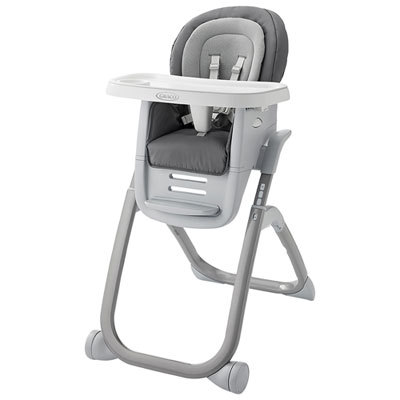 Your price for this item is $279.99
 -
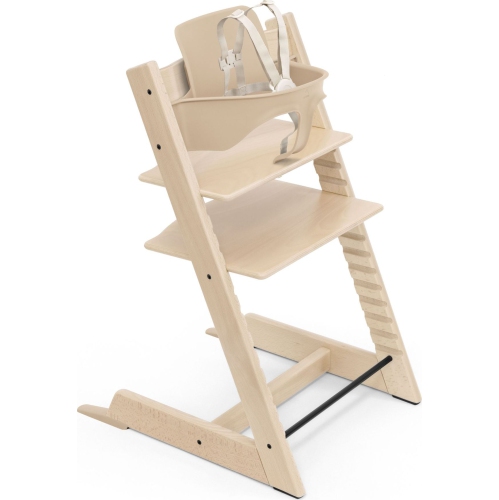 Your price for this item is $455
 -
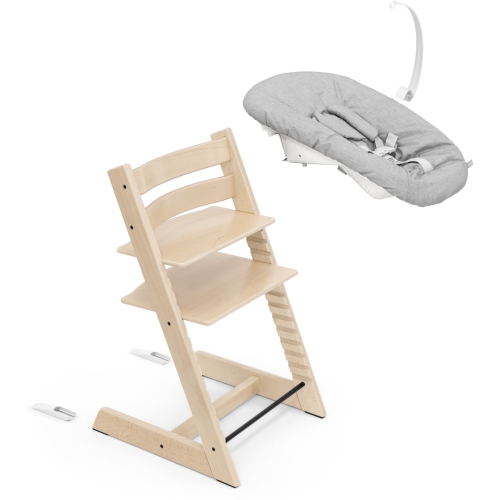 Your price for this item is $514.99
 -
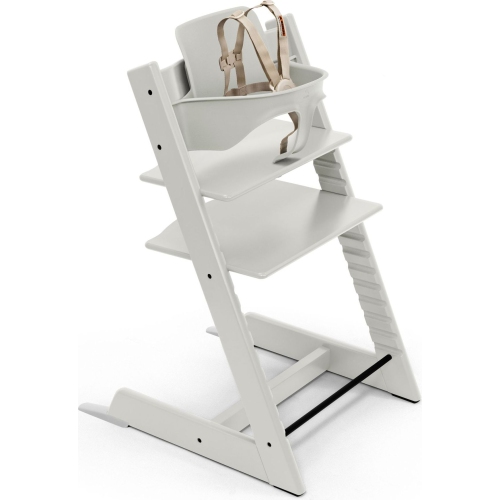 Your price for this item is $454.99
 -
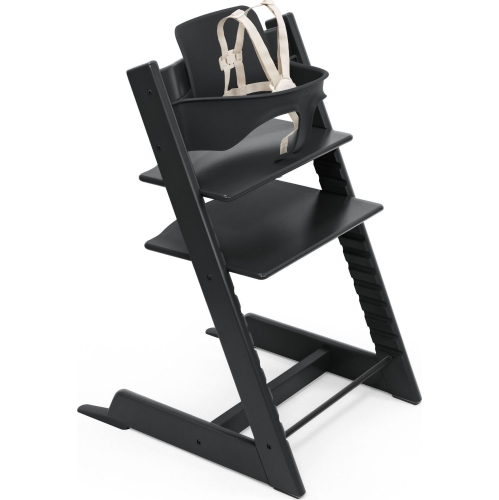 Your price for this item is $455
 -
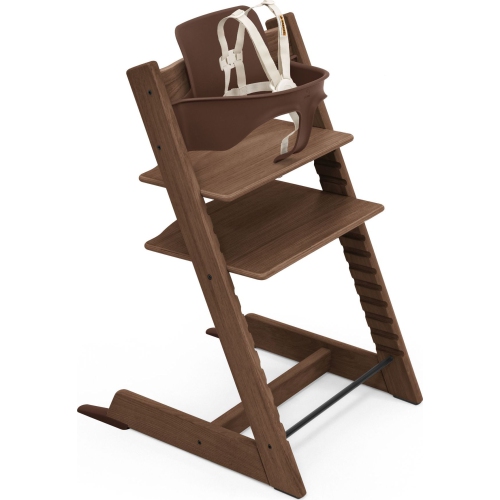 Your price for this item is $488.99
 -
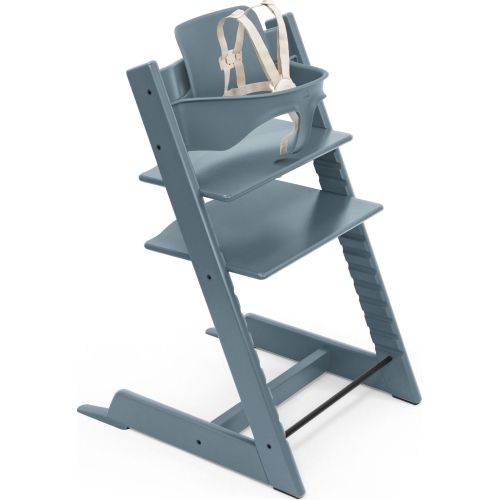 Your price for this item is $454.99
 -
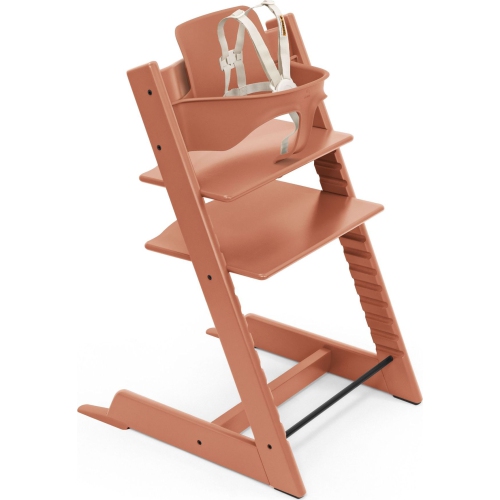 Your price for this item is $455
Discover more categories related to Easy Portable High Chairs
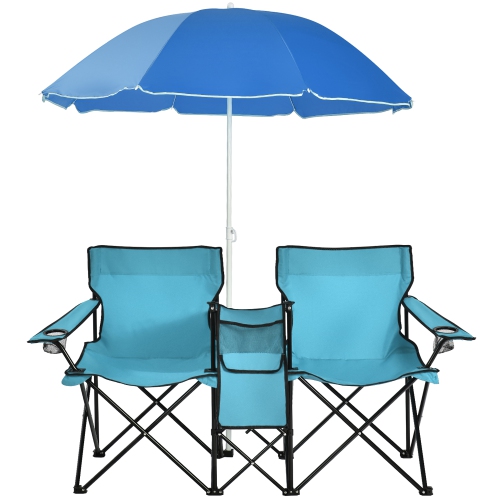
Top Collections:
Pokemon Centers, Kindle Devices, Best Budget Office Chairs, Apple iPhones 16, Best Laptops for Writers, iPhone 15 Apple, Canon G7X Cameras, Refurbished Apple Laptops, Alarm Clock, Motorola Razr Phones
Some products may be subject to Environmental Handling Fees
(EHF) depending on your province.
Learn more about EHFs.