Ergobaby Embrace Carriers
Discover comfort and convenience with the Ergobaby Embrace Carrier, designed to make outings with your little one easier than ever. Whether you're running errands or enjoying a stroll, this carrier offers a supportive way to keep your baby close while keeping your hands free. Explore options that blend style and functionality, making the Ergobaby Embrace Carrier a popular choice for parents seeking both ease of use and everyday versatility.
Sort


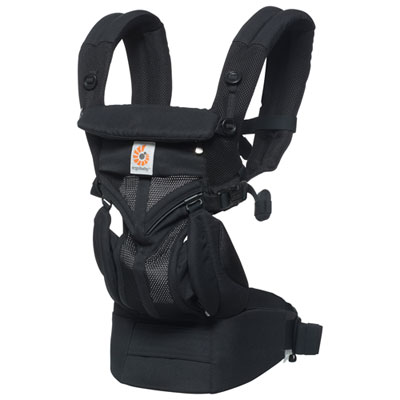


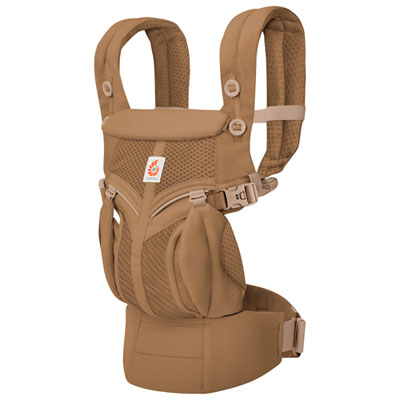


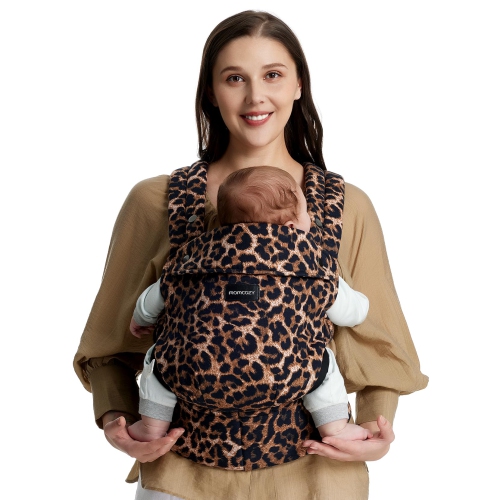
Supportive babywearing guidance for newborns and growing infants
Soft-structured baby carriers are designed to bring a newborn or young infant close to a parent or caregiver while leaving both hands available for everyday tasks. They can be especially useful during the early months, when babies often settle more easily with the warmth, movement and familiar rhythm of being held close. A carrier in this style typically combines the gentle feel of a fabric wrap with buckles, shoulder straps and a waist belt that make putting it on more straightforward. This balance can appeal to new parents who like the closeness of babywearing but do not want to learn a complicated wrapping technique. It can also be a thoughtful gift for new or expecting parents, particularly when the carrier is easy to adjust between different adults. A partner, grandparent or other caregiver may be able to use the same carrier after making a few fit adjustments, making it practical for walks, visits, grocery trips and quiet laps around the home. When the weather is cooler, carrying a baby close can make short outdoor outings feel more manageable, although the baby should always be dressed appropriately for the conditions and checked regularly for comfort. A carrier should never replace a properly installed car seat for travel in a vehicle, and it is intended for supervised carrying while the adult is awake and attentive.
When comparing newborn and infant carriers, start with the fit range and the way the carrier supports a small baby. Many soft-structured styles are designed for babies from approximately 7 pounds and may accommodate infants through the first year, often up to about 25 pounds, but weight and age limits vary by design. Always follow the manufacturer’s instructions and confirm that the baby meets the minimum requirements before use. Newborn positioning is particularly important: the baby should sit high enough that the adult can easily kiss the top of the head, with the face visible at all times and the chin lifted away from the chest. The back should be supported in a natural, gently curved position, while the hips and legs should be allowed to form a supported “M” shape rather than hanging straight down. Some carriers use a fold, roll or adjustable panel setting for very small newborns, so read the instructions carefully before the first use. Look for a design with a supportive waistband, comfortable shoulder straps and enough adjustment to suit the wearer’s torso length and body shape. Spreadable straps may help distribute weight across the shoulders, while a structured waistband can transfer some of the load to the hips as the baby grows. A soft knit fabric may feel cosy and flexible for indoor use and cooler days, whereas a breathable mesh panel can be helpful during active outings or warmer conditions. Texture, padding, buckle placement and the ease of tightening the carrier can make a noticeable difference after several minutes of wear, so consider whether the adjustments can be reached without assistance. For more wrapping flexibility, browse Baby Wrap Carriers, which use fabric panels and tying or wrapping methods to create a close, custom fit.
Carrying positions are another important consideration. Front inward-facing carrying is commonly suited to newborns and younger infants because it keeps the baby close to the adult’s chest and makes it easier to monitor breathing, temperature and overall comfort. As babies develop stronger head and neck control, some carriers may allow front outward-facing use, but this position should only be used when the carrier’s instructions permit it and the baby meets the required developmental and height guidelines. A baby who is outward-facing should be alert, have clear airflow and be returned to an inward-facing position if they appear tired, overstimulated or unable to maintain a comfortable posture. Take time to practise at home over a bed or soft surface, ideally with another adult nearby, and check every buckle, strap and panel before walking. Begin with short sessions, since both the wearer and baby need time to adjust to the new distribution of weight. As an infant grows heavier, shoulder pressure or lower-back strain may become more noticeable, and a carrier that felt ideal for a tiny newborn may need different adjustments or may no longer provide the preferred level of support. Watch for red marks, slumping, fabric covering the face, restricted leg movement or discomfort in the adult, and stop to refit whenever something does not feel right. A compact carrier that rolls into a diaper bag can be convenient for quick errands, waiting rooms and walks through the neighbourhood, while a more structured option may be preferable for longer periods of carrying. During cooler months, avoid placing bulky coats or blankets between the baby and the carrier, since extra layers can affect the fit; instead, use clothing and carrier-safe covers that leave the face uncovered. With careful fitting, regular checks and realistic expectations about how long a growing baby can be carried comfortably, a newborn carrier can become a reassuring part of daily routines, helping parents stay close during the many small moments that fill the first year.
Top selling and popular products
-
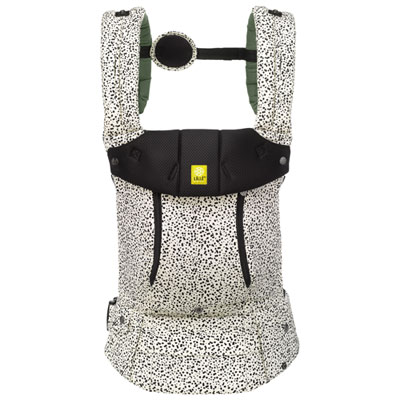 Your price for this item is $129.99
-
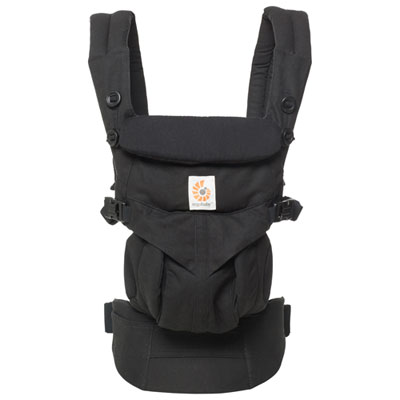 Your price for this item is $233.99
-
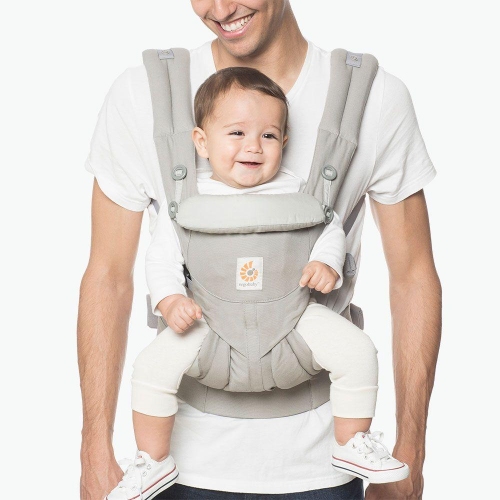 Your price for this item is $249
-
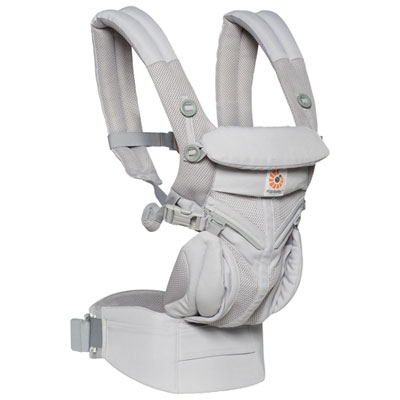 Your price for this item is $233.99
-
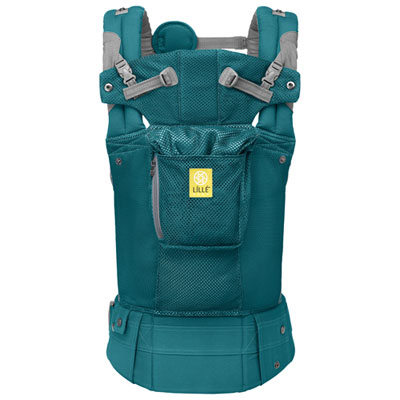 Your price for this item is $99.99
-
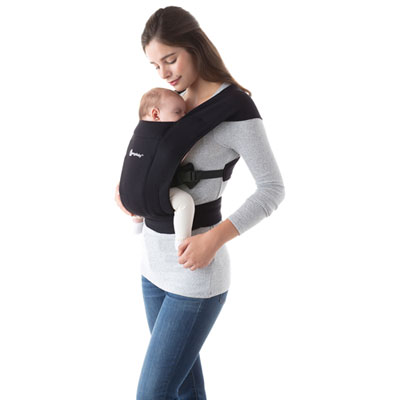 Your price for this item is $128.99
-
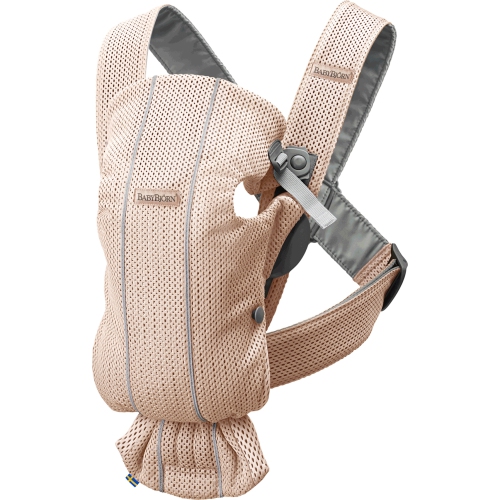 Your price for this item is $179.99
-
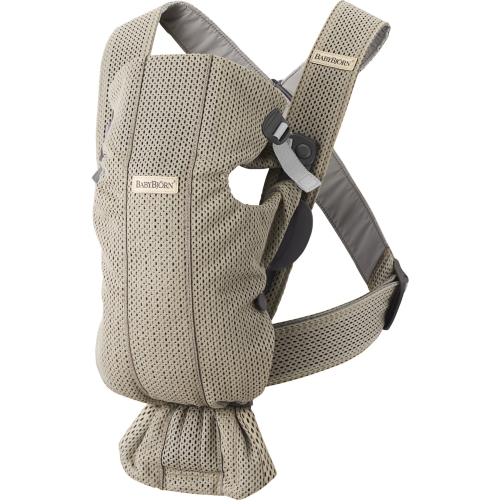 Your price for this item is $179.99
Discover more categories related to Ergobaby Embrace Carriers

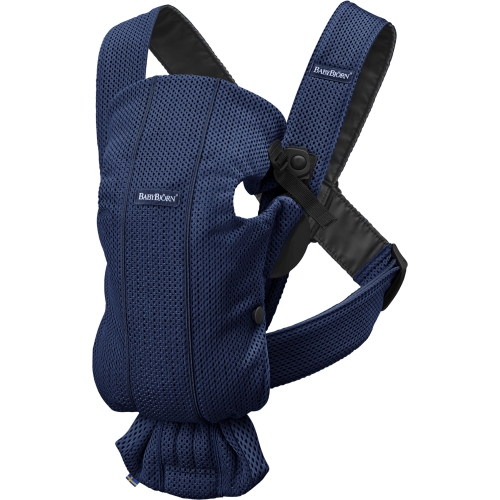
Top Collections:
Pokemon Centers, Best Cameras for Sports Photography, Kindle Devices, Samsung Galaxy Phones, Canon G7X Cameras, Pokémon 30th Celebration Cards, Refurbished Apple Laptops, iPhone 15 Apple, Laptops for Students, Budget Smartphones
Some products may be subject to Environmental Handling Fees
(EHF) depending on your province.
Learn more about EHFs.