Forward Facing Strollers
Find the perfect forward-facing stroller to keep your little one comfortable and secure on all your outings. Our selection of forward-facing strollers offers convenience, style, and functionality, making it easy for you and your child to enjoy walks in the park, shopping trips, or any adventure that comes your way. With various features, such as adjustable harnesses, reclining seats, and ample storage space, these strollers are designed to meet the needs of both parents and children. Explore our range of forward-facing strollers to find the ideal combination of safety, comfort, and durability for your family's on-the-go lifestyle.
Sort
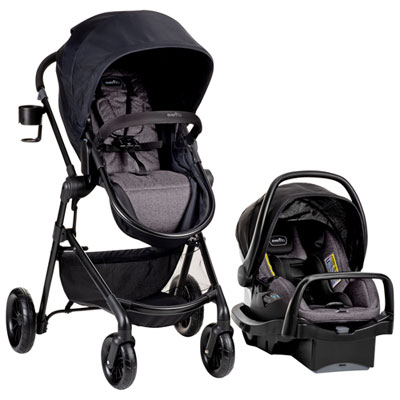
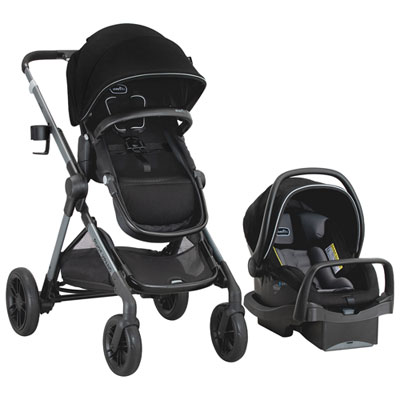
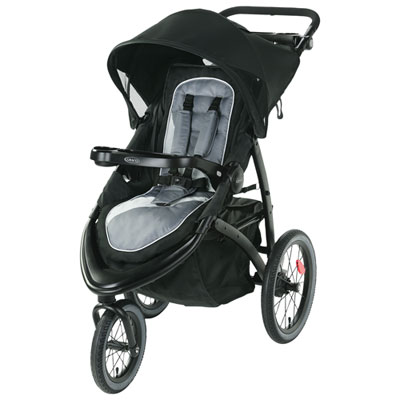
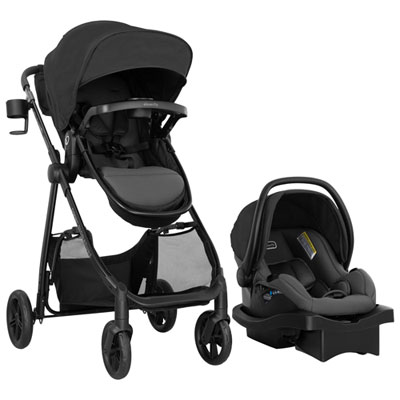
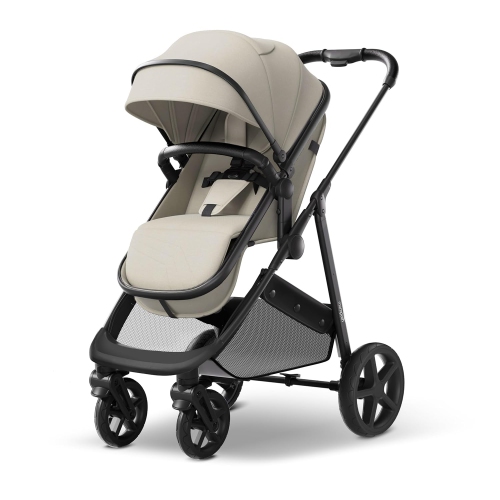
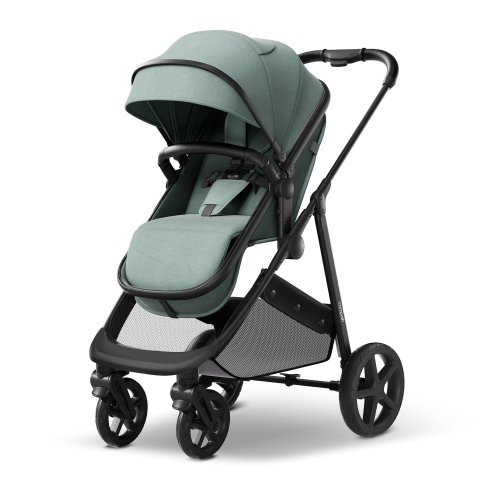
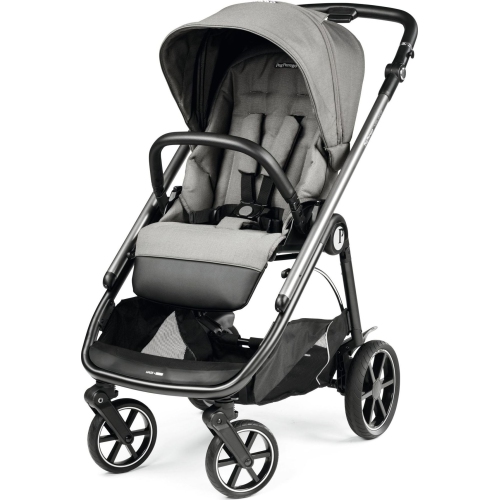
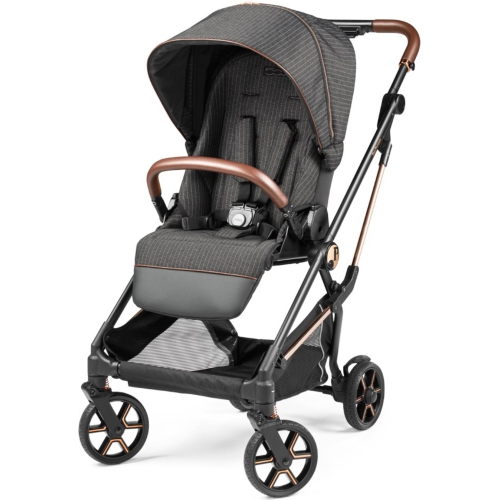
A view of the world when they’re ready
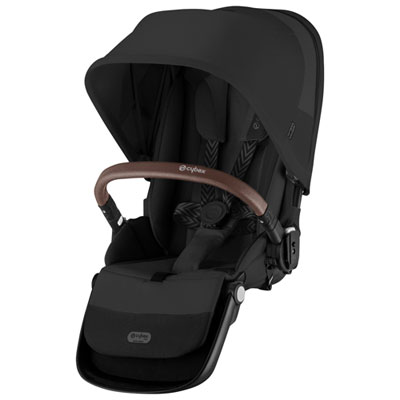
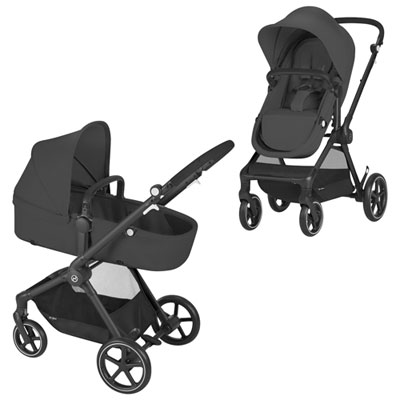
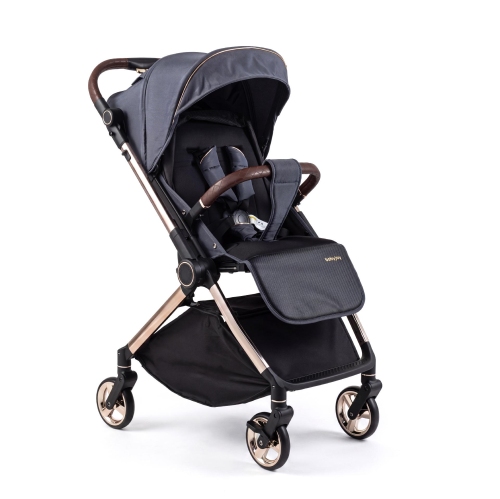
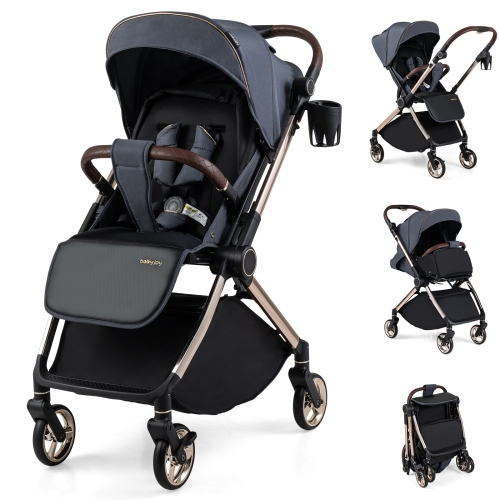
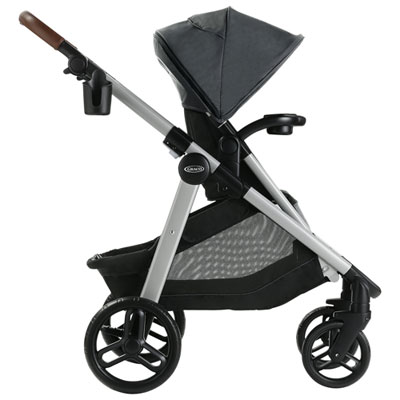
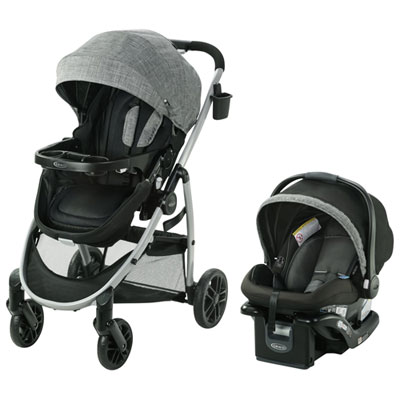
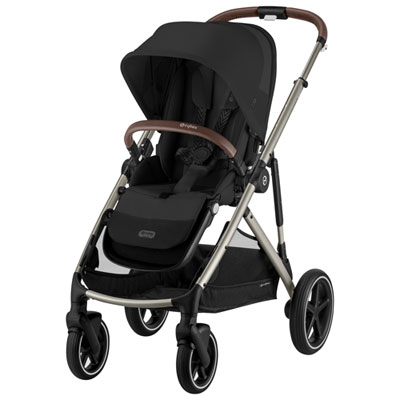
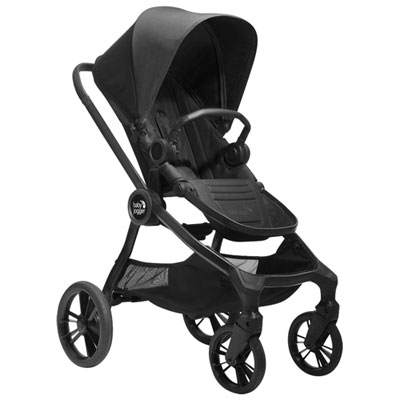
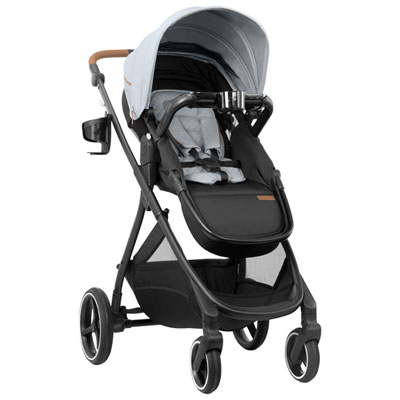
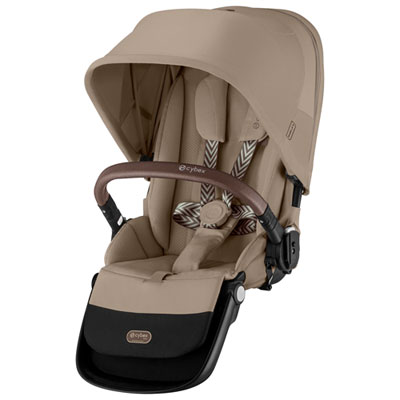
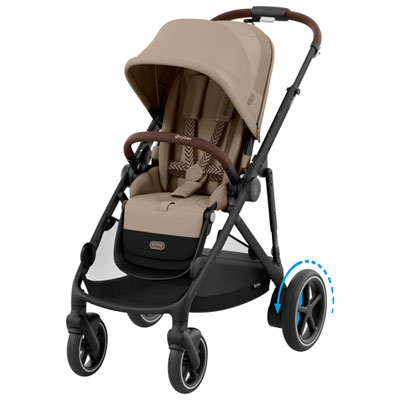
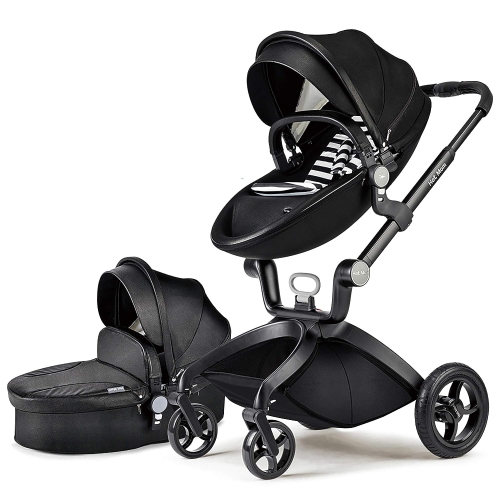
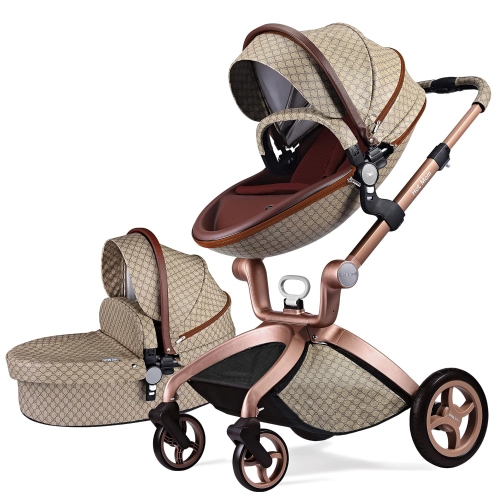
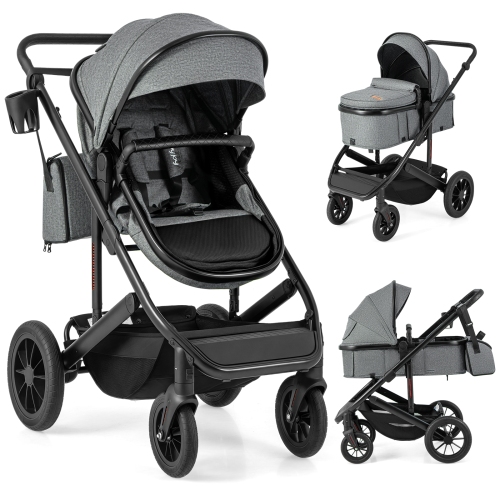
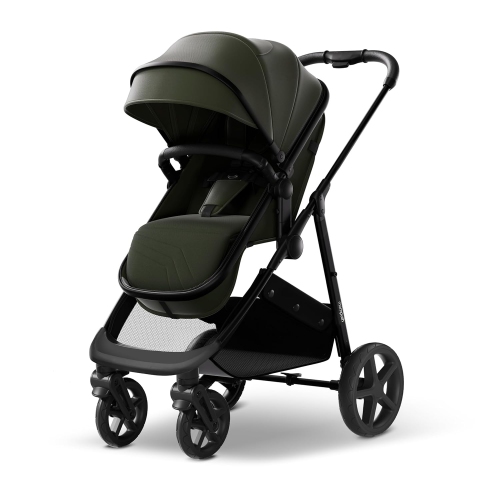
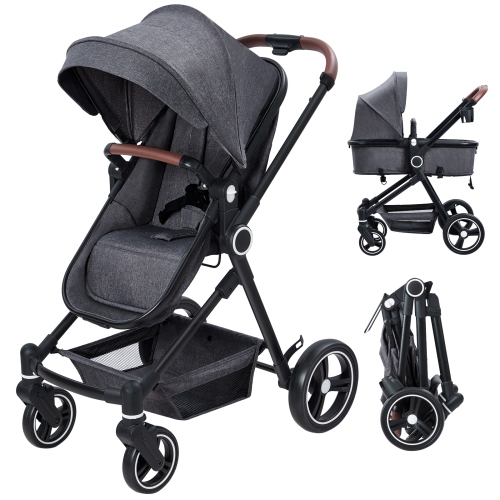
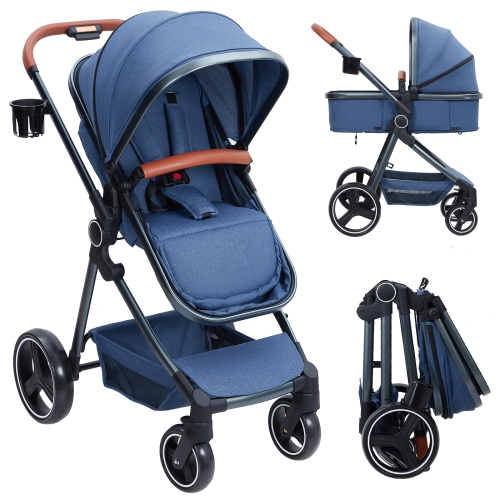
Forward-facing strollers position a child’s seat towards the direction of travel, giving them a view of the pavement, passing people, and places ahead rather than the person pushing. That outward view can make an everyday walk more engaging for a baby who enjoys watching dogs pass on the path or an older toddler who likes pointing out buses and birds. Some strollers have a fixed forward-facing seat, while others feature a reversible seat that can switch between parent-facing and forward-facing positions according to the manufacturer’s instructions. The right time to use a forward-facing stroller seat depends on the seat design, its approved age and size limits, and the child’s development; there is no single age that applies to every stroller. Head and neck control, the ability to maintain the required seated position, and the manufacturer’s guidance matter more than curiosity alone. A young infant may need an approved bassinet, compatible infant car seat, or seat configuration specifically suitable from birth rather than a standard upright stroller seat. Reclining a seat does not automatically make it suitable for a newborn. For children ready to face forwards, a supportive seat and an adjustable harness help keep the ride comfortable and secure as their attention shifts from one sight to another. Seat recline can offer a change of position during an outing, but a stroller is not a substitute for an approved infant sleep space. An adjustable canopy helps manage glare, while a viewing window can let a caregiver check on the child without walking around to the front. Forward-facing designs suit a range of routines, from short trips to the library to longer walks with an older sibling. Families comparing fixed and reversible seating may also find Modern Strollers useful for exploring different layouts, folding styles, and everyday features. The most practical configuration is one that fits both the child’s stage and the places the stroller will regularly go.
Comfort and fit involve more than a padded seat. Seat width, backrest height, footrest placement, and harness adjustment all affect how well a forward-facing stroller accommodates a growing child within its stated limits. A footrest that supports the legs can be especially useful on longer outings, while easy-to-adjust straps help caregivers maintain the fit as clothing changes during the cooler months. A five-point harness should be fastened and adjusted as directed every time the child rides; a bumper bar or snack tray does not replace it. Smooth woven fabrics may be easier to wipe after a spilled drink, while breathable panels and removable padding can make routine care more manageable. Frame materials also influence everyday handling. Aluminium frames often help keep carrying weight down, although the stroller’s complete weight, folded dimensions, and construction are more useful comparisons than the frame material alone. A lightweight stroller may suit stairs and frequent car trips, while a larger design may offer roomier seating or features better suited to longer walks. Wheel size, tyre construction, and suspension make a noticeable difference when moving from a smooth shop floor to uneven paving. Small swivelling front wheels can make tight turns easier in narrow aisles; larger wheels may handle cracks and packed gravel more comfortably, depending on the design. No stroller should be assumed suitable for jogging simply because it has large wheels or suspension. Running requires a stroller expressly designed for that use, with the child meeting its stated requirements. For everyday travel, handlebar height deserves attention, particularly when caregivers of different heights share pushing duties. Enough space behind the frame allows a natural stride without repeatedly catching a foot on the rear axle. The parking brake should be straightforward to operate, and the storage basket should be accessible without reaching awkwardly around the seat. Basket weight limits still apply, and hanging heavy bags from the handlebar can affect stability. These details become tangible during an ordinary outing: steering through a café doorway, stopping beside a bench, or reaching for a change of clothes while keeping the stroller parked.
A stroller’s fit with home and transport routines is just as important as its fit with the child. Folded height, width, and depth determine whether it sits neatly in a vehicle’s boot, leaves room for groceries, or fits into an entryway cupboard. A compact fold does not necessarily mean a light lift, so both carrying weight and the location of a designated carry handle are worth considering. A fold that stands on its own may help keep fabric away from a damp floor, while a secure folding lock makes storage and carrying more manageable. During folding and unfolding, children should remain clear of hinges and moving parts, and the frame should be fully locked open before use. Durability depends on solid joints, dependable brakes, freely moving wheels, and fabrics that tolerate the care method specified by the manufacturer. Crumbs in seat seams, grit around wheel assemblies, and road salt after a cooler-weather walk are ordinary sources of wear. Regularly brushing away loose debris, wiping suitable surfaces with a mild cleaning solution, and drying the stroller before storage can help keep it in good working condition. Removable covers are not always machine washable, so fabric labels and the manual should determine how they are cleaned. Periodic checks for loose fasteners, damaged straps, worn tyres, and a brake that no longer holds properly can identify problems before the next outing. Weather accessories should be compatible with the stroller and used without obstructing ventilation or access to the harness; draping a blanket over the canopy can trap heat and restrict airflow. For parents, grandparents, and other caregivers, a forward-facing stroller can support shared routines once everyone understands its adjustments, brakes, and folding mechanism. It can also be a thoughtful group gift when the recipients’ preferences, storage space, and child’s needs are known. A well-matched stroller earns its place through repeated small conveniences: a comfortable pushing position, a seat that fits properly, and a fold that works at the end of a busy day.
Comfort and fit involve more than a padded seat. Seat width, backrest height, footrest placement, and harness adjustment all affect how well a forward-facing stroller accommodates a growing child within its stated limits. A footrest that supports the legs can be especially useful on longer outings, while easy-to-adjust straps help caregivers maintain the fit as clothing changes during the cooler months. A five-point harness should be fastened and adjusted as directed every time the child rides; a bumper bar or snack tray does not replace it. Smooth woven fabrics may be easier to wipe after a spilled drink, while breathable panels and removable padding can make routine care more manageable. Frame materials also influence everyday handling. Aluminium frames often help keep carrying weight down, although the stroller’s complete weight, folded dimensions, and construction are more useful comparisons than the frame material alone. A lightweight stroller may suit stairs and frequent car trips, while a larger design may offer roomier seating or features better suited to longer walks. Wheel size, tyre construction, and suspension make a noticeable difference when moving from a smooth shop floor to uneven paving. Small swivelling front wheels can make tight turns easier in narrow aisles; larger wheels may handle cracks and packed gravel more comfortably, depending on the design. No stroller should be assumed suitable for jogging simply because it has large wheels or suspension. Running requires a stroller expressly designed for that use, with the child meeting its stated requirements. For everyday travel, handlebar height deserves attention, particularly when caregivers of different heights share pushing duties. Enough space behind the frame allows a natural stride without repeatedly catching a foot on the rear axle. The parking brake should be straightforward to operate, and the storage basket should be accessible without reaching awkwardly around the seat. Basket weight limits still apply, and hanging heavy bags from the handlebar can affect stability. These details become tangible during an ordinary outing: steering through a café doorway, stopping beside a bench, or reaching for a change of clothes while keeping the stroller parked.
A stroller’s fit with home and transport routines is just as important as its fit with the child. Folded height, width, and depth determine whether it sits neatly in a vehicle’s boot, leaves room for groceries, or fits into an entryway cupboard. A compact fold does not necessarily mean a light lift, so both carrying weight and the location of a designated carry handle are worth considering. A fold that stands on its own may help keep fabric away from a damp floor, while a secure folding lock makes storage and carrying more manageable. During folding and unfolding, children should remain clear of hinges and moving parts, and the frame should be fully locked open before use. Durability depends on solid joints, dependable brakes, freely moving wheels, and fabrics that tolerate the care method specified by the manufacturer. Crumbs in seat seams, grit around wheel assemblies, and road salt after a cooler-weather walk are ordinary sources of wear. Regularly brushing away loose debris, wiping suitable surfaces with a mild cleaning solution, and drying the stroller before storage can help keep it in good working condition. Removable covers are not always machine washable, so fabric labels and the manual should determine how they are cleaned. Periodic checks for loose fasteners, damaged straps, worn tyres, and a brake that no longer holds properly can identify problems before the next outing. Weather accessories should be compatible with the stroller and used without obstructing ventilation or access to the harness; draping a blanket over the canopy can trap heat and restrict airflow. For parents, grandparents, and other caregivers, a forward-facing stroller can support shared routines once everyone understands its adjustments, brakes, and folding mechanism. It can also be a thoughtful group gift when the recipients’ preferences, storage space, and child’s needs are known. A well-matched stroller earns its place through repeated small conveniences: a comfortable pushing position, a seat that fits properly, and a fold that works at the end of a busy day.
Top selling and popular products
-
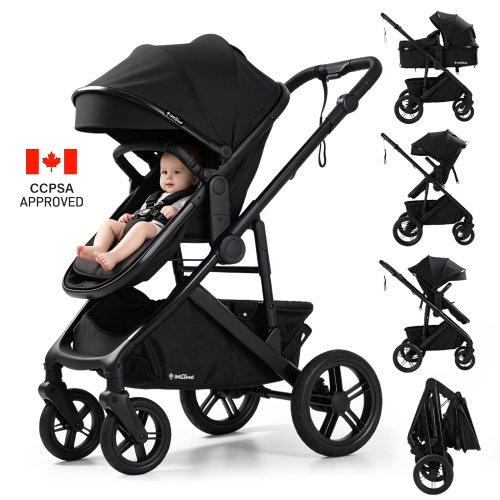 Your price for this item is $499.97
 -
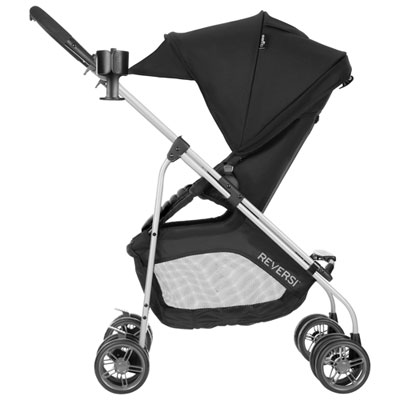 Your price for this item is $249.99
 -
 Your price for this item is $399.99
 -
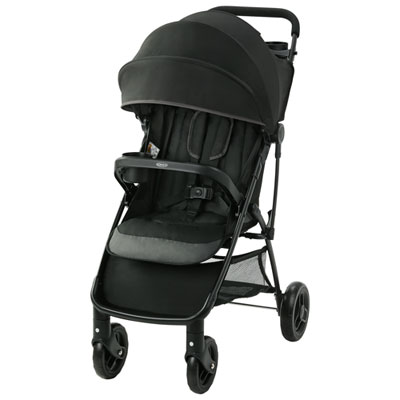 Your price for this item is $249.99
 -
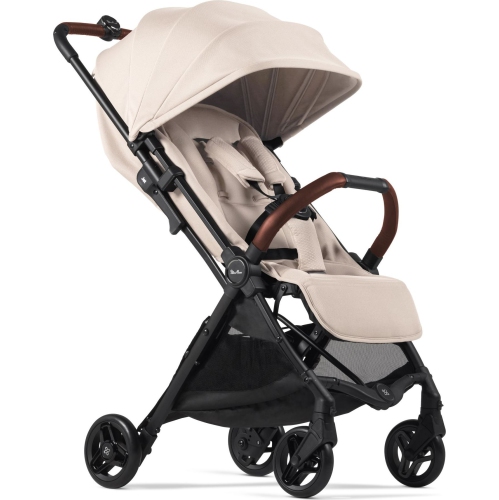 Your price for this item is $615
 -
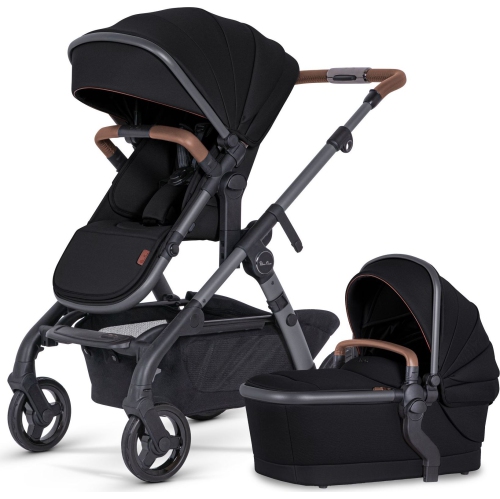 Your price for this item is $1964
 -
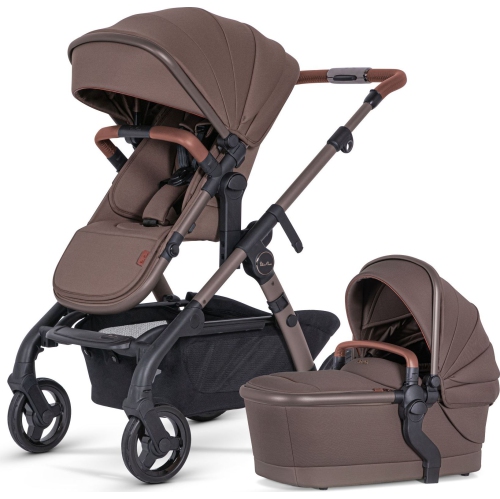 Your price for this item is $1964
 -
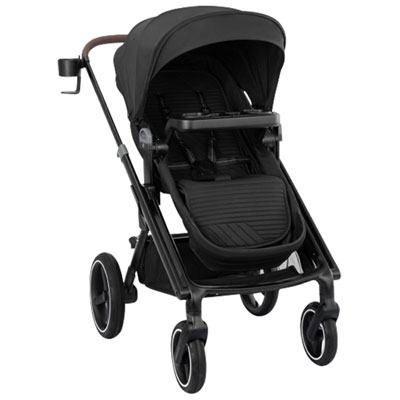 Your price for this item is $699.99
Discover more categories related to Forward Facing Strollers

Top Collections:
Pokemon Centers, Kindle Devices, Best Budget Office Chairs, Apple iPhones 16, Best Laptops for Writers, iPhone 15 Apple, Canon G7X Cameras, Refurbished Apple Laptops, Alarm Clock, Motorola Razr Phones
Some products may be subject to Environmental Handling Fees
(EHF) depending on your province.
Learn more about EHFs.