Forward Facing Car Seats
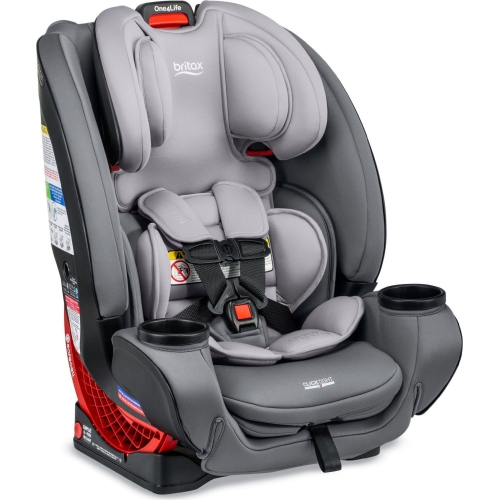
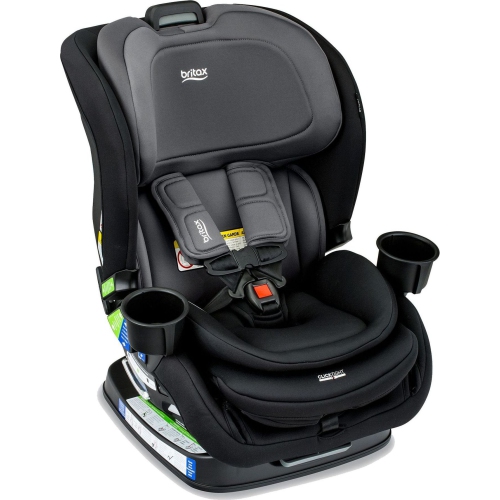
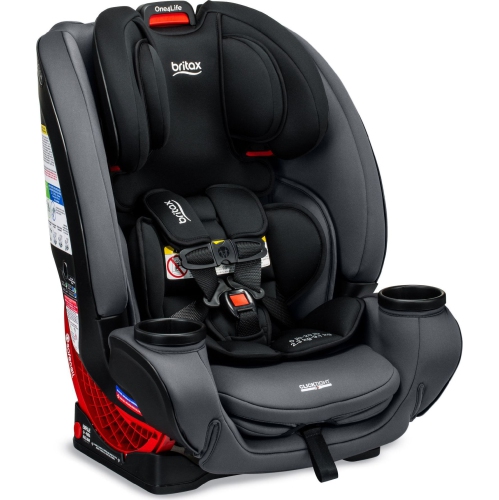
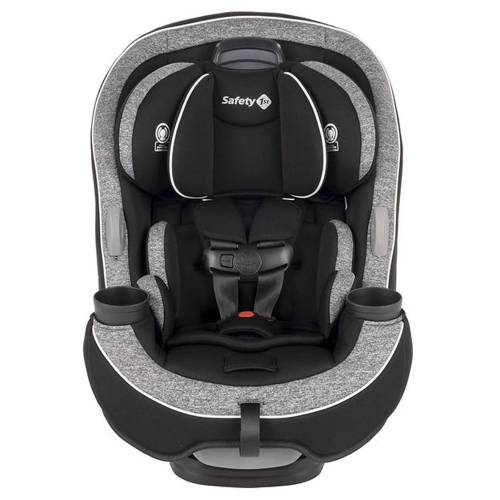
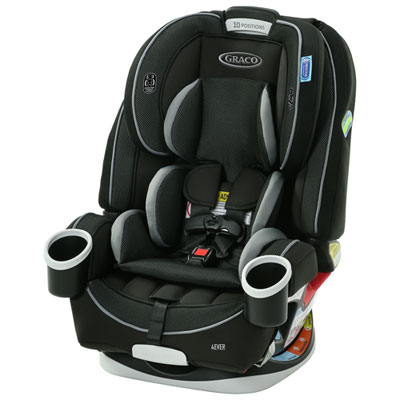
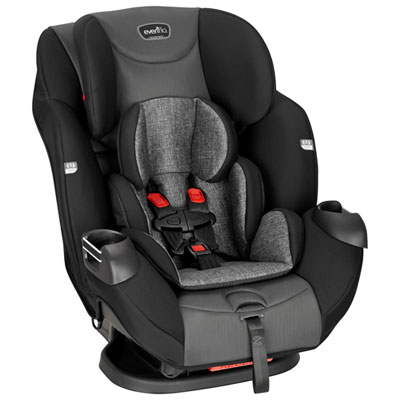
A forward-facing car seat is the most popular option for children who are too young to use a booster seat. These seats are designed to provide superior protection for young children in the event of a collision or sudden stop. They are available in a variety of sizes and styles to accommodate children of different ages and sizes. Here are some great options.
Sort
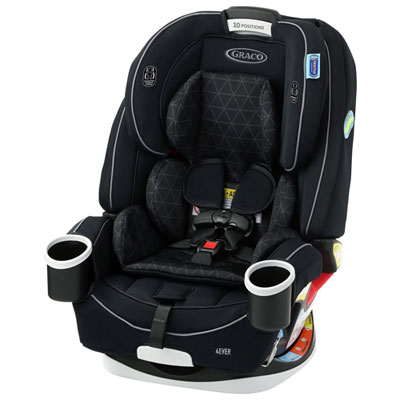

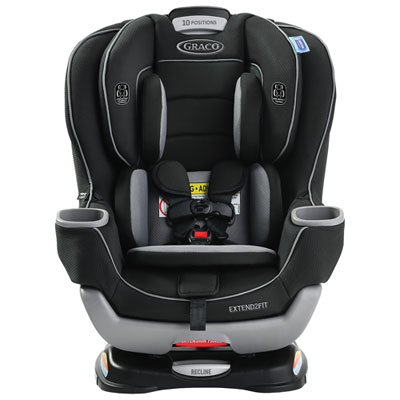
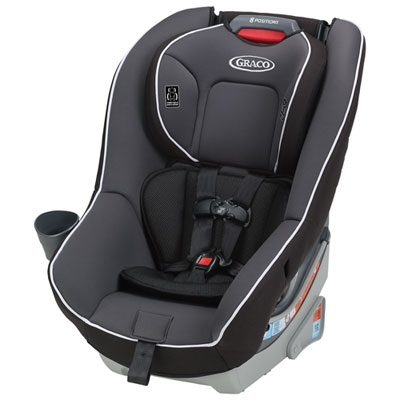
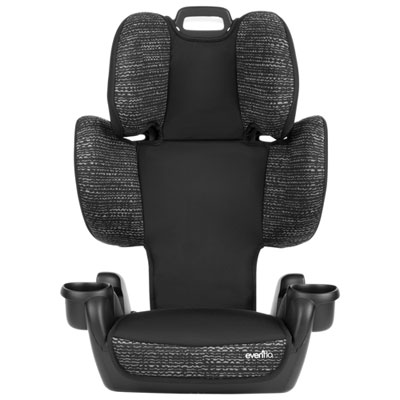
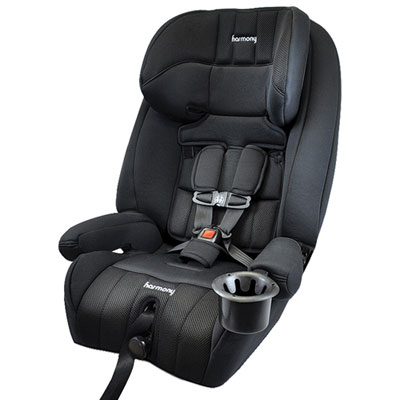
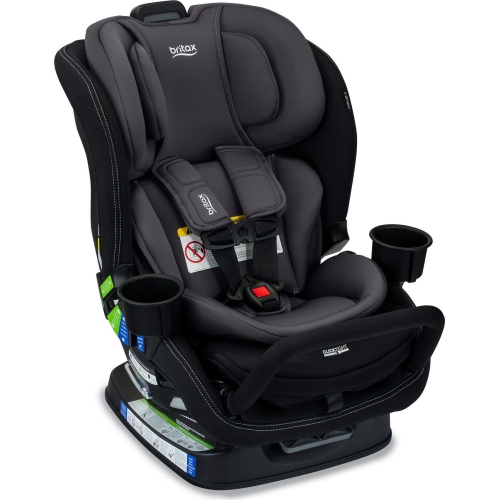
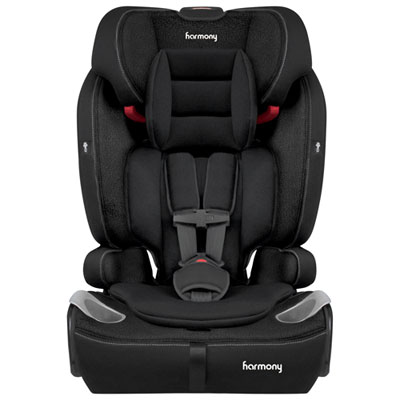
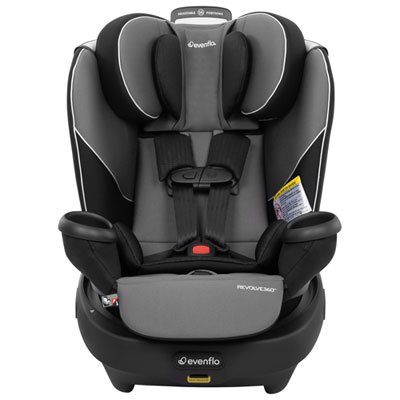
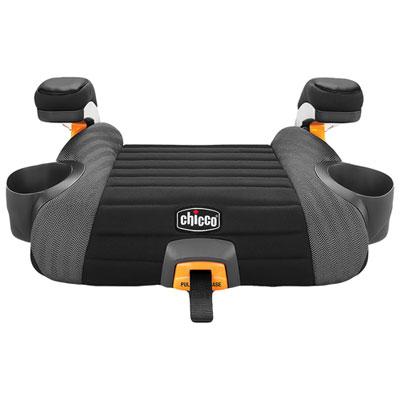
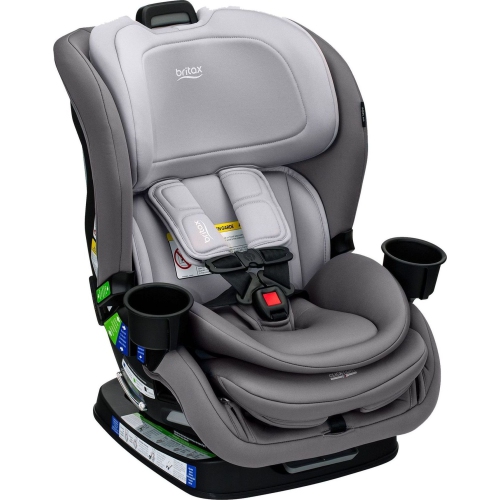
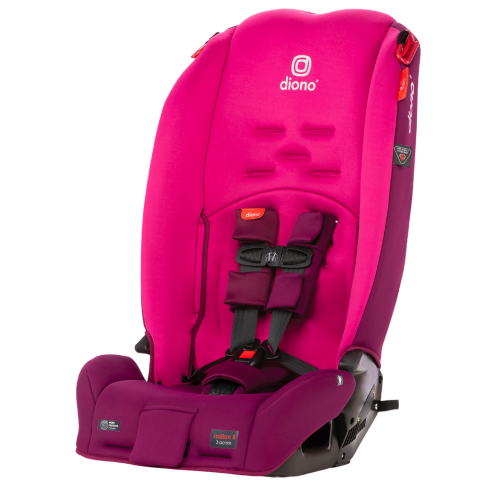
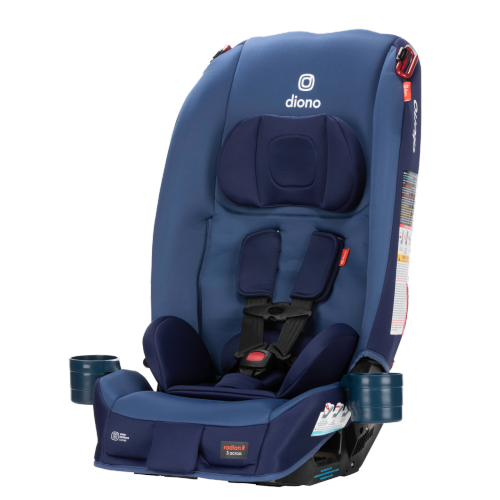
What matters most for a secure, comfortable fit
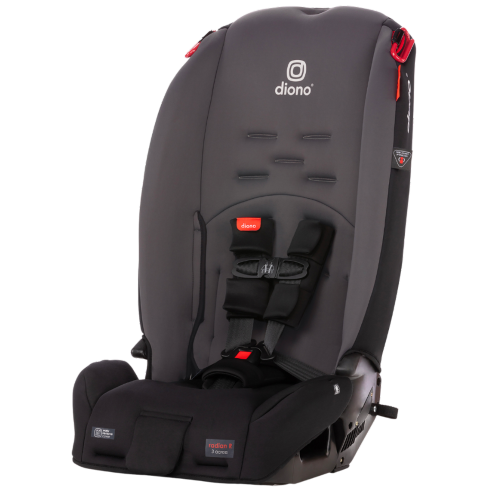
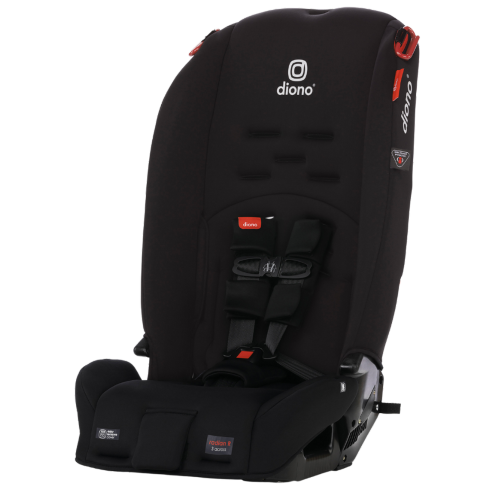
Forward-facing car seats are designed for children who have outgrown the height or weight limits of their rear-facing seat and are ready to travel facing the front of the vehicle. Health and safety experts generally recommend keeping a child rear-facing for as long as possible, up to the maximum limits set by the seat manufacturer. Readiness is based on more than age alone: a child’s height, weight, development, and the limits of their current seat all matter. Provincial rules also vary, so check the requirements where you live before making the transition. For example, Alberta’s guidance states that a child must be at least two years old or have reached the rear-facing limits of their seat before moving to a forward-facing seat. When shopping, look for a seat with a five-point harness, clear height and weight ranges, an adjustable harness system, and a top tether. The seat should be approved for use in Canada and suit the child’s current size as well as their expected growth. A model with straightforward adjustments can be especially helpful when several caregivers share drop-off duties or when a growing child needs the harness repositioned frequently. Families may also appreciate features such as removable, washable covers, padding that supports longer car rides, and a design that fits comfortably in the vehicle without crowding other passengers. Before choosing, measure the vehicle seating area, check whether the seat can be installed in the intended position, and review the vehicle owner’s manual for information about lower anchors and tether anchors. This collection of Car Seats can help families compare options for everyday travel, daycare runs, visits with relatives, and longer road trips.
Correct installation and daily use are just as important as the seat’s listed features. Place the forward-facing seat in an approved seating position and follow both the car seat instructions and the vehicle owner’s manual. Once installed, the seat should not move more than about one inch from side to side or front to back when tested at the belt path, unless the manufacturer gives different instructions. Attach and tighten the top tether strap every time; it helps limit the seat’s forward movement in a collision and is an important part of a forward-facing installation. If the seat uses lower anchors, confirm their location and weight limits, since some seats require the vehicle seat belt once the child or seat reaches a specified limit. For the child, the harness straps should come from at or just above the shoulders when the seat is facing forward. The harness should lie flat, with no twists, and should be snug enough that extra webbing cannot be pinched at the shoulder. Position the chest clip level with the child’s armpits, rather than at the stomach or neck. Thick winter coats can interfere with a snug harness, so use thin layers and place a blanket over the secured harness instead of underneath it. During the cooler months, this small routine can make getting out the door easier while preserving a proper fit. Check the harness each time, particularly after a child has climbed into the seat independently or after the seat has been moved between vehicles. Keep the instruction manual accessible, record the seat’s expiry date, and replace a seat after a moderate or serious collision according to the manufacturer’s guidance. Car seat clinics, certified child passenger safety technicians, and provincial resources can provide hands-on installation help when a family wants an extra check.
A forward-facing car seat can be a practical gift for new parents, grandparents, relatives, or caregivers who regularly transport a child, but the most useful choice depends on the vehicle and the child who will use it. Before giving one as a gift, confirm the child’s age, height, weight, and current seating stage, along with the make and model of the vehicle where it will be installed. A seat intended for a larger child may not be suitable if the child still fits safely within the rear-facing limits of their current seat. Likewise, a compact vehicle, a back seat with limited space, or a family that moves the seat often may call for different features than a spacious vehicle used by one caregiver. Families with more than one child may value a narrower profile that leaves room for another car seat or a passenger, while grandparents may prefer accessible harness adjustments and clear installation instructions. Think about everyday realities: muddy shoes after a park visit, snacks on a long drive, naps on the way home, and the extra layers worn during cooler weather. Washable fabrics, easy-to-read labels, and uncomplicated buckles can make those ordinary moments less stressful. It is also wise to inspect an existing seat for damage, missing parts, recalls, and an expired service life before passing it to another child. When a child eventually reaches the forward-facing harness limits, the next step should follow the seat manufacturer’s instructions and the rules in the family’s province or territory; a forward-facing harness should not be used beyond its stated height or weight range. Taking a few minutes to compare fit, installation method, harness adjustment, tether compatibility, and care instructions helps families choose a seat that works reliably in their own vehicle and supports safer routines from the school run to a quiet drive home.
Correct installation and daily use are just as important as the seat’s listed features. Place the forward-facing seat in an approved seating position and follow both the car seat instructions and the vehicle owner’s manual. Once installed, the seat should not move more than about one inch from side to side or front to back when tested at the belt path, unless the manufacturer gives different instructions. Attach and tighten the top tether strap every time; it helps limit the seat’s forward movement in a collision and is an important part of a forward-facing installation. If the seat uses lower anchors, confirm their location and weight limits, since some seats require the vehicle seat belt once the child or seat reaches a specified limit. For the child, the harness straps should come from at or just above the shoulders when the seat is facing forward. The harness should lie flat, with no twists, and should be snug enough that extra webbing cannot be pinched at the shoulder. Position the chest clip level with the child’s armpits, rather than at the stomach or neck. Thick winter coats can interfere with a snug harness, so use thin layers and place a blanket over the secured harness instead of underneath it. During the cooler months, this small routine can make getting out the door easier while preserving a proper fit. Check the harness each time, particularly after a child has climbed into the seat independently or after the seat has been moved between vehicles. Keep the instruction manual accessible, record the seat’s expiry date, and replace a seat after a moderate or serious collision according to the manufacturer’s guidance. Car seat clinics, certified child passenger safety technicians, and provincial resources can provide hands-on installation help when a family wants an extra check.
A forward-facing car seat can be a practical gift for new parents, grandparents, relatives, or caregivers who regularly transport a child, but the most useful choice depends on the vehicle and the child who will use it. Before giving one as a gift, confirm the child’s age, height, weight, and current seating stage, along with the make and model of the vehicle where it will be installed. A seat intended for a larger child may not be suitable if the child still fits safely within the rear-facing limits of their current seat. Likewise, a compact vehicle, a back seat with limited space, or a family that moves the seat often may call for different features than a spacious vehicle used by one caregiver. Families with more than one child may value a narrower profile that leaves room for another car seat or a passenger, while grandparents may prefer accessible harness adjustments and clear installation instructions. Think about everyday realities: muddy shoes after a park visit, snacks on a long drive, naps on the way home, and the extra layers worn during cooler weather. Washable fabrics, easy-to-read labels, and uncomplicated buckles can make those ordinary moments less stressful. It is also wise to inspect an existing seat for damage, missing parts, recalls, and an expired service life before passing it to another child. When a child eventually reaches the forward-facing harness limits, the next step should follow the seat manufacturer’s instructions and the rules in the family’s province or territory; a forward-facing harness should not be used beyond its stated height or weight range. Taking a few minutes to compare fit, installation method, harness adjustment, tether compatibility, and care instructions helps families choose a seat that works reliably in their own vehicle and supports safer routines from the school run to a quiet drive home.
Top selling and popular products
-
 Your price for this item is $539.99
 -
 Your price for this item is $399.99
 -
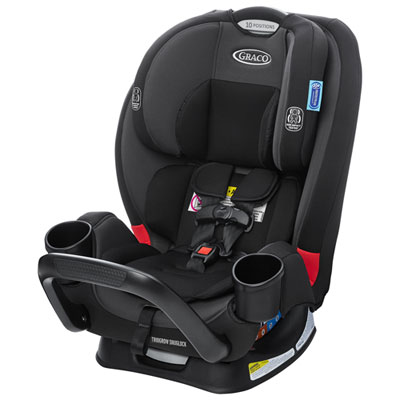 Your price for this item is $329.99
 -
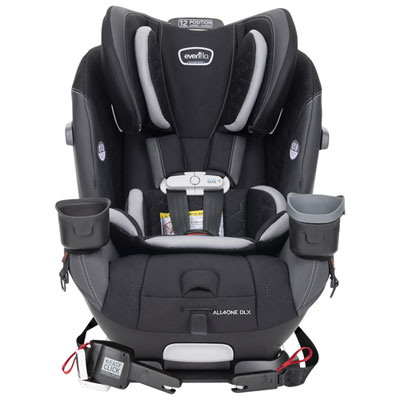 Your price for this item is $469.99
 -
 Your price for this item is $399.99
 -
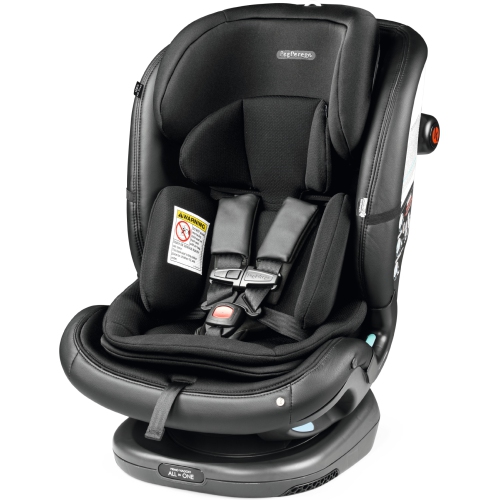 Your price for this item is $649.99
 -
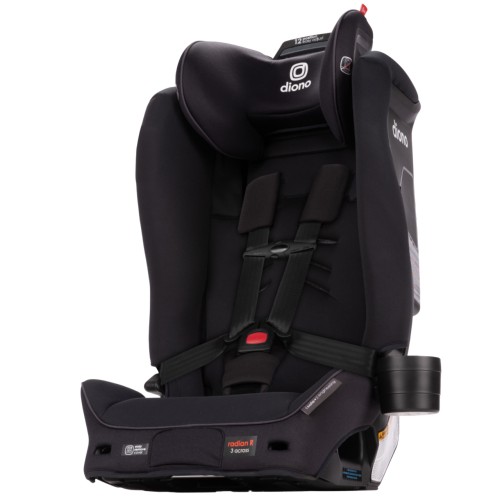 Your price for this item is $295.99
 -
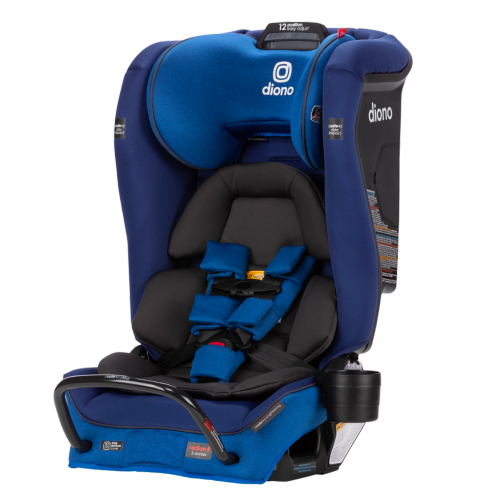 Your price for this item is $399.99
Discover more categories related to Forward Facing Car Seats
Top Collections:
Pokemon Centers, Kindle Devices, Best Budget Office Chairs, Apple iPhones 16, Canon G7X Cameras, iPhone 15 Apple, Alarm Clock, Refurbished Apple Laptops, Flip Phones, Best Laptops for Writers
Some products may be subject to Environmental Handling Fees
(EHF) depending on your province.
Learn more about EHFs.