Grey Changing Tables
Looking for a stylish and functional addition to your nursery? Our selection of grey changing tables offers the perfect blend of practicality and contemporary design. Whether you're looking to maximize space, enhance storage options, or simply add a touch of sophistication to your baby's room, these grey changing tables are designed to meet your needs. With a range of styles and features to choose from, you can find the ideal changing table that not only complements your nursery decor but also provides a convenient and safe space for diaper changes.
Sort
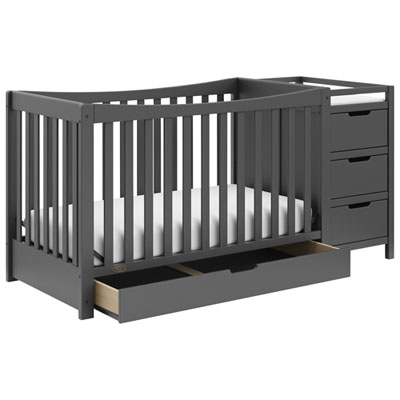

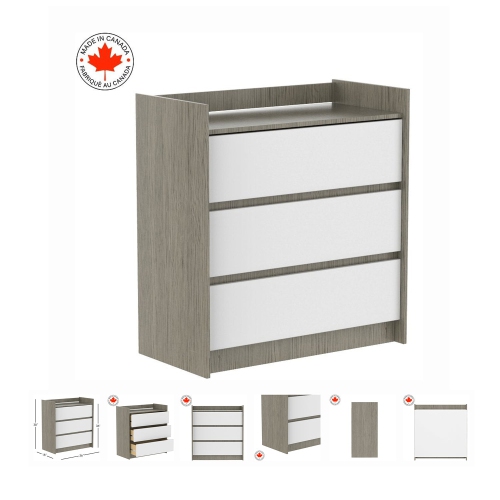
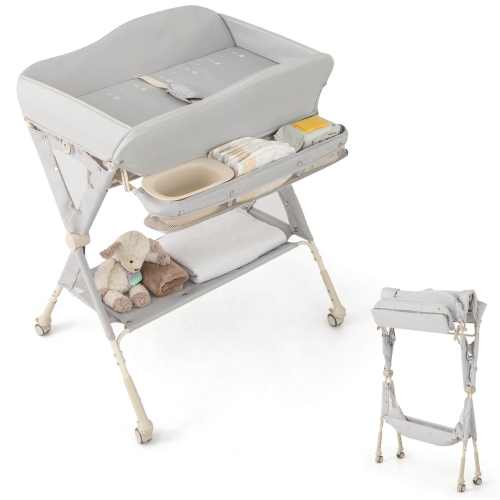
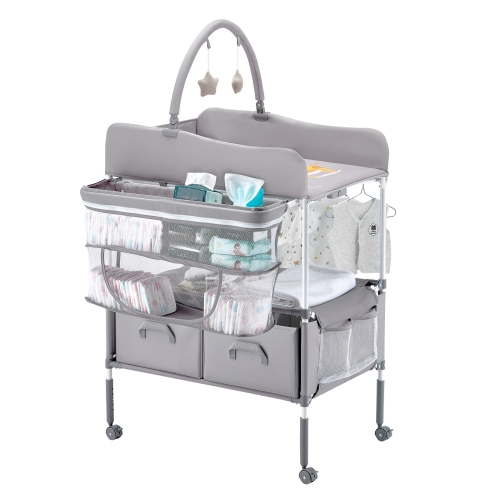
How storage and proportions shape everyday baby care
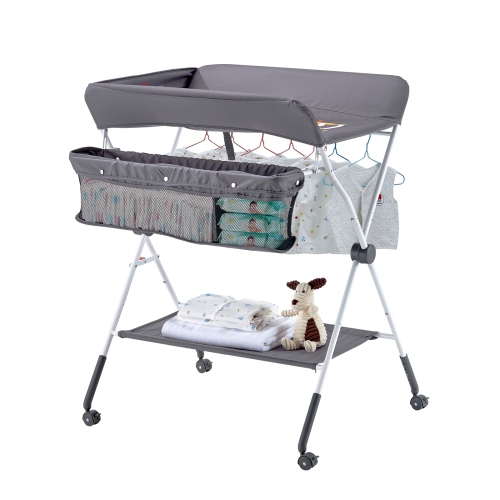
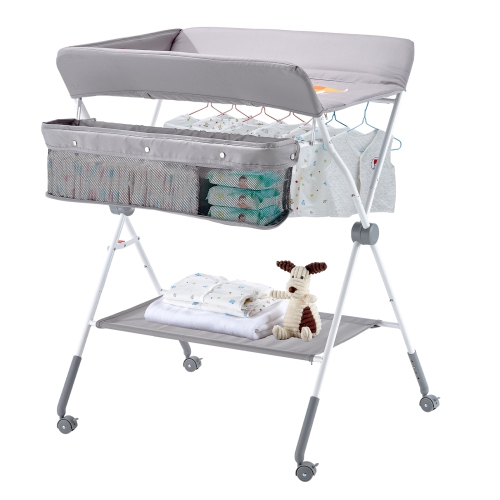
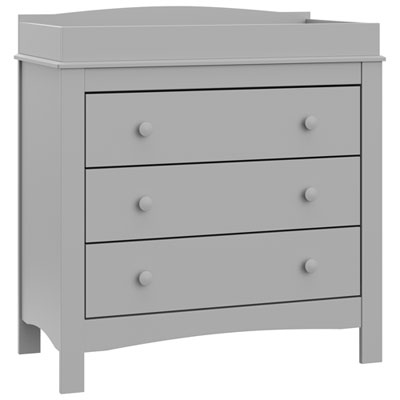
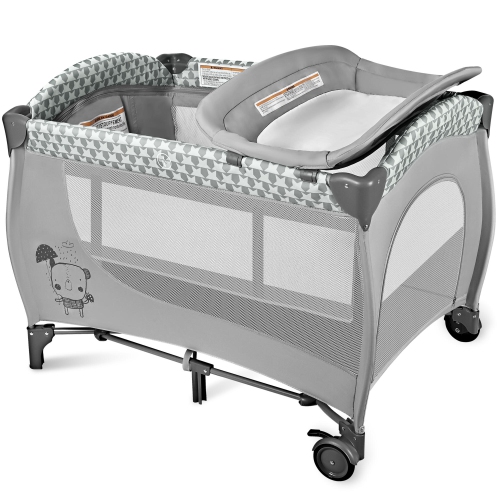
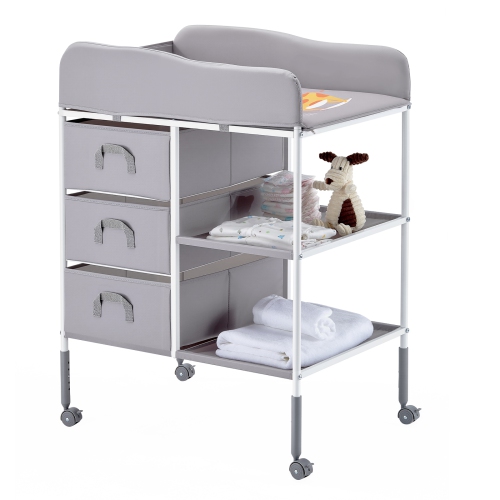
Grey changing tables bring a practical baby-care surface and a versatile colour palette to a nursery, shared bedroom, or dedicated changing area. The category includes compact tables with open shelves, enclosed designs with cupboards, and dresser-style units with drawers beneath a purpose-built changing top. Each layout handles everyday storage differently: open shelves keep baskets visible, drawers separate small clothing and supplies, and cupboards conceal bulkier packages. Grey finishes also vary considerably, from pale shades that sit quietly beside white furniture to deeper charcoal tones that create contrast against lighter walls. Some finishes reveal the grain of the wood, while others have a smooth, painted appearance. Warm greys often pair comfortably with cream textiles and natural wood tones; cooler greys tend to complement crisp white, navy, or muted green. Beyond appearance, the right proportions help the changing area feel comfortable rather than crowded. A narrow footprint can suit a smaller room, but the changing surface still needs to accommodate the specified pad and the baby within the manufacturer’s limits. The full dimensions include more than the tabletop: drawer extension, cupboard doors, projecting handles, and the space needed for an adult to stand comfortably all affect fit. Baseboards can also influence how closely furniture sits against a wall. In a room used by more than one caregiver, working height deserves attention, since a surface that feels comfortable for one adult may require another to bend awkwardly. Storage access matters just as much when one hand needs to remain on the baby. A well-proportioned setup brings the changing surface and frequently used supplies together without blocking a doorway or the route to a cot. Elsewhere in the room, Gray End Tables can extend the same colour palette into a reading or feeding corner, while the changing area remains dedicated to baby care.
Materials, construction, and finish influence how a grey changing table handles repeated use. Solid wood, engineered wood, and metal may appear in different parts of the frame, shelves, or storage components, and the material description helps explain how each piece should be cared for. Solid wood can show natural variations in grain, while engineered wood often provides a more uniform surface beneath a painted or laminated finish. Neither appearance alone nor the weight of a unit establishes its durability; secure joints, suitable hardware, stable construction, and properly supported shelves all contribute to everyday performance. Drawers that move smoothly and handles that are easy to grasp make a difference during frequent changes, especially when clothing and supplies need to be retrieved quickly. A changing pad should match the dimensions and attachment requirements specified for the table, without gaps or overhang that the manufacturer does not permit. Raised edges and restraint straps do not replace adult supervision: a baby should never be left unattended on an elevated changing surface, even briefly, and a caregiver should keep a hand on the baby throughout a change. Furniture anchoring, assembly, and ongoing hardware checks should follow the supplied instructions. Placement away from windows, blind cords, heaters, and reachable cables helps keep nearby hazards out of the changing area. Cleaning requirements also deserve attention because small spills and frequent wiping are part of the furniture’s intended use. A soft cloth and a manufacturer-approved cleaner may be appropriate, but care directions vary by finish. Promptly removing moisture and drying the surface can help protect seams and edges; abrasive scrubbers or harsh chemicals may damage coatings. Removable pads and covers have their own washing instructions, separate from those for the furniture. Keeping these care needs in mind makes it easier to choose a surface and storage layout that suit the household’s routine rather than simply matching the room.
The most useful storage arrangement reflects what happens during a change, not just how the shelves look when everything is neatly arranged. Nappies, wipes, a clean outfit, and a spare pad cover are easier to manage when they have consistent places within the caregiver’s reach, while remaining inaccessible to the baby. An open-shelf grey changing table can work well with lightweight baskets that group supplies by task, whereas drawers offer separation for folded sleepers, washcloths, and smaller garments. Shelf and drawer weight limits still apply, particularly when storing larger packages, and heavy supplies should not be placed where they could fall onto the changing surface. Creams, medicines, plastic packaging, and other potentially hazardous supplies need secure storage beyond a child’s reach. A practical arrangement also leaves enough clear space to set out essentials before lifting the baby onto the table; attractive display pieces can make the work area less useful if they crowd the pad. For parents, grandparents, and other regular caregivers, a familiar layout reduces searching and makes it easier to keep attention on the baby. As a baby-shower gift or a contribution to a nursery, a changing table is a substantial choice that benefits from agreement on room measurements, preferred storage, and the family’s existing furniture. Coordinating the grey finish with nearby pieces is helpful, although an exact colour match is not always necessary when shapes and undertones work together. Longer-term use depends on the design. Some dresser-style changing tables have a removable changing attachment and can continue serving as clothing storage when used according to their instructions; other units are intended only for changing and should not be adapted beyond that purpose. A baby’s development can also make a changing surface unsuitable before its weight limit is reached, so the manufacturer’s age, weight, and developmental restrictions all matter. With suitable dimensions, accessible storage, and manageable care requirements, a grey changing table can provide a well-organized place for the repeated, hands-on routines of early parenthood.
Top selling and popular products
-
 Your price for this item is $189.99
-
 Your price for this item is $110.9
-
 Your price for this item is $87.99
-
 Your price for this item is $355.98
-
 Your price for this item is $189.99
-
 Your price for this item is $59.99
-
 Your price for this item is $129.99
-
 Your price for this item is $169.99
Discover more categories related to Grey Changing Tables
Top Collections:
Best Black Friday Deals This Year, Best Black Friday Deals On Electronics, Kindle Devices, Best Black Friday Deals On Apple Products, Best Budget Office Chairs, Best Cameras for Sports Photography, Dyson Airwrap, Canon G7X Cameras, Best Laptops for Writers, Samsung Galaxy Phones
Some products may be subject to Environmental Handling Fees
(EHF) depending on your province.
Learn more about EHFs.