Infant Beds
Looking for a cozy and safe sleeping solution for your little one? Our collection of infant beds offers a range of options to suit your baby's needs. From bassinets to cribs, our selection includes various styles and features to provide your baby with a comfortable and secure place to rest. Whether you prefer a classic design or a modern look, we have infant beds that will complement any nursery decor. Explore our assortment of infant beds to find the perfect sleeping spot for your precious bundle of joy.
Sort











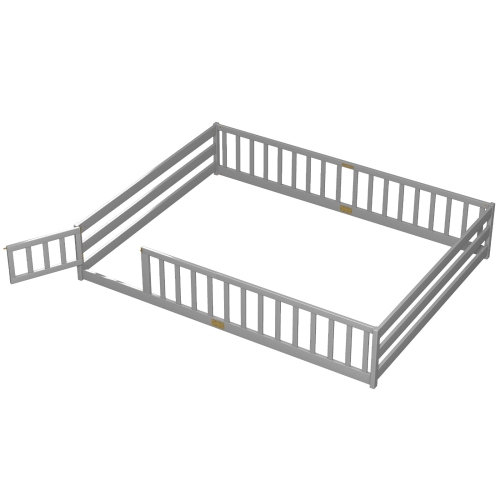
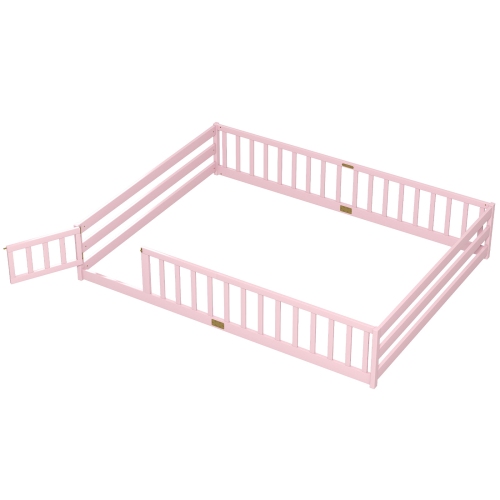


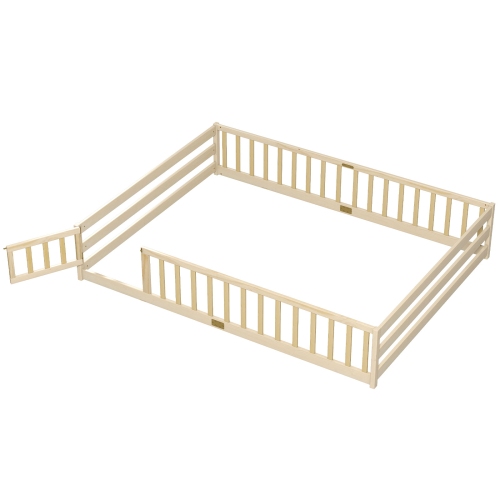
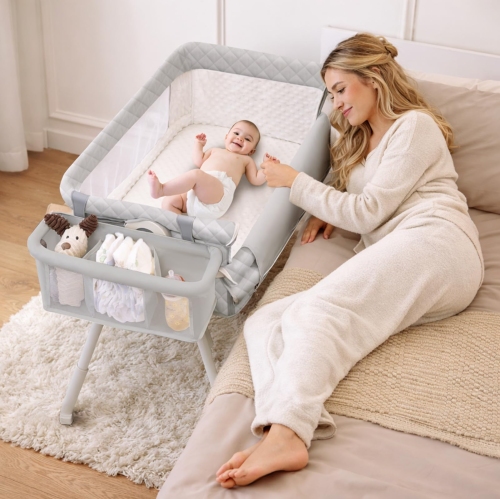
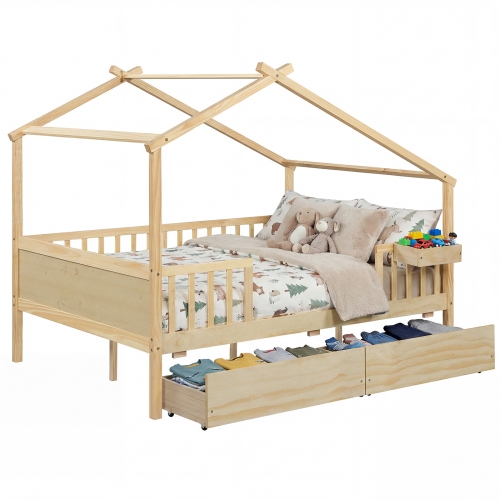
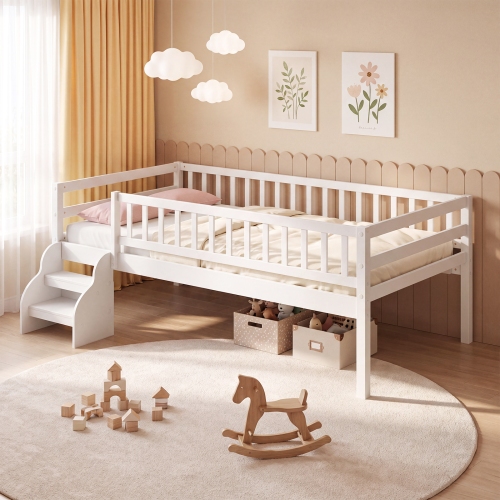


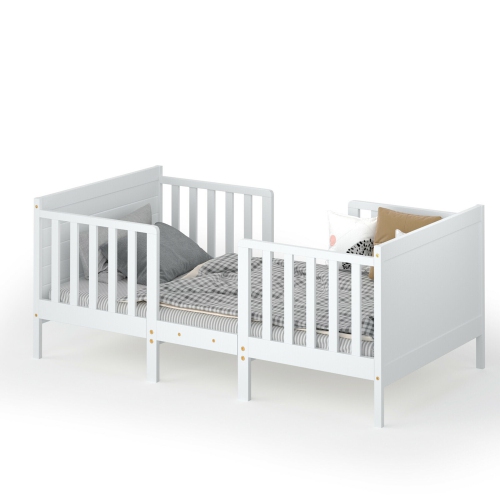
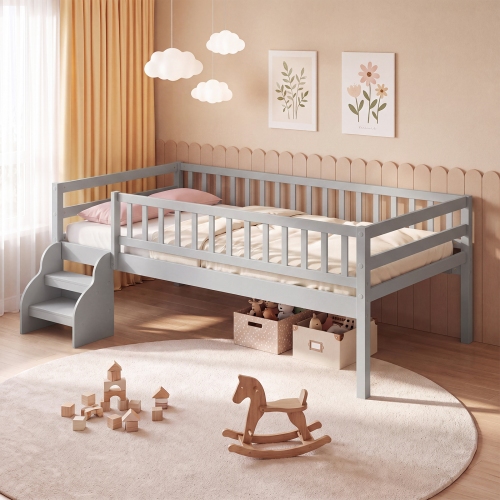









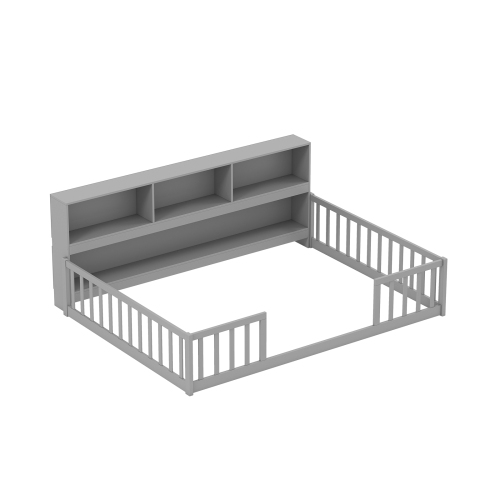


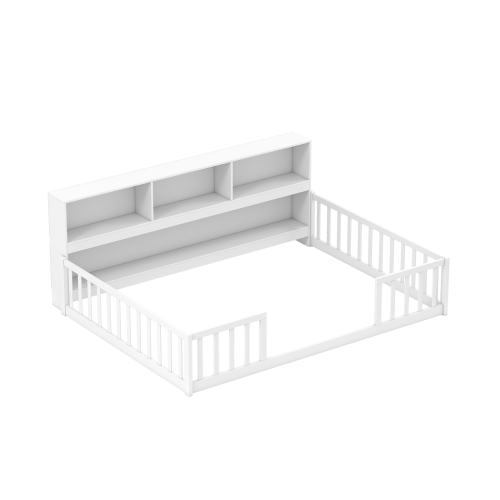


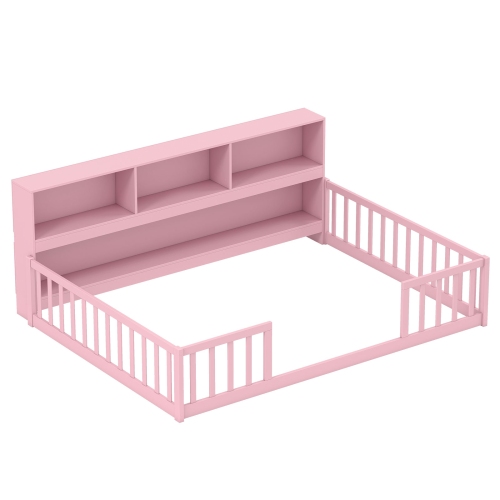


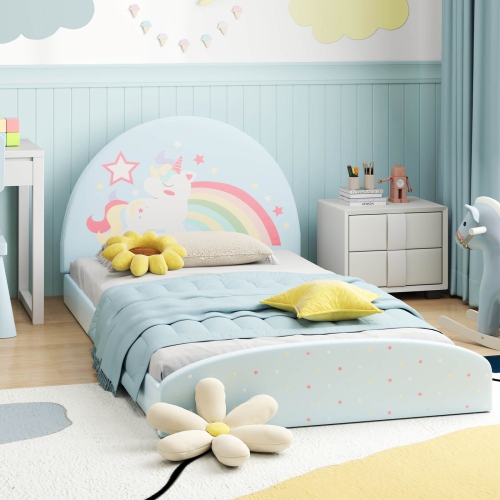


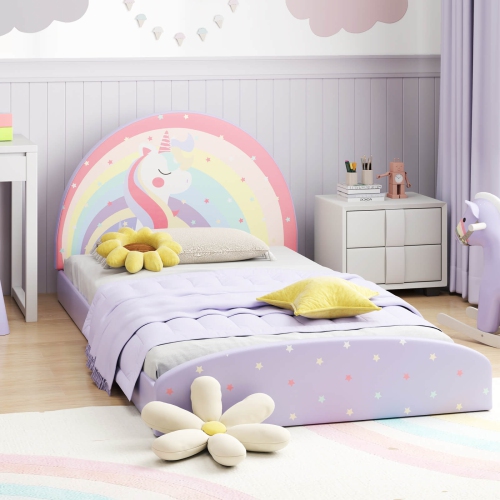


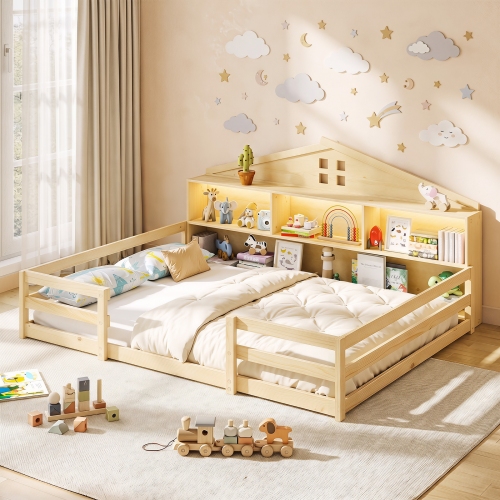


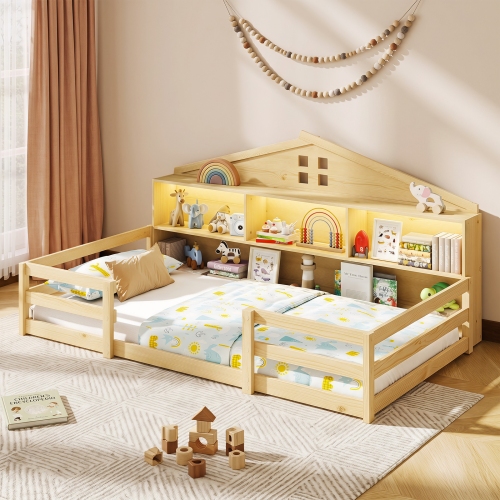
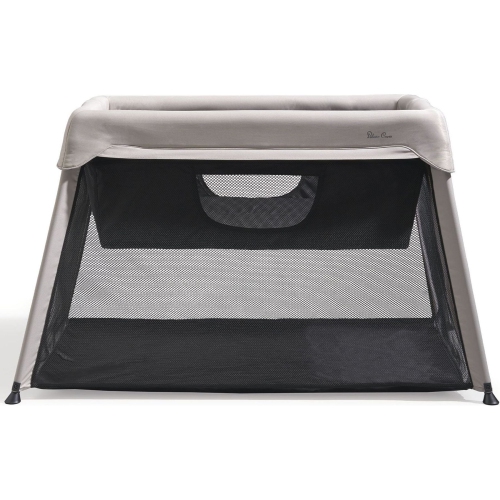






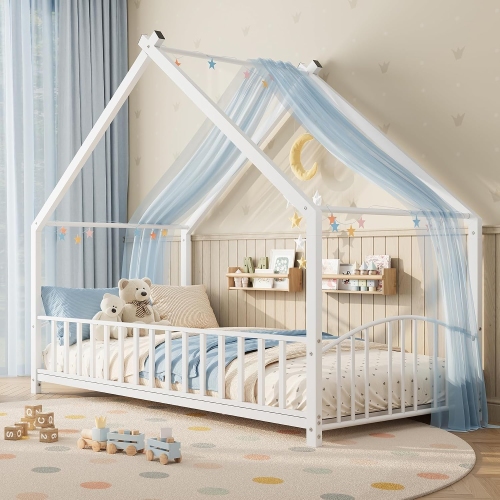















How your baby’s stage shapes their sleep space
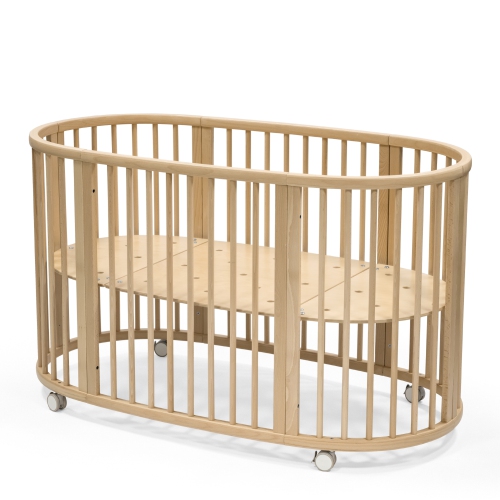
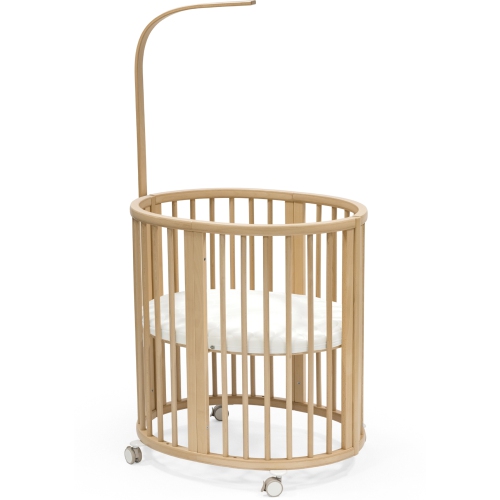
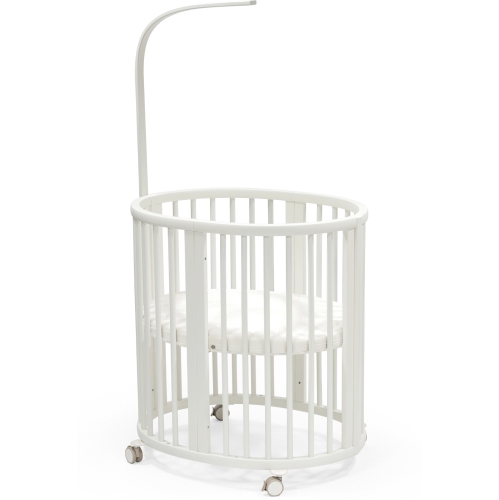
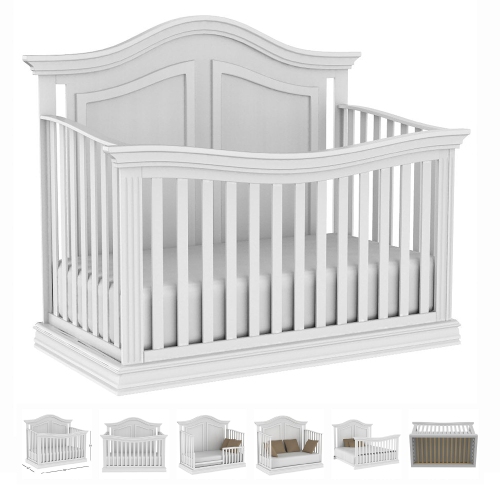
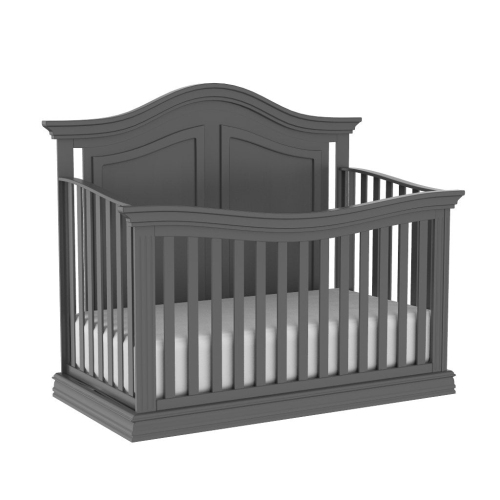
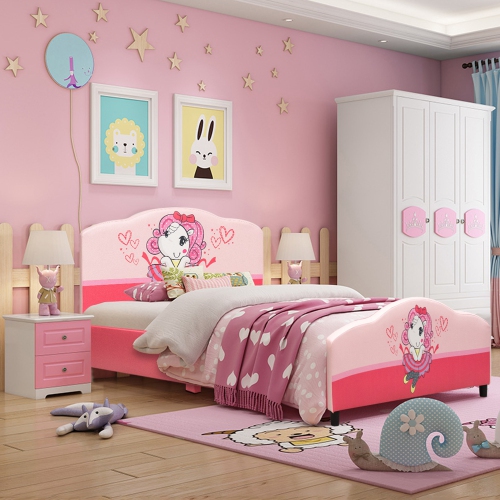
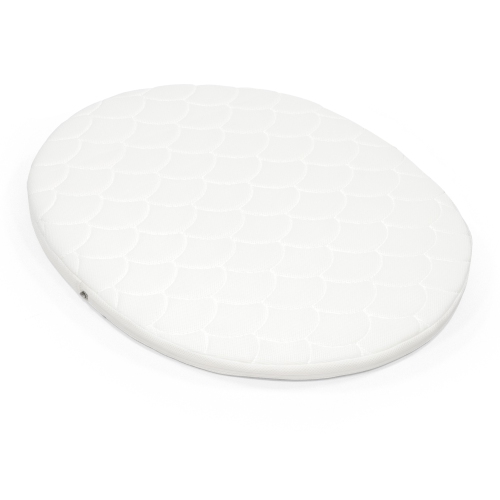
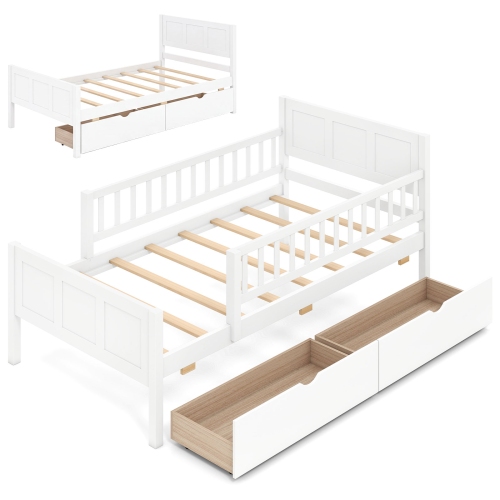
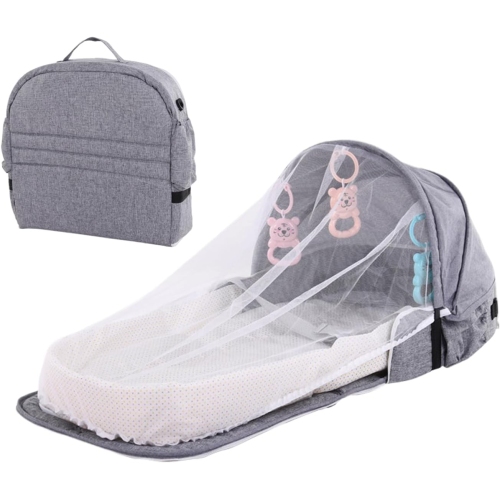
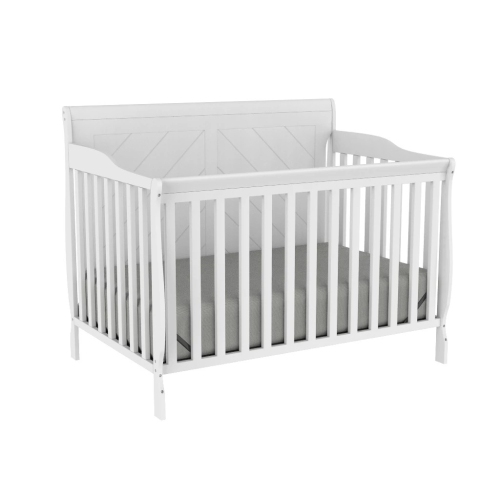
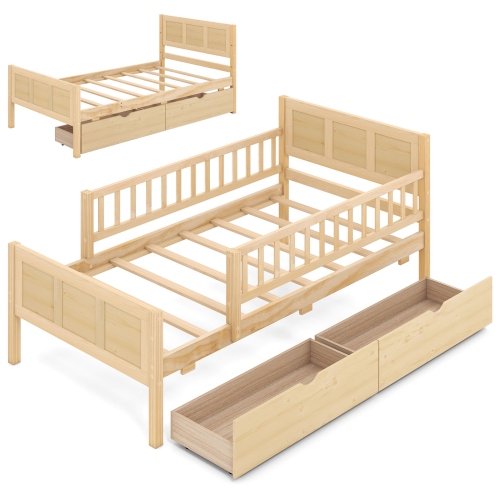
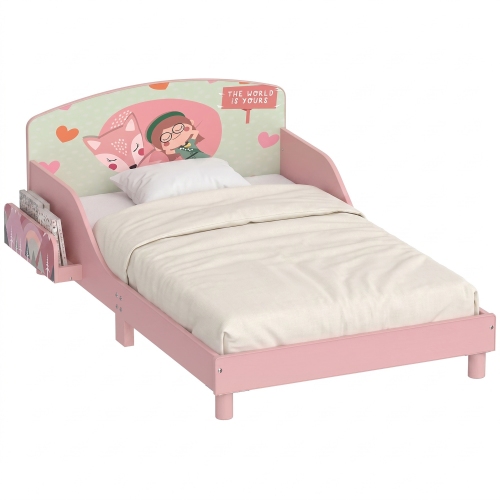
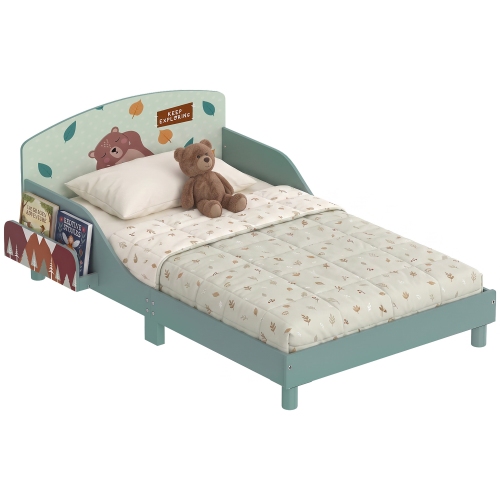
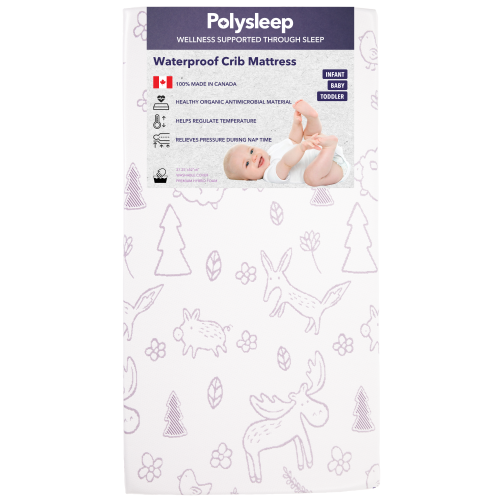
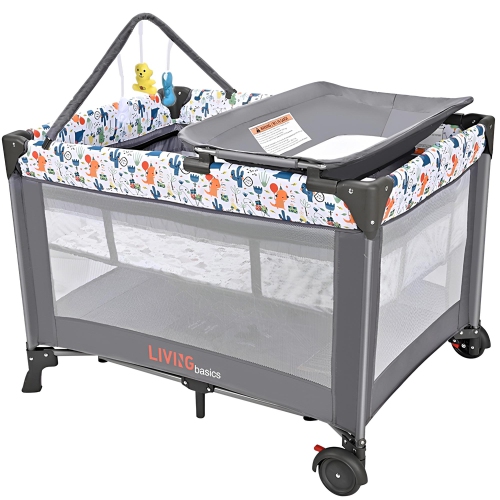
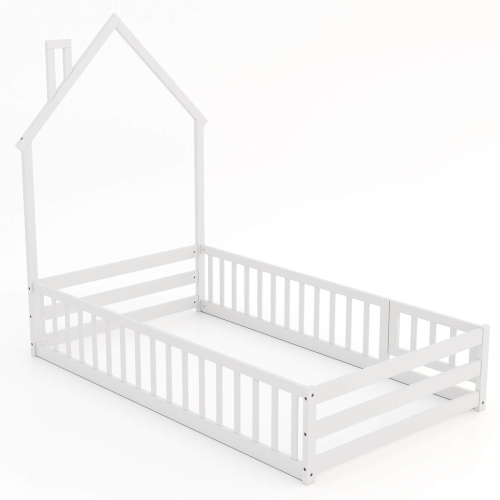
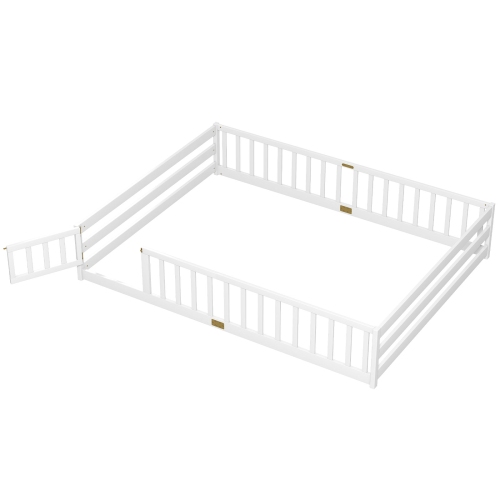
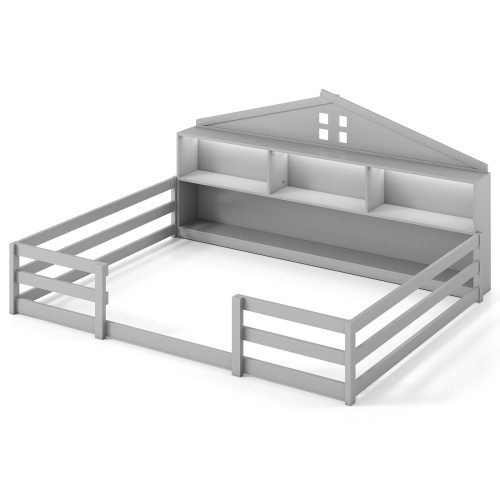
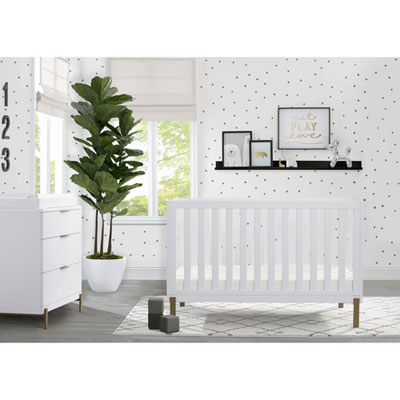
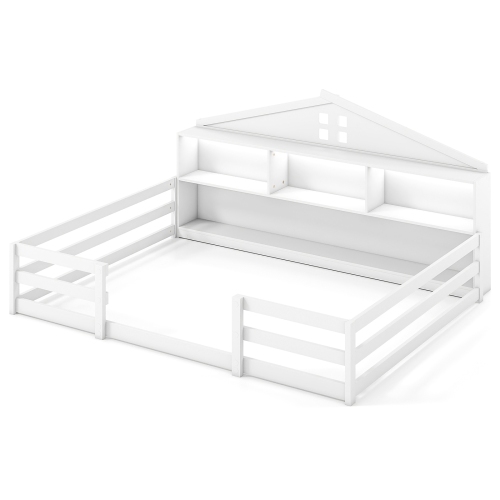
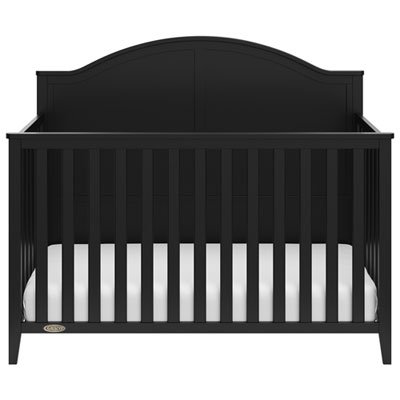
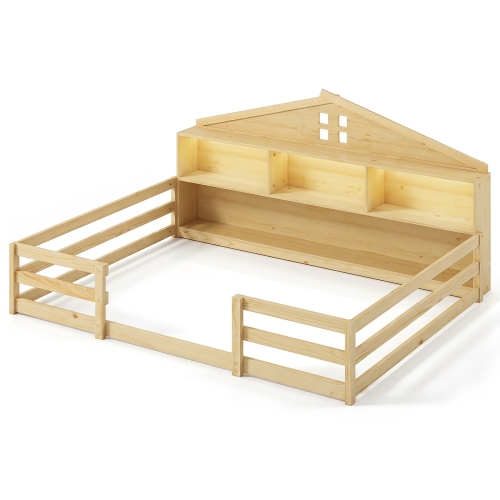
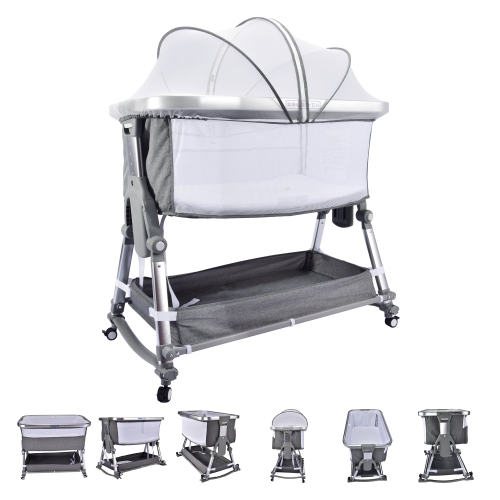
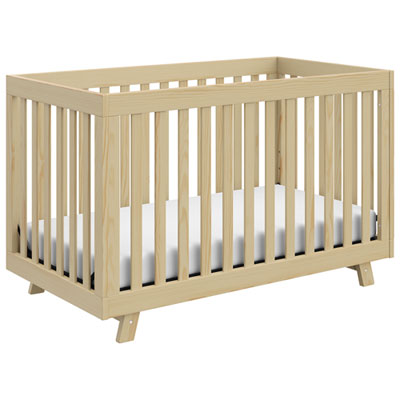
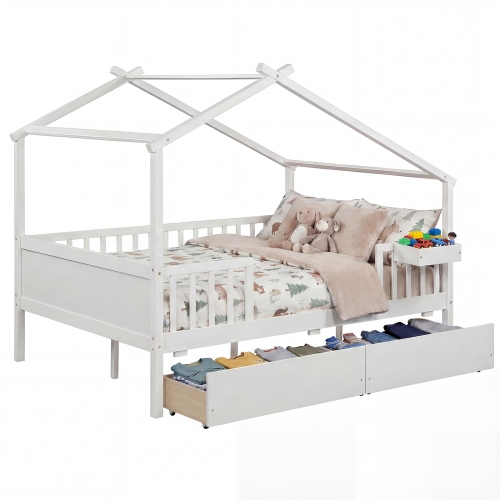
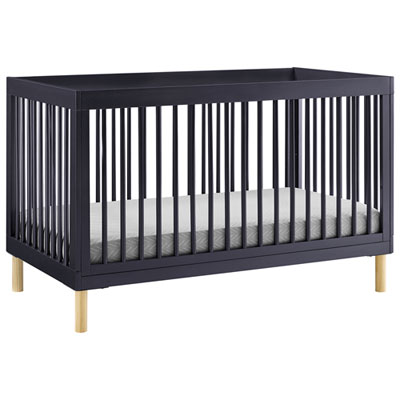
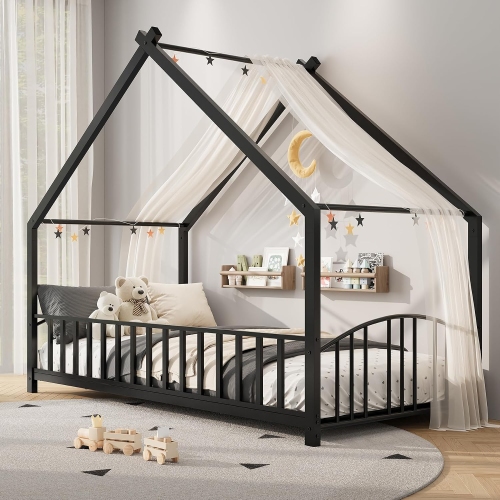
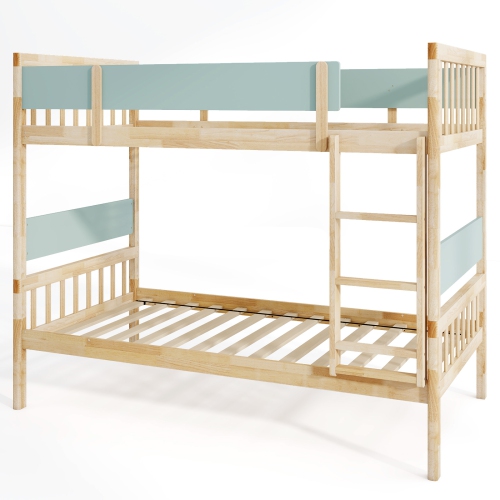
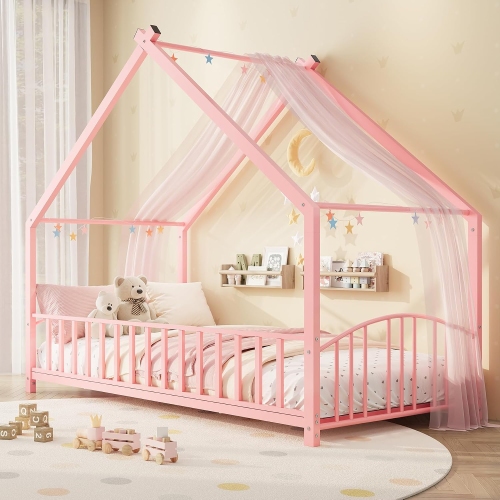
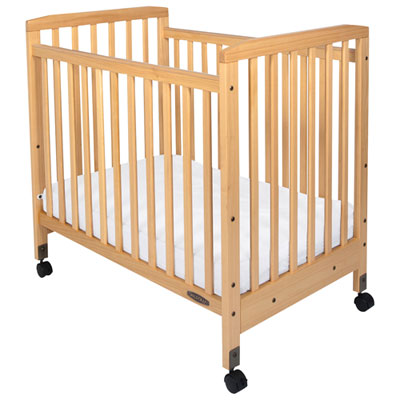
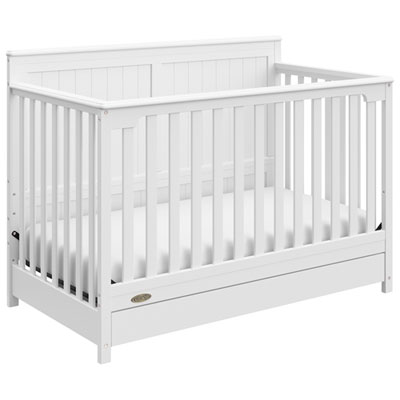
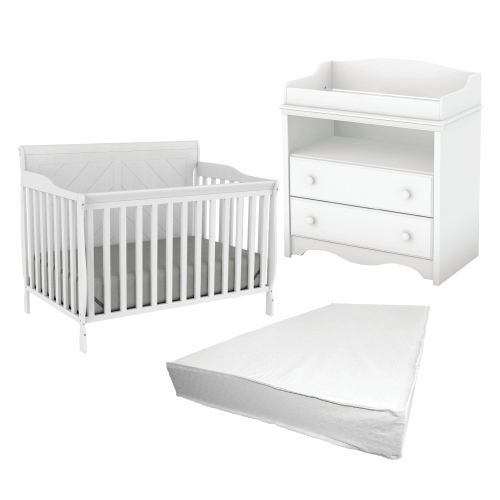
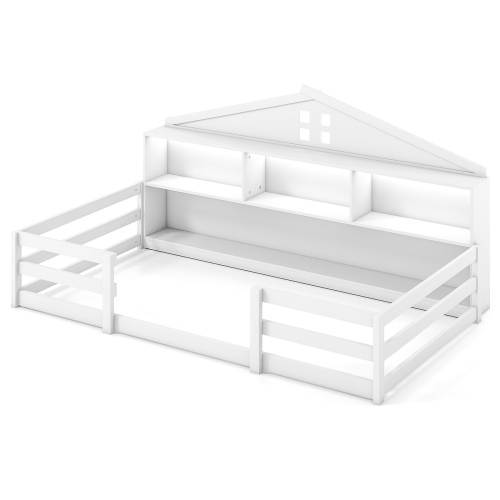
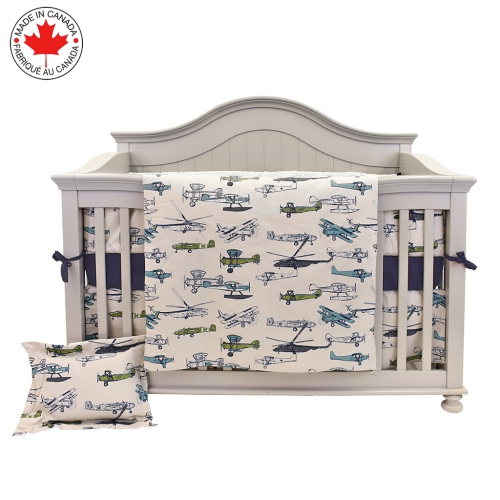
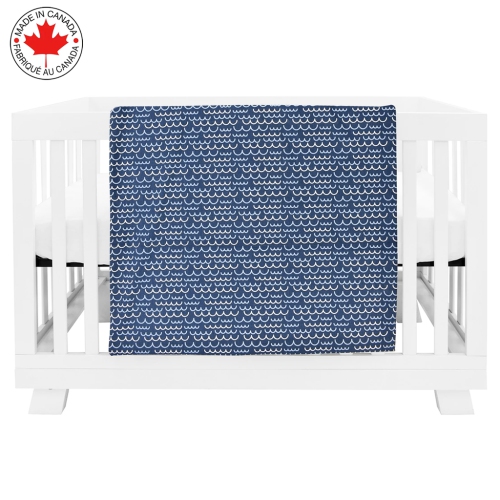
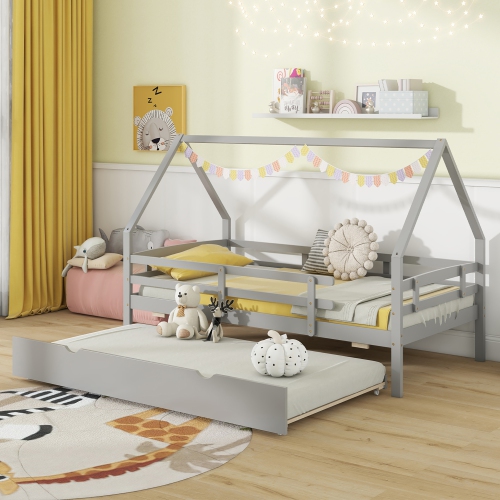
Infant beds provide a dedicated place for a baby to sleep, with designs that suit different room layouts, stages of development, and family routines. The main types include full-size cribs, mini cribs, bassinets, and portable cribs, each with its own dimensions and limits for use. A full-size crib is often the mainstay of a nursery, offering a sleeping space that can accommodate a baby beyond the newborn stage, until the manufacturer’s height, weight, or developmental limits are reached. Full-size crib mattresses commonly measure approximately 28 inches by 52 inches, although the bed’s required mattress specifications always take priority over general sizing. Mini cribs have a smaller footprint, and some use mattresses around 24 inches by 38 inches; dimensions vary, so “mini” does not mean every mattress will fit every bed. These compact designs can be practical in an apartment bedroom or a room shared with a sibling, particularly when floor space also needs to accommodate a dresser and changing area. Bassinets are intended for the early months and generally have lower limits than cribs. Their smaller size can make it easier to position a separate sleep space beside an adult bed, but use must stop when the baby reaches any stated limit or developmental milestone, whichever comes first. Room-sharing with a baby in a separate crib, cradle, or bassinet is recommended for the first six months. Convertible cribs offer another approach: the same frame may later become a toddler bed, daybed, or larger bed when configured with the required components. Those later configurations are for children who have outgrown the infant stage, not alternatives for newborn sleep. A portable crib can be useful for visits to family or a second sleeping location, provided it meets applicable Canadian requirements for its intended use. A playpen is not interchangeable with a crib simply because it has a padded base. Across these categories, the useful comparison is how well the bed fits the child’s stage, the room, and the way it will be used.
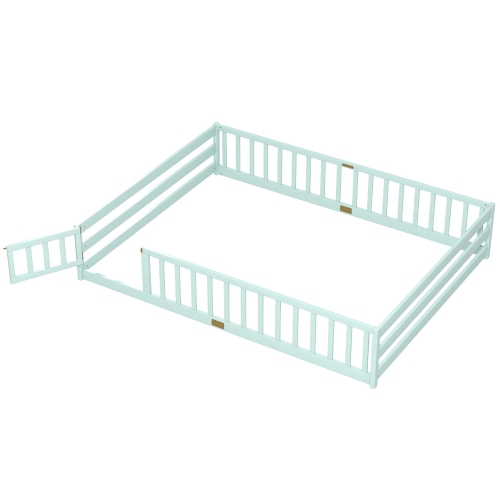
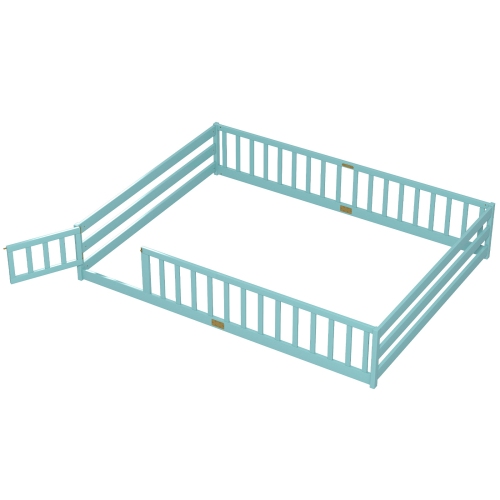
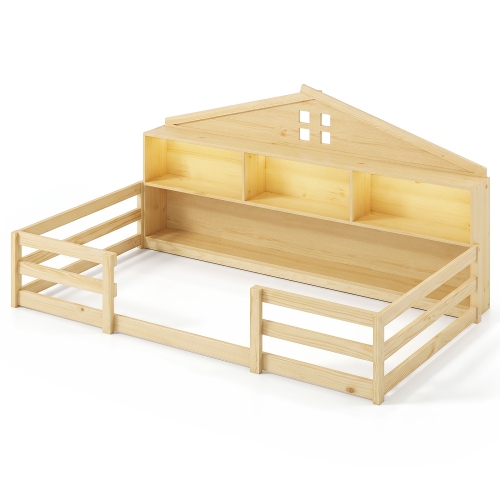
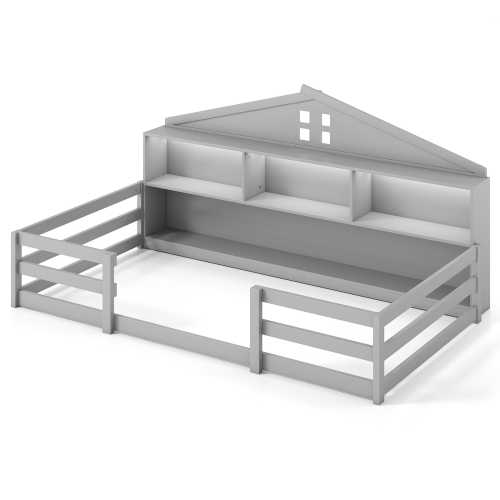
Materials and construction influence an infant bed’s appearance, care needs, and durability. Solid wood frames bring visible grain and a substantial feel, while designs using engineered wood or metal may offer different finishes and profiles. The material alone does not establish safety or quality; stable construction, secure hardware, an intact finish, and compliance with applicable Canadian safety requirements matter more than a particular look. Rounded edges, smooth surfaces, and securely fixed slats are useful details to examine, along with mattress supports that remain firmly in place. Painted white, soft grey, natural wood, and darker finishes can coordinate with existing furniture without requiring an entirely matching nursery. A simple frame may leave more visual space in a small bedroom, while a taller back panel creates a more substantial furniture presence. The outside dimensions deserve attention as much as the mattress size: a crib needs to fit through the route to the room, sit clear of hazards, and leave enough space for a caregiver to approach comfortably. Placement away from windows, blind cords, curtain cords, heaters, and reachable electrical cables is essential. Adjustable mattress supports can make everyday care more comfortable while a baby is small, but the support must be lowered as development progresses, following the manufacturer’s instructions. The convenience of an elevated mattress never outweighs the need to prevent a mobile baby from climbing or falling out. For convertible designs, long-term usefulness also depends on compatible conversion parts and clear instructions; a conversion kit or larger mattress may be separate from the original bed. Everyday durability comes down to details such as joints that stay tight, hardware that can be checked, and surfaces that tolerate the recommended cleaning method. A soft cloth and manufacturer-approved cleaning products help remove marks without damaging the finish. After cleaning, surfaces should be dry before bedding is replaced. Second-hand or gifted beds require the same scrutiny, including a check for recalls, missing parts, damage, and assembly instructions. Cribs with drop sides should not be used, and improvised repairs or substitute hardware can compromise the structure.
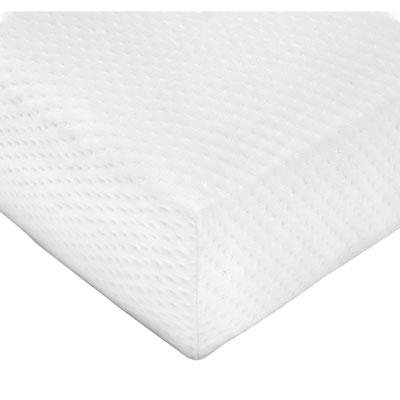
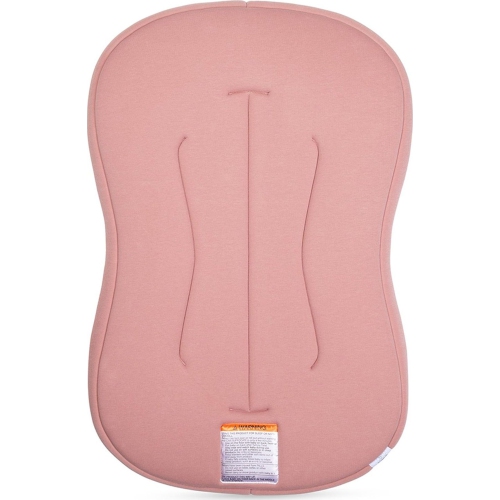
The mattress and bedding complete the infant bed, but compatibility is more important than adding extra softness. When comparing Infant Mattresses, the bed manufacturer’s required dimensions, thickness, and mattress type are the starting point. An infant sleep surface should be firm, flat, and level, with a mattress that fits snugly against the sides of the crib without gaps that could trap a baby. A mattress described as suitable for a toddler or another bed type is not automatically appropriate for an infant crib. Bassinets and portable cribs may require their original mattress or pad, and adding another mattress can create a hazard rather than improve comfort. A fitted sheet should be made for the exact mattress size and remain securely in place. Babies should be placed on their backs for every sleep, with the sleep space kept clear of pillows, loose blankets, quilts, bumper pads, stuffed toys, and other soft objects. The finished setup is deliberately simple: the bed, its correctly fitted mattress, and a snug fitted sheet. Decorative bedding may suit a nursery photograph, but it does not belong in an infant’s sleep space. Practical details can still make daily routines easier. A wipeable mattress cover, where specified by the manufacturer, helps with small spills, while spare fitted sheets simplify changes after a leaky diaper. Mattress covers and sheets should be cared for according to their labels, and the mattress should be checked regularly for damage or a change in fit. For parents arranging a bedside sleeping area or grandparents preparing for visits, a familiar, correctly assembled bed provides a consistent place for naps and overnight sleep. If a design has wheels, locking mechanisms must be engaged as instructed, and any folding frame must be fully opened and secured before use. Infant beds can also be meaningful baby shower or family gifts when chosen in consultation with the caregivers. Confirming the room measurements, preferred bed type, mattress requirements, and any necessary assembly or conversion components helps ensure the gift suits the household rather than simply its décor.
Top selling and popular products
-
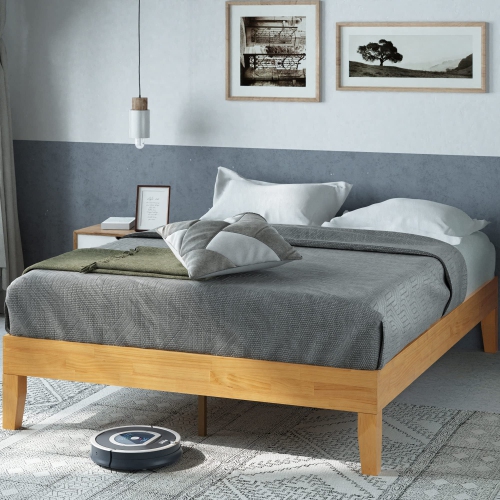 Your price for this item is $493.52
-
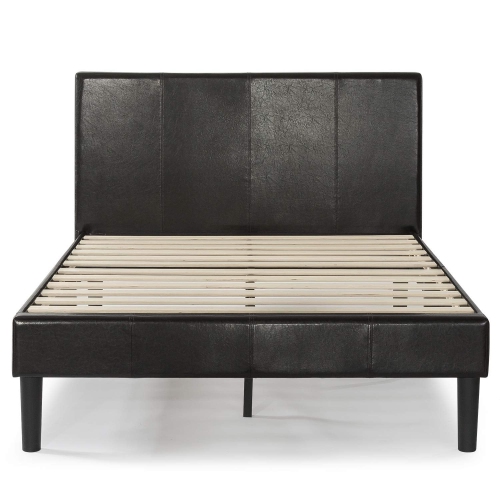 Your price for this item is $611.85
-
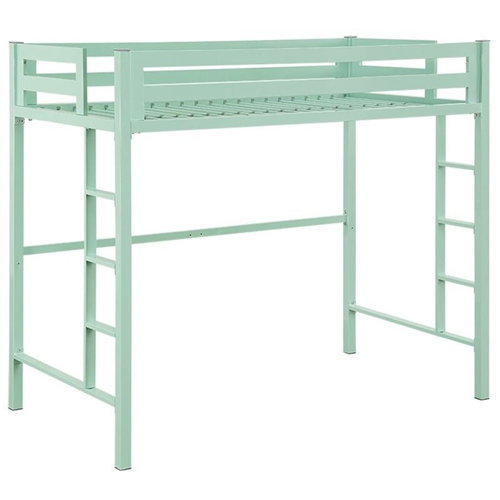 Your price for this item is $824.18
-
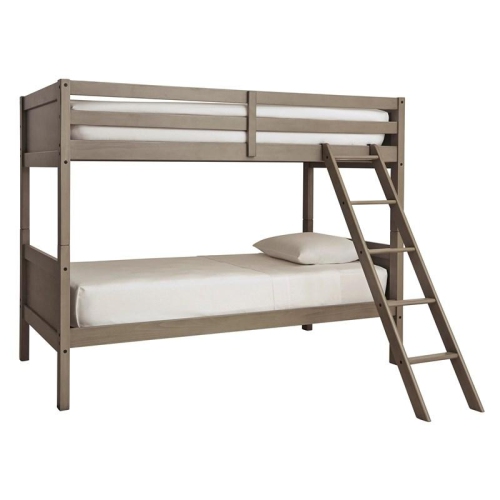 Your price for this item is $799.99
-
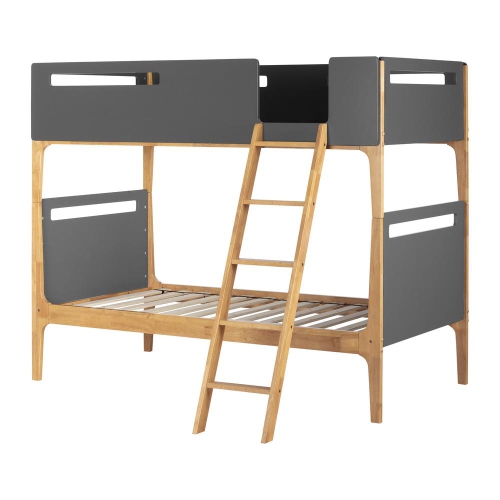 Your price for this item is $985.42
-
 Your price for this item is $157.99
-
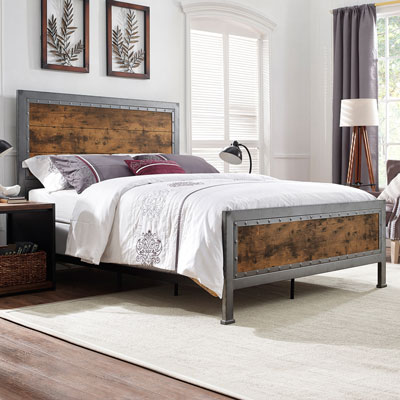 Your price for this item is $862.99
-
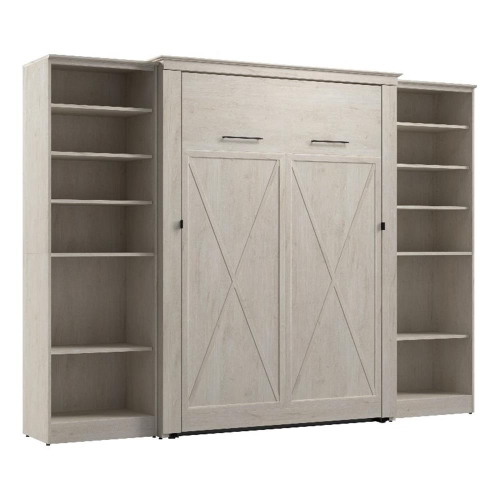 Your price for this item is $3099.99
Discover more categories related to Infant Beds

Top Collections:
Pokemon Centers, Best Cameras for Sports Photography, Kindle Devices, Samsung Galaxy Phones, Canon G7X Cameras, Pokémon 30th Celebration Cards, Refurbished Apple Laptops, iPhone 15 Apple, Laptops for Students, Budget Smartphones
Some products may be subject to Environmental Handling Fees
(EHF) depending on your province.
Learn more about EHFs.