Infant Feeding Chairs
Finding the perfect infant feeding chair is essential for creating a comfortable and convenient feeding experience for both you and your little one. Whether you are looking for a compact high chair for small spaces, a versatile booster seat for on-the-go feeding, or a stylish wooden high chair to complement your home decor, we have a wide selection of options to suit your needs. Discover ergonomic designs, easy-to-clean materials, and adjustable features that make feeding time enjoyable and hassle-free. Browse our collection of infant feeding chairs to find the ideal solution for your family's mealtimes.
Sort
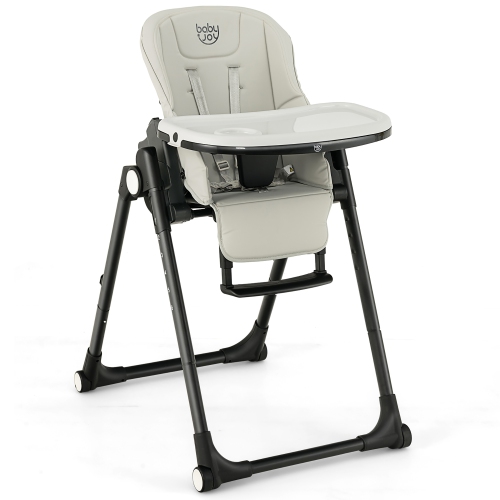
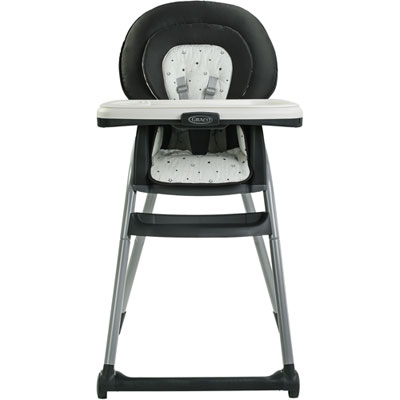
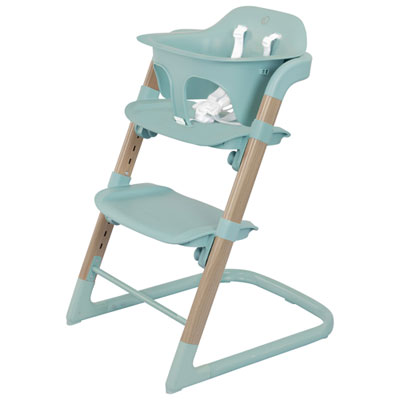
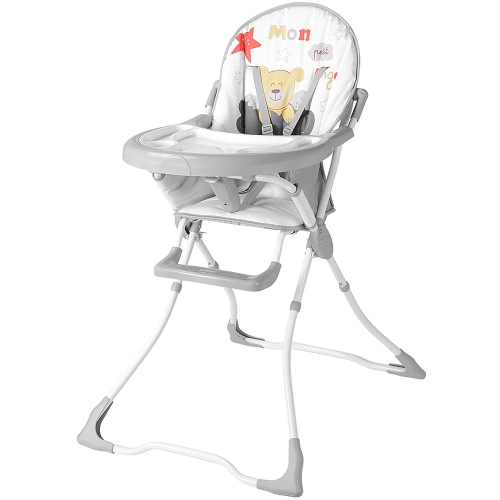
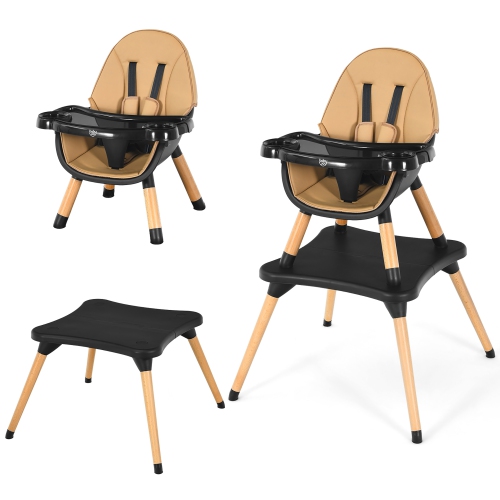
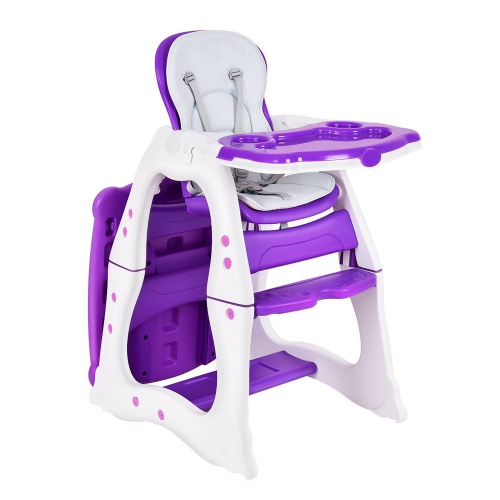
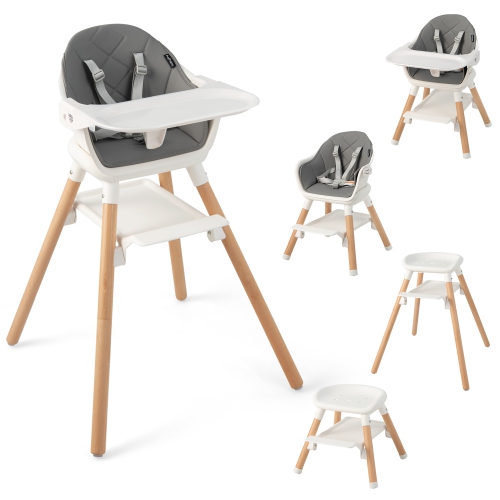
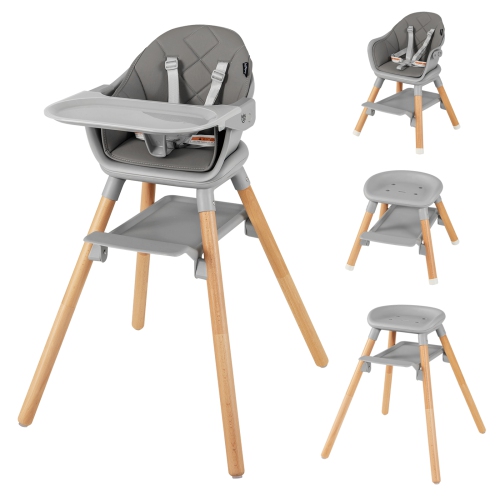
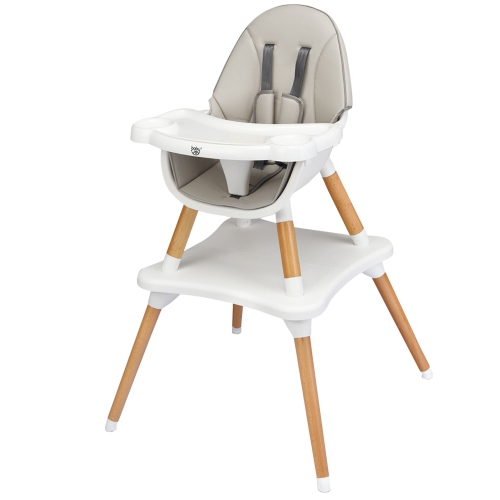
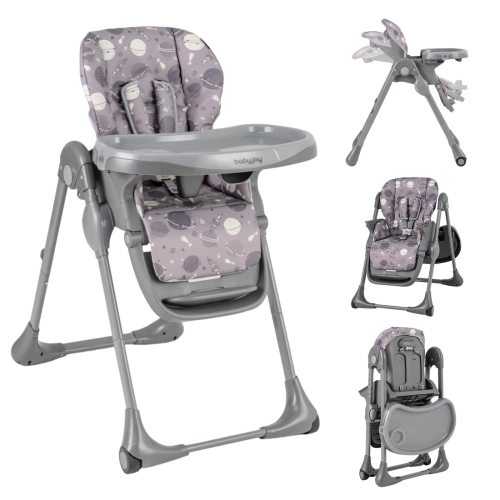
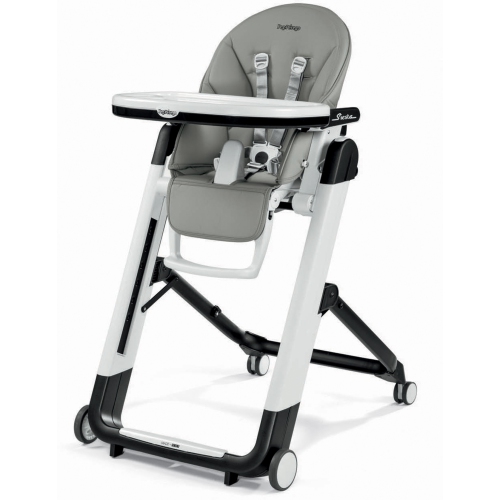
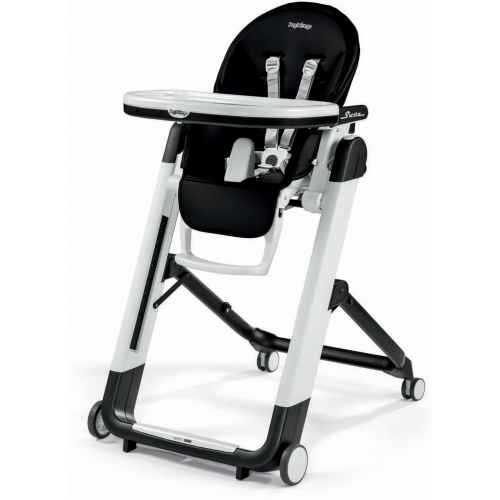
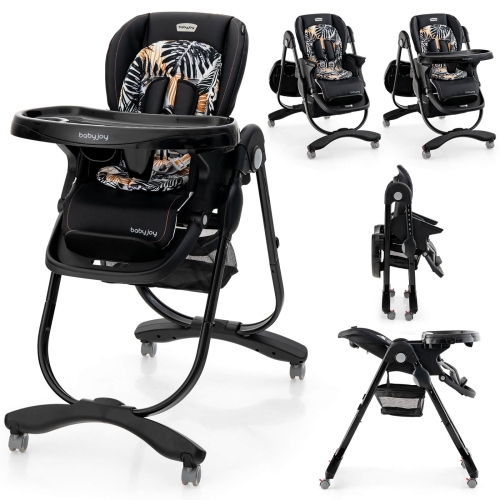
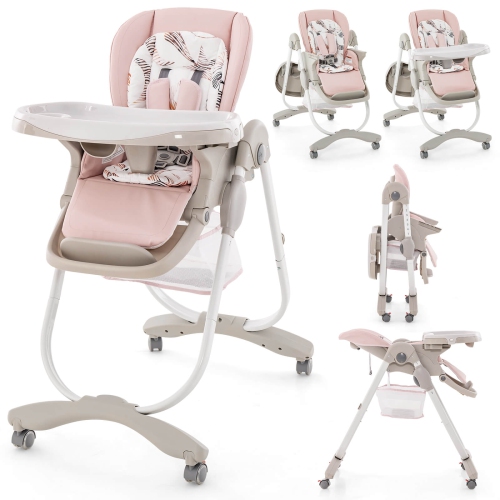
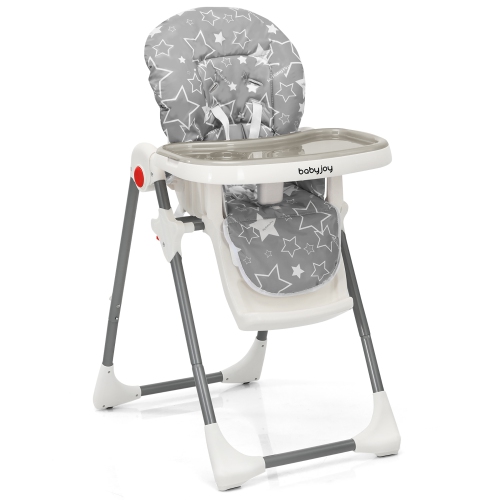
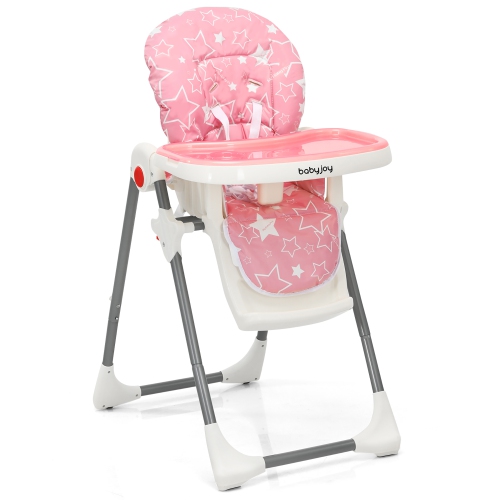
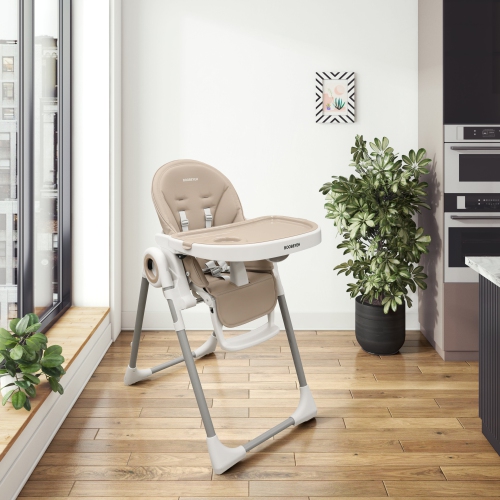
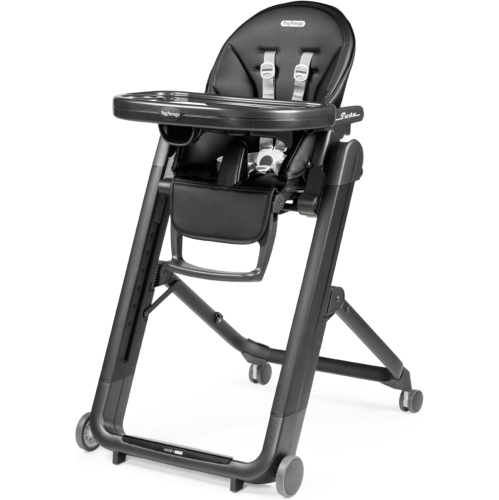
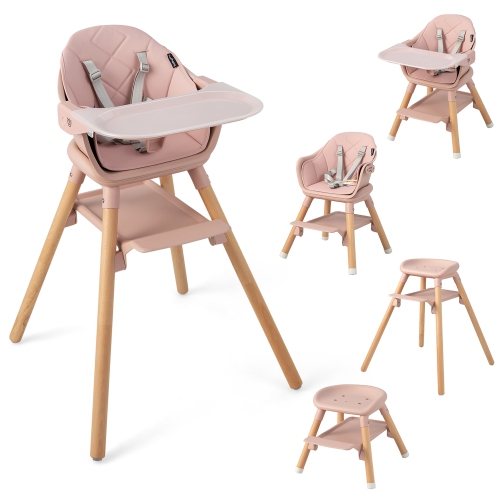
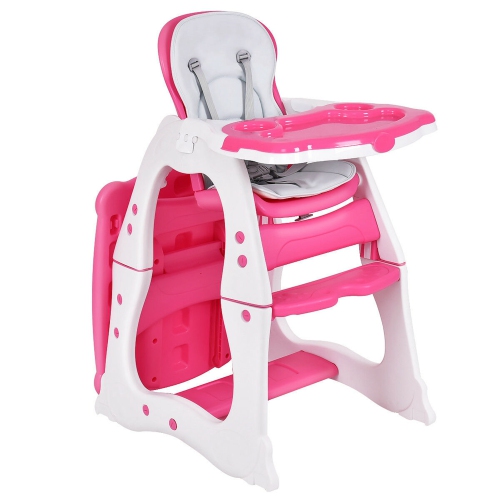
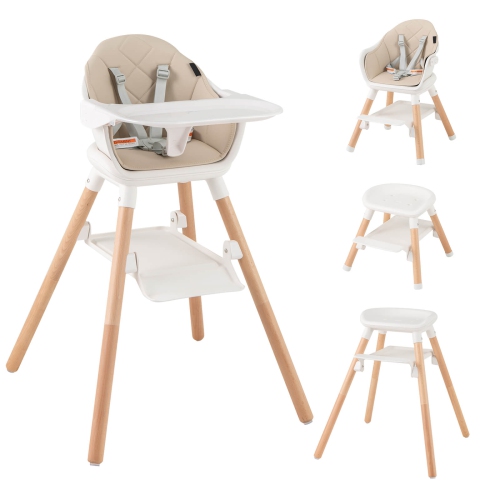


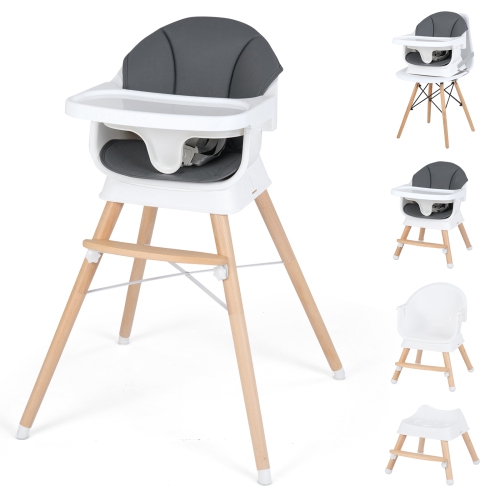


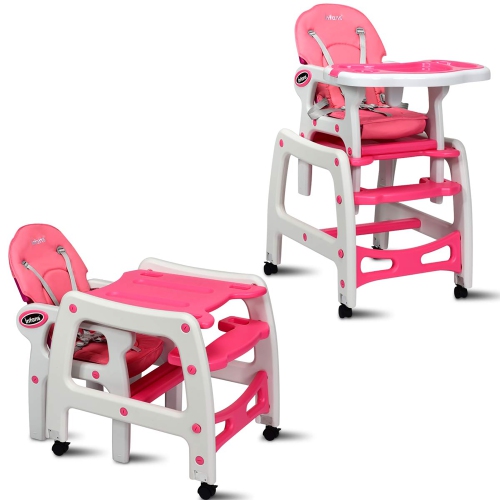
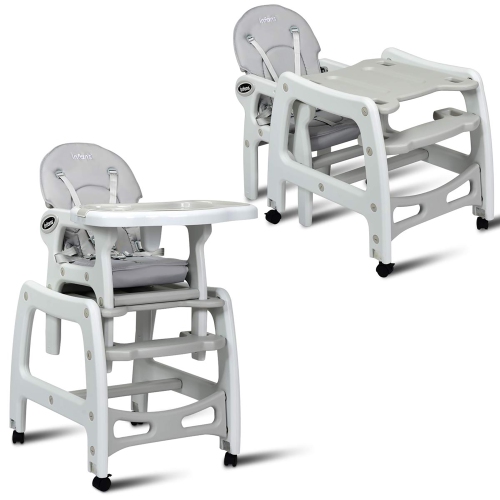
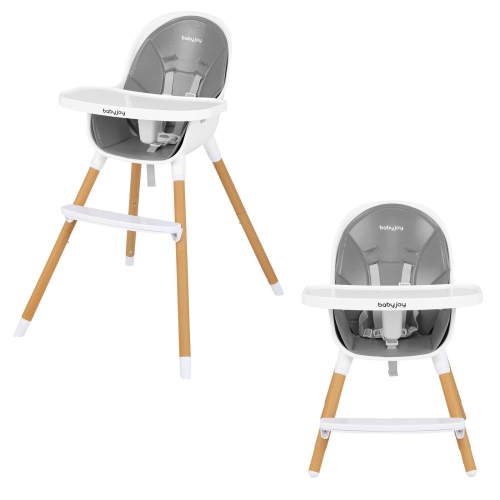
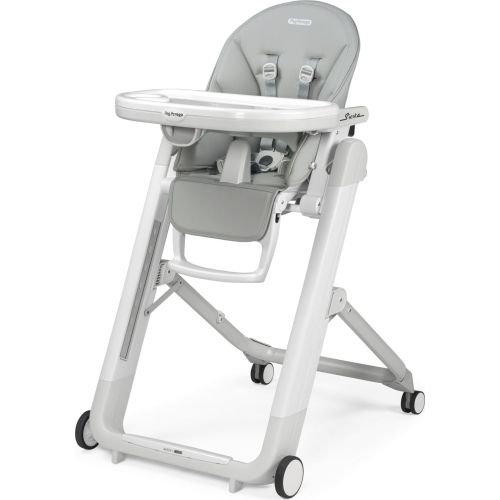
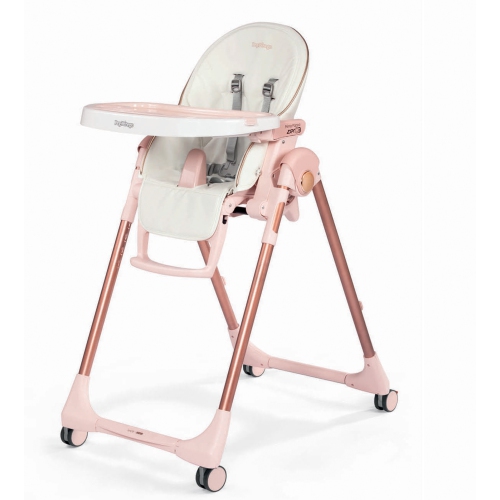
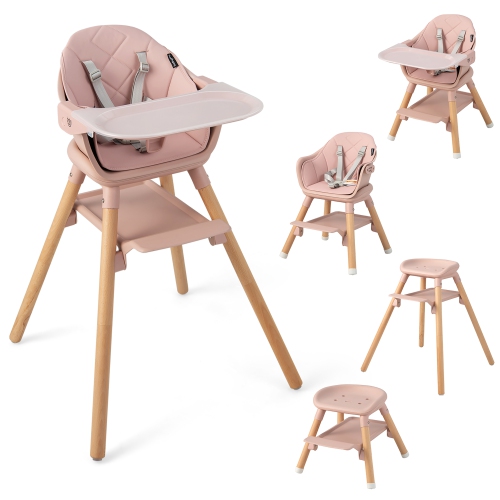
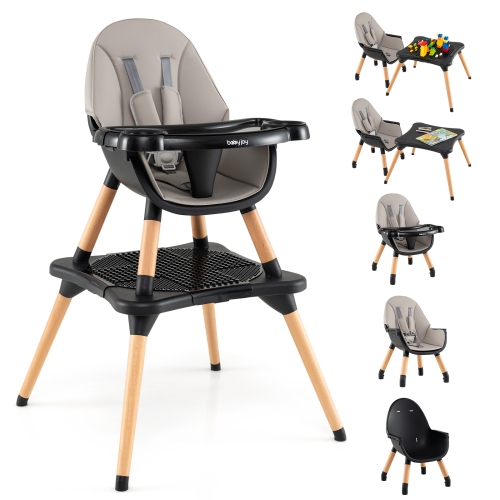
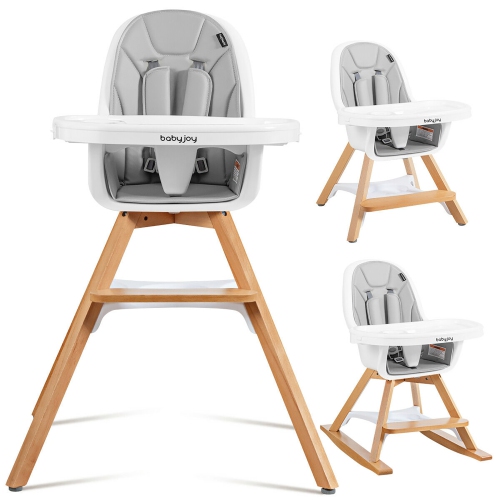
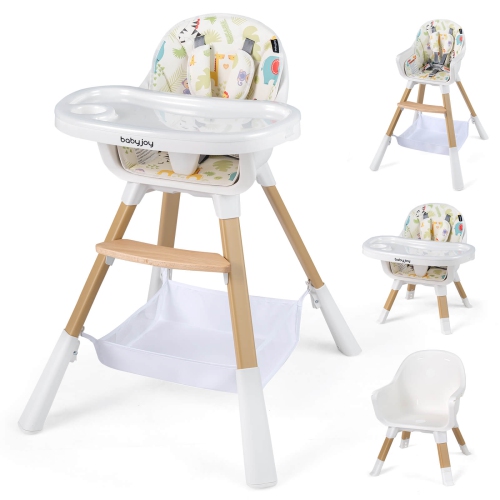

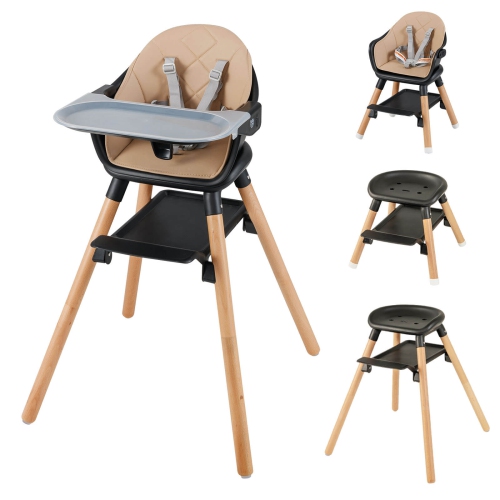
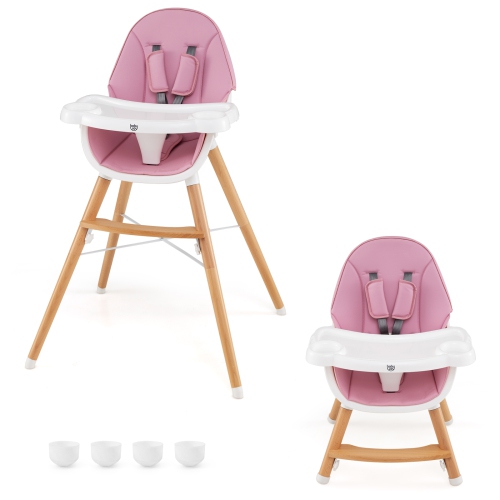
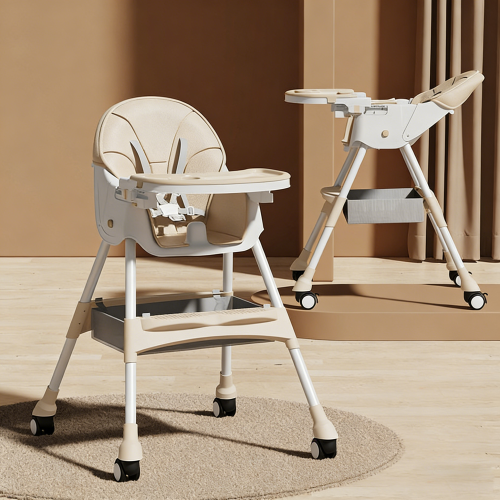
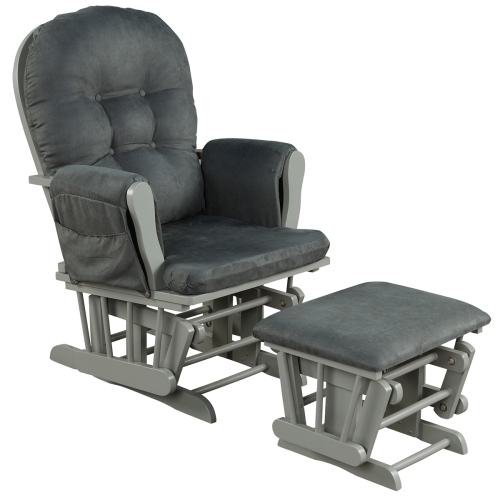
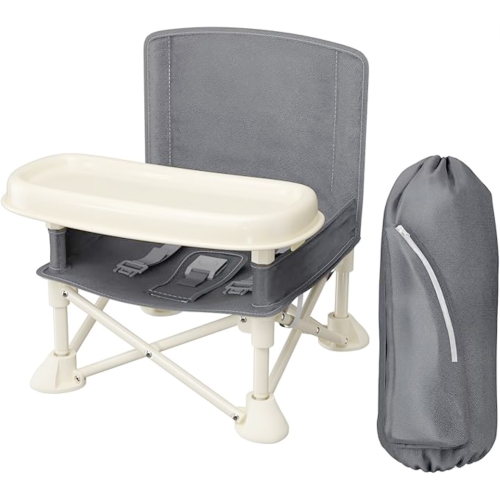
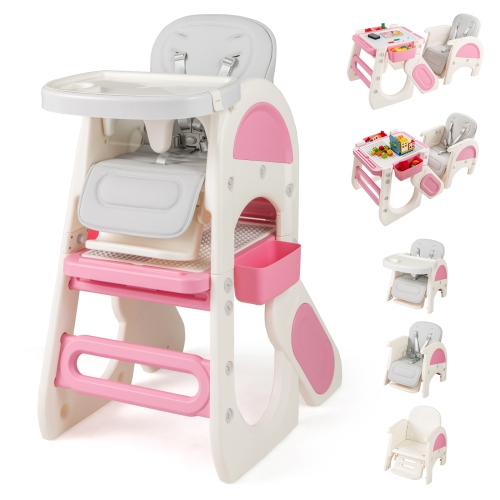
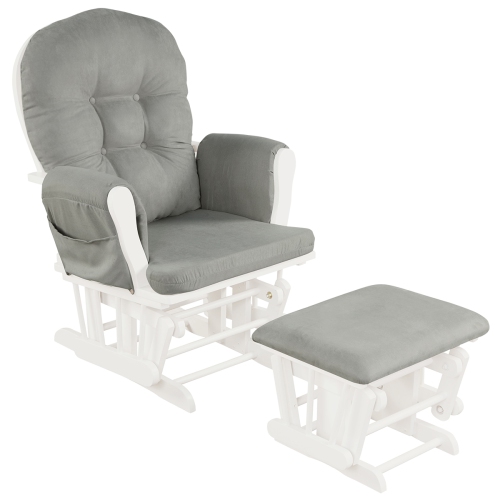
Supportive seating for safer, simpler family mealtimes
Infant feeding chairs help create a dedicated, comfortable place for babies and young children to join family mealtimes. They are designed for the transition from being fed in a parent’s arms to sitting at the table, exploring first purées, practising baby-led feeding, and eventually eating more independently. A well-chosen chair can make the kitchen or dining area feel more manageable, especially during those busy moments when one hand is serving food and the other is keeping a curious little diner entertained. Families may use an infant feeding chair several times a day, so details that seem minor at first—such as a supportive seat, a stable base, a practical tray, and easy access for placing a child in and taking them out—can make a noticeable difference. Some chairs are intended for babies who can sit upright without assistance, while others include a reclined configuration for younger infants; always follow the manufacturer’s age, weight, developmental, and positioning requirements rather than relying on appearance alone. If a chair is intended for feeding in a reclined position, check that the instructions specifically approve that use and that the child is properly supervised. Families comparing related seating options can also browse Baby Chairs to find formats suited to different stages, spaces, and routines. For many households, an infant feeding chair is also a thoughtful gift for new parents, particularly when it offers practical features that support everyday meals without taking over the room.
Safety and fit should be at the centre of the selection process. Look for a strong, steady frame with a broad enough base to resist tipping when a child shifts, reaches, or pushes against the tray. A secure five-point harness is especially useful for younger babies and active toddlers, as it helps keep the child positioned correctly while an adult prepares food or clears dishes. The harness should sit snugly without being uncomfortably tight, and it should be easy for an adult to buckle and release while remaining difficult for a child to open. A properly positioned footrest is another valuable feature. When a child’s feet have somewhere to rest, their legs are less likely to dangle, and they may find it easier to maintain a stable seated posture while learning to manage food. Adjustable footrests can continue to provide support as a child grows, while a height-adjustable seat may bring a baby closer to the family table or counter. Check the chair’s measurements against your available space, including the area needed to pull it out, position it beside a table, and move around it safely. Compact or foldable designs can be useful in smaller kitchens, apartments, or homes where the chair needs to be stored between meals. A chair with wheels may be convenient to reposition, but it should have reliable locking mechanisms and should never be moved with a child seated in it unless the instructions specifically permit that use. Consider the tray, too: a removable tray can make it easier to place a child in the seat and clean after meals, while an adjustable tray can accommodate layers of clothing and changing proportions. Confirm that all components lock securely and inspect them regularly for loose parts, cracks, worn straps, or food trapped in connection points.
Mealtimes with a baby can be delightfully messy, from soft fruit pressed between tiny fingers to cereal scattered across the tray and floor. Cleaning features therefore deserve as much attention as appearance. Smooth, rounded surfaces with fewer seams are generally simpler to wipe, and a removable tray can be rinsed or cleaned separately from the rest of the chair. If the seat includes a cushion or fabric cover, look for a design that can be removed without a struggle and washed according to the care instructions. Machine-washable covers are helpful when spills reach beyond the tray, while wipeable materials can be convenient for quick cleanups between meals. Think about how the chair will fit into your household routine during the cooler months, when families may spend more time eating indoors and coats, sweaters, and layered clothing can affect the fit of the harness and tray. A chair that adjusts to accommodate growing children may be useful when a baby moves from first tastes to larger portions and shared family meals. Conversion features can extend use from an infant feeding setup to a toddler seat or booster, but it is important to review the instructions for each configuration and use only the modes approved for the child’s stage. Storage also matters: a folding chair may be practical for visiting grandparents, occasional travel, or keeping a clear path through a dining area, while a more substantial chair may suit a family that wants a permanent place at the table. Before choosing, consider the child’s current developmental stage, the household’s available floor space, how frequently the chair will be used, and whether long-term adjustability or straightforward simplicity is the greater priority. With the right combination of stability, support, secure restraint, cleanable materials, and an appropriate fit, an infant feeding chair can become a dependable part of the daily rhythm—ready for quiet breakfasts, lively family dinners, and all the small, memorable discoveries that happen between them.
Safety and fit should be at the centre of the selection process. Look for a strong, steady frame with a broad enough base to resist tipping when a child shifts, reaches, or pushes against the tray. A secure five-point harness is especially useful for younger babies and active toddlers, as it helps keep the child positioned correctly while an adult prepares food or clears dishes. The harness should sit snugly without being uncomfortably tight, and it should be easy for an adult to buckle and release while remaining difficult for a child to open. A properly positioned footrest is another valuable feature. When a child’s feet have somewhere to rest, their legs are less likely to dangle, and they may find it easier to maintain a stable seated posture while learning to manage food. Adjustable footrests can continue to provide support as a child grows, while a height-adjustable seat may bring a baby closer to the family table or counter. Check the chair’s measurements against your available space, including the area needed to pull it out, position it beside a table, and move around it safely. Compact or foldable designs can be useful in smaller kitchens, apartments, or homes where the chair needs to be stored between meals. A chair with wheels may be convenient to reposition, but it should have reliable locking mechanisms and should never be moved with a child seated in it unless the instructions specifically permit that use. Consider the tray, too: a removable tray can make it easier to place a child in the seat and clean after meals, while an adjustable tray can accommodate layers of clothing and changing proportions. Confirm that all components lock securely and inspect them regularly for loose parts, cracks, worn straps, or food trapped in connection points.
Mealtimes with a baby can be delightfully messy, from soft fruit pressed between tiny fingers to cereal scattered across the tray and floor. Cleaning features therefore deserve as much attention as appearance. Smooth, rounded surfaces with fewer seams are generally simpler to wipe, and a removable tray can be rinsed or cleaned separately from the rest of the chair. If the seat includes a cushion or fabric cover, look for a design that can be removed without a struggle and washed according to the care instructions. Machine-washable covers are helpful when spills reach beyond the tray, while wipeable materials can be convenient for quick cleanups between meals. Think about how the chair will fit into your household routine during the cooler months, when families may spend more time eating indoors and coats, sweaters, and layered clothing can affect the fit of the harness and tray. A chair that adjusts to accommodate growing children may be useful when a baby moves from first tastes to larger portions and shared family meals. Conversion features can extend use from an infant feeding setup to a toddler seat or booster, but it is important to review the instructions for each configuration and use only the modes approved for the child’s stage. Storage also matters: a folding chair may be practical for visiting grandparents, occasional travel, or keeping a clear path through a dining area, while a more substantial chair may suit a family that wants a permanent place at the table. Before choosing, consider the child’s current developmental stage, the household’s available floor space, how frequently the chair will be used, and whether long-term adjustability or straightforward simplicity is the greater priority. With the right combination of stability, support, secure restraint, cleanable materials, and an appropriate fit, an infant feeding chair can become a dependable part of the daily rhythm—ready for quiet breakfasts, lively family dinners, and all the small, memorable discoveries that happen between them.
Top selling and popular products
-
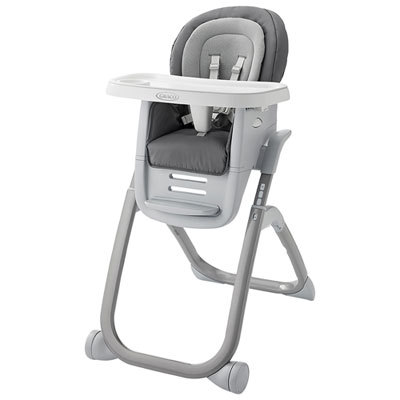 Your price for this item is $279.99
 -
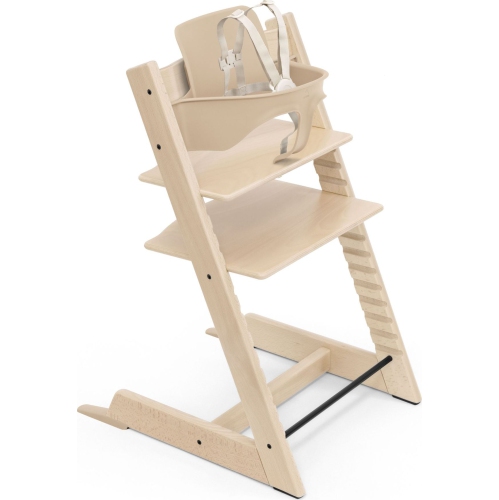 Your price for this item is $455
 -
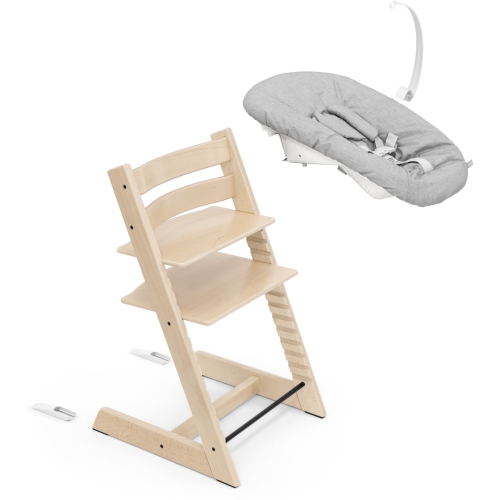 Your price for this item is $514.99
 -
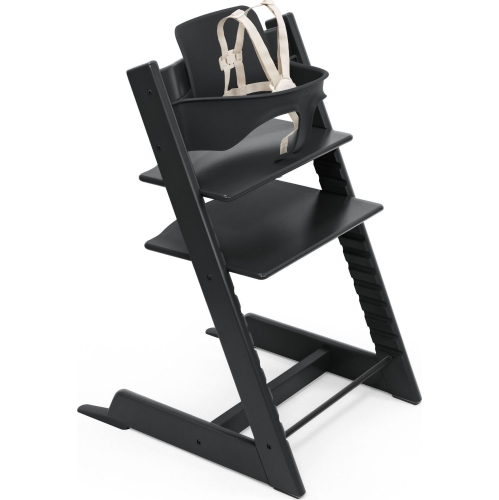 Your price for this item is $455
 -
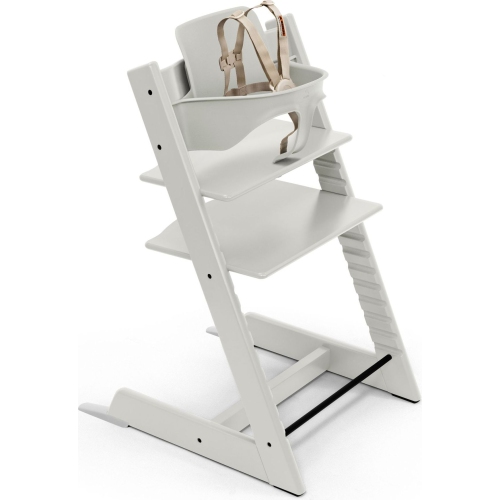 Your price for this item is $454.99
 -
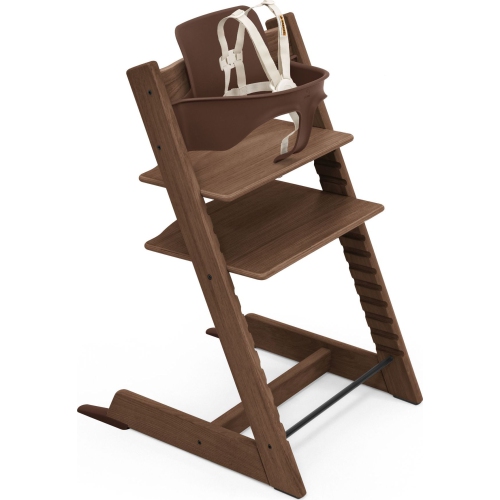 Your price for this item is $488.99
 -
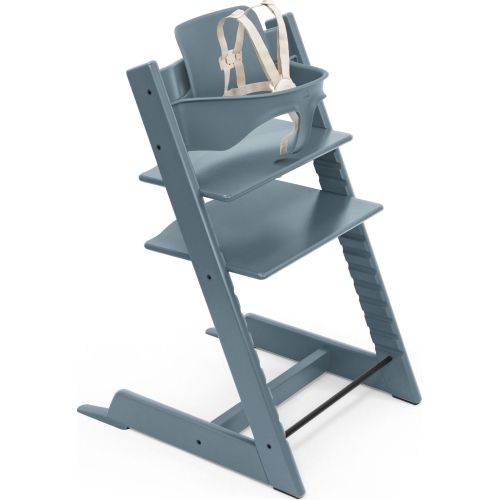 Your price for this item is $454.99
 -
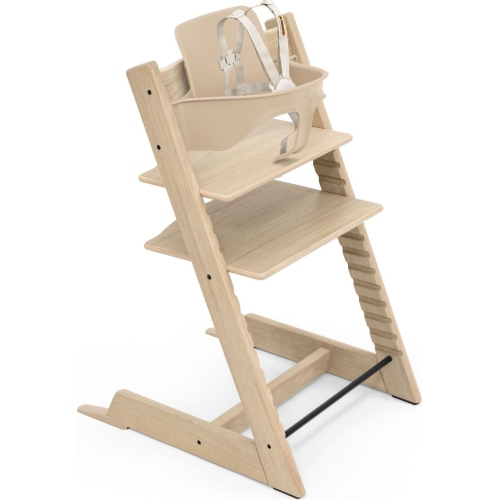 Your price for this item is $488.99
Discover more categories related to Infant Feeding Chairs

Top Collections:
Pokemon Centers, Kindle Devices, Best Budget Office Chairs, Apple iPhones 16, Canon G7X Cameras, iPhone 15 Apple, Alarm Clock, Refurbished Apple Laptops, Flip Phones, Best Laptops for Writers
Some products may be subject to Environmental Handling Fees
(EHF) depending on your province.
Learn more about EHFs.