Baby Chairs
Whether you're a new parent looking to create a cozy nook for your little one or a seasoned caregiver in need of a versatile seating solution, this collection of baby chairs has you covered. From sleek and modern high chairs to portable and lightweight booster seats, we offer a range of options to suit every family's lifestyle and space constraints. Designed with safety, comfort, and style in mind, these baby chairs provide the perfect perch for mealtime, playtime, or simply bonding with your bundle of joy.
Sort

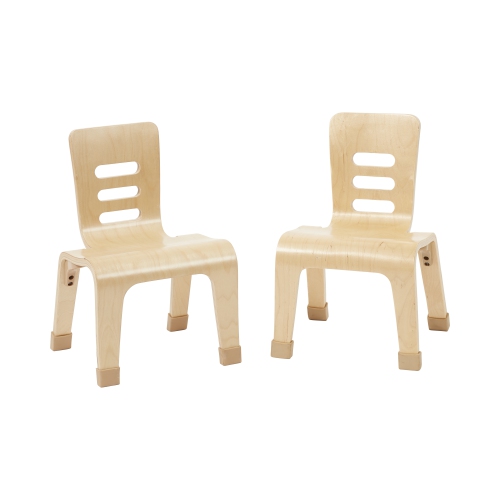
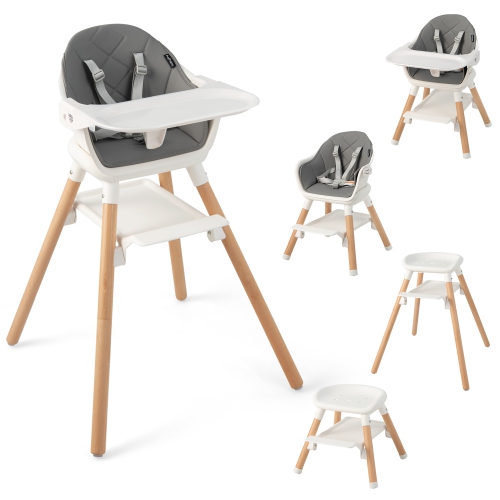
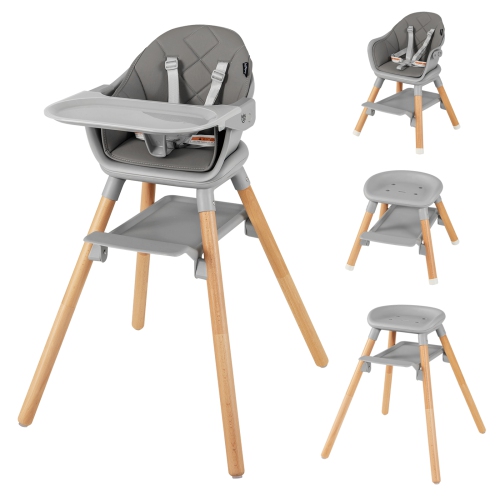
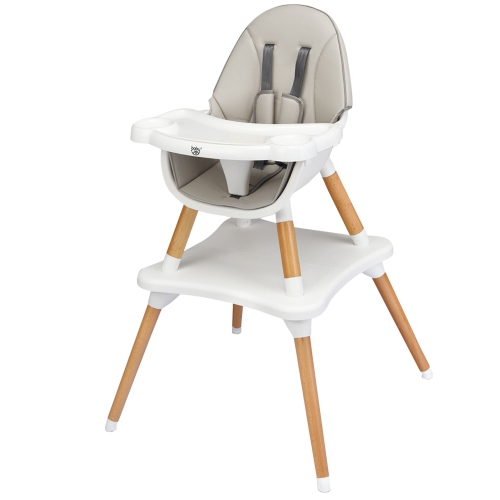

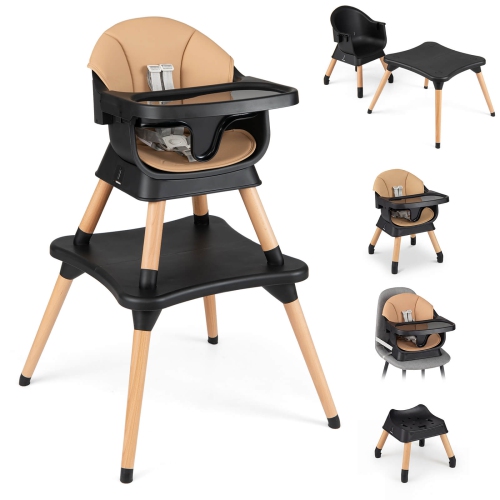


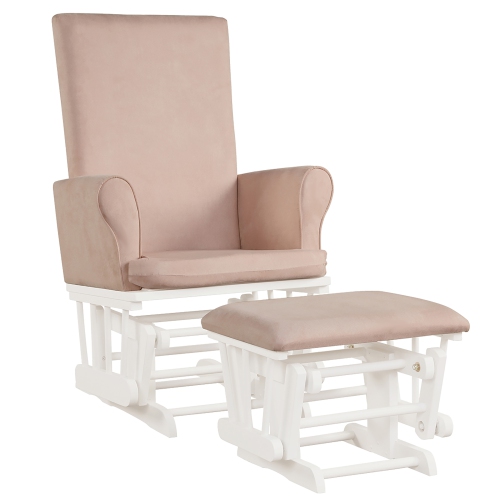
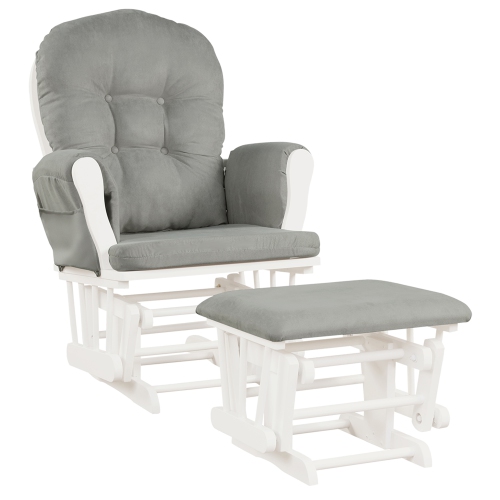
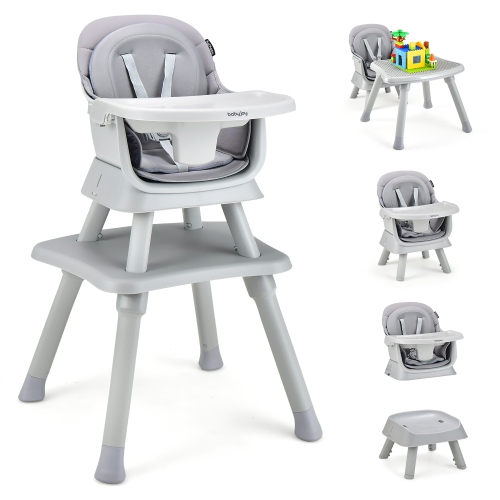
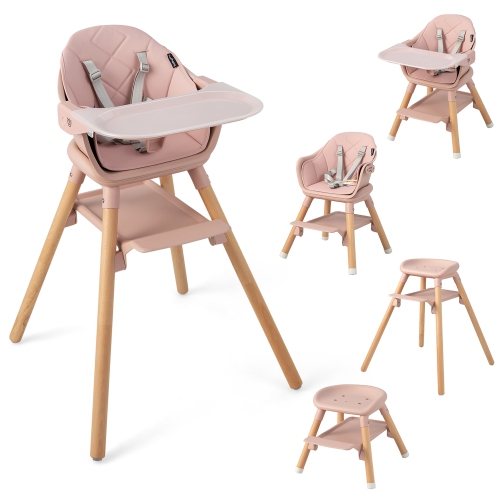
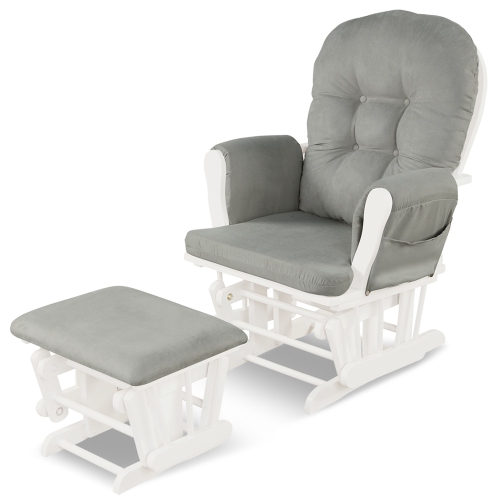
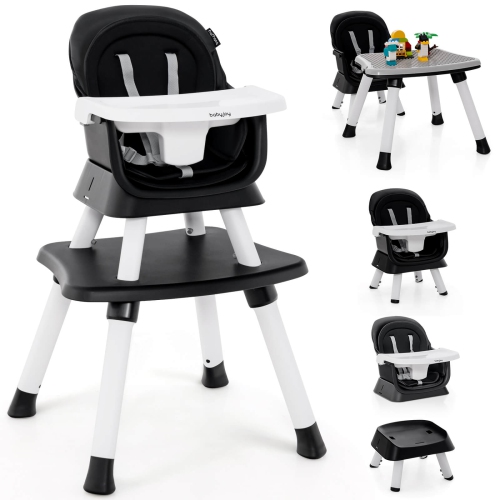
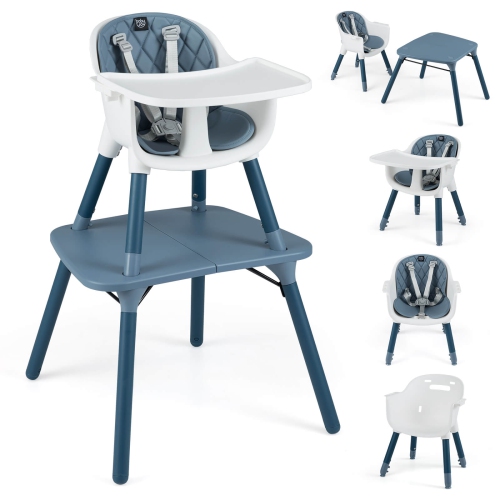
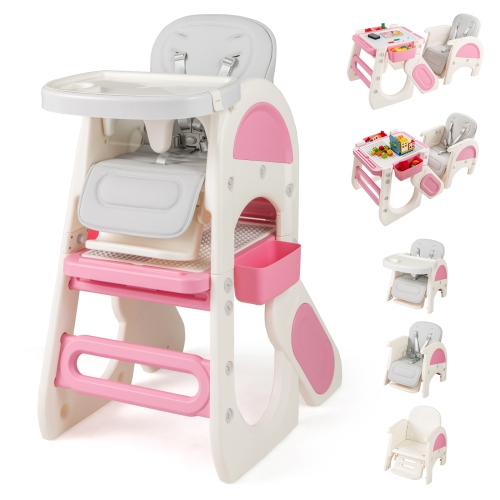
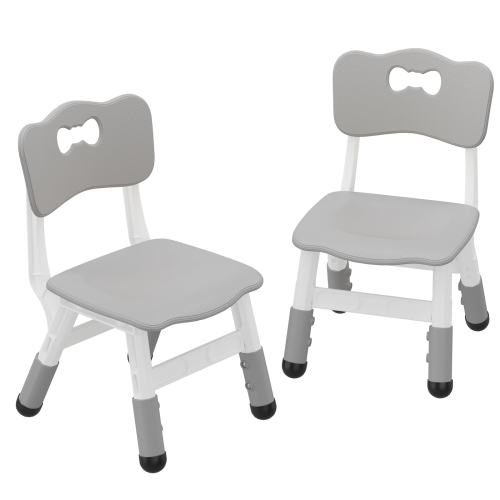
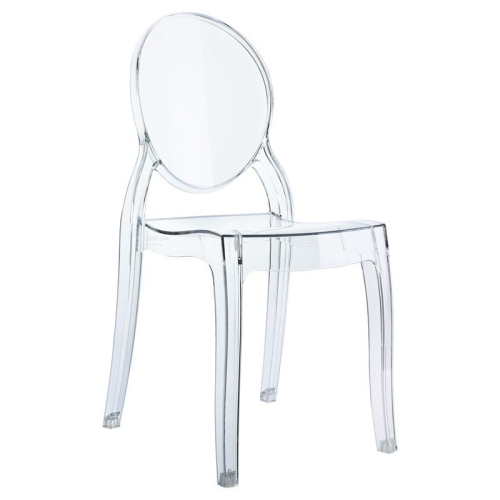


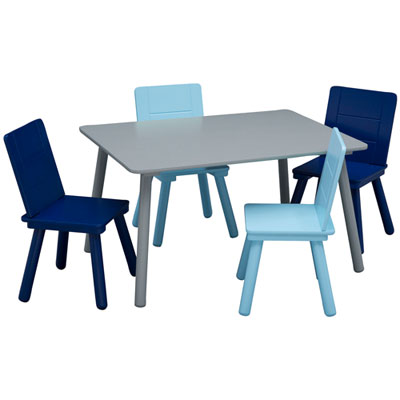
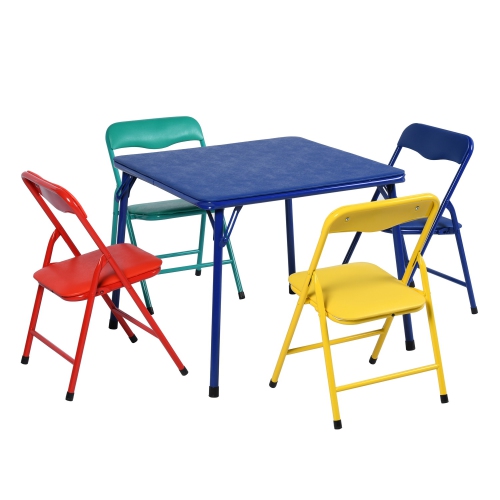
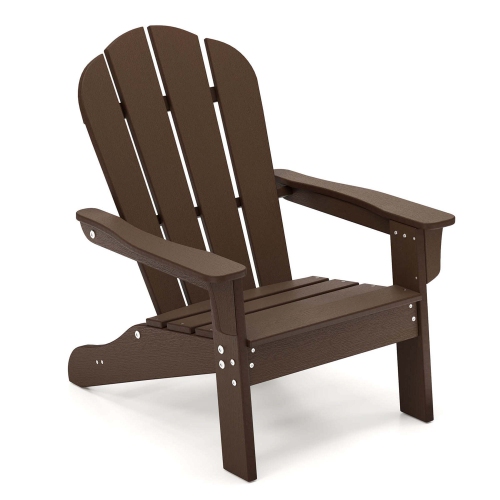

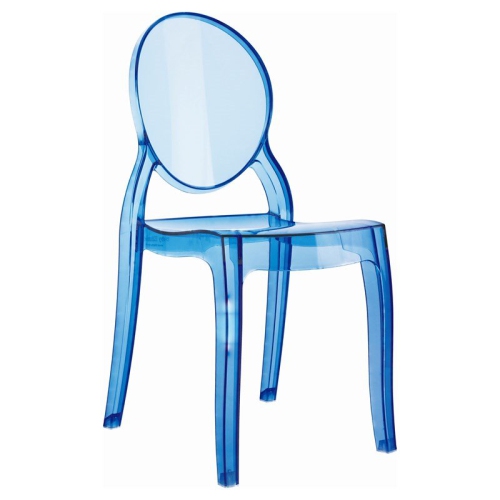
How seating needs change as your baby grows
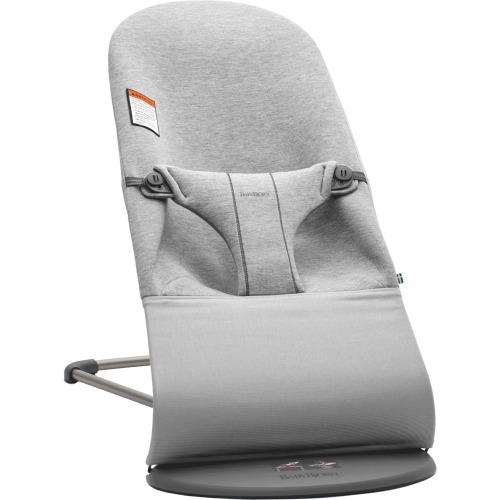
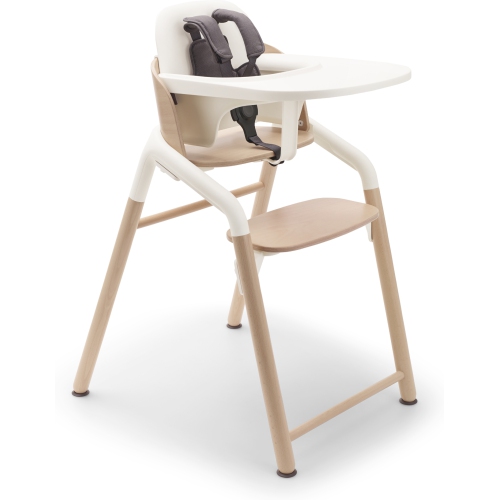
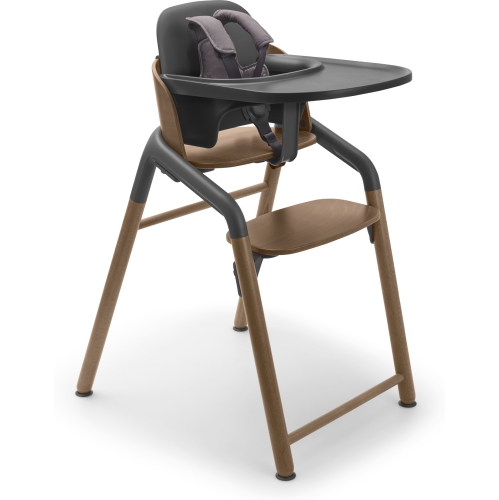
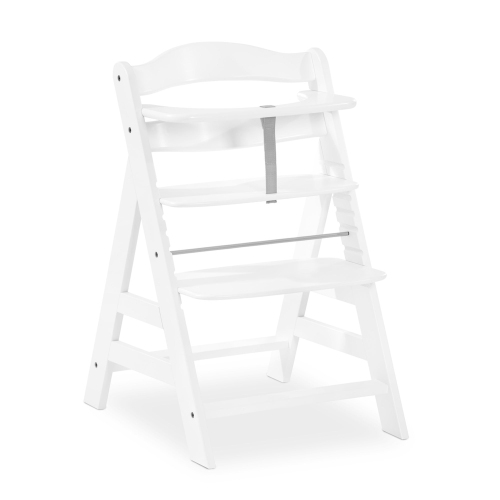
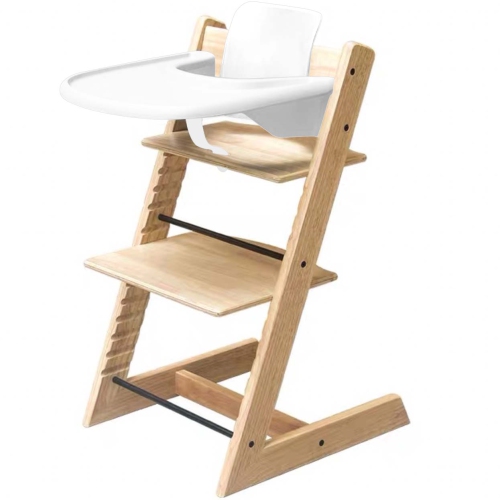
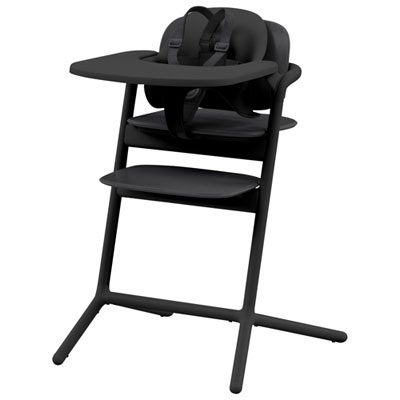
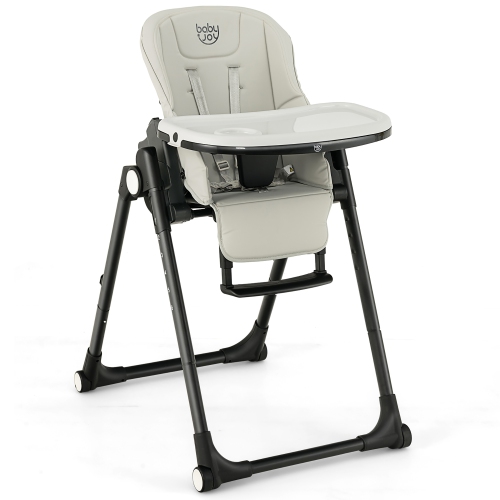
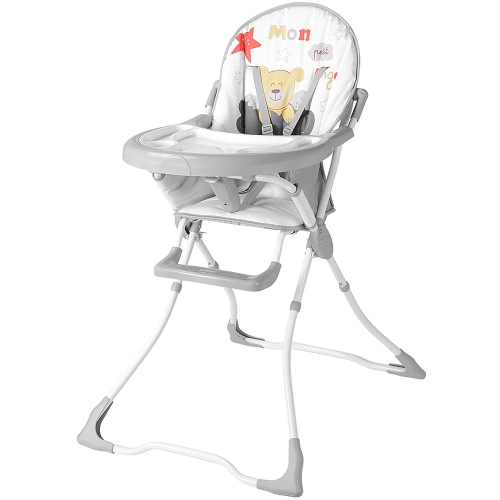
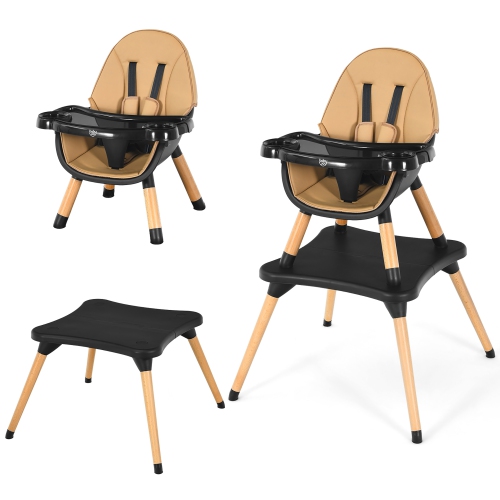
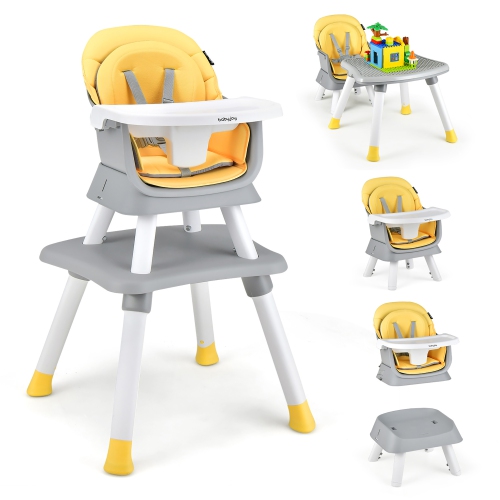
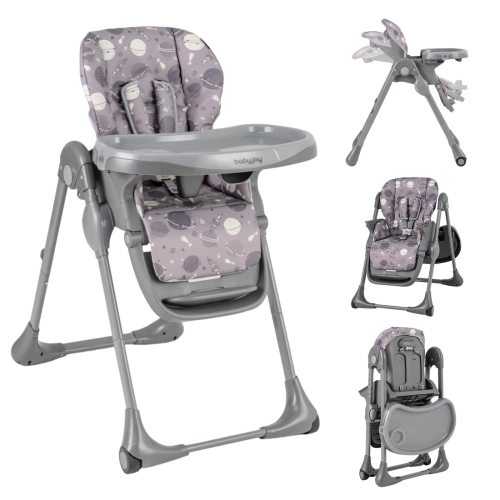
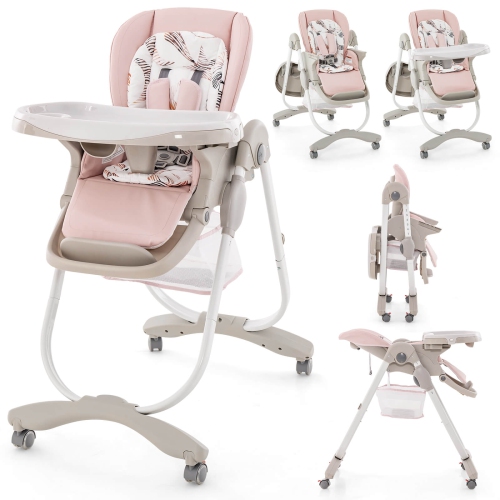
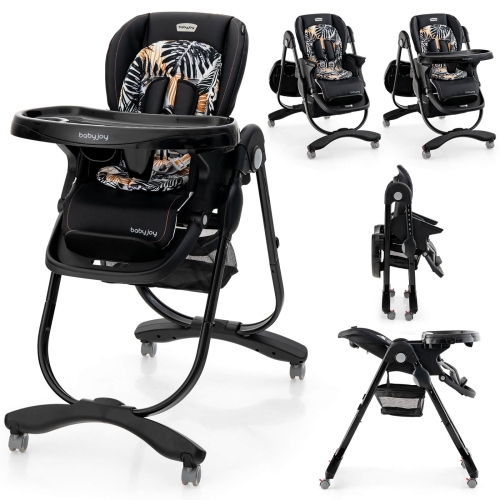
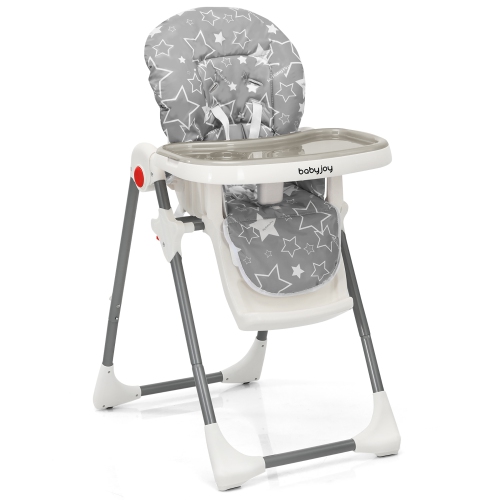
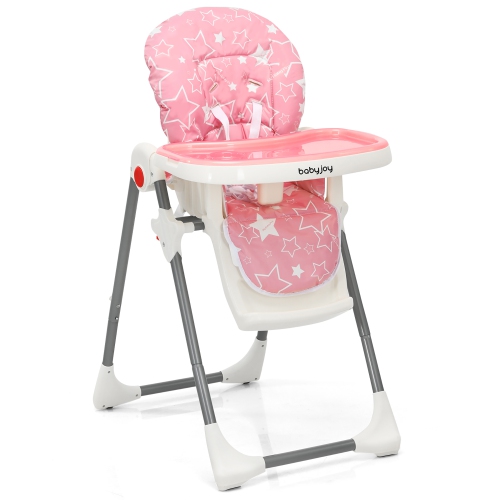
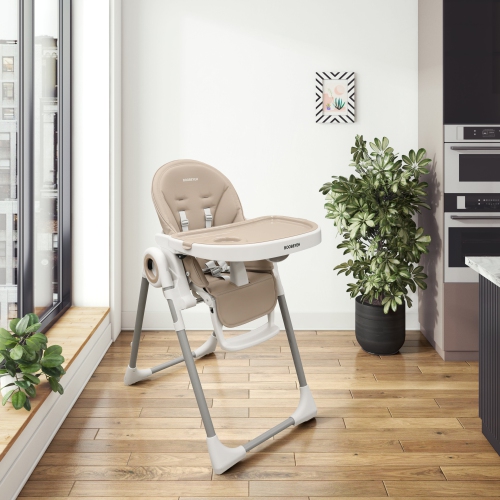
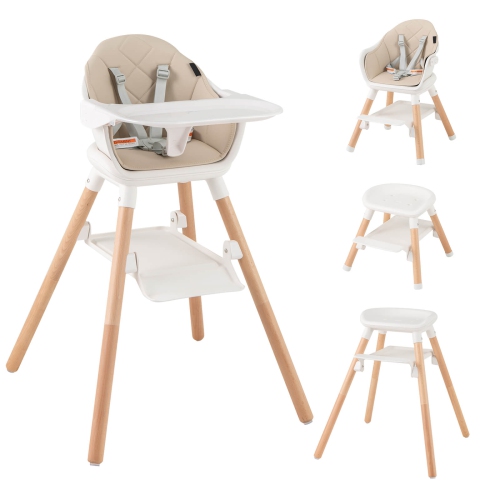
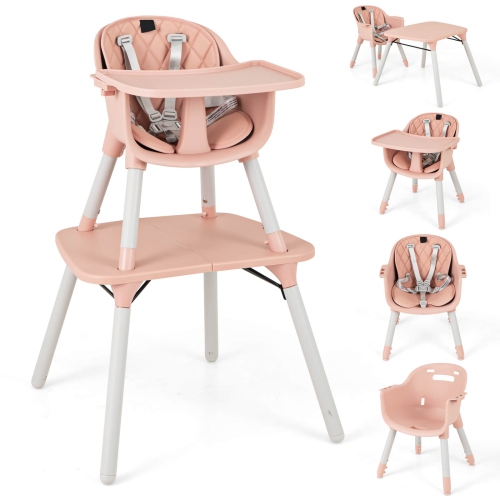
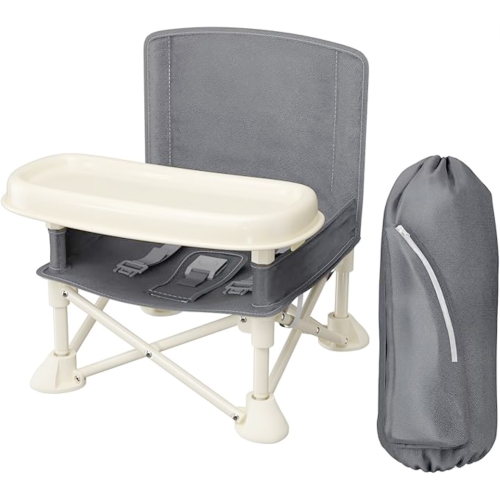
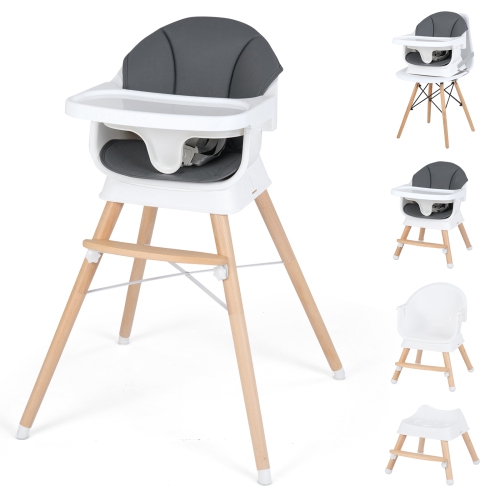
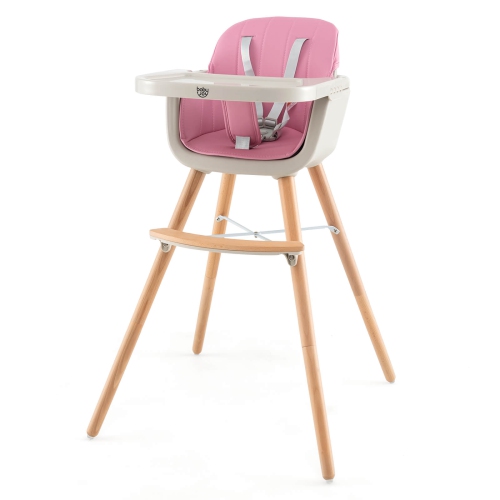
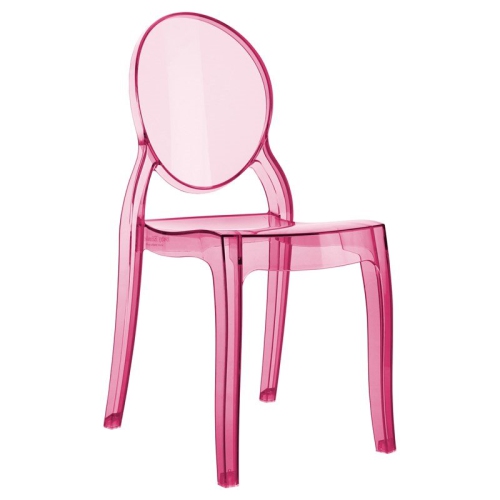
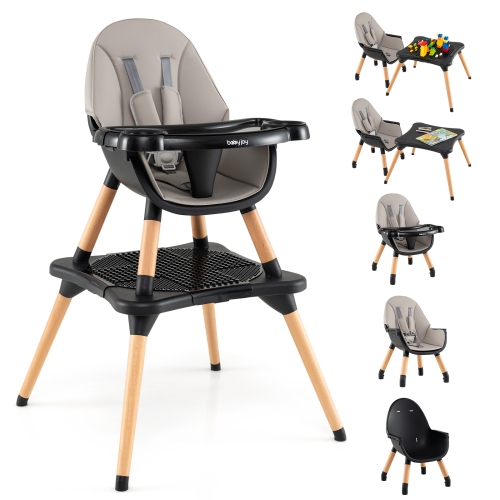
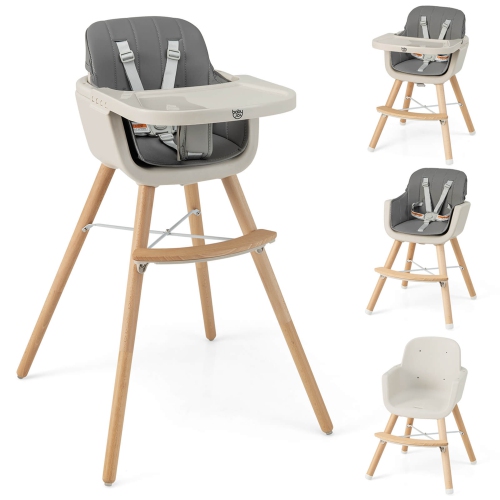
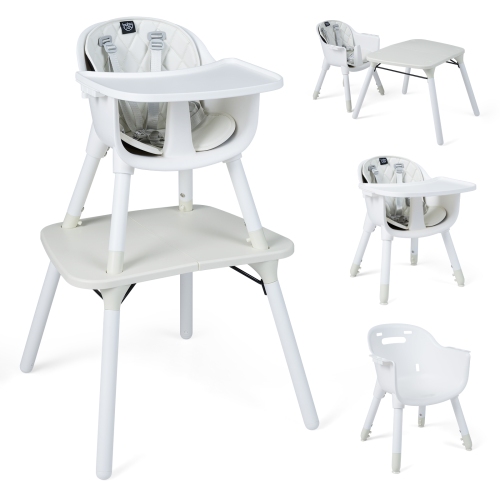
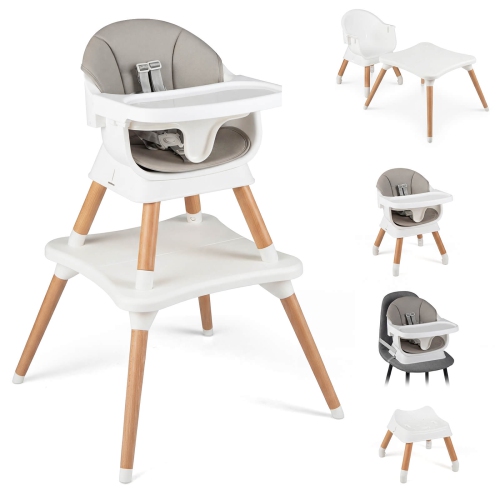
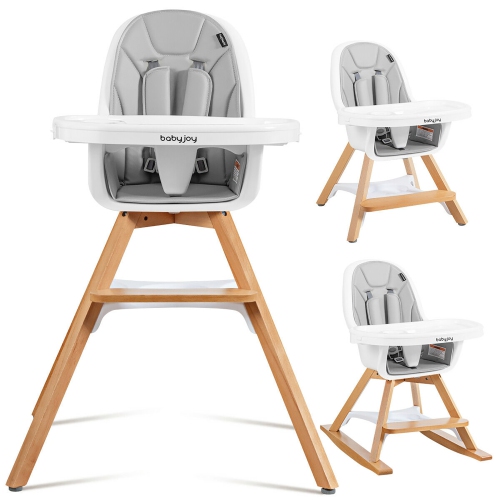
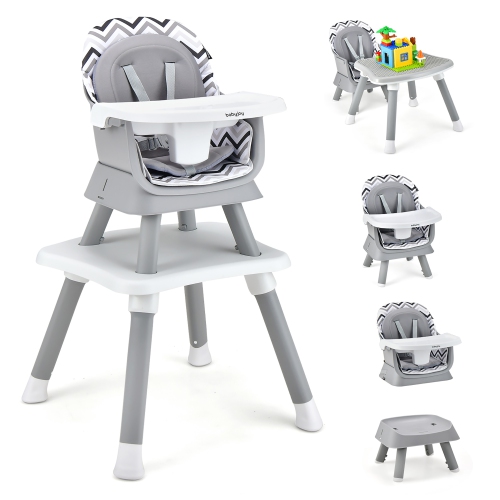
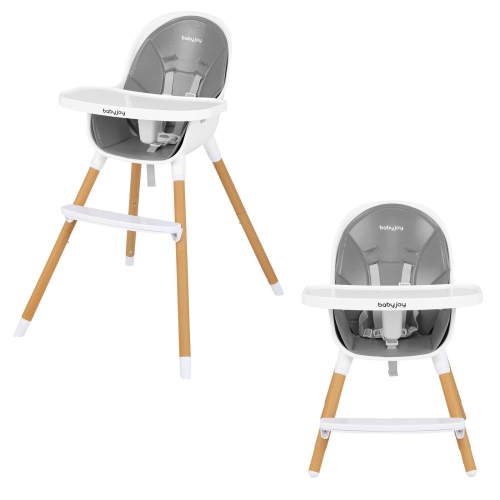
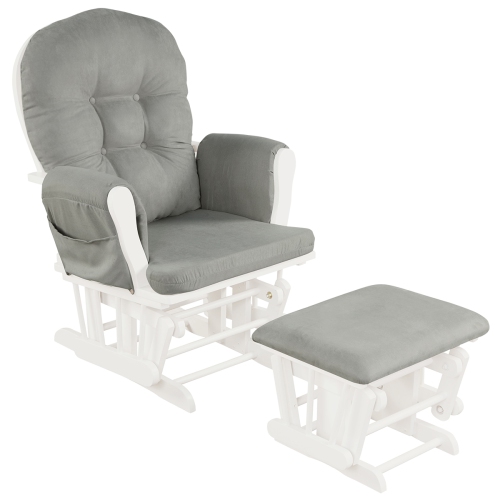
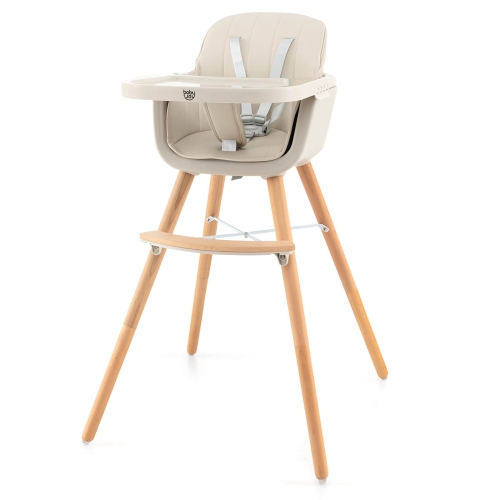
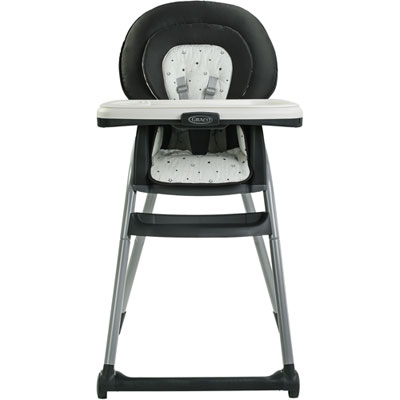
Baby chairs give infants and toddlers a place to sit for meals and short, supervised activities, with designs suited to different stages of growth and household routines. The category includes full-size high chairs, feeding boosters that secure to dining chairs, compact travel seats, and floor seats intended for supervised play. Each serves a different purpose: a high chair brings a baby to a comfortable feeding height, while a suitable booster lets an older baby or toddler join the family at the table without a separate freestanding chair. Many babies begin using an upright feeding chair around six months, when they have sufficient head and neck control and can maintain the seated position required by the chair’s instructions. Age alone does not establish readiness, so the child’s development and the manufacturer’s age, weight, and use requirements all matter. For feeding, an upright position with a well-fitting seat and appropriate support is more important than a long list of adjustments. A recline setting does not make a baby ready for solid food, and baby chairs are not intended as sleep spaces. Floor seats have a separate role: they can offer a place for brief seated play when a baby meets the stated developmental requirements, but they belong on the floor, never on a table, counter, or other raised surface. They also do not replace tummy time or unrestricted movement on a safe play surface. Across chair types, useful features include a stable base, a secure restraint system, accessible buckles, and surfaces that are straightforward to clean. A tray provides space for a bowl or toy, but it is not a substitute for a harness. Using the restraints as directed and staying close throughout use remain essential, even when a baby seems settled. The best fit for daily life is a chair that matches the child’s stage and intended activity while giving the caregiver enough room to help with feeding, lift the child comfortably, and manage the inevitable spills.
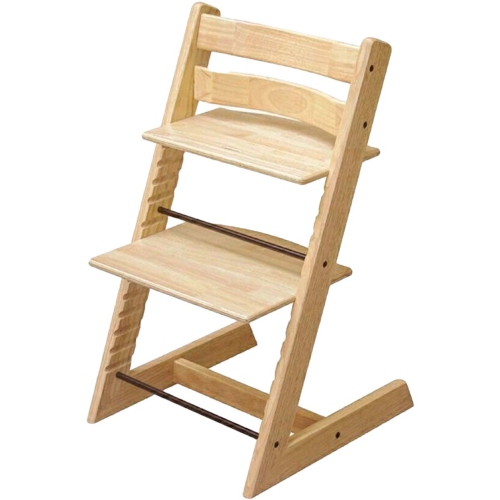
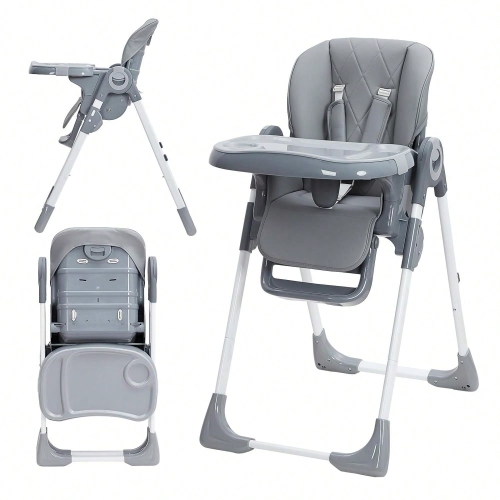
Materials and construction make a noticeable difference once a baby chair becomes part of several meals a day. Smooth moulded plastic can be easy to wipe down after mashed vegetables or spilled cereal, while sealed wood brings a furniture-like finish that can sit comfortably alongside a dining table. Metal frames can provide sturdy support, although the chair’s overall design, joints, and base matter more than any one material. Padded seats may add comfort, but seams, folds, and textured fabrics can catch crumbs. Removable covers are useful when their care instructions suit the household’s laundry routine; machine washing should only be used where the manufacturer permits it. Likewise, a removable tray is not necessarily dishwasher-safe, so checking the specified cleaning method helps protect its shape and finish. A lift-off tray insert can simplify smaller clean-ups, though food may still collect beneath it or around the attachment points. Rounded edges and fewer narrow crevices make it easier to reach the places where yoghurt tends to linger. Fit deserves the same attention as cleaning. The seat should support the child without leaving excessive space to slump, and the harness should adjust securely according to the instructions. An adjustable footrest can support the feet as legs grow, while a tray with more than one position may leave comfortable room around the torso. Height adjustment can help align a high chair with a caregiver’s seated feeding position or with different table heights, provided the configuration is approved for that use. In a smaller dining area, the footprint matters as much as the seat width: wide-set legs need clearance from walkways, and a folding frame needs somewhere suitable to be stored. Folding mechanisms should lock securely before use, with fingers kept clear during adjustment. For lasting durability, periodically checking fasteners, straps, buckles, and tray latches is worthwhile. Cracked plastic, loose joints, damaged restraints, or a lock that no longer engages properly are reasons to stop using the chair until the issue is resolved according to the manufacturer’s directions.
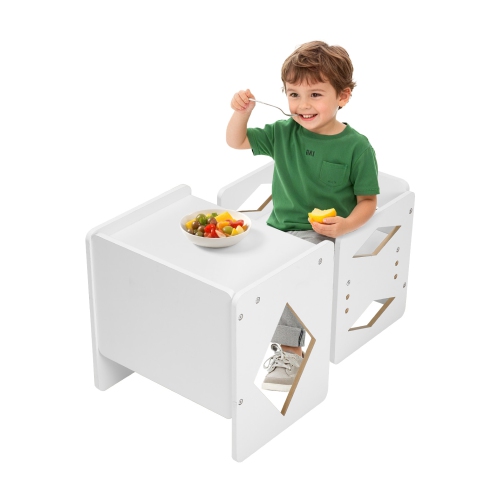
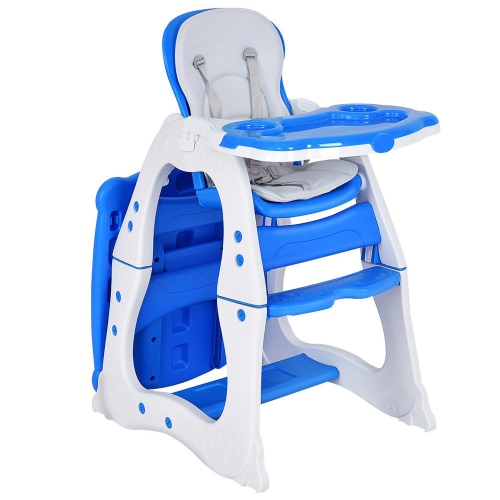
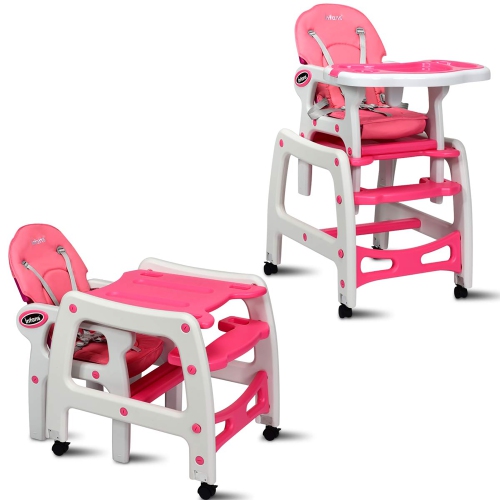
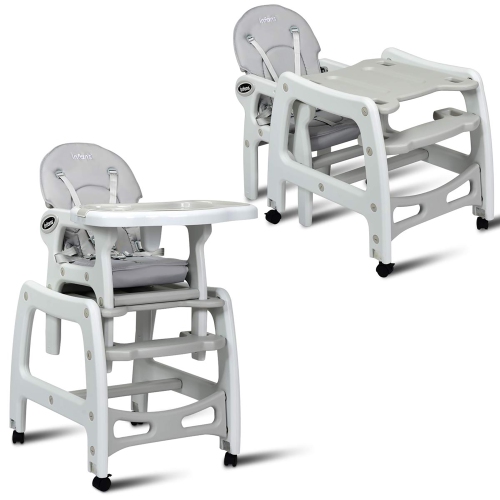
Different homes and routines call for different baby seating arrangements. A full-size high chair can make sense for everyday feeding in a kitchen with a dedicated space, especially when it can stay assembled between breakfast and supper. A compact folding chair may suit a shared dining area where floor space needs to be cleared after meals. Feeding boosters can be practical for visits to grandparents or for a toddler who is ready to sit closer to the family table, but they must be attached to a compatible adult chair using all required straps. The supporting chair’s shape, dimensions, and stability matter; not every dining chair is suitable. Hook-on seats also have strict compatibility requirements for table thickness and construction, and should only be attached to surfaces expressly permitted in their instructions. Portability never removes the need to check the setup at each use. For families who travel or regularly eat away from home, carrying weight, folded dimensions, and the ease of keeping straps and trays together can make packing less cumbersome. At home, a convertible high chair may serve through more than one stage, changing into a booster or toddler seat where the design allows. Each configuration has its own limits and assembly requirements, so a growing child should move between stages based on fit and readiness rather than convenience alone. As children outgrow baby seating and need furniture for drawing, looking through picture books, or sitting at a child-sized table, Kids Chairs serve a different purpose from infant feeding seats. Baby chairs can also be thoughtful gifts for parents or caregivers, particularly when the choice reflects their space, preferred cleaning routine, and child’s stage. Confirming those details beforehand is more useful than choosing by appearance alone. Whether meals happen around a roomy dining table or in a compact kitchen nook, a well-matched chair supports the small routines that fill family days: an early taste of porridge, a cup placed within reach, and a comfortable spot to take part in mealtime.
Materials and construction make a noticeable difference once a baby chair becomes part of several meals a day. Smooth moulded plastic can be easy to wipe down after mashed vegetables or spilled cereal, while sealed wood brings a furniture-like finish that can sit comfortably alongside a dining table. Metal frames can provide sturdy support, although the chair’s overall design, joints, and base matter more than any one material. Padded seats may add comfort, but seams, folds, and textured fabrics can catch crumbs. Removable covers are useful when their care instructions suit the household’s laundry routine; machine washing should only be used where the manufacturer permits it. Likewise, a removable tray is not necessarily dishwasher-safe, so checking the specified cleaning method helps protect its shape and finish. A lift-off tray insert can simplify smaller clean-ups, though food may still collect beneath it or around the attachment points. Rounded edges and fewer narrow crevices make it easier to reach the places where yoghurt tends to linger. Fit deserves the same attention as cleaning. The seat should support the child without leaving excessive space to slump, and the harness should adjust securely according to the instructions. An adjustable footrest can support the feet as legs grow, while a tray with more than one position may leave comfortable room around the torso. Height adjustment can help align a high chair with a caregiver’s seated feeding position or with different table heights, provided the configuration is approved for that use. In a smaller dining area, the footprint matters as much as the seat width: wide-set legs need clearance from walkways, and a folding frame needs somewhere suitable to be stored. Folding mechanisms should lock securely before use, with fingers kept clear during adjustment. For lasting durability, periodically checking fasteners, straps, buckles, and tray latches is worthwhile. Cracked plastic, loose joints, damaged restraints, or a lock that no longer engages properly are reasons to stop using the chair until the issue is resolved according to the manufacturer’s directions.
Different homes and routines call for different baby seating arrangements. A full-size high chair can make sense for everyday feeding in a kitchen with a dedicated space, especially when it can stay assembled between breakfast and supper. A compact folding chair may suit a shared dining area where floor space needs to be cleared after meals. Feeding boosters can be practical for visits to grandparents or for a toddler who is ready to sit closer to the family table, but they must be attached to a compatible adult chair using all required straps. The supporting chair’s shape, dimensions, and stability matter; not every dining chair is suitable. Hook-on seats also have strict compatibility requirements for table thickness and construction, and should only be attached to surfaces expressly permitted in their instructions. Portability never removes the need to check the setup at each use. For families who travel or regularly eat away from home, carrying weight, folded dimensions, and the ease of keeping straps and trays together can make packing less cumbersome. At home, a convertible high chair may serve through more than one stage, changing into a booster or toddler seat where the design allows. Each configuration has its own limits and assembly requirements, so a growing child should move between stages based on fit and readiness rather than convenience alone. As children outgrow baby seating and need furniture for drawing, looking through picture books, or sitting at a child-sized table, Kids Chairs serve a different purpose from infant feeding seats. Baby chairs can also be thoughtful gifts for parents or caregivers, particularly when the choice reflects their space, preferred cleaning routine, and child’s stage. Confirming those details beforehand is more useful than choosing by appearance alone. Whether meals happen around a roomy dining table or in a compact kitchen nook, a well-matched chair supports the small routines that fill family days: an early taste of porridge, a cup placed within reach, and a comfortable spot to take part in mealtime.
Top selling and popular products
-
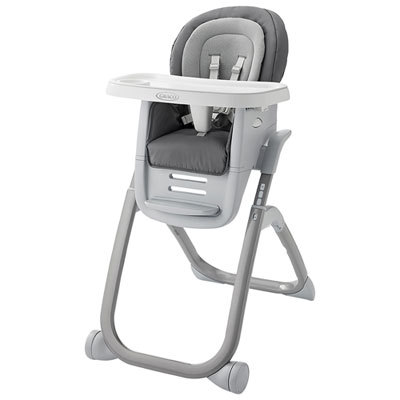 Your price for this item is $279.99
 -
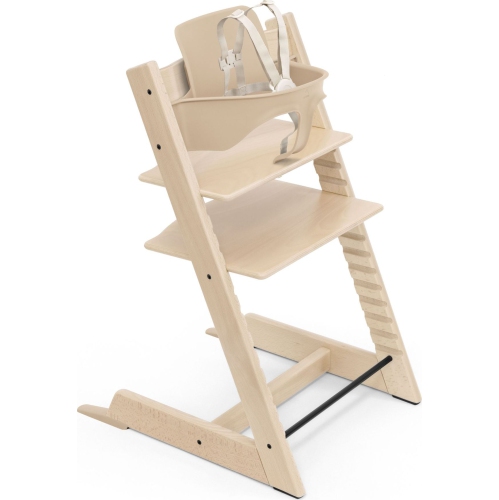 Your price for this item is $455
 -
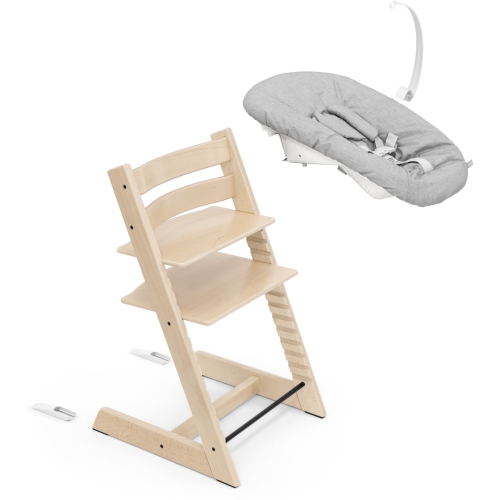 Your price for this item is $514.99
 -
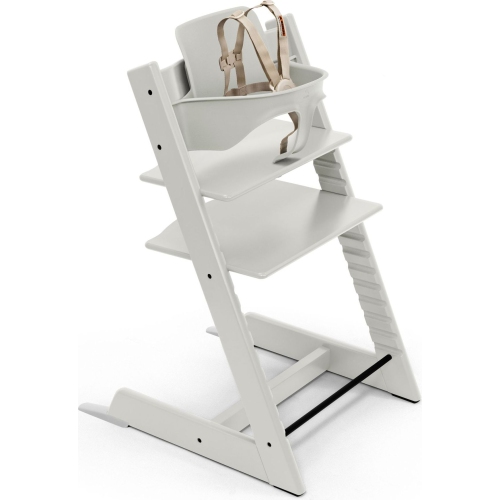 Your price for this item is $454.99
 -
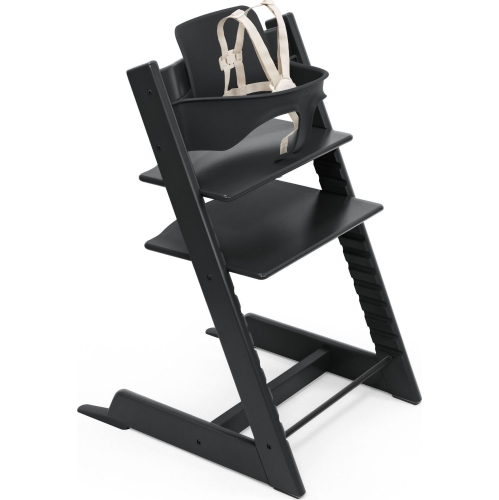 Your price for this item is $455
 -
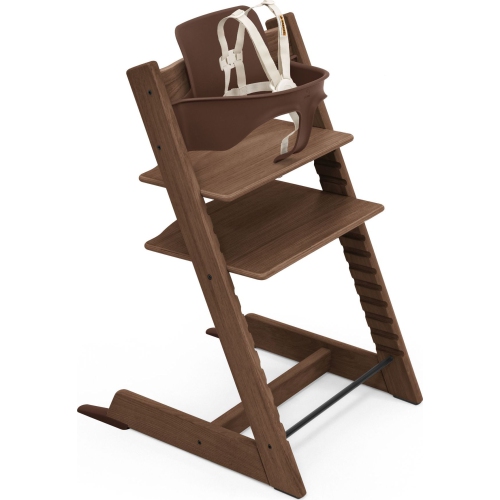 Your price for this item is $488.99
 -
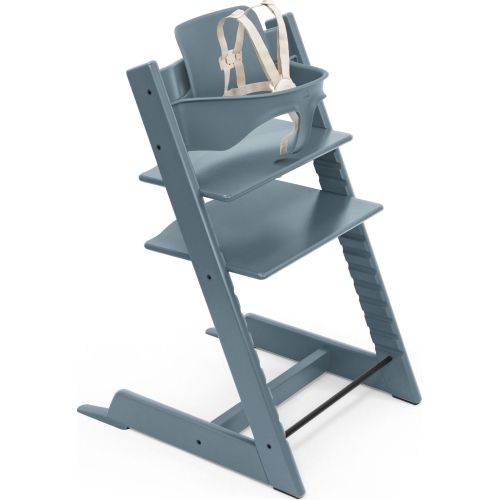 Your price for this item is $454.99
 -
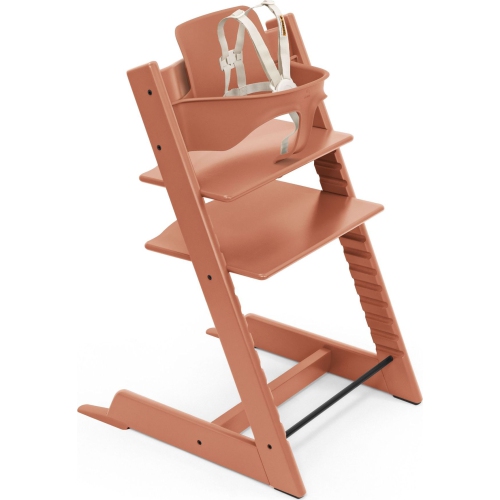 Your price for this item is $455
Discover more categories related to Baby Chairs

Top Collections:
Pokemon Centers, Kindle Devices, Best Budget Office Chairs, Apple iPhones 16, Best Laptops for Writers, iPhone 15 Apple, Canon G7X Cameras, Refurbished Apple Laptops, Alarm Clock, Motorola Razr Phones
Some products may be subject to Environmental Handling Fees
(EHF) depending on your province.
Learn more about EHFs.