Inflatable Bounce Houses
Looking to bring some extra fun and excitement to your next outdoor gathering or party? Look no further than our collection of inflatable bounce houses. These inflatable structures are perfect for kids and adults, providing hours of entertainment and laughter. Whether you're hosting a birthday party or a family reunion or want to add a touch of whimsy to your backyard, our range of inflatable bounce houses has something for everyone. From classic designs to themed options, you'll find the perfect bounce house to suit your needs. Prepare for endless bouncing adventures that will leave everyone smiling and wanting more.
Sort
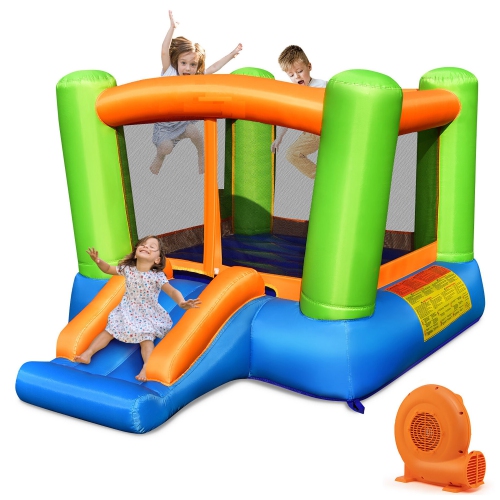
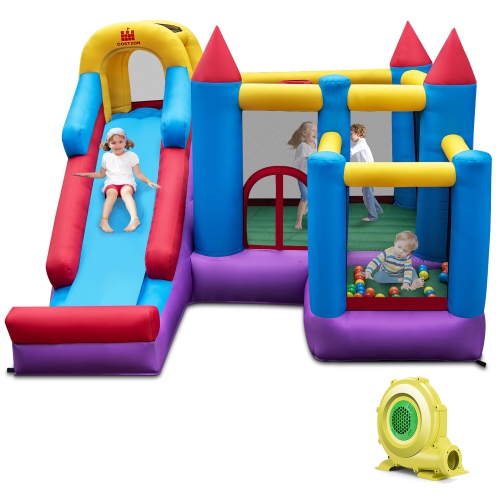
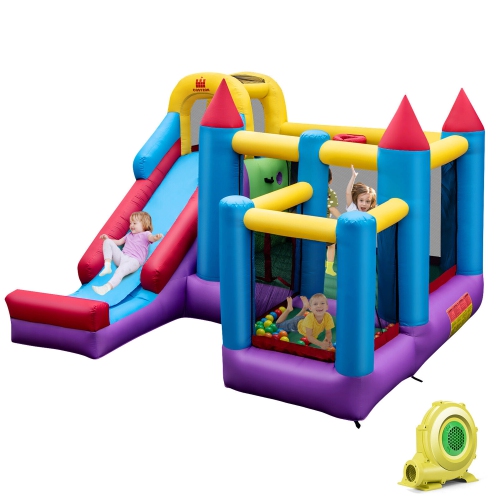
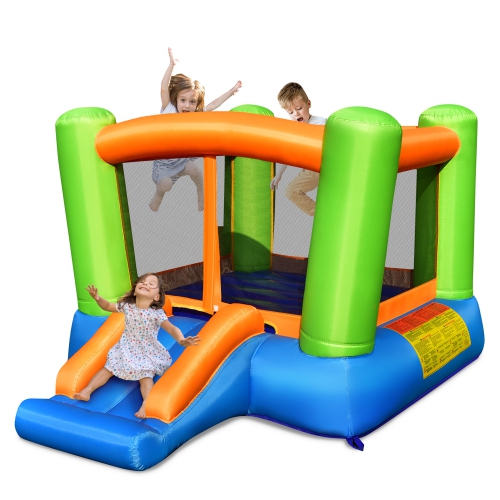
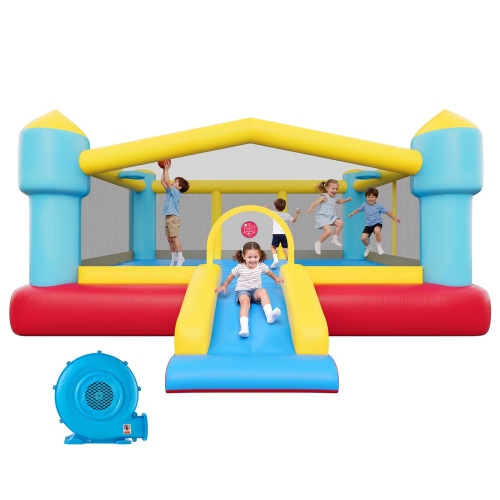

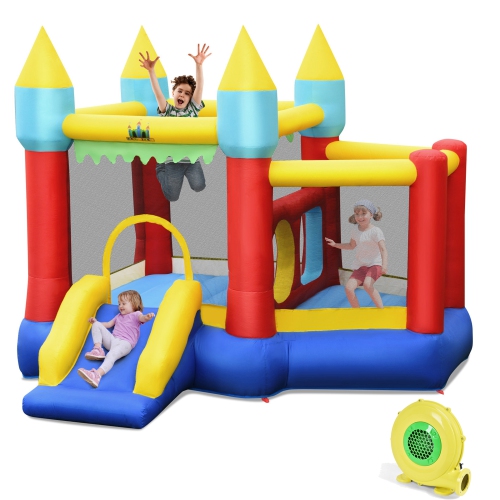

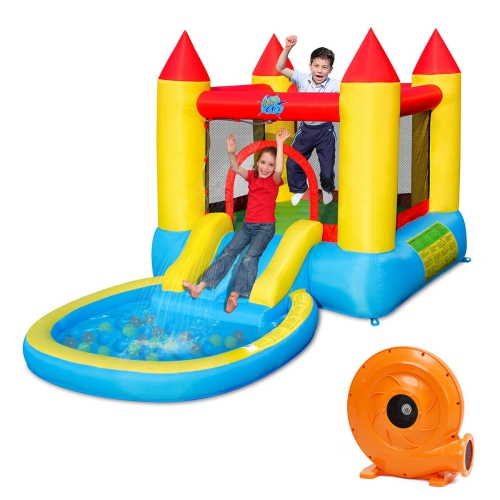
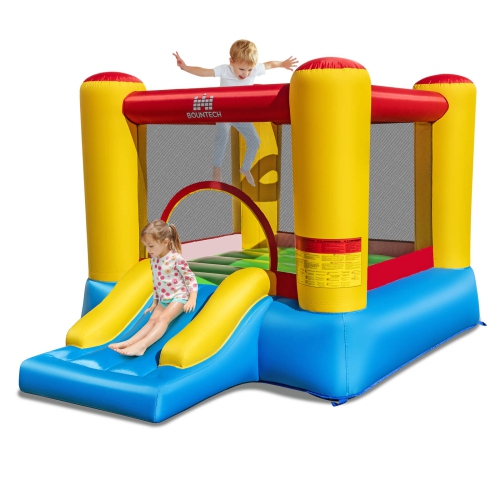
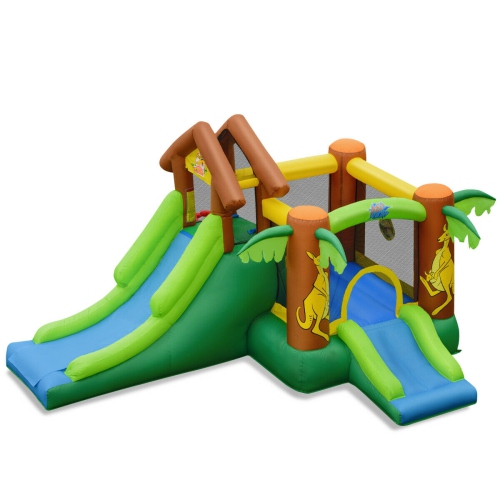
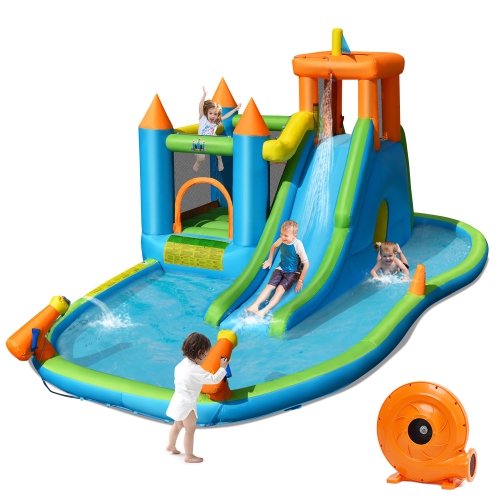
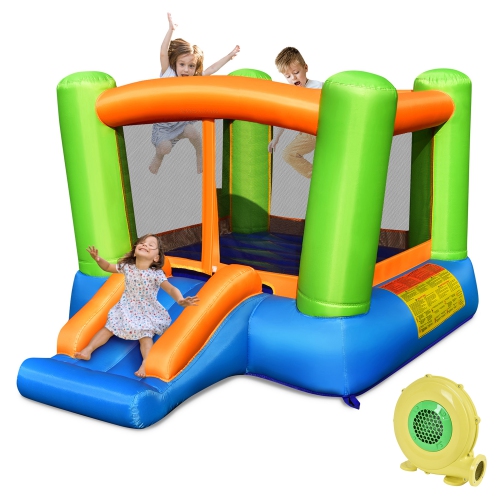
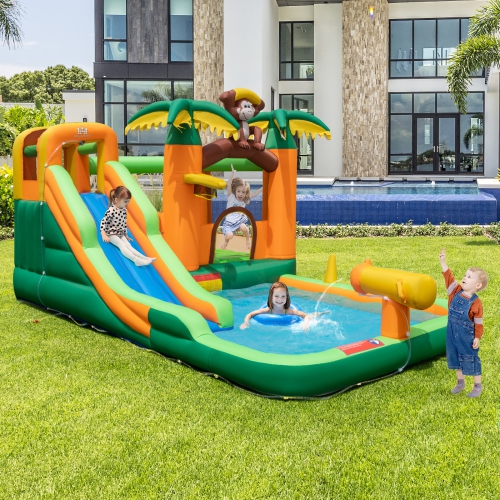
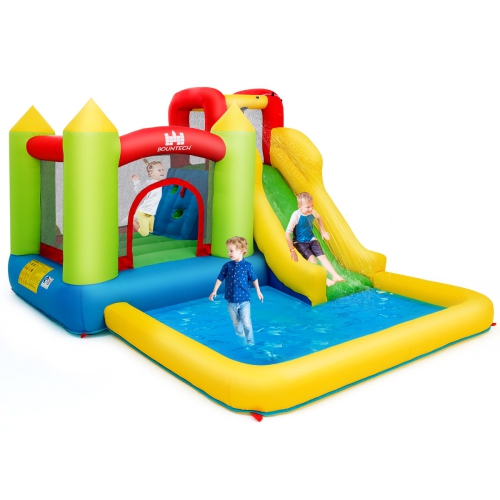
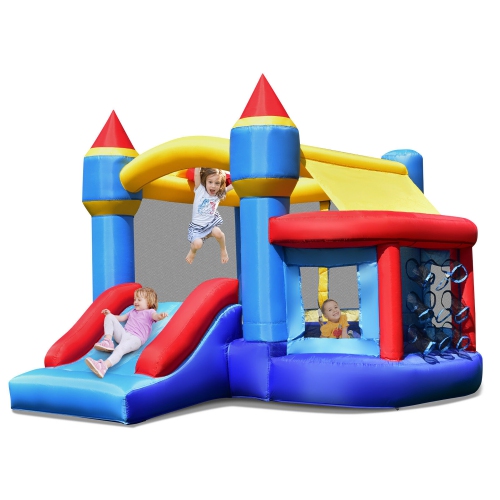
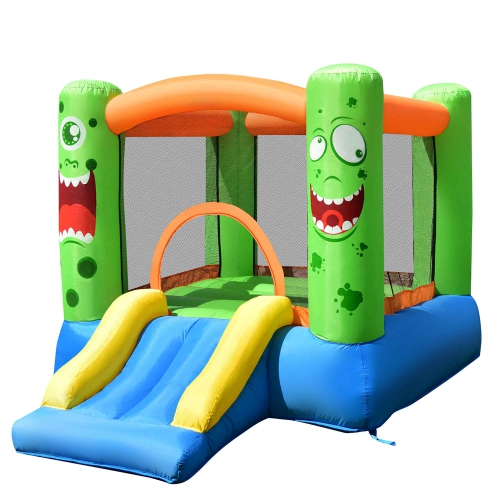

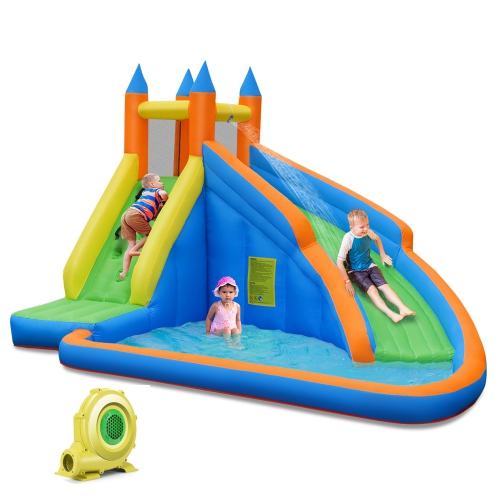
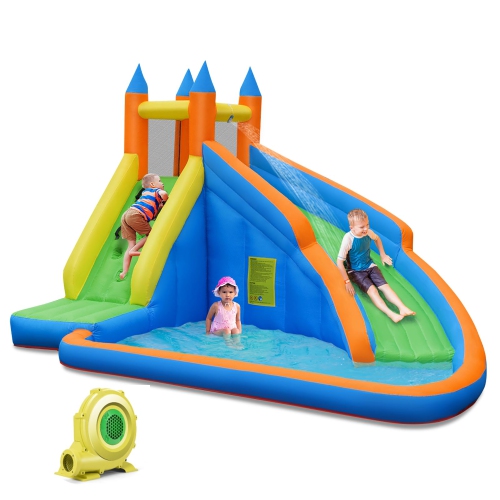
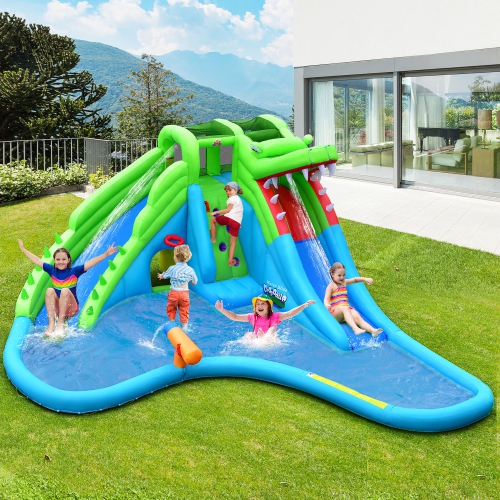
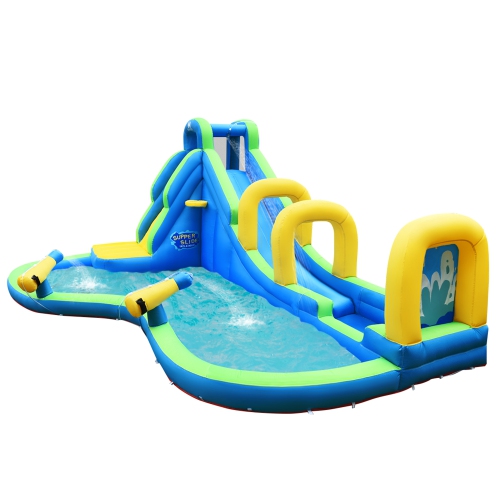
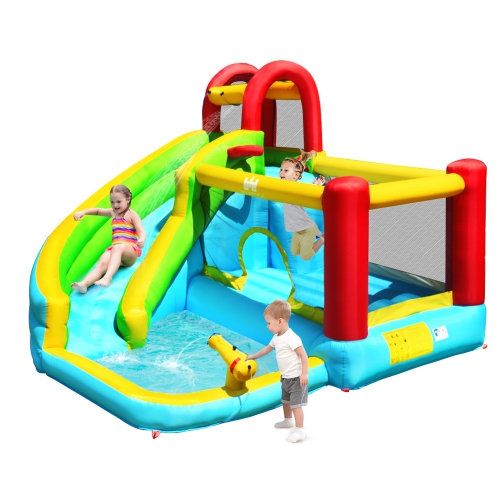

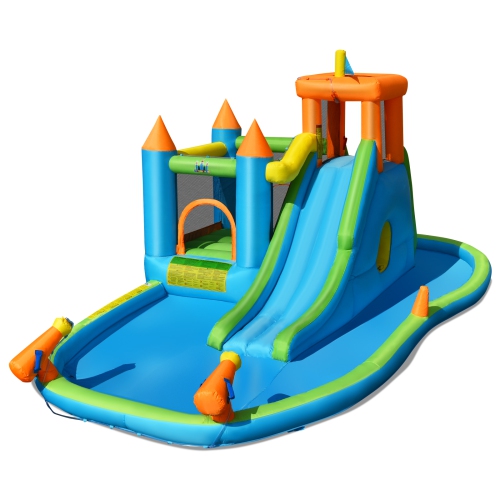
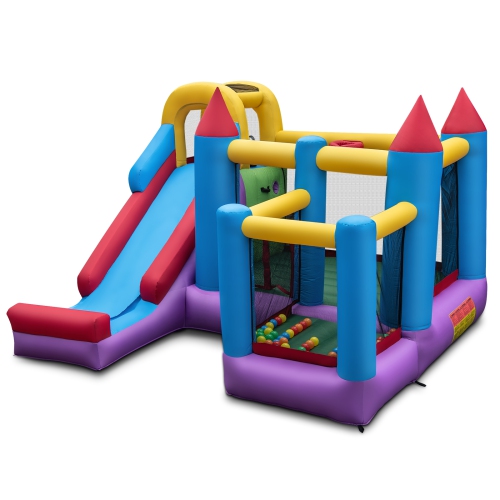
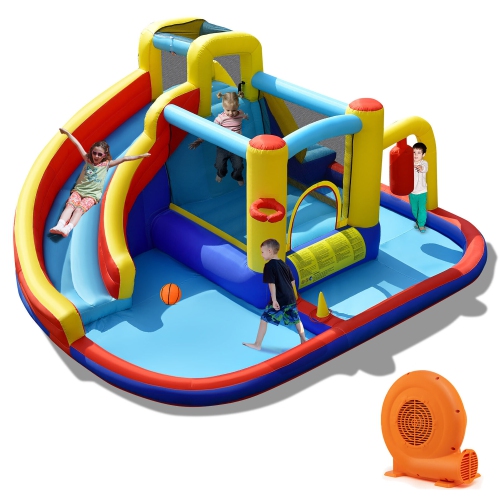
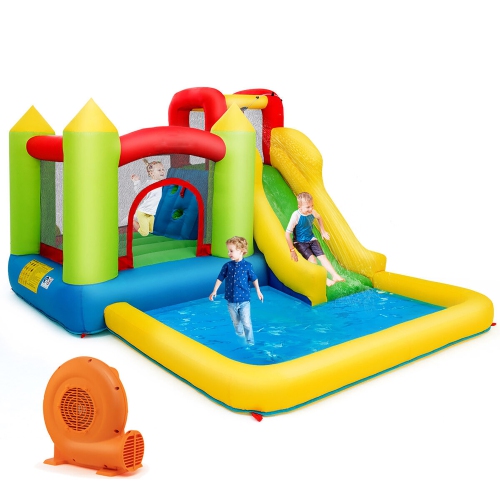
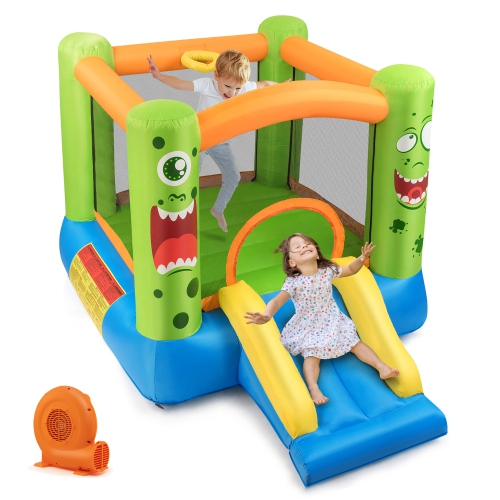
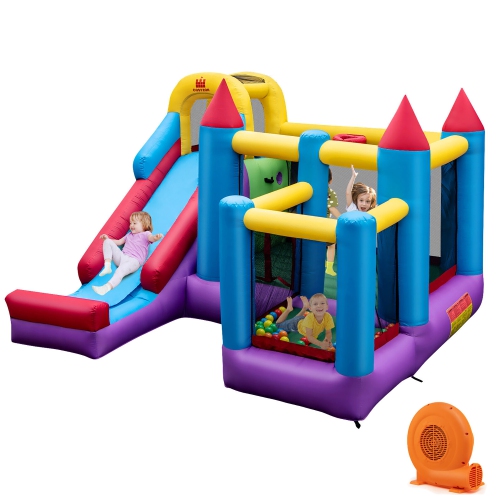

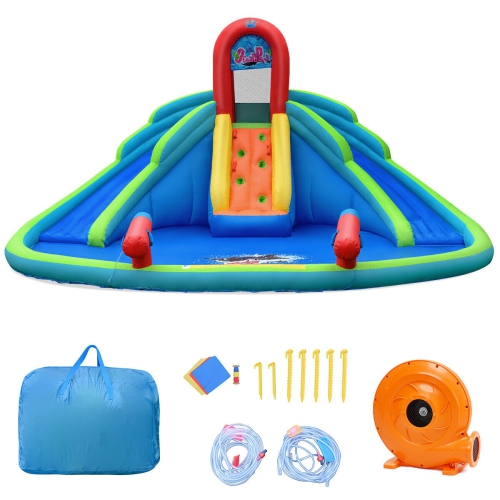
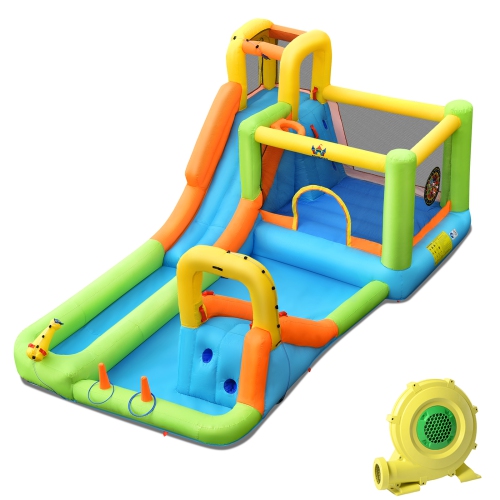
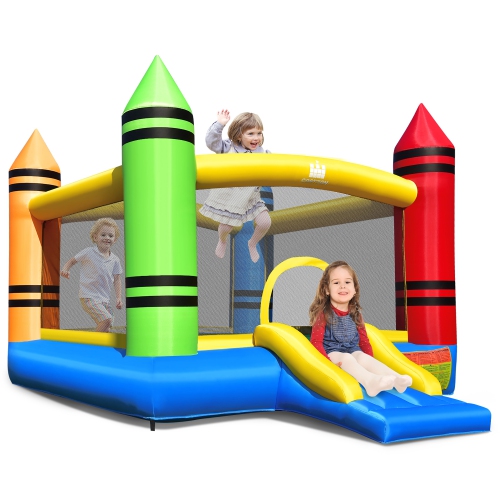
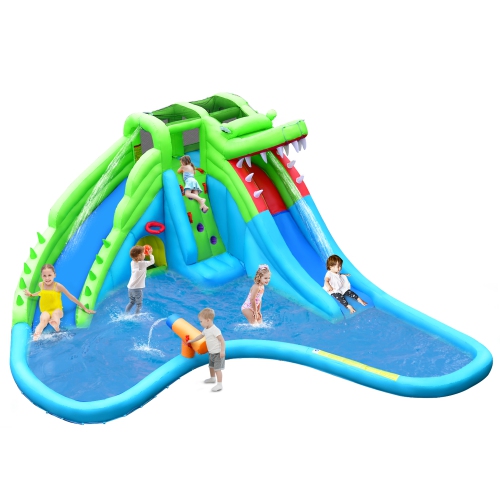
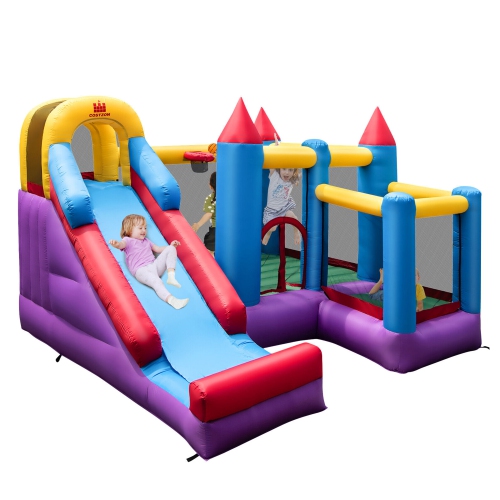
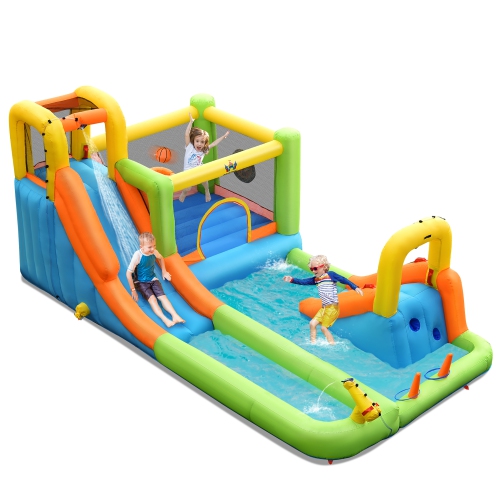
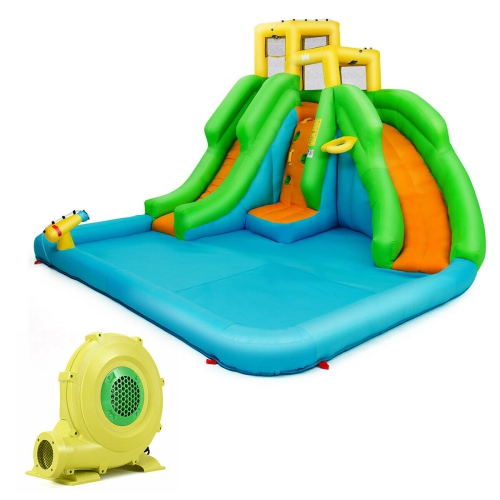
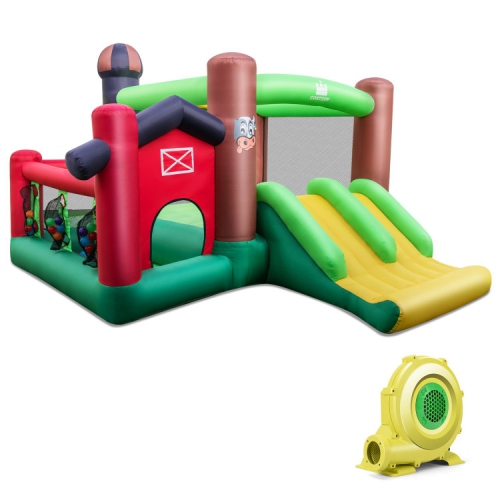
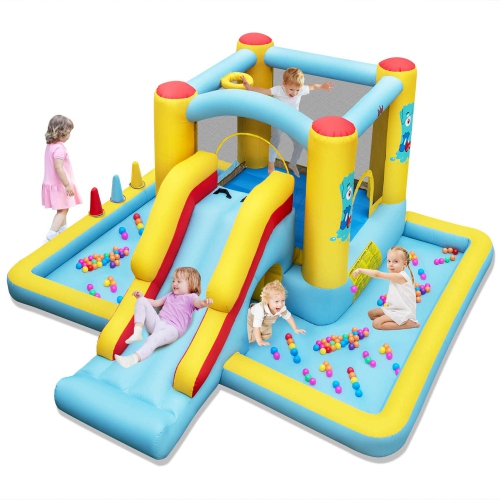
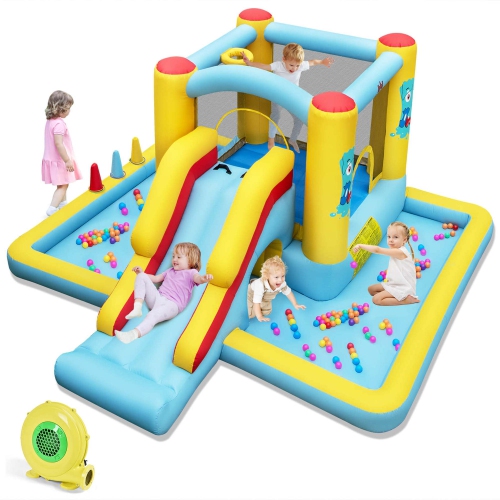
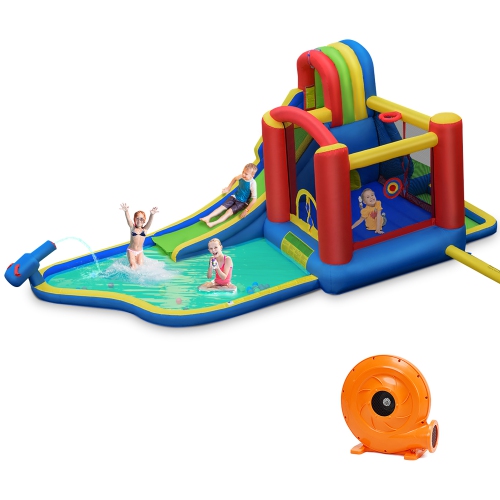
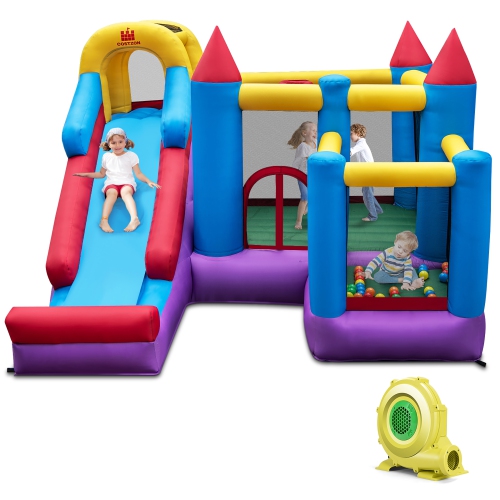
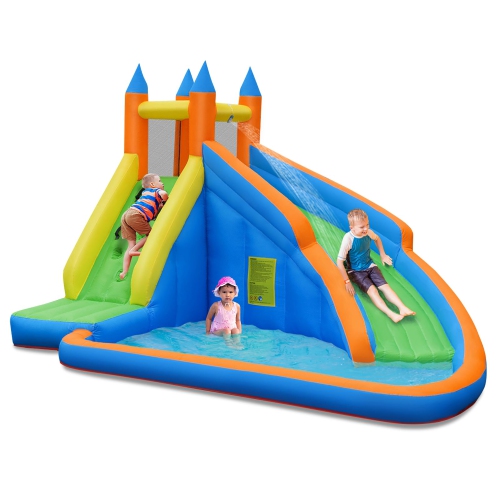
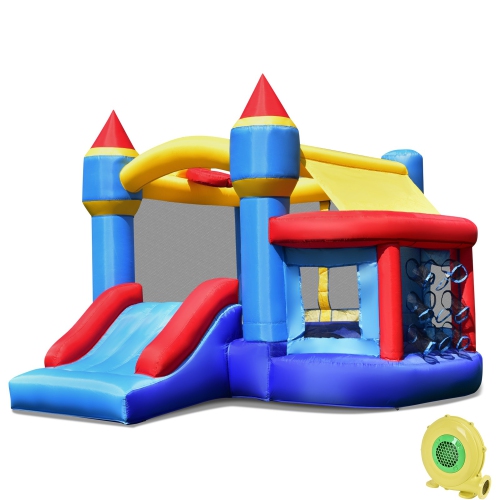
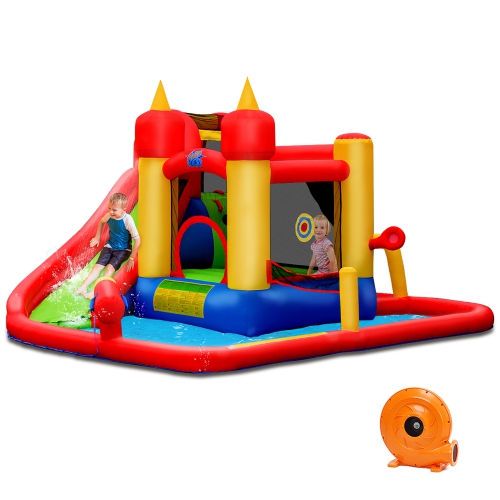
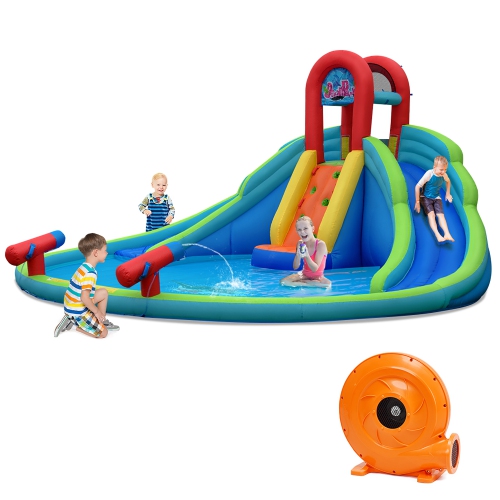
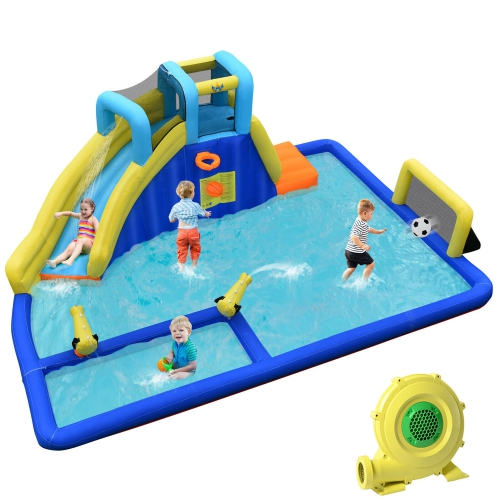
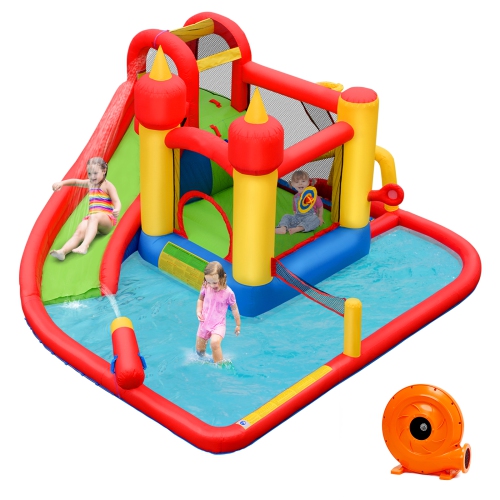
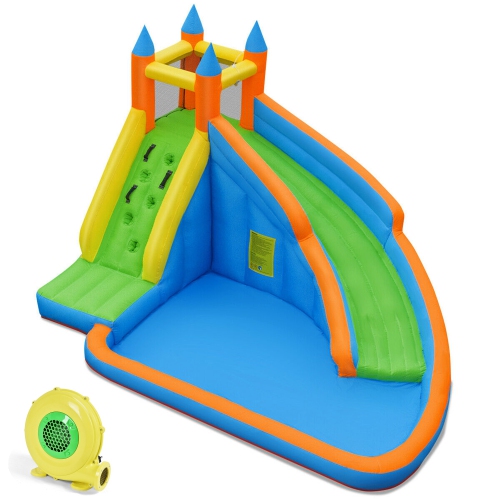
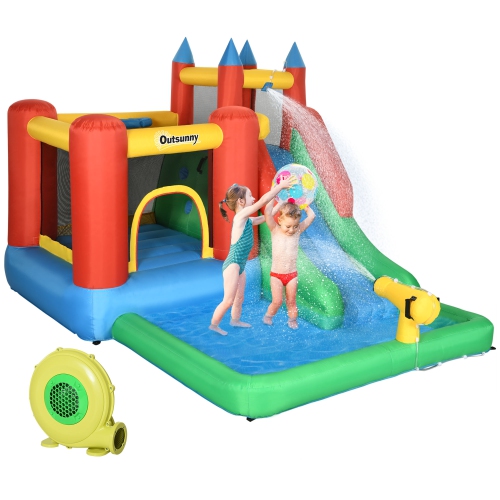
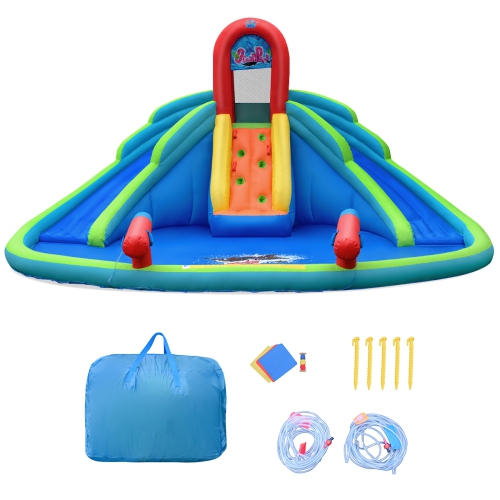
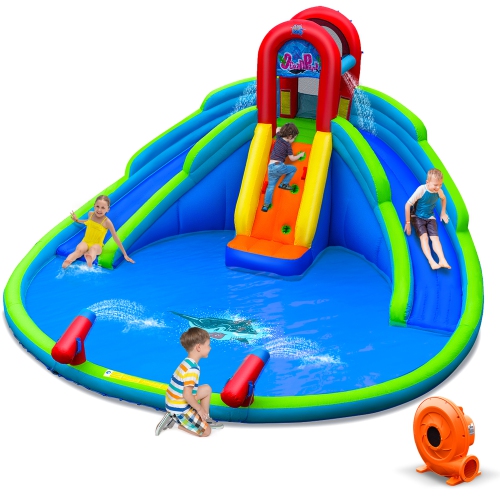
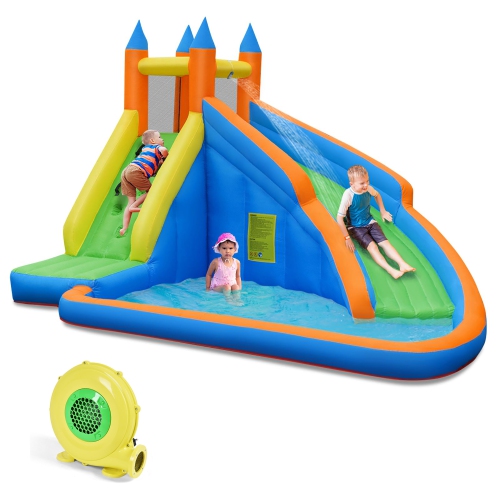
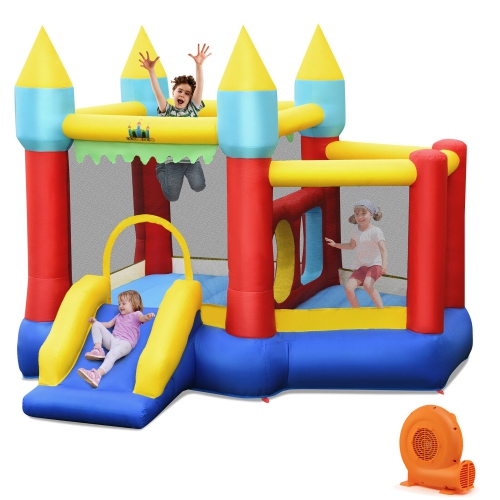
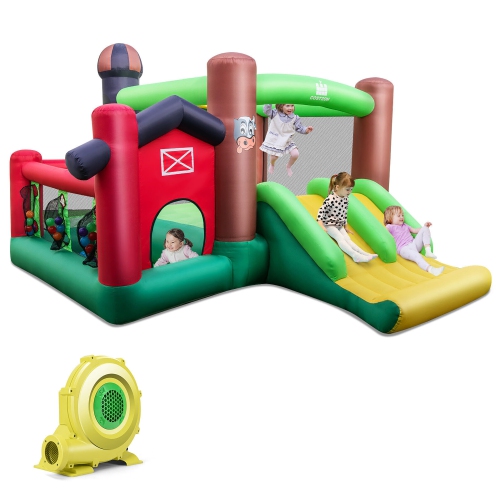
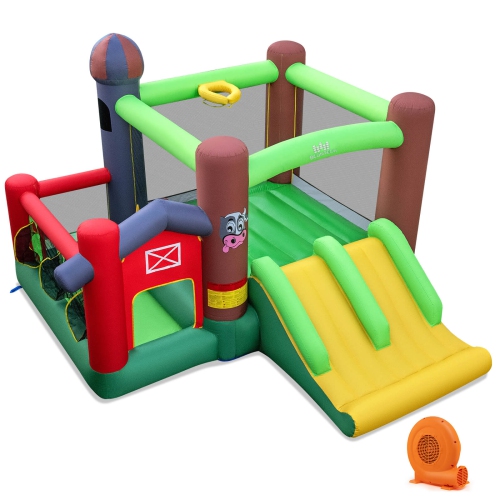
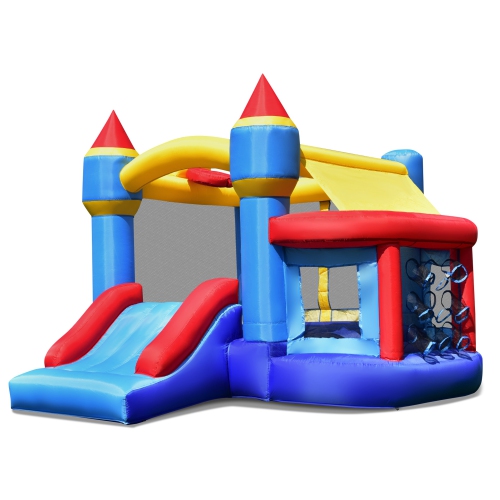
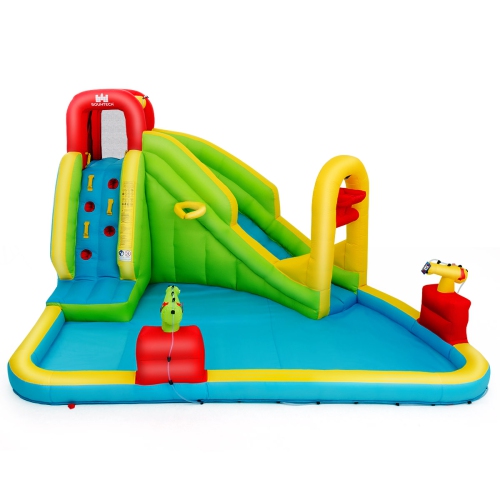
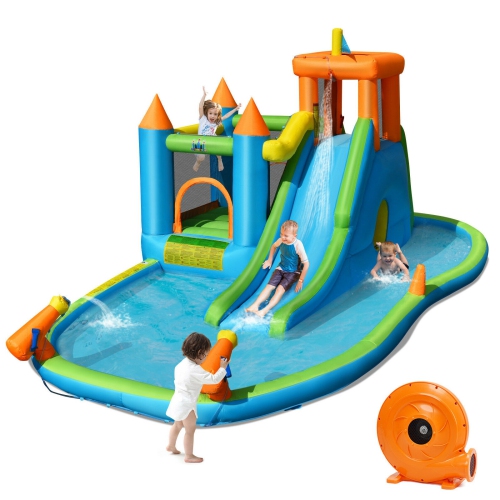

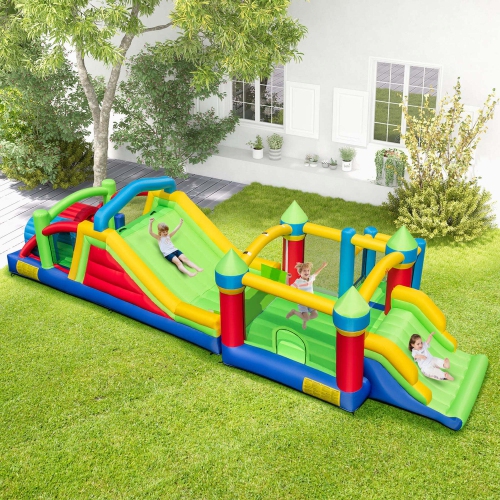
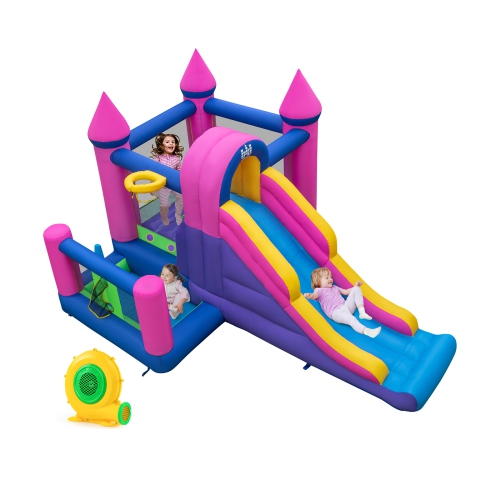
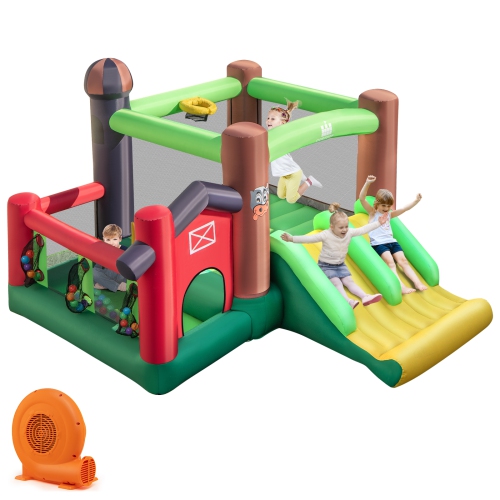
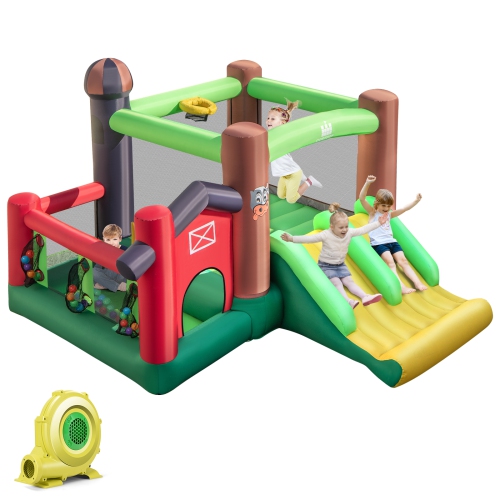
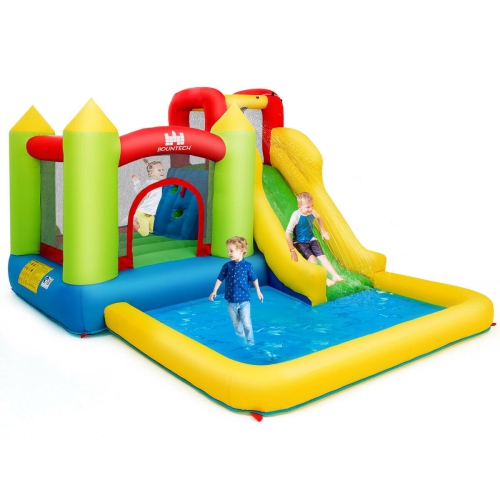

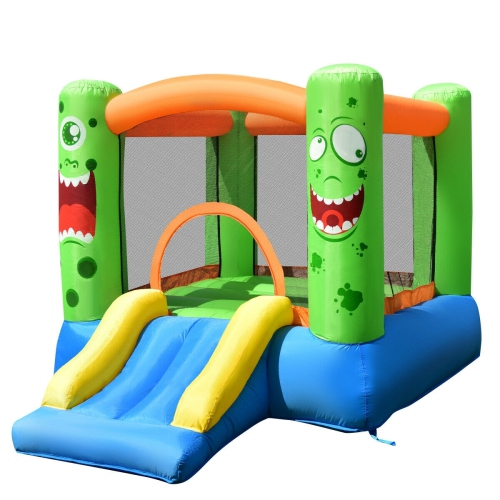
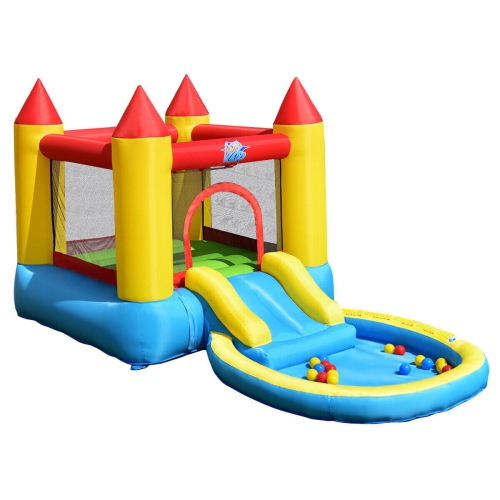
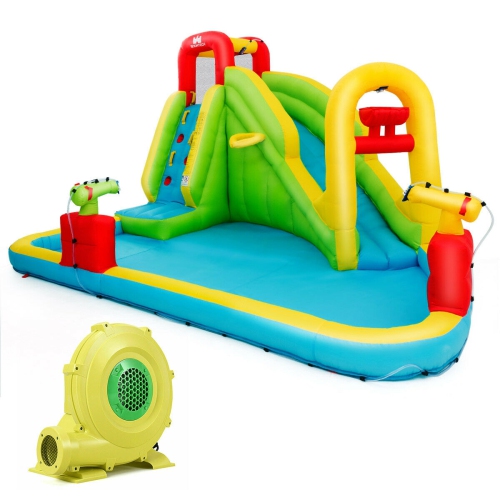
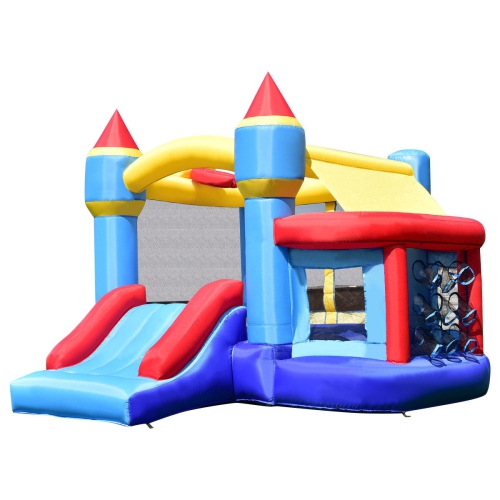
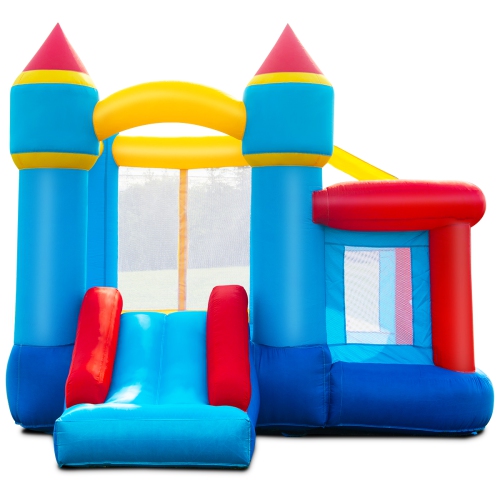

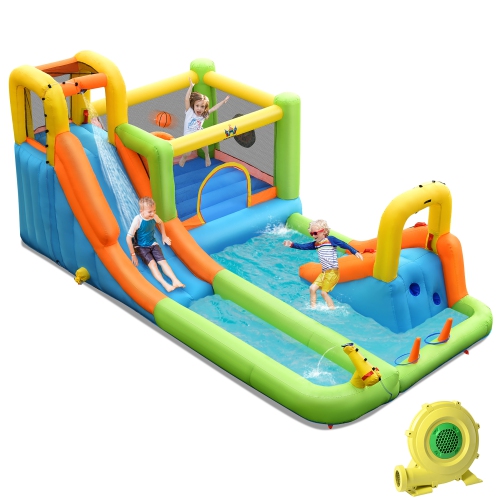
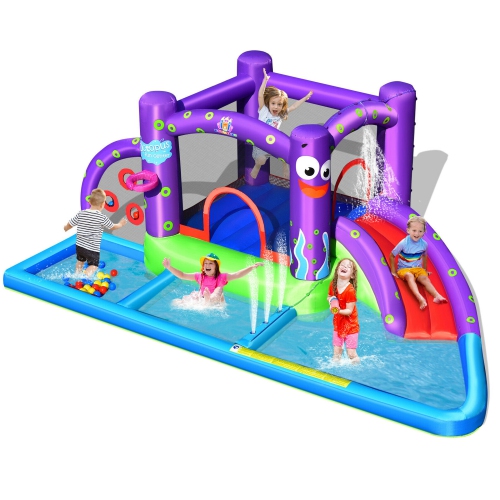
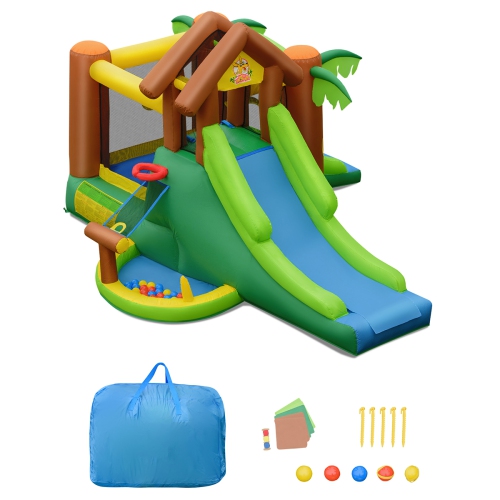
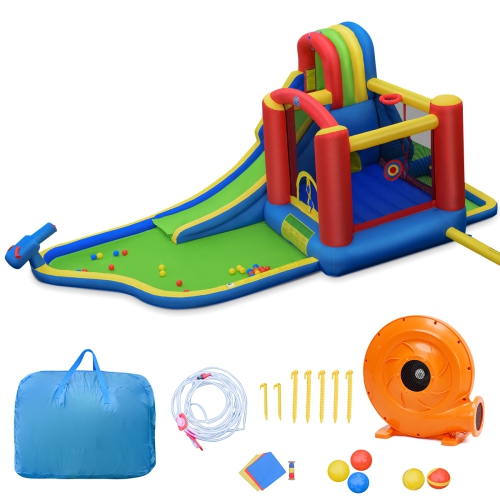
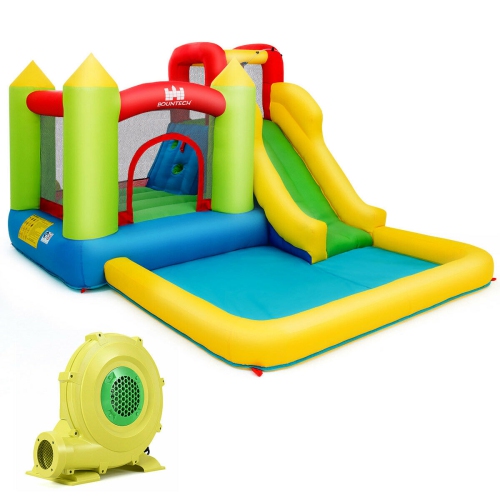
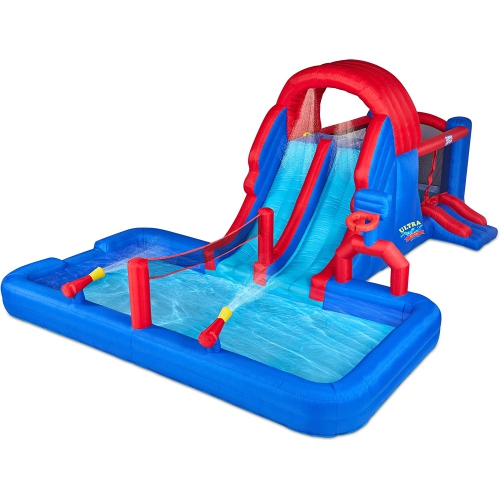
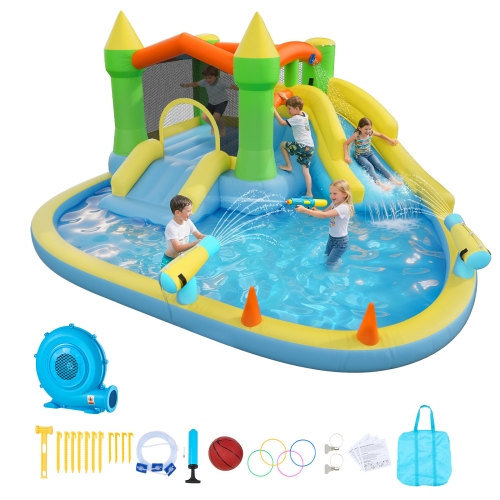
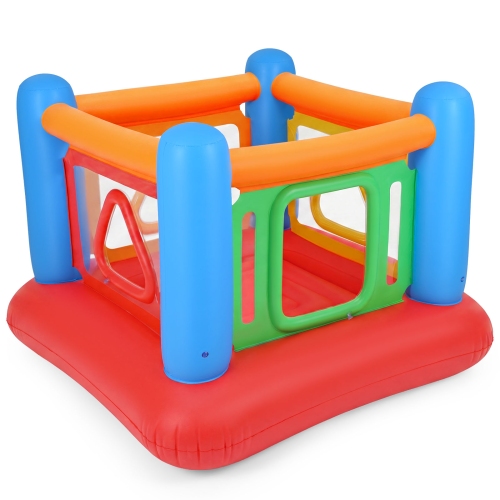
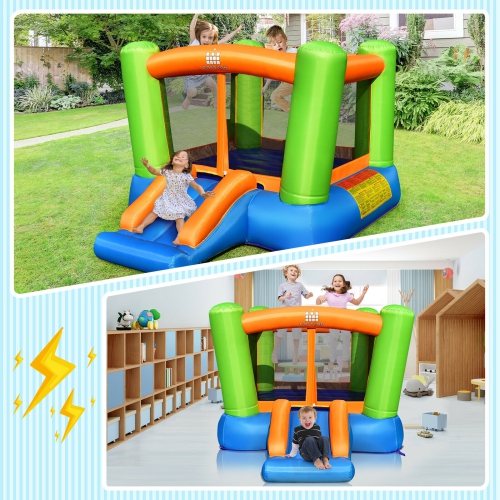
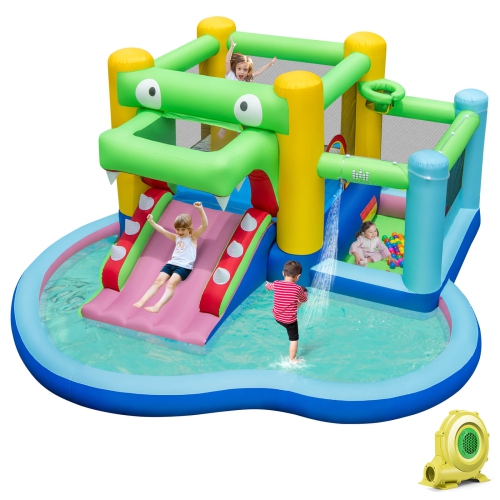
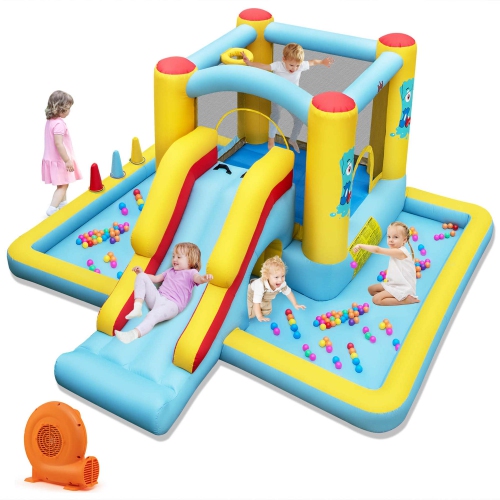

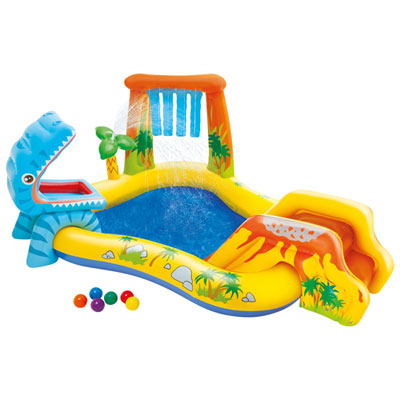

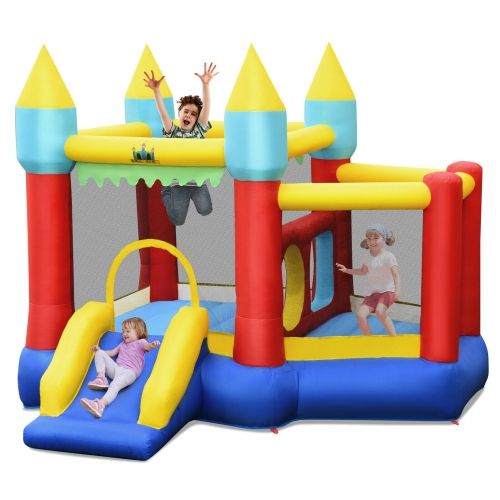
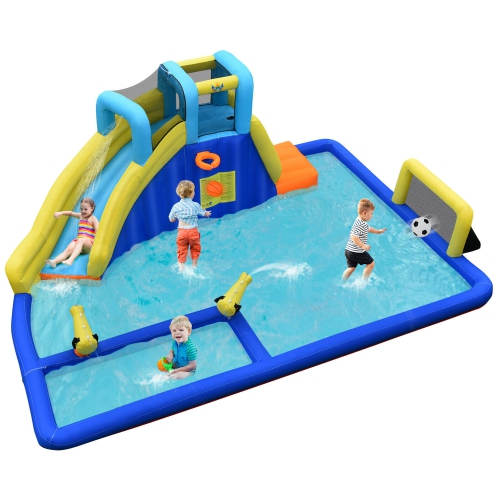
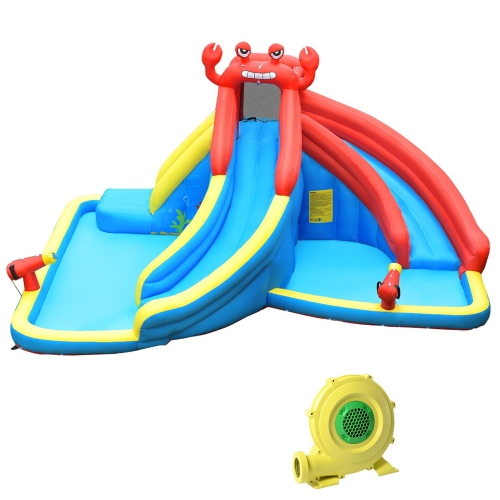
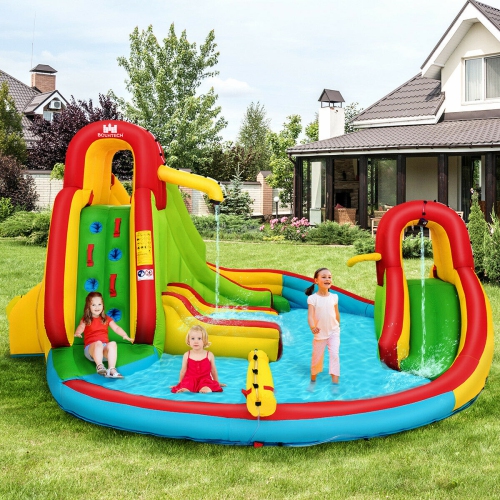
Backyard bouncing starts with a layout that fits
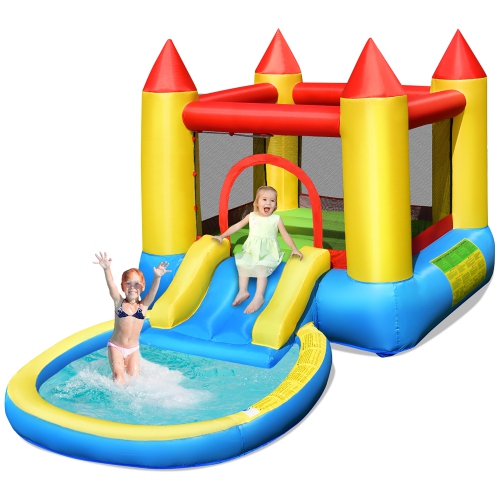
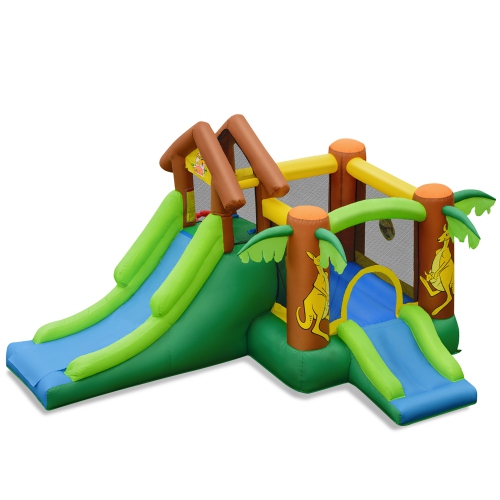
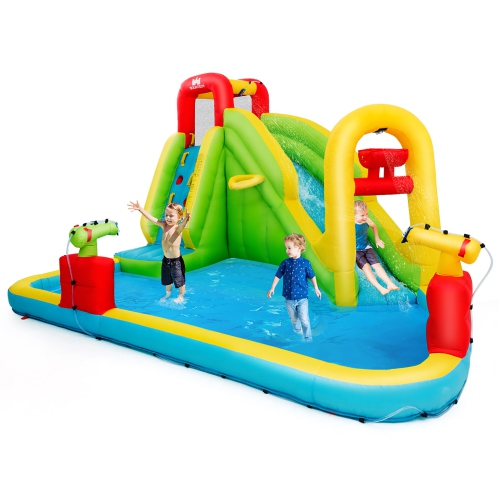
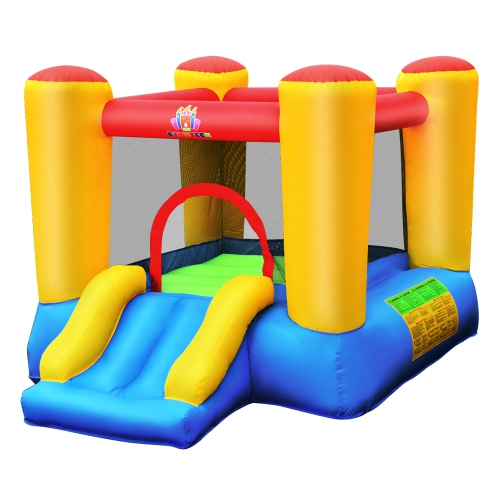
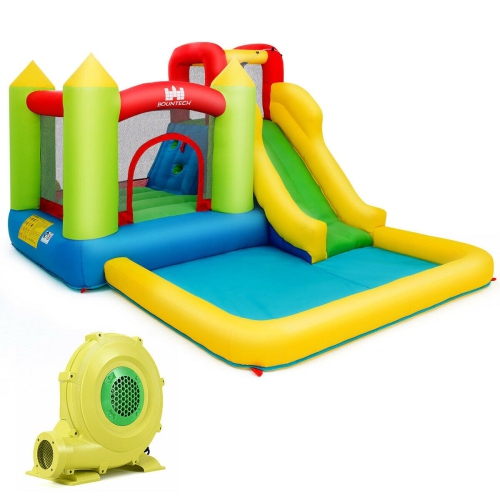
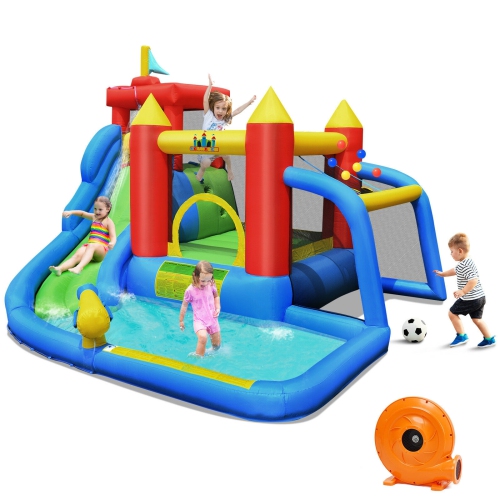
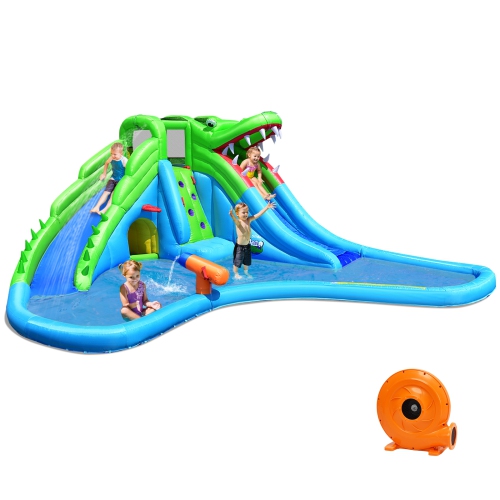
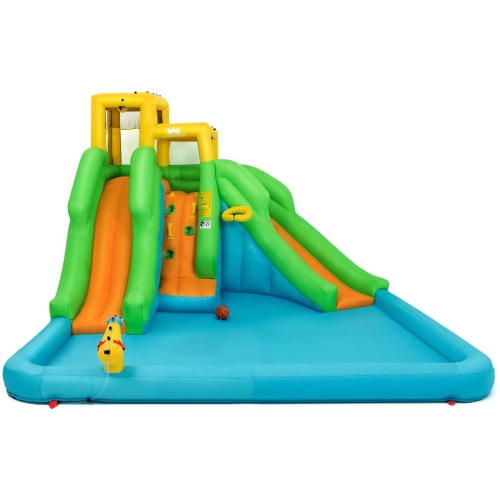
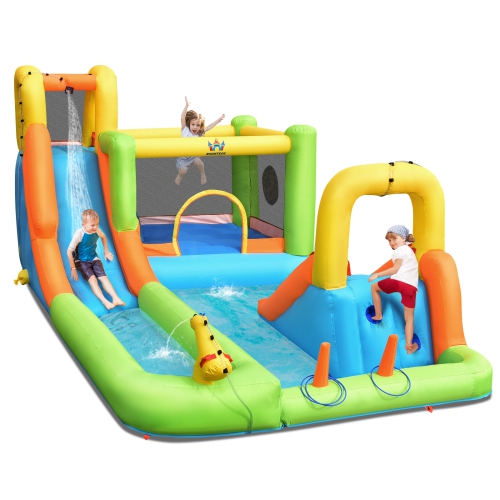
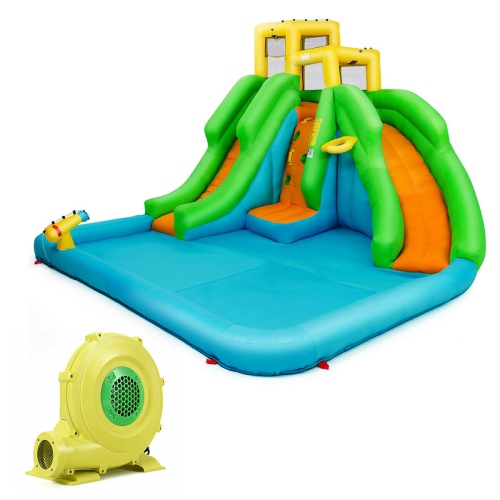
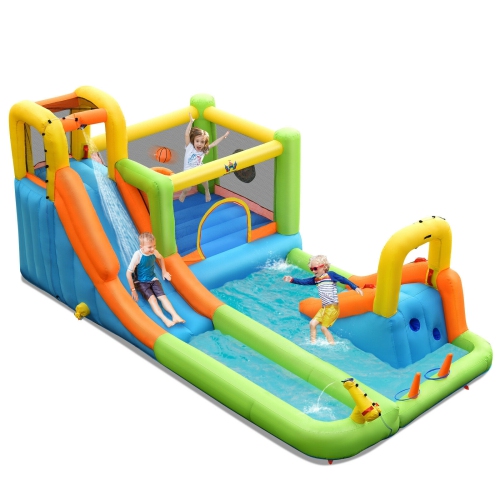
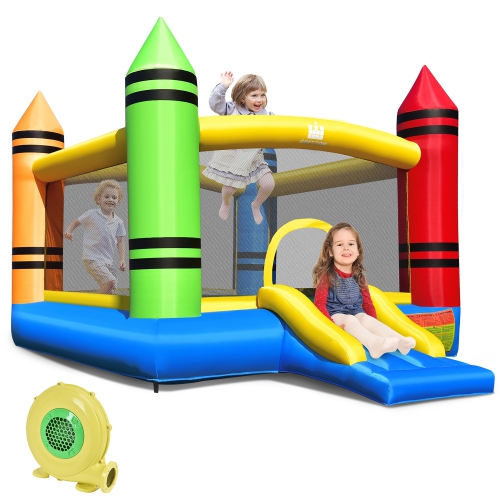
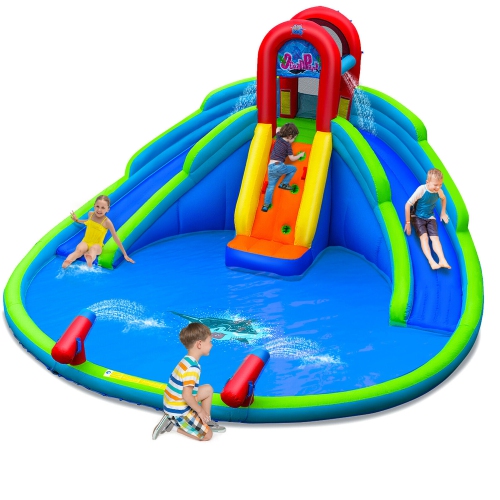
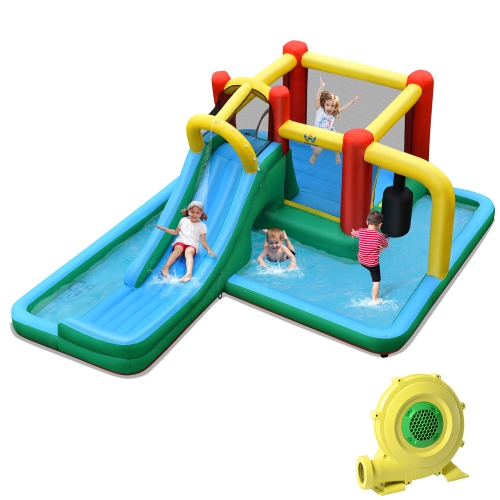
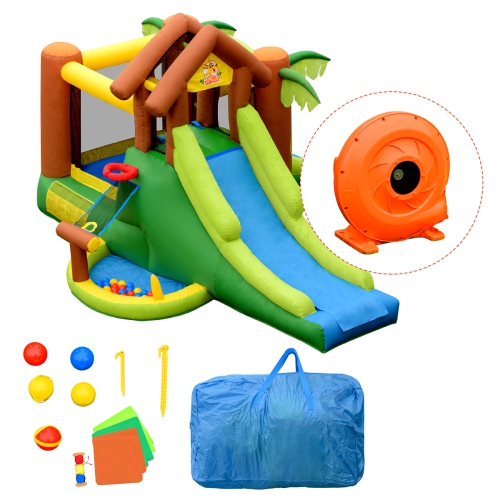
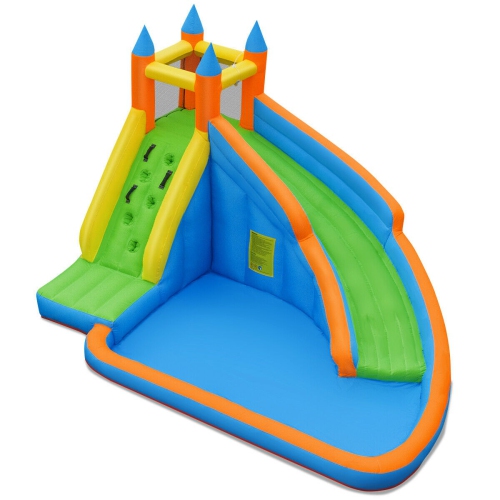
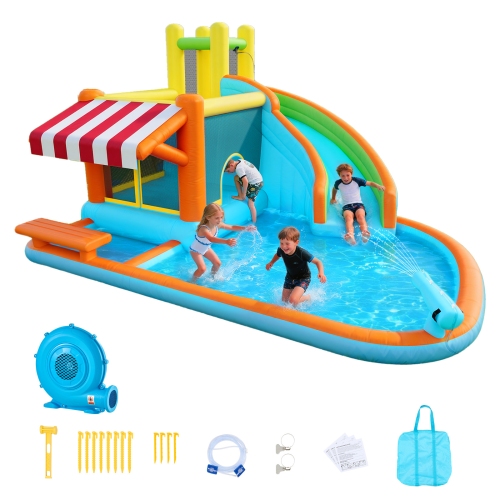
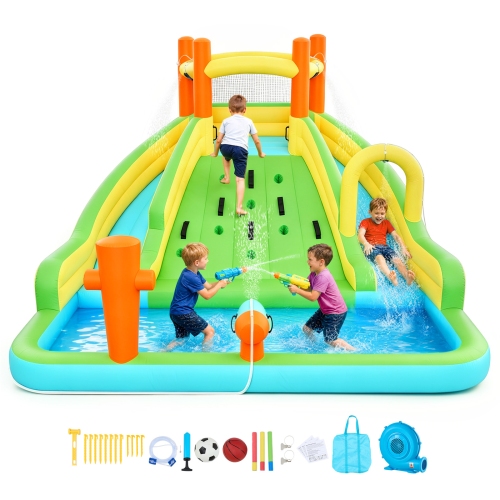
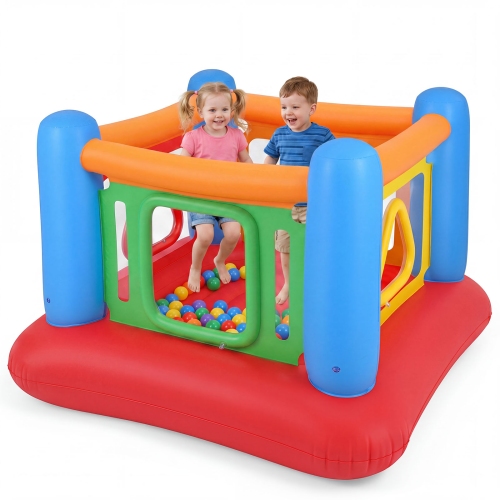
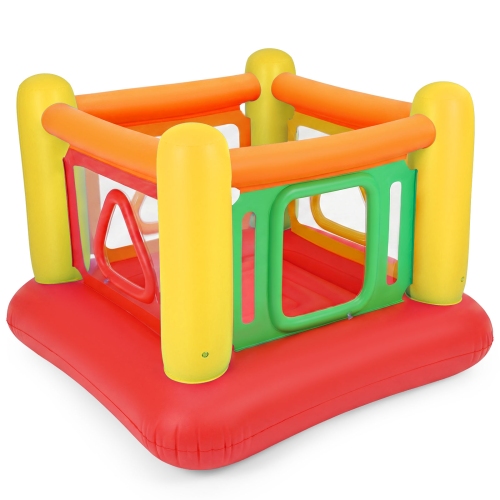
Inflatable bounce houses are air-filled play structures with a cushioned jumping area, often surrounded by mesh walls and paired with features such as slides, climbing sections, basketball hoops, or ball pits. Also called jumping castles or inflatable bouncers, they bring active play into a backyard or another suitable space, giving children room to bounce, crawl, climb, and invent games together. A simple enclosed jumping area can suit children who mostly want to hop and tumble, while a combination layout adds different activities within the same structure. A short climbing section leading to a slide, for example, creates a playful circuit rather than keeping everyone in one spot. Castle towers, animal shapes, and bright colours add to the appeal, but the usable play area matters more than the size of the decorative sections. Many residential designs are intended for younger children, although age ranges, height limits, individual weight limits, and total capacity vary by model. Those ratings determine who can use the structure and how many children can play at once; a larger footprint does not automatically mean it can accommodate older children or adults. For families with siblings, matching the design to the children’s sizes and abilities is especially important, as children of substantially different sizes should not bounce together. Residential bounce houses are intended for supervised home play, not automatically for the heavier use associated with public events or commercial rentals. They can make memorable gifts for families with a suitable setup area and an adult prepared to manage inflation, supervision, drying, and storage. For a broader look at this type of active-play equipment, Inflatable Bouncers brings together the category under another familiar name. Whether the occasion is a birthday gathering or an ordinary afternoon with siblings, the most useful layout is one that suits the children, the space, and the way the family expects to use it.
Materials and construction influence how an inflatable bounce house feels, how it holds up to repeated play, and how easily it can be packed away. Residential structures may use woven polyester or nylon fabrics, often with coatings, while some designs incorporate PVC or vinyl components in higher-wear areas. Fabric descriptions alone do not establish durability: stitching, seam reinforcement, the jumping surface, attachment points, and the manufacturer’s usage limits all matter. Reinforced seams help support areas exposed to repeated movement, and mesh panels allow airflow and make it easier for a supervising adult to see inside. Visibility is particularly useful when one child is near the entrance and another is climbing towards a slide, although mesh walls never replace close adult supervision. Many fabric bounce houses use a continuous-air system, meaning a compatible electric blower runs throughout play to maintain the structure’s shape. Some air escaping through stitched seams is normal for these designs. Sealed-air inflatables work differently, so the inflation method and operating instructions deserve attention. A blower is not included with every bounce house, and compatibility involves more than whether its hose connection fits; the required airflow and electrical specifications also need to match. Overall dimensions should account for the slide, entrance, inflation tube, and blower position, as well as the clearance required around the structure. A patch of lawn that fits the jumping base may still be too small once the full layout is considered. Level ground, a surface approved by the manufacturer, and distance from fences, branches, overhead wires, and other obstacles are essential. Indoor use is appropriate only when the manufacturer permits it and the room provides the required floor space, ceiling clearance, and securing arrangement. During cooler months, a basement or recreation room should never be assumed suitable simply because the folded inflatable fits through the door. The inflated height, overhead fixtures, access routes, and blower placement all affect whether that space can safely accommodate play.
Day-to-day enjoyment depends as much on setup and care as it does on colourful features. Outdoor bounce houses need to be secured exactly as directed, using the specified anchoring system at every required attachment point; children’s weight does not hold an inflatable safely in place. Wind limits are model-specific, and use should stop whenever conditions exceed the manufacturer’s limits or become unsafe. Rain, frost, and unsuitable temperatures can also affect the play surface and materials, making the operating conditions in the manual especially relevant during cooler weather. Water slides and splash areas belong only on structures expressly designed for water play, with the blower and electrical connections positioned and protected according to the instructions and applicable electrical safety requirements. Adding a hose to a dry-use bounce house is not a substitute for a water-compatible design. For any layout, a responsible adult should remain present and attentive, keep the entrance clear, and manage turns so the stated capacity is never exceeded. Shoes, sharp objects, food, and drinks should stay outside, and rough play or flips can turn a soft-looking surface into an injury risk. Before each session, checking seams, mesh, anchor points, the inflation tube, and the blower cord helps catch wear or damage before children enter. After play, loose grass and grit are easier to remove before the structure is folded. Cleaning should follow the care label, typically with a mild cleaning solution where permitted rather than harsh chemicals or abrasive scrubbing. Every section needs to be fully dry before storage, including slide folds, corners, and any splash area, because trapped moisture can lead to mildew and unpleasant odours. A dry, protected storage location helps prevent damage between uses, while careful folding avoids unnecessary strain on the fabric. Small repairs should use only approved methods, and damage to structural seams or attachment points warrants manufacturer advice before further use. With a suitable footprint, age-appropriate features, and manageable care requirements, an inflatable bounce house can become a familiar part of supervised family play rather than an oversized project each time it comes out.
Materials and construction influence how an inflatable bounce house feels, how it holds up to repeated play, and how easily it can be packed away. Residential structures may use woven polyester or nylon fabrics, often with coatings, while some designs incorporate PVC or vinyl components in higher-wear areas. Fabric descriptions alone do not establish durability: stitching, seam reinforcement, the jumping surface, attachment points, and the manufacturer’s usage limits all matter. Reinforced seams help support areas exposed to repeated movement, and mesh panels allow airflow and make it easier for a supervising adult to see inside. Visibility is particularly useful when one child is near the entrance and another is climbing towards a slide, although mesh walls never replace close adult supervision. Many fabric bounce houses use a continuous-air system, meaning a compatible electric blower runs throughout play to maintain the structure’s shape. Some air escaping through stitched seams is normal for these designs. Sealed-air inflatables work differently, so the inflation method and operating instructions deserve attention. A blower is not included with every bounce house, and compatibility involves more than whether its hose connection fits; the required airflow and electrical specifications also need to match. Overall dimensions should account for the slide, entrance, inflation tube, and blower position, as well as the clearance required around the structure. A patch of lawn that fits the jumping base may still be too small once the full layout is considered. Level ground, a surface approved by the manufacturer, and distance from fences, branches, overhead wires, and other obstacles are essential. Indoor use is appropriate only when the manufacturer permits it and the room provides the required floor space, ceiling clearance, and securing arrangement. During cooler months, a basement or recreation room should never be assumed suitable simply because the folded inflatable fits through the door. The inflated height, overhead fixtures, access routes, and blower placement all affect whether that space can safely accommodate play.
Day-to-day enjoyment depends as much on setup and care as it does on colourful features. Outdoor bounce houses need to be secured exactly as directed, using the specified anchoring system at every required attachment point; children’s weight does not hold an inflatable safely in place. Wind limits are model-specific, and use should stop whenever conditions exceed the manufacturer’s limits or become unsafe. Rain, frost, and unsuitable temperatures can also affect the play surface and materials, making the operating conditions in the manual especially relevant during cooler weather. Water slides and splash areas belong only on structures expressly designed for water play, with the blower and electrical connections positioned and protected according to the instructions and applicable electrical safety requirements. Adding a hose to a dry-use bounce house is not a substitute for a water-compatible design. For any layout, a responsible adult should remain present and attentive, keep the entrance clear, and manage turns so the stated capacity is never exceeded. Shoes, sharp objects, food, and drinks should stay outside, and rough play or flips can turn a soft-looking surface into an injury risk. Before each session, checking seams, mesh, anchor points, the inflation tube, and the blower cord helps catch wear or damage before children enter. After play, loose grass and grit are easier to remove before the structure is folded. Cleaning should follow the care label, typically with a mild cleaning solution where permitted rather than harsh chemicals or abrasive scrubbing. Every section needs to be fully dry before storage, including slide folds, corners, and any splash area, because trapped moisture can lead to mildew and unpleasant odours. A dry, protected storage location helps prevent damage between uses, while careful folding avoids unnecessary strain on the fabric. Small repairs should use only approved methods, and damage to structural seams or attachment points warrants manufacturer advice before further use. With a suitable footprint, age-appropriate features, and manageable care requirements, an inflatable bounce house can become a familiar part of supervised family play rather than an oversized project each time it comes out.
Top selling and popular products
-
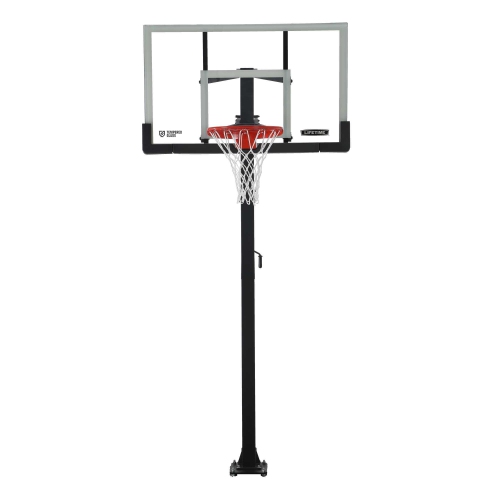 Your price for this item is $1369.99
 -
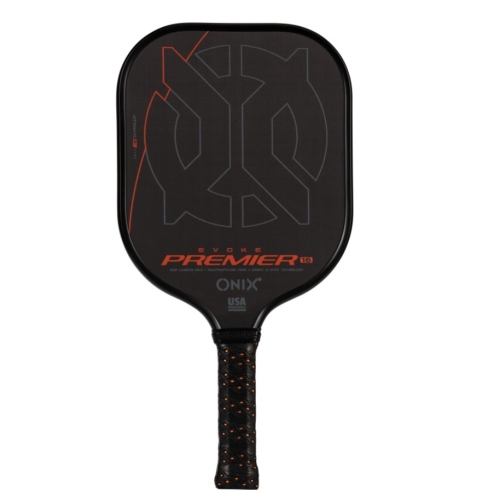 Your price for this item is $139.99
 -
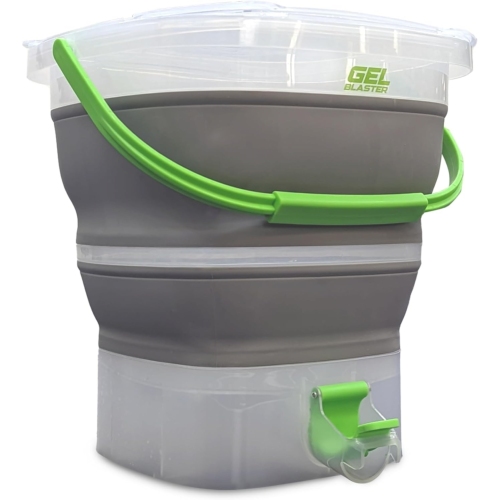 Your price for this item is $34.99
 -
 Your price for this item is $999.99
 -
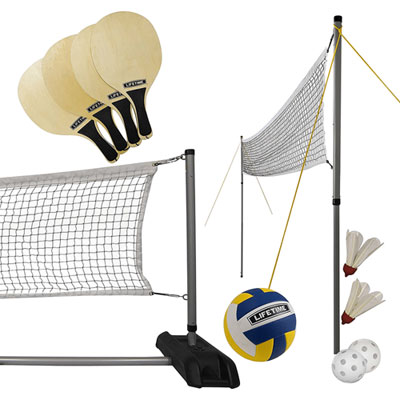 Your price for this item is $218.98
 -
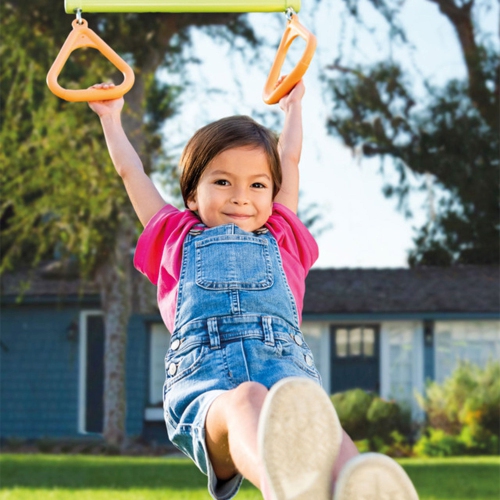 Your price for this item is $347.99
 -
 Your price for this item is $289.99
 -
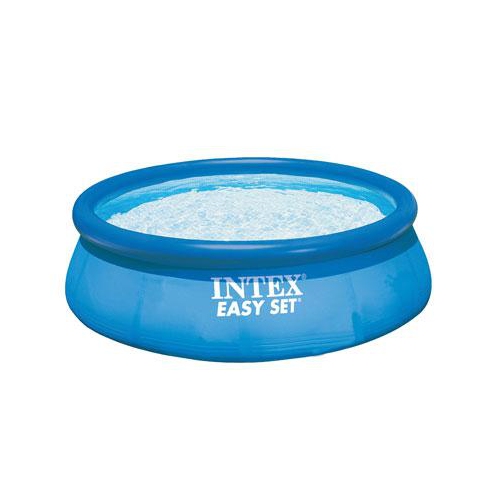 Your price for this item is $237.99
Discover more categories related to Inflatable Bounce Houses
Top Collections:
Pokemon Centers, Budget 4K TVs, Kindle Devices, Canon G7X Cameras, Apple iPhones 16, iPhone 15 Apple, Laptops for Business Work, Flip Phones, Xiaomi Phones, Refurbished Apple Laptops
Some products may be subject to Environmental Handling Fees
(EHF) depending on your province.
Learn more about EHFs.