Kids Bed Sets
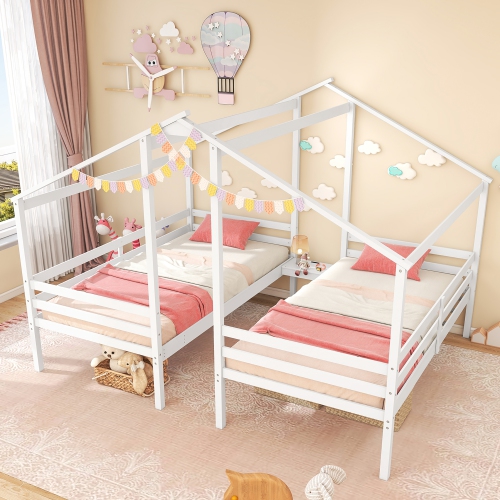
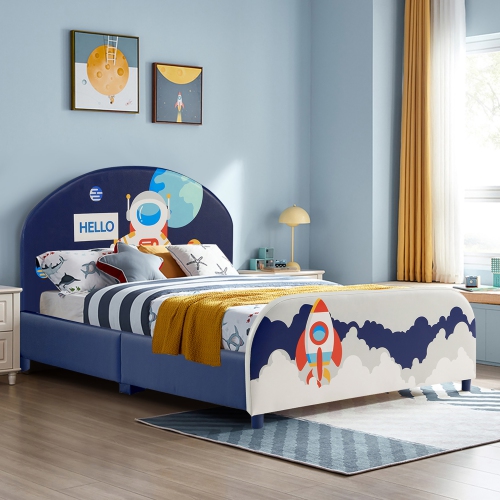
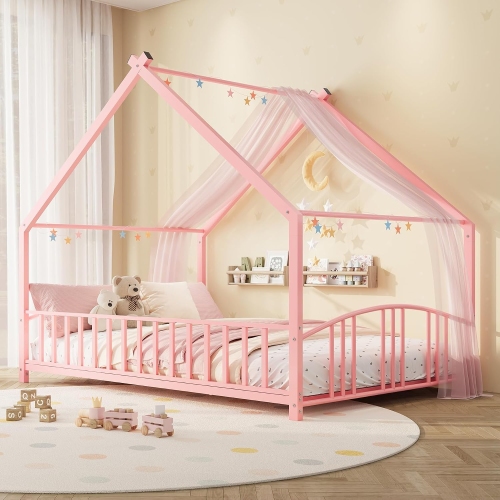
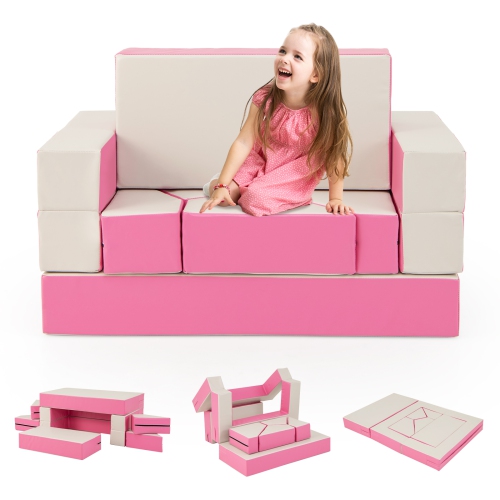
Beds for kids are made to last a long time, and they're built to be sturdy and durable. That's why it's important to choose the right bed set for your child. With the right bed set, your child can enjoy a comfortable and stylish bedroom that will last for years. Here are some of the best beds for your kids available on the market today.
Sort














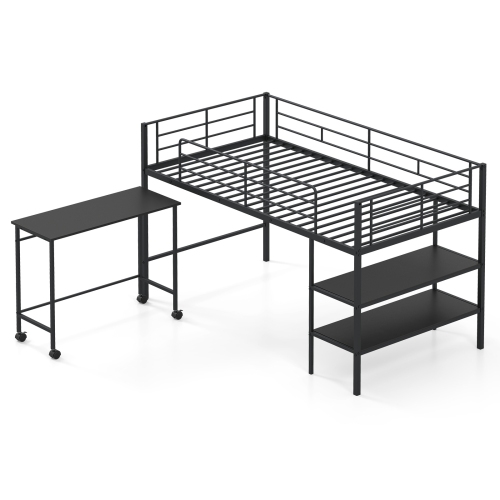


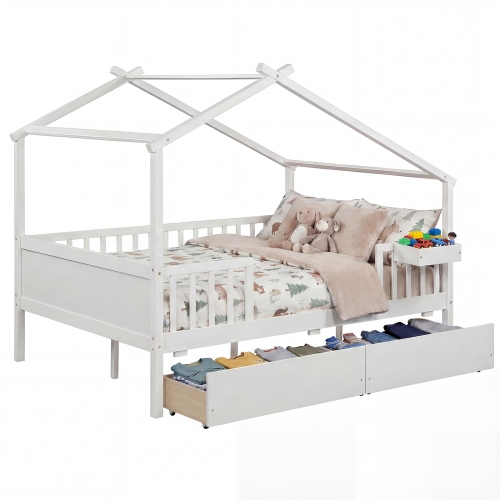
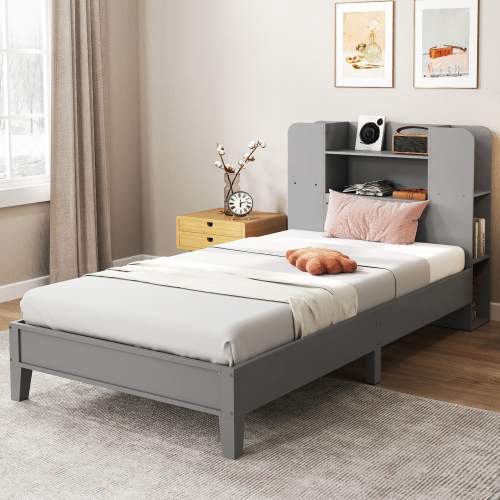
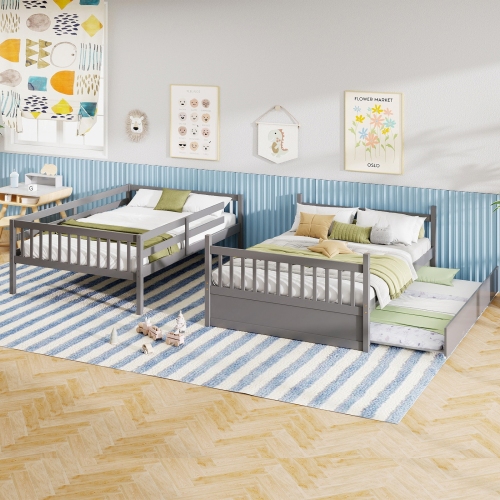


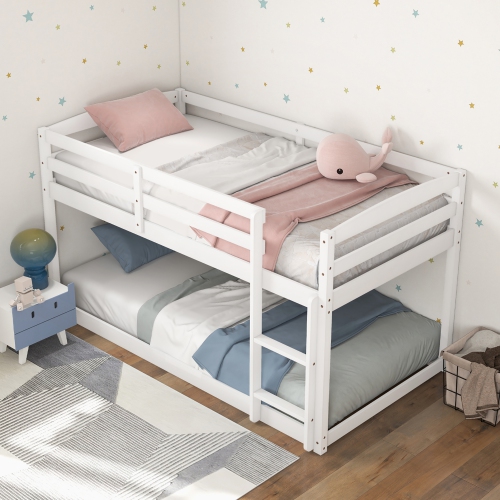


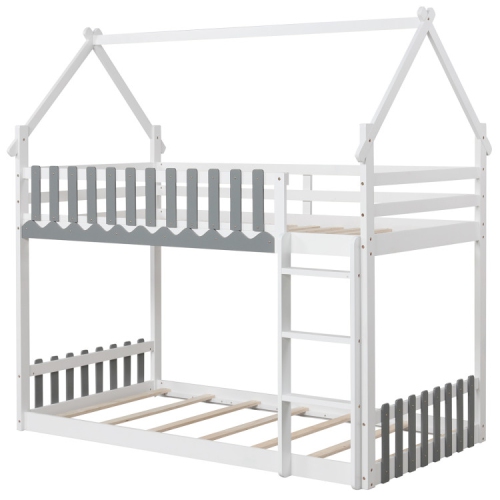
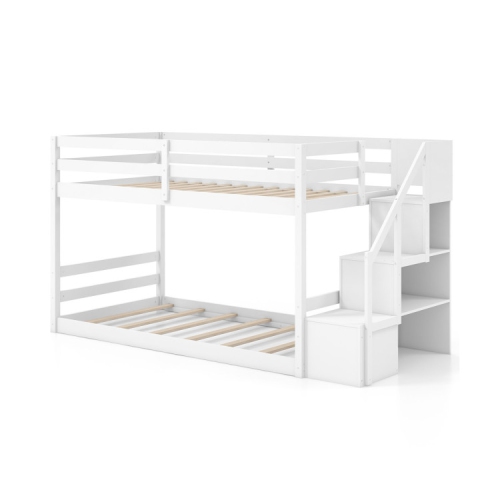


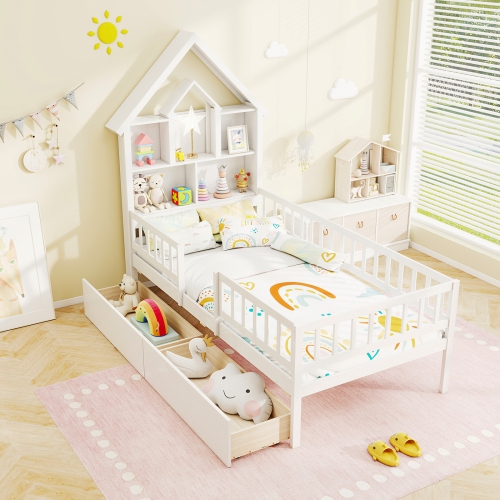



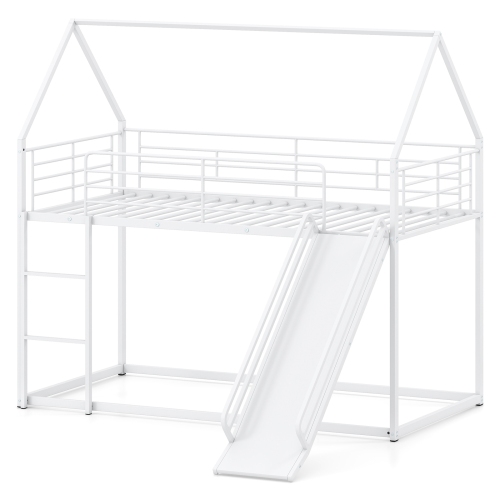

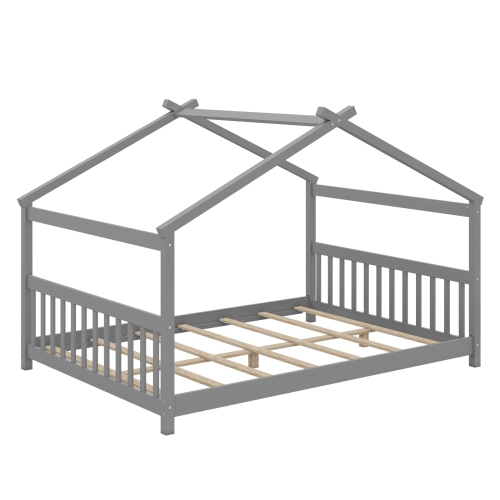
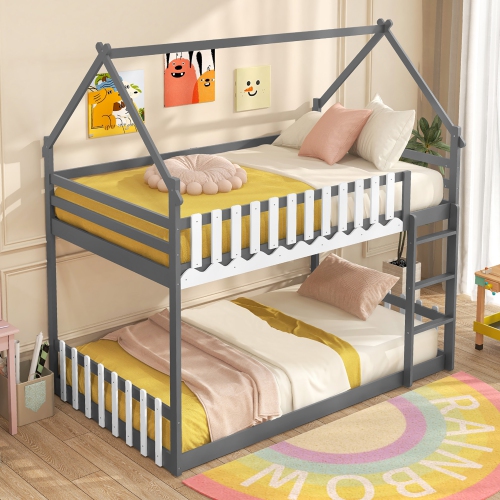
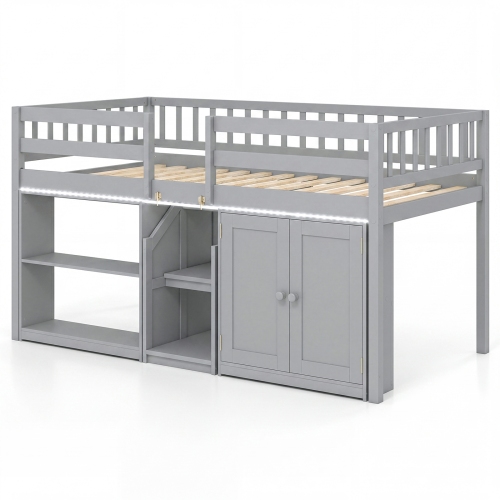
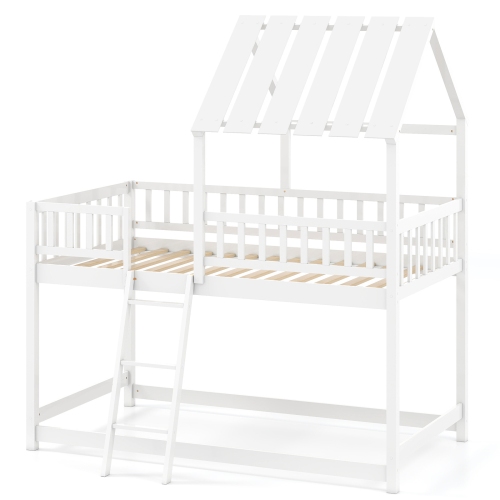
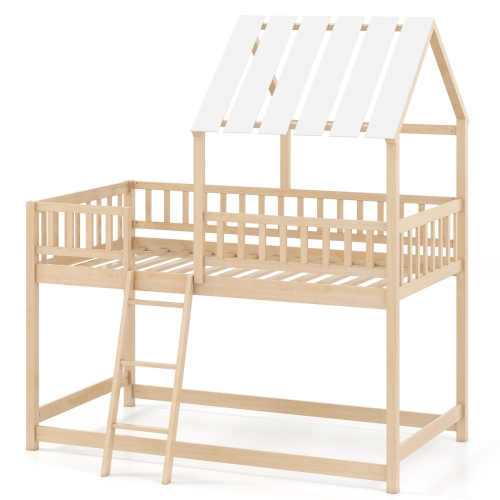
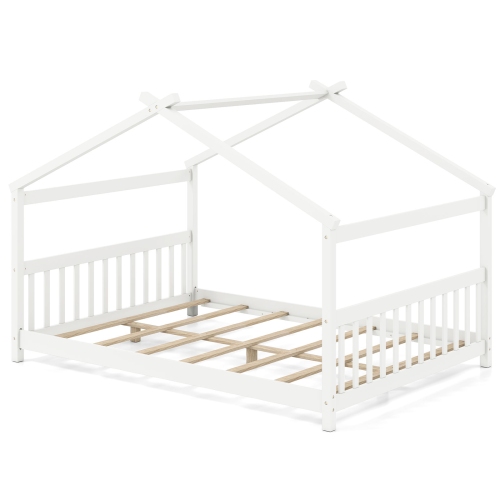


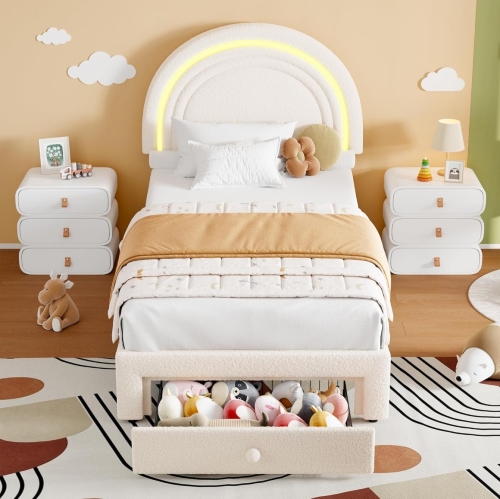
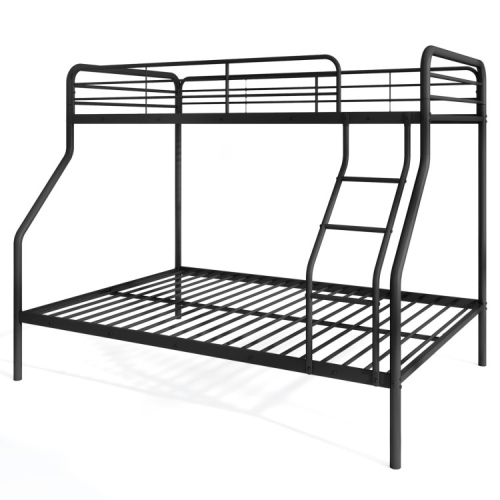
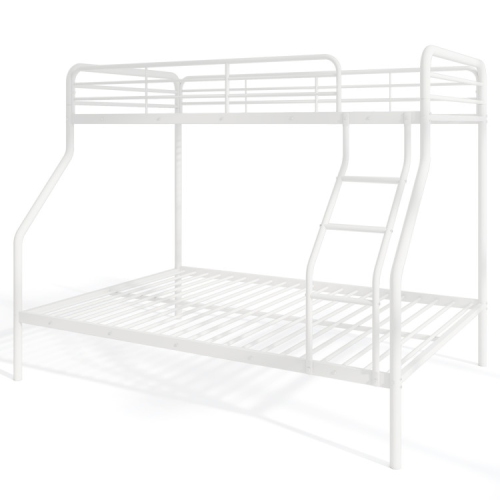
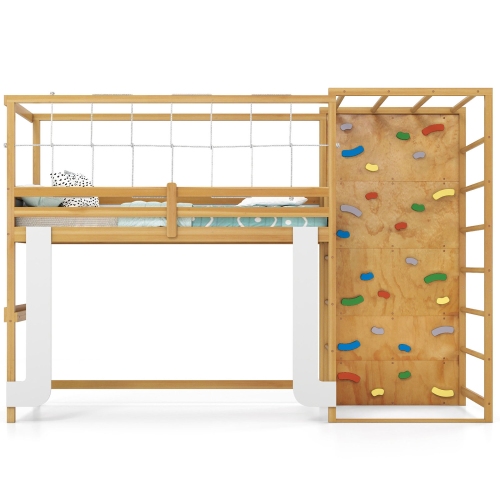


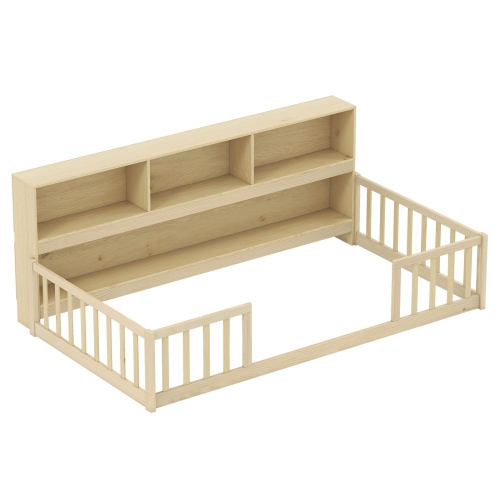


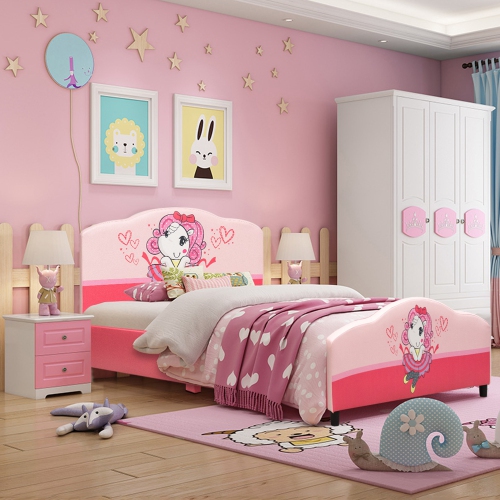

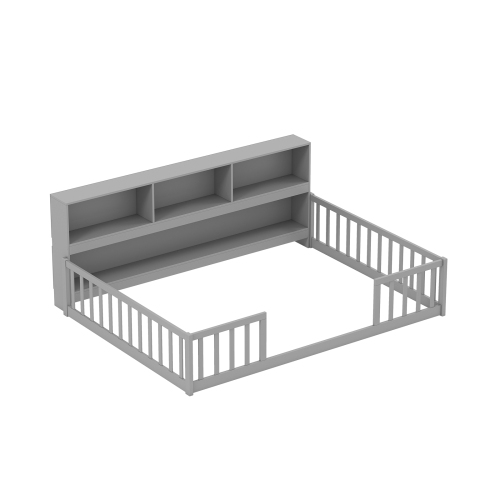


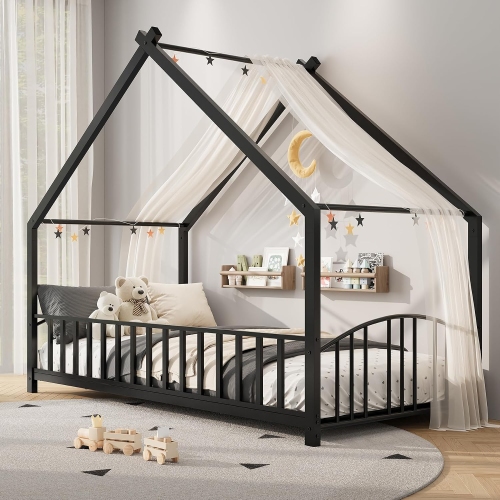


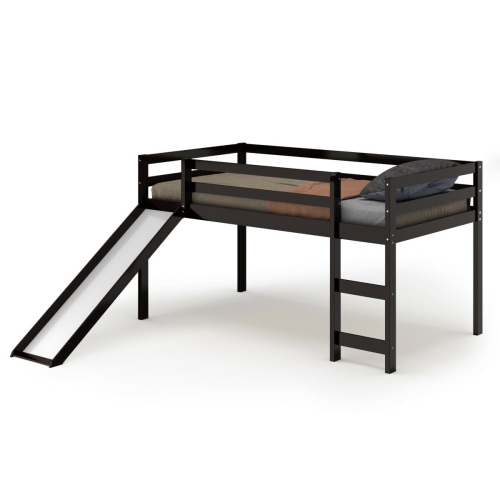


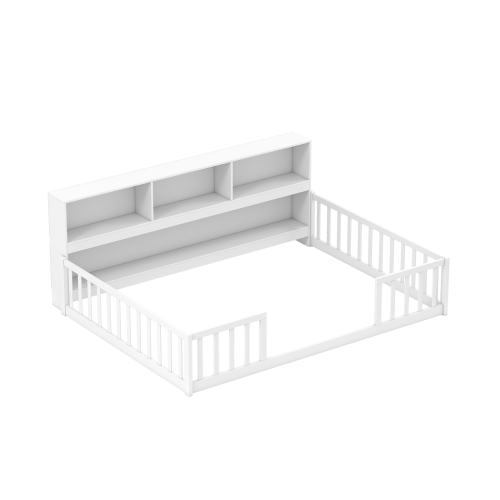

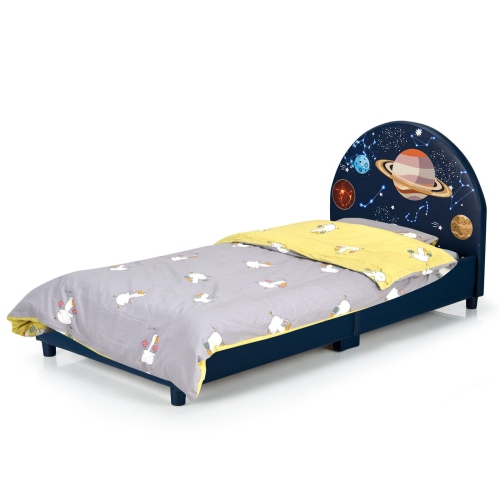


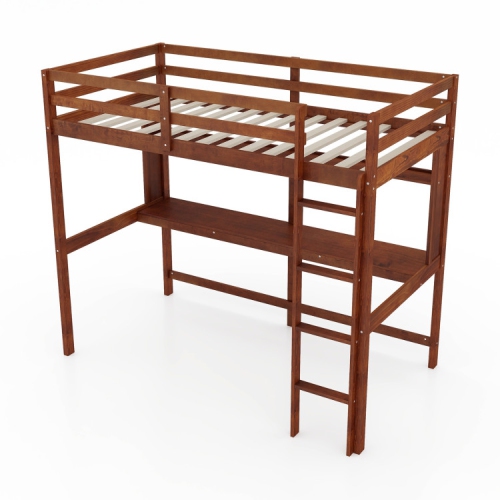
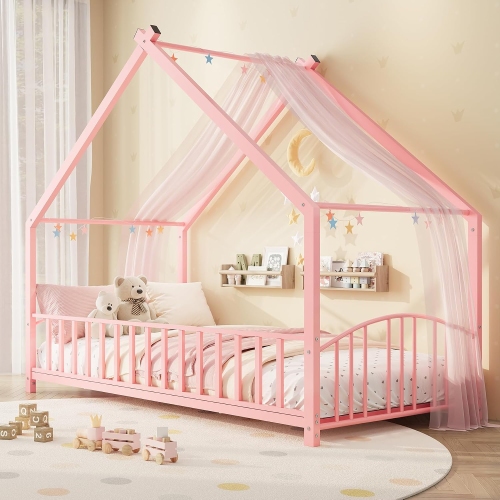
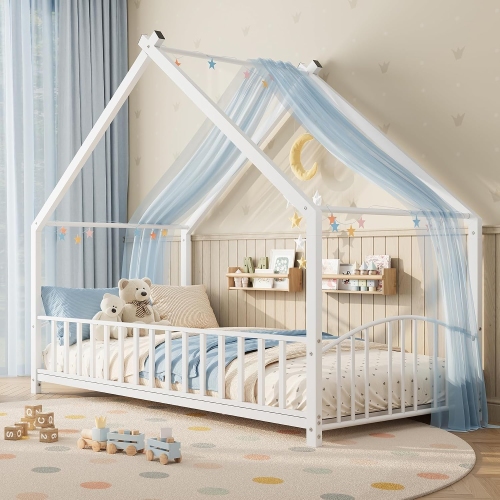


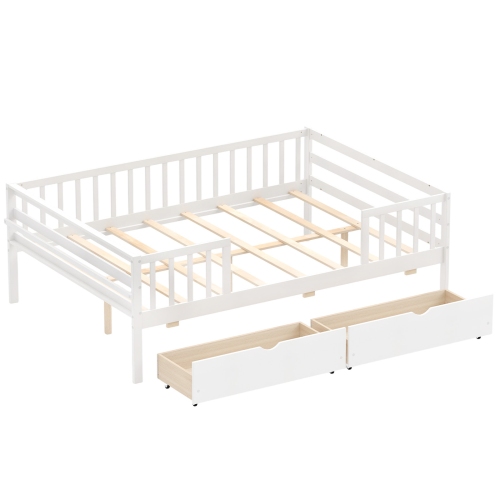


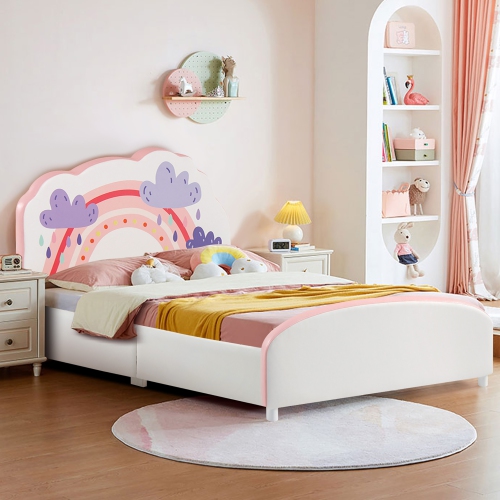
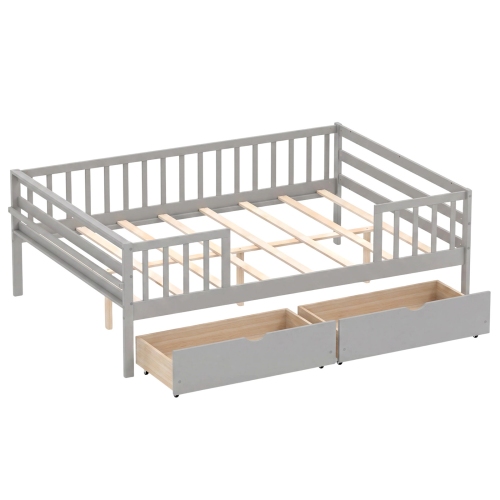




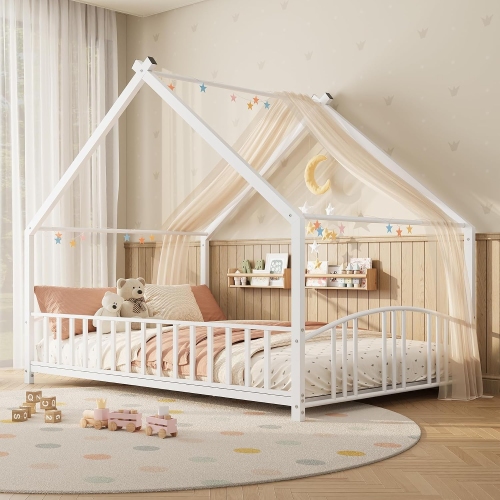


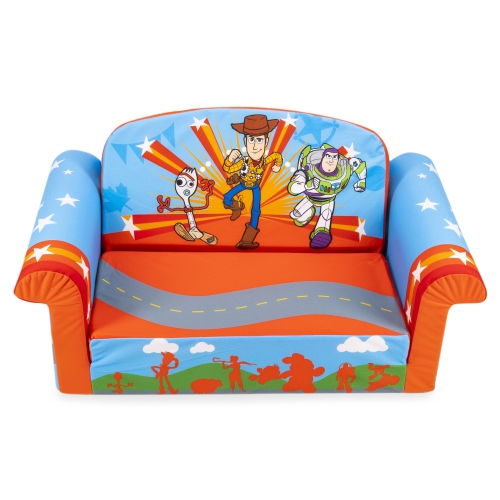
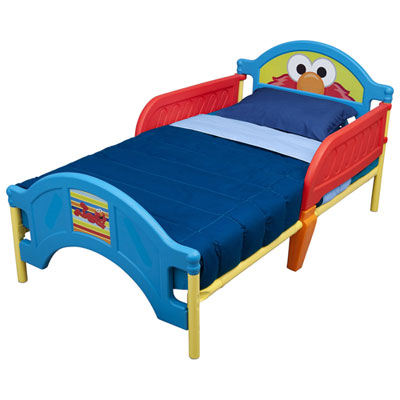

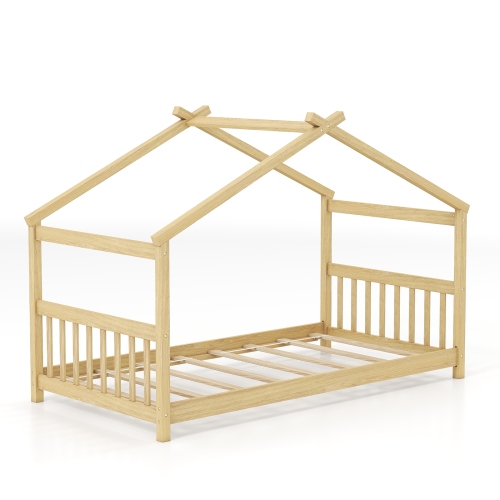



Why bedding piece counts don’t tell the whole story
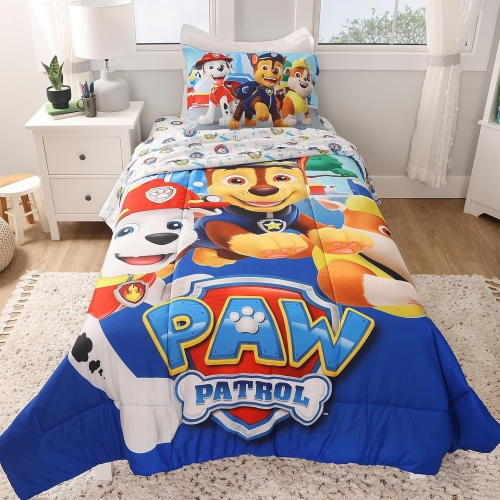
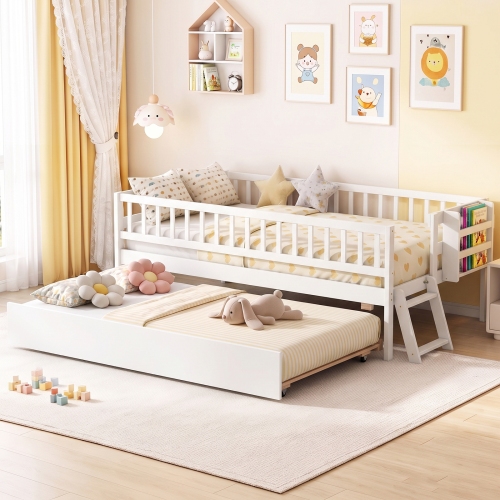
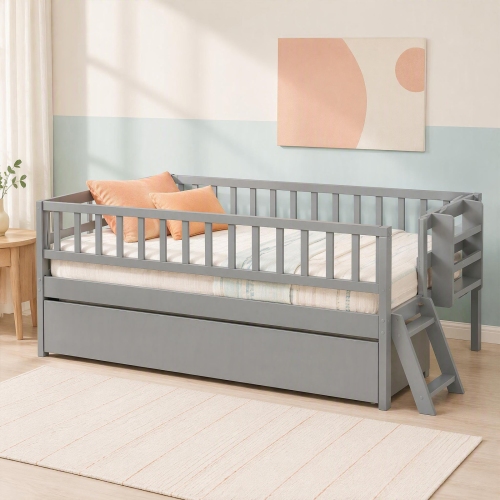
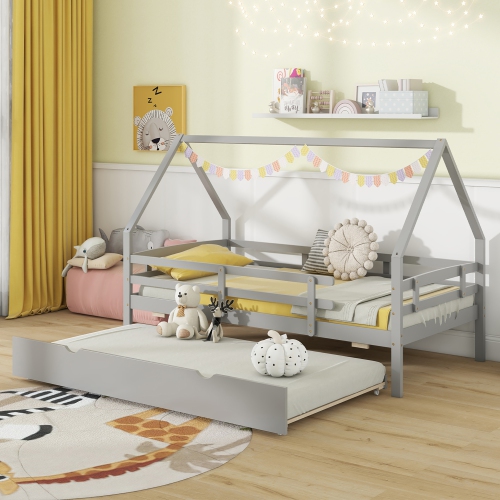
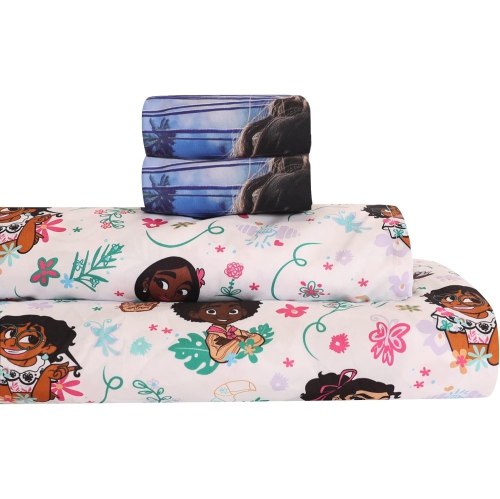
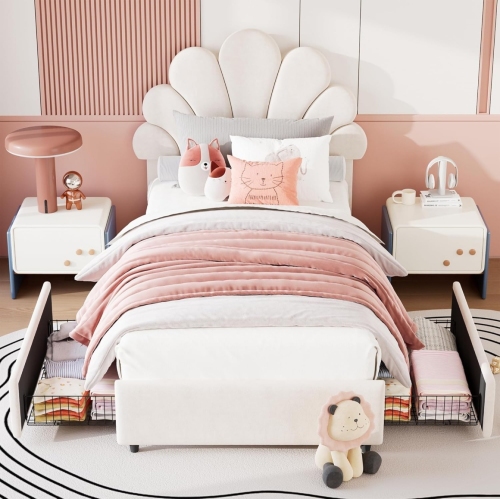
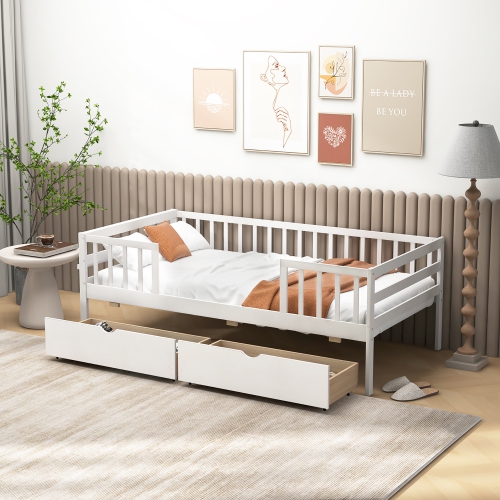
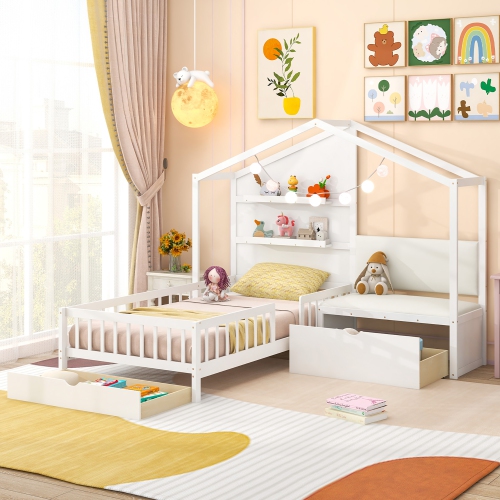
Kids bed sets bring together coordinating bedding pieces to give a child’s bed a finished look, with combinations ranging from sheet sets to comforter sets and more complete bed-in-a-bag options. A sheet set typically includes a fitted sheet, a flat sheet and one or more pillowcases, while a comforter set generally pairs a filled bed covering with matching pillow shams. A duvet cover set is different: the cover is designed to hold a separate duvet insert, which may not be included. More complete sets can combine sheets, pillowcases and a comforter, although the contents vary. The piece count alone does not tell the whole story, since each pillowcase or decorative sham may count as a separate piece. Knowing which components are included helps families coordinate bedding with pieces already in the linen cupboard, whether that means keeping a favourite pillowcase or using an existing duvet insert. Fit is equally important. Twin, twin XL and double mattresses need appropriately sized bedding, and toddler bedding should be matched to the actual mattress rather than chosen by the child’s age. Twin and twin XL mattresses differ in length, so their fitted sheets are not interchangeable. For families coordinating bedding with Kid Beds, mattress dimensions and depth are more useful fit references than the frame’s outside measurements. A fitted sheet needs enough pocket depth to sit securely around the mattress, including any topper, without loose corners or excessive bunching. Comforter and duvet cover measurements also matter because bedding labelled for the same bed size can have different dimensions. A cover that is much larger than its insert can leave empty fabric at the edges, while an undersized cover can make the filling bunch. On a bunk bed or a bed beside a wall, a manageable amount of overhang can make daily tidying easier and keep excess fabric away from steps and walkways.
Materials influence how children’s bedding feels against the skin, how it drapes and how it stands up to repeat washing. Cotton is a familiar choice for sheets and duvet covers, with the weave contributing to its texture: percale generally has a crisp, matte feel, while sateen has a smoother surface and a subtle sheen. Polyester microfibre usually has a fine, soft texture and tends to resist wrinkling. Cotton blends combine fibres, so their feel and care requirements depend on the blend rather than the name alone. A brushed finish adds a soft surface that some children enjoy, while others prefer bedding that feels smooth and flat. For a child who notices every seam or scratchy label, the underside of a comforter, the edge of a pillowcase and the position of a duvet closure can matter as much as the pattern. Comforters have filling enclosed within an outer shell, whereas quilts generally have a flatter, stitched construction; duvet covers provide a removable outer layer for an insert. These differences affect bulk, weight and the work involved in changing the bed. Durable construction is especially useful for bedding that goes through frequent laundry cycles. Even stitching, neatly finished seams, secure fasteners and well-attached elastic help the pieces retain their shape through everyday use. Care labels remain the best reference for washing and drying, since a machine-washable cover does not necessarily mean its insert has the same care requirements. Larger filled pieces also need enough room in the washer and dryer to move properly. Closing zippers or fastening buttons before laundering can reduce snagging, and drying bedding fully before putting it away helps prevent dampness from lingering in folded fabric. A separate, correctly fitted mattress protector can handle a different job from the sheet set, adding a washable layer between the bedding and mattress without being assumed part of the set.
Colour and pattern give kids bed sets much of their personality, but the most useful designs also work with the way a child’s room is used. Animal illustrations, stars, vehicles, florals and geometric patterns can reflect a child’s interests without requiring every furnishing to match. A patterned comforter paired with simpler sheets can create a clear focal point, while a quieter palette leaves more visual space for books, artwork and treasured toys. Reversible bedding offers two looks within the same set and can make a small room feel refreshed simply by turning the cover over. In a shared bedroom, coordinating colours can connect two beds while different prints give each child a space that feels their own. Bedding can also help a child take part in ordinary routines. A design with an obvious top and bottom makes it easier to orient a cover, and a less bulky bed covering can be more manageable for a child learning to straighten the bed independently. Simple closures may make changing a duvet cover easier for caregivers, although fasteners should remain secure during use. Decorative cushions and shams can add detail to a made bed, but sleeping pillows and practical bedding deserve separate consideration; decorative pieces are not substitutes for sleep essentials. Kids bedding can be a thoughtful gift when a child moves into a larger bed, gets a room of their own or wants a bedroom that better reflects their interests. For gifting, the mattress size, preferred textures and included components matter more than choosing the most elaborate pattern. A child who loves a particular colour may enjoy a simple set just as much as a detailed illustrated design. The strongest combinations balance a look the child enjoys with a fit that stays comfortable, fabrics that suit their preferences and care requirements that fit the household’s routine. That balance gives the bedding a useful role beyond decoration, from reading together before lights-out to making the bed the next morning.
Top selling and popular products
-
 Your price for this item is $493.52
-
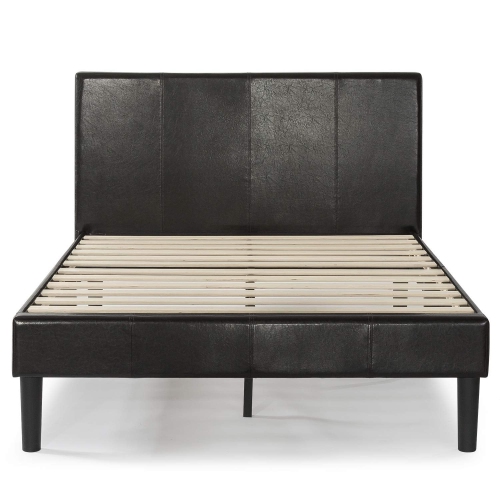 Your price for this item is $611.85
-
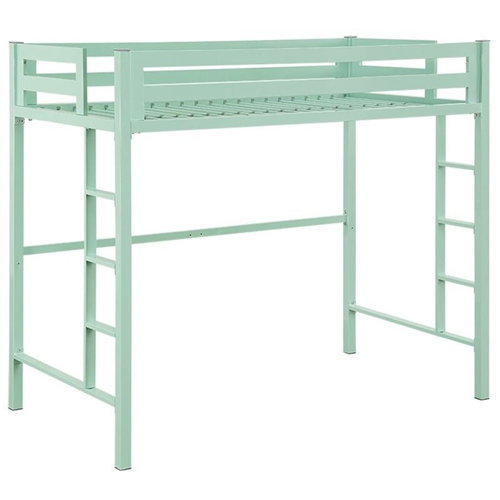 Your price for this item is $824.18
-
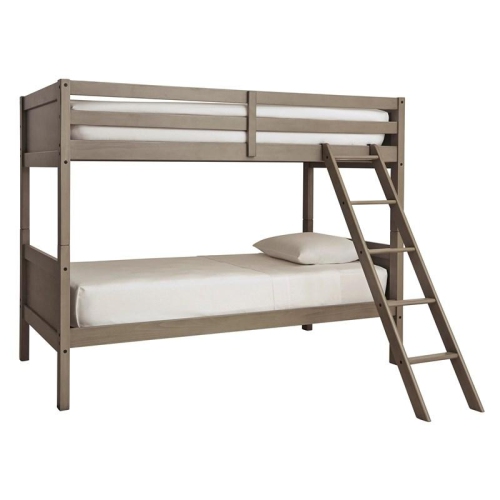 Your price for this item is $799.99
-
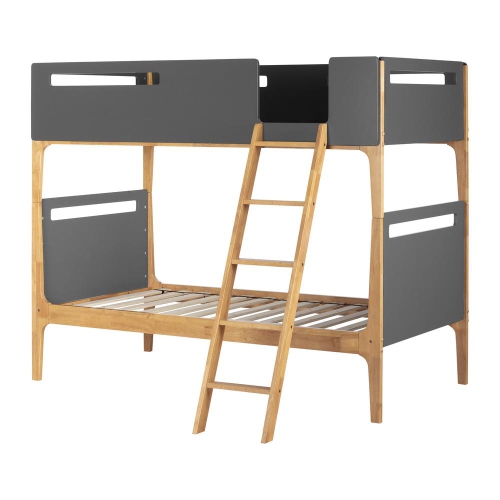 Your price for this item is $985.42
-
 Your price for this item is $157.99
-
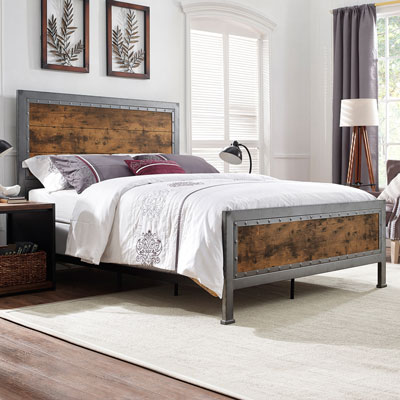 Your price for this item is $862.99
-
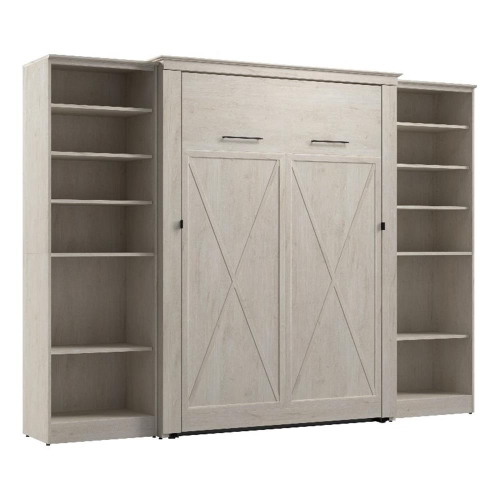 Your price for this item is $3099.99
Discover more categories related to Kids Bed Sets

Top Collections:
Pokemon Centers, Best Cameras for Sports Photography, Kindle Devices, Samsung Galaxy Phones, Canon G7X Cameras, Pokémon 30th Celebration Cards, Refurbished Apple Laptops, iPhone 15 Apple, Laptops for Students, Budget Smartphones
Some products may be subject to Environmental Handling Fees
(EHF) depending on your province.
Learn more about EHFs.