Kids Craft Tables
If you're looking to spark your child's creativity and keep them entertained for hours on end, this kids' craft table selection offers the perfect solution for young artists in the making. Whether they enjoy painting, drawing, or building, a dedicated craft table provides a designated space where little ones can unleash their imagination and create masterpieces. With various sizes, styles, and features available, finding the ideal craft table to inspire your child's artistic endeavors has never been easier.
Sort
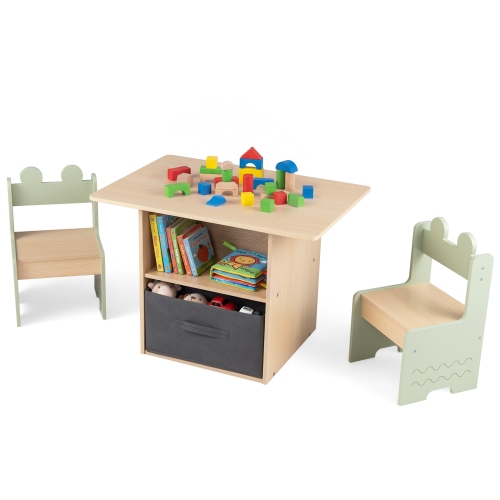
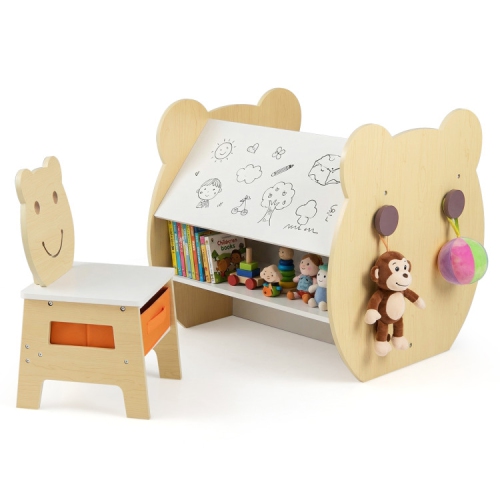
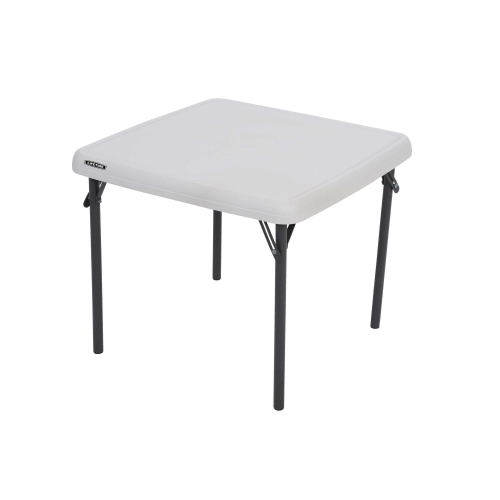
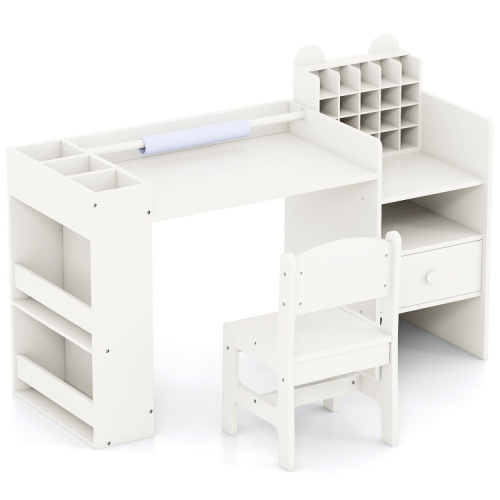
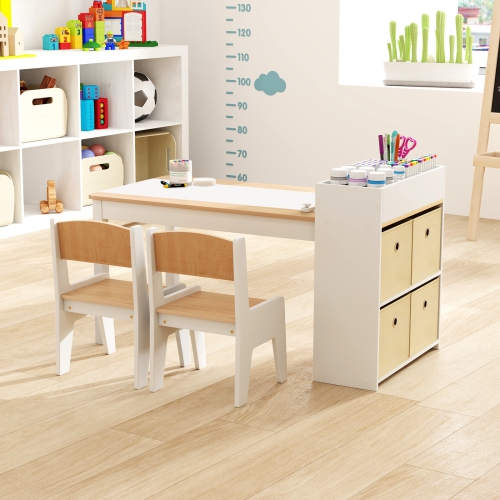
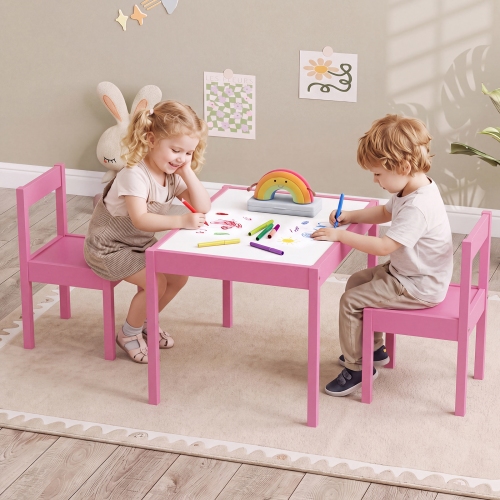
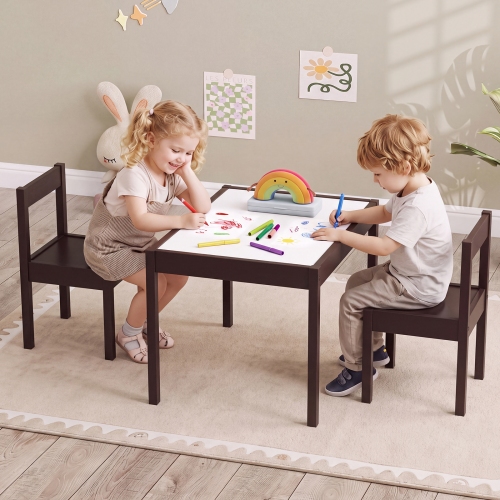
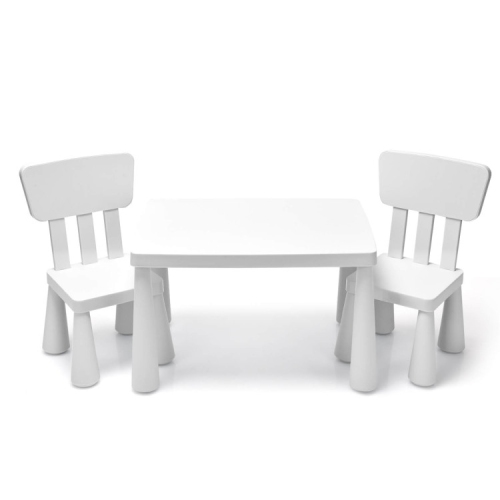
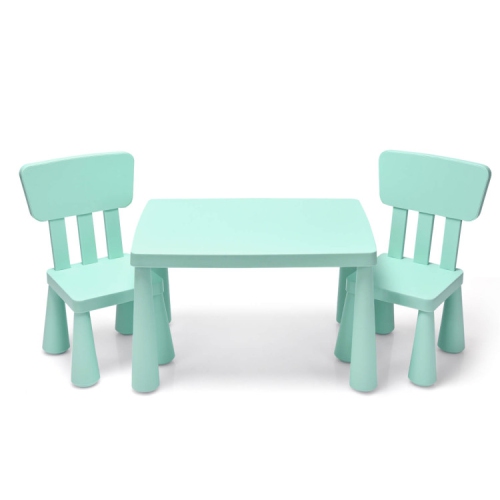
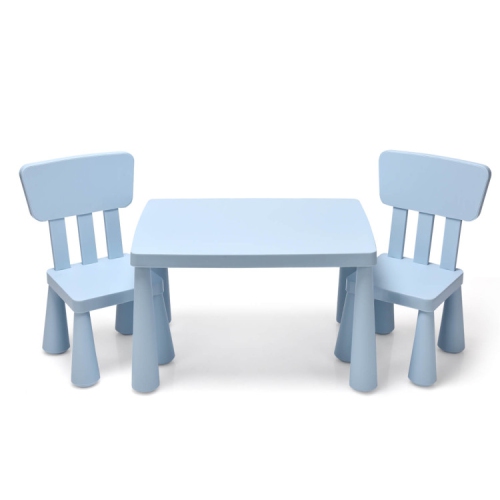
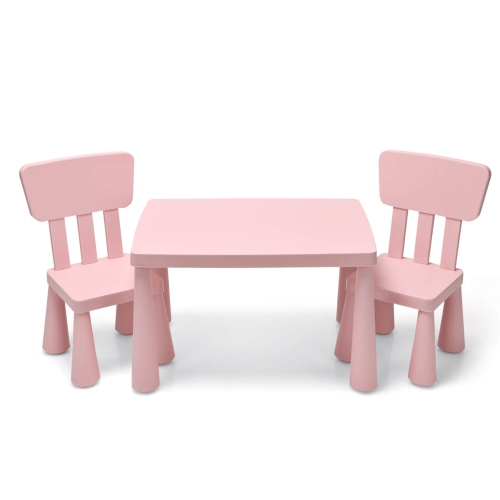
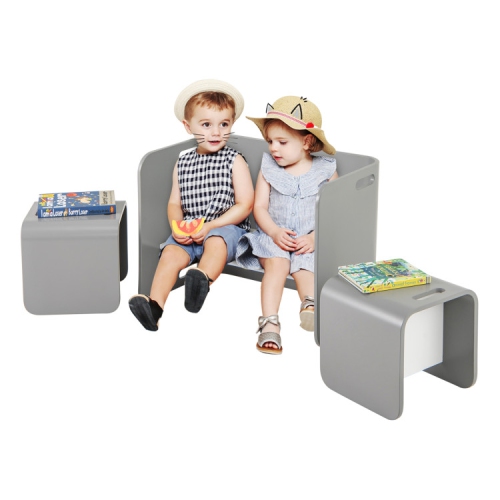
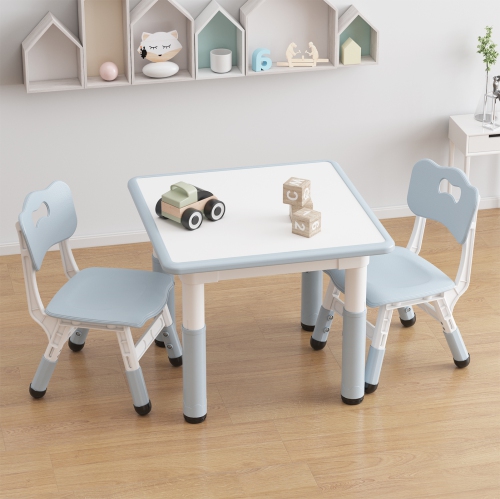
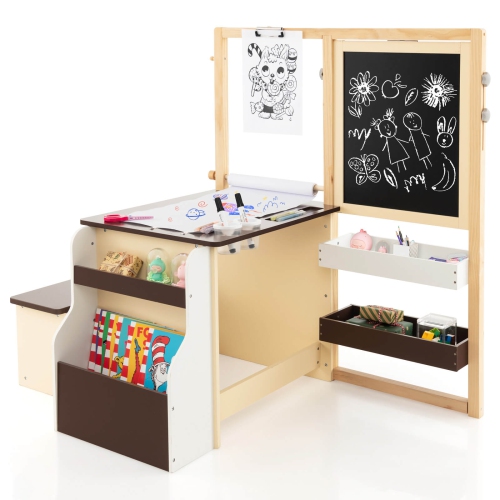
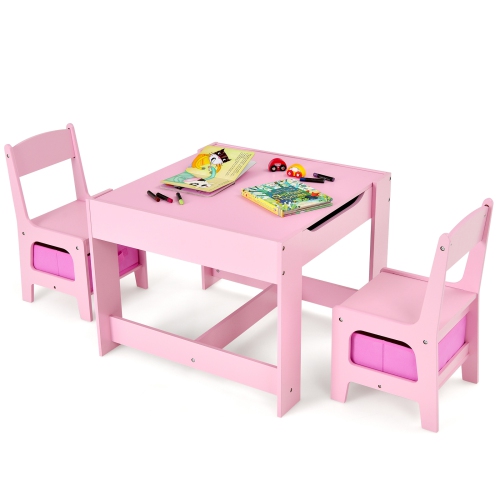
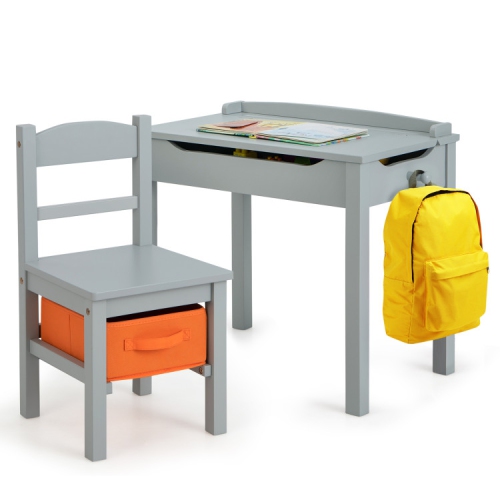
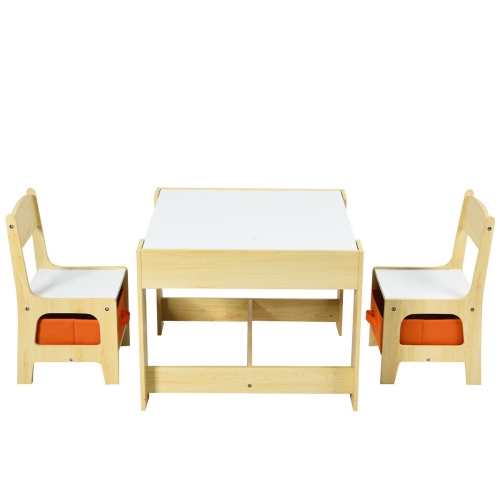
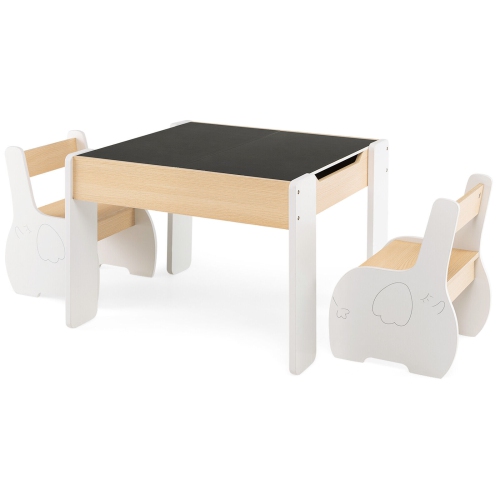
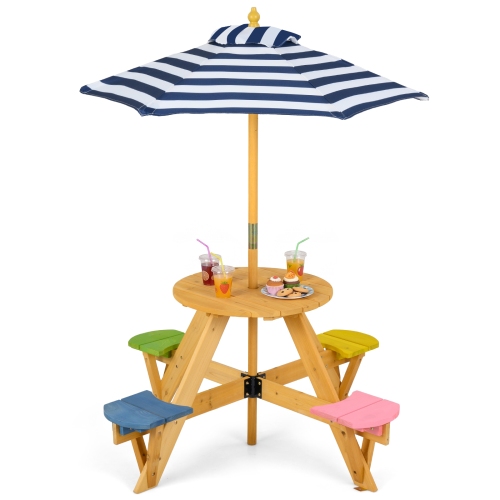
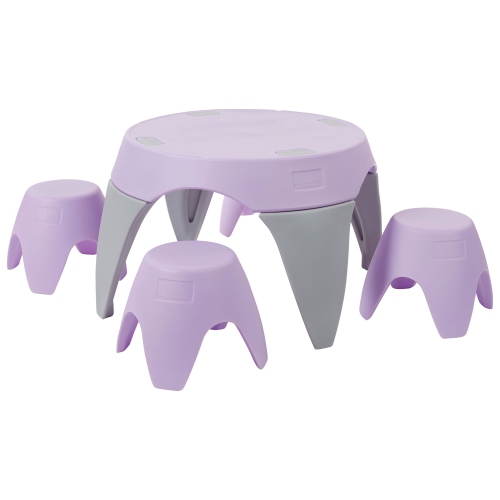
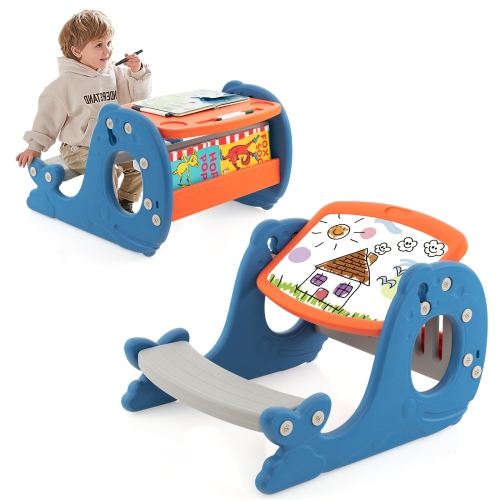
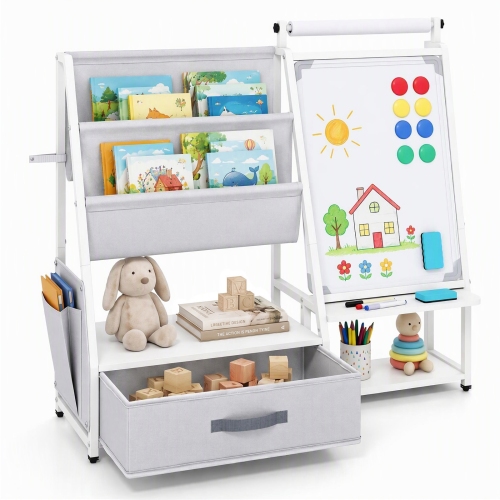
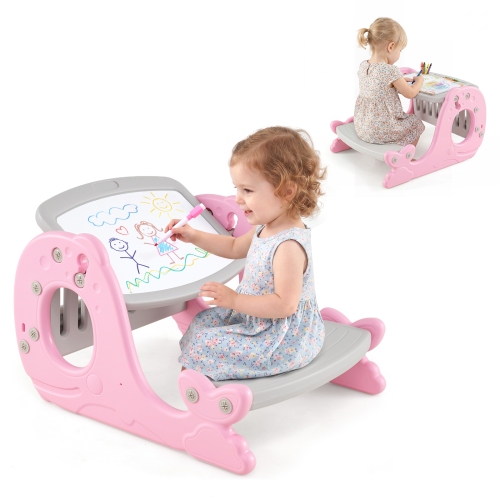
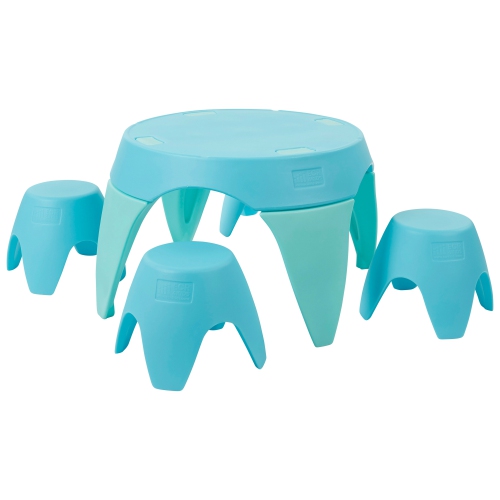
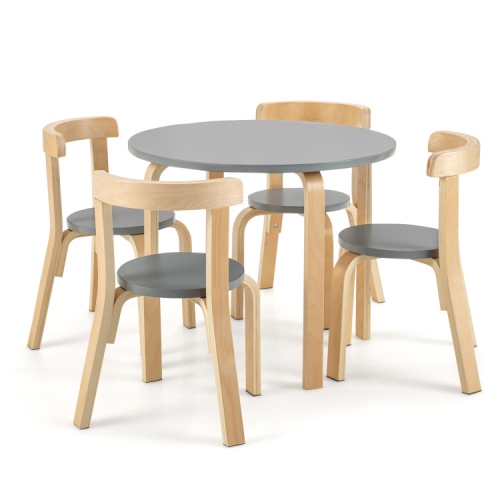
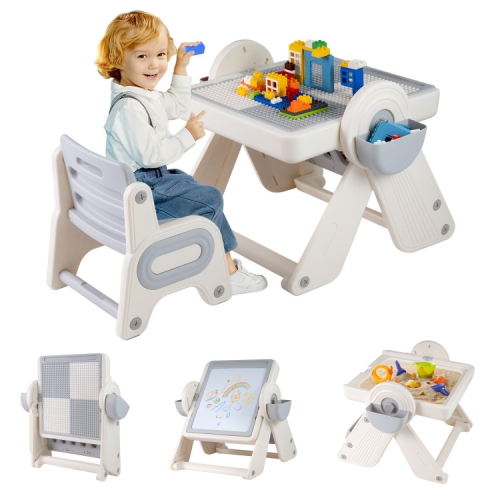
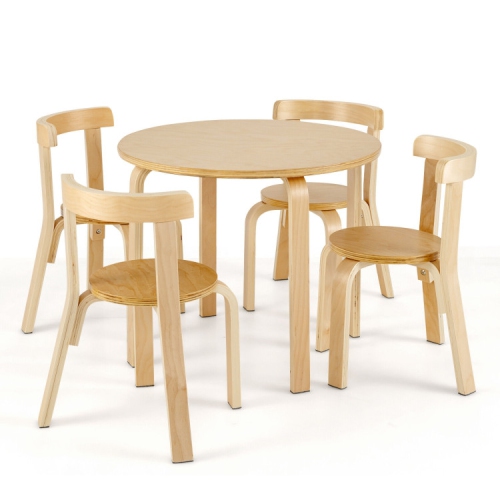
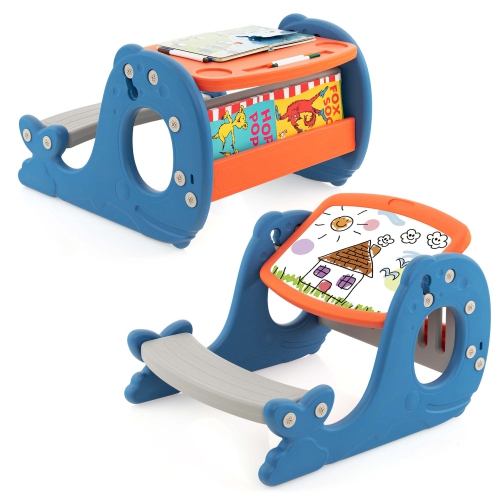
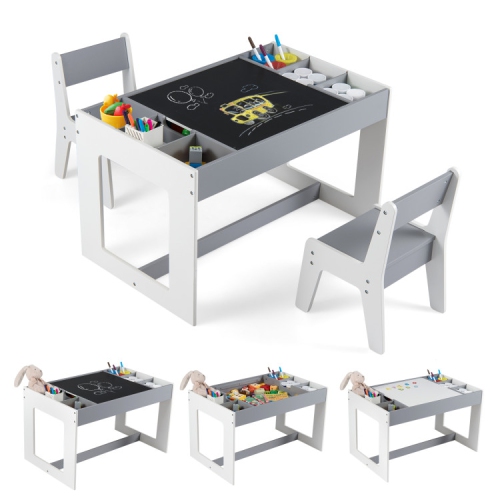
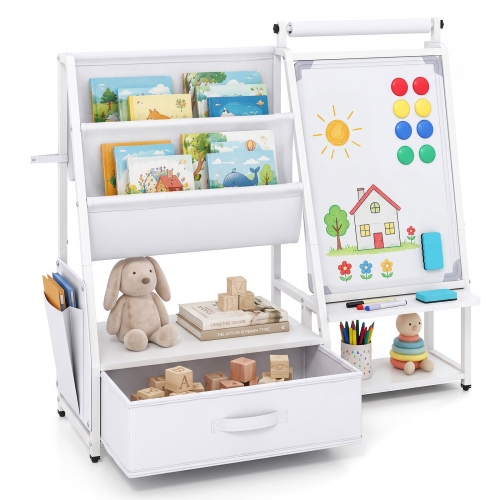
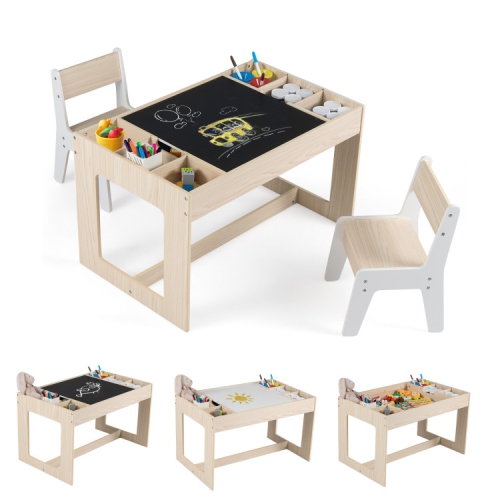
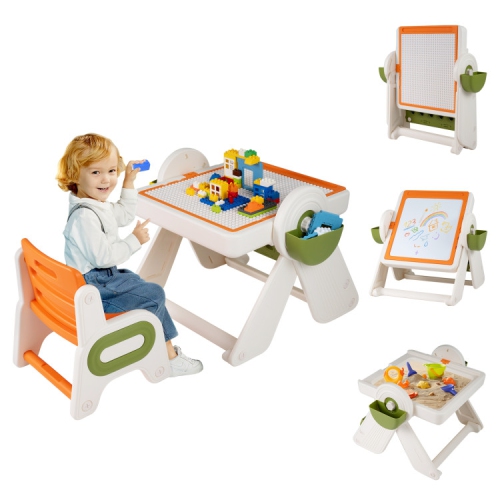
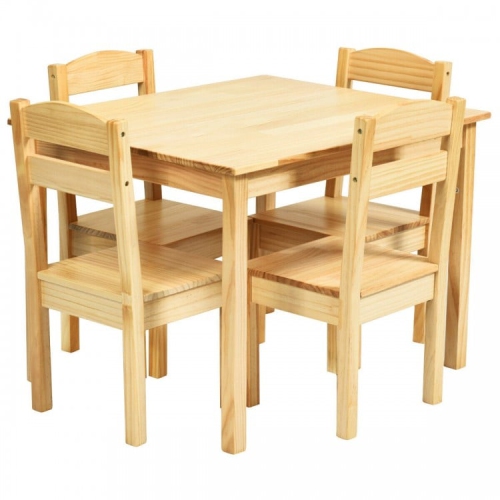
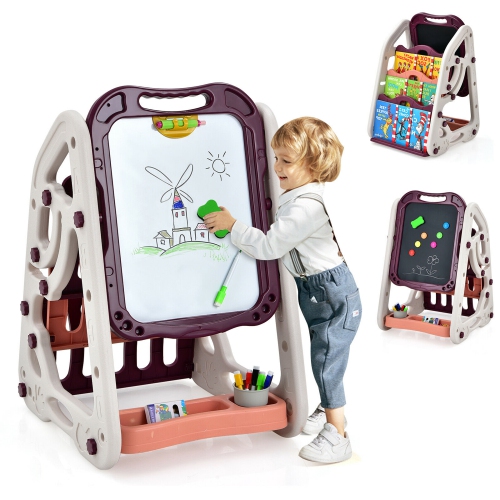
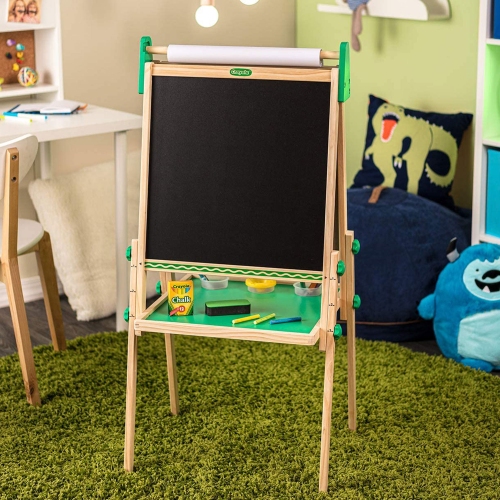
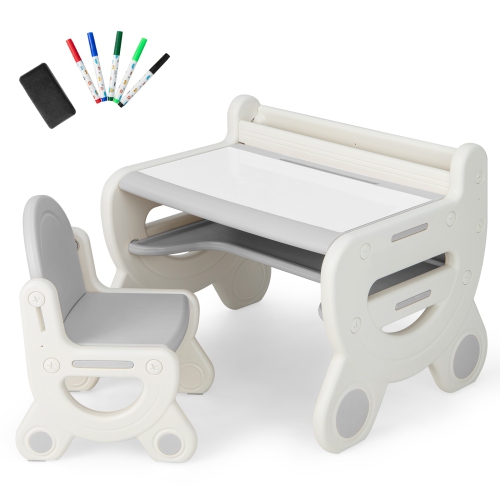
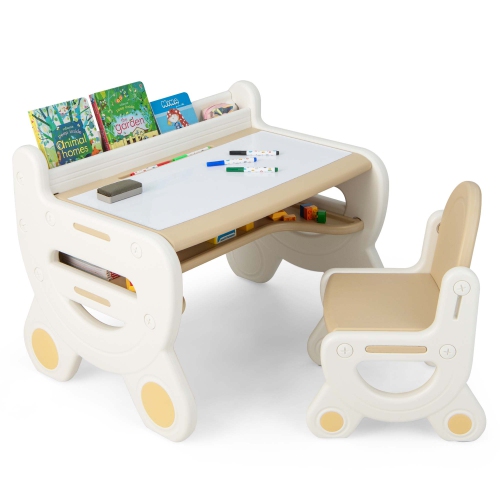
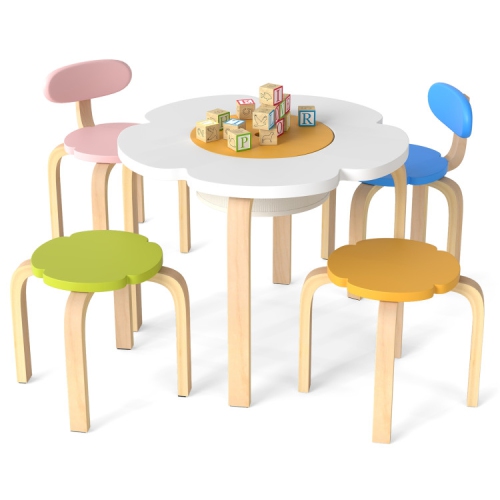
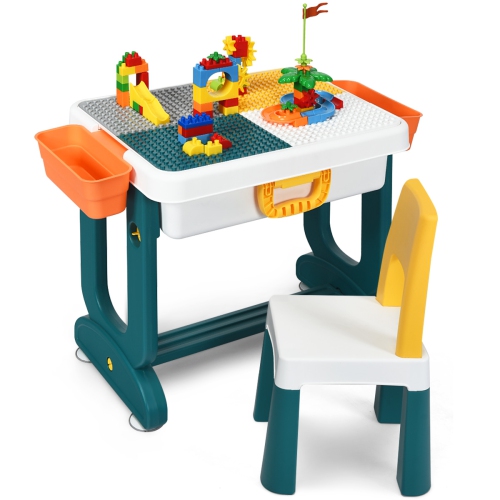
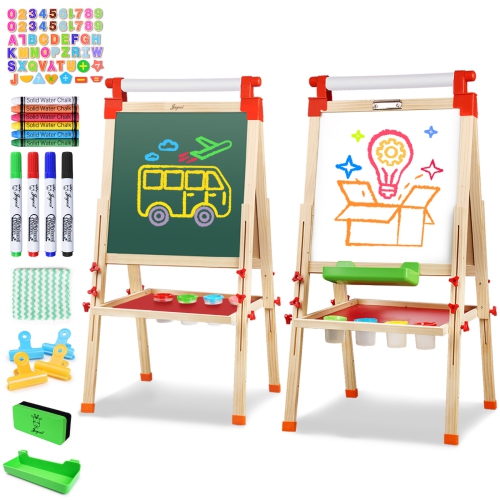
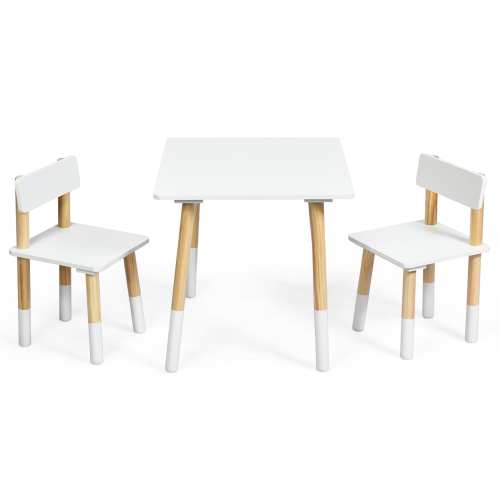
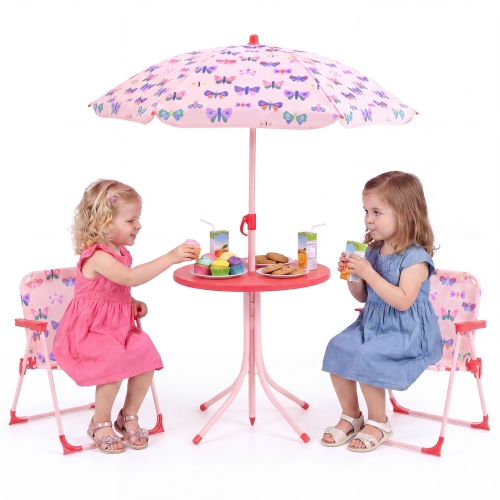
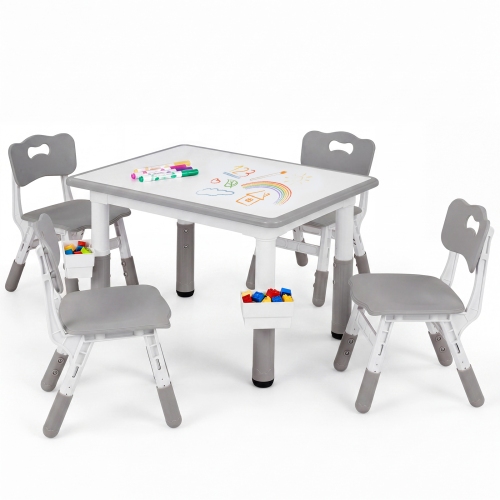
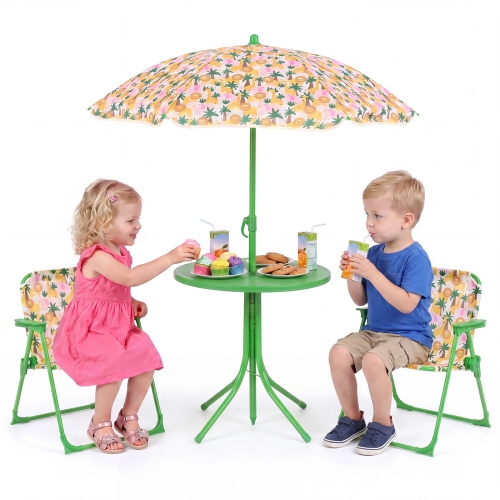
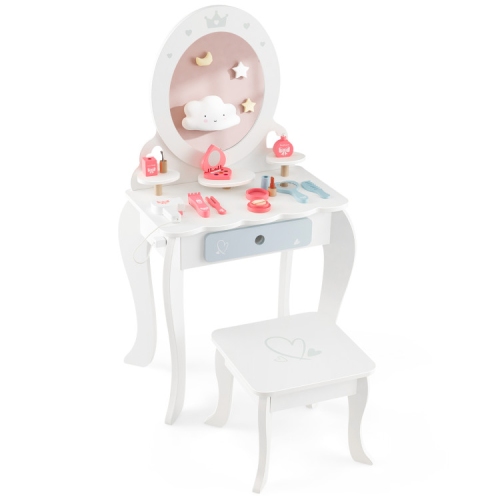
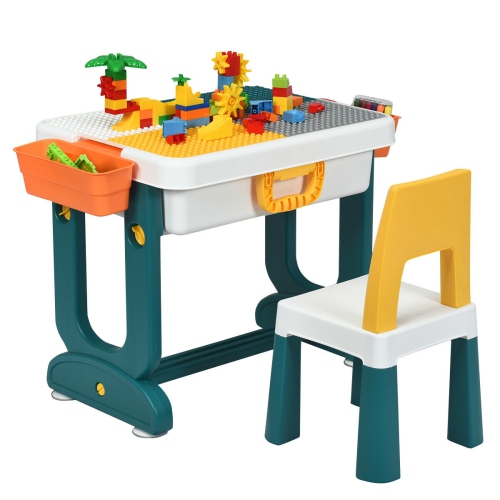
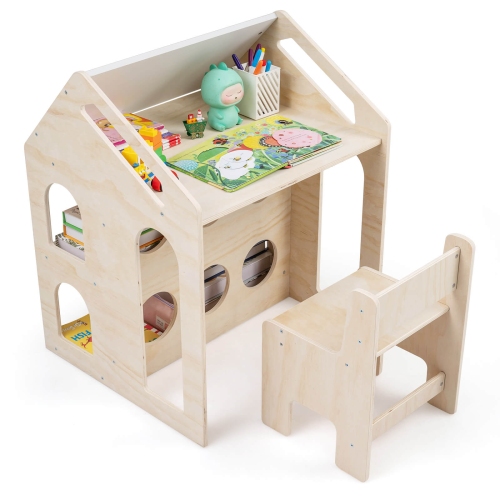
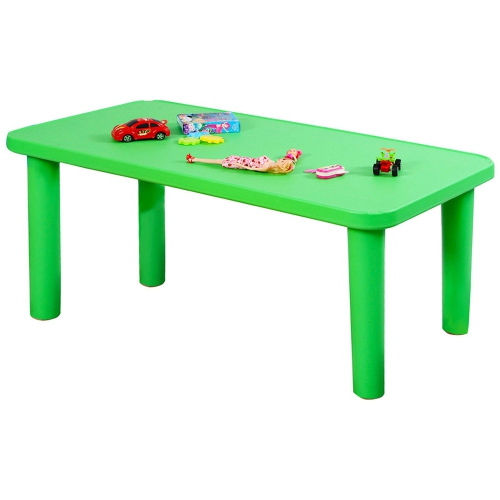
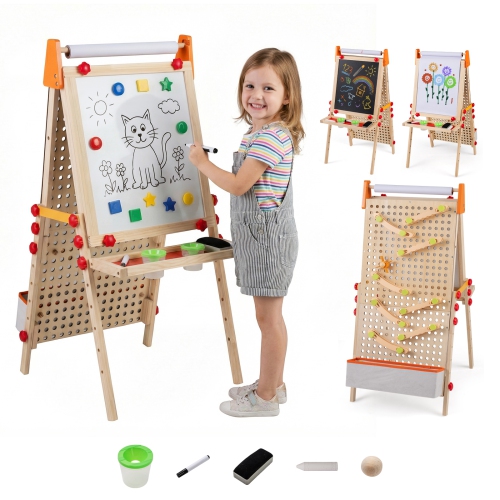
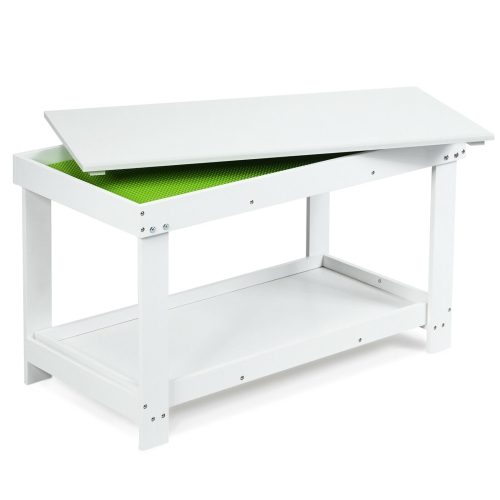
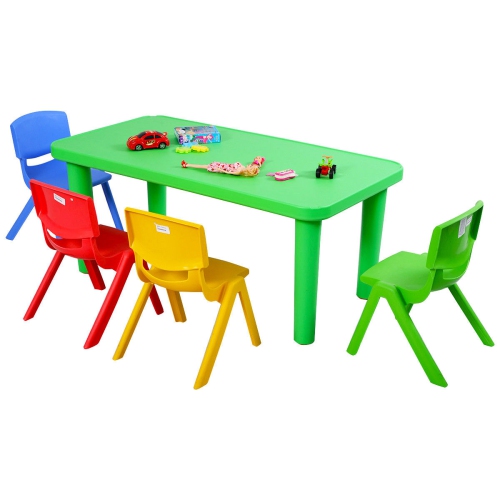
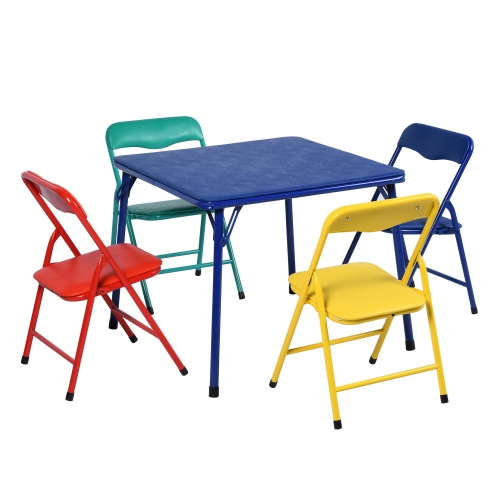
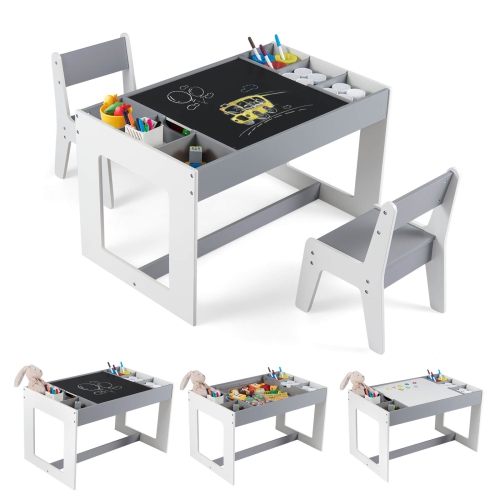
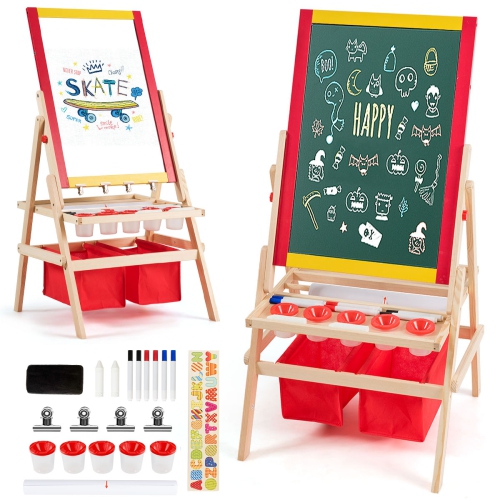


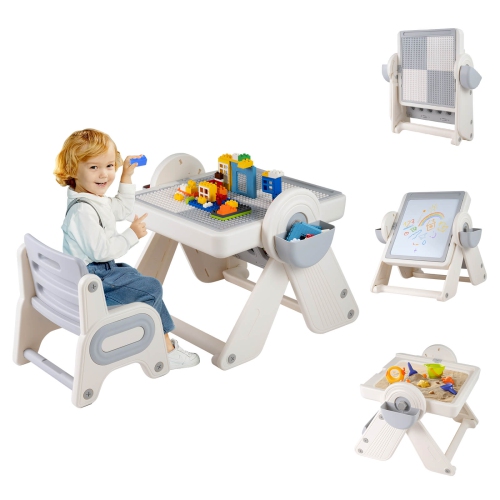
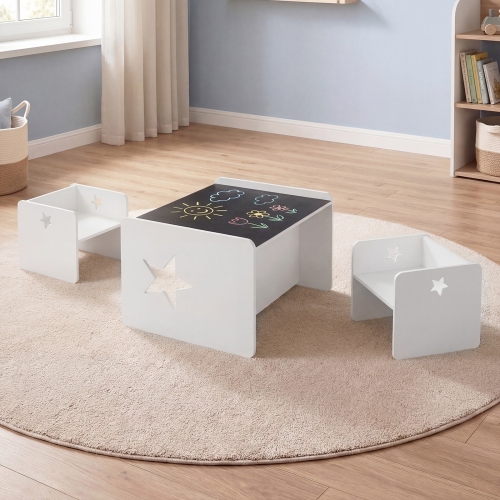
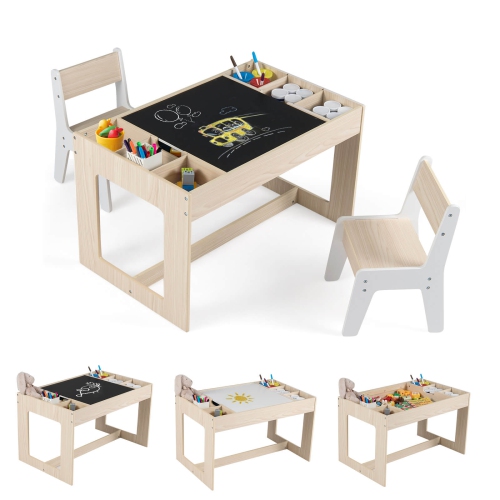
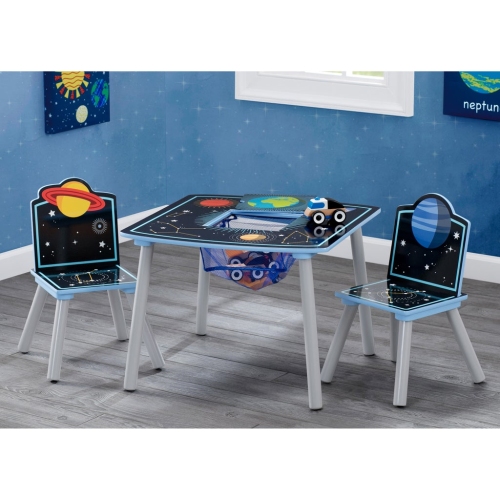
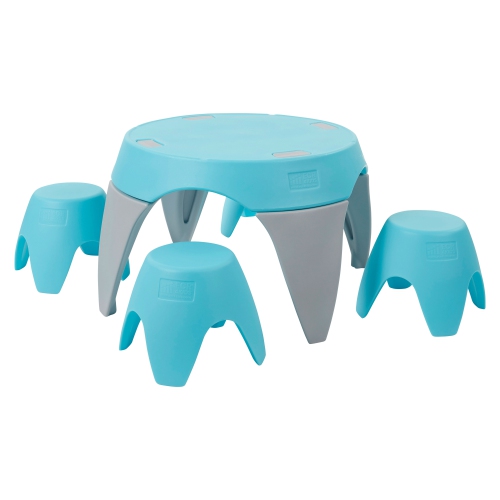
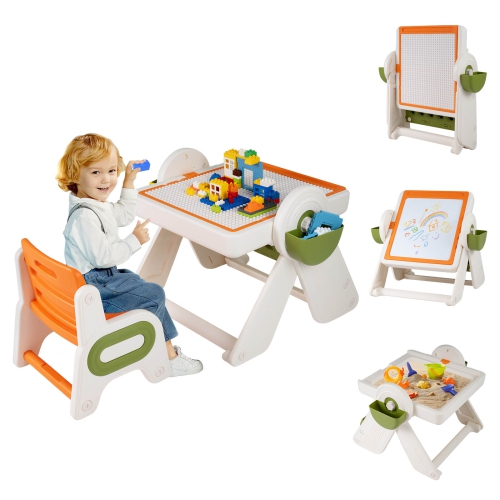
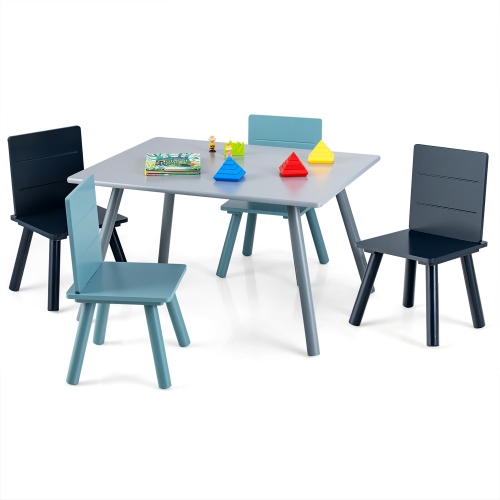
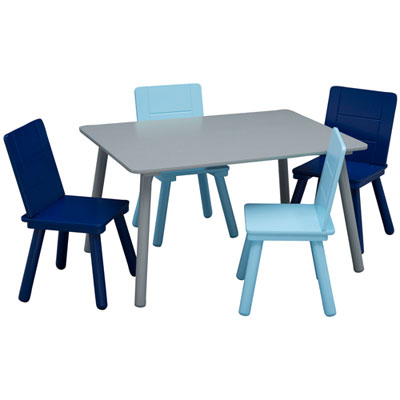
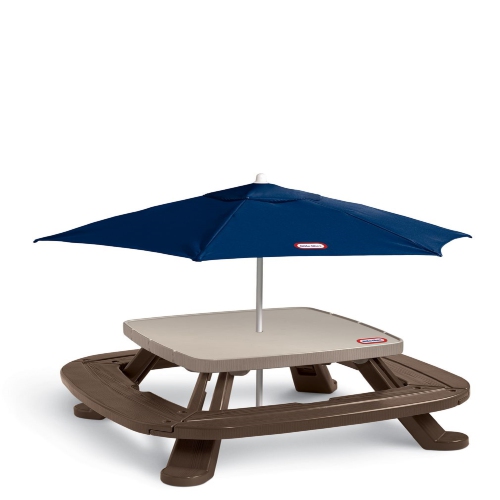
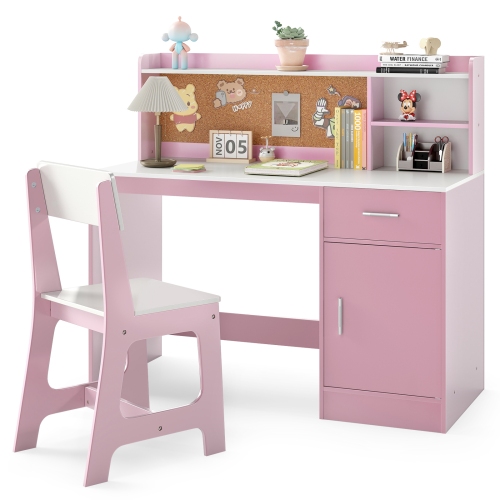
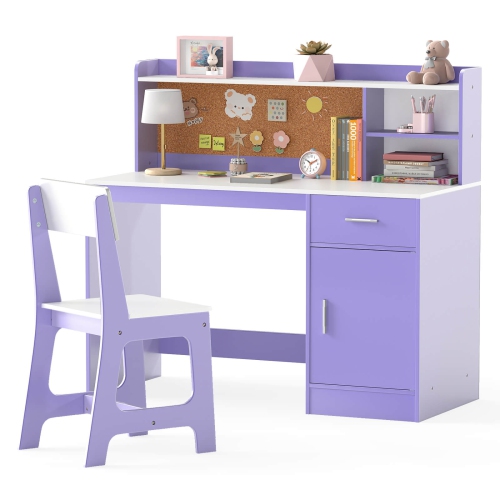
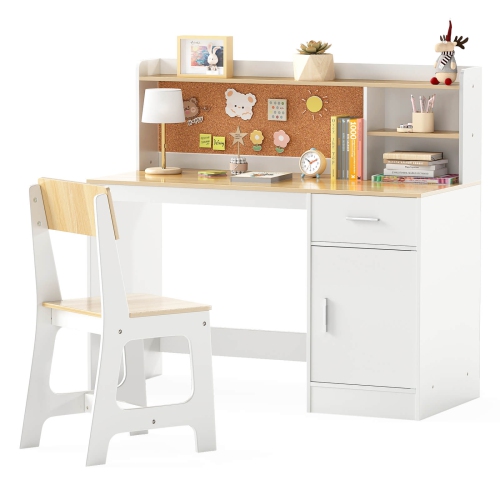
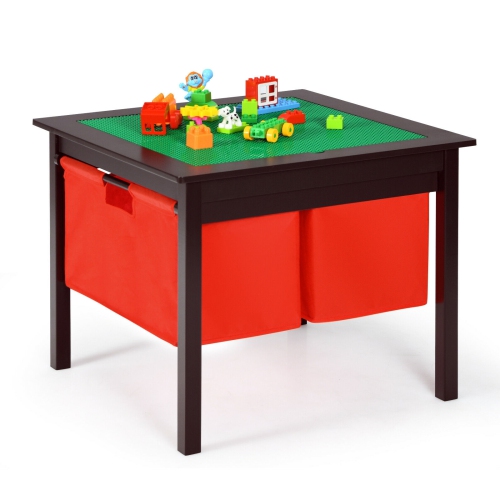
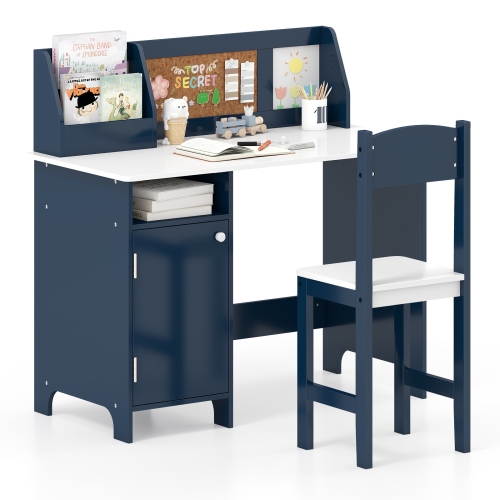
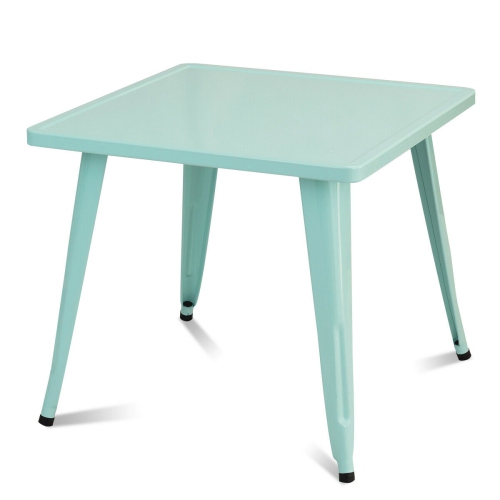
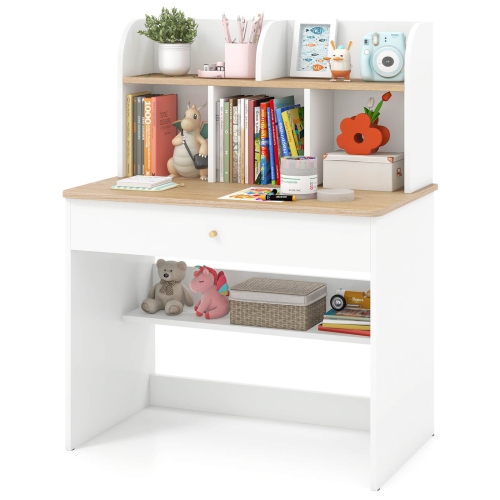

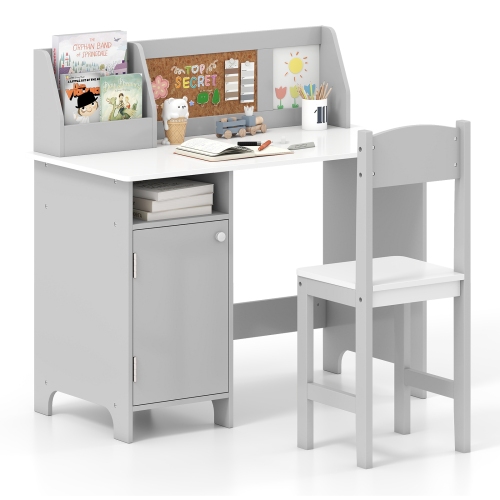
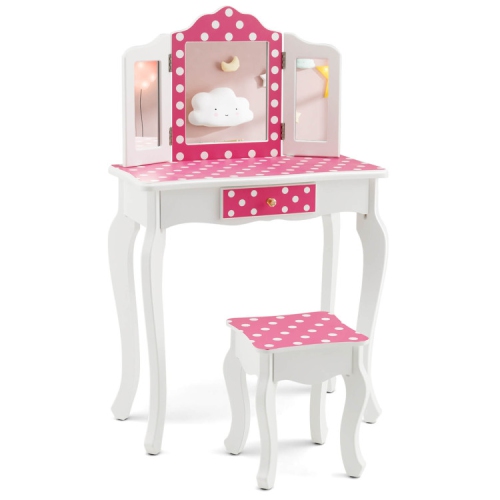

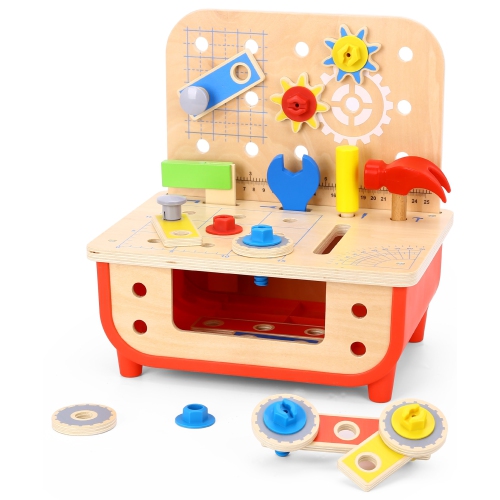
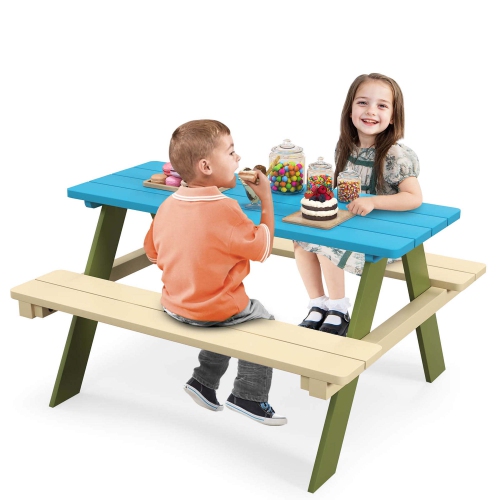
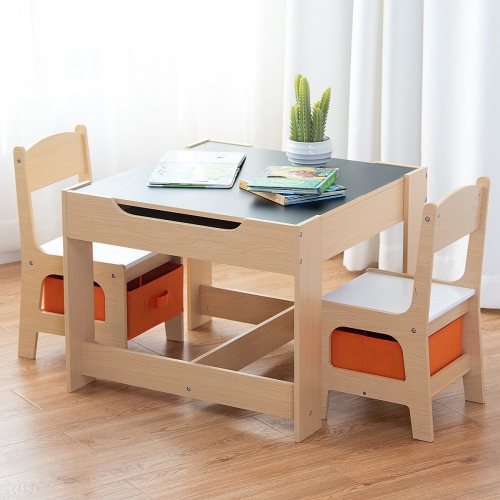
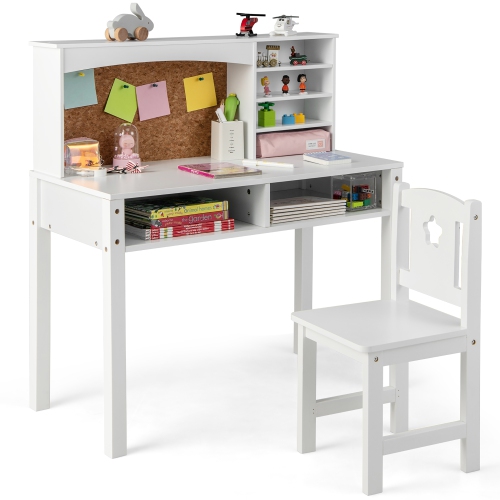
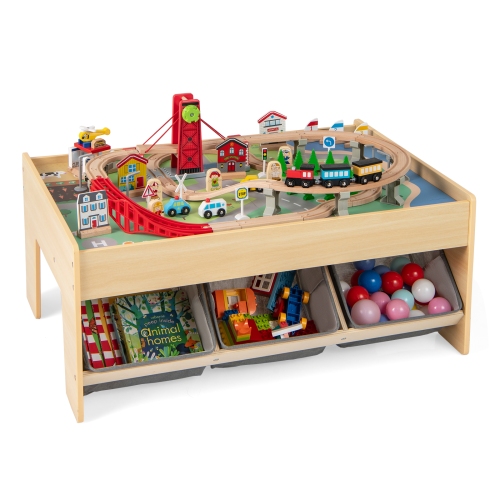
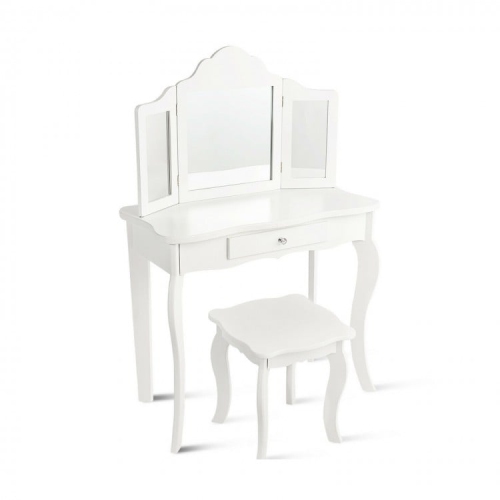
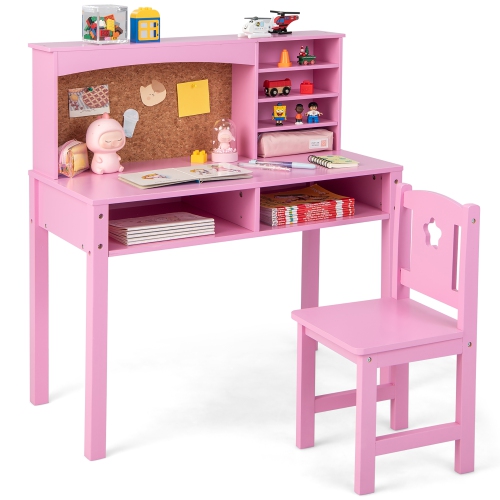
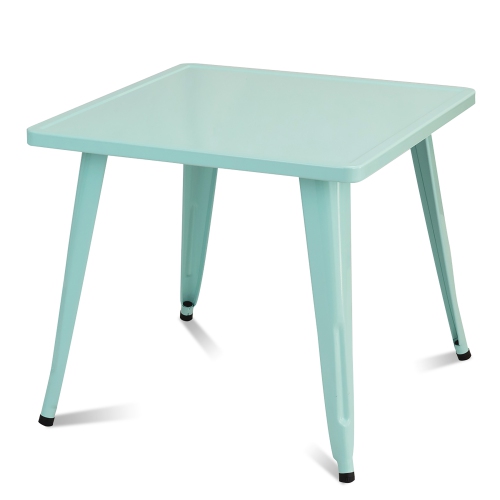
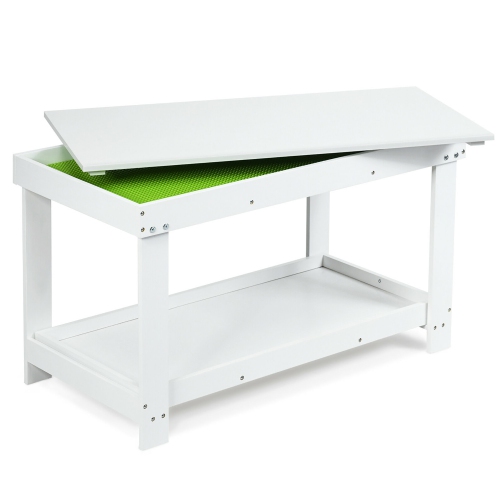
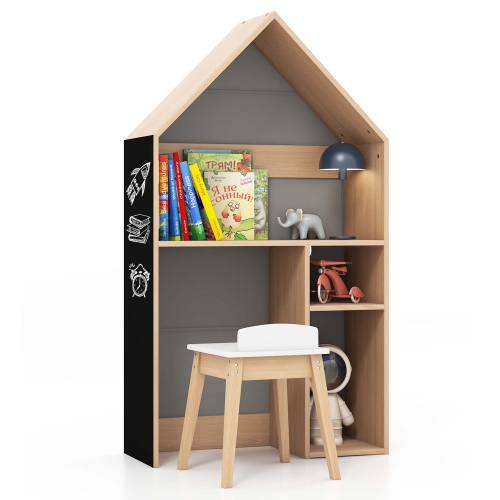
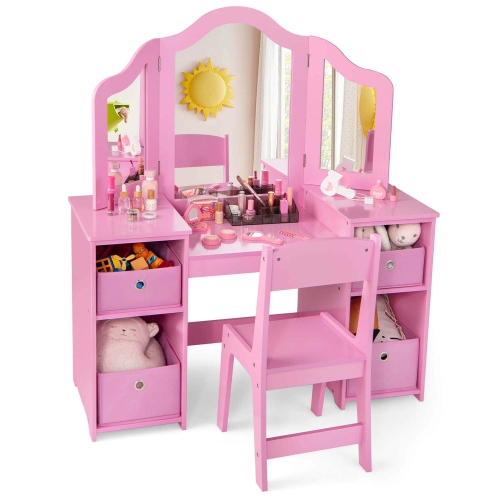
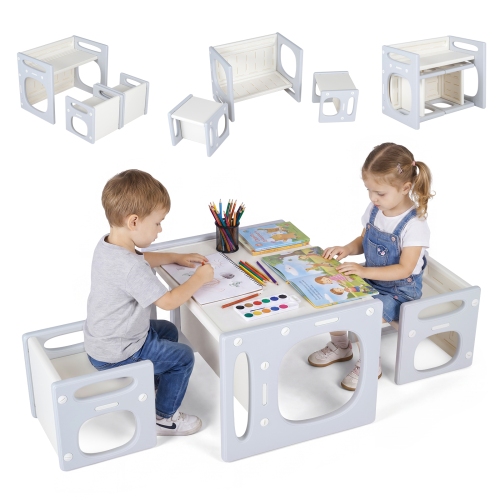
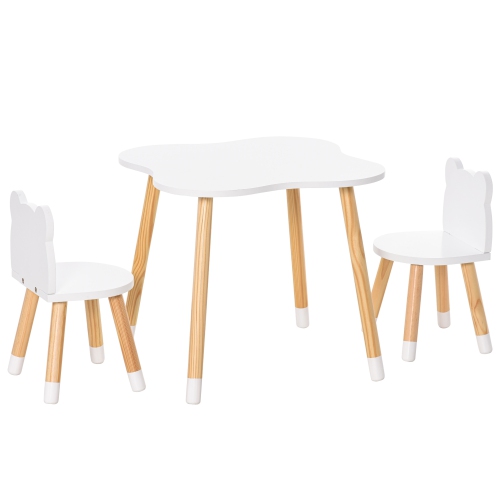
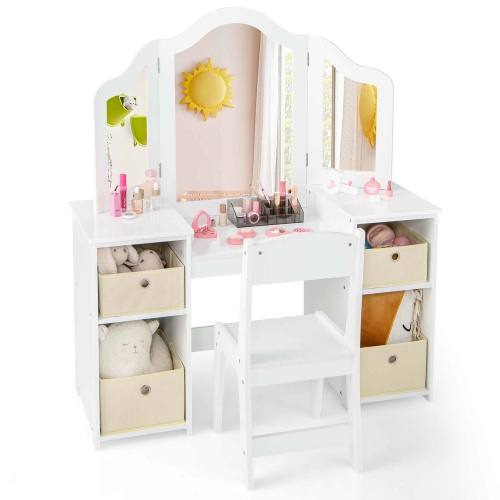
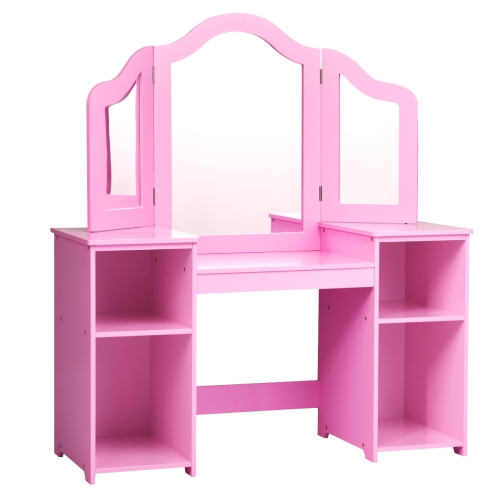

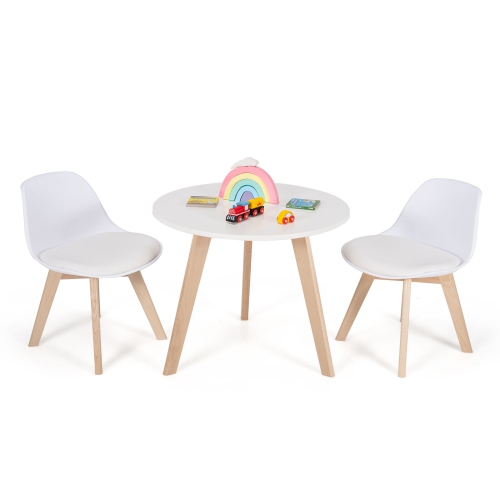
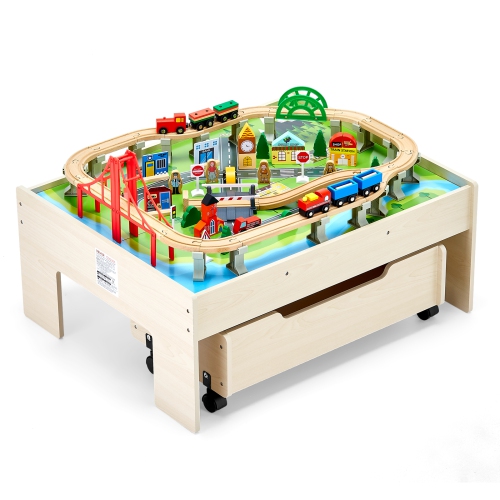
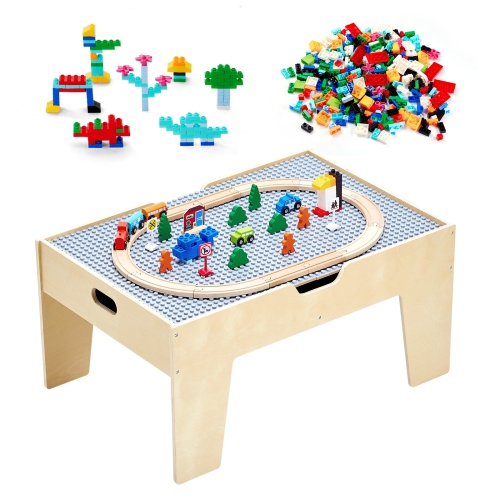

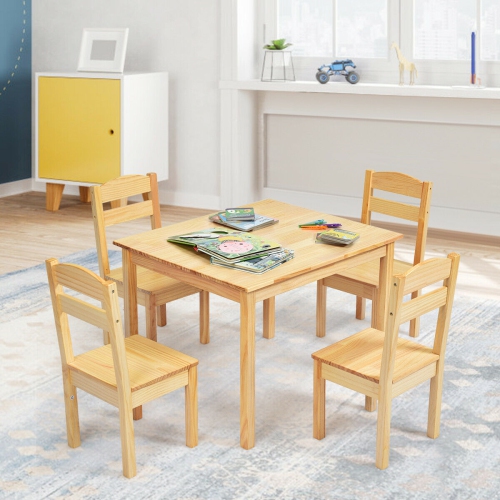
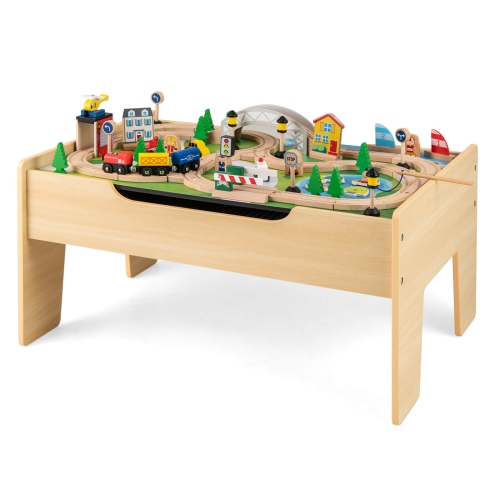
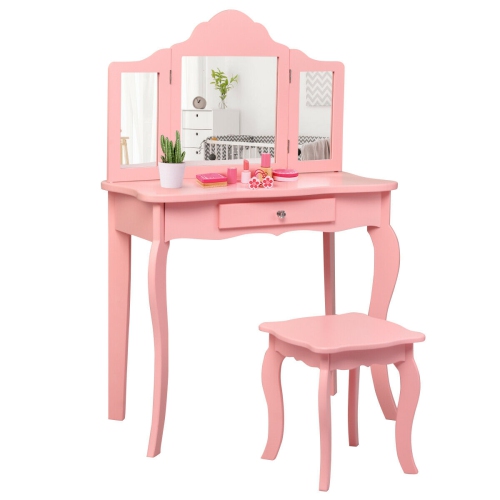
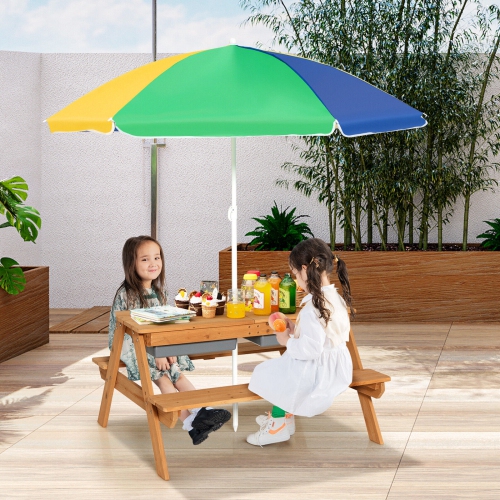
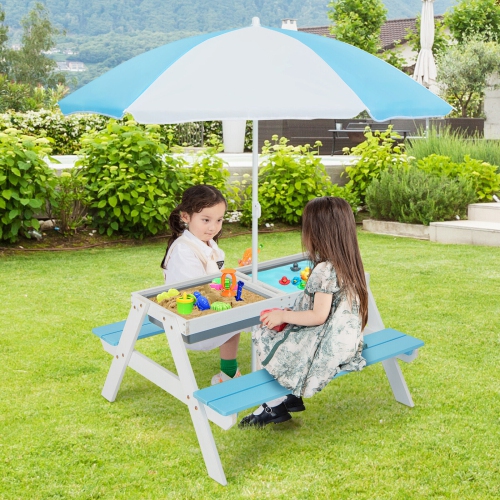
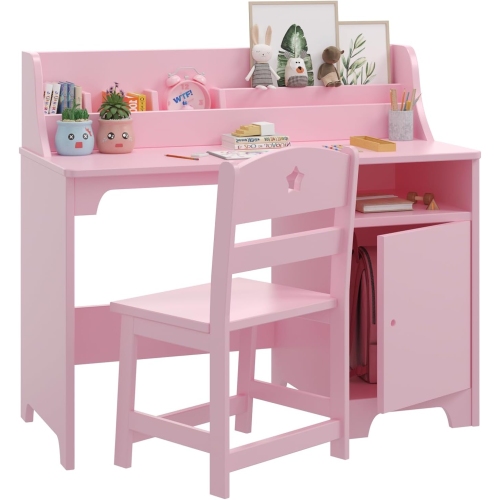

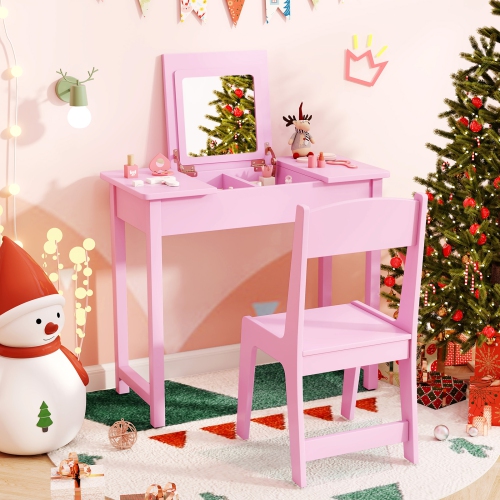
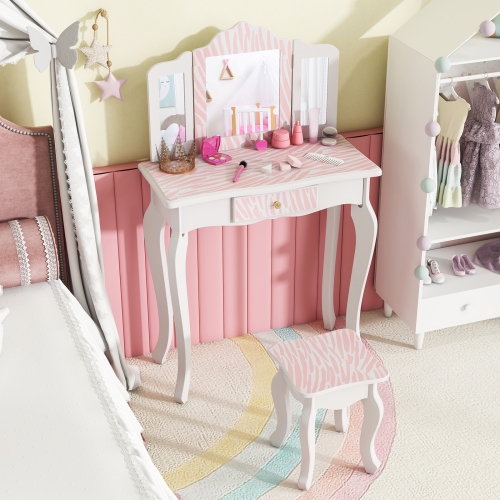
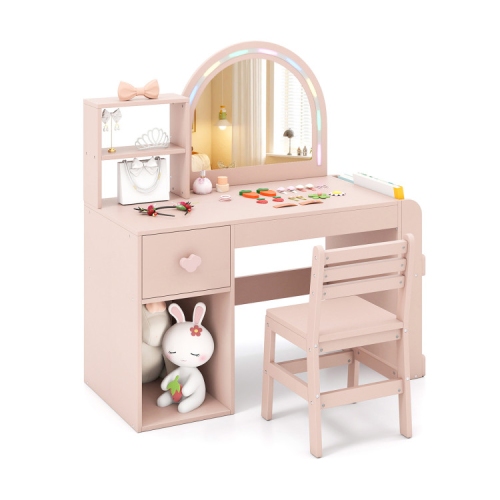
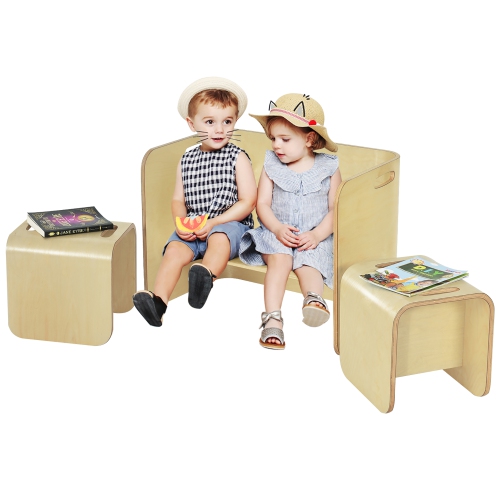
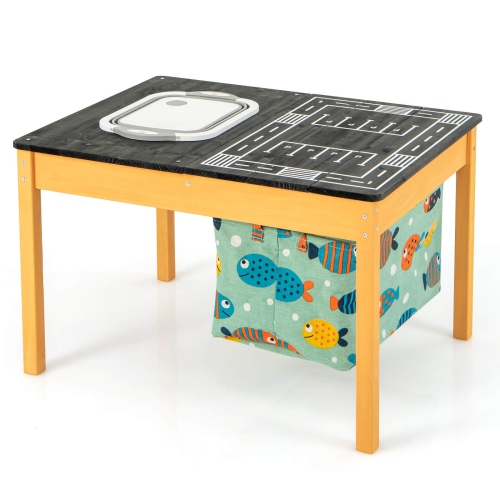
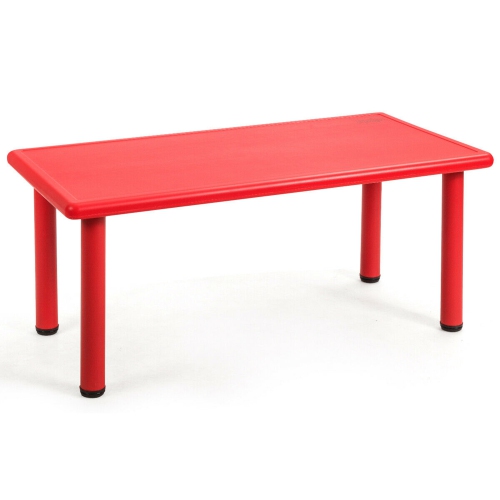
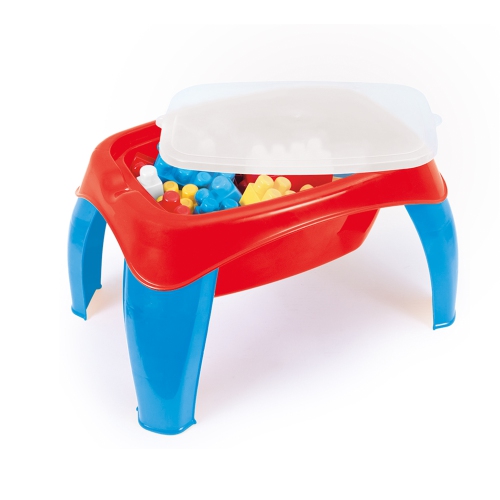
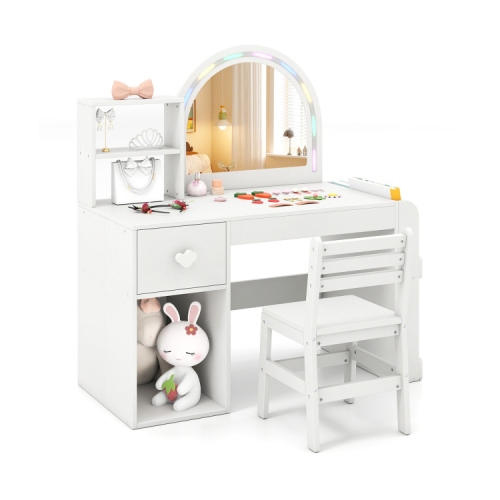
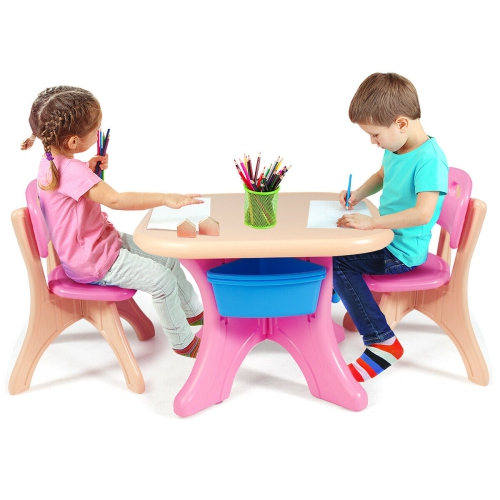
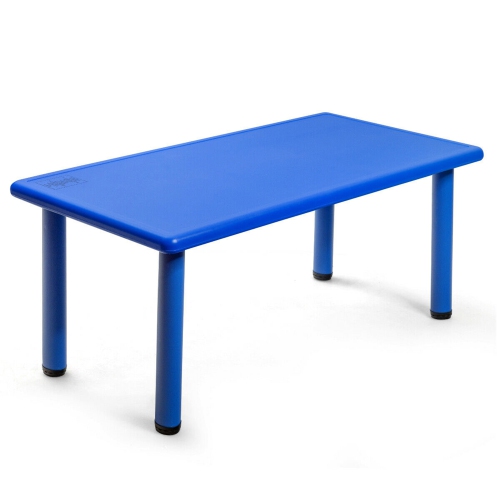
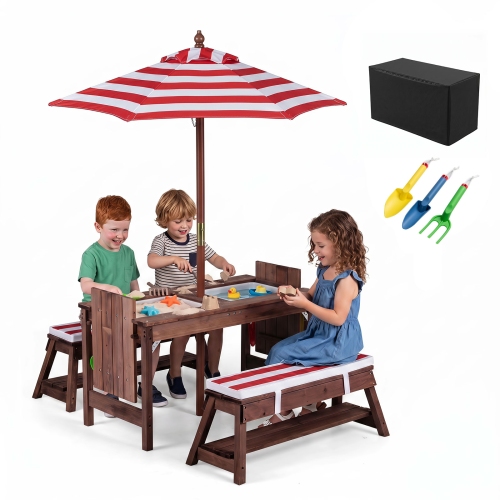
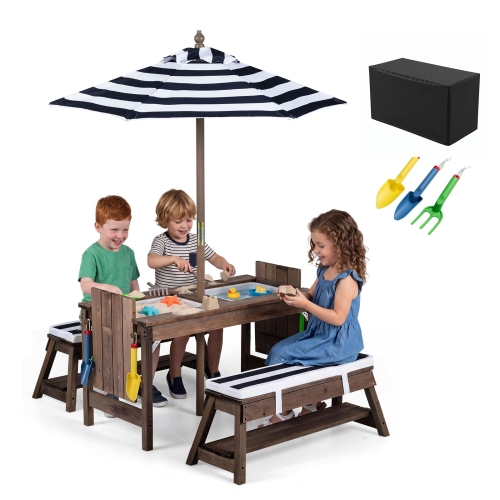

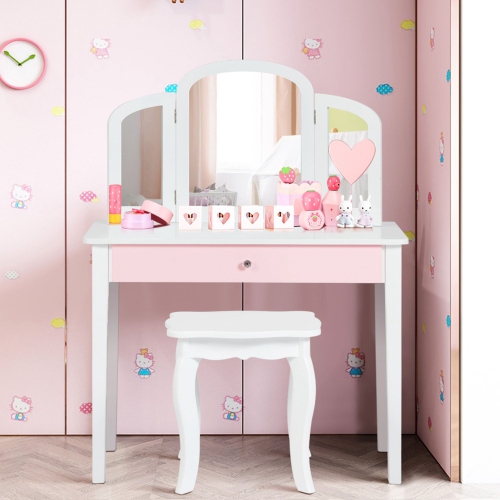
A child-sized workspace that keeps the dining table clear
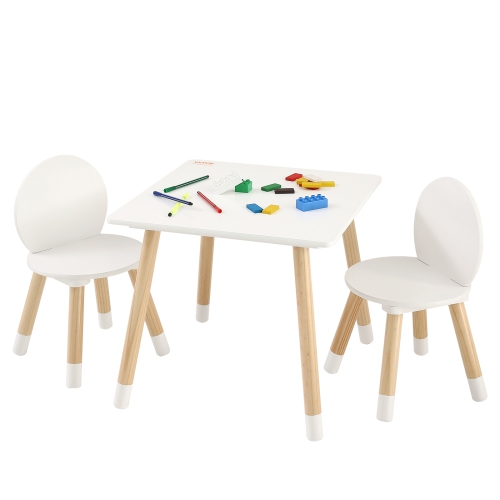
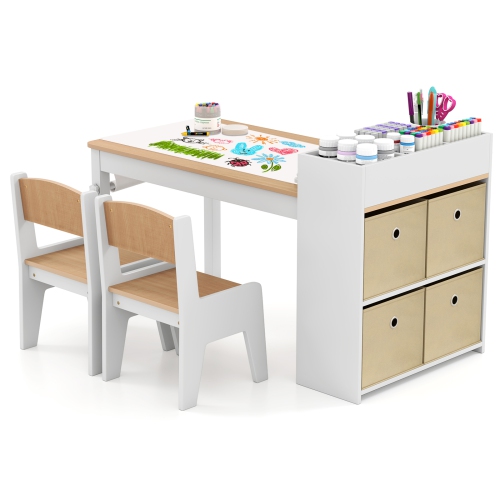
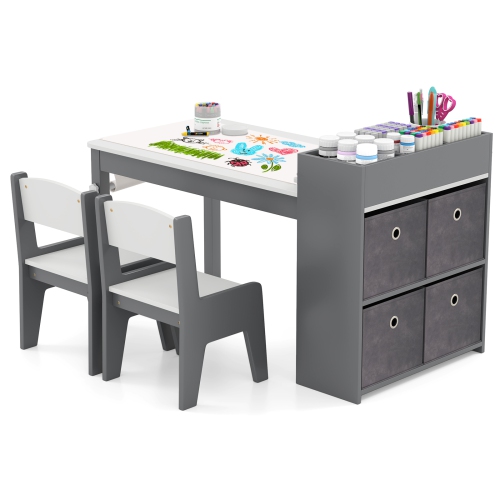
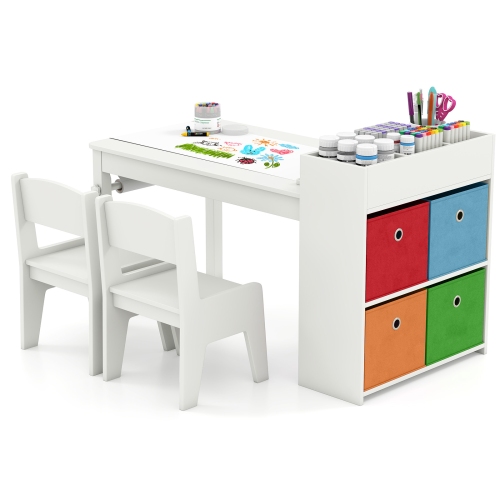
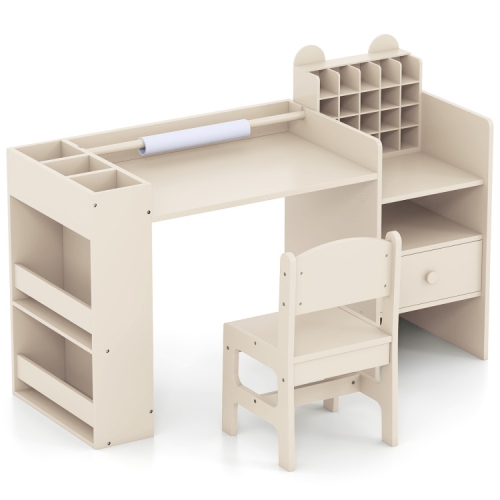
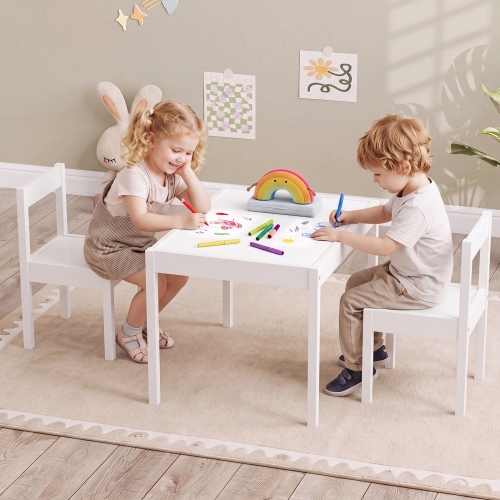
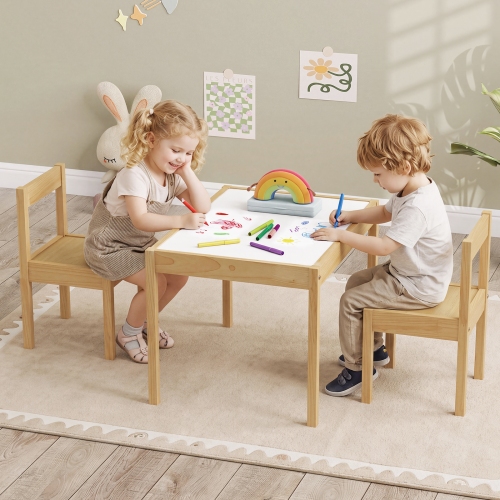
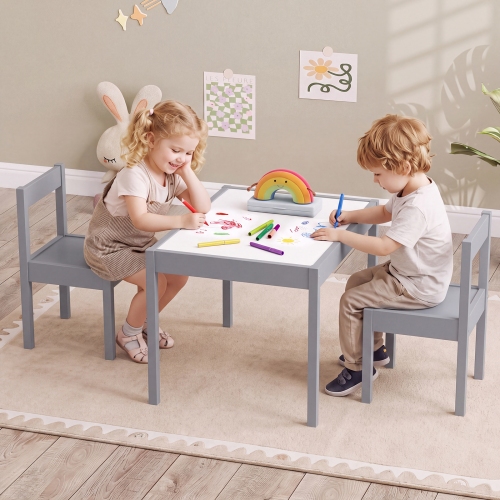
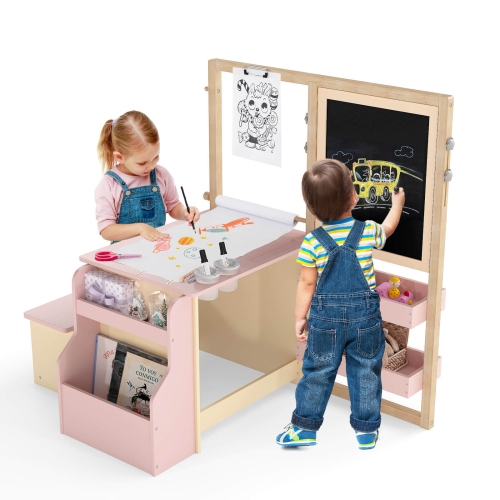
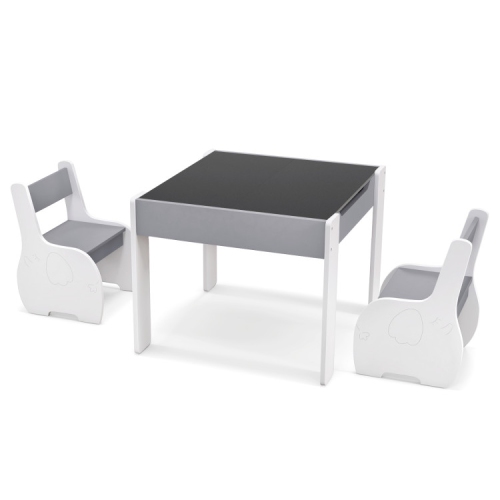
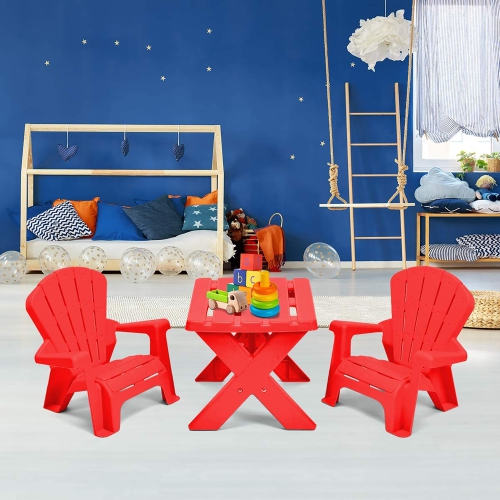
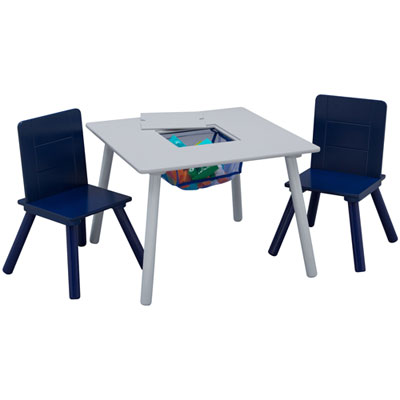
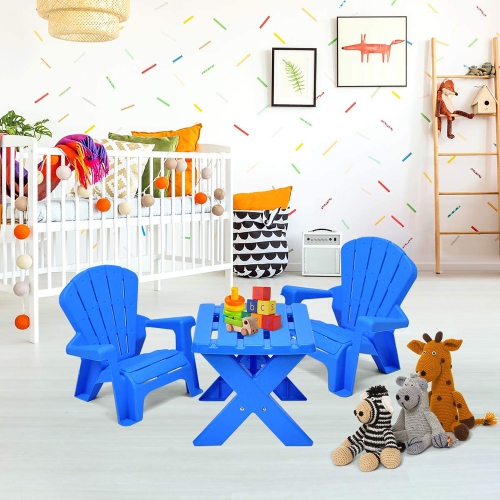
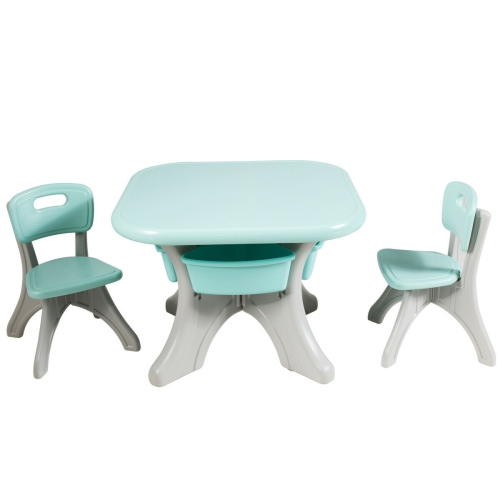
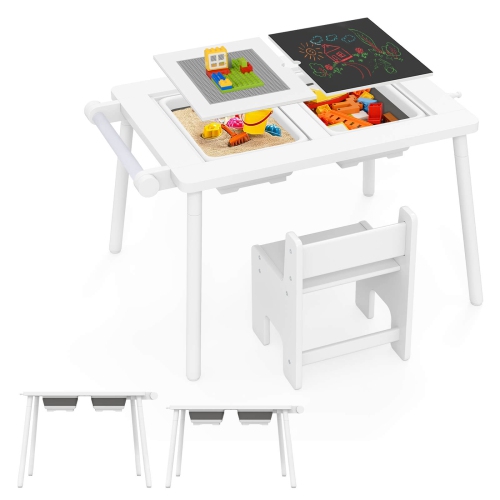
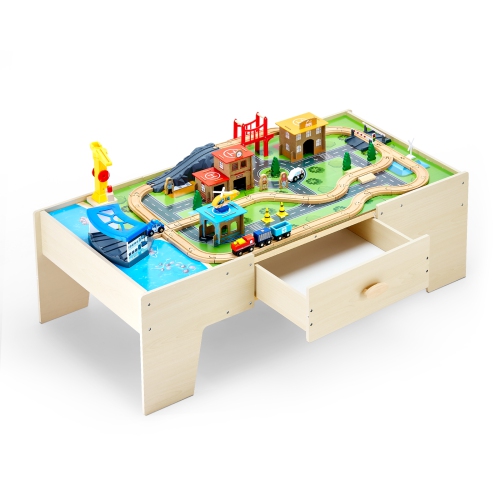
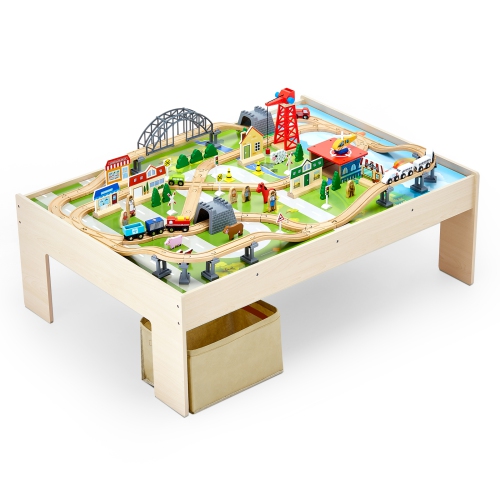
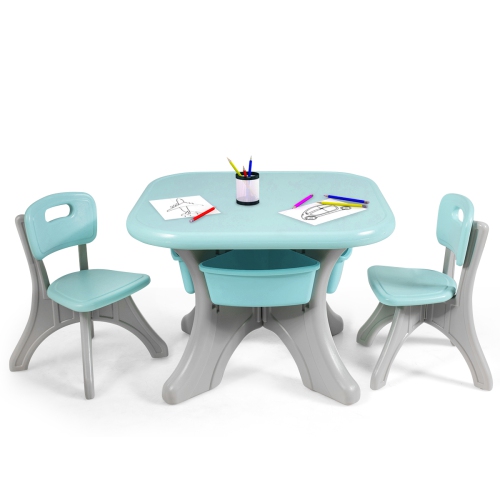
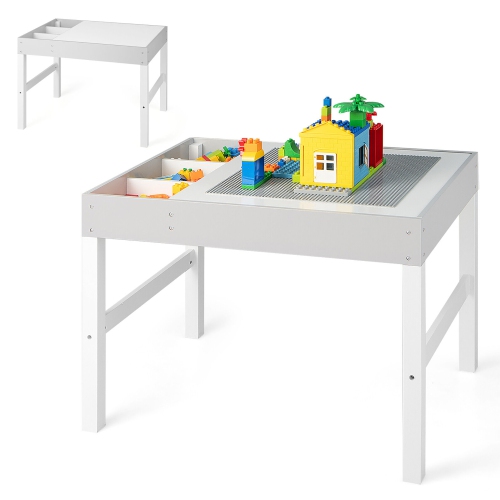
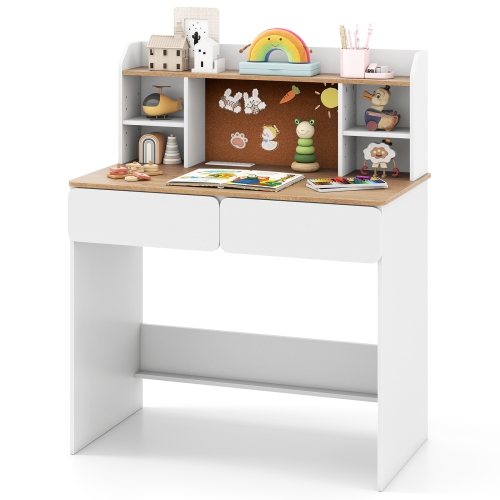
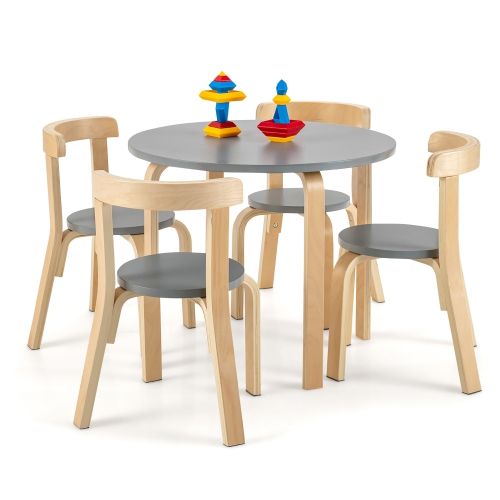
Kids craft tables give drawing, painting, and hands-on projects a place of their own, with a work surface sized for children rather than adults. A dedicated table can hold an unfinished paper collage while the dining table stays clear, or give siblings a shared spot for colouring and making cards. These tables suit bedrooms, playrooms, family rooms, and supervised learning spaces, with different layouts supporting solo projects or several children working together. The most useful size depends on both the child and the activity: a sheet of drawing paper needs less room than a painting project with water cups, brushes, and somewhere to set finished work. Table height and seating should work together so a child can sit with shoulders relaxed, feet supported, and enough clearance for knees beneath the surface. A chair that fits under the tabletop may still feel cramped if a deep drawer or storage shelf occupies the space below it. Manufacturer age recommendations are a useful starting point, but a child’s height and reach also matter, especially when siblings of different ages share a table. Younger children benefit from a straightforward layout with supplies close at hand, while school-age children may need more surface area for detailed drawings, model making, or homework alongside creative projects. Measuring the full setup means allowing room for chairs to pull out, drawers to open, and an adult to sit nearby without blocking a doorway or a busy path through the room. In a smaller space, a compact rectangular table can sit neatly against a wall; in a shared playroom, access from several sides makes collaborative projects easier. A tabletop that looks generous when empty can fill quickly once two children spread out their paper and materials, so usable working space matters as much as the overall dimensions. Rounded corners and smooth edges are practical details where children move between their seats and nearby play areas.
Materials and construction influence how a kids craft table feels, how it stands up to daily use, and how much attention it needs after a messy project. Solid wood can provide a substantial feel, though its resistance to marks and moisture depends on the finish. Painted wood and engineered wood offer a range of colours and styles, with surface coatings and sealed edges affecting how well they handle spills. Plastic surfaces are often straightforward to wipe down, but their care requirements and tolerance for heat or staining still vary. No material is automatically stain-proof: washable markers, poster paint, glue, and modelling materials can leave traces if they sit too long or meet a finish that is not compatible with them. A protective mat can help contain wet work, provided it lies flat and does not interfere with any tabletop features. For everyday cleaning, following the manufacturer’s directions is more reliable than assuming that a strong cleaner will be suitable. A soft cloth and an approved mild cleaning solution may be enough for routine marks, while excess water around seams, unsealed edges, or drawer openings can cause damage. Drying the surface after wiping also keeps the next sheet of paper from absorbing leftover moisture. Durability involves more than the tabletop: secure leg connections, supported shelves, firmly attached handles, and well-fitted hardware all contribute to a table that remains useful through repeated activities. Periodic checks for loose fasteners, chipped finishes, and rough edges are particularly worthwhile when furniture is used frequently or moved between rooms. Stability matters when a child leans forward to reach a crayon, although a craft table is not intended for climbing, standing, or sitting on the work surface. Hinged tops, folding parts, and removable panels need attention to their operating instructions, with adult help where required. For painting or other liquid-based activities, keeping containers away from the edge and protecting the floor beneath the table can make cleanup more manageable without relying on a raised tabletop rim to contain every spill.
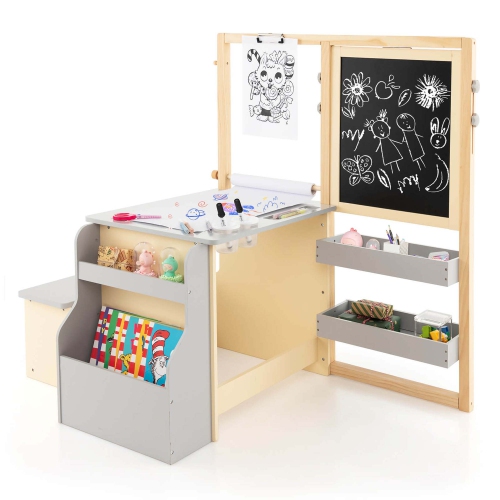
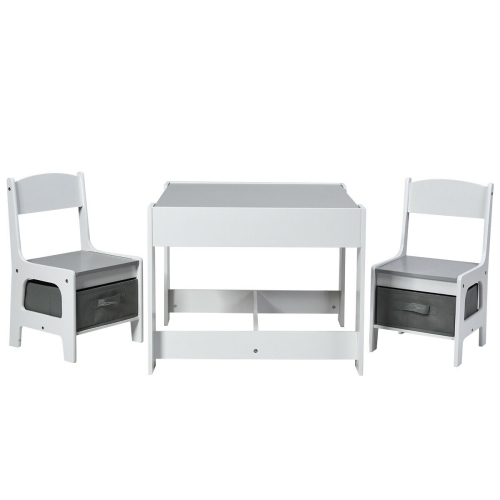
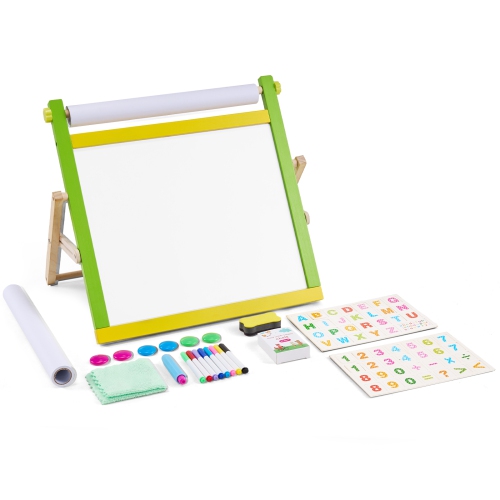
Storage and tabletop features shape how easily a craft space moves from one activity to the next. Open shelves make paper and larger containers easy to see, while shallow drawers can keep pencils, brushes, and stickers separated without burying them beneath a pile of supplies. Removable bins are useful when materials need to travel between the table and another storage area, particularly if children can carry them comfortably. A paper roll holder can provide a continuous drawing surface, though the compatible roll width, loading method, and space needed to pull the paper across the table deserve attention. Any paper-cutting mechanism should be used according to its instructions, with adult supervision as appropriate. Reversible or removable tops can support different activities, but the panels need a designated place when they are not in use, and small gaps or textured surfaces may be less convenient for writing directly on a single sheet of paper. A smooth, uninterrupted work area is especially helpful for tracing, colouring, and arranging small collage pieces. Storage is most useful when it leaves enough legroom and does not require children to stretch across someone else’s project to reach a shared supply. For group settings, craft tables for classroom art studios relate to similar needs on a larger scale, including access around the table, shared materials, and surfaces that can be cleaned between activities. At home, a simple routine of returning tools to labelled containers and setting wet artwork aside can help keep the space ready for another project. Small accessories and sharp tools still need storage appropriate to the children using the room. As a birthday or housewarming gift for a family, a kids craft table is most thoughtful when its dimensions, seating, and intended age range suit the recipient’s space. A well-matched setup supports familiar moments: a child carefully drawing a birthday card, siblings building a paper town, or an adult sitting alongside a young painter with room for both sets of hands.
Top selling and popular products
-
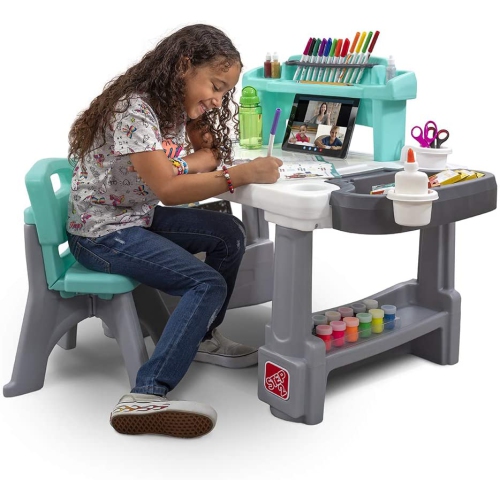 Your price for this item is $362.99
-
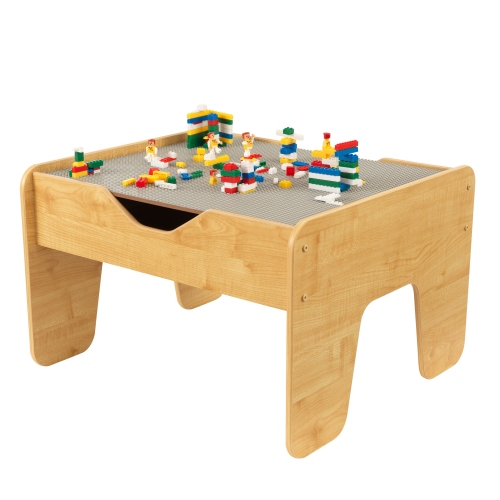 Your price for this item is $89.99
-
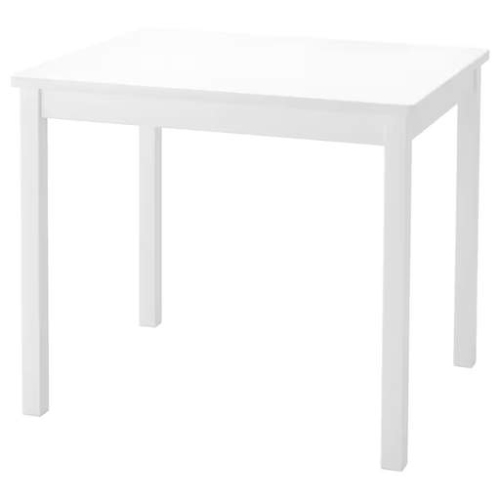 Your price for this item is $132.99
-
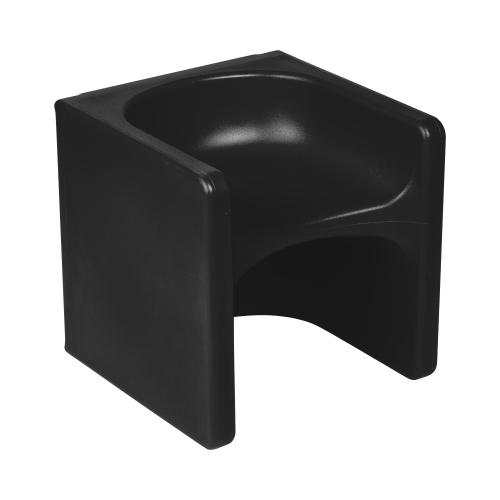 Your price for this item is $124.99
-
 Your price for this item is $124.99
-
 Your price for this item is $124.99
-
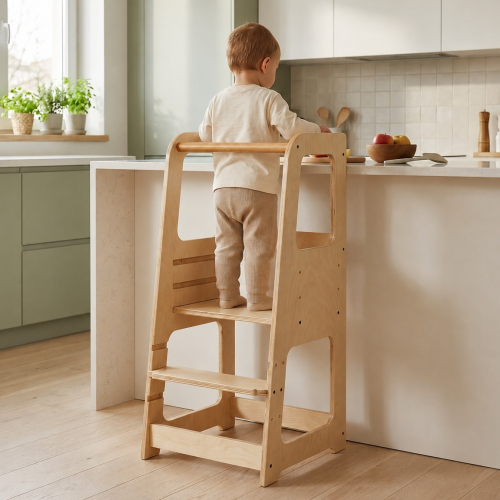 Your price for this item is $149.99
-
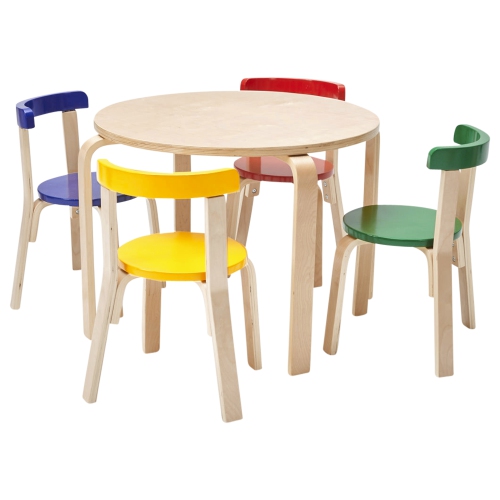 Your price for this item is $279.99
Discover more categories related to Kids Craft Tables
Top Collections:
Best Black Friday Deals This Year, Best Black Friday Deals On Electronics, Kindle Devices, Dyson Airwrap, Best Cameras for Sports Photography, Best Budget Office Chairs, Canon G7X Cameras, PS5 Pro Consoles, Best Black Friday Deals On Apple Products, XBOX One S Consoles
Some products may be subject to Environmental Handling Fees
(EHF) depending on your province.
Learn more about EHFs.