Kids Toy Storage
Organizing your child's playroom or bedroom can be a fun and rewarding task with this selection of kids toy storage solutions. Keep clutter at bay and encourage tidiness with a variety of storage options designed specifically for toys, games, and stuffed animals. From colorful bins and baskets to versatile shelving units and toy chests, you'll find everything you need to create a neat and inviting space for your little ones to play and learn.
Sort
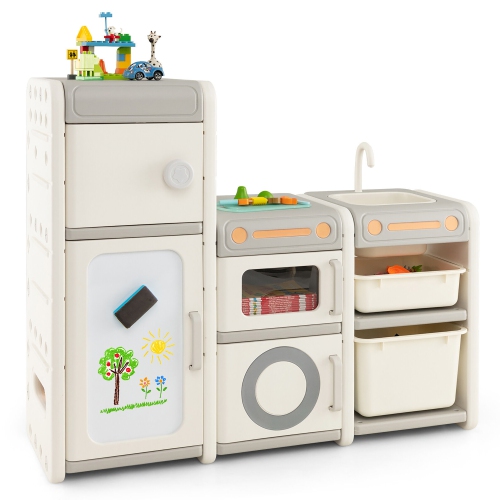
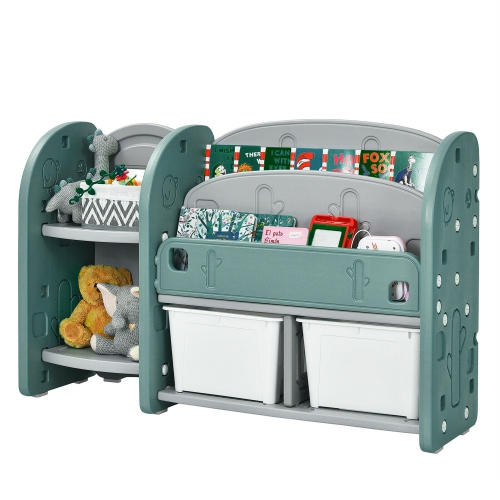
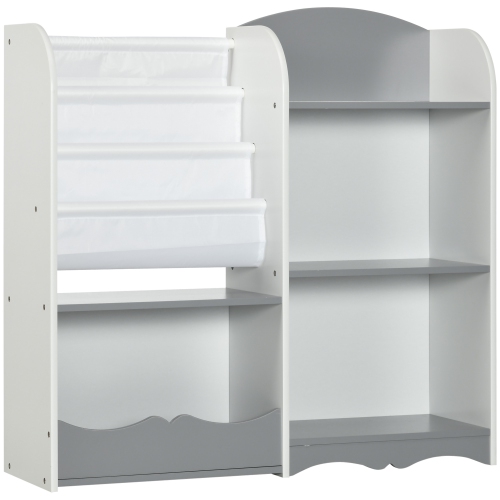
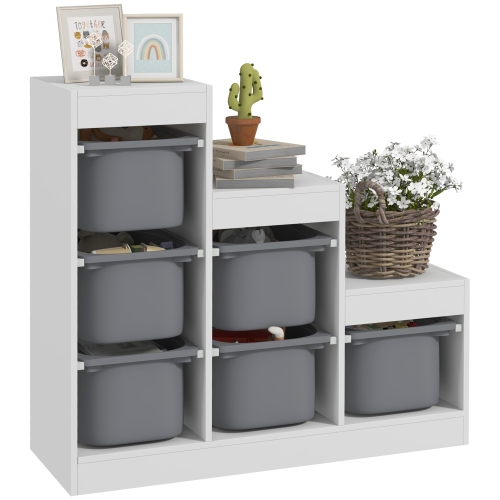
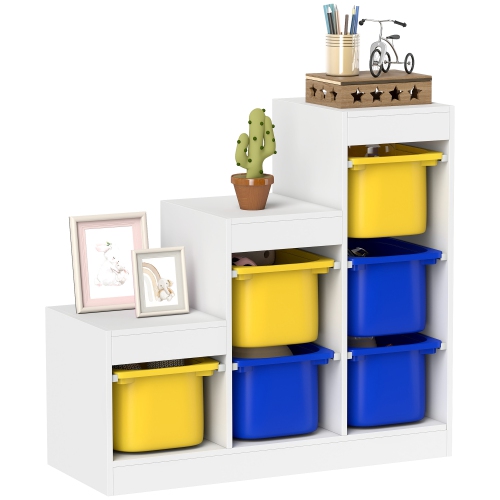
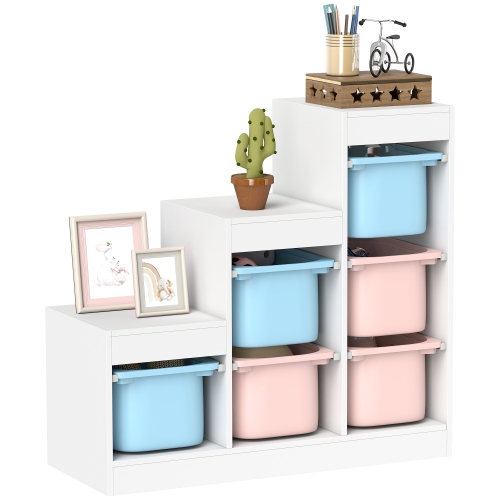
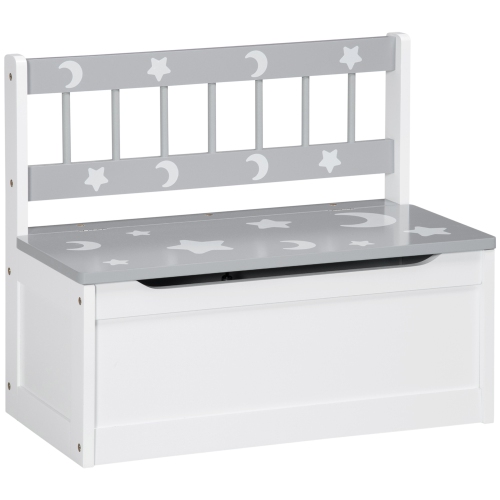
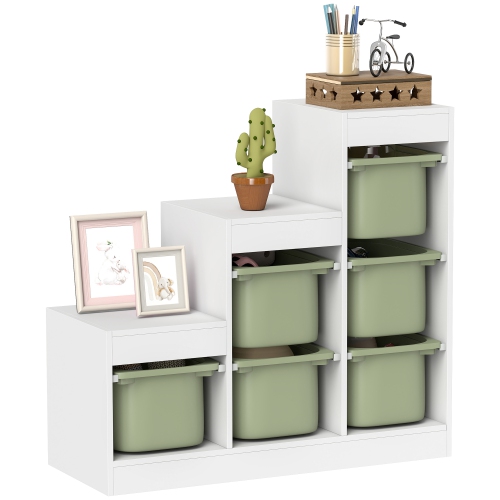
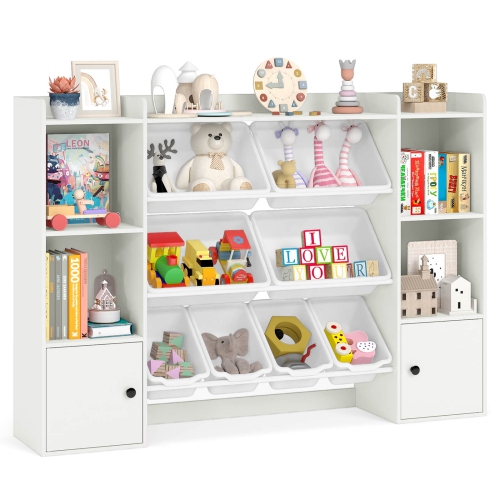
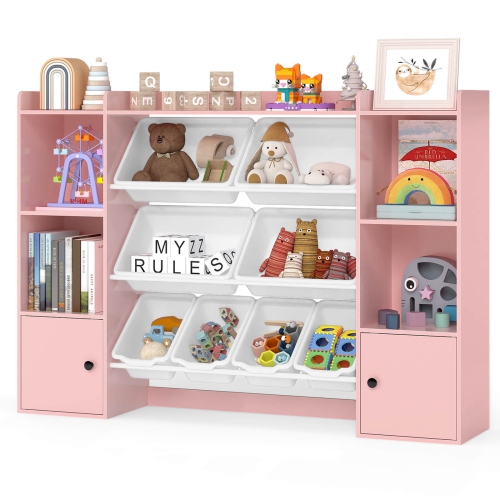
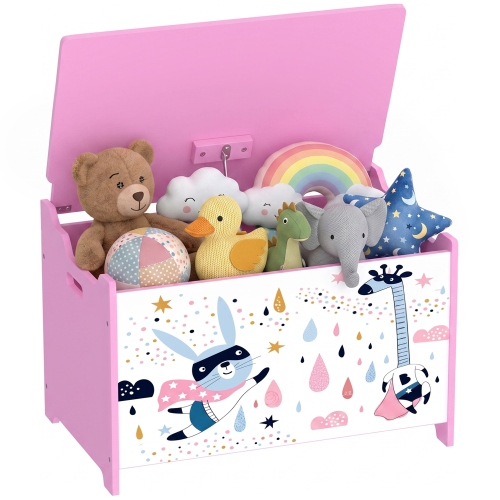
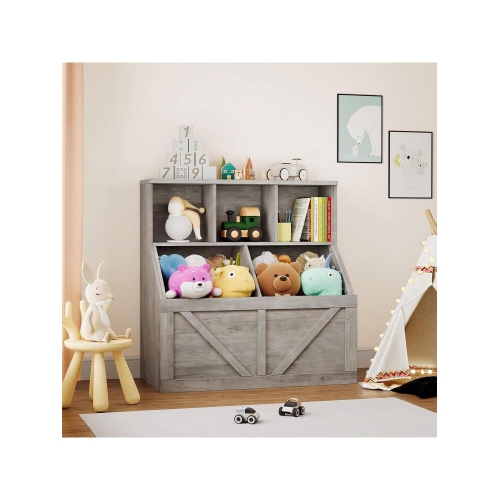
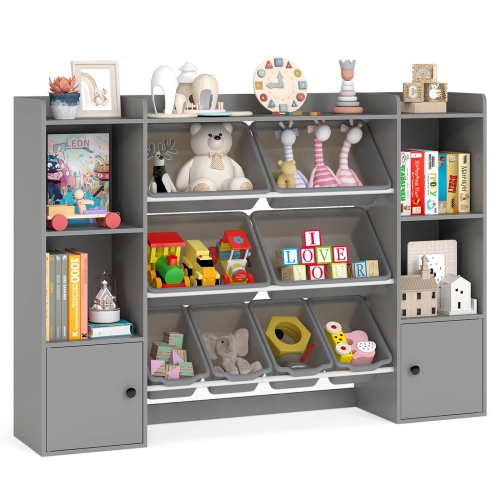
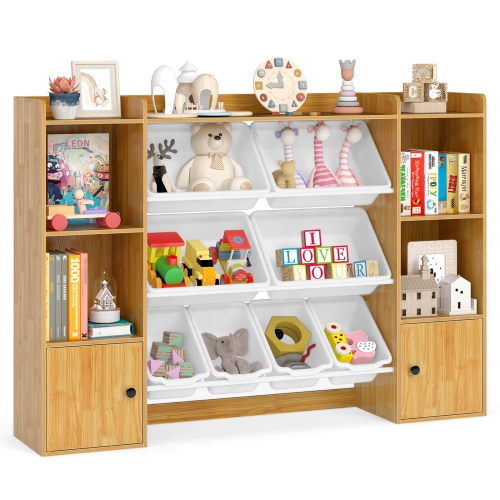
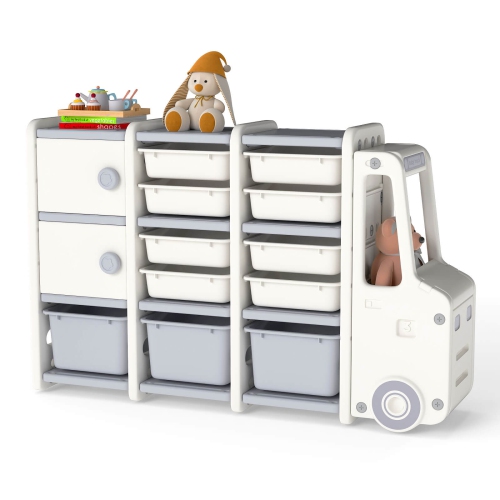
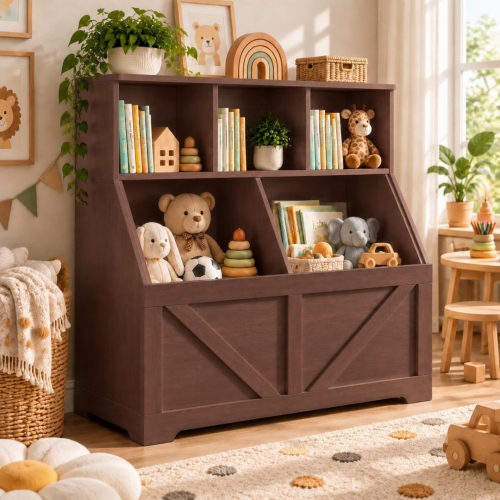
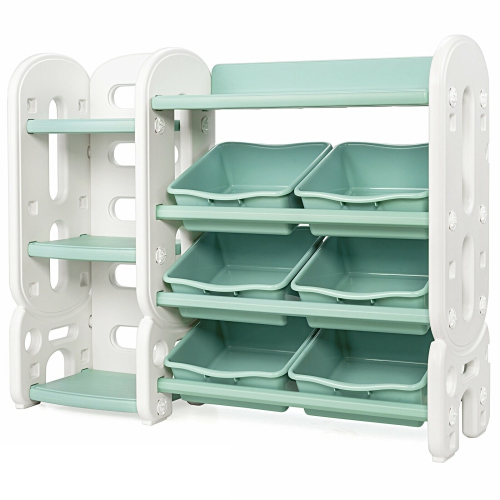
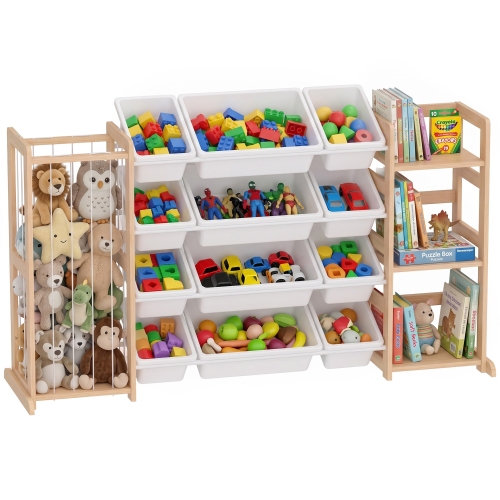
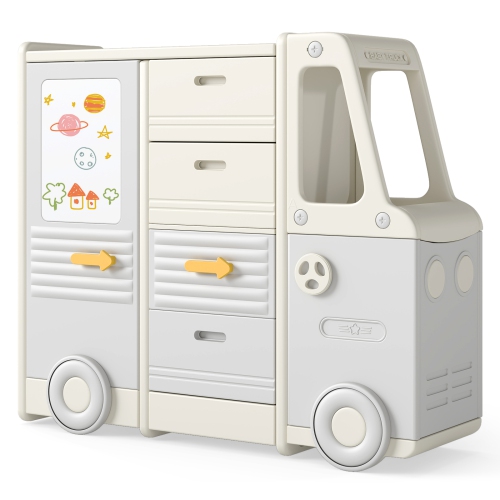
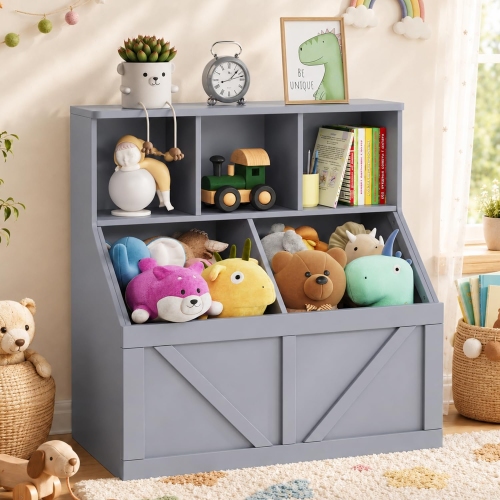
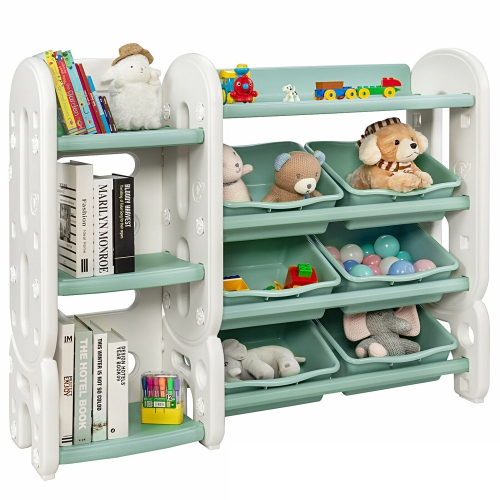
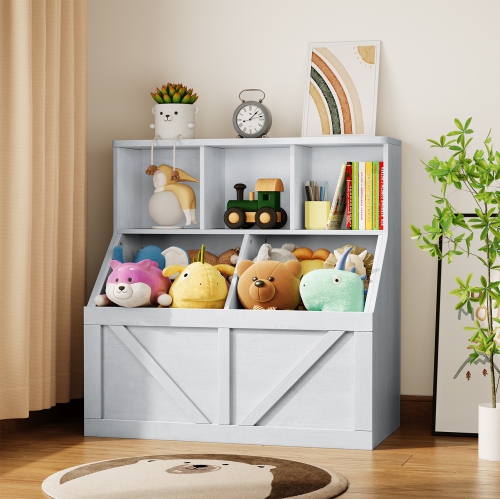
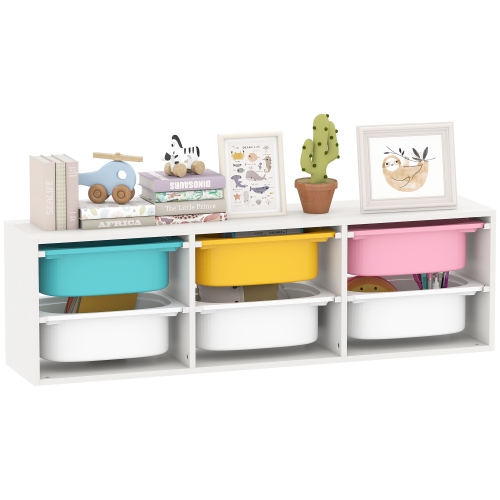
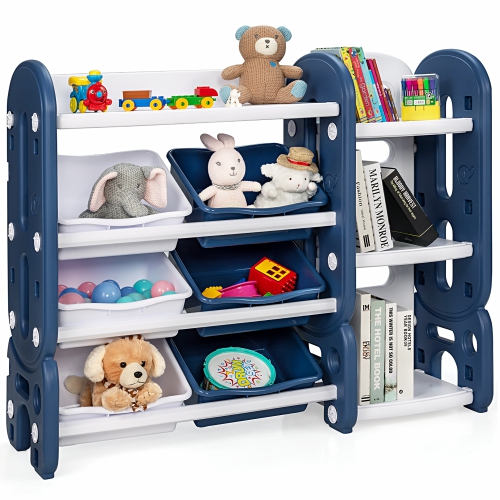
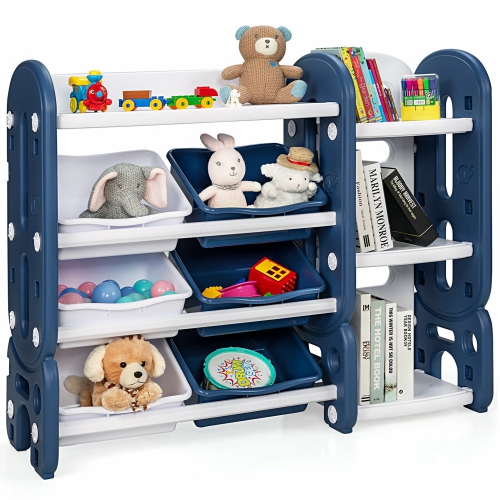
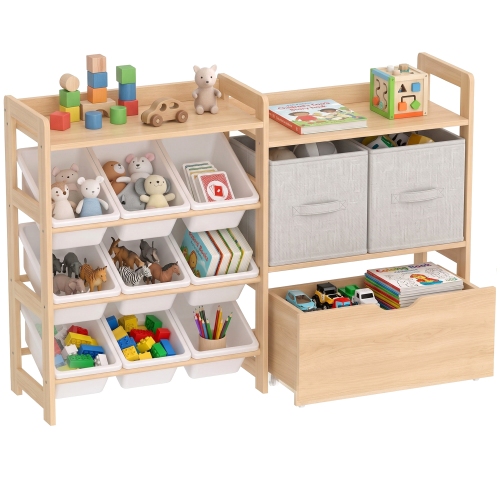
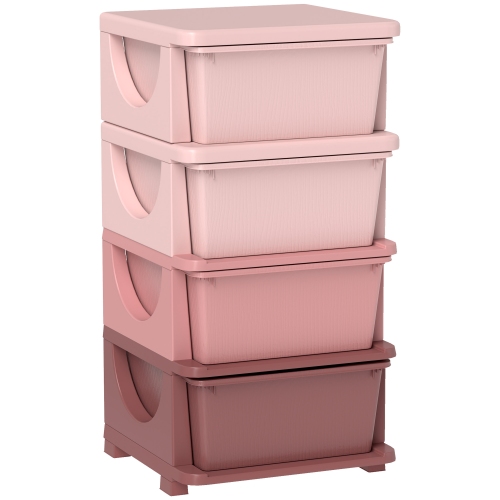
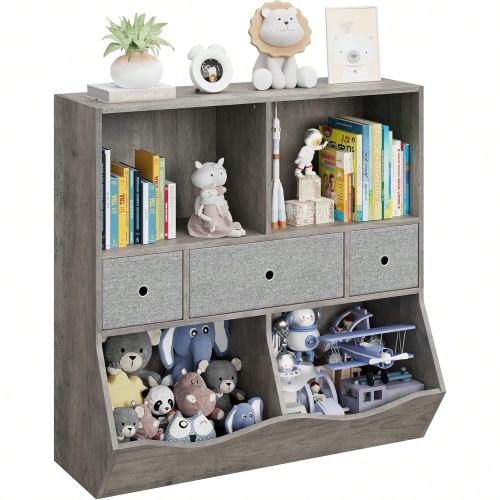
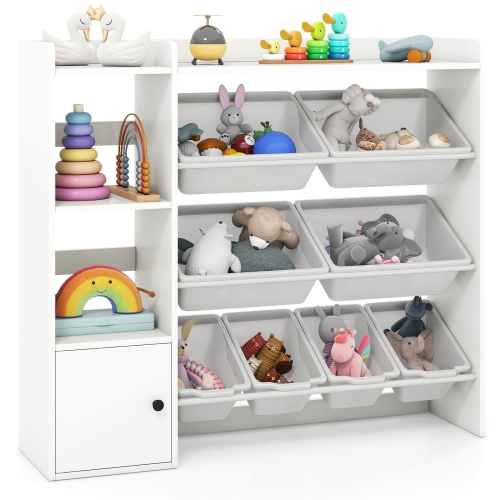
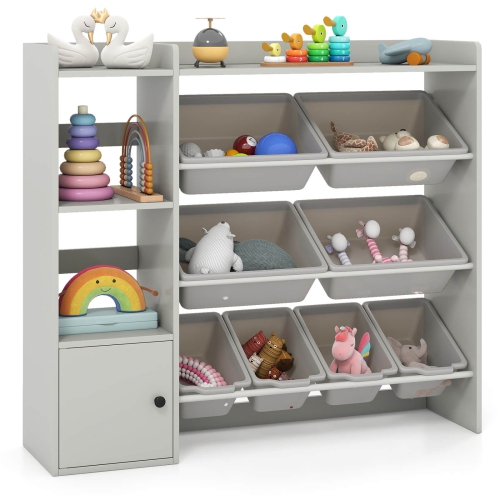

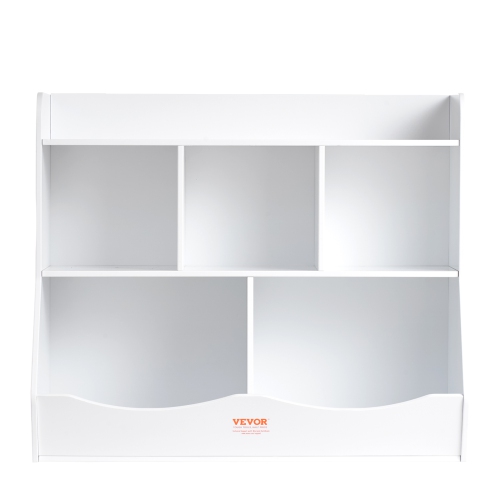
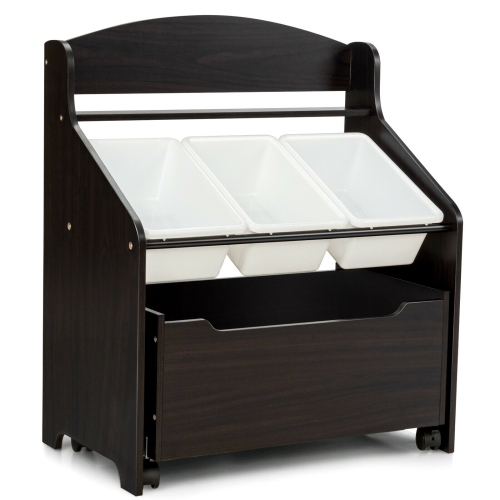
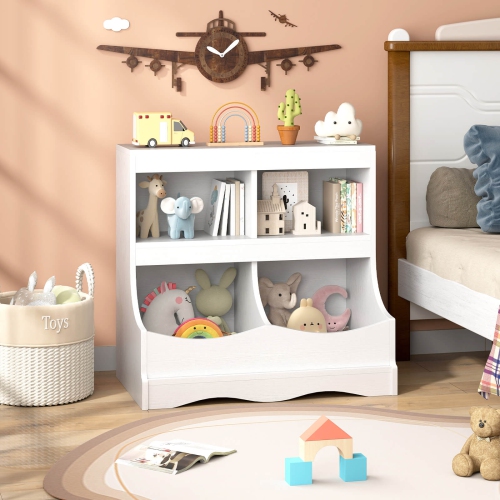
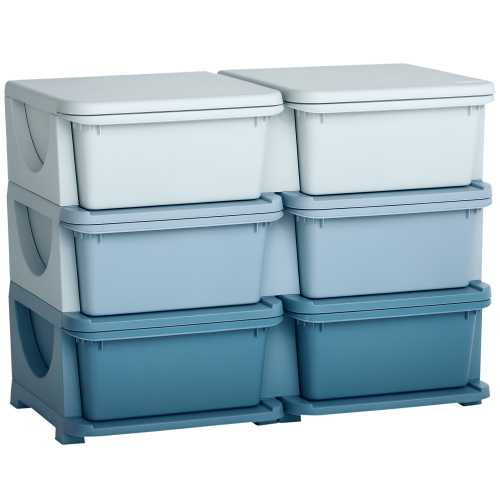
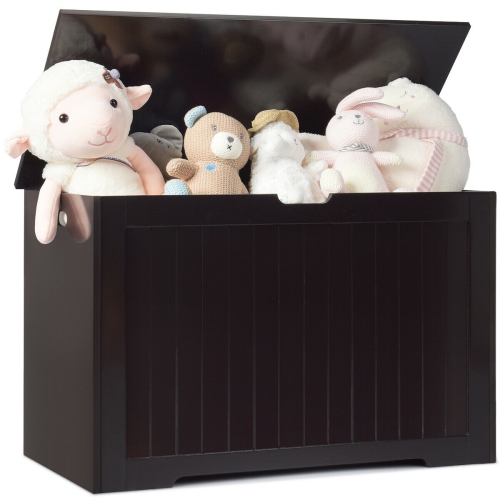
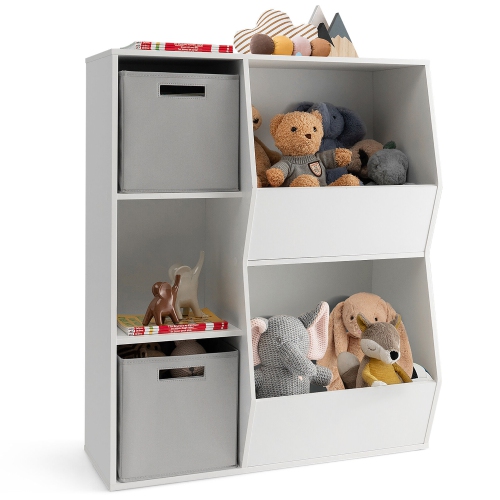
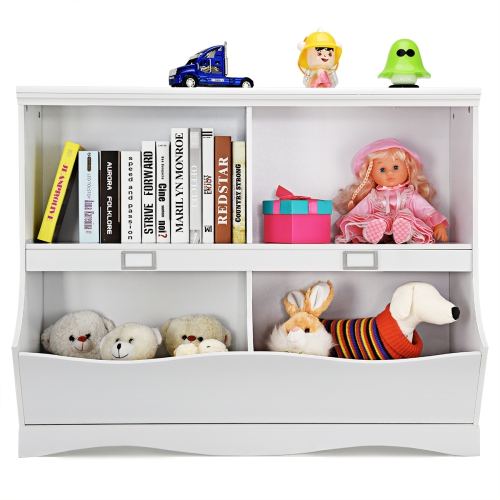
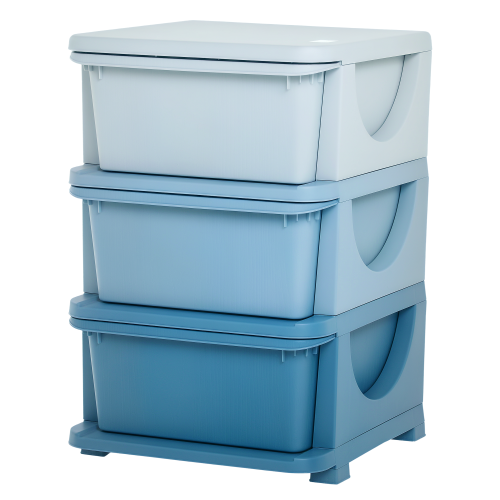
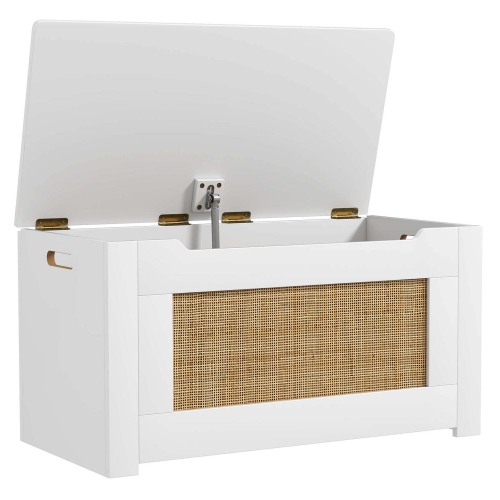
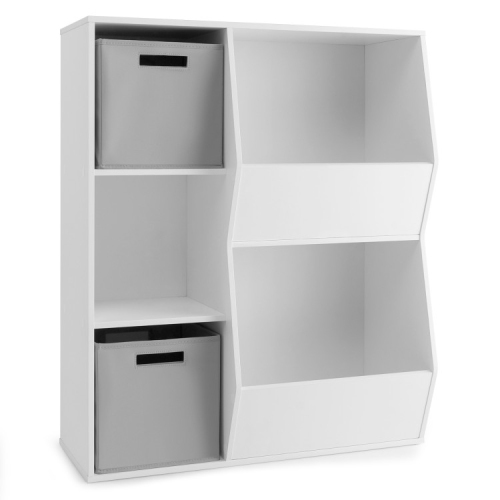
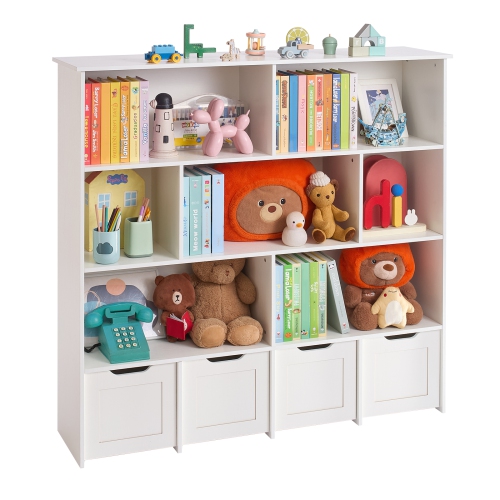
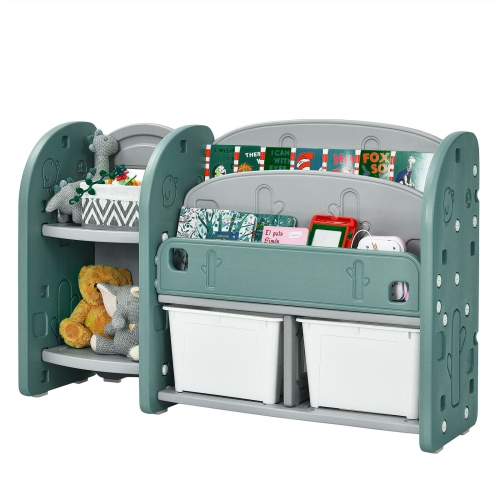
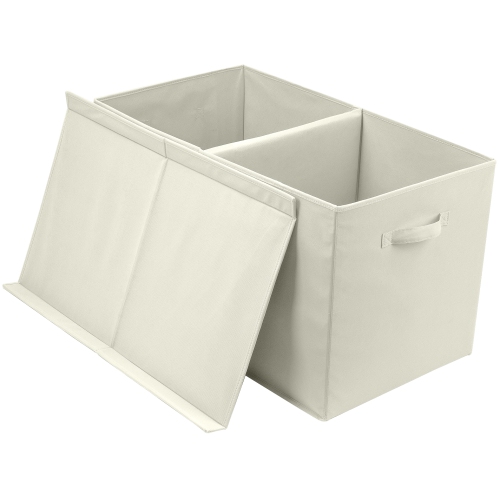
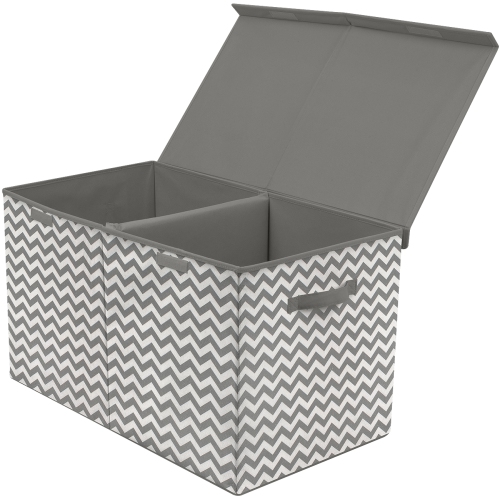
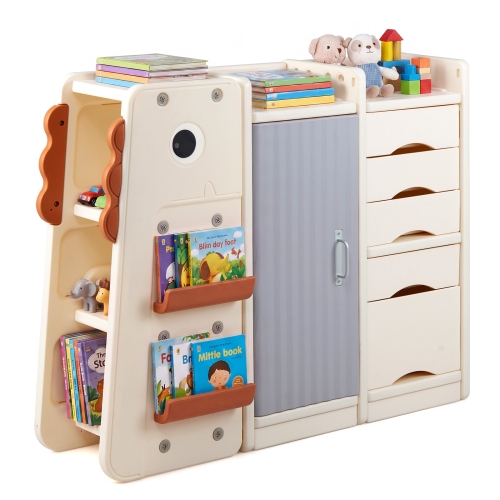
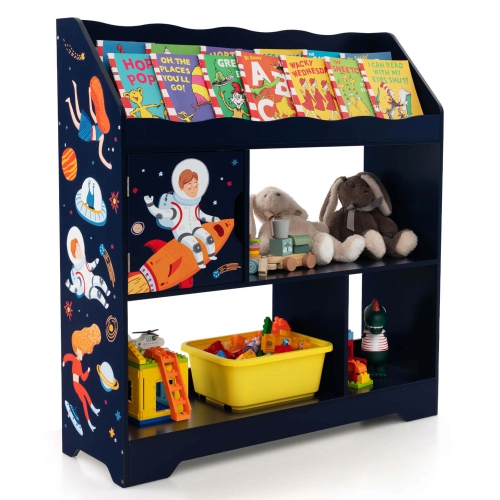
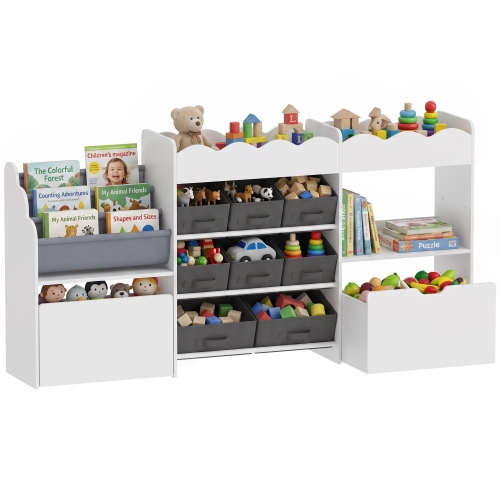
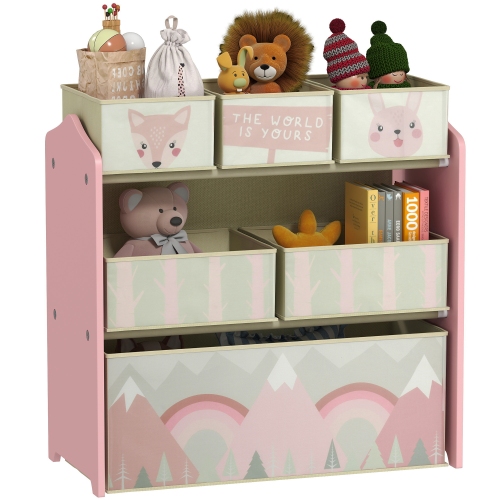
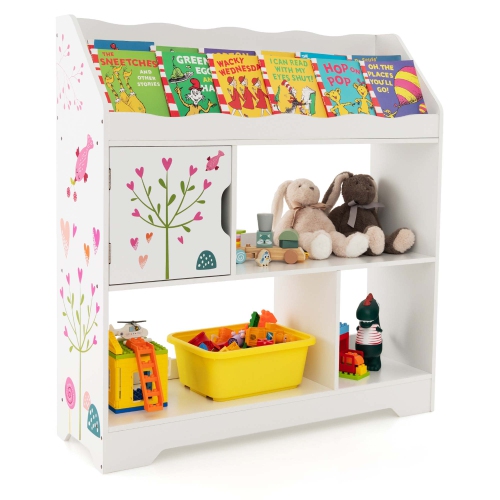
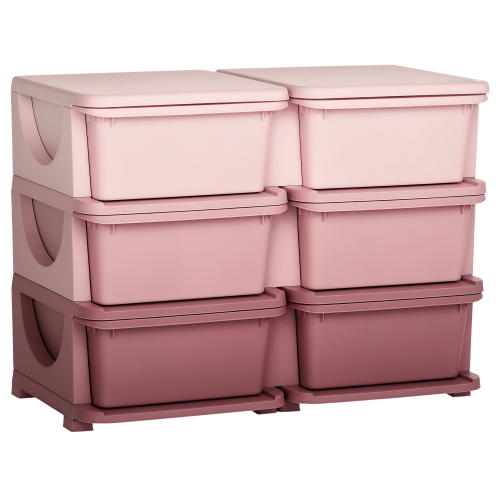
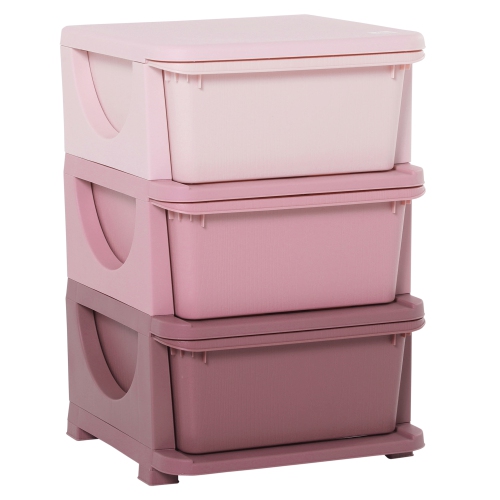
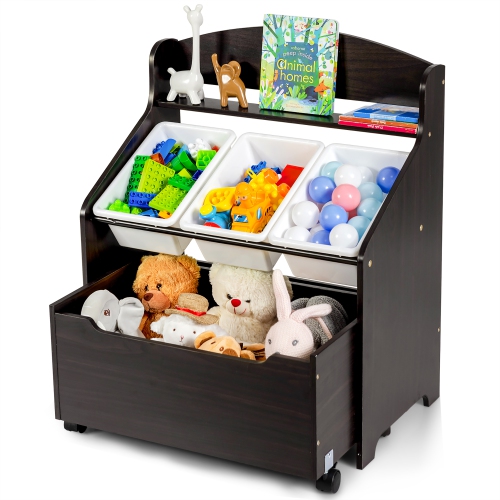
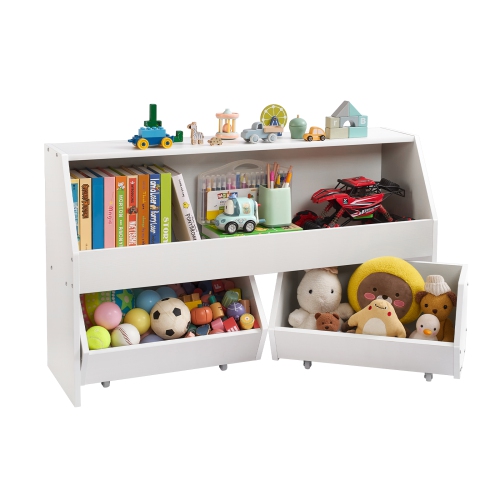
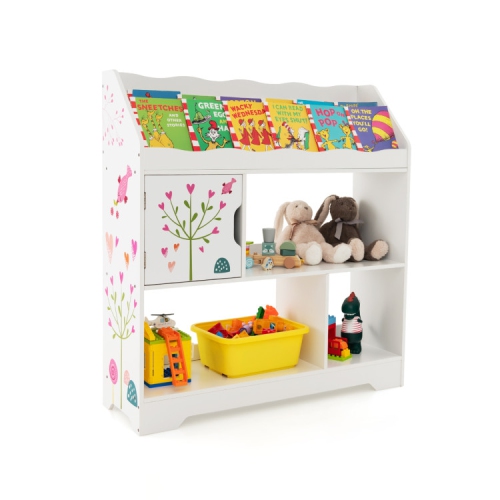
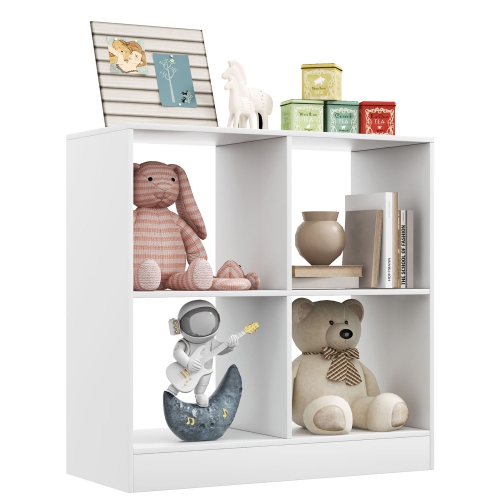
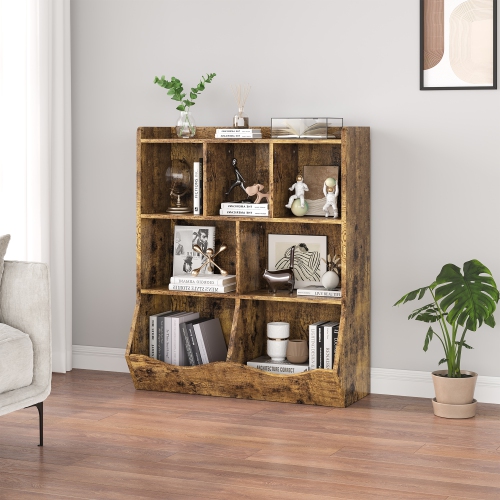
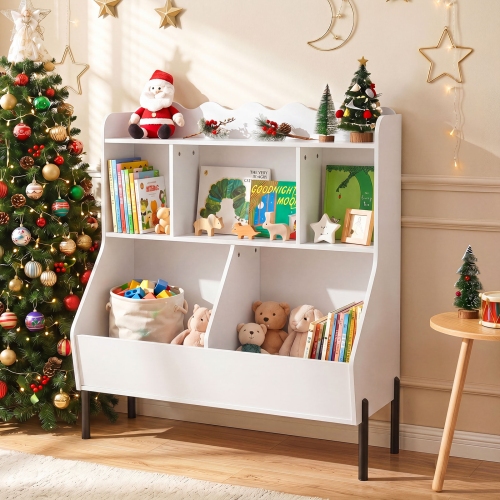
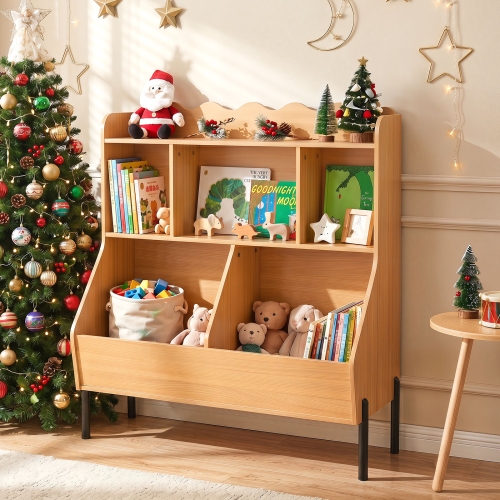
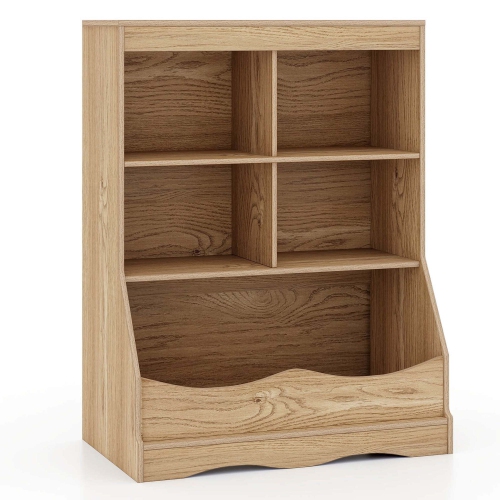
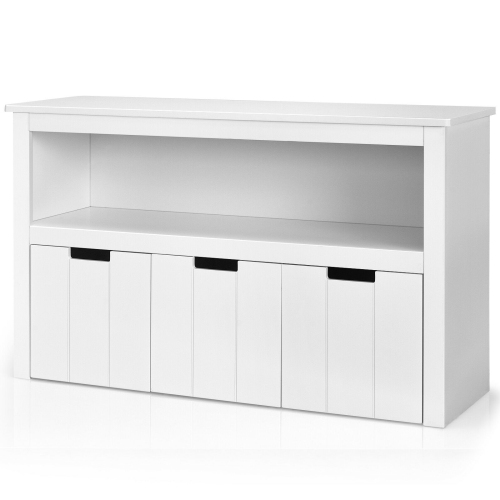
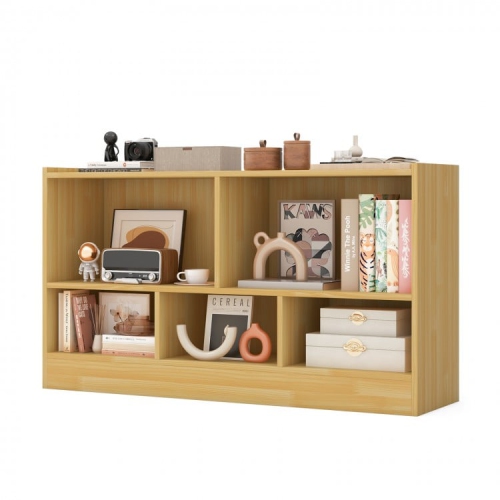
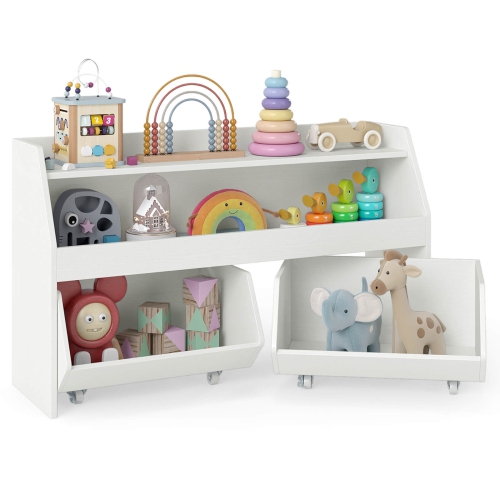
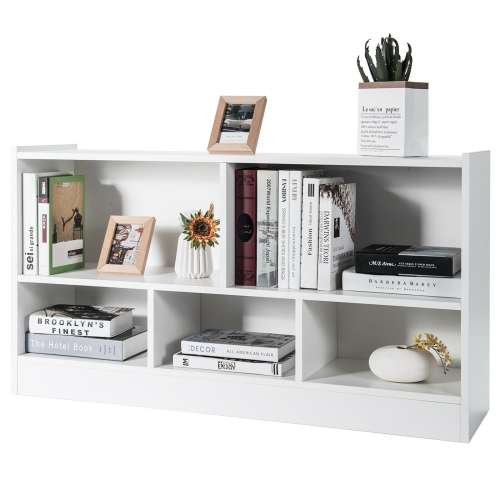

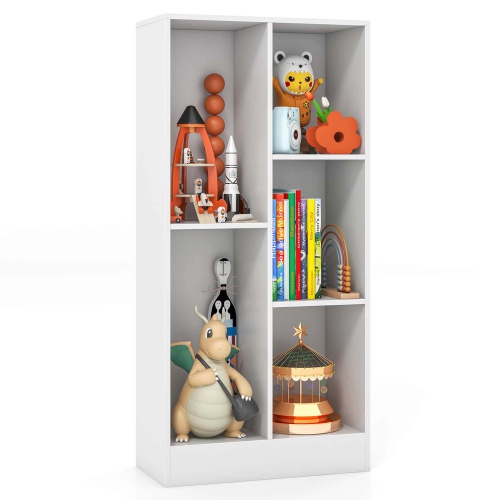
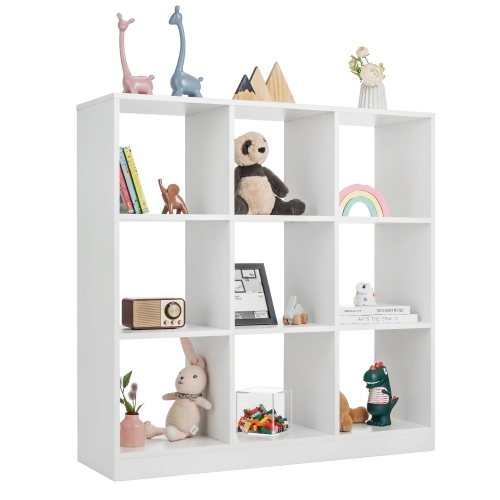
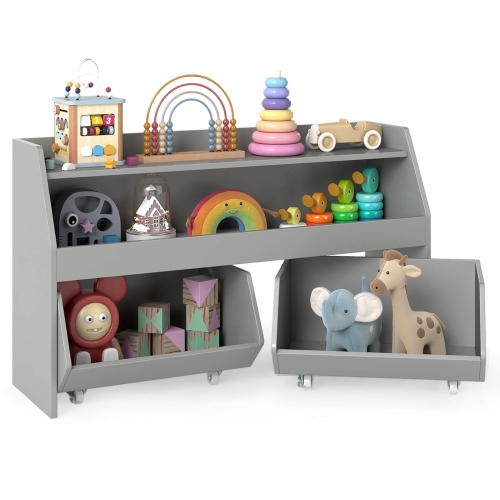
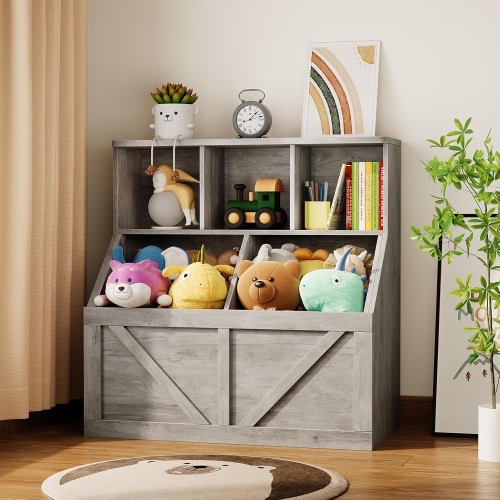
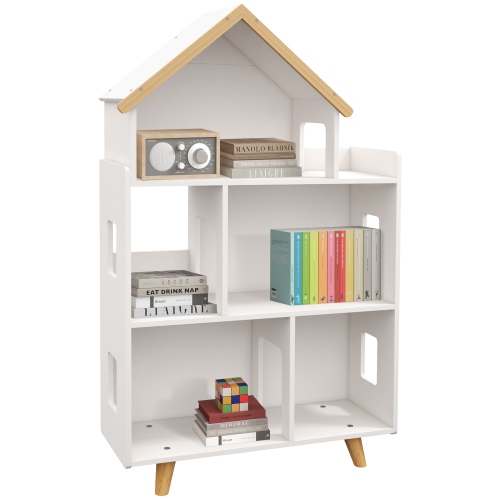
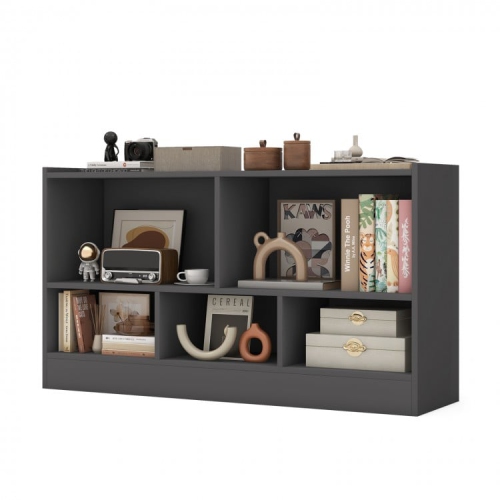
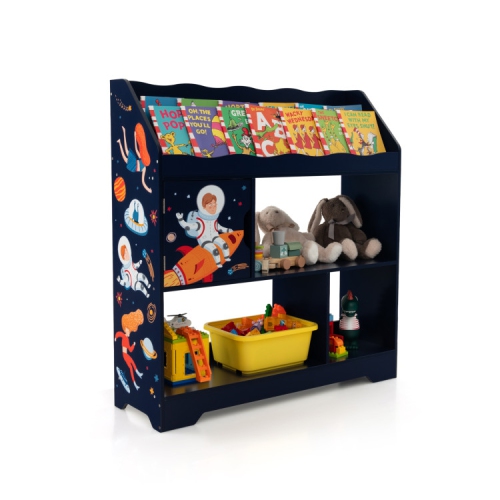
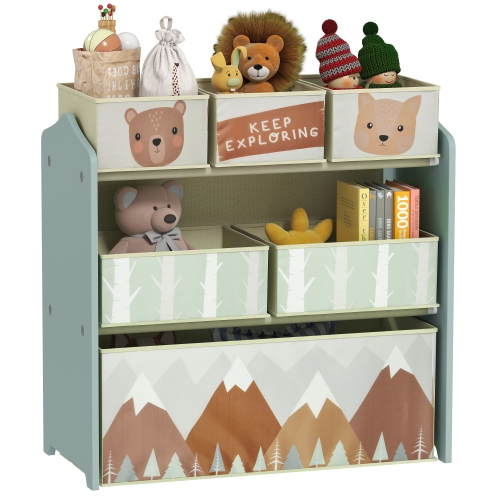
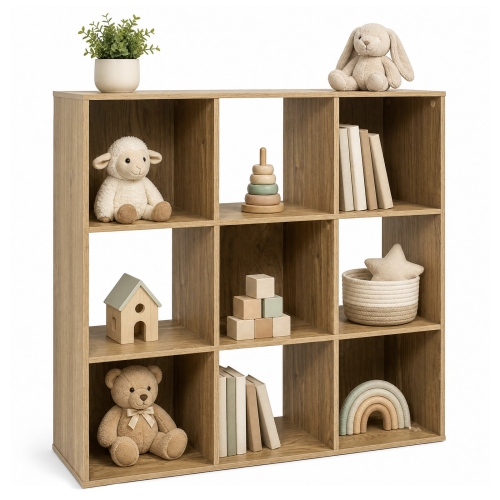
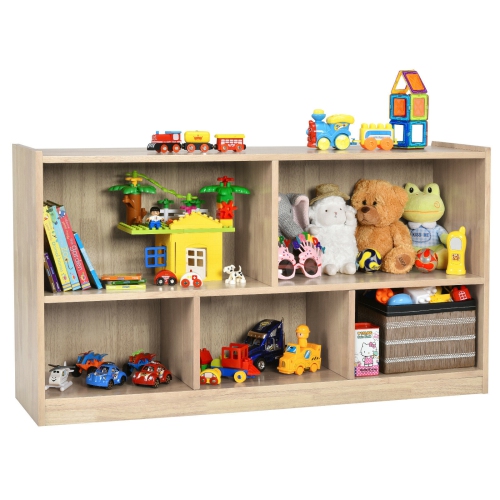
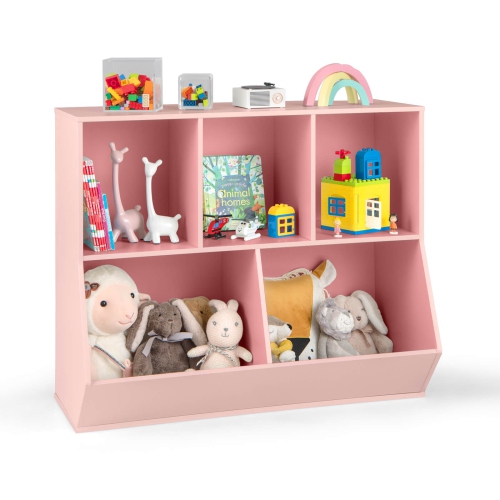
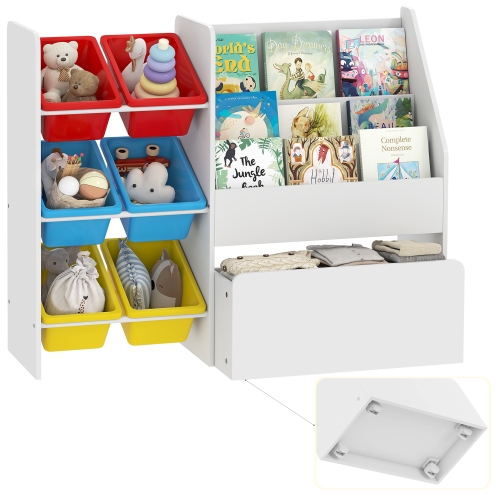
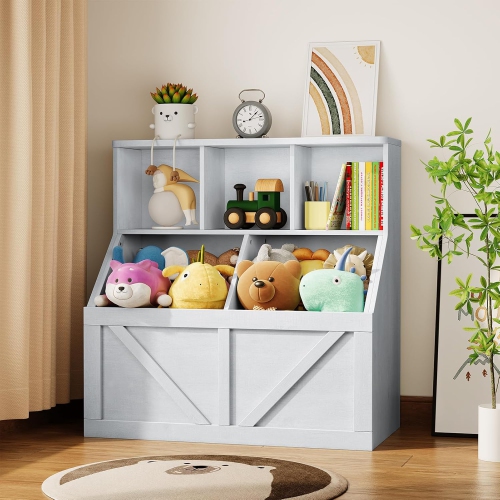
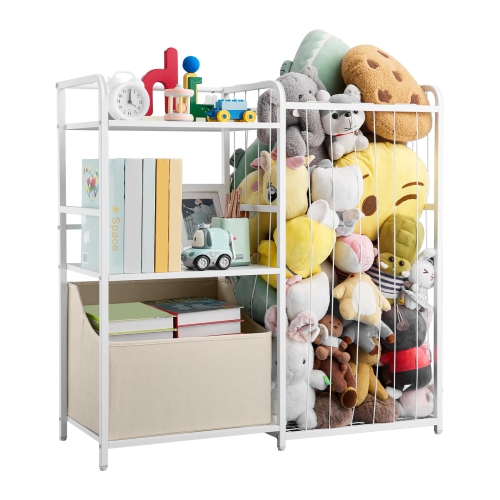
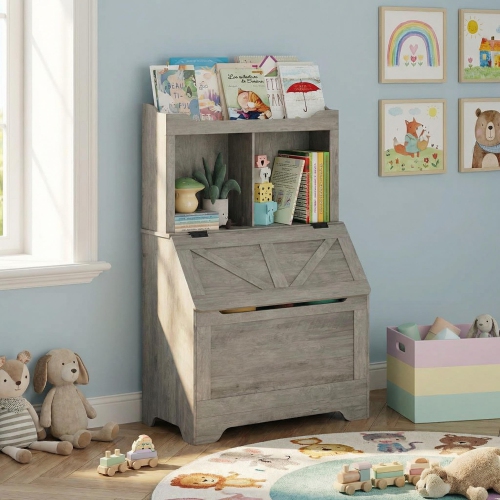
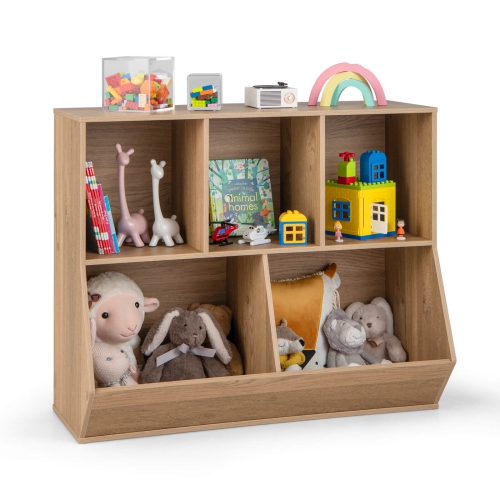
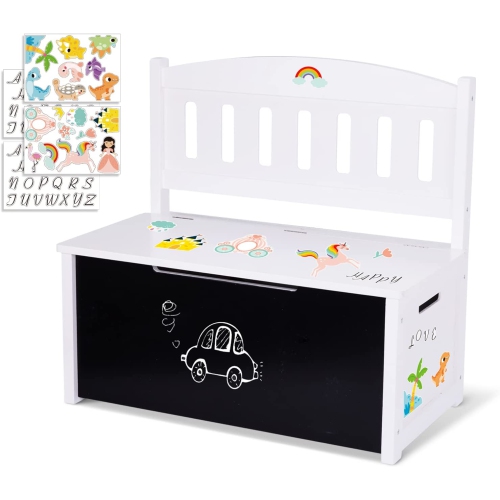
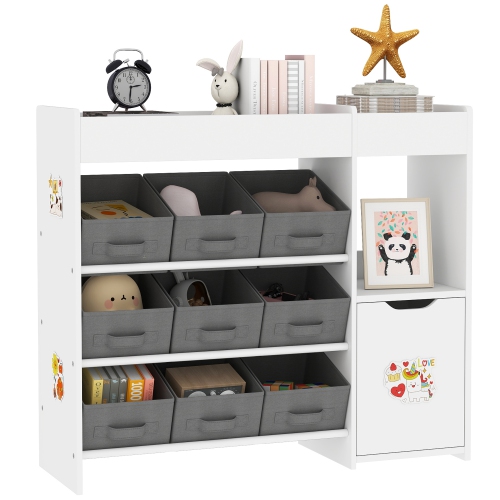
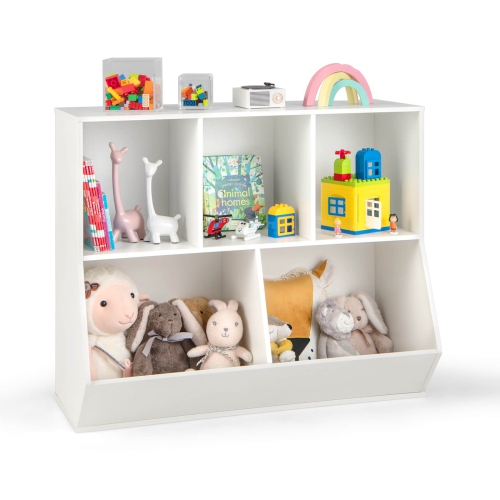
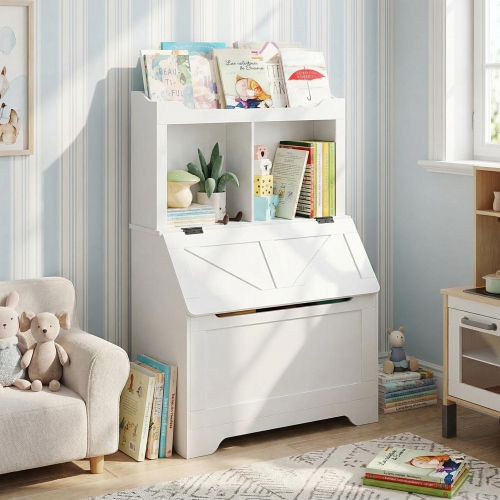
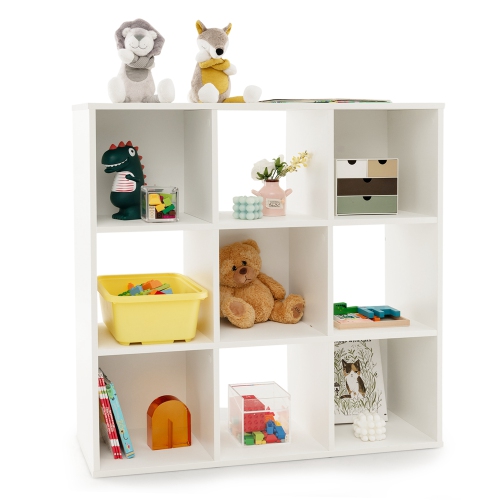
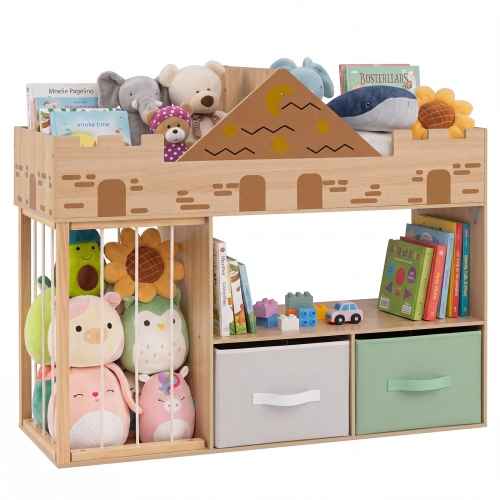
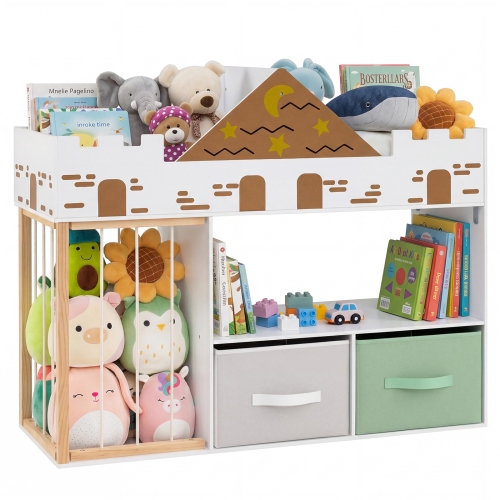
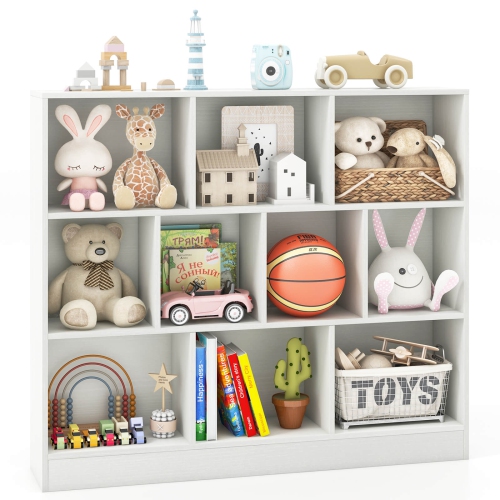
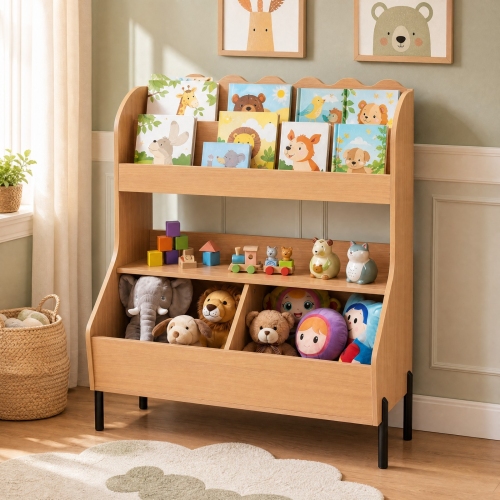
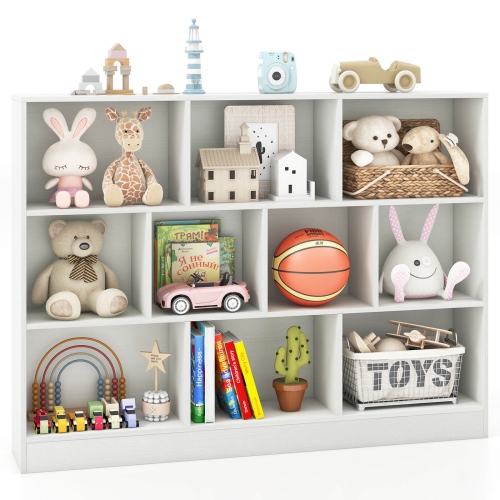
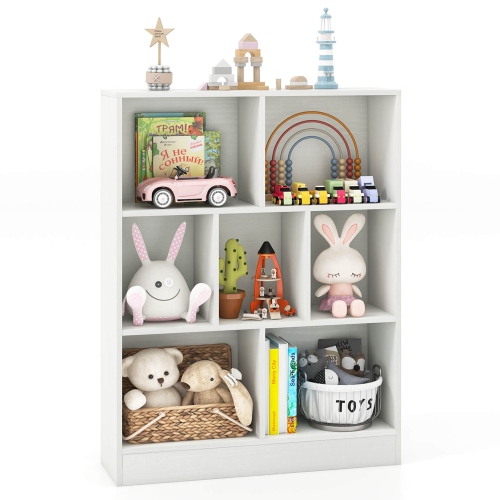
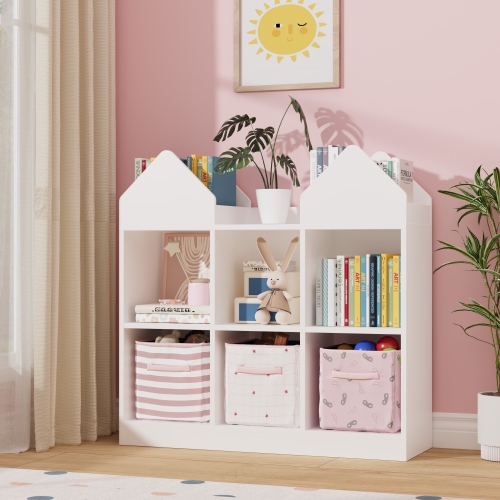
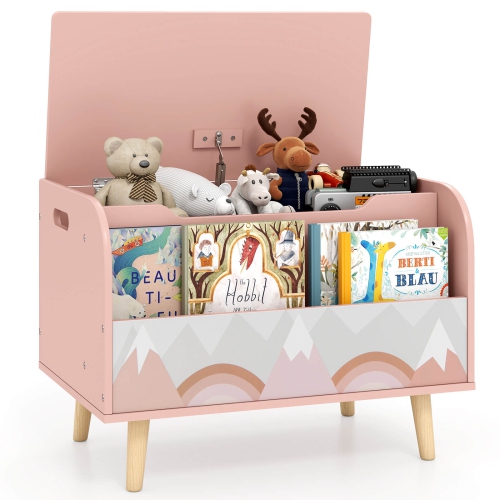
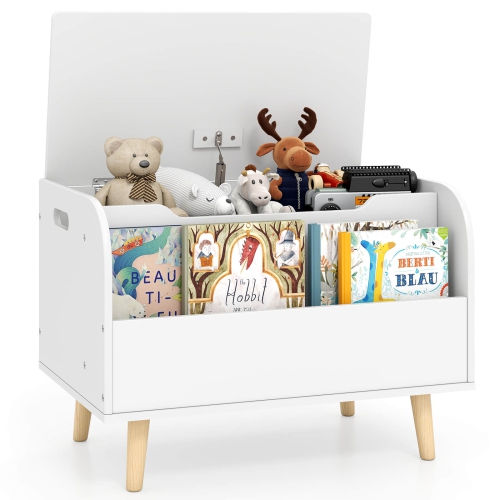
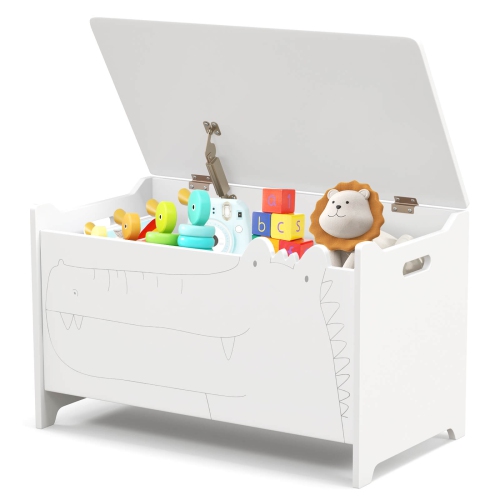
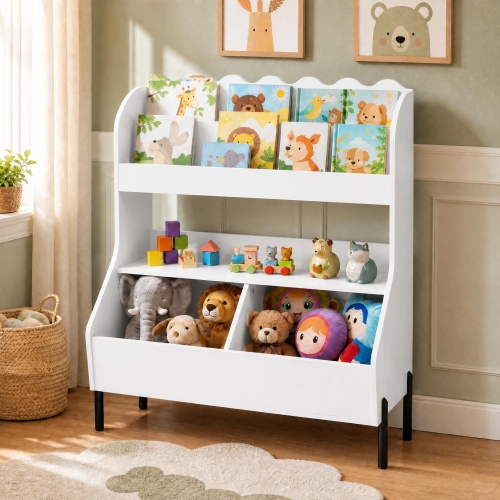
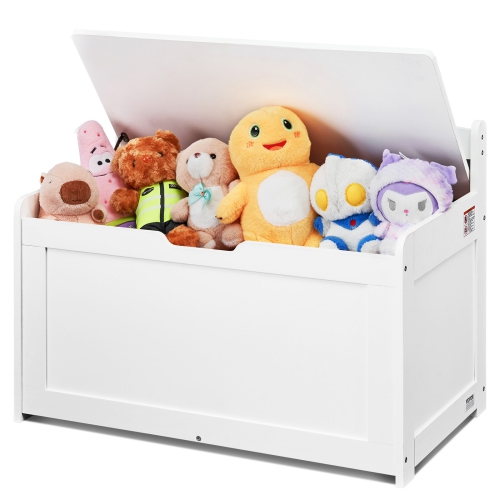
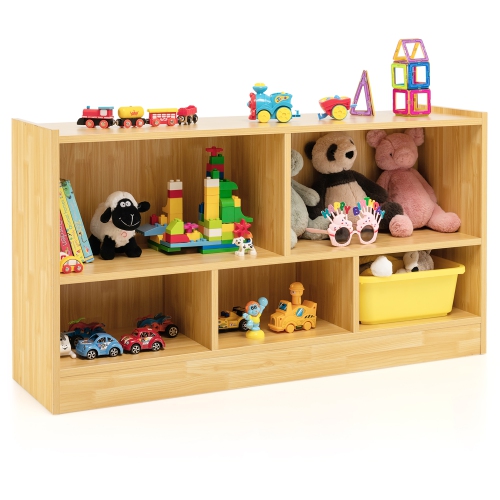
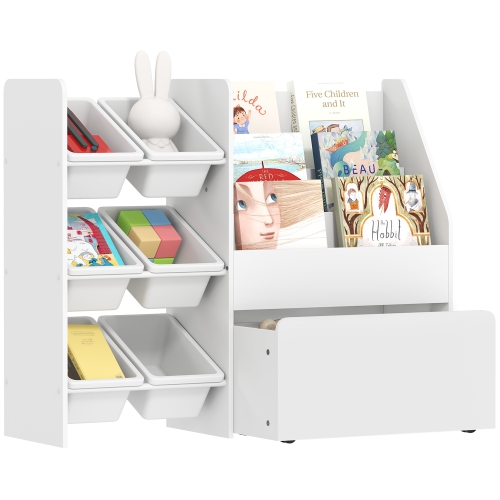
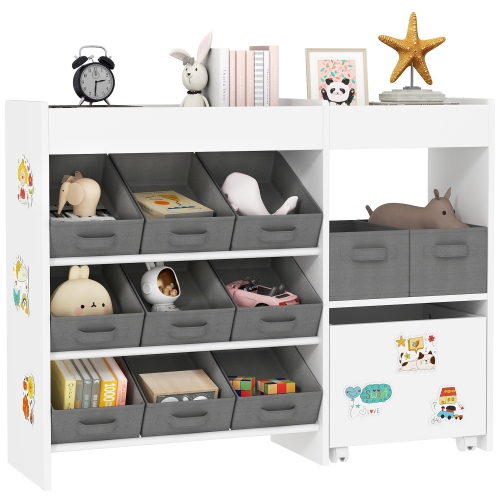
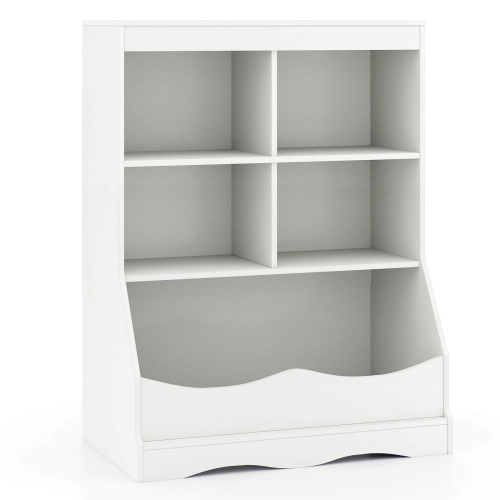
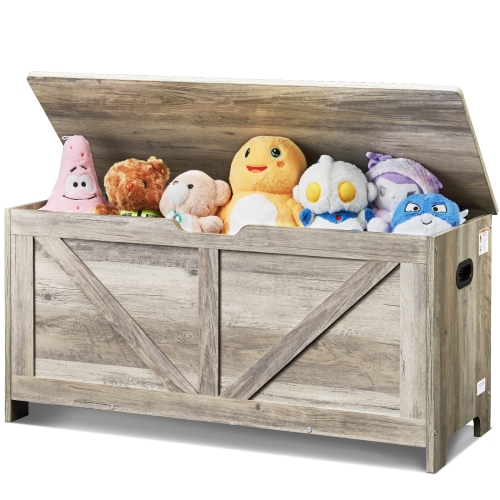
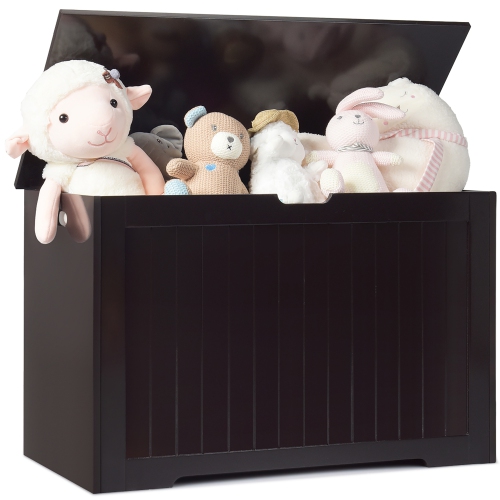
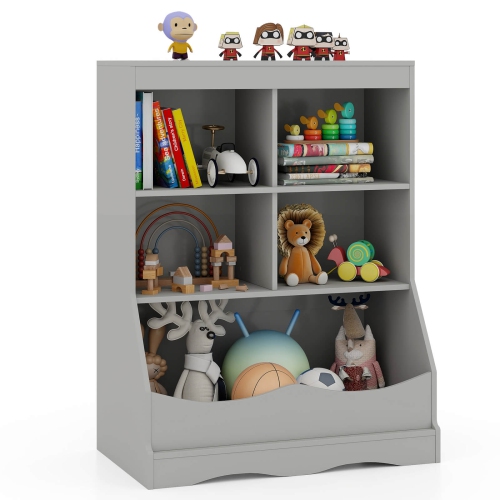
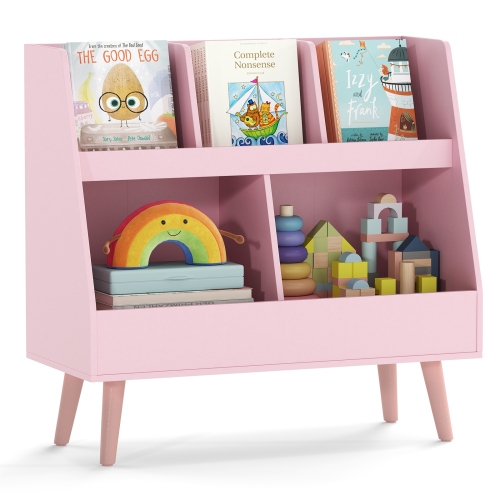
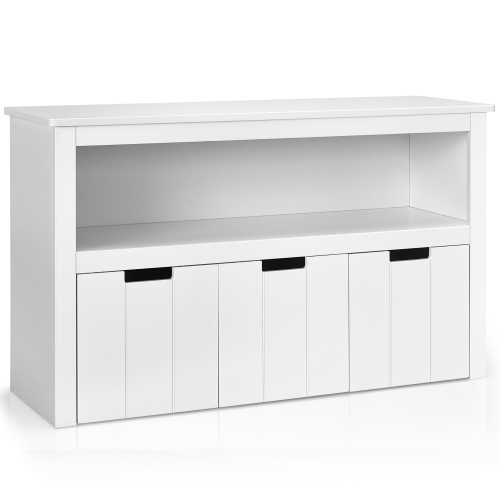
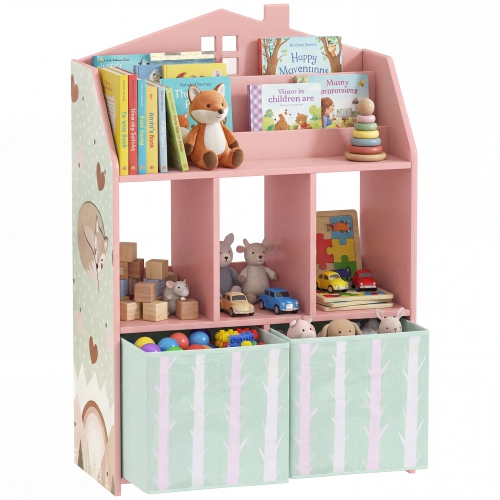
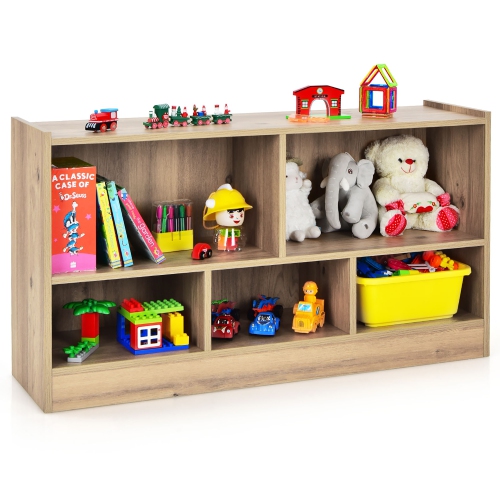
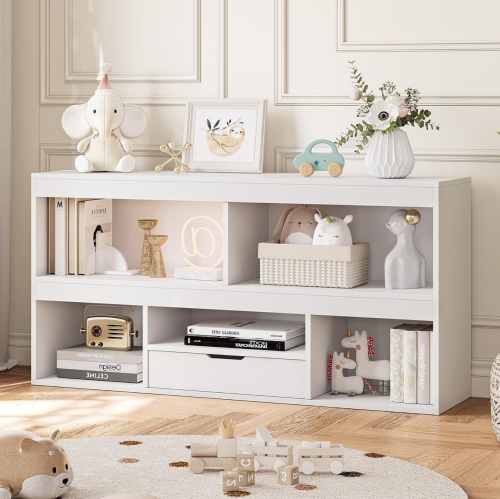
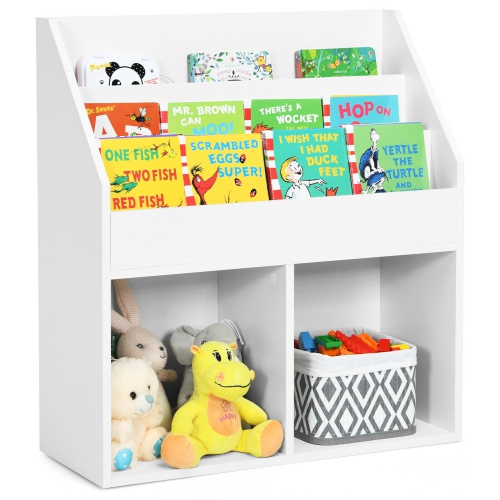
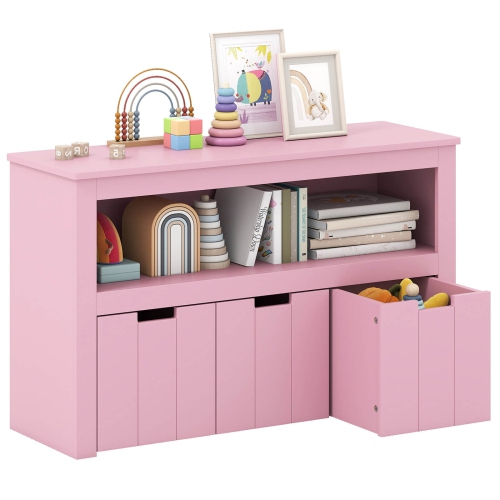
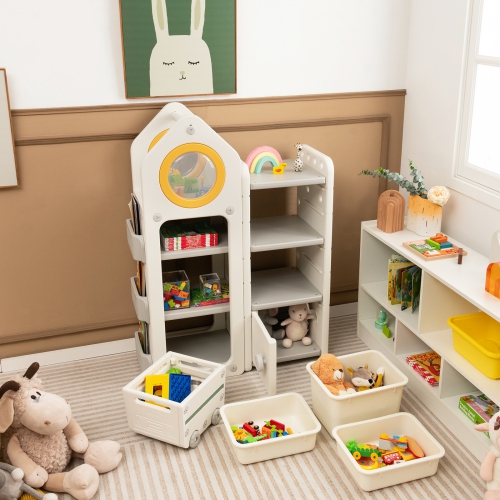
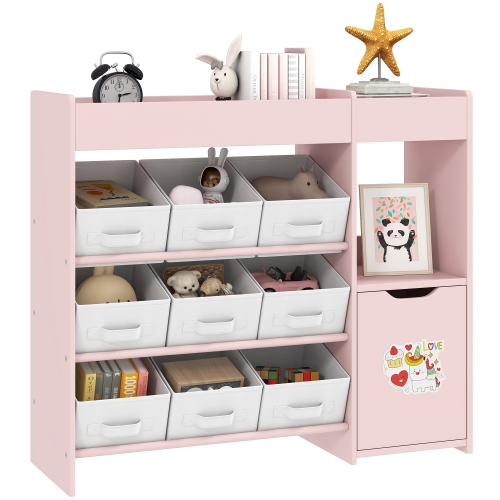
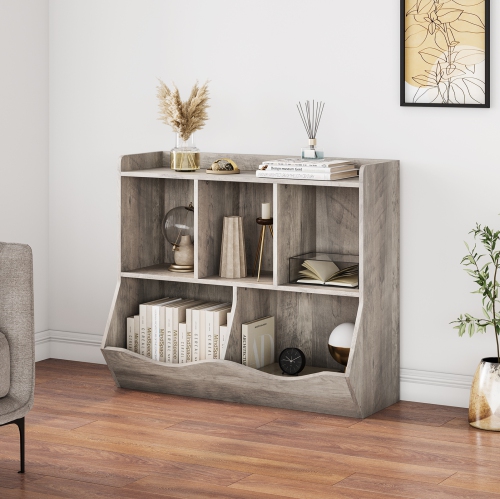
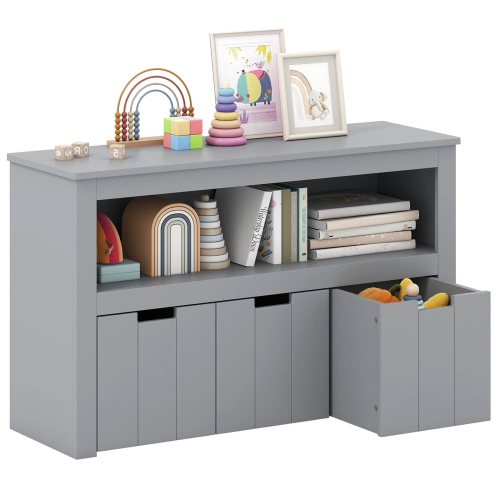
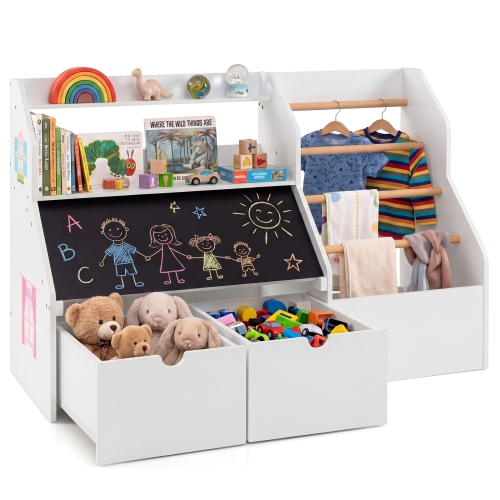
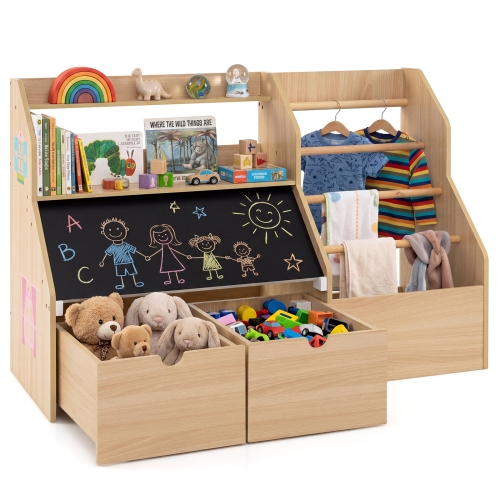
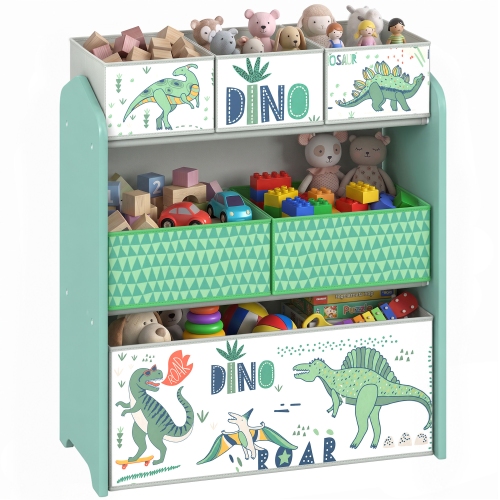
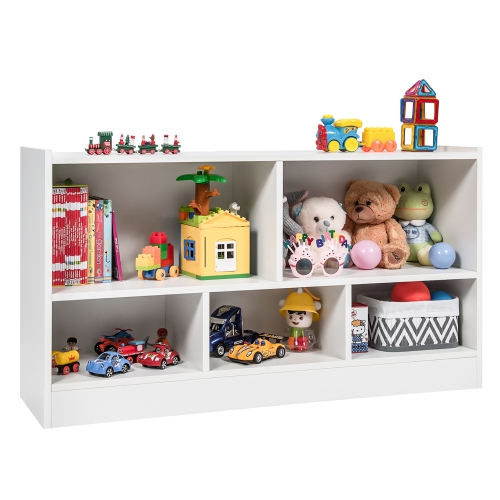
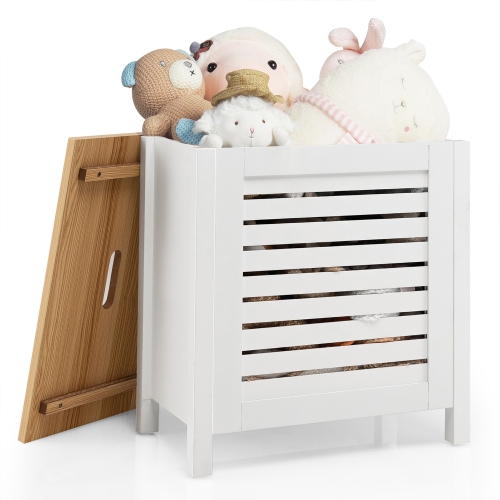
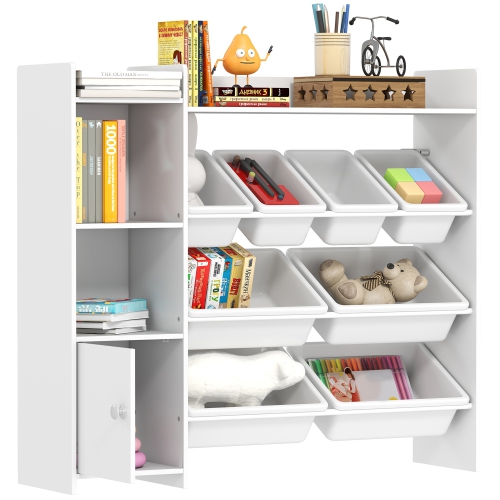
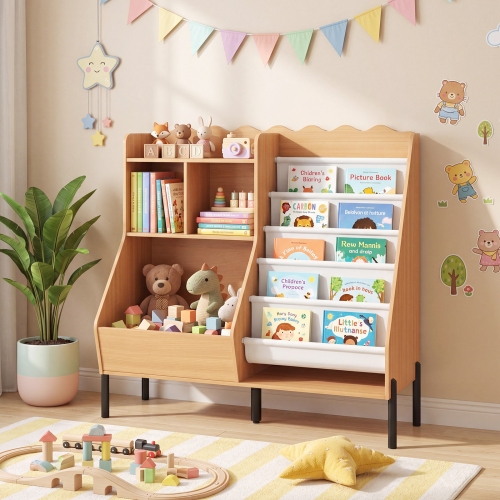
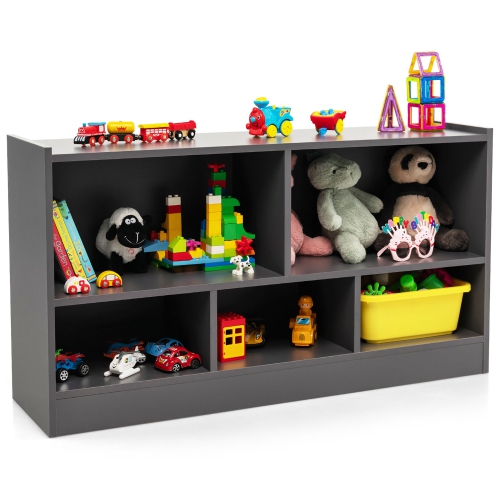
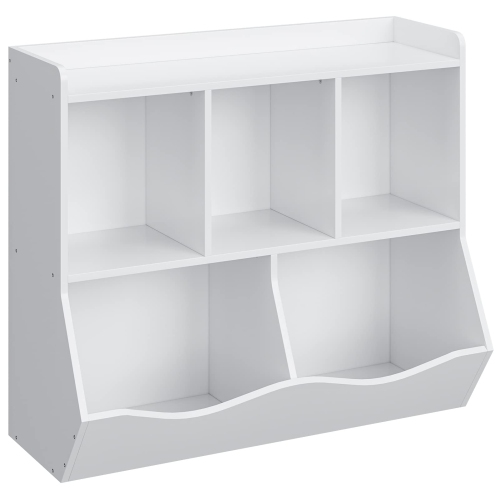
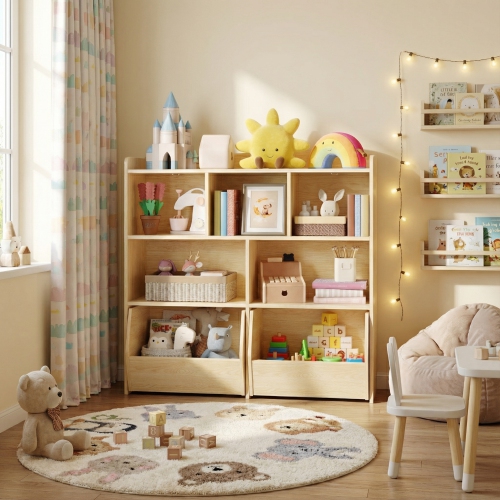
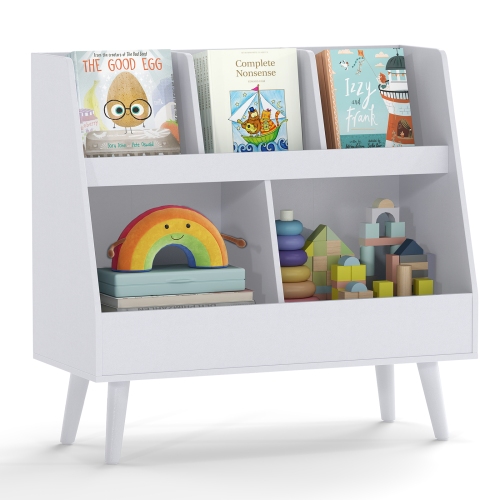
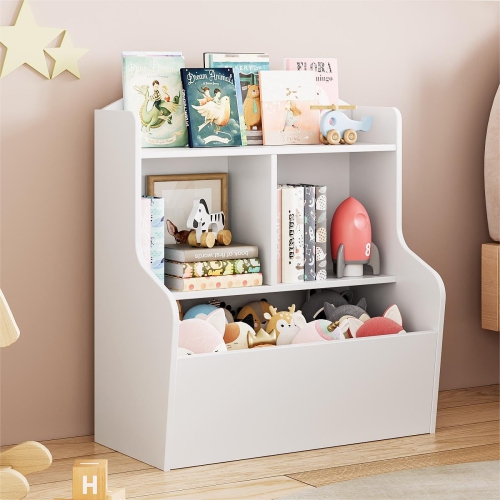
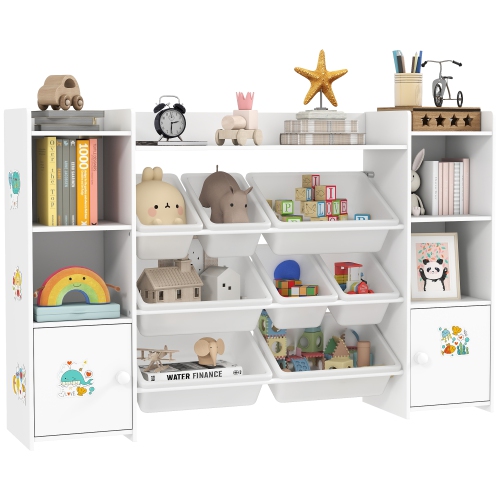
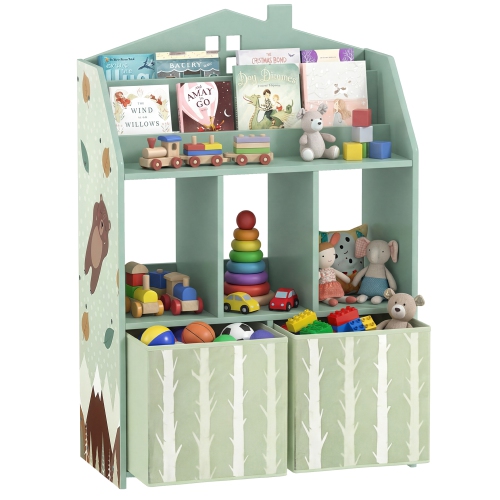
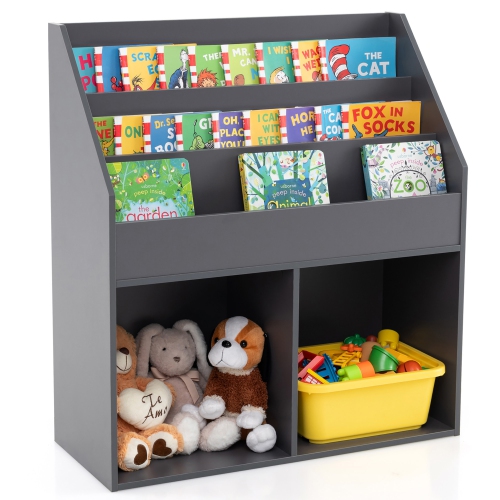
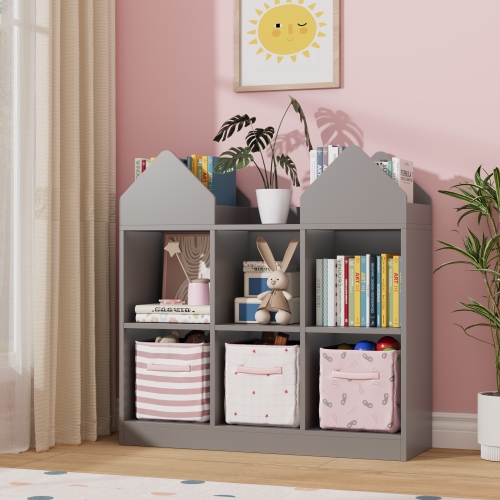
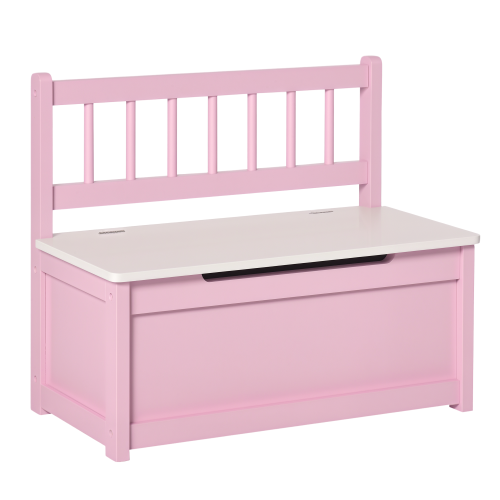
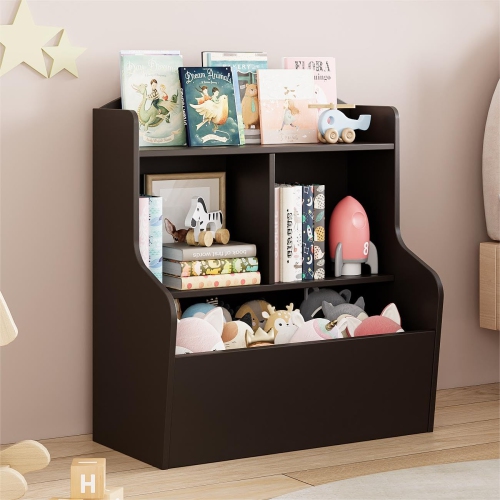
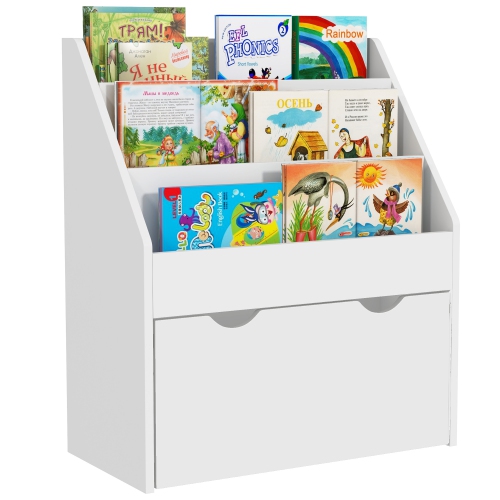
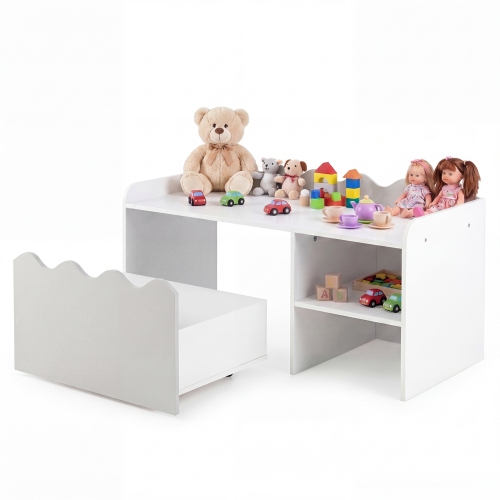
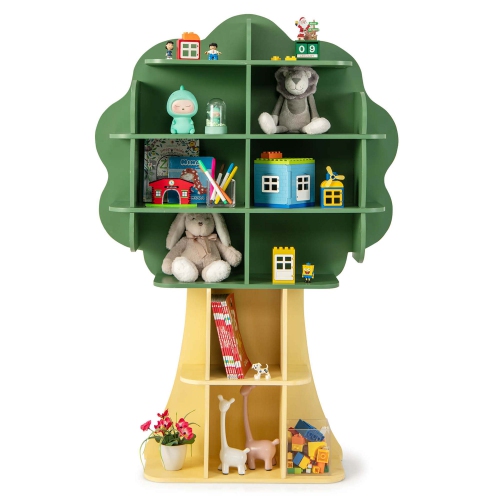
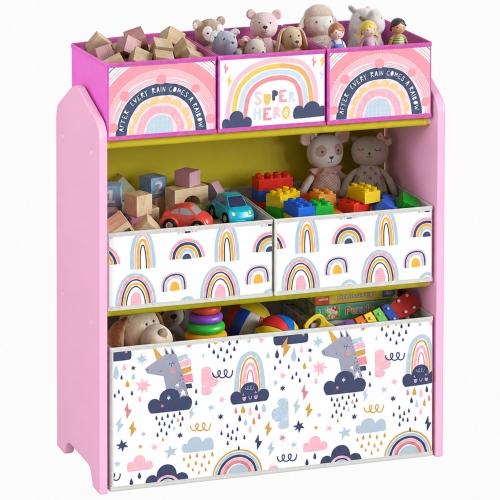
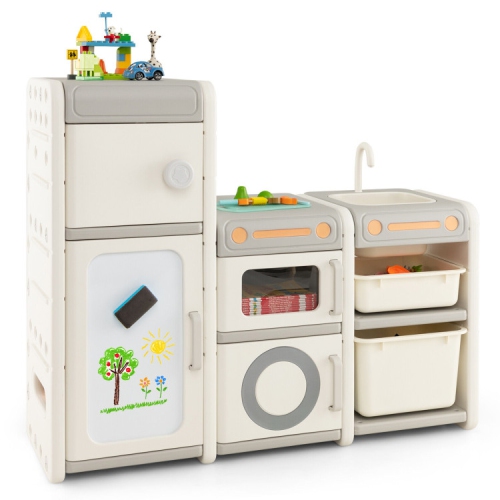
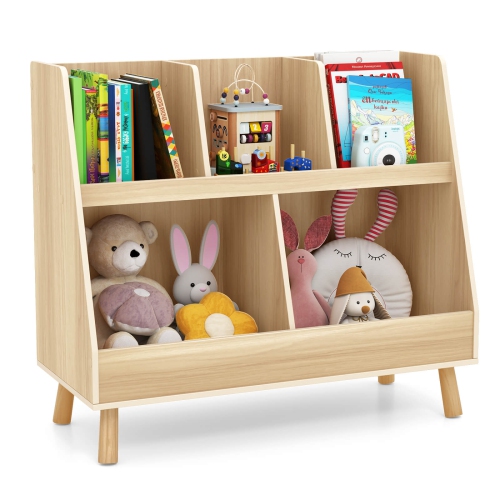
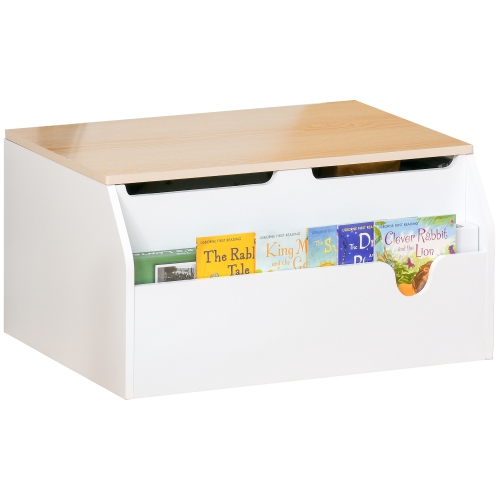
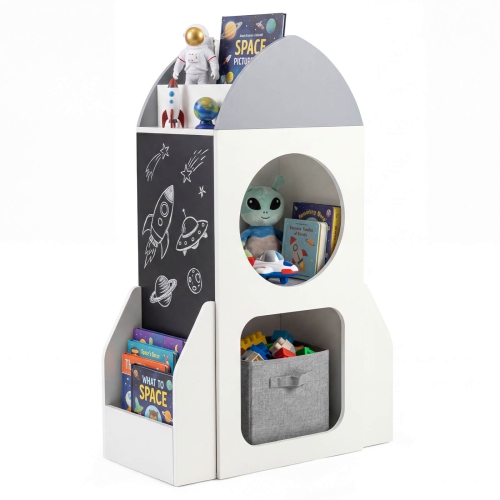
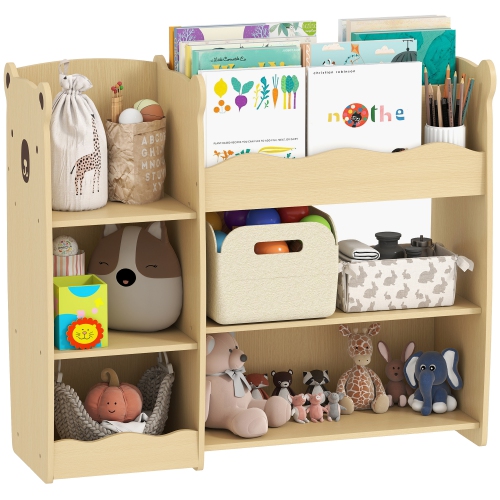
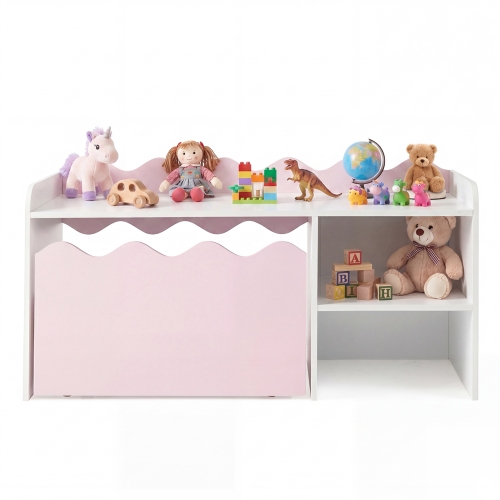
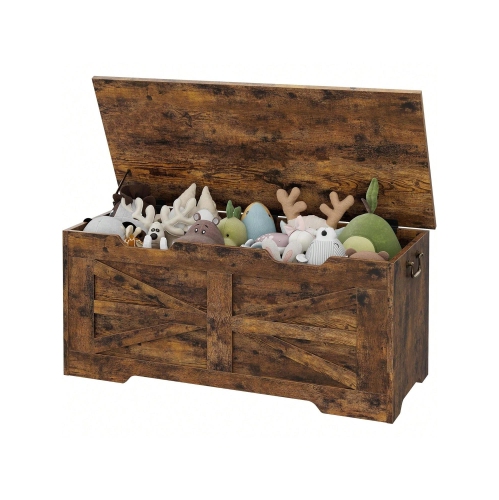
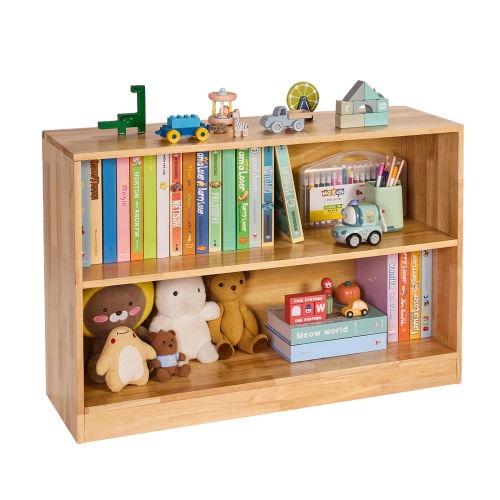
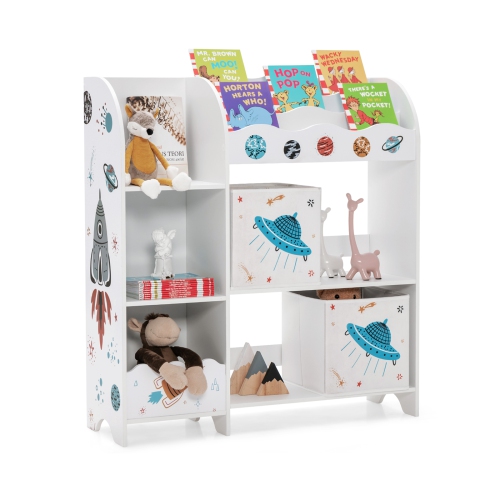
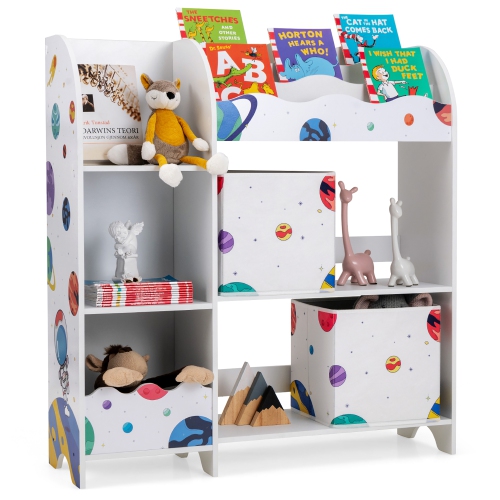
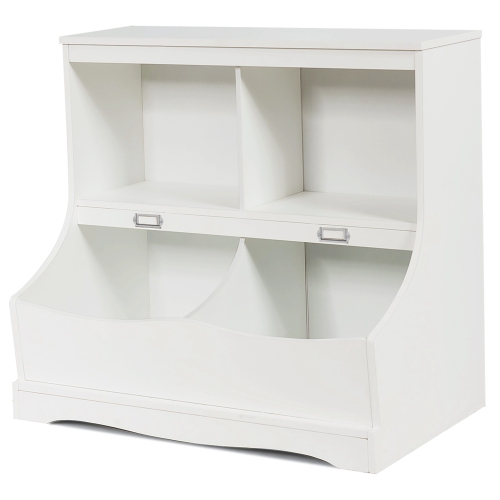
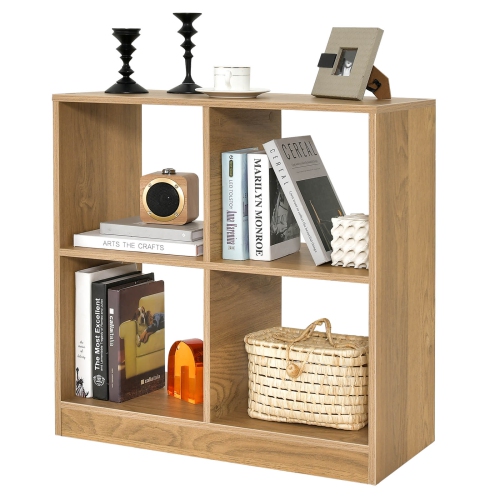
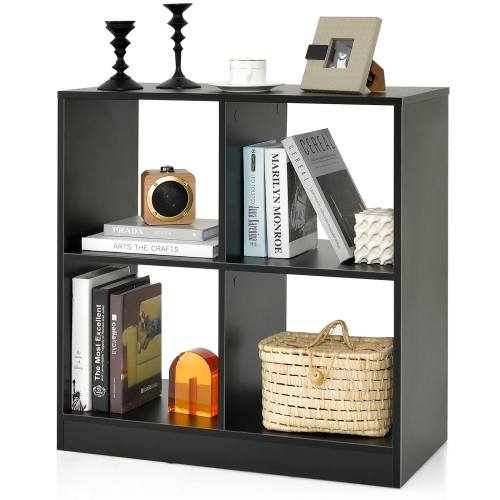
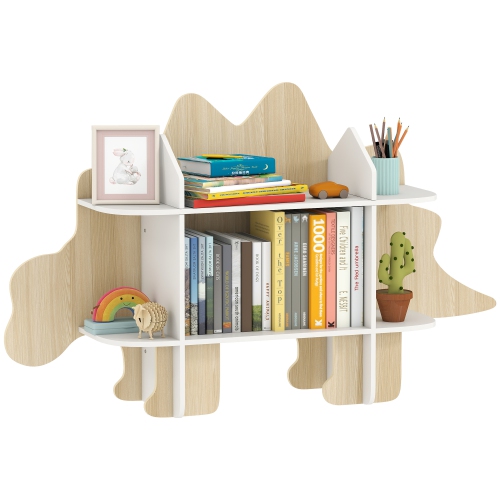
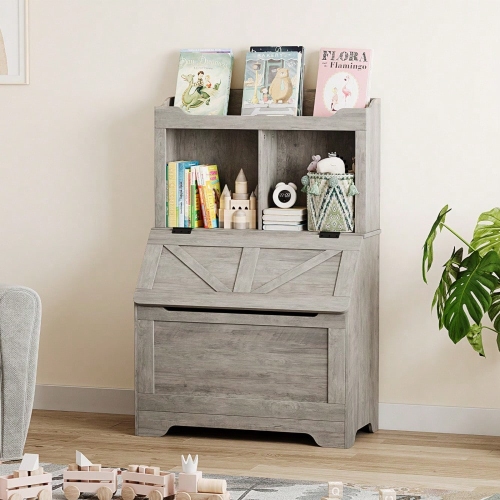
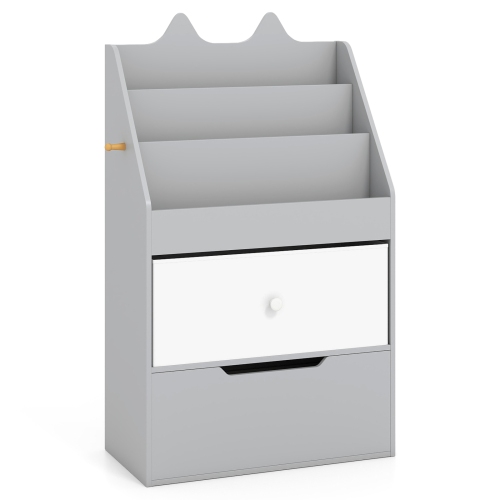
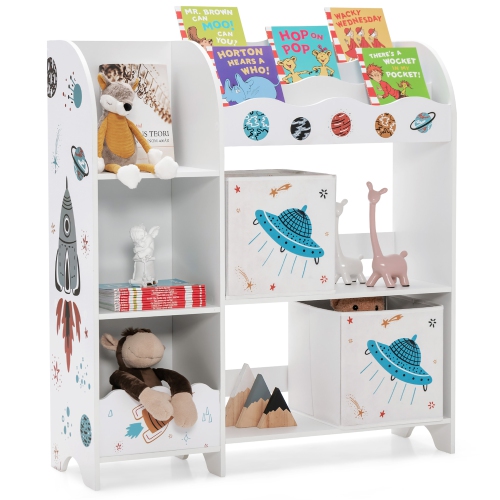
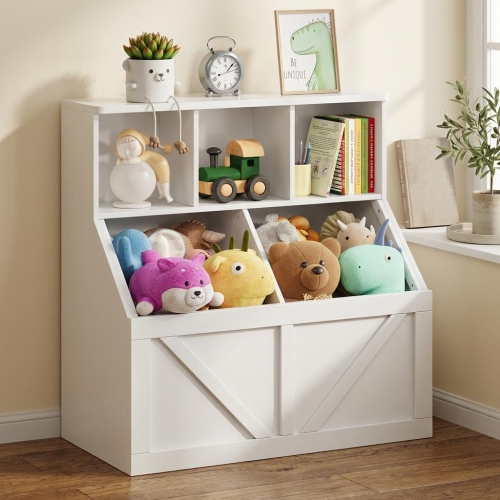
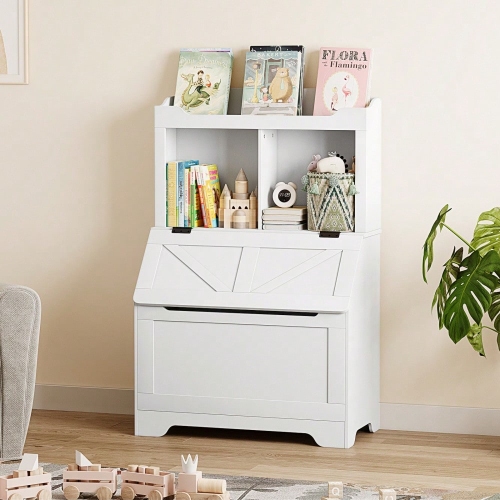
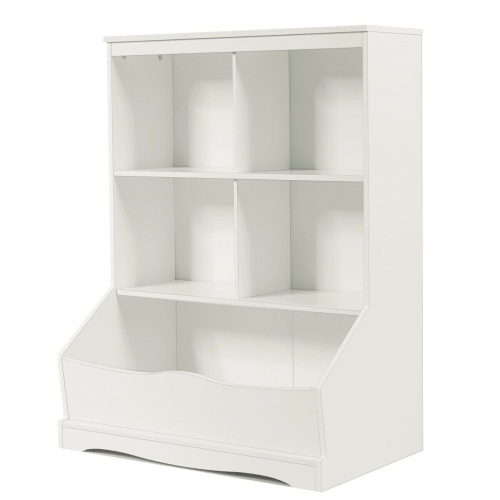
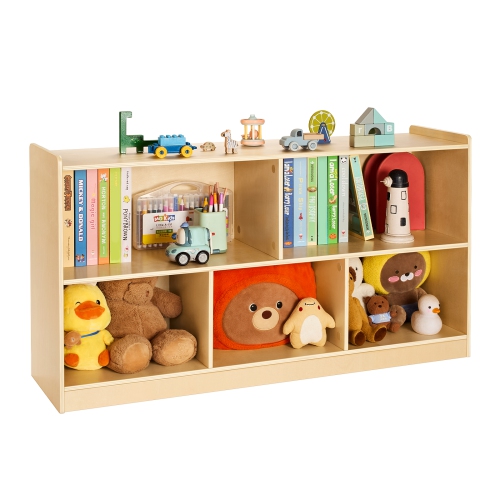
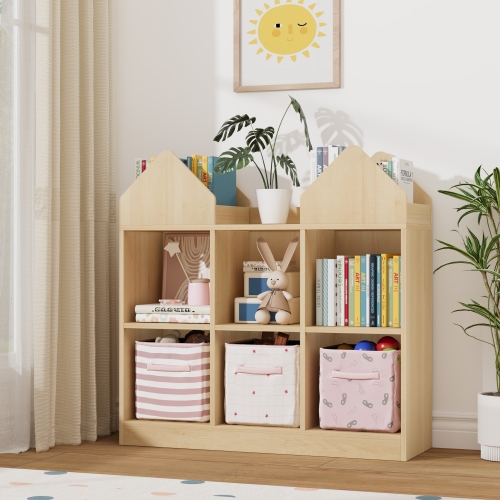
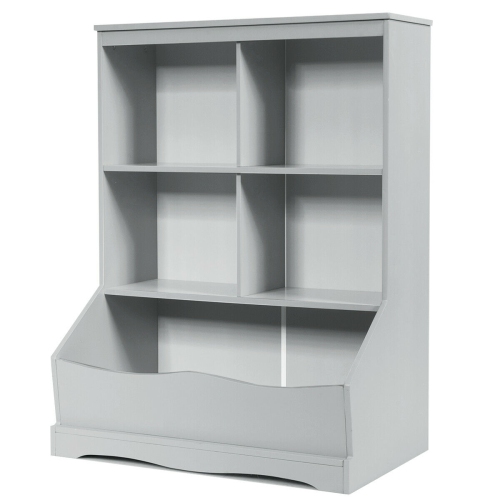
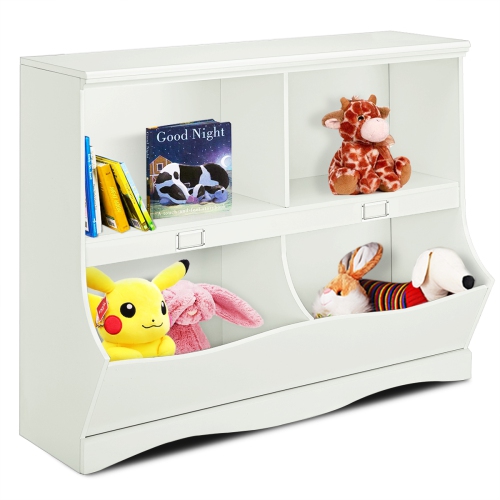
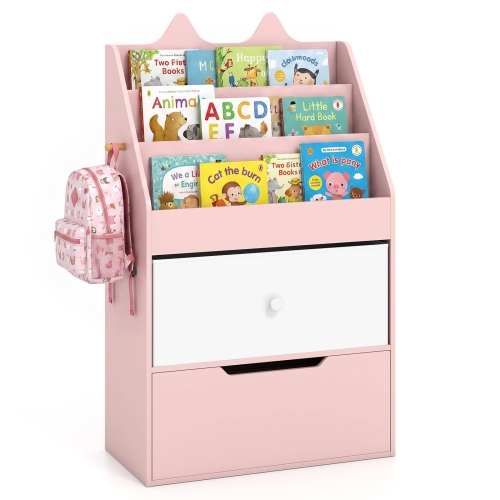
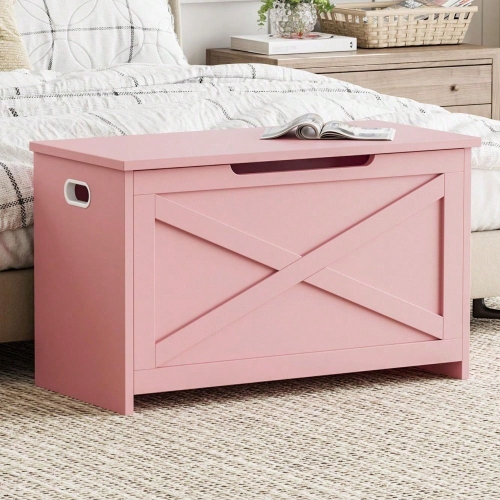
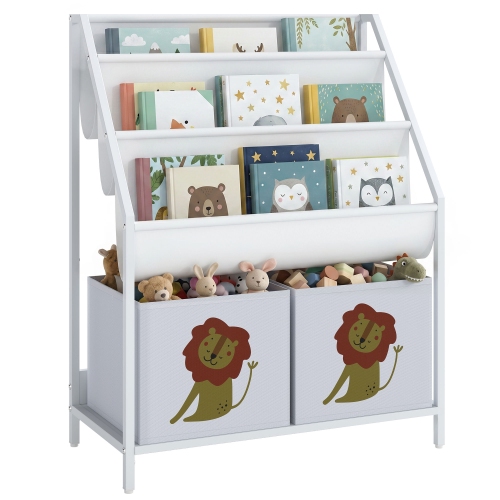
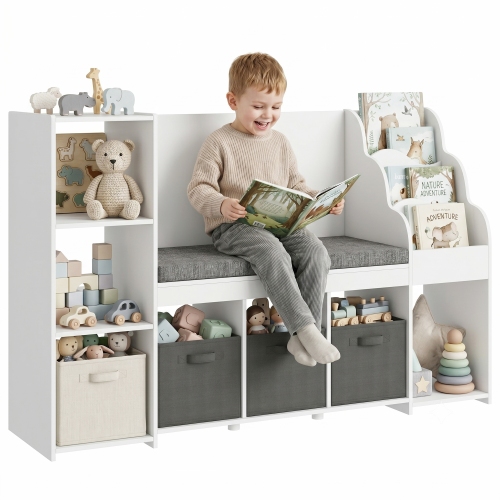
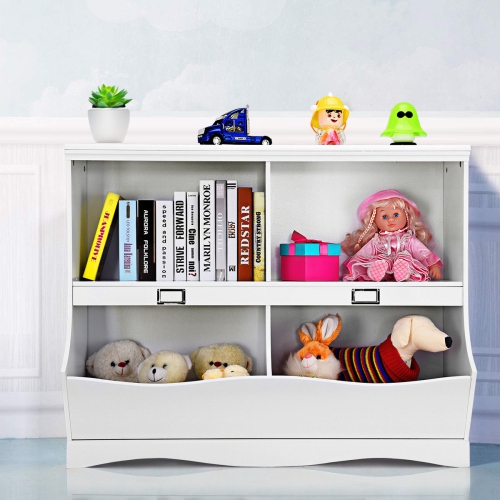
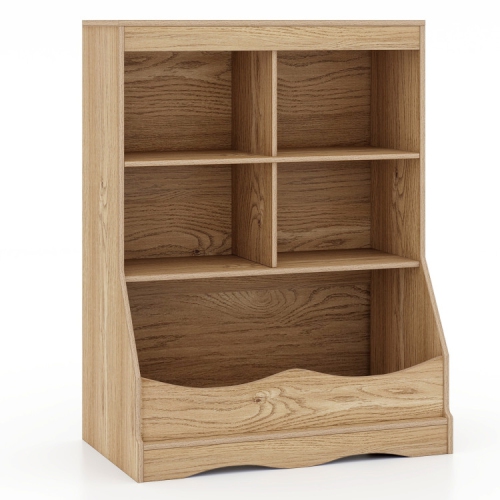
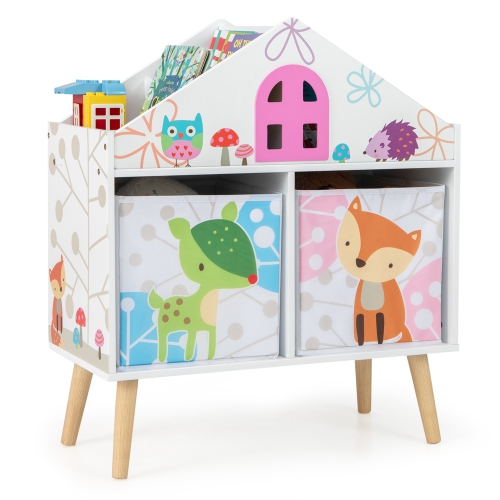
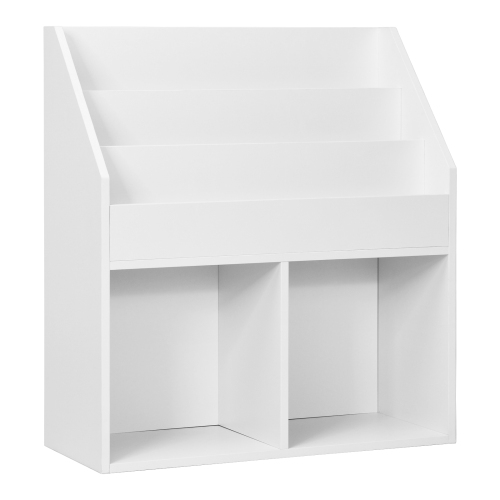
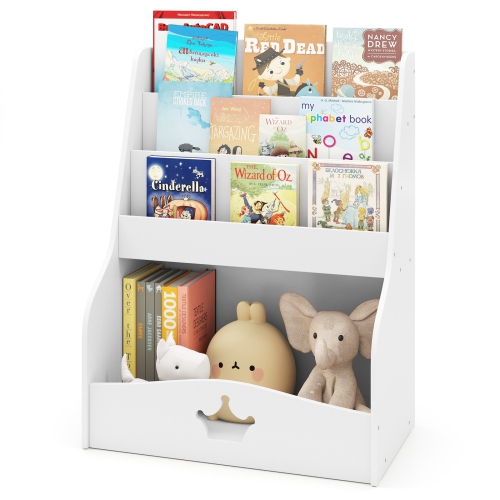
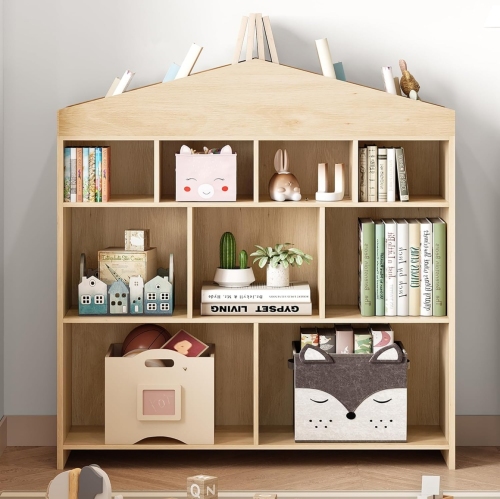
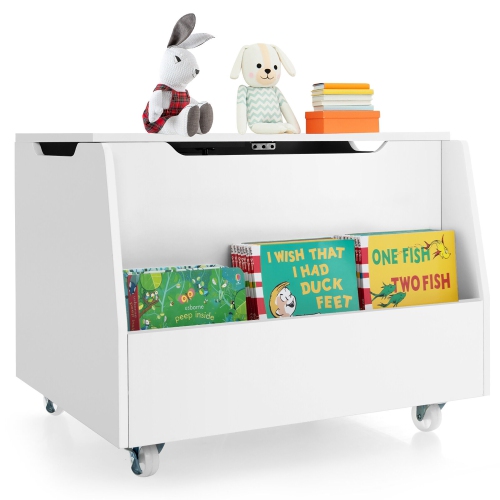
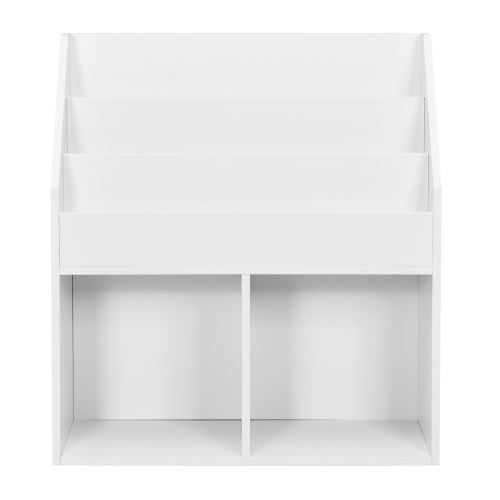
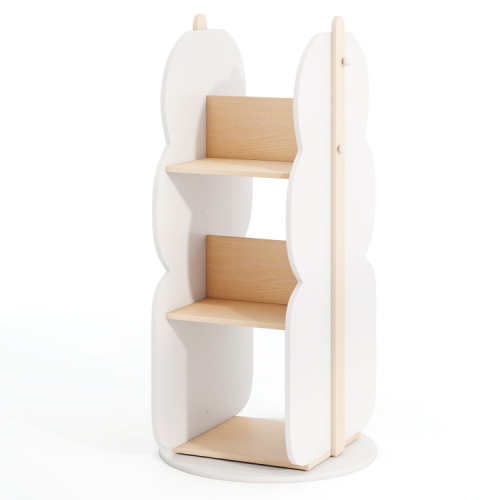
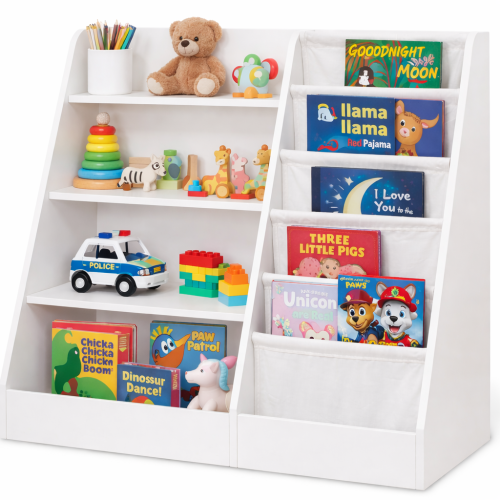
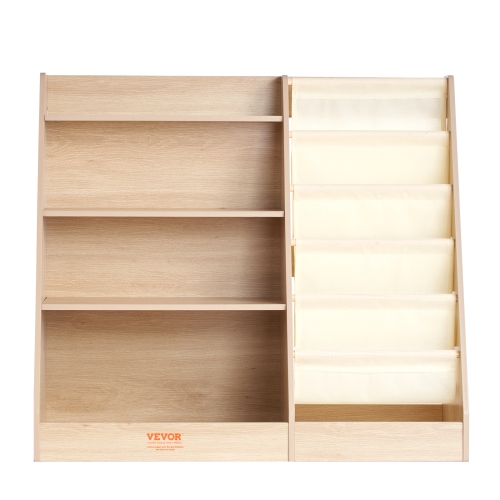
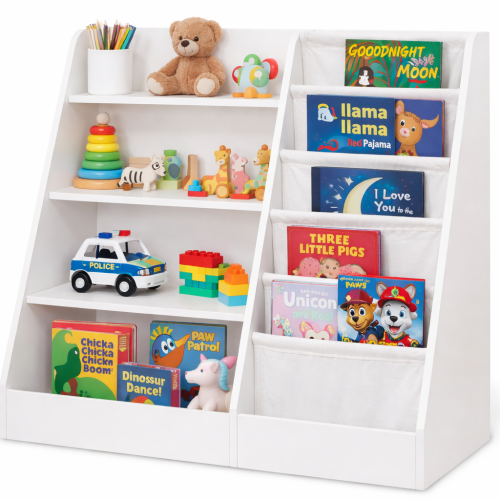
Thoughtful storage helps children play, tidy and grow
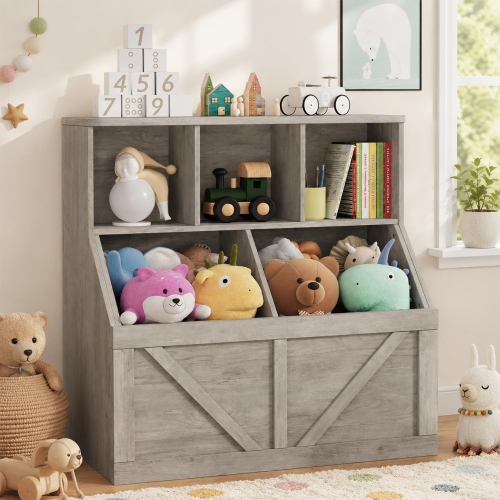
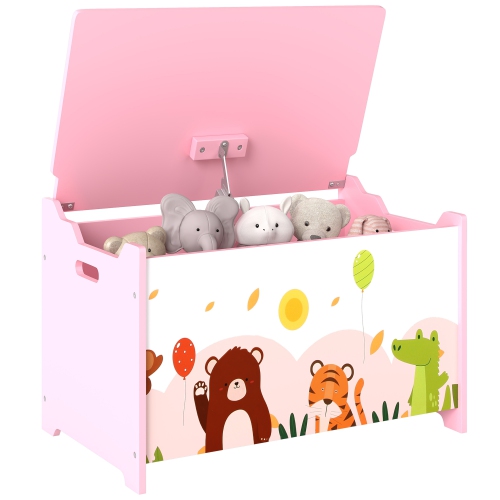
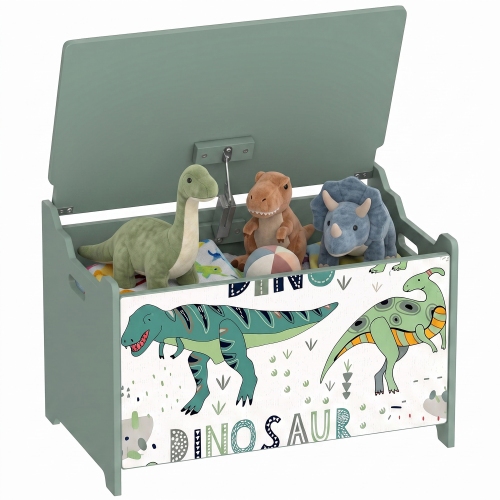
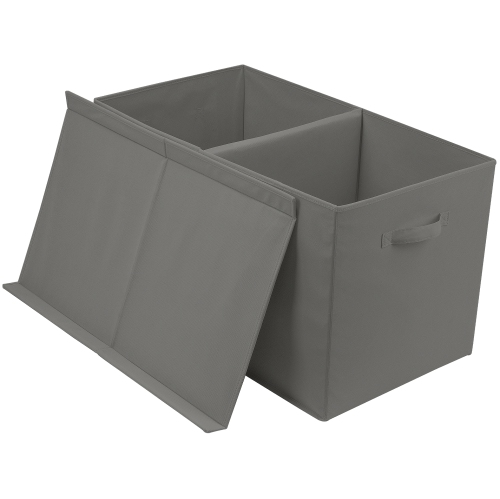
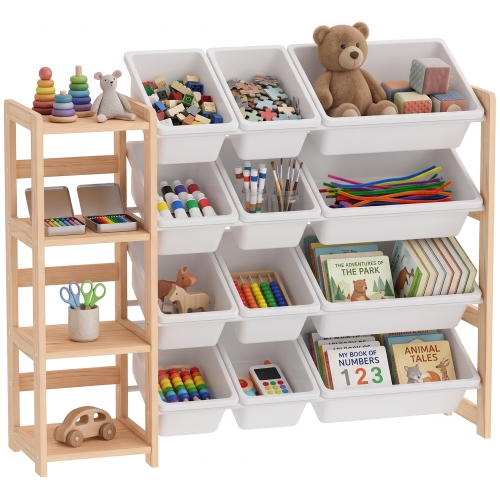
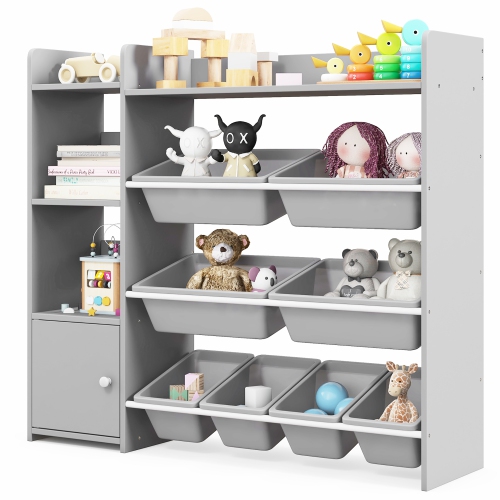
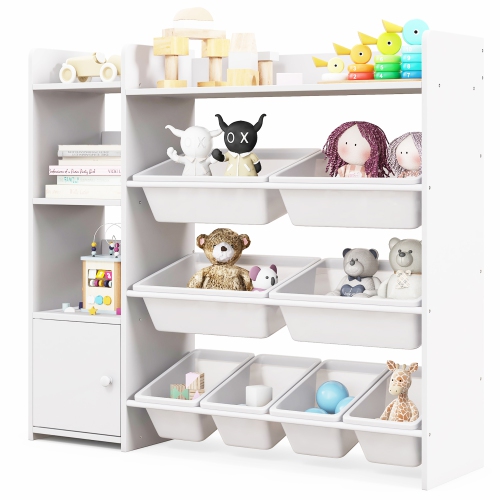
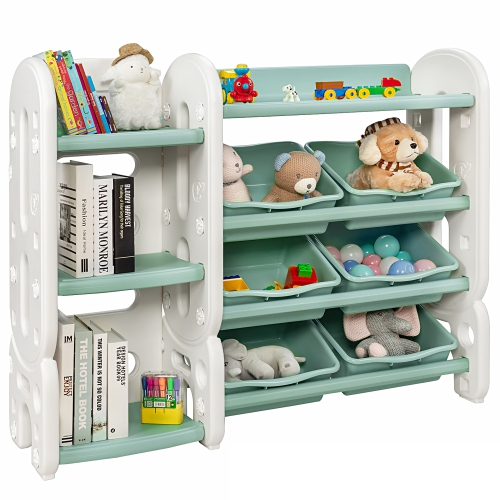
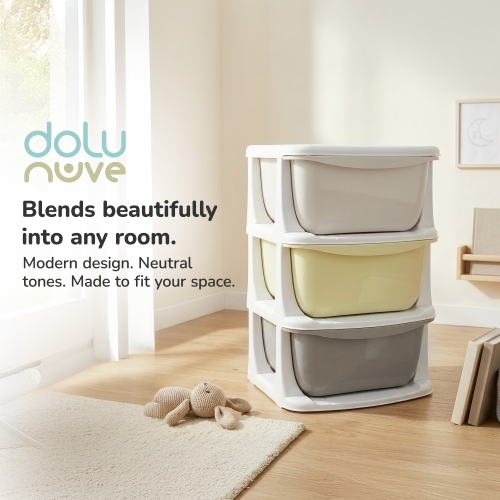
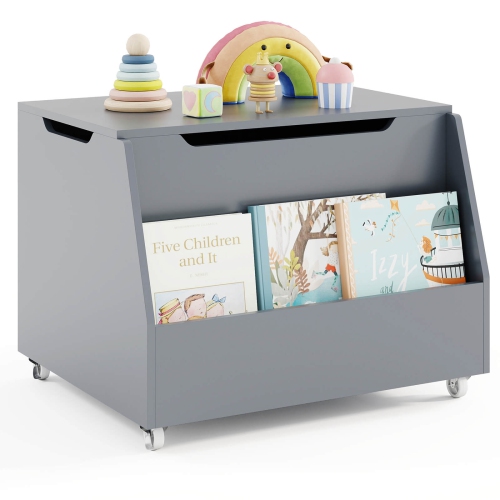
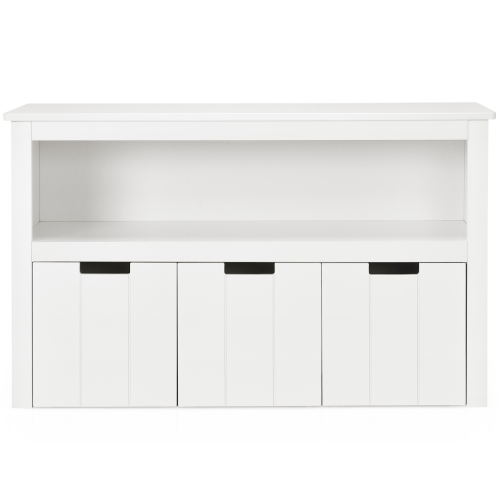
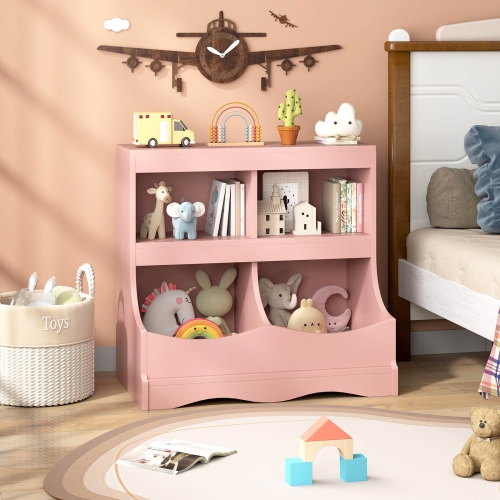
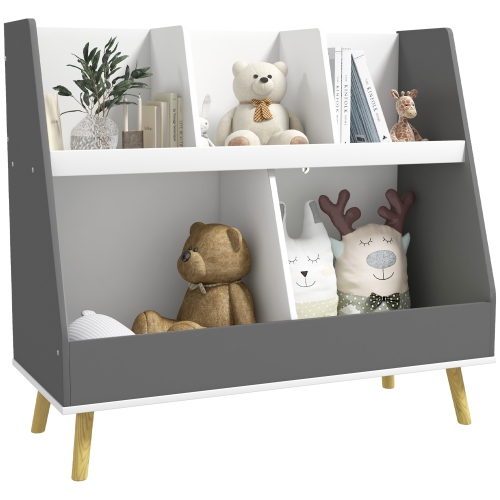
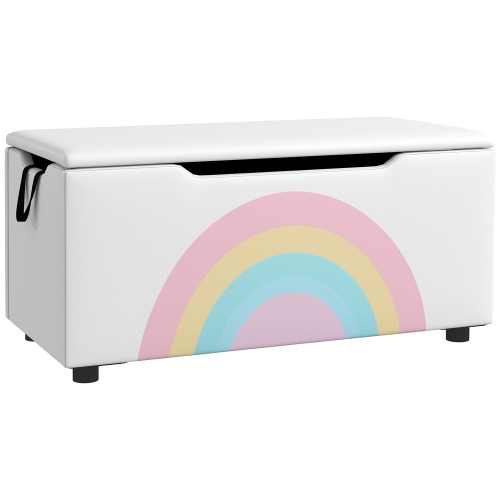
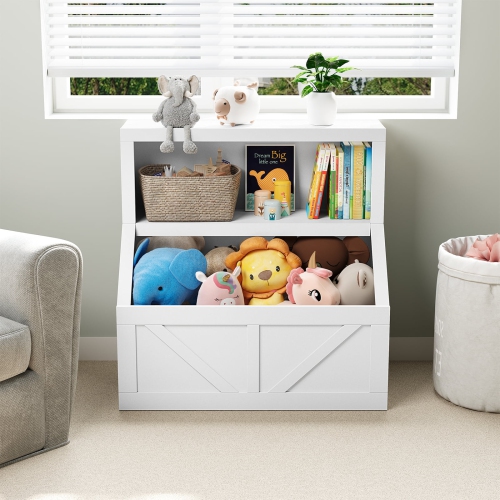
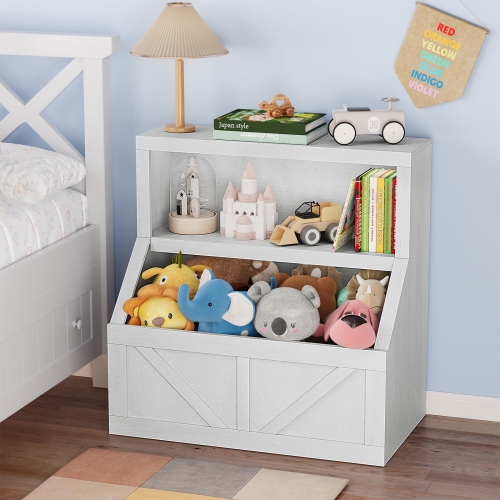
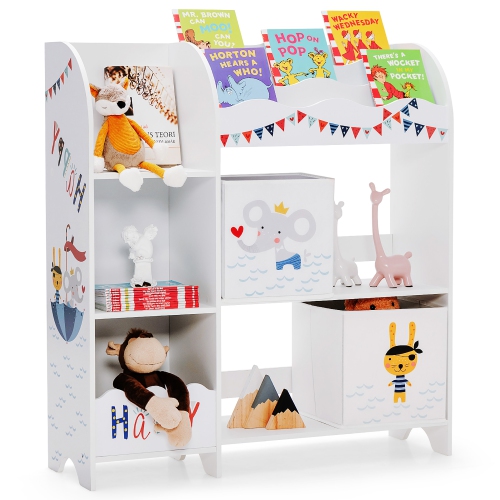
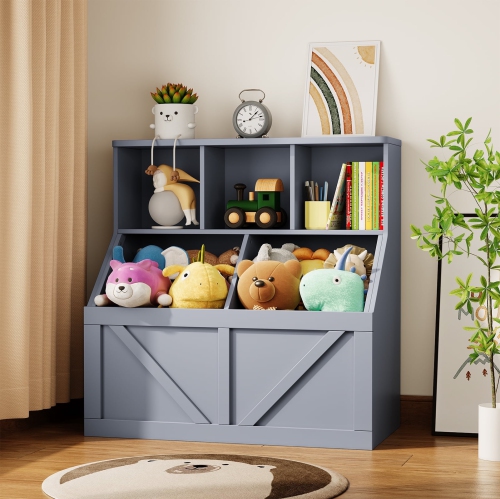
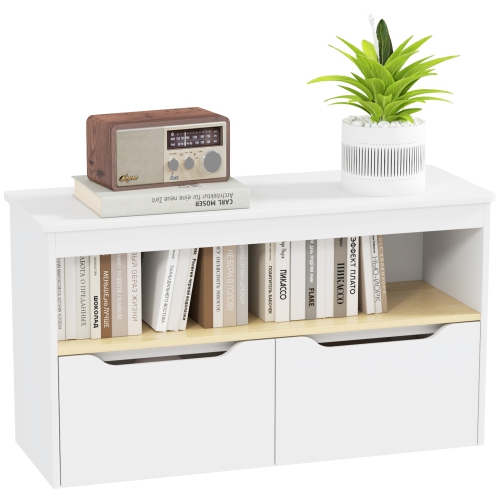
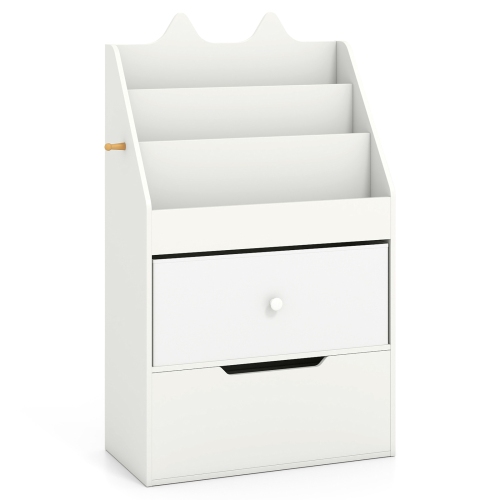
Kids toy storage helps bring order to the rooms where children learn, play, build and imagine. A well-chosen storage solution can turn a scattered collection into an approachable play space, with a place for everything from small figures and building pieces to plush toys, craft supplies, books and larger play sets. The right option depends on the child’s age, the size of the room and the way the space is used. Open shelves and low-access organizers make it easy for young children to see their choices and put items away independently, while lidded bins and drawers can keep smaller pieces contained when the day’s activities are finished. Toy chests and larger storage units may suit rooms with generous floor space, especially when they can hold bulky items that do not fit neatly on a shelf. For shared bedrooms, playrooms or family living areas, a combination of storage styles can create useful zones: one area for imaginative play, another for reading or quiet activities, and a separate place for art materials. Measuring the available space before shopping is a practical first step. Consider the width of the wall, the depth of the unit and the clearance needed for doors, drawers or nearby furniture. It is also worth thinking about how the storage will look when it is full, since an organizer that is too small may quickly become difficult to use, while one that is too large can overwhelm a compact room. Neutral finishes can blend into a variety of decorating styles, and shoppers looking for a calm, versatile colour palette can explore Kids Toys Storage In Gray for options that work well with bright toys, patterned rugs and changing room décor.
Safety and everyday usability should be central when choosing storage for children. Look for sturdy construction, smooth edges and stable designs that are suited to the child’s age and the intended room. Low storage is often easier for younger children to reach, helping them choose a toy without climbing on furniture or pulling down a heavy container. Bins with handles can be convenient for moving toys between a bedroom, playroom and family room, while transparent or open-front designs allow children to identify what they need without emptying every container onto the floor. If a storage unit includes drawers, doors or lids, check that they open and close smoothly and that the design is appropriate for the child using it. Taller furniture should be placed thoughtfully and secured according to the manufacturer’s instructions, particularly in spaces where children play without constant supervision. Storage is most effective when it matches the size and habits of the household. A family with frequent craft projects may appreciate separate compartments for paper, markers and supplies, while a child who enjoys construction toys may benefit from deeper bins that keep numerous pieces together. For stuffed animals and soft toys, roomy baskets or open containers make tidying simple and keep favourite companions within reach. Books, puzzles and board games are often easier to manage on shelves where their covers can be seen. It can also help to reserve one small container for loose pieces found during cleanup, giving families a place to sort them later instead of leaving them underfoot. As children grow, their interests change, so flexible storage that can be rearranged or used for different purposes may remain useful for longer than a highly specialized design.
A practical toy storage system should support play rather than make it feel like a chore. Many parents and caregivers find that a short, predictable cleanup routine works better than waiting until the room becomes completely overwhelming. Keeping a few frequently used items at child height, grouping similar toys together and leaving some open floor space can make the room feel more inviting and make tidying easier to understand. Picture labels or simple word labels may help younger children learn where items belong, while older children can take greater responsibility for sorting collections, rotating activities and deciding which toys should stay accessible. In a bedroom, compact organizers can keep the floor clear and create a more restful setting for winding down. In a shared living space, coordinated storage can contain colourful toys without making the room feel like a dedicated playroom. During the warmer part of the year, storage can make it easier to bring indoor activities outdoors and return them to their proper place afterwards; during cooler months, it can help keep games, crafts and building projects organized when more time is spent inside. Kids toy storage can also be a thoughtful gift for families welcoming a new play area, updating a child’s room or preparing for a growing collection of toys. Relatives and friends may choose a practical organizer alongside a toy, book or creative activity, giving the child both something enjoyable to use and a simple way to care for it. Whether the goal is to reclaim a busy corner, make shared spaces easier to manage or give children more independence, choosing storage with the room, the child and the daily routine in mind can create a tidier, more comfortable place for play.
Safety and everyday usability should be central when choosing storage for children. Look for sturdy construction, smooth edges and stable designs that are suited to the child’s age and the intended room. Low storage is often easier for younger children to reach, helping them choose a toy without climbing on furniture or pulling down a heavy container. Bins with handles can be convenient for moving toys between a bedroom, playroom and family room, while transparent or open-front designs allow children to identify what they need without emptying every container onto the floor. If a storage unit includes drawers, doors or lids, check that they open and close smoothly and that the design is appropriate for the child using it. Taller furniture should be placed thoughtfully and secured according to the manufacturer’s instructions, particularly in spaces where children play without constant supervision. Storage is most effective when it matches the size and habits of the household. A family with frequent craft projects may appreciate separate compartments for paper, markers and supplies, while a child who enjoys construction toys may benefit from deeper bins that keep numerous pieces together. For stuffed animals and soft toys, roomy baskets or open containers make tidying simple and keep favourite companions within reach. Books, puzzles and board games are often easier to manage on shelves where their covers can be seen. It can also help to reserve one small container for loose pieces found during cleanup, giving families a place to sort them later instead of leaving them underfoot. As children grow, their interests change, so flexible storage that can be rearranged or used for different purposes may remain useful for longer than a highly specialized design.
A practical toy storage system should support play rather than make it feel like a chore. Many parents and caregivers find that a short, predictable cleanup routine works better than waiting until the room becomes completely overwhelming. Keeping a few frequently used items at child height, grouping similar toys together and leaving some open floor space can make the room feel more inviting and make tidying easier to understand. Picture labels or simple word labels may help younger children learn where items belong, while older children can take greater responsibility for sorting collections, rotating activities and deciding which toys should stay accessible. In a bedroom, compact organizers can keep the floor clear and create a more restful setting for winding down. In a shared living space, coordinated storage can contain colourful toys without making the room feel like a dedicated playroom. During the warmer part of the year, storage can make it easier to bring indoor activities outdoors and return them to their proper place afterwards; during cooler months, it can help keep games, crafts and building projects organized when more time is spent inside. Kids toy storage can also be a thoughtful gift for families welcoming a new play area, updating a child’s room or preparing for a growing collection of toys. Relatives and friends may choose a practical organizer alongside a toy, book or creative activity, giving the child both something enjoyable to use and a simple way to care for it. Whether the goal is to reclaim a busy corner, make shared spaces easier to manage or give children more independence, choosing storage with the room, the child and the daily routine in mind can create a tidier, more comfortable place for play.
Top selling and popular products
-
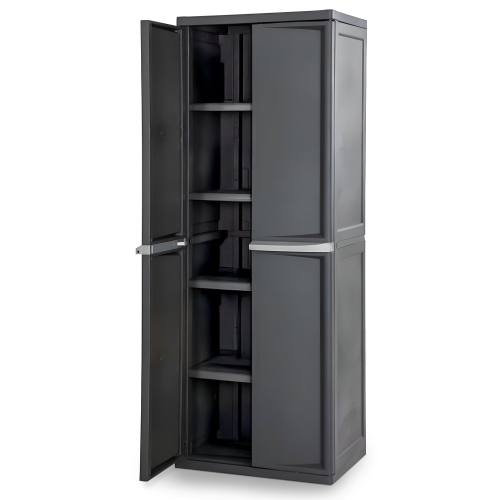 Your price for this item is $459.99
 -
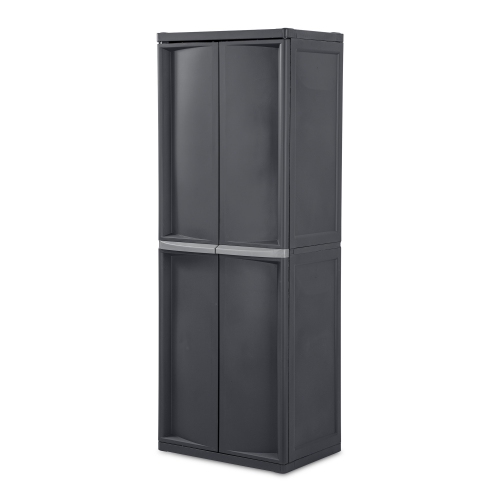 Your price for this item is $1530.99
 -
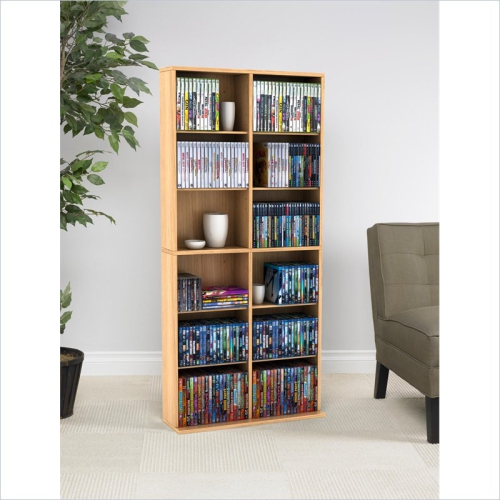 Your price for this item is $234.68
 -
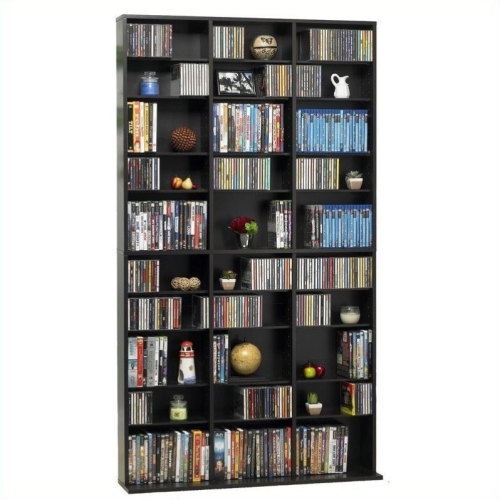 Your price for this item is $365.85
 -
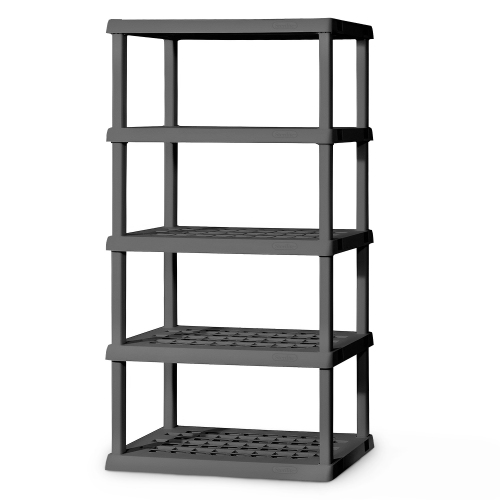 Your price for this item is $331.99
 -
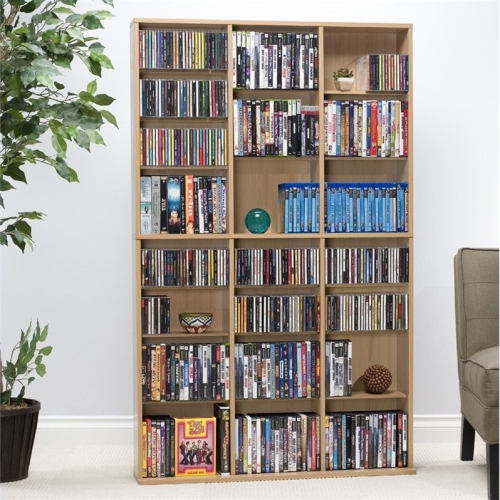 Your price for this item is $295.5
 -
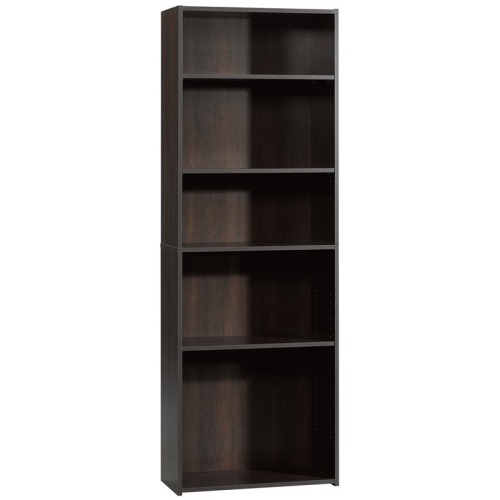 Your price for this item is $208.99
 -
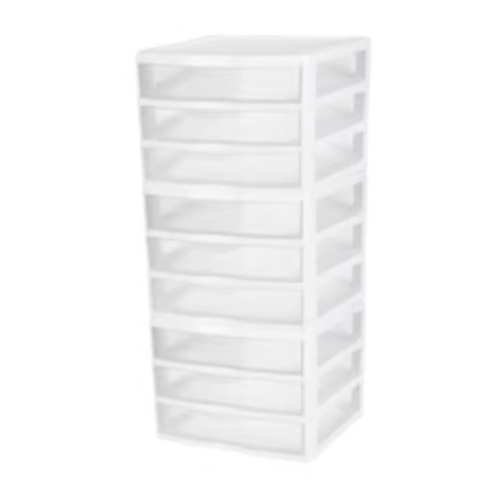 Your price for this item is $127.99
Discover more categories related to Kids Toy Storage
Top Collections:
Pokemon Centers, Kindle Devices, Best Budget Office Chairs, Canon G7X Cameras, Apple iPhones 16, Samsung Galaxy Phones, Refurbished Apple Laptops, Laptops for Students, iPhone 15 Apple, Budget Smartphones
Some products may be subject to Environmental Handling Fees
(EHF) depending on your province.
Learn more about EHFs.