Toy Storage Furniture
If you have a child, chances are they've got a lot of toys. And if you're like most parents, you're looking for ways to keep your home organized and tidy while still allowing your child to have fun playing with their toys. One solution is toy storage furniture. Here are some of our favorites.
Sort
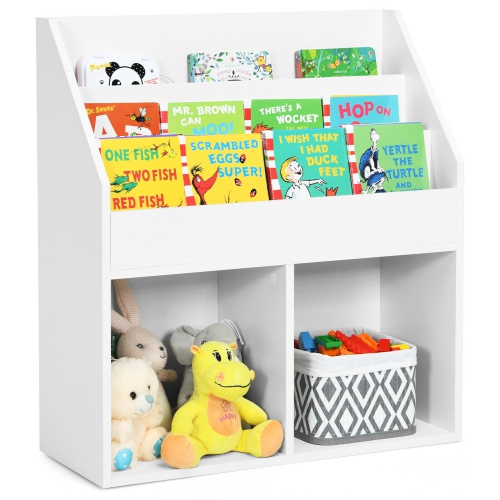
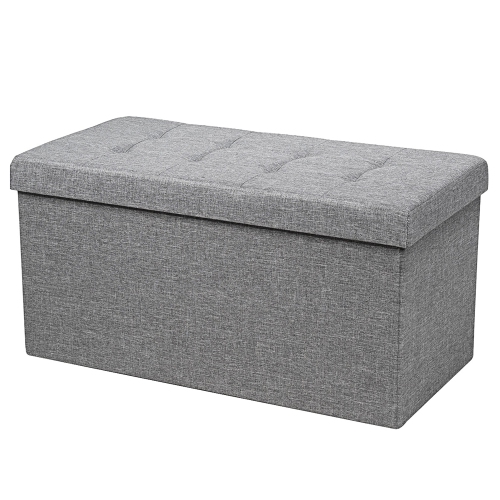
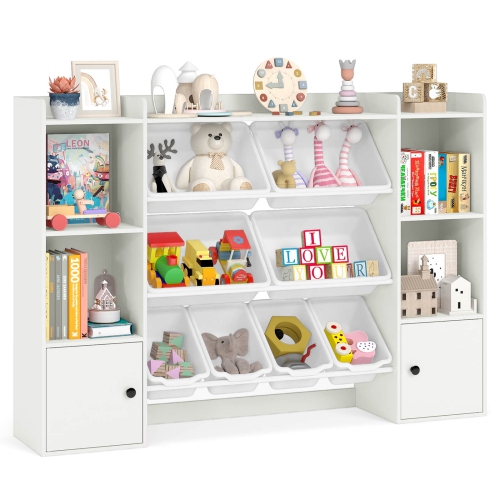
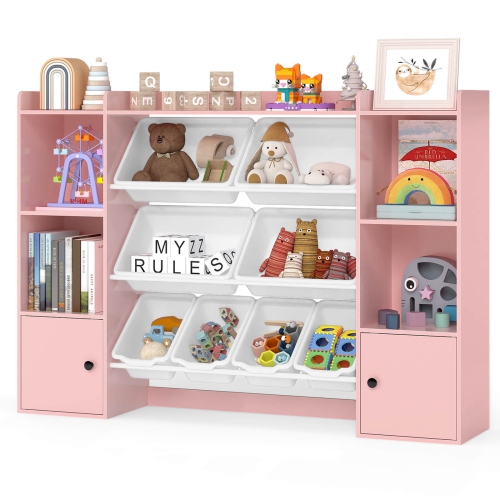
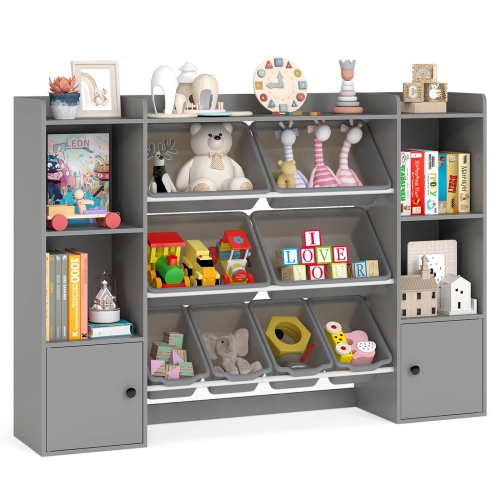
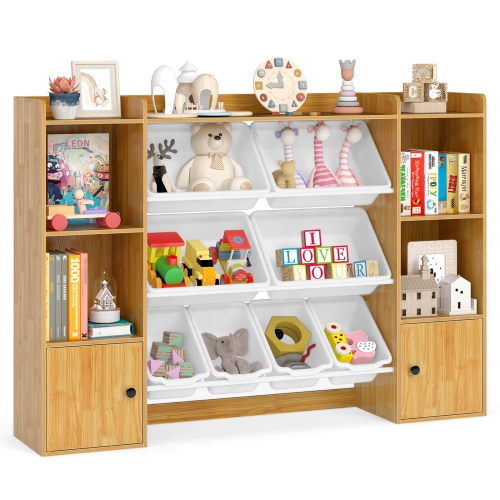
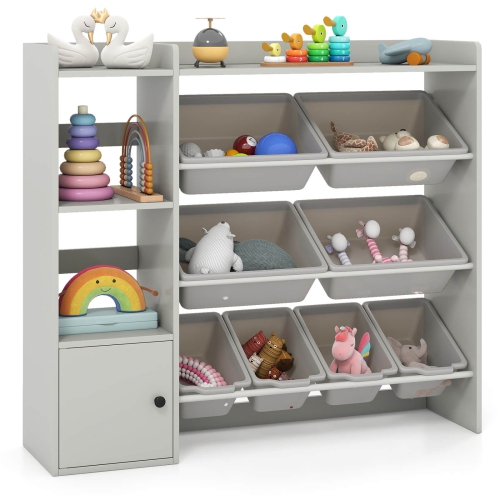
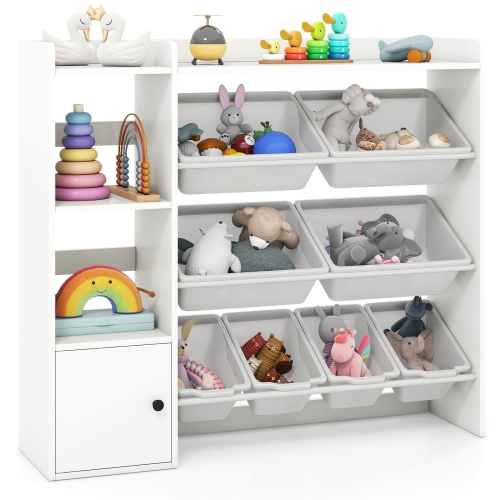
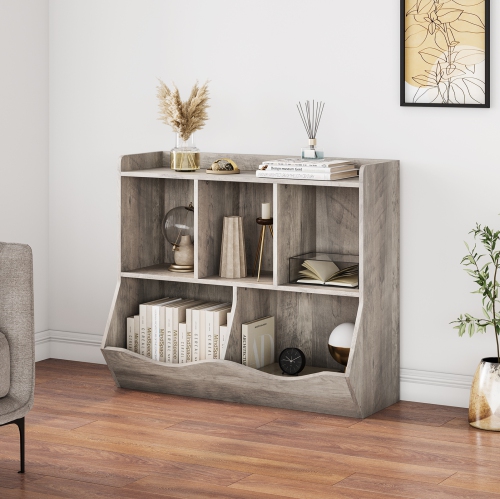
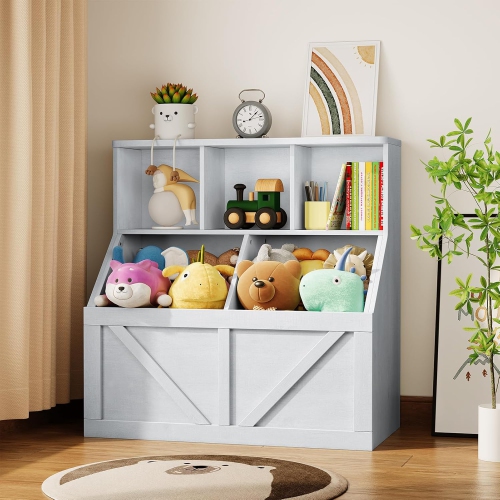
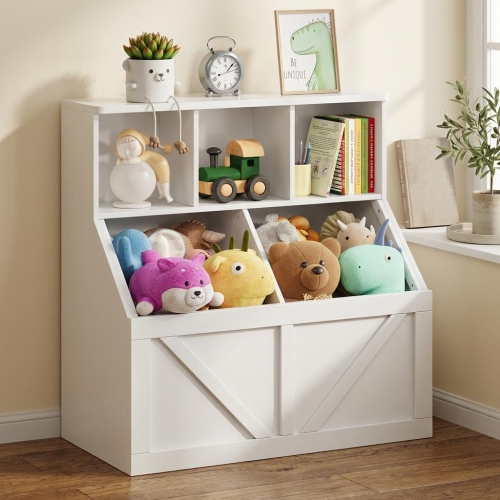
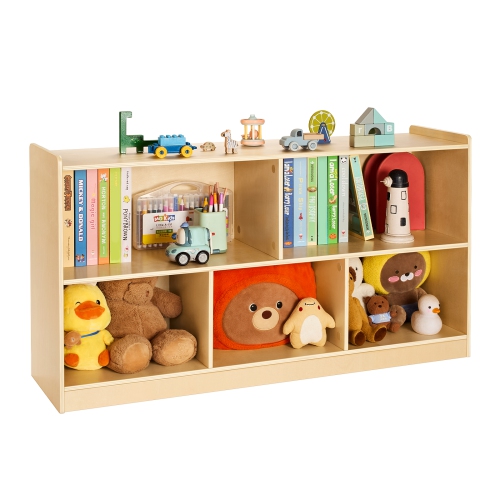
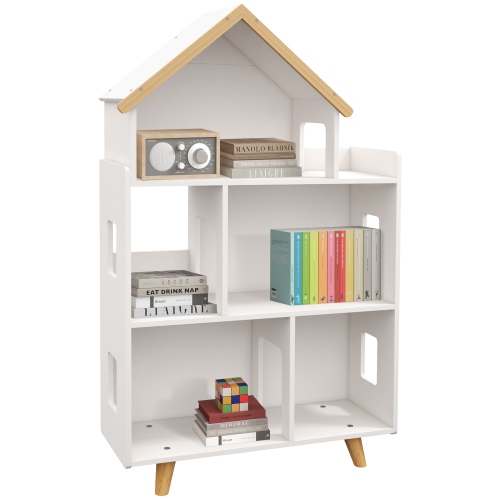
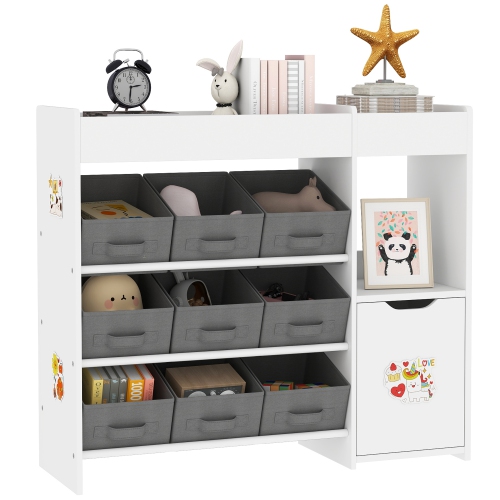
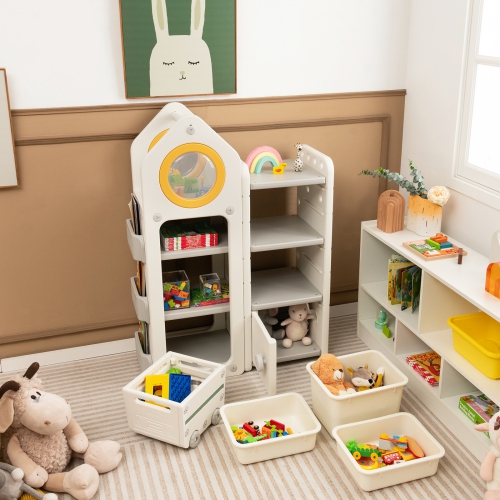
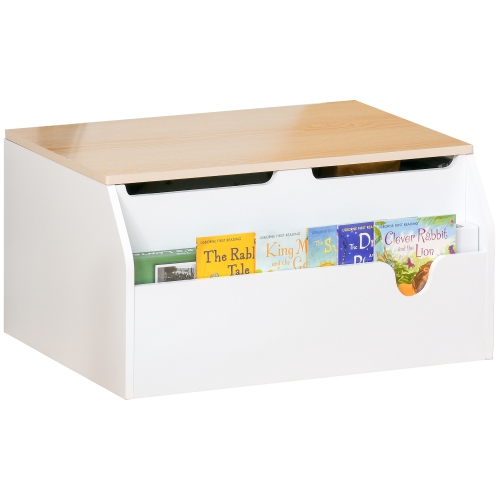
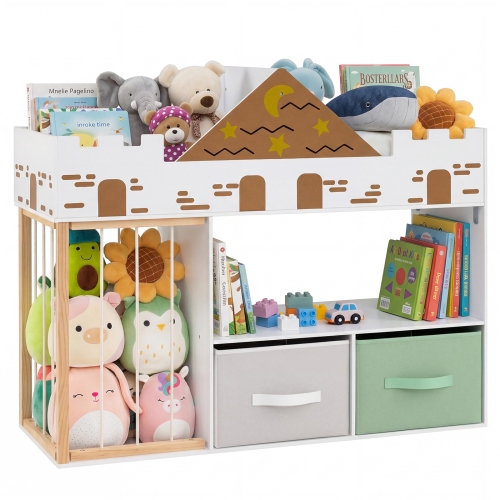
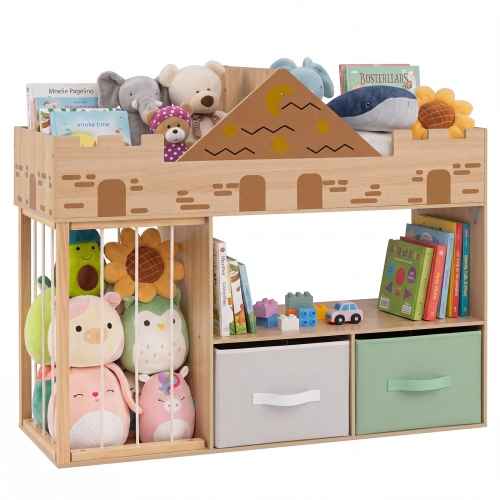
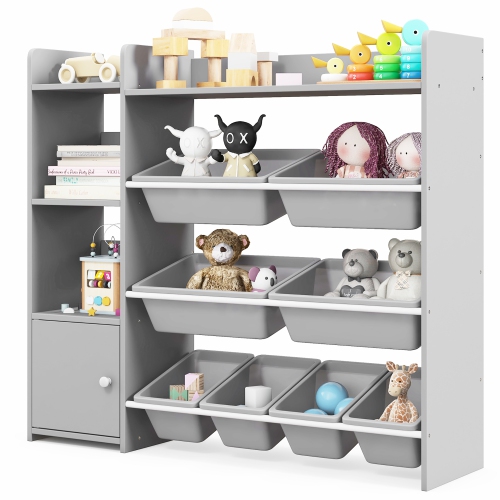
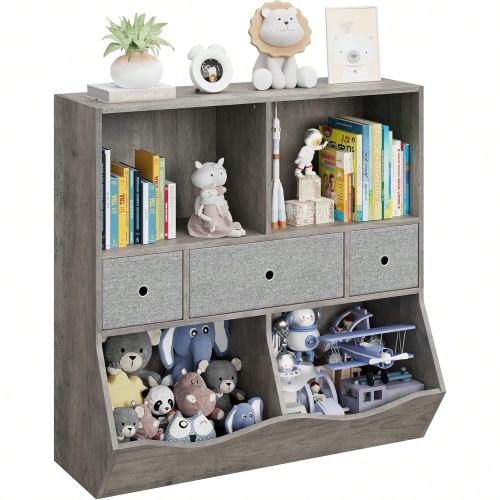
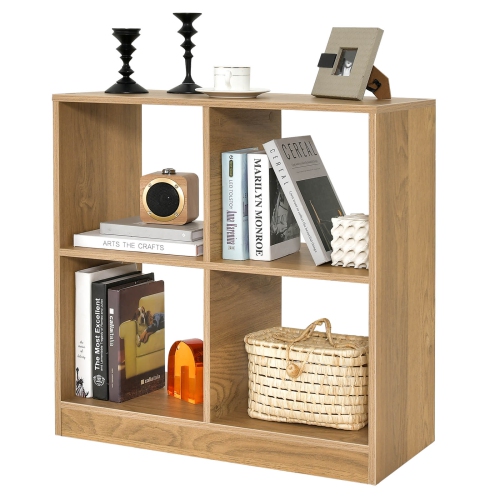
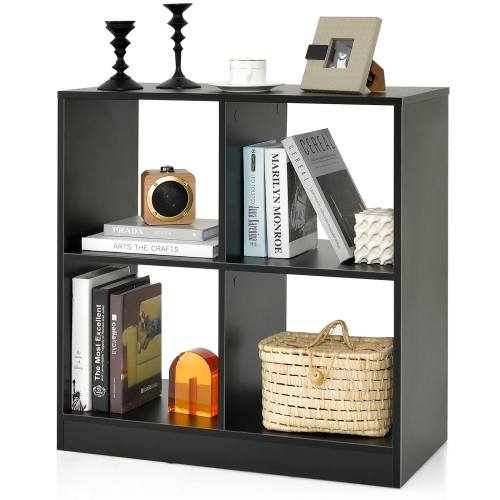
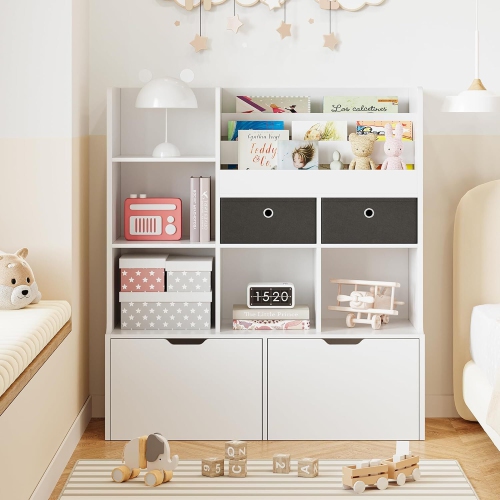
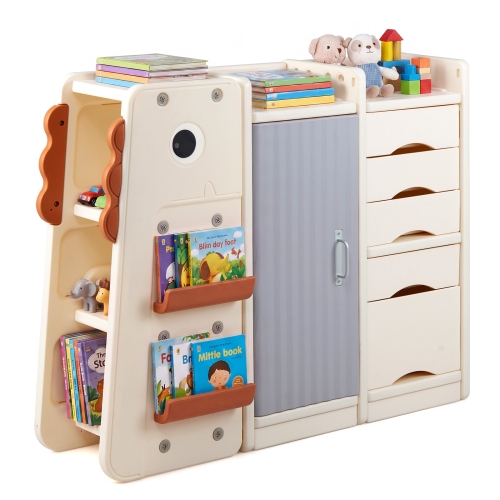
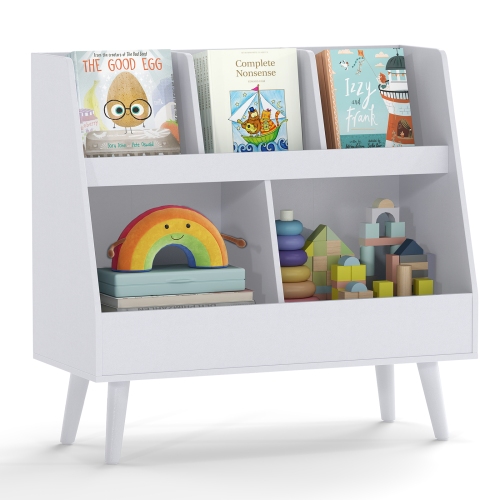
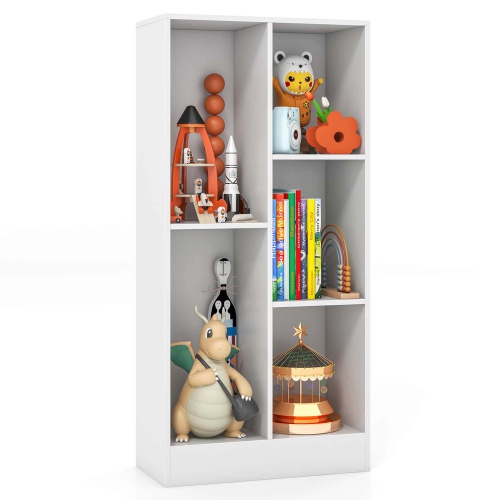
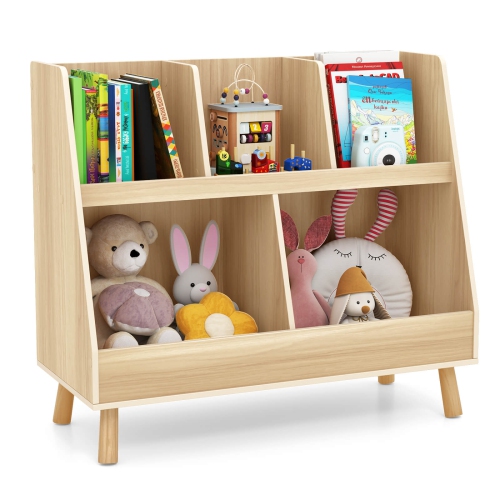
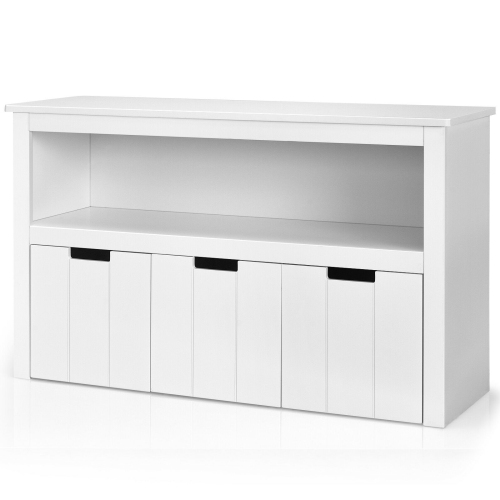
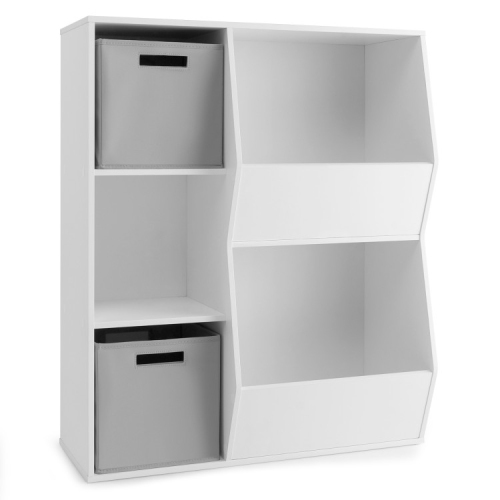
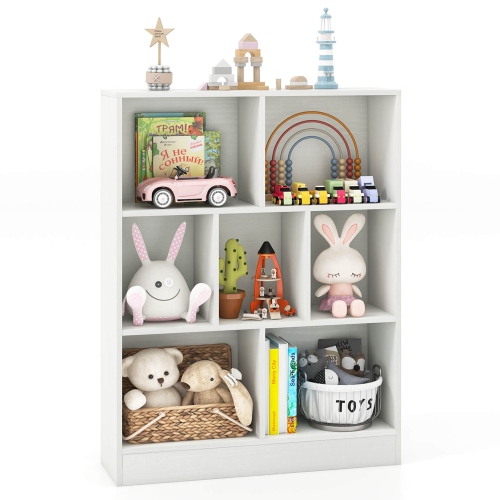
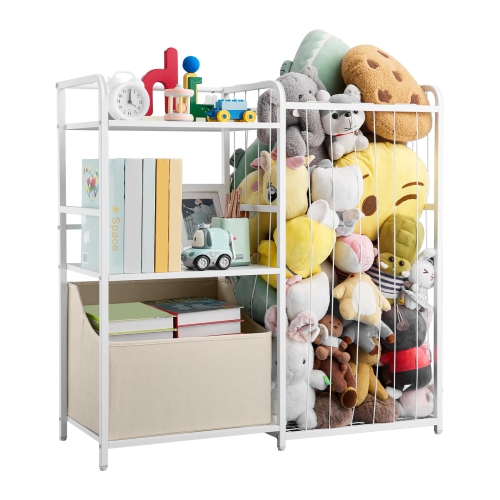
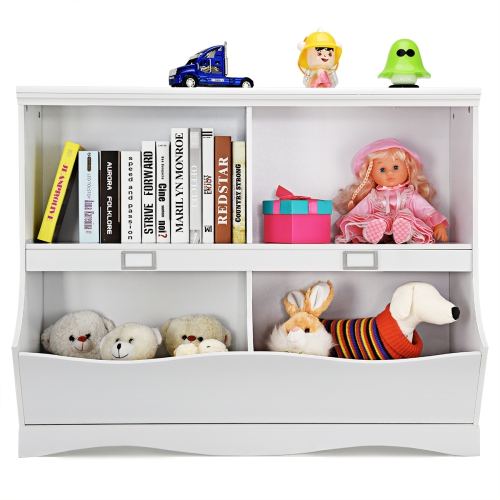
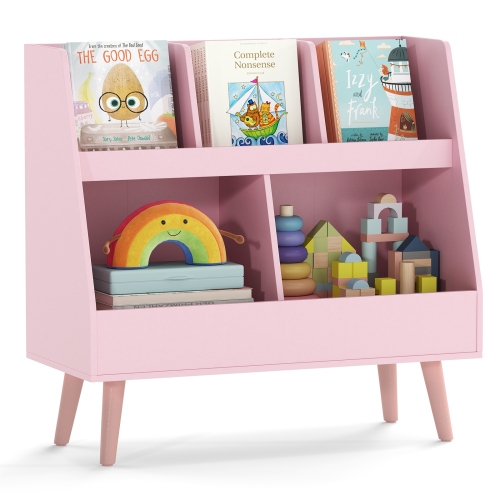
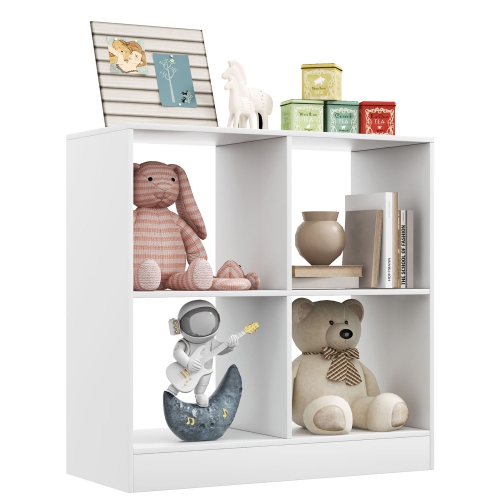
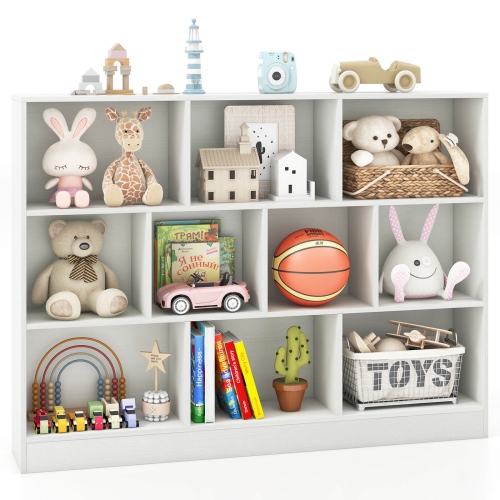
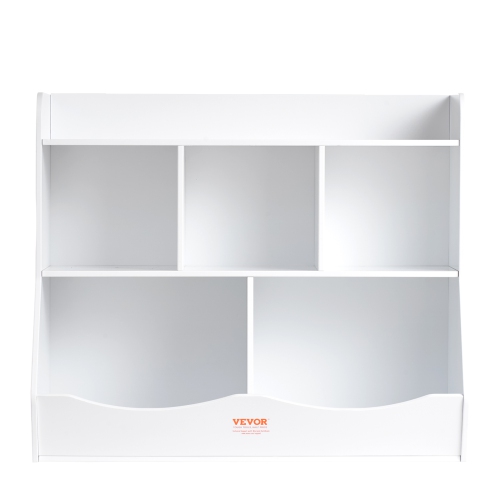
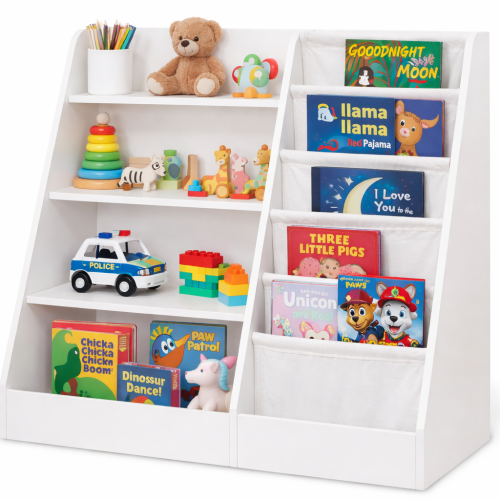
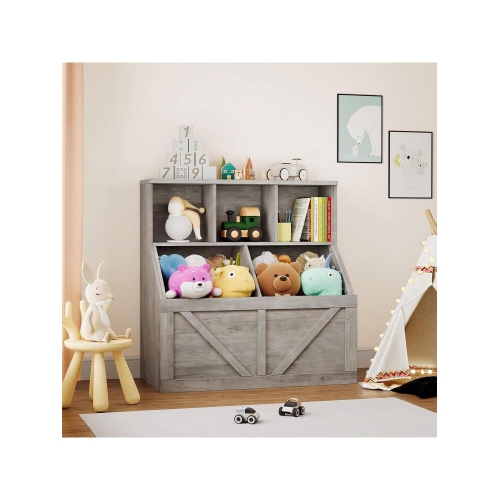
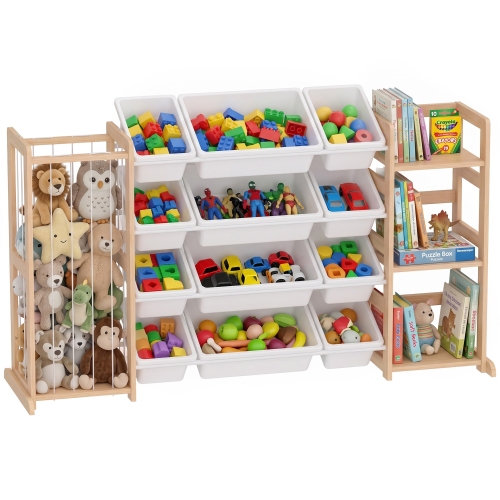
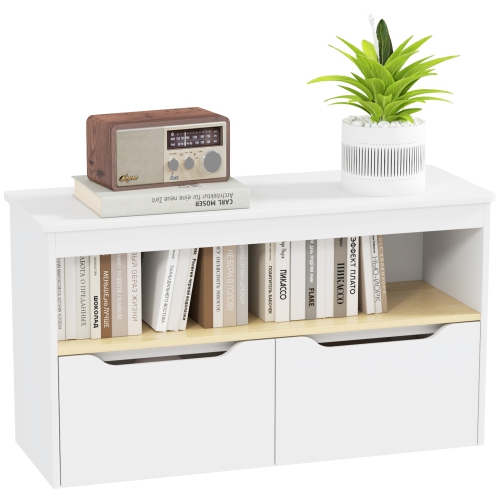
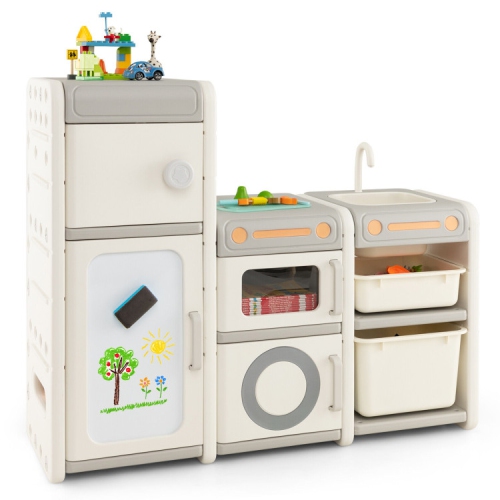
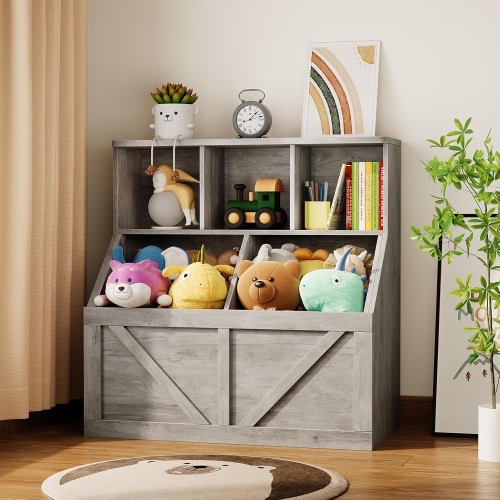
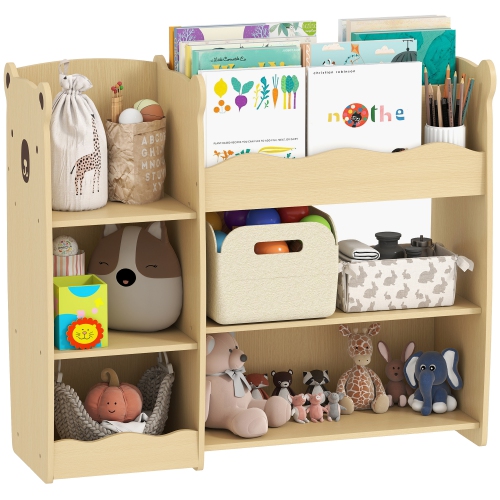
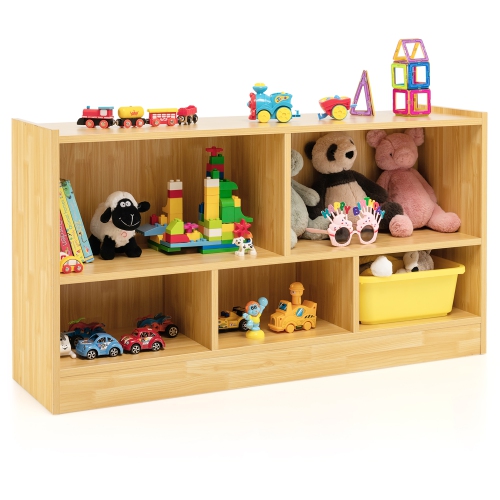
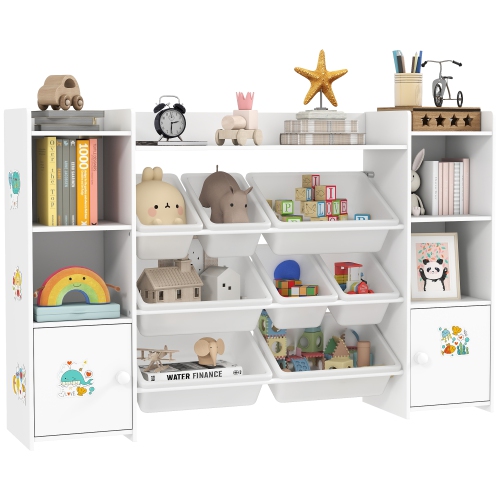
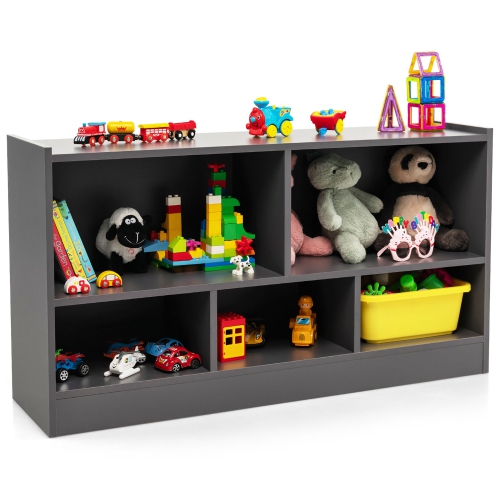
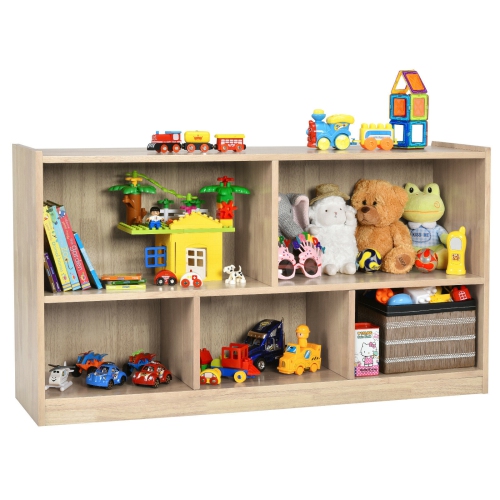
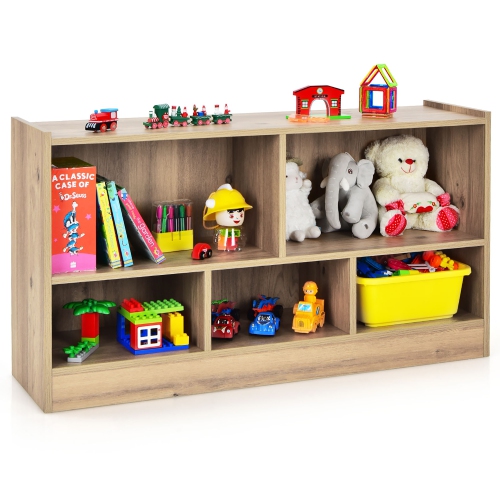
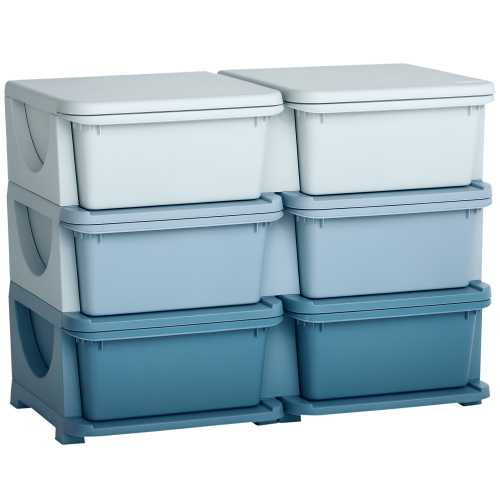
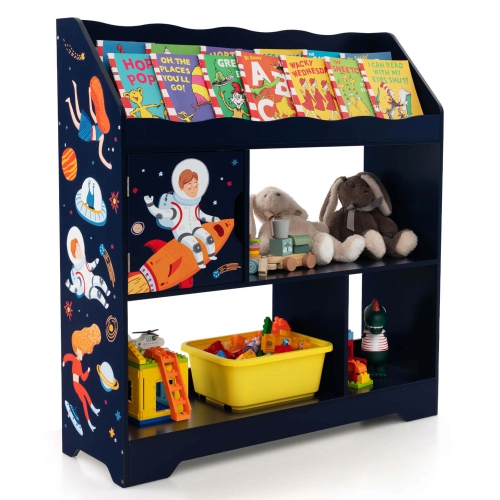
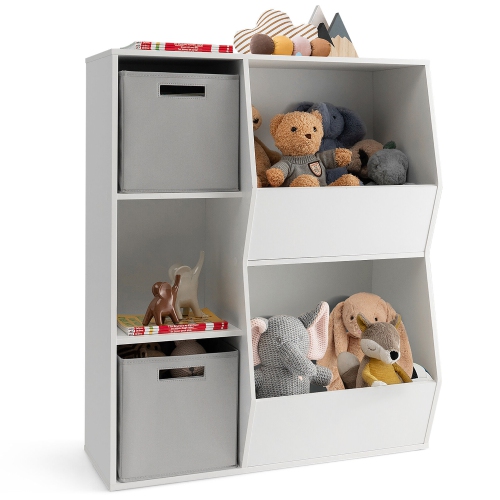
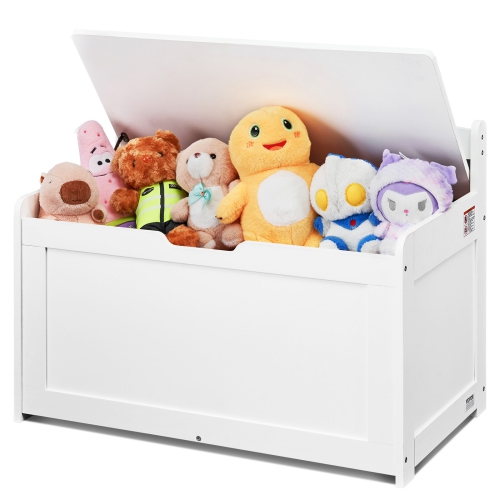
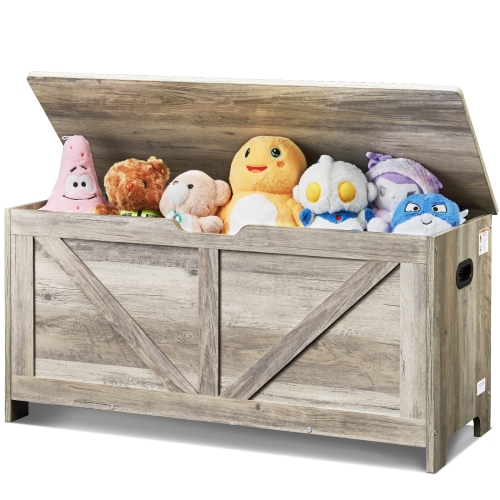
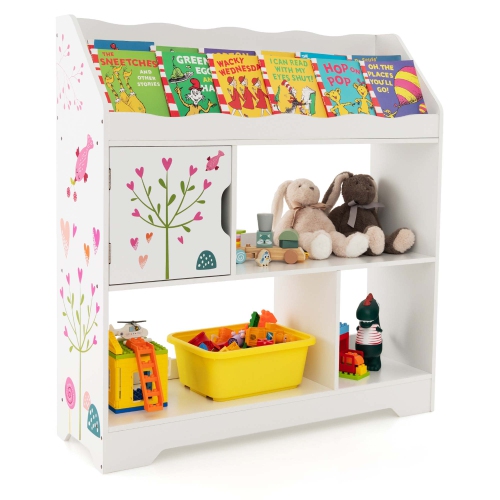
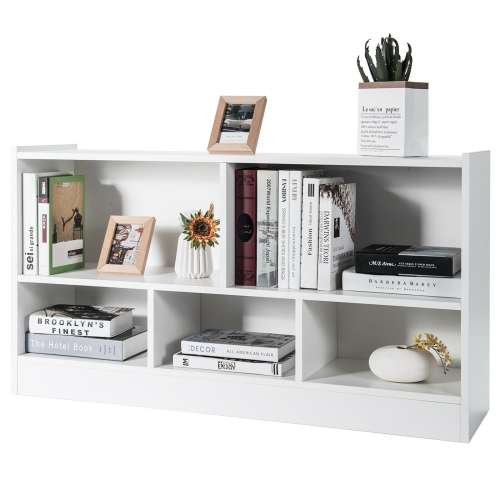
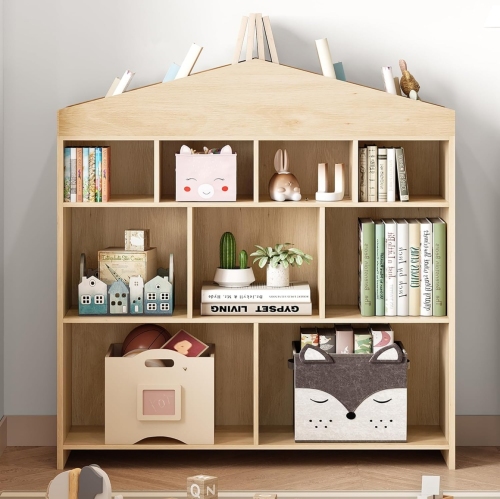
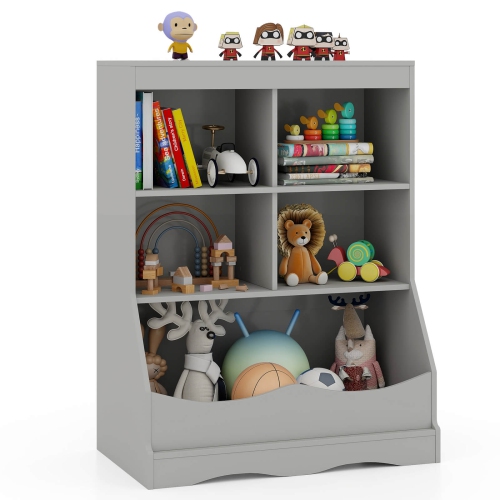
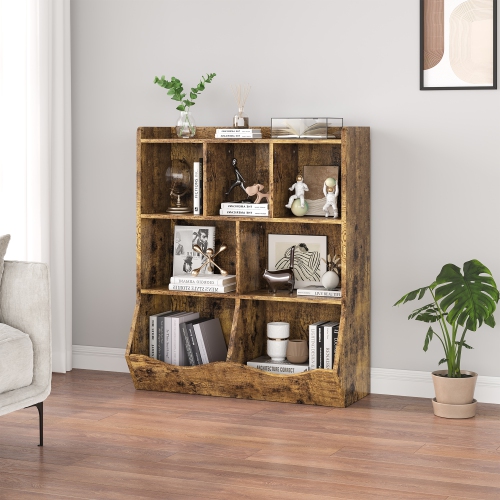
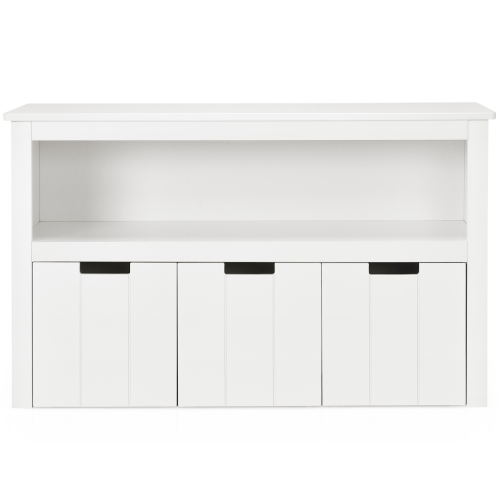
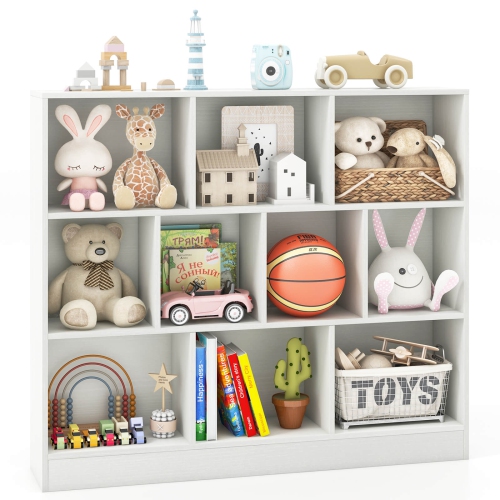
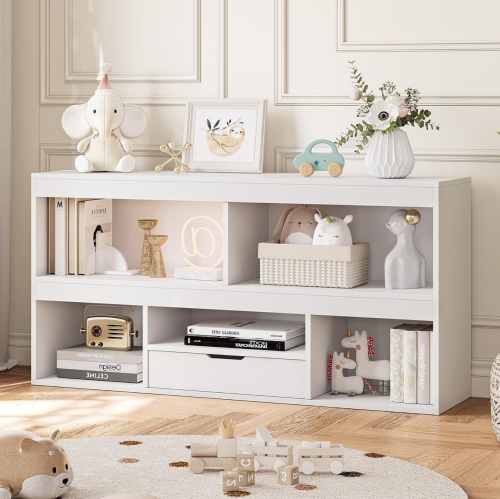
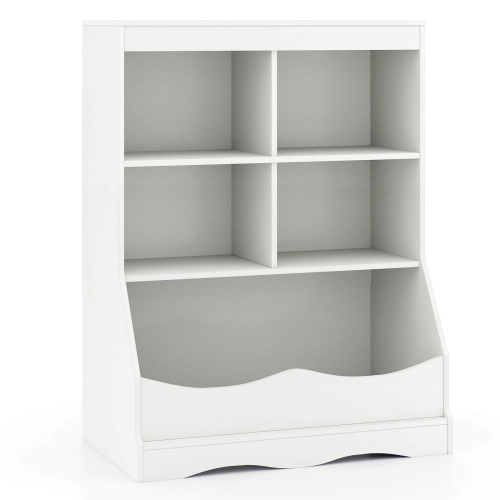
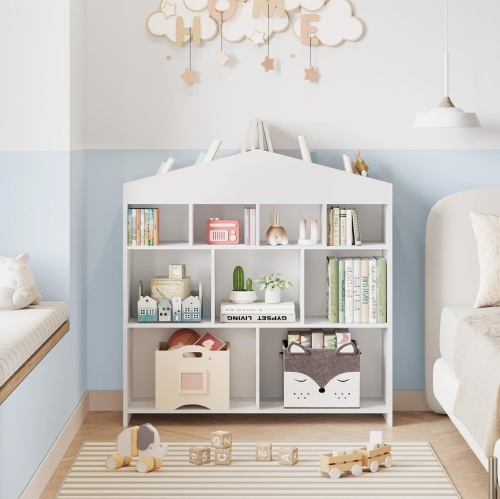
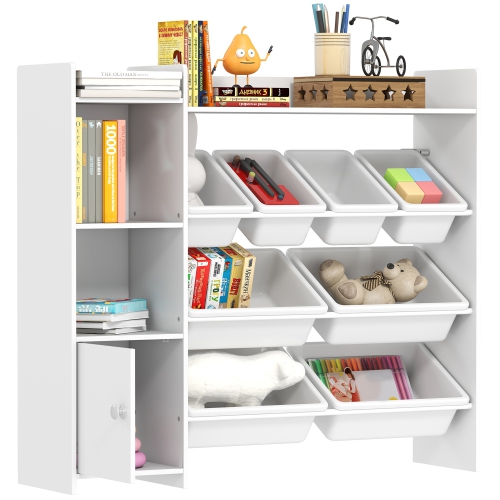
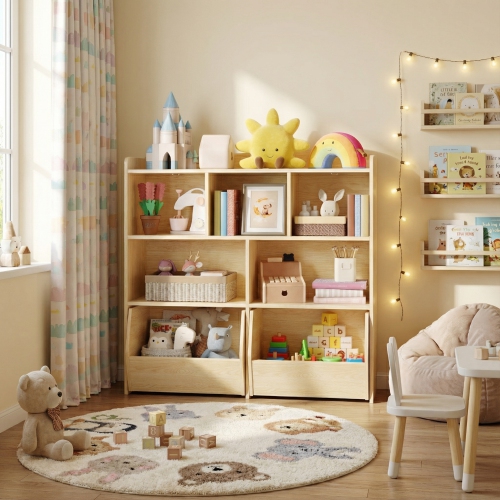
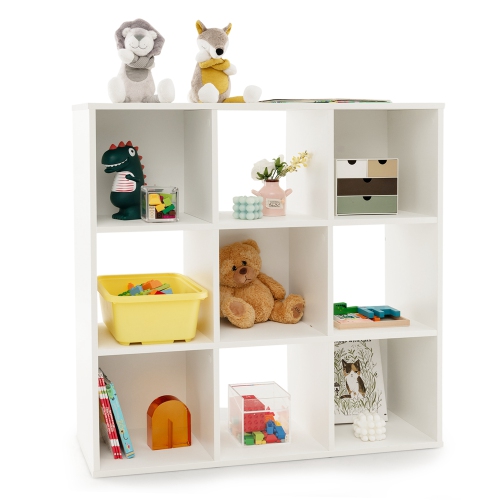
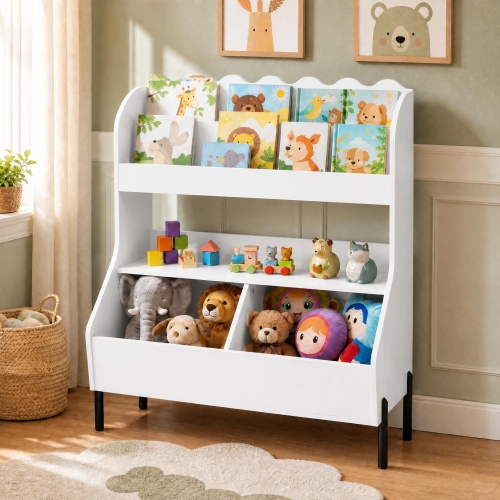
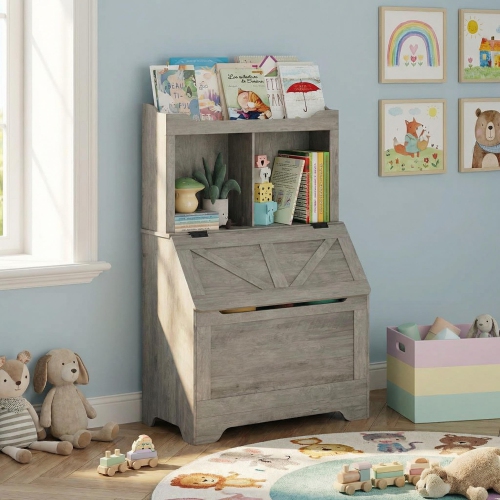
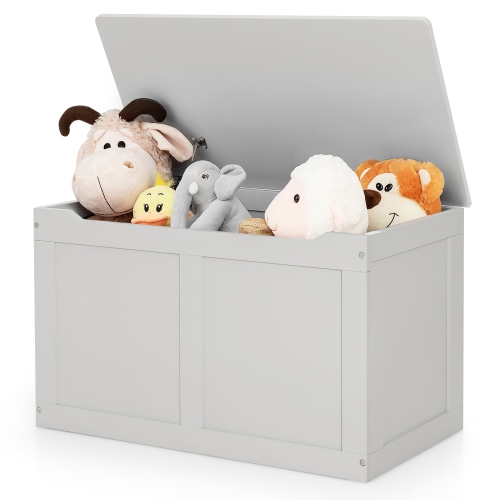
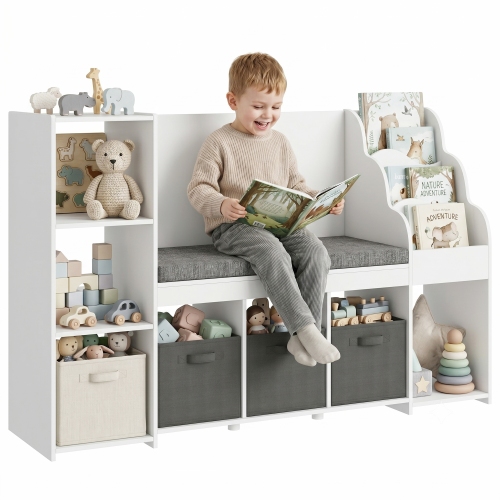
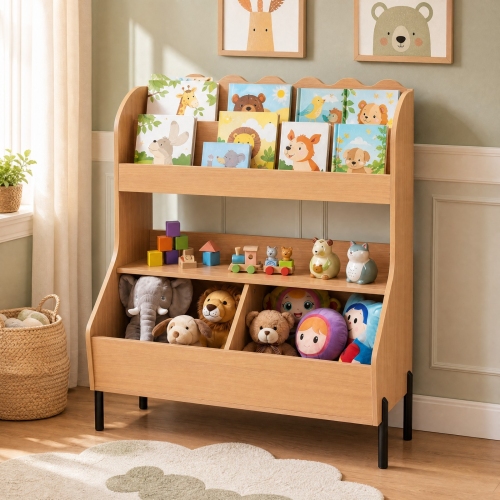
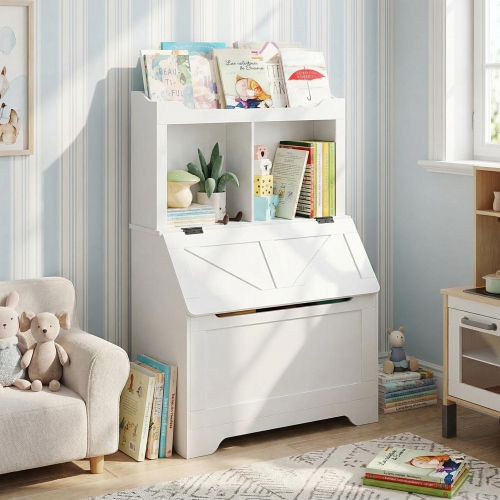
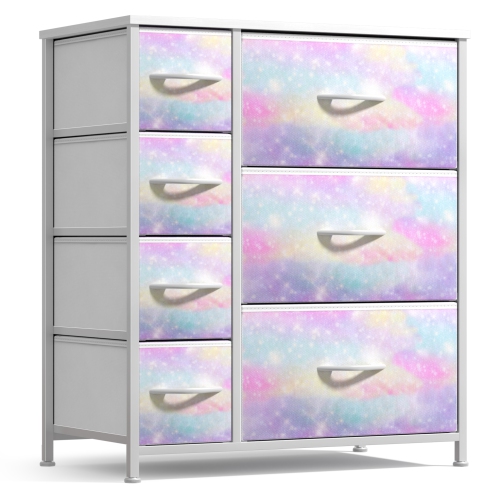
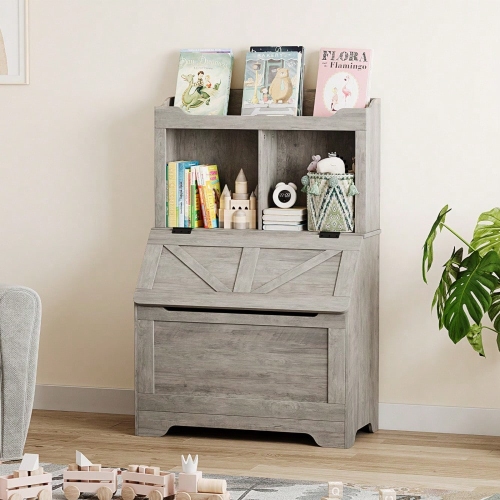
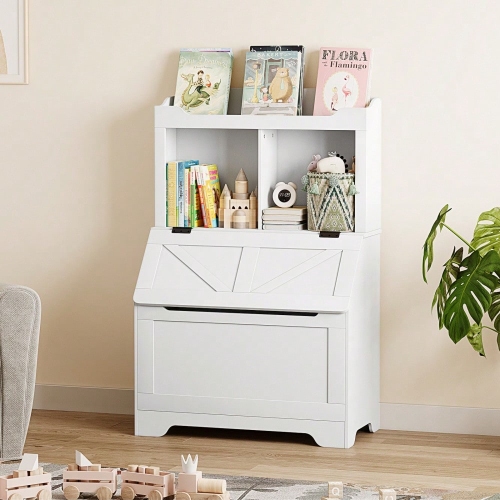
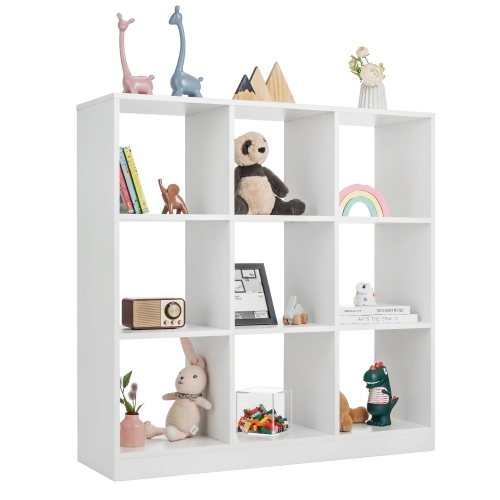
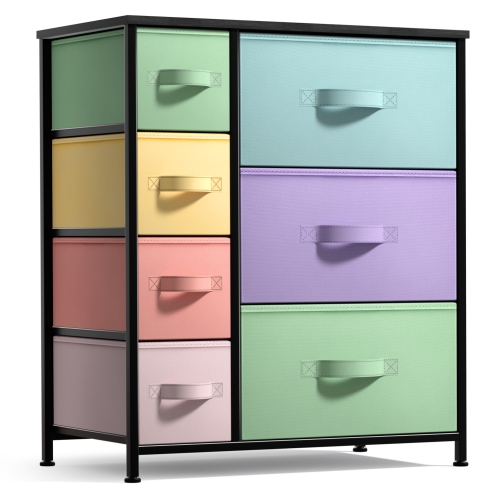
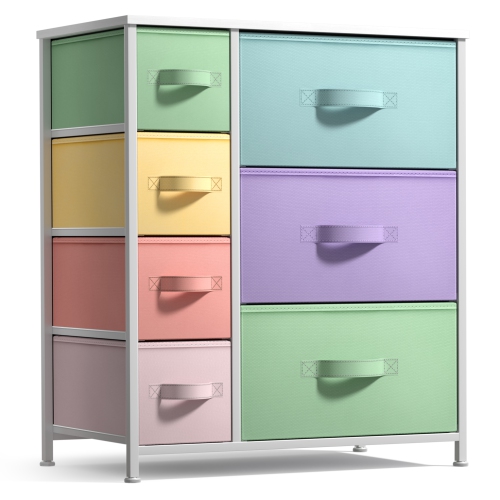
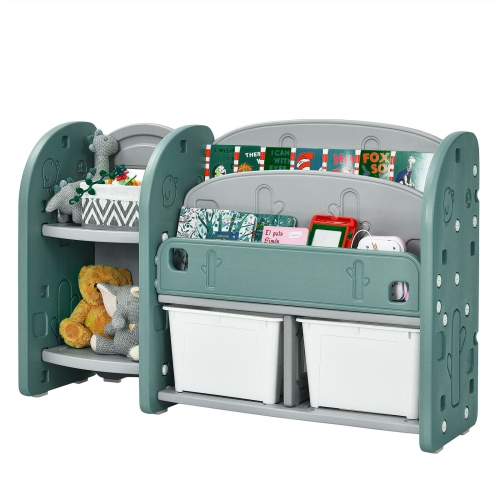
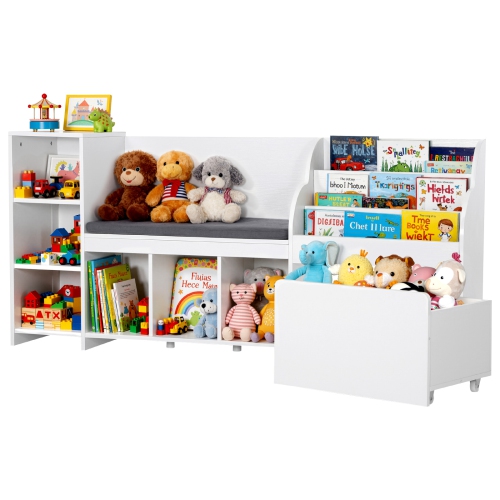
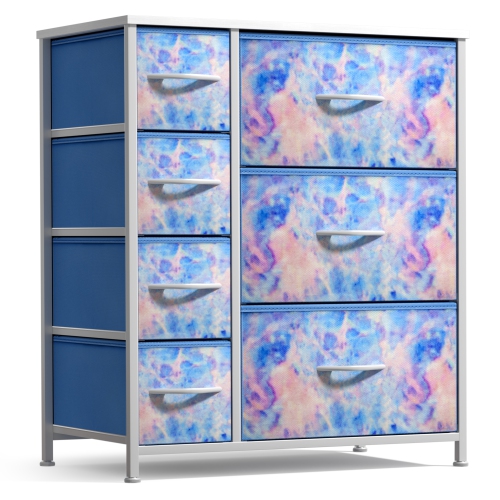
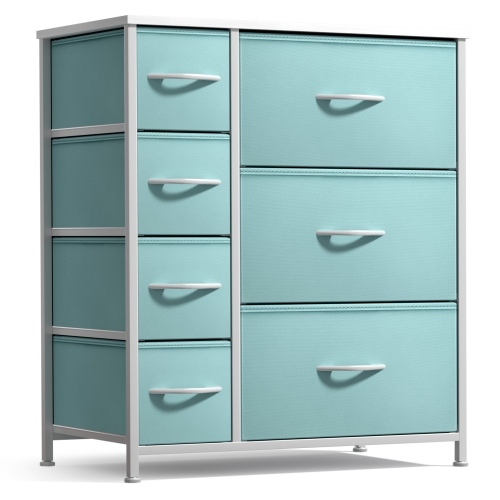
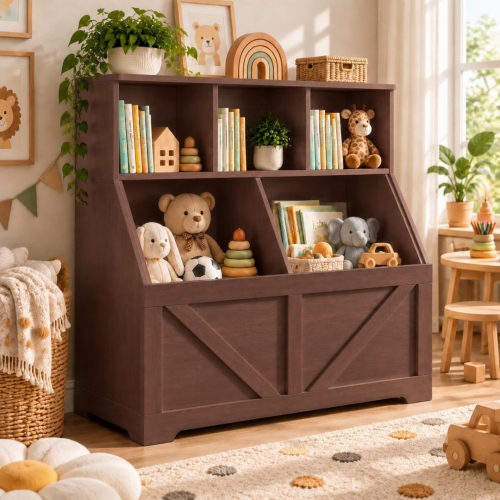
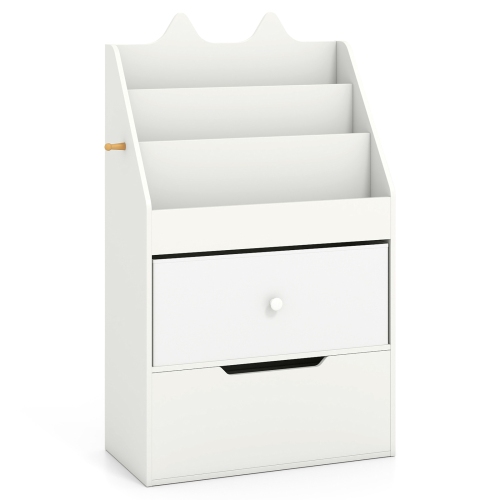
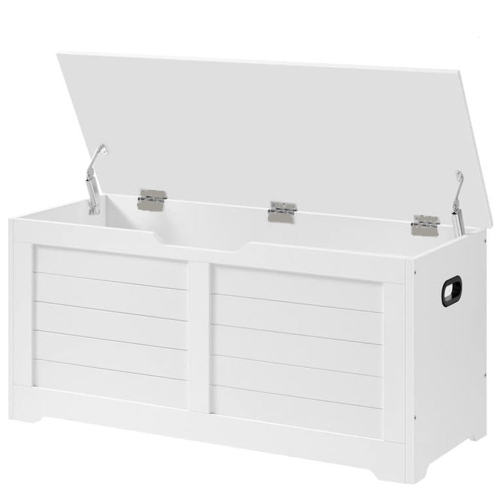
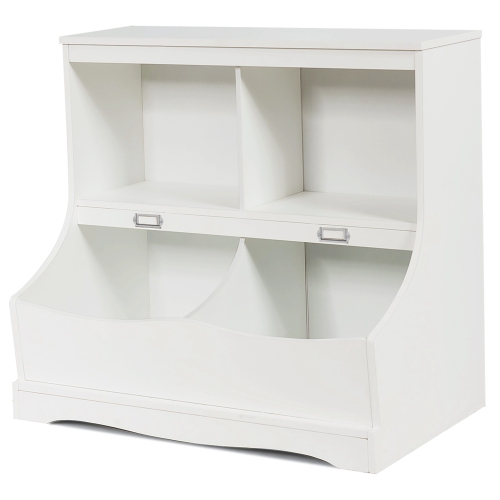
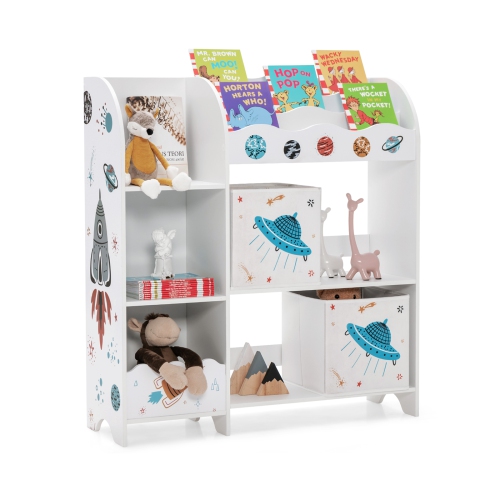
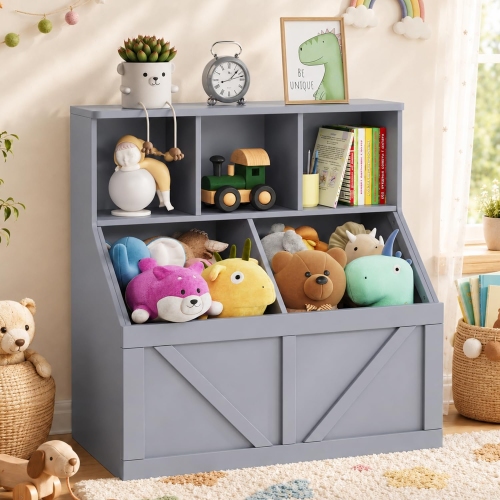
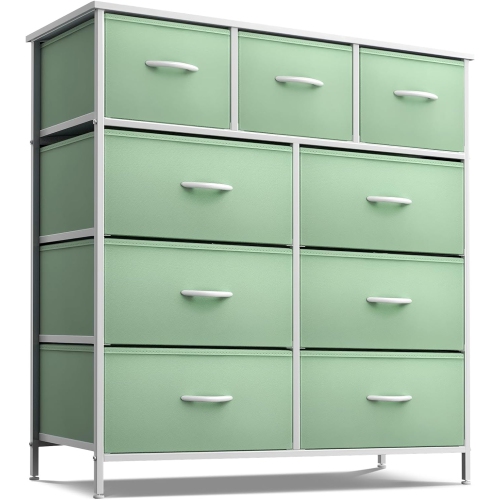
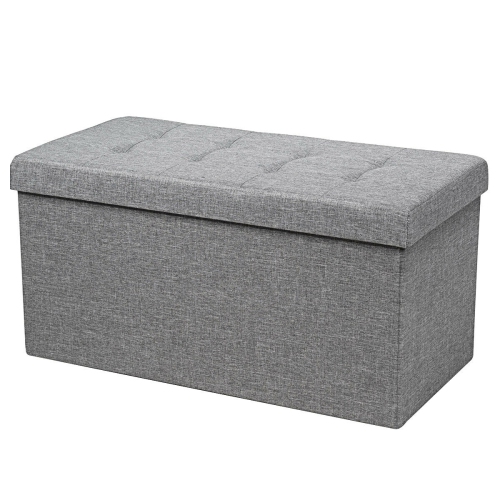
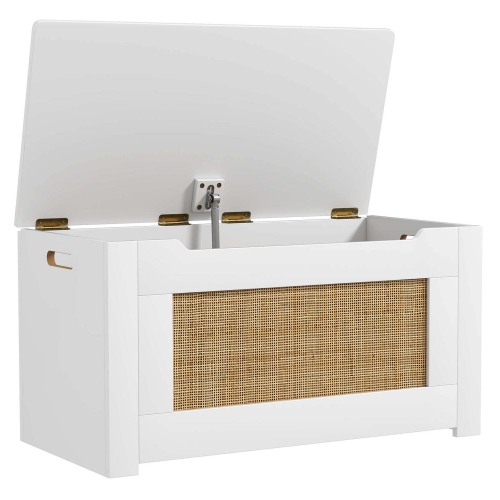
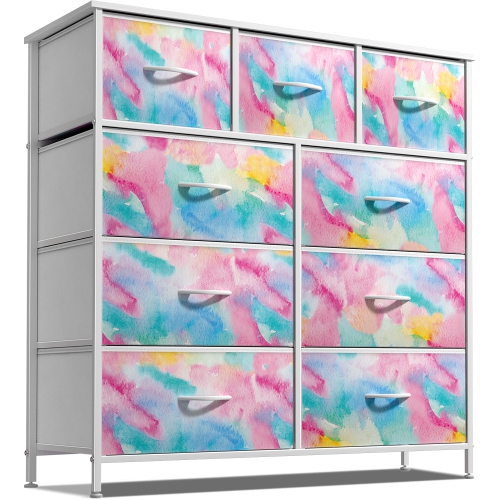
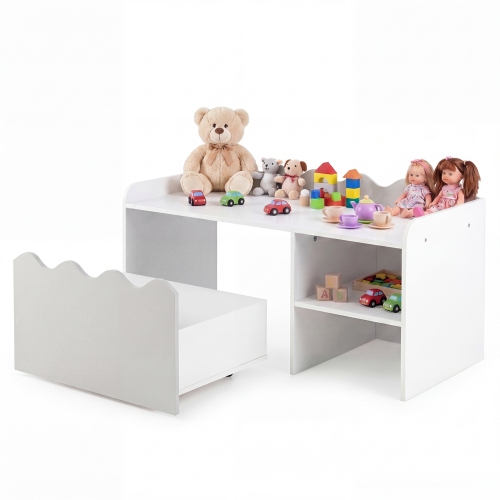
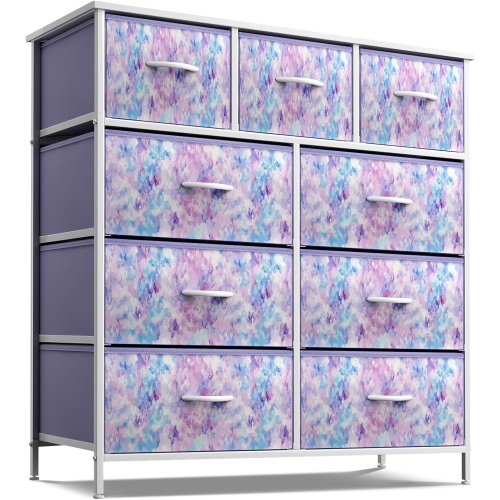
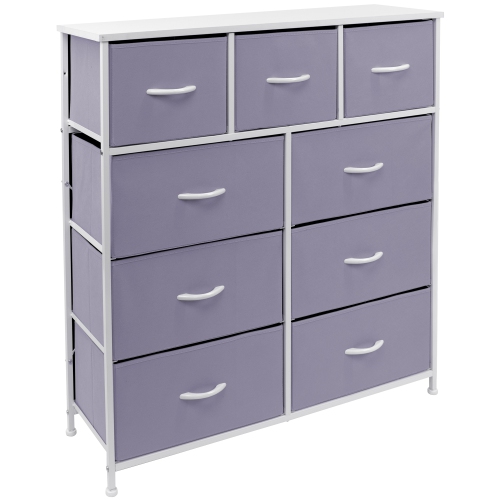
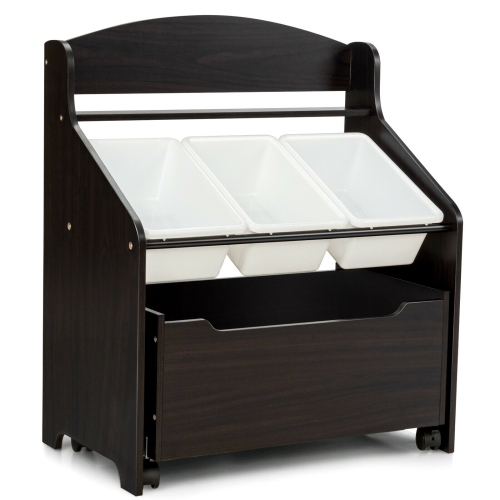
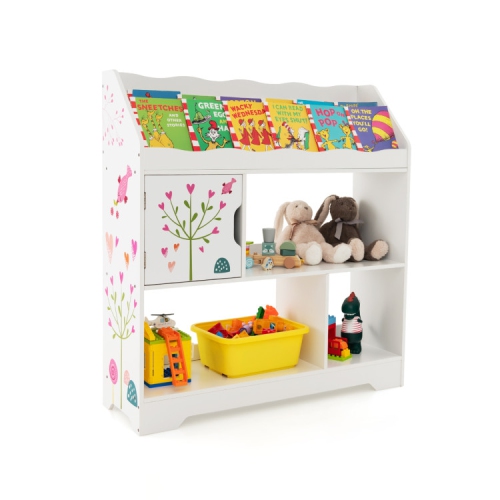
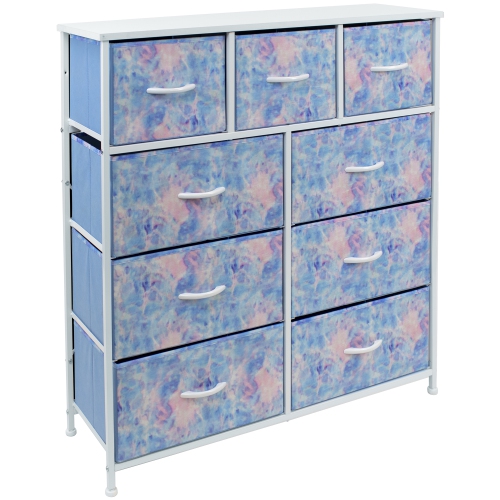
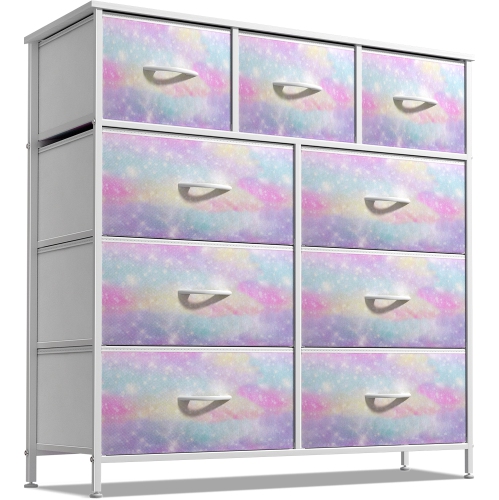
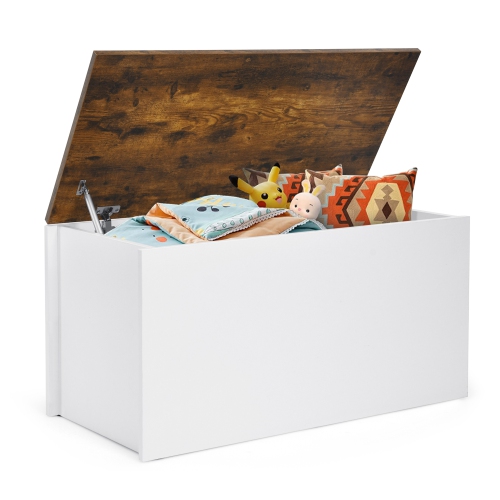
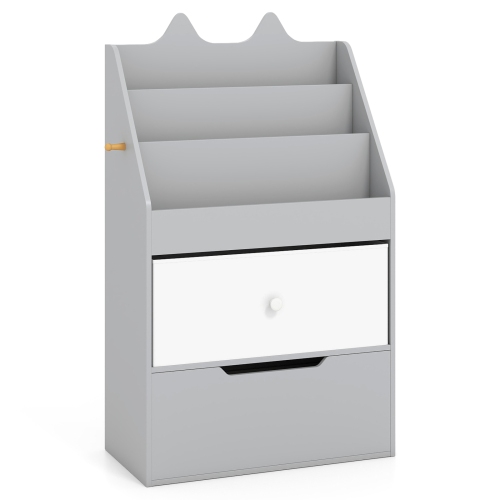
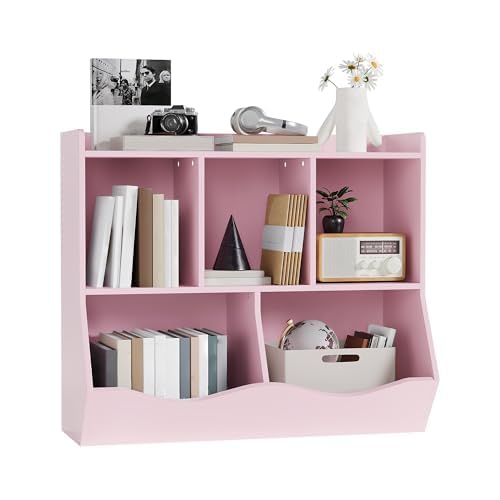
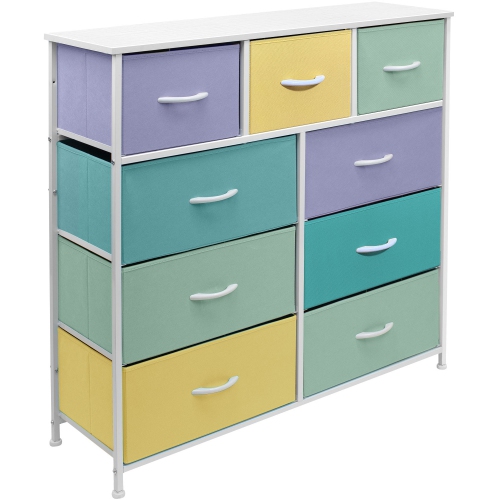
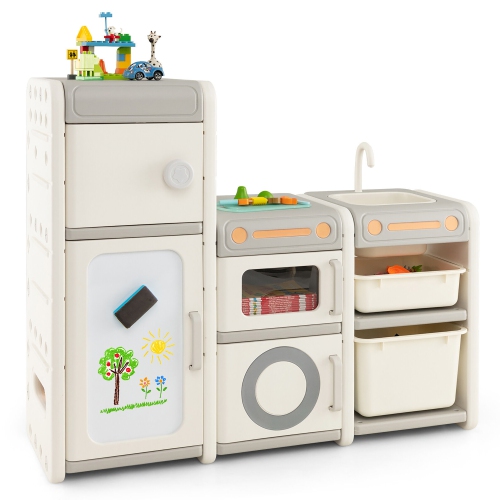
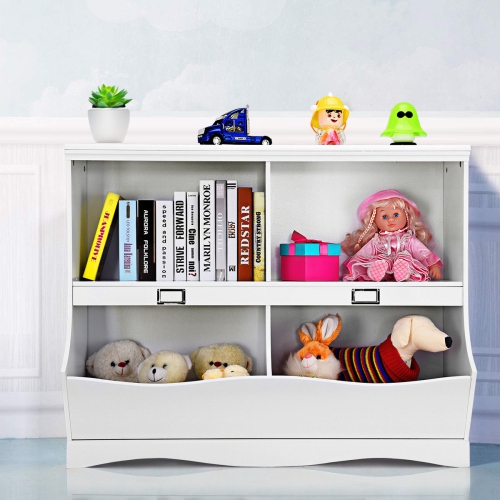
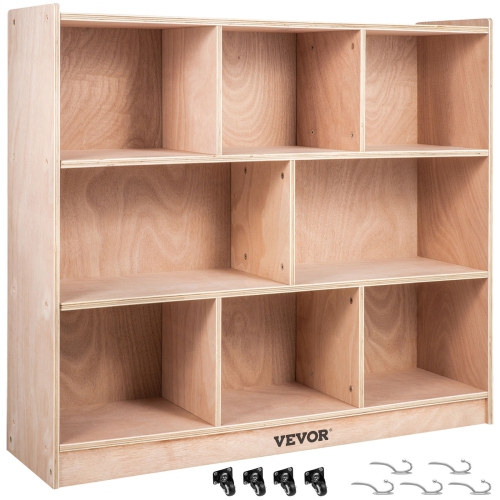
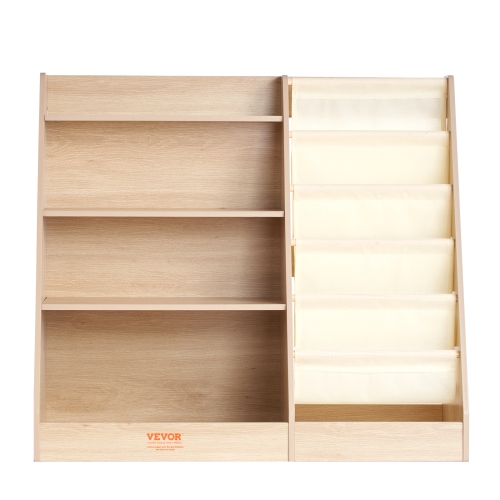
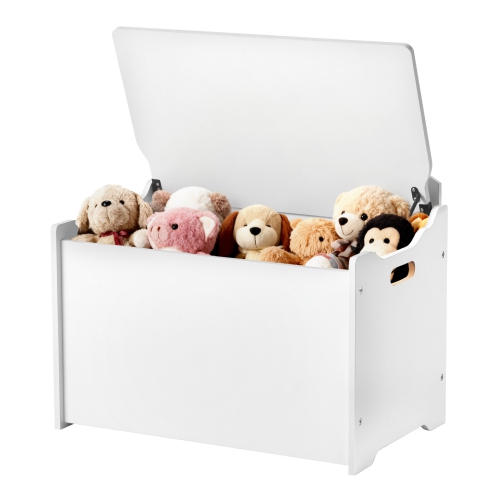
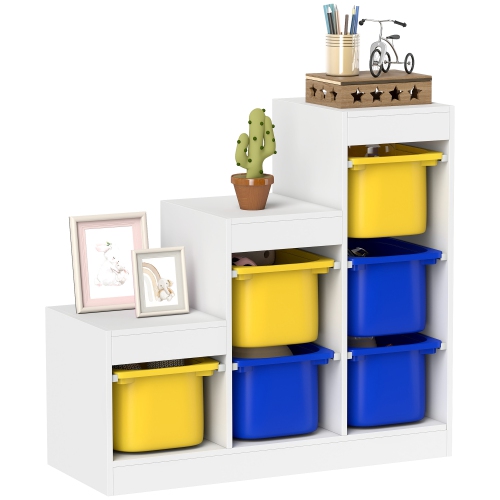
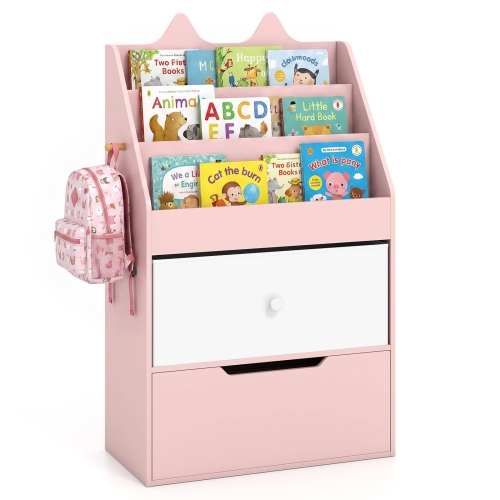
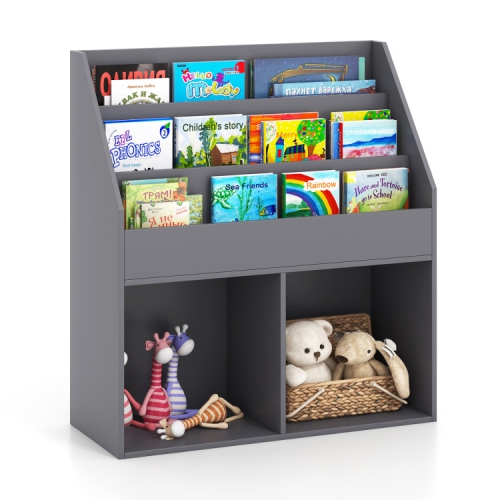
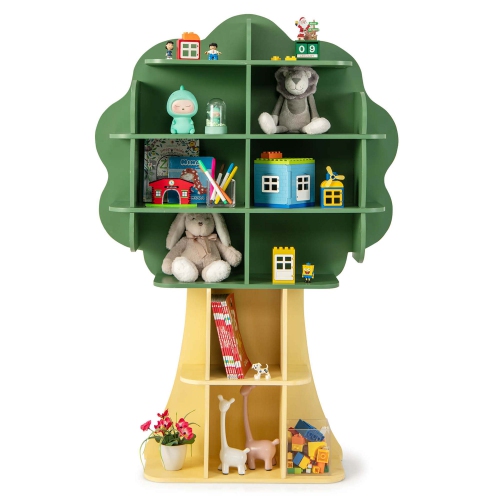
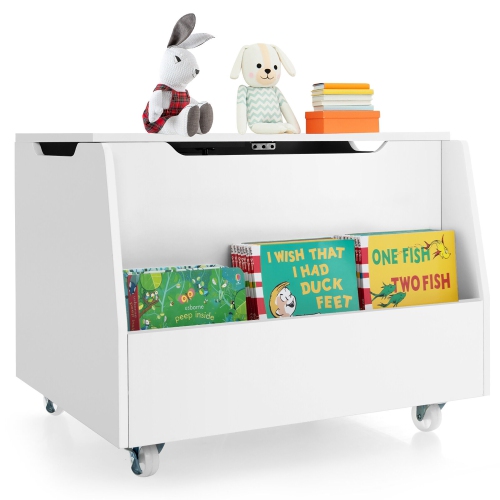
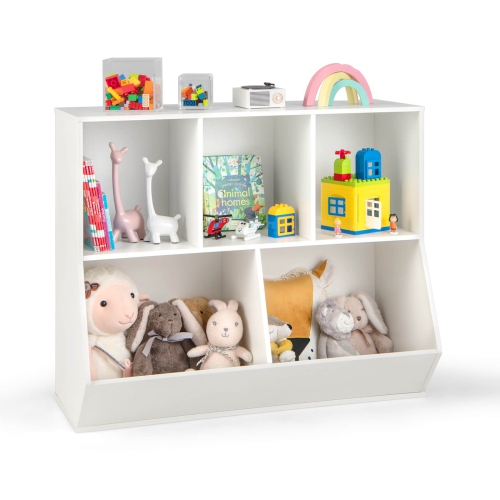
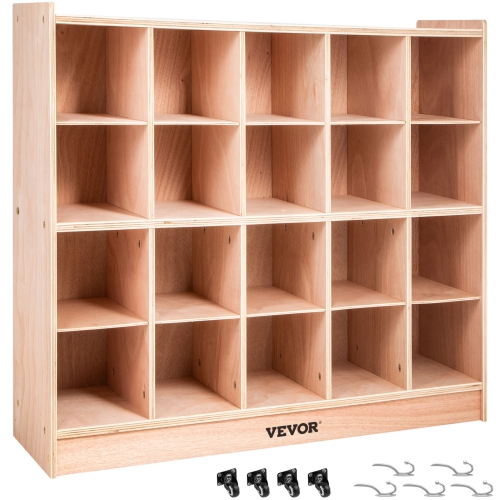
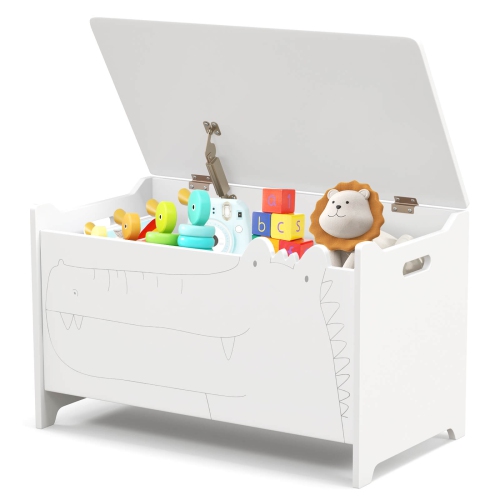
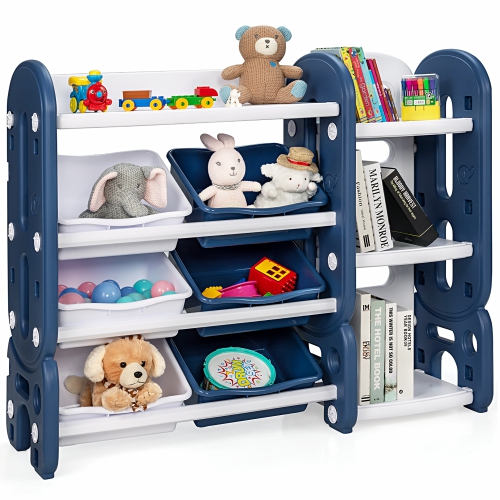
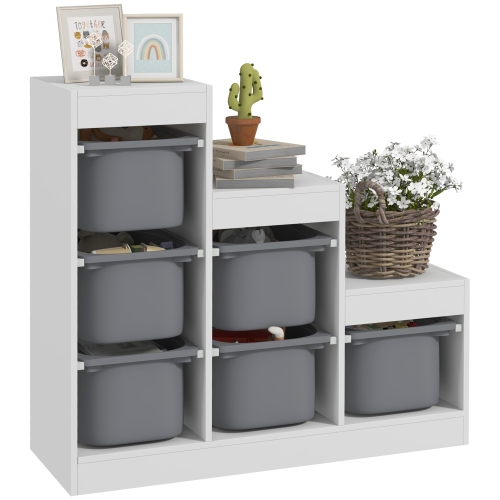
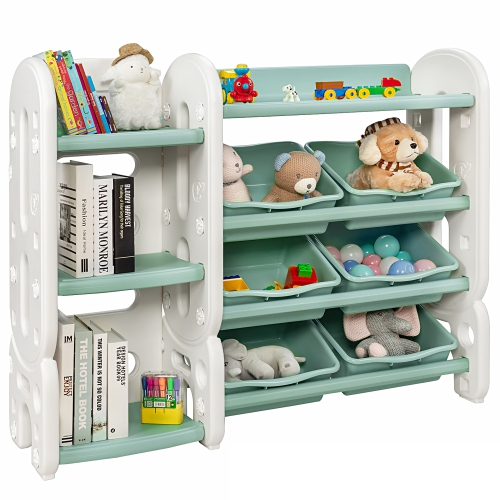
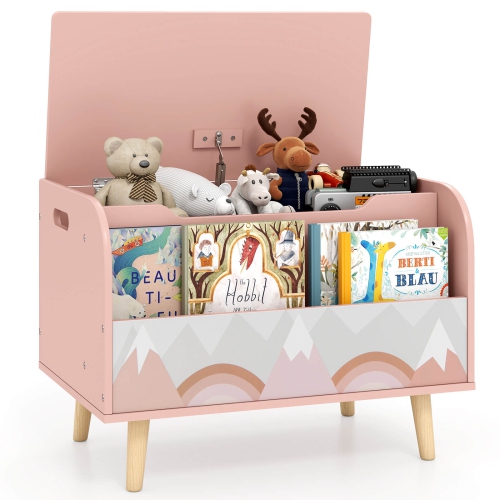
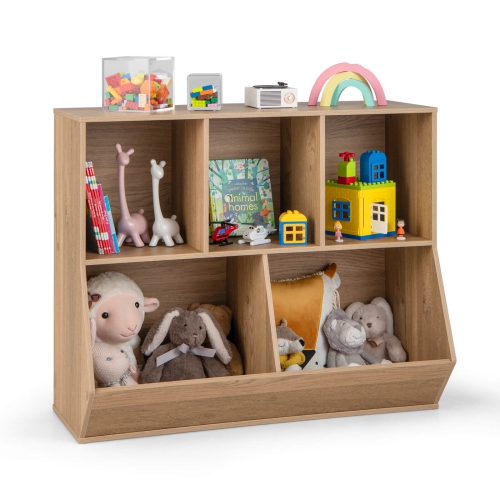
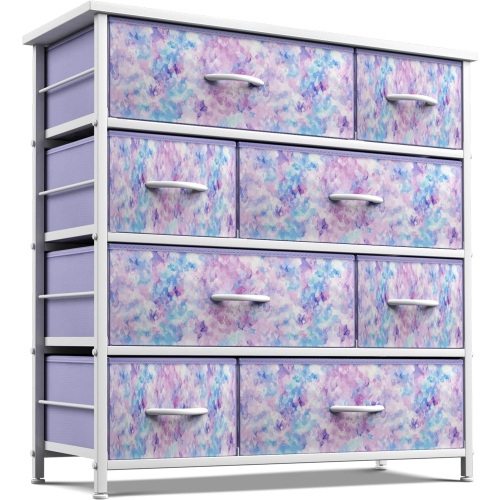
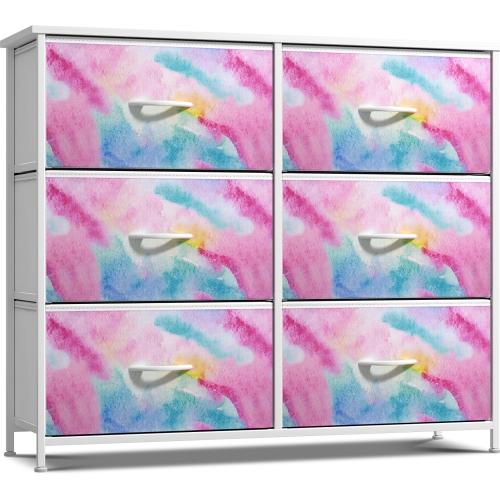
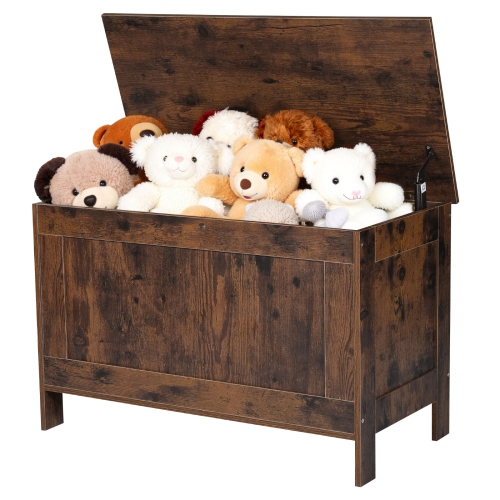
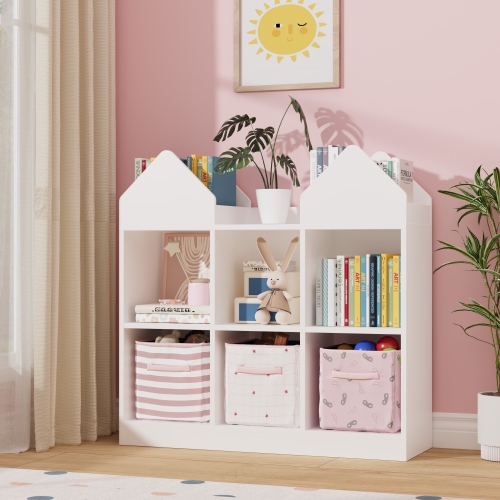
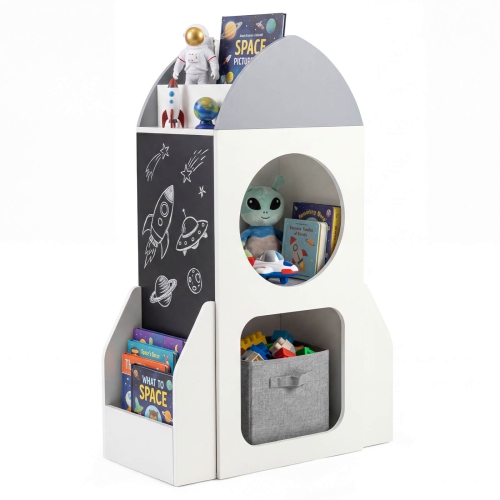
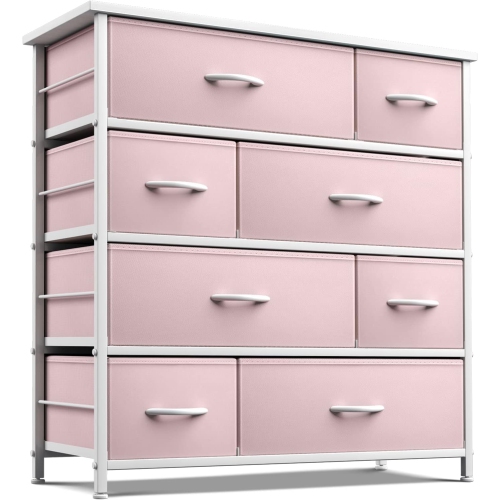
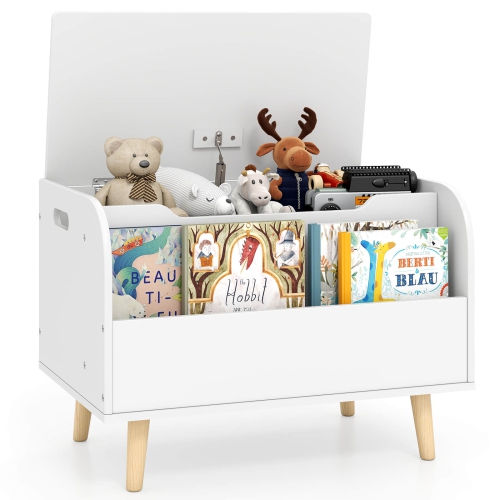
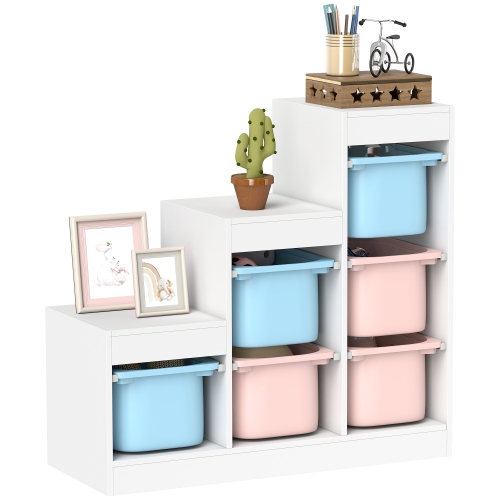
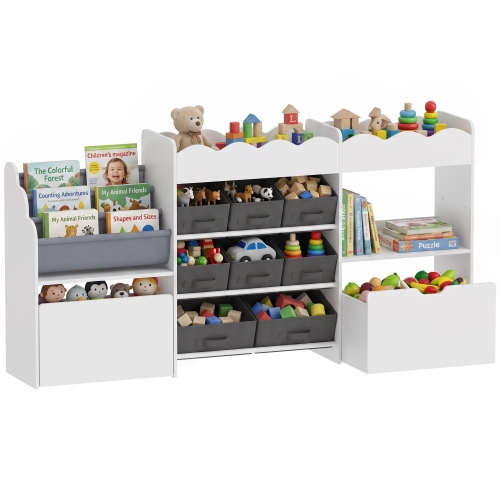
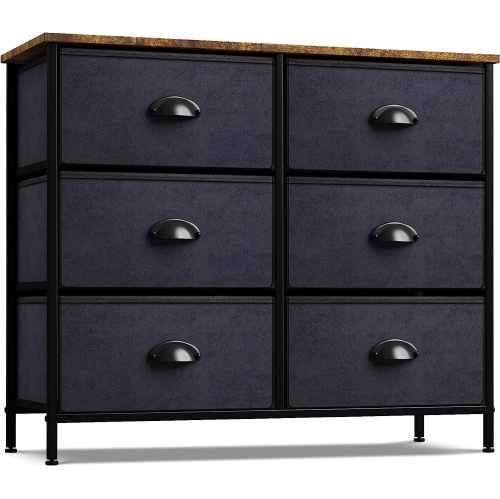
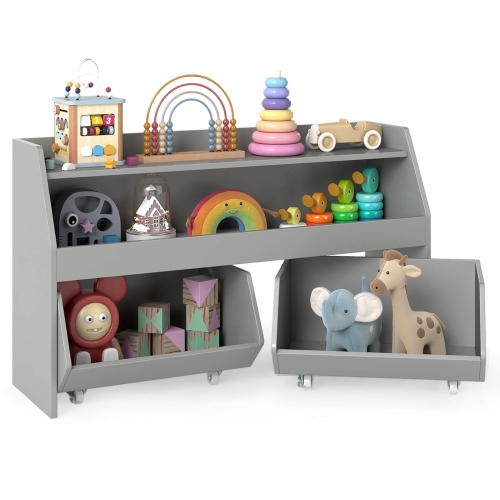
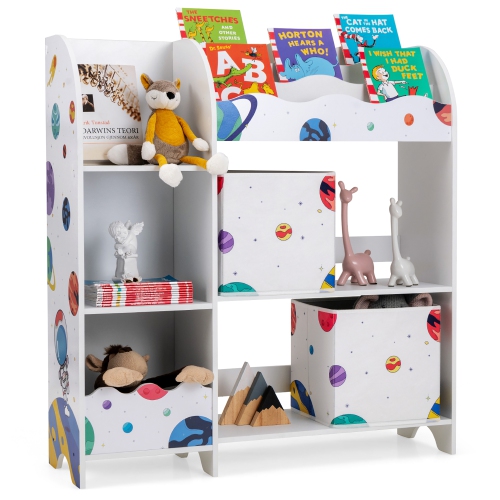

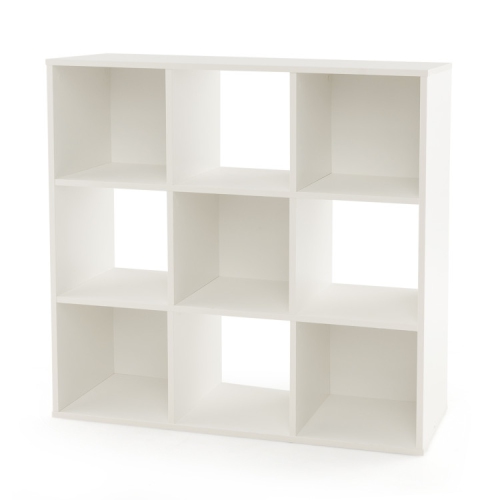
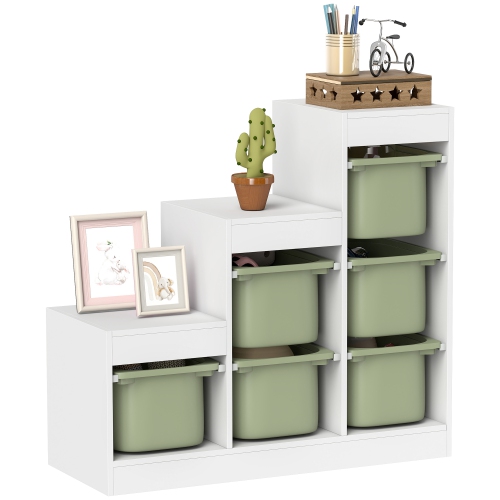
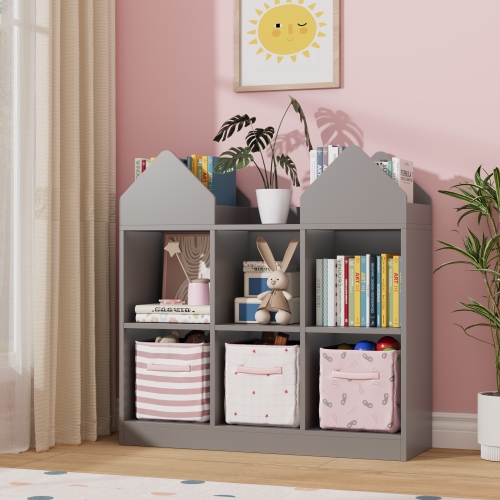
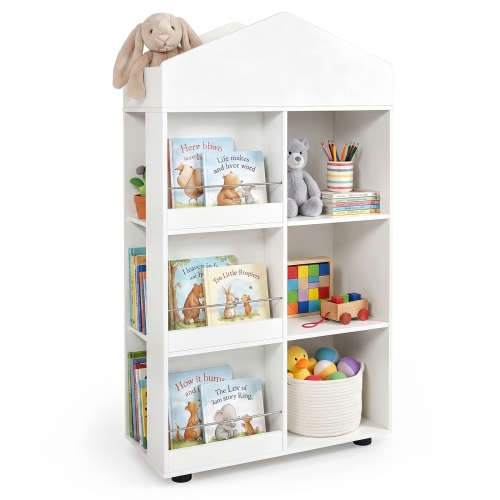
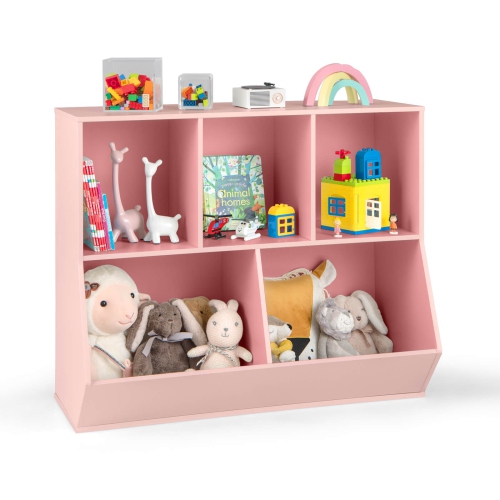
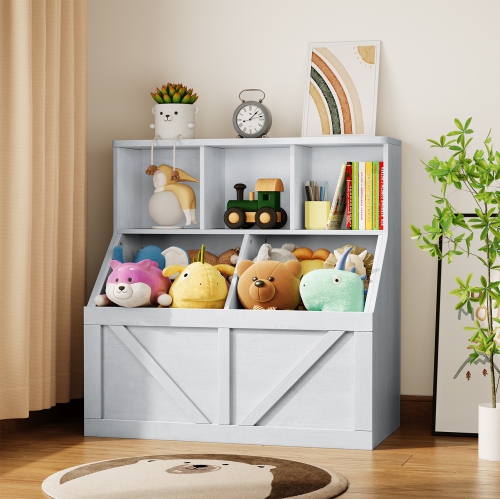
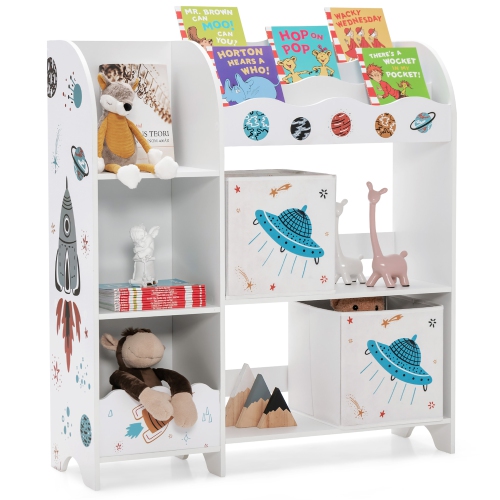
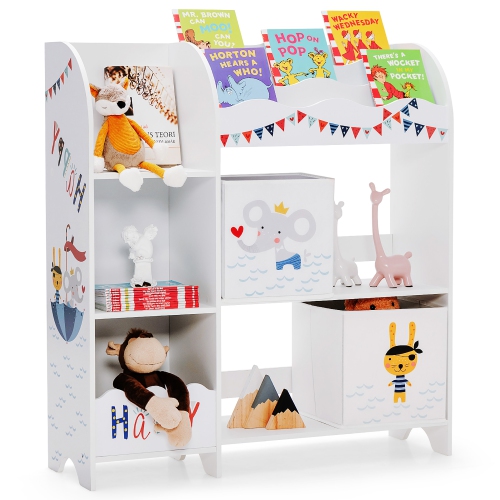
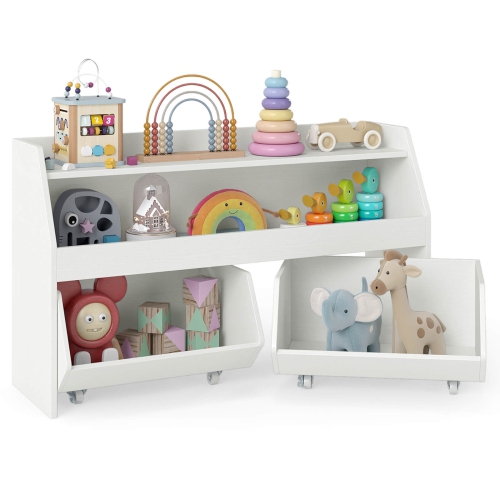
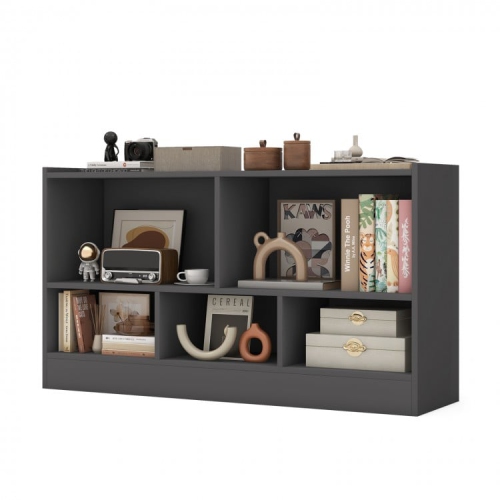

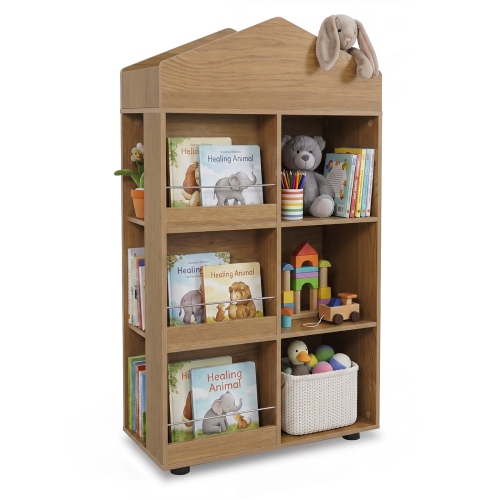
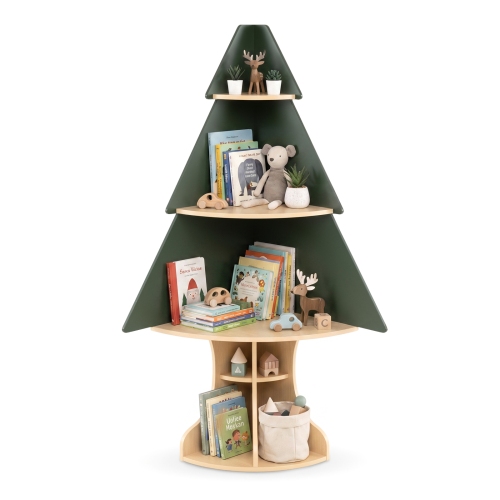
Flexible storage solutions help organise toys across every room
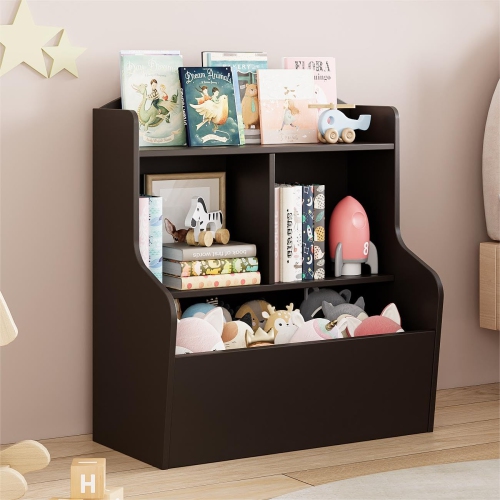
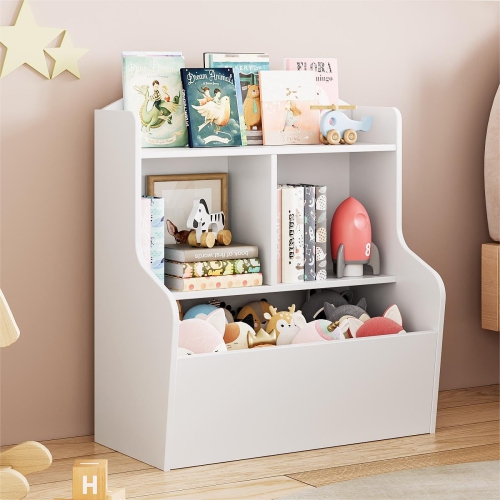
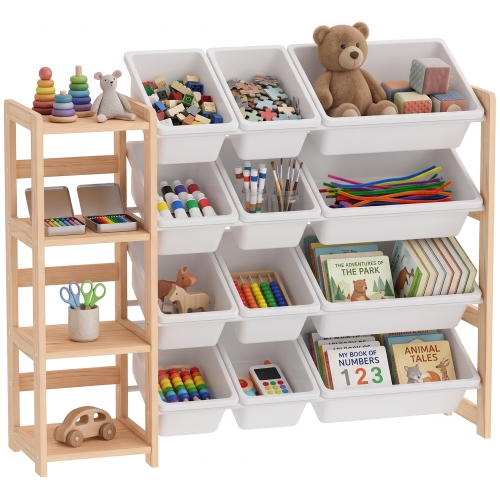
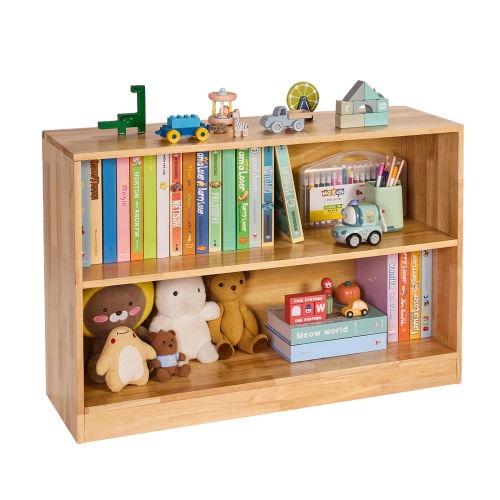
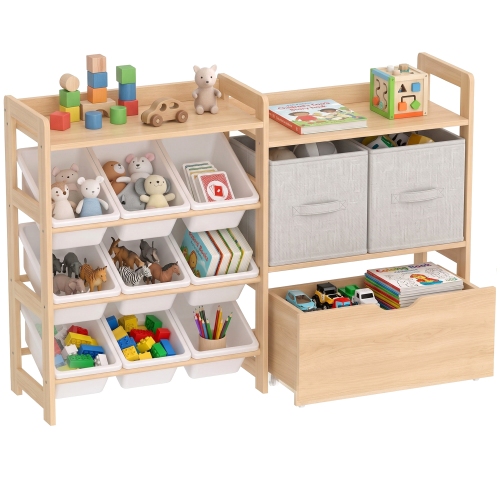
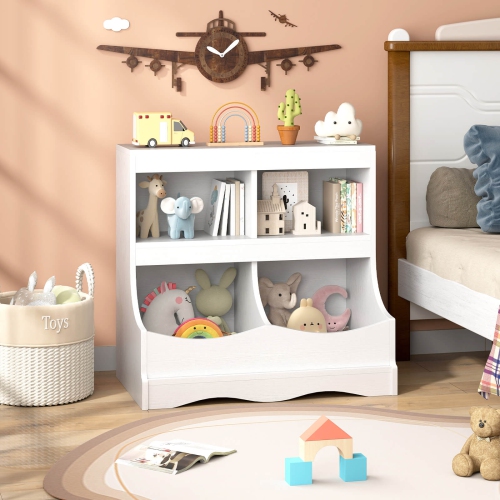
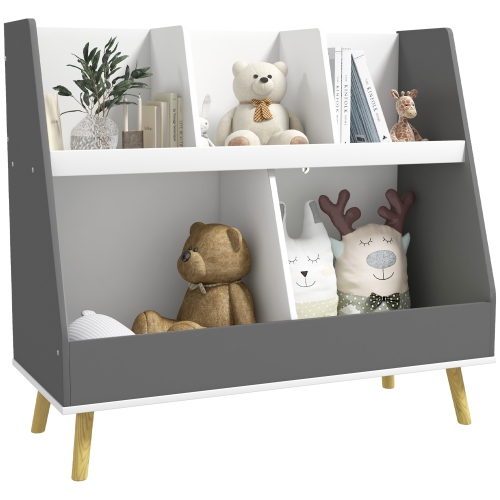
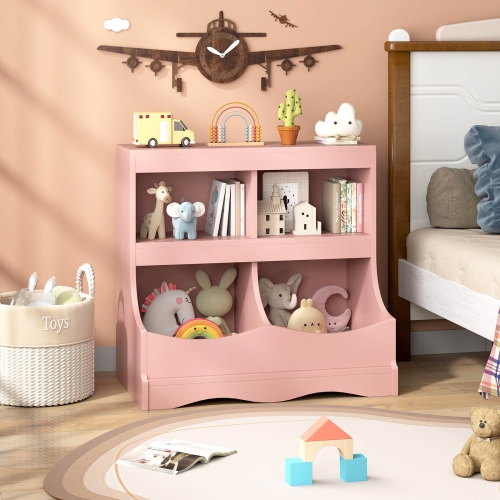
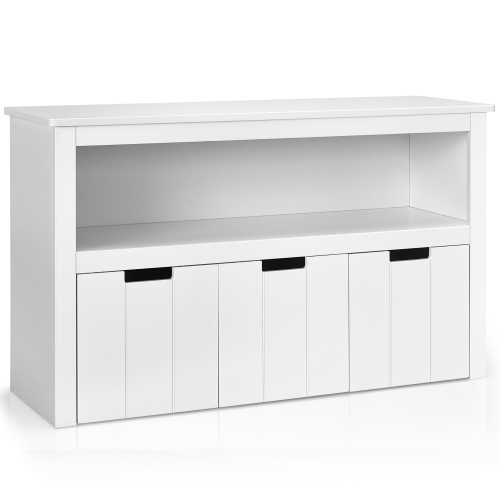
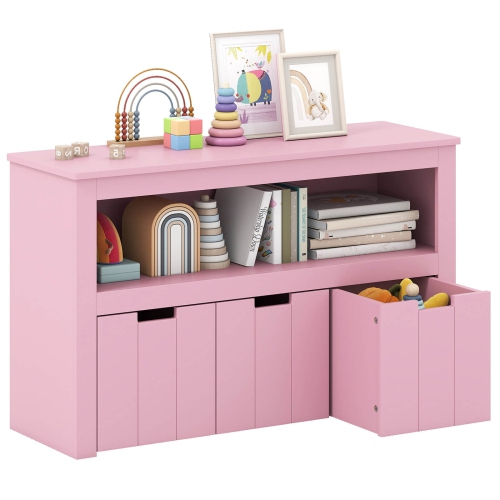
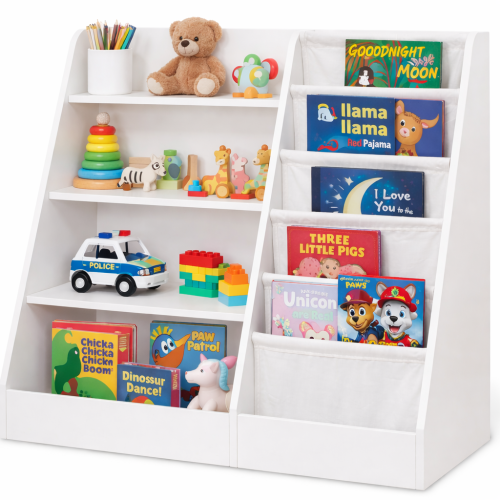
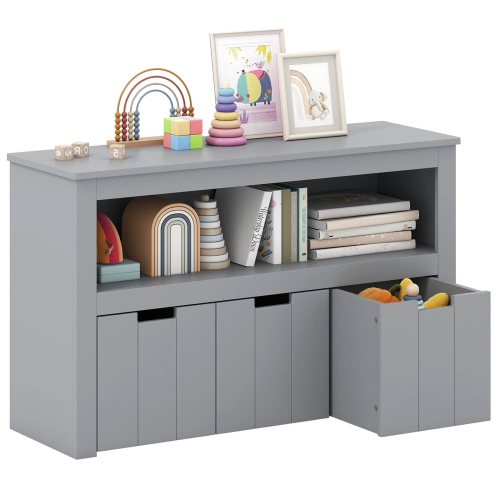
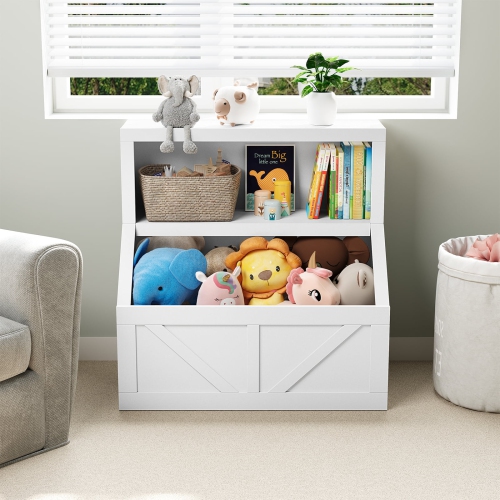
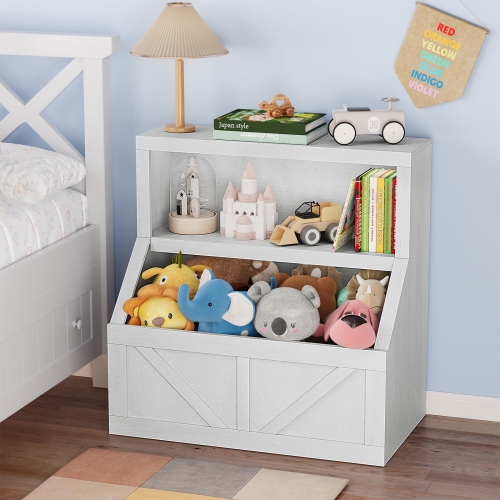
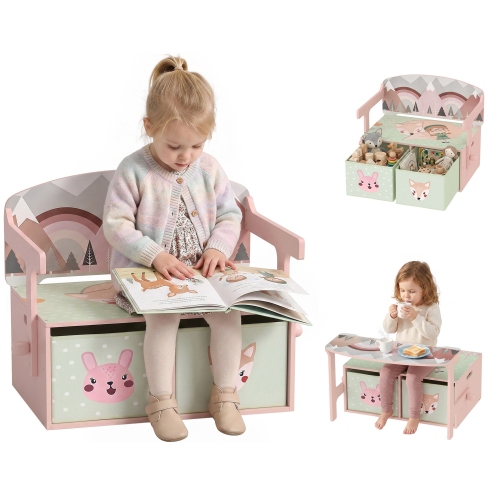
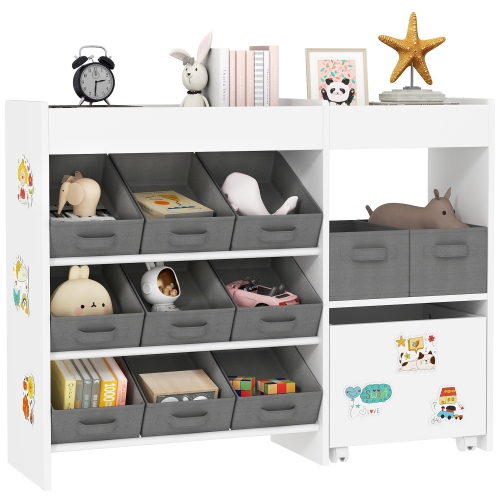
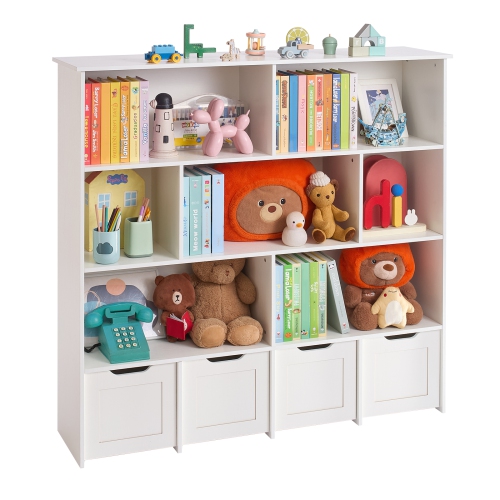
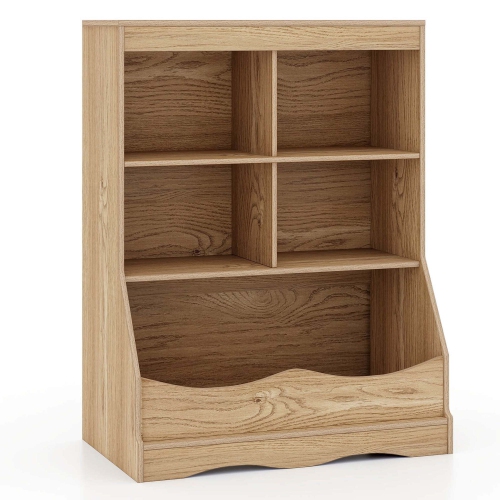
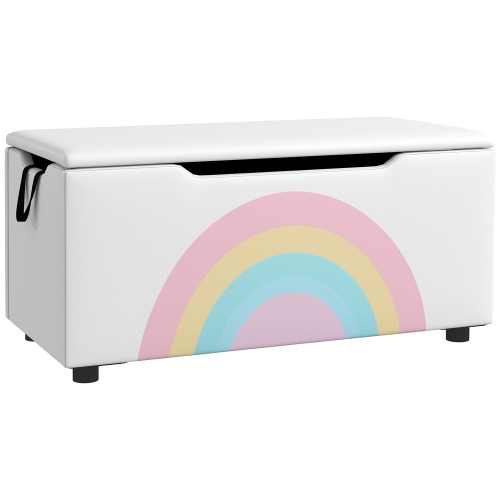
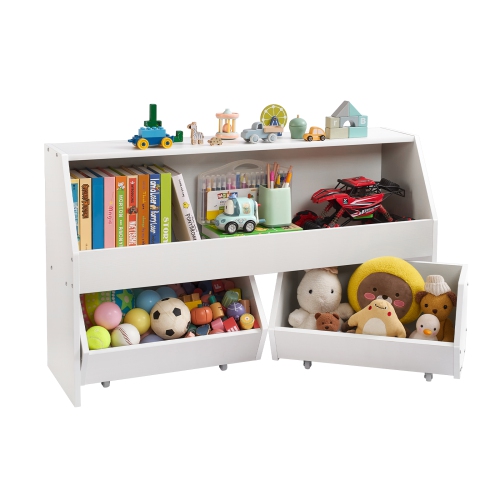
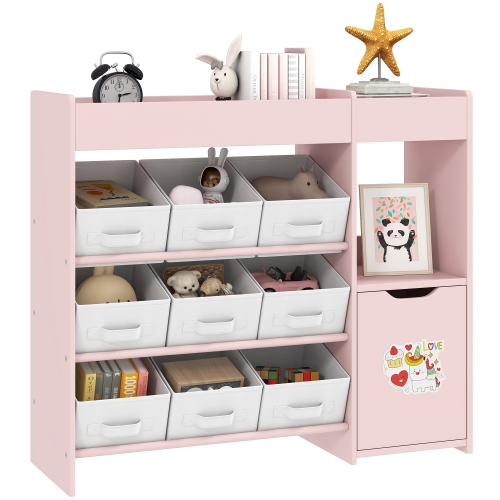
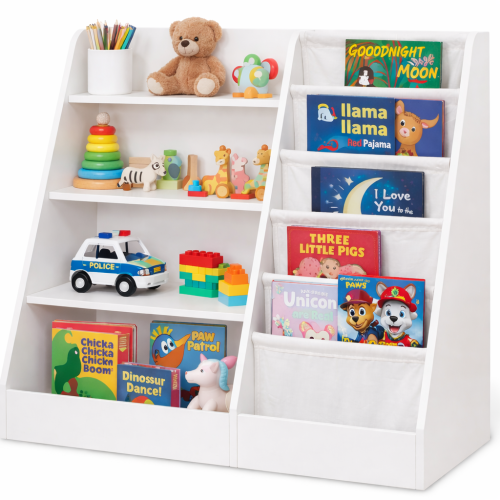
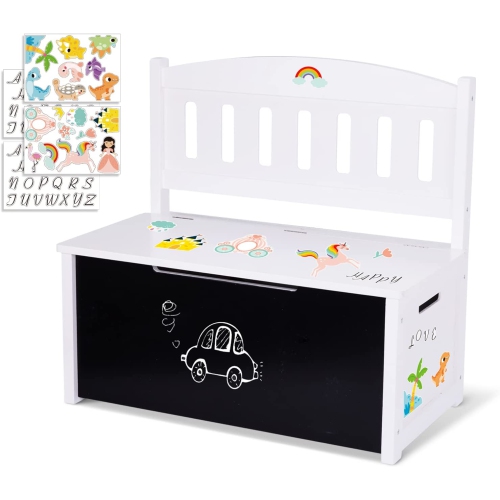
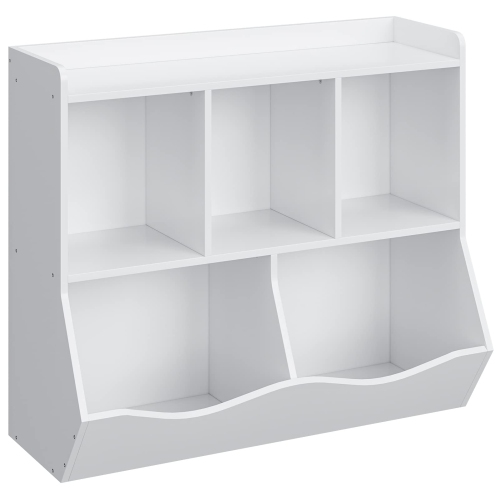
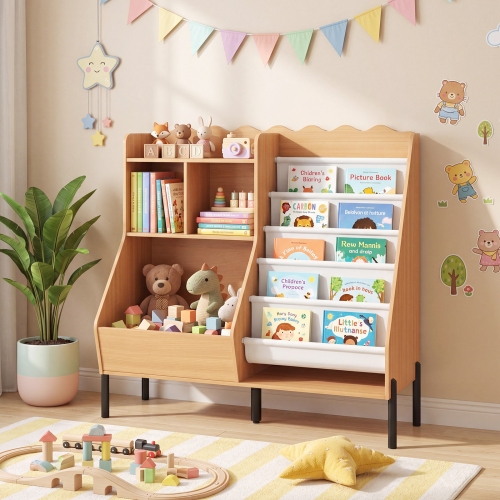
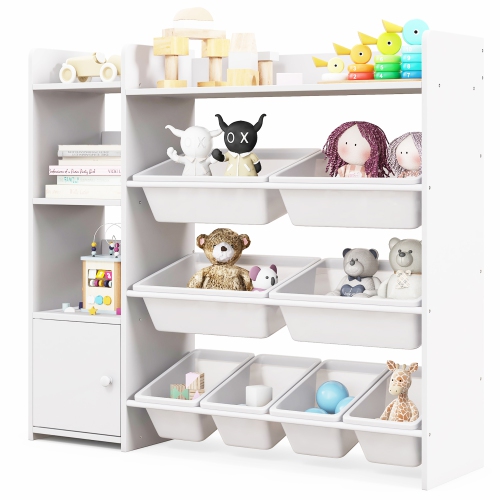
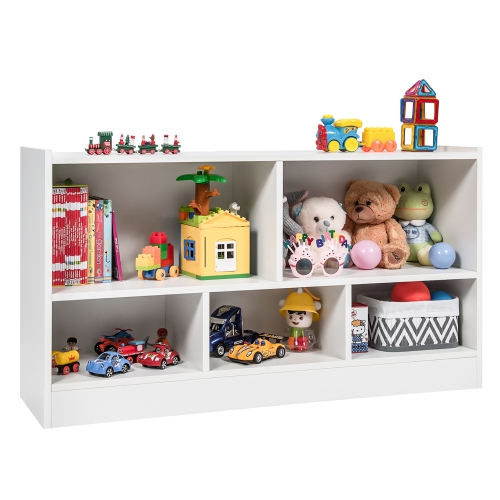
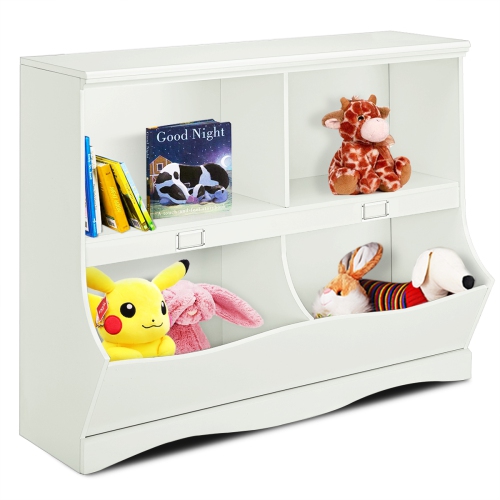
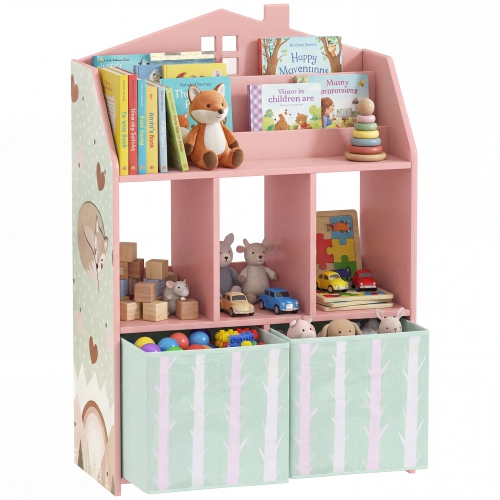
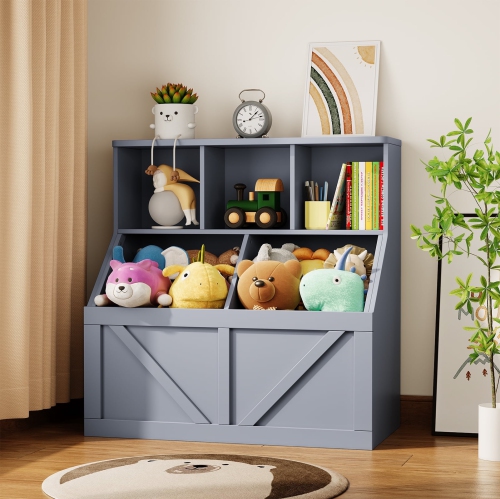
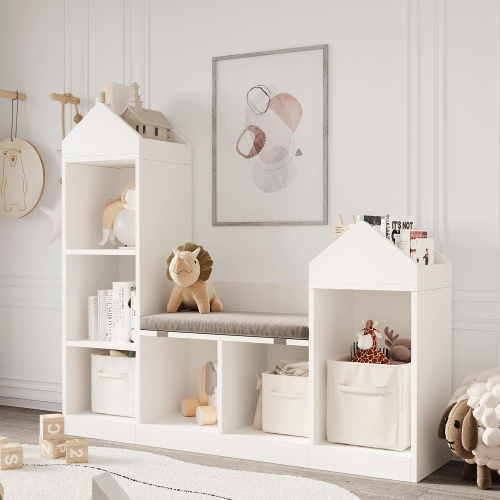
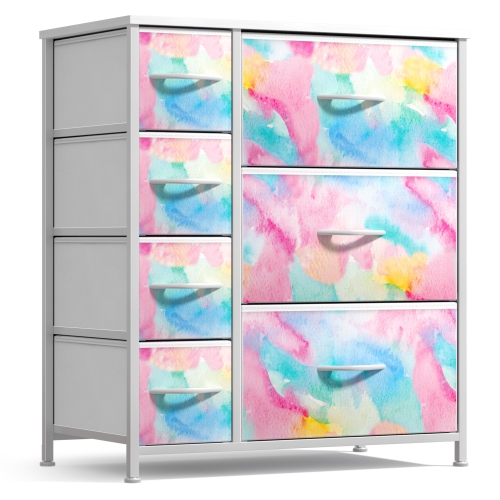
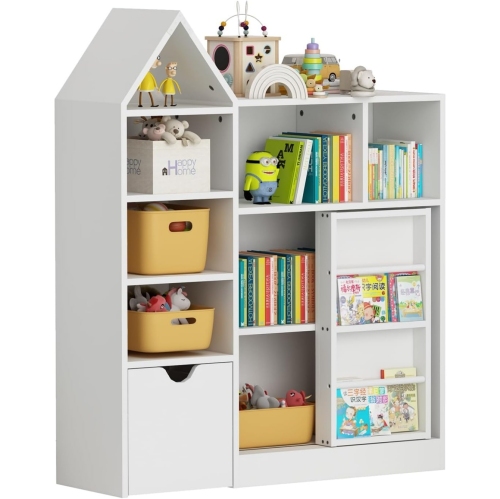
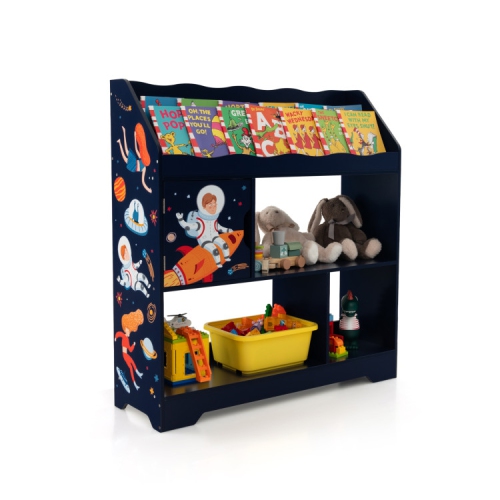
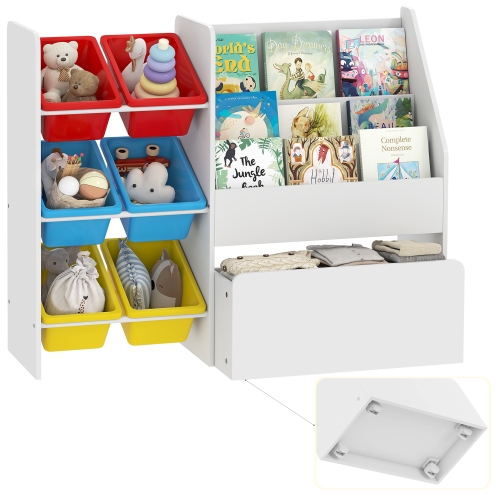
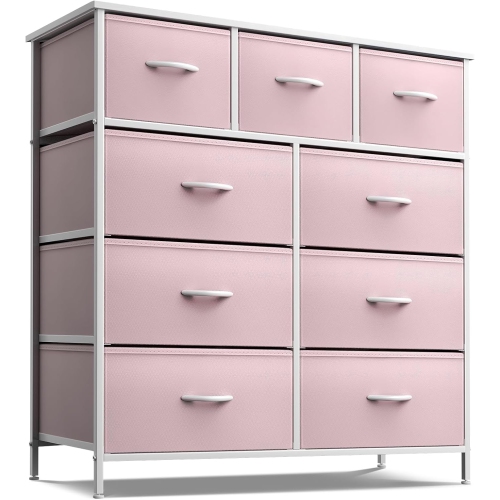
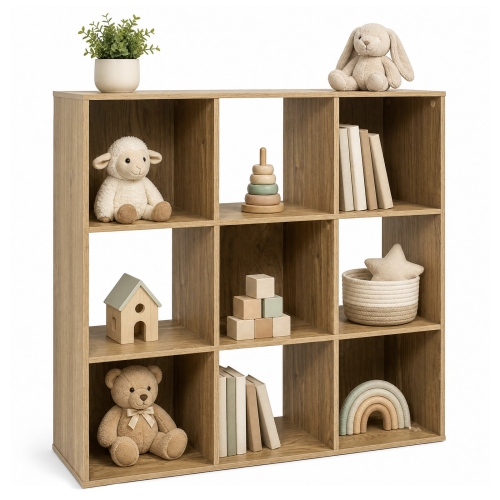
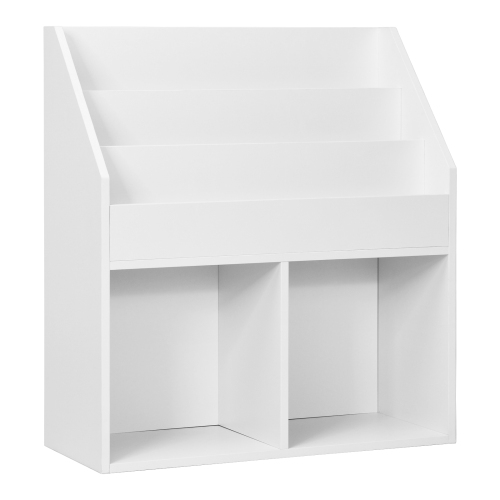
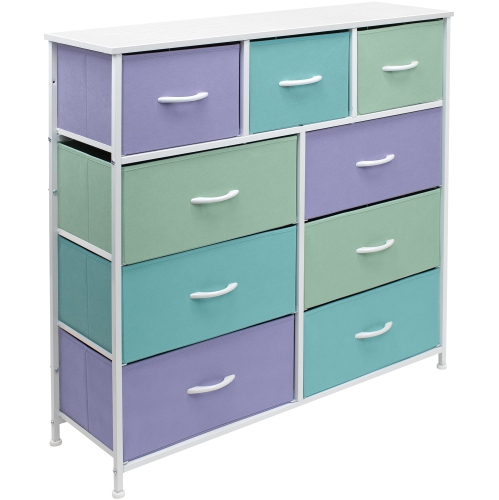
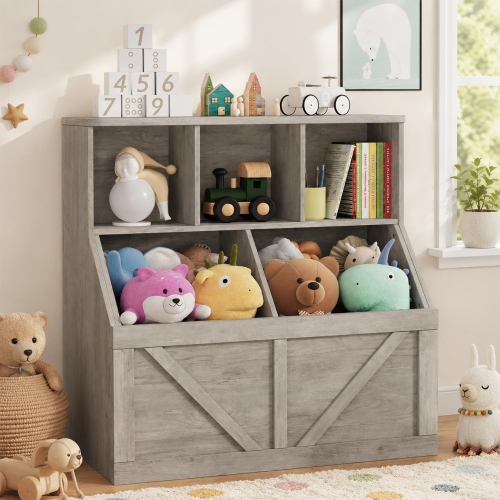
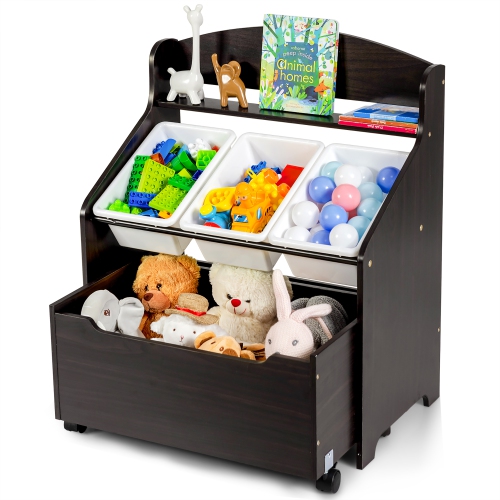
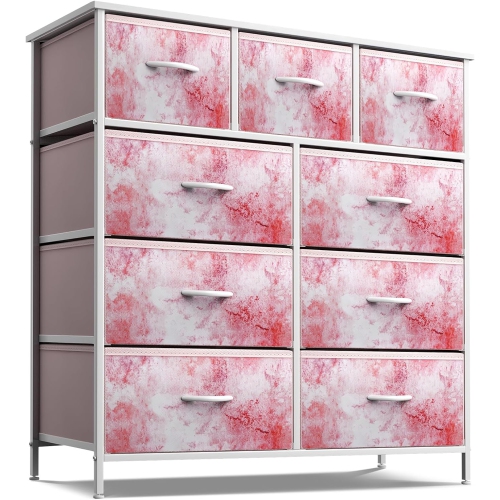
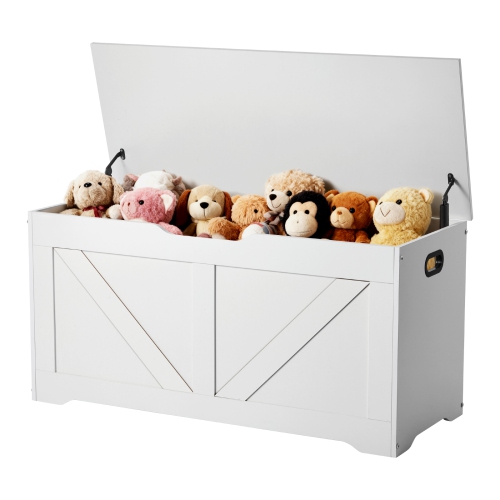
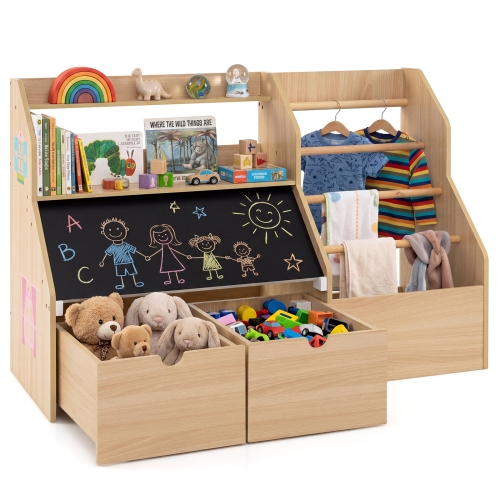
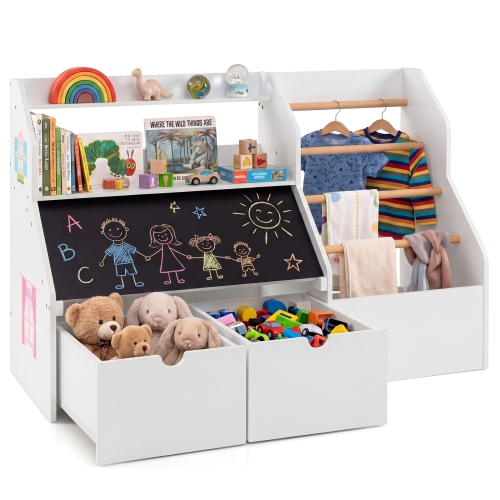
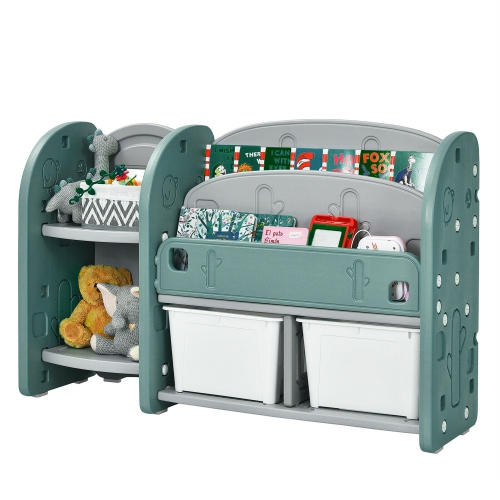
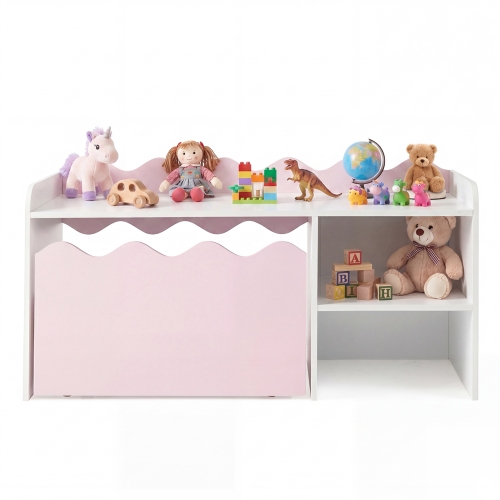
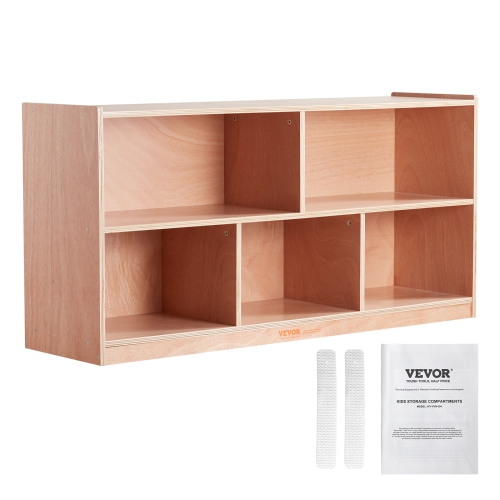
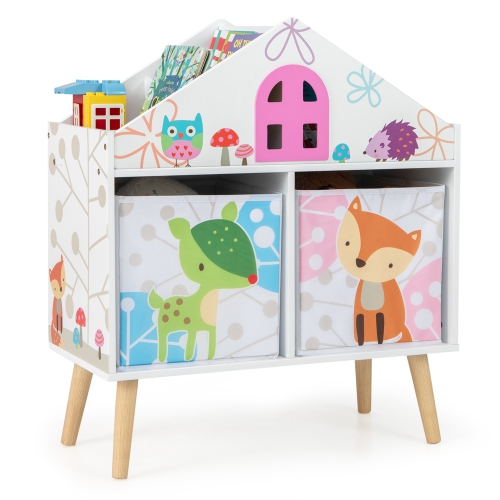
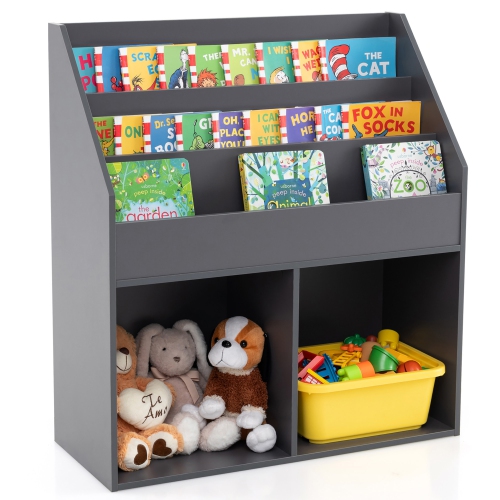
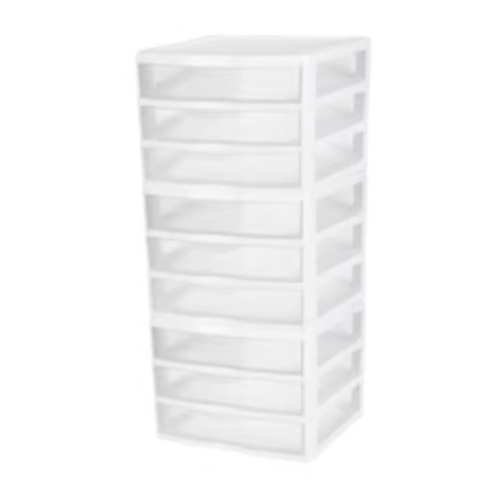
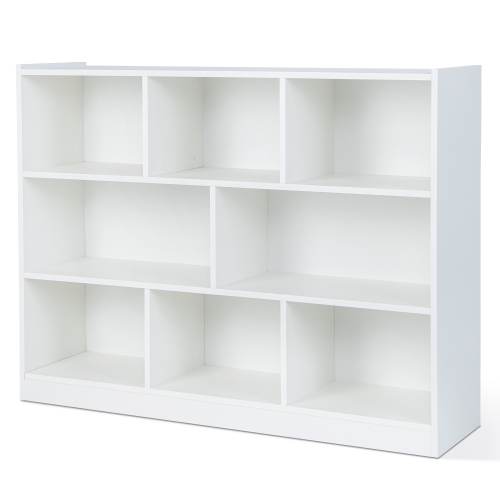
Toy storage furniture helps turn scattered playthings into an organized, welcoming part of the home. Instead of relying on a single oversized bin, families can choose storage that suits the toys, the room, and the way children play. Plastic bin units with several open tubs are useful for sorting building blocks, action figures, craft supplies, dolls, and other smaller items, while cube organizers can hold baskets or bins that group toys by category. Toy chests and benches provide a roomy place for stuffed animals, dress-up clothing, larger vehicles, and soft play items, and some styles can double as seating in a bedroom, playroom, or family room. Low bookshelves and forward-facing shelves make picture books easy to see and reach, which can encourage children to choose a story independently and return it after reading. For more options designed to display books and toys at an accessible height, explore Toy Storage Shelves. The best arrangement often combines two or more storage styles: open cubbies for everyday favourites, covered compartments for pieces that need to stay together, and a larger chest for quick cleanups. As the weather warms and play moves between indoor and outdoor spaces, a clearly defined spot near the entryway can also help contain outdoor toys, costumes, and creative supplies before they travel through the rest of the home. During the cooler months, dedicated storage makes it easier to refresh a play area, bring out indoor activities, and keep floors clear for imaginative games.
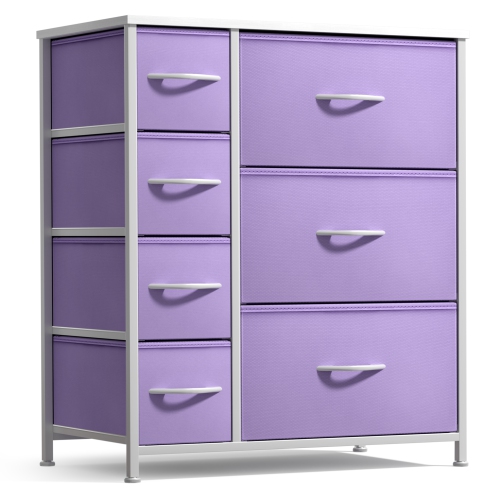
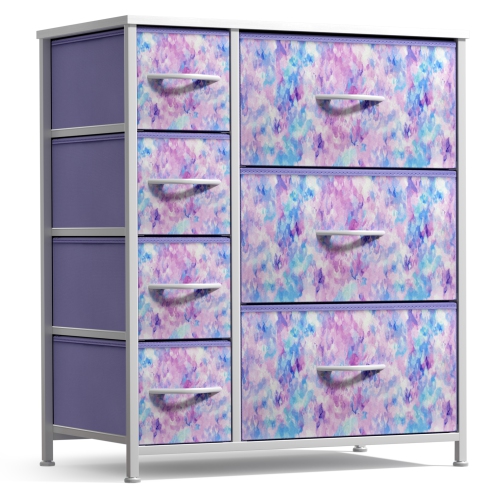
When choosing toy storage furniture, start by considering the toys that need a home rather than selecting a unit based only on its appearance. Small pieces are easier to manage in shallow bins, movable drawers, or cubbies that can be labelled with words, pictures, or both. Deep chests may be a better match for plush toys, blankets, play tents, and bulky pretend-play accessories, but they can make it harder for a young child to find a small item at the bottom. Adjustable or reconfigurable cube storage can adapt as interests change, while individual bins can be lifted out and carried to a play mat or table. Wheels or casters may make a full drawer easier to pull, especially when storage needs to be moved for cleaning, but they should roll smoothly and lock securely where appropriate. Low profiles are helpful for toddlers and preschoolers because children can see and reach their belongings without climbing on furniture. Look for rounded edges, sturdy construction, smooth-opening drawers, and lids that are designed to reduce the chance of trapped fingers. A toy chest with a heavy lid deserves particular attention; a design with a safety hinge or a lid that stays open gradually can provide added peace of mind. Tall units should be attached to the wall with suitable anchoring hardware, especially in homes with young children, active pets, or busy play spaces. It is also worth checking the available floor area, doorway width, and clearance around the furniture. A compact bin rack may suit a small bedroom corner, while a larger cabinet or bench can make better use of an open wall in a shared living area. Measure the space carefully, including baseboards and nearby doors, then leave enough room for children to pull out bins and adults to move around comfortably. A storage unit that is easy to access is more likely to become part of the daily routine instead of another piece of furniture that collects clutter.
Toy storage furniture can be useful for families preparing a nursery, setting up a first big-kid bedroom, or creating a dedicated play area in a shared home. It can also make a practical gift for a new parent, a grandparent arranging a visit-friendly space, or a child moving into a room with more room for books, crafts, and pretend play. For a gift, neutral colours and flexible compartments can be especially helpful because they work with different décor and remain useful as a child’s interests develop. In a main living room, a bench-style chest can provide extra seating while keeping plush toys and blankets close at hand; in a bedroom, a compact organizer can separate everyday toys from collections and keepsakes. In a playroom, several matching bins can create a simple routine: one place for blocks, one for vehicles, one for costumes, and one for art materials. Children often respond well when storage is arranged at their level and each category has a visible home. A five-minute tidy-up before dinner can become more manageable when every item has an obvious destination, with larger toys placed in open compartments and tiny pieces gathered into containers that can be carried safely. Storage furniture can also support changing routines as children grow: picture labels can later be replaced with written labels, display shelves can hold favourite books, and lower compartments can make room for puzzles, school supplies, or hobby materials. Whether the goal is a quick evening reset, a calmer reading corner, or a more functional shared space, the right toy storage furniture brings order without taking away from the fun, colour, and creativity that make a child’s play area feel like their own.
When choosing toy storage furniture, start by considering the toys that need a home rather than selecting a unit based only on its appearance. Small pieces are easier to manage in shallow bins, movable drawers, or cubbies that can be labelled with words, pictures, or both. Deep chests may be a better match for plush toys, blankets, play tents, and bulky pretend-play accessories, but they can make it harder for a young child to find a small item at the bottom. Adjustable or reconfigurable cube storage can adapt as interests change, while individual bins can be lifted out and carried to a play mat or table. Wheels or casters may make a full drawer easier to pull, especially when storage needs to be moved for cleaning, but they should roll smoothly and lock securely where appropriate. Low profiles are helpful for toddlers and preschoolers because children can see and reach their belongings without climbing on furniture. Look for rounded edges, sturdy construction, smooth-opening drawers, and lids that are designed to reduce the chance of trapped fingers. A toy chest with a heavy lid deserves particular attention; a design with a safety hinge or a lid that stays open gradually can provide added peace of mind. Tall units should be attached to the wall with suitable anchoring hardware, especially in homes with young children, active pets, or busy play spaces. It is also worth checking the available floor area, doorway width, and clearance around the furniture. A compact bin rack may suit a small bedroom corner, while a larger cabinet or bench can make better use of an open wall in a shared living area. Measure the space carefully, including baseboards and nearby doors, then leave enough room for children to pull out bins and adults to move around comfortably. A storage unit that is easy to access is more likely to become part of the daily routine instead of another piece of furniture that collects clutter.
Toy storage furniture can be useful for families preparing a nursery, setting up a first big-kid bedroom, or creating a dedicated play area in a shared home. It can also make a practical gift for a new parent, a grandparent arranging a visit-friendly space, or a child moving into a room with more room for books, crafts, and pretend play. For a gift, neutral colours and flexible compartments can be especially helpful because they work with different décor and remain useful as a child’s interests develop. In a main living room, a bench-style chest can provide extra seating while keeping plush toys and blankets close at hand; in a bedroom, a compact organizer can separate everyday toys from collections and keepsakes. In a playroom, several matching bins can create a simple routine: one place for blocks, one for vehicles, one for costumes, and one for art materials. Children often respond well when storage is arranged at their level and each category has a visible home. A five-minute tidy-up before dinner can become more manageable when every item has an obvious destination, with larger toys placed in open compartments and tiny pieces gathered into containers that can be carried safely. Storage furniture can also support changing routines as children grow: picture labels can later be replaced with written labels, display shelves can hold favourite books, and lower compartments can make room for puzzles, school supplies, or hobby materials. Whether the goal is a quick evening reset, a calmer reading corner, or a more functional shared space, the right toy storage furniture brings order without taking away from the fun, colour, and creativity that make a child’s play area feel like their own.
Top selling and popular products
-
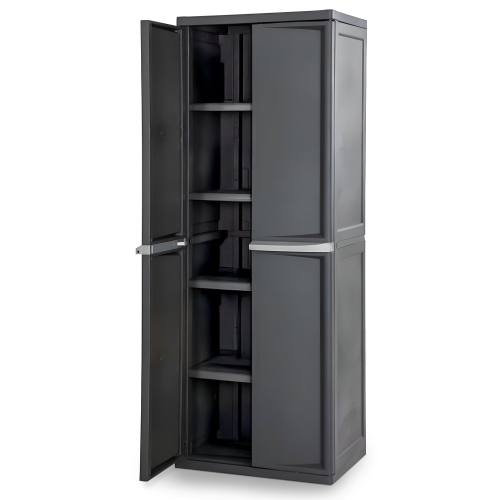 Your price for this item is $459.99
 -
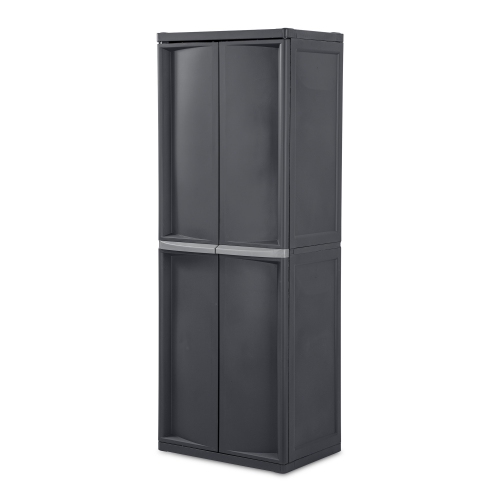 Your price for this item is $1530.99
 -
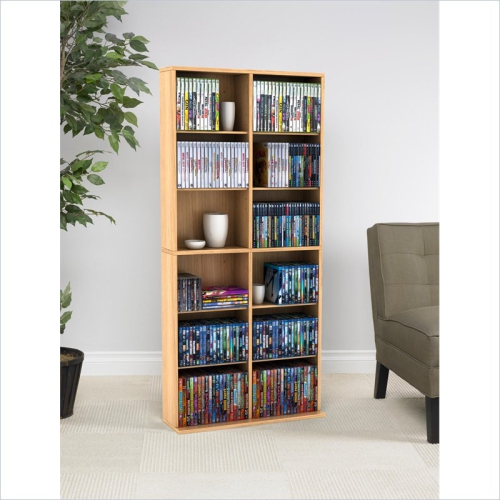 Your price for this item is $234.68
 -
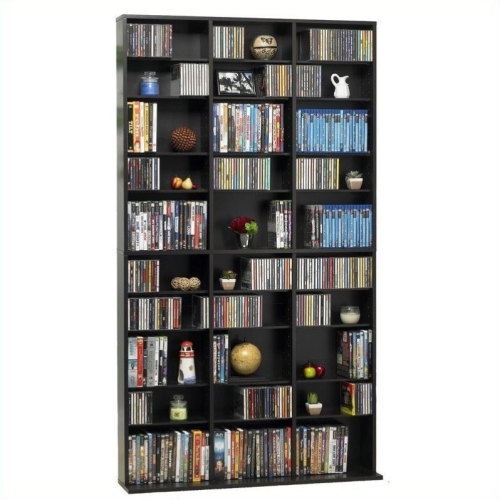 Your price for this item is $365.85
 -
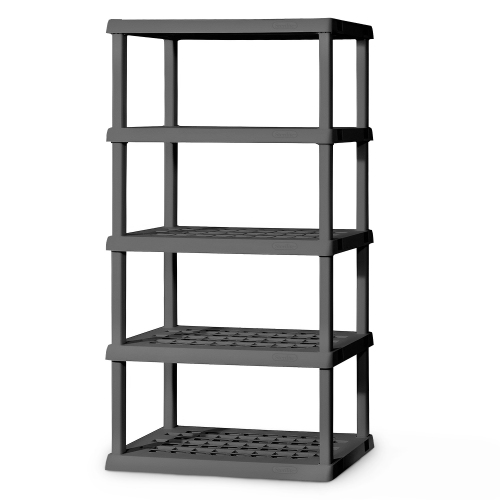 Your price for this item is $331.99
 -
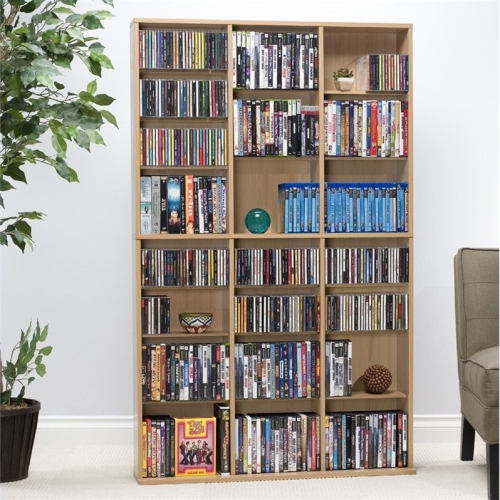 Your price for this item is $295.5
 -
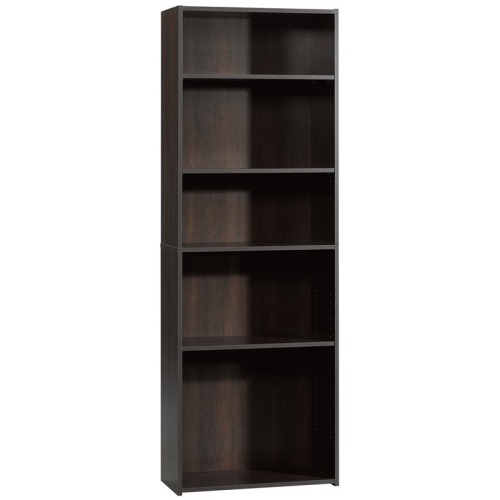 Your price for this item is $208.99
 -
 Your price for this item is $127.99
Discover more categories related to Toy Storage Furniture
Top Collections:
Pokemon Centers, Kindle Devices, Best Budget Office Chairs, Canon G7X Cameras, Apple iPhones 16, Samsung Galaxy Phones, Refurbished Apple Laptops, Laptops for Students, iPhone 15 Apple, Budget Smartphones
Some products may be subject to Environmental Handling Fees
(EHF) depending on your province.
Learn more about EHFs.