Manual Breast Pumps
For new mothers looking for a convenient and efficient way to express breast milk, manual breast pumps are an essential tool to have on hand. With their portable and easy-to-use design, manual breast pumps provide flexibility and control for nursing moms. Whether you're at home, at work, or on the go, these pumps offer a discreet and gentle pumping experience. Discover our selection of manual breast pumps that cater to your breastfeeding needs and help make the process as smooth as possible.
Sort
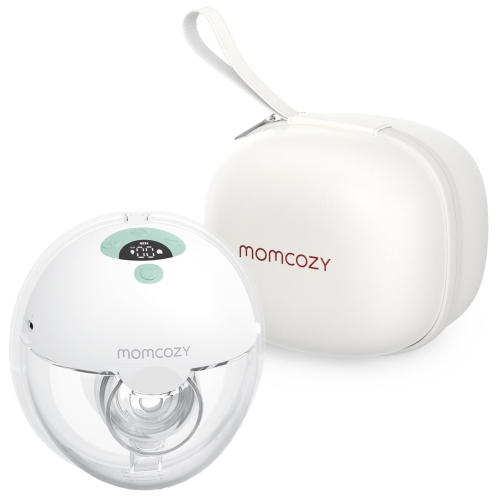

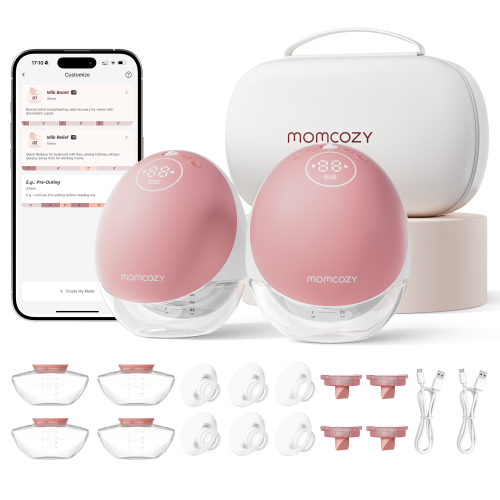
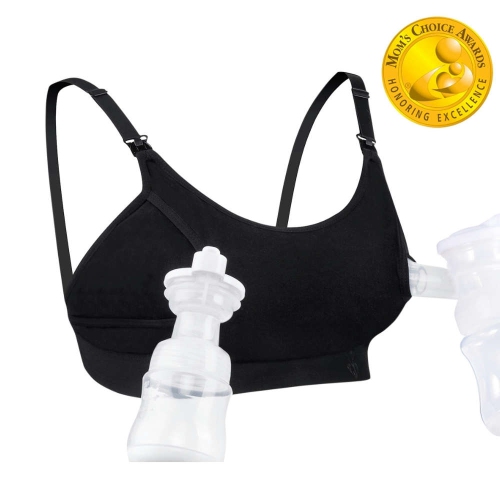
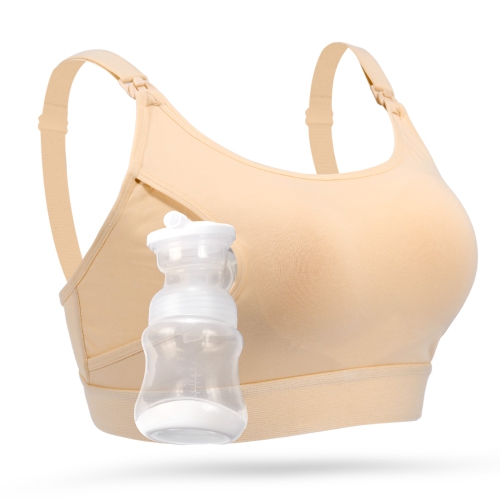
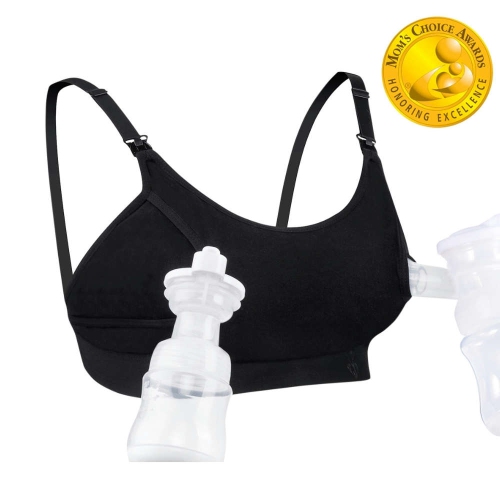
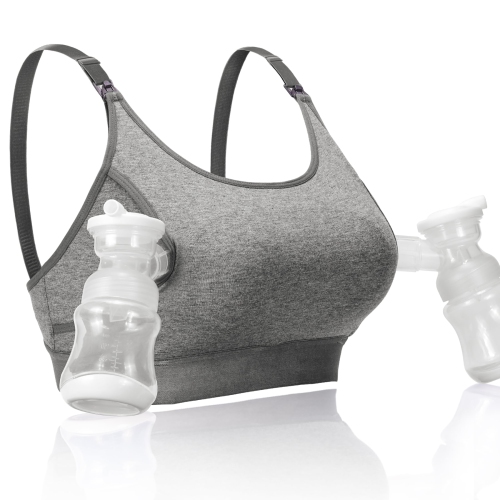
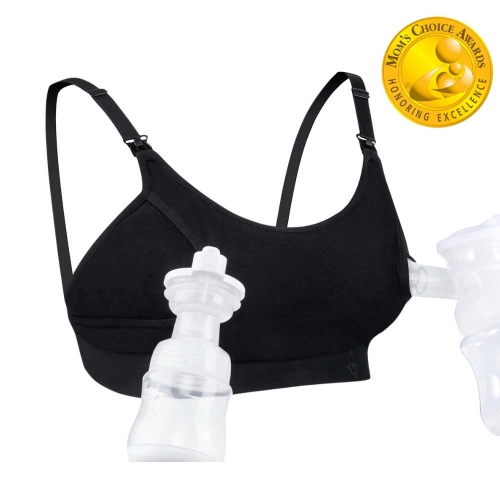
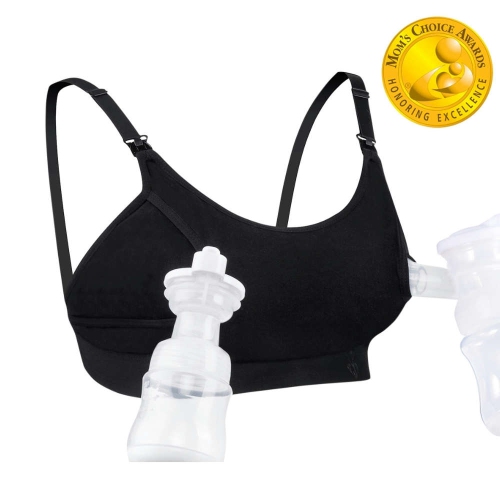
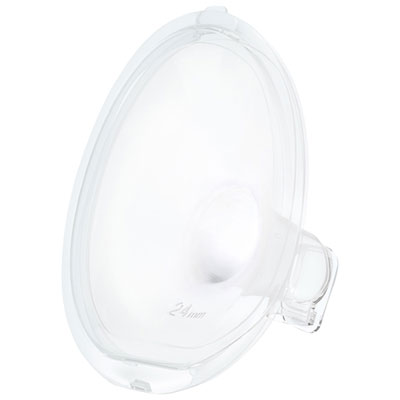
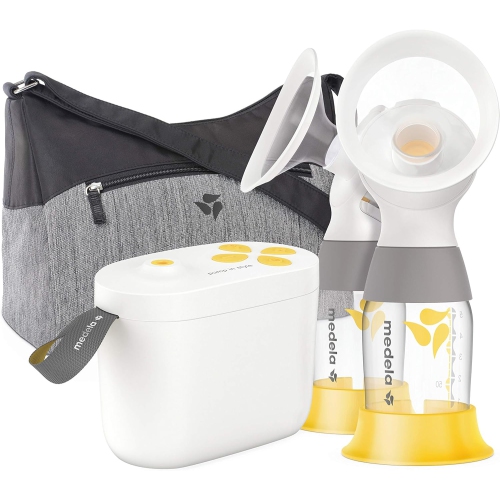
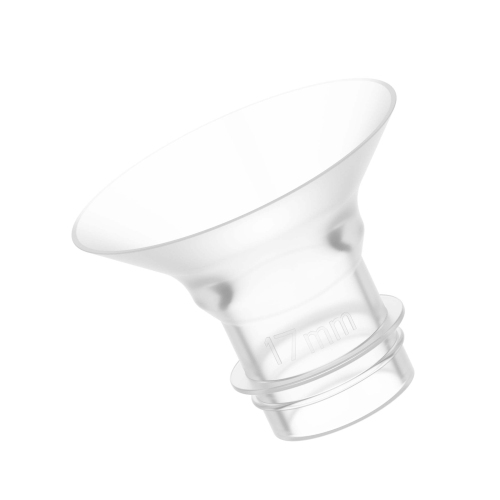
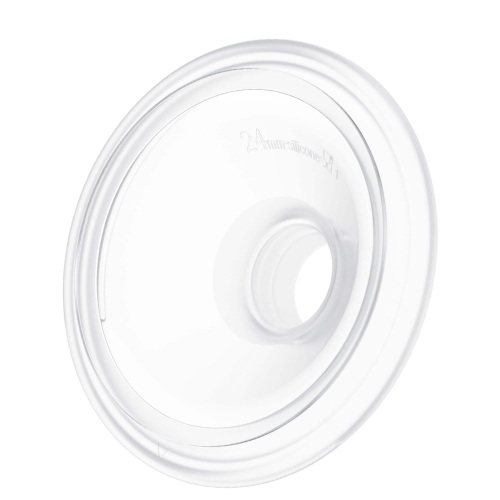
Quiet, portable support for everyday feeding routines
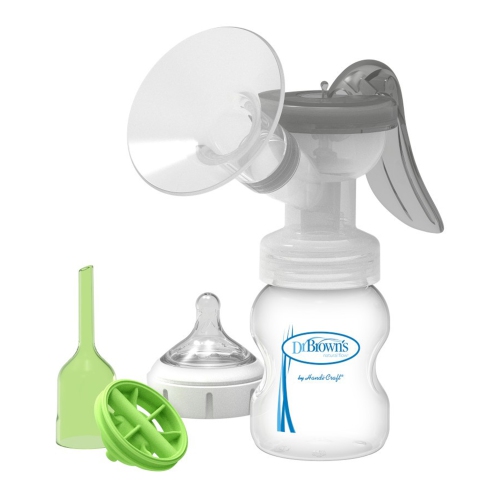
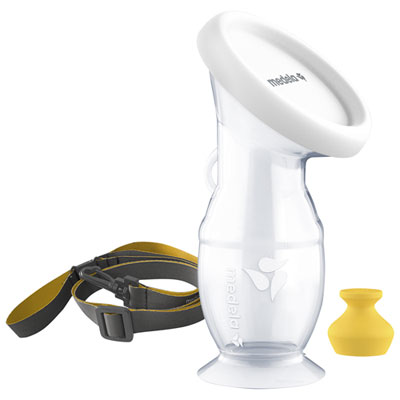
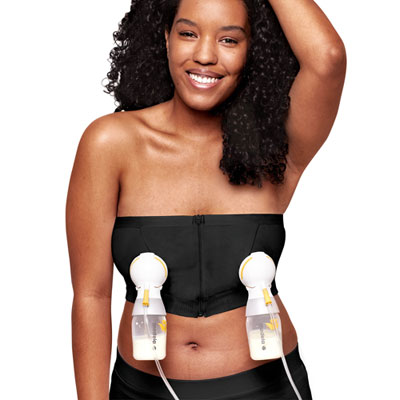
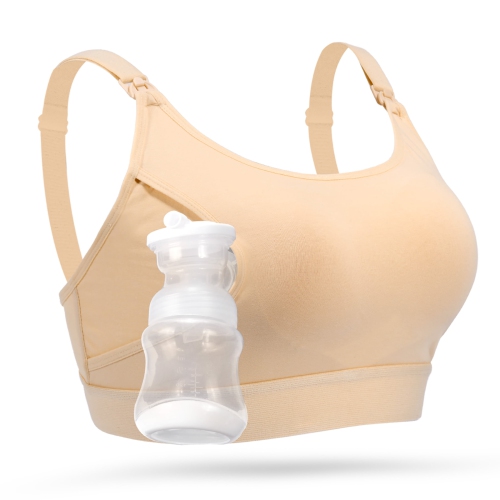
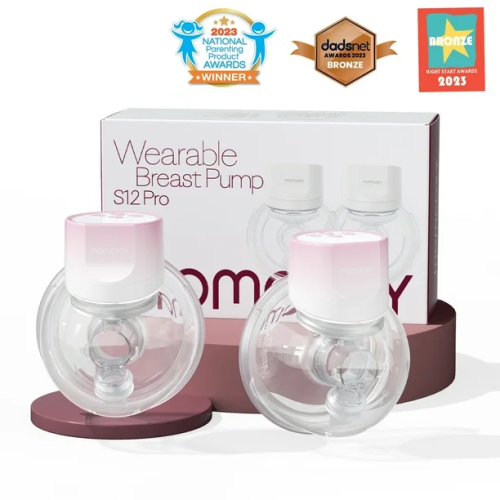
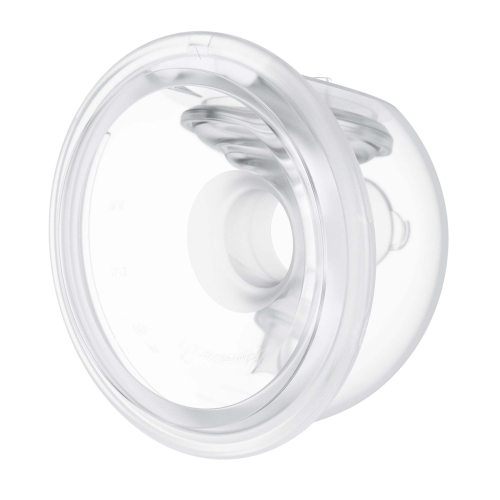
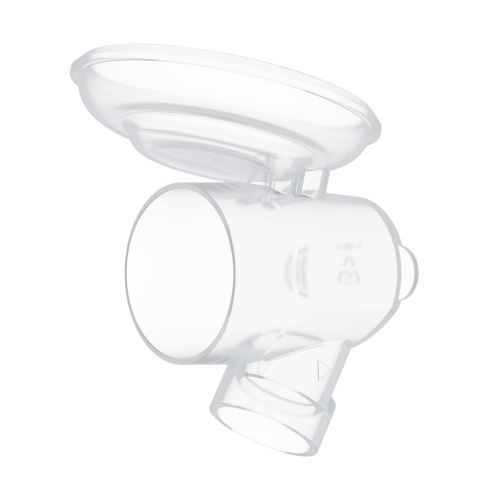
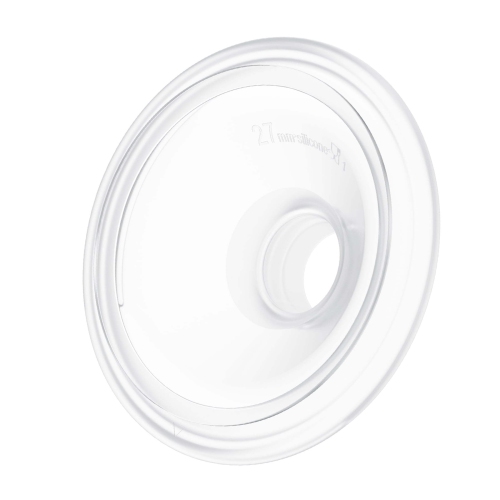
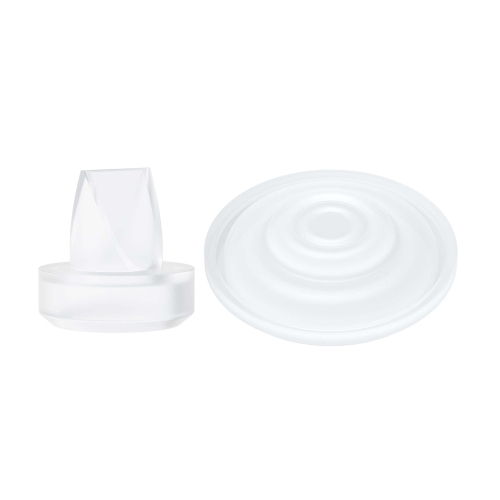
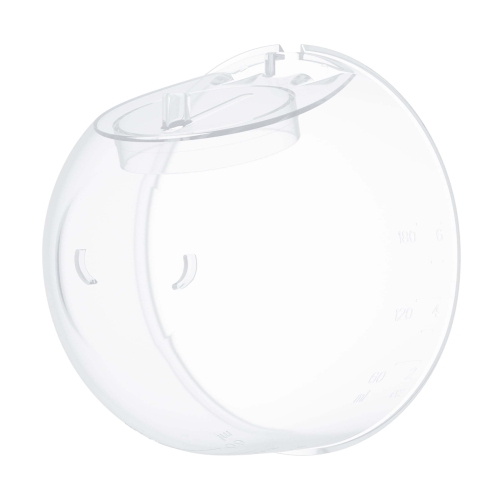
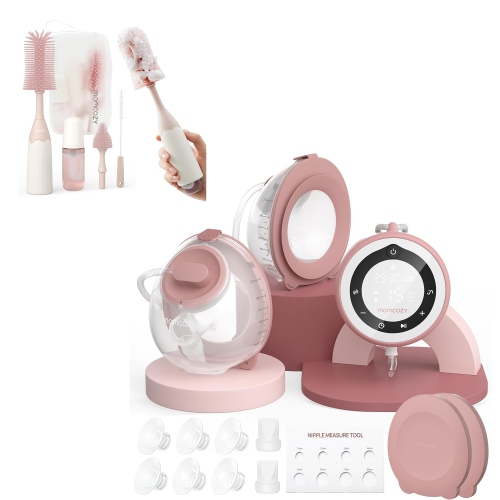
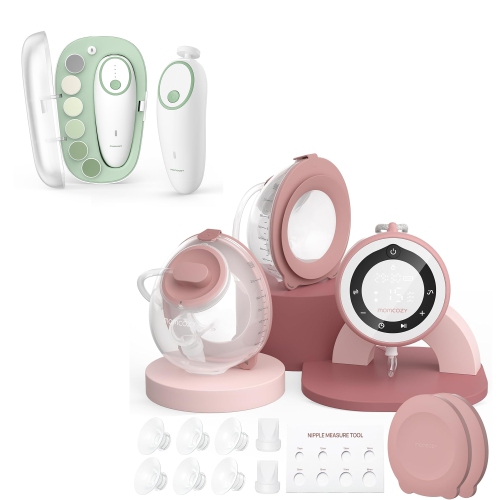
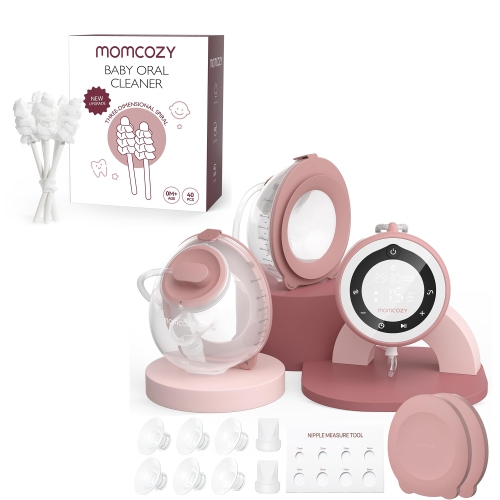
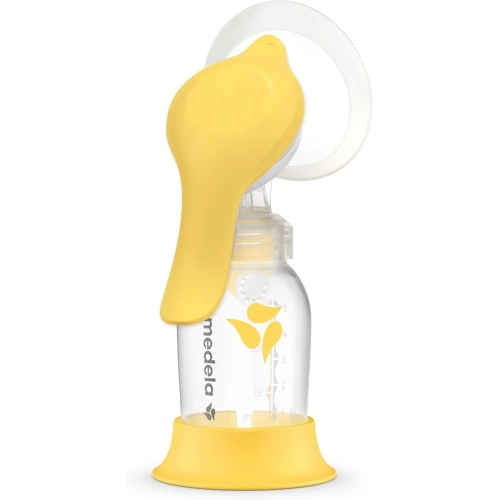
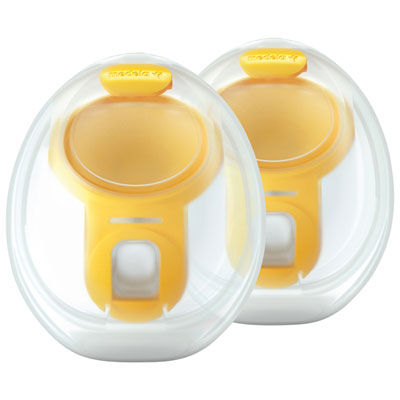
Manual breast pumps offer a simple, quiet way to express breast milk without a motor, batteries, charging cables, or a nearby power outlet. Their compact design makes them useful at home, at work, while travelling, or during a family outing when a full pumping setup is inconvenient. Many parents keep one in a diaper bag for unexpected fullness, a missed feeding, or a quick expression between appointments. A hand-operated pump also gives the user direct control over the pace and pressure, which can feel more natural than relying on a preset motor rhythm. Traditional handle pumps use a flange and a squeeze lever to create suction, while passive silicone collectors use gentle suction to catch milk from one breast while the baby feeds or while the other side is being expressed. These designs serve slightly different purposes: a handle pump is generally chosen for actively expressing milk, while a collector may be helpful for catching letdown that might otherwise soak a nursing pad. Manual pumps can be especially convenient for occasional expression, building a small supply, easing breast fullness, or keeping as a quiet backup alongside a primary electric pump. They may also suit parents who prefer a lightweight option for the early weeks after birth, when routines can change from one feeding to the next. As a gift, a manual breast pump can be a thoughtful addition to a baby shower basket or new-parent care package, particularly when paired with practical feeding accessories, storage supplies, or a comfortable nursing cover. Since feeding preferences and pumping needs vary, a gift receipt or flexible exchange policy can be useful.
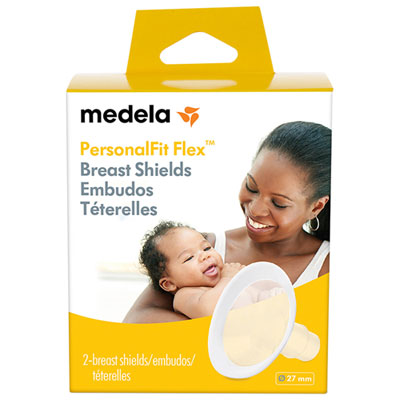
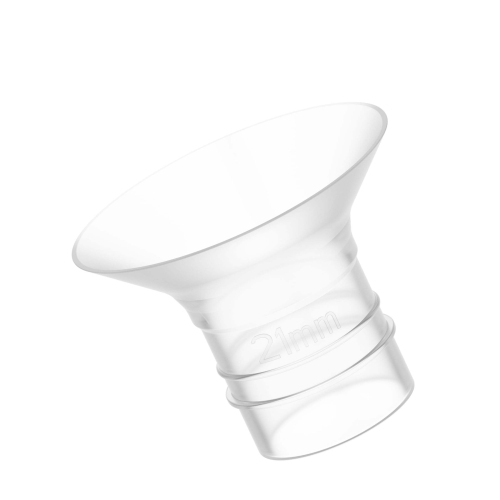
Fit and comfort are among the most important details to consider when choosing a manual breast pump. The nipple should sit centred in the flange tunnel, with enough room for the nipple to move comfortably without rubbing against the sides. A flange that feels too tight may cause friction, tenderness, or reduced milk flow, while one that is too wide may make it harder to create an effective seal. When possible, look for a design with a soft edge, an ergonomic handle, and parts that can be taken apart easily for cleaning. The handle should be comfortable to operate with one hand, since the other hand may be supporting the breast, holding the baby, or stabilizing a collection bottle. Many people find it helpful to begin with short, gentle squeezes to encourage letdown, then move to slower, deeper compressions once milk starts flowing. Holding the handle briefly rather than pumping rapidly can help create a steady rhythm and may reduce hand fatigue during longer sessions. There is no single correct pace: comfort, milk flow, and ease of use are better guides than trying to match a particular number of squeezes per minute. A manual pump should never cause sharp pain, bruising, or persistent discomfort; if it does, stop and reassess the flange position, suction level, or technique. A lactation consultant or health-care professional can provide individualized support, especially when there are concerns about feeding, supply, latch, pain, or an infant’s weight gain. Before the first use, wash and sanitize components according to the manufacturer’s directions, and allow them to dry fully. Check whether the pump includes a bottle, lid, stand, spare valves, or multiple flange sizes, as these details can make everyday use more convenient.
Portability is another strong reason to choose a manual breast pump. With no motor noise, it can be used discreetly in a quiet room, during a break at work, in a parked vehicle, or while travelling when a power source is unavailable. Its small footprint also leaves more room in a diaper bag for wipes, extra clothing, feeding supplies, and the inevitable toy that ends up coming along. For parents returning to work or spending time away from their baby, a manual pump may provide a practical way to express during the day without carrying a larger kit. It can also be useful during cooler months when schedules are disrupted by travel, indoor gatherings, or longer stretches away from home, while remaining just as practical during warmer-weather walks and outings. Consider how milk will be collected, labelled, chilled, and transported after pumping; a secure lid and compatible storage containers can help prevent spills, while an insulated bag with cold packs may be needed when refrigeration is not immediately available. Parents who express frequently or want to save time may prefer a powered setup, including options such as Double Breast Pumps, while a manual model can remain a valuable companion for travel, quick sessions, or backup use. The best choice depends on how often pumping will happen, how much portability matters, the available storage space, and which style feels most comfortable in the hand. With a properly fitted flange, a secure seal, clean components, and a calm, unhurried rhythm, a manual breast pump can become a dependable part of a feeding routine.
Fit and comfort are among the most important details to consider when choosing a manual breast pump. The nipple should sit centred in the flange tunnel, with enough room for the nipple to move comfortably without rubbing against the sides. A flange that feels too tight may cause friction, tenderness, or reduced milk flow, while one that is too wide may make it harder to create an effective seal. When possible, look for a design with a soft edge, an ergonomic handle, and parts that can be taken apart easily for cleaning. The handle should be comfortable to operate with one hand, since the other hand may be supporting the breast, holding the baby, or stabilizing a collection bottle. Many people find it helpful to begin with short, gentle squeezes to encourage letdown, then move to slower, deeper compressions once milk starts flowing. Holding the handle briefly rather than pumping rapidly can help create a steady rhythm and may reduce hand fatigue during longer sessions. There is no single correct pace: comfort, milk flow, and ease of use are better guides than trying to match a particular number of squeezes per minute. A manual pump should never cause sharp pain, bruising, or persistent discomfort; if it does, stop and reassess the flange position, suction level, or technique. A lactation consultant or health-care professional can provide individualized support, especially when there are concerns about feeding, supply, latch, pain, or an infant’s weight gain. Before the first use, wash and sanitize components according to the manufacturer’s directions, and allow them to dry fully. Check whether the pump includes a bottle, lid, stand, spare valves, or multiple flange sizes, as these details can make everyday use more convenient.
Portability is another strong reason to choose a manual breast pump. With no motor noise, it can be used discreetly in a quiet room, during a break at work, in a parked vehicle, or while travelling when a power source is unavailable. Its small footprint also leaves more room in a diaper bag for wipes, extra clothing, feeding supplies, and the inevitable toy that ends up coming along. For parents returning to work or spending time away from their baby, a manual pump may provide a practical way to express during the day without carrying a larger kit. It can also be useful during cooler months when schedules are disrupted by travel, indoor gatherings, or longer stretches away from home, while remaining just as practical during warmer-weather walks and outings. Consider how milk will be collected, labelled, chilled, and transported after pumping; a secure lid and compatible storage containers can help prevent spills, while an insulated bag with cold packs may be needed when refrigeration is not immediately available. Parents who express frequently or want to save time may prefer a powered setup, including options such as Double Breast Pumps, while a manual model can remain a valuable companion for travel, quick sessions, or backup use. The best choice depends on how often pumping will happen, how much portability matters, the available storage space, and which style feels most comfortable in the hand. With a properly fitted flange, a secure seal, clean components, and a calm, unhurried rhythm, a manual breast pump can become a dependable part of a feeding routine.
Top selling and popular products
-
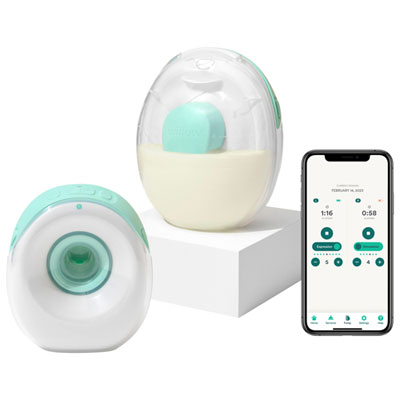 Your price for this item is $499.99
 -
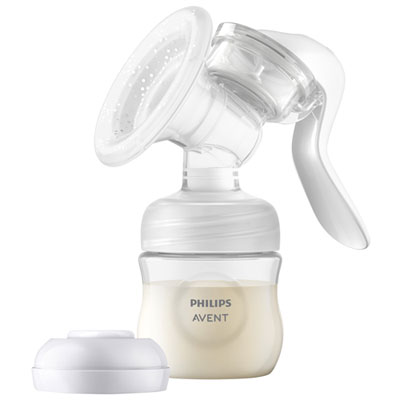 Your price for this item is $49.99
 -
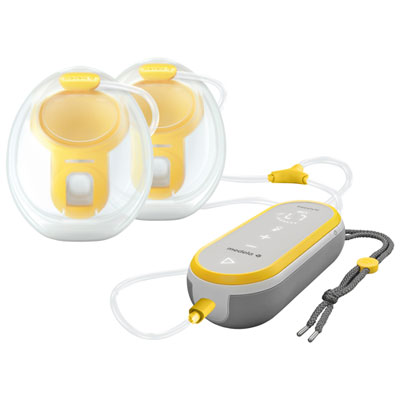 Your price for this item is $299.99
 -
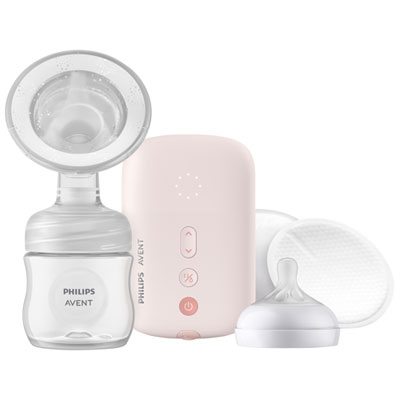 Your price for this item is $149.99
 -
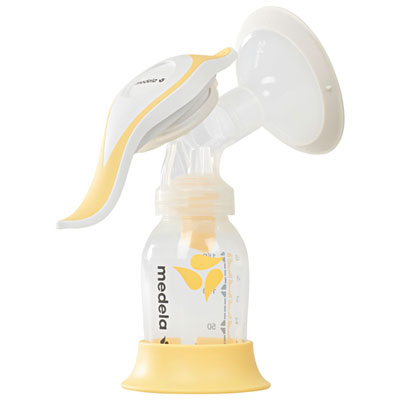 Your price for this item is $49.99
 -
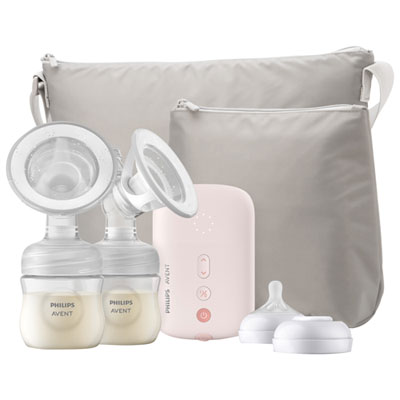 Your price for this item is $199.99
 -
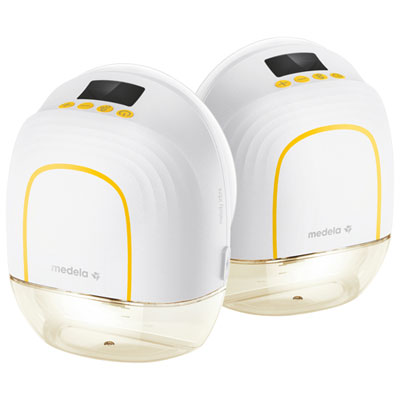 Your price for this item is $179.99
 -
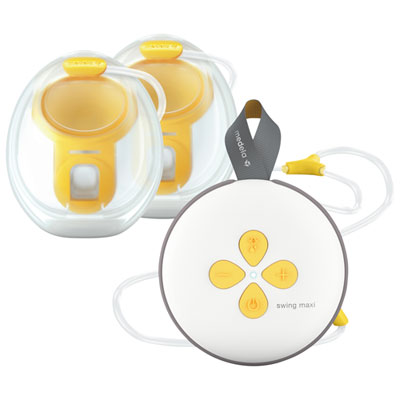 Your price for this item is $229.99
Discover more categories related to Manual Breast Pumps
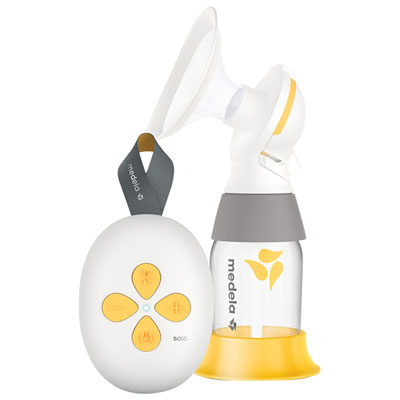
Top Collections:
Pokemon Centers, Kindle Devices, Best Budget Office Chairs, Apple iPhones 16, Canon G7X Cameras, iPhone 15 Apple, Alarm Clock, Refurbished Apple Laptops, Flip Phones, Best Laptops for Writers
Some products may be subject to Environmental Handling Fees
(EHF) depending on your province.
Learn more about EHFs.