Medela Double Electric Breast Pump
Discover convenient solutions for your breastfeeding journey with the Medela double electric breast pump. Designed to support busy parents, these pumps offer an efficient way to express milk at home or on the go. Whether you’re building up a milk supply or balancing feeding with a hectic schedule, the Medela double electric breast pump provides flexibility and comfort. Explore options that fit your lifestyle and make feeding time easier than ever.
Sort

How double pumping fits into everyday feeding routines
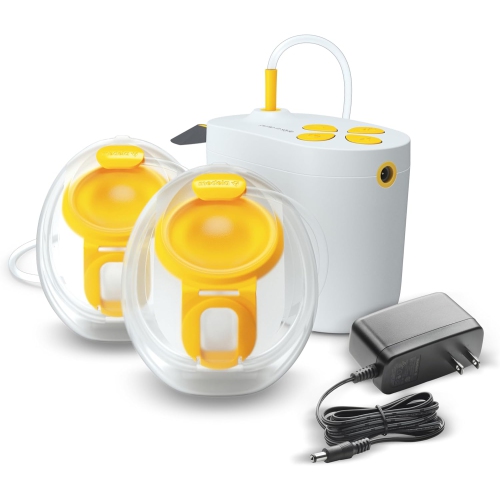
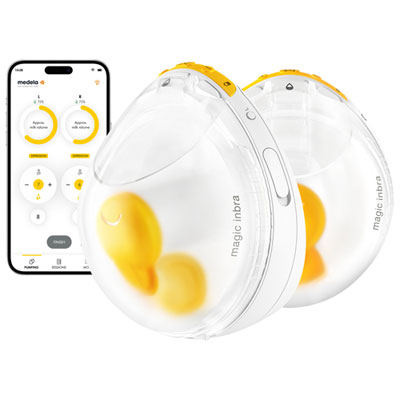
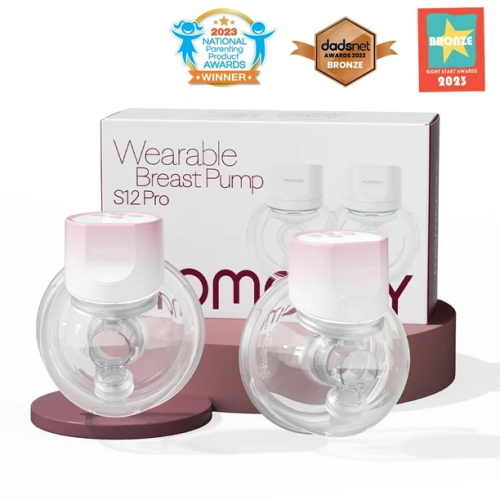
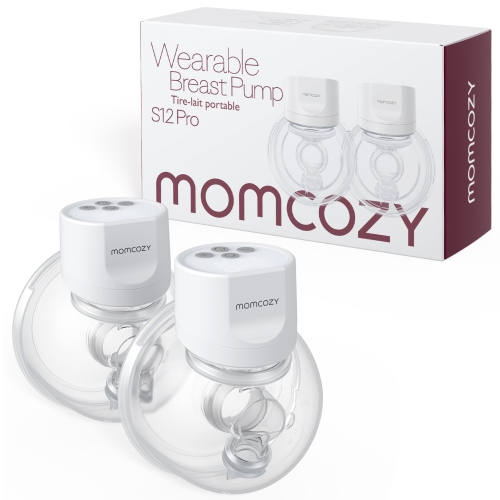
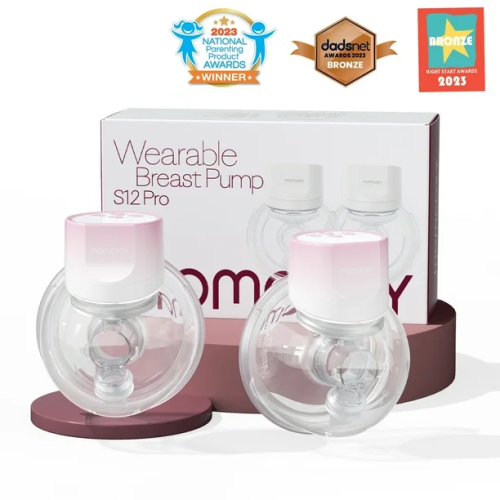
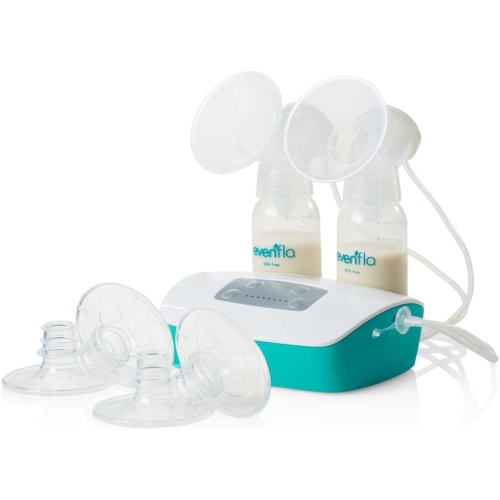
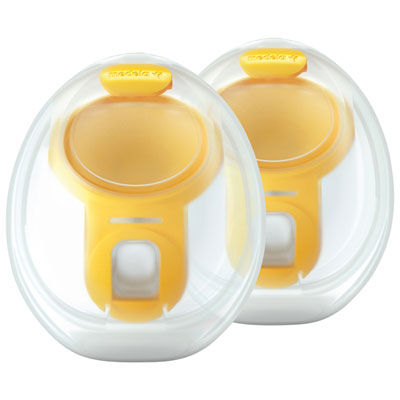
Double electric breast pumps express milk from both breasts at the same time, making them a practical option for parents who pump regularly or want to spend less time expressing than they would pumping each breast separately. They can support a range of feeding routines, from an occasional bottle offered by another caregiver to regular pumping during a return to work or study. A double electric breast pump uses a motor to create rhythmic suction, with breast shields or collection cups positioned over the nipples to collect expressed milk. Many designs offer a stimulation phase followed by an expression phase, along with adjustable suction settings that let the user find a comfortable level. Stronger suction is not necessarily more effective, and pumping should not be painful. Milk output varies with factors such as the time of day, the interval since the last feed, shield fit, and the individual’s response to pumping; a single session does not give a complete picture of milk supply. Traditional designs typically collect milk in bottles attached beneath breast shields, while hands-free configurations use cups supported inside a suitable bra. Depending on the design, those cups may connect by tubing to a separate motor rather than contain the motor themselves. That distinction matters when picturing a session at a desk, on the sofa, or in a private room at work: hands-free collection does not always mean a completely cordless setup. Some pumps offer rechargeable batteries, digital displays, or app connectivity for recording session details, but those features vary and are not essential to effective expression. The most useful arrangement is one that suits the intended frequency of use, the space where pumping will happen, and the time available for washing and assembling parts. For someone expressing several times a day, accessible controls and a straightforward assembly process can matter as much as a compact motor. For occasional use, simple operation and convenient storage may carry more weight.
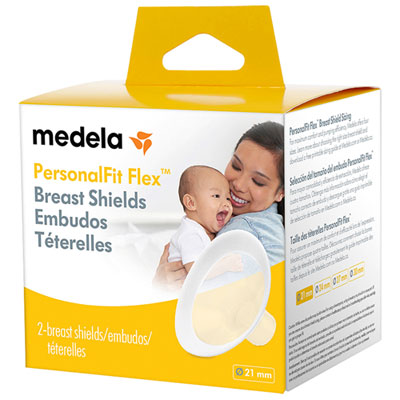
Comfort depends on the fit of the breast shield, sometimes called a flange, as well as the shape and position of the collection assembly. The nipple should sit centrally in the tunnel and move freely during pumping without persistent rubbing, pinching, or a large amount of surrounding breast tissue being pulled inward. Breast size alone does not determine shield size, and the two breasts may need different sizes. Fit can also change over the course of a feeding journey. A lactation consultant or another qualified healthcare professional can help assess discomfort, ongoing difficulty expressing, or uncertainty about sizing. With in-bra cups, a supportive bra needs enough room to hold the cups securely without pressing them tightly against the breast. A bra that fits comfortably during feeding may feel different once collection cups are added, especially as they fill. Hands-free pumping can make seated tasks easier, such as answering emails or reading beside a sleeping baby, but it does not remove the need to watch cup position and milk levels. Bending forward, reclining, or moving quickly may affect the seal or cause leaks, depending on the design. Bottle-based setups have their own practical considerations: the weight sits below the shield, and a compatible pumping bra may be needed to support hands-free use. Materials also play a role in daily handling. Collection containers and shields are commonly made from rigid plastic, while valves, membranes, and sealing components may use flexible silicone or other soft materials. Smooth surfaces, clearly visible volume markings, and parts that separate without force can make assembly and cleaning more manageable. Check the manufacturer’s material information and compatibility details rather than assuming that similar-looking components are interchangeable. Pump sound is another consideration for shared spaces, although no motor-driven pump is completely silent. A stable place to set the motor, tubing that reaches comfortably without pulling, and controls that remain easy to access all help create a more settled pumping session.
Care and durability are especially important for equipment that may be assembled, used, washed, and packed several times each day. Before the first session, follow the manufacturer’s directions for cleaning and any required sanitizing, then establish a routine for washing milk-contact parts after each use. Clean hands and a clean preparation surface help keep small components organized. Take apart the pieces that require washing, use the cleaning method specified for each component, and allow them to air-dry fully before storage or reassembly. Dishwasher suitability, boiling instructions, and steam-sanitizing compatibility differ between parts, so a method that is suitable for a bottle may not be suitable for a valve or connector. Additional sanitizing may be particularly important for premature babies, babies younger than two months, or babies with weakened immune systems, with guidance from a healthcare professional. A closed-system design uses a barrier intended to separate milk from the tubing and motor, but it does not eliminate the need to clean milk-contact components. Tubing and electrical parts have separate care requirements; the motor should not be submerged. Inspect flexible valves and membranes for tears, distortion, or wear, since even a small change can affect suction. Correctly matched replacement components can help maintain a reliable seal, and Medela Breast Pump Parts provides a related place to explore parts while checking compatibility with the exact pump model. For use away from home, practical details include battery runtime, charging requirements, the number of clean collection sets needed, and access to a suitable washing area. Expressed milk also needs appropriate handling: label containers with the expression date and follow current Canadian public health guidance for storage temperatures and times. An insulated cooler with frozen ice packs can help keep milk cold during transport when used correctly. For a baby shower or a gift supporting a return to work, a breast pump is best chosen with the recipient’s input, since fit, feeding plans, and personal preferences are individual. A setup that fits comfortably and is manageable to clean is more likely to fit naturally into everyday family life.
Comfort depends on the fit of the breast shield, sometimes called a flange, as well as the shape and position of the collection assembly. The nipple should sit centrally in the tunnel and move freely during pumping without persistent rubbing, pinching, or a large amount of surrounding breast tissue being pulled inward. Breast size alone does not determine shield size, and the two breasts may need different sizes. Fit can also change over the course of a feeding journey. A lactation consultant or another qualified healthcare professional can help assess discomfort, ongoing difficulty expressing, or uncertainty about sizing. With in-bra cups, a supportive bra needs enough room to hold the cups securely without pressing them tightly against the breast. A bra that fits comfortably during feeding may feel different once collection cups are added, especially as they fill. Hands-free pumping can make seated tasks easier, such as answering emails or reading beside a sleeping baby, but it does not remove the need to watch cup position and milk levels. Bending forward, reclining, or moving quickly may affect the seal or cause leaks, depending on the design. Bottle-based setups have their own practical considerations: the weight sits below the shield, and a compatible pumping bra may be needed to support hands-free use. Materials also play a role in daily handling. Collection containers and shields are commonly made from rigid plastic, while valves, membranes, and sealing components may use flexible silicone or other soft materials. Smooth surfaces, clearly visible volume markings, and parts that separate without force can make assembly and cleaning more manageable. Check the manufacturer’s material information and compatibility details rather than assuming that similar-looking components are interchangeable. Pump sound is another consideration for shared spaces, although no motor-driven pump is completely silent. A stable place to set the motor, tubing that reaches comfortably without pulling, and controls that remain easy to access all help create a more settled pumping session.
Care and durability are especially important for equipment that may be assembled, used, washed, and packed several times each day. Before the first session, follow the manufacturer’s directions for cleaning and any required sanitizing, then establish a routine for washing milk-contact parts after each use. Clean hands and a clean preparation surface help keep small components organized. Take apart the pieces that require washing, use the cleaning method specified for each component, and allow them to air-dry fully before storage or reassembly. Dishwasher suitability, boiling instructions, and steam-sanitizing compatibility differ between parts, so a method that is suitable for a bottle may not be suitable for a valve or connector. Additional sanitizing may be particularly important for premature babies, babies younger than two months, or babies with weakened immune systems, with guidance from a healthcare professional. A closed-system design uses a barrier intended to separate milk from the tubing and motor, but it does not eliminate the need to clean milk-contact components. Tubing and electrical parts have separate care requirements; the motor should not be submerged. Inspect flexible valves and membranes for tears, distortion, or wear, since even a small change can affect suction. Correctly matched replacement components can help maintain a reliable seal, and Medela Breast Pump Parts provides a related place to explore parts while checking compatibility with the exact pump model. For use away from home, practical details include battery runtime, charging requirements, the number of clean collection sets needed, and access to a suitable washing area. Expressed milk also needs appropriate handling: label containers with the expression date and follow current Canadian public health guidance for storage temperatures and times. An insulated cooler with frozen ice packs can help keep milk cold during transport when used correctly. For a baby shower or a gift supporting a return to work, a breast pump is best chosen with the recipient’s input, since fit, feeding plans, and personal preferences are individual. A setup that fits comfortably and is manageable to clean is more likely to fit naturally into everyday family life.
Top selling and popular products
-
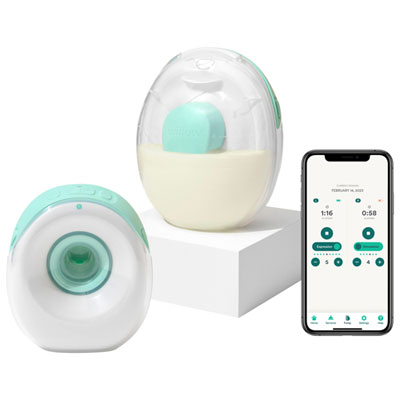 Your price for this item is $499.99
 -
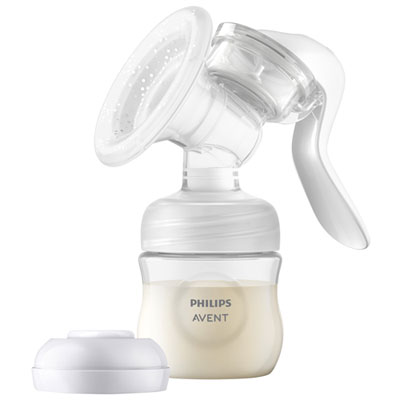 Your price for this item is $49.99
 -
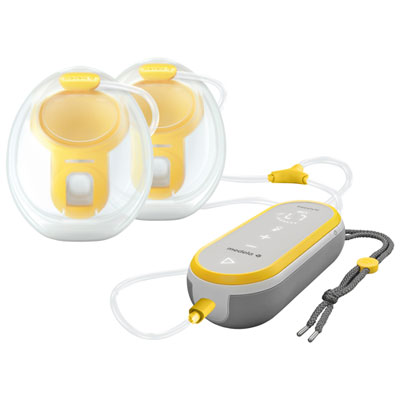 Your price for this item is $299.99
 -
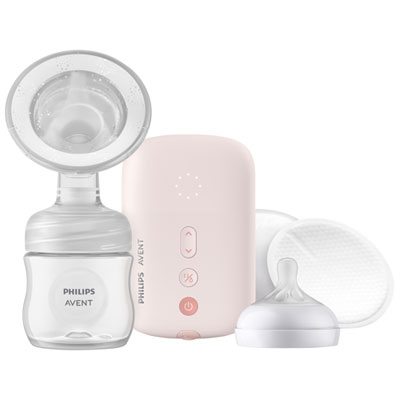 Your price for this item is $149.99
 -
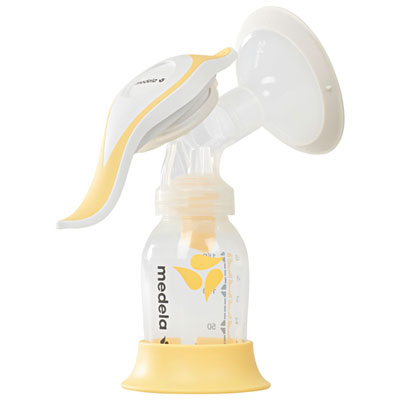 Your price for this item is $49.99
 -
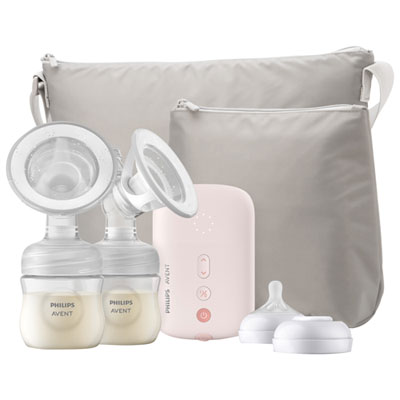 Your price for this item is $199.99
 -
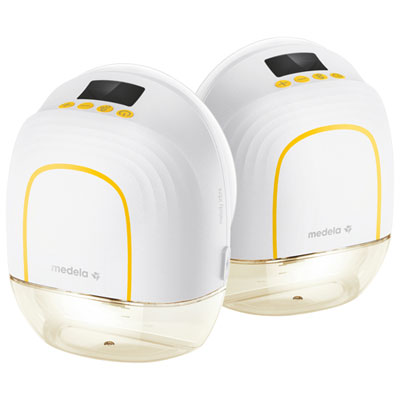 Your price for this item is $179.99
 -
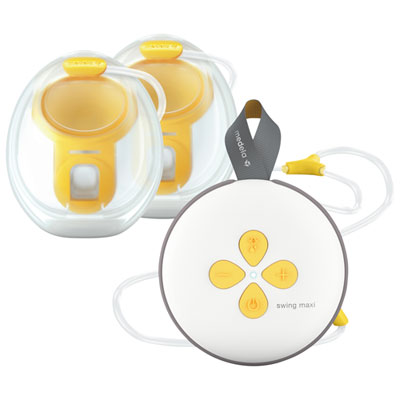 Your price for this item is $229.99
Discover more categories related to Medela Double Electric Breast Pump
Top Collections:
Pokemon Centers, Kindle Devices, Best Budget Office Chairs, Apple iPhones 16, Canon G7X Cameras, iPhone 15 Apple, Alarm Clock, Refurbished Apple Laptops, Flip Phones, Best Laptops for Writers
Some products may be subject to Environmental Handling Fees
(EHF) depending on your province.
Learn more about EHFs.