Medela Breast Pump Parts
Medela Breast Pump Parts are essential for keeping your breast pump working smoothly and efficiently. Whether you need replacement valves, tubing, membranes, or bottles, finding the right components helps ensure comfort and convenience during every pumping session. Browse a wide selection of Medela Breast Pump Parts to easily maintain your equipment and support your breastfeeding journey with confidence.
Sort
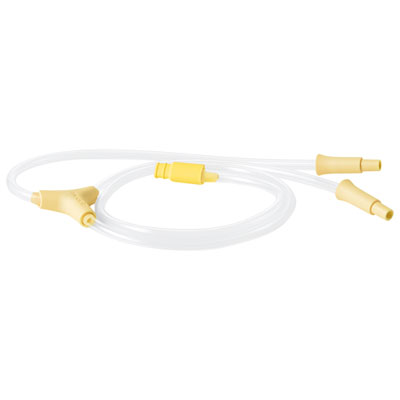
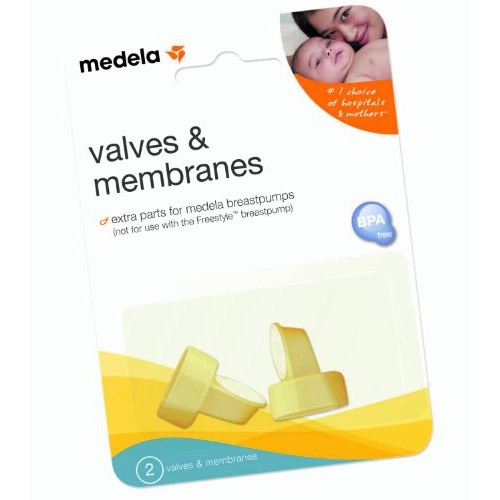
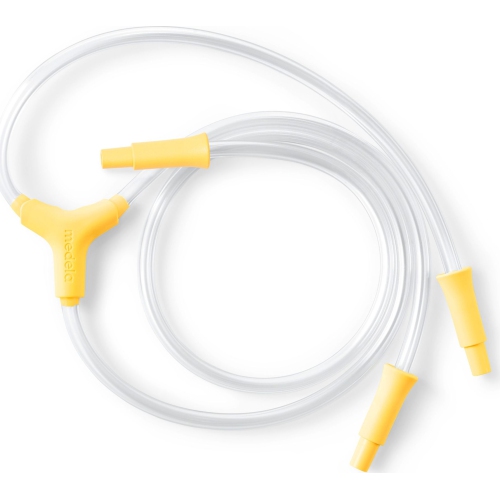

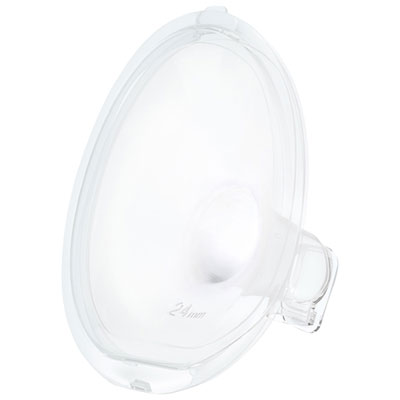

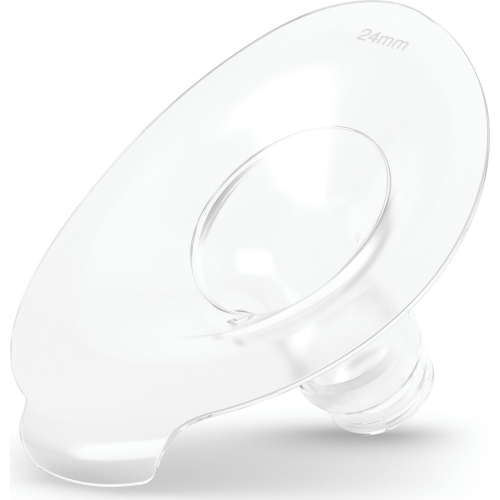
Why the right fit matters for replacement pump parts
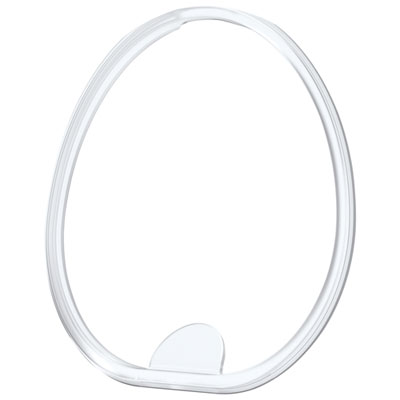
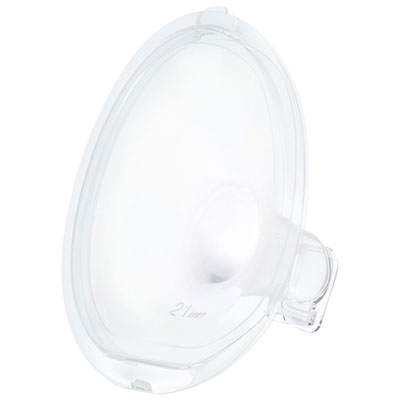
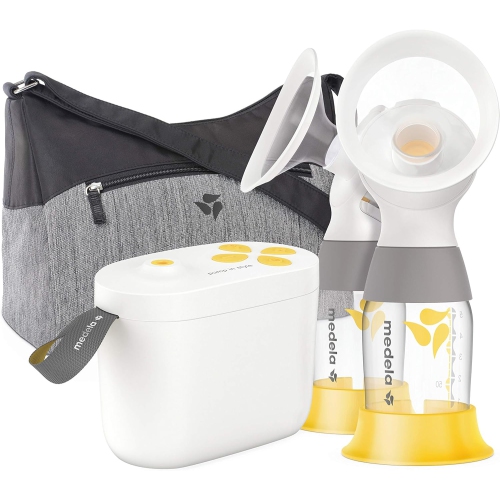
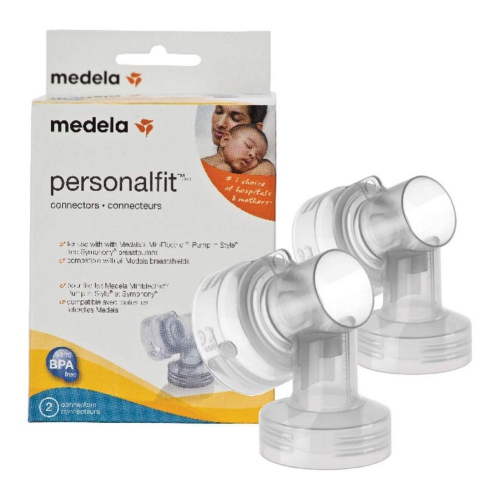
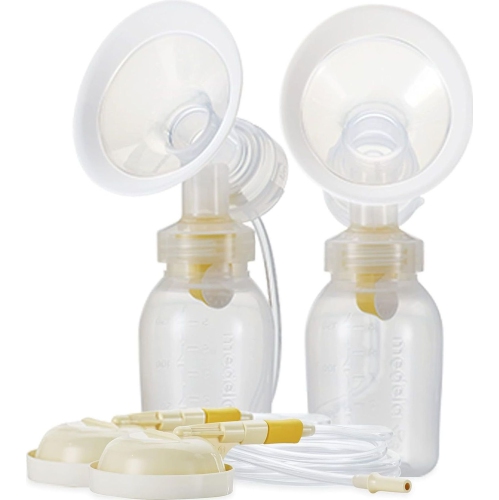
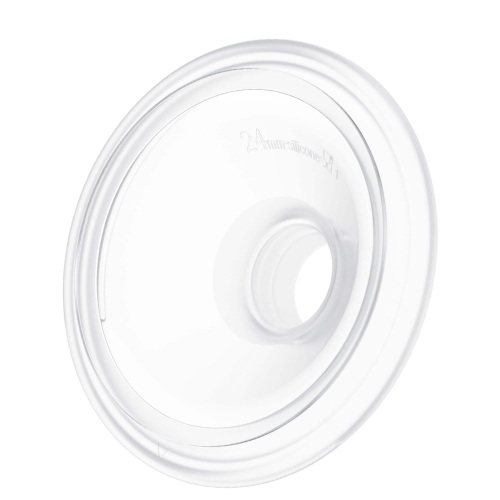
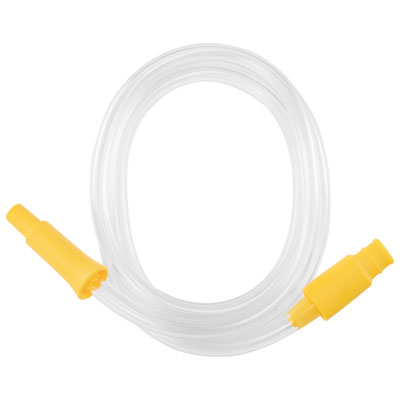
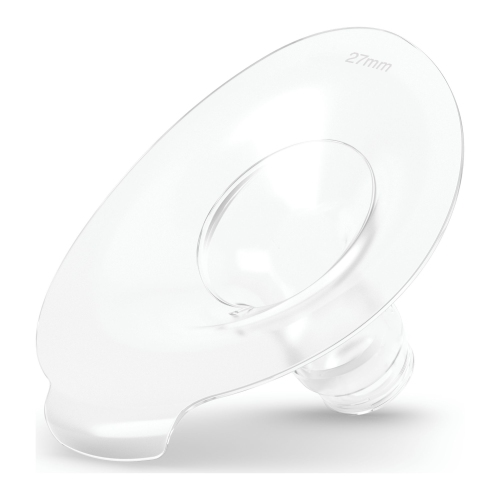
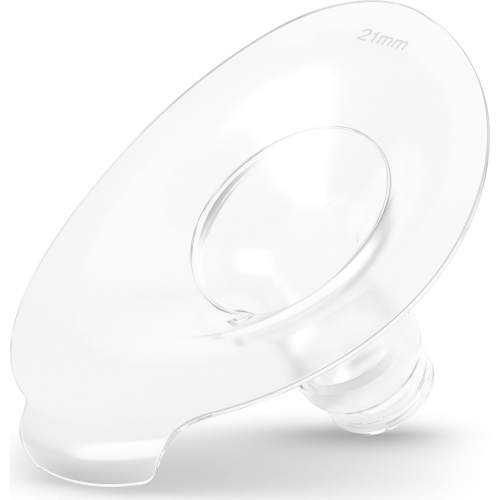
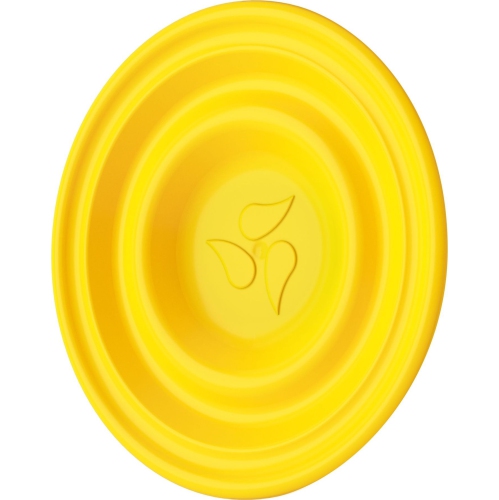
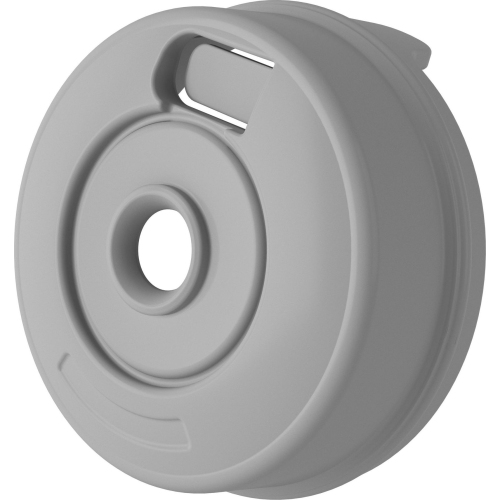
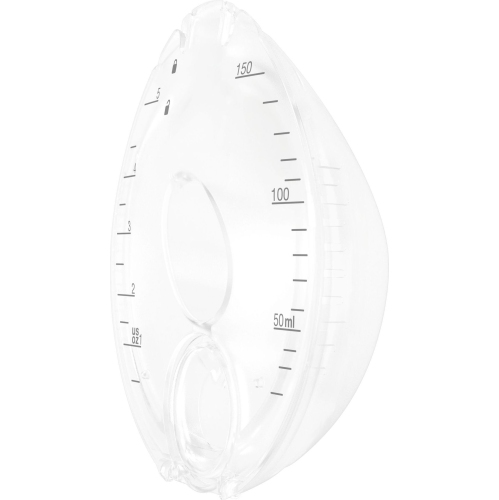
Breast pump parts support the everyday work of expressing milk, from creating a comfortable seal to carrying milk into a collection container. Replacement components can help keep an existing pump working as intended when a small piece becomes worn, damaged, or misplaced. Depending on the pump’s design, these components may include breast shields, connectors, valves, membranes, tubing, collection bottles, and sealing caps. Each has a distinct role: a breast shield sits against the breast, valves and membranes help regulate the pumping action, and tubing connects parts of the system on models that use it. Compatibility is the most important consideration because pieces that look similar may have different attachment points, dimensions, or internal designs. A part intended for one pump family is not necessarily suitable for another, even when both pumps come from the same manufacturer. The full model name and the component description provide a more reliable match than appearance alone. For parents exploring a Medela Double Electric Breast Pump, checking which replacement components belong to the chosen system also helps clarify what may be needed for regular use. Double pumping generally requires a complete assembly for each breast, while a manual pump may use a different handle, connector, or valve arrangement. Wearable collection systems can have their own shaped membranes and seals rather than the parts used with traditional bottle-based assemblies. Package contents matter, too: a replacement membrane, a connector, and a complete collection assembly serve different needs, and a single component is not the same as a pair. For someone expressing milk during a workday, an extra compatible assembly can make the gap between washing opportunities easier to manage. For occasional pumping, replacing only the worn component may be enough. In either case, the right match helps maintain a familiar setup without assuming that every accessory fits every pump.
Materials, fit, and condition all affect how breast pump parts feel and function over time. Depending on the component, parts may be made from moulded plastic or flexible silicone, with rigid pieces providing structure and softer pieces forming seals or moving during a pumping cycle. Food-contact suitability and the manufacturer’s material information are useful considerations for anything that touches expressed milk. A BPA-free label describes one material characteristic, but it does not establish compatibility, durability, or suitability for every cleaning method. Breast shield sizing deserves particular attention because fit is about the nipple’s movement within the tunnel, not simply the overall size of the breast. A suitable fit allows the nipple to move without persistent rubbing, pinching, or excessive surrounding tissue being pulled into the tunnel. Different sizes may be needed on each side, and comfort can change over the course of a feeding journey. Ongoing pain, broken skin, or concerns about milk output are reasons to consult a lactation professional or healthcare provider rather than relying on a replacement part alone. For valves and membranes, small changes in shape can matter: a tear, a stretched edge, or a piece that no longer sits flat may interfere with the intended seal. Rigid connectors and bottles can also develop cracks or damaged threads, while tubing may become loose or show visible damage. Reduced suction can have several causes, including assembly, fit, and component wear, so it is not proof that one particular part needs replacing. There is no single replacement interval that suits every component and every pumping routine; frequency of use, cleaning methods, visible condition, and model-specific instructions all matter. A parent pumping several times a day puts parts through more handling and washing than someone expressing milk occasionally. Durable parts still need regular inspection, especially around thin edges and connection points. Replacement is appropriate when a component is damaged, no longer functions as intended, or reaches the replacement interval specified by its manufacturer.
Care and organisation make a practical difference when pump parts move between a bedside table, a kitchen drying area, and a bag packed for the day. Components that contact milk need cleaning after each use according to the pump manufacturer’s instructions, with sanitising carried out as appropriate for the parts and the baby’s needs. A baby who is premature, younger than two months, or has a weakened immune system may need additional feeding-equipment precautions, making healthcare guidance especially valuable. Not every piece belongs in boiling water, a steam sanitiser, or a dishwasher, and tubing often has different care requirements from bottles and breast shields. In some closed-system designs, a barrier separates milk from the tubing, but that does not make the whole assembly maintenance-free. Milk or moisture in an unexpected area calls for checking the model’s care instructions before further use. Small valves and membranes also benefit from gentle handling, since forceful scrubbing or an unsuitable cleaning tool can damage a thin edge. Thorough air-drying before storage helps prevent moisture from being trapped inside assembled pieces. A clean, protected container keeps dry parts together, while a separate container for used components helps avoid mixing them during a commute or an outing. Spare caps and compatible collection containers can be useful when expressed milk needs to be set aside under appropriate storage conditions, although container capacity and closure style should suit the pumping setup. For pumping away from home, a complete spare set can be more useful than several loose pieces that do not form a working assembly. At home, keeping matching components together can make a late-night session less fiddly, particularly when tiny membranes are easy to overlook beside larger bottles and shields. Replacement parts can also be a thoughtful practical gift for a parent who has requested feeding supplies, provided the exact pump model and any personal sizing requirements are known. Whether supporting exclusive pumping, mixed feeding, a return to work, or occasional time away from a baby, well-matched parts help keep the routine centred on comfort, cleanliness, and dependable everyday use.
Materials, fit, and condition all affect how breast pump parts feel and function over time. Depending on the component, parts may be made from moulded plastic or flexible silicone, with rigid pieces providing structure and softer pieces forming seals or moving during a pumping cycle. Food-contact suitability and the manufacturer’s material information are useful considerations for anything that touches expressed milk. A BPA-free label describes one material characteristic, but it does not establish compatibility, durability, or suitability for every cleaning method. Breast shield sizing deserves particular attention because fit is about the nipple’s movement within the tunnel, not simply the overall size of the breast. A suitable fit allows the nipple to move without persistent rubbing, pinching, or excessive surrounding tissue being pulled into the tunnel. Different sizes may be needed on each side, and comfort can change over the course of a feeding journey. Ongoing pain, broken skin, or concerns about milk output are reasons to consult a lactation professional or healthcare provider rather than relying on a replacement part alone. For valves and membranes, small changes in shape can matter: a tear, a stretched edge, or a piece that no longer sits flat may interfere with the intended seal. Rigid connectors and bottles can also develop cracks or damaged threads, while tubing may become loose or show visible damage. Reduced suction can have several causes, including assembly, fit, and component wear, so it is not proof that one particular part needs replacing. There is no single replacement interval that suits every component and every pumping routine; frequency of use, cleaning methods, visible condition, and model-specific instructions all matter. A parent pumping several times a day puts parts through more handling and washing than someone expressing milk occasionally. Durable parts still need regular inspection, especially around thin edges and connection points. Replacement is appropriate when a component is damaged, no longer functions as intended, or reaches the replacement interval specified by its manufacturer.
Care and organisation make a practical difference when pump parts move between a bedside table, a kitchen drying area, and a bag packed for the day. Components that contact milk need cleaning after each use according to the pump manufacturer’s instructions, with sanitising carried out as appropriate for the parts and the baby’s needs. A baby who is premature, younger than two months, or has a weakened immune system may need additional feeding-equipment precautions, making healthcare guidance especially valuable. Not every piece belongs in boiling water, a steam sanitiser, or a dishwasher, and tubing often has different care requirements from bottles and breast shields. In some closed-system designs, a barrier separates milk from the tubing, but that does not make the whole assembly maintenance-free. Milk or moisture in an unexpected area calls for checking the model’s care instructions before further use. Small valves and membranes also benefit from gentle handling, since forceful scrubbing or an unsuitable cleaning tool can damage a thin edge. Thorough air-drying before storage helps prevent moisture from being trapped inside assembled pieces. A clean, protected container keeps dry parts together, while a separate container for used components helps avoid mixing them during a commute or an outing. Spare caps and compatible collection containers can be useful when expressed milk needs to be set aside under appropriate storage conditions, although container capacity and closure style should suit the pumping setup. For pumping away from home, a complete spare set can be more useful than several loose pieces that do not form a working assembly. At home, keeping matching components together can make a late-night session less fiddly, particularly when tiny membranes are easy to overlook beside larger bottles and shields. Replacement parts can also be a thoughtful practical gift for a parent who has requested feeding supplies, provided the exact pump model and any personal sizing requirements are known. Whether supporting exclusive pumping, mixed feeding, a return to work, or occasional time away from a baby, well-matched parts help keep the routine centred on comfort, cleanliness, and dependable everyday use.
Top selling and popular products
-
 Your price for this item is $18.95
 -
 Your price for this item is $18.99
 -
 Your price for this item is $18.95
 -
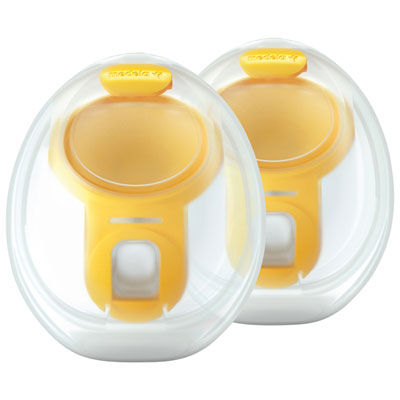 Your price for this item is $99.99
 -
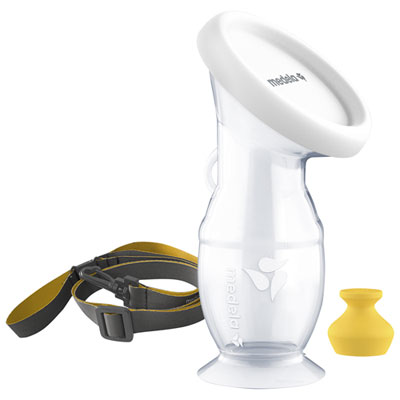 Your price for this item is $23.99
 -
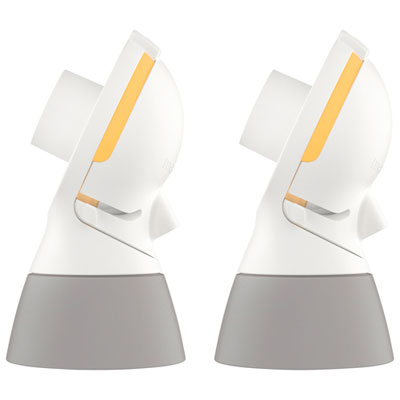 Your price for this item is $41.99
 -
 Your price for this item is $47.99
 -
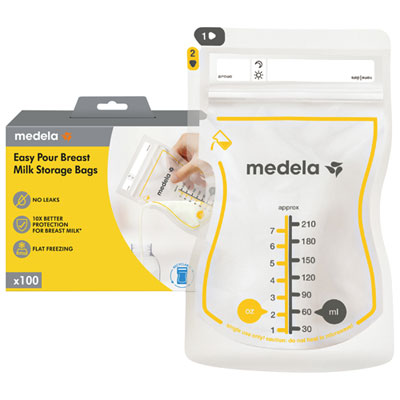 Your price for this item is $18.88
Discover more categories related to Medela Breast Pump Parts
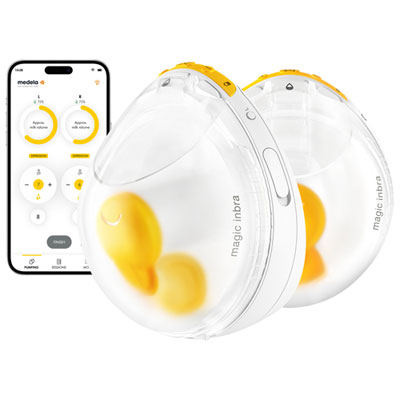
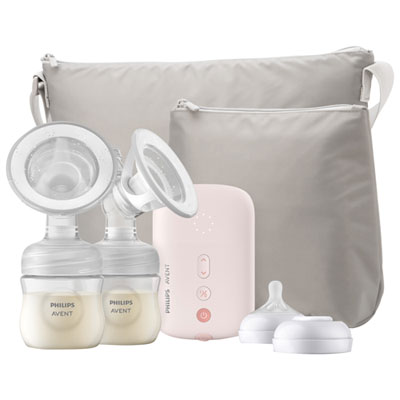
Top Collections:
Pokemon Centers, Kindle Devices, Best Budget Office Chairs, Apple iPhones 16, Canon G7X Cameras, iPhone 15 Apple, Alarm Clock, Refurbished Apple Laptops, Flip Phones, Best Laptops for Writers
Some products may be subject to Environmental Handling Fees
(EHF) depending on your province.
Learn more about EHFs.