Muslin Blankets for Newborns
Muslin Blankets for Newbornes offer a gentle and cozy option for your baby's everyday comfort. Designed with little ones in mind, these blankets are a popular choice for parents seeking softness and versatility. Whether you’re swaddling, cuddling, or providing a light layer during naps, muslin blankets add convenience to any nursery routine. Explore the selection of Muslin Blankets for Newbornes to find the ideal addition to your baby essentials.
Sort

Why muslin’s weave matters beyond its soft feel
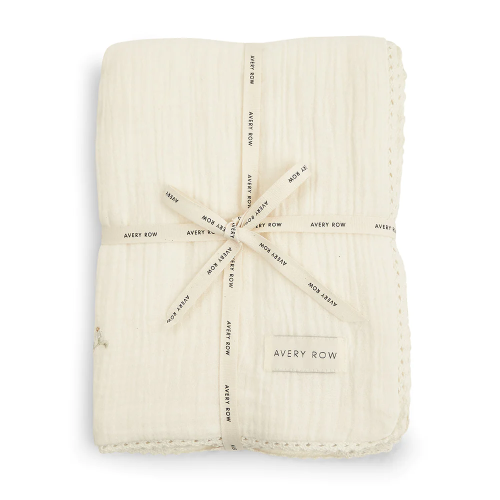
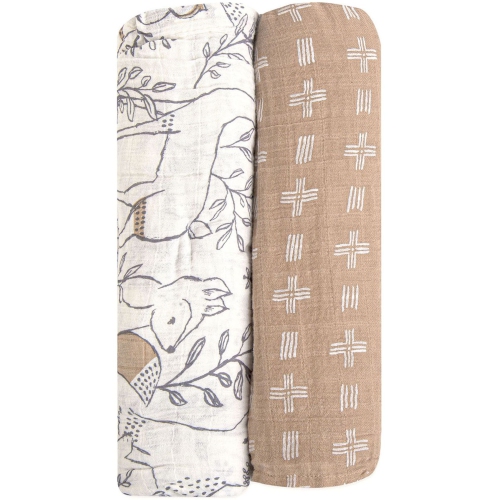
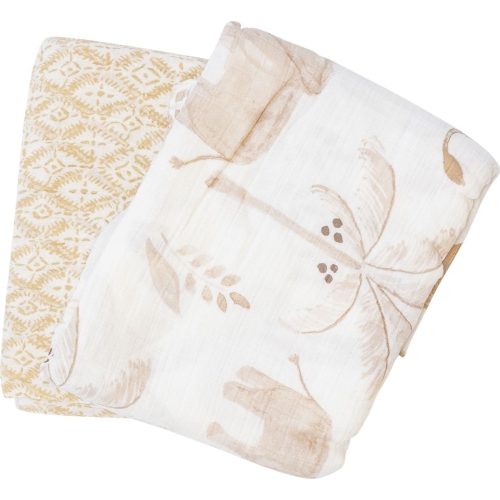
Muslin blankets for newborns are lightweight cloths valued for their soft feel, open weave and usefulness throughout everyday baby care. They can serve as receiving blankets, shoulder cloths during burping or wraps when swaddling is appropriate, giving parents and caregivers a familiar piece of fabric to keep close at hand. Muslin describes the weave rather than a single fibre, so the material label matters as much as the name. Cotton muslin has a familiar, gently textured feel, while bamboo-derived viscose or rayon blends often have a smoother drape. A fibre described simply as bamboo is worth checking more closely on the composition label, which identifies what the fabric actually contains. Neither a soft finish nor a particular fibre guarantees that a blanket will suit every baby's skin, and straightforward washing instructions can be especially helpful for families managing sensitivities. Fabric construction also affects how a blanket handles. A single-layer cloth folds into a small bundle for a changing bag, while several layers create a thicker blanket with more substance. Layer count alone does not establish softness or quality; the yarn, weave, stitching and finishing all contribute. Woven muslin generally has less stretch than a knit wrap, and its lightly crinkled surface is part of its character rather than a flaw that needs ironing away. Some cloths feel soft immediately, while others develop a more relaxed texture through washing and use. Pre-washed fabric may offer a familiar feel from the start, but it still needs care according to its label. Colours and patterns add another point of difference, from quiet solids that coordinate with nursery linens to playful prints that are easy to recognize among several caregivers' belongings. For a newborn, the most useful details are often less visible: a comfortable surface, neatly finished edges and a size that works for the intended task.
Size makes a noticeable difference to how muslin blankets fit into a baby's routine. A smaller cloth can sit comfortably over an adult's shoulder during burping without leaving a large amount of fabric to gather up. A larger square provides more coverage for holding and wrapping, although extra fabric also means more folds to manage. Dimensions are more informative than a label such as receiving blanket or swaddle, since those terms can cover different sizes and constructions. Families considering Muslin Swaddle Blankets can look at measurements, shape and fabric composition to understand how a wrap will handle. A woven square differs from a fitted swaddle with fastenings, and the two should not be assumed to work in the same way. When swaddling is used, the fabric needs to stay clear of the face and neck, allow unrestricted breathing and leave room for the hips and legs to bend and move. Swaddling must stop as soon as a baby shows signs of trying to roll; weighted blankets and weighted swaddles are not appropriate for newborns. Sleep safety remains separate from a blanket's softness or breathability. Babies should be placed on their backs on a firm, flat sleep surface in a crib, cradle or bassinet, with a fitted sheet and no loose blankets, pillows or other soft bedding. An open weave does not make a loose blanket safe for sleep. Muslin should not be draped over a stroller or car seat, where it can restrict airflow and obscure the baby's face. Its everyday versatility is better understood through simple, supervised uses: cushioning a caregiver's shoulder during a feed, catching a small spit-up or providing a washable cloth for holding a baby while awake. It is absorbent fabric, not a waterproof barrier, so moisture can pass through to clothing or upholstery underneath.
Frequent washing is part of life with newborn textiles, making care and durability important considerations alongside softness. A blanket that is easy to launder can move from a feeding chair to the wash without requiring a separate, complicated routine. Care labels provide the most reliable instructions for washing, drying and any limits on bleach or ironing, particularly when a cloth combines different fibres or includes decorative details. Washing before first use helps remove residue from handling and packaging, and a fragrance-free detergent may be useful when a baby's skin is sensitive. Fabric softeners can affect absorbency, so their suitability depends on the textile's care instructions. Muslin can shrink or change texture after laundering, and a loosely woven cloth may catch on hook-and-loop fasteners, zippers or jewellery. Washing it away from exposed fastenings and checking for pulled threads can help preserve the fabric. Secure hems and even stitching are useful signs to examine, while loose threads, damaged seams or worn areas need attention before the cloth returns to use. Keeping separate clean cloths for feeding and general handling makes daily care simpler; a blanket used to catch spit-up should be washed before it is used for another purpose. For parents, grandparents and other caregivers, several manageable cloths can be more practical than relying on one oversized blanket for every task. Muslin blankets also make thoughtful baby-shower or new-baby gifts because their usefulness extends beyond a nursery colour scheme. A gift can complement a family's preferences through its fabric, dimensions and care requirements rather than elaborate decoration. Plain edges and an uncomplicated construction are often easier to wash repeatedly than trims or embellishments. As a baby grows, an intact muslin cloth may remain useful for supervised holding, burping and other everyday care, even after swaddling has ended. The lasting appeal comes from that straightforward combination of softness, portability and a fabric that fits naturally into familiar routines.
Top selling and popular products
-
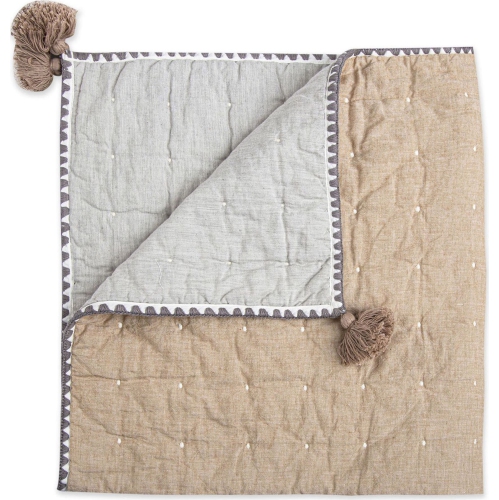 Your price for this item is $99.98
-
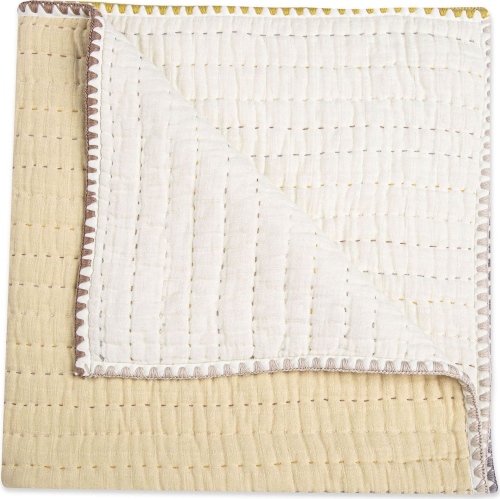 Your price for this item is $118
-
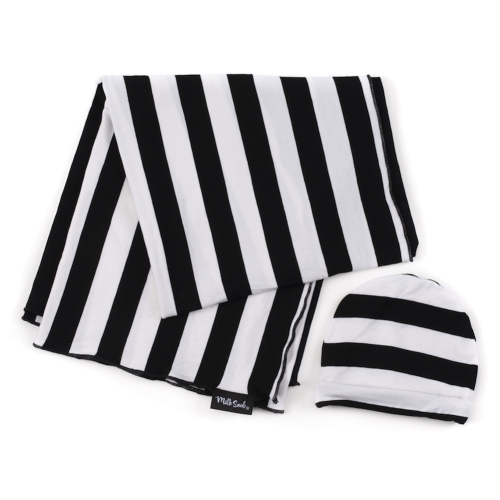 Your price for this item is $59.99
-
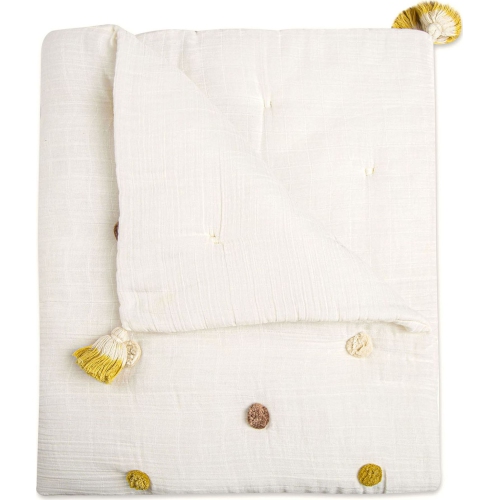 Your price for this item is $99.98
-
 Your price for this item is $29.99
-
 Your price for this item is $79.99
-
 Your price for this item is $34.99
-
 Your price for this item is $199.99
Discover more categories related to Muslin Blankets for Newborns
Top Collections:
Best Black Friday Deals This Year, Best Black Friday Deals On Electronics, Kindle Devices, Best Black Friday Deals On Apple Products, Best Budget Office Chairs, Best Cameras for Sports Photography, Dyson Airwrap, Canon G7X Cameras, Best Laptops for Writers, Samsung Galaxy Phones
Some products may be subject to Environmental Handling Fees
(EHF) depending on your province.
Learn more about EHFs.