Newborn Hair Care Products
Taking care of your newborn's delicate hair requires gentle and specialized products designed to keep their locks soft, healthy, and clean. At Best Buy, we understand the importance of using safe and effective hair care products for your little one. That's why we've curated a collection of newborn hair care essentials that are perfect for maintaining their adorable tresses. From shampoos and conditioners to brushes and accessories, our range offers everything you need to ensure your baby's hair is always looking its best. Discover our selection of high-quality newborn hair care products and give your little one's hair the love it deserves.
Sort
Even the finest fuzz needs gentle scalp care
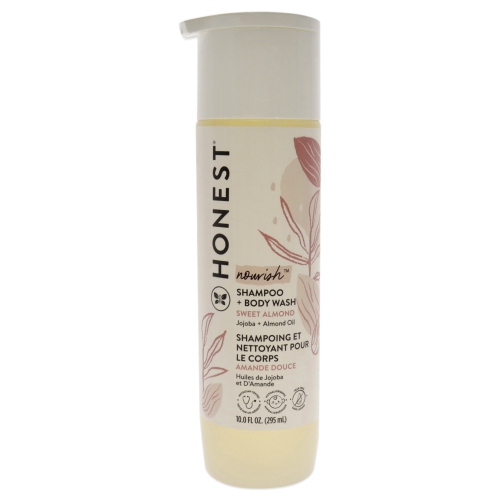
Newborn hair care products are designed for the fine hair and delicate scalp of babies in their earliest weeks, whether they arrive with a full head of hair or just a soft layer of fuzz. The essentials usually centre on a gentle infant cleanser, a soft baby brush, and a few easy-to-clean accessories that make washing and grooming manageable. Hair length alone does not determine what a newborn needs: a baby with very little hair still benefits from gentle scalp cleansing, while thicker hair may need more attention when rinsing. Shampoos labelled as suitable for newborns offer a clearer starting point than adult formulas, which may contain ingredients or treatments intended for quite different needs. Fragrance-free options are worth considering for sensitive skin, and checking the ingredient list helps distinguish them from products labelled unscented, which may contain ingredients used to mask an odour. A tear-free label is another useful consideration, although it does not mean cleanser should be allowed into a baby’s eyes. Foaming cleansers spread readily through fine hair, while liquid shampoos offer familiar dispensing and application. Neither texture is automatically gentler; suitability depends on the formula, the age directions, and the baby’s individual response. Combination hair and body washes can simplify the collection of bottles beside the bath, provided they are intended for newborn use on both areas. Clear directions, readable labels, and a dispenser that releases a small, controlled amount are practical details when a caregiver has only one hand free. A secure cap also matters when cleanser travels between home and a grandparent’s house. Claims such as natural or plant-based do not, on their own, establish that a formula will suit a sensitive infant scalp. Simple formulations and clearly stated intended use are more helpful than a long list of added extracts. For babies with a diagnosed skin condition or a previous reaction to a cleanser, product selection is best discussed with a healthcare professional rather than based on packaging claims alone.
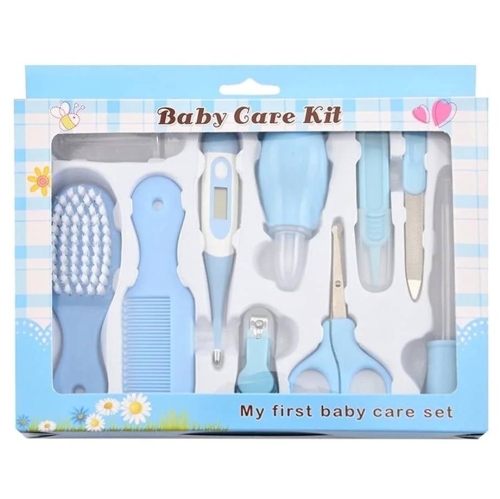
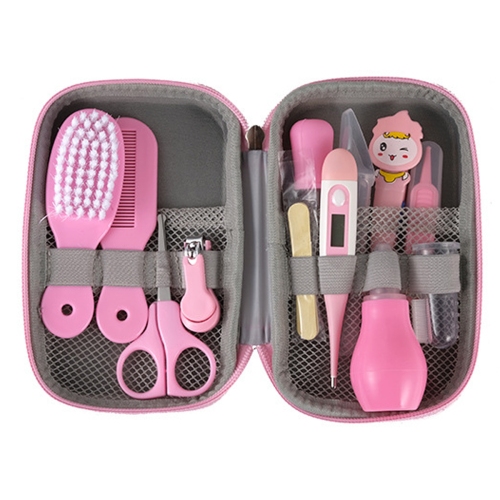
Brushes and combs bring a different set of considerations to newborn hair care, with softness, shape, and ease of cleaning taking priority over styling. A newborn brush should have very soft, flexible bristles and a smooth head without rough edges that could catch against the scalp. Synthetic and natural bristles differ in feel and maintenance requirements, so the material description and cleaning directions are useful points of comparison. A densely packed brush may feel plush, but it should still be possible to remove trapped hair and allow the bristles to dry thoroughly after cleaning. Comb teeth should have smooth, rounded tips rather than sharp points, with spacing that passes through the baby’s hair without pulling. Fine hair often needs little more than a light pass to settle it after washing; brushing is not necessary to encourage hair growth. For babies with curls or denser hair, a tool that moves through the hair easily is preferable to one that catches or requires repeated strokes. Adult styling brushes and firm scalp massagers are not substitutes for tools specifically intended for infants. Handle size matters for the adult using the brush, too. A comfortable grip and balanced shape make delicate movements easier, particularly when the baby turns their head. Durability comes from secure bristles, firmly joined handles, and surfaces that tolerate cleaning according to the manufacturer’s directions. Wooden handles may require different care from moulded plastic, and prolonged soaking can damage some materials. Brushes with loose bristles, cracked handles, or damaged teeth should be replaced. Soft washcloths and absorbent towels can complement hair care without adding elaborate steps. Smooth fabric, securely finished edges, and a texture that stays soft after laundering are useful qualities for anything touching a newborn’s head. If a towel has a hood, its proportions should suit a small baby without covering the face. These details matter in everyday use, from wiping away a little cleanser at the hairline to gently patting fine hair dry after a bath.
A useful newborn hair care collection fits the baby’s needs and the caregiver’s routine rather than assuming that more products will produce better results. Newborn hair generally does not need daily shampooing, and the appropriate frequency depends on the baby’s scalp, any mess that needs washing away, and advice from their healthcare professional. A small amount of cleanser used according to its directions is usually more practical than a heavy lather that takes repeated rinsing. Hair and scalp products should rinse away readily, and brushes should be used with light pressure rather than for vigorous scrubbing. Flaky patches can prompt families to look for cradle cap care, but flakes are not a sign of poor hygiene and do not call for stronger adult shampoos. Products intended for cradle cap should clearly state their age suitability and method of use; ordinary newborn shampoo should not be assumed to treat a scalp condition. Picking at attached scales or trying to scrape them away can irritate the skin. Persistent redness, swelling, oozing, or apparent discomfort warrants medical advice, as does uncertainty about whether a medicated treatment is appropriate. Household oils, essential oils, and adult dandruff treatments are not interchangeable with newborn-labelled care, so they are best left out unless a healthcare professional advises otherwise. For everyday organization, keeping clean grooming tools together and storing cleansers securely out of children’s reach helps make the routine easier to share between parents and other caregivers. Hair care can sit alongside the wider selection of Baby Care Products used for washing, drying, and daily grooming. As a baby shower or welcome-baby gift, a modest hair care set can be useful when it matches the family’s preferences for materials and fragrance-free formulas. Packaging with clear age information and care directions is especially helpful for first-time parents. A well-chosen collection leaves room for individual needs: one newborn may need only occasional cleansing and a soft cloth, while another benefits from a gentle brush to smooth a fuller head of hair.
Brushes and combs bring a different set of considerations to newborn hair care, with softness, shape, and ease of cleaning taking priority over styling. A newborn brush should have very soft, flexible bristles and a smooth head without rough edges that could catch against the scalp. Synthetic and natural bristles differ in feel and maintenance requirements, so the material description and cleaning directions are useful points of comparison. A densely packed brush may feel plush, but it should still be possible to remove trapped hair and allow the bristles to dry thoroughly after cleaning. Comb teeth should have smooth, rounded tips rather than sharp points, with spacing that passes through the baby’s hair without pulling. Fine hair often needs little more than a light pass to settle it after washing; brushing is not necessary to encourage hair growth. For babies with curls or denser hair, a tool that moves through the hair easily is preferable to one that catches or requires repeated strokes. Adult styling brushes and firm scalp massagers are not substitutes for tools specifically intended for infants. Handle size matters for the adult using the brush, too. A comfortable grip and balanced shape make delicate movements easier, particularly when the baby turns their head. Durability comes from secure bristles, firmly joined handles, and surfaces that tolerate cleaning according to the manufacturer’s directions. Wooden handles may require different care from moulded plastic, and prolonged soaking can damage some materials. Brushes with loose bristles, cracked handles, or damaged teeth should be replaced. Soft washcloths and absorbent towels can complement hair care without adding elaborate steps. Smooth fabric, securely finished edges, and a texture that stays soft after laundering are useful qualities for anything touching a newborn’s head. If a towel has a hood, its proportions should suit a small baby without covering the face. These details matter in everyday use, from wiping away a little cleanser at the hairline to gently patting fine hair dry after a bath.
A useful newborn hair care collection fits the baby’s needs and the caregiver’s routine rather than assuming that more products will produce better results. Newborn hair generally does not need daily shampooing, and the appropriate frequency depends on the baby’s scalp, any mess that needs washing away, and advice from their healthcare professional. A small amount of cleanser used according to its directions is usually more practical than a heavy lather that takes repeated rinsing. Hair and scalp products should rinse away readily, and brushes should be used with light pressure rather than for vigorous scrubbing. Flaky patches can prompt families to look for cradle cap care, but flakes are not a sign of poor hygiene and do not call for stronger adult shampoos. Products intended for cradle cap should clearly state their age suitability and method of use; ordinary newborn shampoo should not be assumed to treat a scalp condition. Picking at attached scales or trying to scrape them away can irritate the skin. Persistent redness, swelling, oozing, or apparent discomfort warrants medical advice, as does uncertainty about whether a medicated treatment is appropriate. Household oils, essential oils, and adult dandruff treatments are not interchangeable with newborn-labelled care, so they are best left out unless a healthcare professional advises otherwise. For everyday organization, keeping clean grooming tools together and storing cleansers securely out of children’s reach helps make the routine easier to share between parents and other caregivers. Hair care can sit alongside the wider selection of Baby Care Products used for washing, drying, and daily grooming. As a baby shower or welcome-baby gift, a modest hair care set can be useful when it matches the family’s preferences for materials and fragrance-free formulas. Packaging with clear age information and care directions is especially helpful for first-time parents. A well-chosen collection leaves room for individual needs: one newborn may need only occasional cleansing and a soft cloth, while another benefits from a gentle brush to smooth a fuller head of hair.
Top selling and popular products
-
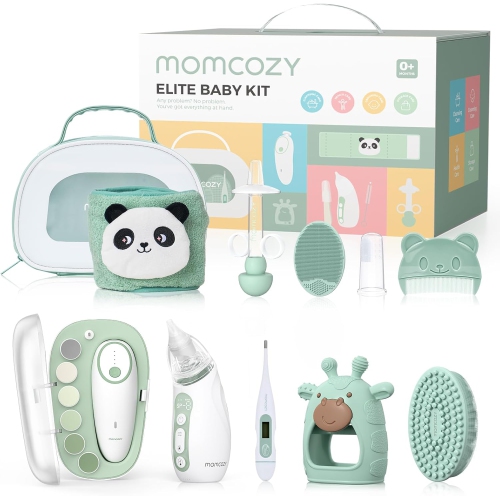 Your price for this item is $119.99
 -
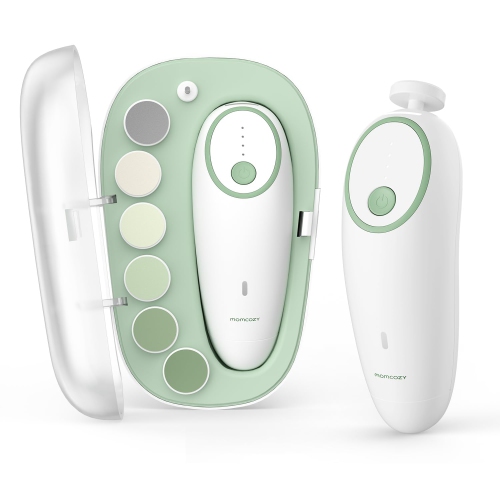 Your price for this item is $29.99
 -
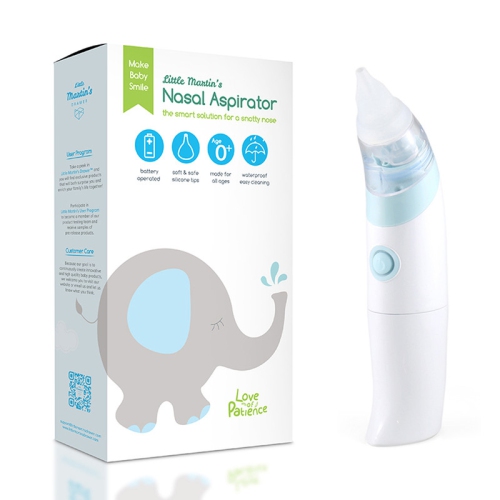 Your price for this item is $59.99
 -
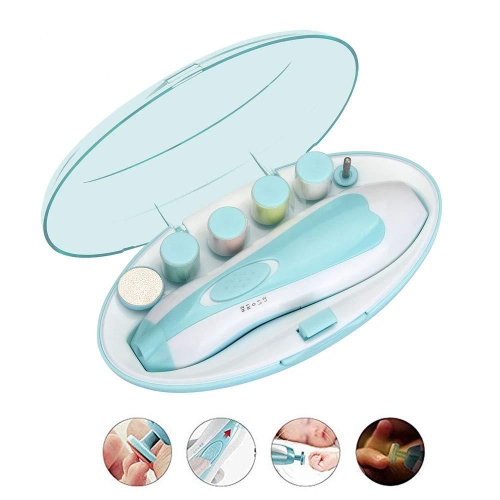 Your price for this item is $29
 -
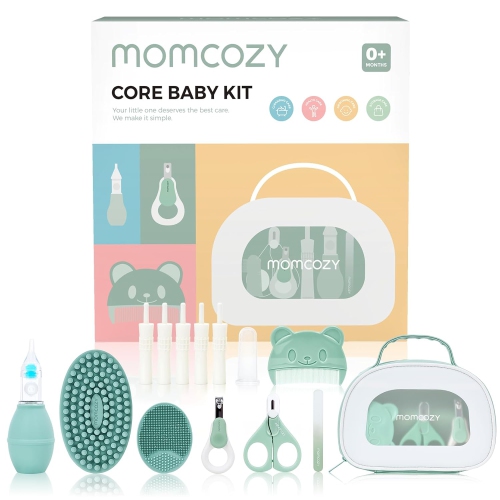 Your price for this item is $59.99
 -
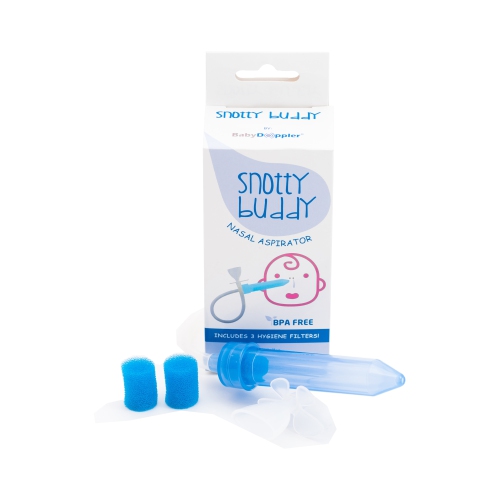 Your price for this item is $24.95
 -
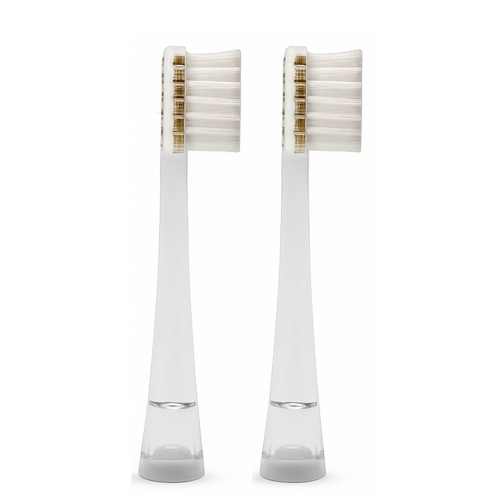 Your price for this item is $6.99
 -
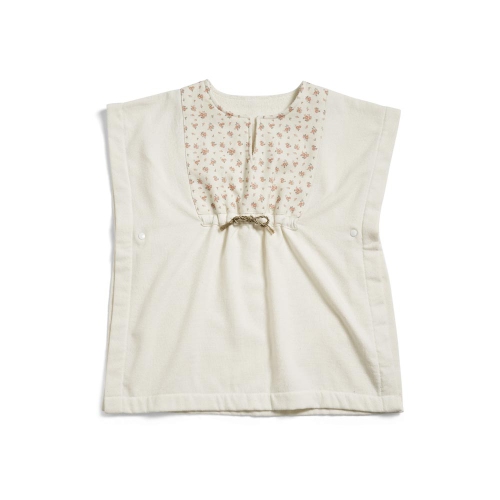 Your price for this item is $59.99
Discover more categories related to Newborn Hair Care Products
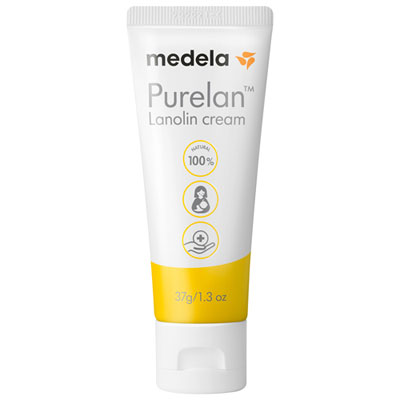

Top Collections:
Pokemon Centers, Kindle Devices, Best Budget Office Chairs, Apple iPhones 16, Best Laptops for Writers, iPhone 15 Apple, Canon G7X Cameras, Refurbished Apple Laptops, Alarm Clock, Motorola Razr Phones
Some products may be subject to Environmental Handling Fees
(EHF) depending on your province.
Learn more about EHFs.