Nursery Room Ideas
Create a serene and stylish sanctuary for your little one with our nursery room ideas collection. From charming decor accents to functional furniture pieces, explore a range of inspiration to design the perfect space for your baby to grow, play, and rest peacefully. Whether you prefer a classic pastel palette or a modern minimalist aesthetic, discover tips and tricks to personalize the nursery room of your dreams. Let your creativity flourish as you browse through our curated selection of ideas to create a cozy and inviting environment for your bundle of joy.
Sort

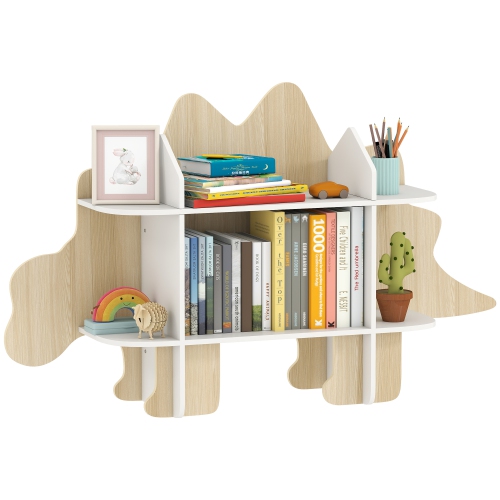
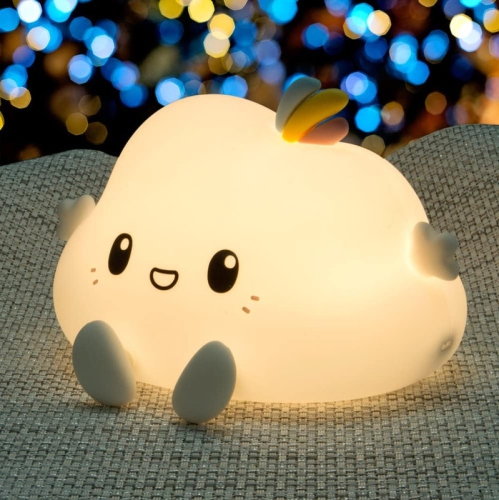





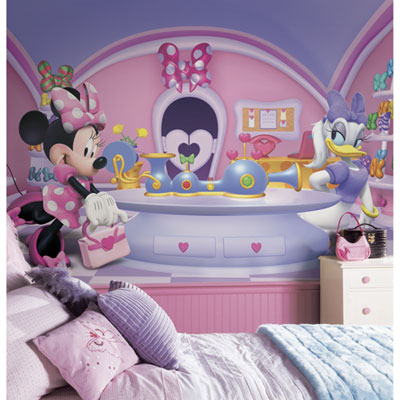


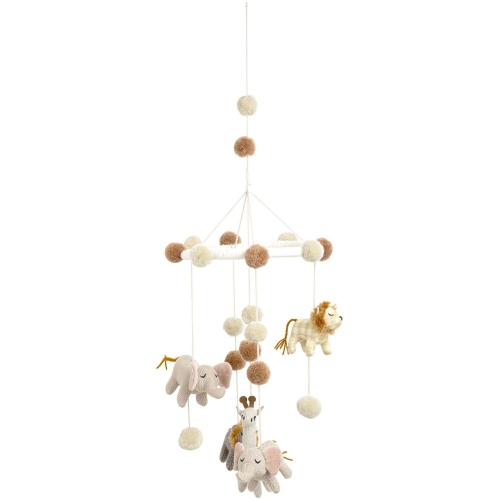


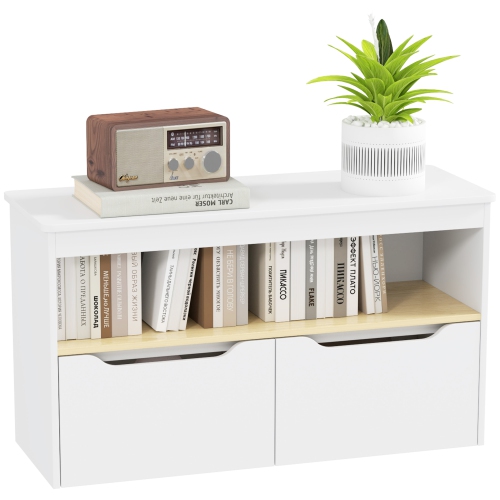

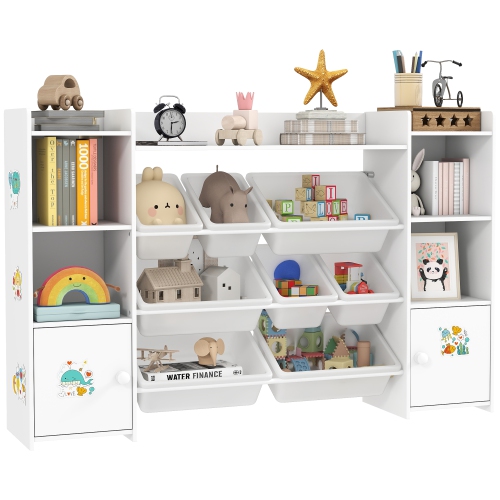





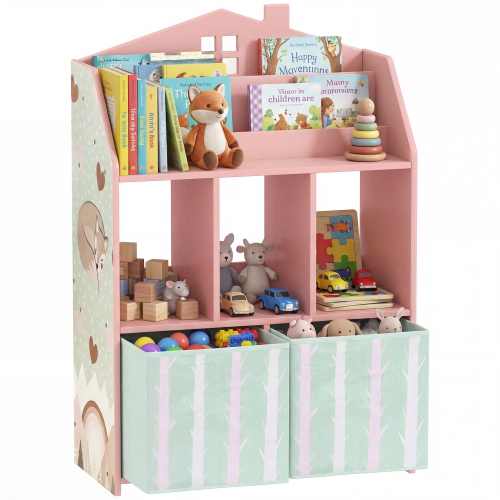




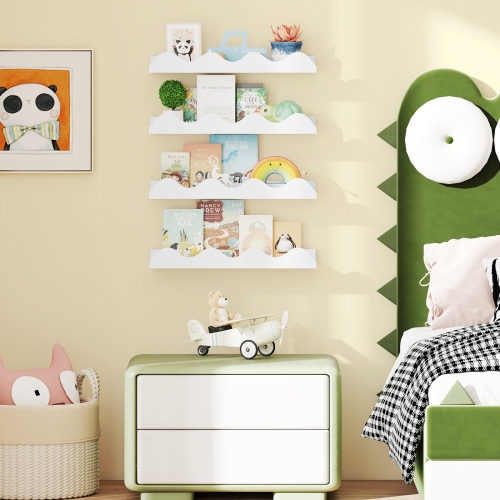
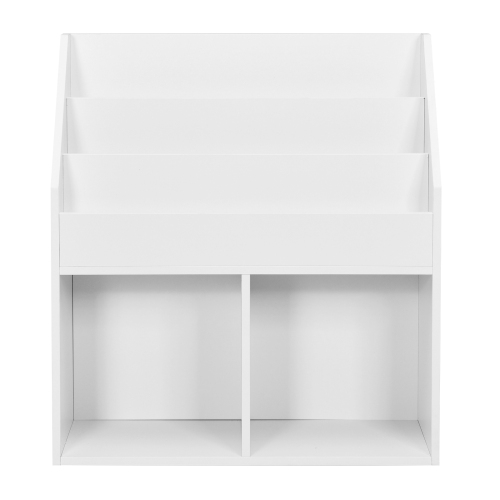
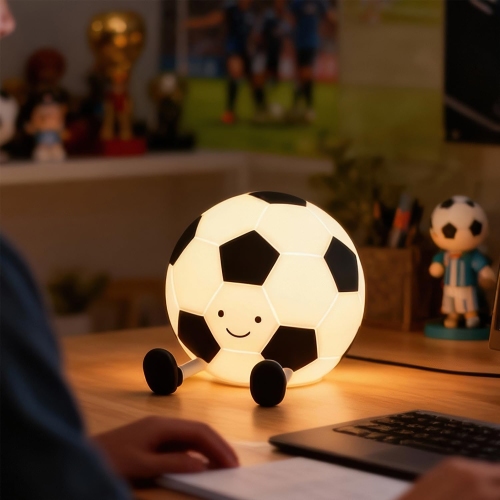


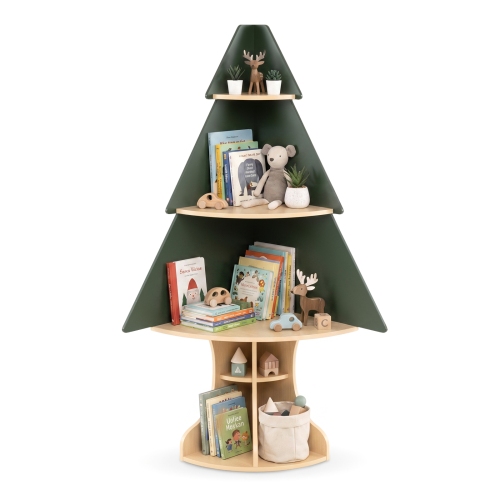
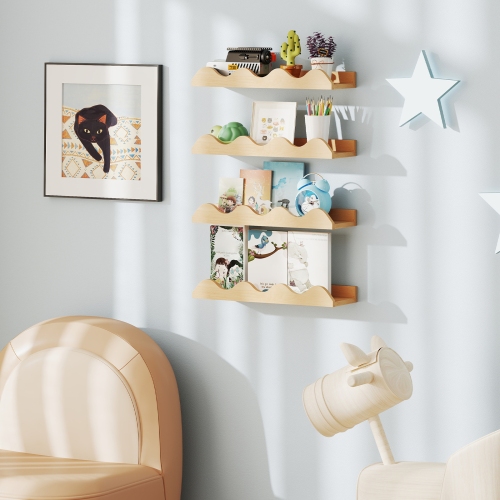




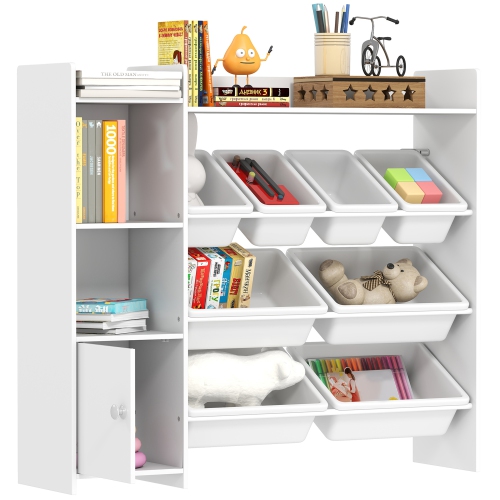




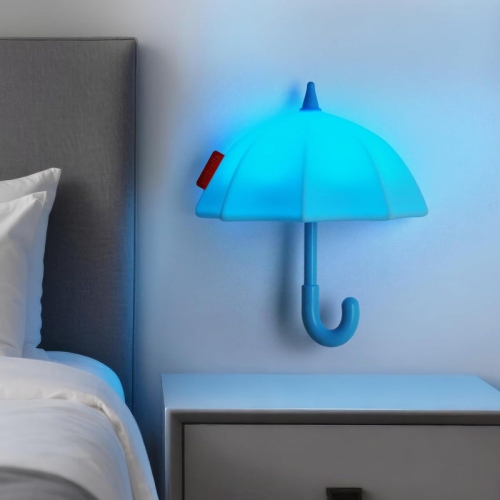
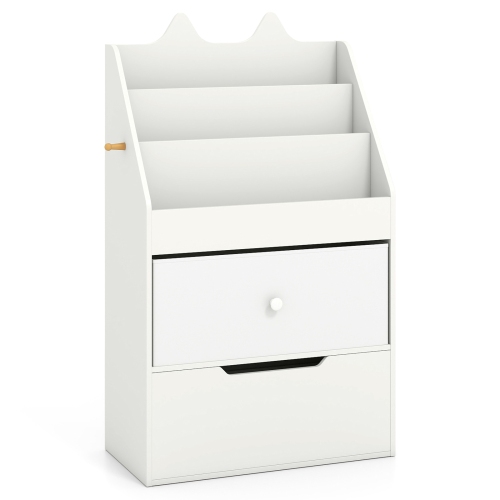
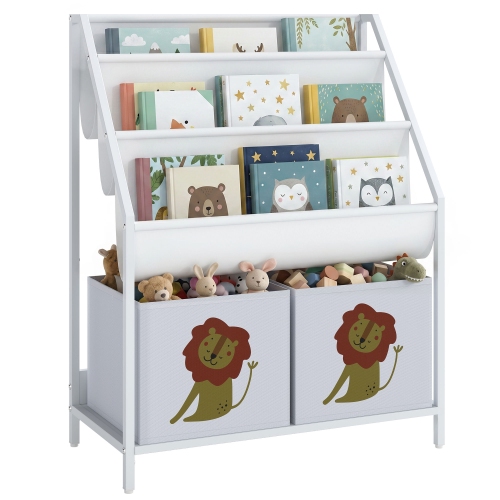
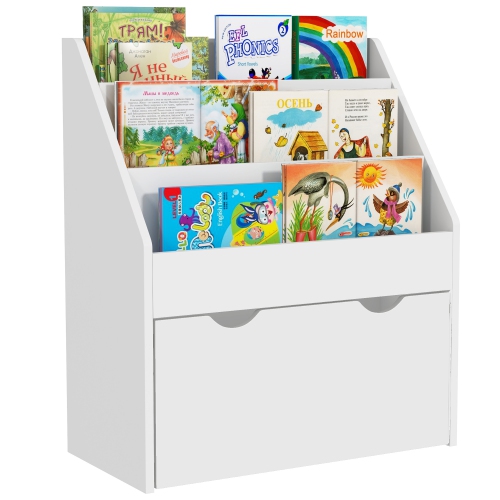
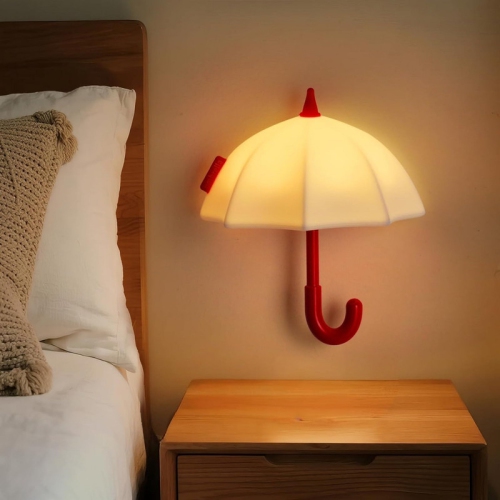
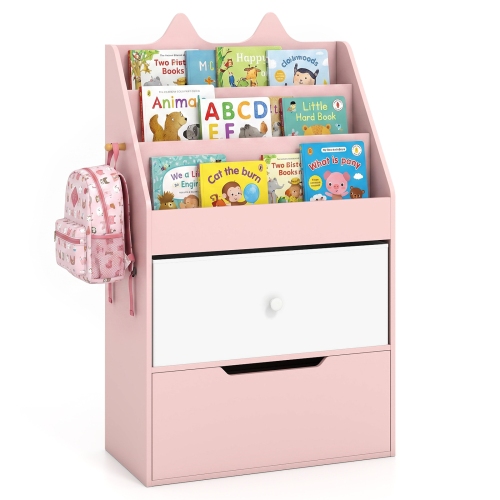
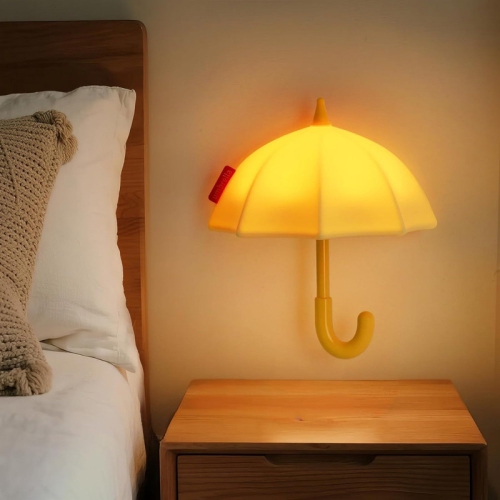


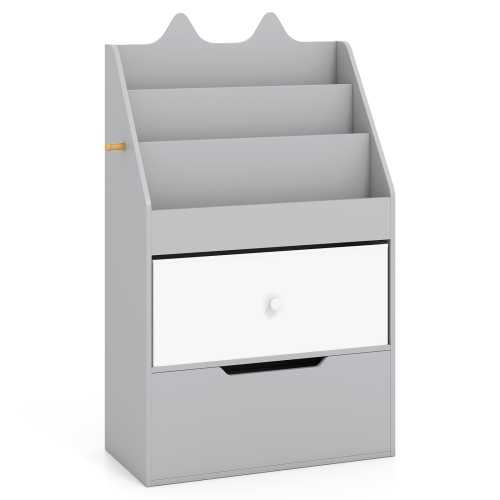
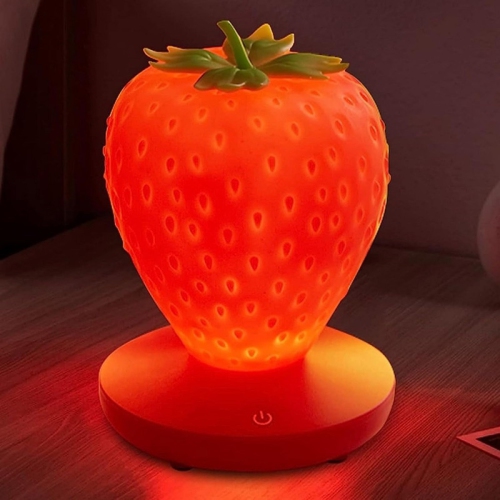
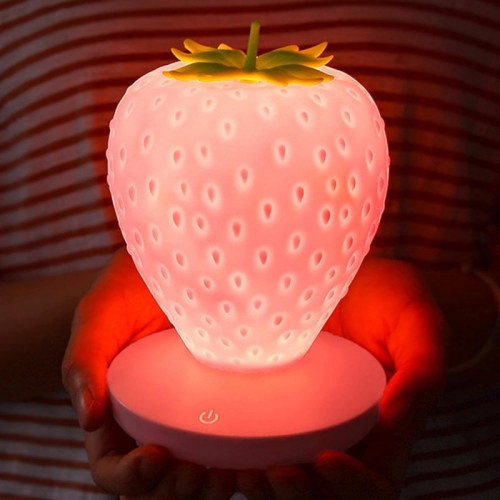
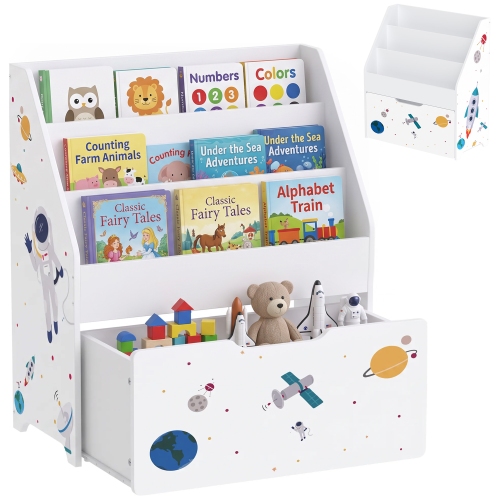


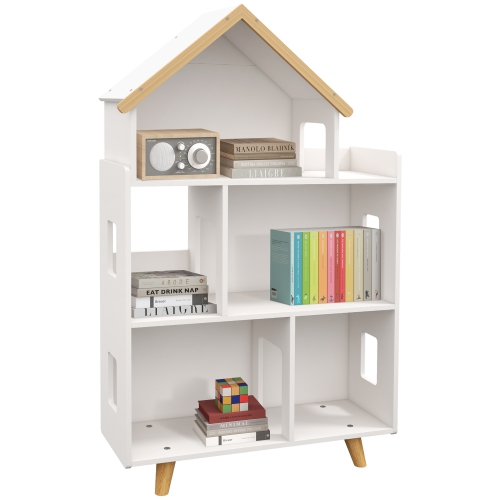
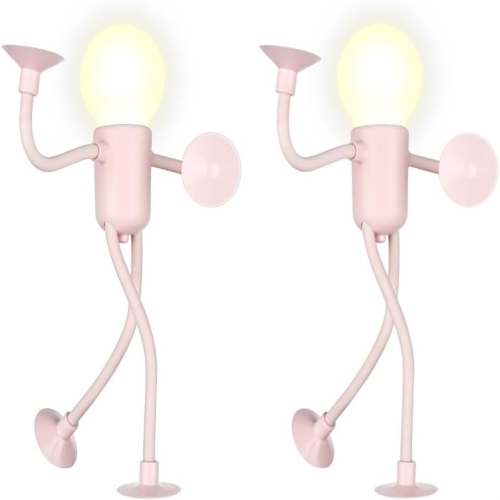
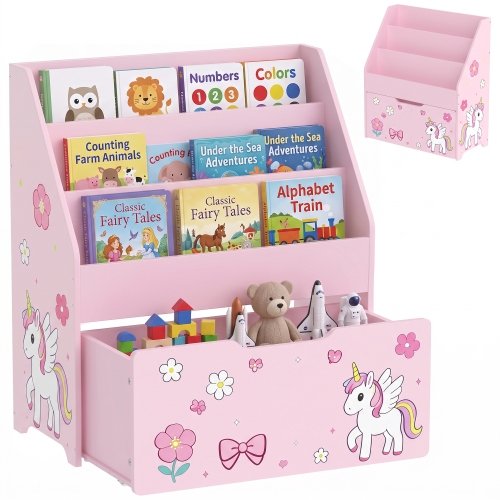
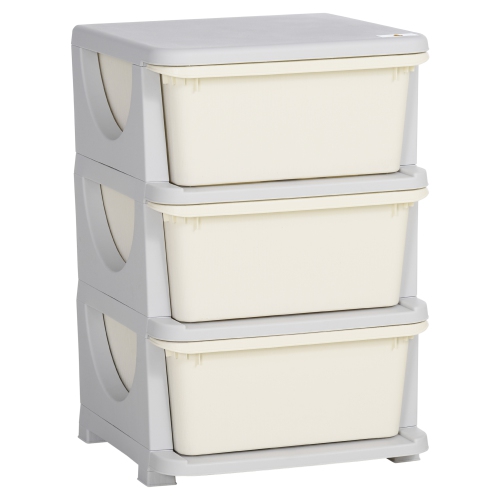
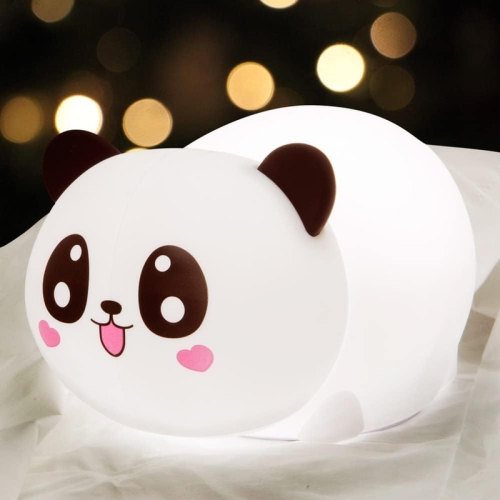
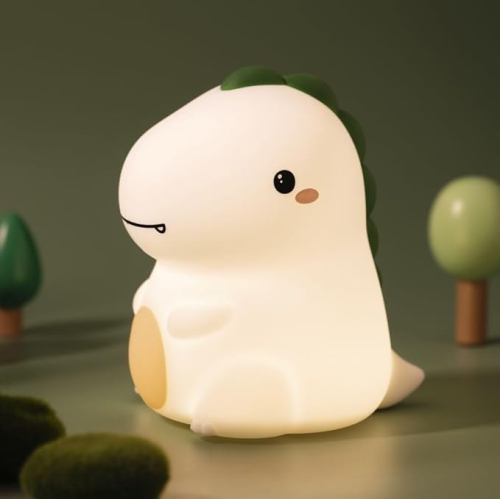
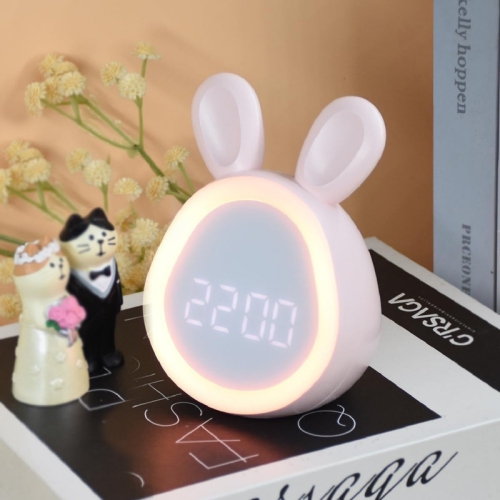
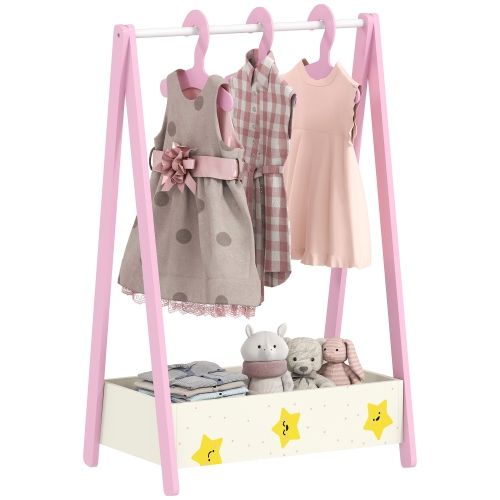

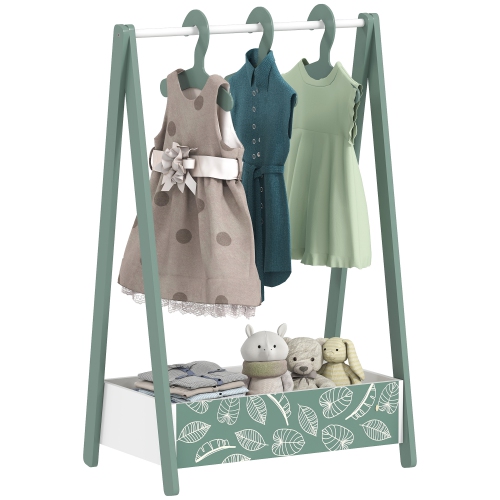

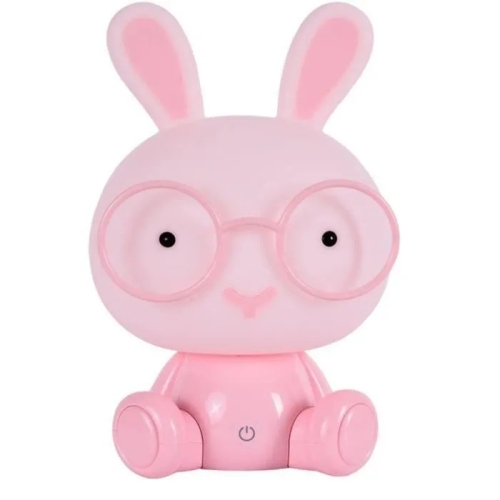
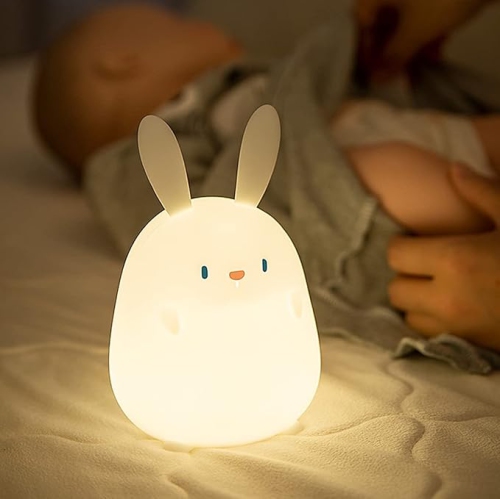

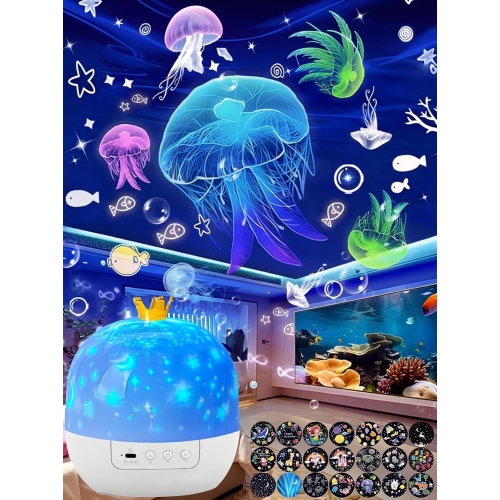

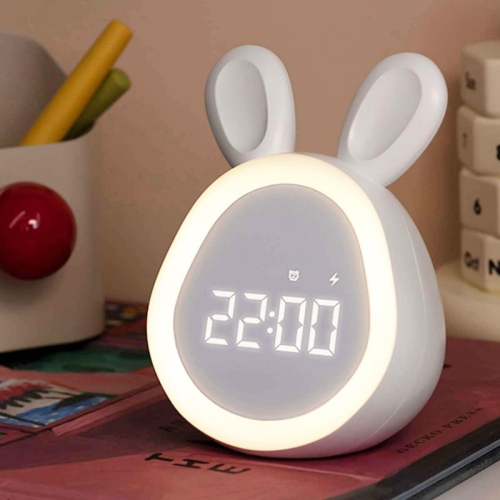
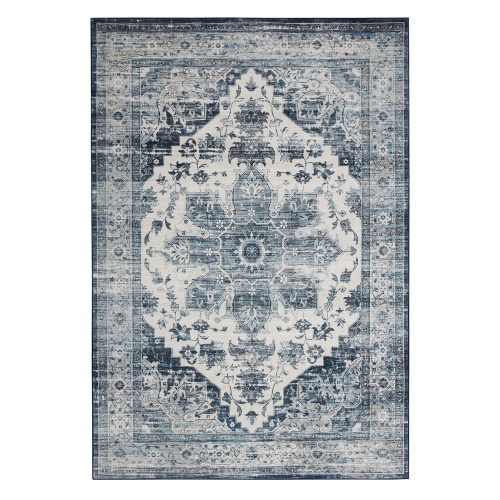
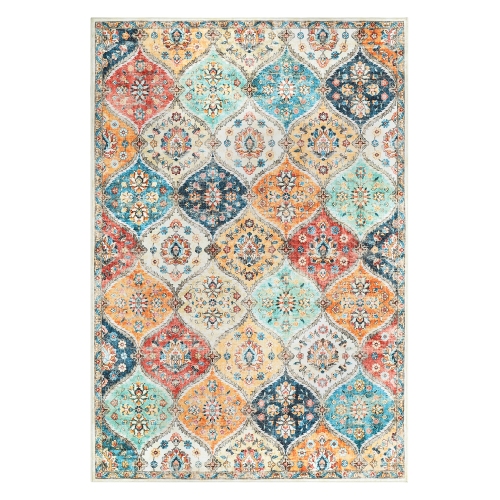
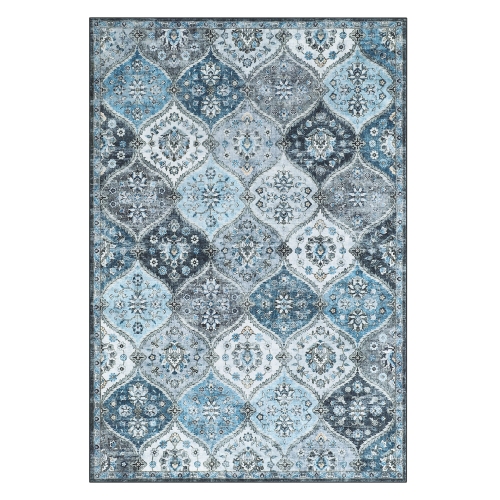

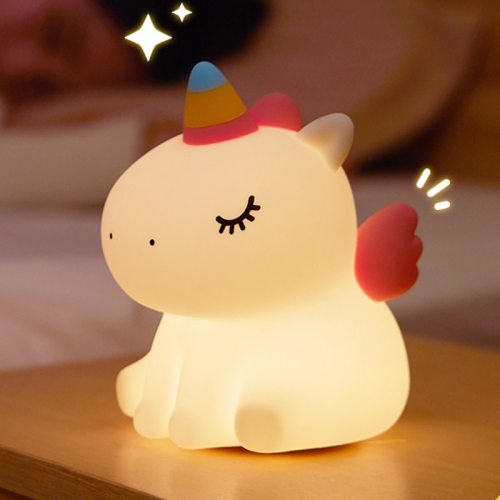
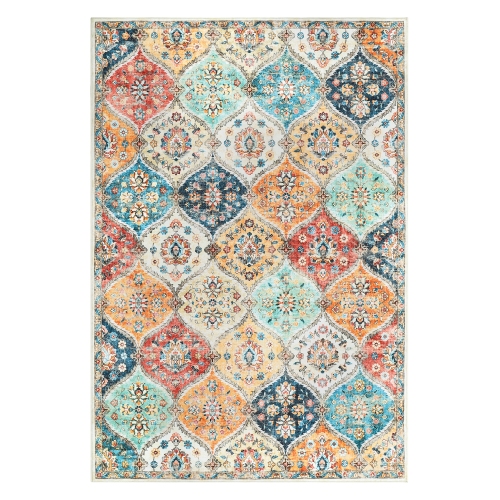

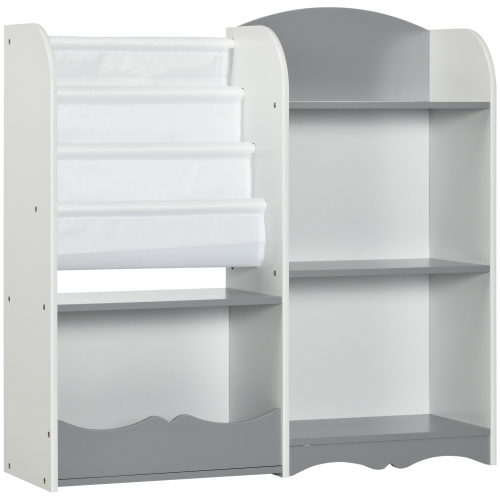
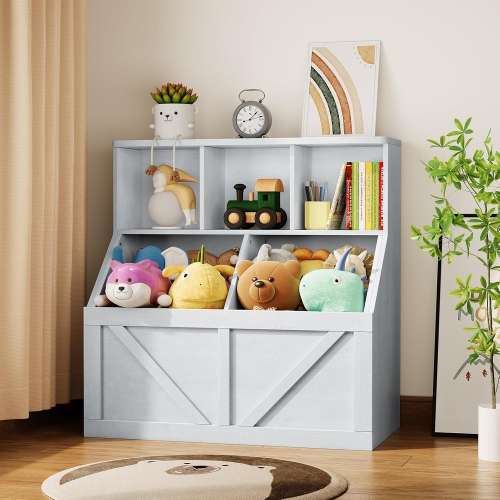

Practical nursery layouts for safe sleep and everyday care
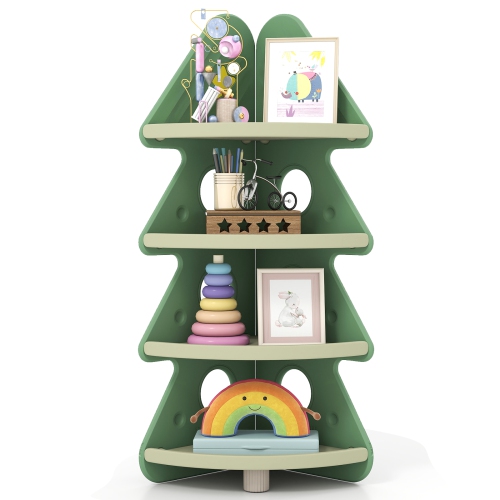
Nursery room ideas bring together safe sleeping arrangements, comfortable seating, useful storage, and details that make a baby’s space feel personal. The most practical combinations reflect how the room will be used: a dedicated nursery may have space for a crib, dresser, and glider, while a shared bedroom may call for a smaller furniture footprint and storage that makes good use of vertical space. Measurements matter beyond the width of a wall. Doorways, drawer clearance, chair movement, and a clear route between the entrance and the crib all affect how comfortably the room works when someone is carrying a baby. A crib that meets current Canadian safety requirements, paired with a firm, flat mattress designed to fit it snugly, forms the foundation of the sleeping area. Babies should be placed on their backs for sleep, with only a fitted sheet on the mattress and no pillows, loose blankets, toys, or padded bumpers in the crib. Sleep furniture belongs away from windows, blind cords, and anything a child could reach or pull down. Convertible furniture can suit families planning for different stages, although conversion hardware, mattress compatibility, and the manufacturer’s age and weight limits deserve attention before choosing a configuration. Style can then develop around those practical needs. Pale wood and cream create a gentle backdrop; deeper wood tones with muted green suggest a woodland theme; rounded shapes and simple lines suit a modern room. A coordinated nursery does not need every finish to match exactly. Repeating one wood tone, one accent colour, or a simple motif can connect furniture and accessories without making the room feel overly themed. Gender-neutral colours also leave room for changing interests as a baby grows. Materials contribute texture as well as appearance: a painted dresser feels different from visible wood grain, while woven storage and upholstered seating soften the look of larger furniture. Keeping decorative softness outside the sleep space preserves that welcoming feel without adding loose objects to the crib.
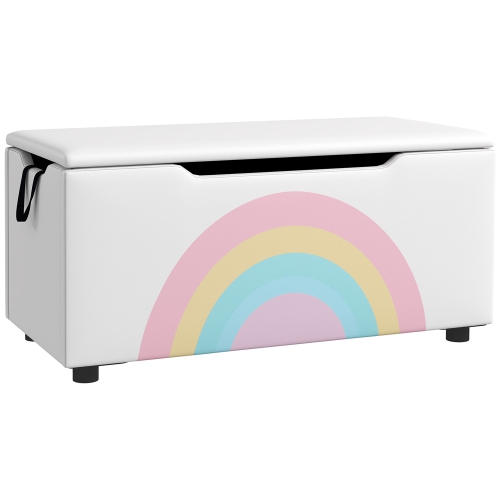
Comfort becomes especially important in the feeding and changing areas, where parents, grandparents, and other caregivers may spend extended periods. A nursery chair needs to fit both the person using it and the space around it. Supportive armrests, a comfortable seat height, and enough room for a rocking or gliding motion matter more than appearance alone. In a narrow room, a chair that looks compact may still need considerable clearance behind it, while a separate footrest can take up part of the walking route. Upholstery is another everyday consideration. Removable, washable covers can simplify care, and tightly woven fabrics may be easier to maintain than deeply textured surfaces that catch crumbs or lint. Cleaning instructions remain important, particularly where milk spills and frequent spot cleaning are likely. Feeding chairs are for supervised care, not infant sleep; a baby who falls asleep during feeding should be moved to an appropriate sleep space. A changing area works best when nappies, wipes, and clean clothing are within the caregiver’s reach, so the baby never needs to be left unattended. Changing furniture and any attached changing surface should be used only as directed, within the stated limits. Dressers and other tip-prone furniture need secure anchoring according to their instructions, even before a child begins pulling up or climbing. Storage can make daily routines easier without filling every corner. Shallow drawers help separate small clothing, open baskets keep frequently used supplies visible, and closed cupboards contain less attractive necessities. Smooth drawer movement, sturdy joints, secure handles, and finishes that tolerate the recommended cleaning routine are useful signs of furniture suited to repeated use. Washable textiles benefit from care labels that clearly explain washing and drying requirements, since shrinkage can affect fit. For a baby shower or a gift from grandparents, practical nursery accessories are often most useful when they match the family’s room measurements, preferred colours, and care preferences rather than introducing a different theme or a bulky piece of furniture.
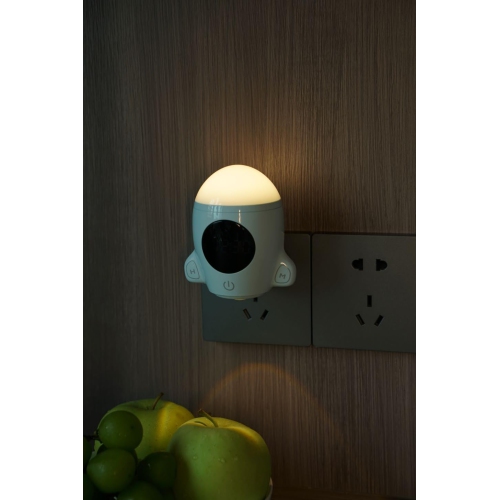
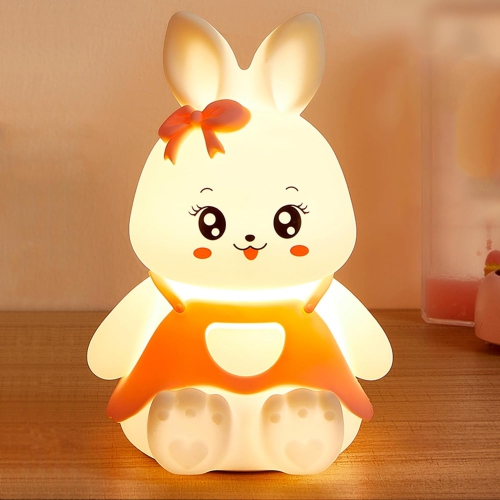
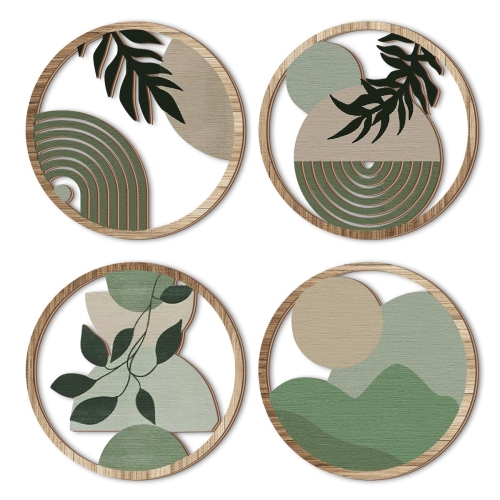
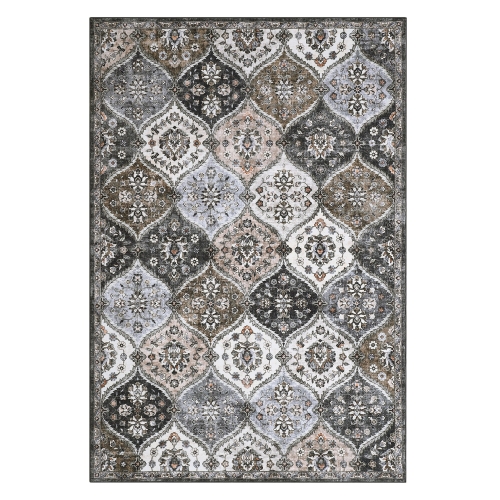
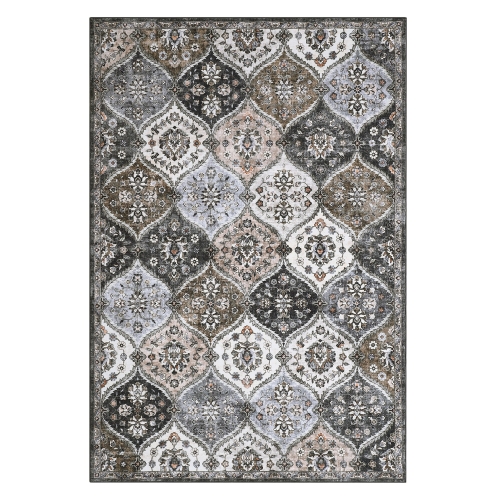
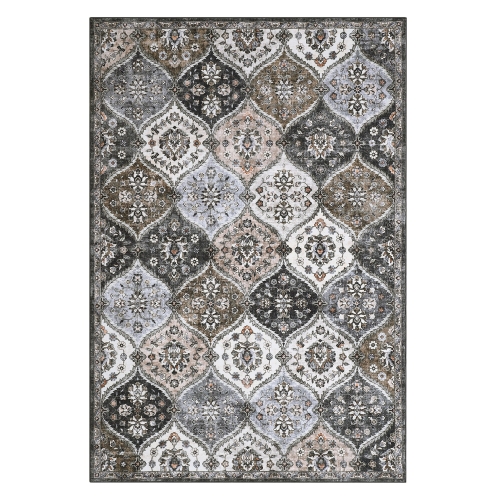
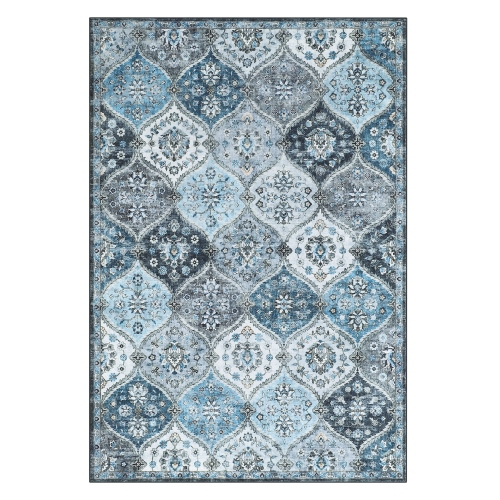
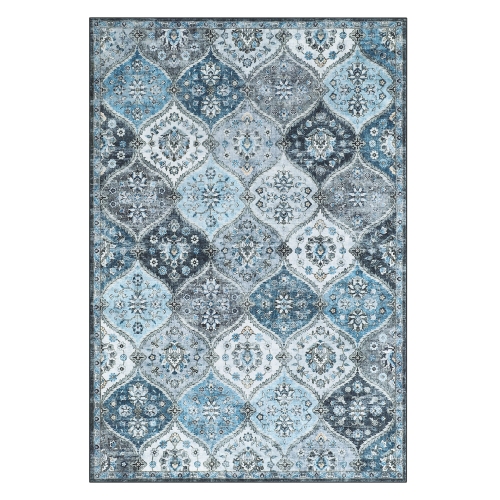
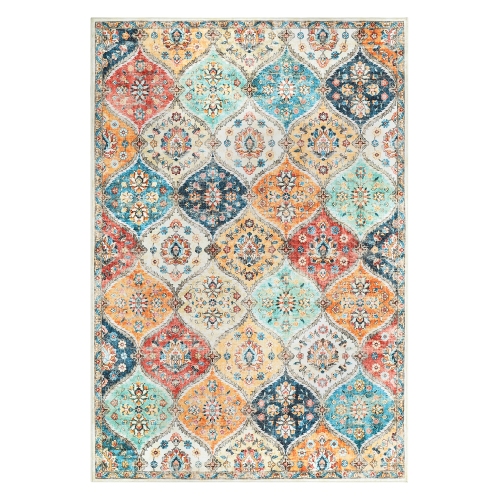
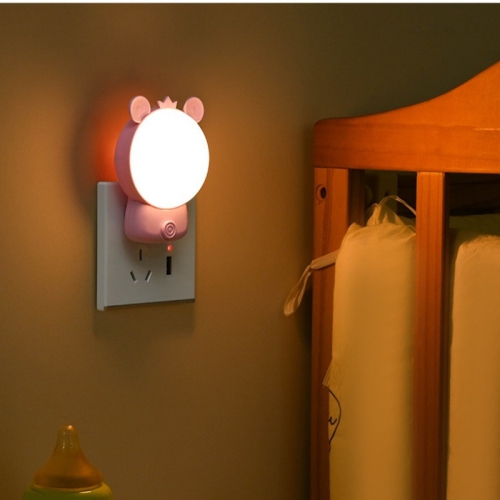
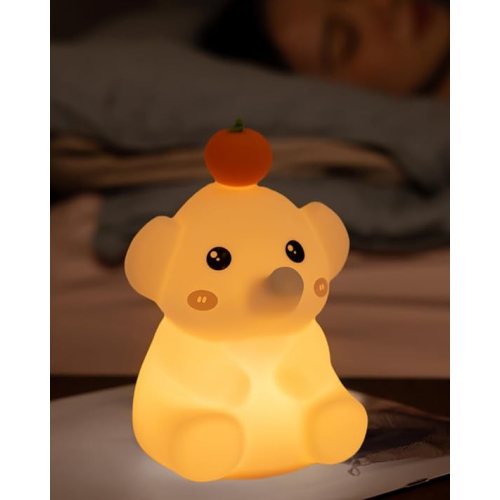
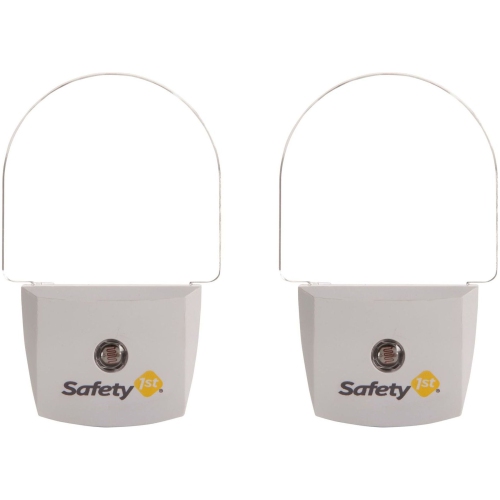
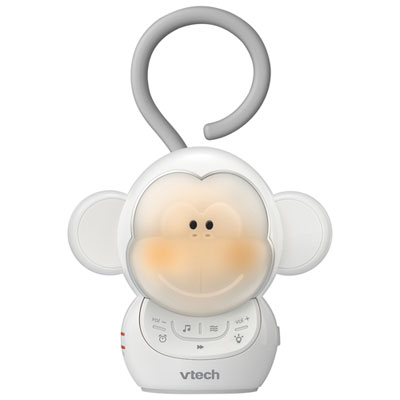
Lighting, wall details, and floor coverings give nursery furnishings a finished setting while supporting everyday use. A room may need brighter light for finding clothing and a softer, dimmable option for quiet feeds and settling routines. Controls that are easy for an adult to reach can be more useful than a complicated lighting arrangement, particularly when one hand is occupied. Lamps need stable placement, with cords secured well away from the crib and other places a child can reach. Cordless window coverings offer privacy and light control without dangling operating cords. Personality can come from Nursery Room Art, whether the room features gentle animal illustrations, simple shapes, or a small grouping of colourful prints. Scale makes a difference: a few modest pieces can suit a compact wall, while a larger composition may balance a broad dresser. Wall decorations should be securely mounted away from the crib and changing area, where falling objects or reachable frames could create a hazard. A low-pile rug with an appropriate non-slip underlay can define an open area for supervised floor play without making chair movement or cleaning unnecessarily difficult. Washable play mats offer another option, with attention to age suitability, secure construction, and the manufacturer’s care directions. Baby monitors can help caregivers check sounds or images from another room, but they do not replace supervision or safe sleep practices; cameras, stands, and power cords must remain out of reach. If sound is part of the room’s routine, a sound machine should be positioned away from the baby and used at a low volume in line with its instructions. Leaving some open floor space and accessible storage gives the room flexibility as needs change. A nursery can feel complete through a thoughtful balance of dependable furniture, manageable care requirements, and a few meaningful details, rather than a large number of accessories.
Top selling and popular products
-
 Your price for this item is $12.99
-
 Your price for this item is $8.97
-
 Your price for this item is $43.99
-
 Your price for this item is $49
-
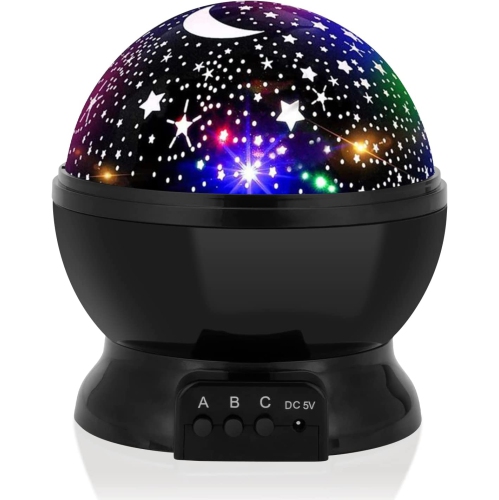 Your price for this item is $39.99
-
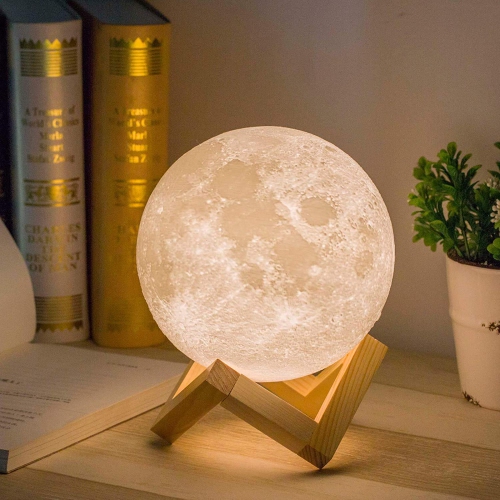 Your price for this item is $62.96
-
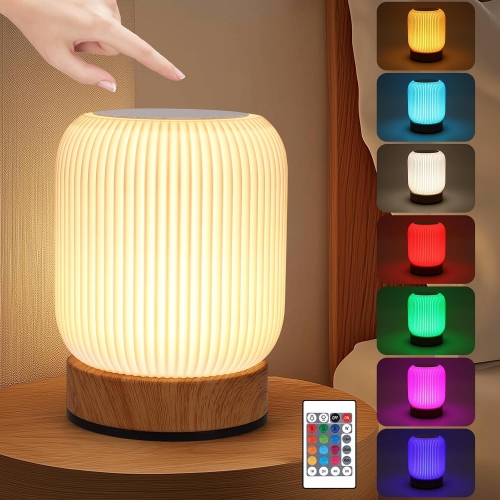 Your price for this item is $34.99
-
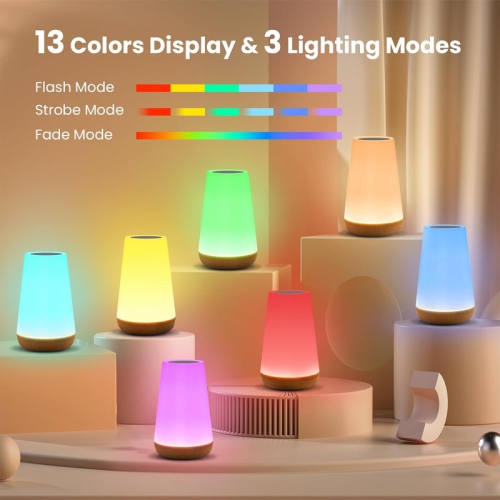 Your price for this item is $30.99
Discover more categories related to Nursery Room Ideas

Top Collections:
Best Black Friday Deals This Year, Best Black Friday Deals On Electronics, Kindle Devices, Best Black Friday Deals On Apple Products, Best Budget Office Chairs, Best Cameras for Sports Photography, Dyson Airwrap, Canon G7X Cameras, Best Laptops for Writers, Samsung Galaxy Phones
Some products may be subject to Environmental Handling Fees
(EHF) depending on your province.
Learn more about EHFs.