Nursing Accessories
Whether you're a new mom or a seasoned pro, having the right nursing accessories can make breastfeeding easier and more comfortable. From nursing pillows to breast pumps, nipple creams to nursing bras, our selection of essential nursing accessories is designed to support you through every step of your breastfeeding journey. Discover a range of high-quality products that prioritize both functionality and style, helping you feel confident and empowered as you nourish your little one.
Sort

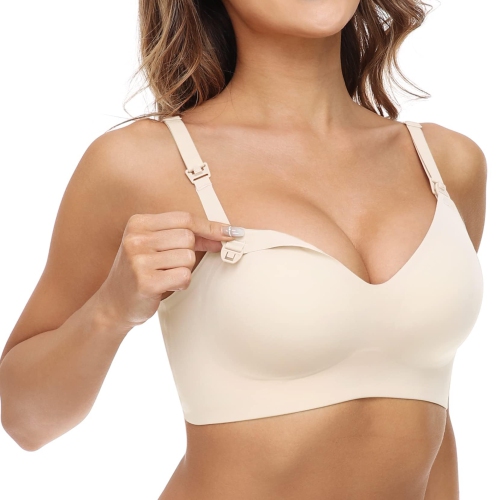
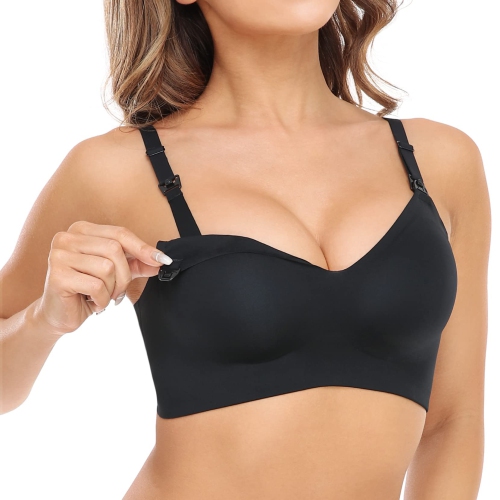

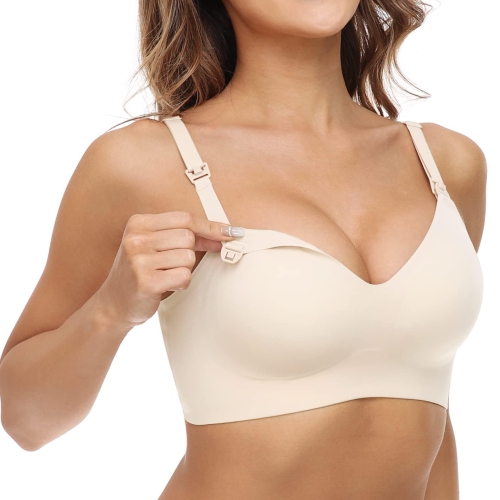
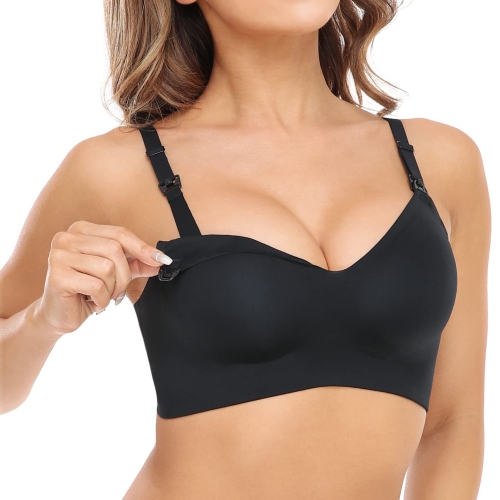
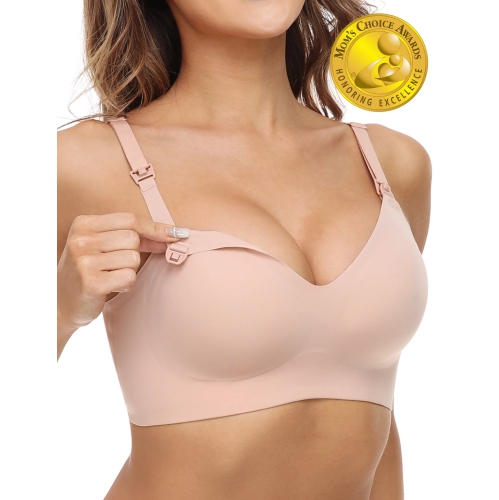
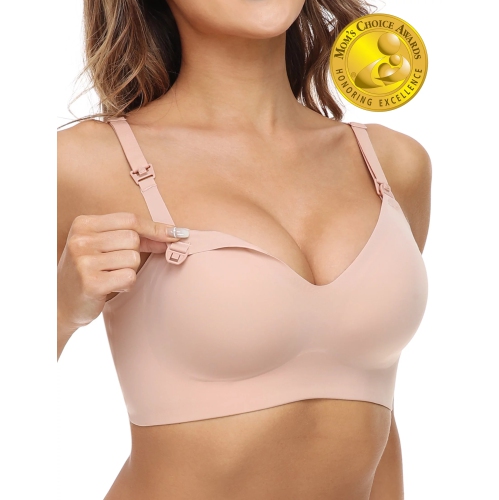
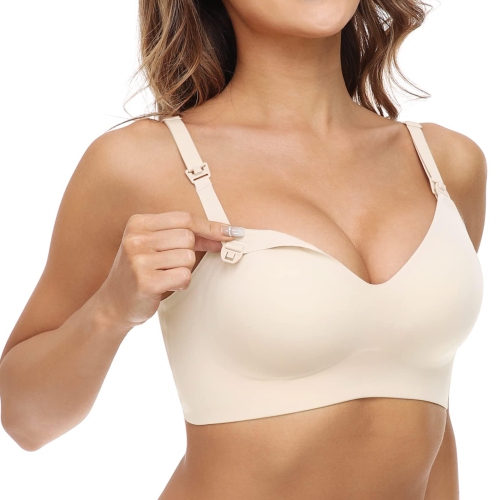
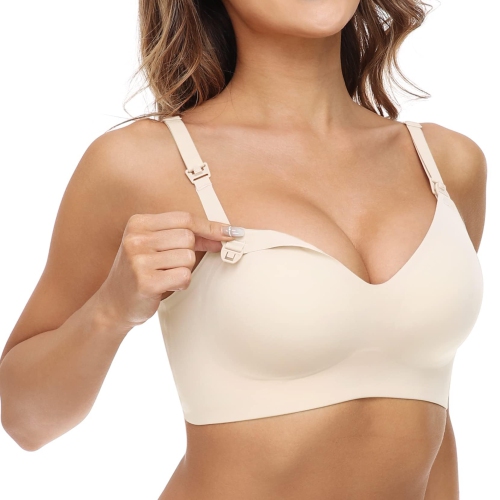
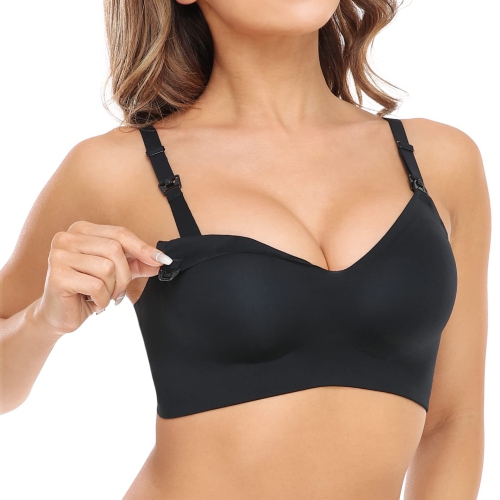
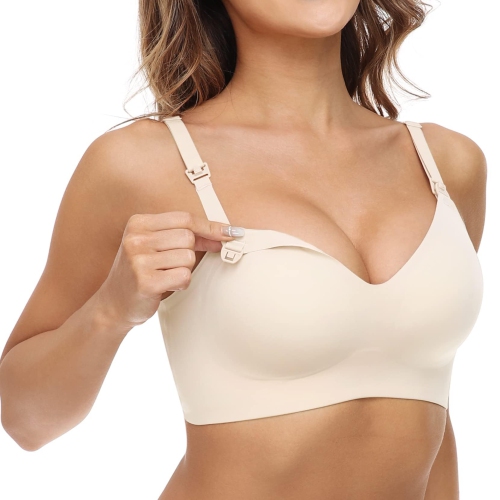
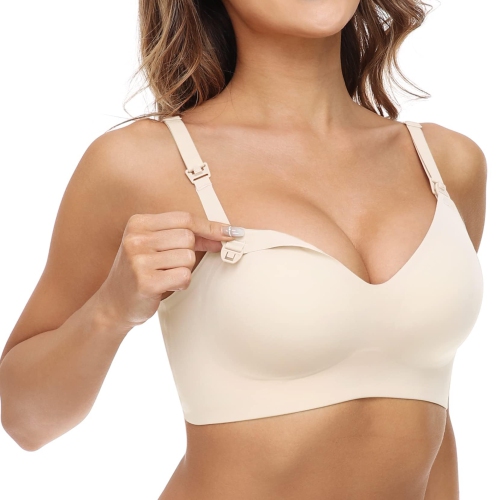
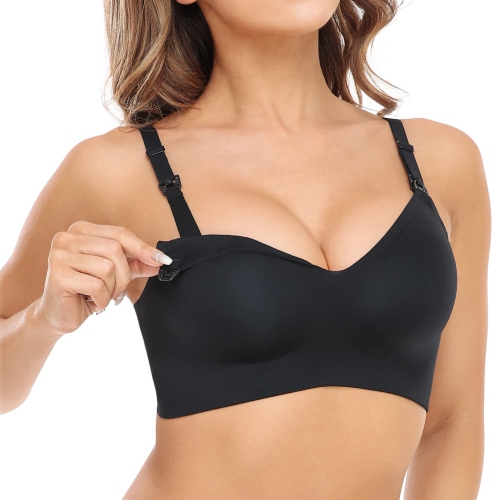





![YELLOW-PRICE Ultra [Soft & Skin-Friendly & Comfortable] Maternity Top Womens Nursing Shirt Ca In Multicolor](https://multimedia.bbycastatic.ca/multimedia/products/500x500/164/16499/16499996.jpeg)
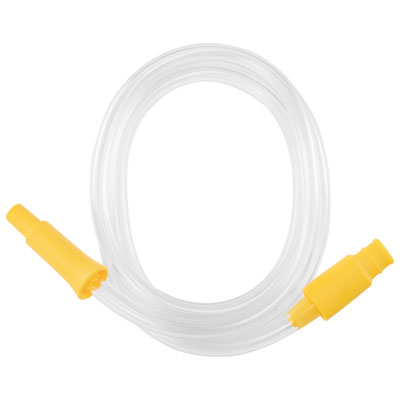
Practical essentials for more organized, comfortable nursing shifts
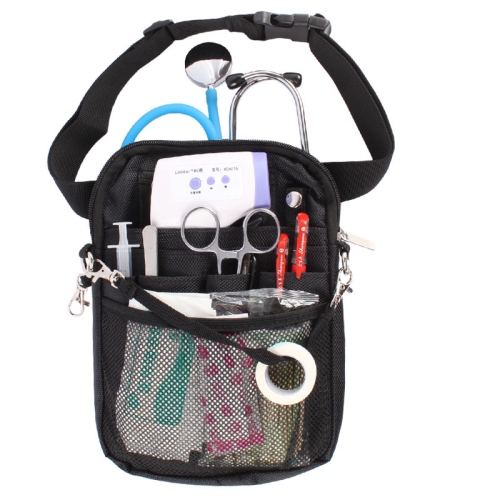
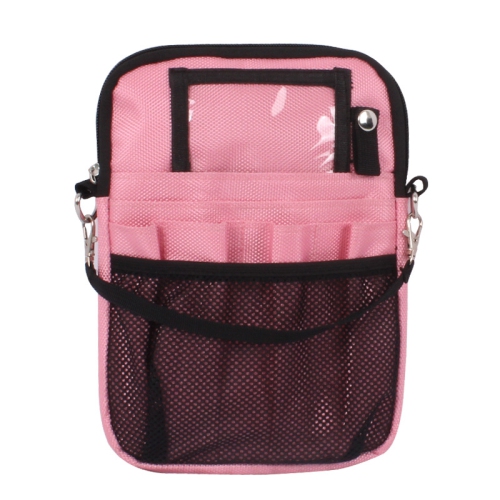
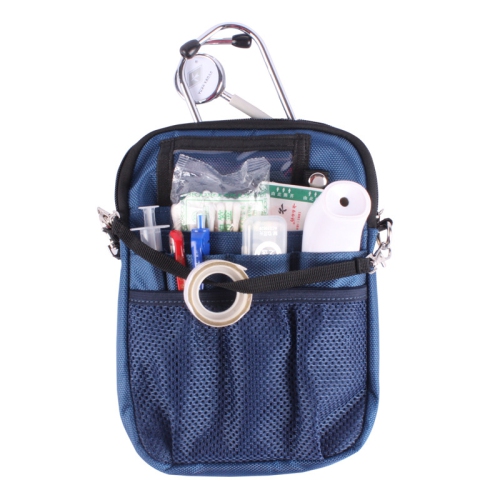
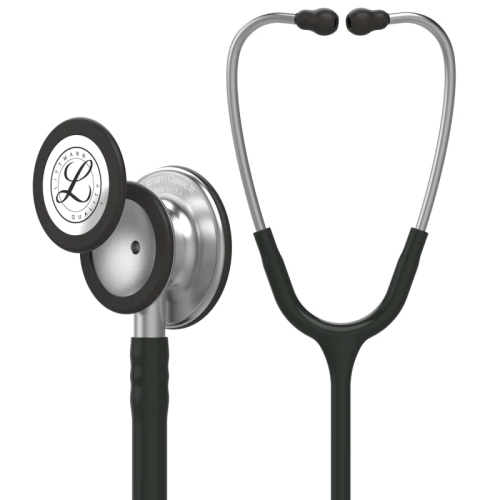
Nursing accessories are practical additions to a nurse’s daily routine, helping keep essential tools close at hand during assessments, documentation, medication rounds and patient care. Nurses, nursing students, personal support workers and other healthcare professionals may use accessories such as stethoscope cases, medical shears, penlights, badge holders, pocket organizers, fob watches and compression socks to make a busy shift feel more manageable. A well-chosen stethoscope case can protect an important assessment tool between uses, while a compact pouch or pocket organizer can provide a dedicated place for pens, markers, tape, small scissors and other frequently used items. Medical shears are designed for quick, controlled cutting of tape, dressings and clothing when appropriate, and a penlight can support routine checks of pupils, the mouth and other areas when used according to workplace procedures. A fob watch with a clearly visible second hand may be useful for counting a pulse or respiratory rate without relying on a phone, which may not be permitted in every care setting. Retractable badge holders help keep identification visible while reducing the chance of a badge or access card swinging into a patient area, and they can be especially convenient when moving between rooms, equipment and supply stations. Since accessories are handled repeatedly throughout a shift, look for secure clips, smooth edges, easy-to-clean surfaces and materials that feel comfortable against clothing. The best choice depends on the person’s role, workplace policies and everyday habits: a student completing clinical placements may appreciate a simple, organized set of essentials, while an experienced nurse may prefer specialized items that fit an established workflow.
Comfort matters just as much as convenience during long shifts spent walking, standing and moving between patients. Compression socks with graduated support may help provide a more comfortable feel around the lower legs, particularly for people who spend much of the day on their feet, although anyone with a medical condition affecting circulation should speak with a healthcare professional before choosing compression wear. Footwear, uniform requirements and the temperature of the workplace can also influence which accessories feel most useful. In warmer conditions, lightweight pouches and breathable materials may be more comfortable, while during cooler months a nurse may value warm layers that remain practical beneath a uniform. Check sizing charts carefully for socks and wearable accessories, and consider whether the fit will remain comfortable after several hours of movement. Colour and style can be personal choices, but durability, easy cleaning and reliable fastening are usually more important for everyday work. Some healthcare settings restrict dangling accessories, scented materials, jewellery or items that could interfere with infection-control practices, so it is worth reviewing employer or placement guidelines before purchasing. Accessories that touch shared surfaces should be cleaned as directed by the manufacturer and workplace policy, and items used around patients should never replace proper hand hygiene or approved clinical equipment. For shoppers supporting someone in nursing school, a practical accessory can make a thoughtful graduation, placement or career gift when it reflects the recipient’s actual routine. A student beginning clinical work might benefit from a badge holder, watch or compact organizer, while a nurse who regularly works extended shifts may appreciate comfortable compression socks or a protective case for frequently carried tools. Personal touches such as a preferred colour, a clear design or an easy-to-identify pattern can add warmth without reducing usefulness.
When comparing nursing accessories, begin by considering where and how the item will be used. A hospital nurse moving between units may need a secure retractable badge clip and a compact pouch that does not interfere with protective equipment, whereas a community nurse may prefer lightweight storage that fits easily into a work bag. A nursing student may need versatile basics that can adapt to different placement environments, with enough room for writing tools, a watch and approved clinical supplies. Look for products that are simple to clean, comfortable to carry and sturdy enough for repeated use. Fasteners should stay closed during movement, clips should attach securely without damaging fabric, and watch faces or markings should be easy to read at a glance. For stethoscope accessories, check that the size and design are compatible with the equipment already in use; for shears and penlights, consider grip, portability and the availability of replaceable batteries where applicable. A gift shopper may also want to pair a work accessory with something intended for rest and recovery outside the workplace, while remembering that preferences vary widely among nurses. Nursing accessories can also complement items selected for feeding or postpartum routines; shoppers browsing that area can explore Nursing Wear for clothing designed with nursing convenience in mind. Whether preparing for a first placement, refreshing a well-used work kit or choosing a useful gift for a healthcare professional, focus on accessories that support organization, comfort and responsible clinical practice without adding unnecessary bulk. The right combination can help a nurse move through a demanding day with tools close by, a clearer routine and fewer small interruptions.
Comfort matters just as much as convenience during long shifts spent walking, standing and moving between patients. Compression socks with graduated support may help provide a more comfortable feel around the lower legs, particularly for people who spend much of the day on their feet, although anyone with a medical condition affecting circulation should speak with a healthcare professional before choosing compression wear. Footwear, uniform requirements and the temperature of the workplace can also influence which accessories feel most useful. In warmer conditions, lightweight pouches and breathable materials may be more comfortable, while during cooler months a nurse may value warm layers that remain practical beneath a uniform. Check sizing charts carefully for socks and wearable accessories, and consider whether the fit will remain comfortable after several hours of movement. Colour and style can be personal choices, but durability, easy cleaning and reliable fastening are usually more important for everyday work. Some healthcare settings restrict dangling accessories, scented materials, jewellery or items that could interfere with infection-control practices, so it is worth reviewing employer or placement guidelines before purchasing. Accessories that touch shared surfaces should be cleaned as directed by the manufacturer and workplace policy, and items used around patients should never replace proper hand hygiene or approved clinical equipment. For shoppers supporting someone in nursing school, a practical accessory can make a thoughtful graduation, placement or career gift when it reflects the recipient’s actual routine. A student beginning clinical work might benefit from a badge holder, watch or compact organizer, while a nurse who regularly works extended shifts may appreciate comfortable compression socks or a protective case for frequently carried tools. Personal touches such as a preferred colour, a clear design or an easy-to-identify pattern can add warmth without reducing usefulness.
When comparing nursing accessories, begin by considering where and how the item will be used. A hospital nurse moving between units may need a secure retractable badge clip and a compact pouch that does not interfere with protective equipment, whereas a community nurse may prefer lightweight storage that fits easily into a work bag. A nursing student may need versatile basics that can adapt to different placement environments, with enough room for writing tools, a watch and approved clinical supplies. Look for products that are simple to clean, comfortable to carry and sturdy enough for repeated use. Fasteners should stay closed during movement, clips should attach securely without damaging fabric, and watch faces or markings should be easy to read at a glance. For stethoscope accessories, check that the size and design are compatible with the equipment already in use; for shears and penlights, consider grip, portability and the availability of replaceable batteries where applicable. A gift shopper may also want to pair a work accessory with something intended for rest and recovery outside the workplace, while remembering that preferences vary widely among nurses. Nursing accessories can also complement items selected for feeding or postpartum routines; shoppers browsing that area can explore Nursing Wear for clothing designed with nursing convenience in mind. Whether preparing for a first placement, refreshing a well-used work kit or choosing a useful gift for a healthcare professional, focus on accessories that support organization, comfort and responsible clinical practice without adding unnecessary bulk. The right combination can help a nurse move through a demanding day with tools close by, a clearer routine and fewer small interruptions.
Top selling and popular products
-
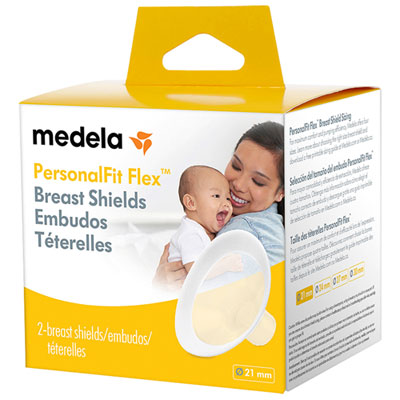 Your price for this item is $18.95
 -
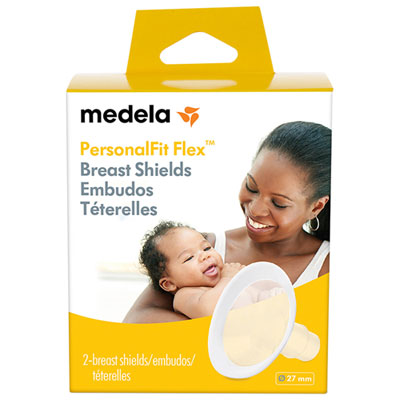 Your price for this item is $18.99
 -
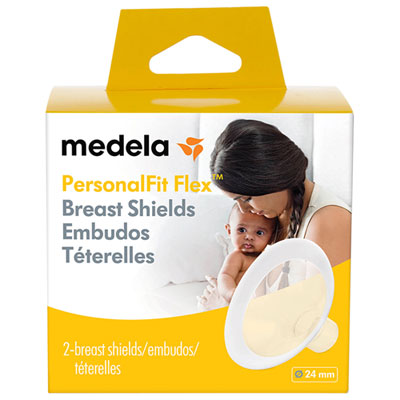 Your price for this item is $18.95
 -
 Your price for this item is $99.99
 -
 Your price for this item is $23.99
 -
 Your price for this item is $41.99
 -
 Your price for this item is $47.99
 -
 Your price for this item is $18.88
Discover more categories related to Nursing Accessories
Top Collections:
Pokemon Centers, Kindle Devices, Best Budget Office Chairs, Apple iPhones 16, Canon G7X Cameras, iPhone 15 Apple, Alarm Clock, Refurbished Apple Laptops, Flip Phones, Best Laptops for Writers
Some products may be subject to Environmental Handling Fees
(EHF) depending on your province.
Learn more about EHFs.