Organic Cotton Potty Training Pants
If you're looking for a more eco-friendly option, then organic cotton potty training pants are the perfect choice. With their absorbent layers and easy-to-pull-up design, organic cotton potty training pants offer convenience without compromising on sustainability. Here are some great options for you.
Sort
Underwear-like comfort for practising through daytime accidents
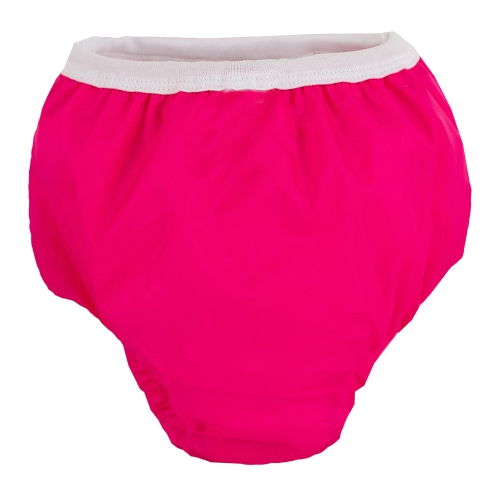
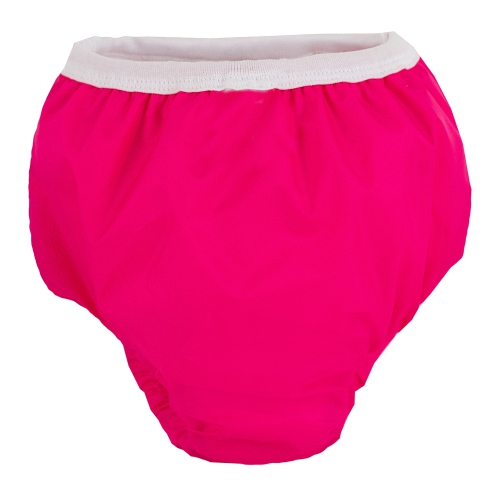
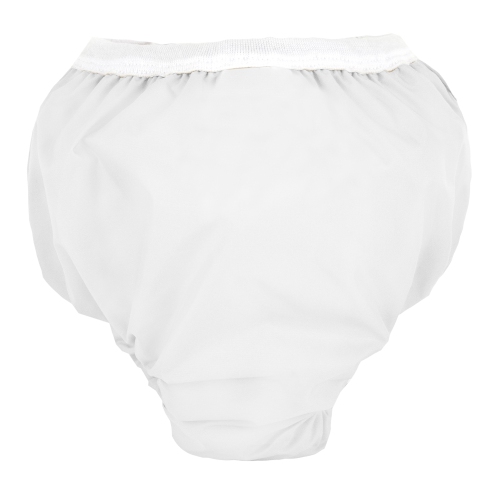
Organic cotton potty training pants are reusable cloth underwear designed to support toddlers as they move from diapers toward regular underwear. They have the familiar pull-on shape of big-kid underwear, helping children practise pushing the waistband down for toilet trips and pulling it back up when they are finished. A soft organic cotton inner layer provides a comfortable feel against the skin, while built-in absorbent fabric can help catch small daytime accidents. Many styles also include a discreet water-resistant or waterproof layer and extra fabric through the middle, offering some protection for drips and light leaks without the bulk of a traditional diaper. This balance is useful during the learning stage: a child can notice that the fabric feels damp after an accident, while caregivers have a little more time to reach the bathroom or change clothing. The coverage is generally intended for minor accidents rather than complete containment, so these pants are best viewed as a learning aid, not a replacement for diapers during naps, overnight sleep, long car rides, or outings where a change may be difficult. When comparing options, consider your child’s current waist and leg measurements, the recommended weight range, and how easily the waistband stretches. A close but comfortable fit helps reduce gaps around the legs, while a flexible opening makes independent dressing less frustrating. Toddlers often want to do everything themselves, and a pair that can be pulled down quickly can turn a rushed bathroom trip into a small success.
The amount of absorbency is another important consideration. Training pants with a slim, discreet insert or sewn-in absorbent layer may work well for children who are already recognizing the need to use the toilet and have only occasional dribbles. A thicker centre panel may be more suitable during the earlier part of training, when accidents are more frequent, though no reusable trainer can be expected to hold the same volume as a diaper. Look for descriptions that clearly explain whether the absorbent layer is sewn in, removable, or supported by a separate insert, and check how the product should be washed before purchase. Having several pairs available makes it easier to keep the routine moving through busy mornings, daycare changes, playdates, and trips to the park. It is also helpful to keep a spare pair and a change of clothing in a small bag, particularly during the cooler months when damp trousers can become uncomfortable quickly. Before first use, wash the pants according to the care instructions so the fabric is clean and ready to wear. A typical care routine may include machine washing in warm water, such as up to 40°C, followed by thorough drying. Avoid fabric softeners and heavy detergent, which can leave a coating on the fibres and reduce absorbency over time. Promptly rinsing or washing soiled pants can help prevent lingering odours and make the next wear more pleasant. As with any children’s clothing, inspect the seams, elastic, snaps, and waterproof layer regularly, and replace a pair if it becomes worn, uncomfortable, or no longer fits securely.
Organic cotton potty training pants can be useful at home, at childcare, while visiting family, or during everyday errands when a toddler is building confidence with toilet routines. They are especially practical for caregivers who want a softer, underwear-like option for daytime practice without moving straight from diapers to ordinary underwear. Some families introduce them for a few hours at a time, perhaps after breakfast or before an afternoon outing, then gradually extend wear as bathroom habits become more consistent. Others use them as a backup under loose clothing while keeping a diaper available for sleep. Children may enjoy choosing a colour, pattern, or design that makes the transition feel special, and familiar routines—walking to the bathroom, lowering the pants, sitting, washing hands, and getting dressed again—can make each step easier to remember. These pants can also make a thoughtful gift for a toddler approaching toilet training, especially when paired with practical extras such as washable clothing, a travel change bag, or child-sized bathroom accessories. Gift shoppers should check the child’s approximate size with the caregiver, since training often begins at different ages and children’s proportions vary. For more options across reusable and disposable styles, explore Potty Training Pants and compare the fit, absorbency, materials, care requirements, and intended use of each choice. With realistic expectations and a few spare pairs on hand, organic cotton potty training pants can help make everyday practice feel less like a major milestone and more like one manageable part of a toddler’s normal routine.
The amount of absorbency is another important consideration. Training pants with a slim, discreet insert or sewn-in absorbent layer may work well for children who are already recognizing the need to use the toilet and have only occasional dribbles. A thicker centre panel may be more suitable during the earlier part of training, when accidents are more frequent, though no reusable trainer can be expected to hold the same volume as a diaper. Look for descriptions that clearly explain whether the absorbent layer is sewn in, removable, or supported by a separate insert, and check how the product should be washed before purchase. Having several pairs available makes it easier to keep the routine moving through busy mornings, daycare changes, playdates, and trips to the park. It is also helpful to keep a spare pair and a change of clothing in a small bag, particularly during the cooler months when damp trousers can become uncomfortable quickly. Before first use, wash the pants according to the care instructions so the fabric is clean and ready to wear. A typical care routine may include machine washing in warm water, such as up to 40°C, followed by thorough drying. Avoid fabric softeners and heavy detergent, which can leave a coating on the fibres and reduce absorbency over time. Promptly rinsing or washing soiled pants can help prevent lingering odours and make the next wear more pleasant. As with any children’s clothing, inspect the seams, elastic, snaps, and waterproof layer regularly, and replace a pair if it becomes worn, uncomfortable, or no longer fits securely.
Organic cotton potty training pants can be useful at home, at childcare, while visiting family, or during everyday errands when a toddler is building confidence with toilet routines. They are especially practical for caregivers who want a softer, underwear-like option for daytime practice without moving straight from diapers to ordinary underwear. Some families introduce them for a few hours at a time, perhaps after breakfast or before an afternoon outing, then gradually extend wear as bathroom habits become more consistent. Others use them as a backup under loose clothing while keeping a diaper available for sleep. Children may enjoy choosing a colour, pattern, or design that makes the transition feel special, and familiar routines—walking to the bathroom, lowering the pants, sitting, washing hands, and getting dressed again—can make each step easier to remember. These pants can also make a thoughtful gift for a toddler approaching toilet training, especially when paired with practical extras such as washable clothing, a travel change bag, or child-sized bathroom accessories. Gift shoppers should check the child’s approximate size with the caregiver, since training often begins at different ages and children’s proportions vary. For more options across reusable and disposable styles, explore Potty Training Pants and compare the fit, absorbency, materials, care requirements, and intended use of each choice. With realistic expectations and a few spare pairs on hand, organic cotton potty training pants can help make everyday practice feel less like a major milestone and more like one manageable part of a toddler’s normal routine.
Top selling and popular products
-
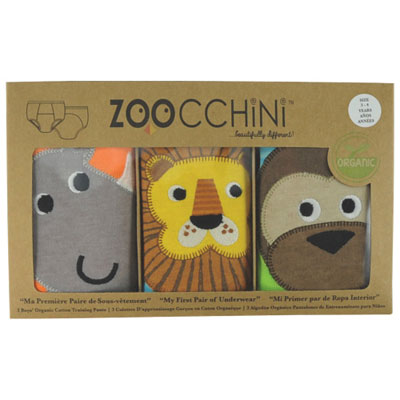 Your price for this item is $34.99
 -
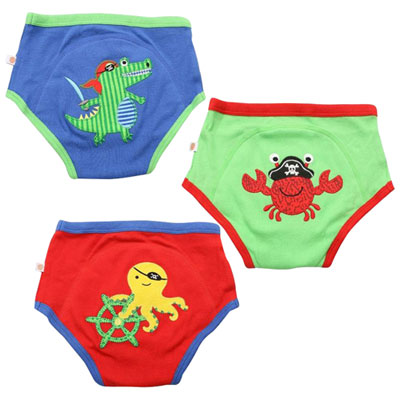 Your price for this item is $34.99
 -
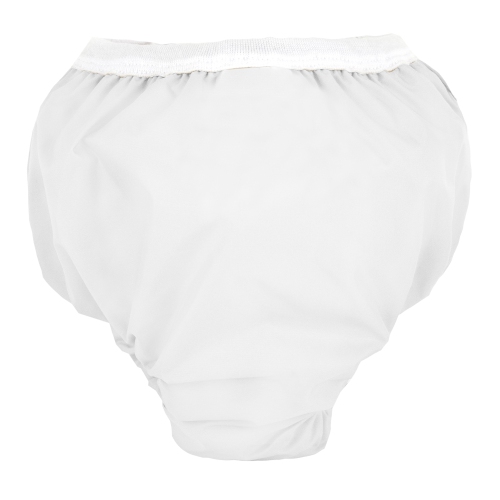 Your price for this item is $14.99
 -
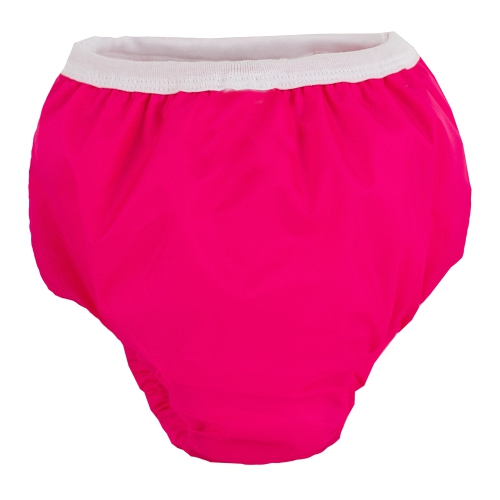 Your price for this item is $14.99
 -
 Your price for this item is $14.99
 -
 Your price for this item is $14.99
 -
 Your price for this item is $14.99
Discover more categories related to Organic Cotton Potty Training Pants
Top Collections:
Pokemon Centers, Kindle Devices, Best Budget Office Chairs, Apple iPhones 16, Canon G7X Cameras, iPhone 15 Apple, Alarm Clock, Refurbished Apple Laptops, Flip Phones, Best Laptops for Writers
Some products may be subject to Environmental Handling Fees
(EHF) depending on your province.
Learn more about EHFs.