Training Pants
Training pants are an essential step in your child's journey toward independence, offering a comfortable and convenient transition from diapers to regular underwear. Designed with both parents and toddlers in mind, these innovative garments provide the perfect blend of flexibility and support, making potty training a more enjoyable experience for everyone involved. At Best Buy Canada, our selection of training pants caters to a variety of needs and preferences, ensuring that you find the right fit for your little one as they take this important developmental step. Explore options that prioritize ease of use, comfort, and style to help your child gain confidence and embrace their new milestone with pride.
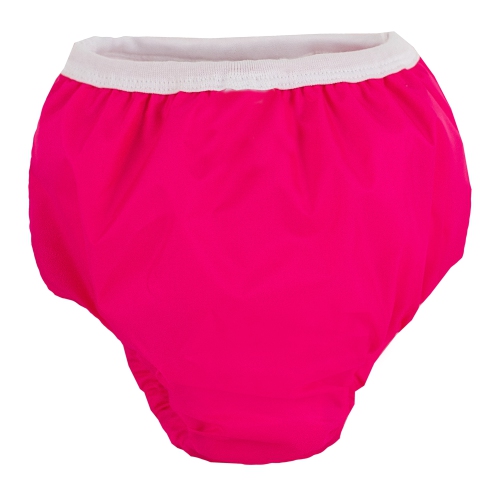
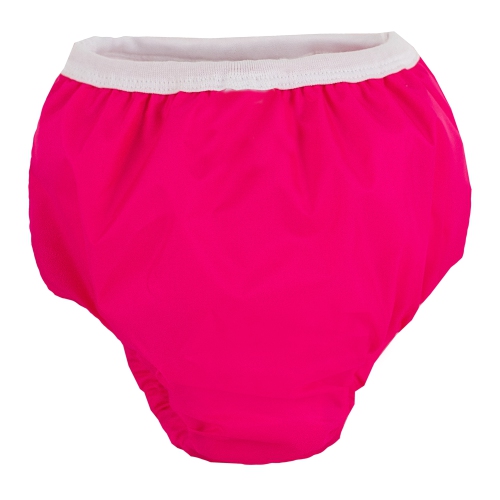
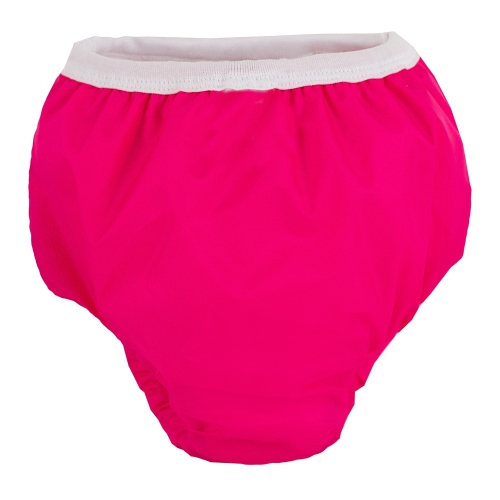
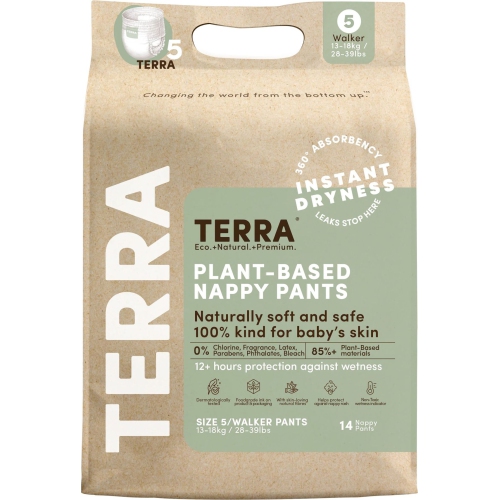




A little reassurance between diapers and regular underwear
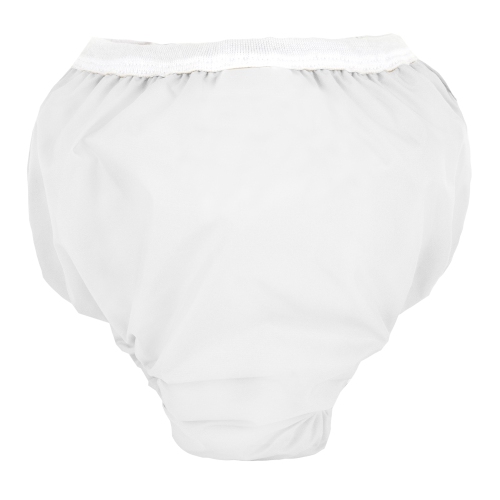
Materials and fit shape how training pants feel through a busy toddler’s day, from sitting with a picture book to crouching beside a toy bin. Cotton and cotton-rich fabrics can provide a soft, familiar feel, while blends containing stretch fibres allow the waistband and leg openings to move with the body. Absorbent inner layers vary in thickness and composition, and some designs include a water-resistant barrier to help limit moisture reaching outer clothing. That barrier does not make every pair leakproof; the amount of liquid, fit around the legs, and time before changing all affect performance. Some washable styles allow a child to notice dampness more readily, whereas other constructions draw moisture away from the skin. Neither feature replaces regular checks and prompt changes when pants are wet or soiled. A comfortable fit sits securely at the waist without digging in, with leg openings close enough to contain small leaks but not so tight that they leave persistent marks. Sizing is best understood through the maker’s measurements or weight range rather than age alone, since toddlers of the same age can have quite different proportions. Pants that sag, twist, or bunch under clothing may be too large or the wrong shape, while a waistband that is difficult to pull down can make an urgent toilet visit harder. Extra room is not necessarily helpful if it creates gaps around the legs. Easy-grip waistbands and stretch that returns to shape can support repeated dressing practice throughout the day. Simple outer clothing matters, too: a child wearing trousers with an elastic waist has fewer fastenings to manage than one wearing several buttons or a belt. For children sensitive to textures, smooth seams, soft edges, and minimal bulk may make the transition more comfortable. Colours and patterns can add familiarity or give a toddler a small choice in the routine, but comfort and manageable fit remain the more useful everyday features.
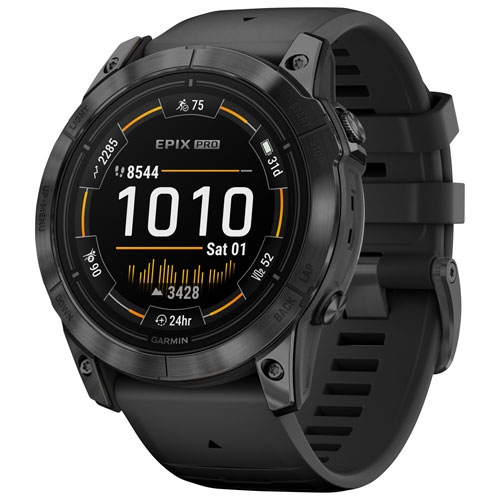
Care requirements are especially important for washable training pants because they may go through frequent changes and laundry cycles. The care label should guide washing temperature, detergent use, and drying method, particularly when absorbent layers, elastic, or a moisture-resistant covering are involved. Some fabrics benefit from washing before first use, and some constructions have restrictions on fabric softeners or high dryer heat. Thorough drying between uses helps keep the inner layers ready for wear; thicker padding may take longer to dry than ordinary underwear. Durable training pants should hold their shape through repeated pulling, washing, and drying, with secure stitching and elastic that remains comfortable rather than becoming loose or brittle. Checking seams, leg openings, and the condition of any protective layer can reveal wear that affects fit or containment. Disposable training pants have different practical considerations, including clear front-and-back markings, secure sides, and a design that caregivers can remove without spreading a mess. Used disposable pants belong in the rubbish, not the toilet. Away from home, spare pairs, a change of clothing, and a washable or sealable bag for wet garments can make an accident easier to handle without cutting an outing short. Daycare routines may also influence the choice between washable and disposable styles, especially where staff have specific changing and storage arrangements. Consistent, simple language between caregivers can help children understand what happens when pants feel wet and where to find the toilet. For caregivers combining family walks with their own fitness routines, Training Watches can track personal activity, while spare training pants and an accessible change of clothing help keep outings manageable. Whether the day involves play at home, childcare, or a visit with relatives, the useful role of training pants stays the same: providing manageable accident protection while a child builds familiarity with underwear and toileting. Comfortable materials, an easy-to-handle fit, and care requirements that suit the household make that everyday role easier to maintain.
Top selling and popular products
-
 Your price for this item is $100
-
 Your price for this item is $27.99
-
 Your price for this item is $27.99
-
 Your price for this item is $27.99
-
 Your price for this item is $16.99
-
 Your price for this item is $39.99
-
 Your price for this item is $24.99
-
 Your price for this item is $69