Philips Avent Bottles
Discover a wide selection of Philips Avent bottle options designed to make feeding time more convenient and comfortable for both you and your baby. Whether you’re preparing for a newborn or looking to upgrade your current feeding essentials, the Philips Avent bottle collection offers versatile choices to suit your family’s needs. Explore the available styles and find the right fit to help simplify every feeding routine.
Sort
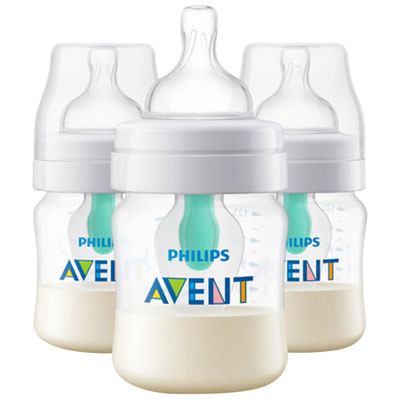
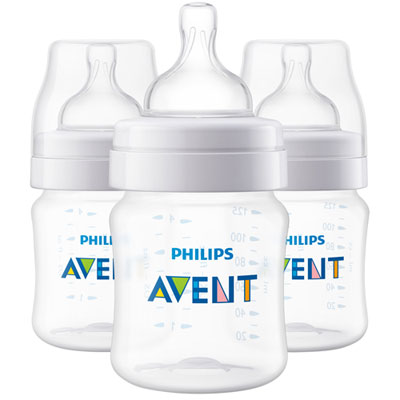
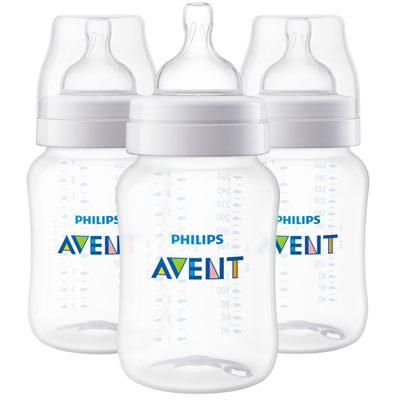
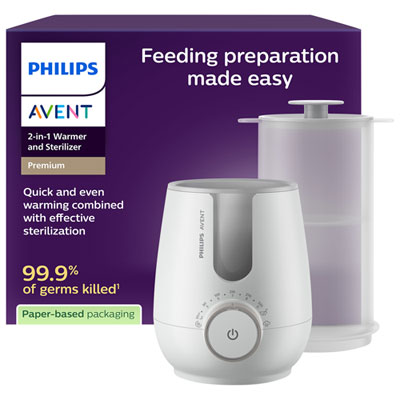
Thoughtful bottle features can simplify feeding from day one
Choosing the right baby bottles can make everyday feeding feel more comfortable, organised, and predictable for both babies and their caregivers. Bottles are commonly used for expressed breast milk, formula, combination feeding, or occasional feeds when another caregiver is sharing the routine. A well-chosen bottle can also be helpful when feeding takes place away from home, during overnight wake-ups, or while a parent is returning to work or managing a busy household. When browsing baby bottles, consider the bottle’s capacity, shape, materials, included nipple, and ease of cleaning. Smaller bottles may suit newborn feeds, while larger capacities can be convenient as appetites grow. Some families prefer lightweight plastic bottles for travel and day-to-day use, while others look for glass options that feel substantial in the hand. The shape can affect how easily a caregiver holds the bottle during a sleepy early-morning feed, and a wide opening may make filling and washing simpler. Nipple design is another important consideration. Different nipple shapes, textures, and flow rates are available for different stages, and a slower flow may be more suitable for younger babies while faster-flow options can be considered as feeding skills develop. Every baby is different, so it may take some trial and observation to find the combination that feels most comfortable. Signs such as frequent coughing, leaking, gulping, frustration, or unusually long feeds can indicate that the nipple flow or bottle style may not be the best fit, although caregivers should seek professional guidance whenever feeding concerns persist.
Features designed to support a smoother feed can be especially appealing for families navigating the early months. Vented bottle systems may help limit the amount of air a baby takes in during feeding, which can be useful for babies who seem prone to fussiness, burping, or discomfort. These features are not a substitute for attentive feeding, and positioning still matters: holding the bottle at an angle that keeps the nipple filled with milk can help reduce air intake, while paced feeding may allow a baby to drink at a more comfortable rhythm. Caregivers can watch for pauses, relaxed hands, and signs of fullness rather than encouraging a baby to finish every bottle. The practical details matter just as much as the feeding design. Bottles with fewer small parts may be easier to assemble correctly, especially when a caregiver is tired, while clearly marked measurements can help with accurate preparation. Look for components that are simple to separate, rinse, and clean thoroughly, and check the manufacturer’s care instructions before using a dishwasher, bottle warmer, or sterilizing method. Keeping several bottles on hand can reduce pressure between feeds, particularly when one set is drying on a rack or packed in a diaper bag. It is also helpful to check that replacement nipples and other compatible components are available, since nipples may need to be changed as feeding stages progress or if they show signs of wear. Families preparing for a new arrival may appreciate a bottle set as a practical shower or welcome-home gift, while experienced parents may value extra bottles for grandparents, childcare providers, or the nursery. For gift-givers, choosing a versatile assortment can be more useful than selecting a large quantity of one particular size, especially when the baby’s preferences are still developing.
Baby bottles also become part of a wider daily rhythm that changes as the weather warms, routines shift, and the cooler months bring more time indoors. For outings, consider how easily bottles can fit into an insulated bag, whether caps stay secure, and how straightforward they are to label and pack. A bottle that is easy to hold with one hand can be convenient during a stroller walk, while a durable option may be reassuring when it travels between home, childcare, and a relative’s house. At home, keeping clean bottles, nipples, and preparation supplies together in one area can make the routine feel less hurried, particularly during nighttime feeds when soft lighting and quiet movements are welcome. Caregivers may also want to keep a separate set for expressed milk and formula preparation, depending on their feeding plan, while following safe storage and preparation guidance from trusted health authorities. Inspect bottles and nipples regularly for cracks, cloudiness, stretching, or other changes, and replace worn parts promptly. As babies grow, they may begin holding the bottle independently, sitting more upright, or transitioning towards cups, so a bottle that works well in the newborn stage may not remain the best choice forever. For households planning ahead for gifting or stocking a nursery, seasonal promotions such as the Boxing Day Sale On Baby Bottles may offer another opportunity to compare sizes, accessories, and multipacks while keeping the focus on what suits the baby and the people caring for them. With the right balance of comfort, cleanability, capacity, and convenience, baby bottles can support calm feeds and make the many small moments of early parenthood a little easier to manage.
Features designed to support a smoother feed can be especially appealing for families navigating the early months. Vented bottle systems may help limit the amount of air a baby takes in during feeding, which can be useful for babies who seem prone to fussiness, burping, or discomfort. These features are not a substitute for attentive feeding, and positioning still matters: holding the bottle at an angle that keeps the nipple filled with milk can help reduce air intake, while paced feeding may allow a baby to drink at a more comfortable rhythm. Caregivers can watch for pauses, relaxed hands, and signs of fullness rather than encouraging a baby to finish every bottle. The practical details matter just as much as the feeding design. Bottles with fewer small parts may be easier to assemble correctly, especially when a caregiver is tired, while clearly marked measurements can help with accurate preparation. Look for components that are simple to separate, rinse, and clean thoroughly, and check the manufacturer’s care instructions before using a dishwasher, bottle warmer, or sterilizing method. Keeping several bottles on hand can reduce pressure between feeds, particularly when one set is drying on a rack or packed in a diaper bag. It is also helpful to check that replacement nipples and other compatible components are available, since nipples may need to be changed as feeding stages progress or if they show signs of wear. Families preparing for a new arrival may appreciate a bottle set as a practical shower or welcome-home gift, while experienced parents may value extra bottles for grandparents, childcare providers, or the nursery. For gift-givers, choosing a versatile assortment can be more useful than selecting a large quantity of one particular size, especially when the baby’s preferences are still developing.
Baby bottles also become part of a wider daily rhythm that changes as the weather warms, routines shift, and the cooler months bring more time indoors. For outings, consider how easily bottles can fit into an insulated bag, whether caps stay secure, and how straightforward they are to label and pack. A bottle that is easy to hold with one hand can be convenient during a stroller walk, while a durable option may be reassuring when it travels between home, childcare, and a relative’s house. At home, keeping clean bottles, nipples, and preparation supplies together in one area can make the routine feel less hurried, particularly during nighttime feeds when soft lighting and quiet movements are welcome. Caregivers may also want to keep a separate set for expressed milk and formula preparation, depending on their feeding plan, while following safe storage and preparation guidance from trusted health authorities. Inspect bottles and nipples regularly for cracks, cloudiness, stretching, or other changes, and replace worn parts promptly. As babies grow, they may begin holding the bottle independently, sitting more upright, or transitioning towards cups, so a bottle that works well in the newborn stage may not remain the best choice forever. For households planning ahead for gifting or stocking a nursery, seasonal promotions such as the Boxing Day Sale On Baby Bottles may offer another opportunity to compare sizes, accessories, and multipacks while keeping the focus on what suits the baby and the people caring for them. With the right balance of comfort, cleanability, capacity, and convenience, baby bottles can support calm feeds and make the many small moments of early parenthood a little easier to manage.
Top selling and popular products
-
 Your price for this item is $21.98
 -
 Your price for this item is $65.99
 -
 Your price for this item is $49.98
 -
 Your price for this item is $32.99
 -
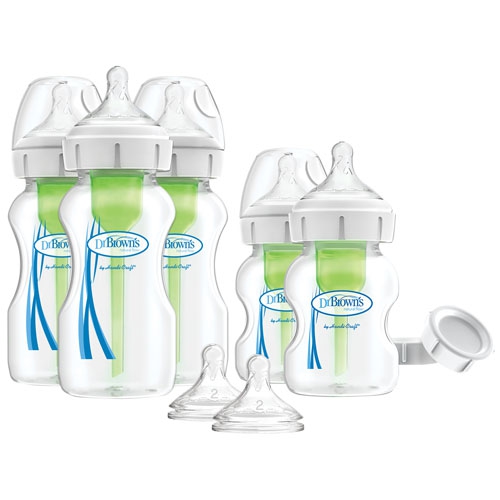 Your price for this item is $49.97
 -
 Your price for this item is $69.95
 -
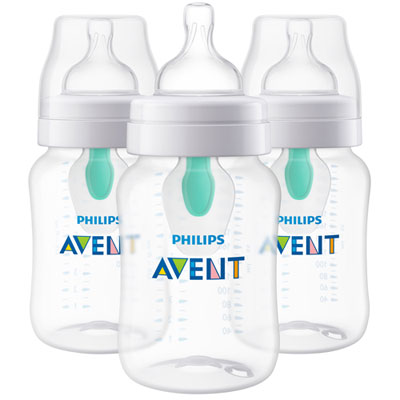 Your price for this item is $29.99
 -
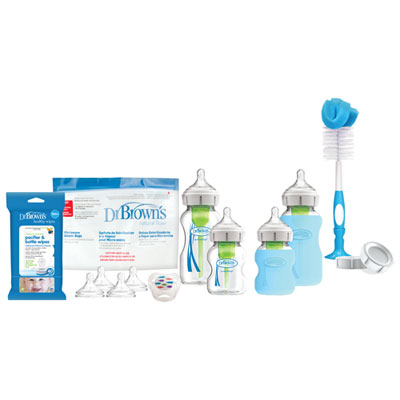 Your price for this item is $64.98
Discover more categories related to Philips Avent Bottles
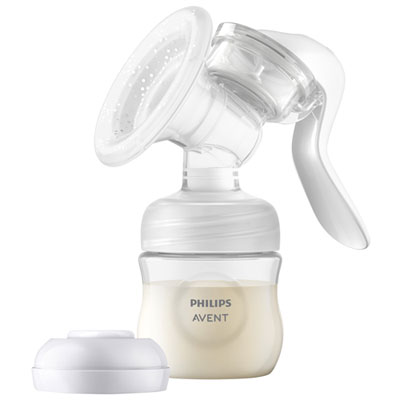
Top Collections:
Pokemon Centers, Kindle Devices, Best Budget Office Chairs, Apple iPhones 16, Canon G7X Cameras, iPhone 15 Apple, Alarm Clock, Refurbished Apple Laptops, Flip Phones, Best Laptops for Writers
Some products may be subject to Environmental Handling Fees
(EHF) depending on your province.
Learn more about EHFs.