Potty Training Seats
Looking to make the transition from diapers to the big-kid potty seamless and stress-free for your little one? Our selection of potty training seats is designed to help your child feel confident and comfortable during this important milestone. With a variety of styles and features to choose from, finding the perfect potty training seat to suit your child's needs and preferences has never been easier.
Sort

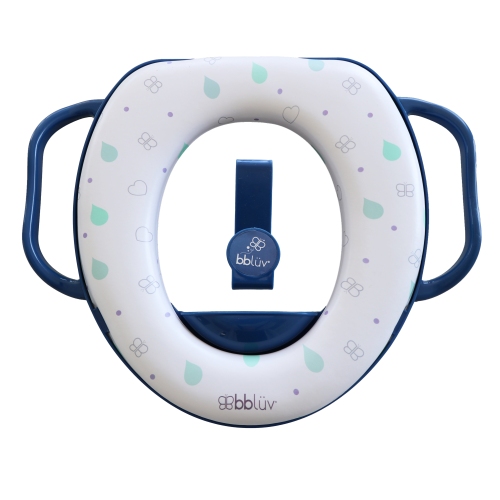
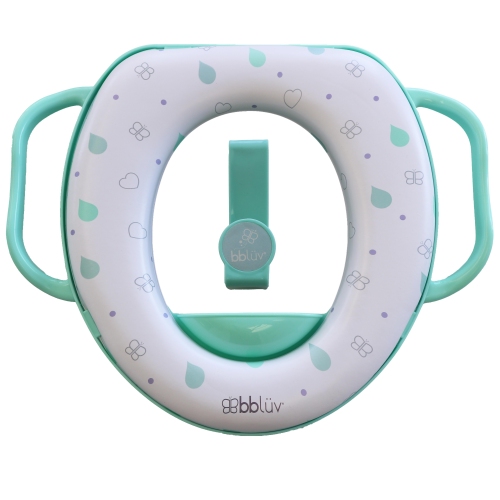
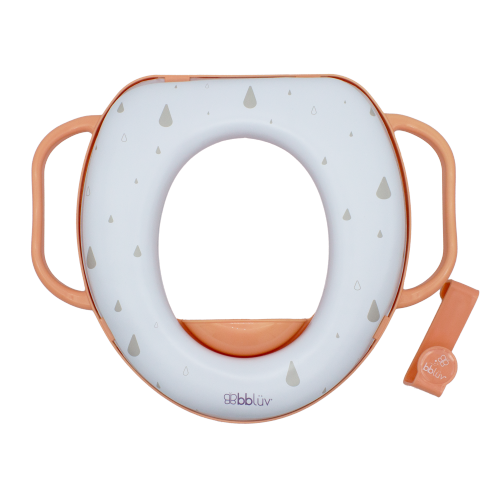
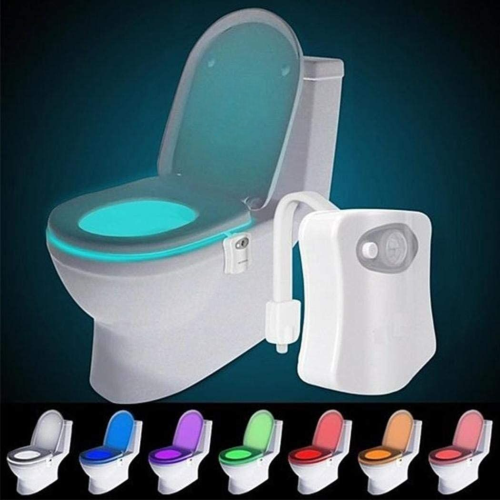
Supportive options for comfort, stability and bathroom routines
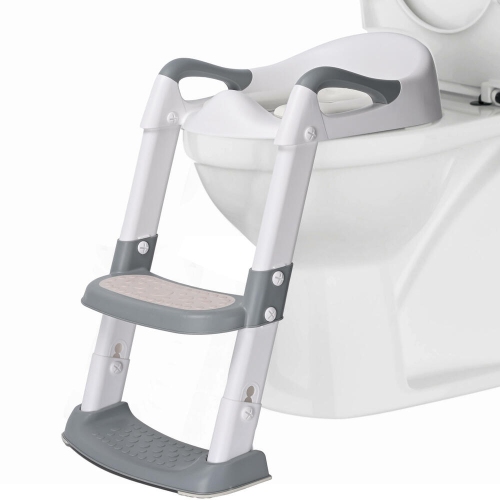
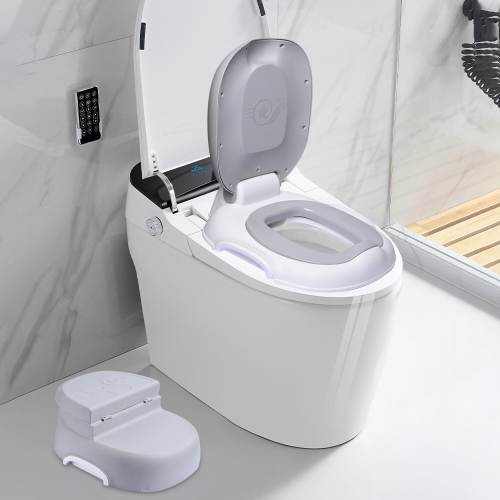
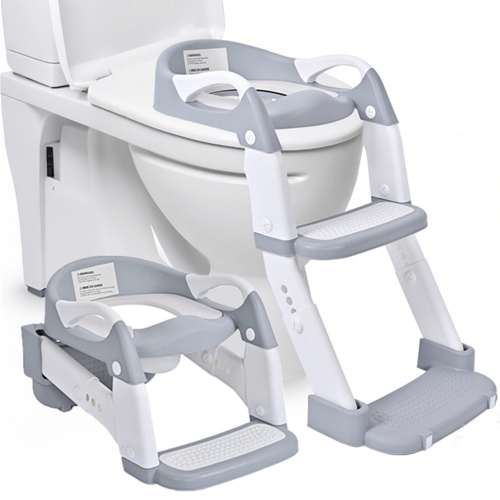
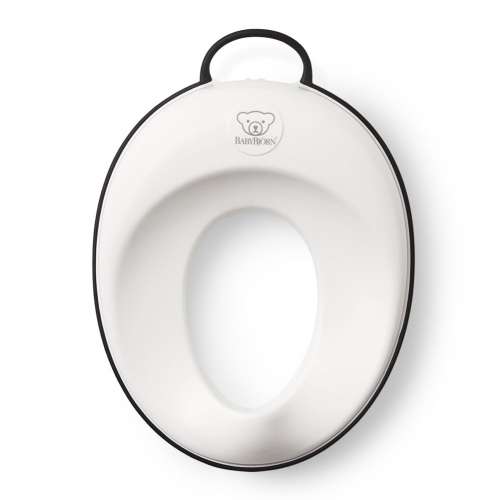
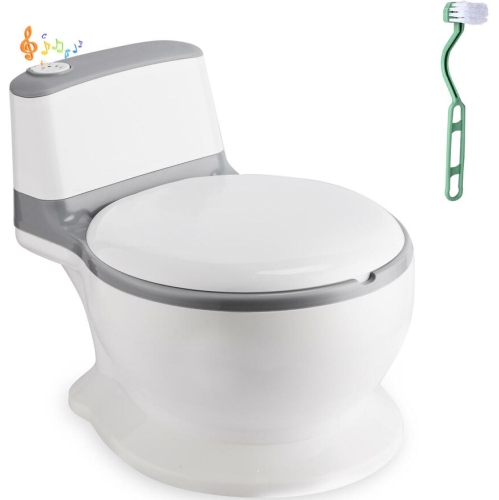
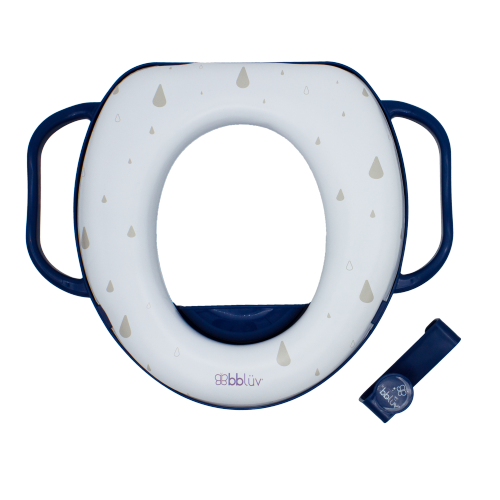
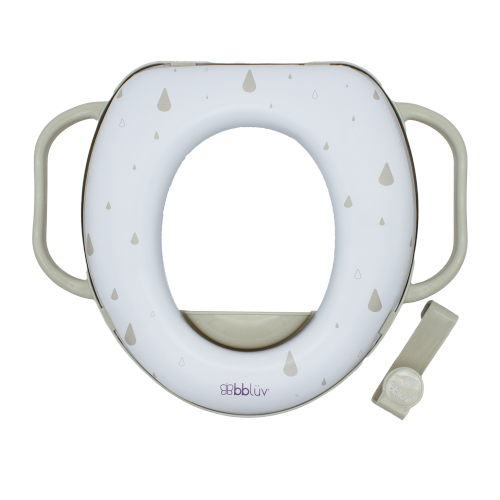
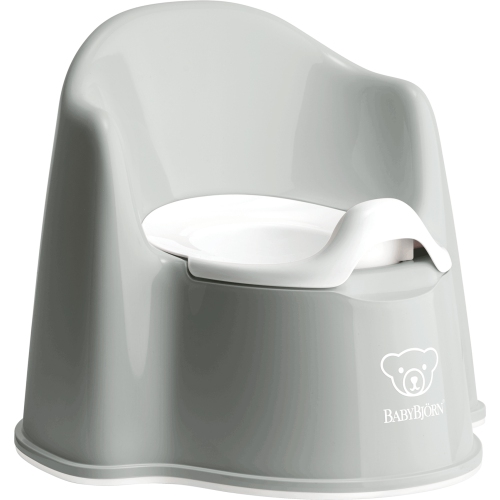
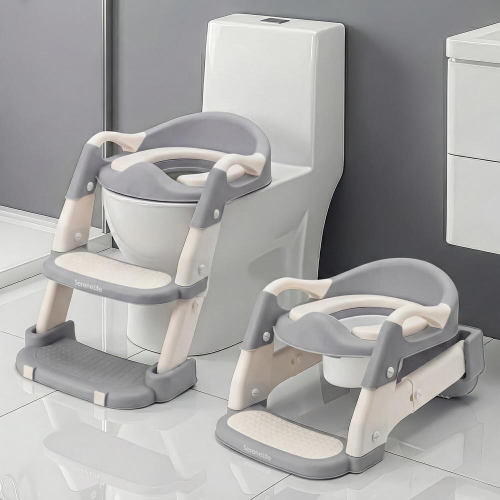
Potty training seats can make the transition from nappies to the toilet feel more manageable for toddlers and their caregivers. These products are designed with smaller proportions, supportive shapes and child-friendly features that help little ones become familiar with a new bathroom routine. Some are standalone floor potties with a removable bowl, while others are toilet inserts that sit on top of a full-size toilet seat. Standalone training chairs can be a reassuring first step for children who feel uneasy about climbing onto a high toilet or hearing the flush. Their low height allows little feet to rest on the floor, which can help a child feel more balanced and in control. Toilet inserts, on the other hand, are useful for families who prefer to transition directly to the household toilet and avoid having a separate potty in the bathroom. They are often shaped to reduce the opening size and may include handles, a non-slip underside or a splash guard for added comfort and confidence. A seat that works well for one child may not suit another, so it is worth considering your child’s size, confidence and preferred routine before choosing. Some toddlers like the independence of walking over to a small potty, sitting down and standing up without help. Others are eager to copy older siblings or adults and feel proud using the regular toilet with a secure insert. For a closer look at related options, explore Baby Potty products that can complement a new bathroom routine.
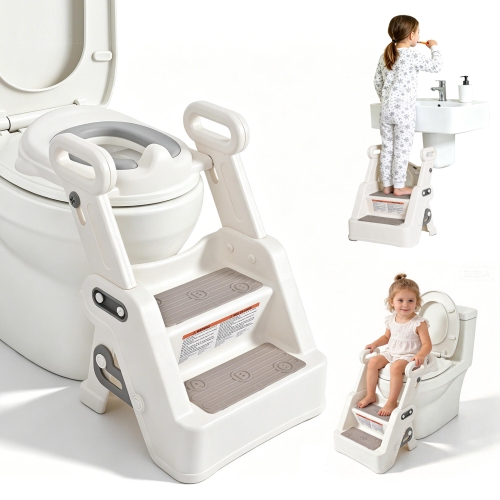
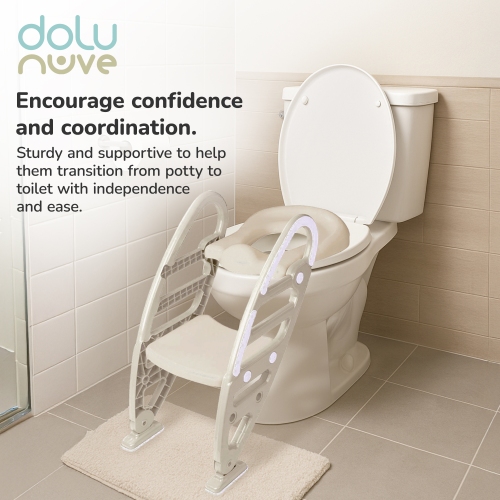
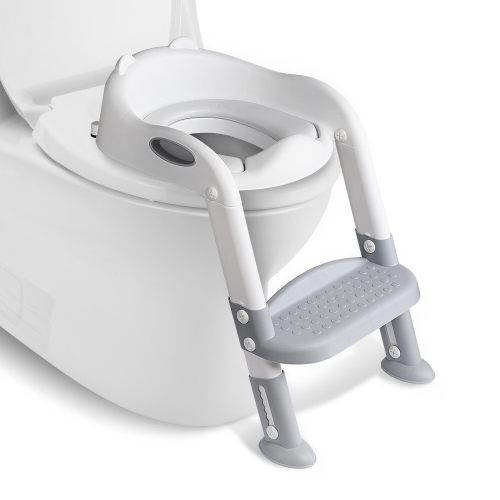
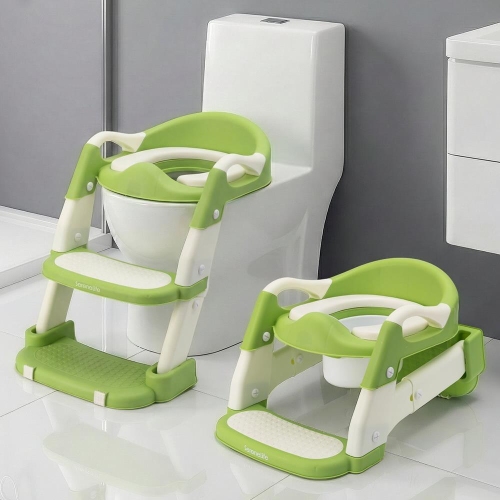
When comparing potty training seats, start with stability and fit. A standalone chair should sit firmly on the floor without rocking or sliding when a child lowers themselves onto it or stands up. Wide bases, grippy feet and a supportive back can be especially helpful for younger toddlers who are still developing balance. For a toilet insert, check that the dimensions are compatible with your toilet and that the seat rests securely rather than shifting from side to side. Handles can give a hesitant child something to hold, particularly during the first few attempts, while a raised splash guard may help contain messes for children who are still learning proper positioning. Comfort matters as well: a smooth, appropriately sized seat can make a longer sit less frustrating, and a contoured design may provide better support than a flat ring. Look for surfaces that are easy to wipe clean, removable bowls that lift out without complicated steps and finishes that do not trap residue around seams or hinges. A detachable insert or bowl can make regular cleaning simpler, especially during the early stages when accidents are part of the process. Some designs combine several functions, such as a floor potty, a toilet insert and a step stool, while ladder-style models can provide handholds and a gradual route up to the toilet. These versatile options may suit families with limited bathroom space, although they can take up more room when stored. A separate step stool may also be useful, since having both feet supported can help a child sit steadily and relax rather than dangle their legs above the floor. Keep the seat in a familiar, easy-to-reach location, and make sure an adult supervises use, particularly when a child is climbing or using a higher toilet. Features such as a lid, carrying handle or compact fold can be useful for storage and travel, but ease of cleaning and secure placement should remain the main priorities.
Potty training is rarely a perfectly straight line. A child may confidently use a small potty at home, then hesitate in an unfamiliar bathroom with a bright light, loud fan or automatic flush. Portable and foldable seats can offer a consistent surface for visits to relatives, restaurants, childcare settings and public washrooms, helping make the routine feel more familiar during outings. For travel, consider a lightweight design that is simple to carry, quick to position and easy to clean after use; a compact seat may fit in a nappy bag or overnight bag, while a standalone chair may be better suited to a cottage, guest bathroom or extended stay. Potty training seats can also be thoughtful gifts for new parents, families preparing for a toddler’s next stage or grandparents setting up a welcoming bathroom at their home. Practical details such as the child’s clothing, bathroom layout and available storage can influence the best choice. Easy-to-remove clothing and a clear path to the toilet can encourage independence, while a step stool placed nearby lets a child wash their hands afterwards without being lifted. During the cooler months, children may spend more time indoors, making a comfortable and dependable bathroom setup particularly useful as routines develop. Patience, encouragement and consistency often matter just as much as the seat itself: a calm voice, a familiar book or a favourite bathroom song can turn a tense moment into an ordinary part of the day. Whether you choose a standalone potty, a direct toilet insert, a multi-stage design or a portable travel seat, look for a product that supports your child’s comfort, keeps them stable and fits naturally into the way your household uses the bathroom.
When comparing potty training seats, start with stability and fit. A standalone chair should sit firmly on the floor without rocking or sliding when a child lowers themselves onto it or stands up. Wide bases, grippy feet and a supportive back can be especially helpful for younger toddlers who are still developing balance. For a toilet insert, check that the dimensions are compatible with your toilet and that the seat rests securely rather than shifting from side to side. Handles can give a hesitant child something to hold, particularly during the first few attempts, while a raised splash guard may help contain messes for children who are still learning proper positioning. Comfort matters as well: a smooth, appropriately sized seat can make a longer sit less frustrating, and a contoured design may provide better support than a flat ring. Look for surfaces that are easy to wipe clean, removable bowls that lift out without complicated steps and finishes that do not trap residue around seams or hinges. A detachable insert or bowl can make regular cleaning simpler, especially during the early stages when accidents are part of the process. Some designs combine several functions, such as a floor potty, a toilet insert and a step stool, while ladder-style models can provide handholds and a gradual route up to the toilet. These versatile options may suit families with limited bathroom space, although they can take up more room when stored. A separate step stool may also be useful, since having both feet supported can help a child sit steadily and relax rather than dangle their legs above the floor. Keep the seat in a familiar, easy-to-reach location, and make sure an adult supervises use, particularly when a child is climbing or using a higher toilet. Features such as a lid, carrying handle or compact fold can be useful for storage and travel, but ease of cleaning and secure placement should remain the main priorities.
Potty training is rarely a perfectly straight line. A child may confidently use a small potty at home, then hesitate in an unfamiliar bathroom with a bright light, loud fan or automatic flush. Portable and foldable seats can offer a consistent surface for visits to relatives, restaurants, childcare settings and public washrooms, helping make the routine feel more familiar during outings. For travel, consider a lightweight design that is simple to carry, quick to position and easy to clean after use; a compact seat may fit in a nappy bag or overnight bag, while a standalone chair may be better suited to a cottage, guest bathroom or extended stay. Potty training seats can also be thoughtful gifts for new parents, families preparing for a toddler’s next stage or grandparents setting up a welcoming bathroom at their home. Practical details such as the child’s clothing, bathroom layout and available storage can influence the best choice. Easy-to-remove clothing and a clear path to the toilet can encourage independence, while a step stool placed nearby lets a child wash their hands afterwards without being lifted. During the cooler months, children may spend more time indoors, making a comfortable and dependable bathroom setup particularly useful as routines develop. Patience, encouragement and consistency often matter just as much as the seat itself: a calm voice, a familiar book or a favourite bathroom song can turn a tense moment into an ordinary part of the day. Whether you choose a standalone potty, a direct toilet insert, a multi-stage design or a portable travel seat, look for a product that supports your child’s comfort, keeps them stable and fits naturally into the way your household uses the bathroom.
Top selling and popular products
-
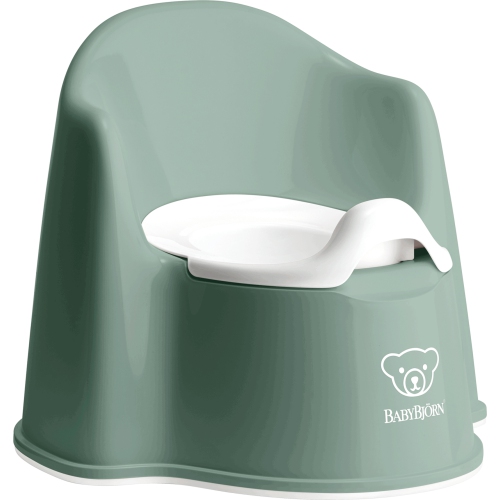 Your price for this item is $39.99
 -
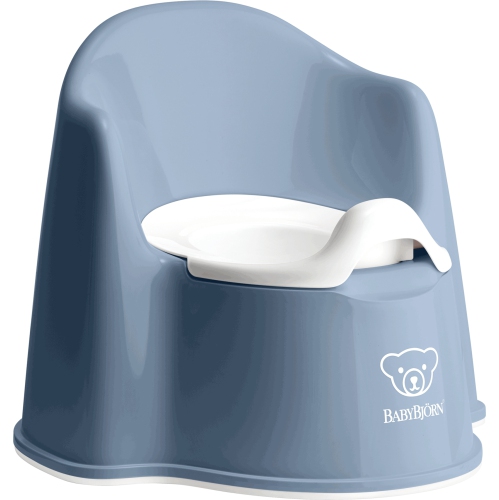 Your price for this item is $39.99
 -
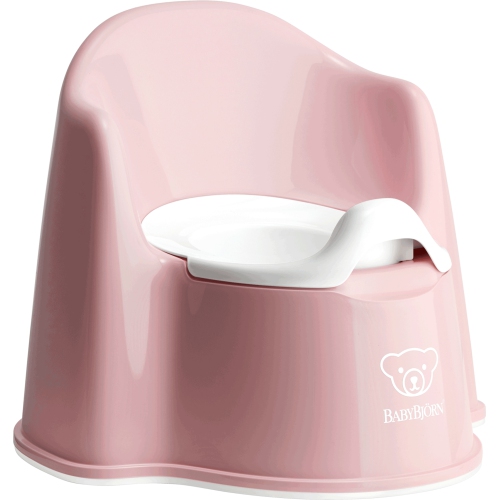 Your price for this item is $39.99
 -
 Your price for this item is $39.99
 -
 Your price for this item is $115.99
 -
 Your price for this item is $24.99
 -
 Your price for this item is $44.99
 -
 Your price for this item is $44.99
Discover more categories related to Potty Training Seats
Top Collections:
Pokemon Centers, Kindle Devices, Best Budget Office Chairs, Apple iPhones 16, Canon G7X Cameras, iPhone 15 Apple, Alarm Clock, Refurbished Apple Laptops, Flip Phones, Best Laptops for Writers
Some products may be subject to Environmental Handling Fees
(EHF) depending on your province.
Learn more about EHFs.