Baby Potty
Help your little one transition to the next stage of potty training with our selection of baby potties. Designed with comfort and convenience in mind, these essential tools make the learning process easier for both parents and toddlers. From portable options for on-the-go use to sturdy designs for at-home use, our range of baby potties offers something for every family. Explore our collection to find the perfect solution to support your child's journey towards independence and success in potty training.
Sort
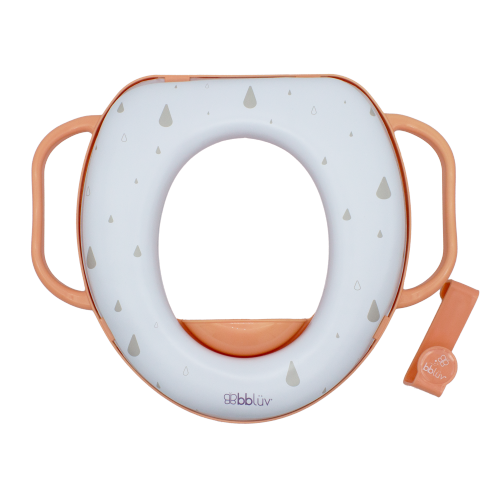
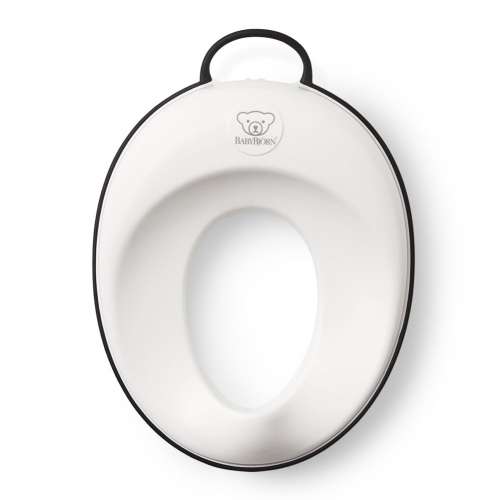

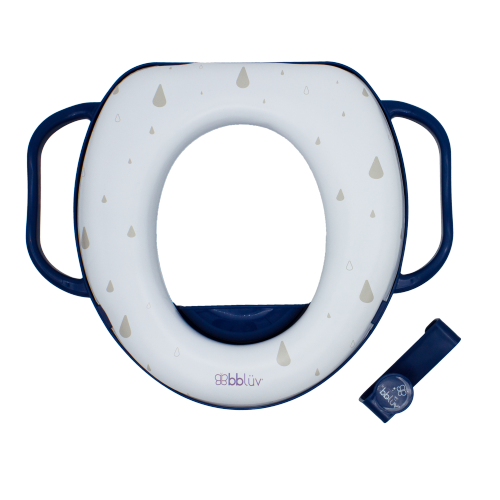
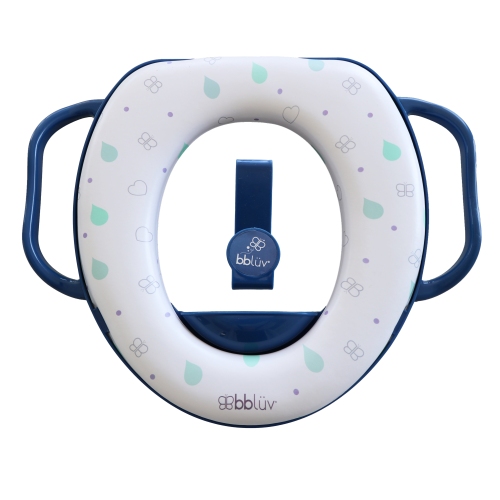
A familiar start to toilet learning at home
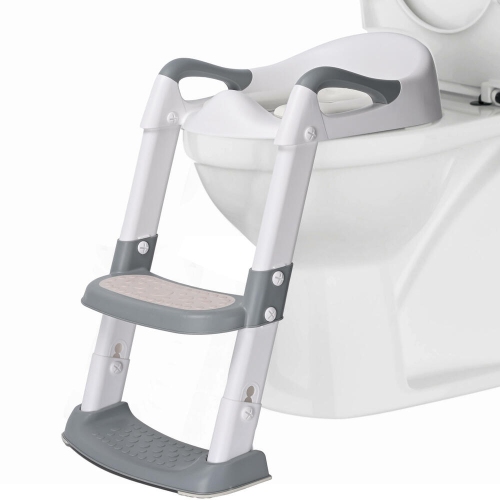
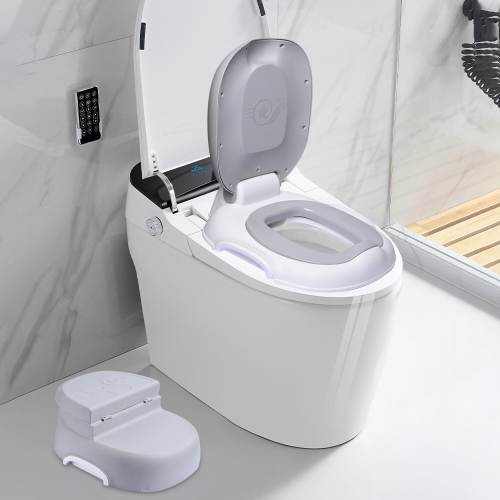
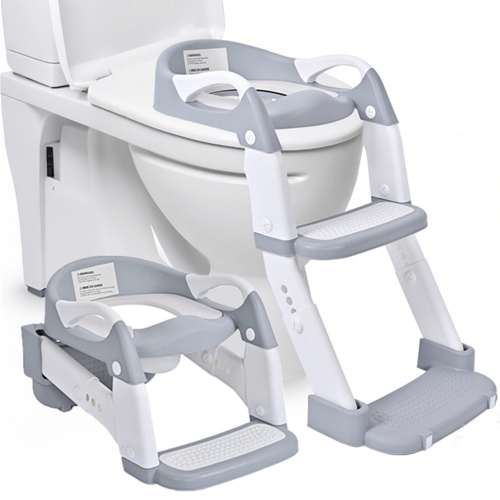
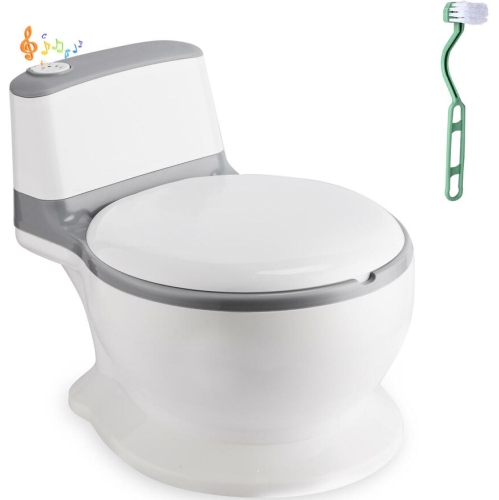
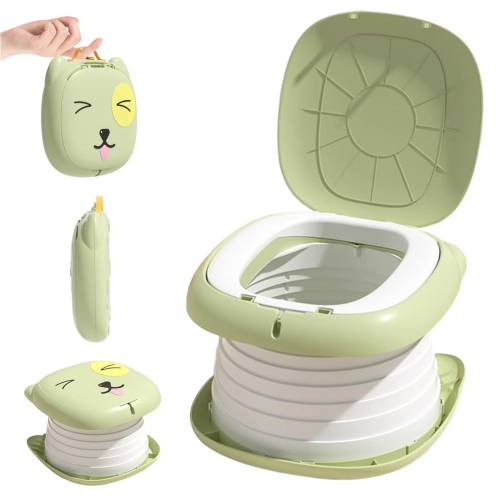
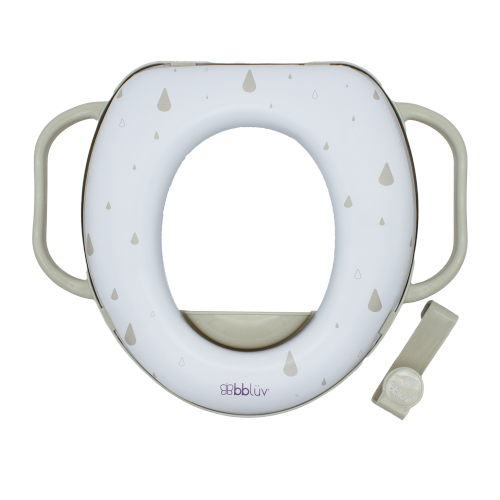
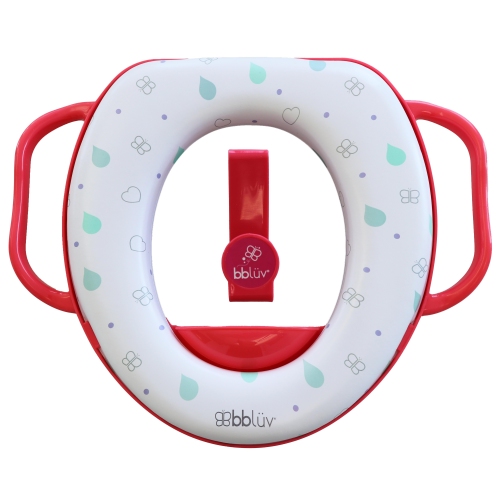
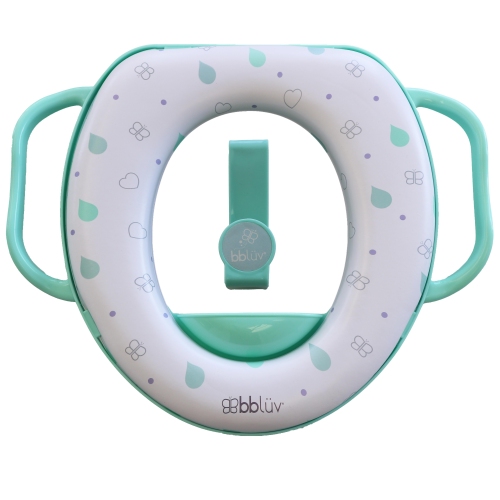
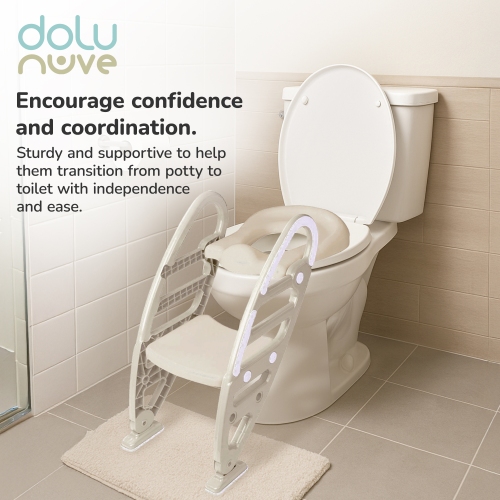
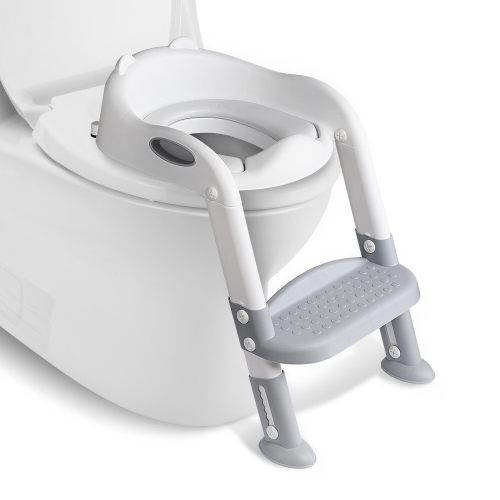
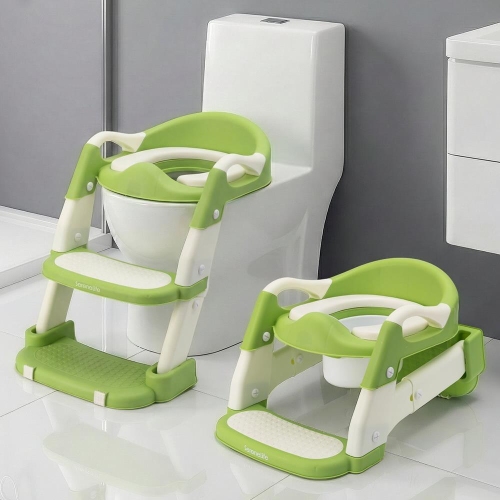
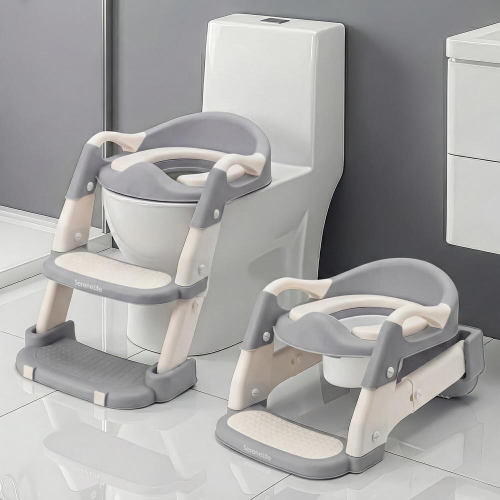
Baby potties can make the transition from nappies to the toilet feel more familiar, manageable and comfortable for toddlers and their caregivers. The right choice often depends on your child’s age, confidence, bathroom routine and the space available at home. A standalone potty chair can be a practical starting point for children who are learning what the toilet is used for, especially when they benefit from a low seat, stable base and feet that rest securely on the floor. This setup may help a child feel balanced while sitting and can make it easier to practise at their own pace. Some families place a potty in or near the bathroom, while others keep one close to the child’s play area during the early stages so it is easy to reach when needed. A removable bowl or inner container can simplify emptying and cleaning, while a smooth design with few crevices may make everyday care less time-consuming. Look for a broad, steady base and a seat that suits your child’s size, since a potty that shifts, tips or feels uncomfortable can make the process more frustrating. A splash guard may be useful for some children, although the best features will vary according to how the potty is used and your child’s posture. For toddlers who are ready to sit on the household toilet, a toilet seat insert can provide a smaller, more secure seating area without requiring them to balance on a full-size seat. Inserts are often paired with a sturdy step stool, allowing children to climb up with help and reach the seat comfortably. A child who is eager to imitate older family members may prefer this direct transition, while another may feel more at ease beginning with a separate chair. There is no single right path: some children use a standalone potty for a short period, some continue using one at home while practising on a toilet elsewhere, and others move to an insert once they are comfortable with the routine.
Portability is another important consideration for families who spend time away from home. A compact travel potty can be useful for road trips, visits with relatives, outings to parks and other situations where a familiar bathroom may not be available. Foldable designs can take up less room in a vehicle or day bag, while options that accommodate disposable liners may help with clean-up when access to running water is limited. Families may also appreciate a lightweight potty for keeping at a cottage, in a camper or at a second caregiver’s home, where a child can follow a familiar routine rather than adjusting to a different setup. During cooler months, quick access to a potty indoors can be especially convenient when children are wearing several layers of clothing or when a hurried trip outside is less appealing. Regardless of the style, place the potty on a level surface and supervise your child during use. It is helpful to explain each step in simple, reassuring language: noticing the need to go, walking to the potty, sitting safely, wiping with assistance and washing hands afterwards. Children develop at different rates, and occasional accidents are a normal part of learning. Comfortable clothing with easy-to-manage waistbands can make independent attempts simpler, while keeping spare clothes nearby can reduce stress for everyone. Clean the potty regularly according to its care directions, and check it from time to time for cracks, loose parts or worn anti-slip materials. If your child experiences ongoing pain, constipation or difficulty using the toilet, speak with a healthcare professional for suitable advice.
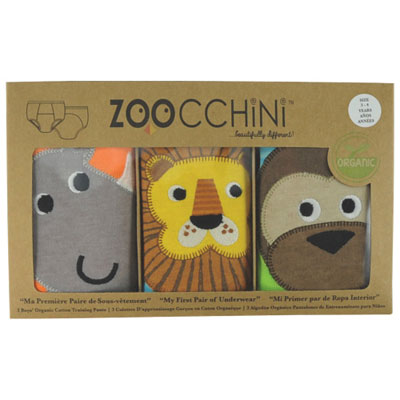
Baby potties can also be a thoughtful gift for a toddler or family preparing for this next stage, particularly when chosen with the child’s living arrangements and daily habits in mind. A simple standalone chair may suit a home beginning potty practice, while a toilet insert and step stool may be more appropriate for a child already showing interest in the bathroom. A travel-friendly option can be useful for grandparents, childcare providers or families who regularly visit different homes. When giving one as a gift, practical additions such as washable hand towels, child-sized soap or easy-to-remove clothing can support the routine without making the experience feel like a formal event. It is worth considering where the item will be stored, how it will be emptied and whether more than one caregiver will need to use it. A child who spends part of the week at another home may benefit from having a consistent style in both places, while families with limited bathroom space may favour a compact design that can be tucked away between uses. Potty training pants can also provide added confidence during naps, outings or the early days of transition; browse Potty Training Pants for options that complement a gradual routine. Above all, a good potty should feel secure, comfortable and straightforward to maintain. With patience, regular opportunities to practise and encouragement that matches the child’s personality, this everyday item can become a familiar part of growing independence rather than another source of pressure.
Portability is another important consideration for families who spend time away from home. A compact travel potty can be useful for road trips, visits with relatives, outings to parks and other situations where a familiar bathroom may not be available. Foldable designs can take up less room in a vehicle or day bag, while options that accommodate disposable liners may help with clean-up when access to running water is limited. Families may also appreciate a lightweight potty for keeping at a cottage, in a camper or at a second caregiver’s home, where a child can follow a familiar routine rather than adjusting to a different setup. During cooler months, quick access to a potty indoors can be especially convenient when children are wearing several layers of clothing or when a hurried trip outside is less appealing. Regardless of the style, place the potty on a level surface and supervise your child during use. It is helpful to explain each step in simple, reassuring language: noticing the need to go, walking to the potty, sitting safely, wiping with assistance and washing hands afterwards. Children develop at different rates, and occasional accidents are a normal part of learning. Comfortable clothing with easy-to-manage waistbands can make independent attempts simpler, while keeping spare clothes nearby can reduce stress for everyone. Clean the potty regularly according to its care directions, and check it from time to time for cracks, loose parts or worn anti-slip materials. If your child experiences ongoing pain, constipation or difficulty using the toilet, speak with a healthcare professional for suitable advice.
Baby potties can also be a thoughtful gift for a toddler or family preparing for this next stage, particularly when chosen with the child’s living arrangements and daily habits in mind. A simple standalone chair may suit a home beginning potty practice, while a toilet insert and step stool may be more appropriate for a child already showing interest in the bathroom. A travel-friendly option can be useful for grandparents, childcare providers or families who regularly visit different homes. When giving one as a gift, practical additions such as washable hand towels, child-sized soap or easy-to-remove clothing can support the routine without making the experience feel like a formal event. It is worth considering where the item will be stored, how it will be emptied and whether more than one caregiver will need to use it. A child who spends part of the week at another home may benefit from having a consistent style in both places, while families with limited bathroom space may favour a compact design that can be tucked away between uses. Potty training pants can also provide added confidence during naps, outings or the early days of transition; browse Potty Training Pants for options that complement a gradual routine. Above all, a good potty should feel secure, comfortable and straightforward to maintain. With patience, regular opportunities to practise and encouragement that matches the child’s personality, this everyday item can become a familiar part of growing independence rather than another source of pressure.
Top selling and popular products
-
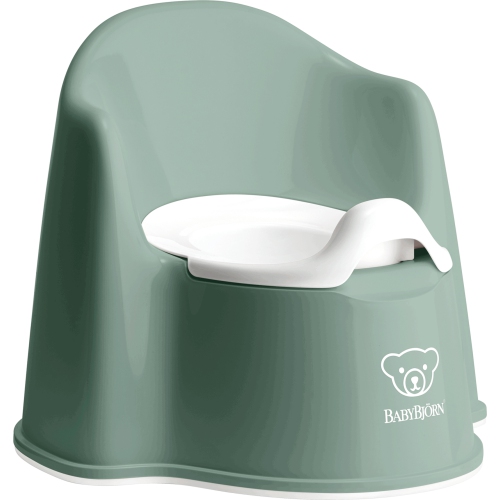 Your price for this item is $39.99
 -
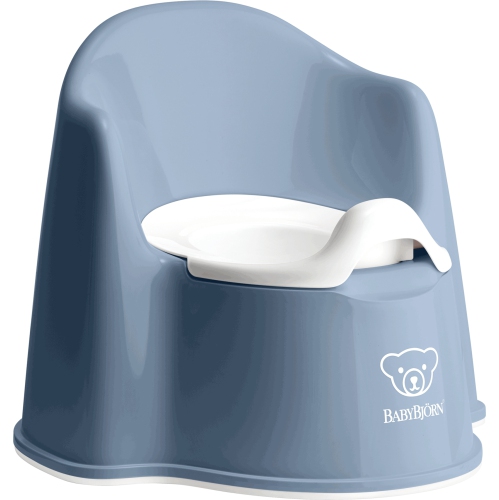 Your price for this item is $39.99
 -
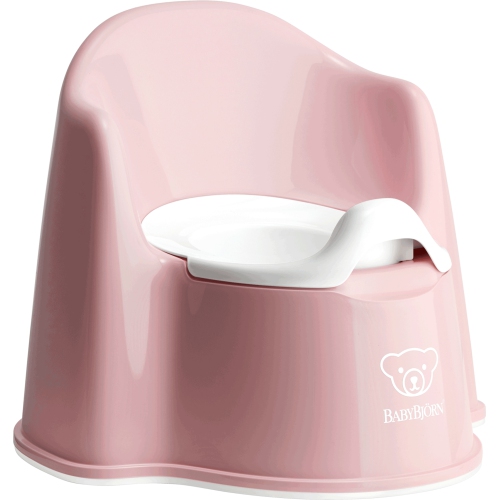 Your price for this item is $39.99
 -
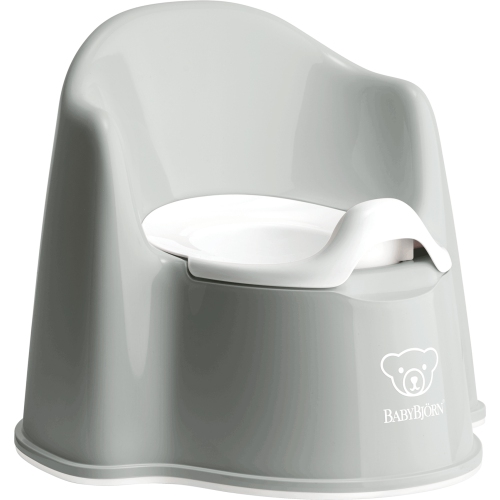 Your price for this item is $39.99
 -
 Your price for this item is $115.99
 -
 Your price for this item is $24.99
 -
 Your price for this item is $44.99
 -
 Your price for this item is $44.99
Discover more categories related to Baby Potty
Top Collections:
Pokemon Centers, Kindle Devices, Best Budget Office Chairs, Apple iPhones 16, Canon G7X Cameras, iPhone 15 Apple, Alarm Clock, Refurbished Apple Laptops, Flip Phones, Best Laptops for Writers
Some products may be subject to Environmental Handling Fees
(EHF) depending on your province.
Learn more about EHFs.