Pregnancy Underwear
Pregnancy underwear is designed to provide comfort and support throughout every stage of pregnancy. With a variety of styles and fits available, it’s easy to find options that suit your changing needs. Explore different choices to help you feel confident and at ease as your body grows and changes. Whether you’re looking for everyday essentials or something for special occasions, pregnancy underwear offers solutions for every mom-to-be.
Sort
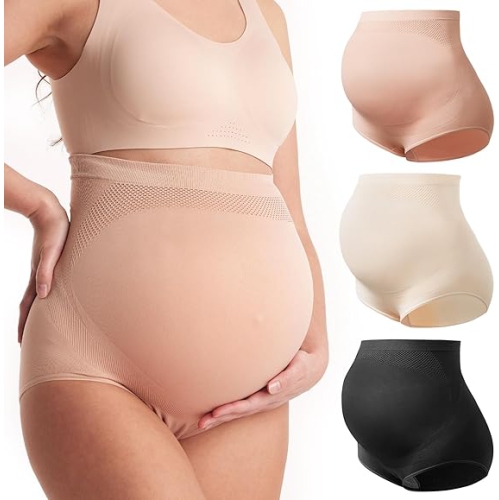
How waistband height shapes comfort as your belly grows
Pregnancy underwear is maternity underwear designed to accommodate a changing belly, hips, and waist, with cuts that offer more room and flexible coverage than many everyday briefs. The main styles are under-the-bump briefs, over-the-bump briefs, and absorbent maternity or postpartum underwear, each suited to different preferences and daily needs. Under-the-bump underwear sits low across the front, leaving the belly uncovered and keeping the waistband away from areas that may feel sensitive as pregnancy progresses. This shape can be comfortable beneath low-rise maternity trousers or for someone who dislikes fabric over their stomach while sitting at a desk. Over-the-bump underwear extends higher across the abdomen, providing fuller coverage and a gently held feeling beneath dresses, leggings, or loose layers during the cooler months. Some maternity briefs have a flexible waistband that can sit higher or fold down, although that feature depends on the design. Neither rise is inherently better for a particular trimester: belly shape, skin sensitivity, clothing choices, and personal comfort all influence the fit. A waistband should stay in place without digging in, while leg openings should lie comfortably against the skin rather than pinch or leave deep marks. Enough room through the seat and gusset helps prevent pulling when walking, bending, or turning over in bed. Maternity sizing is not uniform, so measurements and the maker’s size chart are more useful than automatically moving up one size from regular underwear. Some designs follow pre-pregnancy sizing, while others use current hip or waist measurements. Stretch provides flexibility, but a pair that feels tight when first put on is unlikely to become more comfortable through a long day. Comfortable pregnancy briefs allow ordinary movement, whether that means sitting through a commute, reaching down to tie a shoe, or settling onto the sofa, without repeated waistband adjustments. Flat edges and well-positioned seams can make as much difference as the amount of belly coverage.
Fabric and construction shape how maternity underwear feels after several hours of wear. Cotton-rich fabrics are often chosen for their softness and breathability, while blends containing elastane add stretch that helps the garment move with the body. Modal and other soft knitted fibres can create a smooth, draping feel, and synthetic blends may offer quick-drying or moisture-wicking properties when those features are part of the fabric’s design. Fibre content alone does not tell the whole story: a thick fabric, a tight knit, or several layers can feel warmer than a lighter construction made from similar materials. A soft gusset, smooth stitching, and a waistband with even stretch are especially relevant for skin that has become more sensitive. Seamless maternity underwear generally reduces prominent seams around the body, but it may still have stitching at the gusset or openings; the term does not guarantee a completely seam-free garment. Low-profile edges can sit discreetly beneath fitted clothing, while fuller briefs may offer the coverage preferred under looser trousers or nightwear. Lace, trims, and narrow elastic can change how a pair feels against the skin, particularly where clothing presses over the hips. Durability matters because frequently worn underwear needs to retain its shape through repeated washing. Stretch that returns after being gently extended, secure stitching, and a gusset that stays flat are useful construction details. Care requirements vary by fabric and finish, so the garment label remains the best reference for washing temperature, drying method, and any restrictions on laundry products. Excessive heat can weaken elastic fibres, and rough fasteners from other garments may catch delicate fabric in a mixed load. A laundry bag can help limit snagging when machine washing is permitted. Having enough pairs for the usual laundry routine also gives slower-drying fabrics time to dry fully between wears. For everyday comfort, a familiar, easy-care material may be more useful than a complicated fabric finish that requires a separate washing routine.
Intended use becomes particularly important when comparing everyday pregnancy underwear with leakproof styles and underwear designed for after birth. Regular maternity briefs provide coverage and room for a changing shape, but they are not designed to absorb leaks unless that function is specifically stated. Absorbent underwear incorporates additional layers in the gusset, with capacity and suitable uses varying between designs. Protection intended for occasional light bladder leaks should not be assumed to manage heavier bleeding after delivery, and moisture-wicking fabric is not the same as an absorbent barrier. Postpartum underwear may focus on a roomy cut, a waistband positioned away from sensitive areas, or a shape that can hold a maternity pad securely. Washable and disposable designs serve different routines, and the appropriate choice depends on comfort, care needs, and any advice from the maternity care team. After a caesarean birth, waistband placement can be especially significant: a low-rise edge may sit near an incision, while a higher rise may clear it, depending on the individual and the garment. Softness and a non-restrictive fit matter more than assuming that a particular style suits every birth experience. New or unexplained bleeding, ongoing watery leakage, or discomfort that does not settle calls for medical advice rather than a change of underwear alone. The light hold offered by some over-the-bump briefs also differs from the targeted support of Pregnancy Belts; a high waistband should not be treated as a substitute for a support garment advised by a care professional. Across pregnancy and the weeks after birth, underwear preferences may change as the body changes, making a mix of rises or coverage levels practical for different outfits and activities. Pregnancy underwear can be a thoughtful gift when the recipient has shared their preferred size, fabric, and cut, though those personal details make it less suitable as a surprise. The most useful maternity underwear fits the wearer’s actual routine: comfortable beneath work clothes, gentle against the skin at bedtime, and straightforward to wash and wear again.
Fabric and construction shape how maternity underwear feels after several hours of wear. Cotton-rich fabrics are often chosen for their softness and breathability, while blends containing elastane add stretch that helps the garment move with the body. Modal and other soft knitted fibres can create a smooth, draping feel, and synthetic blends may offer quick-drying or moisture-wicking properties when those features are part of the fabric’s design. Fibre content alone does not tell the whole story: a thick fabric, a tight knit, or several layers can feel warmer than a lighter construction made from similar materials. A soft gusset, smooth stitching, and a waistband with even stretch are especially relevant for skin that has become more sensitive. Seamless maternity underwear generally reduces prominent seams around the body, but it may still have stitching at the gusset or openings; the term does not guarantee a completely seam-free garment. Low-profile edges can sit discreetly beneath fitted clothing, while fuller briefs may offer the coverage preferred under looser trousers or nightwear. Lace, trims, and narrow elastic can change how a pair feels against the skin, particularly where clothing presses over the hips. Durability matters because frequently worn underwear needs to retain its shape through repeated washing. Stretch that returns after being gently extended, secure stitching, and a gusset that stays flat are useful construction details. Care requirements vary by fabric and finish, so the garment label remains the best reference for washing temperature, drying method, and any restrictions on laundry products. Excessive heat can weaken elastic fibres, and rough fasteners from other garments may catch delicate fabric in a mixed load. A laundry bag can help limit snagging when machine washing is permitted. Having enough pairs for the usual laundry routine also gives slower-drying fabrics time to dry fully between wears. For everyday comfort, a familiar, easy-care material may be more useful than a complicated fabric finish that requires a separate washing routine.
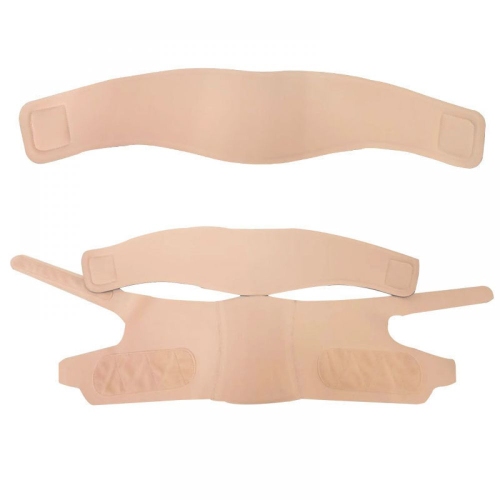
Intended use becomes particularly important when comparing everyday pregnancy underwear with leakproof styles and underwear designed for after birth. Regular maternity briefs provide coverage and room for a changing shape, but they are not designed to absorb leaks unless that function is specifically stated. Absorbent underwear incorporates additional layers in the gusset, with capacity and suitable uses varying between designs. Protection intended for occasional light bladder leaks should not be assumed to manage heavier bleeding after delivery, and moisture-wicking fabric is not the same as an absorbent barrier. Postpartum underwear may focus on a roomy cut, a waistband positioned away from sensitive areas, or a shape that can hold a maternity pad securely. Washable and disposable designs serve different routines, and the appropriate choice depends on comfort, care needs, and any advice from the maternity care team. After a caesarean birth, waistband placement can be especially significant: a low-rise edge may sit near an incision, while a higher rise may clear it, depending on the individual and the garment. Softness and a non-restrictive fit matter more than assuming that a particular style suits every birth experience. New or unexplained bleeding, ongoing watery leakage, or discomfort that does not settle calls for medical advice rather than a change of underwear alone. The light hold offered by some over-the-bump briefs also differs from the targeted support of Pregnancy Belts; a high waistband should not be treated as a substitute for a support garment advised by a care professional. Across pregnancy and the weeks after birth, underwear preferences may change as the body changes, making a mix of rises or coverage levels practical for different outfits and activities. Pregnancy underwear can be a thoughtful gift when the recipient has shared their preferred size, fabric, and cut, though those personal details make it less suitable as a surprise. The most useful maternity underwear fits the wearer’s actual routine: comfortable beneath work clothes, gentle against the skin at bedtime, and straightforward to wash and wear again.
Top selling and popular products
-
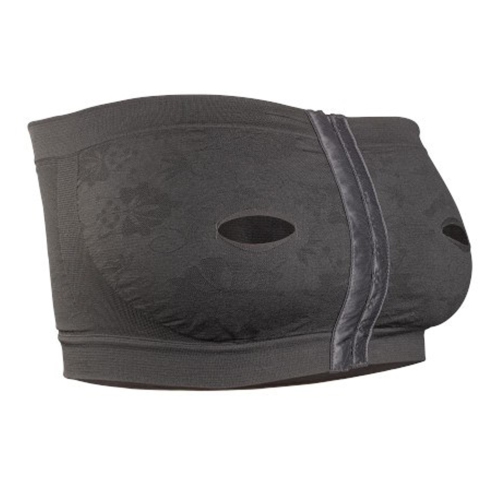 Your price for this item is $34.98
 -
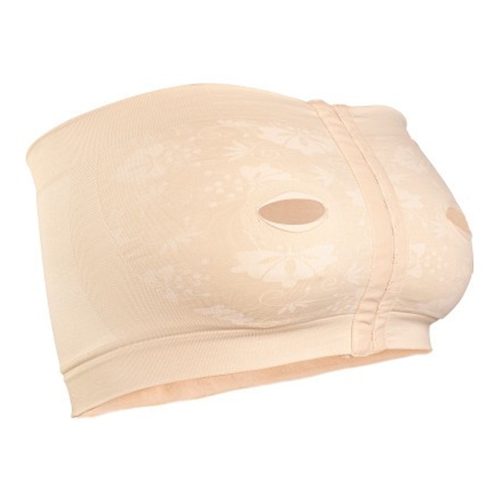 Your price for this item is $34.98
 -
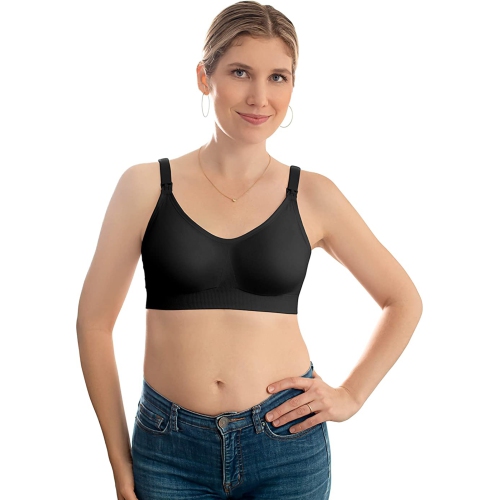 Your price for this item is $39.98
 -
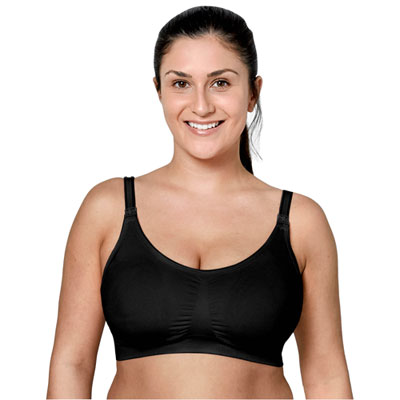 Your price for this item is $49.99
 -
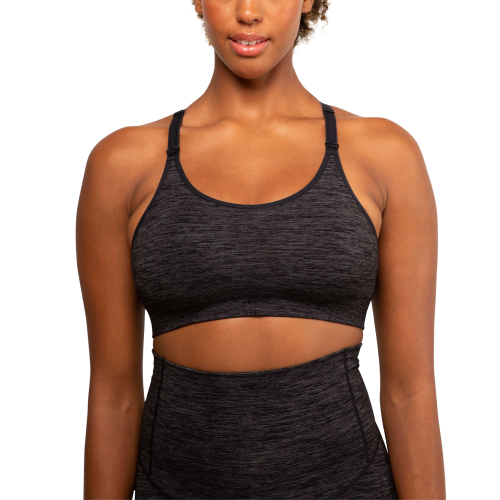 Your price for this item is $45
 -
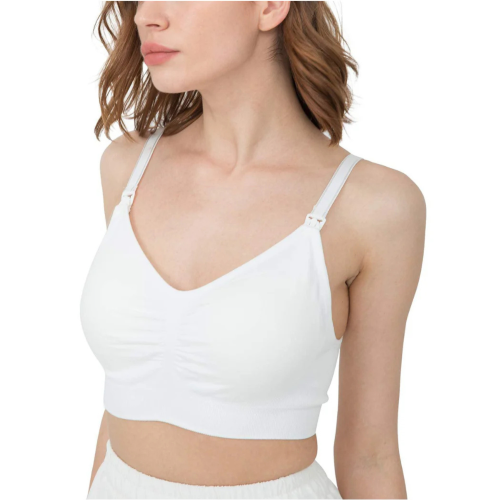 Your price for this item is $35
 -
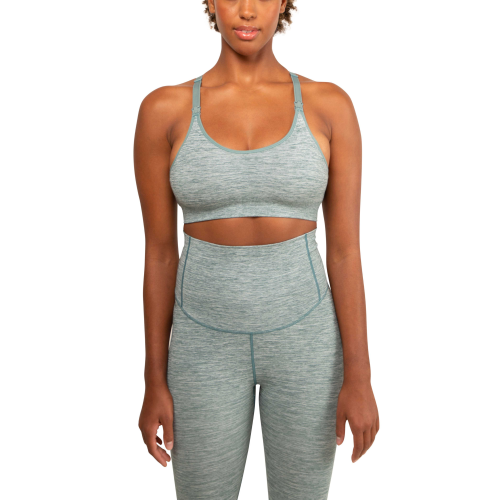 Your price for this item is $45
 -
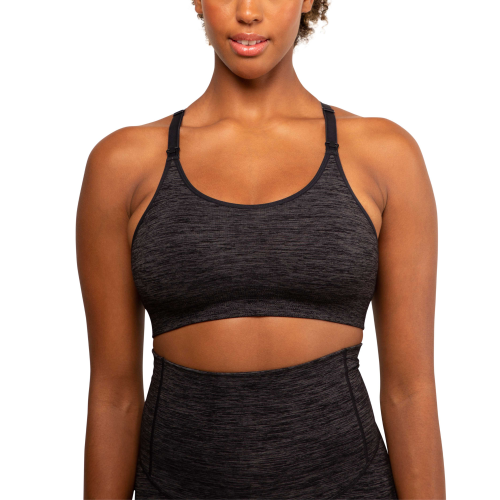 Your price for this item is $45
Discover more categories related to Pregnancy Underwear
Top Collections:
Pokemon Centers, Kindle Devices, Best Budget Office Chairs, Apple iPhones 16, Canon G7X Cameras, iPhone 15 Apple, Alarm Clock, Refurbished Apple Laptops, Flip Phones, Best Laptops for Writers
Some products may be subject to Environmental Handling Fees
(EHF) depending on your province.
Learn more about EHFs.