Pregnancy Belts
Discover the comfort and support you deserve during pregnancy with our selection of pregnancy belts. Designed to alleviate pressure and provide gentle support, these essential accessories help you maintain an active lifestyle while nurturing your growing baby bump. Whether you're looking to ease back pain or simply seeking added stability, our range of pregnancy belts offers solutions that adapt to your body’s changing needs. Explore options that combine functionality with comfort, ensuring you feel supported every step of the way on this beautiful journey.
Sort
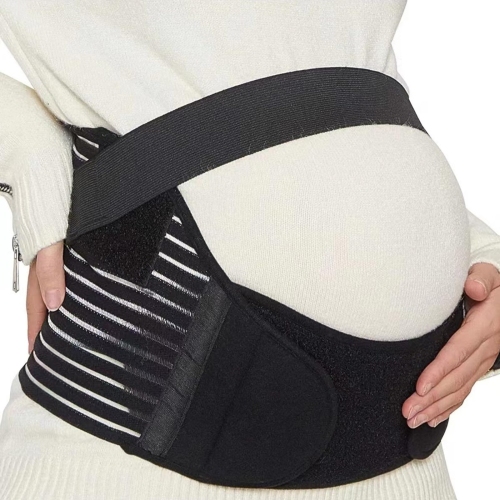
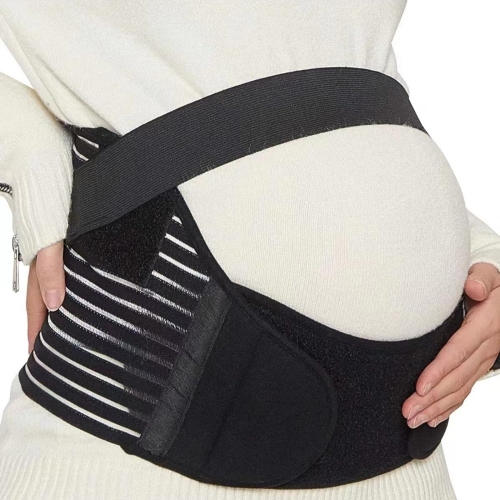


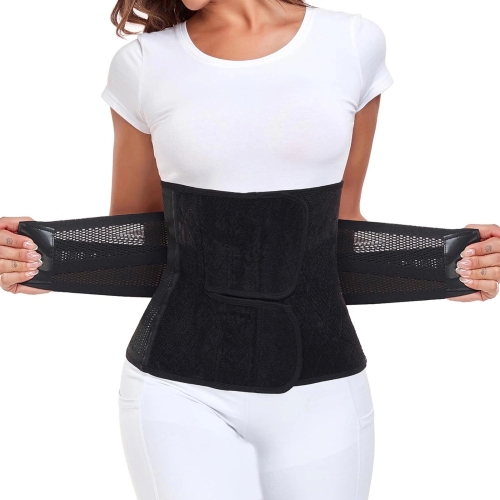
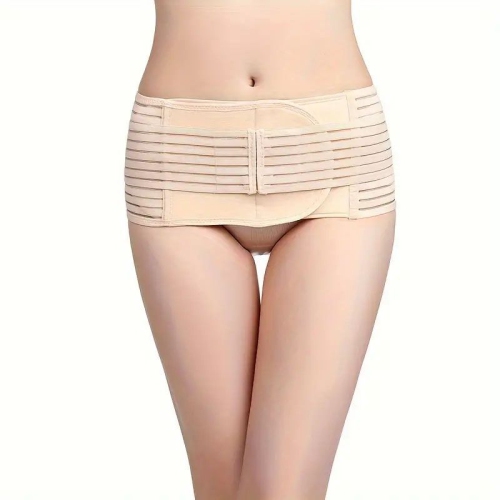
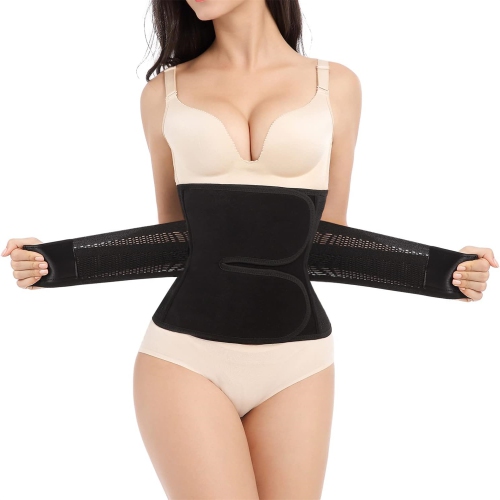
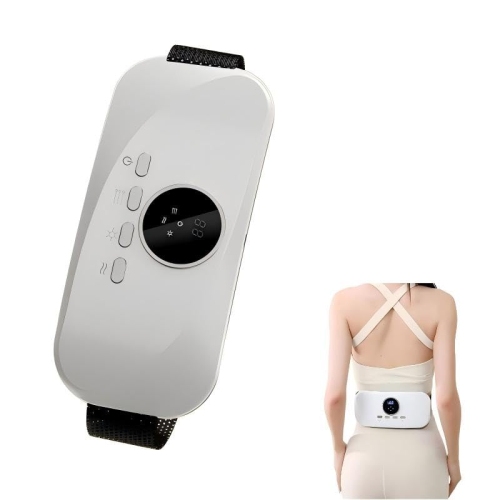

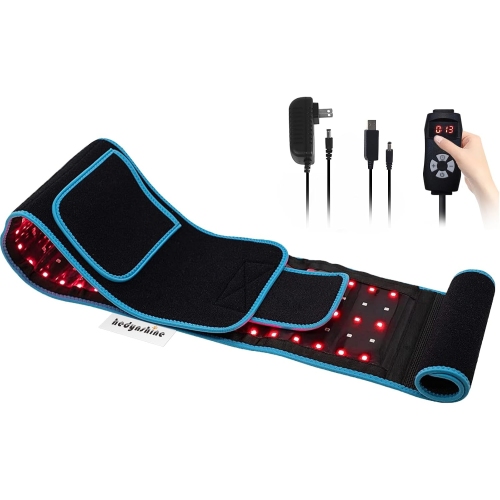
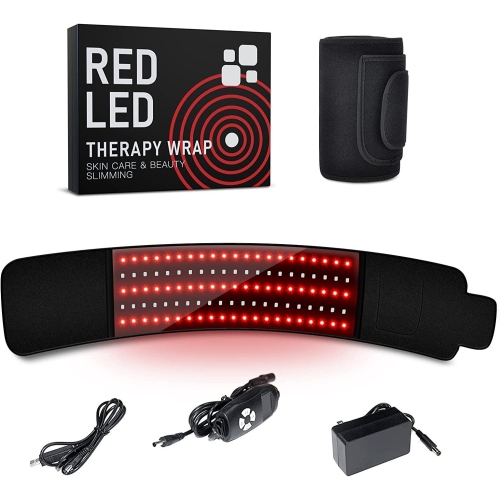
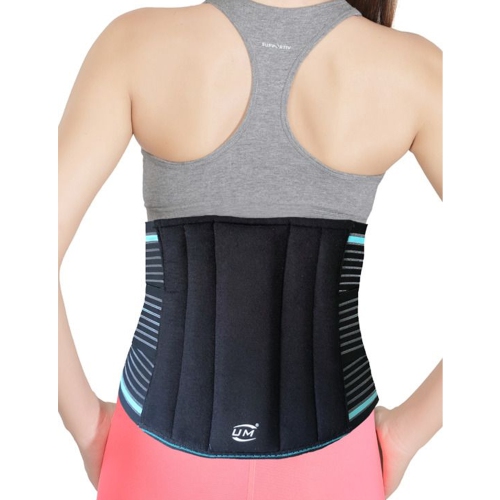
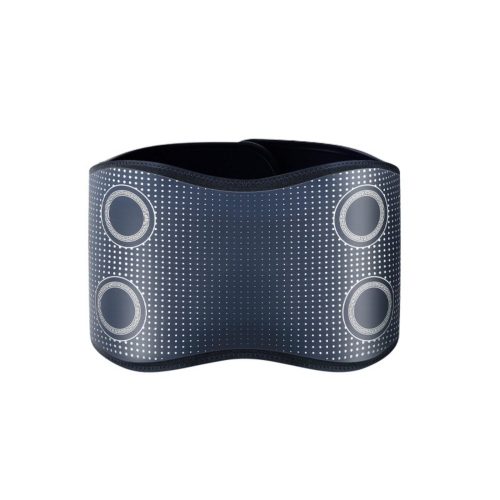
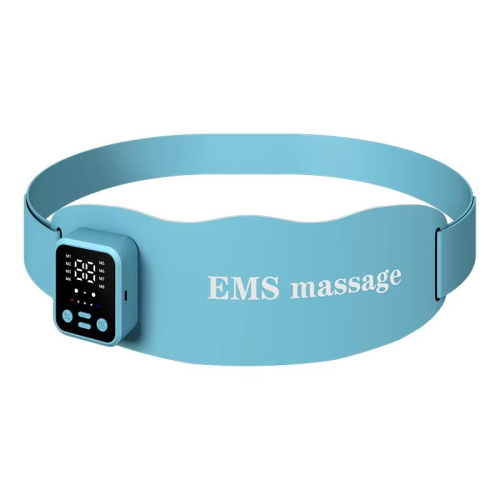
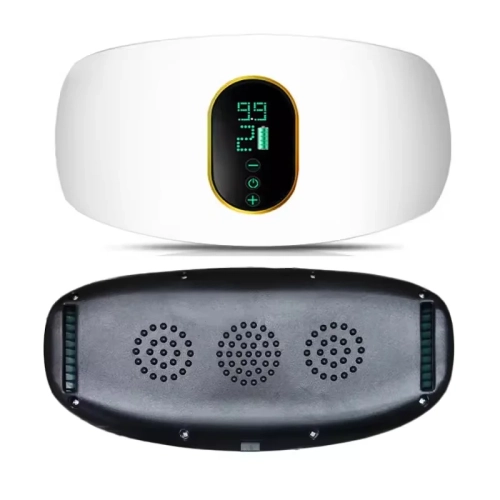
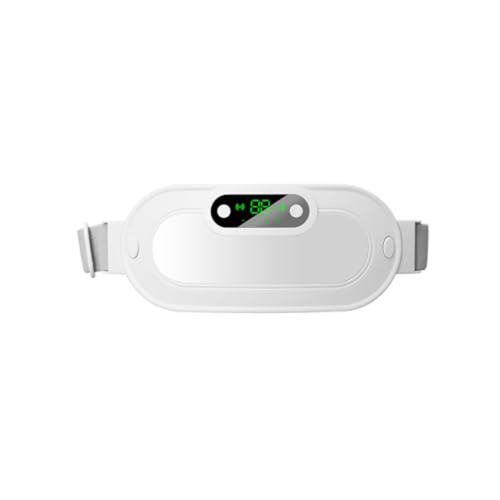
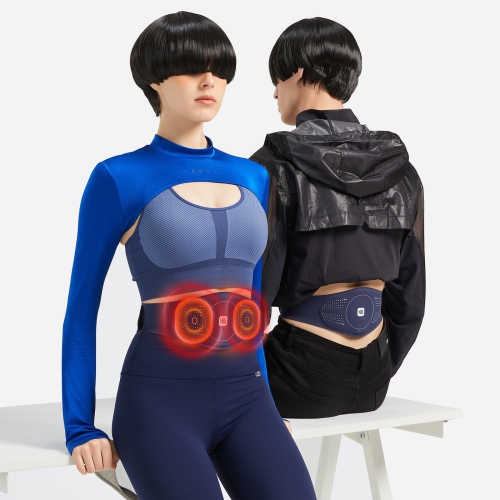
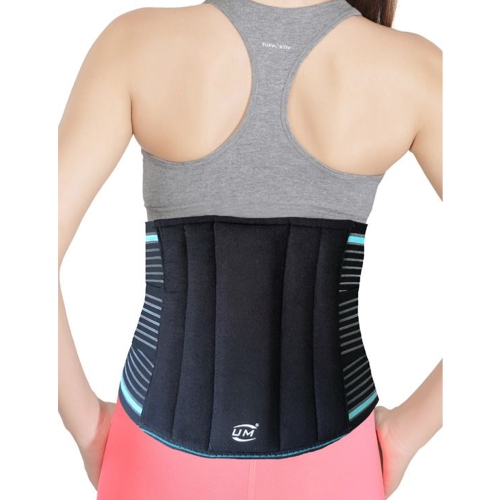
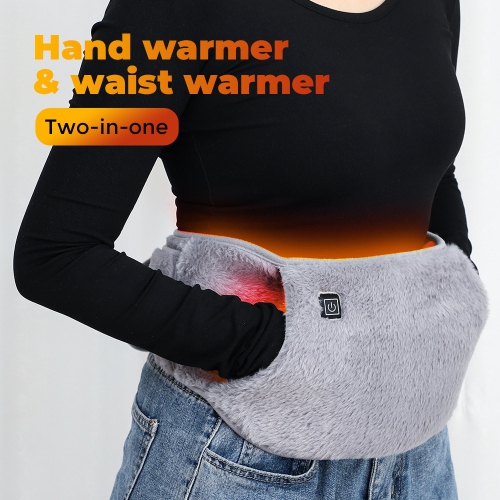
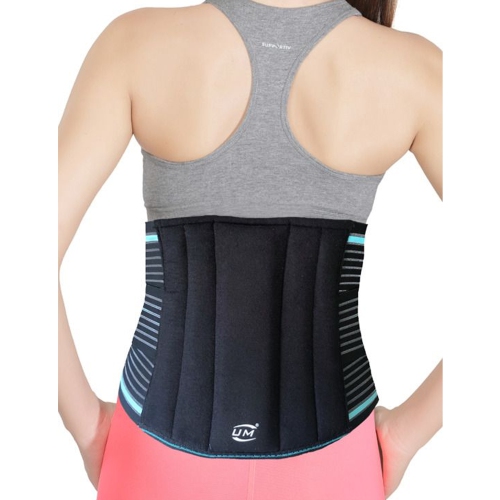
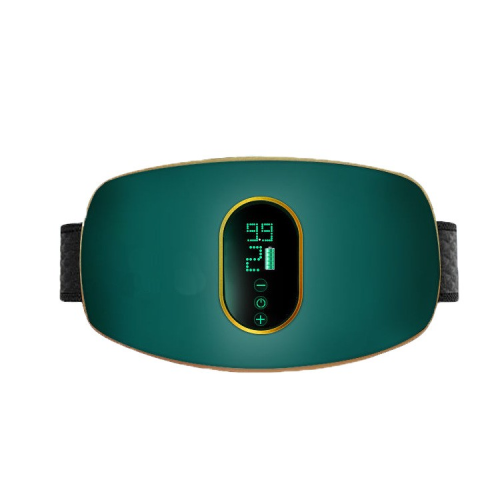
How adjustable support adapts to a growing bump
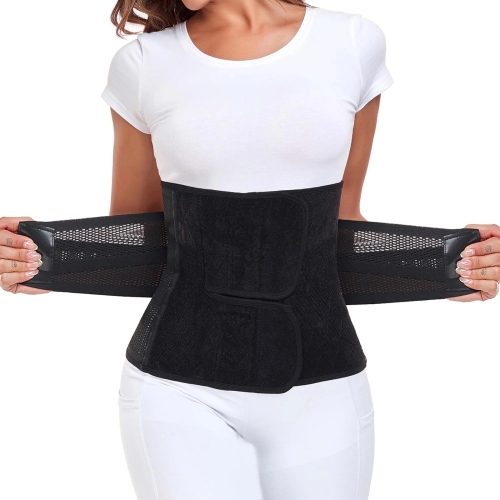
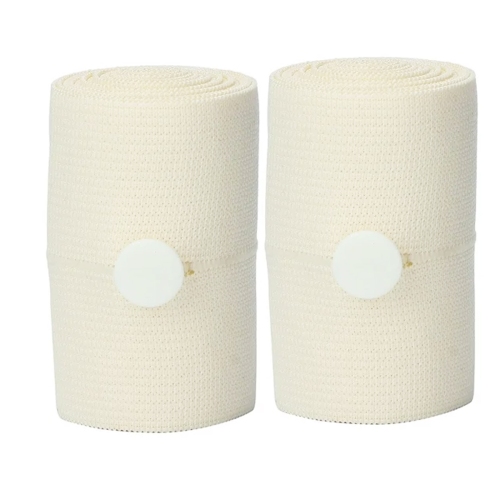
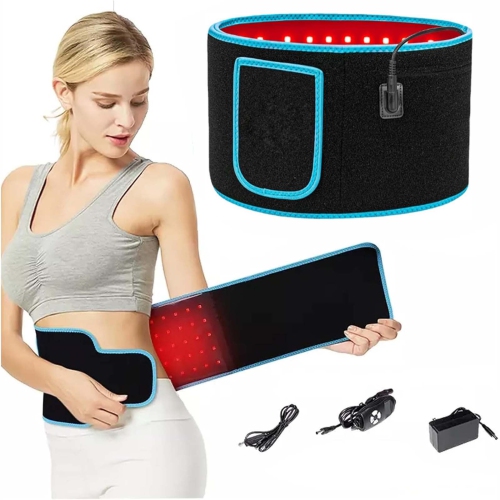
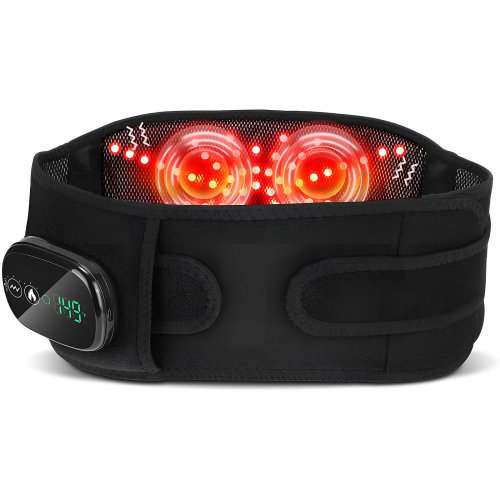
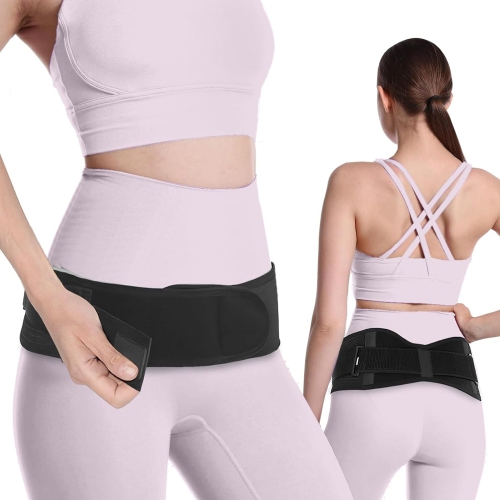
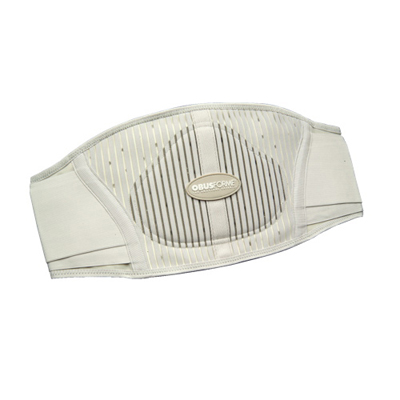
Pregnancy belts are adjustable maternity support garments designed to cradle a growing belly and provide support around the lower back and pelvis. Typically worn low beneath the bump, they use a combination of stretch fabric and adjustable fastenings to create a supportive fit as the body changes during pregnancy. The terms pregnancy belt, maternity support belt, and belly band are sometimes used interchangeably, but the garments can serve different purposes. A soft, tubular belly band may offer gentle coverage or help bridge the gap between a top and a waistband, while a structured maternity belt generally provides more targeted support through a shaped under-belly panel and a wider back section. Some designs combine a soft band with separate adjustable straps, allowing the level and placement of support to be changed. These differences matter during ordinary activities: a short walk, a commute that involves standing, or time spent preparing a meal can all feel different as a pregnancy progresses. A belt may help some people feel more supported during those activities, particularly when the weight of the bump creates a pulling sensation around the abdomen or lower back. Comfort varies, however, and a firmer garment is not automatically a better choice. Pregnancy belts are intended to supplement comfortable movement and everyday clothing, not to replace rest, appropriate activity adjustments, or care from a qualified healthcare professional. They are also distinct from waist trainers and compression garments designed to reshape the waist. Prenatal support focuses on accommodating a changing body rather than squeezing the abdomen. Whether support becomes useful earlier or later in pregnancy depends on individual comfort, body shape, daily routines, and advice from a maternity care provider; there is no single stage at which everyone needs a belt.
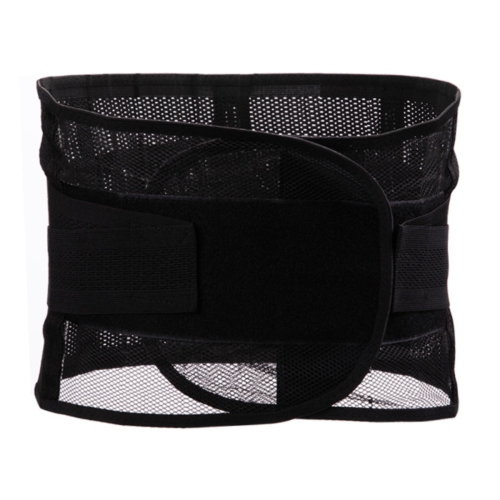
Materials and construction influence how a pregnancy belt feels against the body and how easily it fits into a daily routine. Cotton blends can provide a soft contact surface, while fabrics containing nylon, polyester, or elastane may add stretch, flexibility, and resistance to repeated movement. Mesh sections and breathable linings can help reduce a clammy feeling beneath clothing, although fabric sensitivity and individual comfort still matter. A smooth inner surface, covered seams, and soft binding around the edges are particularly relevant when a belt sits close to bare skin. Wider back panels distribute contact over a larger area, while narrower under-belly sections may be less noticeable beneath a shirt or dress. More structured panels can feel supportive but may also be more apparent when sitting, bending, or getting into a car. Adjustable hook-and-loop closures allow small changes in tension, and an accessible fastening can make the garment easier to put on without awkward reaching. Fit should follow the measurements and placement directions supplied for the garment rather than an assumed match to a usual clothing size. Depending on the design, sizing may refer to the hips, the area beneath the bump, or another specified point, so the location of the measurement is as important as the number. A comfortable fit should allow normal breathing and movement without digging in, rolling sharply at the edges, or leaving uncomfortable pressure points. The belt should support rather than flatten the bump, with its position determined by its intended design. Sitting at a desk, walking through a grocery store, and relaxing in a chair each place the body in a different position, which can change how a fastening or panel feels. A little room for adjustment can be useful as the pregnancy progresses, but an oversized belt tightened to its limit may not offer the same fit as an appropriately sized garment. Wearing a thin, smooth layer underneath may help with rubbing when the care and wearing instructions permit it.
Everyday practicality also includes how a pregnancy belt works with clothing and how well it stands up to regular care. A low-profile design may sit more discreetly beneath maternity trousers, while a belt worn over a lightweight top can be easier to adjust during the day. Neither arrangement should interfere with movement or create uncomfortable bunching at the waist. Durability depends on details such as secure stitching, elastic that returns to shape, neatly finished edges, and fastenings that hold without needing repeated repositioning. Stretch fabric can lose its shape if exposed to unsuitable washing or drying conditions, so the care label is important. Some garments allow machine washing on a gentle cycle, while others require handwashing; drying methods also vary. Closing hook-and-loop tabs before washing, when directed, can help prevent them from catching on the belt’s fabric or other clothing. Thorough drying before storage and regular checks for frayed seams, curling edges, or weakened closures help keep the garment ready for use. Support needs can change after birth, and a prenatal belt should not be assumed to serve the same purpose as a postpartum support garment. Likewise, general back supports may have different shaping, tension, and intended uses. The related selection of Back Support Belts for Women covers a broader support category, but suitability during pregnancy depends on the individual garment and guidance from a healthcare professional. Pregnancy belts can also be a practical gift when the recipient has expressed an interest in support wear, though personal measurements and preferences make their involvement valuable. Softness, ease of adjustment, and compatibility with favourite maternity clothing often matter more than appearance alone. A belt that causes pain, numbness, skin irritation, or increased pressure should be removed, and persistent or unfamiliar discomfort deserves assessment rather than tighter adjustment. The most useful pregnancy support is comfortable, suited to its intended activity, and responsive to the wearer’s changing needs.
Top selling and popular products
-
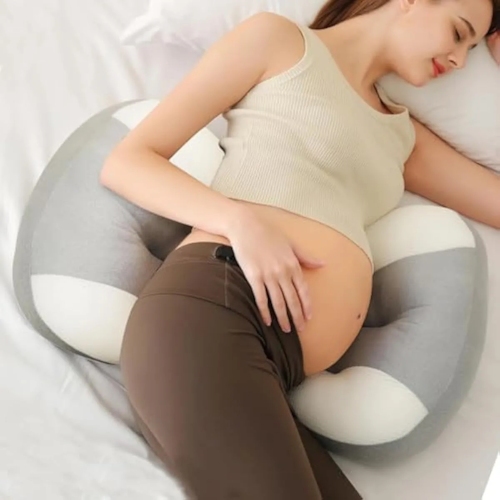 Your price for this item is $19.99
-
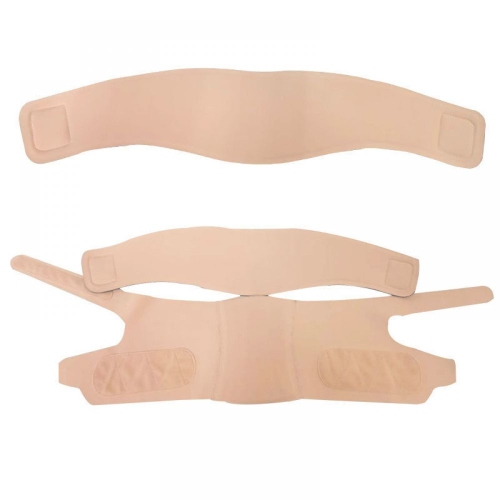 Your price for this item is $39.52
-
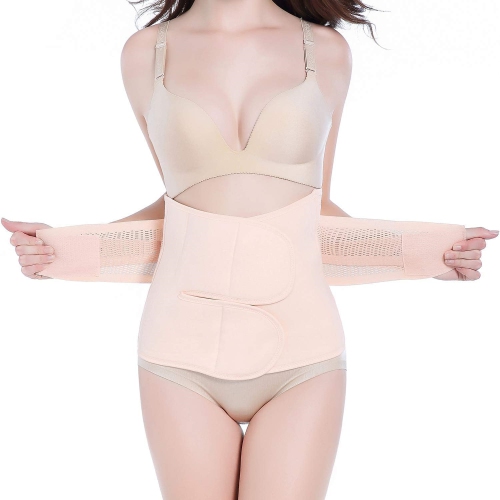 Your price for this item is $28.88
-
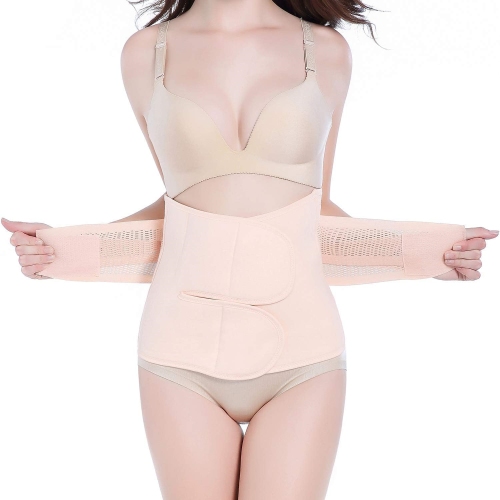 Your price for this item is $25.15
-
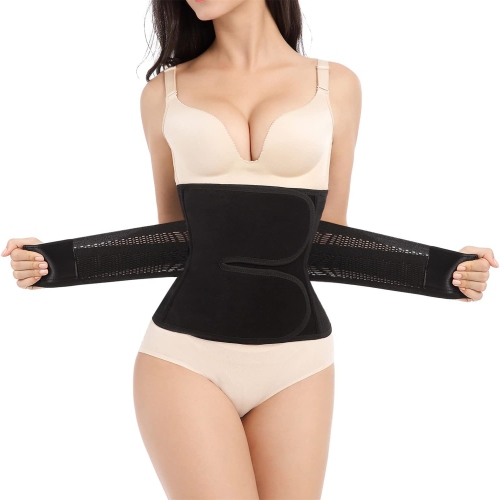 Your price for this item is $30.88
-
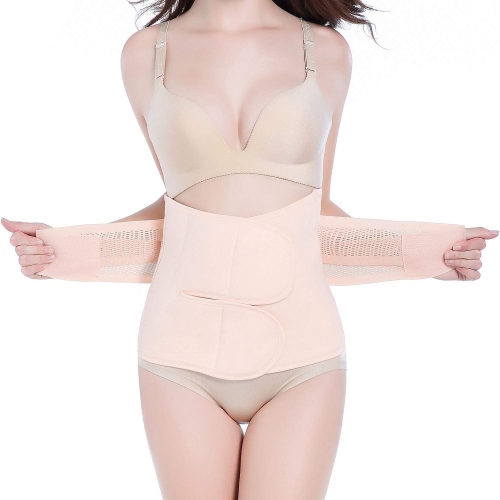 Your price for this item is $25.73
-
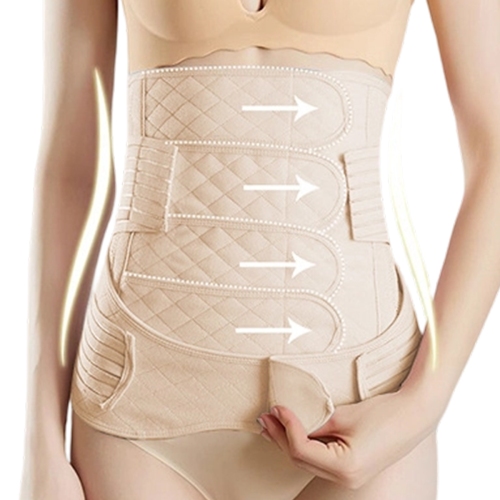 Your price for this item is $52.53
-
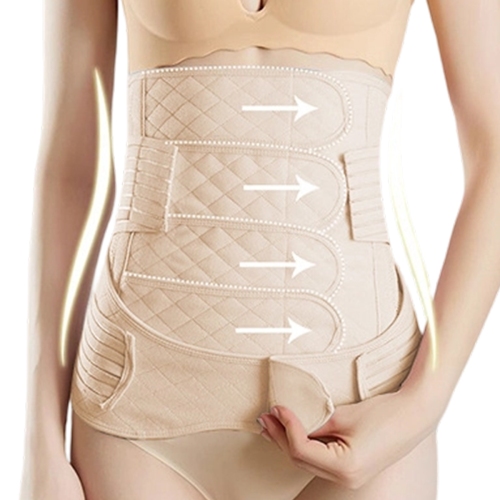 Your price for this item is $53.07
Discover more categories related to Pregnancy Belts
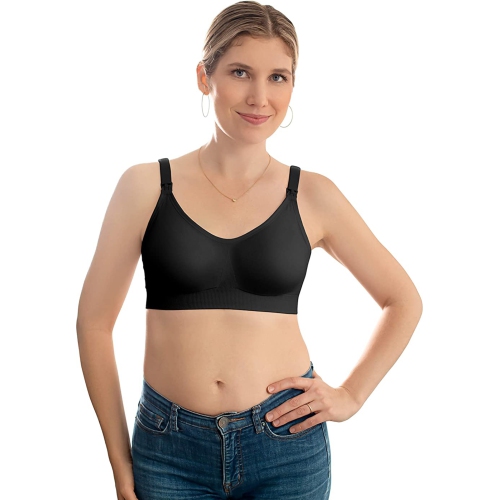
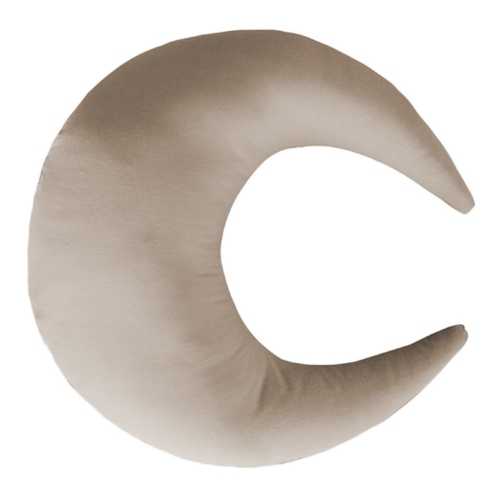
Top Collections:
Best Black Friday Deals This Year, Best Black Friday Deals On Electronics, Kindle Devices, Pokemon Centers, Best Black Friday Deals On Apple Products, Best Cameras for Sports Photography, Dyson Airwrap, Pokémon 30th Celebration Cards, Apple iPhone 17 Pro, Canon G7X Cameras
Some products may be subject to Environmental Handling Fees
(EHF) depending on your province.
Learn more about EHFs.