Sleep Training Clocks
Looking to establish a healthy sleep routine for your little one? Our selection of sleep training clocks offers a solution to help children understand when it's time to sleep and when it's okay to wake up. These innovative devices use visual cues such as colors and images to teach kids the difference between bedtime and morning time, making the transition easier for both children and parents. Explore our range of sleep training clocks to find the perfect tool to support better sleep habits for your child.
Sort
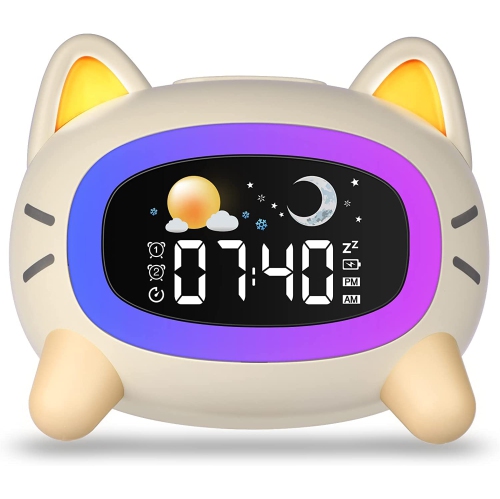
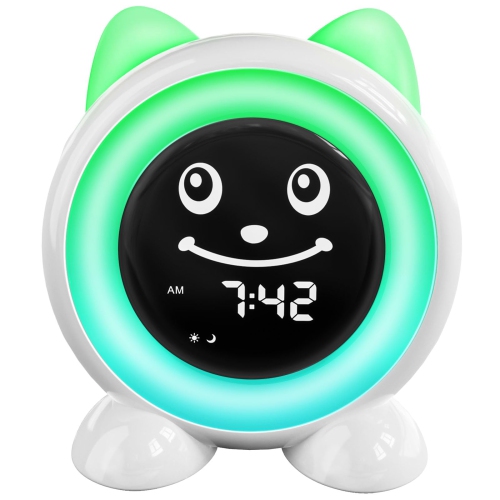
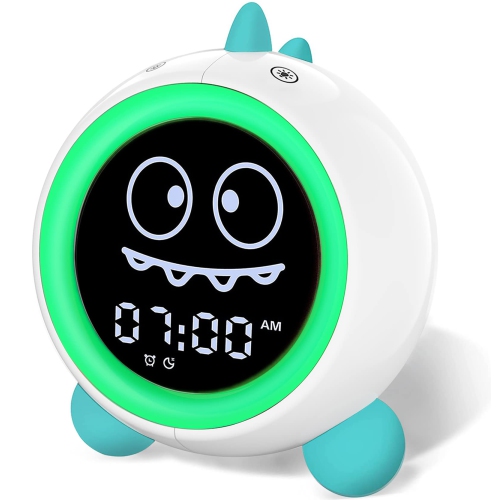
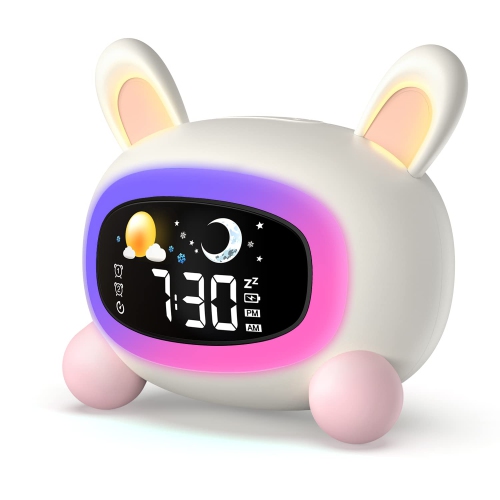
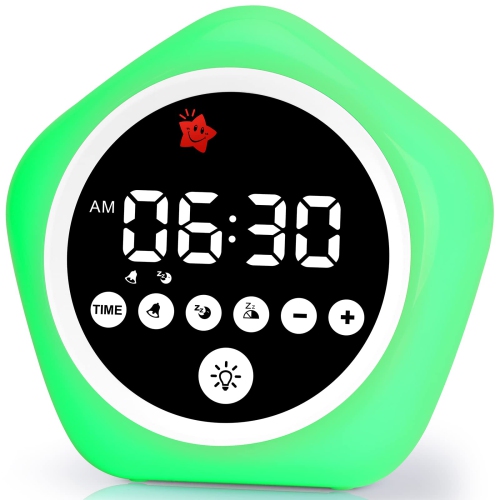
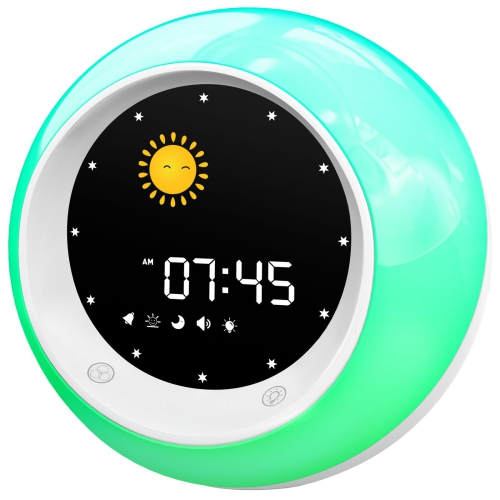
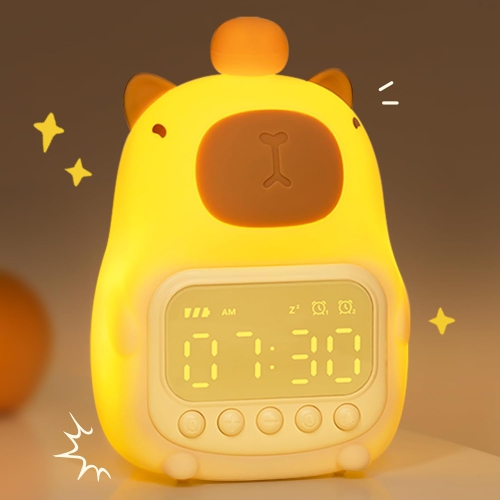
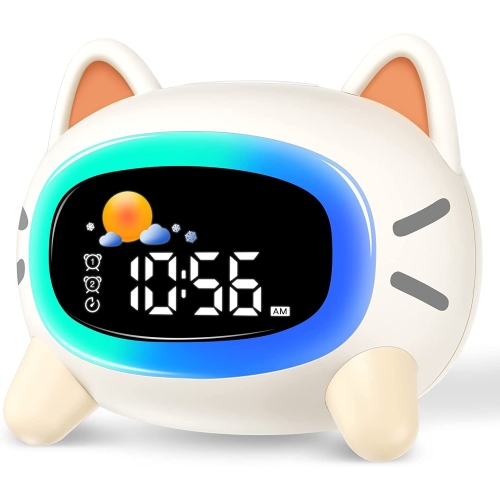
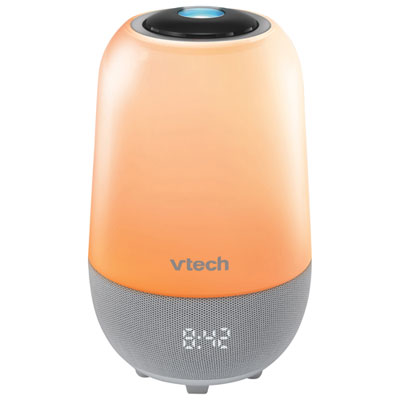
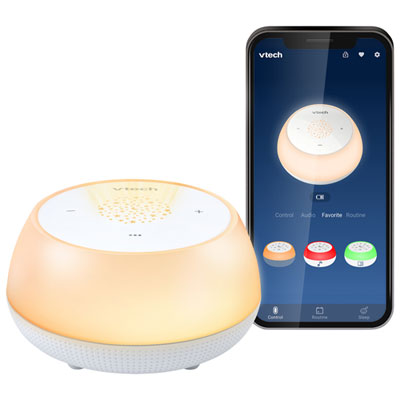
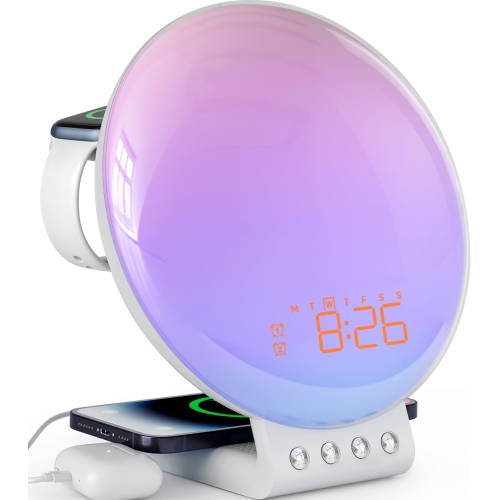
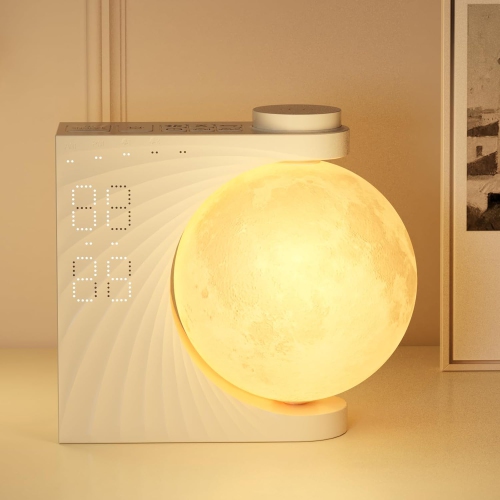
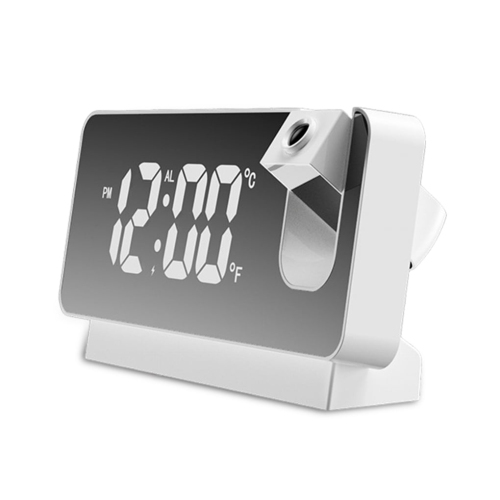
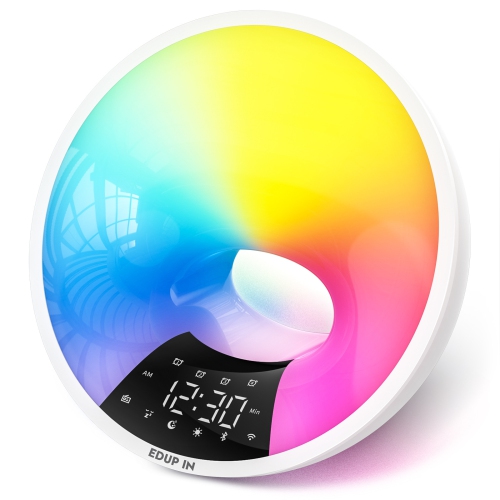
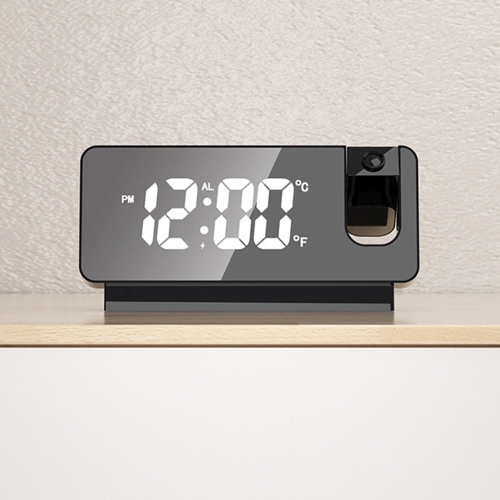
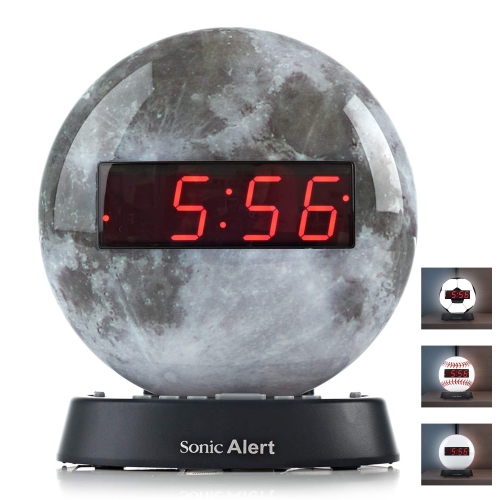
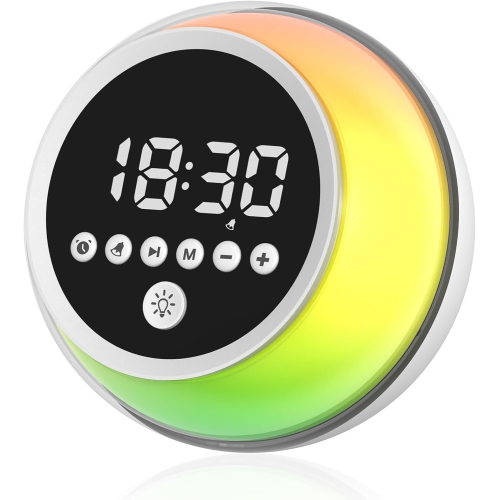
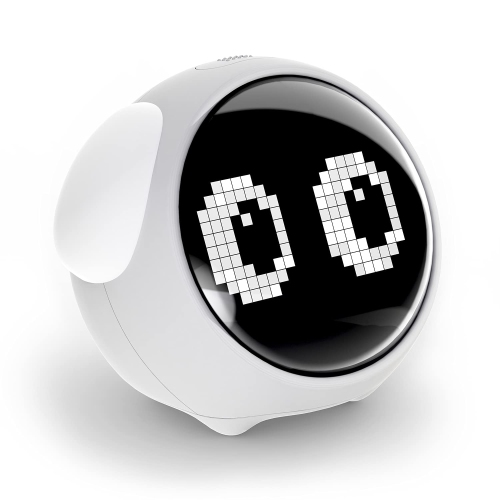
Visual cues can make bedtime and mornings easier
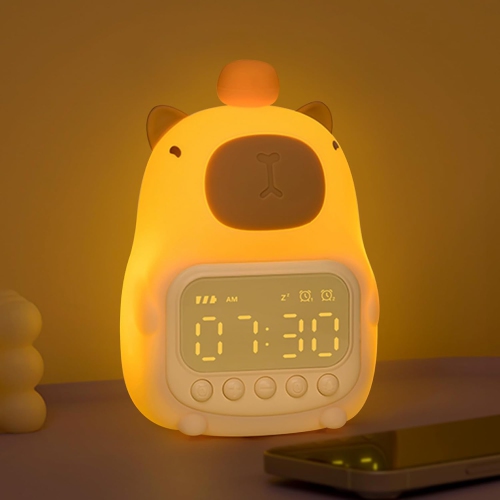
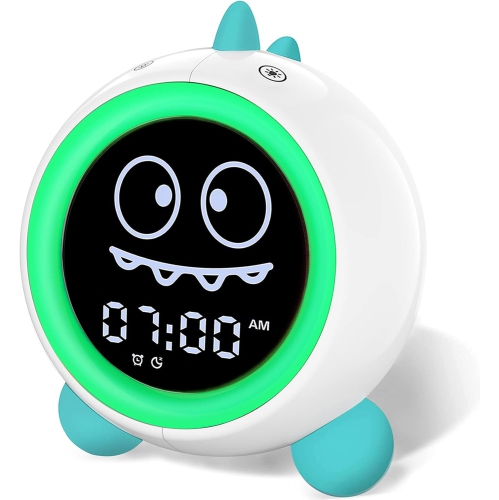
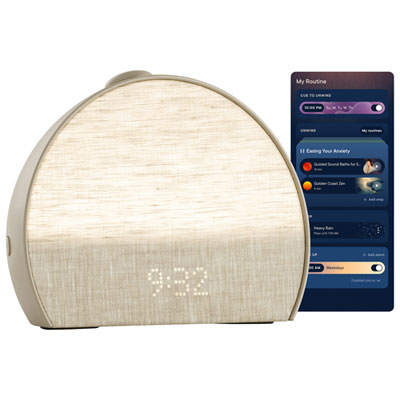
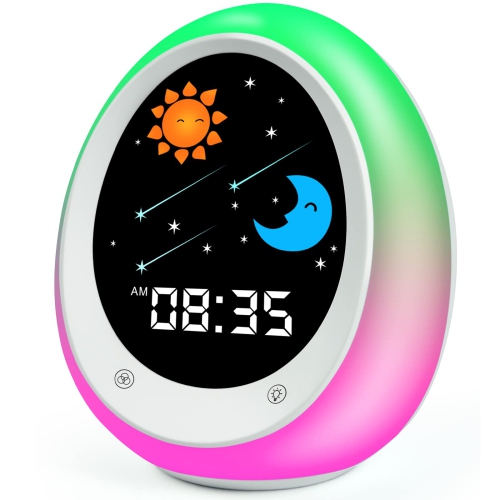
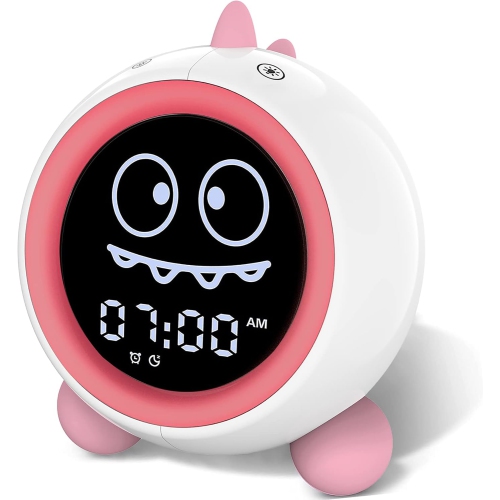
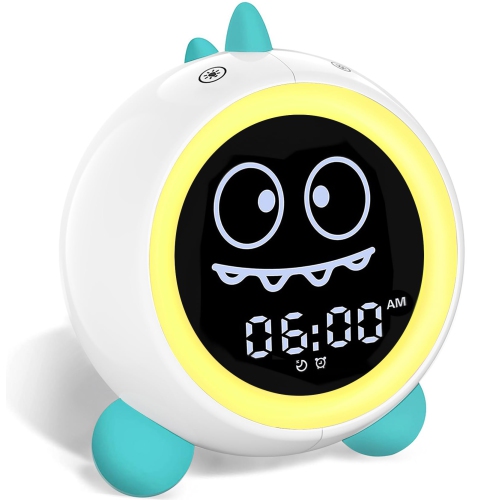
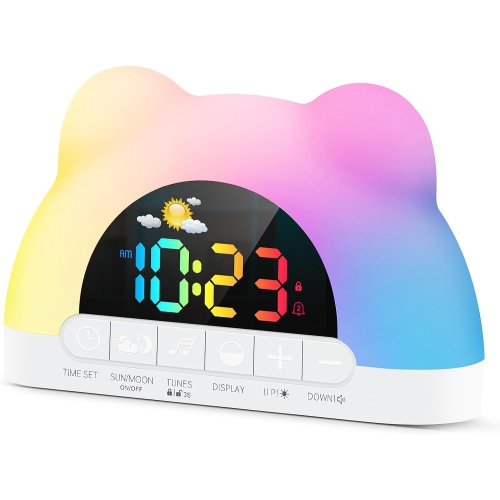
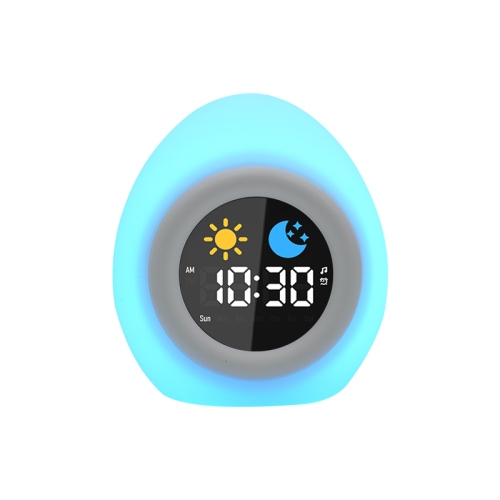
Sleep training clocks are designed to help young children understand the difference between sleep time and wake time before they can read a traditional clock. Rather than relying on numbers alone, these clocks use simple visual signals such as a moon and stars, a sun, changing colours, pictures, or a character whose eyes open and close at a preset time. A child may see a red or dim display at bedtime and learn that it is time to stay in bed, then recognize a green light, smiling face, or sun symbol as a cue that morning has arrived. This makes the idea of waiting easier to understand than a digital time such as 6:30 a.m. Sleep training clocks generally work best for toddlers and preschoolers, often around 2 to 3 years old, who are beginning to understand cause and effect and can follow a familiar routine. They can be especially helpful for children who wake before the rest of the household, leave their room at night, or have difficulty settling down for naps. A clock will not replace a consistent bedtime routine, but it can provide a calm, repeatable reminder that supports the expectations parents and caregivers are already teaching. In a typical routine, a child might brush their teeth, choose a bedtime story, turn off the lights, and watch the clock change to its sleep symbol. In the morning, the same clock can signal when it is okay to get up, play quietly, or call for a grown-up. During the cooler months, when darker mornings can make it harder for children to tell whether the day has started, a clear visual cue can be particularly reassuring.
When choosing a sleep training clock, consider how your child learns and which signals they are most likely to notice. A colour-changing display may be easy to understand at a glance, while sun-and-moon graphics or disappearing stars can make the passage of time feel more concrete. Some children respond well to a friendly animated face or animal, whereas others may prefer a simple, uncluttered display without extra movement. Look for controls that make it easy for an adult to set separate sleep, wake, and nap times, since many families use different schedules on weekdays, weekends, and rest days. A clock with a dimmable display can help prevent bright light from disturbing sleep, and an adjustable night light may be useful for children who feel uneasy in a completely dark room. If sound is part of your child’s routine, consider whether you want a gentle alarm or an option that relies only on silent visual changes. Volume control is important in shared bedrooms, and a gradual or soft alarm may be more comfortable than a sudden loud tone. Battery operation can make placement more flexible, while a plug-in design may suit a bedside table or dresser where the clock will remain in one location. Check that the buttons are simple for adults to operate but not so accessible that a young child can easily change the schedule. It is also worth considering the size and readability of the display from across the room, especially if the clock will sit on a shelf rather than close to the bed. Families comparing sleep aids may also enjoy browsing Fun Alarm Clocks for other child-friendly ways to make morning routines more engaging.
Introducing a sleep training clock works best when the rule is clear, realistic, and repeated with patience. Set the wake time a little later than your child’s usual morning wake-up rather than expecting a major change overnight. Explain the meaning of the clock in simple language, such as “When the moon is showing, it is sleep time. When the sun appears, you can get up.” Practise during the day by pointing to each symbol and asking your child what it means, then offer praise when they wait for the morning signal. For early risers, it can help to provide a quiet activity within reach, such as a favourite book or soft toy, while they wait. Parents may also use the clock to establish a predictable nap window, although nap settings should match the child’s age, daily routine, and advice from a health professional when needed. Consistency matters more than perfection: travel, illness, developmental changes, and family schedules can all affect sleep, so gentle reminders are often more effective than punishment. These clocks can make thoughtful gifts for new parents, families moving a toddler into a big-kid bed, or children adjusting to a shared room or a new bedtime routine. They are also practical for grandparents and other caregivers who want to follow the same sleep expectations in another home. During the transition, keep the clock in a visible but safe location, away from cords, loose parts, or anything a child could pull into the bed. With a familiar routine and an age-appropriate display, a sleep training clock can turn an abstract idea like “not yet” into a reassuring picture, colour, or character that a child gradually learns to recognize.
When choosing a sleep training clock, consider how your child learns and which signals they are most likely to notice. A colour-changing display may be easy to understand at a glance, while sun-and-moon graphics or disappearing stars can make the passage of time feel more concrete. Some children respond well to a friendly animated face or animal, whereas others may prefer a simple, uncluttered display without extra movement. Look for controls that make it easy for an adult to set separate sleep, wake, and nap times, since many families use different schedules on weekdays, weekends, and rest days. A clock with a dimmable display can help prevent bright light from disturbing sleep, and an adjustable night light may be useful for children who feel uneasy in a completely dark room. If sound is part of your child’s routine, consider whether you want a gentle alarm or an option that relies only on silent visual changes. Volume control is important in shared bedrooms, and a gradual or soft alarm may be more comfortable than a sudden loud tone. Battery operation can make placement more flexible, while a plug-in design may suit a bedside table or dresser where the clock will remain in one location. Check that the buttons are simple for adults to operate but not so accessible that a young child can easily change the schedule. It is also worth considering the size and readability of the display from across the room, especially if the clock will sit on a shelf rather than close to the bed. Families comparing sleep aids may also enjoy browsing Fun Alarm Clocks for other child-friendly ways to make morning routines more engaging.
Introducing a sleep training clock works best when the rule is clear, realistic, and repeated with patience. Set the wake time a little later than your child’s usual morning wake-up rather than expecting a major change overnight. Explain the meaning of the clock in simple language, such as “When the moon is showing, it is sleep time. When the sun appears, you can get up.” Practise during the day by pointing to each symbol and asking your child what it means, then offer praise when they wait for the morning signal. For early risers, it can help to provide a quiet activity within reach, such as a favourite book or soft toy, while they wait. Parents may also use the clock to establish a predictable nap window, although nap settings should match the child’s age, daily routine, and advice from a health professional when needed. Consistency matters more than perfection: travel, illness, developmental changes, and family schedules can all affect sleep, so gentle reminders are often more effective than punishment. These clocks can make thoughtful gifts for new parents, families moving a toddler into a big-kid bed, or children adjusting to a shared room or a new bedtime routine. They are also practical for grandparents and other caregivers who want to follow the same sleep expectations in another home. During the transition, keep the clock in a visible but safe location, away from cords, loose parts, or anything a child could pull into the bed. With a familiar routine and an age-appropriate display, a sleep training clock can turn an abstract idea like “not yet” into a reassuring picture, colour, or character that a child gradually learns to recognize.
Top selling and popular products
-
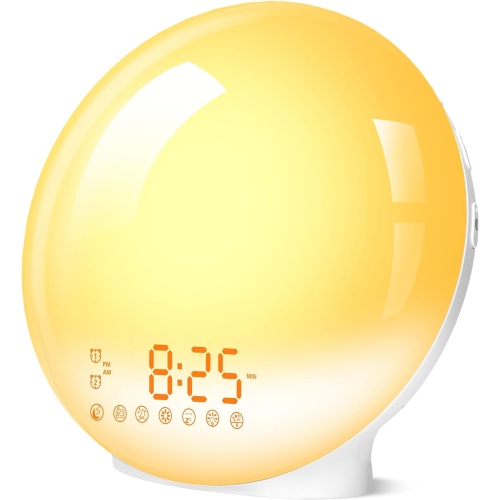 Your price for this item is $99.99
 -
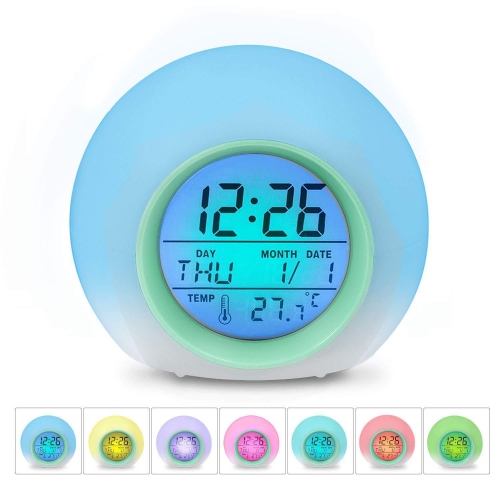 Your price for this item is $39.99
 -
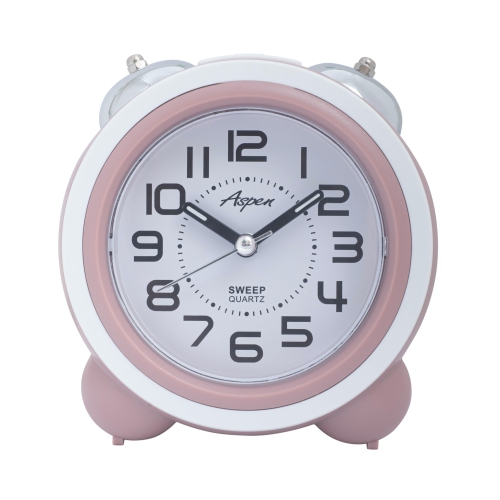 Your price for this item is $19.95
 -
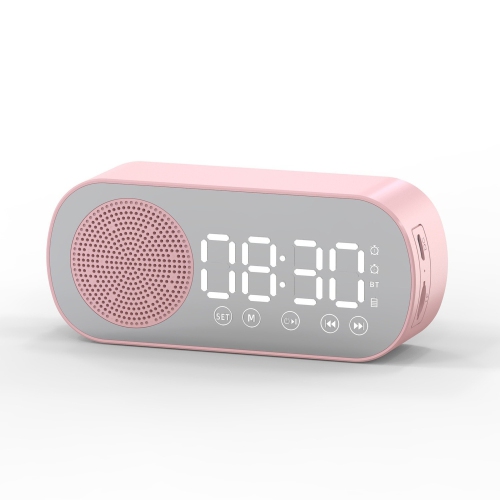 Your price for this item is $45.99
 -
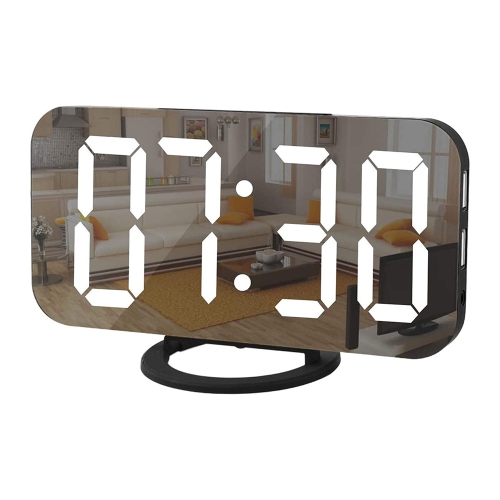 Your price for this item is $23.99
 -
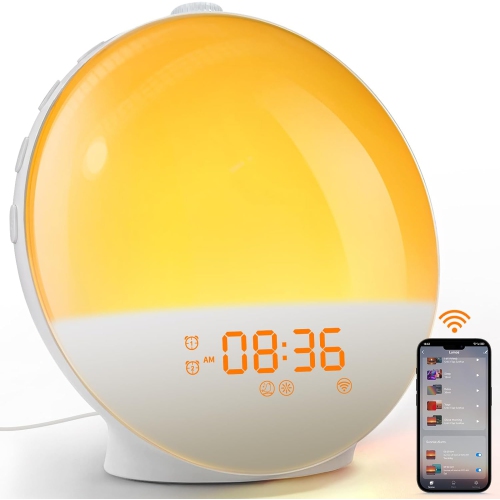 Your price for this item is $79.99
 -
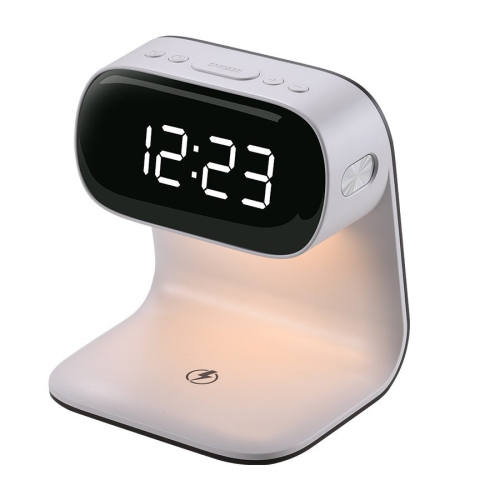 Your price for this item is $74.99
 -
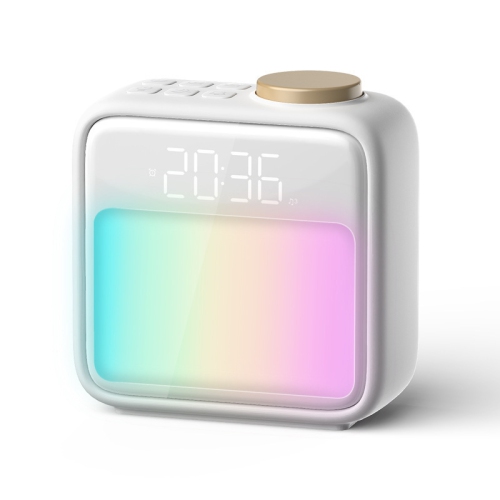 Your price for this item is $72.99
Discover more categories related to Sleep Training Clocks

Top Collections:
Pokemon Centers, Kindle Devices, Best Budget Office Chairs, Apple iPhones 16, Best Laptops for Writers, iPhone 15 Apple, Canon G7X Cameras, Refurbished Apple Laptops, Alarm Clock, Motorola Razr Phones
Some products may be subject to Environmental Handling Fees
(EHF) depending on your province.
Learn more about EHFs.