Interactive Alarm Clocks
Interactive Alarm Clocks bring a new level of engagement to your morning routine, making it easier and more enjoyable to start your day. Designed for those who want more than just a traditional wake-up call, these innovative clocks offer unique ways to help you rise and shine. Whether you're looking to add some fun to your mornings or seeking an effective way to stay on schedule, Interactive Alarm Clocks are the perfect addition to any bedroom or workspace. Explore a variety of options that cater to different preferences and discover how upgrading your alarm clock can transform your daily routine.
Sort


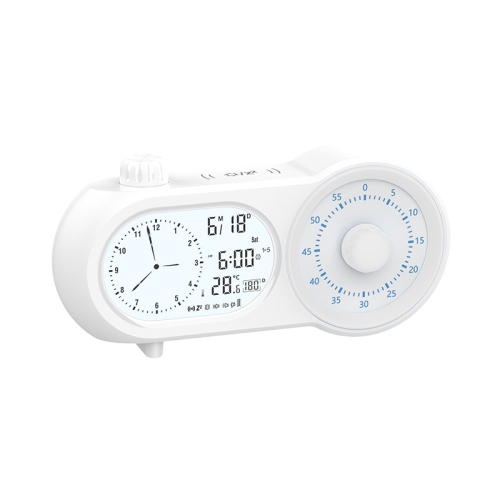
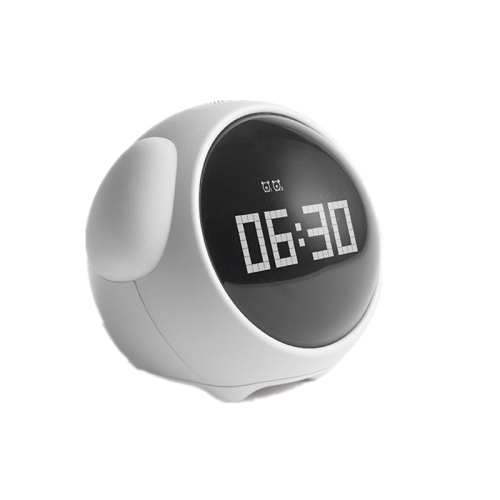
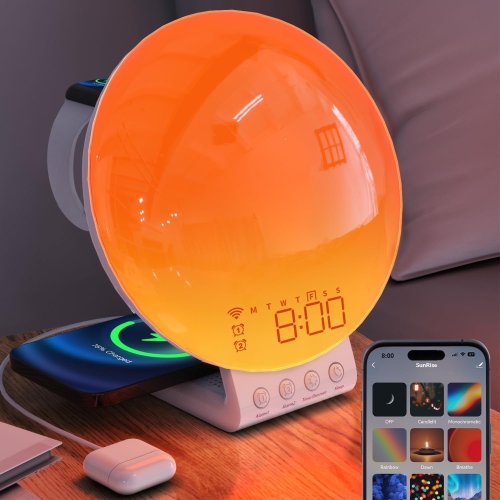
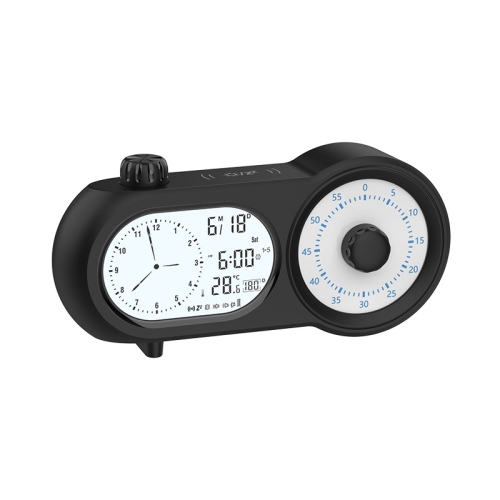
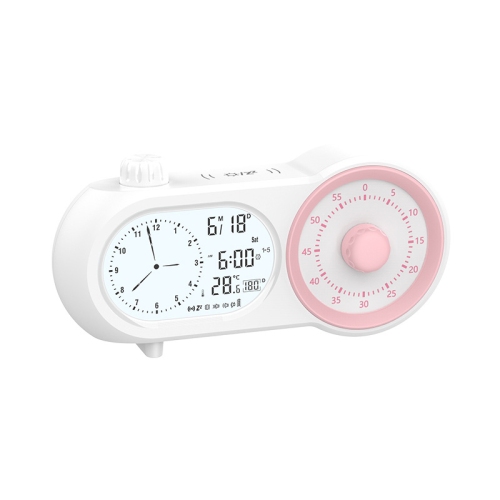
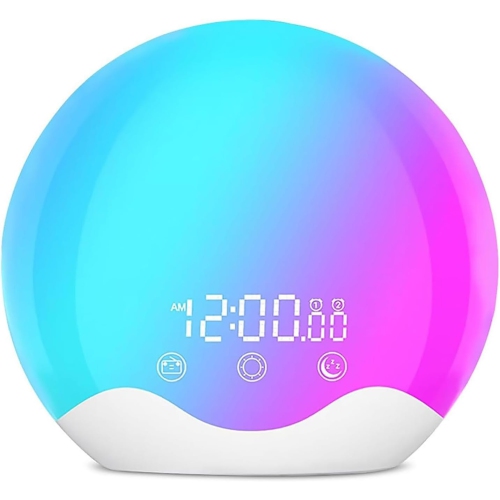
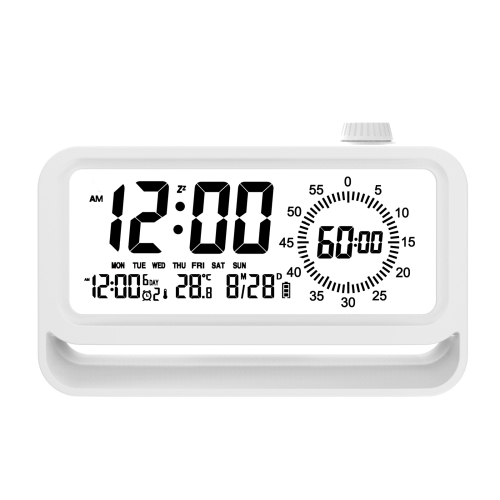
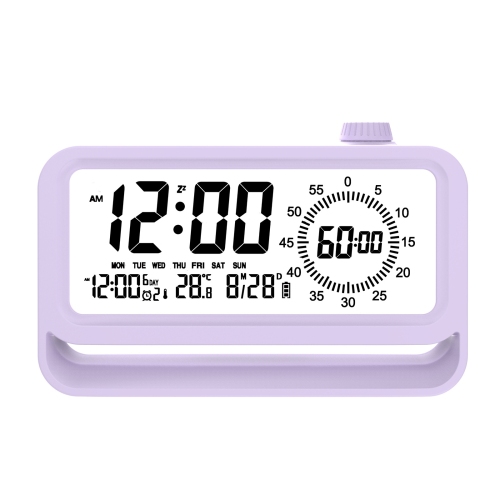
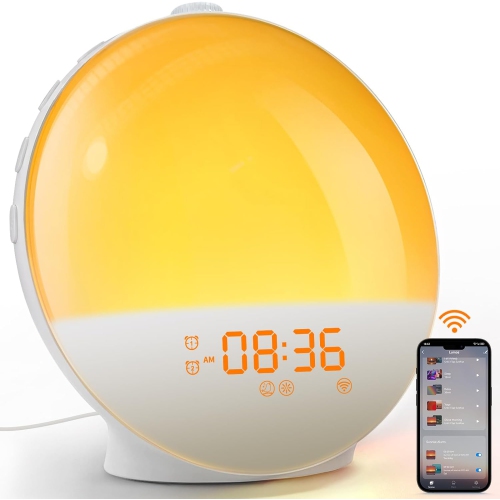
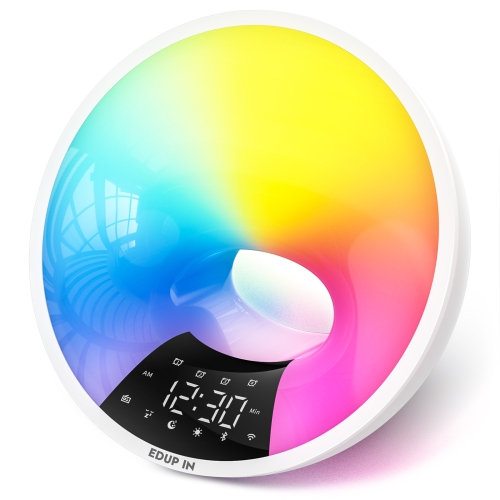
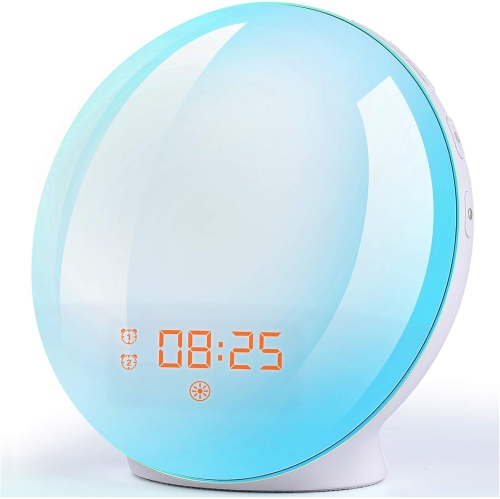
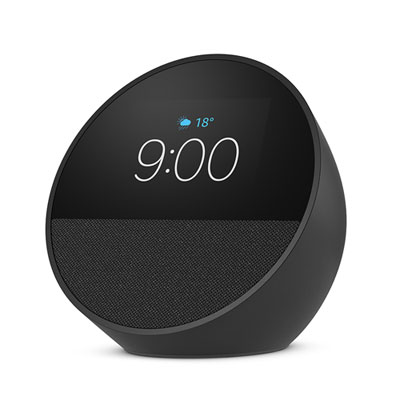
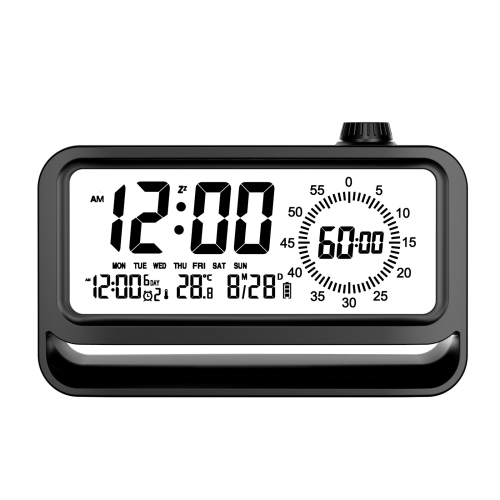
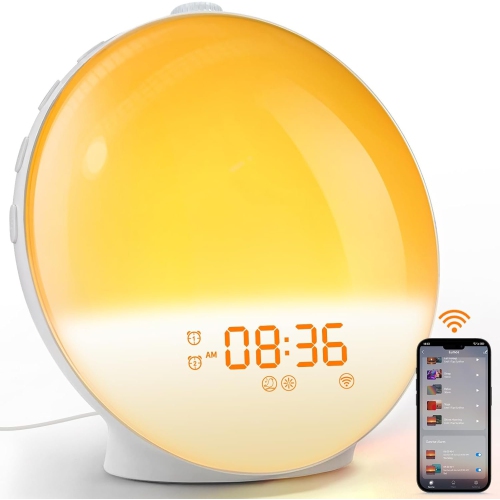
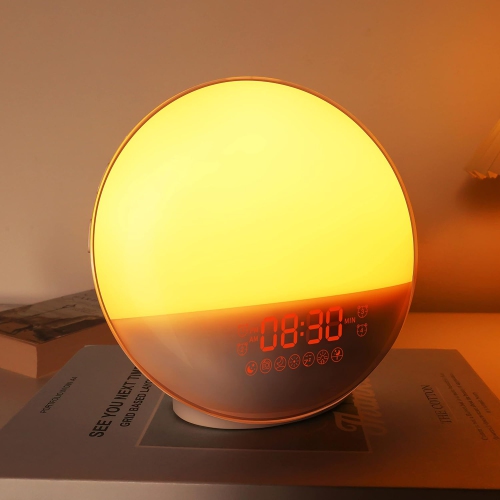
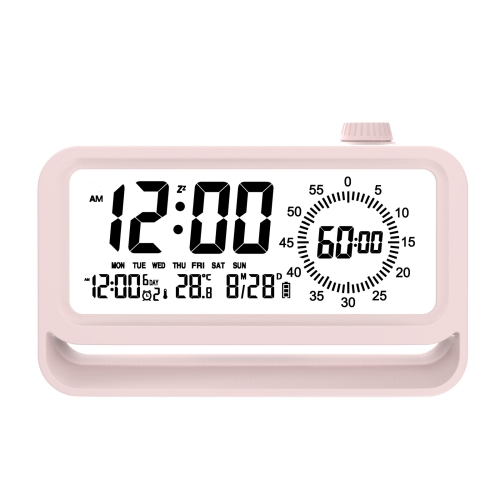
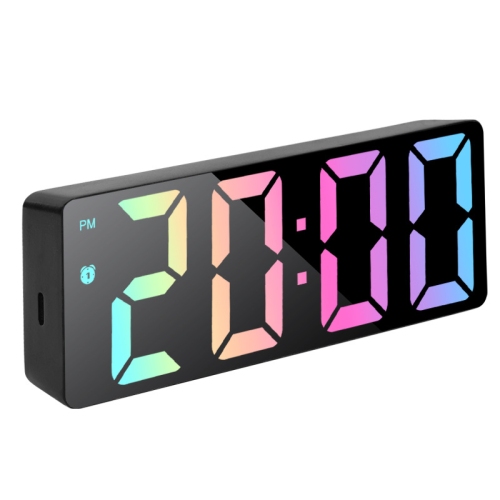
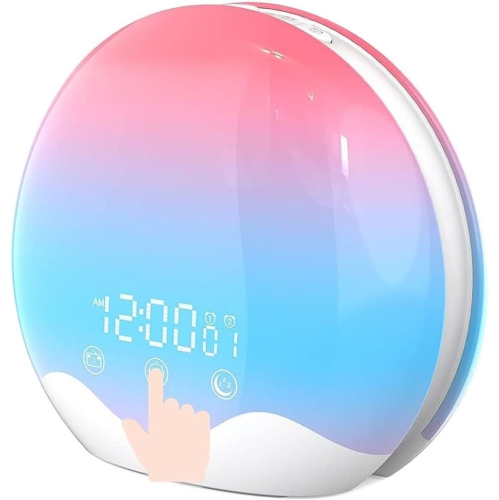
Wake-up routines that go beyond the snooze button
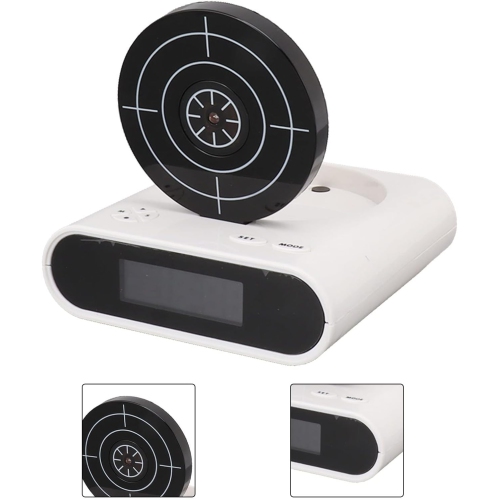
Interactive alarm clocks combine timekeeping and scheduled alarms with features that respond to touch, voice commands, movement, or a task that must be completed before the alarm stops. Depending on the design, that interaction might mean tapping a touchscreen, asking a voice assistant to set a wake-up time, completing a short puzzle, or getting out of bed to silence a moving alarm. The category also includes clocks that pair interactive controls with gradual wake-up lighting, bedtime sounds, or app-based routines. These features serve different purposes: voice control can make everyday adjustments more convenient, while a physical challenge adds an extra step between hearing the alarm and returning to sleep. A sunrise-style light gradually brightens before the scheduled wake-up time, offering a visual cue alongside an audible alert where supported. Sound choices may range from familiar beeps to nature sounds or music, with adjustable volume helping suit the clock to its user and room. For everyday use, the details of the alarm settings matter as much as the interactive feature itself. Separate weekday and weekend schedules, multiple alarms, adjustable snooze intervals, and a clearly marked alarm status can make a bedside clock easier to live with. Someone who starts work at different times may appreciate several saved alarms, while another person may simply want one dependable schedule and a large snooze button. Smart alarm clocks may connect through Wi-Fi or Bluetooth, but those connections do not necessarily perform the same functions. Wi-Fi can support online services or compatible voice controls, whereas Bluetooth commonly handles a nearby connection to a phone or other device. App requirements, account requirements, and the functions that remain usable without a connection are useful distinctions. A touchscreen does not automatically mean voice control is included, and a clock with light effects does not necessarily offer gradual sunrise simulation. The most suitable interaction is one that makes the intended routine simpler rather than adding steps that will rarely be used.
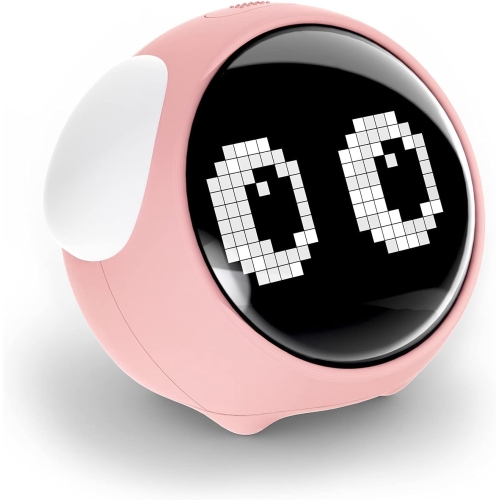
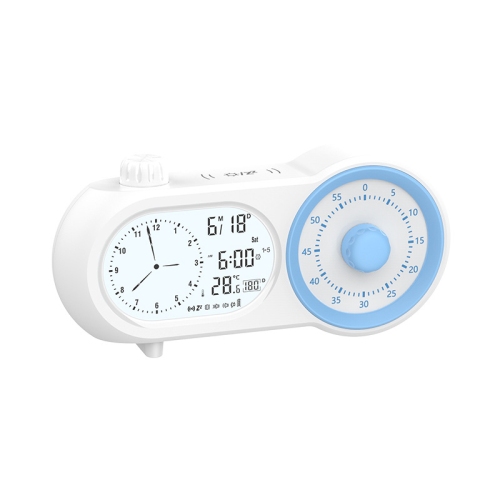
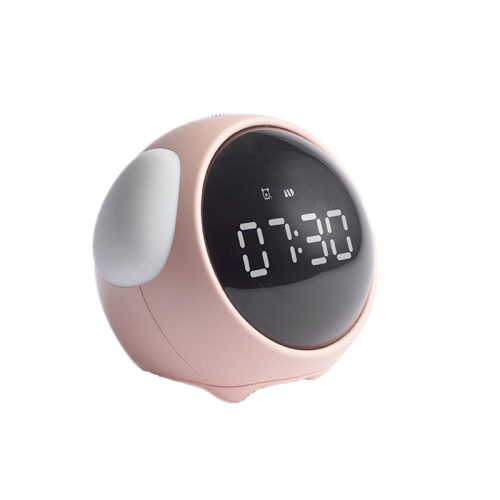
Different households have different reasons for choosing an interactive bedside clock. For a heavy sleeper, a puzzle or movement-based alarm can interrupt the familiar habit of pressing snooze without fully waking, though no alarm design guarantees that everyone will wake reliably. The challenge also needs to suit the room: a clock that moves across the floor calls for clear space, with stairs, loose cables, and fragile objects kept out of its path. In a shared bedroom, adjustable sound and light settings can be more practical than relying on maximum volume. A person who wakes before a partner may value an alert that starts quietly, while someone who finds bright displays distracting may prefer a clock that dims substantially or allows the time display to be switched off. Interactive alarm clocks for children often focus on understandable routines rather than complicated controls. Colour changes, simple symbols, and separate bedtime and wake-up settings can help communicate when it is time to rest or get up. Those signals work best when a caregiver explains their meaning and keeps the routine consistent; they do not replace supervision or account for every child's needs. Easy-to-read numbers and straightforward physical buttons can also suit users who would rather avoid navigating an app for basic adjustments. For students or people working from home, a built-in countdown or focus timer can give the clock a useful role beyond the first alarm of the day. Playful shapes and unusual ways to stop an alarm can make these clocks thoughtful gifts for a new bedroom, a move to residence, or someone who enjoys practical gadgets. For more character-led designs, Fun Alarm Clocks offers a related theme. Whether the recipient prefers a cheerful bedside companion or a less noticeable design, the controls should remain understandable when reached for in a dark room.
Size, construction, and placement shape how comfortably an interactive alarm clock fits into daily use. A compact base can leave room on a bedside table for glasses and a book, while a larger display may be easier to read from across the bedroom. Display brightness and contrast matter alongside digit size: a highly illuminated face can be clear during the day yet distracting at bedtime. Adjustable brightness, readable viewing angles, and a stable base are useful considerations for a clock that will be checked from bed. Smooth plastic housings are often straightforward to wipe down, while fabric-covered sections and textured speaker grilles can need more careful dusting. Clear display covers may show fingerprints, particularly on touch-controlled designs. Cleaning should follow the manufacturer's directions, with liquids kept away from openings and power connections; spraying cleaner directly onto a clock can allow moisture to reach internal parts. Durability also depends on how the clock is used. A stationary touchscreen clock needs secure placement near a suitable power source, while a movement-based design needs a surface and clearances appropriate to its stated use. A playful appearance alone does not establish that a clock is suitable for rough handling or unsupervised use by young children. Age recommendations, accessible battery compartments, detachable parts, and cord placement are particularly relevant in children's bedrooms. Power arrangements deserve attention as well. Some clocks use mains power, some run on batteries, and others combine a power connection with backup batteries. Backup may preserve the time and saved settings without operating the display, speaker, or connected features throughout an outage. For anyone relying on a clock for an important morning commitment, that distinction matters. Straightforward alarm confirmation, an accessible stop control, and settings that are easy to review all contribute to everyday usability. The lasting appeal of an interactive alarm clock comes from how well its sounds, lighting, controls, and physical design fit the person using it, whether the goal is a more deliberate wake-up routine or simply a bedside clock that is engaging to use.
Top selling and popular products
-
 Your price for this item is $89.99
-
 Your price for this item is $77.49
-
 Your price for this item is $67.99
-
 Your price for this item is $159.49
-
 Your price for this item is $46.2
-
 Your price for this item is $40.99
-
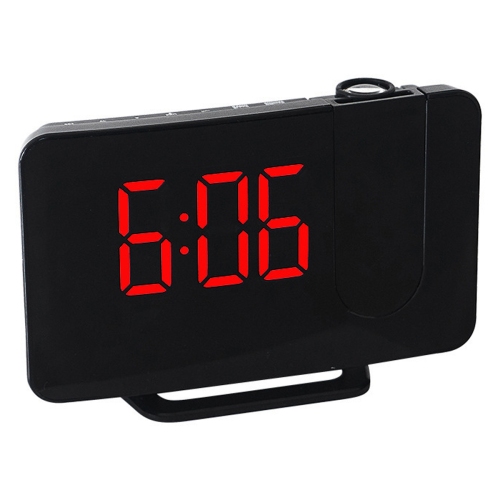 Your price for this item is $40.04
-
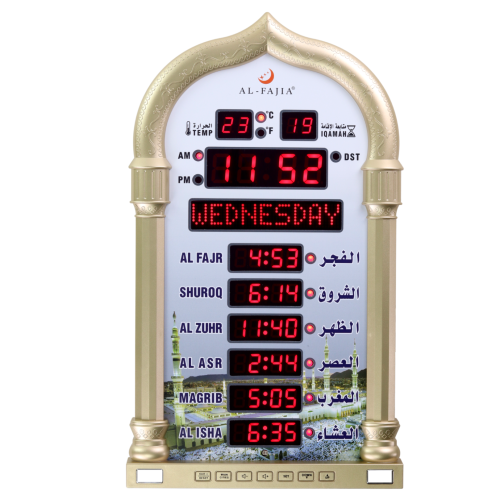 Your price for this item is $89.99
Discover more categories related to Interactive Alarm Clocks
Top Collections:
Best Black Friday Deals This Year, Best Black Friday Deals On Electronics, Kindle Devices, Pokemon Centers, Best Black Friday Deals On Apple Products, Best Cameras for Sports Photography, Dyson Airwrap, Pokémon 30th Celebration Cards, Apple iPhone 17 Pro, Canon G7X Cameras
Some products may be subject to Environmental Handling Fees
(EHF) depending on your province.
Learn more about EHFs.