Stroller Weather Shield
Ensure your little one stays protected from the elements with a high-quality Stroller Weather Shield. Designed to shield your child from rain, wind, and harsh sunlight, these weather shields are a must-have accessory for any parent on the go. Easy to attach and versatile enough to fit most stroller models, you can enjoy peace of mind knowing your baby is safe and comfortable during outdoor adventures. Say goodbye to worrying about unpredictable weather conditions and hello to stress-free strolls with a reliable Stroller Weather Shield.
Sort

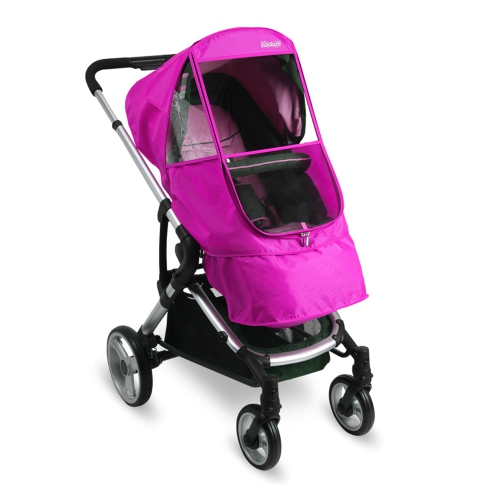
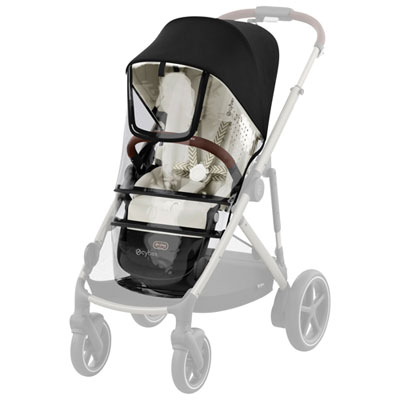
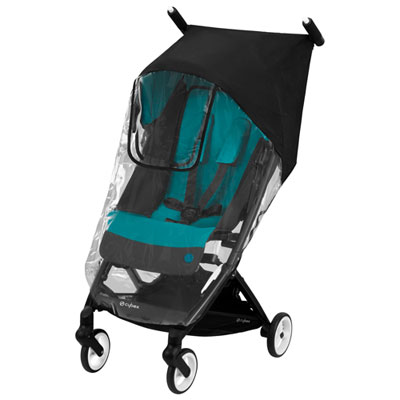
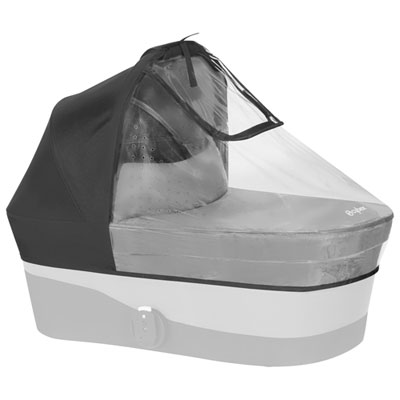
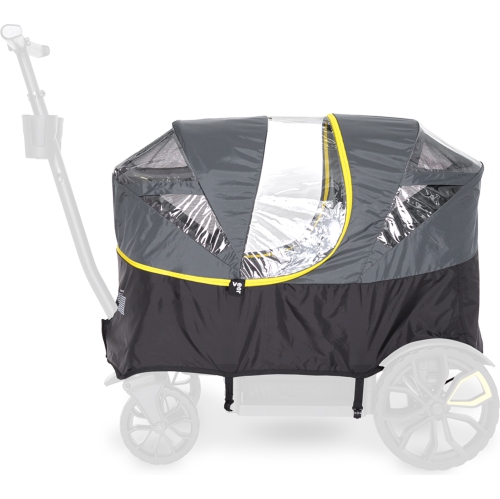
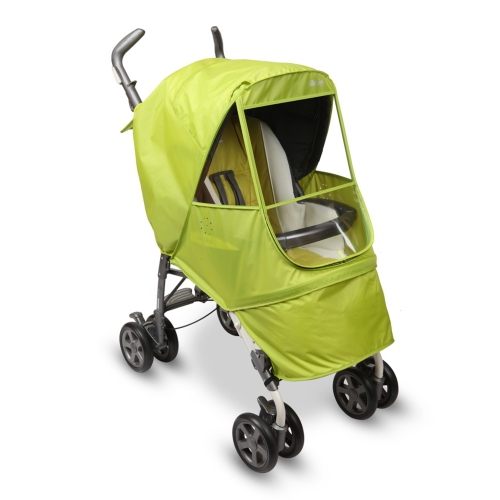


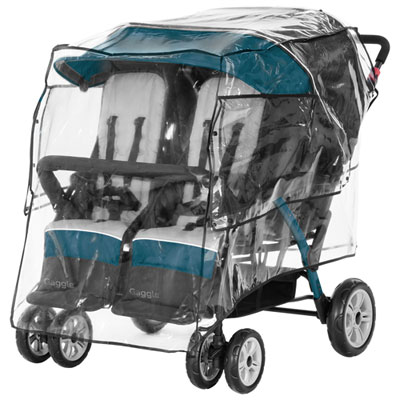

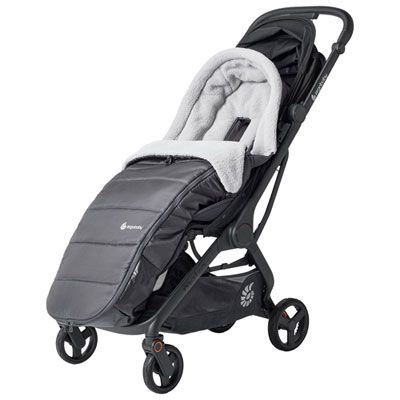
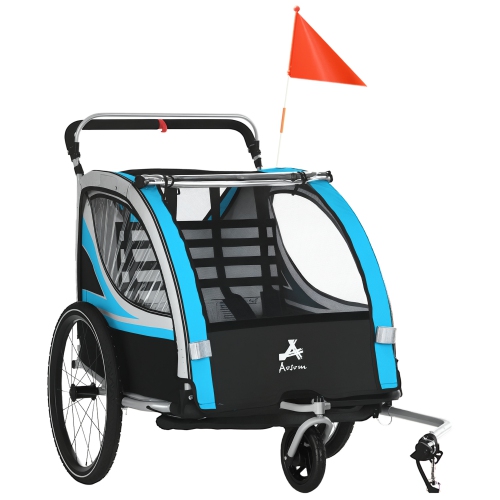
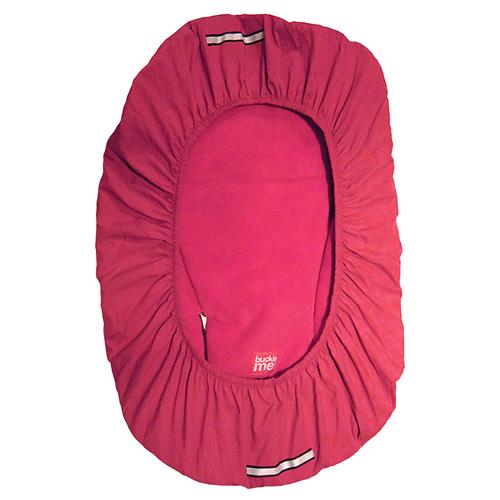
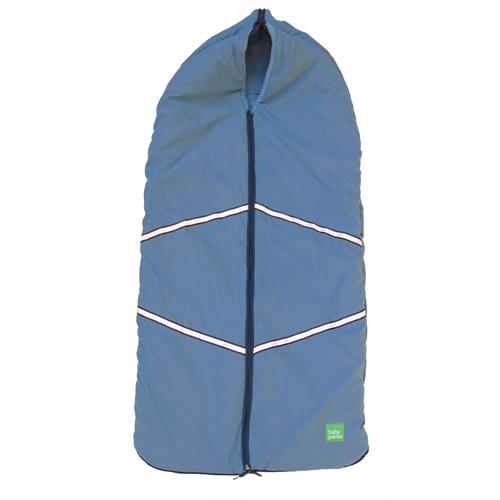
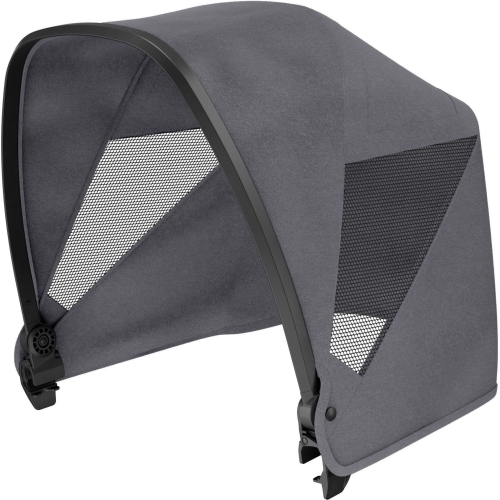
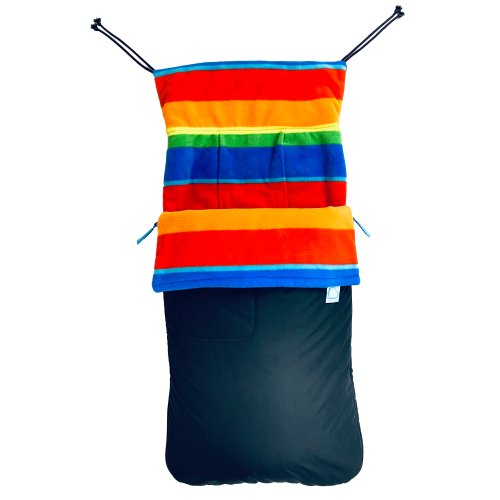

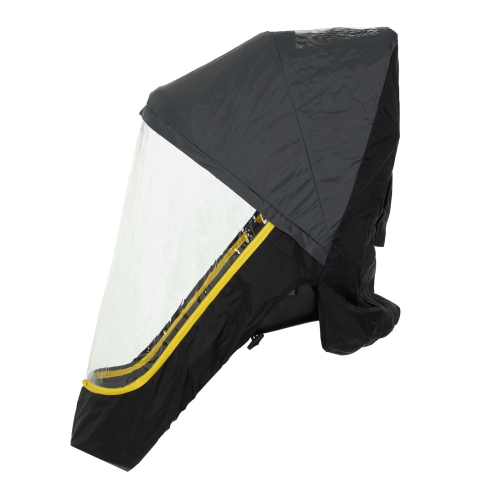
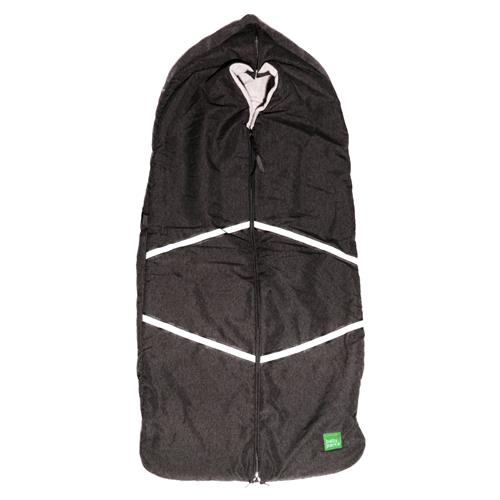
Rain coverage that reaches beyond the stroller canopy
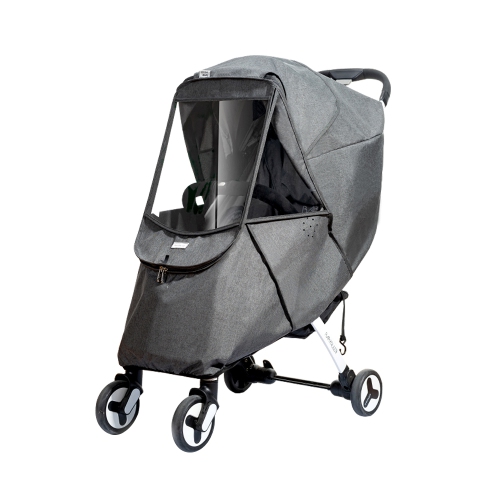
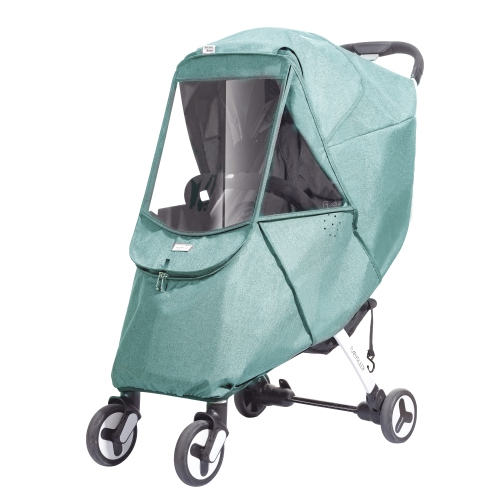
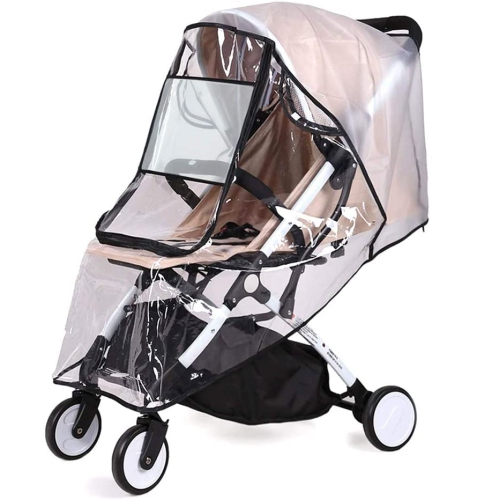
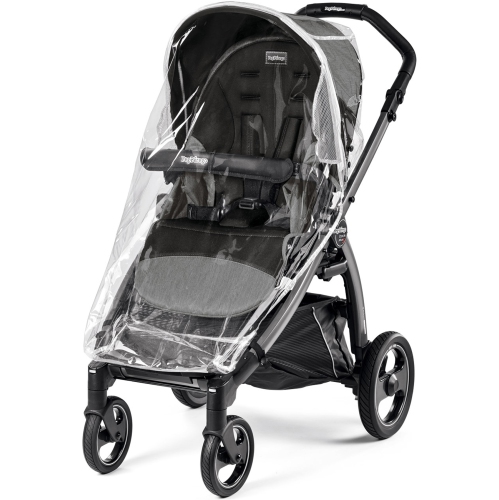
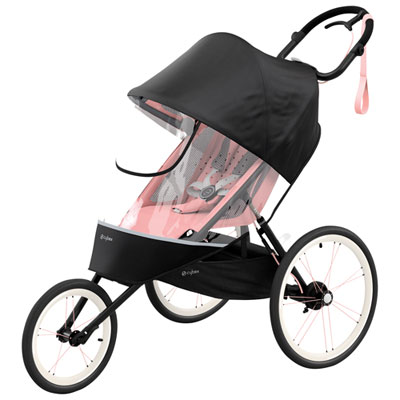
A stroller weather shield is a fitted cover that helps protect a child riding in a stroller from rain, wind, and, where the design allows, light snow or sleet. It adds a barrier around the seating area while designated vents allow air to circulate. For families heading to daycare, walking to a nearby shop, or taking a short outing during the cooler months, that coverage can help keep wind-driven droplets off a child’s lap and reduce exposure to gusts around the seat. Unlike a stroller canopy, which mainly covers the area above the child, a weather shield usually extends farther down the front and sides. The amount of coverage varies: some designs reach over the footrest, while others are shaped around a bassinet, an upright seat, or a compatible travel system. Clear panels let a child see the passing scenery and allow a caregiver to check on them without repeatedly lifting the cover. Transparency alone, however, does not indicate UV protection, and a rain shield should not be treated as a sunshade unless its stated features support that use. These accessories are generally outer barriers rather than insulated layers, so clothing still needs to suit the conditions. A shield can be useful when drizzle starts halfway home or damp leaves and puddles mark the route, but it does not make severe weather suitable for an outing. Its everyday value comes from balancing coverage, visibility, access, and airflow in a shape that works with the stroller. Parents, grandparents, and other caregivers may appreciate a cover that packs into a storage basket and can be fitted without a lengthy setup. As a baby shower or practical family gift, a weather shield is most useful when the recipient’s stroller model and preferred seating arrangement are known, since a close fit matters more than a broad compatibility claim.
Fit determines how well a stroller weather shield performs in daily use. Single strollers, jogging strollers, tandem strollers, and side-by-side double strollers have different outlines, so their covers are not necessarily interchangeable. A tall canopy, a projecting footrest, or a seat that faces the caregiver can change where the material needs to fall. Even a cover described as universal has limits; compatible stroller types, dimensions, and installation details provide a clearer picture of its intended fit. A suitable shield should attach securely without pressing against the child’s face, restricting their movement, or leaving loose material near the wheels. It should also leave brakes, handles, and other controls usable. Seat recline deserves attention, particularly when a child alternates between sitting upright and resting, because changing the seat angle can pull an otherwise neat-fitting cover out of position. Materials commonly include clear flexible plastic, sometimes paired with fabric edging or mesh ventilation sections. The clear portion forms the main weather barrier, while reinforced edges and well-finished seams can help withstand repeated handling. Material thickness is only one consideration: flexibility, visibility, fastening quality, and resistance to tearing also affect everyday durability. For use in colder conditions, any stated temperature limits matter, as some plastics can stiffen and become harder to unfold. Elasticated edges, hook-and-loop tabs, snaps, and zippers offer different ways to secure or open a cover. An access panel can make it easier to reach a dropped mitten or help a child into the seat, provided it closes properly afterwards. Water-resistant and waterproof descriptions should not be treated as identical, and seams, openings, and attachment points all influence how much rain stays out. During a walk through steady drizzle, gaps beside the canopy may matter as much as the material across the front. Coverage around the lower seat is particularly relevant for children whose shoes extend onto the footrest, though no part of the shield should drag along the pavement.
Ventilation is an essential feature of a stroller weather shield, not an optional extra. Side openings, mesh sections, or other purpose-built vents need to remain unobstructed whenever the cover is in use. A fully enclosed appearance is not a sign of better protection: heat and moisture can build up beneath a cover, even when the air outside feels cool. Caregivers should check the child frequently, watch for condensation, and remove the shield when it is no longer needed, especially when moving into a heated shop or another indoor space. A clear view through the front panel is helpful, but it does not replace direct supervision. Draping a blanket over the shield can block ventilation and make it harder to see the child. For outings that call for a different kind of coverage, Stroller Covers for Cold Weather offers a related category to explore, with intended use and compatibility remaining important for each design. Weather shields also benefit from straightforward care between trips. After a wet walk, opening the cover out and allowing it to dry fully before storage helps prevent trapped dampness and unpleasant odours. Cleaning methods depend on the material, but a soft cloth and a mild cleaning solution may be suitable where the care instructions permit them. Harsh cleaners, abrasive pads, machine washing, and direct heat can damage some clear panels or their seams, so the stated care directions should take priority. Road splash and gritty residue are worth removing gently rather than rubbing into the surface. Once dry, folding the shield along its intended lines and keeping it away from sharp objects can help preserve visibility and reduce stress on corners. Periodic checks for split seams, stretched attachments, cracked panels, or damaged vents are especially useful after frequent use. A cover that is easy to dry, fold, and reach in the stroller basket is more convenient on an unsettled day than one left damp at the bottom of a bag. With the right fit and regular care, a stroller weather shield can be a practical accessory for routine journeys through changing conditions.
Fit determines how well a stroller weather shield performs in daily use. Single strollers, jogging strollers, tandem strollers, and side-by-side double strollers have different outlines, so their covers are not necessarily interchangeable. A tall canopy, a projecting footrest, or a seat that faces the caregiver can change where the material needs to fall. Even a cover described as universal has limits; compatible stroller types, dimensions, and installation details provide a clearer picture of its intended fit. A suitable shield should attach securely without pressing against the child’s face, restricting their movement, or leaving loose material near the wheels. It should also leave brakes, handles, and other controls usable. Seat recline deserves attention, particularly when a child alternates between sitting upright and resting, because changing the seat angle can pull an otherwise neat-fitting cover out of position. Materials commonly include clear flexible plastic, sometimes paired with fabric edging or mesh ventilation sections. The clear portion forms the main weather barrier, while reinforced edges and well-finished seams can help withstand repeated handling. Material thickness is only one consideration: flexibility, visibility, fastening quality, and resistance to tearing also affect everyday durability. For use in colder conditions, any stated temperature limits matter, as some plastics can stiffen and become harder to unfold. Elasticated edges, hook-and-loop tabs, snaps, and zippers offer different ways to secure or open a cover. An access panel can make it easier to reach a dropped mitten or help a child into the seat, provided it closes properly afterwards. Water-resistant and waterproof descriptions should not be treated as identical, and seams, openings, and attachment points all influence how much rain stays out. During a walk through steady drizzle, gaps beside the canopy may matter as much as the material across the front. Coverage around the lower seat is particularly relevant for children whose shoes extend onto the footrest, though no part of the shield should drag along the pavement.
Ventilation is an essential feature of a stroller weather shield, not an optional extra. Side openings, mesh sections, or other purpose-built vents need to remain unobstructed whenever the cover is in use. A fully enclosed appearance is not a sign of better protection: heat and moisture can build up beneath a cover, even when the air outside feels cool. Caregivers should check the child frequently, watch for condensation, and remove the shield when it is no longer needed, especially when moving into a heated shop or another indoor space. A clear view through the front panel is helpful, but it does not replace direct supervision. Draping a blanket over the shield can block ventilation and make it harder to see the child. For outings that call for a different kind of coverage, Stroller Covers for Cold Weather offers a related category to explore, with intended use and compatibility remaining important for each design. Weather shields also benefit from straightforward care between trips. After a wet walk, opening the cover out and allowing it to dry fully before storage helps prevent trapped dampness and unpleasant odours. Cleaning methods depend on the material, but a soft cloth and a mild cleaning solution may be suitable where the care instructions permit them. Harsh cleaners, abrasive pads, machine washing, and direct heat can damage some clear panels or their seams, so the stated care directions should take priority. Road splash and gritty residue are worth removing gently rather than rubbing into the surface. Once dry, folding the shield along its intended lines and keeping it away from sharp objects can help preserve visibility and reduce stress on corners. Periodic checks for split seams, stretched attachments, cracked panels, or damaged vents are especially useful after frequent use. A cover that is easy to dry, fold, and reach in the stroller basket is more convenient on an unsettled day than one left damp at the bottom of a bag. With the right fit and regular care, a stroller weather shield can be a practical accessory for routine journeys through changing conditions.
Top selling and popular products
-
 Your price for this item is $59.95
 -
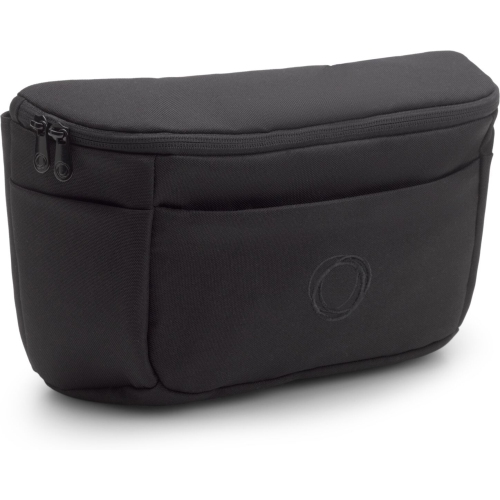 Your price for this item is $59.95
 -
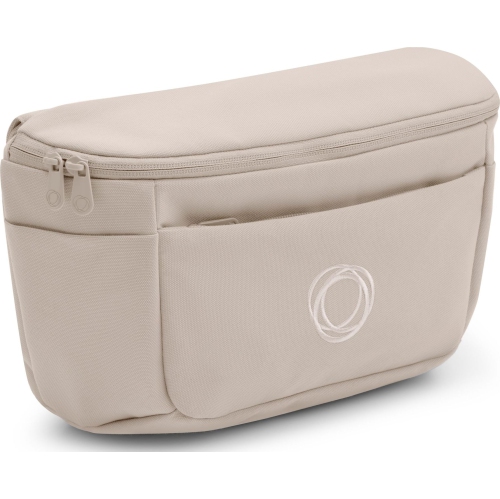 Your price for this item is $59.95
 -
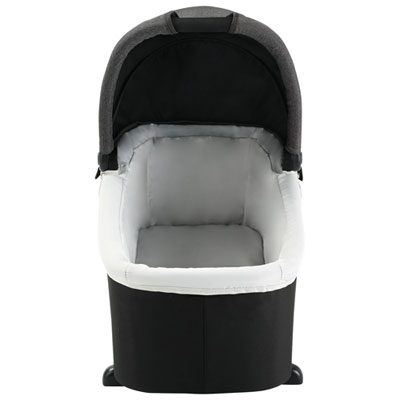 Your price for this item is $239.99
 -
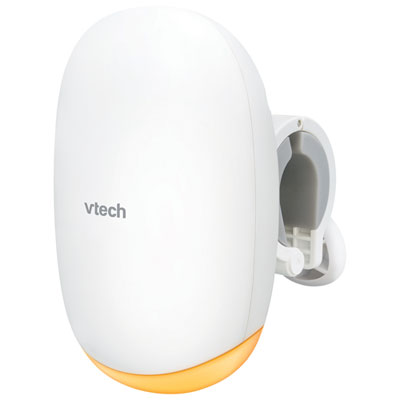 Your price for this item is $59.99
 -
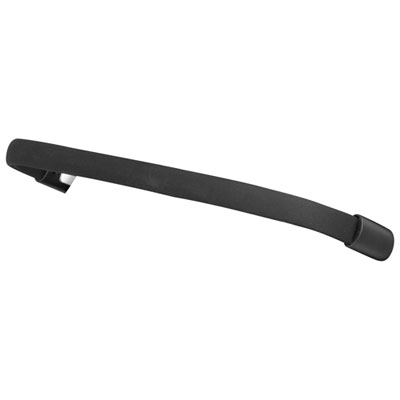 Your price for this item is $89.99
 -
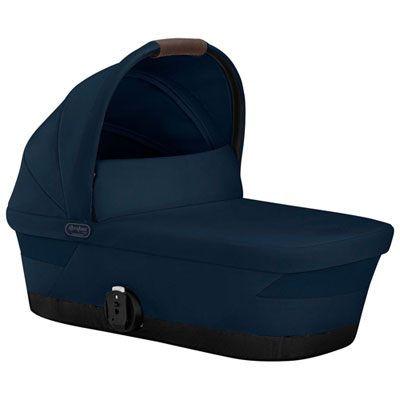 Your price for this item is $399.99
 -
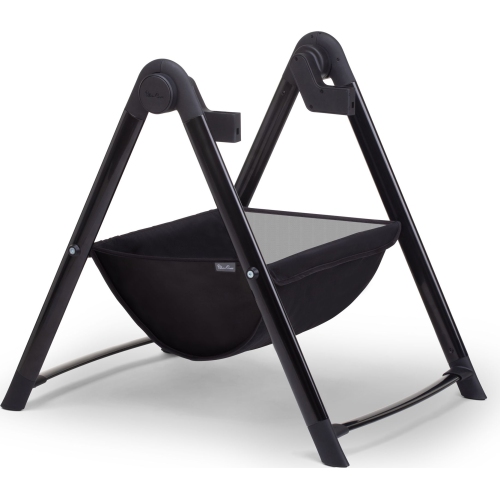 Your price for this item is $268
Discover more categories related to Stroller Weather Shield
Top Collections:
Pokemon Centers, Kindle Devices, Best Budget Office Chairs, Apple iPhones 16, Canon G7X Cameras, iPhone 15 Apple, Alarm Clock, Refurbished Apple Laptops, Flip Phones, Best Laptops for Writers
Some products may be subject to Environmental Handling Fees
(EHF) depending on your province.
Learn more about EHFs.