Toddler Dresses
Toddler dresses are a delightful way to add style and comfort to your little one’s wardrobe. Whether you’re searching for everyday outfits or something special for memorable occasions, there’s a wide variety of colours, patterns, and designs to choose from. Find the perfect fit for every season and milestone with toddler dresses that make getting dressed easy and fun.
Sort
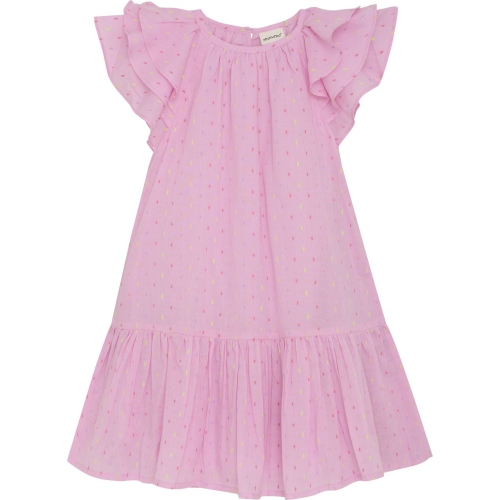
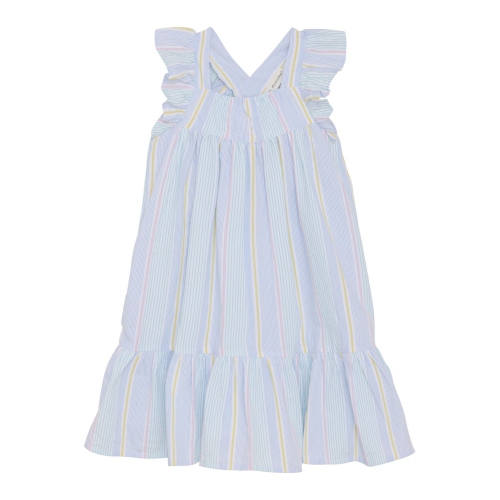
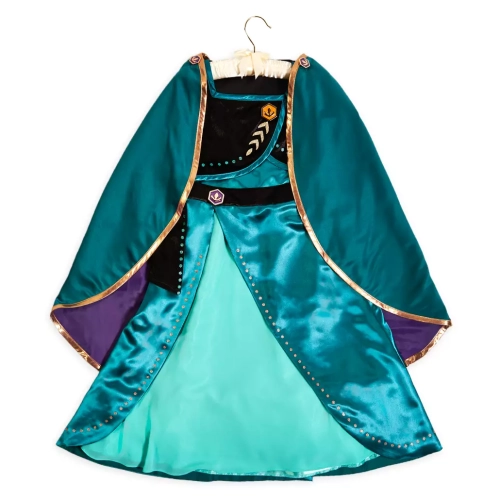
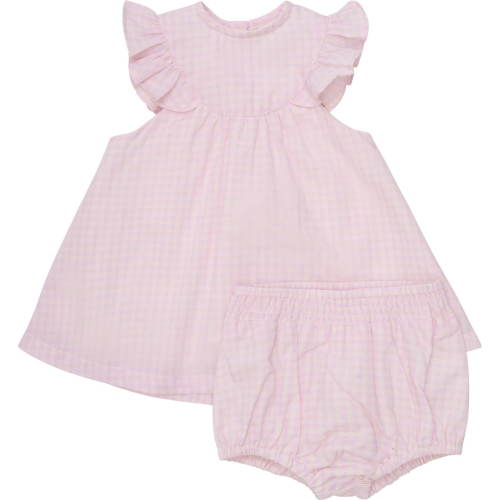
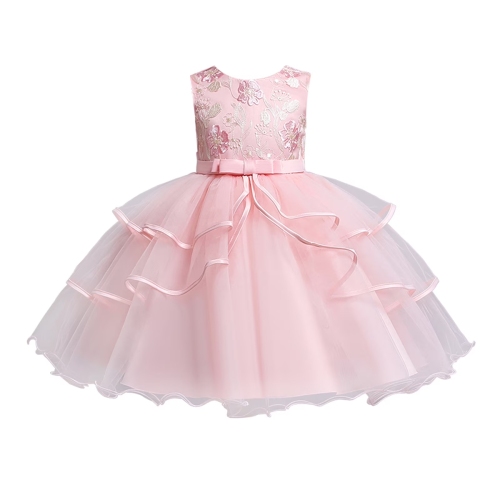
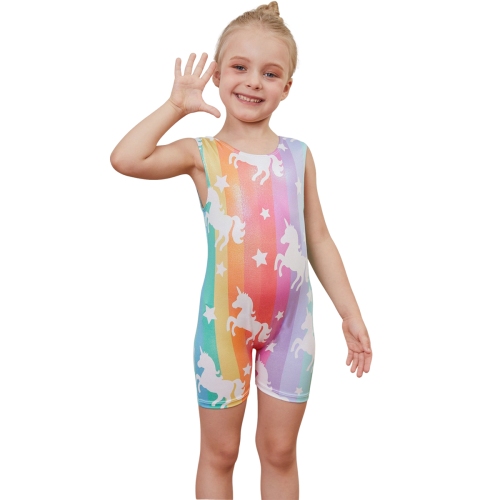
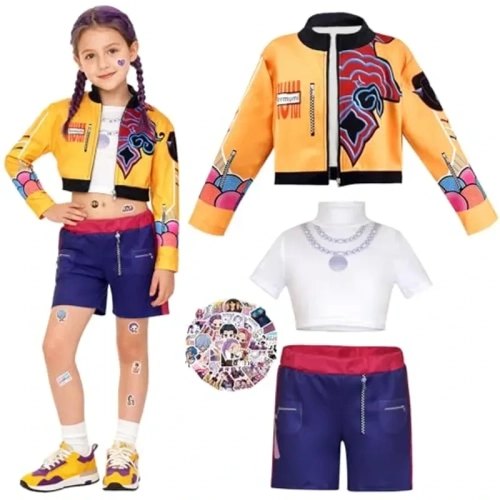
Little details that make dresses easier to wear
Toddler dresses bring together easy movement, playful details, and the practical features that help little ones get through a busy day. A dress might be worn for building towers on the living room floor, heading to daycare, visiting grandparents, or sitting down for a birthday celebration, so its shape matters as much as its appearance. Relaxed A-line cuts leave room around the hips and legs, while gathered skirts add fullness without needing a close fit through the waist. T-shirt dresses have a familiar, casual feel, and simple pull-on styles can make getting dressed less of a production when a toddler is eager to move on to the next activity. Fabric helps set the tone. Cotton jersey is typically soft and flexible, making it a comfortable choice for everyday wear; woven cotton has a more structured feel and can hold pleats or gathers neatly. Fabrics blended with elastane offer stretch, while corduroy adds a textured finish and denim gives a dress a sturdy, casual look. The softness and weight of these materials vary, so fibre content alone does not tell the whole story. A smooth lining can make a textured outer fabric more comfortable against the skin, particularly around the bodice and armholes. For celebrations and family photographs, embroidered details, a gently flared skirt, or a decorative collar can make an outfit feel special without relying on stiff layers. Tulle skirts and lace trims have a dressier appearance, though their comfort depends on how they are lined and finished. Colour and pattern are part of the appeal, too: small florals, stripes, cheerful prints, and solid shades each create a different look. Toddlers who are beginning to express preferences may enjoy choosing between a favourite colour and a familiar motif. A dress that feels pleasant to wear and reflects a child’s tastes is often easier to work into the everyday routine than one chosen for appearance alone.
Fit is especially important at an age when children spend so much time crouching, reaching, climbing, and getting up from the floor. Toddler clothing sizes are a starting point rather than a guarantee of fit, since proportions and size ranges differ between labels. Height and chest measurements, considered alongside the garment’s size chart, usually give a clearer picture than age alone. Dress length deserves attention as well: a hem should allow a natural stride and stay clear of the feet when a child kneels or climbs stairs. Extra room for growth can be useful, but an oversized neckline, slipping shoulder straps, or overly long sleeves may interfere with play. Around the waist and underarms, enough ease to sit comfortably and lift both arms helps prevent pulling. A dress intended to be worn over a top needs room for that extra layer without becoming bulky through the shoulders. Fastenings also affect how a dress works in real life. Stretchy neck openings and simple closures can help with quick changes, while a zipper with fabric behind it can reduce contact with the skin. Buttons should be securely attached, and decorative details should be appropriate for the child’s age; loose embellishments and long ties are best avoided. For children learning to dress themselves, fewer fastening steps can make the process more manageable. Toilet learning adds another consideration, since a very full skirt or a complicated outfit can take more effort to keep out of the way. Simple separates underneath may make everyday dressing more practical, and Toddler Leggings can provide coverage for floor play and active outings. The combination should still leave the waistband comfortable and the legs free to move. Small finishing details are worth noticing, including flat seams, soft labels, and cuffs that do not grip tightly. These are the parts a child feels throughout the day, whether the outfit is being worn for a short visit or a full day of activities.
Care requirements and construction help determine how well toddler dresses stand up to repeated wear. Everyday clothing encounters yoghurt drips, marker smudges, playground dust, and the friction of constant movement, so a manageable washing routine is a real advantage. The care label is the best reference for washing and drying, especially when a dress combines different fabrics, linings, or decorative trims. Machine-washable materials can simplify regular laundry, while delicate overlays, pleats, and embellishments may call for gentler handling. Prompt attention to spills, using a method suited to the fabric, can help keep stains from settling in. Checking pockets before washing and fastening closures can also reduce snags and prevent small treasures from going through the laundry. Cotton may shrink depending on its construction and finish, and high dryer heat can affect stretch fibres or decorative details, so drying directions matter as much as washing instructions. Durability is not simply a matter of choosing the thickest fabric. Even stitching, well-finished seams, secure hems, and reinforced areas around closures all contribute to a dress that holds its shape through regular use. A lighter knit with good recovery may suit active play better than a heavier fabric that restricts movement. Intended use helps narrow the balance between softness, structure, and detail: daycare clothing benefits from straightforward care and easy changes, while an outfit for a family gathering may place more emphasis on a polished finish. Even for a special occasion, comfort makes a difference when a toddler needs to sit through a meal or is ready to dance after it. Dresses can also be thoughtful gifts for birthdays and other family milestones, particularly when the giver knows the child’s measurements, clothing preferences, and usual activities. An easy-care style with a forgiving fit may be more useful than an elaborate outfit with demanding care needs. Whether part of a small rotation of everyday favourites or reserved for meaningful occasions, a well-chosen toddler dress makes room for the child’s day rather than asking the child to be careful of the clothes.
Top selling and popular products
-
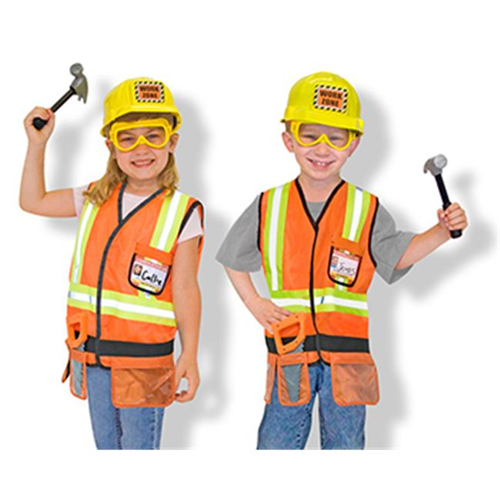 Your price for this item is $56
-
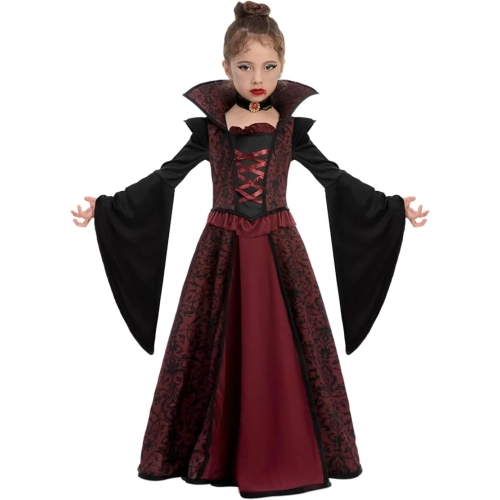 Your price for this item is $89.99
-
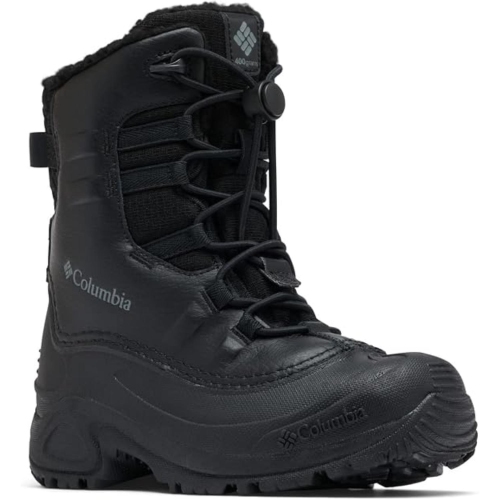 Your price for this item is $75.05
-
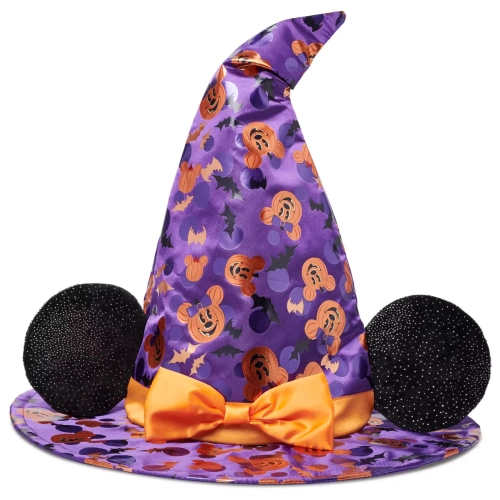 Your price for this item is $64.95
-
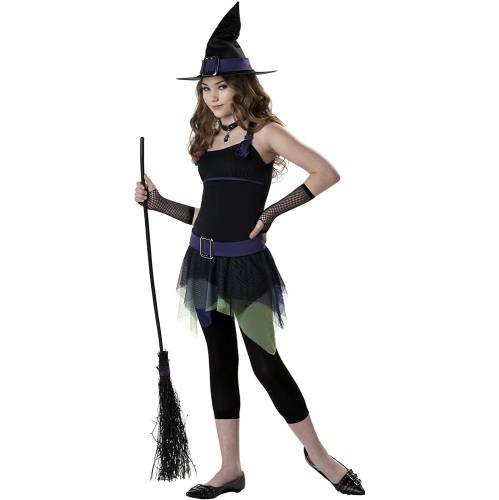 Your price for this item is $34.49
-
 Your price for this item is $34.49
-
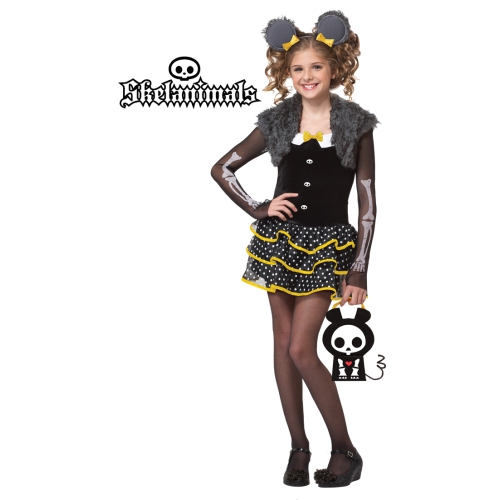 Your price for this item is $41.99
-
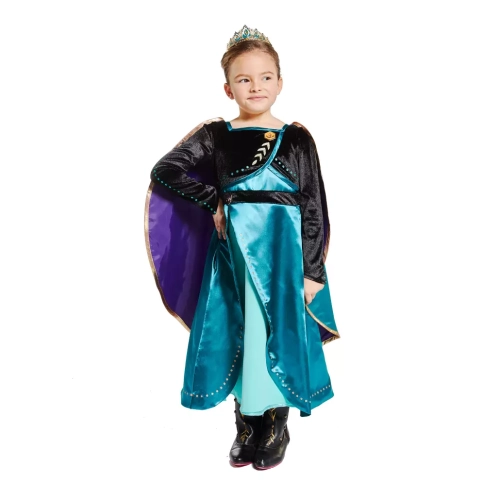 Your price for this item is $64.9
Discover more categories related to Toddler Dresses
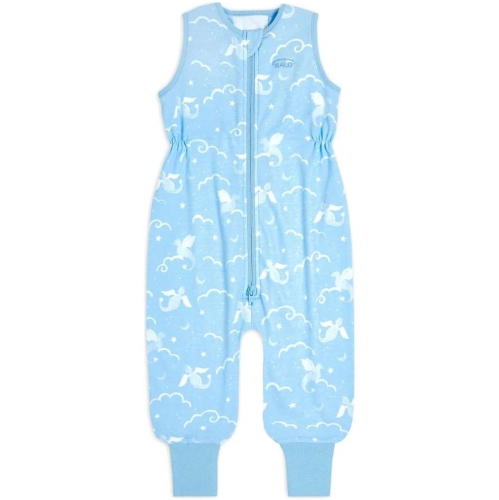
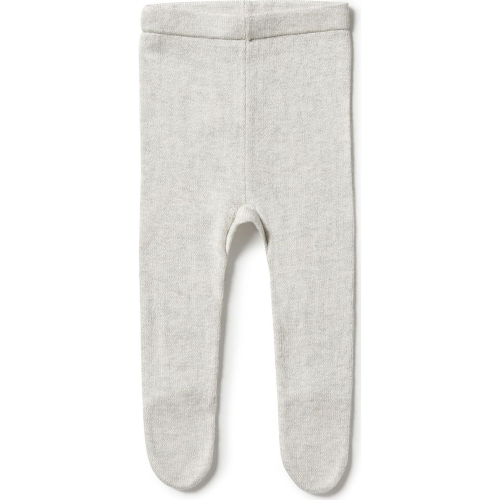
Top Collections:
Pokemon Centers, Best Cameras for Sports Photography, Kindle Devices, Samsung Galaxy Phones, Canon G7X Cameras, Pokémon 30th Celebration Cards, Refurbished Apple Laptops, iPhone 15 Apple, Laptops for Students, Budget Smartphones
Some products may be subject to Environmental Handling Fees
(EHF) depending on your province.
Learn more about EHFs.