Umbrella Strollers
An umbrella stroller is the perfect companion for parents on the go, offering a lightweight and compact solution for effortless travel with your little one. Designed to simplify outings, these strollers are easy to fold and store, making them ideal for navigating crowded spaces or hopping in and out of vehicles. Whether you're strolling through the park or running errands around town, an umbrella stroller provides convenience and comfort without compromising on style. Explore our selection to find the perfect match for your family's needs, ensuring every journey is smooth and enjoyable.
Sort
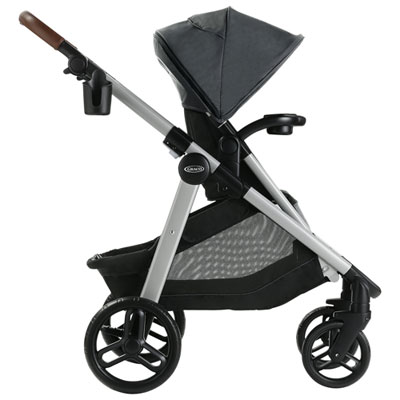
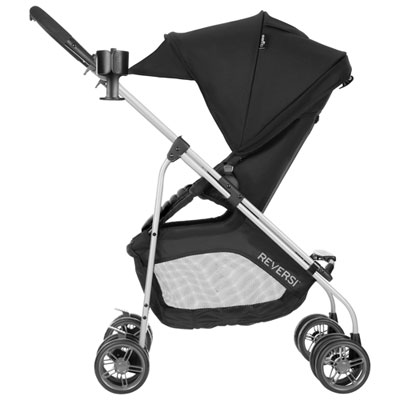

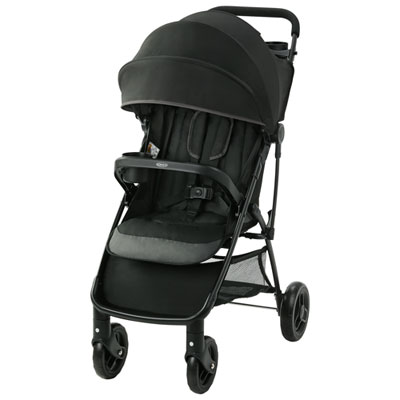
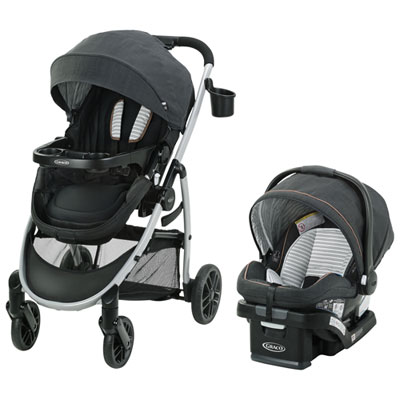
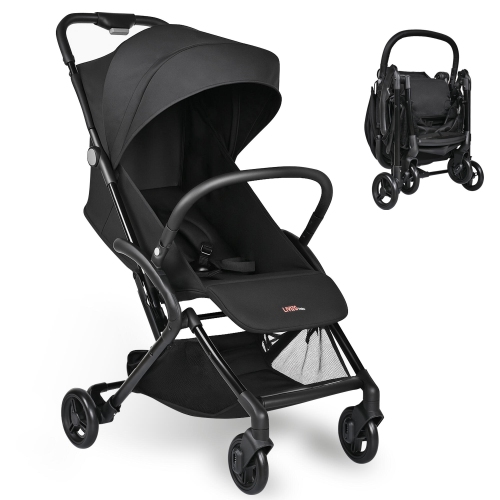
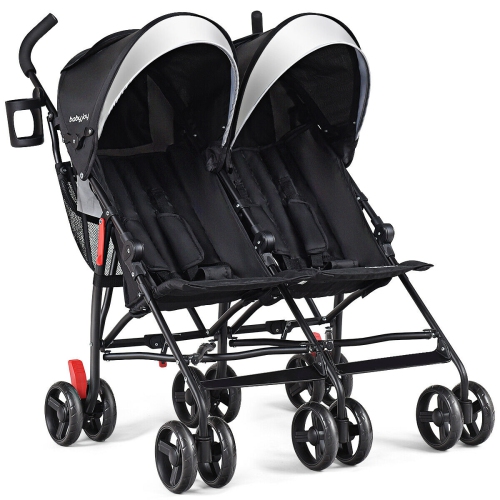
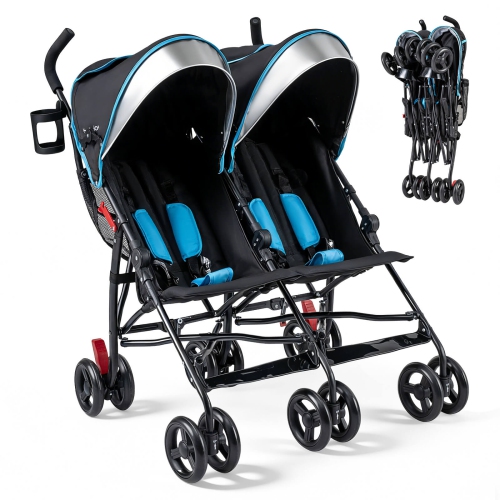
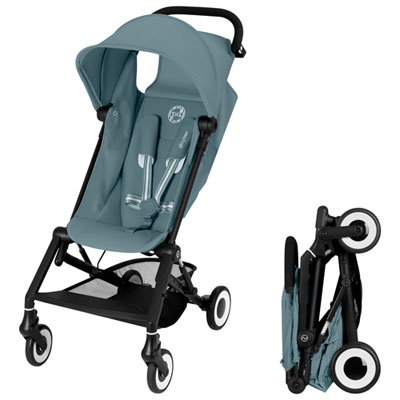
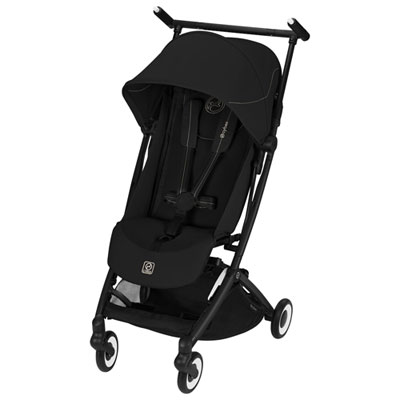
A lighter ride when little legs need a break
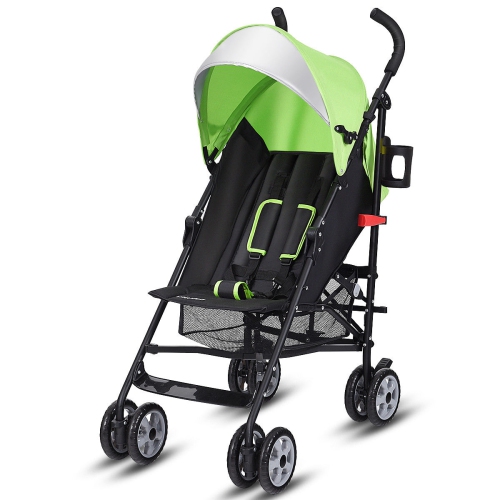
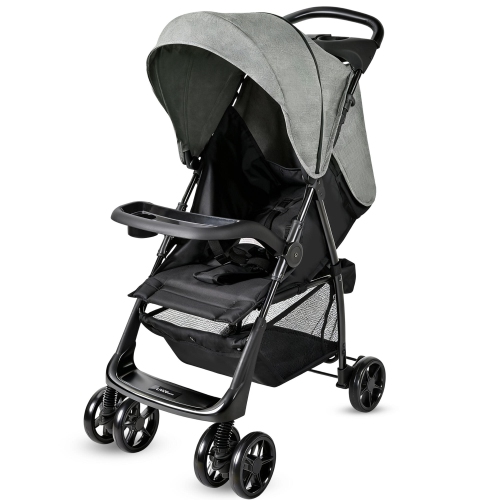
Umbrella strollers are lightweight, folding strollers designed for everyday errands, travel, and outings with children who no longer need the support of a newborn stroller. Their name comes from the long, narrow shape they form when folded, often with curved handles that resemble an umbrella handle. Many weigh roughly 11 to 18 pounds, although the frame, seat features, and accessories all affect the total weight. This compact design can make an umbrella stroller easier to lift into a car trunk, carry up apartment stairs, or tuck into a hallway cupboard than a larger full-size stroller. For a toddler who happily walks to the library but needs a ride home, it provides a convenient place to sit without requiring a bulky pushchair for the entire trip. Most traditional umbrella strollers are intended for older babies who can sit upright without help, often around six months and beyond, but suitability depends on the manufacturer’s age, weight, and developmental requirements. A reclining seat alone does not establish that a stroller is suitable for a newborn. The seat needs to match the child’s stage of development, and any infant use must be explicitly supported by the manufacturer. Within this category, designs range from simple upright seats to more padded versions with adjustable backrests, leg supports, and larger canopies. Those differences matter when comparing a stroller for occasional short trips with one intended for longer outings. Umbrella strollers generally have smaller storage baskets and fewer adjustments than full-size strollers, trading some carrying capacity and cushioning for a lighter, simpler design. They can serve as an everyday option for families whose routines suit those limits, or as an additional stroller kept with a grandparent or caregiver. For families travelling with a young child, their usefulness often lies in the stretches between destinations: crossing a terminal, waiting for transportation, or moving through a large attraction when little legs need a break.
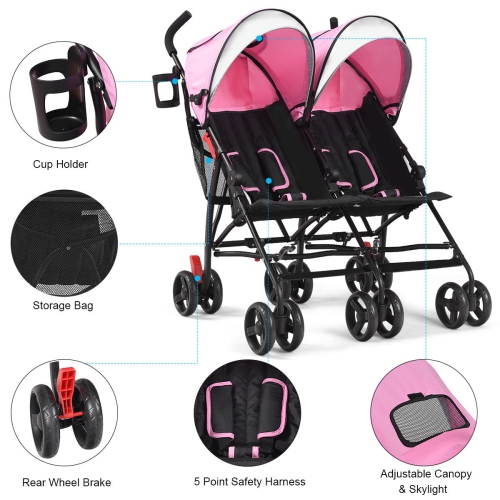
Comfort and fit depend on more than a padded seat. Seat width, backrest height, and the position of the footrest affect how comfortably a growing child sits, especially once shoes and a small backpack become part of the outing. Feet should rest on the intended support rather than drag near the wheels, and the harness should adjust securely around the child according to the manufacturer’s instructions. A five-point harness secures the shoulders, hips, and the area between the legs; it should be fastened on every ride, even for a short trip across a shopping centre. Recline positions and adjustable leg rests can offer more comfortable seating, but a stroller is not a substitute for an approved infant sleep space. Handle height and spacing also deserve attention because adults need enough room to walk naturally without kicking the rear wheels. Fixed handles may feel quite different to two caregivers of different heights, while a padded grip can make longer walks more comfortable. Small wheels help keep an umbrella stroller light and narrow, and they typically work best on smooth pavement, indoor floors, and other even surfaces. Swivelling front wheels make tight turns easier in shop aisles, while lockable front wheels, where included, can provide more controlled tracking on some uneven paths. Suspension varies and should not be assumed to provide the same cushioning as a larger stroller. These strollers are generally not intended for jogging or rough trails. Canopy size and adjustability are another point of comparison, particularly when a child prefers a more enclosed seating area. The coverage features found in canopy strollers are also relevant to umbrella designs, although coverage, viewing panels, and ventilation differ. Storage is equally practical: a basket that holds a small changing pouch may not fit a full diaper bag, and access can become tighter when the seat is reclined. Keeping bags within designated storage areas and respecting their weight limits helps maintain the stroller’s balance; hanging heavy bags from the handles can cause tipping.
Materials and construction influence how an umbrella stroller feels in daily use and how well it holds up to repeated folding. Aluminum frames are often chosen for their relatively low weight, while steel components can add strength along with extra carrying weight. Neither material alone determines durability: secure joints, smoothly operating hinges, firmly attached wheels, and a reliable folding lock are important parts of the overall design. Seat fabrics are commonly woven synthetic materials selected for their light weight and ease of care, with padding and removable sections varying by model. Crumbs collect around harness openings and seat seams, so accessible fabric surfaces can make routine cleaning less awkward. Follow the care label for washing, since some seat covers can be removed while others are intended only for spot cleaning. Allow cleaned fabric to dry fully before folding the stroller for storage, and check wheels regularly for hair, thread, or grit that could interfere with movement. Brakes and folding mechanisms should operate as described in the manual, with worn or damaged parts addressed before further use. A compact fold is most helpful when it suits the spaces a family actually uses. Folded length matters in a small trunk, while the position of a carry strap or handle affects how easily an adult can move the stroller alongside other belongings. A fold that requires two hands may be perfectly workable beside a parked car but less convenient when managing luggage. Children should remain clear of hinges during folding and unfolding, and the frame must be fully open and locked before a child is seated. For air travel, a narrow fold does not automatically mean cabin approval; airline size limits and gate-check procedures still apply. Protective travel bags may help contain loose straps and keep the folded stroller together during handling. As a gift for parents or grandparents, an umbrella stroller is most useful when its child requirements, carrying weight, storage needs, and handle fit match the household’s routine. The right balance is practical rather than elaborate: a secure seat, manageable fold, comfortable push, and construction suited to the trips it will make most often.
Comfort and fit depend on more than a padded seat. Seat width, backrest height, and the position of the footrest affect how comfortably a growing child sits, especially once shoes and a small backpack become part of the outing. Feet should rest on the intended support rather than drag near the wheels, and the harness should adjust securely around the child according to the manufacturer’s instructions. A five-point harness secures the shoulders, hips, and the area between the legs; it should be fastened on every ride, even for a short trip across a shopping centre. Recline positions and adjustable leg rests can offer more comfortable seating, but a stroller is not a substitute for an approved infant sleep space. Handle height and spacing also deserve attention because adults need enough room to walk naturally without kicking the rear wheels. Fixed handles may feel quite different to two caregivers of different heights, while a padded grip can make longer walks more comfortable. Small wheels help keep an umbrella stroller light and narrow, and they typically work best on smooth pavement, indoor floors, and other even surfaces. Swivelling front wheels make tight turns easier in shop aisles, while lockable front wheels, where included, can provide more controlled tracking on some uneven paths. Suspension varies and should not be assumed to provide the same cushioning as a larger stroller. These strollers are generally not intended for jogging or rough trails. Canopy size and adjustability are another point of comparison, particularly when a child prefers a more enclosed seating area. The coverage features found in canopy strollers are also relevant to umbrella designs, although coverage, viewing panels, and ventilation differ. Storage is equally practical: a basket that holds a small changing pouch may not fit a full diaper bag, and access can become tighter when the seat is reclined. Keeping bags within designated storage areas and respecting their weight limits helps maintain the stroller’s balance; hanging heavy bags from the handles can cause tipping.
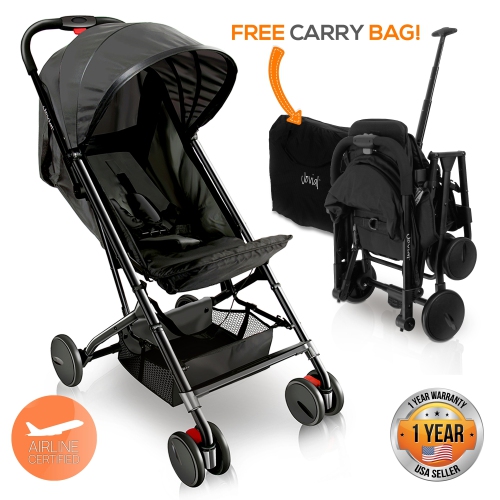
Materials and construction influence how an umbrella stroller feels in daily use and how well it holds up to repeated folding. Aluminum frames are often chosen for their relatively low weight, while steel components can add strength along with extra carrying weight. Neither material alone determines durability: secure joints, smoothly operating hinges, firmly attached wheels, and a reliable folding lock are important parts of the overall design. Seat fabrics are commonly woven synthetic materials selected for their light weight and ease of care, with padding and removable sections varying by model. Crumbs collect around harness openings and seat seams, so accessible fabric surfaces can make routine cleaning less awkward. Follow the care label for washing, since some seat covers can be removed while others are intended only for spot cleaning. Allow cleaned fabric to dry fully before folding the stroller for storage, and check wheels regularly for hair, thread, or grit that could interfere with movement. Brakes and folding mechanisms should operate as described in the manual, with worn or damaged parts addressed before further use. A compact fold is most helpful when it suits the spaces a family actually uses. Folded length matters in a small trunk, while the position of a carry strap or handle affects how easily an adult can move the stroller alongside other belongings. A fold that requires two hands may be perfectly workable beside a parked car but less convenient when managing luggage. Children should remain clear of hinges during folding and unfolding, and the frame must be fully open and locked before a child is seated. For air travel, a narrow fold does not automatically mean cabin approval; airline size limits and gate-check procedures still apply. Protective travel bags may help contain loose straps and keep the folded stroller together during handling. As a gift for parents or grandparents, an umbrella stroller is most useful when its child requirements, carrying weight, storage needs, and handle fit match the household’s routine. The right balance is practical rather than elaborate: a secure seat, manageable fold, comfortable push, and construction suited to the trips it will make most often.
Top selling and popular products
-
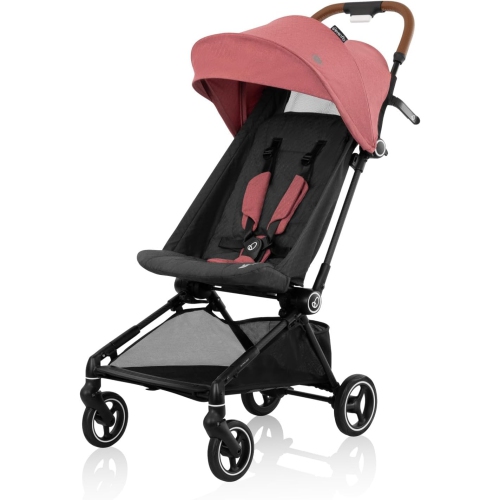 Your price for this item is $379.05
 -
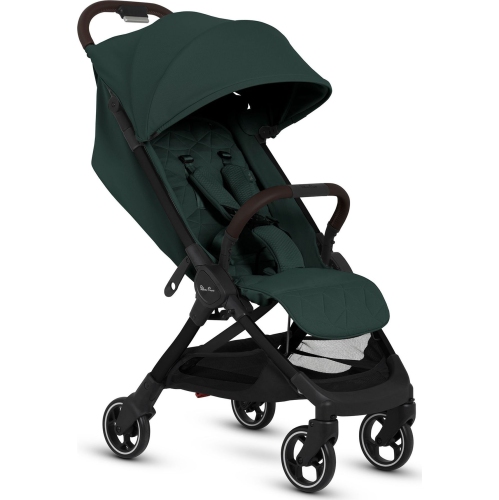 Your price for this item is $475
 -
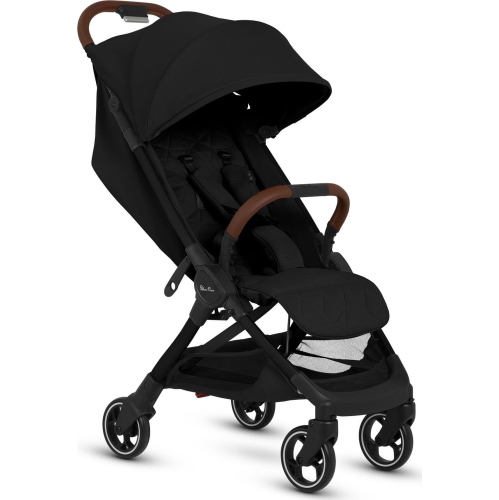 Your price for this item is $474.99
 -
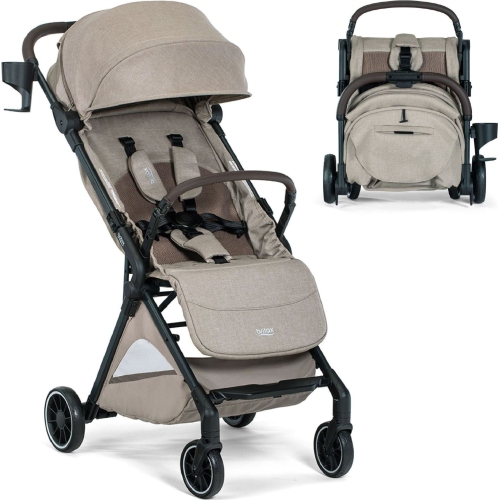 Your price for this item is $429.99
 -
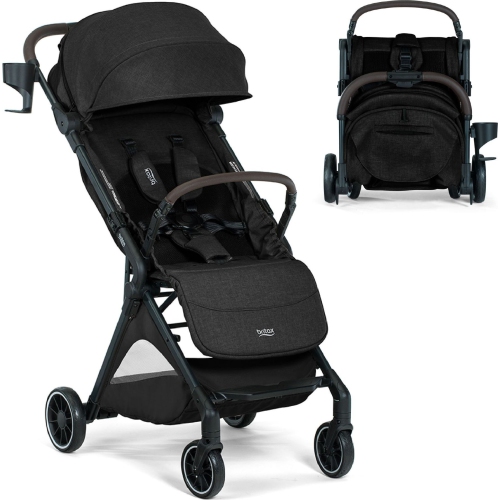 Your price for this item is $429.99
 -
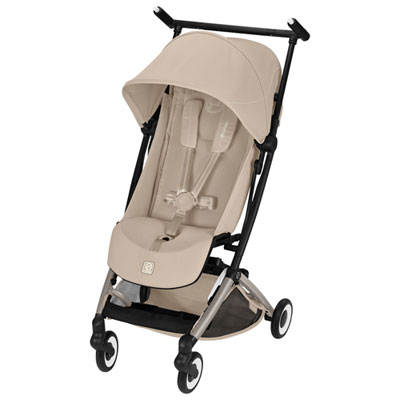 Your price for this item is $499.99
 -
 Your price for this item is $124.99
 -
 Your price for this item is $79.99
Discover more categories related to Umbrella Strollers
Top Collections:
Pokemon Centers, Kindle Devices, Best Budget Office Chairs, Apple iPhones 16, Canon G7X Cameras, iPhone 15 Apple, Alarm Clock, Refurbished Apple Laptops, Flip Phones, Best Laptops for Writers
Some products may be subject to Environmental Handling Fees
(EHF) depending on your province.
Learn more about EHFs.