Wooden Crib
Creating a cozy and secure environment for your little one is a top priority, and a wooden crib offers the perfect blend of elegance and functionality to achieve just that. Known for their timeless appeal and sturdy construction, wooden cribs are an excellent choice for any nursery. These beautifully crafted pieces not only provide a safe sleeping space but also seamlessly complement a variety of interior styles, from classic to contemporary. Explore our selection of wooden cribs to find the perfect match that will grow with your child while enhancing the aesthetic of your nursery.
Sort

Why crib construction matters more than the finish
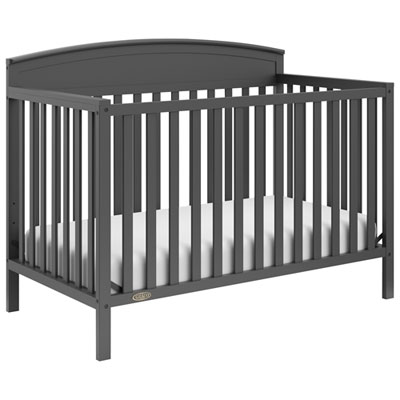
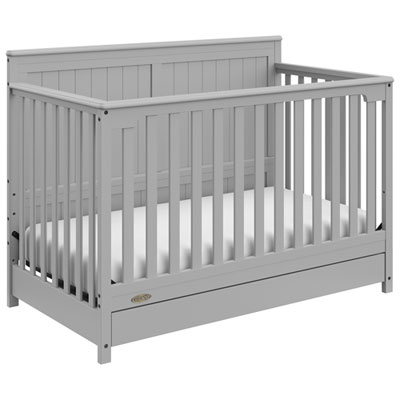
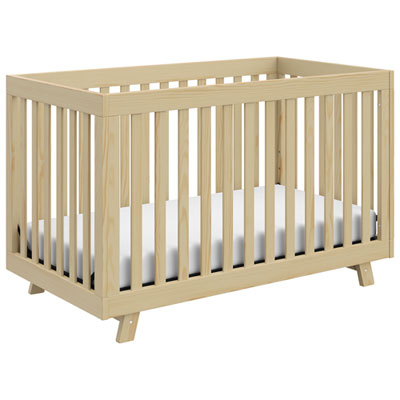
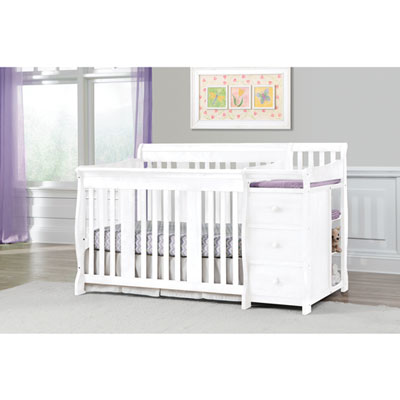
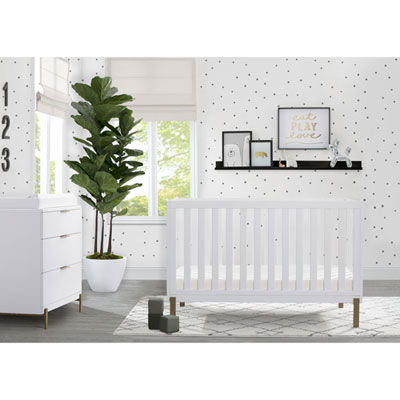
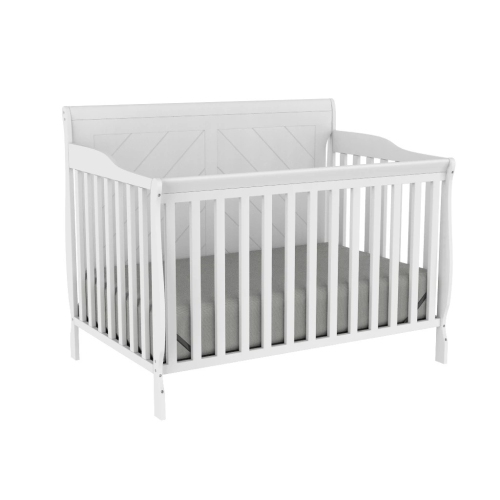
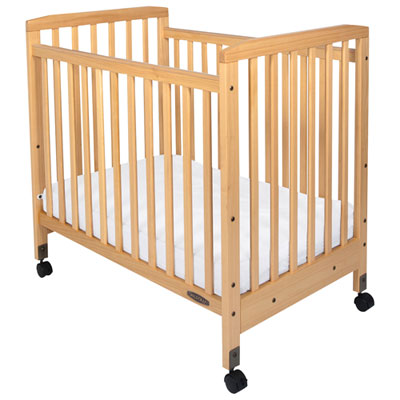
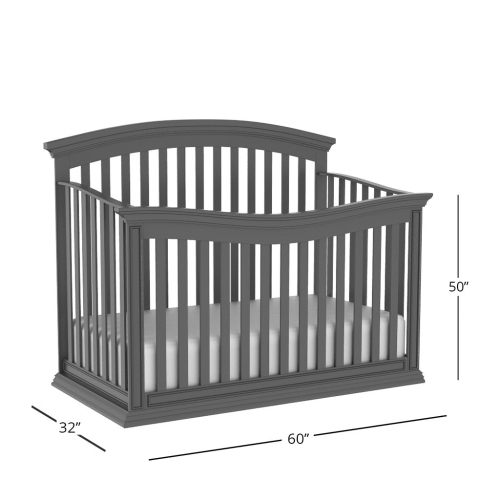
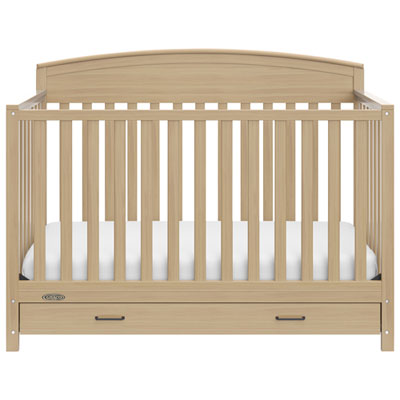
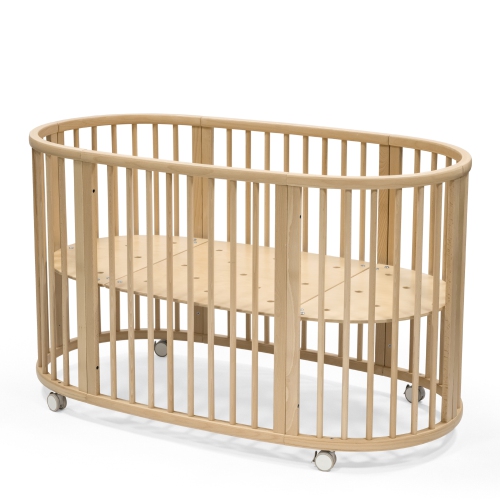
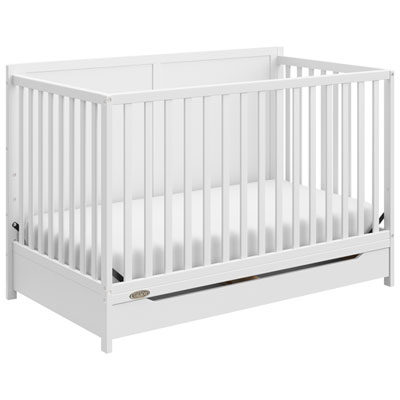
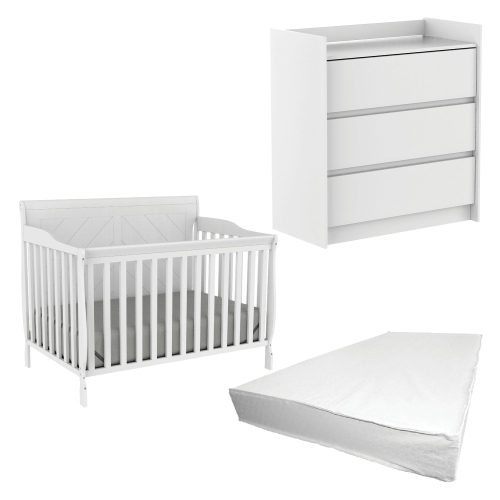
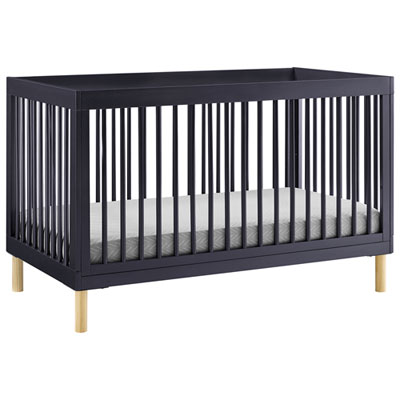
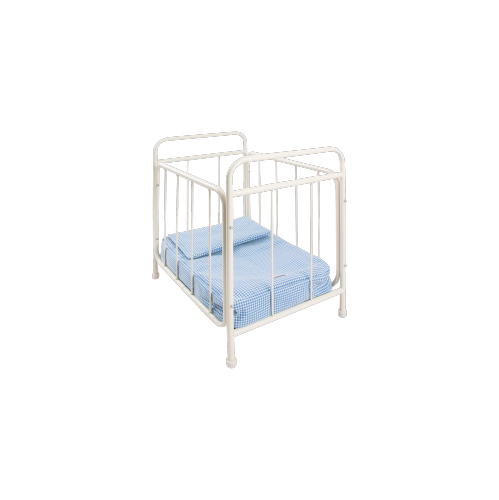
A wooden crib is an infant bed with a wood frame and enclosed sides, designed to hold a properly fitted crib mattress and provide a dedicated space for sleep. Its appeal comes from both its practical construction and its place in the nursery: visible grain, smooth rails, and a substantial frame can sit comfortably alongside a dresser, a nursing chair, or furniture already in the home. Wooden cribs range from simple designs with straight slats to more detailed styles with curved ends or panelled headboards. Natural finishes bring out the variation in the grain, while painted finishes offer a more uniform colour. A white or light wood crib can look understated against patterned walls, while a darker finish gives the bed a stronger visual presence. The finish name does not necessarily identify the underlying wood, so a walnut-coloured crib, for example, is not automatically made from walnut. Construction details are more useful than appearance alone when comparing materials. Solid wood cribs may use pine, beech, birch, or other species, while some wooden designs combine solid wood frames with engineered wood panels. Pine is generally softer and can show dents more readily than harder woods, although overall durability also depends on the joints, hardware, finish, and daily care. Solid wood does not remove the need to check assembly requirements or safety information. For everyday use, smooth surfaces, secure connections, and accessible mattress support adjustments matter more than elaborate ornamentation. Parents furnishing a first nursery may prefer a crib that coordinates with other baby furniture, while those sharing a bedroom with their baby may favour a simpler frame that fits beside existing furnishings. In either setting, the crib’s outer dimensions deserve close attention. Broad end panels and curved rails can take up noticeably more room than the mattress itself, even when two cribs use the same mattress size.
Fit and safety are central considerations for any wooden baby crib. In Canada, a crib should meet the applicable requirements of the Cribs, Cradles and Bassinets Regulations, and its identifying label and assembly instructions should be retained. Drop-side cribs are prohibited in Canada; fixed sides are the appropriate choice. Slats should be no more than 6 cm apart, but that measurement alone does not establish that a crib meets all safety requirements. A used or inherited crib also needs a check for recalls, missing parts, damage, and its manufacturing history. An attractive older frame is not a suitable substitute for a crib with verifiable safety information. The mattress must be firm, flat, and the size specified for the crib, with a close fit that leaves no more than 3 cm between the mattress and any side when the mattress is pushed against the opposite side. A mattress that worked in another crib should not be assumed to fit. Follow the manufacturer’s limits for mattress thickness as well, since an overly thick mattress reduces the effective height of the sides. Adjustable mattress supports can make it easier to lay down a newborn, but the support must be lowered as the baby develops, following the crib instructions and before sitting or pulling up makes a higher setting unsafe. Stop using the crib when the child can climb out or reaches the manufacturer’s stated limit, whichever comes first. For sleep, place the baby on their back on the mattress with a fitted sheet; keep pillows, loose blankets, bumper pads, toys, and positioning products out of the crib. A wooden frame needs no padded liner. Room layout matters too: leave space to approach the crib comfortably, and position it away from windows, blind cords, electrical cords, and furniture that could create a climbing route. Measuring the room with drawers open can reveal whether a dresser and crib will genuinely work together during everyday changes and bedtime routines.
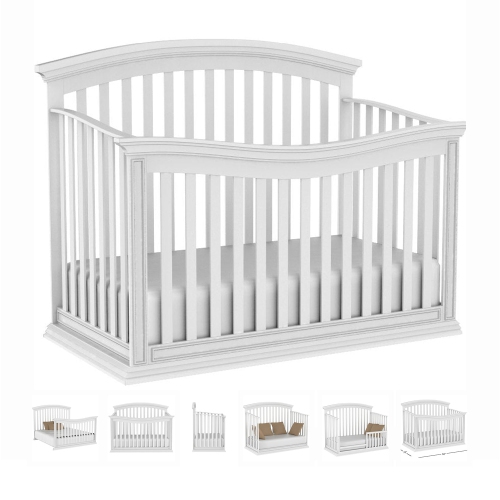
Convertible wooden cribs offer another way to plan a nursery, with certain designs changing into a toddler bed, daybed, or larger bed as the child grows. The number of configurations varies, and a conversion is only possible in the forms approved by the manufacturer. A Solid Wood Convertible Crib may appeal to families who want a wood frame that can remain part of a child’s room beyond infancy. Before choosing that style, check which conversion rails, guardrails, supports, and mattresses are required at each stage, and whether those components are included or supplied separately. A toddler configuration may retain the crib mattress, while a full-size bed conversion typically needs a different mattress and additional components. Future room fit matters as much as the first nursery layout: a frame that sits neatly against one wall as a crib may occupy much more floor space after conversion. Keep the instructions and clearly labelled spare hardware together so that a later change does not depend on guessing which bolt belongs where. Routine care also helps a wooden crib stay serviceable. Wipe surfaces with a soft cloth and the cleaning solution permitted by the manufacturer, then dry them promptly rather than leaving moisture around joints or hardware. Avoid abrasive pads and unapproved polishes, which can damage the finish or leave residues on surfaces a baby may touch or mouth. Inspect the rails, slats, mattress support, and fasteners regularly, particularly after moving or reassembling the crib. Loose hardware should be addressed according to the instructions, and a crib with cracked wood, broken slats, or missing fittings should not be used until it has been properly repaired with approved parts. Do not drill extra holes or improvise replacement components. Wooden cribs can also be meaningful gifts from grandparents or other close family members, but they are best chosen with the parents’ input. Confirming the room measurements, preferred finish, mattress requirements, and conversion plans makes the gift more useful than selecting by appearance alone. Whether intended for a dedicated nursery or a shared bedroom, a well-chosen wooden crib brings together suitable dimensions, sound construction, straightforward care, and a design that supports everyday family routines.
Fit and safety are central considerations for any wooden baby crib. In Canada, a crib should meet the applicable requirements of the Cribs, Cradles and Bassinets Regulations, and its identifying label and assembly instructions should be retained. Drop-side cribs are prohibited in Canada; fixed sides are the appropriate choice. Slats should be no more than 6 cm apart, but that measurement alone does not establish that a crib meets all safety requirements. A used or inherited crib also needs a check for recalls, missing parts, damage, and its manufacturing history. An attractive older frame is not a suitable substitute for a crib with verifiable safety information. The mattress must be firm, flat, and the size specified for the crib, with a close fit that leaves no more than 3 cm between the mattress and any side when the mattress is pushed against the opposite side. A mattress that worked in another crib should not be assumed to fit. Follow the manufacturer’s limits for mattress thickness as well, since an overly thick mattress reduces the effective height of the sides. Adjustable mattress supports can make it easier to lay down a newborn, but the support must be lowered as the baby develops, following the crib instructions and before sitting or pulling up makes a higher setting unsafe. Stop using the crib when the child can climb out or reaches the manufacturer’s stated limit, whichever comes first. For sleep, place the baby on their back on the mattress with a fitted sheet; keep pillows, loose blankets, bumper pads, toys, and positioning products out of the crib. A wooden frame needs no padded liner. Room layout matters too: leave space to approach the crib comfortably, and position it away from windows, blind cords, electrical cords, and furniture that could create a climbing route. Measuring the room with drawers open can reveal whether a dresser and crib will genuinely work together during everyday changes and bedtime routines.
Convertible wooden cribs offer another way to plan a nursery, with certain designs changing into a toddler bed, daybed, or larger bed as the child grows. The number of configurations varies, and a conversion is only possible in the forms approved by the manufacturer. A Solid Wood Convertible Crib may appeal to families who want a wood frame that can remain part of a child’s room beyond infancy. Before choosing that style, check which conversion rails, guardrails, supports, and mattresses are required at each stage, and whether those components are included or supplied separately. A toddler configuration may retain the crib mattress, while a full-size bed conversion typically needs a different mattress and additional components. Future room fit matters as much as the first nursery layout: a frame that sits neatly against one wall as a crib may occupy much more floor space after conversion. Keep the instructions and clearly labelled spare hardware together so that a later change does not depend on guessing which bolt belongs where. Routine care also helps a wooden crib stay serviceable. Wipe surfaces with a soft cloth and the cleaning solution permitted by the manufacturer, then dry them promptly rather than leaving moisture around joints or hardware. Avoid abrasive pads and unapproved polishes, which can damage the finish or leave residues on surfaces a baby may touch or mouth. Inspect the rails, slats, mattress support, and fasteners regularly, particularly after moving or reassembling the crib. Loose hardware should be addressed according to the instructions, and a crib with cracked wood, broken slats, or missing fittings should not be used until it has been properly repaired with approved parts. Do not drill extra holes or improvise replacement components. Wooden cribs can also be meaningful gifts from grandparents or other close family members, but they are best chosen with the parents’ input. Confirming the room measurements, preferred finish, mattress requirements, and conversion plans makes the gift more useful than selecting by appearance alone. Whether intended for a dedicated nursery or a shared bedroom, a well-chosen wooden crib brings together suitable dimensions, sound construction, straightforward care, and a design that supports everyday family routines.
Top selling and popular products
-
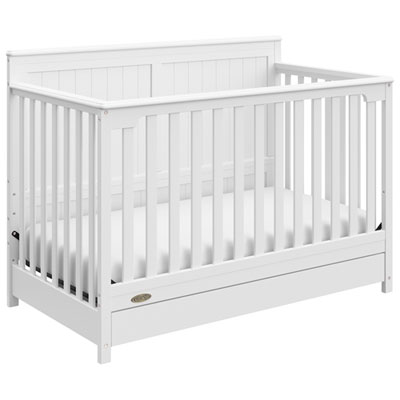 Your price for this item is $399.99
 -
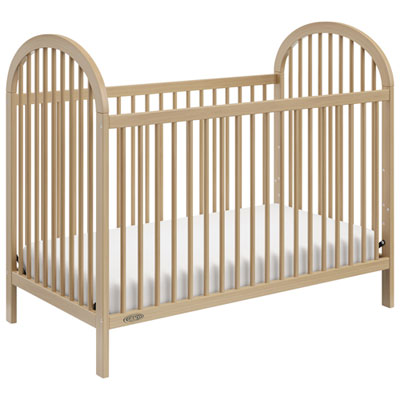 Your price for this item is $329.99
 -
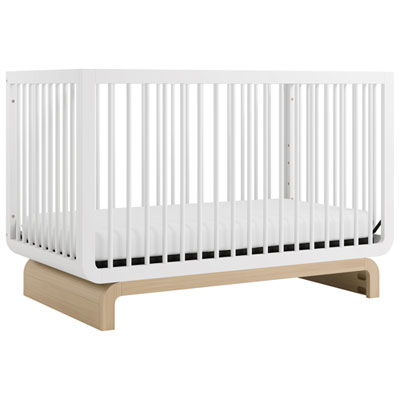 Your price for this item is $724.98
 -
 Your price for this item is $319.99
 -
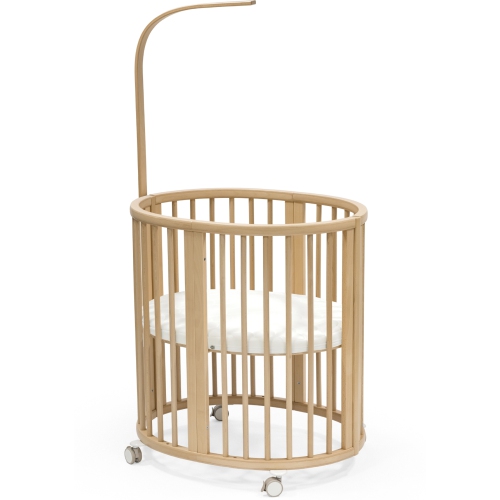 Your price for this item is $979
 -
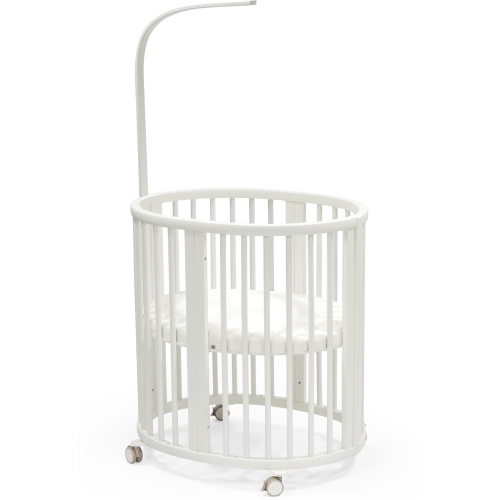 Your price for this item is $979
 -
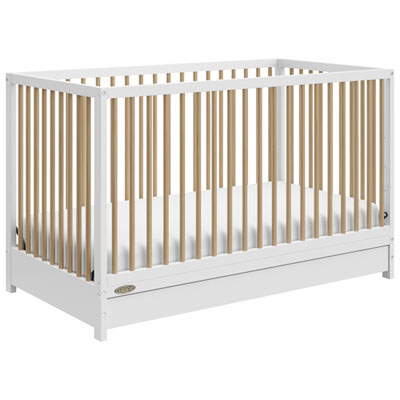 Your price for this item is $319.99
 -
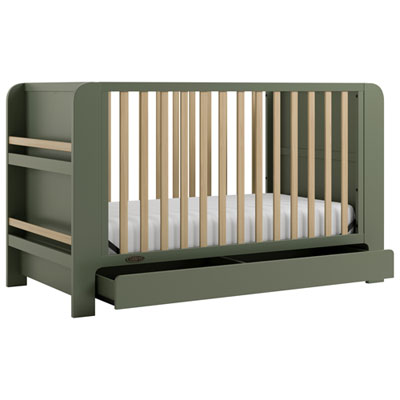 Your price for this item is $699.99
Discover more categories related to Wooden Crib
Top Collections:
Pokemon Centers, Kindle Devices, Best Budget Office Chairs, Apple iPhones 16, Best Laptops for Writers, iPhone 15 Apple, Canon G7X Cameras, Refurbished Apple Laptops, Alarm Clock, Motorola Razr Phones
Some products may be subject to Environmental Handling Fees
(EHF) depending on your province.
Learn more about EHFs.