Anti Theft School Backpacks
The best anti-theft backpacks are designed to keep your things and stuff safe while you're out. These are designed to be comfortable and stylish. These are durable and will protect your things from outside elements. Here are some of the best anti-theft backpacks on the market today.
Sort
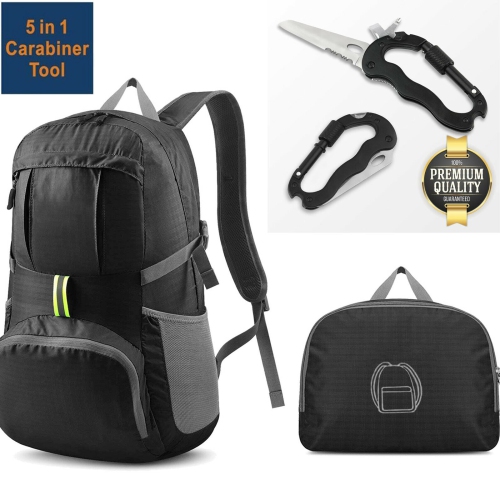
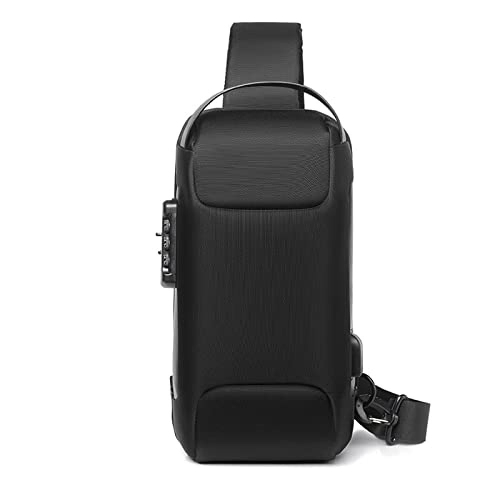
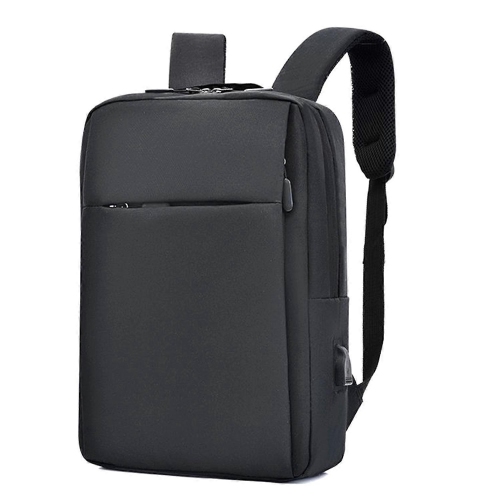
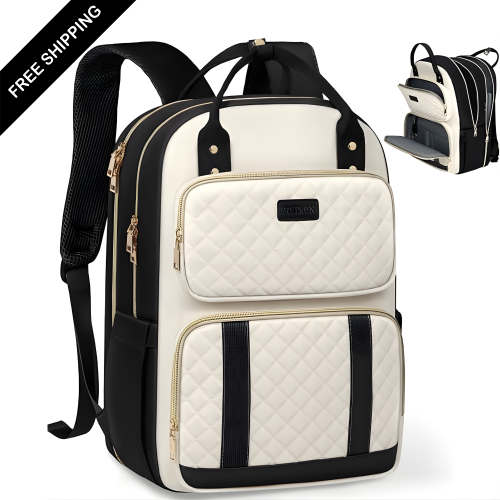
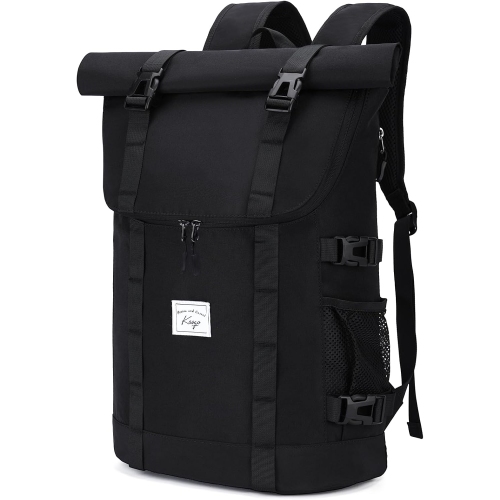
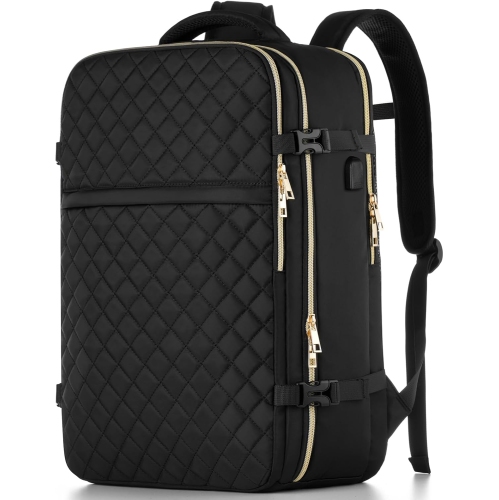
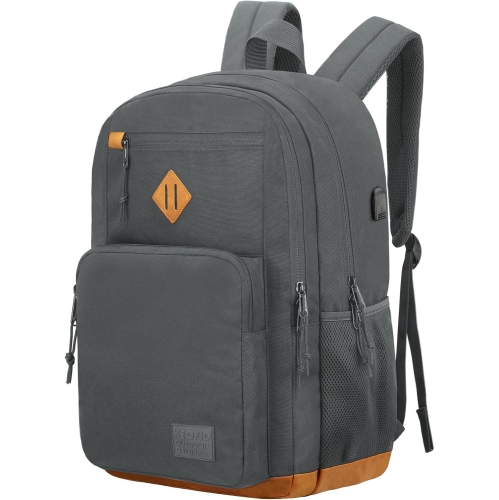
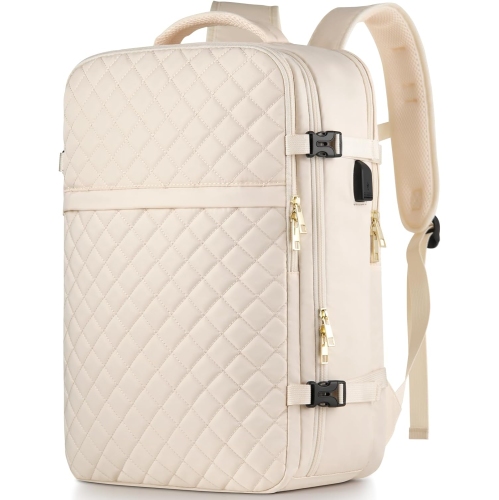
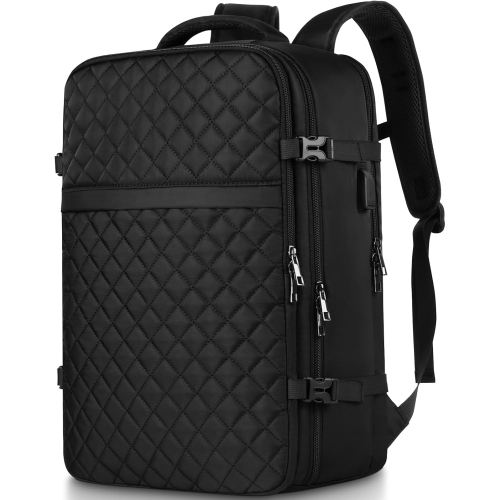
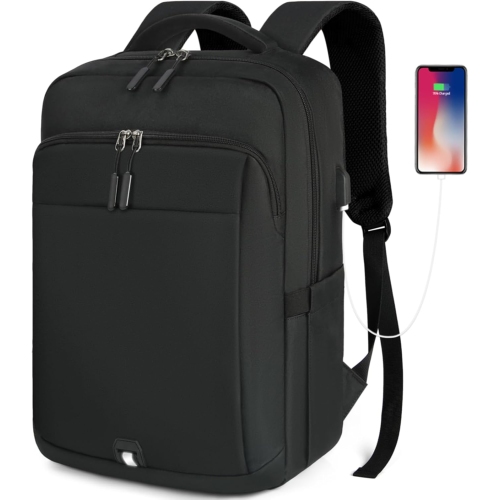
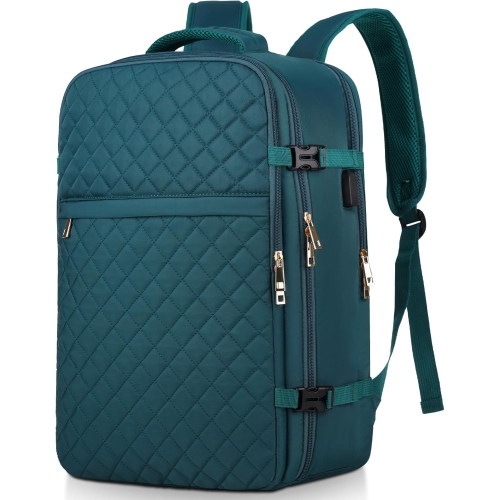
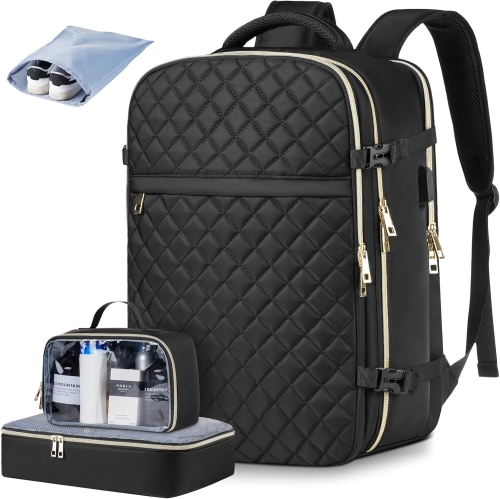
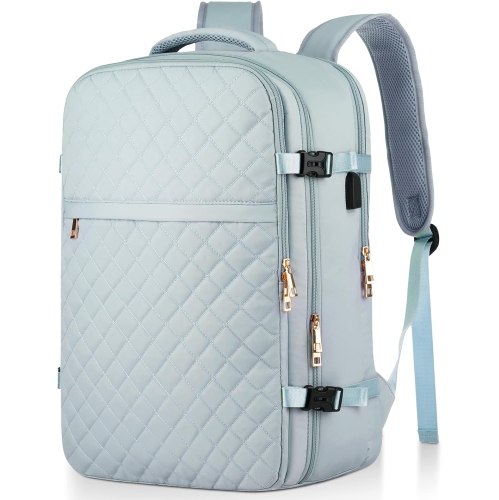
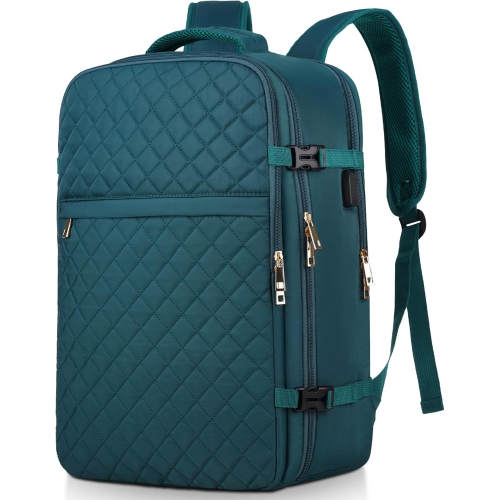
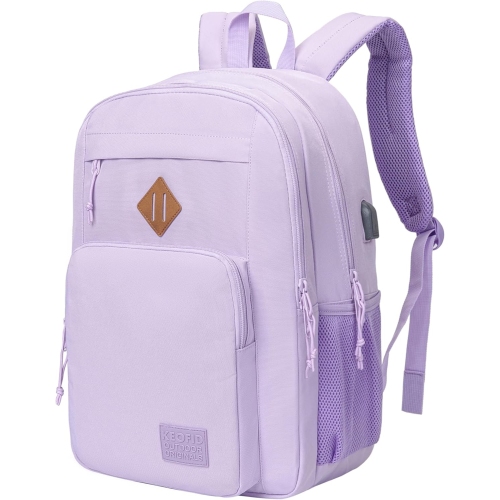
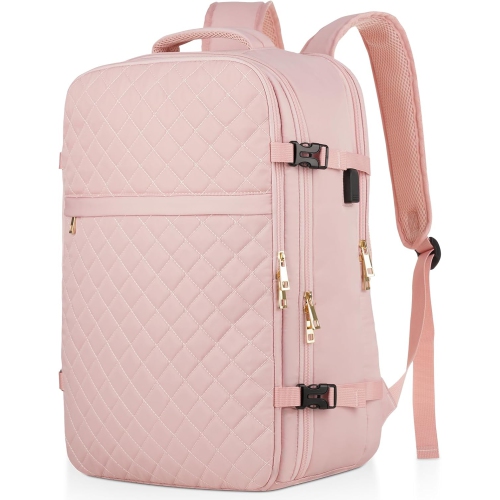
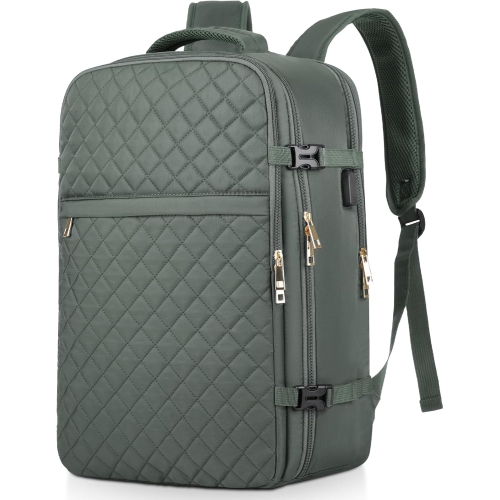
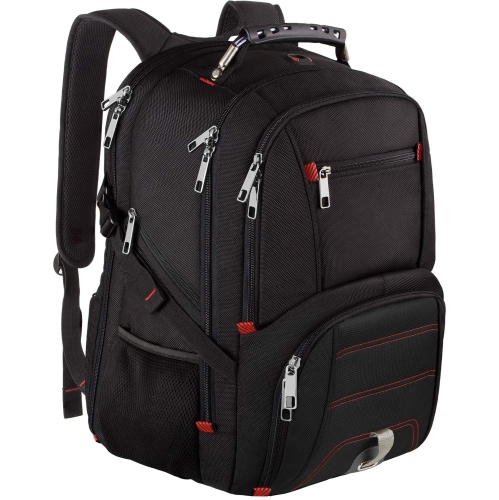
![LDAS ELECTRONICS Travel Laptop Backpack w USB Charging Port Anti-Theft[Water Resistant] College School Bookbag Fits 17 Inch Laptop(17 Inch](https://multimedia.bbycastatic.ca/multimedia/products/500x500/196/19686/19686109.png)
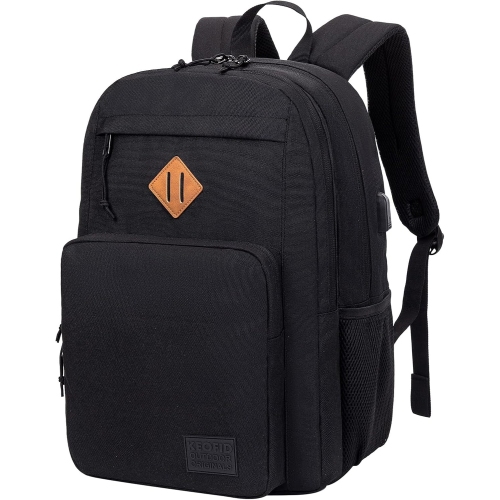
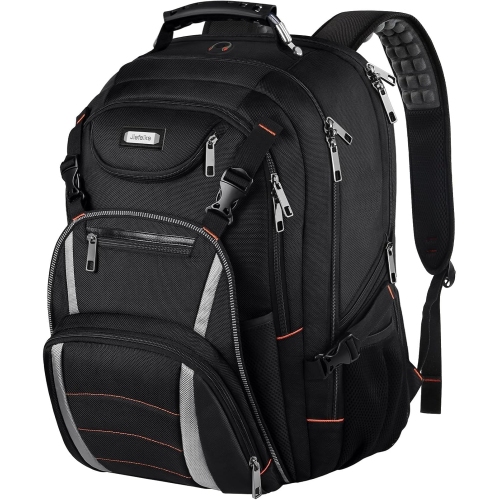
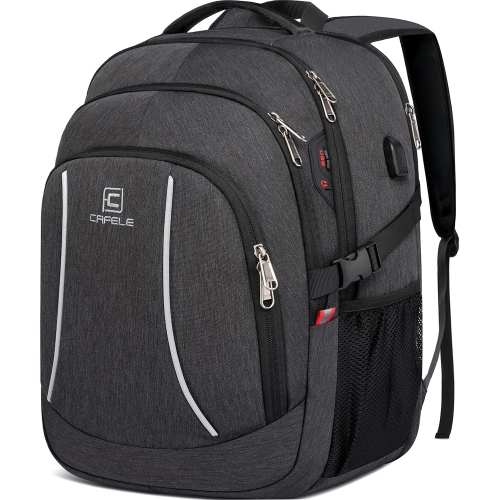
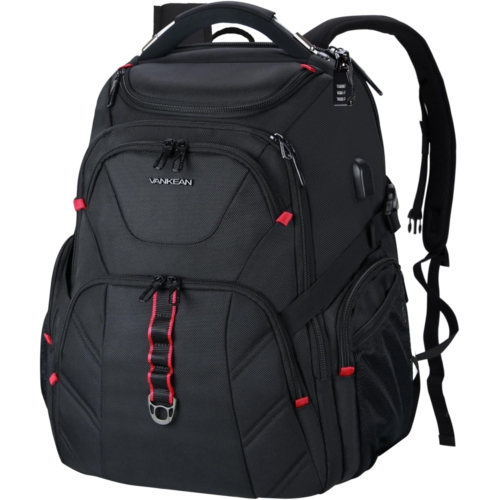
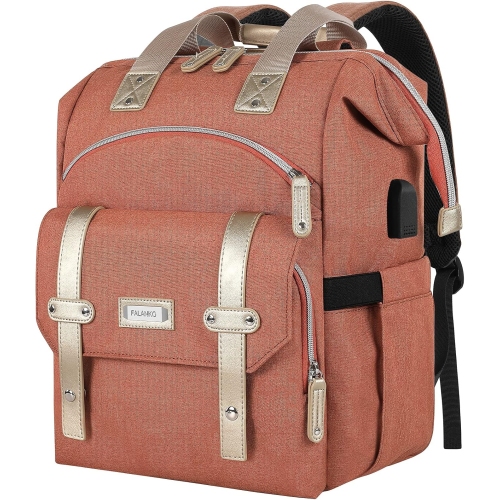
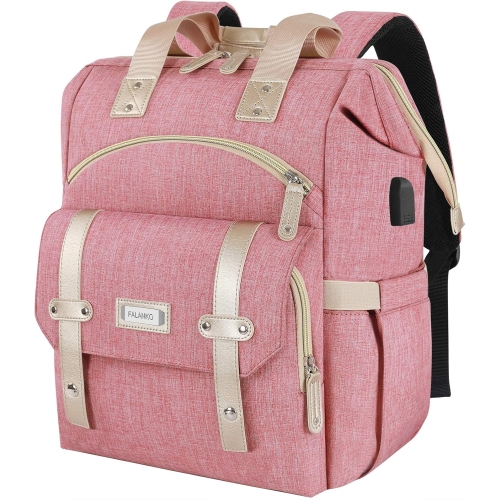
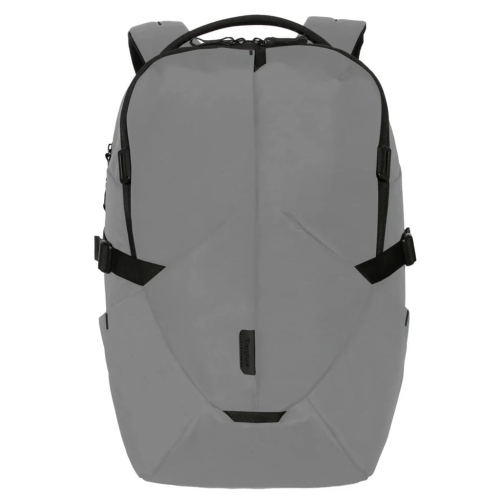
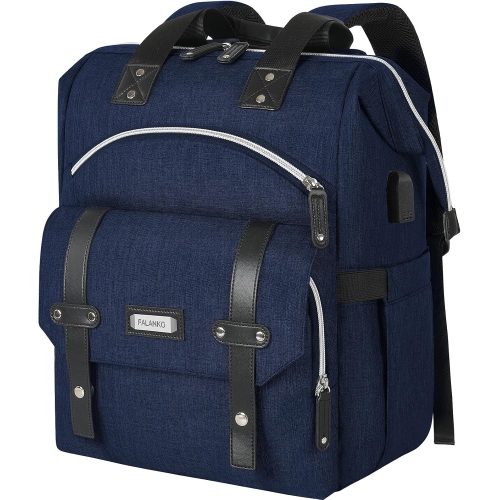
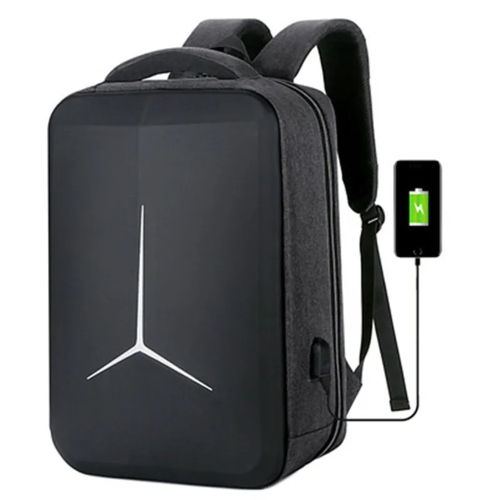
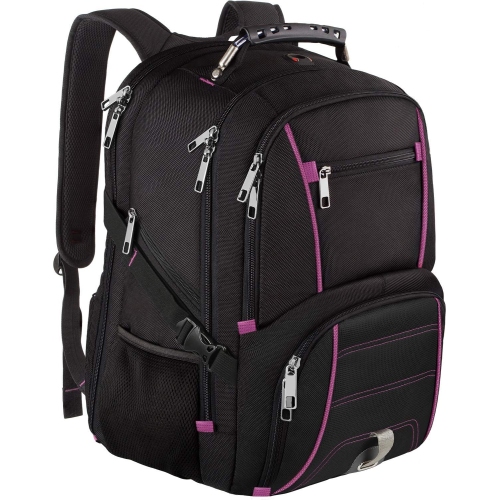
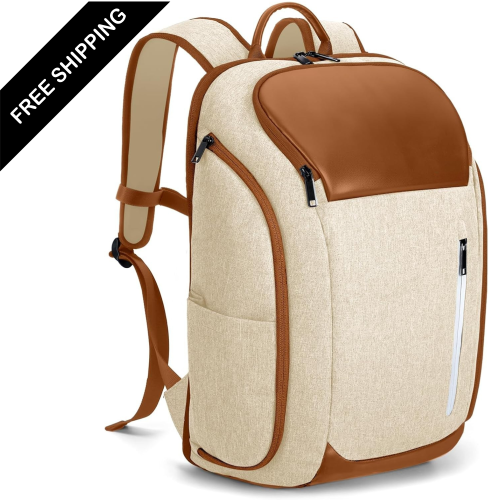
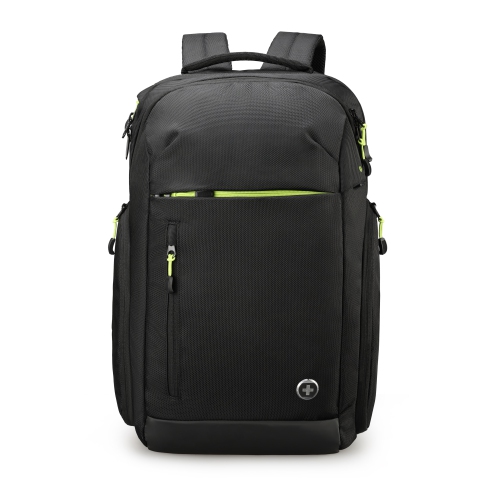
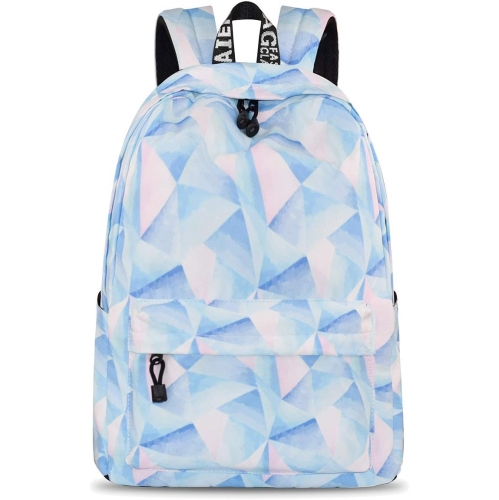
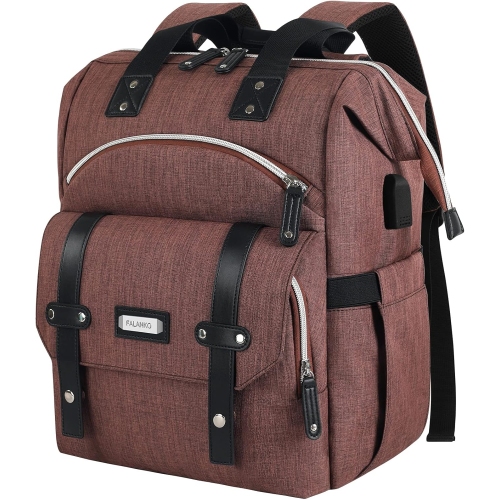
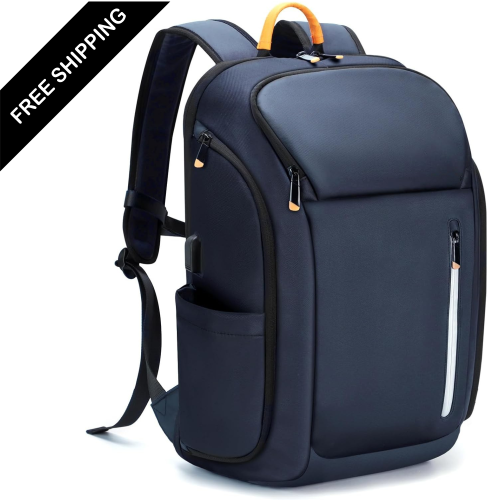
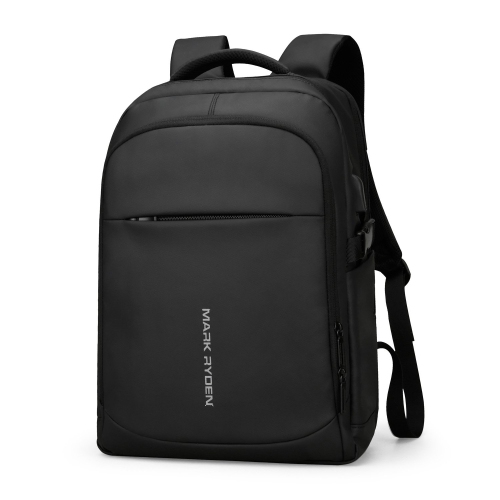
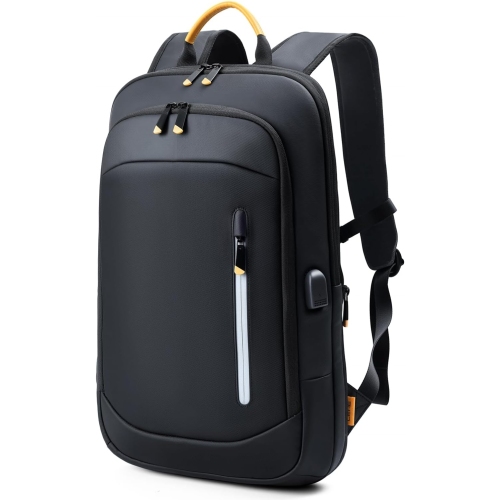
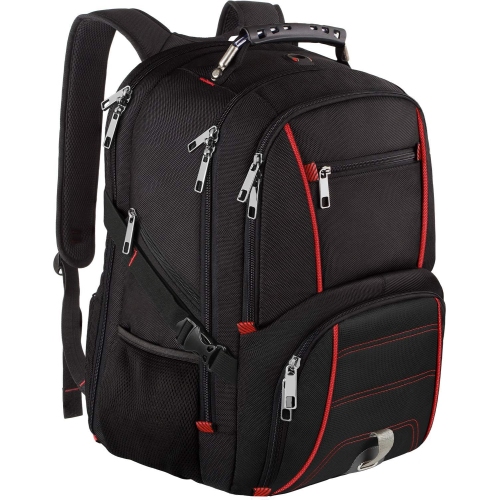
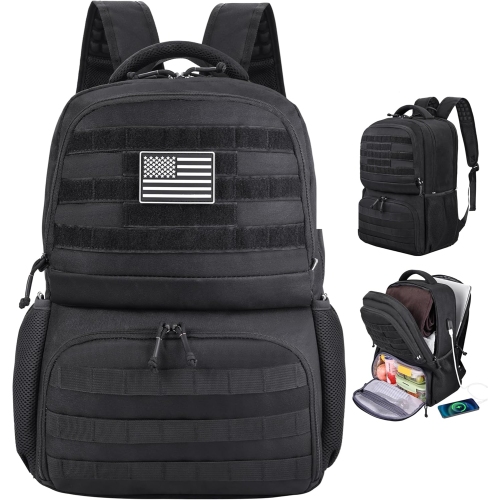
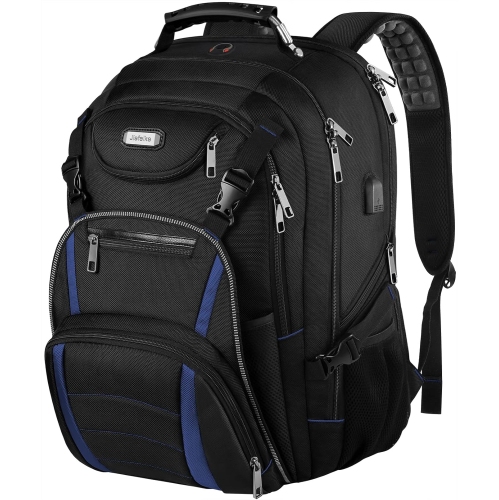
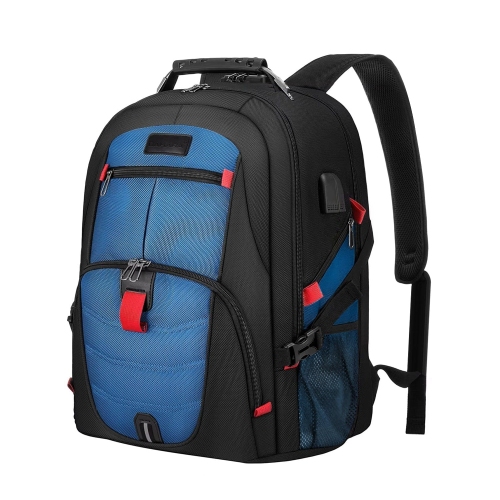
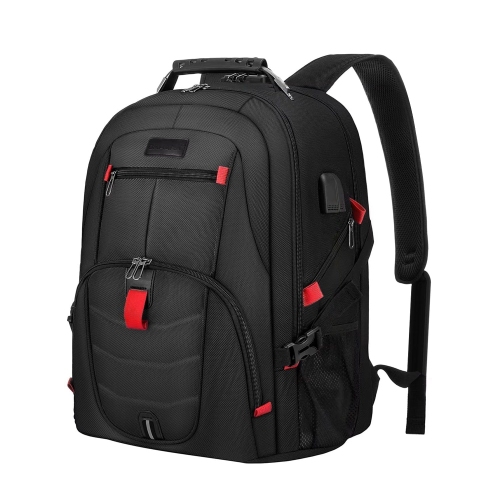
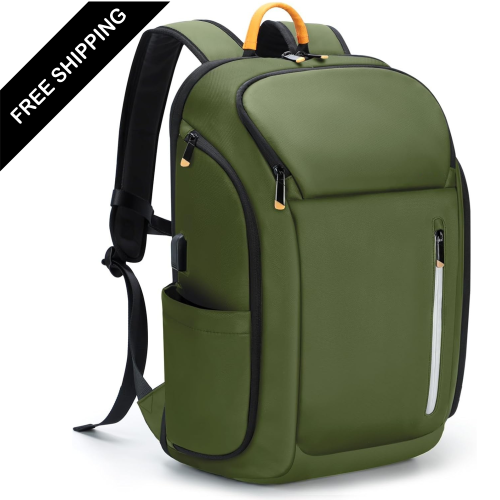
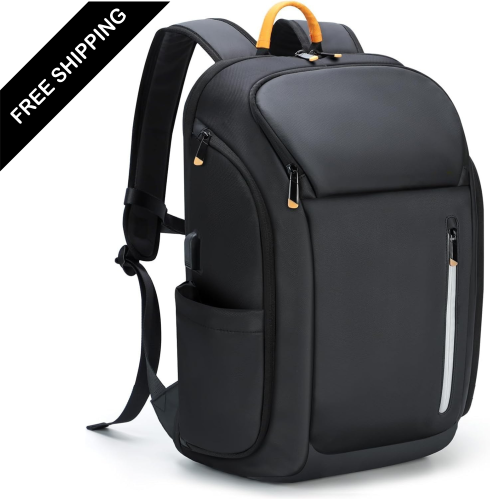
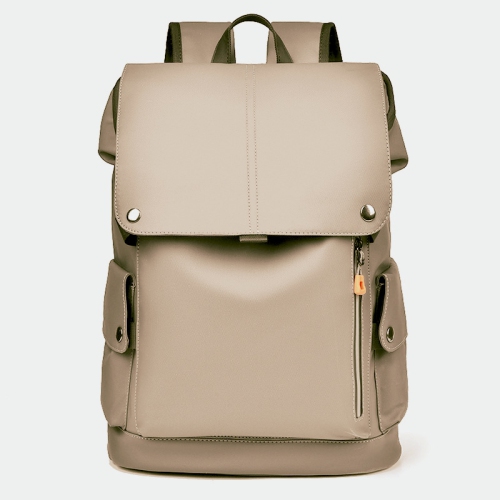
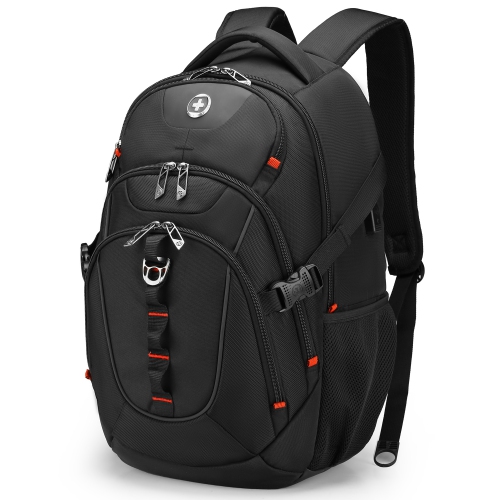
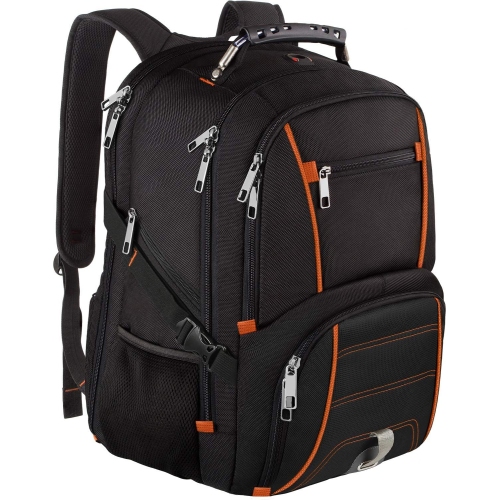
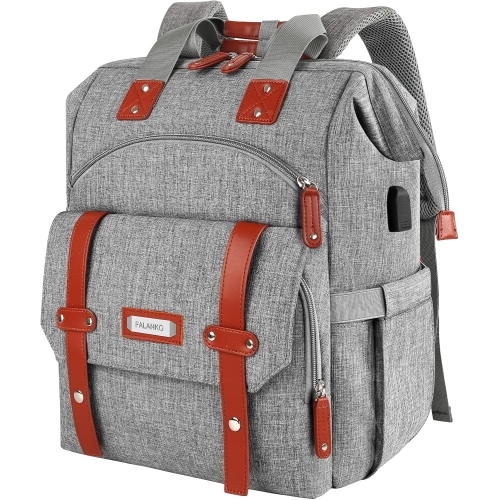
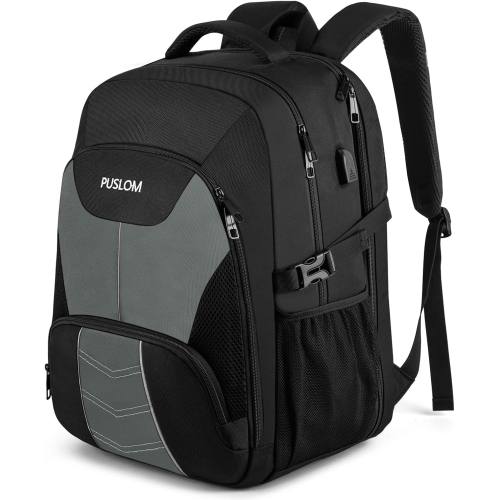
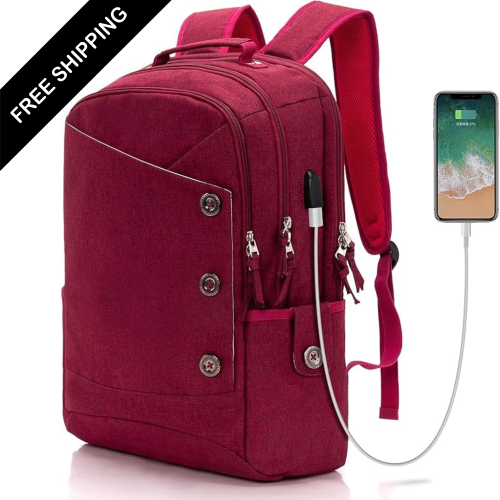
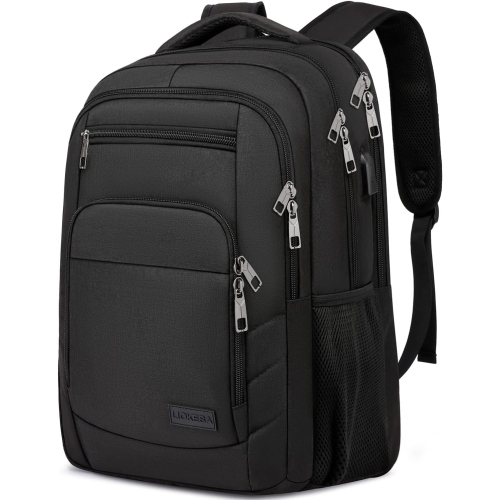

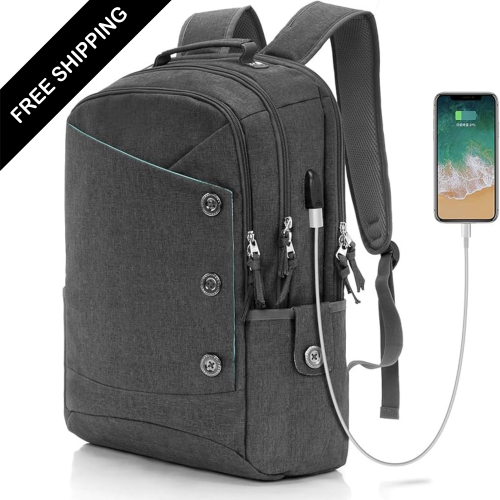
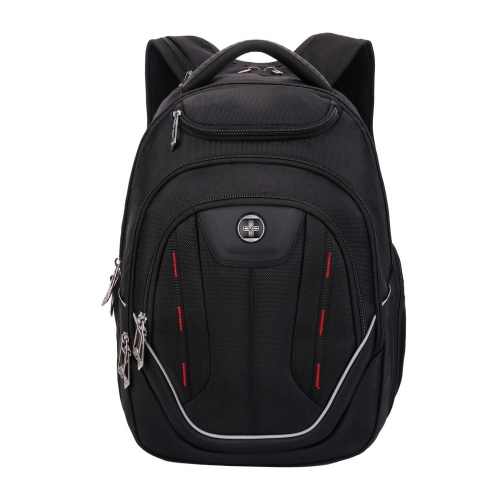
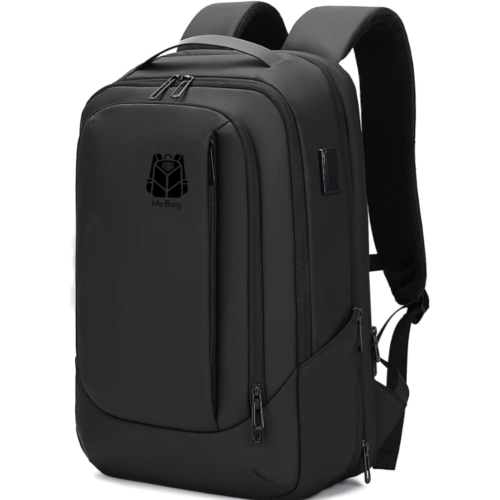
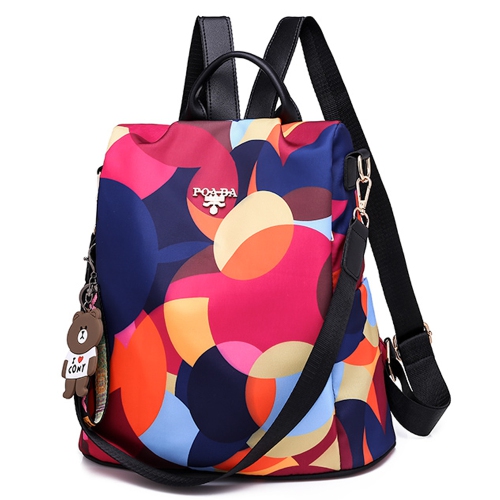
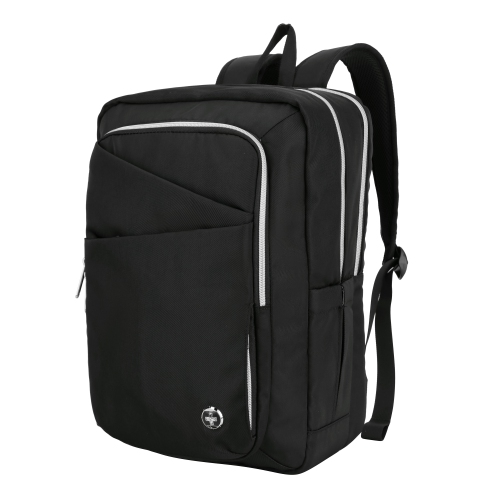
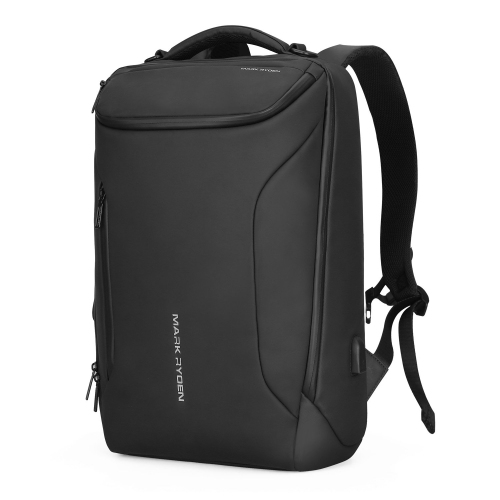
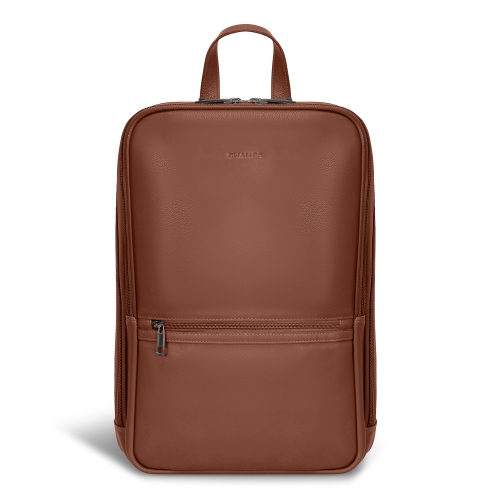
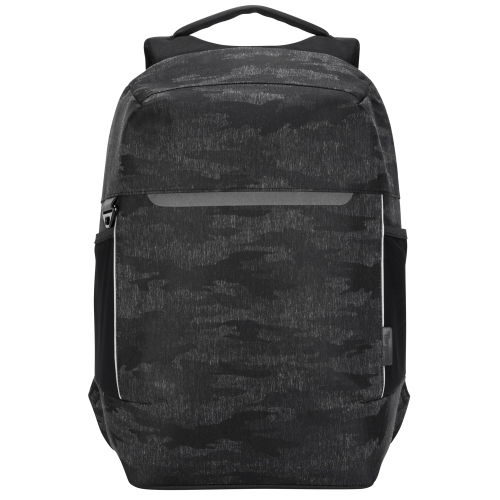
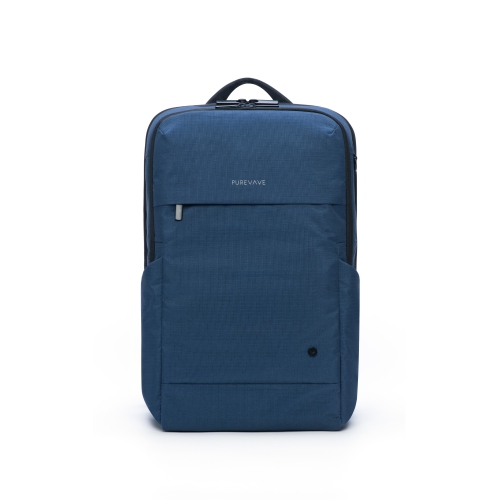
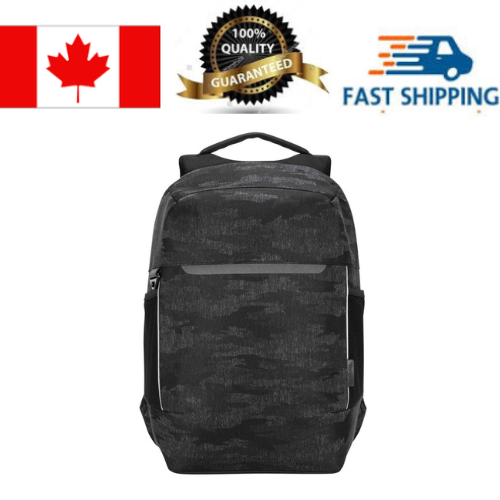
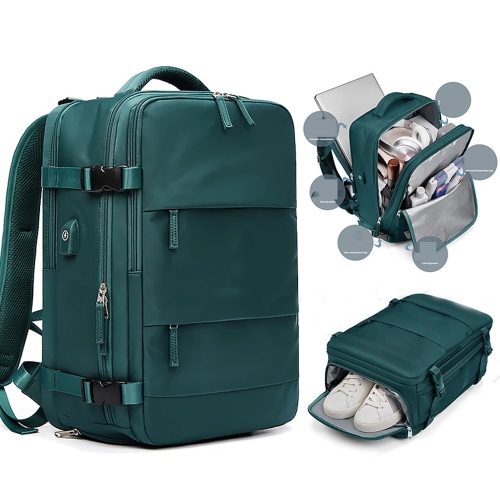
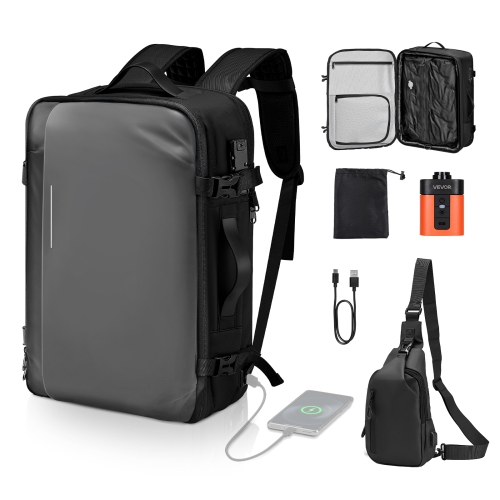
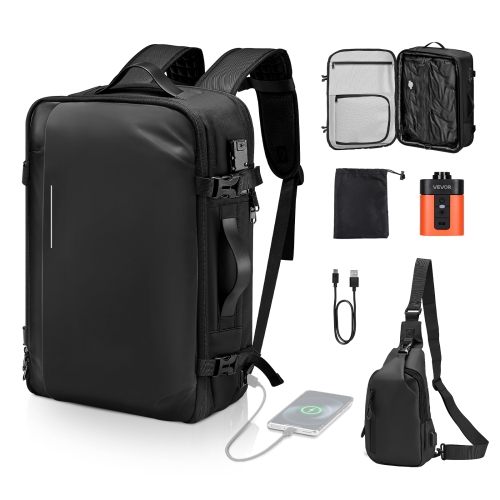
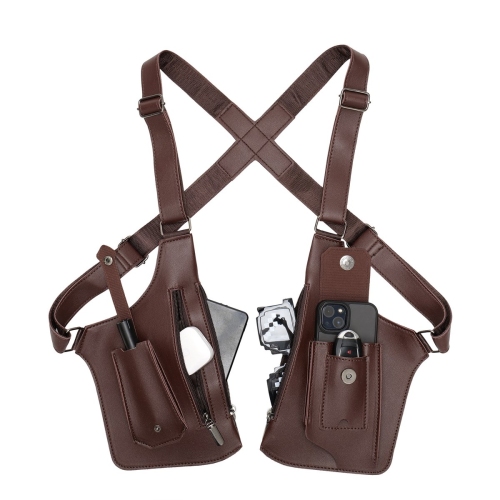
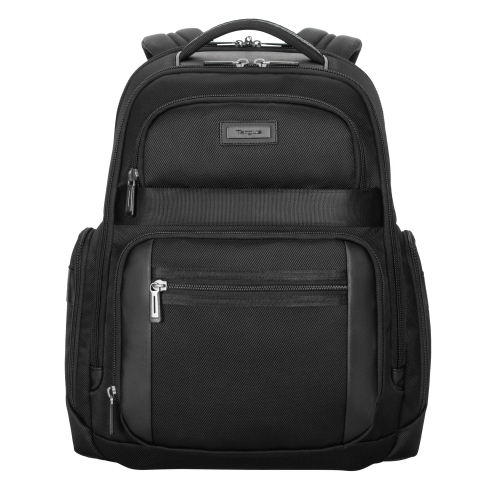

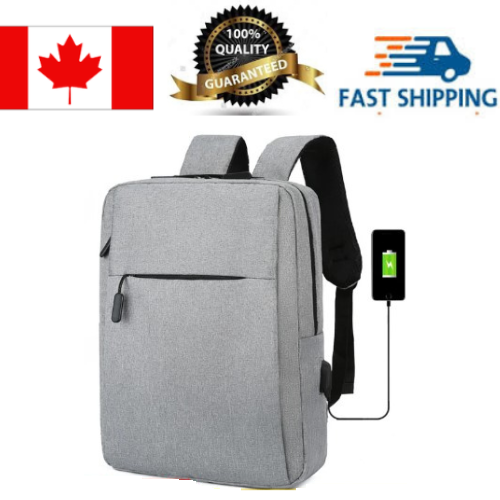
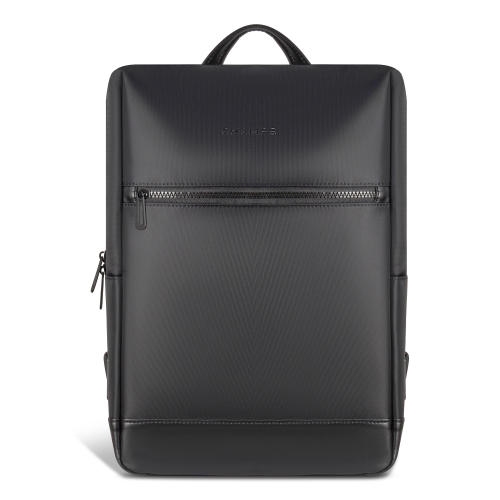


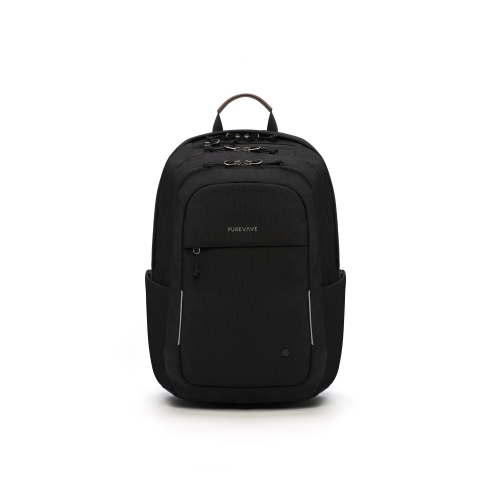
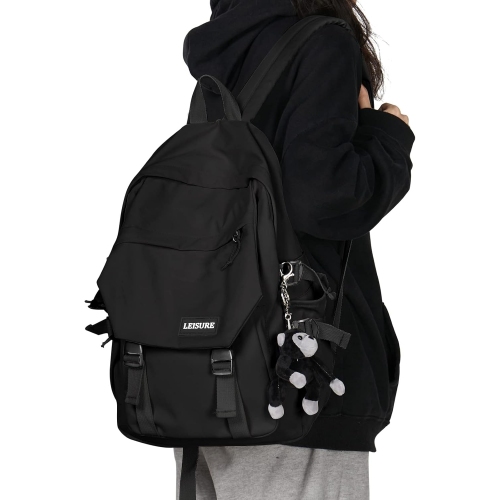
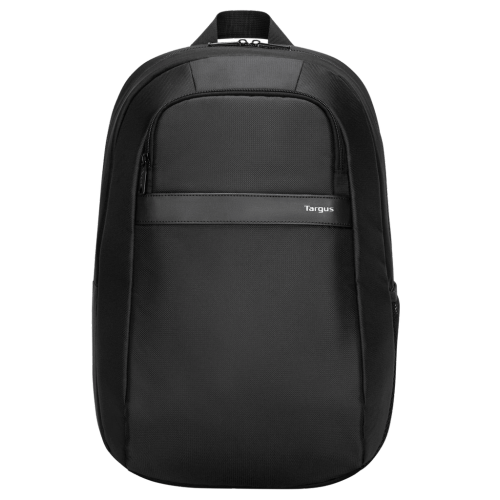
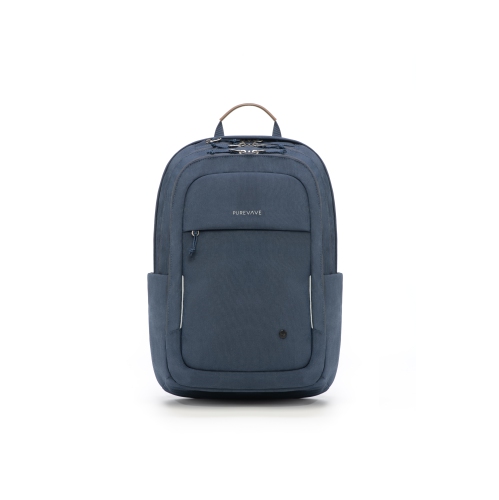
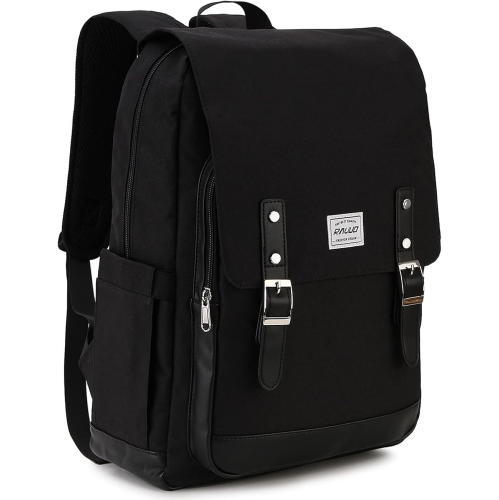
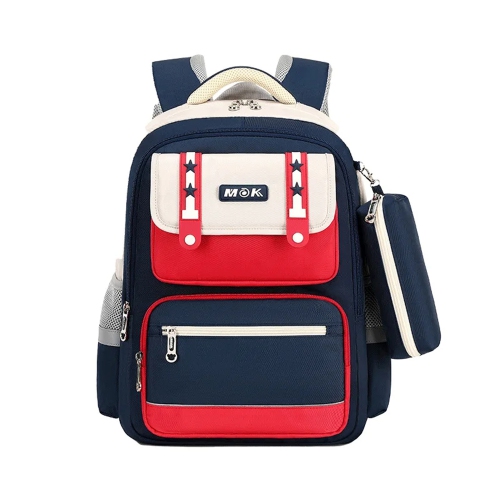
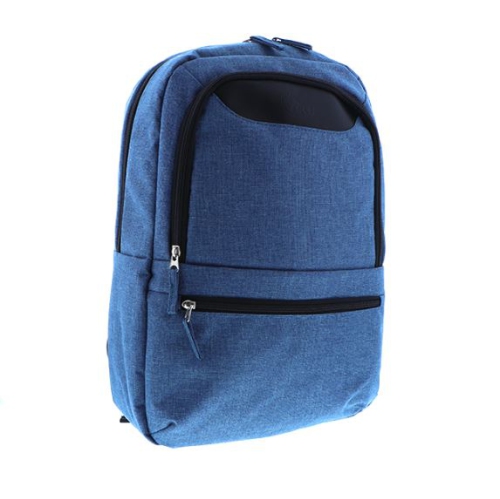
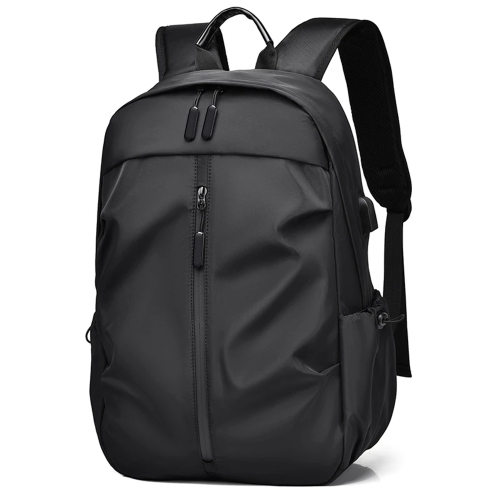
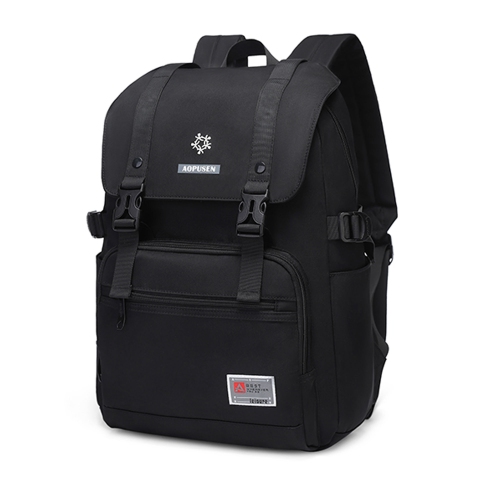
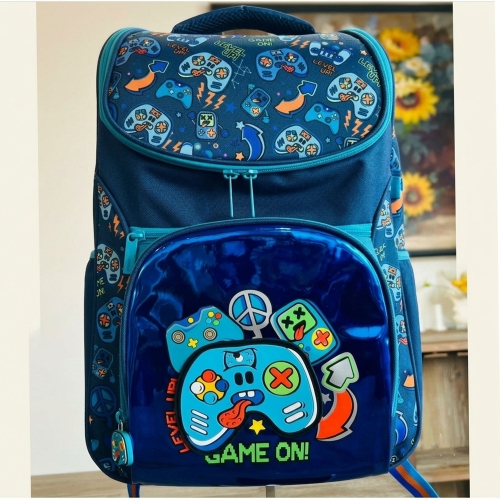
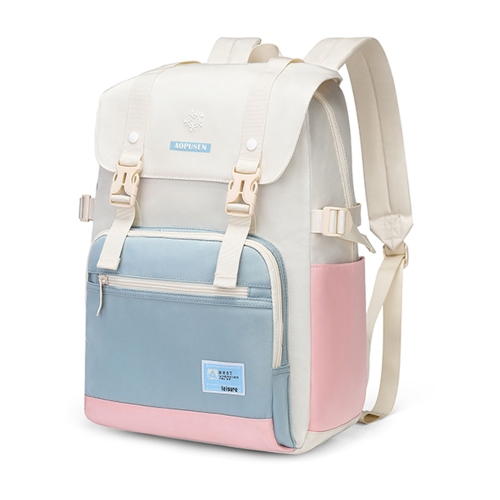
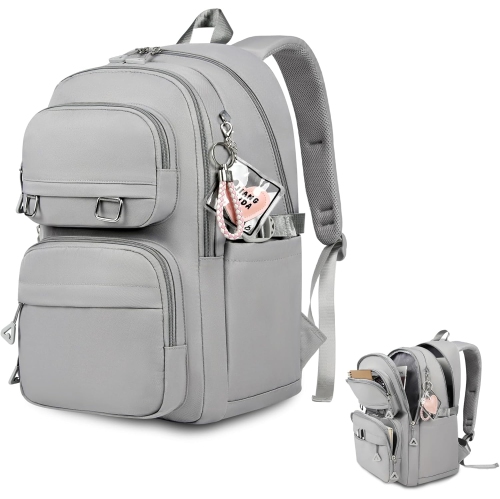
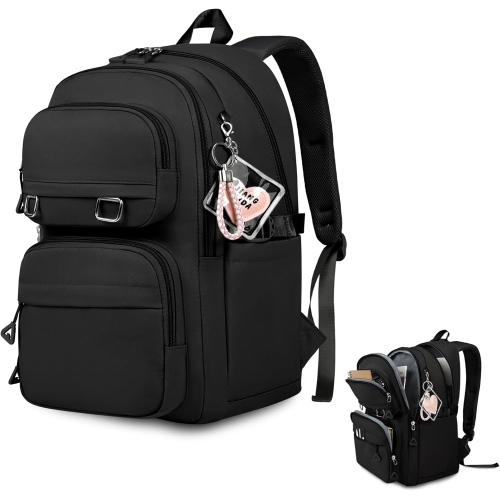
![LDAS ELECTRONICS Deep Storage Laptop Backpack With USB Charging Port[Water Resistant] College School Computer Bookbag Fits 15.6 Inch Laptop](https://multimedia.bbycastatic.ca/multimedia/products/500x500/196/19686/19686110.png)
![LDAS ELECTRONICS Deep Storage Laptop Backpack With USB Charging Port[Water Resistant] College School Computer Bookbag Fits 15.6 Inch Laptop](https://multimedia.bbycastatic.ca/multimedia/products/500x500/196/19686/19686111.png)
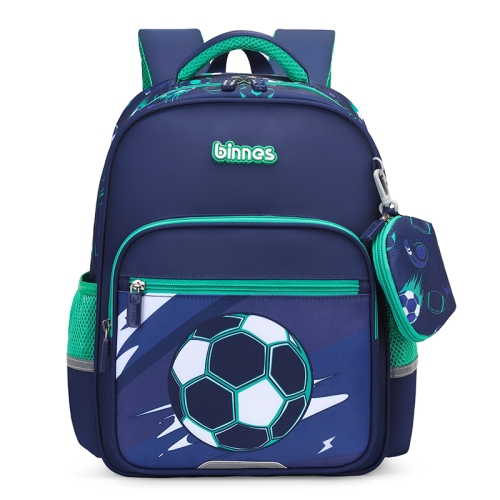
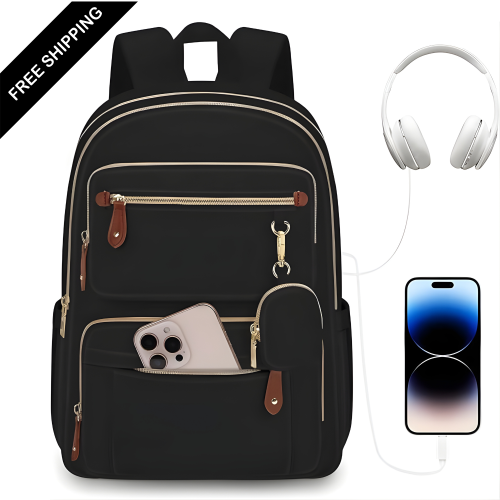
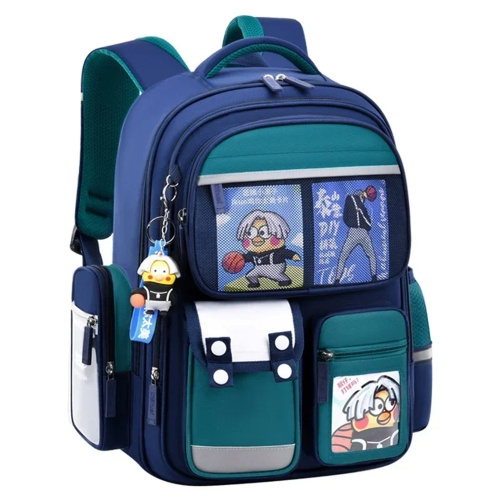

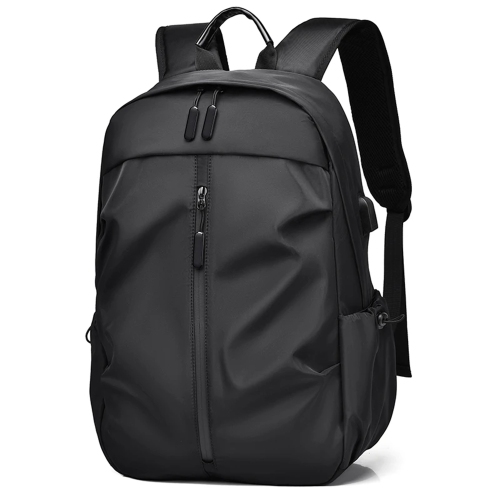
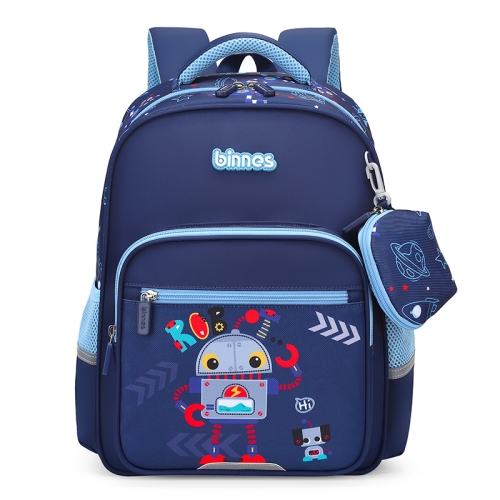
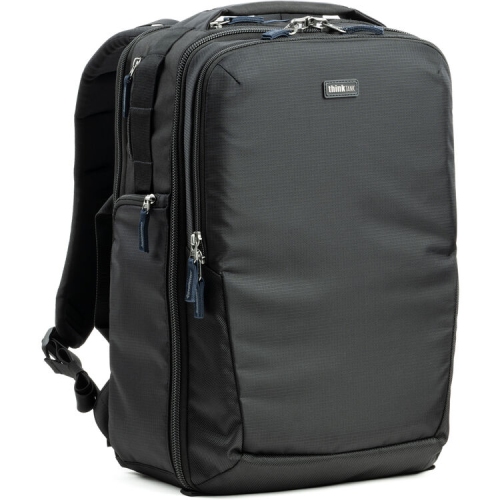
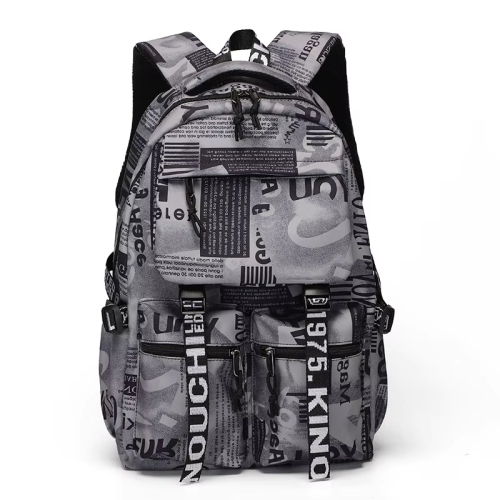
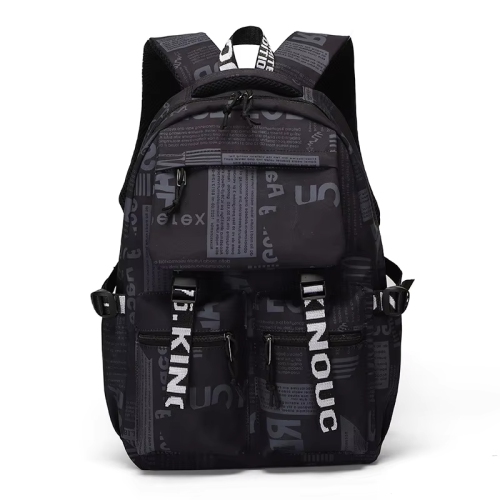
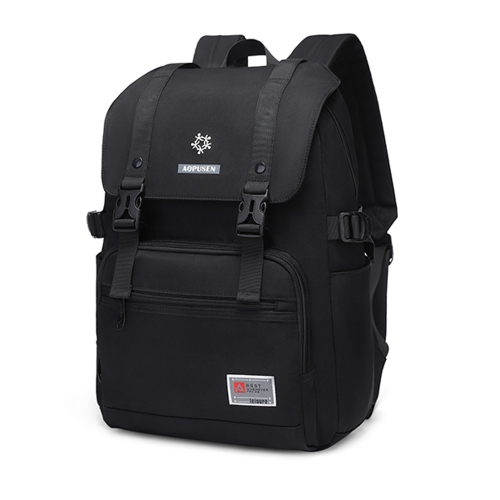
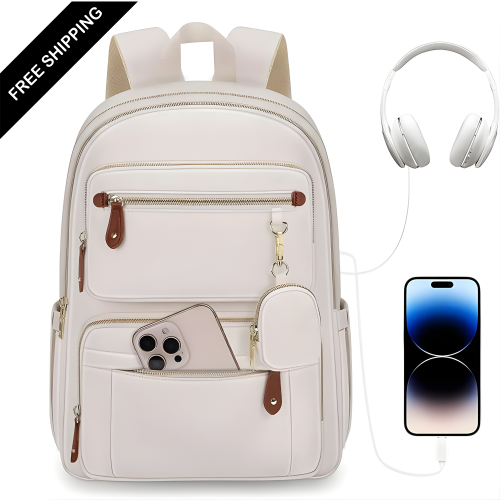
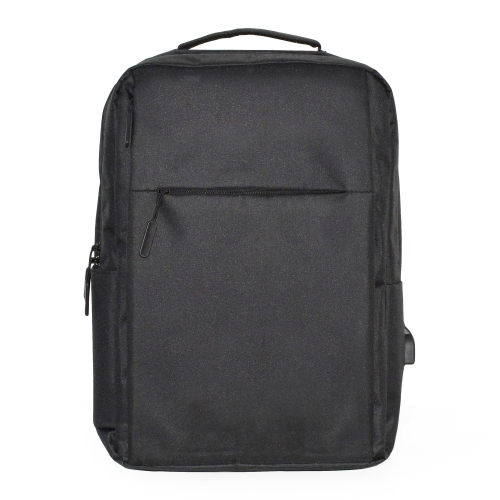
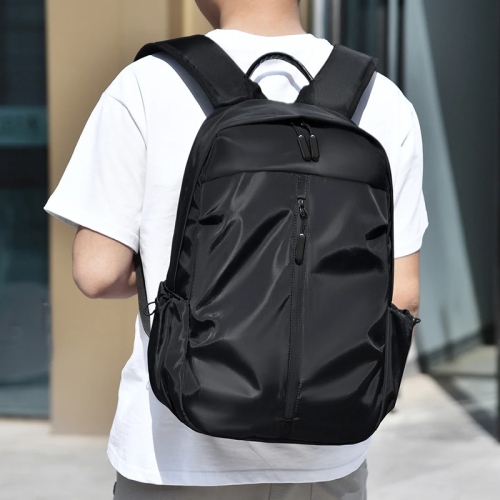
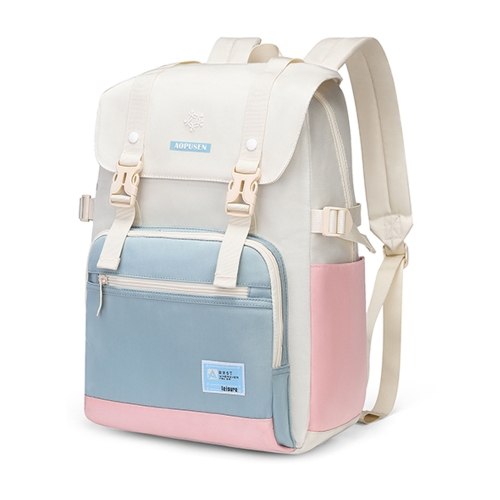
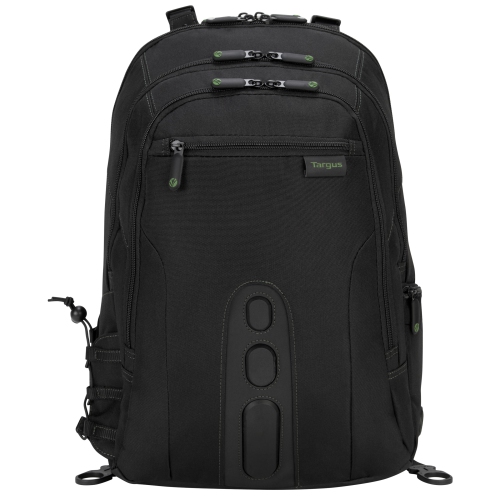
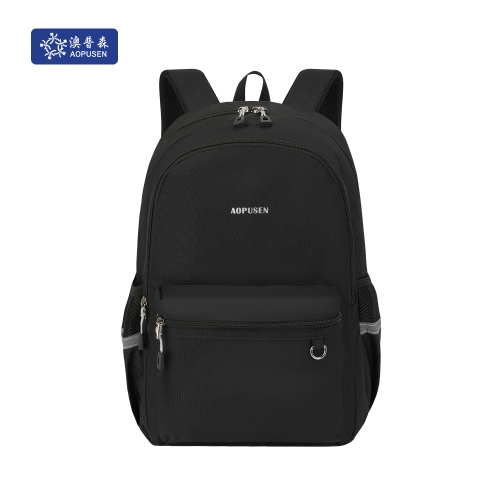

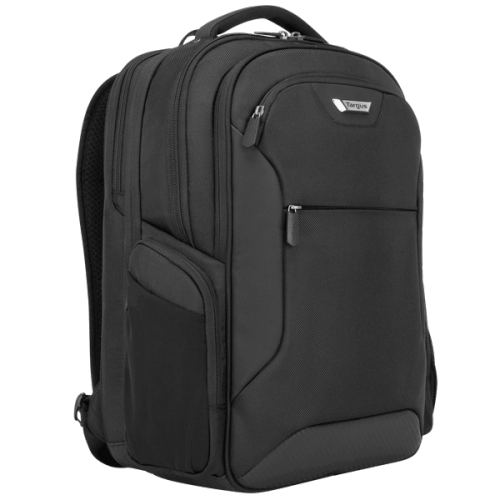
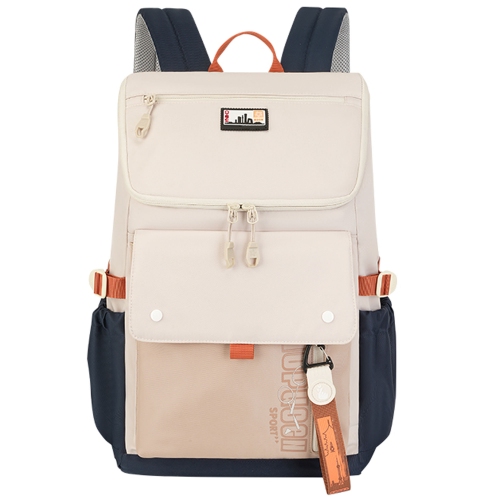
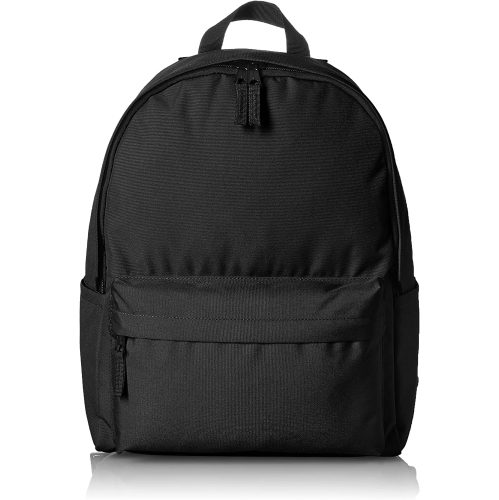
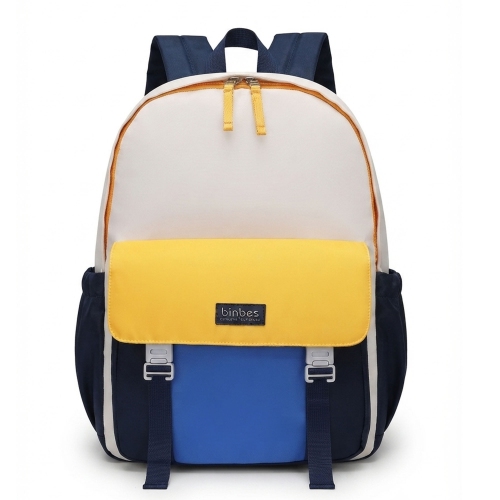
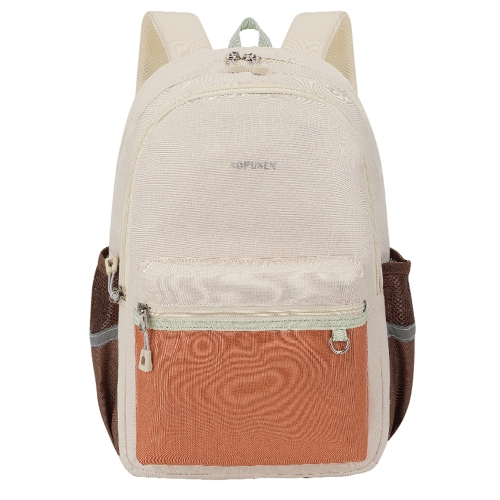
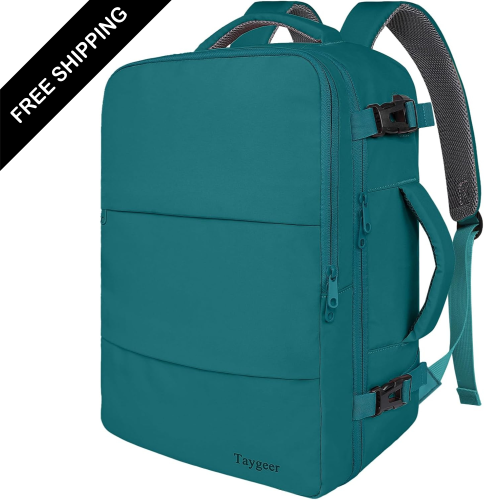
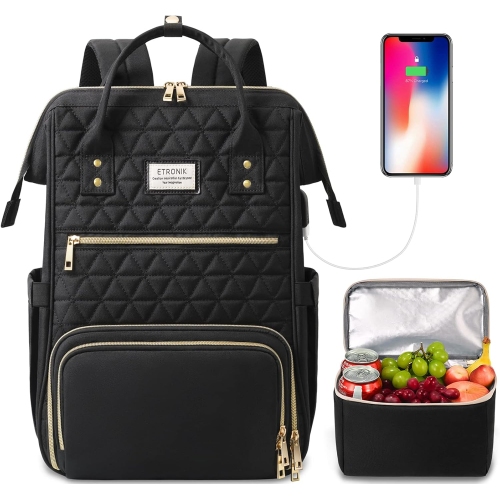
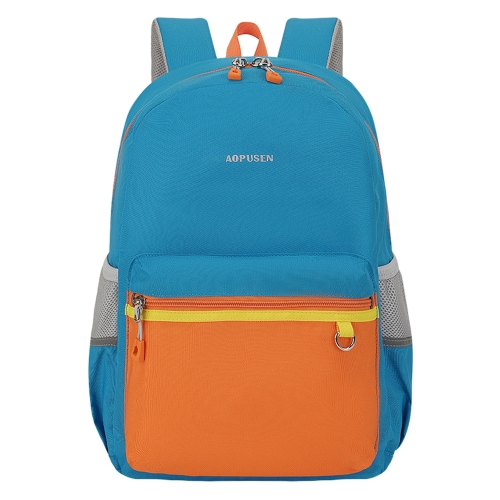
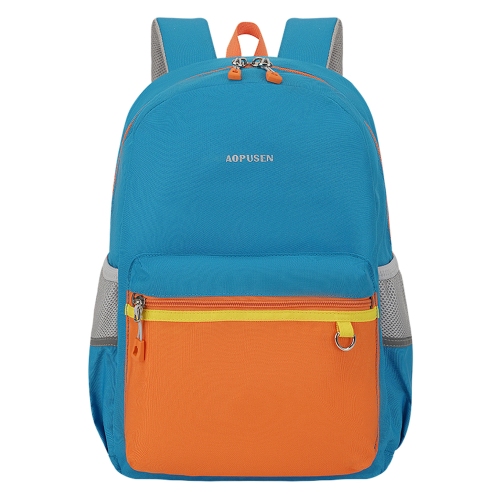
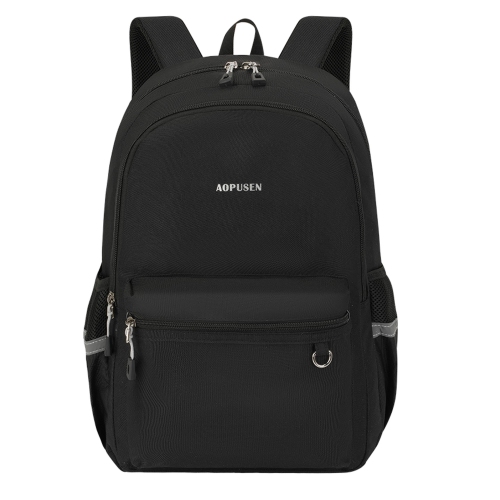
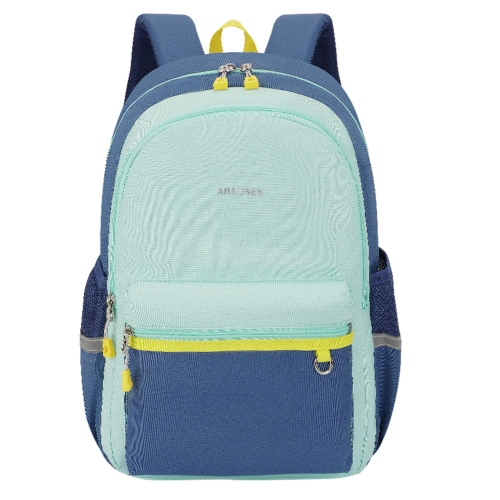
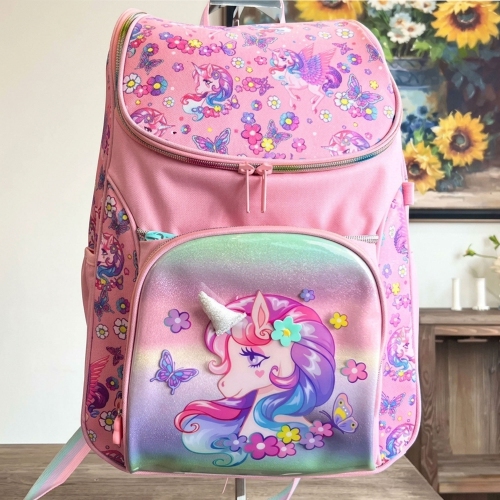
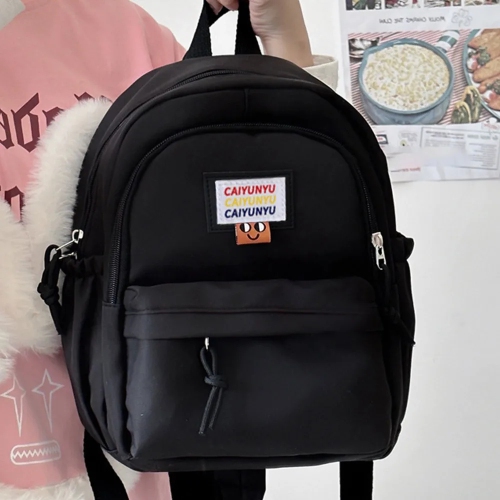
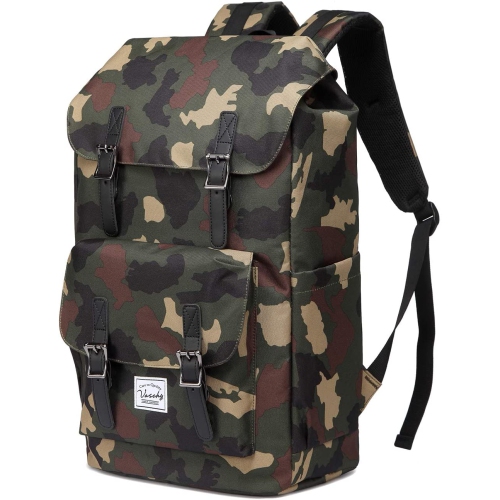
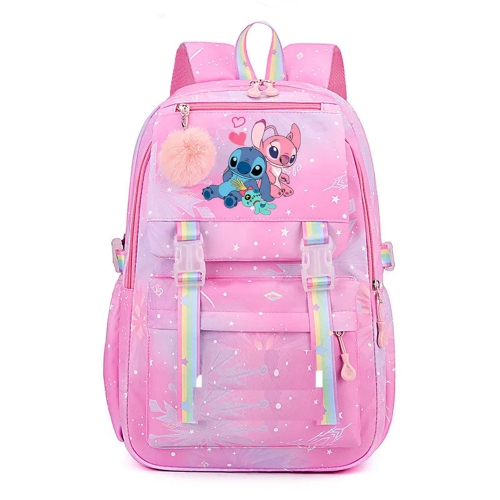
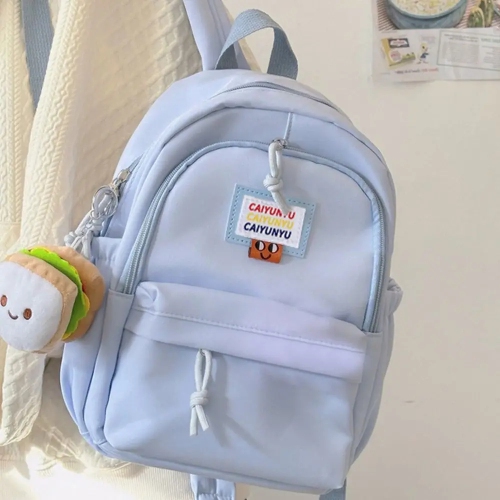


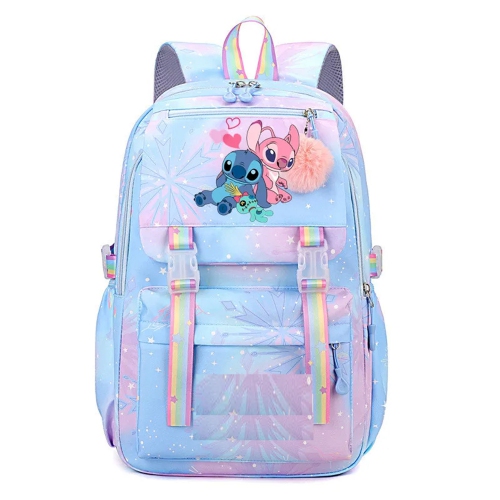
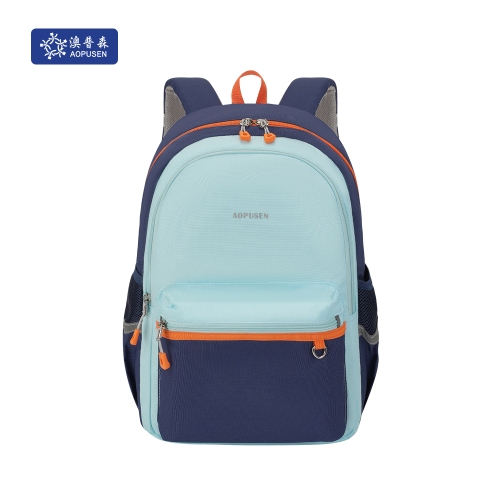

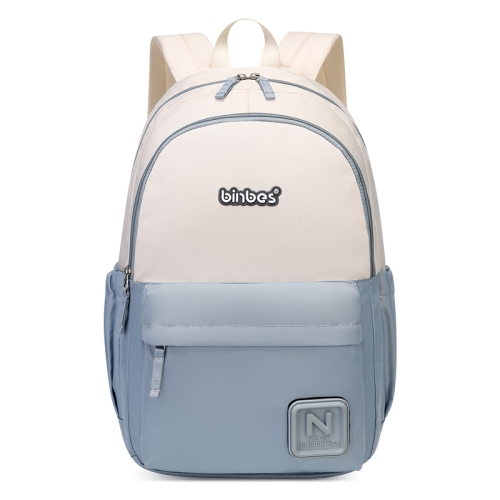
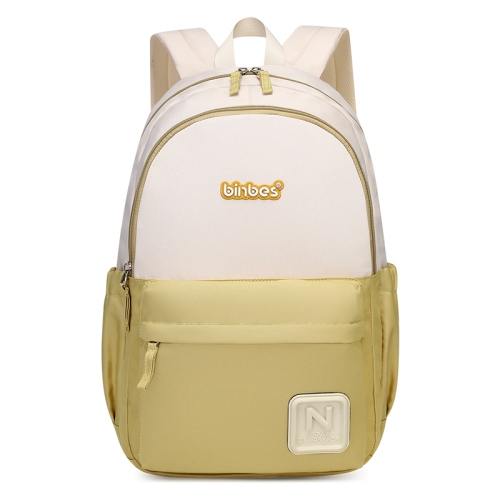
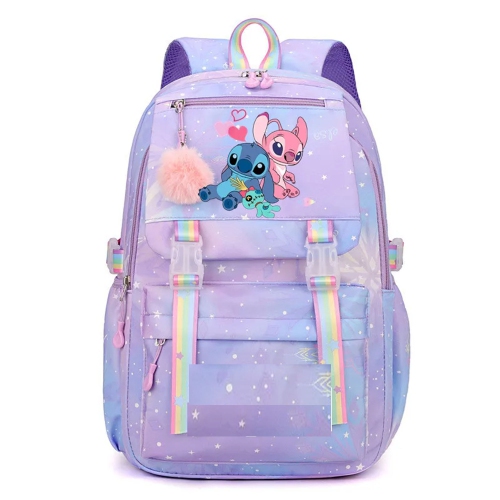
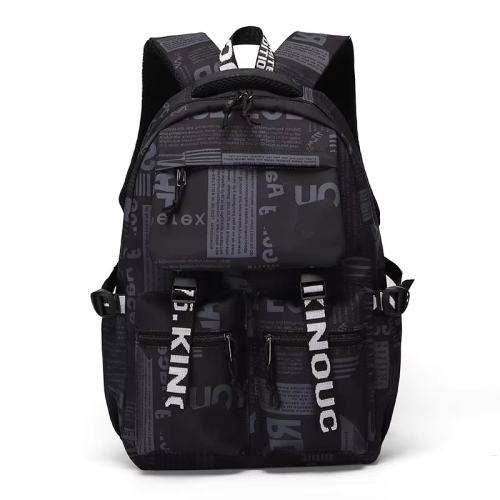
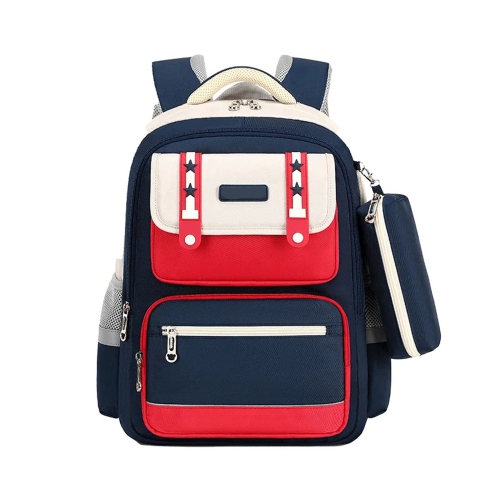
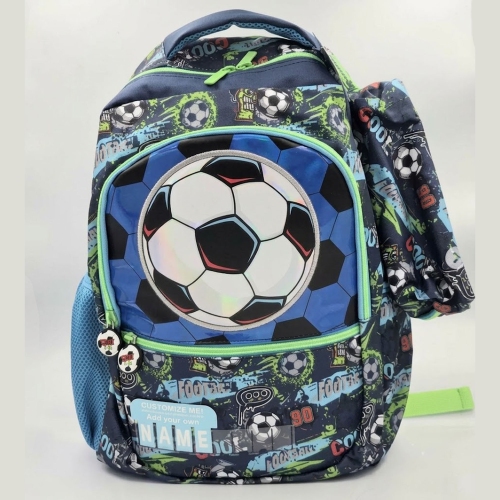
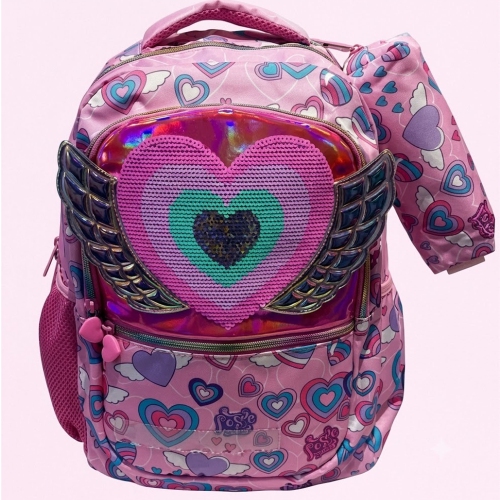
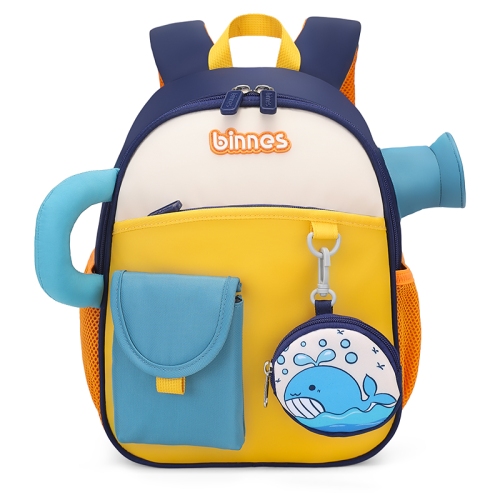
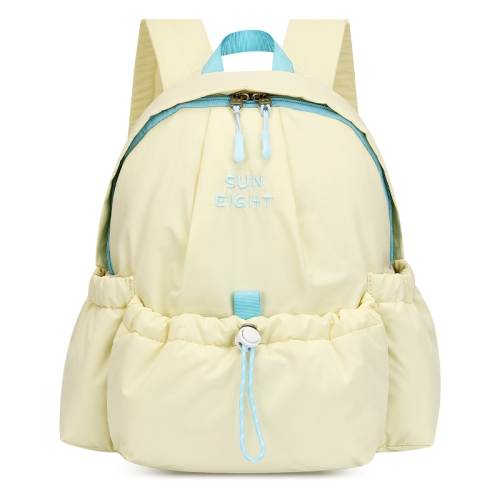
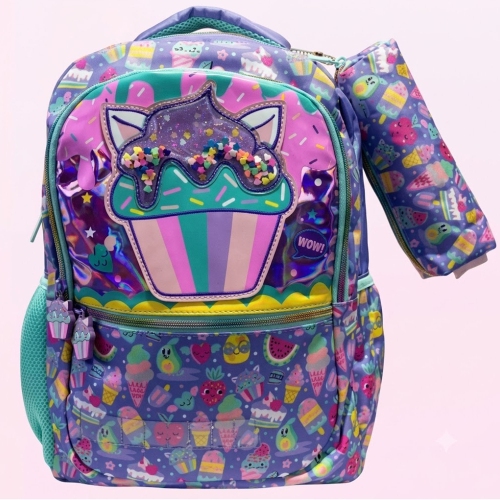

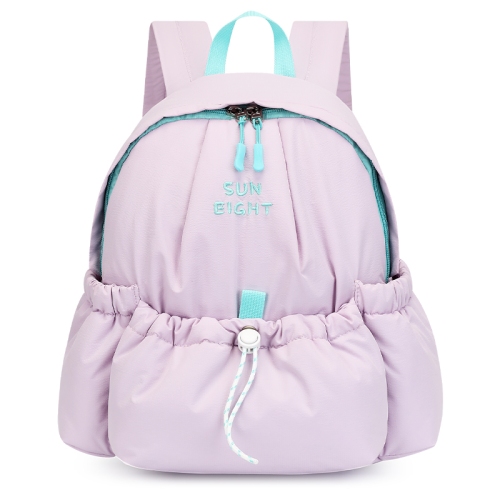
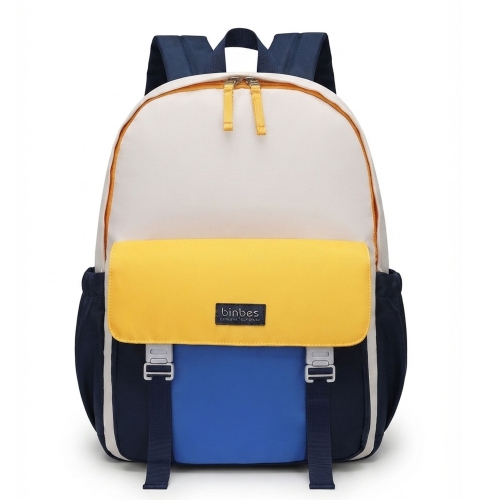
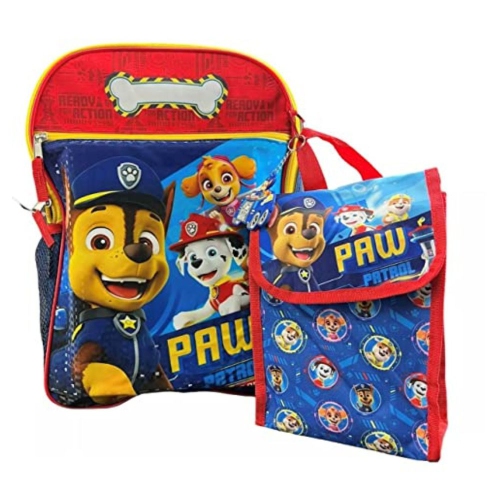
Secure designs for school days and busy commutes
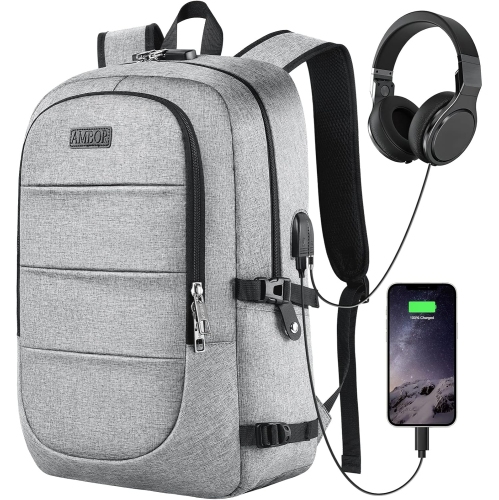
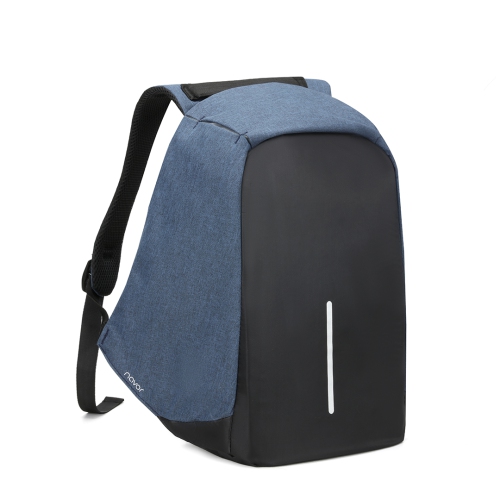
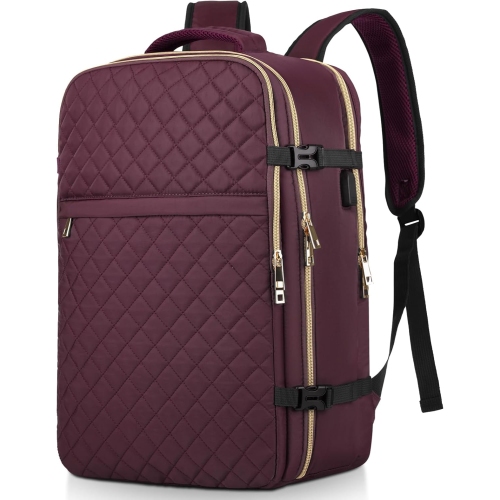
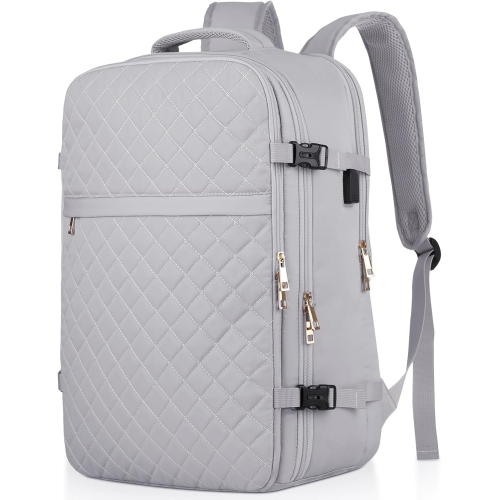
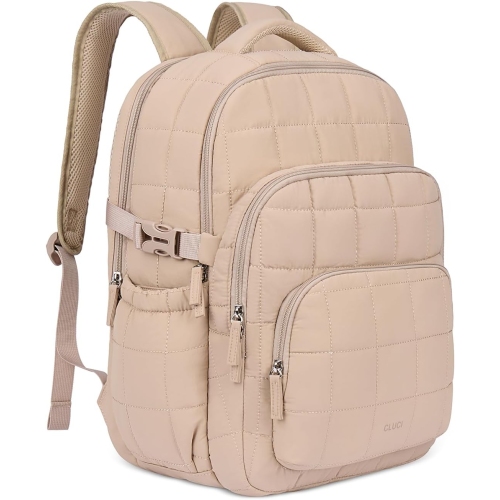
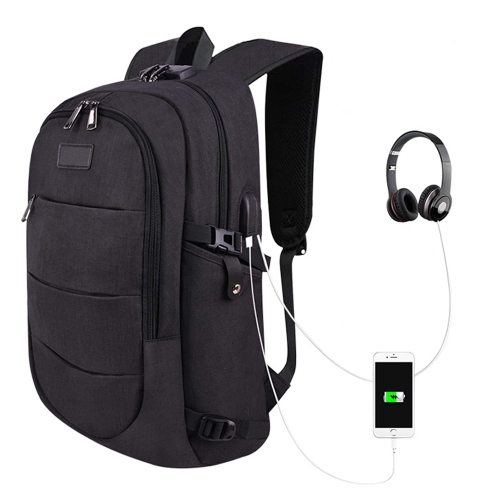
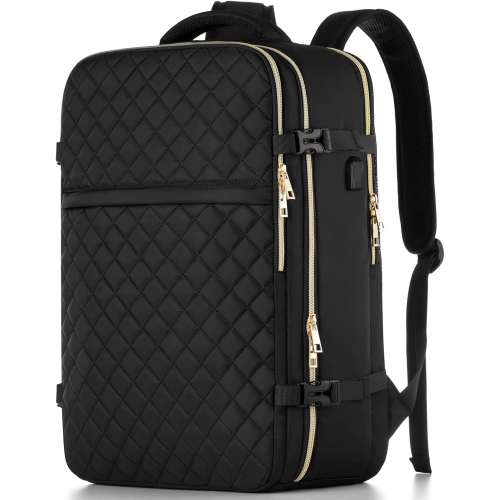
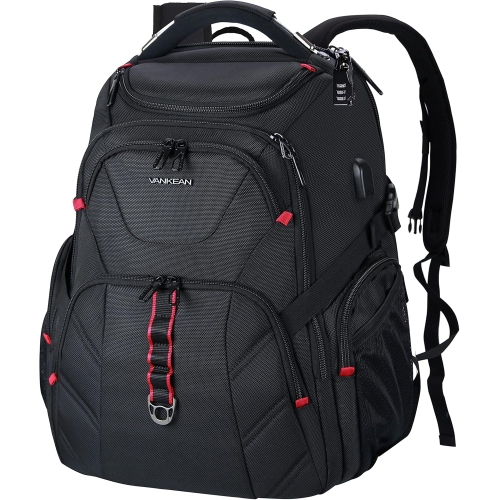
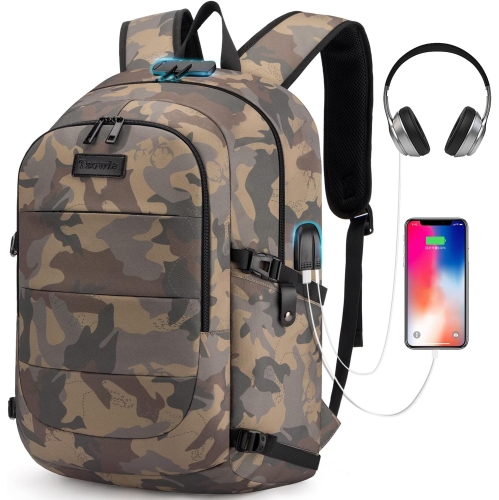
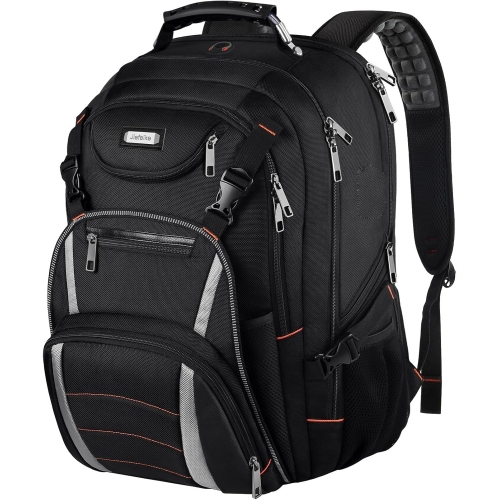
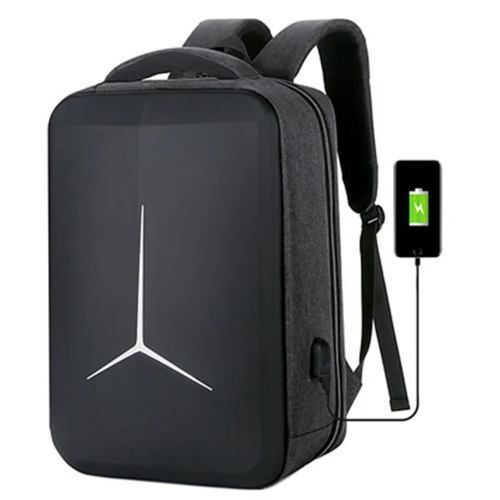
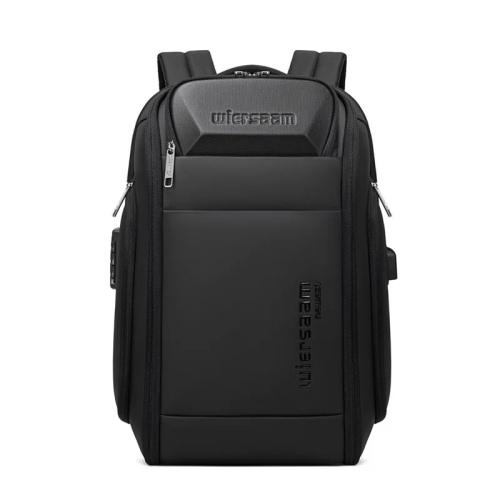
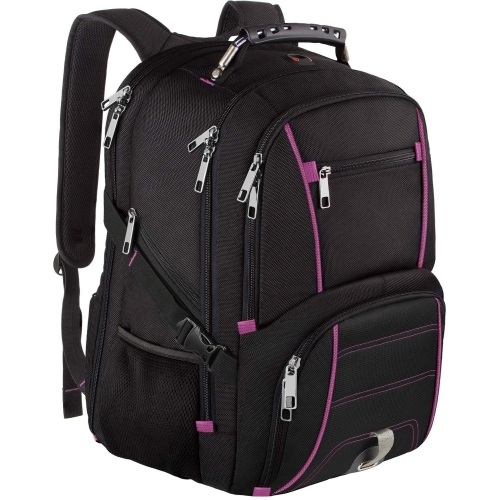
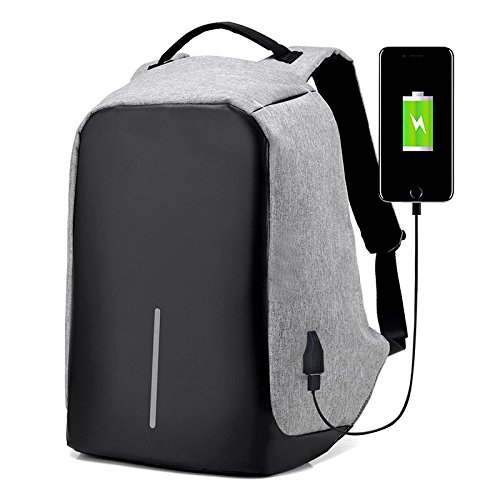
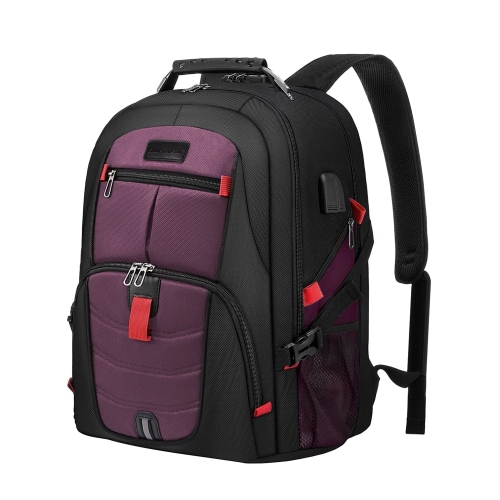
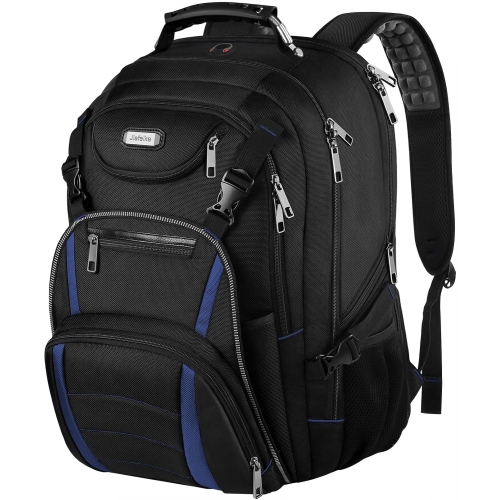
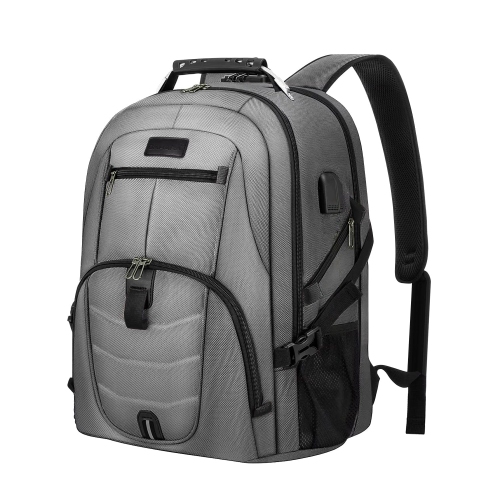
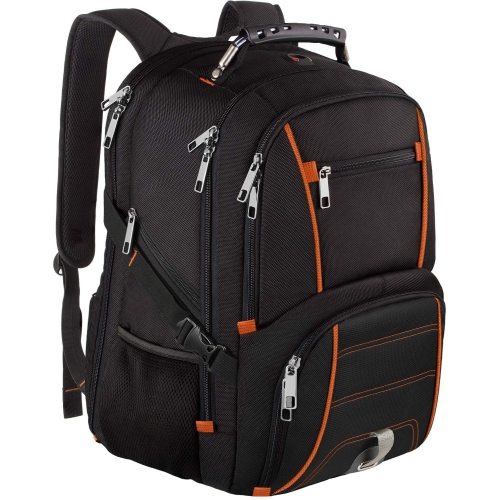
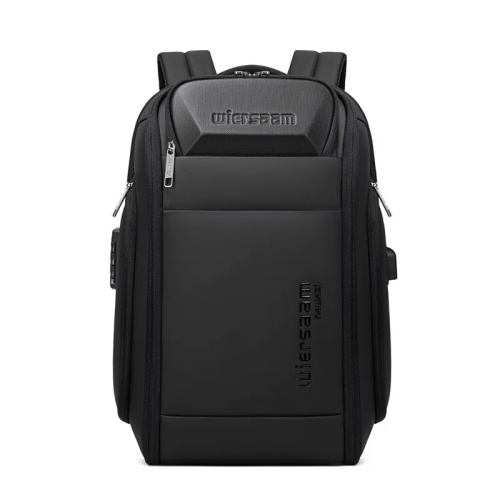
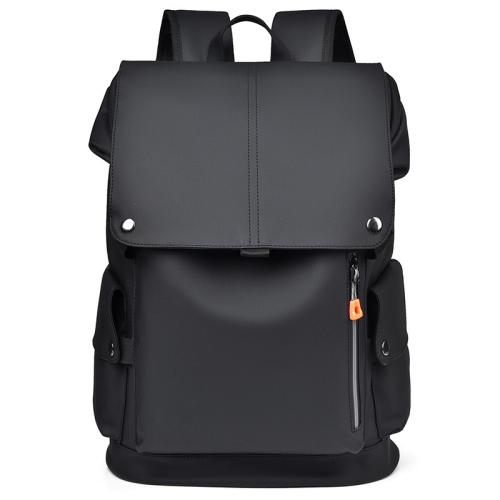
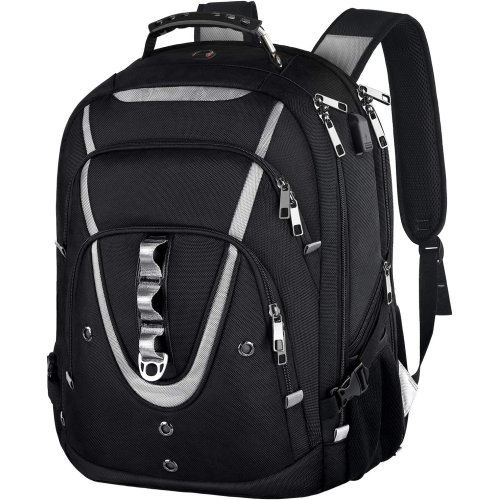
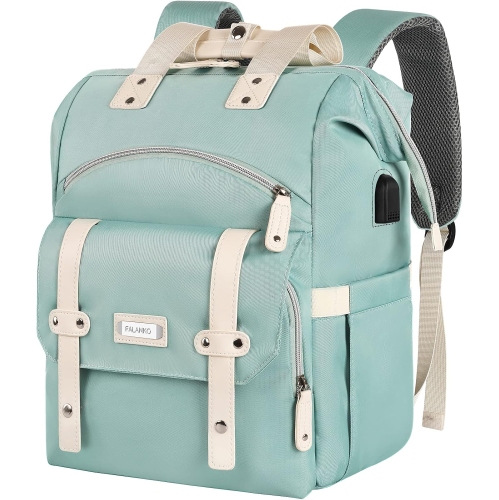
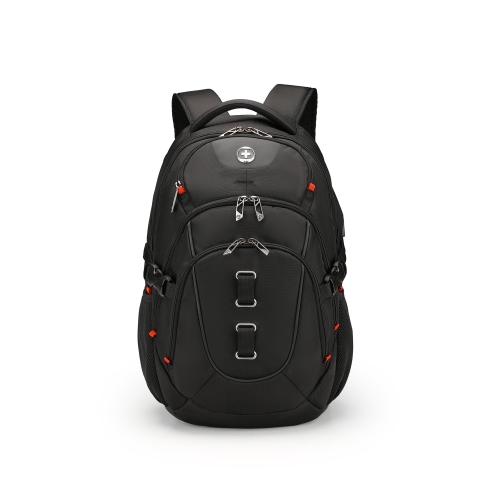
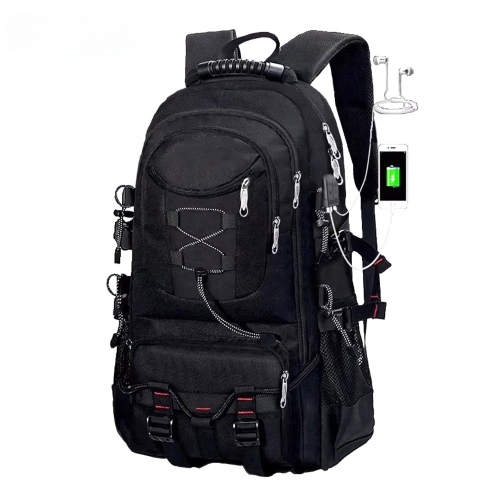
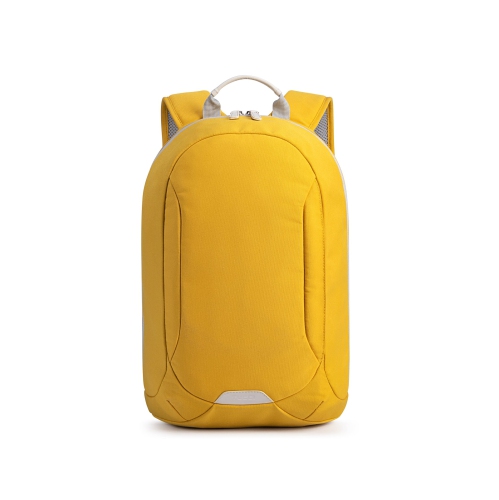
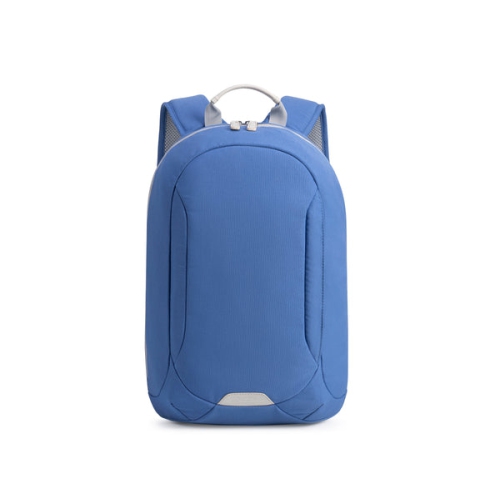
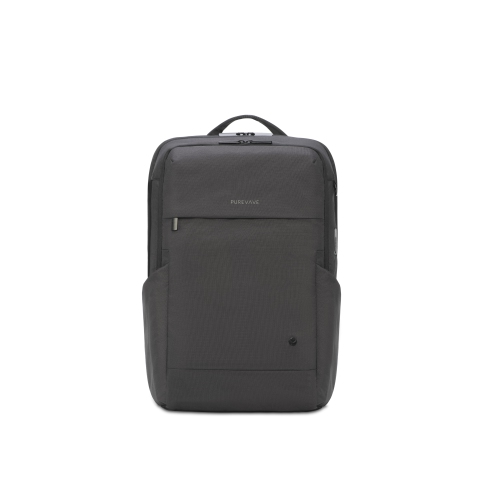
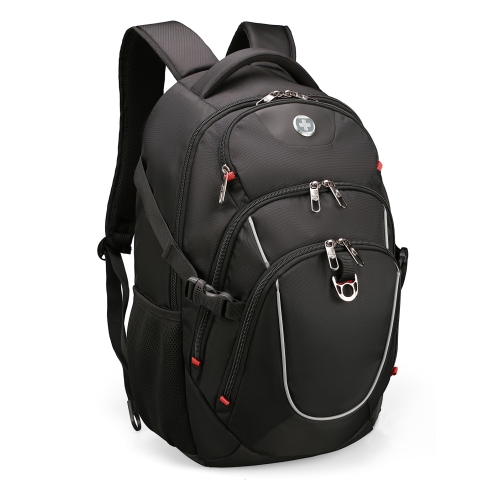
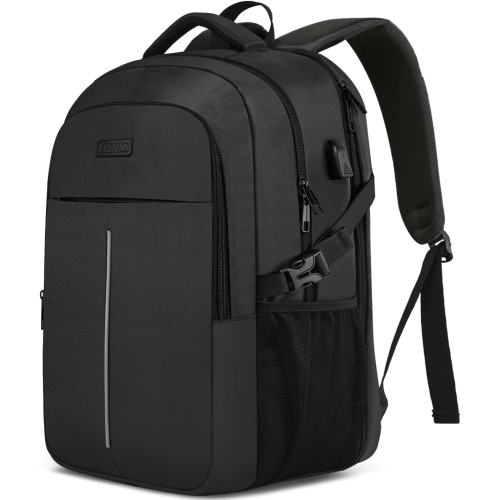
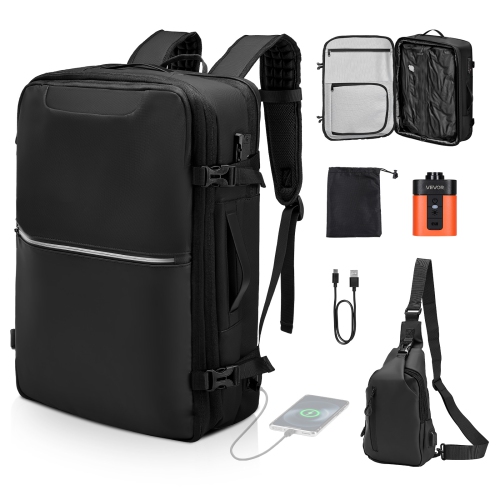
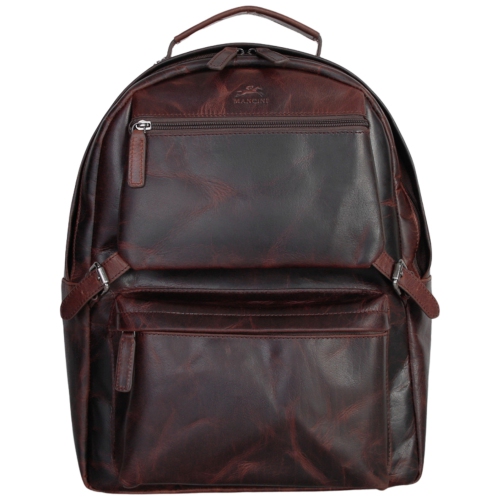
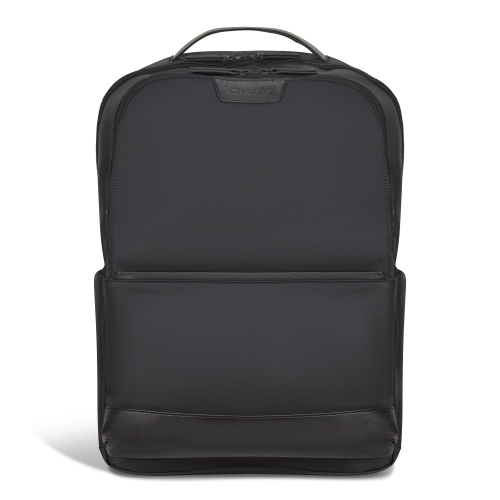
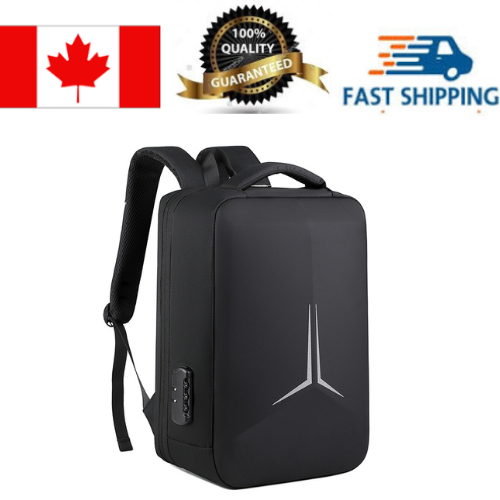
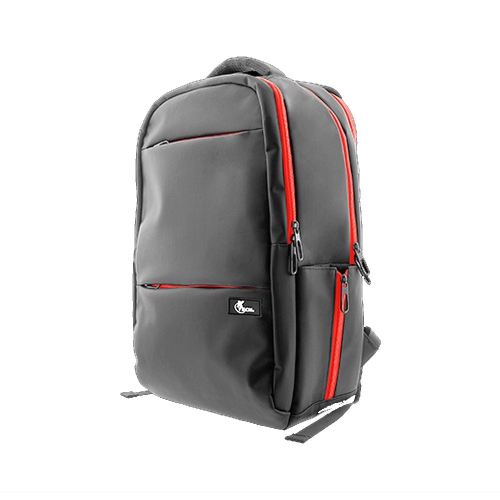
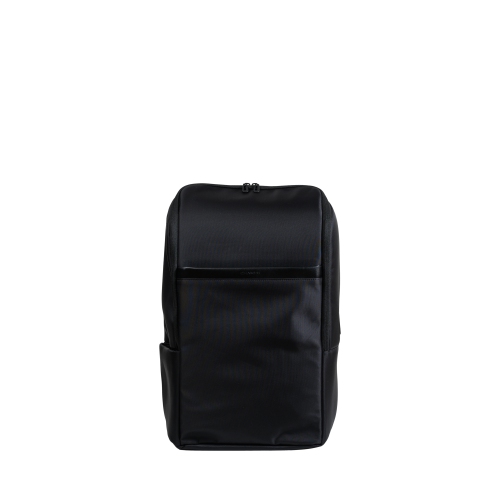
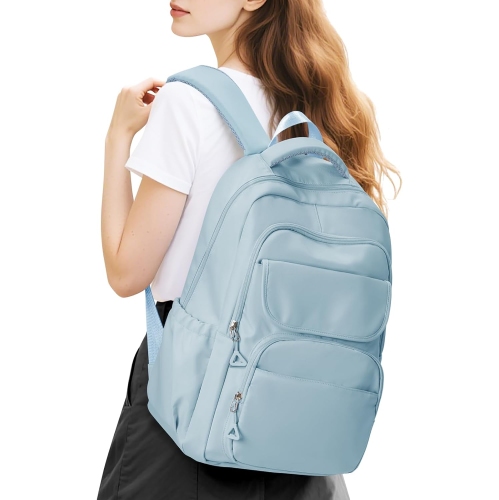
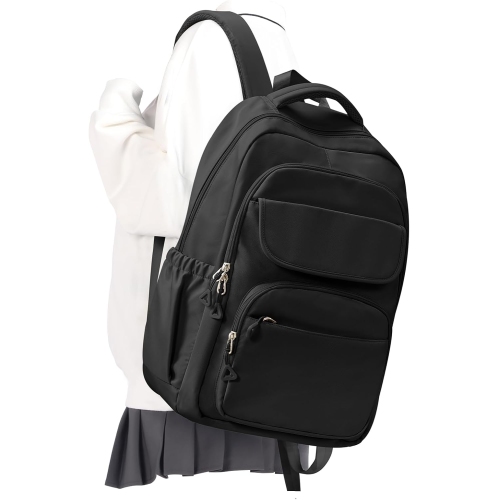
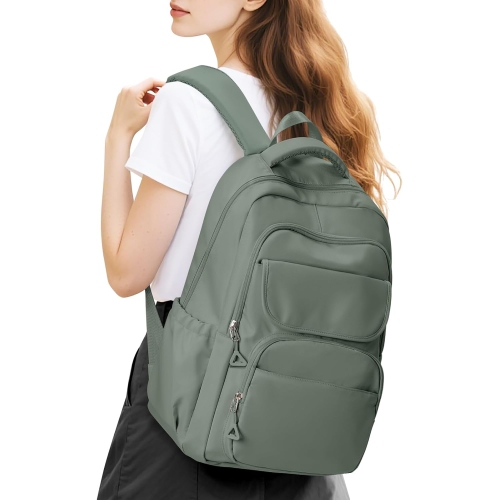
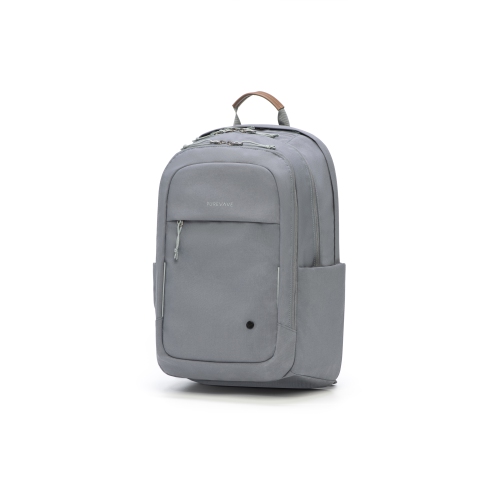
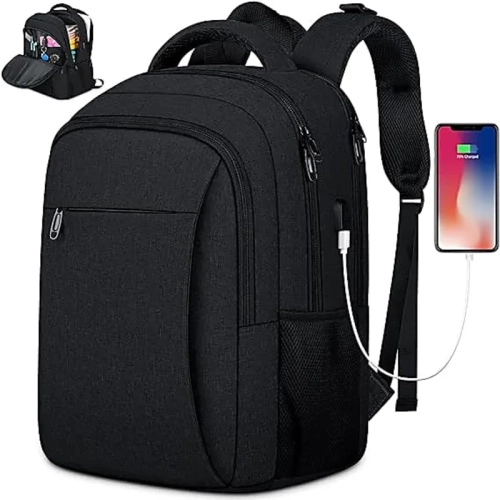
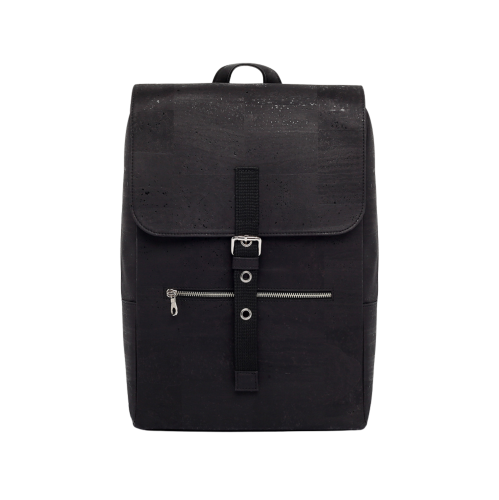
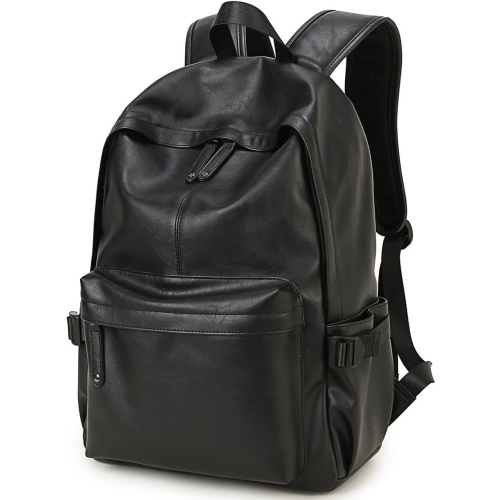
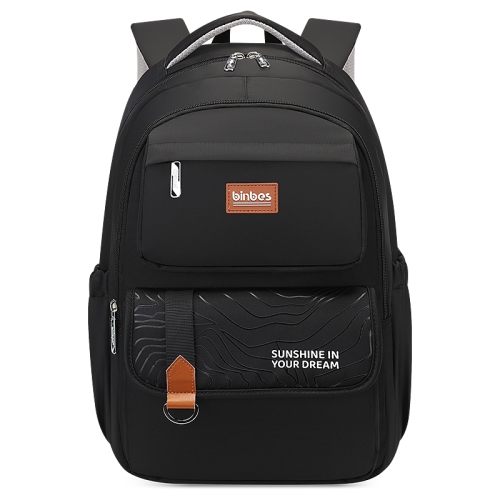
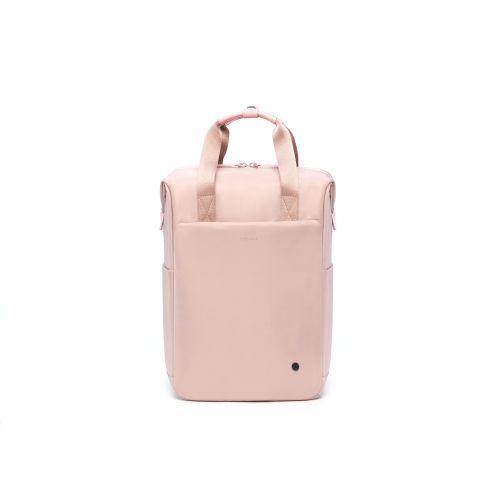
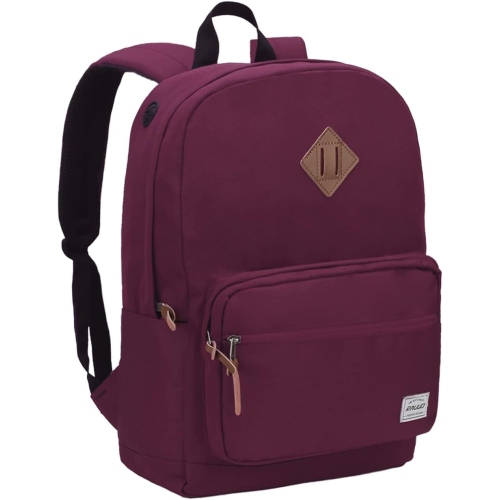
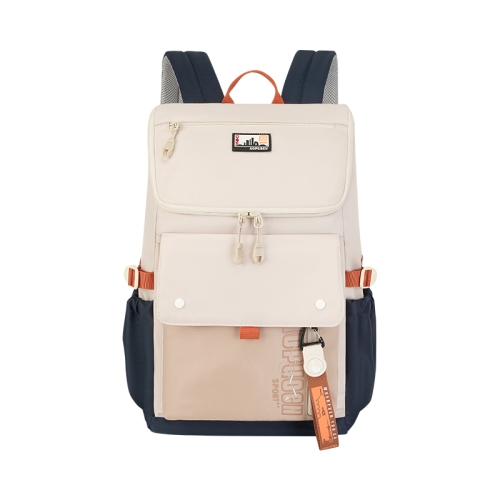
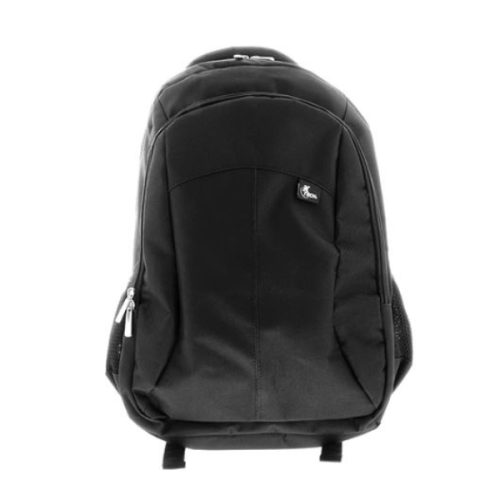
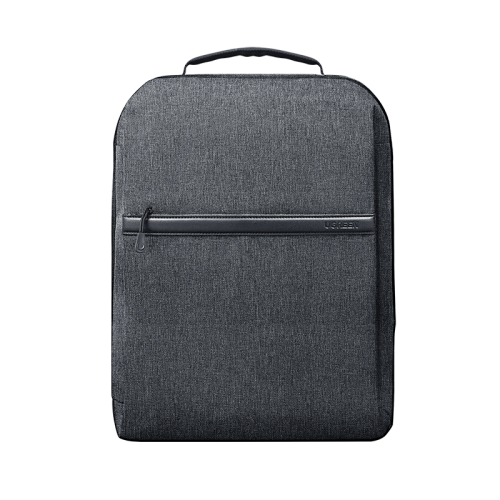
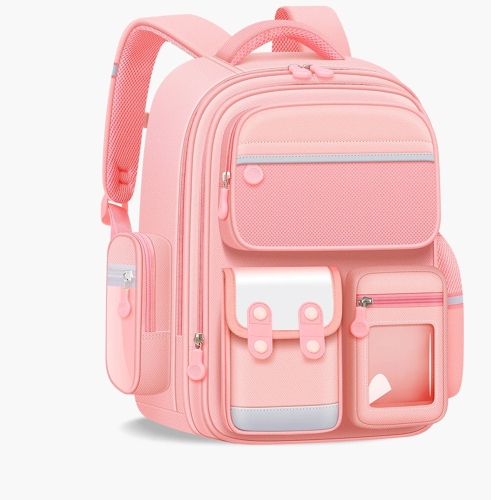
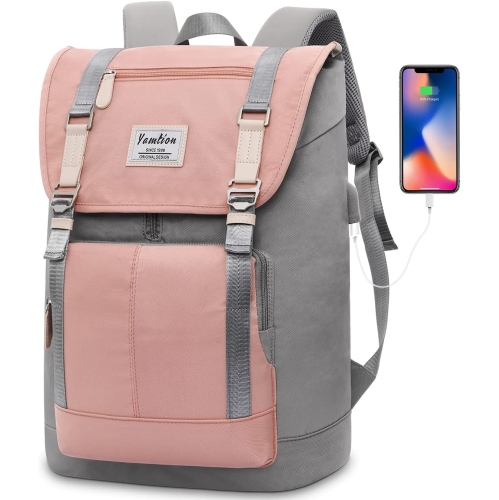
Anti-theft school backpacks are designed for students who carry valuable essentials through busy hallways, transit stations, libraries, campuses, and after-school activities. They combine the everyday features of a school bag with added ways to help deter unwanted access, making them useful for carrying textbooks, notebooks, a laptop, tablet, lunch, headphones, chargers, and personal items. Hidden zippers are often positioned against the wearer’s back or beneath a protective flap, making the main compartment less accessible when the backpack is being worn. Lockable zipper pulls, buckle closures, and discreet pockets can add another layer of convenience in crowded places, while slash-resistant construction may use reinforced panels or integrated wire mesh to make the bag more difficult to cut open. These features can be particularly helpful for students who commute by bus or train, walk through busy city areas, spend time in shared study spaces, or need to leave a bag briefly in a classroom, locker room, or campus common area. An anti-theft design is not a substitute for staying aware of personal belongings, but it can make everyday carrying feel more organised and give students practical tools for keeping important items closer and harder to reach. Families shopping for a new school bag may also find this category useful when preparing for a new term, replacing a worn-out backpack, or choosing a thoughtful gift for a student heading into a new school routine. During the warmer part of the school year and through the cooler months, a well-designed backpack can move easily between outdoor commutes, classrooms, cafés, libraries, and extracurricular activities without requiring a separate bag for every stop.
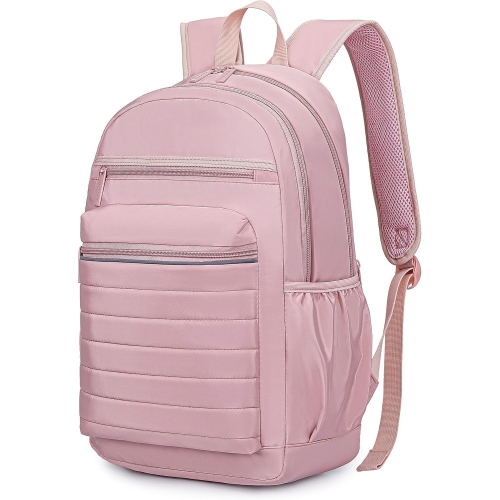
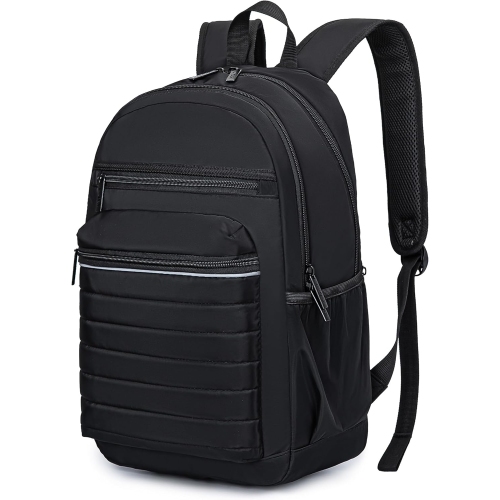
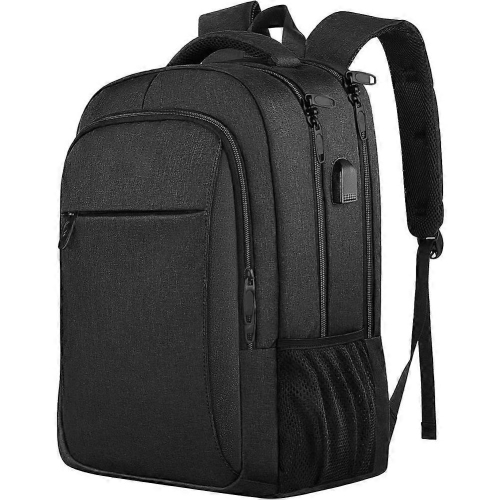
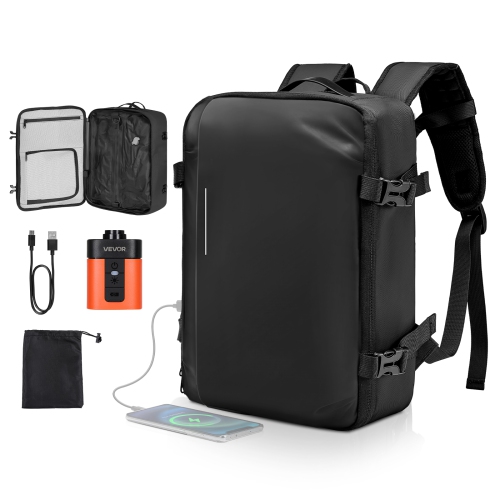
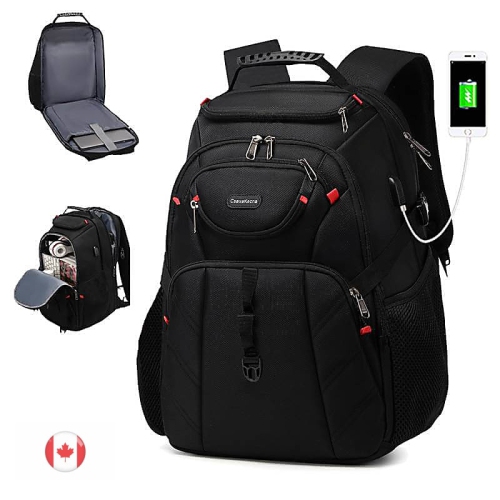
Capacity and device protection are two of the most important considerations when comparing anti-theft school backpacks. Start by thinking about what the student carries on a typical day rather than choosing the largest capacity automatically. A compact design may suit someone who mainly brings a tablet, a few notebooks, and a water bottle, while a larger backpack may be better for students who carry binders, gym clothing, lunch containers, art supplies, or several textbooks. Look for a padded laptop compartment that matches the size of the computer being used; common sleeves may accommodate devices up to 15.6 or 17 inch, but the stated dimensions should always be checked before purchase. A dedicated tablet pocket can help prevent smaller electronics from shifting around among books, while separate organiser compartments keep pens, cables, keys, student cards, and wireless accessories from collecting at the bottom of the bag. Some designs include a USB pass-through that connects an internal power bank to an external port, allowing a phone to be charged while the power bank stays inside the backpack; the power bank itself is generally purchased separately. Water-resistant material, coated fabric, or a covered zip can be valuable when a student is caught in rain or moving between buildings during wet weather, although water resistance does not always mean the backpack is fully waterproof. Consider the opening style as well. A wide-opening compartment can make it easier to find a charger or notebook, while a traditional top-loading shape may keep contents more contained. Reflective details, a luggage pass-through, a quick-access pocket, and a key clip can also improve daily usability without adding much bulk. Students who carry electronics should look for soft lining, firm padding, and enough structure to keep the backpack upright, particularly when it is placed beneath a desk or on a crowded floor.
Comfort matters just as much as security features, especially when a backpack is worn for several hours at a time. Padded shoulder straps with adjustable sliders help distribute weight across the shoulders, and a cushioned back panel can improve airflow and reduce pressure from books or hard-edged accessories. A chest strap may provide additional stability for cycling or walking, while a structured base can help the bag stand upright and protect its contents when set down. Even a well-padded backpack can become uncomfortable if it is overloaded, so it is worth checking the recommended capacity and arranging heavier items close to the back. A laptop, for example, is usually more comfortable when positioned in its protected sleeve rather than placed loosely at the front of the bag. Students may also appreciate an easily accessible exterior pocket for transit passes or keys, provided it does not compromise the bag’s more secure compartments. For shoppers comparing related options, Anti-Theft Student Bags can provide another way to explore student-focused designs with features suited to school, commuting, and campus life. When selecting a backpack as a gift, consider the recipient’s device size, daily route, preferred carrying style, and the amount of equipment they bring along. A student who travels by public transit may value concealed storage and lockable zips, while someone who spends most of the day in classrooms may prioritise a lightweight build, comfortable padding, and quick access to notebooks. The best choice is one that fits the student’s routine naturally, protects the items they carry, and remains comfortable from the first morning class to the journey home.
Capacity and device protection are two of the most important considerations when comparing anti-theft school backpacks. Start by thinking about what the student carries on a typical day rather than choosing the largest capacity automatically. A compact design may suit someone who mainly brings a tablet, a few notebooks, and a water bottle, while a larger backpack may be better for students who carry binders, gym clothing, lunch containers, art supplies, or several textbooks. Look for a padded laptop compartment that matches the size of the computer being used; common sleeves may accommodate devices up to 15.6 or 17 inch, but the stated dimensions should always be checked before purchase. A dedicated tablet pocket can help prevent smaller electronics from shifting around among books, while separate organiser compartments keep pens, cables, keys, student cards, and wireless accessories from collecting at the bottom of the bag. Some designs include a USB pass-through that connects an internal power bank to an external port, allowing a phone to be charged while the power bank stays inside the backpack; the power bank itself is generally purchased separately. Water-resistant material, coated fabric, or a covered zip can be valuable when a student is caught in rain or moving between buildings during wet weather, although water resistance does not always mean the backpack is fully waterproof. Consider the opening style as well. A wide-opening compartment can make it easier to find a charger or notebook, while a traditional top-loading shape may keep contents more contained. Reflective details, a luggage pass-through, a quick-access pocket, and a key clip can also improve daily usability without adding much bulk. Students who carry electronics should look for soft lining, firm padding, and enough structure to keep the backpack upright, particularly when it is placed beneath a desk or on a crowded floor.
Comfort matters just as much as security features, especially when a backpack is worn for several hours at a time. Padded shoulder straps with adjustable sliders help distribute weight across the shoulders, and a cushioned back panel can improve airflow and reduce pressure from books or hard-edged accessories. A chest strap may provide additional stability for cycling or walking, while a structured base can help the bag stand upright and protect its contents when set down. Even a well-padded backpack can become uncomfortable if it is overloaded, so it is worth checking the recommended capacity and arranging heavier items close to the back. A laptop, for example, is usually more comfortable when positioned in its protected sleeve rather than placed loosely at the front of the bag. Students may also appreciate an easily accessible exterior pocket for transit passes or keys, provided it does not compromise the bag’s more secure compartments. For shoppers comparing related options, Anti-Theft Student Bags can provide another way to explore student-focused designs with features suited to school, commuting, and campus life. When selecting a backpack as a gift, consider the recipient’s device size, daily route, preferred carrying style, and the amount of equipment they bring along. A student who travels by public transit may value concealed storage and lockable zips, while someone who spends most of the day in classrooms may prioritise a lightweight build, comfortable padding, and quick access to notebooks. The best choice is one that fits the student’s routine naturally, protects the items they carry, and remains comfortable from the first morning class to the journey home.
Top selling and popular products
-
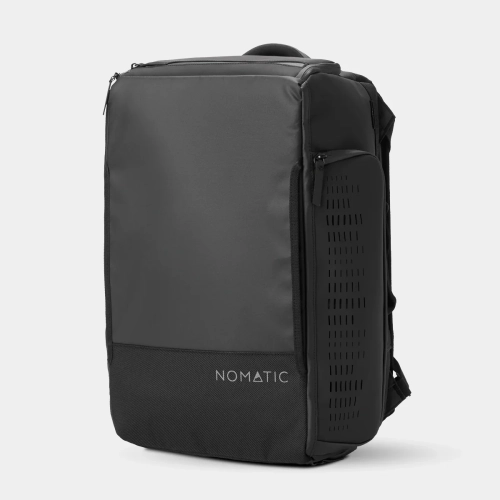 Your price for this item is $419.99
 -
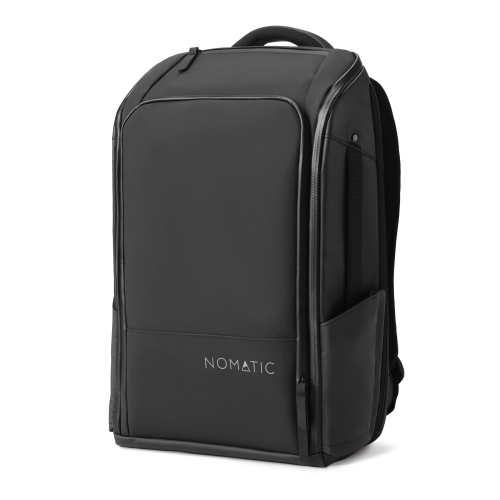 Your price for this item is $399.99
 -
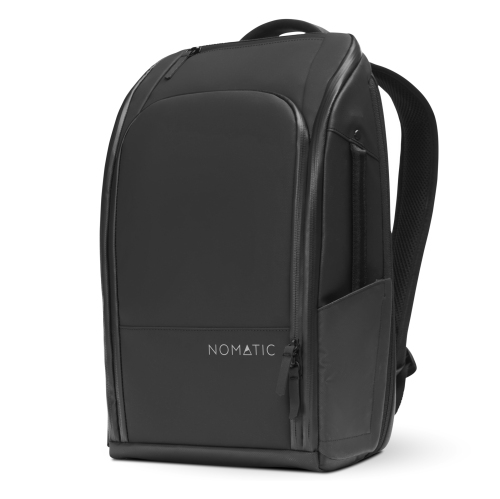 Your price for this item is $369.99
 -
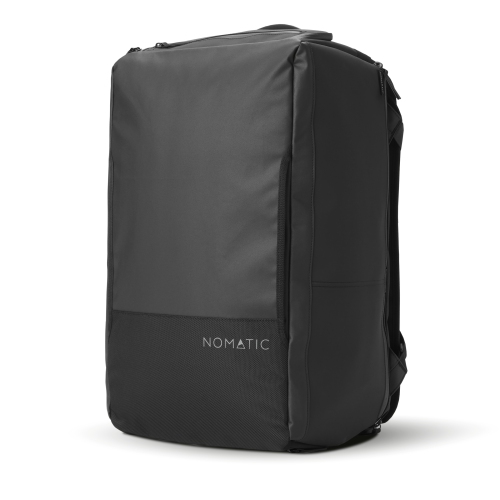 Your price for this item is $399.99
 -
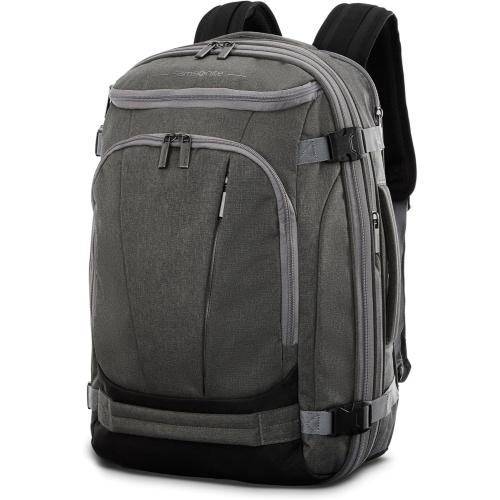 Your price for this item is $218.48
 -
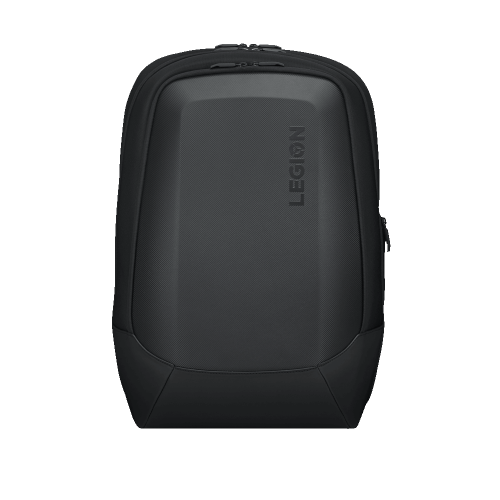 Your price for this item is $98.99
 -
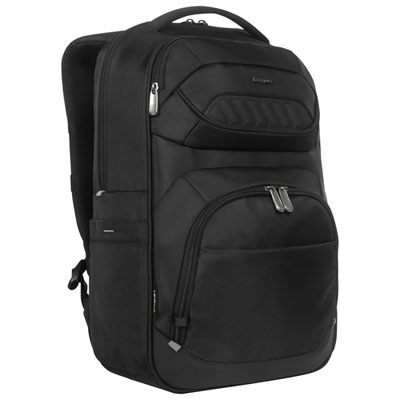 Your price for this item is $99.99
 -
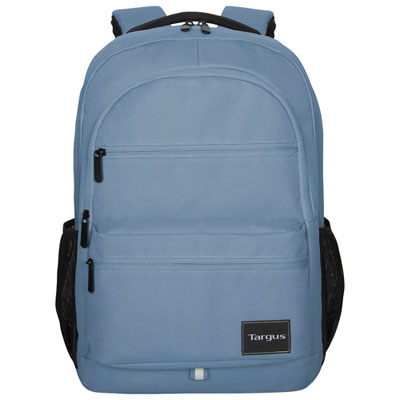 Your price for this item is $59.97
Discover more categories related to Anti Theft School Backpacks
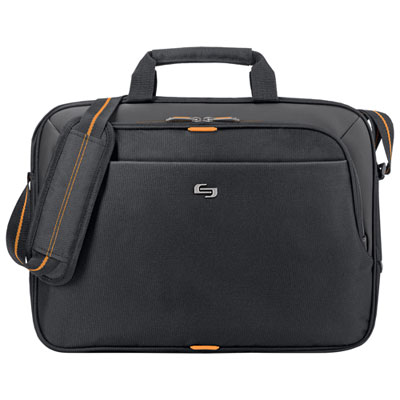
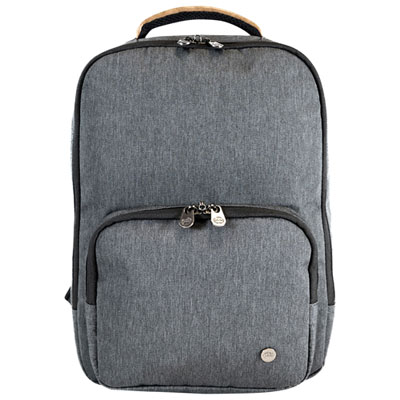
Top Collections:
Pokemon Centers, Best Cameras for Sports Photography, Kindle Devices, Samsung Galaxy Phones, Canon G7X Cameras, Pokémon 30th Celebration Cards, Refurbished Apple Laptops, iPhone 15 Apple, Laptops for Students, Budget Smartphones
Some products may be subject to Environmental Handling Fees
(EHF) depending on your province.
Learn more about EHFs.