Stylish Hiking Backpacks
Hiking is a great way to get outside and enjoy nature, but it's also a great way to get exercise. If you're hiking with a backpack, you'll want to make sure it's comfortable and durable, you'll want to make sure it's stylish as well. Here are some stylish hiking backpacks available on the market.
Sort
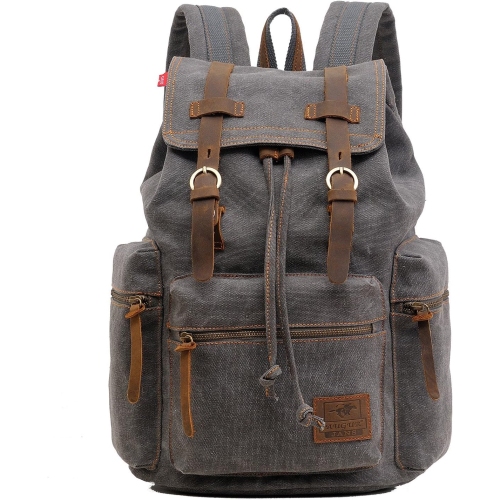
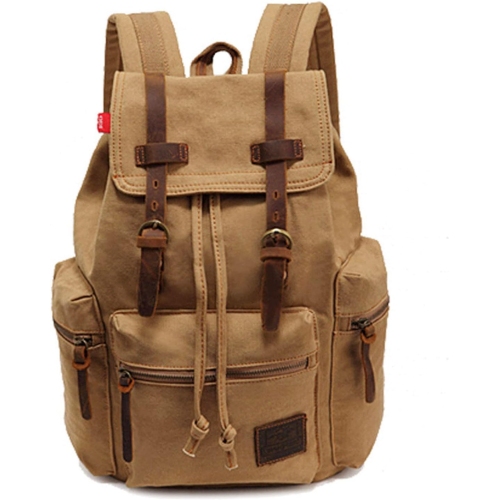
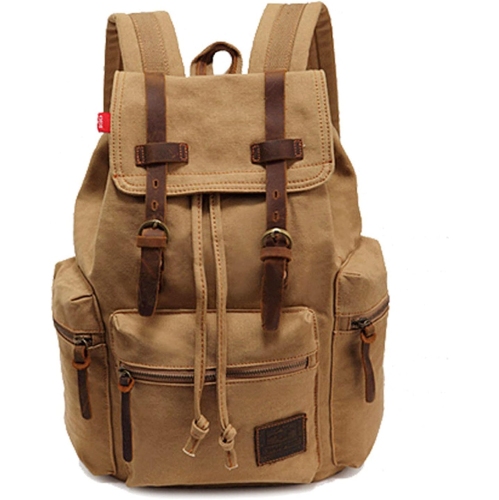
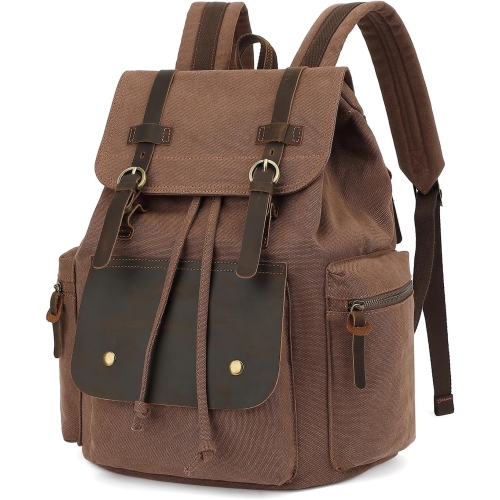
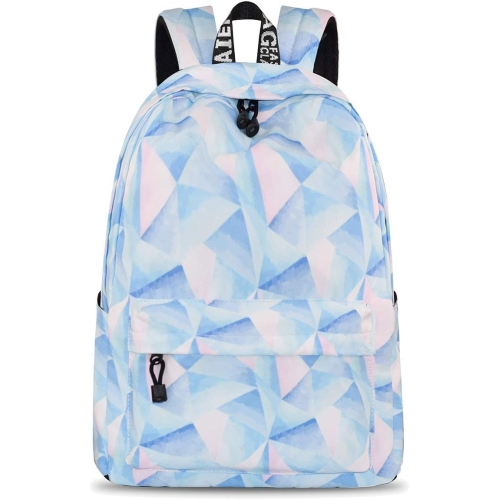
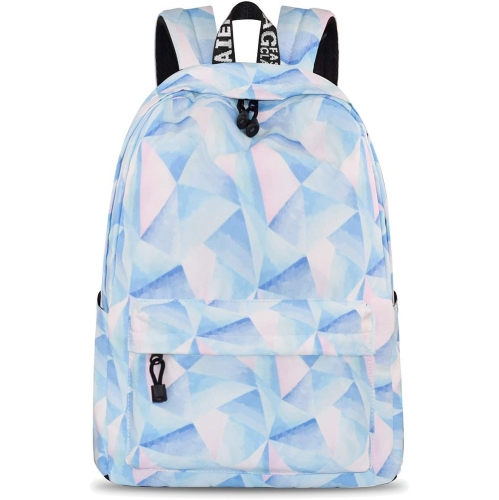
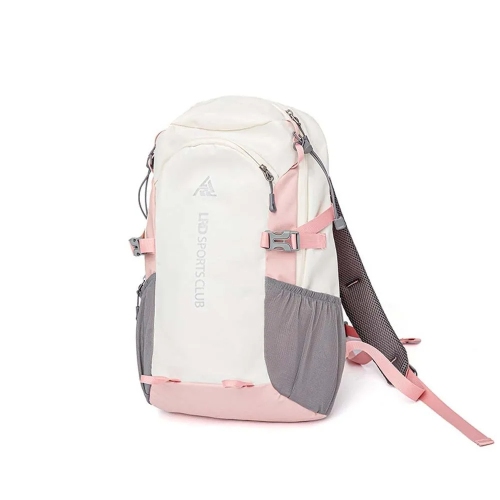
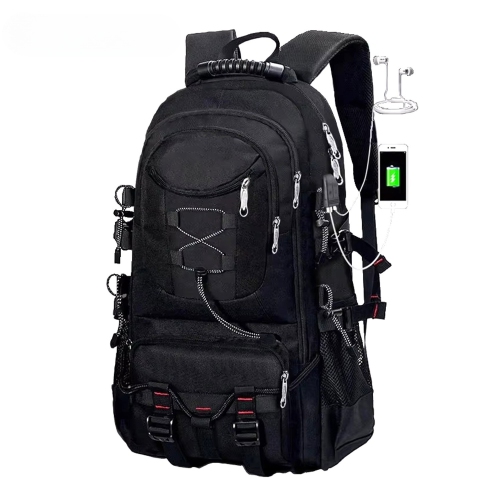

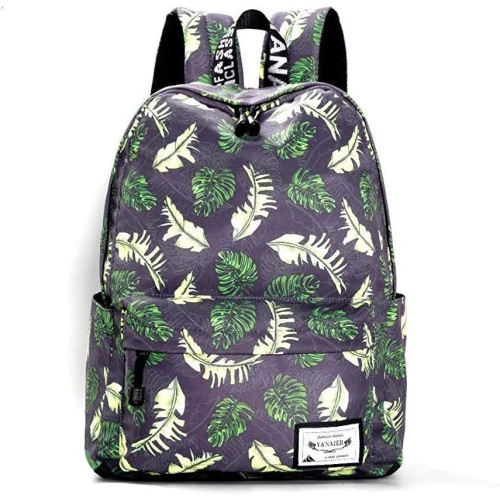
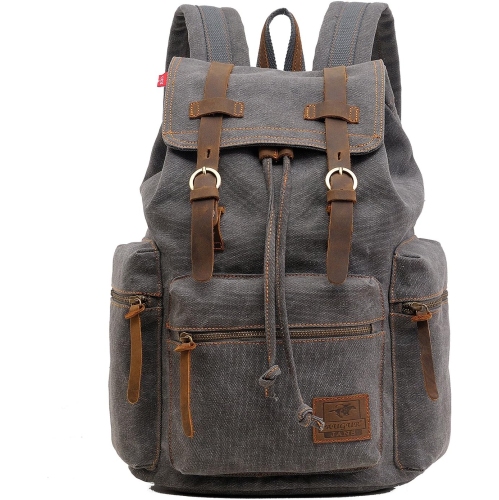
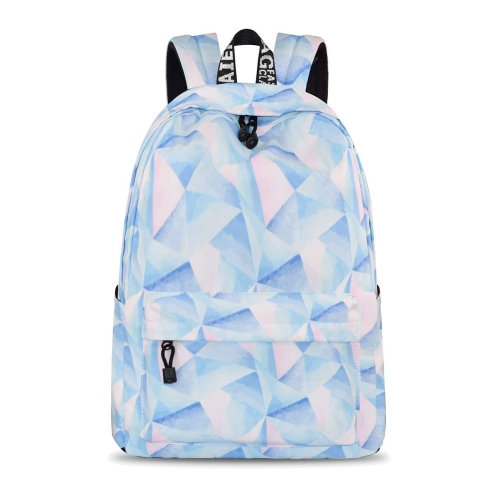
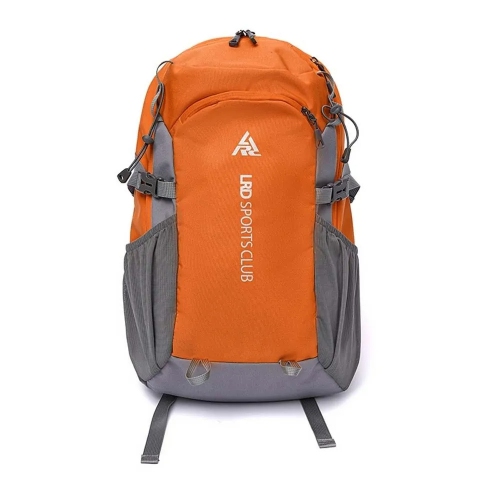
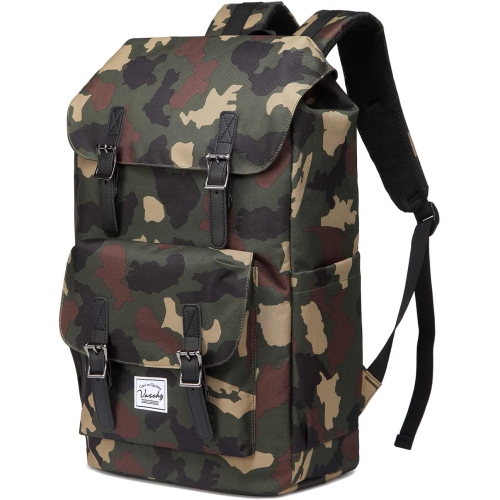
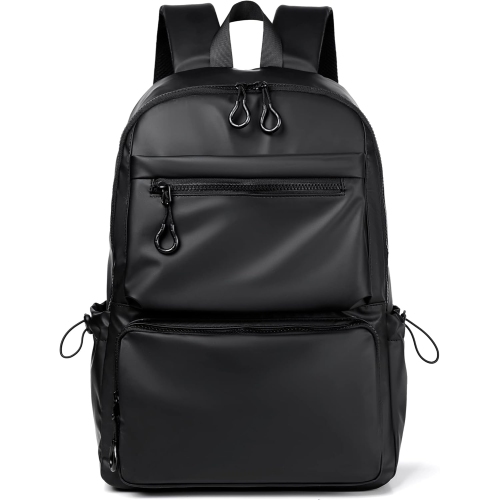
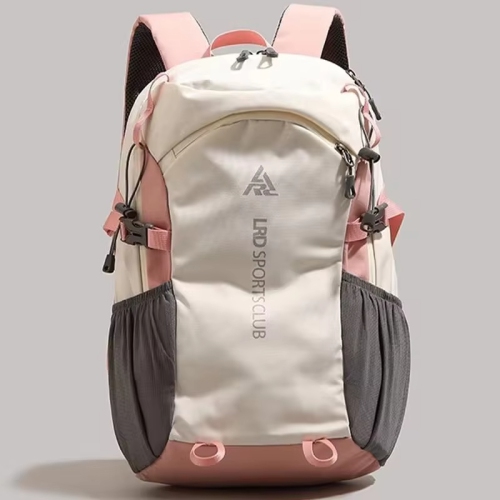
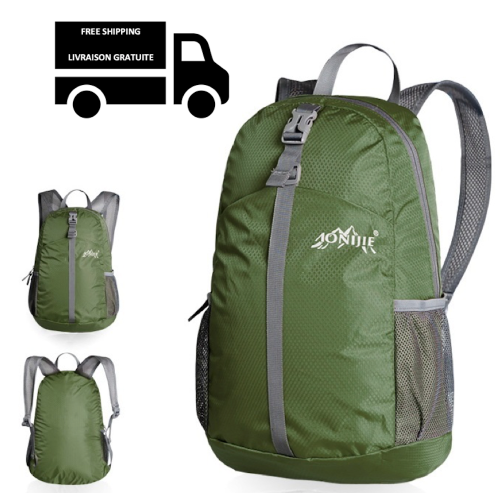
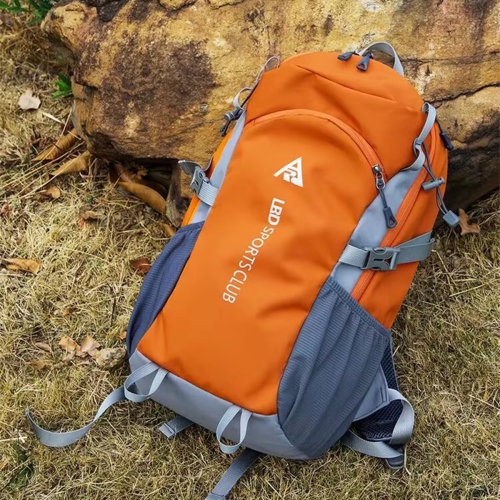
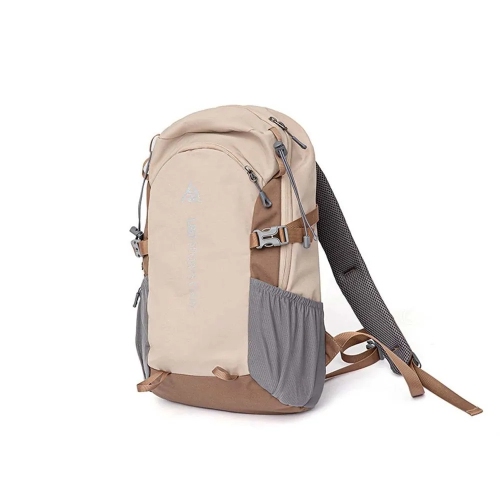
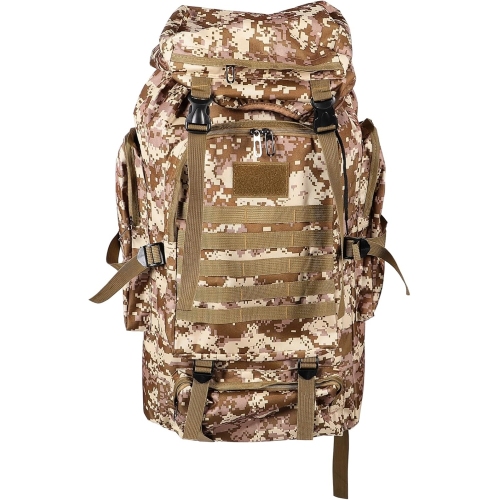
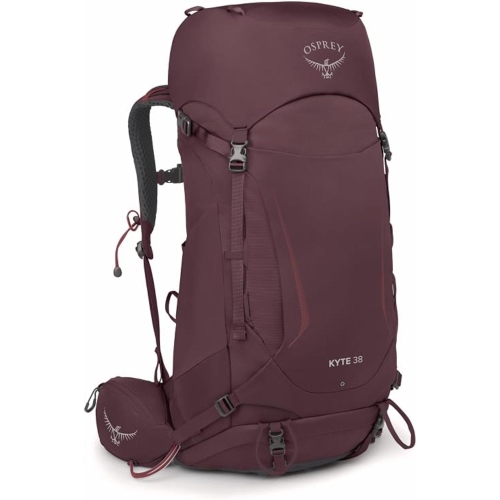


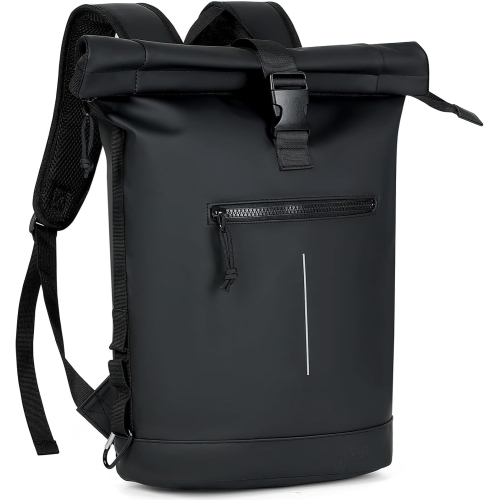
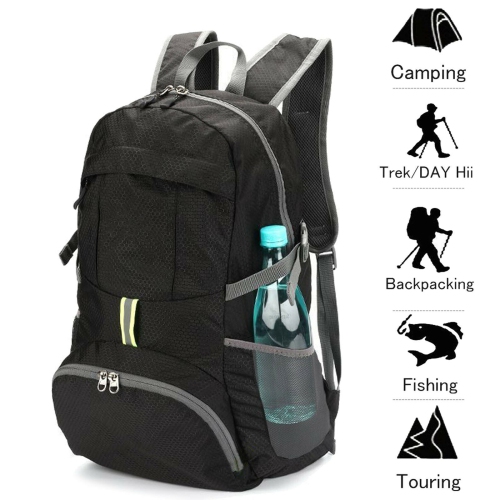
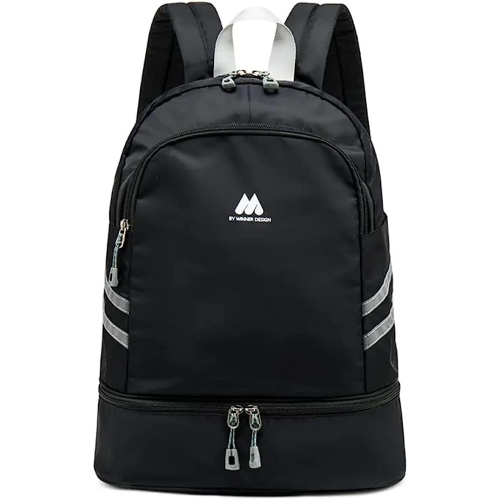
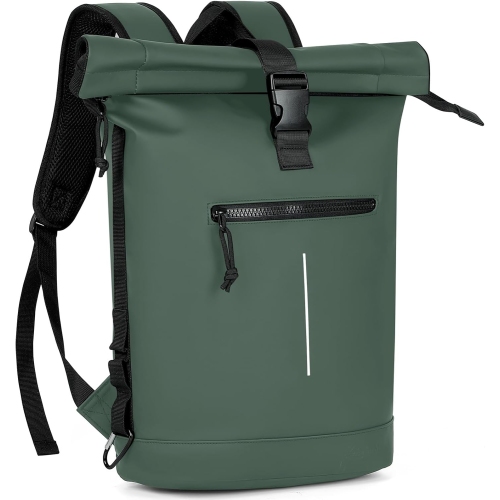
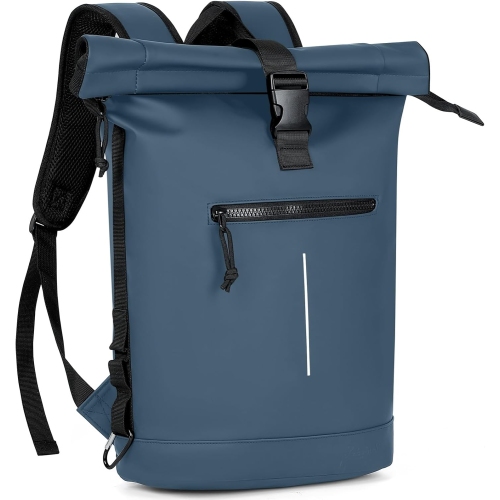
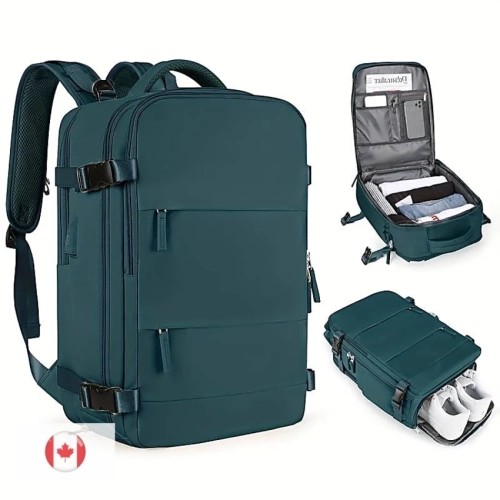
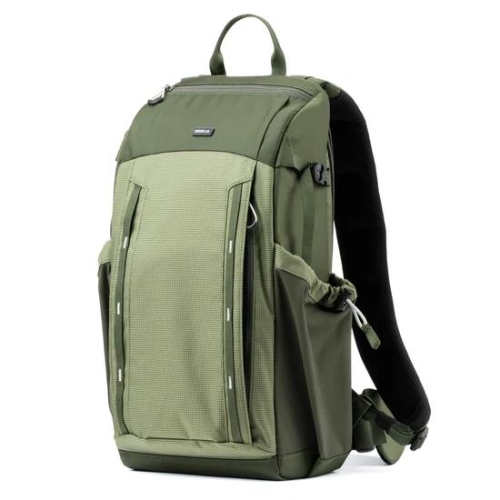
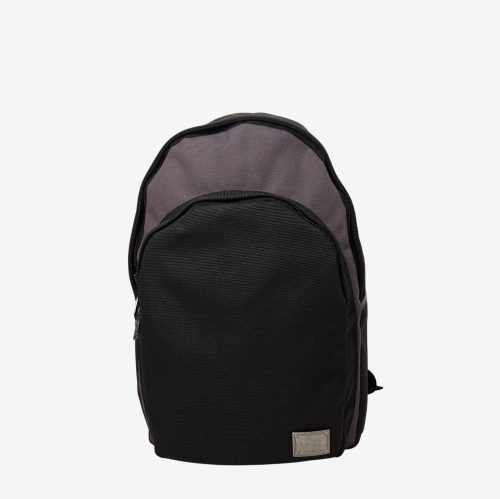
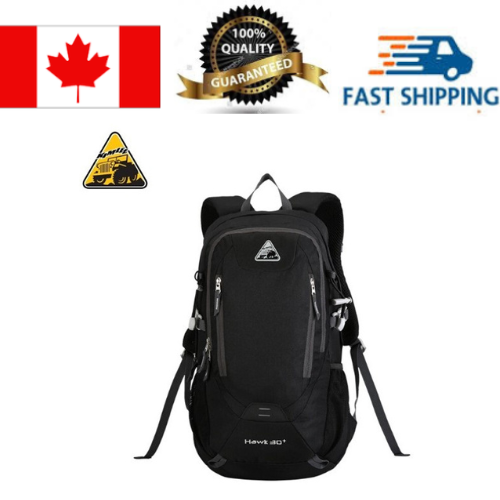
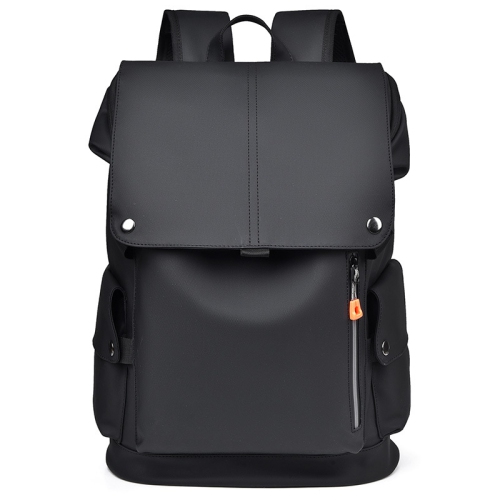
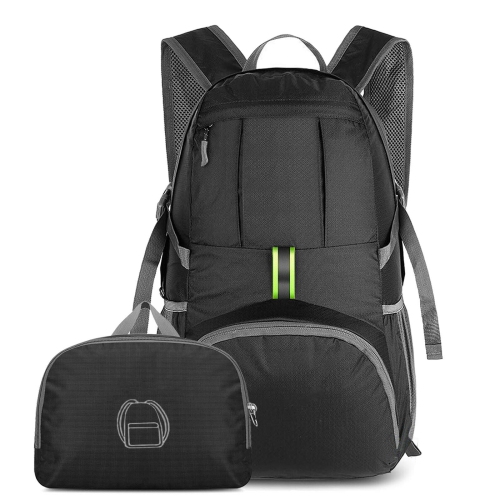

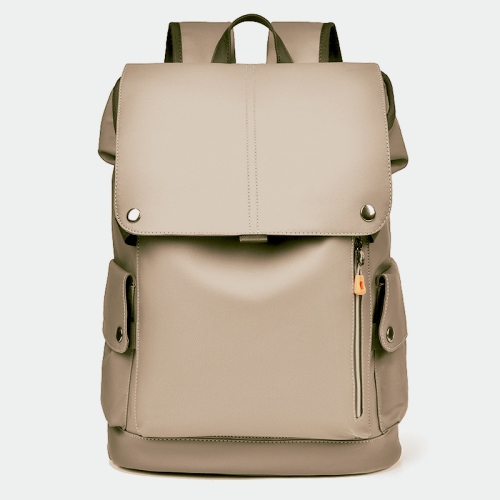
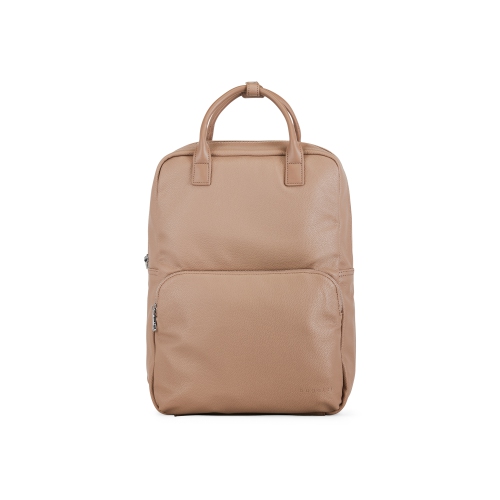
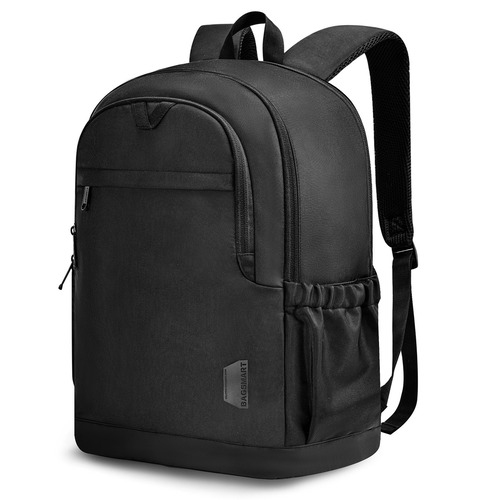
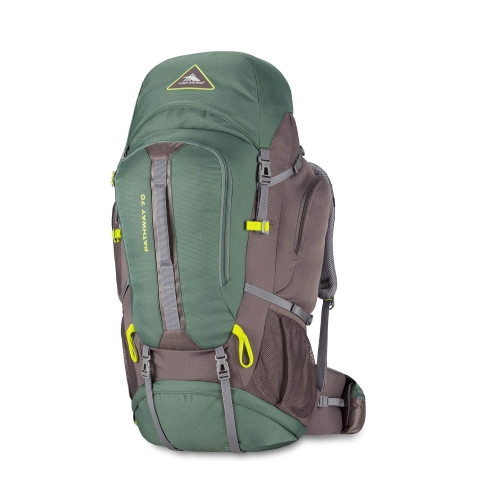
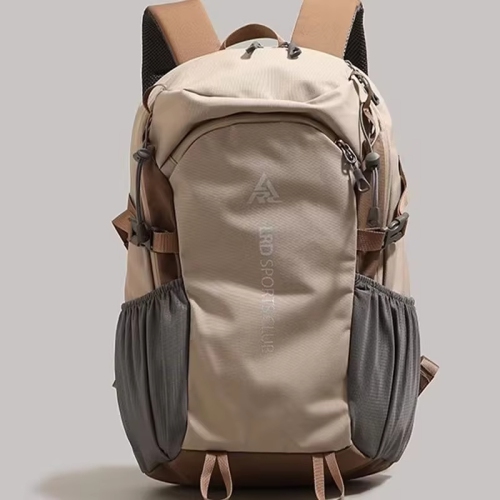
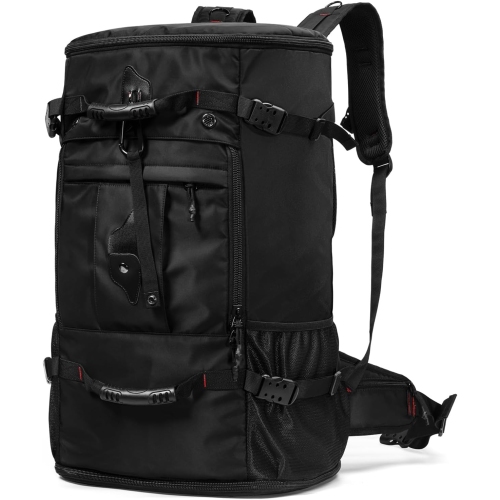

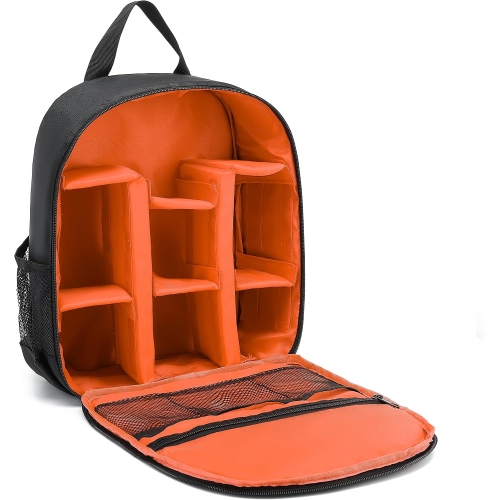

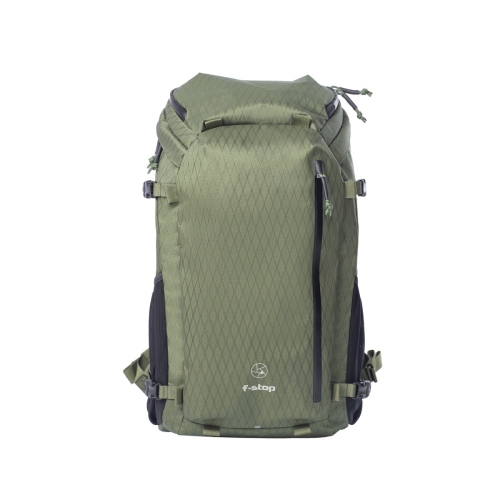
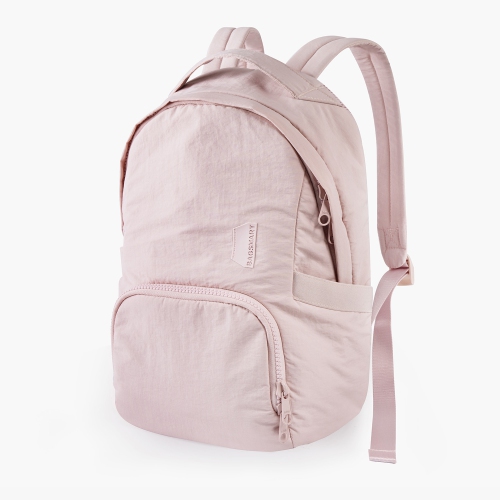
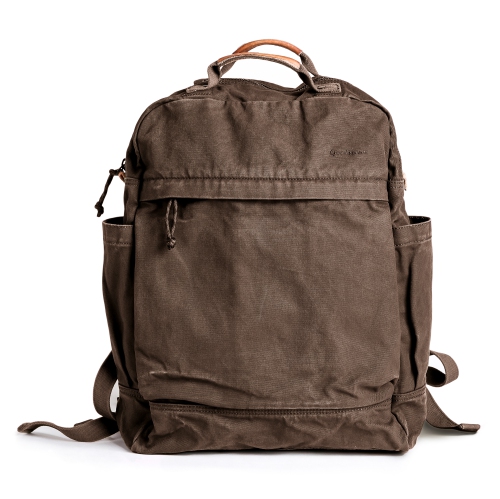
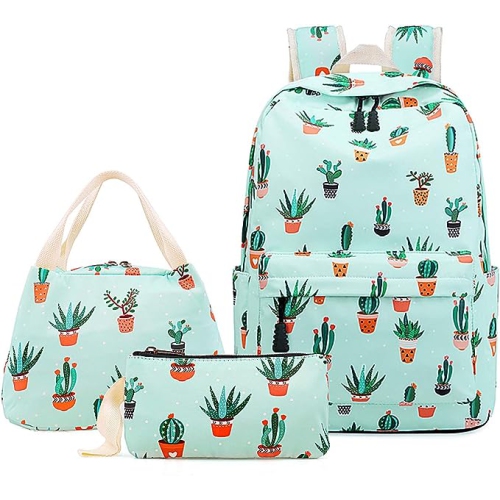
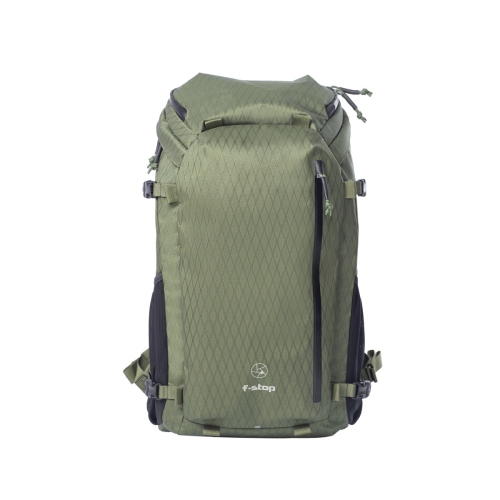
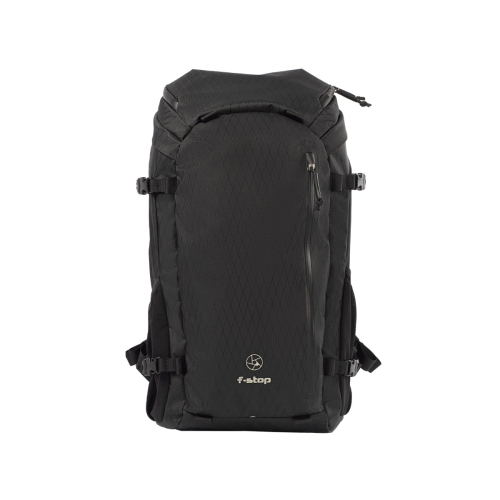
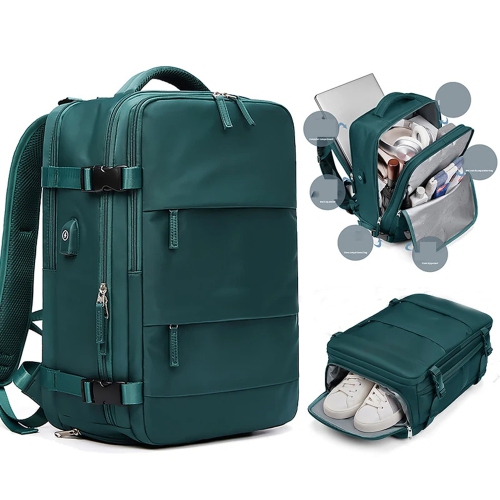
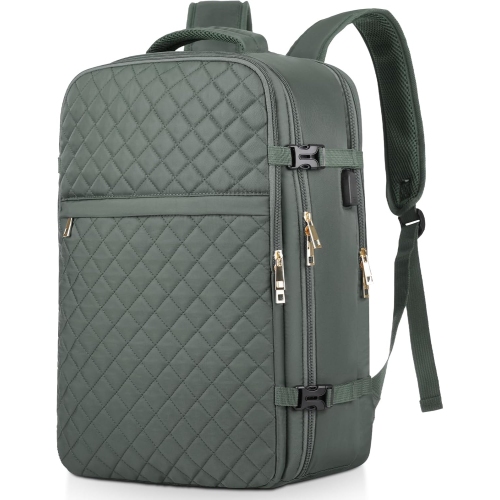
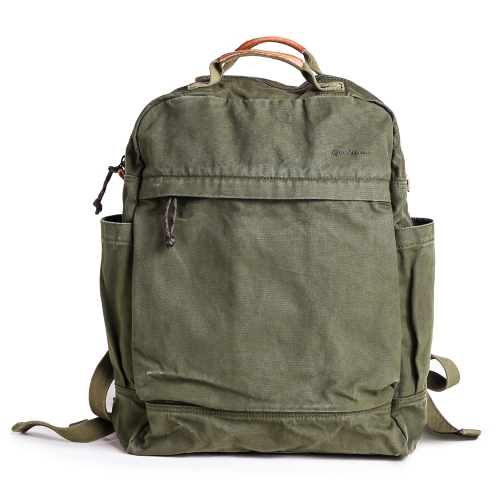
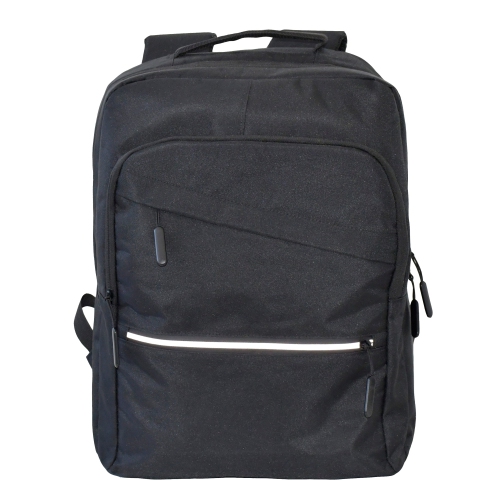

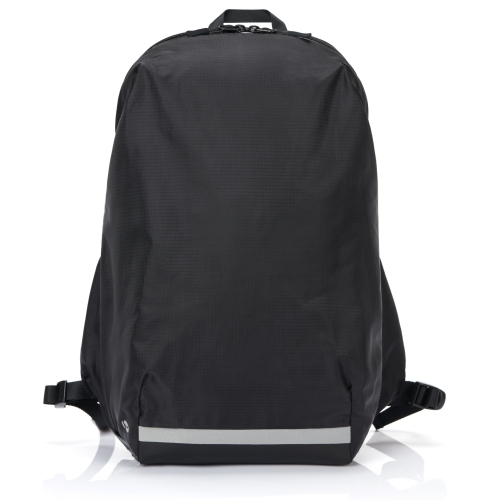
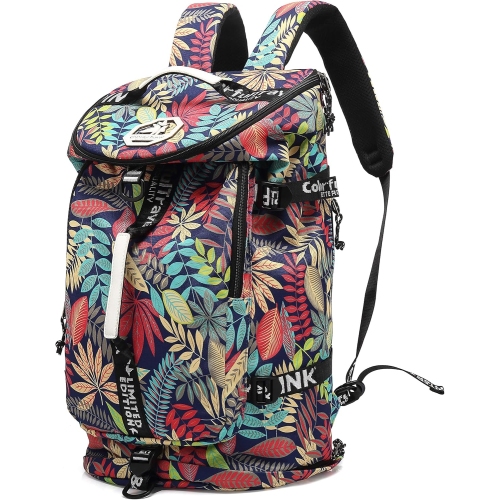

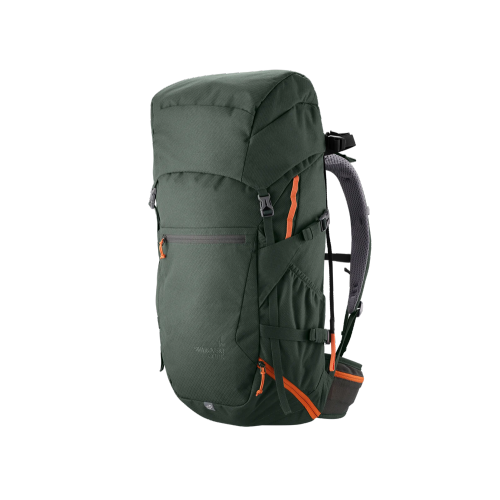
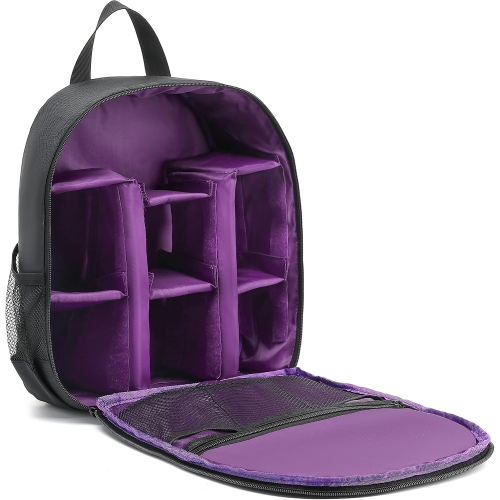
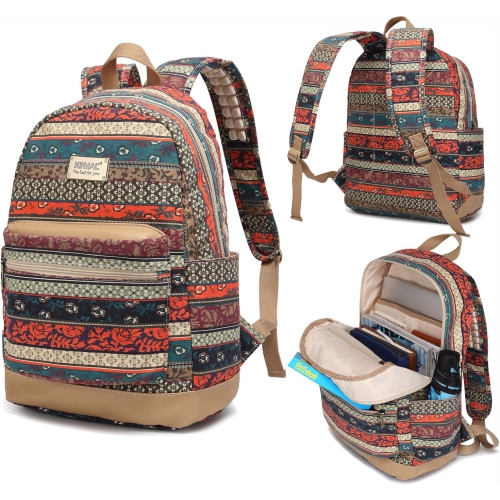
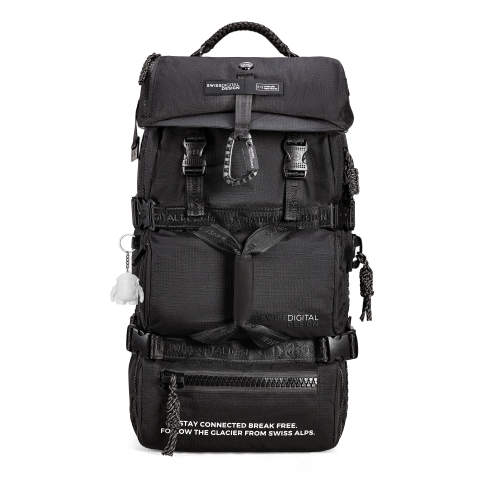
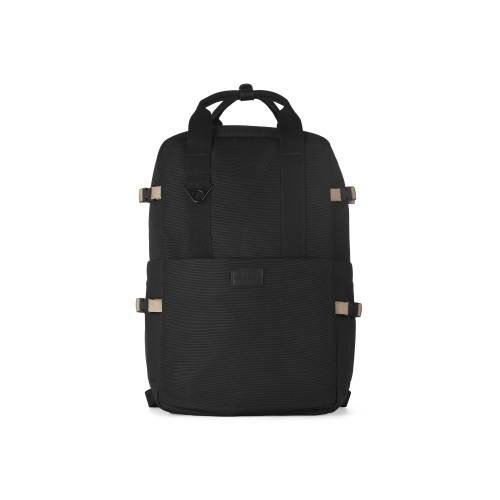
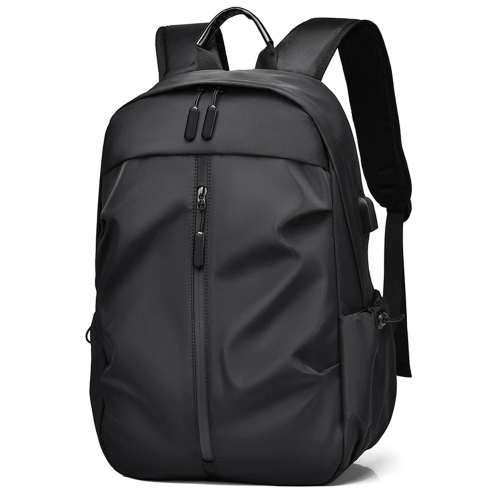
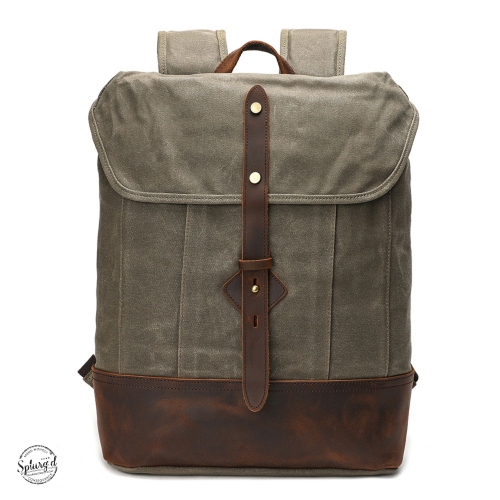

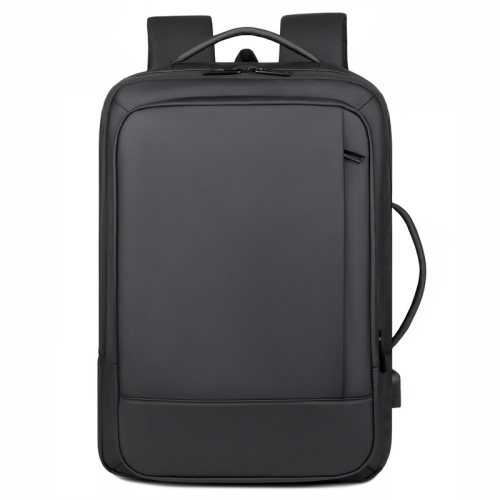
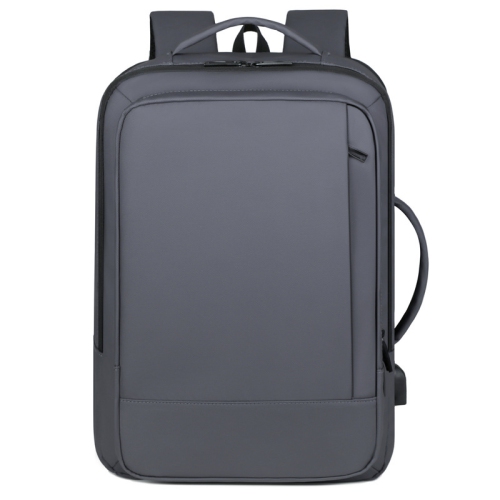
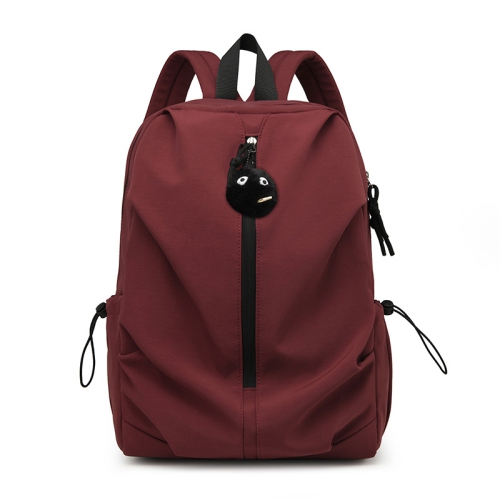
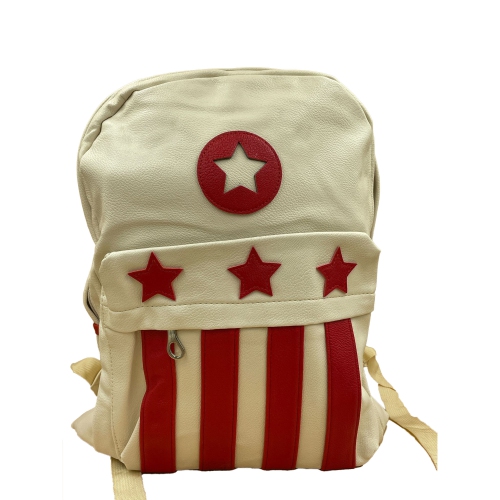
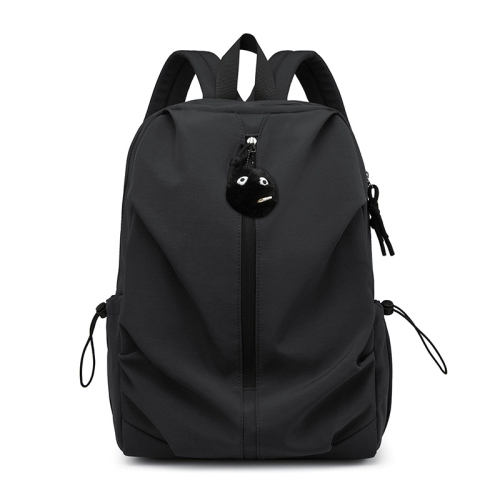
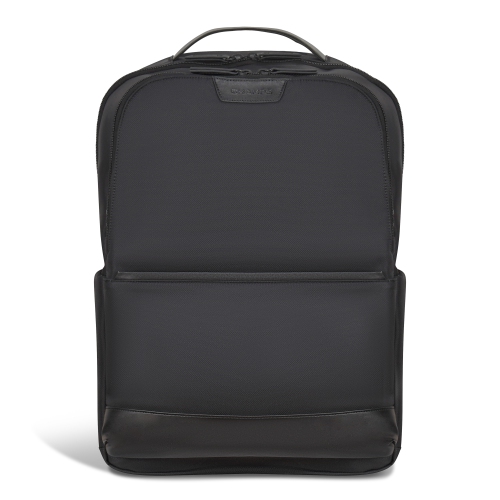
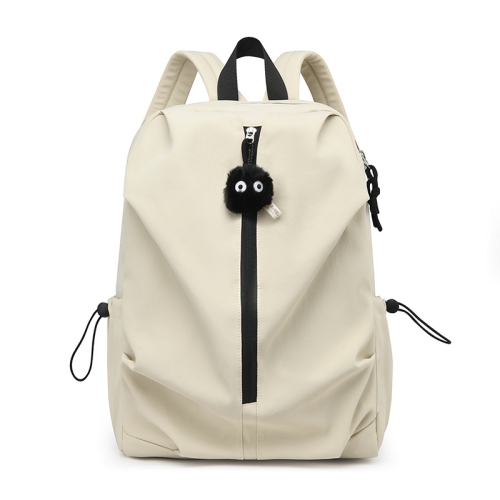
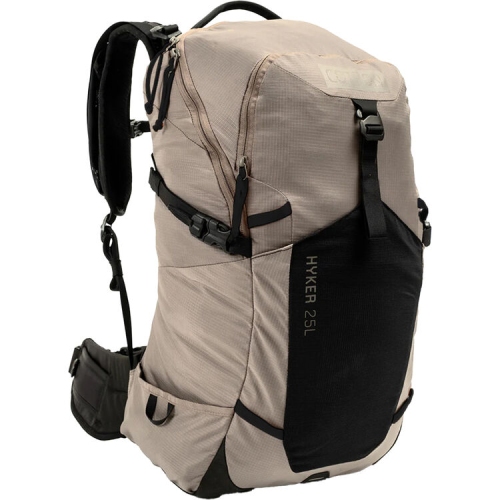

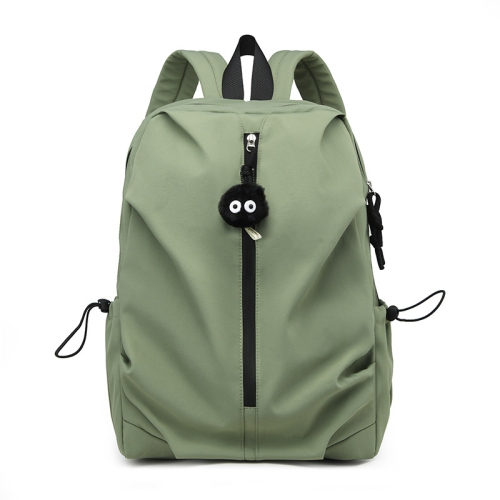

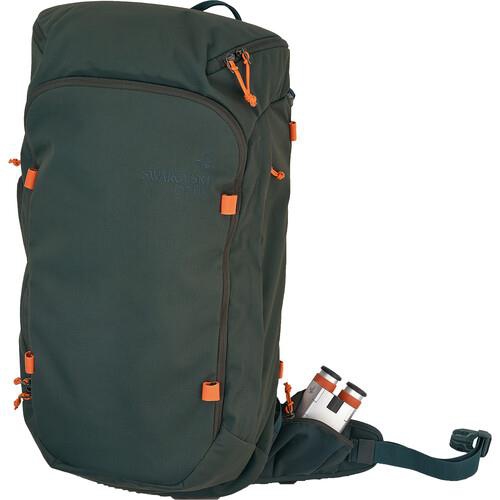

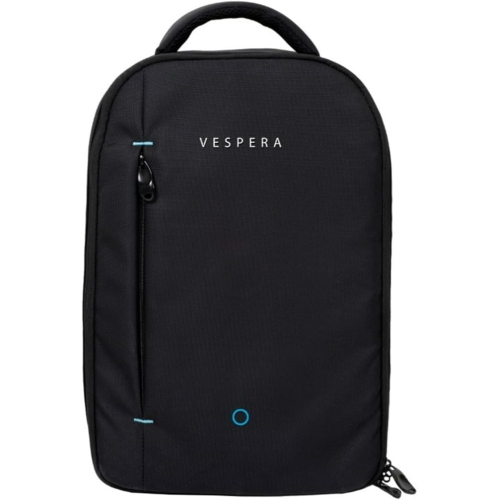

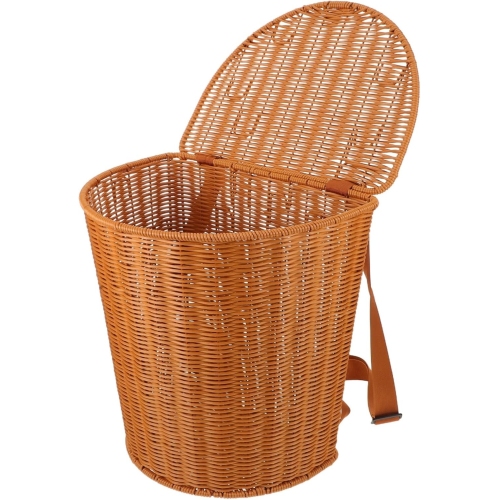
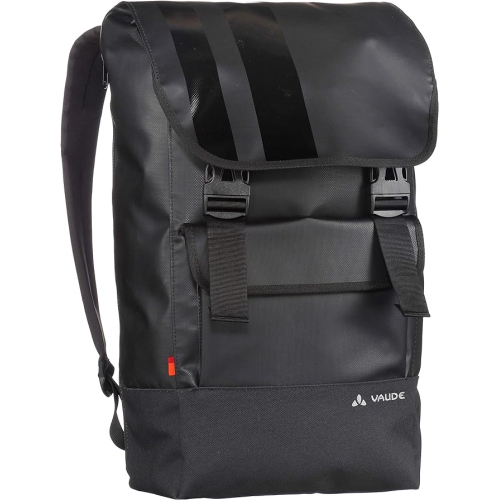

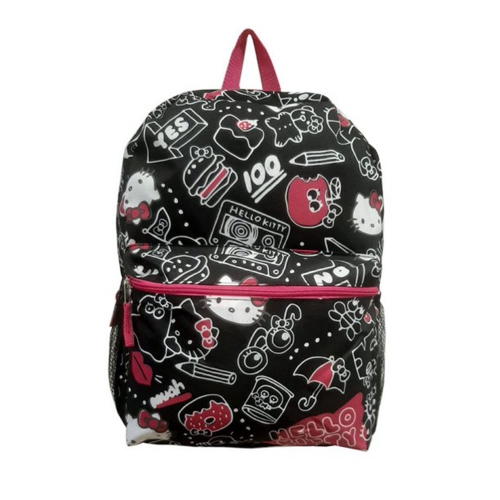

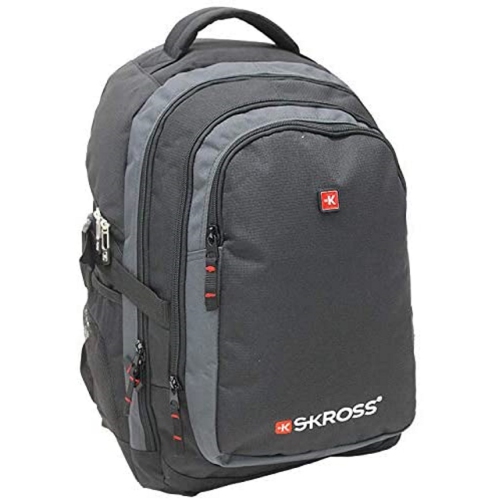


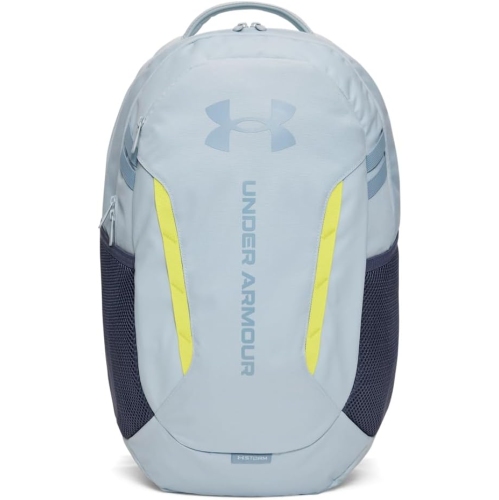
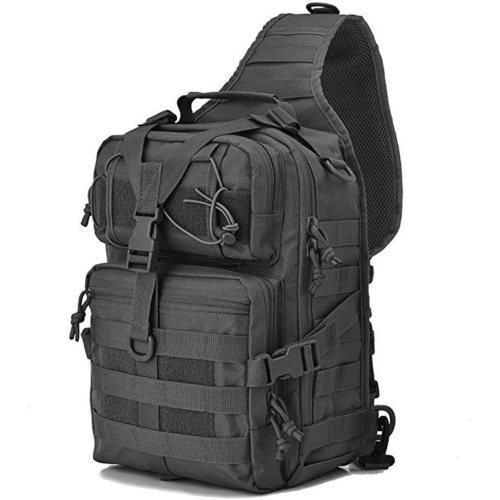
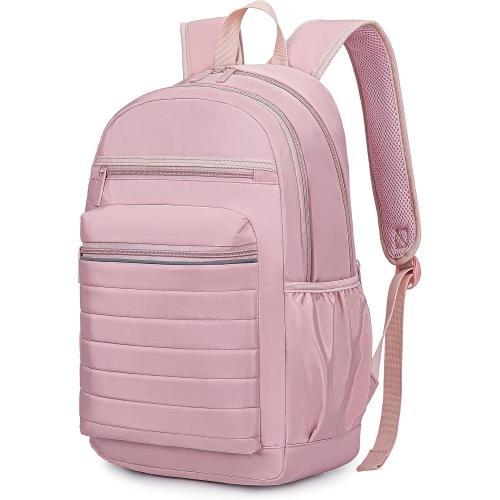
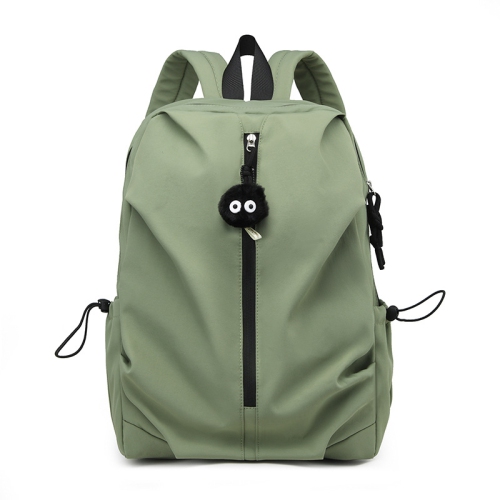
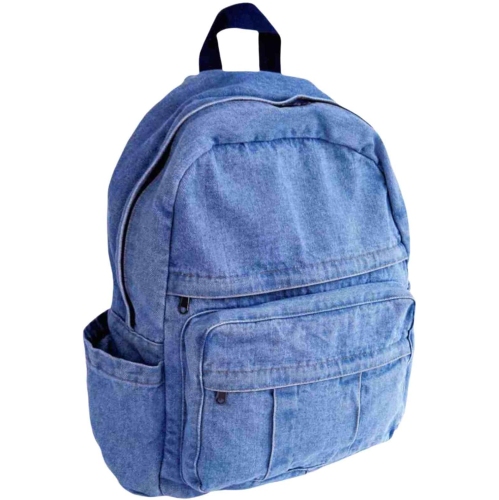
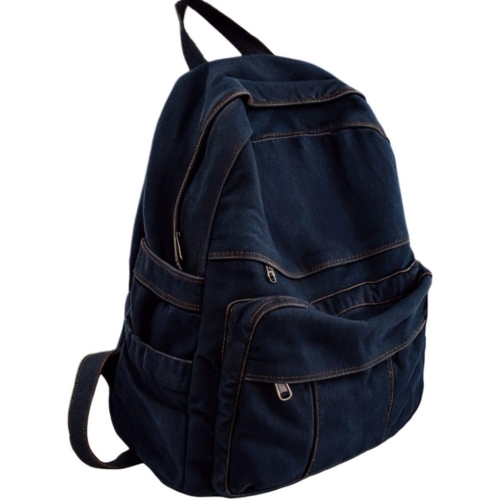
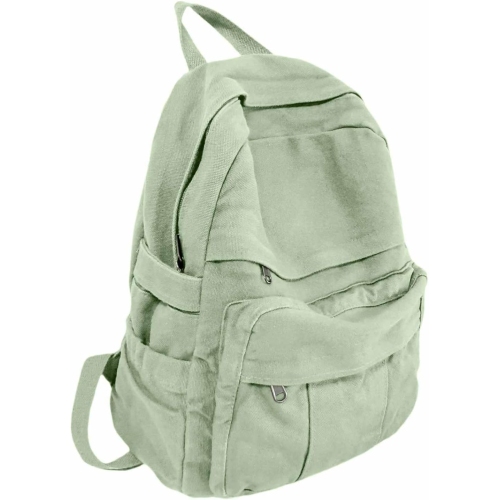
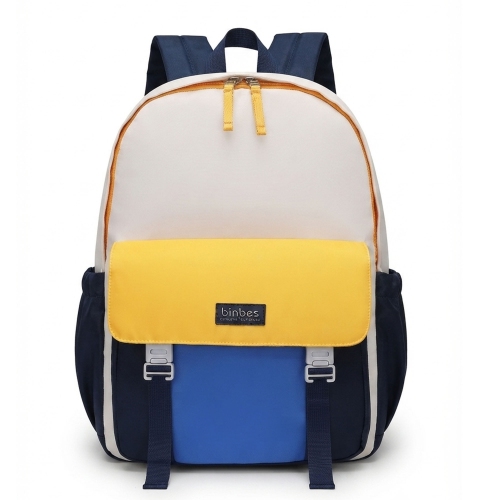
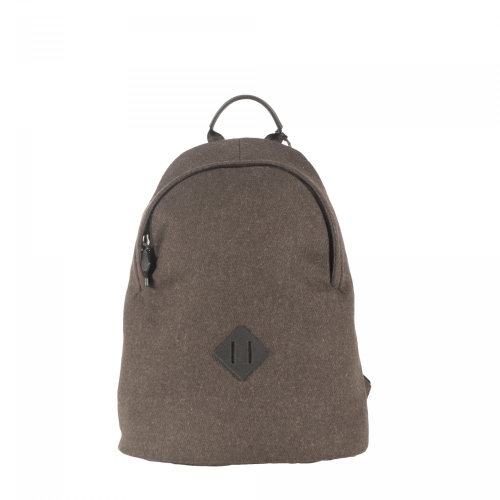
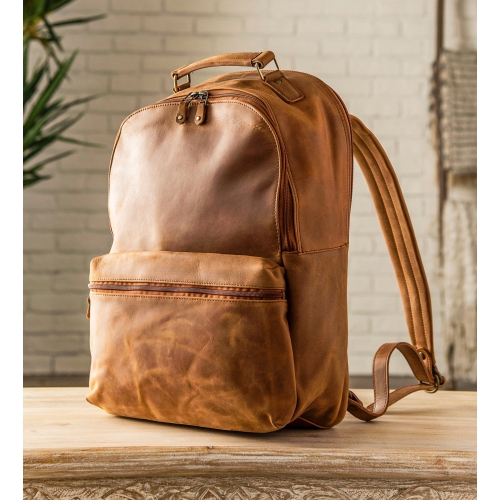
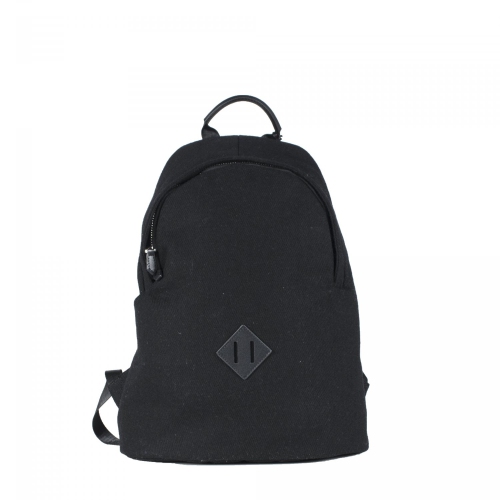
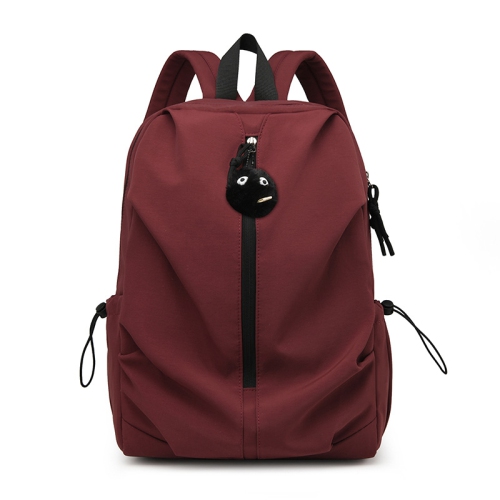
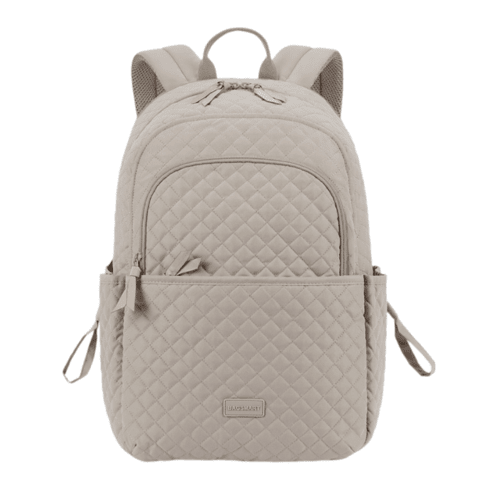
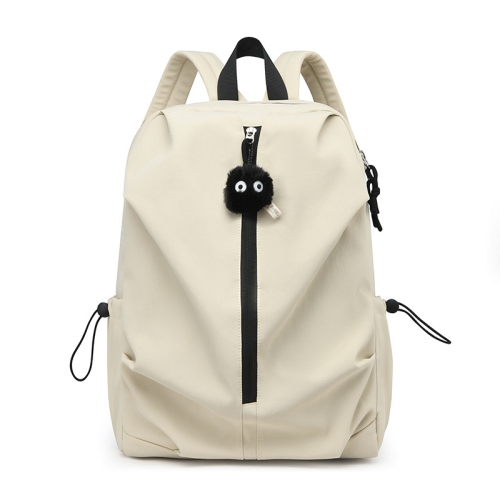
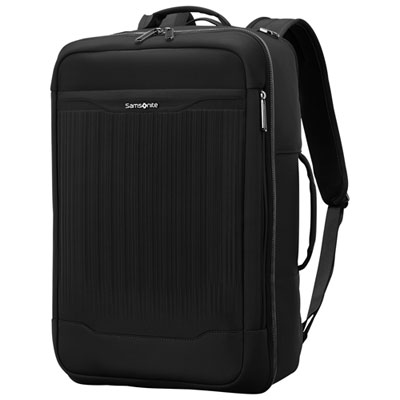
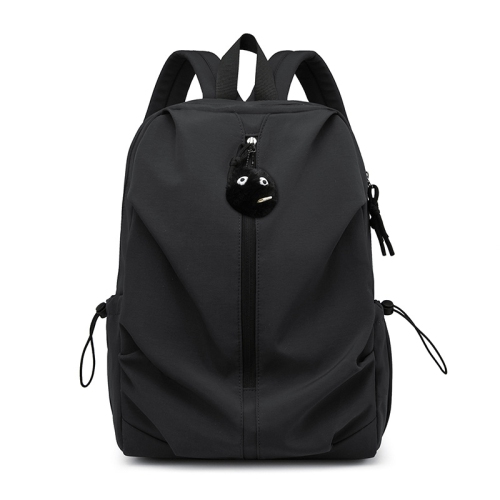
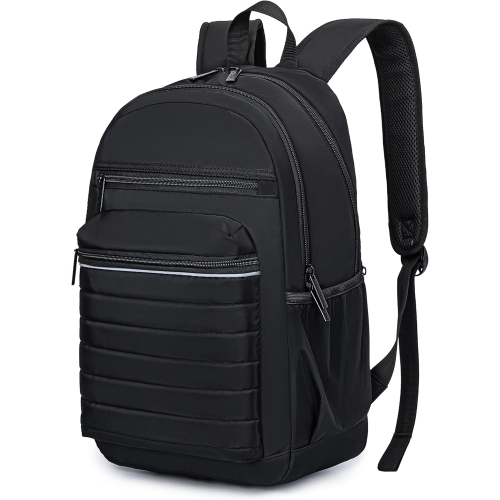
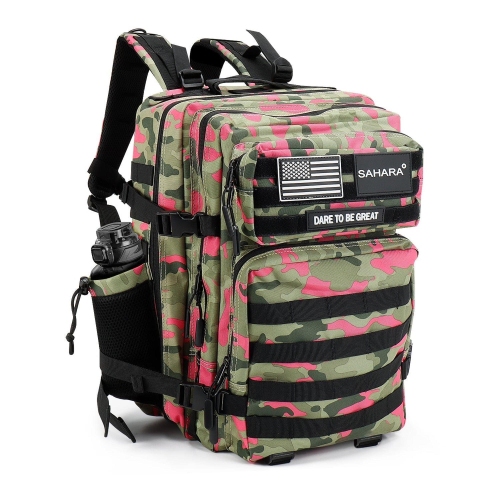
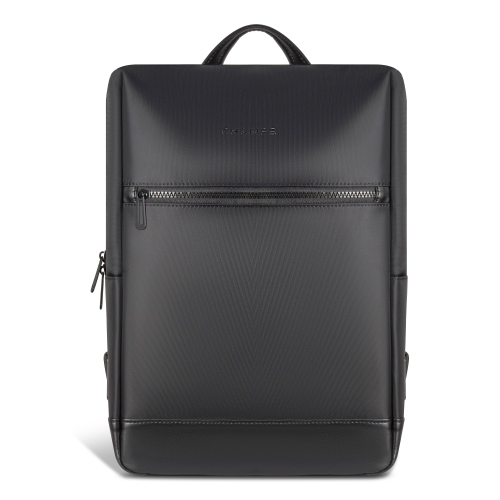
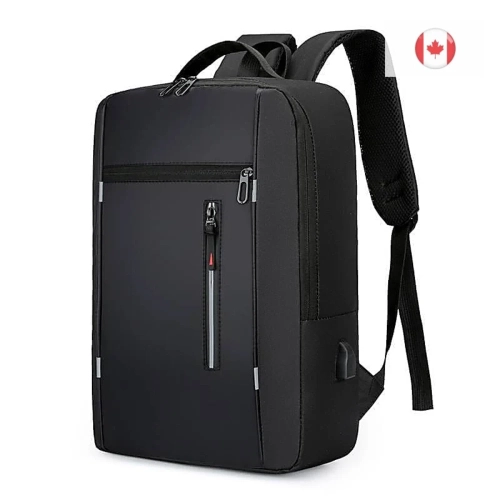
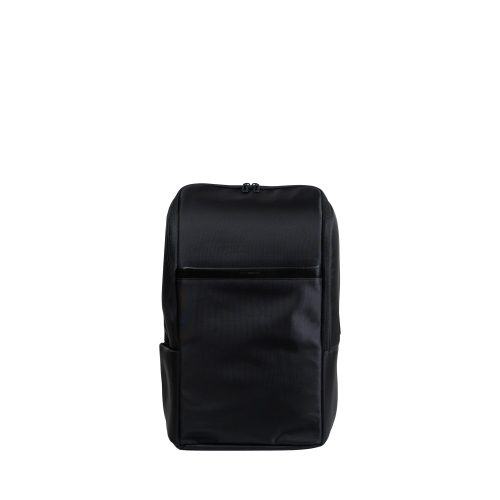
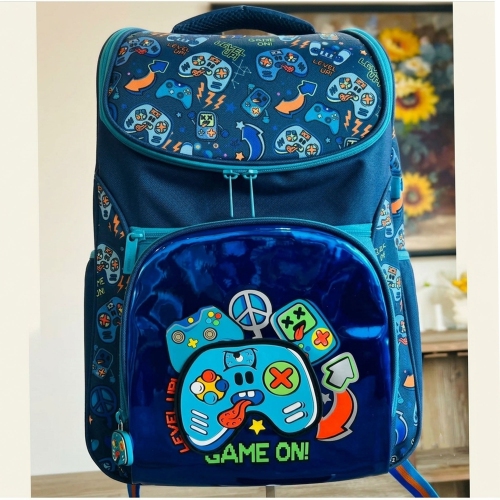

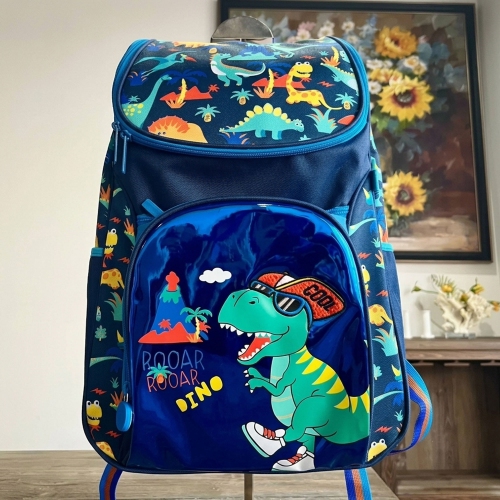
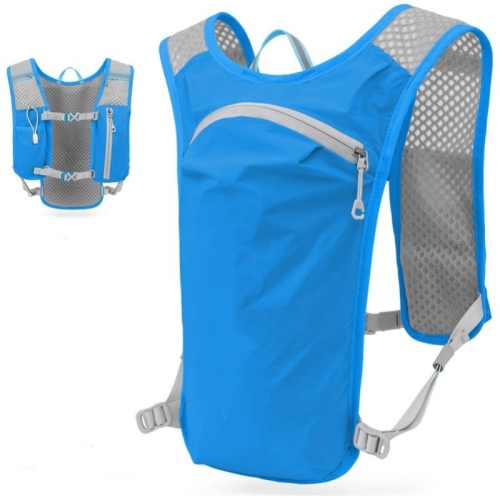
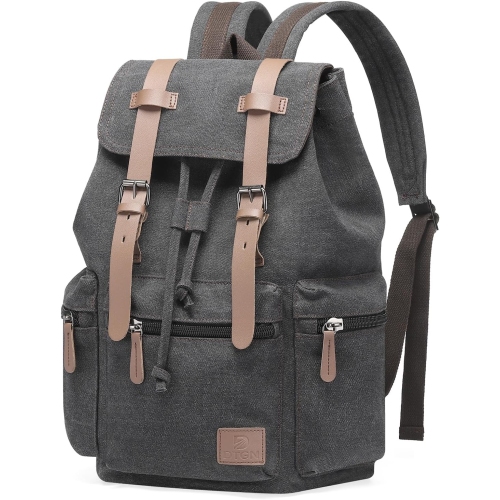
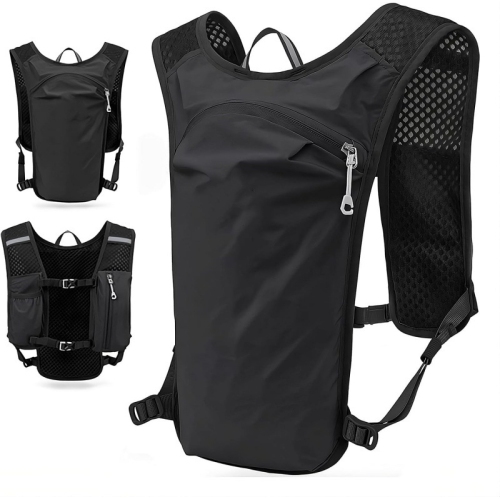

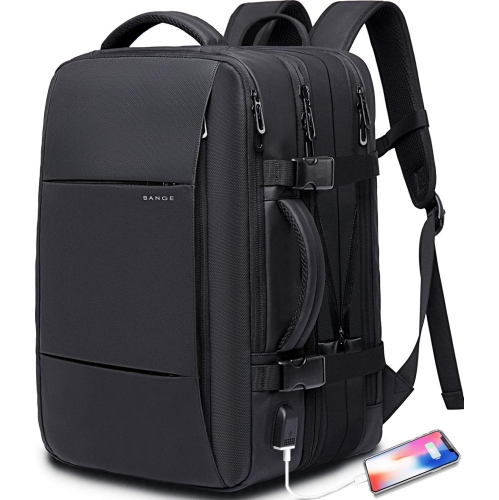
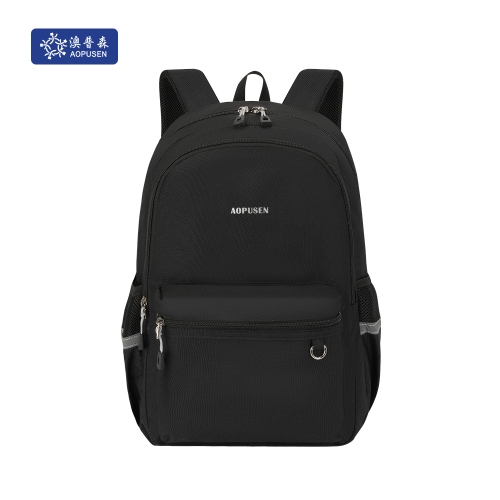
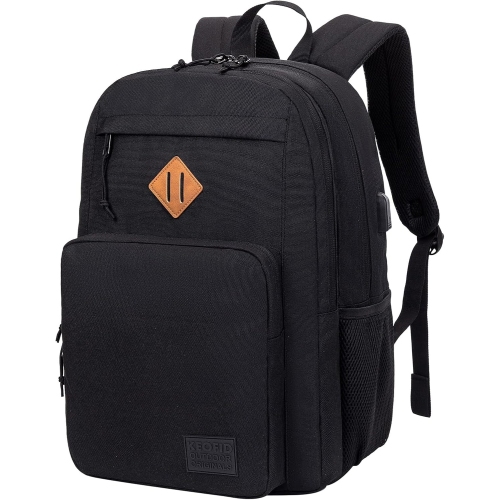

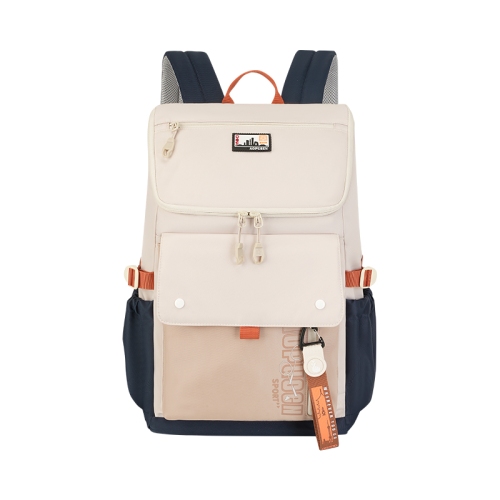
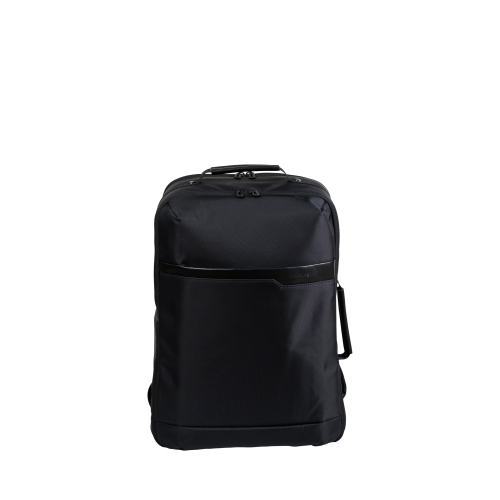
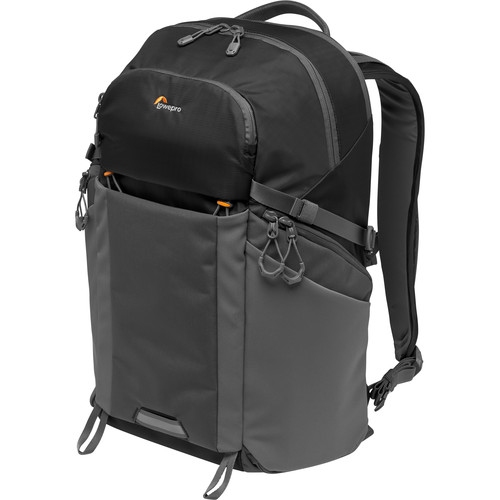

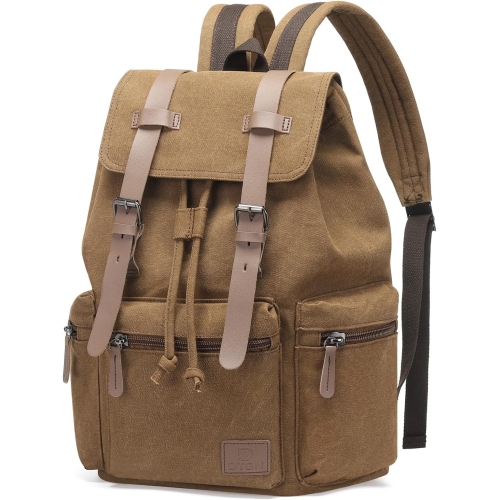
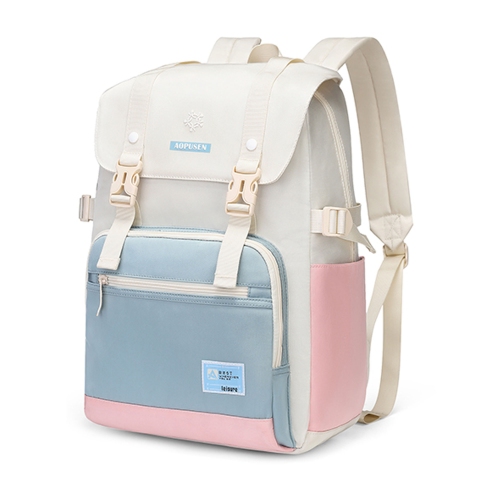

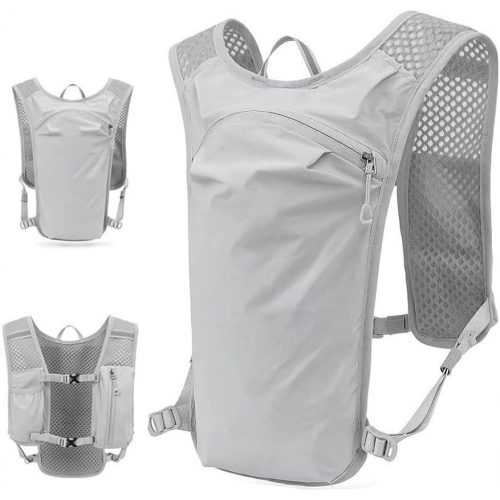
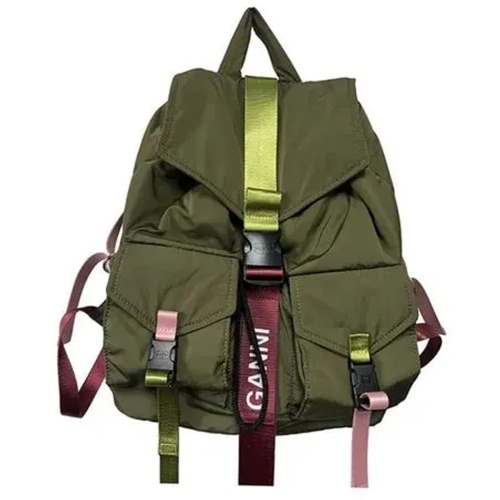
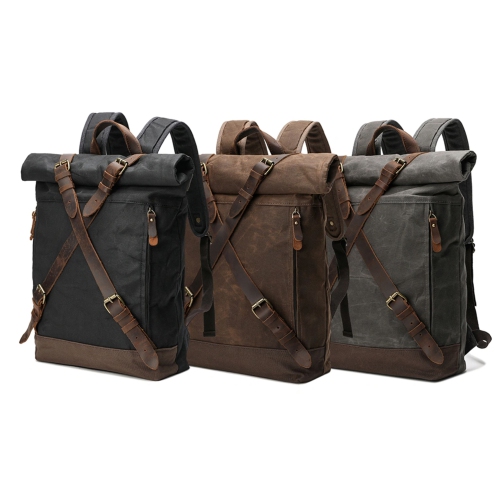
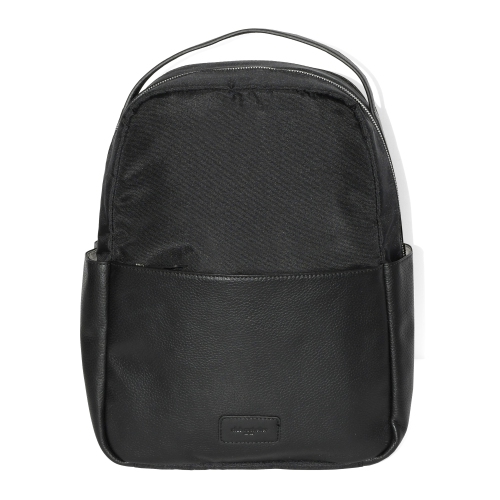
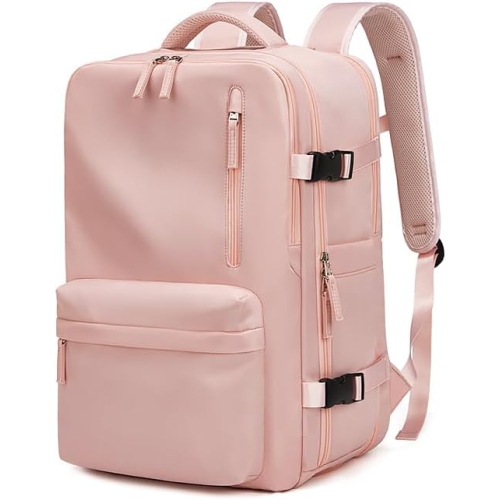

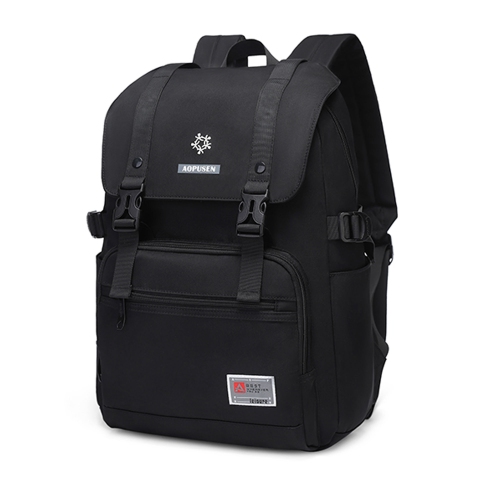
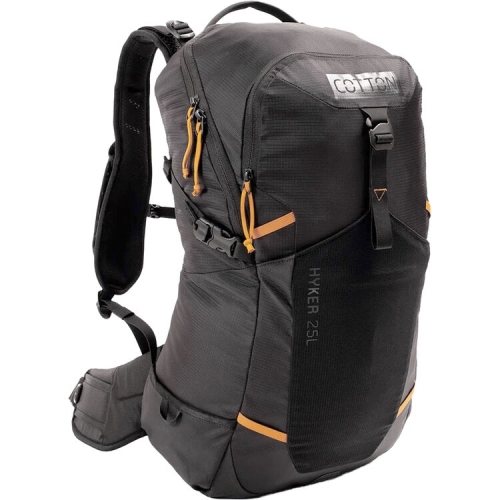
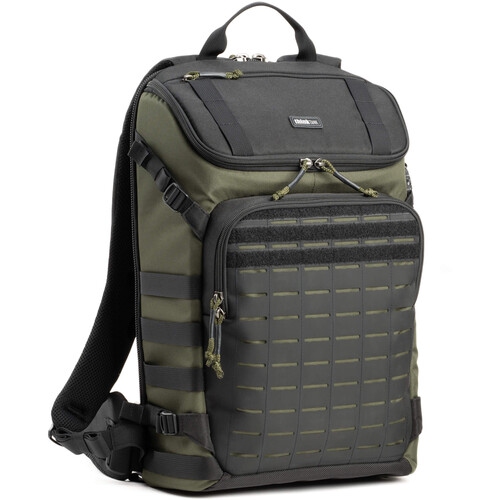
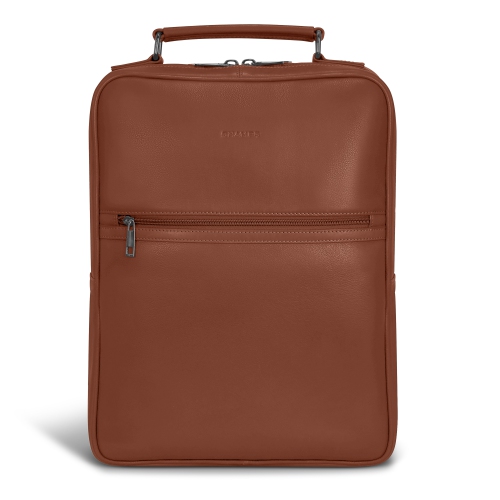
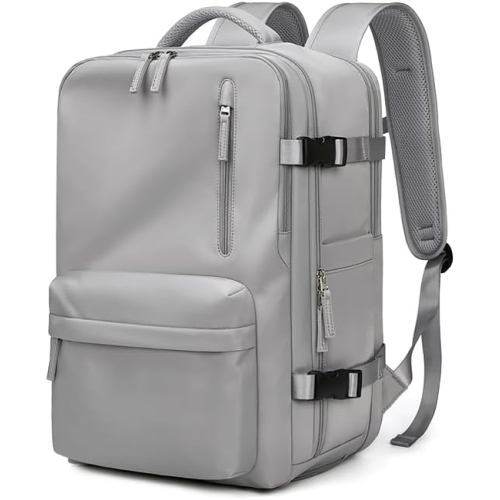
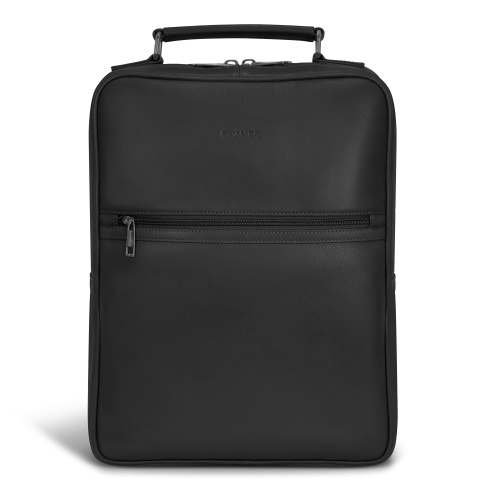
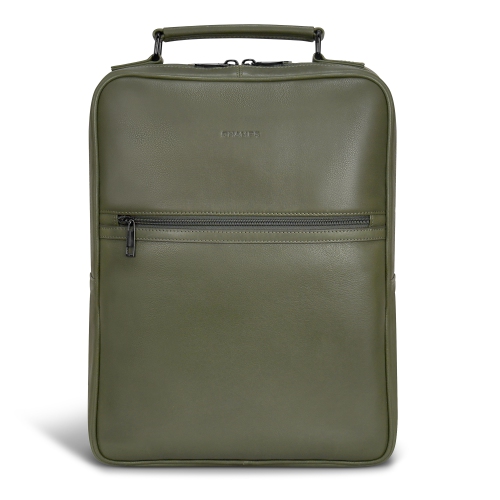
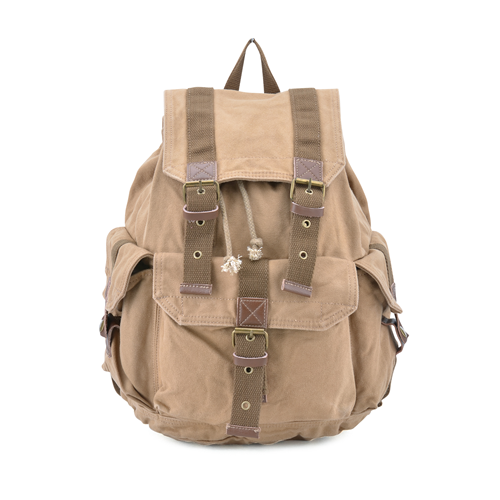
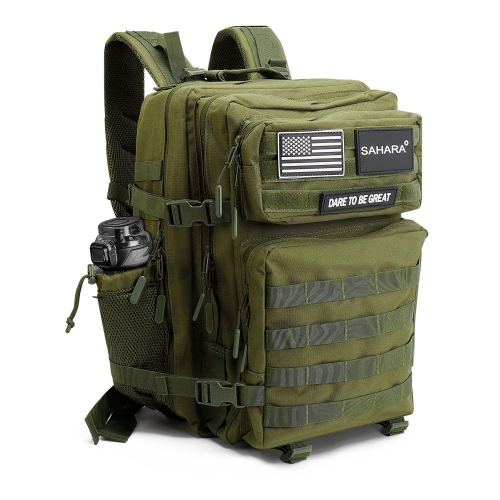
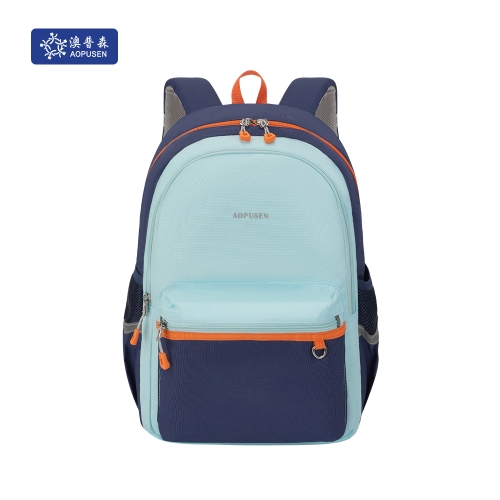
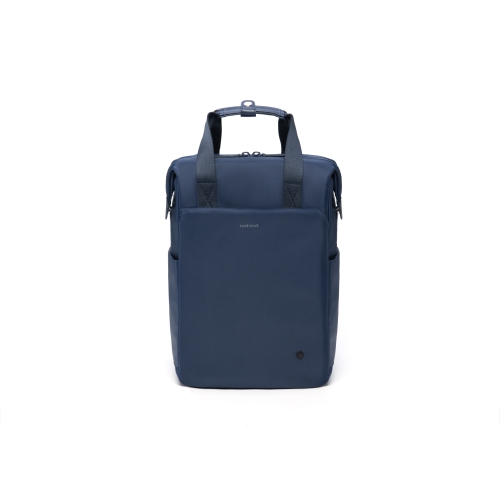
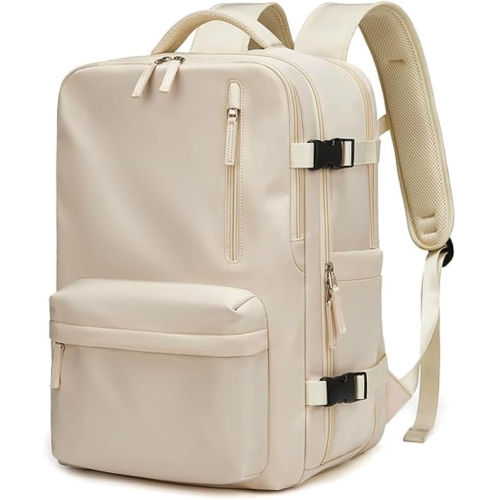
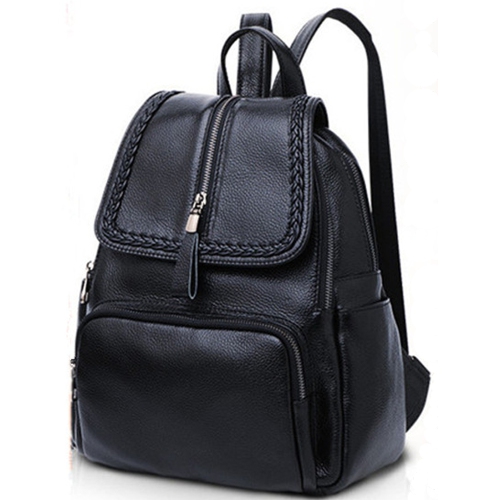
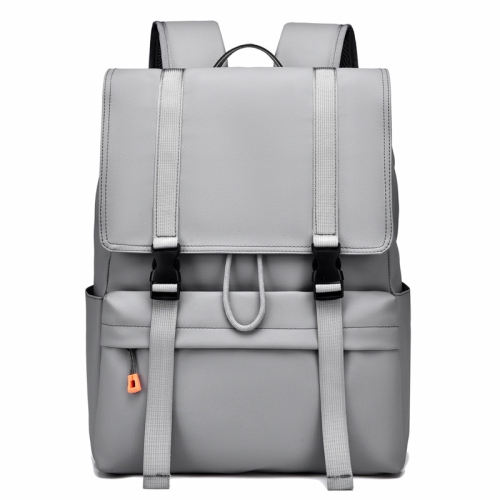
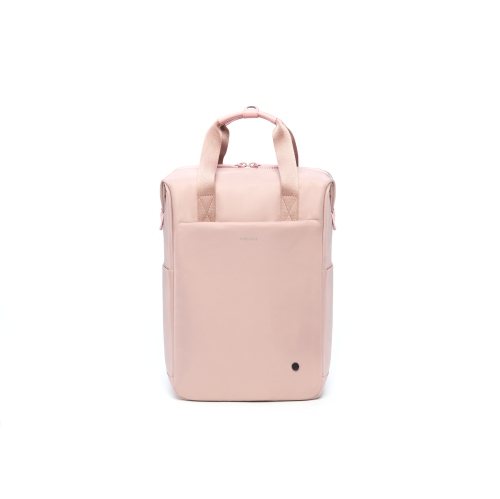
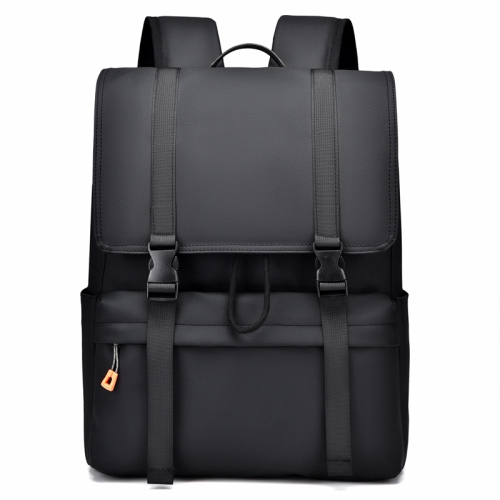
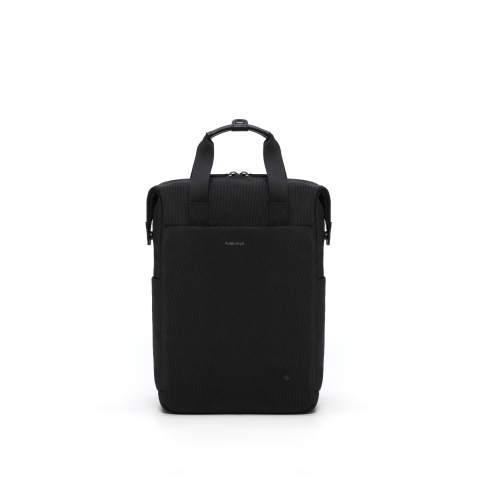
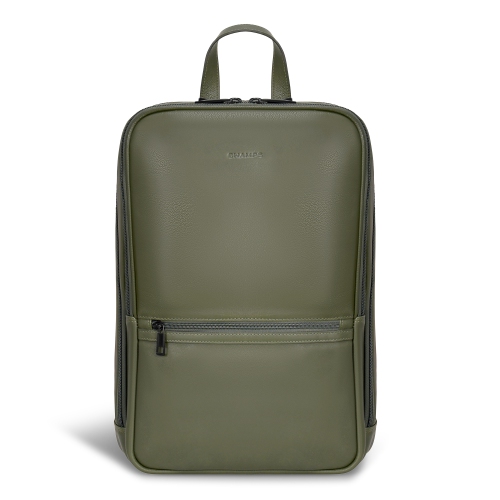
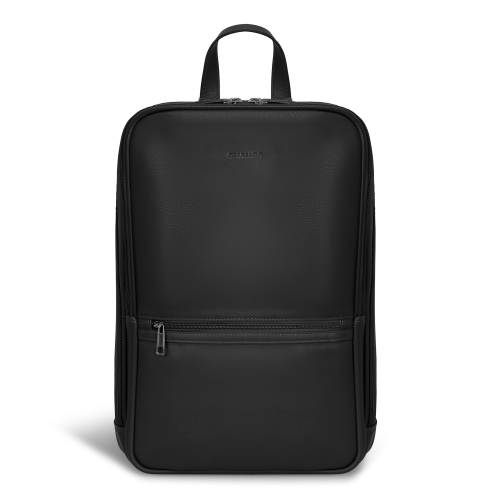
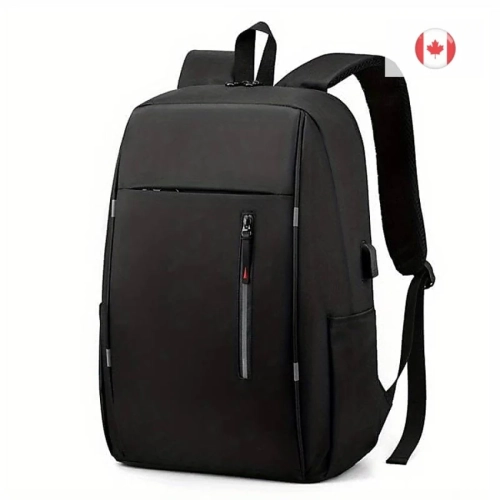
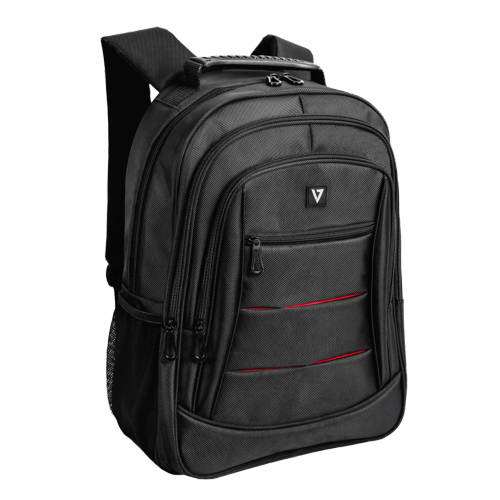
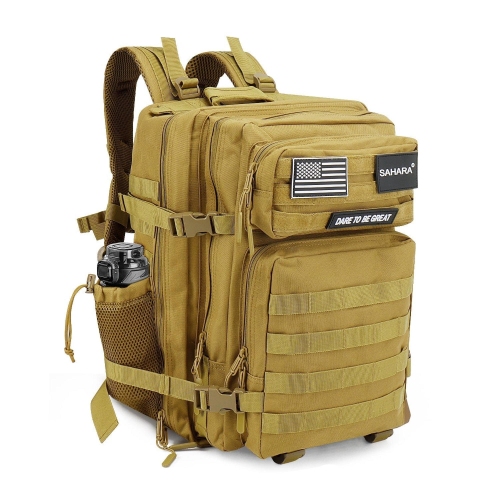
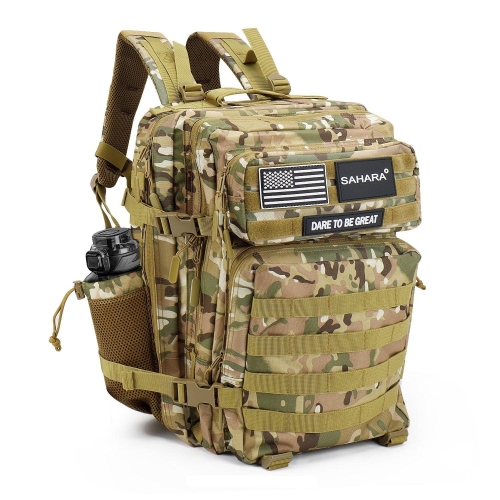
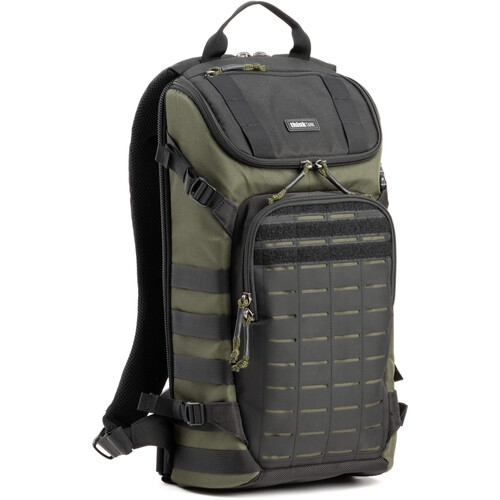
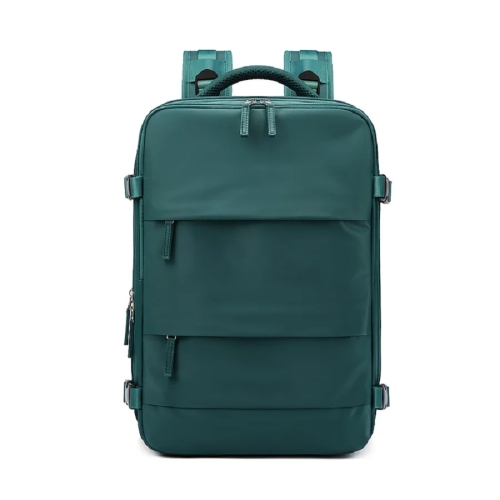
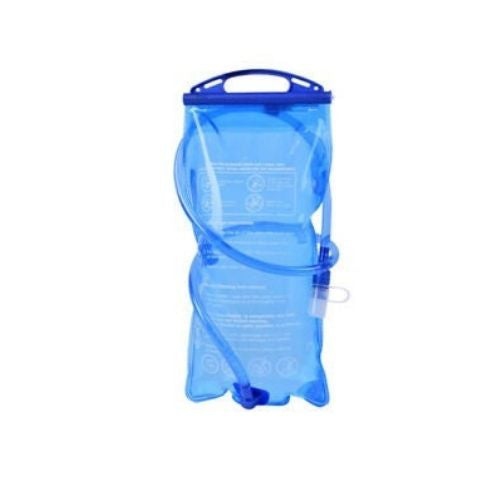
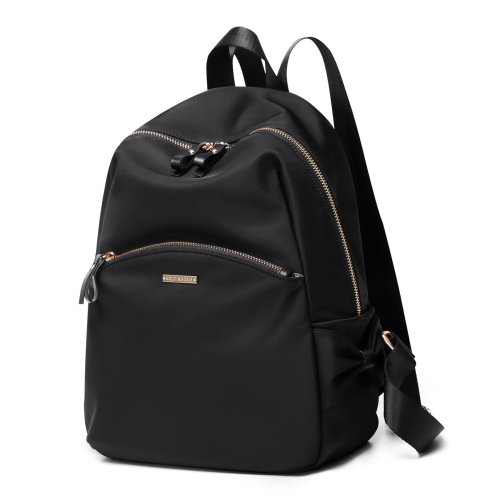
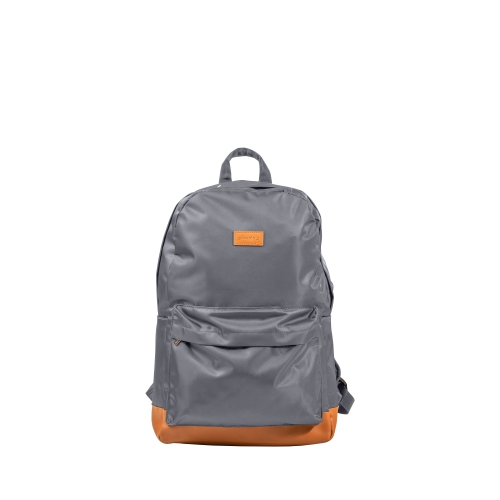
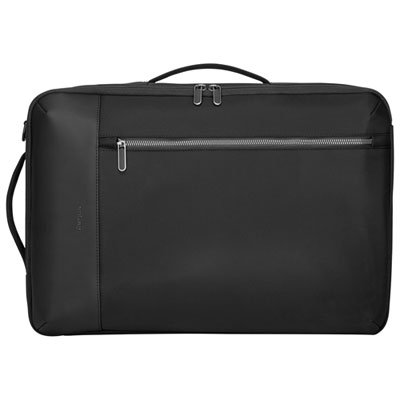
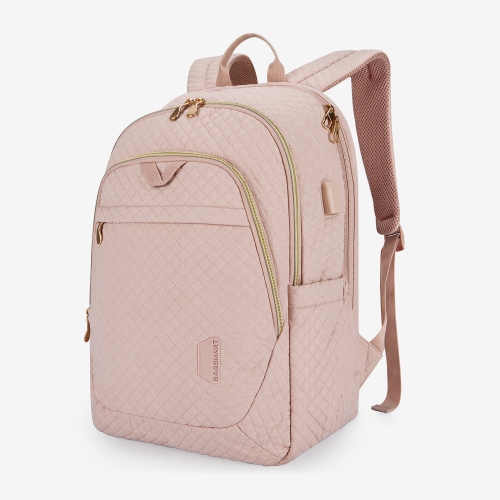
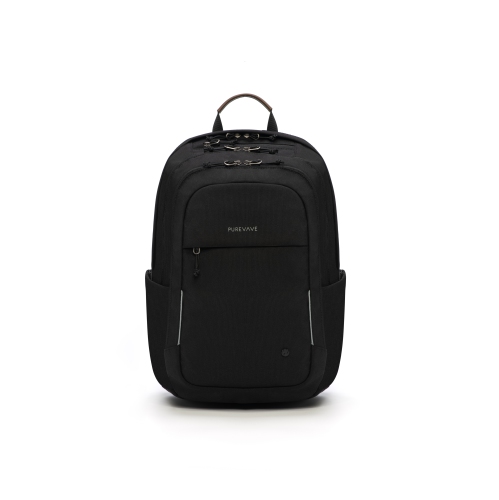
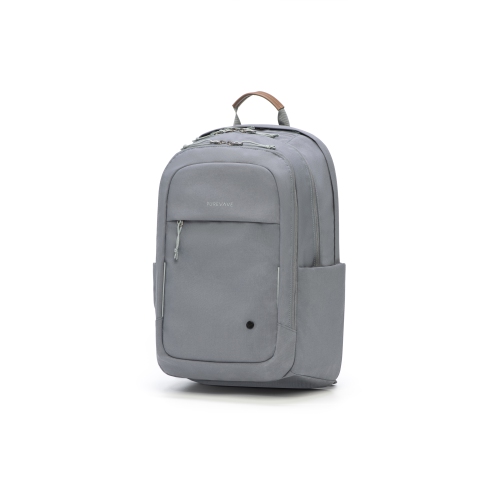
Polished looks meet practical comfort on the trail
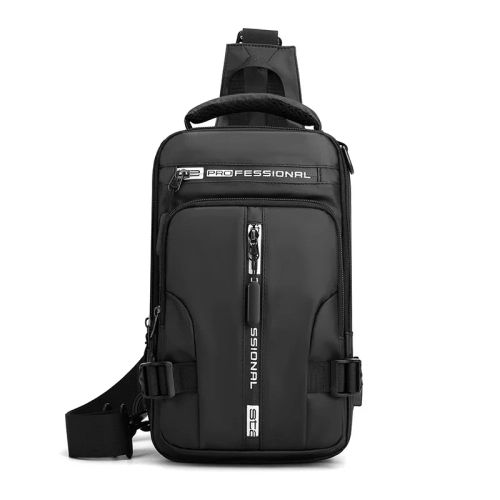
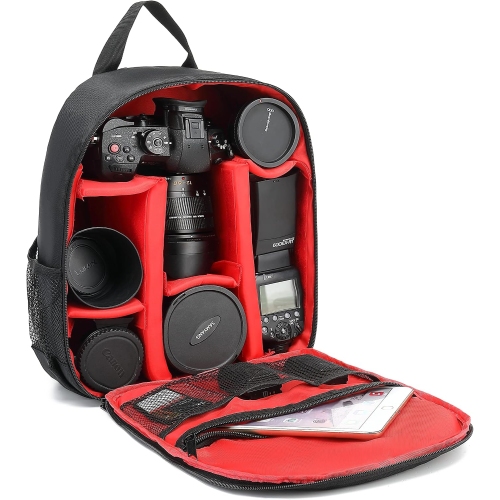
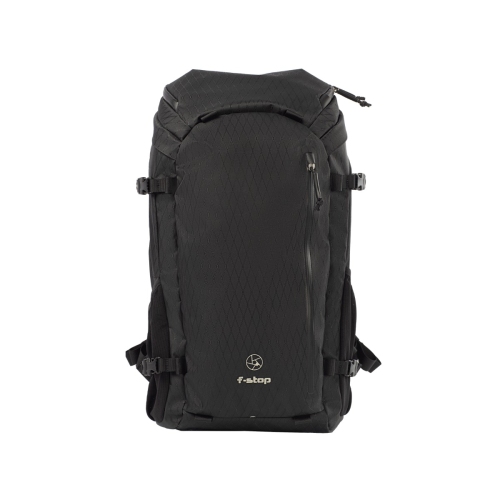
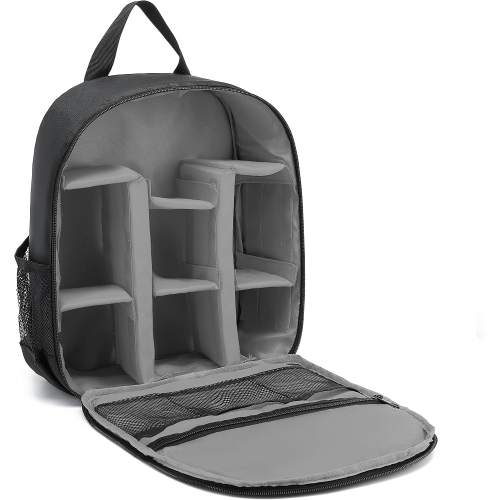
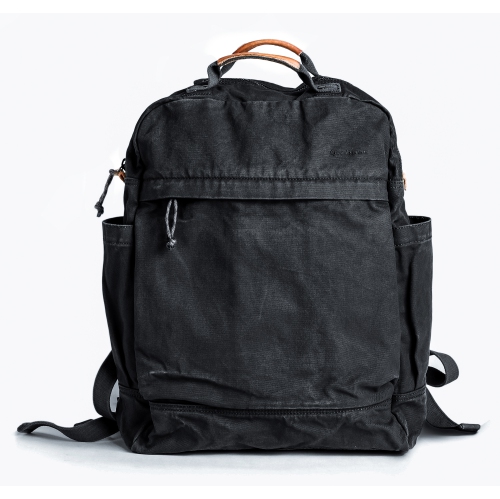
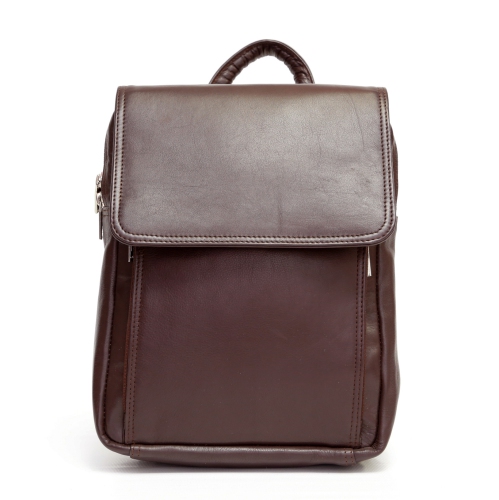
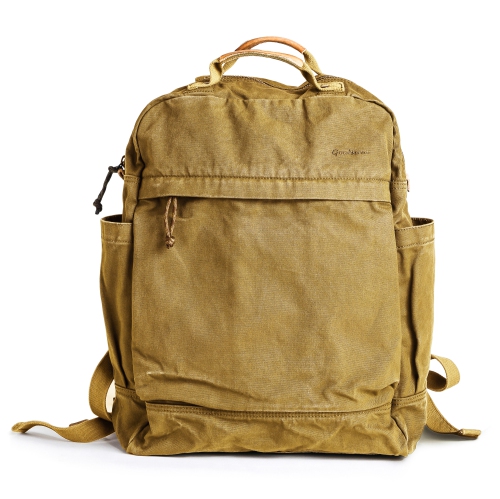
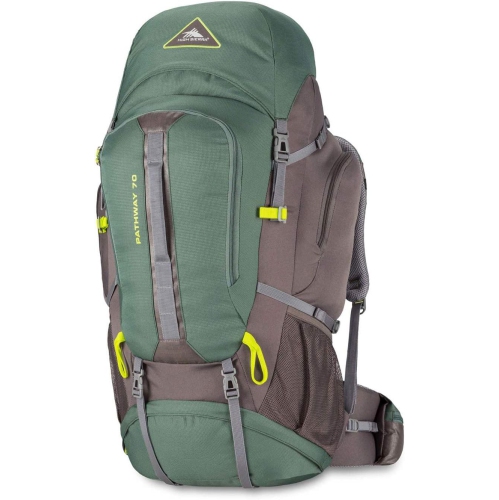
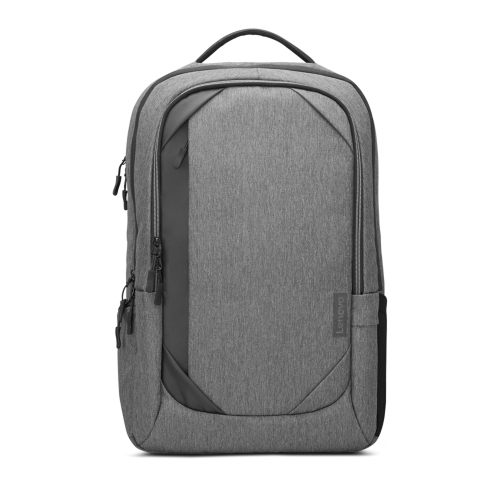
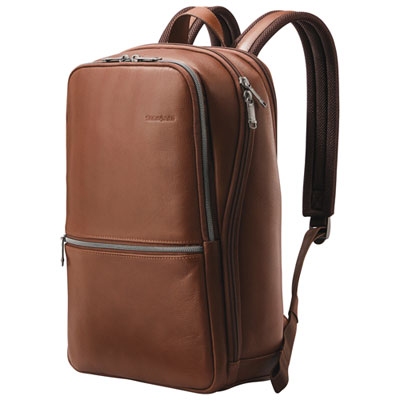
Stylish hiking backpacks bring trail-ready carrying features together with clean shapes, considered colours, and details that feel equally at home on a woodland path or a city pavement. Their appeal goes beyond appearance: a well-designed pack keeps the load close to the body, makes essentials easy to reach, and feels comfortable through hours of walking. Streamlined silhouettes, tonal zippers, and neatly managed straps create a polished look without sacrificing practical storage. Muted earth tones blend easily with walking clothes and everyday outfits, while brighter colours and contrasting trim offer a more expressive alternative. Some designs take their cues from traditional rucksacks, with flap closures and distinctive buckles; others use smooth panels and discreet pockets for a more pared-back finish. Across the broader range of Hiking Backpacks, the distinction is often how those visual choices work alongside the structure needed for the trail. A compact profile can suit someone who carries lunch, drinking water, and a few essentials on a short outing, while a deeper main compartment leaves space for extra clothing and shared supplies on a longer day away. Capacity is usually expressed in litres, but the shape of that space matters as much as the number. A narrow pack may feel less cumbersome on a winding path, whereas a wider opening can make it easier to find a snack or retrieve a small first-aid pouch without unpacking everything. For people moving between transit, neighbourhood errands, and recreational trails, a versatile design can reduce the need to transfer belongings between bags. That flexibility still depends on the details: a soft internal sleeve is not necessarily a padded laptop compartment, and an attractive everyday backpack does not automatically offer the support needed for a loaded hike. The strongest combination of style and function comes from a pack whose proportions, storage, and carrying system suit the way it will actually be used.
Comfort starts with fit rather than the amount of padding visible in a photograph. Torso length, shoulder-strap shape, and the position of the pack against the back all affect how a load feels over distance. Contoured shoulder straps can follow the body more naturally, while an adjustable sternum strap helps keep them from drifting outward. A supportive hip belt can transfer part of the load to the hips when it fits correctly; a simple webbing waist strap mainly helps control movement. This difference becomes noticeable when carrying drinking water and food for several hours rather than taking a brief walk with a lightly filled bag. Back panels also vary, from lightly padded constructions that maintain a slim profile to more structured systems that separate the load from the back. Ventilation channels or suspended mesh may improve airflow, although the overall feel depends on the pack’s fit and how it is loaded. Heavier contents generally sit most comfortably close to the back, with smaller belongings arranged so they do not create pressure points. Compression straps help draw partially filled compartments inward, keeping the load from shifting when stepping over roots or climbing stairs. Storage details can make these adjustments easier to live with. Side pockets provide a place for bottles, zipped hip-belt pockets can hold small essentials, and an internal hydration sleeve may accommodate a compatible reservoir. Reservoir compatibility does not necessarily mean a reservoir is included, and bottle-pocket access varies with the wearer and the pack’s shape. A panel-opening main compartment offers a broad view of the contents, while a top-loading design can provide a simple, uncluttered layout. External attachment points may be useful for trekking poles, but restrained placement and strap keepers preserve the tidy appearance that makes a trail pack appealing for everyday use. For family walks, a little additional organization can keep shared snacks separate from keys and a phone; for solo outings, a simpler interior may be easier to manage.
Materials and construction influence both the appearance of a hiking backpack and how well it handles repeated use. Nylon and polyester are common choices, with fabrics ranging from smooth, lightweight weaves to more substantial textured finishes. Ripstop construction uses a reinforcing grid intended to limit the spread of a small tear, but it does not make fabric immune to damage. Fabric weight, weave, stitching, and reinforcement all contribute to durability, particularly around the base, shoulder-strap anchors, and carrying handle. A heavier-looking material is not automatically stronger in every situation, just as a lighter pack is not necessarily fragile. Close-fitting seams, reinforced stress points, and zippers that move smoothly around corners are meaningful details for a bag that will be lifted, packed, and set down repeatedly. Style also benefits from practical finishing touches: a structured base helps a pack retain its shape, subtle hardware keeps the design understated, and a lining that contrasts with the exterior can make small belongings easier to spot. Care is usually straightforward, though the manufacturer’s directions take priority. Emptying pockets, shaking out grit, and gently brushing dirt from seams help prevent buildup around moving parts. Spot cleaning with a mild soap solution may be suitable for many fabrics, followed by thorough air-drying before storage; machine washing, tumble drying, and strong cleaning products can damage some coatings, padding, or trims. A pack stored without food scraps and with straps loosely arranged is easier to inspect and prepare for its next outing. These everyday considerations also make stylish hiking backpacks thoughtful gifts for walkers, casual hikers, and people who enjoy a long park route as much as an afternoon in town. Colour and silhouette offer room for personal taste, while fit and intended carrying weight deserve equal attention. A recipient who travels light may appreciate a compact, uncluttered design more than an oversized pack with numerous attachments. Someone who carries supplies for a partner or family may value extra space and a more supportive harness. The lasting appeal lies in that balance: a backpack that looks considered, carries comfortably, and earns its place through regular use.
Top selling and popular products
-
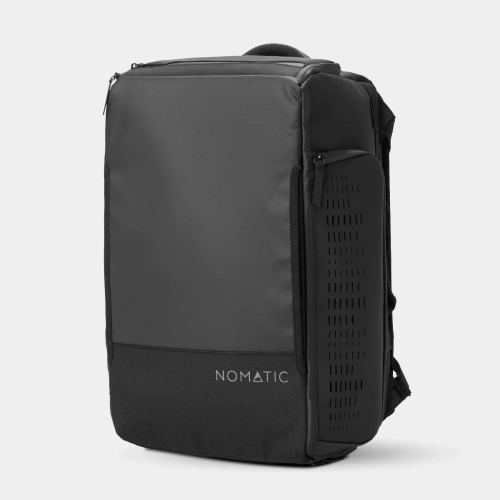 Your price for this item is $294.99
-
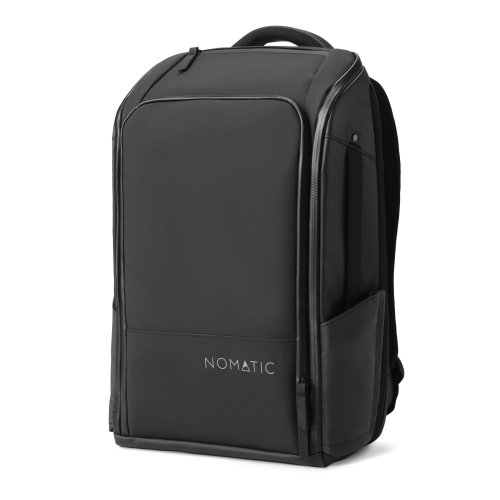 Your price for this item is $279.99
-
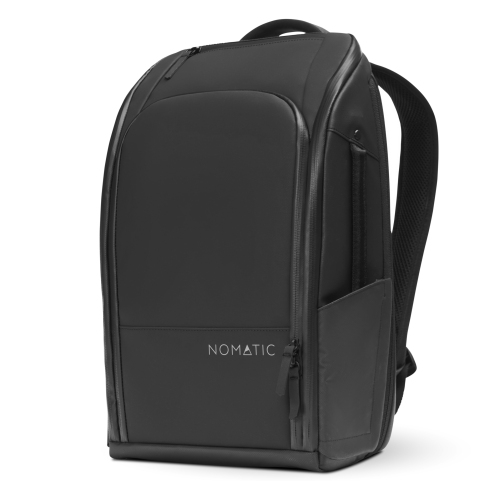 Your price for this item is $259.99
-
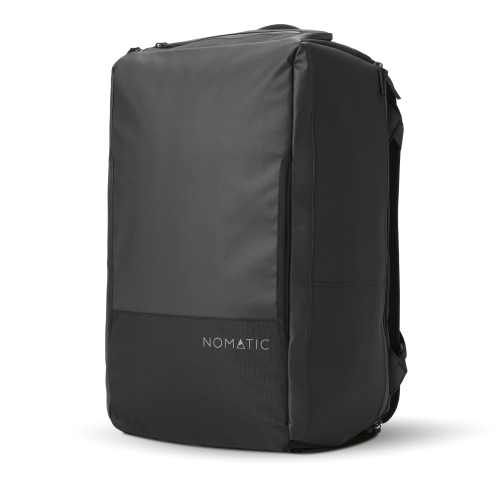 Your price for this item is $299.99
-
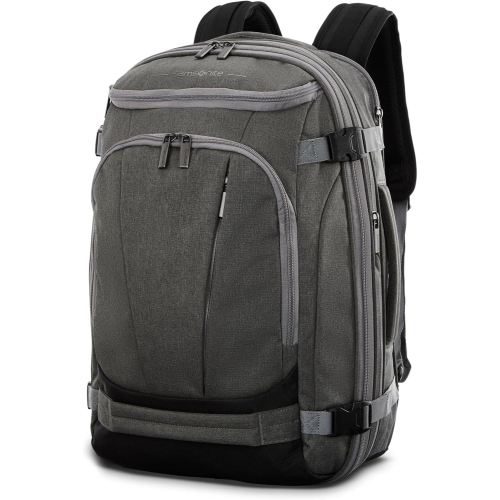 Your price for this item is $218.48
-
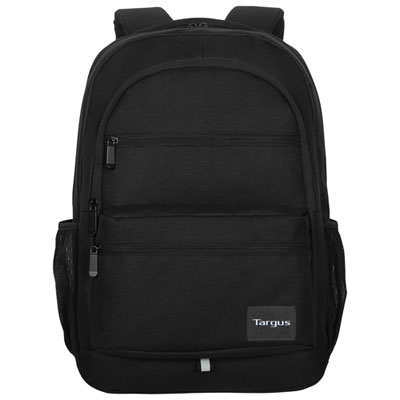 Your price for this item is $39.97
-
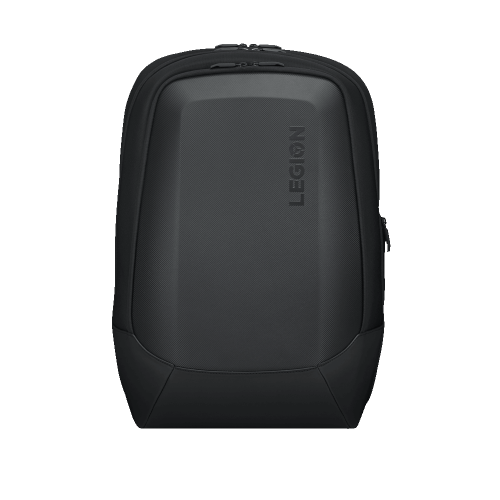 Your price for this item is $124.99
-
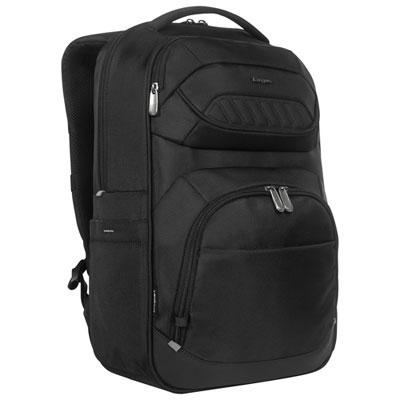 Your price for this item is $79.99
Discover more categories related to Stylish Hiking Backpacks

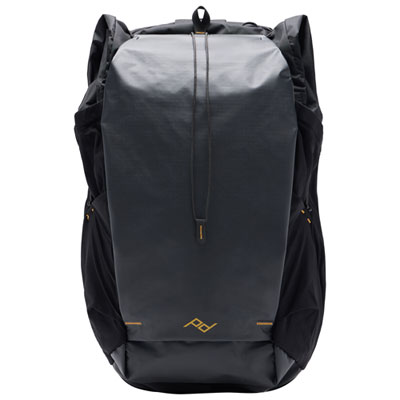
Top Collections:
Best Black Friday Deals This Year, Best Black Friday Deals On Electronics, Kindle Devices, Pokemon Centers, Best Black Friday Deals On Apple Products, Best Cameras for Sports Photography, Dyson Airwrap, Pokémon 30th Celebration Cards, Apple iPhone 17 Pro, Canon G7X Cameras
Some products may be subject to Environmental Handling Fees
(EHF) depending on your province.
Learn more about EHFs.