Good Bass Guitars
Bass guitars are a great way to add some low-end thump to your music. They're also a lot of fun to play and they can be a great addition to any band's sound. Here are some of the best bass guitars on the market.
Sort
Why neck comfort matters as much as bass tone
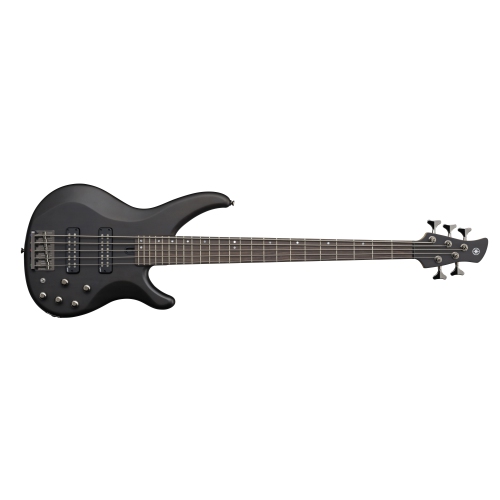
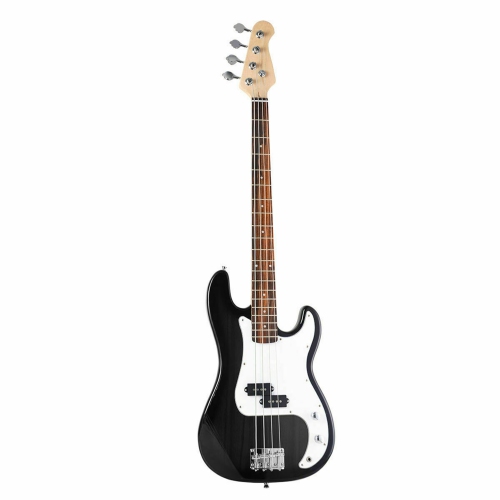
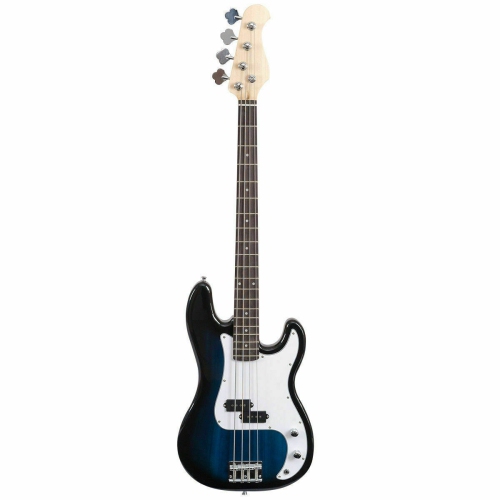
Good bass guitars combine comfortable playability, dependable tuning, clear note definition, and a sound that suits the music being played. Their role extends beyond adding low notes: a bass connects the drummer’s pulse with the chords and melody, giving a song its weight and movement. In a rehearsal room, that might mean a steady fingerstyle line sitting beneath a singer; onstage, it could be a bright, percussive part that cuts through distorted guitars. For beginners, a comfortable neck and a well-adjusted setup can make regular practice more rewarding than an instrument with elaborate electronics but awkward string height. Experienced players may place more emphasis on pickup response, balance on a strap, and how consistently notes speak across the fretboard. Four-string basses use standard E, A, D, and G tuning and cover a broad range of rock, pop, blues, soul, and country parts. Five-string basses commonly add a low B, providing deeper notes and more ways to play a passage without shifting position. Six-string basses typically add both a low B and a high C, extending the range for chords, melodic playing, and more involved arrangements. Additional strings also bring a wider neck and more strings to keep quiet while playing. Scale length matters just as much as string count. A common long-scale length is 34 inches, measured between the nut and bridge, while many short-scale basses use a length around 30 inches. Shorter scales reduce the distance between frets and generally feel looser with comparable strings and tuning, which can appeal to players who prefer a more compact reach. Hand size alone does not determine the best fit; neck shape, string spacing, posture, and instrument balance all contribute. Even fretwork, smooth fret ends, and notes that ring clearly without excessive buzzing are useful signs of an instrument that feels inviting from the first practice session.
Construction and electronics shape the playing experience in different ways. Bass bodies commonly use woods such as alder, ash, poplar, or mahogany, while maple is widely used for necks. Weight varies between individual instruments, even when they share the same wood species, so the overall build matters more than a material name alone. Body contours can ease pressure against the forearm and torso, and a stable balance helps keep the neck from dropping when the instrument hangs from a strap. A slim neck can feel quick under the fretting hand, while a fuller profile may offer welcome support; neither shape is automatically better. Fretboard radius and string spacing also affect how comfortably a player moves between notes. Fretted basses provide clearly defined note positions, whereas fretless basses allow fluid slides and expressive pitch changes but require more precise finger placement. Pickups make another audible difference. Single-coil designs often deliver an open, articulate sound, though some can produce electrical hum. Split-coil and humbucking designs can reduce that hum while offering their own tonal character. Pickup placement matters, too: a pickup nearer the neck generally sounds rounder, while one nearer the bridge tends to emphasize a tighter, more focused attack. Passive electronics provide straightforward volume and tone control, while active systems commonly add onboard equalization for boosting or cutting selected frequencies and usually require a battery. Neither approach is limited to one skill level. Fingerstyle playing, a pick, and slap techniques each reveal different aspects of the same instrument. Roundwound strings tend to sound brighter and feel more textured, while flatwounds offer a smoother surface and a more subdued top end. For music built around driving riffs and a firm connection with the drums, Rock Band Bass Guitars provide a related focus. A strong bass sound is not simply the deepest one; clear attack and controlled low frequencies help each note remain distinct in a full arrangement.
Intended use brings these details into focus. A bass used mainly for learning at home benefits from comfortable seated balance, accessible controls, and a setup that supports clean fretting without unnecessary effort. For rehearsals and performances, secure strap attachments, dependable tuning machines, and hardware that holds its adjustments become especially valuable. Recording places a spotlight on uneven notes, unwanted string noise, and electrical hum, making consistent technique and a quiet signal path important alongside the instrument itself. An electric bass normally needs a bass amplifier or a suitable audio interface to be heard properly; ordinary headphones do not connect directly to a typical bass output. A bass amplifier with a headphone output, or a compatible interface and monitoring setup, can support quiet practice. Amplification designed to reproduce bass frequencies is also better suited to the instrument than a small guitar speaker pushed hard at low pitches. Care is largely a matter of regular attention. Wiping the strings and body with a clean, dry, soft cloth after playing removes fingerprints and residue, while a padded bag or fitted case protects against everyday knocks during transport. Cleaning products need to suit the finish and fretboard material rather than being applied indiscriminately. String changes can alter feel and tension, particularly when moving to a different gauge, and a setup may then be needed to adjust neck relief, string height, and intonation. Intonation affects how accurately fretted notes stay in tune along the neck, not just whether the open strings match a tuner. A qualified instrument technician can address persistent buzzing, uncomfortable action, or notes that choke out. For someone receiving a bass as a gift, the player’s preferred string count, musical interests, and comfort preferences are more useful clues than appearance alone. A well-matched bass can serve a new learner, a guitarist exploring rhythm-section playing, or a dedicated bassist seeking a different feel, with lasting appeal rooted in how naturally it supports making music.
Top selling and popular products
-
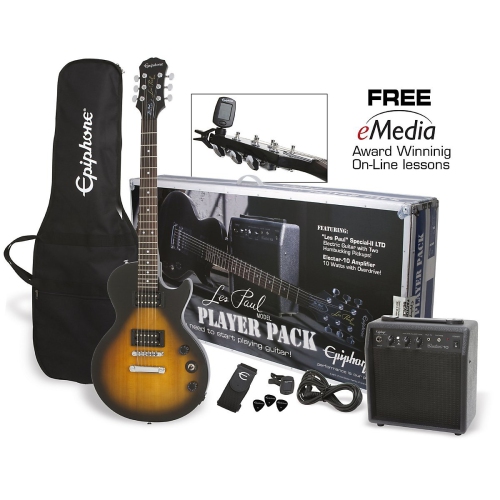 Your price for this item is $494.49
-
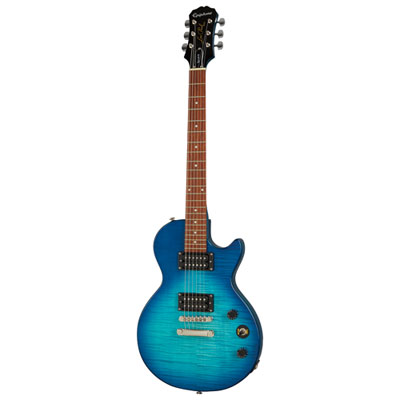 Your price for this item is $379.99
-
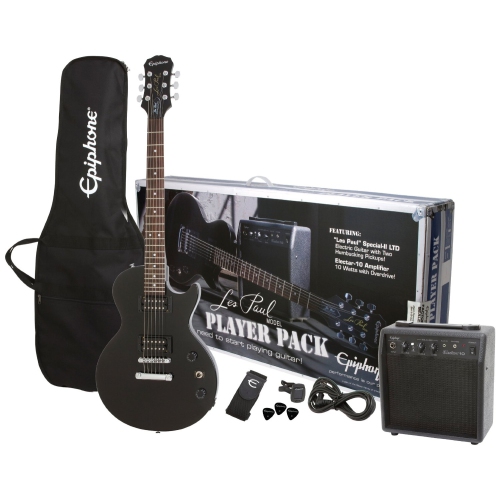 Your price for this item is $494.49
-
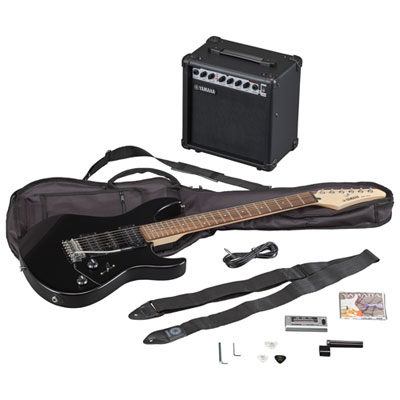 Your price for this item is $349.99
-
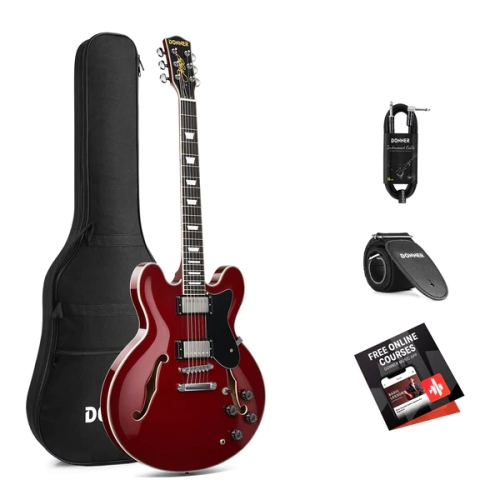 Your price for this item is $389.99
-
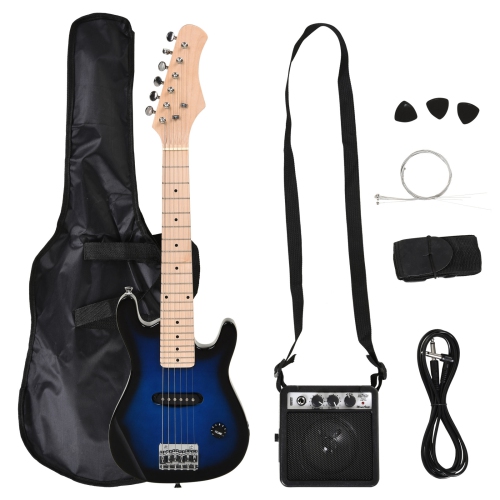 Your price for this item is $133.99
-
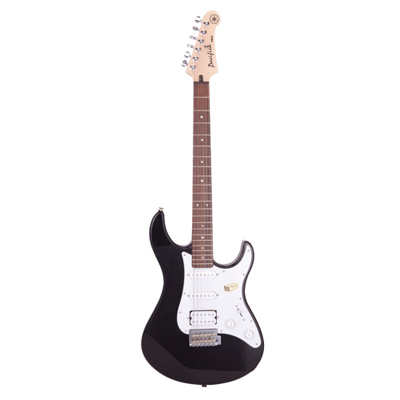 Your price for this item is $299.99
-
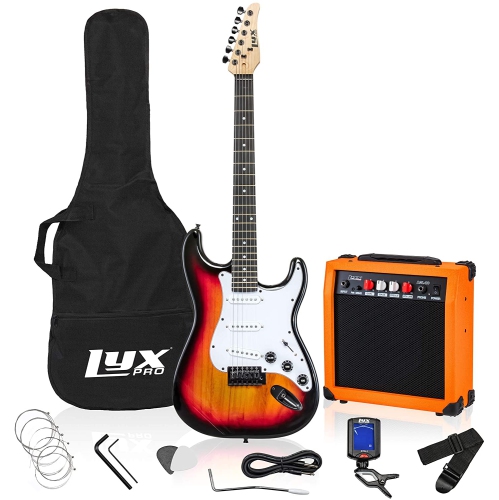 Your price for this item is $239.99
Discover more categories related to Good Bass Guitars

Top Collections:
Best Black Friday Deals This Year, Best Black Friday Deals On Electronics, Kindle Devices, Pokemon Centers, Best Black Friday Deals On Apple Products, Best Cameras for Sports Photography, Dyson Airwrap, Pokémon 30th Celebration Cards, Apple iPhone 17 Pro, Canon G7X Cameras
Some products may be subject to Environmental Handling Fees
(EHF) depending on your province.
Learn more about EHFs.