Good Battery Chargers
Finding a good battery charger is essential for keeping your devices powered up and ready to go. Whether you're at home, in the office, or on the move, having a reliable charger ensures that your gadgets are always operational. Explore our selection of chargers designed to meet various needs, from fast charging to portability and everything in between. With so many options available, you're sure to find the perfect good battery charger that fits your lifestyle and keeps you connected.
Sort




What to know about charging speed, compatibility, and safety
A good battery charger provides a practical way to keep essential vehicles, equipment, and household devices ready for use. Automotive chargers are designed for rechargeable 12-volt batteries found in cars, trucks, SUVs, motorcycles, lawn tractors, boats, and recreational vehicles, while compact household chargers are intended for rechargeable batteries used in items such as flashlights, toys, cameras, wireless accessories, and small tools. The right choice depends on the battery’s chemistry, voltage, capacity, and intended application. Lead-acid batteries may include conventional flooded, AGM, or gel types, and each can have different charging requirements. Some chargers also support lithium-ion vehicle batteries, but compatibility should always be confirmed before connecting anything. For everyday car maintenance, an automatic charger with a moderate charging rate can replenish a battery without requiring constant supervision. A lower-amperage maintainer is often a better fit for a motorcycle, lawn mower, classic car, or second vehicle that sits unused for extended periods. For household rechargeable batteries, explore Best AA Battery Chargers to find options suited to commonly used AA batteries. Matching the charger to the battery helps support dependable performance and can make routine maintenance feel far less complicated.
Charging speed is one of the most important considerations, but a higher amp rating is not automatically the best choice. Low-rate chargers are gentle and useful for maintaining a battery over storage, while higher-rate chargers can replenish a suitable battery more quickly when time matters. Some models offer multiple charging modes so they can handle small batteries, standard automotive batteries, and larger deep-cycle batteries used in boats, trailers, and RVs. A built-in battery tester or alternator tester can help identify whether a vehicle is failing to start because of a weak battery or because the charging system needs attention. Automatic chargers typically monitor voltage and current throughout the process, shifting from bulk charging to absorption and maintenance or float mode once the battery is nearly full. This set-and-monitor operation can be useful when a vehicle is parked during the cooler months, although the charger should still be used in accordance with its instructions. Certain chargers include temperature compensation, reverse-polarity protection, short-circuit protection, or low-voltage detection, which can add confidence when working with unfamiliar batteries. Reconditioning or repair modes may help restore some batteries that have lost capacity or developed sulphation, but they cannot guarantee recovery from physical damage, an internal short, freezing, leakage, or a battery that has reached the end of its service life. A completely discharged battery may also require a charger with a dedicated low-voltage or force-start function, and these modes deserve particular care because the charger may not be able to identify the battery automatically. Clamps, ring terminals, cable length, display readability, and storage features are practical details that become noticeable every time the charger is used, especially in a dim garage or beside a vehicle parked outdoors.
Battery chargers can be useful for new vehicle owners, commuters, recreational drivers, hobbyists, and anyone responsible for equipment that spends part of the year in storage. A driver who makes short trips through colder weather may appreciate a charger that can top up the battery between drives, while someone with a motorcycle or convertible may use a maintenance mode during longer periods of inactivity. Owners of trucks, boats, trailers, and RVs may need more robust charging capabilities for larger batteries or deep-cycle applications, along with a durable housing and cables that reach conveniently around the vehicle. A compact charger can also make a thoughtful gift for a new driver, a cottage owner, a keen gardener with powered outdoor equipment, or a relative who likes to handle basic vehicle care at home. Before purchasing, check the battery label or vehicle manual for voltage, chemistry, capacity, and recommended charging procedure. Consider where the charger will be used, whether an indoor outlet is available, and whether the cable length and connector style will suit the setup. Place the battery and charger in a dry, well-ventilated area, keep clamps from touching each other, connect positive and negative leads as directed, and inspect cables for wear before each use. Chargers are not substitutes for safe battery handling: stop if the battery is swollen, cracked, leaking, unusually hot, or producing a strong odour. With the right capacity, charging mode, safety features, and connector arrangement, a good charger can become a dependable part of a garage, workshop, cottage, or household utility kit through changing seasons.
Charging speed is one of the most important considerations, but a higher amp rating is not automatically the best choice. Low-rate chargers are gentle and useful for maintaining a battery over storage, while higher-rate chargers can replenish a suitable battery more quickly when time matters. Some models offer multiple charging modes so they can handle small batteries, standard automotive batteries, and larger deep-cycle batteries used in boats, trailers, and RVs. A built-in battery tester or alternator tester can help identify whether a vehicle is failing to start because of a weak battery or because the charging system needs attention. Automatic chargers typically monitor voltage and current throughout the process, shifting from bulk charging to absorption and maintenance or float mode once the battery is nearly full. This set-and-monitor operation can be useful when a vehicle is parked during the cooler months, although the charger should still be used in accordance with its instructions. Certain chargers include temperature compensation, reverse-polarity protection, short-circuit protection, or low-voltage detection, which can add confidence when working with unfamiliar batteries. Reconditioning or repair modes may help restore some batteries that have lost capacity or developed sulphation, but they cannot guarantee recovery from physical damage, an internal short, freezing, leakage, or a battery that has reached the end of its service life. A completely discharged battery may also require a charger with a dedicated low-voltage or force-start function, and these modes deserve particular care because the charger may not be able to identify the battery automatically. Clamps, ring terminals, cable length, display readability, and storage features are practical details that become noticeable every time the charger is used, especially in a dim garage or beside a vehicle parked outdoors.
Battery chargers can be useful for new vehicle owners, commuters, recreational drivers, hobbyists, and anyone responsible for equipment that spends part of the year in storage. A driver who makes short trips through colder weather may appreciate a charger that can top up the battery between drives, while someone with a motorcycle or convertible may use a maintenance mode during longer periods of inactivity. Owners of trucks, boats, trailers, and RVs may need more robust charging capabilities for larger batteries or deep-cycle applications, along with a durable housing and cables that reach conveniently around the vehicle. A compact charger can also make a thoughtful gift for a new driver, a cottage owner, a keen gardener with powered outdoor equipment, or a relative who likes to handle basic vehicle care at home. Before purchasing, check the battery label or vehicle manual for voltage, chemistry, capacity, and recommended charging procedure. Consider where the charger will be used, whether an indoor outlet is available, and whether the cable length and connector style will suit the setup. Place the battery and charger in a dry, well-ventilated area, keep clamps from touching each other, connect positive and negative leads as directed, and inspect cables for wear before each use. Chargers are not substitutes for safe battery handling: stop if the battery is swollen, cracked, leaking, unusually hot, or producing a strong odour. With the right capacity, charging mode, safety features, and connector arrangement, a good charger can become a dependable part of a garage, workshop, cottage, or household utility kit through changing seasons.
Top selling and popular products
-
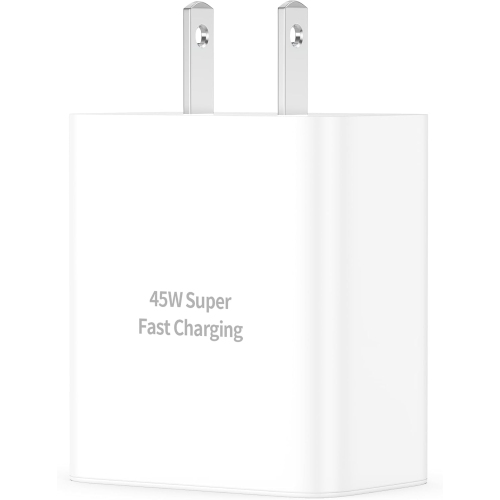 Your price for this item is $27.99
 -
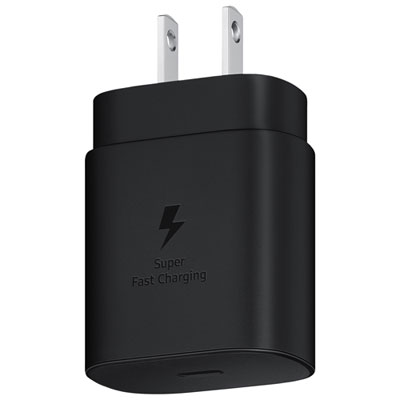 Your price for this item is $24.99
 -
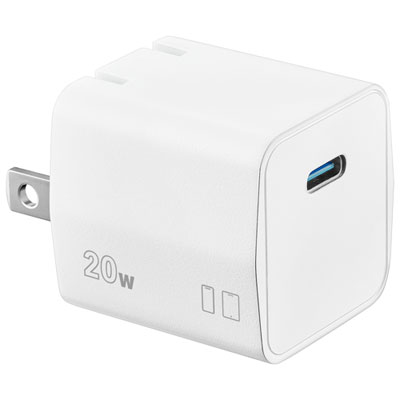 Your price for this item is $16.99
 -
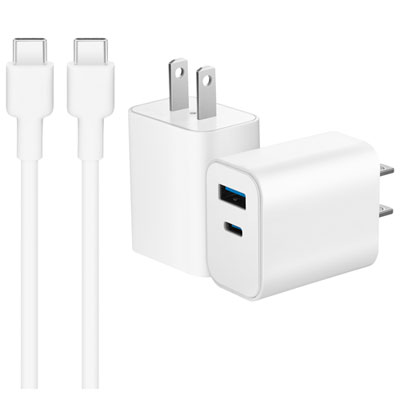 Your price for this item is $24.99
 -
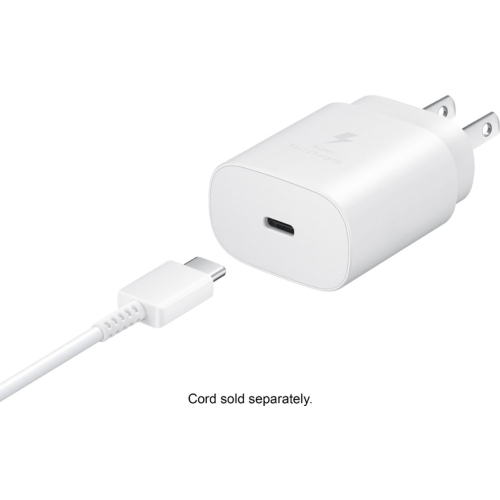 Your price for this item is $25
 -
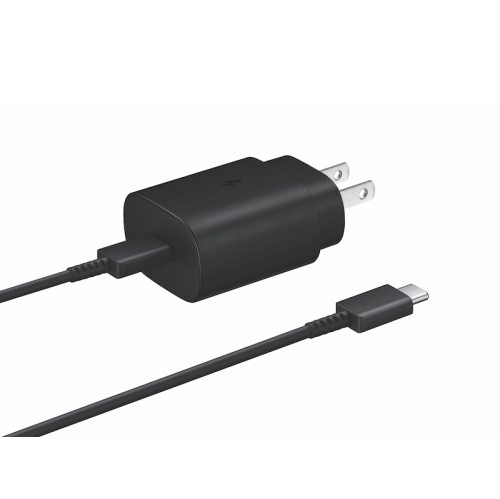 Your price for this item is $14.96
 -
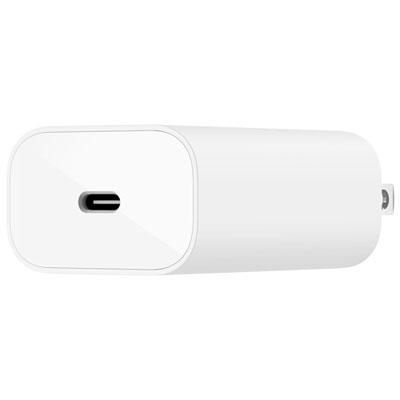 Your price for this item is $19.99
 -
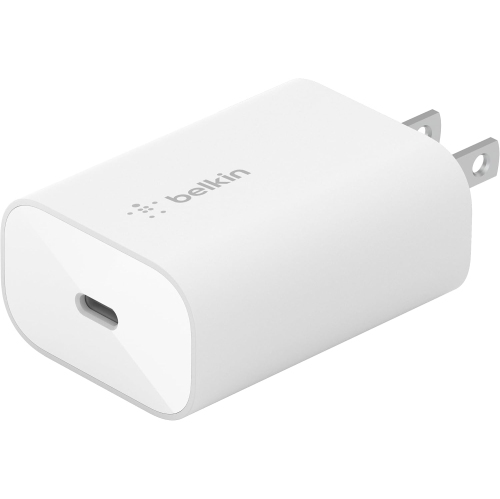 Your price for this item is $61
Discover more categories related to Good Battery Chargers


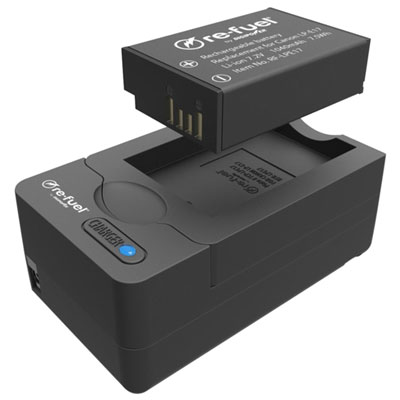
Top Collections:
Pokemon Centers, Kindle Devices, Best Budget Office Chairs, Apple iPhones 16, Best Laptops for Writers, iPhone 15 Apple, Canon G7X Cameras, Refurbished Apple Laptops, Alarm Clock, Motorola Razr Phones
Some products may be subject to Environmental Handling Fees
(EHF) depending on your province.
Learn more about EHFs.