Chocolate Perfumes
Indulge your senses with the rich and enticing aroma of chocolate perfumes, where the allure of decadent cocoa meets the elegance of fine fragrance. These captivating scents offer a unique blend of warmth and sweetness, perfect for those who wish to carry a hint of gourmand luxury wherever they go. Whether you're looking to make a bold statement or simply want to enjoy a subtle touch of chocolatey charm, our selection of chocolate perfumes is sure to delight fragrance enthusiasts and chocoholics alike. Discover how these aromatic creations can add a deliciously sophisticated twist to your scent collection.
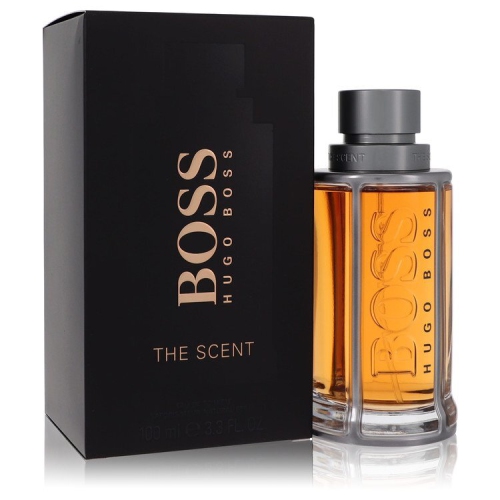
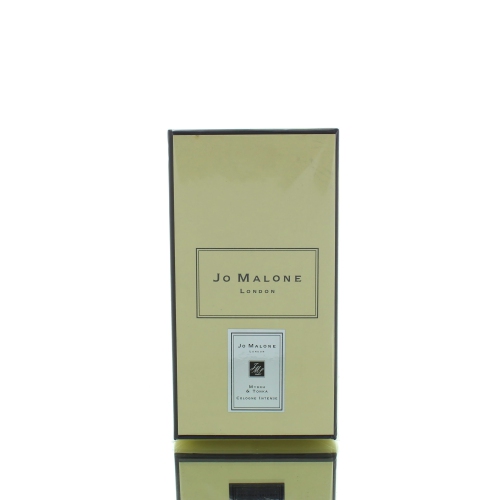
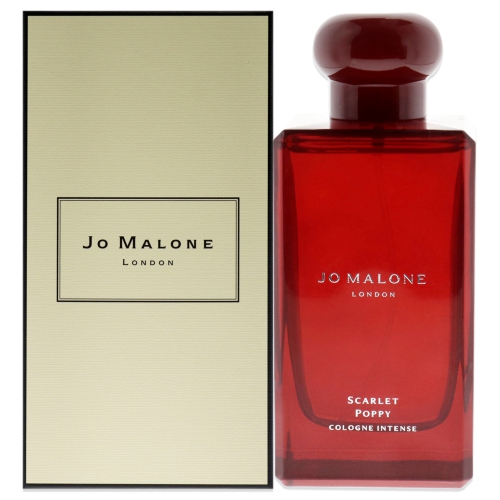
Cocoa scents with more depth than sweetness
Chocolate perfumes are fragrances built around the scent of cocoa or chocolate, ranging from dry, bittersweet cacao to creamy milk chocolate and rich dessert-inspired blends. They belong largely to the gourmand fragrance family, which draws on familiar edible aromas, but a chocolate note does not automatically make a perfume sugary. Dark chocolate interpretations can feel roasted, earthy, powdery, or slightly smoky, with an edge reminiscent of freshly opened cocoa powder or a square of high-cacao chocolate. Milk chocolate styles usually feel rounder and sweeter, often pairing cocoa with vanilla, caramel, hazelnut, or creamy accords. White chocolate interpretations tend towards a soft, buttery sweetness rather than the roasted character associated with cacao. These descriptions refer to the impression a fragrance creates, not necessarily to ingredients taken directly from chocolate. Perfumers may use aromatic materials and carefully arranged accords to suggest the scent without including the food itself. Supporting notes give each composition its character: coffee can sharpen the roasted effect, orange can add a bright contrast, and cherry or raspberry can suggest a chocolate-covered fruit. Woods, patchouli, and resins can lend depth, while floral notes can soften cocoa into something more airy or powdery. Tonka bean often brings a vanilla-like warmth with almond or hay-like facets, helping connect sweeter notes with a drier base. The result might evoke a quiet café, a dusting of cocoa over warm milk, or polished wood beside a plate of dark truffles, rather than a straightforward chocolate bar. For shoppers drawn to sweetness beyond cocoa, Candy Fragrances explores a related scent theme. Chocolate fragrances have their own distinctive range, however, with roasted and bitter facets that can balance sweeter notes. That variety makes them relevant to people who enjoy comforting dessert aromas as well as those who prefer a woody or spicy perfume with just a trace of chocolate warmth. The distinction often rests less on whether chocolate is present than on how much space it occupies within the whole composition.
The way a chocolate perfume develops on skin matters as much as its initial cocoa impression. A fragrance may open with bright fruit or spice before revealing a chocolate heart, then settle into vanilla, musk, amber-like accords, or woods. Another composition may place cocoa at the centre from the first spray and keep it prominent throughout wear. Top, heart, and base notes describe this general progression, although individual notes can overlap rather than appear in neat stages. A blotter offers a useful first impression, while a small application on skin, where permitted by the product directions, gives a fuller sense of how the fragrance wears over several hours. Skin condition, temperature, the amount applied, and the formula all influence the result. An eau de parfum generally contains a higher proportion of fragrance concentrate than an eau de toilette, but the concentration label alone cannot promise stronger projection or longer wear across different formulas. Projection describes how far the scent travels from the wearer; longevity describes how long it remains noticeable. A chocolate perfume that stays close to the skin can still last well, while a vivid opening may soften relatively quickly. This distinction is useful for everyday situations. A gentle cocoa-and-musk scent may suit a quiet evening at home, while a richer chocolate-and-spice composition can feel at home with knitwear and an evening out during the cooler months. In shared spaces, a restrained application is considerate, and fragrance-free policies take priority. Chocolate perfumes can be worn by anyone who enjoys their scent profile; gender labels do not determine whether a dry cacao, creamy vanilla, or smoky woody blend will feel right. Personal preference is usually more useful than packaging style. Someone who loves the aroma of baking chocolate but dislikes sugary scents may favour roasted or woody notes, while a person drawn to caramel and vanilla may enjoy a softer dessert-like composition. Layering with scented body products can change that balance, whereas an unscented moisturiser allows the perfume’s own character to remain clearer.
Chocolate perfumes also differ in format, handling, and the practical details that shape daily use. Spray bottles distribute fragrance over a broader area, while roll-ons and solid perfumes allow more targeted application; the base and applicator can affect how a scent feels and how easily it fits into a routine. Alcohol-based formulas often dry quickly, while oil-based perfumes may leave a more noticeable feel on the skin. Solid formats commonly use waxes or oils, making the ingredient list especially relevant for anyone with known sensitivities. A chocolate scent is not evidence that a formula contains cocoa, milk, or nuts, and a food-inspired name cannot confirm that it is free of any particular allergen. Ingredient information and manufacturer guidance are the appropriate references. Perfume is intended for fragrance use, not consumption, regardless of how convincingly it resembles a dessert. Application should follow the label, avoiding eyes and irritated or broken skin. Applying directly to clothing can leave marks, particularly with coloured or oil-based formulas, so fabric compatibility should not be assumed. For storage, a tightly closed bottle kept away from direct sunlight, heat, and frequent temperature changes helps preserve the fragrance’s intended character. A bedroom drawer or cupboard is generally a better choice than a sunny windowsill or a steamy bathroom. There is no single useful lifespan for every perfume; formulation, packaging, storage, and any stated period-after-opening guidance all matter. Secure caps and suitable travel cases can help protect bottles in a bag, while leak-resistant packaging is particularly useful for carrying fragrance away from home. As gifts, chocolate perfumes can appeal to fragrance enthusiasts, keen bakers, or anyone who already enjoys cocoa, vanilla, coffee, or warm woody scents. A love of eating chocolate does not always translate into wanting to wear its aroma, so the recipient’s existing fragrance preferences offer a more reliable starting point. Where a smaller format or discovery set is an option, it offers room to explore the difference between bittersweet cacao and creamy gourmand styles. The most personal match is a chocolate fragrance whose sweetness, texture, and strength feel comfortable throughout the wearer’s day.
The way a chocolate perfume develops on skin matters as much as its initial cocoa impression. A fragrance may open with bright fruit or spice before revealing a chocolate heart, then settle into vanilla, musk, amber-like accords, or woods. Another composition may place cocoa at the centre from the first spray and keep it prominent throughout wear. Top, heart, and base notes describe this general progression, although individual notes can overlap rather than appear in neat stages. A blotter offers a useful first impression, while a small application on skin, where permitted by the product directions, gives a fuller sense of how the fragrance wears over several hours. Skin condition, temperature, the amount applied, and the formula all influence the result. An eau de parfum generally contains a higher proportion of fragrance concentrate than an eau de toilette, but the concentration label alone cannot promise stronger projection or longer wear across different formulas. Projection describes how far the scent travels from the wearer; longevity describes how long it remains noticeable. A chocolate perfume that stays close to the skin can still last well, while a vivid opening may soften relatively quickly. This distinction is useful for everyday situations. A gentle cocoa-and-musk scent may suit a quiet evening at home, while a richer chocolate-and-spice composition can feel at home with knitwear and an evening out during the cooler months. In shared spaces, a restrained application is considerate, and fragrance-free policies take priority. Chocolate perfumes can be worn by anyone who enjoys their scent profile; gender labels do not determine whether a dry cacao, creamy vanilla, or smoky woody blend will feel right. Personal preference is usually more useful than packaging style. Someone who loves the aroma of baking chocolate but dislikes sugary scents may favour roasted or woody notes, while a person drawn to caramel and vanilla may enjoy a softer dessert-like composition. Layering with scented body products can change that balance, whereas an unscented moisturiser allows the perfume’s own character to remain clearer.
Chocolate perfumes also differ in format, handling, and the practical details that shape daily use. Spray bottles distribute fragrance over a broader area, while roll-ons and solid perfumes allow more targeted application; the base and applicator can affect how a scent feels and how easily it fits into a routine. Alcohol-based formulas often dry quickly, while oil-based perfumes may leave a more noticeable feel on the skin. Solid formats commonly use waxes or oils, making the ingredient list especially relevant for anyone with known sensitivities. A chocolate scent is not evidence that a formula contains cocoa, milk, or nuts, and a food-inspired name cannot confirm that it is free of any particular allergen. Ingredient information and manufacturer guidance are the appropriate references. Perfume is intended for fragrance use, not consumption, regardless of how convincingly it resembles a dessert. Application should follow the label, avoiding eyes and irritated or broken skin. Applying directly to clothing can leave marks, particularly with coloured or oil-based formulas, so fabric compatibility should not be assumed. For storage, a tightly closed bottle kept away from direct sunlight, heat, and frequent temperature changes helps preserve the fragrance’s intended character. A bedroom drawer or cupboard is generally a better choice than a sunny windowsill or a steamy bathroom. There is no single useful lifespan for every perfume; formulation, packaging, storage, and any stated period-after-opening guidance all matter. Secure caps and suitable travel cases can help protect bottles in a bag, while leak-resistant packaging is particularly useful for carrying fragrance away from home. As gifts, chocolate perfumes can appeal to fragrance enthusiasts, keen bakers, or anyone who already enjoys cocoa, vanilla, coffee, or warm woody scents. A love of eating chocolate does not always translate into wanting to wear its aroma, so the recipient’s existing fragrance preferences offer a more reliable starting point. Where a smaller format or discovery set is an option, it offers room to explore the difference between bittersweet cacao and creamy gourmand styles. The most personal match is a chocolate fragrance whose sweetness, texture, and strength feel comfortable throughout the wearer’s day.
Top selling and popular products
-
 Your price for this item is $87
 -
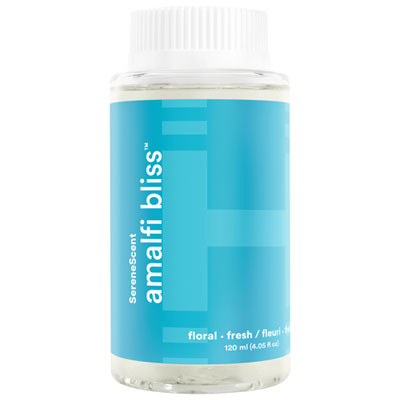 Your price for this item is $59.99
 -
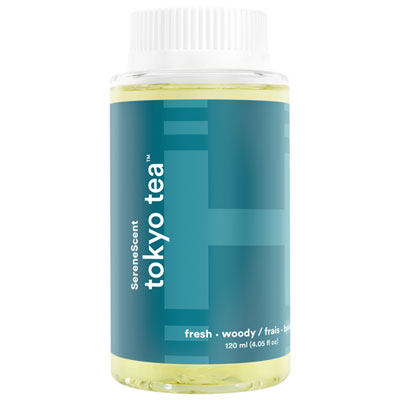 Your price for this item is $59.99
 -
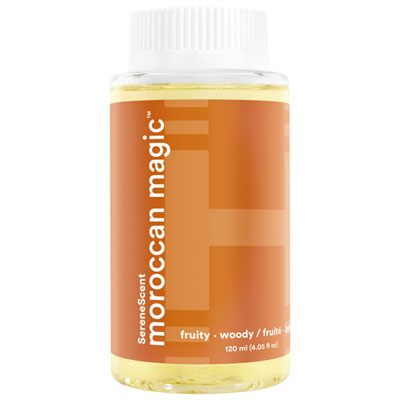 Your price for this item is $59.99
 -
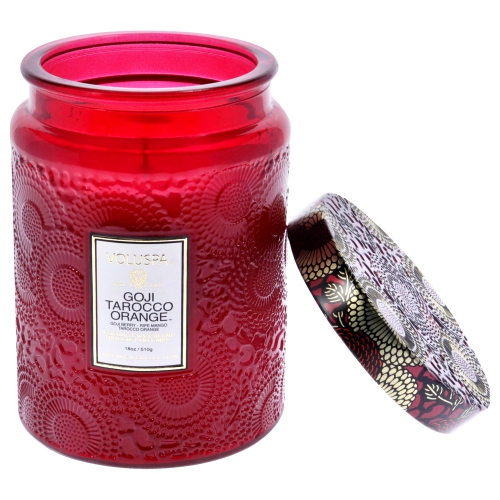 Your price for this item is $53.23
 -
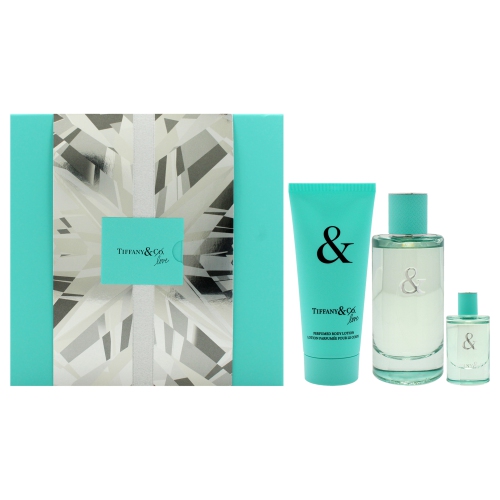 Your price for this item is $169.34
 -
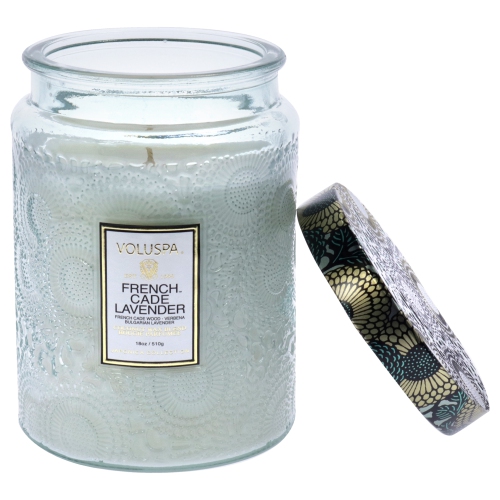 Your price for this item is $53.23
 -
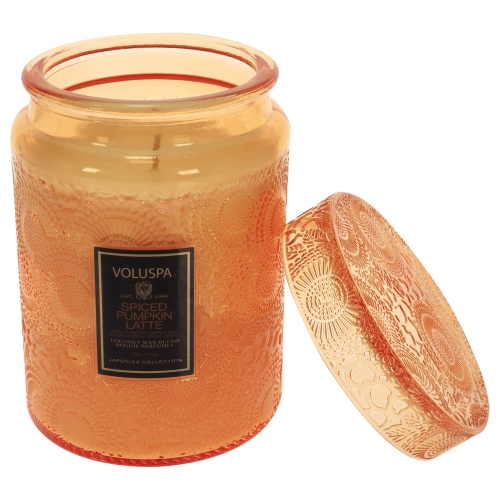 Your price for this item is $57.96
Discover more categories related to Chocolate Perfumes
Top Collections:
Pokemon Centers, Kindle Devices, Best Budget Office Chairs, Apple iPhones 16, Canon G7X Cameras, iPhone 15 Apple, Alarm Clock, Refurbished Apple Laptops, Flip Phones, Best Laptops for Writers
Some products may be subject to Environmental Handling Fees
(EHF) depending on your province.
Learn more about EHFs.