Floral Perfumes for Women
Floral perfumes for women capture the essence of elegance and femininity, offering a timeless way to express personal style. With delicate notes inspired by nature’s most beautiful blooms, these fragrances are perfect for any occasion, from everyday wear to special events. Explore a captivating selection of floral perfumes for women and find the scent that speaks to you, whether you prefer something light and fresh or rich and romantic.
Sort
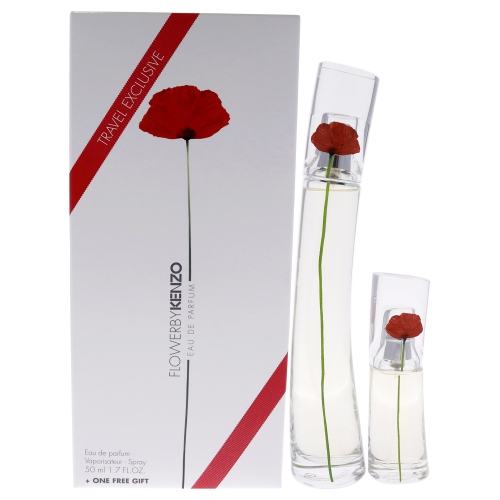
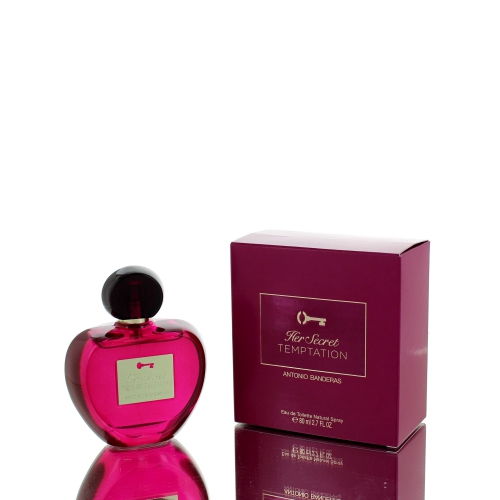
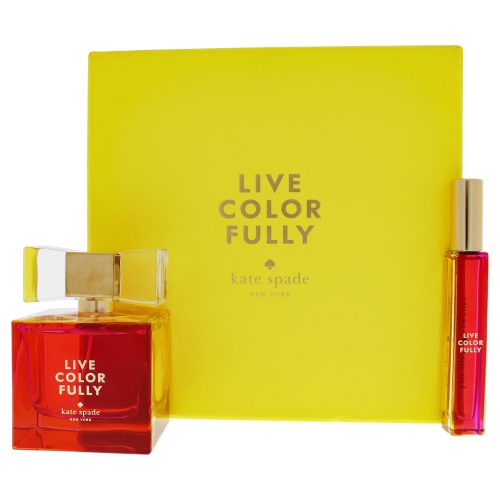
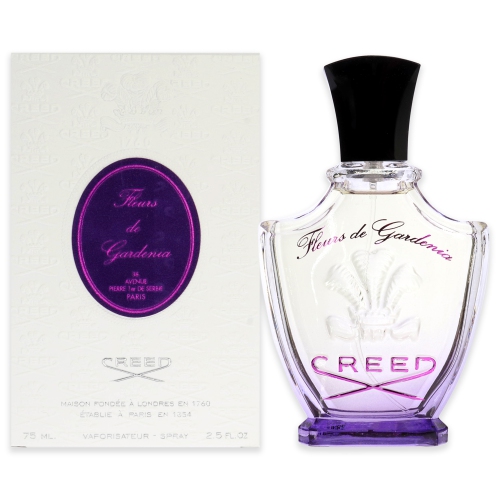
What gives each floral fragrance its distinctive character
Floral perfumes for women centre on the impression of flowers, from the freshness of a single rose to the richness of a layered bouquet. This fragrance family includes airy, green compositions, soft powdery scents, luminous white florals, and sweeter blends rounded out by fruit, vanilla, or musk. Rose can smell dewy and delicate, fruity, or gently spicy, depending on the notes surrounding it. Peony often brings a light, petal-like quality, while jasmine can add depth and a fuller floral presence. Orange blossom combines floral softness with a citrus-like brightness; tuberose tends to feel creamy and expressive; and ylang-ylang can lend a rounded, slightly sweet character. Violet and iris are often associated with powdery effects, although iris fragrance materials traditionally come from the plant’s root rather than its flower. These distinctions help explain why two perfumes described as floral can feel quite different on the skin. A bouquet lifted by bergamot and green notes may suggest freshly cut stems, while flowers paired with vanilla can feel smooth and enveloping. Fruity floral perfumes bring another variation, using impressions of pear, peach, or berries to soften or brighten the flowers without necessarily making the scent sugary. Floral notes describe an aromatic impression, not a guarantee that a perfume contains an extract of every flower listed. Perfumers use both naturally derived and laboratory-created aromatic materials to build these effects, and neither type alone determines quality or suitability for sensitive skin. Most spray perfumes combine fragrance materials with alcohol, often with water, while perfume oils use a different carrier. The finished composition matters more than the length of its note list: a simple rose fragrance can have considerable depth, and a complex bouquet can still feel sheer. Although these perfumes are traditionally marketed for women, their appeal is personal rather than restricted by gender. Someone drawn to clean, petal-like scents may enjoy a very different floral style from someone who prefers velvety jasmine or a powdery iris finish.
The character of a floral perfume develops after application, so its opening impression is only one part of the experience. Top notes provide the first burst of scent, often with citrus, fruit, or green accents. As those fade, the heart reveals more of the floral composition, followed by the base notes that remain closest to the skin. Musk, vanilla, amber-style accords, and woods can give flowers a softer, sweeter, or more grounded finish. A perfume that initially smells bright and crisp may settle into a creamy bouquet, while a seemingly sweet opening may leave a relatively dry, powdery trail. Eau de toilette and eau de parfum describe different fragrance formats, with eau de parfum generally containing a higher concentration of aromatic materials. That distinction does not guarantee a particular number of hours of wear, nor does it mean the eau de parfum version will smell identical to an eau de toilette with the same name. Formulation, the materials used, skin characteristics, and the amount applied all affect the result. Longevity describes how long a fragrance remains noticeable, while projection describes how far it carries from the wearer; a perfume can last well without filling a room. This difference matters for everyday use. A restrained floral can suit a shared office, a close conversation, or a meal where a strong scent might compete with food. A fuller bouquet may appeal for a celebration or an evening out, while a soft musk-and-flower blend can feel comfortable for routine wear. Personal fit is best understood through the scent’s development on skin rather than the bottle’s appearance or the opening alone. Testing a small amount and allowing it to settle gives a clearer impression than smelling several fresh sprays in quick succession. Application should follow the label directions, avoiding eyes and irritated skin. A light application is often enough in close quarters, and fragrance-free shared-space requirements still take precedence. Sensitive skin and individual ingredient sensitivities also deserve consideration, even when a perfume smells delicate.
The supporting notes in a floral perfume often determine how easily it fits into a personal fragrance wardrobe. Citrus and green accents can keep a bouquet crisp; powdery notes create a softer impression; and vanilla or other sweet accords can make flowers feel plush and rounded. For those who enjoy floral scents with a drier finish, Floral Woody Perfumes for Women brings the focus to compositions that pair blossoms with woody notes such as cedar or sandalwood. These combinations can add structure without overwhelming the flowers, making them appealing to someone who likes a rose or jasmine heart but prefers less sweetness. Bottle format also shapes everyday use. A spray distributes a fine mist, while a rollerball or dab-on format allows more localized application; the applicator does not, by itself, indicate fragrance strength. A compact bottle can be convenient for a handbag or travel, provided its closure is secure and any applicable baggage rules are followed. Glass bottles protect the contents during ordinary storage but can chip or break if dropped, so a stable shelf or protective pouch helps keep them intact. Keeping the bottle capped, upright, and away from direct sunlight helps preserve the fragrance’s character. Changes in colour can occur over time and do not automatically mean a perfume is unusable, but a noticeably altered smell warrants attention. Perfume may also mark delicate fabrics or jewellery, making direct application to clothing something to avoid unless the manufacturer specifically allows it. As a birthday or anniversary gift, a floral fragrance is most thoughtful when it reflects the recipient’s established tastes: a fondness for rose, a preference for powdery scents, or an aversion to sweet notes provides a more useful starting point than packaging alone. For everyday wear or a special occasion, the strongest match is a floral composition whose opening, heart, and lasting finish all feel comfortable to the person wearing it.
Top selling and popular products
-
 Your price for this item is $13.3
-
 Your price for this item is $39.98
-
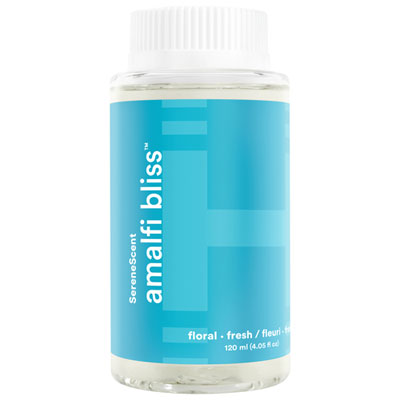 Your price for this item is $59.99
-
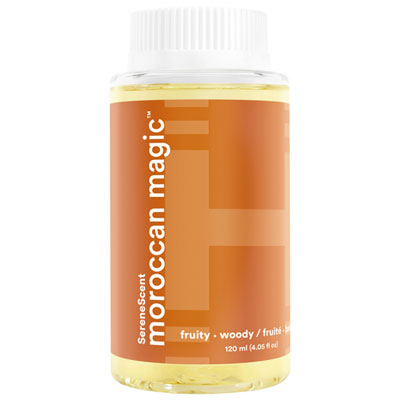 Your price for this item is $59.99
-
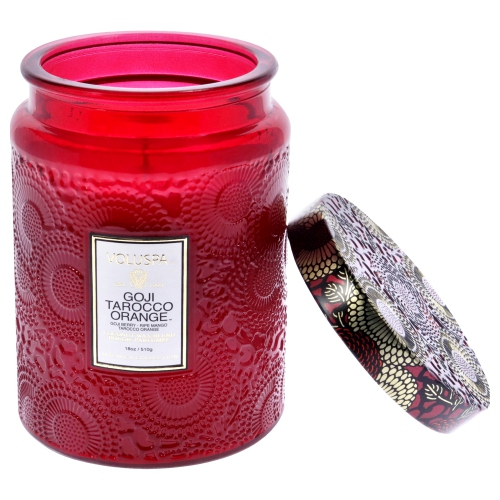 Your price for this item is $53.23
-
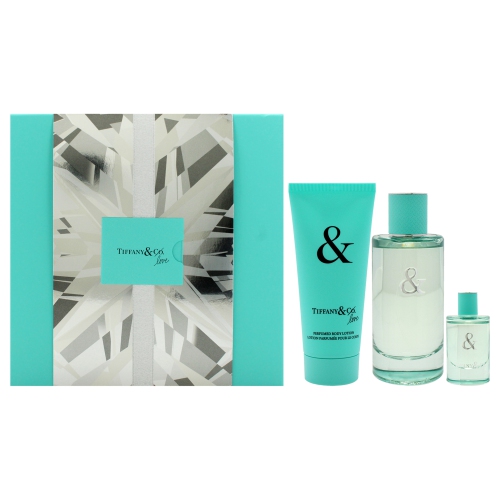 Your price for this item is $169.34
-
 Your price for this item is $53.23
-
 Your price for this item is $57.96
Discover more categories related to Floral Perfumes for Women
Top Collections:
Best Black Friday Deals This Year, Best Black Friday Deals On Electronics, Kindle Devices, Pokemon Centers, Best Black Friday Deals On Apple Products, Best Cameras for Sports Photography, Dyson Airwrap, Pokémon 30th Celebration Cards, Apple iPhone 17 Pro, Canon G7X Cameras
Some products may be subject to Environmental Handling Fees
(EHF) depending on your province.
Learn more about EHFs.