Fruity Scented Perfumes
Indulge your senses with our delightful collection of fruity scented perfumes. Bursting with vibrant and invigorating aromas, these fragrances are designed to add a refreshing twist to your everyday routine. From luscious berries to zesty citrus notes, our selection offers a wide range of fruity fragrances that will transport you to sun-soaked orchards and tropical paradises. Whether you're looking for a playful and flirty scent or a sophisticated and elegant aroma, our fruity perfumes are sure to awaken your senses and leave a lasting impression. Explore our collection now and discover the perfect fruity scent to match your unique personality.
Sort

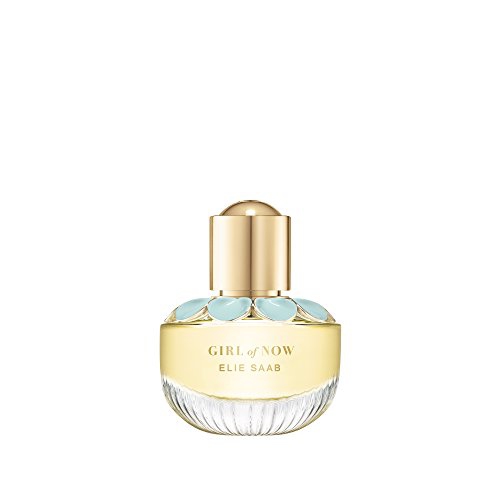
Why the same fruit can smell so different
Fruity scented perfumes feature fragrance notes that suggest fresh, ripe, or candied fruit, from crisp apple and juicy pear to raspberry, peach, mango, and plum. Their character can be bright and refreshing, softly sweet, or rich and velvety, depending on the supporting notes. Fruit does not have to dominate every stage of the fragrance: a sparkling opening may soften into petals, creamy vanilla, or smooth woods as the perfume settles on skin. Many fruit notes are created through accords, combinations of aromatic ingredients designed to capture a particular scent impression, rather than juice or extracts from the named fruit. That is why two pear perfumes can smell quite different, with one suggesting a freshly sliced pear and another recalling poached fruit with a sweet finish. Citrus-led compositions often feel zesty and clean, while tropical fruit notes can bring a rounded, nectar-like sweetness. Berry fragrances range from tart blackcurrant and raspberry to softer strawberry impressions; cherry and plum can add a deeper, richer character. Fruity floral perfumes balance these effects with rose, jasmine, freesia, peony, or orange blossom. For those drawn more strongly to petals than fruit, Floral Scented Perfumes offer a related fragrance family where floral notes take the lead. Fruity gourmand compositions lean towards dessert-like combinations, pairing peach, berries, or pear with vanilla, caramel, or creamy notes. Woody and musky bases can give fruit a smoother, less sugary finish, while leafy or herbal accents introduce a crisp contrast. Sweetness, freshness, and intensity are separate qualities: a sweet-smelling perfume can sit close to the skin, and a tart fruit fragrance can still have a noticeable presence. The full blend matters more than a single fruit listed in the description, especially for anyone seeking a scent that feels juicy without resembling confectionery.
The way a fruity perfume wears depends on its composition, concentration, application, and the person wearing it. Top notes provide the first impression, heart notes shape the central character, and base notes contribute to the later scent, often called the dry-down. These stages overlap rather than switching at fixed intervals. A lively citrus or berry opening may be less noticeable later, leaving a softer combination of flowers, musk, amber, or woods. Eau de parfum generally contains a higher concentration of fragrance than eau de toilette within a comparable range, but the concentration label alone does not guarantee stronger projection or longer wear. The ingredients and balance of the formula also matter. Body mists usually offer a lighter fragrance experience, while roll-ons and perfume oils can allow more targeted application; their strength and finish still vary by formula. An airy pear-and-floral blend may suit someone who prefers a subtle scent for everyday errands, while a plush plum-and-vanilla composition may appeal to someone seeking a richer fragrance for a dinner or celebration. These are preferences rather than rules, and fruity scents can be worn by anyone who enjoys their character. In a shared workspace, a small amount of fragrance is a more considerate starting point than repeated sprays, especially where scent policies apply. Fragrance-free settings call for leaving perfume off altogether. When testing on skin is appropriate, allowing the scent to settle gives a more useful impression than judging only the first spray. A blotter helps reveal the overall direction, but skin can change how individual notes come through. Applying according to the label, avoiding vigorous rubbing, and waiting before adding more can help prevent an unexpectedly strong result. Using an unscented moisturizer beforehand may also make application feel more comfortable, provided it suits the skin and the perfume’s directions.
Personal fit is especially important with fruity scented perfumes because familiar fruit names can suggest very different experiences. Someone who enjoys the tartness of fresh raspberries may not enjoy a jam-like berry fragrance, just as a preference for crisp apple does not necessarily extend to caramel apple sweetness. Descriptions such as sparkling, green, creamy, powdery, syrupy, and woody help explain the character beyond the fruit itself. For a gift, a recipient’s existing fragrance preferences are often more useful than assumptions based on age or gender. A person who regularly wears delicate florals may appreciate pear or peach softened with petals, while someone drawn to vanilla may enjoy a fruit-and-gourmand blend. For a recipient who dislikes pronounced sweetness, fruit balanced by dry woods, leafy notes, or a restrained musky base may be a closer fit. Bottle design and format also affect everyday use: a spray distributes fragrance differently from a dabber or roll-on, and a secure cap helps keep the closure protected during storage. Labels and packaging provide the relevant application directions, ingredient information, and any stated period of use after opening. Perfume is generally best kept tightly closed, upright, and away from direct sunlight; its original box or a closed cupboard can provide a practical storage place. Leaving a bottle uncapped exposes the contents unnecessarily, and transferring fragrance into another container can introduce contamination if the container is not suitable or clean. Direct application to clothing can leave marks or affect delicate finishes, so skin-use directions and fabric care labels both deserve attention. Avoid contact with eyes and irritated skin, and discontinue use if irritation occurs. A fragrance that once smelled bright but develops a distinctly altered odour may no longer offer its intended character. With thoughtful storage and a comfortable application routine, fruity perfume can remain an enjoyable part of getting dressed, whether the preference is for a barely-there trace of pear or a fuller blend of berries, petals, and vanilla.
Top selling and popular products
-
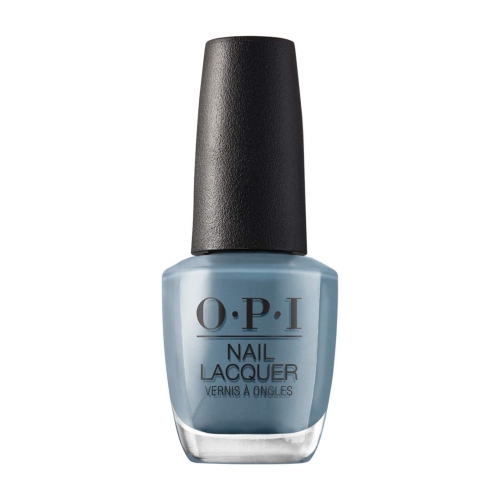 Your price for this item is $13.3
-
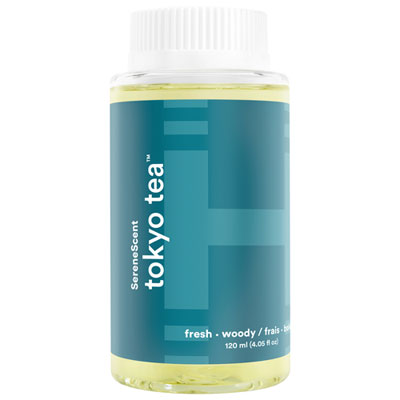 Your price for this item is $39.98
-
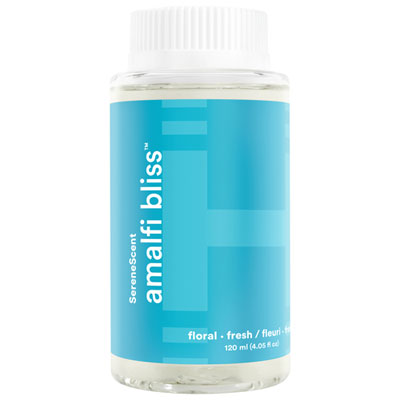 Your price for this item is $59.99
-
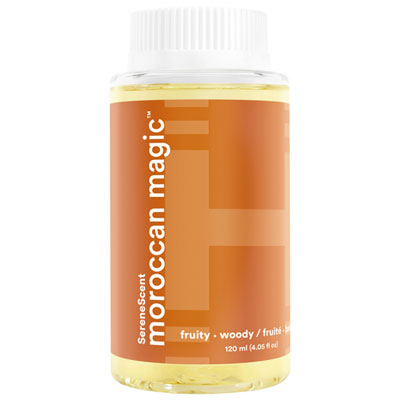 Your price for this item is $59.99
-
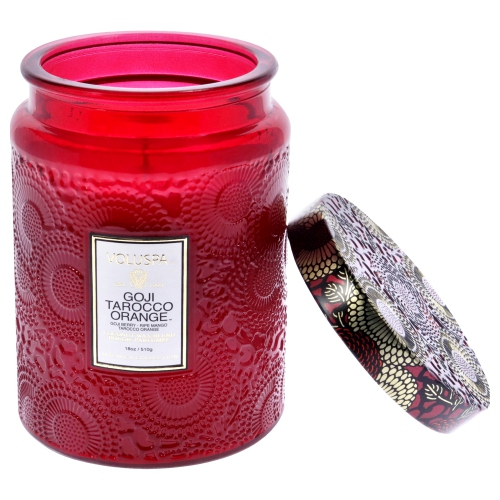 Your price for this item is $53.23
-
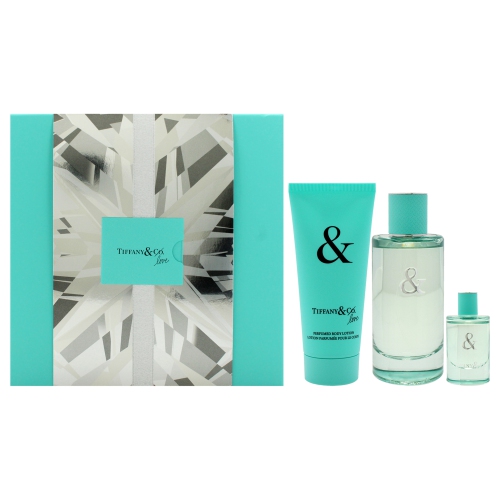 Your price for this item is $169.34
-
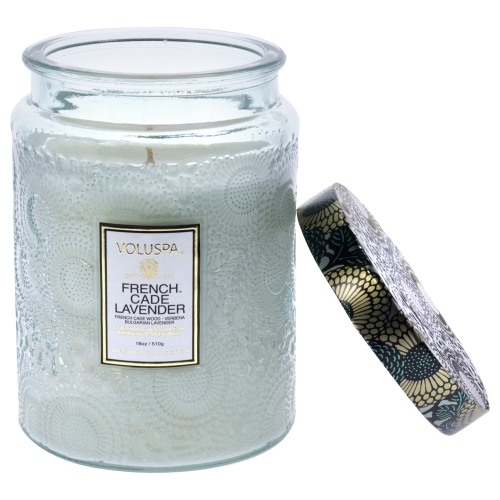 Your price for this item is $53.23
-
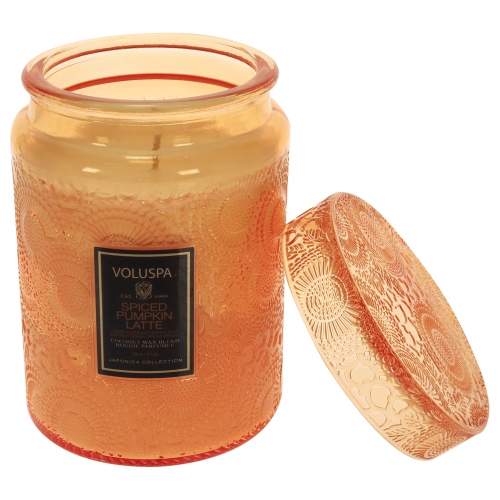 Your price for this item is $57.96
Discover more categories related to Fruity Scented Perfumes
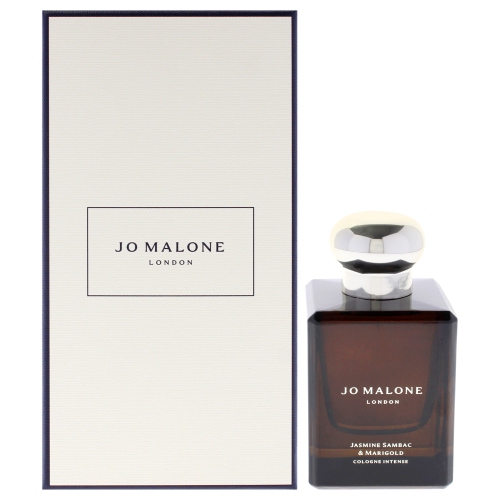
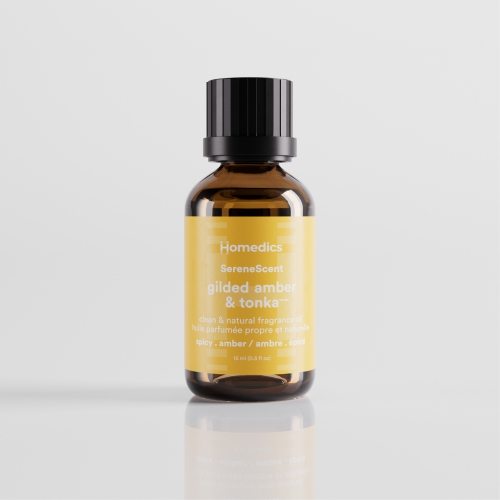
Top Collections:
Best Black Friday Deals This Year, Best Black Friday Deals On Electronics, Kindle Devices, Best Black Friday Deals On Apple Products, Best Budget Office Chairs, Best Cameras for Sports Photography, Dyson Airwrap, Canon G7X Cameras, Best Laptops for Writers, Samsung Galaxy Phones
Some products may be subject to Environmental Handling Fees
(EHF) depending on your province.
Learn more about EHFs.