Hand Creams for Dry Skin
Keep your hands feeling soft and hydrated with our selection of hand creams for dry skin. Say goodbye to rough, cracked hands with these luxurious formulas designed to nourish and moisturize even the driest of skin. Whether you're looking for a rich, intensive treatment or a lightweight, everyday option, we have the perfect hand cream to keep your hands looking and feeling their best. Shop our range of hand creams today and give your hands the care they deserve.
Sort
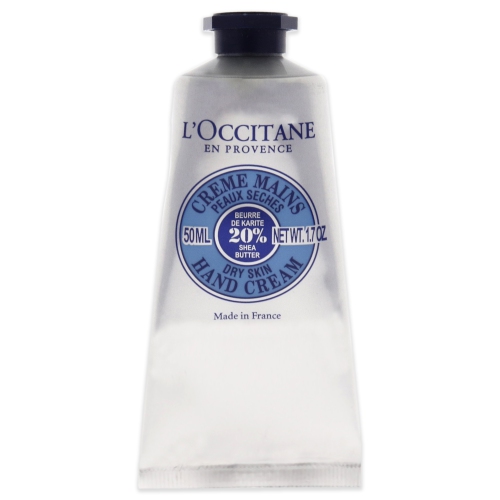
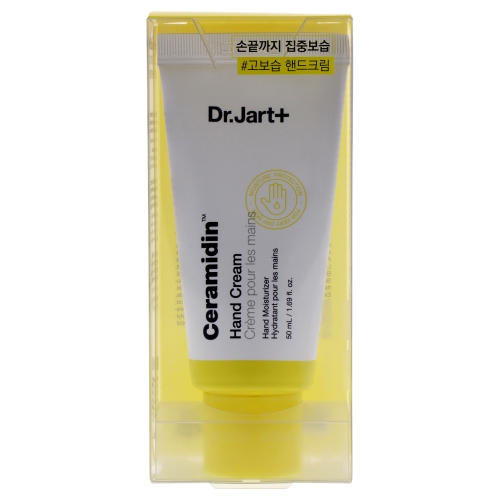
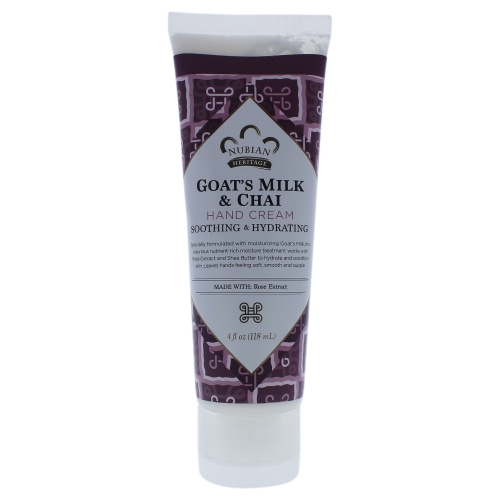
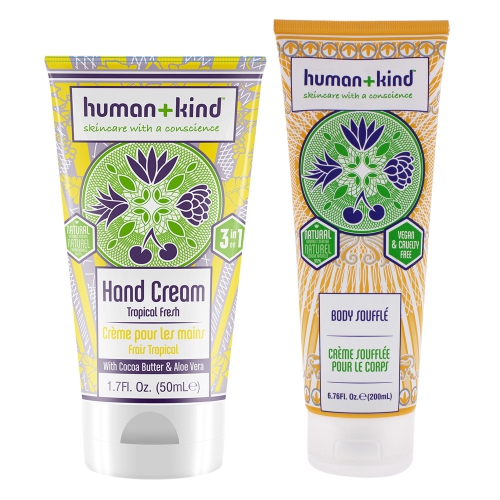
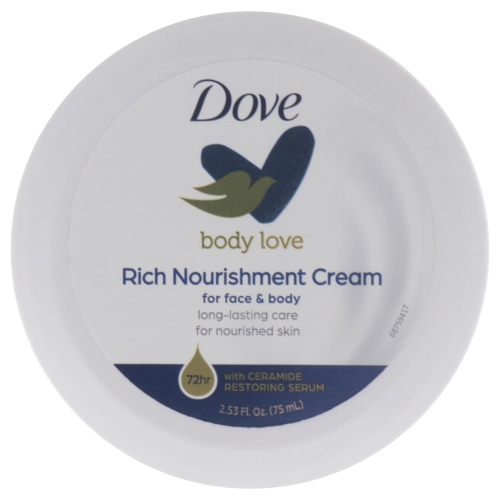
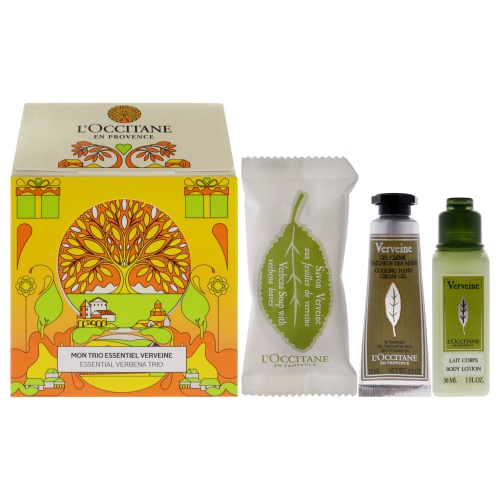
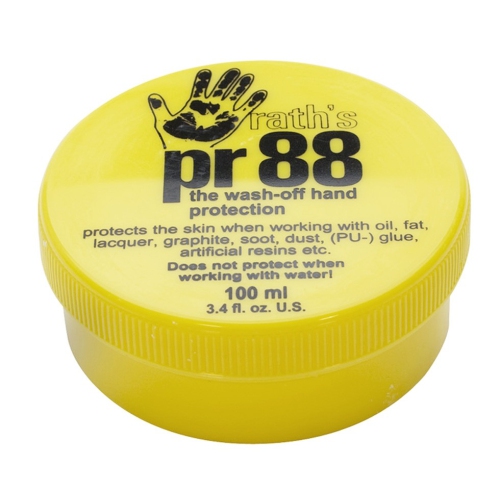
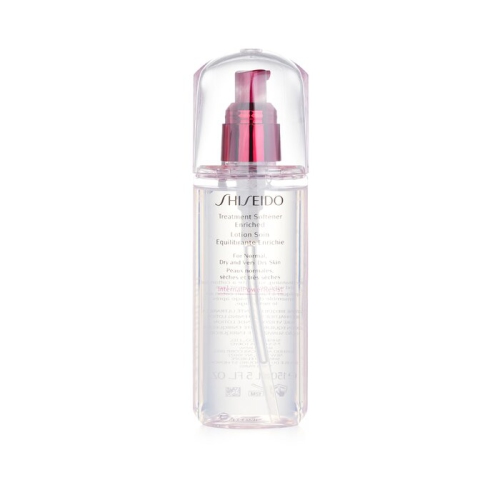
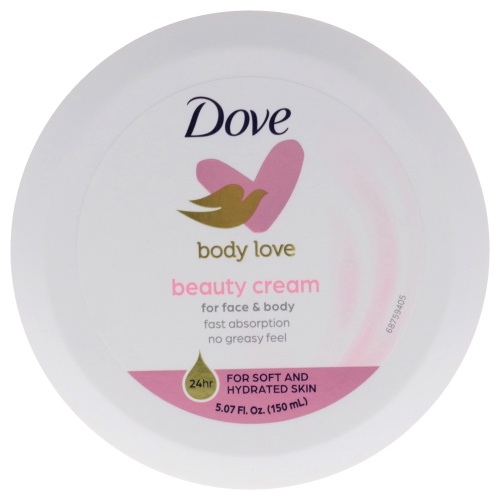
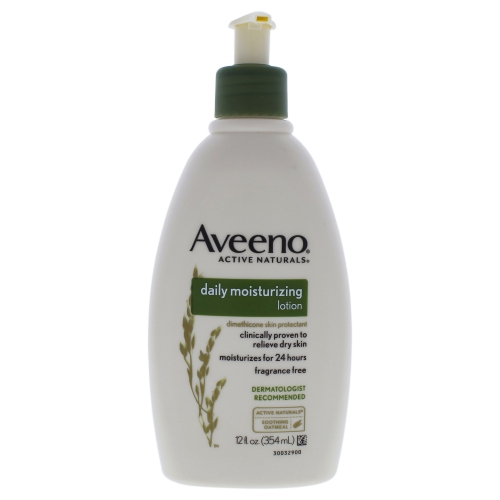
Daily care for hands facing frequent washing and weather
Hand creams for dry skin are designed to bring comfort and flexibility back to hands that feel tight, rough, flaky, or easily irritated. Hands are exposed to a steady stream of moisture loss throughout the day: frequent washing, sanitizing, household chores, outdoor activities, wind, and changes in temperature can all leave the skin feeling less supple. During warmer weather, sunscreen, swimming, and air conditioning may contribute to dryness, while cooler conditions often bring brisk air and indoor heating that can make rough patches more noticeable. A well-chosen hand cream can fit easily into these daily routines, whether it is kept beside the sink, tucked into a work bag, placed on a bedside table, or carried in a coat pocket. For a broader selection of everyday facial and body care, explore Moisturizers for Dry Skin. When comparing hand creams, consider both the formula and the way you plan to use it. Lightweight lotions tend to absorb quickly and are convenient after washing, while richer creams and balms can provide a more substantial feel for especially dry areas or overnight care. A cream that leaves hands comfortable without excessive greasiness is often easier to apply consistently, particularly for people who type, drive, work with tools, or handle devices throughout the day.
The most useful formulas for dry hands often combine several types of moisturizing ingredients. Humectants such as glycerin and hyaluronic acid help attract water to the skin, making them useful when hands feel dehydrated or tight. Emollients, including shea butter, ceramides, and plant oils, help smooth the look and feel of rough texture by softening the spaces between surface skin cells. Occlusives such as dimethicone, urea, and beeswax help form a protective layer that slows moisture loss from the skin’s surface. Some concentrated formulas contain a high proportion of glycerin and are intended for severely overworked hands, while others include soothing ingredients such as colloidal oatmeal or niacinamide for skin that is prone to sensitivity. Fragrance-free options can be a practical choice for anyone who reacts to scented products or prefers a simple, unobtrusive routine. Texture matters too: a gel-cream may feel refreshing during the day, a traditional cream can offer balanced comfort, and a dense balm may be better suited to knuckles, fingertips, cuticles, and other areas that become particularly rough. If skin is cracked, bleeding, painful, or persistently uncomfortable, hand cream should not replace professional medical advice; choose gentle care and speak with a health-care professional when needed. It is also sensible to check the ingredient list and patch test a new formula if your skin is highly reactive.
Application technique can make a noticeable difference. After washing, gently pat hands dry while leaving the skin slightly damp, then smooth a small amount of cream over the palms, backs of the hands, fingers, knuckles, and around the nails. Pay attention to the spaces between fingers, where water and soap can leave skin feeling tight, and massage any remaining product into the cuticles. Reapplying after hand washing helps maintain a comfortable moisture barrier, especially for people who wash often at work, care for children, prepare food, or spend time outdoors. A pea-sized amount may be enough for a concentrated cream, while a lighter lotion may require a little more to cover both hands evenly. At night, a thicker layer can be applied before bed, giving the formula time to sit on the skin without interfering with daily tasks. Cotton gloves may help keep richer creams in place, although they are optional and should feel breathable and comfortable. Hand creams can also make thoughtful gifts for someone who works with their hands, travels frequently, enjoys personal-care rituals, or is preparing for the cooler months. Consider a compact tube for a handbag or desk, a fragrance-free formula for a sensitive recipient, or a richer texture for someone whose hands become especially dry outdoors. With the right balance of ingredients, texture, packaging, and scent preferences, hand cream becomes an easy everyday essential rather than an occasional fix.
The most useful formulas for dry hands often combine several types of moisturizing ingredients. Humectants such as glycerin and hyaluronic acid help attract water to the skin, making them useful when hands feel dehydrated or tight. Emollients, including shea butter, ceramides, and plant oils, help smooth the look and feel of rough texture by softening the spaces between surface skin cells. Occlusives such as dimethicone, urea, and beeswax help form a protective layer that slows moisture loss from the skin’s surface. Some concentrated formulas contain a high proportion of glycerin and are intended for severely overworked hands, while others include soothing ingredients such as colloidal oatmeal or niacinamide for skin that is prone to sensitivity. Fragrance-free options can be a practical choice for anyone who reacts to scented products or prefers a simple, unobtrusive routine. Texture matters too: a gel-cream may feel refreshing during the day, a traditional cream can offer balanced comfort, and a dense balm may be better suited to knuckles, fingertips, cuticles, and other areas that become particularly rough. If skin is cracked, bleeding, painful, or persistently uncomfortable, hand cream should not replace professional medical advice; choose gentle care and speak with a health-care professional when needed. It is also sensible to check the ingredient list and patch test a new formula if your skin is highly reactive.
Application technique can make a noticeable difference. After washing, gently pat hands dry while leaving the skin slightly damp, then smooth a small amount of cream over the palms, backs of the hands, fingers, knuckles, and around the nails. Pay attention to the spaces between fingers, where water and soap can leave skin feeling tight, and massage any remaining product into the cuticles. Reapplying after hand washing helps maintain a comfortable moisture barrier, especially for people who wash often at work, care for children, prepare food, or spend time outdoors. A pea-sized amount may be enough for a concentrated cream, while a lighter lotion may require a little more to cover both hands evenly. At night, a thicker layer can be applied before bed, giving the formula time to sit on the skin without interfering with daily tasks. Cotton gloves may help keep richer creams in place, although they are optional and should feel breathable and comfortable. Hand creams can also make thoughtful gifts for someone who works with their hands, travels frequently, enjoys personal-care rituals, or is preparing for the cooler months. Consider a compact tube for a handbag or desk, a fragrance-free formula for a sensitive recipient, or a richer texture for someone whose hands become especially dry outdoors. With the right balance of ingredients, texture, packaging, and scent preferences, hand cream becomes an easy everyday essential rather than an occasional fix.
Top selling and popular products
-
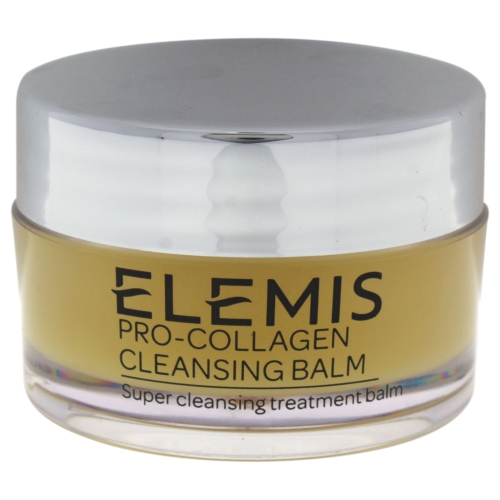 Your price for this item is $32.68
 -
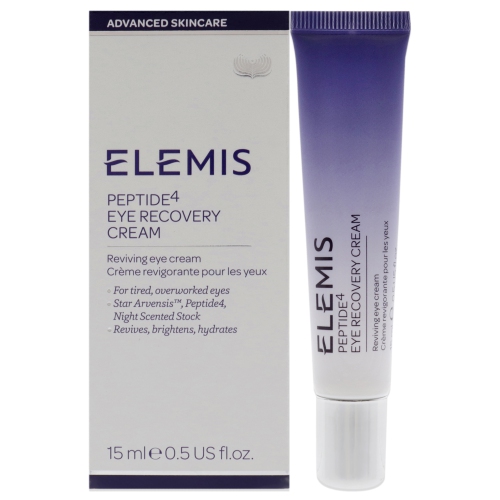 Your price for this item is $60.13
 -
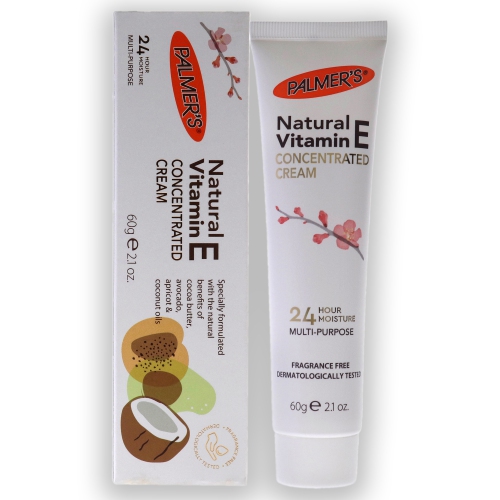 Your price for this item is $19.14
 -
 Your price for this item is $49.95
 -
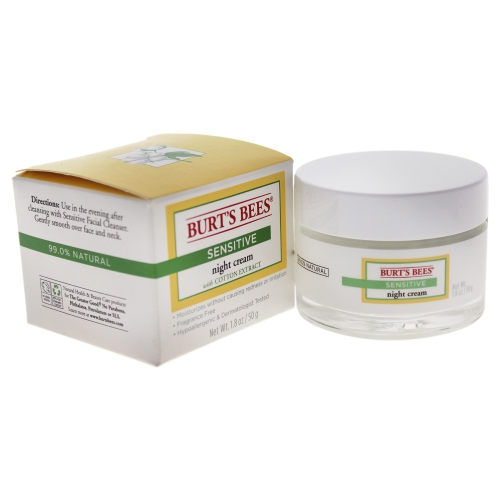 Your price for this item is $26.93
 -
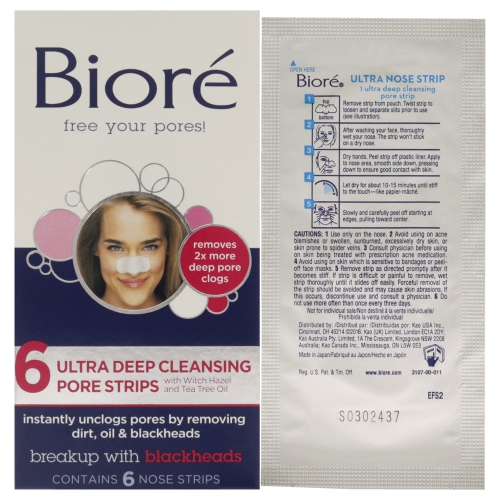 Your price for this item is $14.98
 -
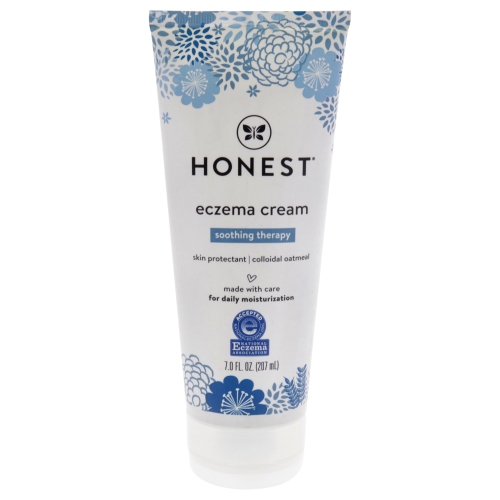 Your price for this item is $28.27
 -
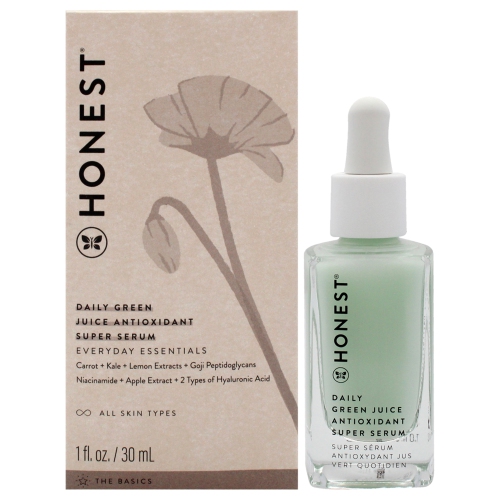 Your price for this item is $40.23
Discover more categories related to Hand Creams for Dry Skin
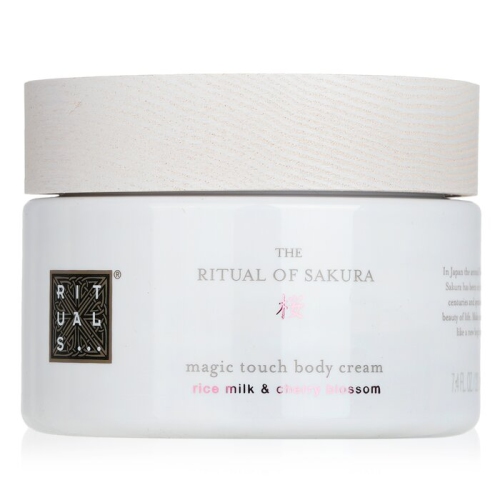
Top Collections:
Pokemon Centers, Best Cameras for Sports Photography, Kindle Devices, Samsung Galaxy Phones, Canon G7X Cameras, Pokémon 30th Celebration Cards, Refurbished Apple Laptops, iPhone 15 Apple, Laptops for Students, Budget Smartphones
Some products may be subject to Environmental Handling Fees
(EHF) depending on your province.
Learn more about EHFs.