Hydrating Masks for Combination Skin
Hydrating Masks For Combination Skin offer a tailored solution for those seeking to balance moisture across different areas of the face. Designed to address both dryness and oiliness, these masks help support a refreshed and healthy-looking complexion. Explore a wide selection of options that fit seamlessly into your skincare routine and discover how Hydrating Masks For Combination Skin can elevate your self-care experience.
Sort
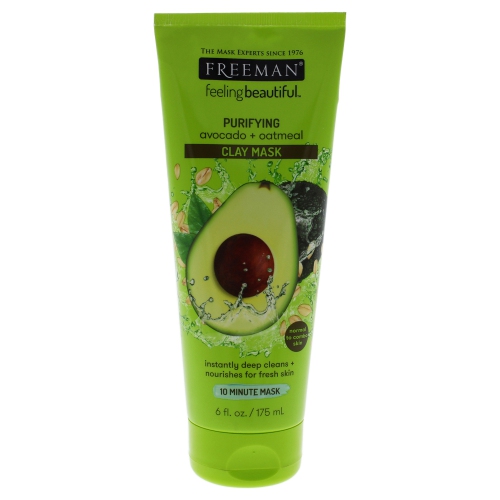
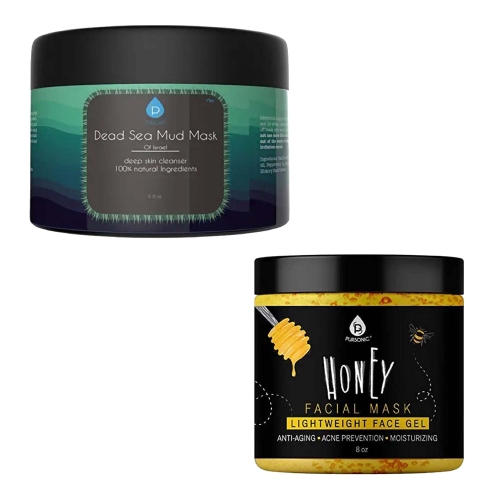
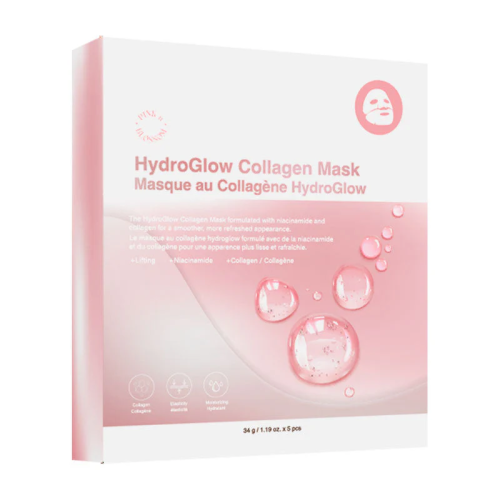
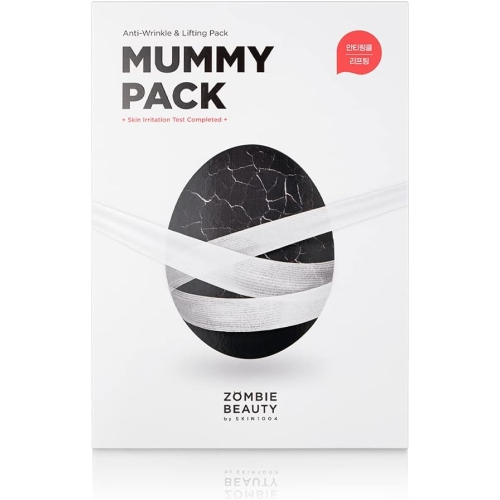


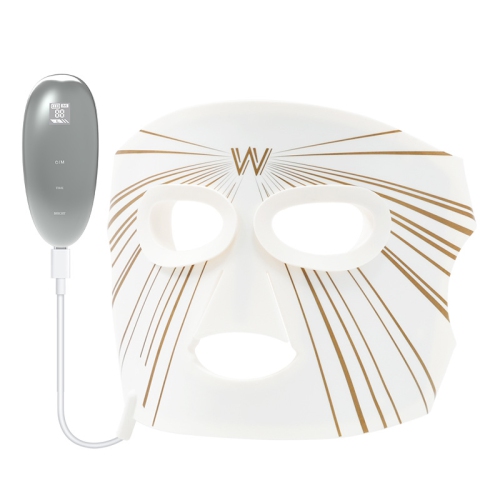


Moisture for dry cheeks without a heavy finish
Hydrating masks for combination skin are designed to add moisture where skin feels dry without leaving oilier areas feeling coated. Combination skin often has a shinier forehead, nose, and chin, commonly called the T-zone, alongside cheeks that feel tight, rough, or less supple. That contrast makes texture especially important: a mask should leave dry areas comfortable while feeling light enough across the centre of the face. Lightweight gel masks, serum-soaked sheet masks, and softly textured cream masks can all suit this pattern, depending on their formulas and how they are used. Hydration and oiliness are not opposites; skin can have surface shine and still lack water. For that reason, a hydrating mask does not need to strip away oil or produce a squeaky-clean finish to feel useful. Humectants such as glycerin and hyaluronic acid attract and hold water, helping skin look temporarily smoother and feel more supple. Emollients soften rough patches, while ingredients such as ceramides can support the skin’s moisture barrier. The balance between these ingredients matters more than a single highlighted ingredient on the package. Someone whose cheeks feel tight after cleansing may prefer a light cream, while someone who dislikes any lingering film may gravitate towards a gel or a fluid serum texture. A comfortable finish might feel softly cushioned on the cheeks, with little tackiness around the nose or hairline. Masks described as non-comedogenic may appeal to shoppers concerned about clogged pores, although that wording does not guarantee that every formula will suit every person. Likewise, an oil-free label describes part of a formula rather than proving that it will be lighter or more comfortable. For combination skin, the most useful distinction is often how the complete formula handles uneven moisture needs, rather than whether it belongs to a particular mask category.
Ingredients give useful clues about a mask’s intended feel and function, especially when considered alongside its texture. Hyaluronic acid and glycerin are common choices for water-based hydration without relying on a rich, oily finish. Panthenol can help retain moisture and support skin comfort, while ceramides are often found in formulas intended to support the moisture barrier. Niacinamide may help support that barrier and reduce the appearance of excess oil in some formulas, but its presence alone does not establish how a mask will perform. Aloe-containing formulas can have a light, soothing feel, although botanical ingredients are not automatically suitable for sensitive skin. Fragrance-free options may be preferable for people who find scented skincare irritating; an unscented label does not necessarily mean that a formula contains no fragrance ingredients. Combination skin can also be sensitive, so a shiny nose does not rule out cheeks that sting easily or react to unfamiliar formulas. For shoppers whose uneven moisture needs come with sensitivity, Hydrating Masks for Sensitive Skin offers a related focus on gentle hydration. A hydrating mask is different from a clay mask intended to absorb surface oil or an exfoliating mask formulated to remove dead skin cells. Some formulas combine those functions, but a strong cleansing or exfoliating effect is not necessary for hydration and may be uncomfortable on already dry patches. This distinction is particularly relevant for someone using retinoids or exfoliating acids elsewhere in a skincare routine. Adding another active-heavy step can be less appealing than choosing straightforward moisture support. A brief tingling sensation is not proof that a mask is working, and persistent burning, itching, or redness is a reason to stop using it. Trying a small amount on a limited area according to the label’s directions can help identify an obvious reaction before broader use, although it cannot rule out every sensitivity.
Mask format shapes the experience as much as the ingredient list. Sheet masks use a serum-saturated material, often cotton, cellulose, or another fibre blend, to hold the formula against the face. A sheet that lies smoothly along the cheeks and jaw is generally more comfortable than one that bunches beside the nose or pulls around the eye openings. Hydrogel masks have a flexible, gel-like structure, while spreadable gels and creams allow more control over placement and quantity. That flexibility can suit a face with distinctly different zones: when the directions permit, a richer texture may be used only on dry cheeks rather than across an already shiny forehead. Rinse-off masks offer a defined treatment step, while leave-on and overnight masks are intended to remain on the skin for the period specified on the package. These formats are not interchangeable, and a rinse-off formula should not be treated as an overnight mask. Longer wear is not necessarily better; sheet masks are meant to be removed within their stated wear time, not left until the material dries. Reusable applicators should be washed and dried as directed, and clean hands or a clean spatula help keep jars free from residue. Single-use sheets should not be saved for another application. For skincare, longevity is chiefly about formula freshness and packaging integrity rather than the durability expected of a reusable accessory. Intact sachets, securely closed lids, expiry dates where provided, and period-after-opening symbols all matter. Storage should follow the package instructions, and changes in smell, colour, or texture are reasons to stop and check whether a formula is still suitable to use. Hydrating masks can fit into a quiet evening routine or an occasional extra care step, but they do not replace regular moisturiser or daytime sunscreen. Frequency depends on the formula, the label directions, and skin tolerance rather than a fixed schedule for everyone. As a gift, a mask is most thoughtful when the recipient’s texture preferences and known sensitivities are already familiar. Whether chosen for personal use or a small skincare gift, a well-suited mask offers a simple benefit: softer-feeling dry areas without an unnecessarily heavy finish elsewhere.
Top selling and popular products
-
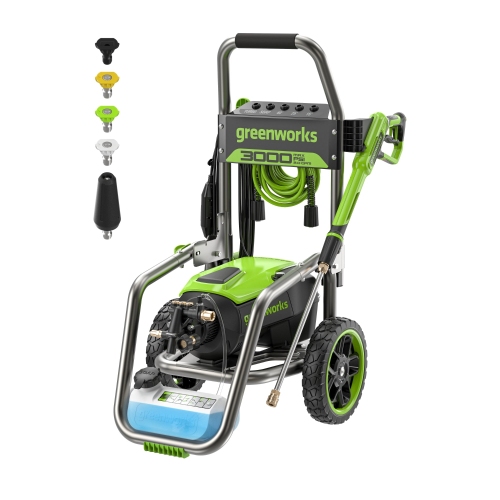 Your price for this item is $699.99
-
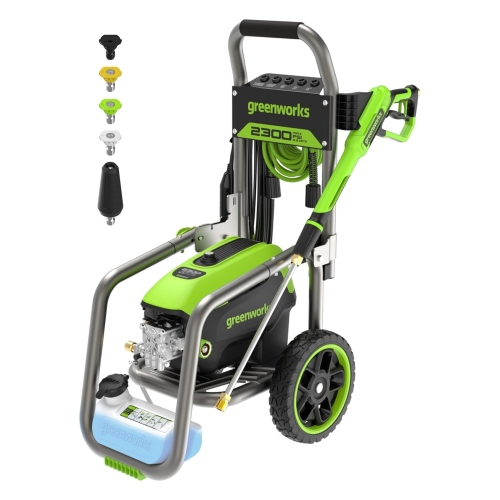 Your price for this item is $569.99
-
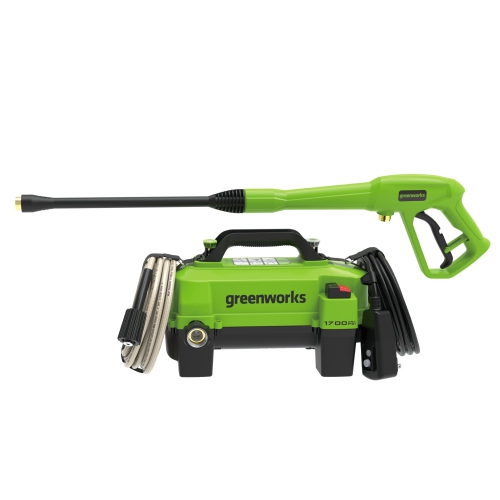 Your price for this item is $179.99
-
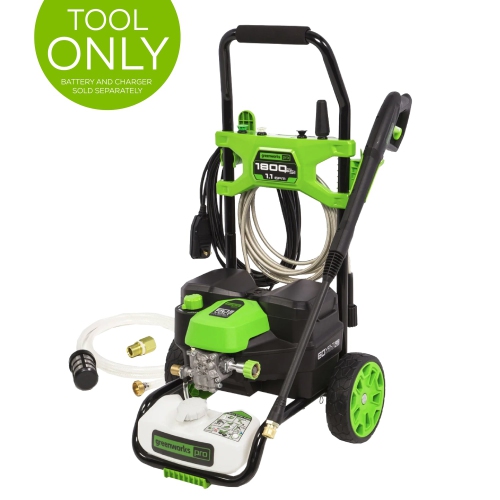 Your price for this item is $339.99
-
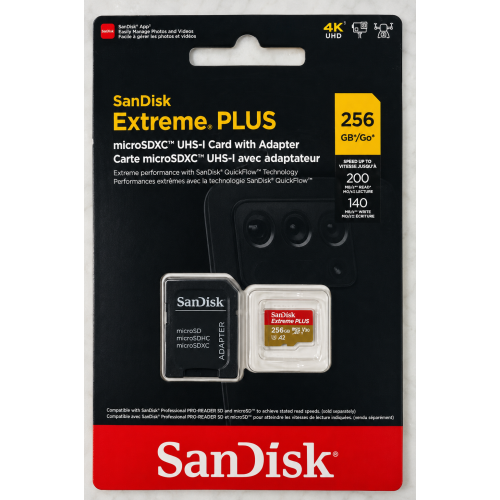 Your price for this item is $104.99
-
 Your price for this item is $807.5
-
 Your price for this item is $86.99
-
 Your price for this item is $289.99
Discover more categories related to Hydrating Masks for Combination Skin

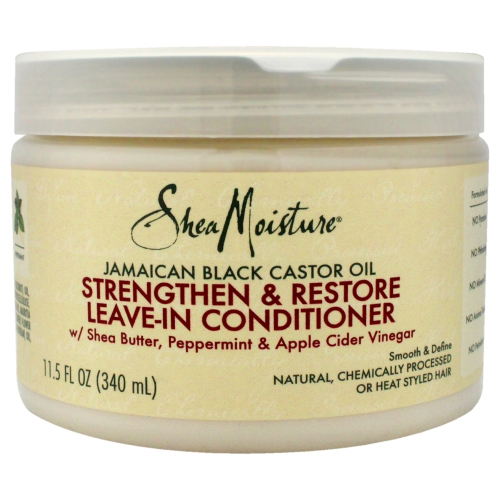
Top Collections:
Pokemon Centers, Best Cameras for Sports Photography, Kindle Devices, Samsung Galaxy Phones, Canon G7X Cameras, Pokémon 30th Celebration Cards, Refurbished Apple Laptops, iPhone 15 Apple, Laptops for Students, Budget Smartphones
Some products may be subject to Environmental Handling Fees
(EHF) depending on your province.
Learn more about EHFs.