Makeup for Flawless Skin
Makeup for Flawless Skin transforms your daily routine, helping you achieve a smooth, radiant look with ease. Whether you're preparing for a special occasion or perfecting your everyday style, discover a wide selection of options designed to enhance your natural beauty and boost your confidence. From lightweight formulas to versatile shades, find everything you need to create a seamless finish and enjoy a polished appearance every time you step out the door.
Sort

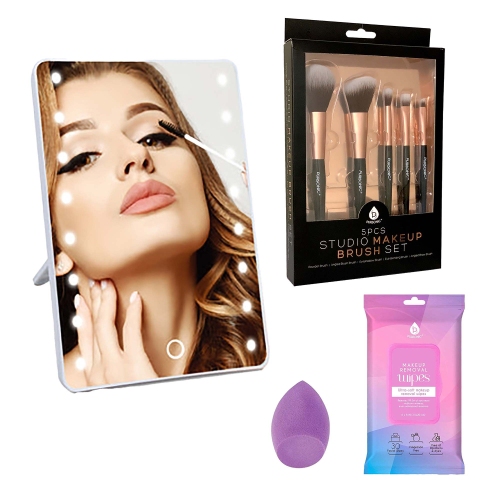
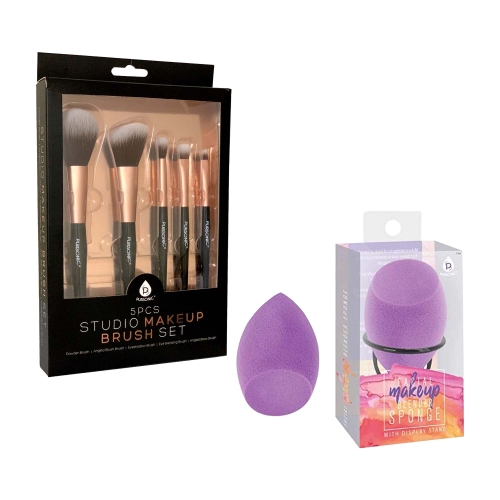
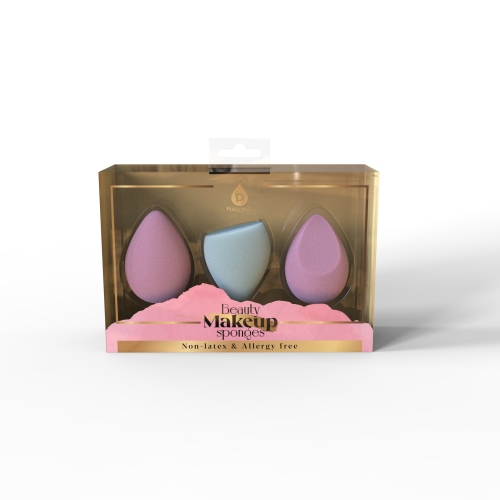
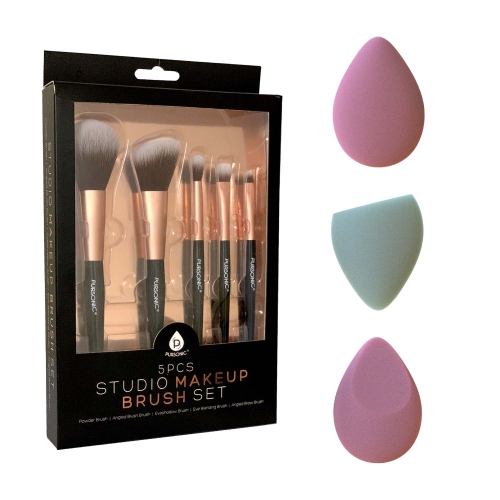
Why natural-looking coverage starts with lighter layers
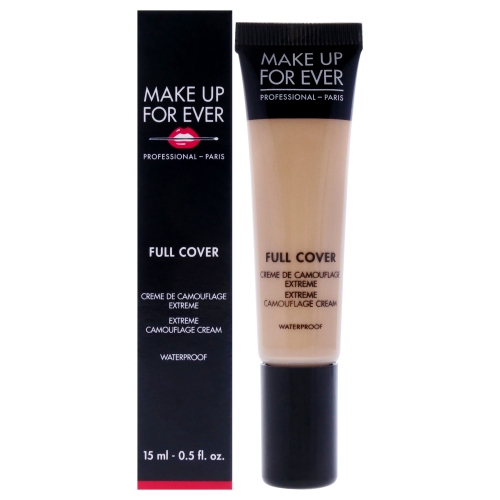
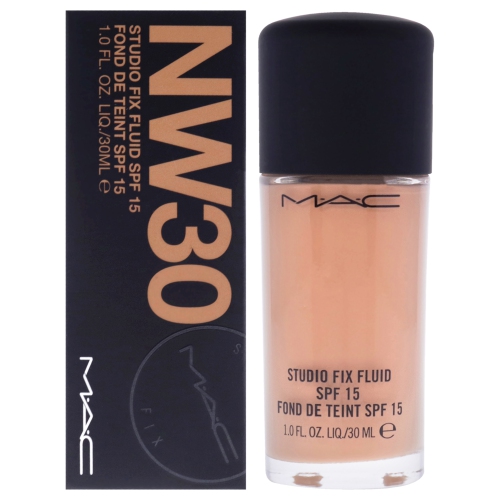
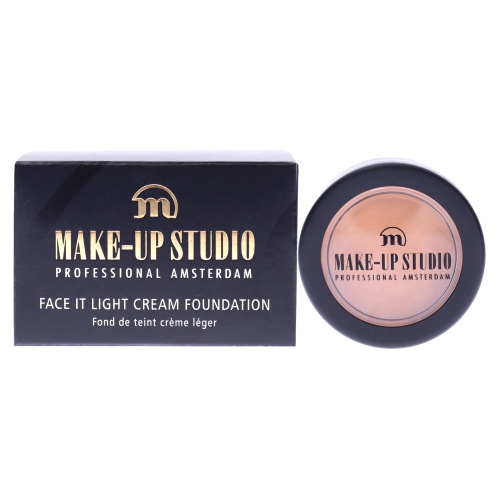
Makeup for flawless skin is about creating an even-looking finish while allowing the face to retain its natural character. Foundation, concealer, primer, and setting products serve different purposes within that look: foundation balances the overall appearance of skin tone, concealer adds targeted coverage, primer can help smooth the appearance of texture, and setting products help support wear. The most convincing result is not necessarily the fullest coverage. A sheer base with a little extra coverage around the nose or over a blemish can look more natural than an opaque layer across the entire face. Lightweight, buildable formulas offer that flexibility, whether the intended look is barely noticeable makeup for everyday wear or a more polished finish for photographs and special occasions. Sheer coverage lets freckles and natural colour show through, medium coverage softens visible unevenness, and fuller coverage provides more opacity where desired. Finish is a separate consideration from coverage. Matte makeup reduces the appearance of shine, satin finishes offer a soft balance between matte and radiant, and luminous formulas reflect light for a fresh-looking effect. None of these finishes removes pores or fine lines, and normal skin texture remains visible even beneath carefully applied makeup. Shade fit matters just as much as the formula: depth describes how light or deep a shade is, while undertone refers to its underlying warm, cool, neutral, or olive character. A shade that blends visually between the jaw and neck is often more harmonious than one chosen from the hand alone. Checking a shade in natural light and allowing it to settle helps reveal whether it still looks balanced after drying down. For anyone whose main concern is visible redness, dark spots, or patches of discolouration, Makeup for Uneven Skin Tone offers a closely related focus. Targeted colour correction can reduce how much foundation is needed, although the appropriate corrector shade depends on both the discolouration and the depth of the complexion.
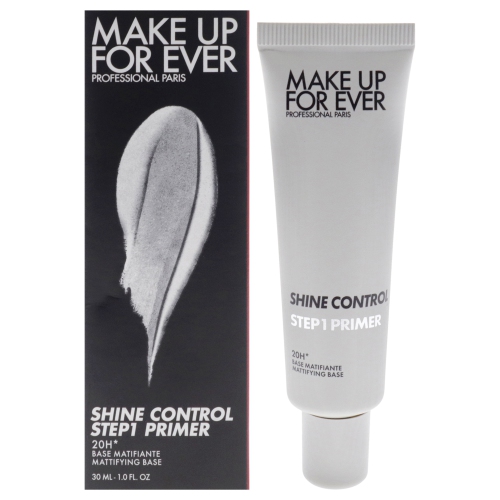
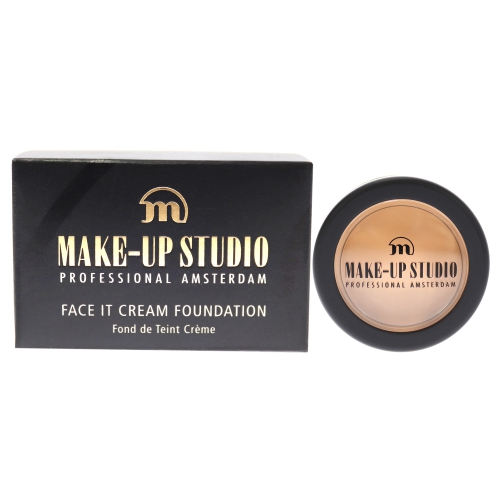
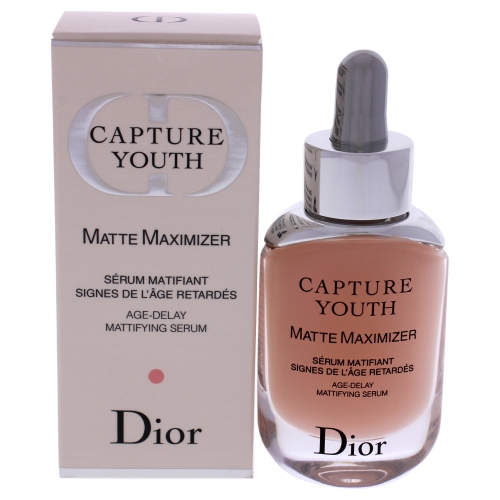
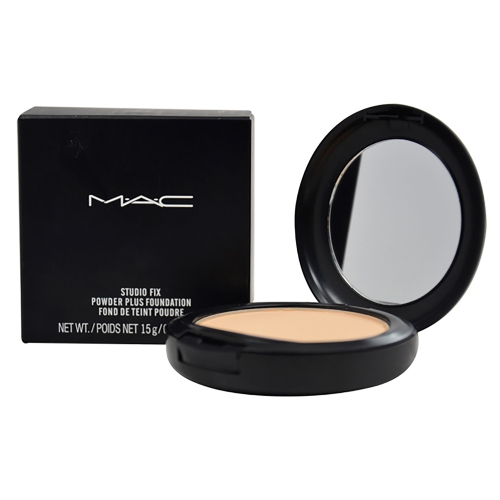
Texture, ingredients, and comfort help determine how well complexion makeup fits an individual routine. Liquid foundations range from thin, fluid textures to richer creams, while powder formulas can offer convenient coverage and shine control without the feel of a liquid base. Cream formats often allow precise placement, making them useful for smaller areas as well as fuller-face application. Skin that feels dry may suit a more emollient formula, particularly when a flat matte finish makes dry patches look more noticeable. Skin prone to excess shine may favour a lightweight matte or soft-matte base with powder concentrated through the forehead, nose, and chin. Combination skin can benefit from different finishes in different areas rather than the same amount of product everywhere. Ingredient lists provide useful context: humectants such as glycerin attract water, emollients help soften the feel of a formula, and silicones can contribute slip and a smoother-looking surface. The complete formulation matters more than any single ingredient, especially when makeup is layered over skin care. A comfortable, hydrated surface generally helps makeup spread more evenly, but excess moisturiser or several thick layers can interfere with how a base settles. Allowing skin care to absorb before applying makeup can help reduce slipping or patchiness. Primers also vary in purpose, from smoothing formulas that soften the look of visible pores to gripping textures designed to help a base adhere. Neither type is essential for everyone; the useful choice is the one that addresses an actual wear concern. Concealer deserves its own texture consideration. A flexible formula may sit more comfortably beneath the eyes, where facial movement can emphasise creasing, while more concentrated coverage can suit an isolated mark. For a raised blemish, matching the surrounding skin tone usually looks less conspicuous than choosing a much lighter shade. Fragrance preferences and known sensitivities matter too. Labels such as non-comedogenic can be useful selection cues, but they do not guarantee that a formula will suit every person. Trying a small area first and following the label directions is particularly important for sensitive skin.
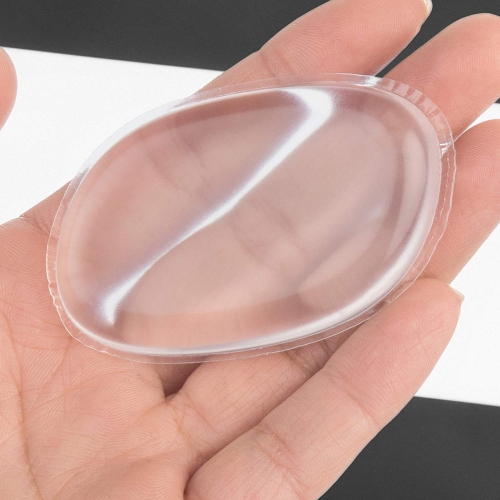
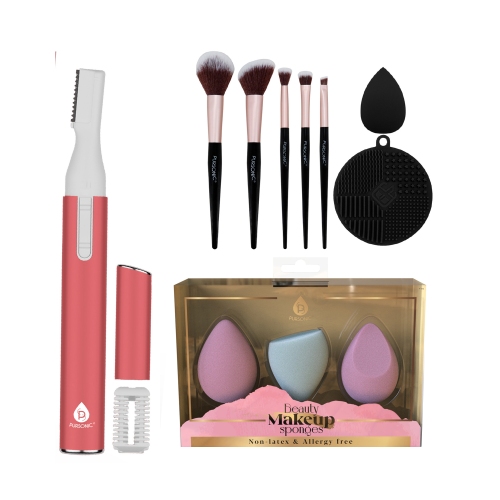
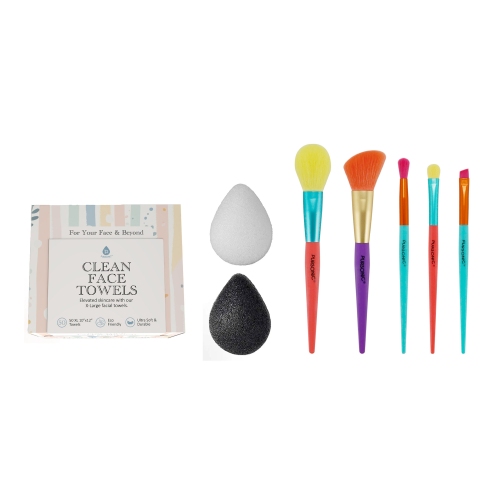
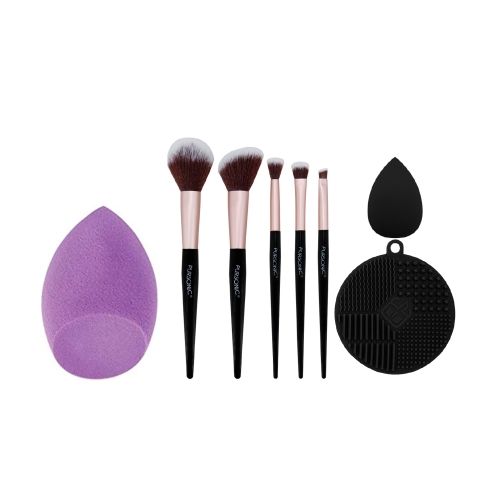
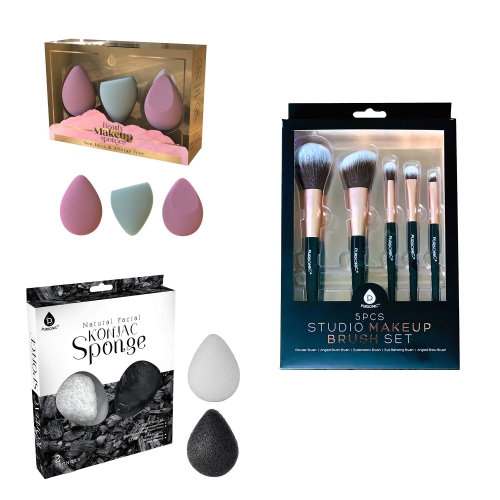
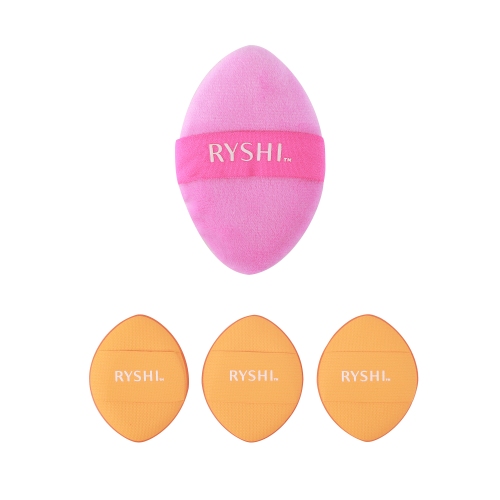
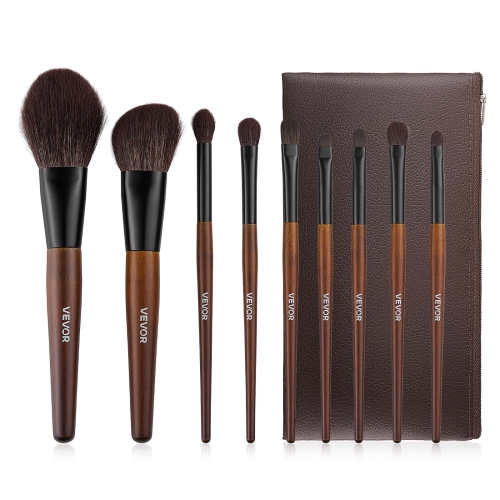
Application tools and finishing formulas influence the final appearance as much as coverage level. Soft, densely packed synthetic brush fibres can distribute liquids and creams with control, while a flexible makeup sponge can soften visible edges and lift away some excess. A damp sponge should be thoroughly squeezed out rather than dripping, and its use should follow the tool’s care directions. Smaller brushes make it easier to place concealer only where needed, while a soft powder brush offers a lighter dusting than a heavily loaded puff. These differences matter in familiar situations: someone who wants freckles to remain visible may prefer a thin base blended with a sponge, while someone preparing for a long celebration may value controlled brush application and targeted setting. Light layers generally provide more control than one heavy coat, and pressing or tapping over a concealed area is less likely to disturb coverage than repeated rubbing. Setting powder can reduce shine and help limit movement, especially where glasses rest or makeup tends to crease. More powder is not always more durable; excess can collect around fine lines or leave the face looking dry. Even a powder labelled translucent may show differently across skin tones, so its appearance over the chosen base matters. Setting sprays vary as well, with some intended to soften a powdery finish and others formulated to support longer wear. Wear-resistant or transfer-resistant claims describe intended performance rather than a promise that makeup will remain unchanged through every activity. Gentle blotting before a touch-up can keep added layers lighter and more even. Tool care also affects performance and longevity: brushes need regular cleaning with an appropriate cleanser and thorough drying, while sponges should dry fully between uses and be replaced when damaged or no longer clean well. Closed containers, clean hands, and attention to expiry or period-after-opening symbols help keep a routine well maintained. For gifting, complexion shades require a close match, making familiar formulas or application tools more practical than guessing at foundation colour. Whether makeup is part of a simple daily routine or reserved for dressed-up occasions, the best fit balances comfortable wear, suitable coverage, and a finish that still looks like skin.
Texture, ingredients, and comfort help determine how well complexion makeup fits an individual routine. Liquid foundations range from thin, fluid textures to richer creams, while powder formulas can offer convenient coverage and shine control without the feel of a liquid base. Cream formats often allow precise placement, making them useful for smaller areas as well as fuller-face application. Skin that feels dry may suit a more emollient formula, particularly when a flat matte finish makes dry patches look more noticeable. Skin prone to excess shine may favour a lightweight matte or soft-matte base with powder concentrated through the forehead, nose, and chin. Combination skin can benefit from different finishes in different areas rather than the same amount of product everywhere. Ingredient lists provide useful context: humectants such as glycerin attract water, emollients help soften the feel of a formula, and silicones can contribute slip and a smoother-looking surface. The complete formulation matters more than any single ingredient, especially when makeup is layered over skin care. A comfortable, hydrated surface generally helps makeup spread more evenly, but excess moisturiser or several thick layers can interfere with how a base settles. Allowing skin care to absorb before applying makeup can help reduce slipping or patchiness. Primers also vary in purpose, from smoothing formulas that soften the look of visible pores to gripping textures designed to help a base adhere. Neither type is essential for everyone; the useful choice is the one that addresses an actual wear concern. Concealer deserves its own texture consideration. A flexible formula may sit more comfortably beneath the eyes, where facial movement can emphasise creasing, while more concentrated coverage can suit an isolated mark. For a raised blemish, matching the surrounding skin tone usually looks less conspicuous than choosing a much lighter shade. Fragrance preferences and known sensitivities matter too. Labels such as non-comedogenic can be useful selection cues, but they do not guarantee that a formula will suit every person. Trying a small area first and following the label directions is particularly important for sensitive skin.
Application tools and finishing formulas influence the final appearance as much as coverage level. Soft, densely packed synthetic brush fibres can distribute liquids and creams with control, while a flexible makeup sponge can soften visible edges and lift away some excess. A damp sponge should be thoroughly squeezed out rather than dripping, and its use should follow the tool’s care directions. Smaller brushes make it easier to place concealer only where needed, while a soft powder brush offers a lighter dusting than a heavily loaded puff. These differences matter in familiar situations: someone who wants freckles to remain visible may prefer a thin base blended with a sponge, while someone preparing for a long celebration may value controlled brush application and targeted setting. Light layers generally provide more control than one heavy coat, and pressing or tapping over a concealed area is less likely to disturb coverage than repeated rubbing. Setting powder can reduce shine and help limit movement, especially where glasses rest or makeup tends to crease. More powder is not always more durable; excess can collect around fine lines or leave the face looking dry. Even a powder labelled translucent may show differently across skin tones, so its appearance over the chosen base matters. Setting sprays vary as well, with some intended to soften a powdery finish and others formulated to support longer wear. Wear-resistant or transfer-resistant claims describe intended performance rather than a promise that makeup will remain unchanged through every activity. Gentle blotting before a touch-up can keep added layers lighter and more even. Tool care also affects performance and longevity: brushes need regular cleaning with an appropriate cleanser and thorough drying, while sponges should dry fully between uses and be replaced when damaged or no longer clean well. Closed containers, clean hands, and attention to expiry or period-after-opening symbols help keep a routine well maintained. For gifting, complexion shades require a close match, making familiar formulas or application tools more practical than guessing at foundation colour. Whether makeup is part of a simple daily routine or reserved for dressed-up occasions, the best fit balances comfortable wear, suitable coverage, and a finish that still looks like skin.
Top selling and popular products
-
 Your price for this item is $32.68
 -
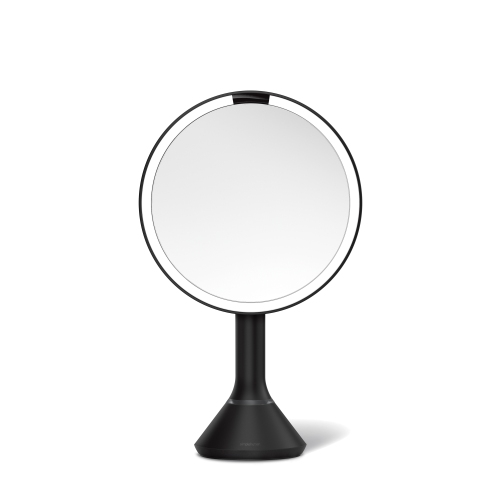 Your price for this item is $270
 -
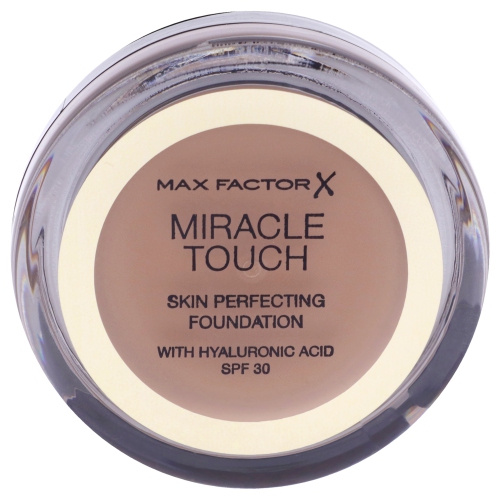 Your price for this item is $14.53
 -
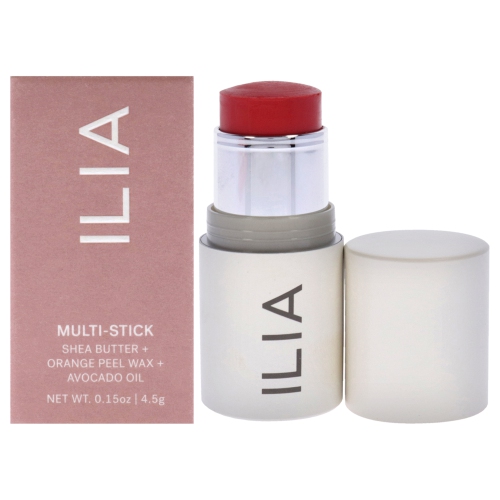 Your price for this item is $43.6
 -
![UNIVERSAL STUDIOS Justice League Dark: Apokolips War Mfv [Uhd]](https://multimedia.bbycastatic.ca/multimedia/products/500x500/182/18208/18208895.jpeg) Your price for this item is $41.92
Your price for this item is $41.92 -
 Your price for this item is $33.57
 -
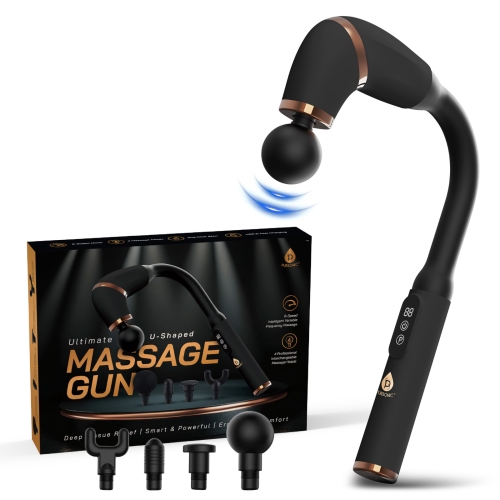 Your price for this item is $68.99
 -
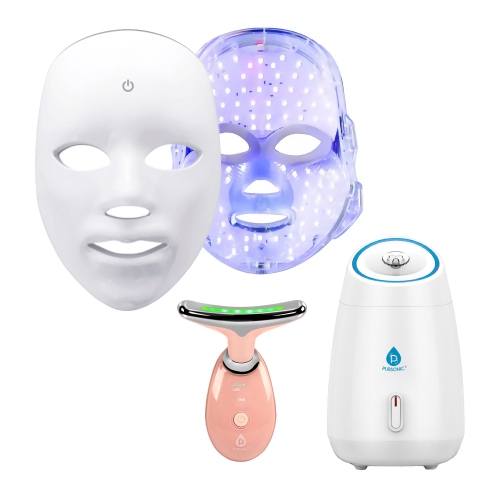 Your price for this item is $157.99
Discover more categories related to Makeup for Flawless Skin
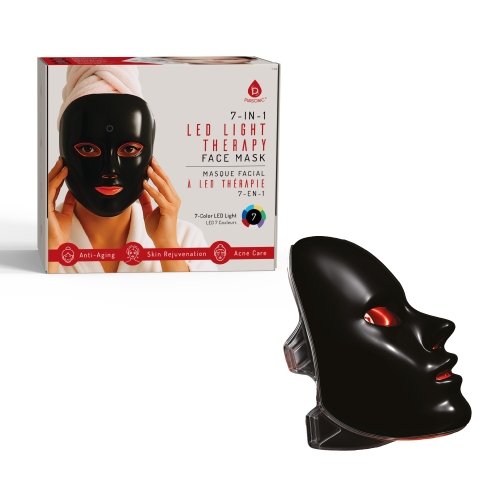
Top Collections:
Pokemon Centers, Kindle Devices, Best Budget Office Chairs, Apple iPhones 16, Best Laptops for Writers, iPhone 15 Apple, Canon G7X Cameras, Refurbished Apple Laptops, Alarm Clock, Motorola Razr Phones
Some products may be subject to Environmental Handling Fees
(EHF) depending on your province.
Learn more about EHFs.